

You've just been diagnosed with Noonan syndrome, or your child has been. Your mind is probably spinning with questions: What does this mean for daily life? Will it affect school or work? How do you build confidence when your body feels different from everyone else's? These are real concerns, and the good news is that thousands of people with Noonan syndrome are managing their condition and living fulfilling lives. They're going to school, starting careers, building relationships, and doing the things that matter to them.
This article describes what living with Noonan syndrome looks like beyond the medical appointments. We'll explore how to navigate the physical challenges, manage emotions, build genuine confidence, and connect with a community that truly understands what you're experiencing.
What is Noonan syndrome?
Noonan syndrome is a genetic condition that affects how your body grows and develops. It's caused by a change in one of several genes that control cell communication in the body. Think of it like a traffic signal in your cells that stays "on" a bit longer than it should, affecting growth patterns throughout your body.
Noonan syndrome is far more common than most people realise. Approximately 1 in 1,000 to 1 in 2,500 babies are born with it, making it one of the most common genetic conditions affecting growth and development. In a typical secondary school with 500 students, an estimated one student would have Noonan syndrome. This means you're not alone; not by a long shot.
The condition affects multiple body systems. People with Noonan syndrome typically experience short stature, distinctive facial features (including a broad or webbed neck, triangular face shape, widely spaced eyes, and low-set ears), heart concerns, and sometimes developmental differences. However, Noonan syndrome varies enormously from person to person. Your experience might look completely different from someone else's.
How is Noonan syndrome inherited?
Most people with Noonan syndrome (50–84% of cases) inherit the condition from a spontaneous genetic change that was not inherited from either parent. This means if you have Noonan syndrome, it's not because anyone "did something wrong" during pregnancy. It simply occurred as a natural genetic variation.
If Noonan syndrome does run in your family, there's a 50% chance you or your children might inherit it. Genetic counselling can help you understand your specific situation and plan for future children if relevant.
The Physical Reality: Living with Noonan syndrome
Heart Health and Cardiac Monitoring
The most significant medical aspect of Noonan syndrome is cardiovascular health. Eighty to 90% of people with Noonan syndrome have some form of heart involvement. The most common issues are pulmonary stenosis (narrowing of the pulmonary valve, affecting 60–70% of people) and hypertrophic cardiomyopathy or HCM (thickening of the heart muscle, affecting 20–30%).
Although these statistics can sound concerning, regular heart monitoring can help identify and manage these issues effectively. Most people undergo regular echocardiograms (ultrasound of the heart) and ECGs (tests that record the heart’s electrical activity). For pulmonary stenosis, balloon valvuloplasty (a minimally invasive procedure) is the first-line treatment, with good outcomes.
For those with HCM, modern treatment is genuinely life-changing. High-dose beta-blocker therapy dramatically improves outcomes. Research shows that patients on high-dose beta-blockers have 100% ten-year survival rates, compared to 65% without this treatment. This is one of the most significant medical advances for Noonan syndrome.
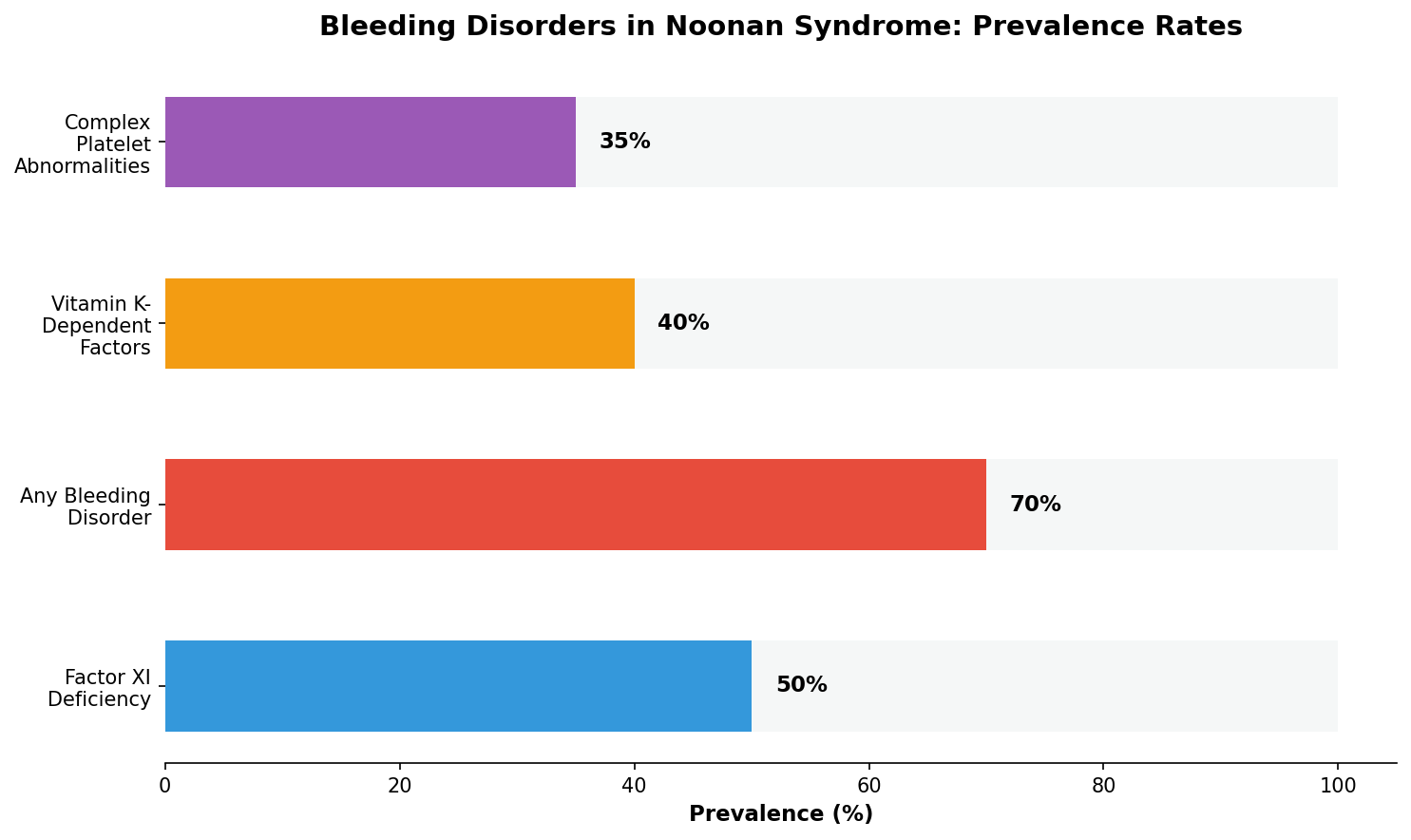 Figure 1: The most common heart complications. Due to advances in modern medicine, most people with Noonan syndrome have manageable cardiac conditions.
In practice, you may see a cardiologist regularly, take heart medications, and undergo imaging. But millions of people manage these same conditions and live full, active lives. The key is staying consistent with monitoring and treatment.
Short Stature
People with Noonan syndrome typically have short stature, which is one of the defining features of the condition. This isn't something you "catch" or "get over"; it's part of how your body grows.
Growth hormone therapy can improve final height, moving children from moderately short toward the mildly short range, which makes a meaningful difference in how they feel about themselves and how others perceive them. Research shows that 70.8% of children treated with growth hormone achieved near-normal adult height.
But here's something important: being shorter than average doesn't need to define your life or limit your opportunities. Many people with short stature find that confidence, rather than height, plays a greater role in how far they go.
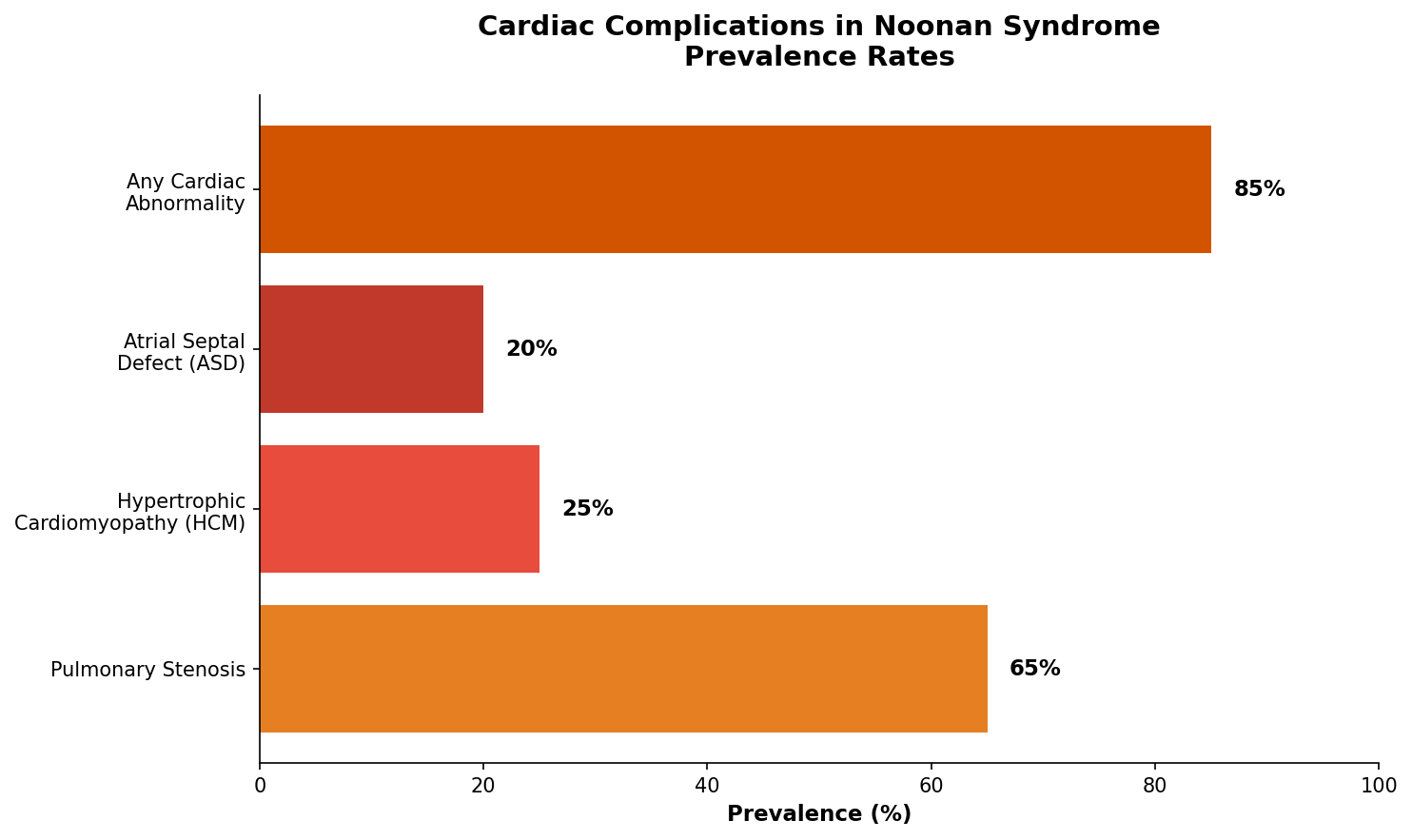 Figure 2: Growth hormone therapy effectiveness. Early treatment and consistent therapy produce the best height outcomes.
Intellectual Development and Learning
Another common concern is cognitive development. Research shows wide variation: 80% of people with Noonan syndrome have normal or near-normal intelligence, though 20–25% may experience intellectual disability.
Even more encouraging is how development improves over time. Children with Noonan syndrome may experience developmental delays during childhood, but many developmental skills significantly improve by adulthood. Language skills, attention, and executive functioning typically develop with age. This means many children with Noonan syndrome "outgrow" early childhood concerns.
If you do experience learning differences, you're not alone, and support is available. Many people benefit from speech therapy, educational support services, and behavioral strategies. These interventions work—and modern approaches are more effective than ever.
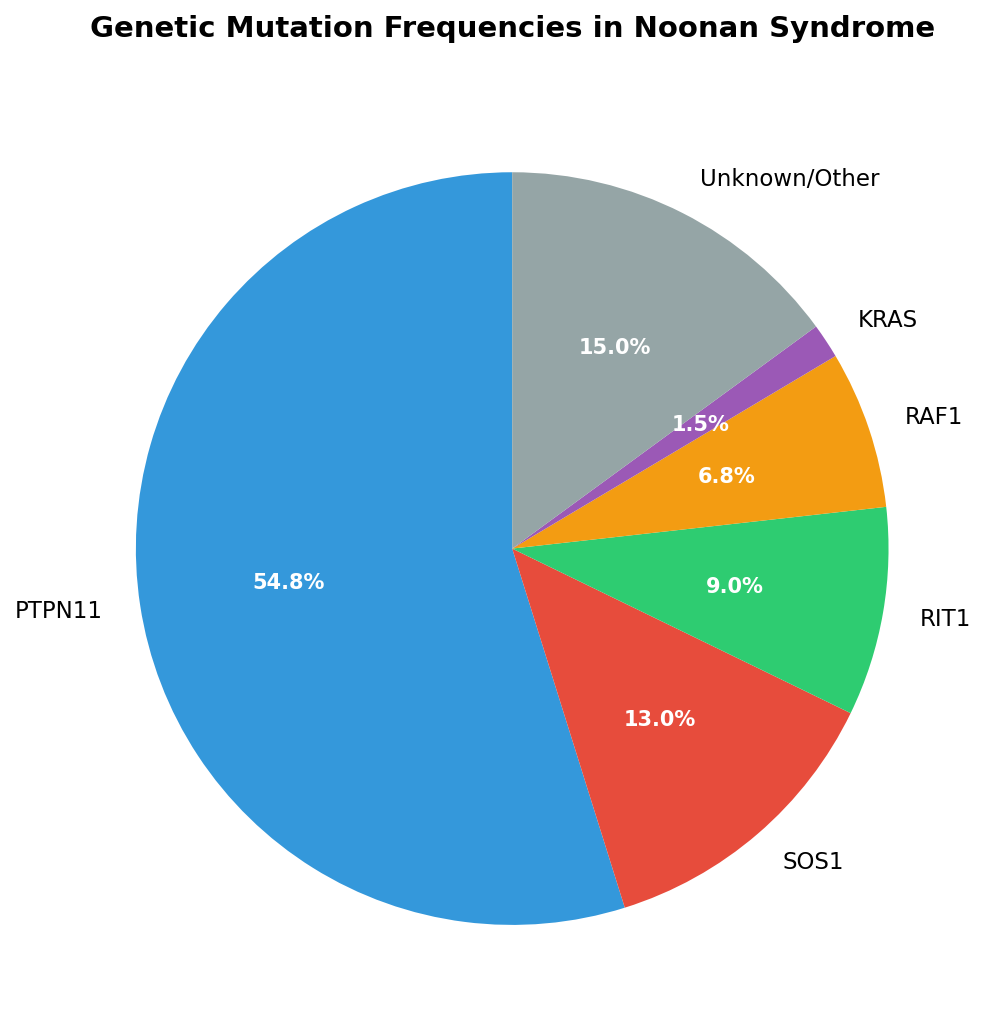 Figure 3: How intelligence varies across the Noonan syndrome population; most have an average IQ.
Other Physical Considerations
Noonan syndrome can affect other systems too. Roughly 50–89% of people have bleeding tendency due to clotting factor deficiencies. This doesn't mean uncontrolled bleeding—it means you should inform healthcare providers before surgery or dental procedures. Feeding difficulties occur in more than 50% of infants, but the good news is that major improvement happens between ages 1–2, with most feeding issues resolving by age 2.
Hearing and vision problems can occur and are easily managed with hearing aids or glasses. Thyroid function should be checked regularly. These aren't hidden catastrophes—they're manageable medical considerations.
The Emotional Reality: What Living with Noonan syndrome Actually Feels Like
Understanding Your Own Experience
Most adults with Noonan syndrome report a good quality of life. That might surprise you if you're struggling right now. Quality of life isn't automatic—it's built through understanding yourself, developing coping strategies, and finding support.
But the emotional landscape is real. Research shows that people with Noonan syndrome experience higher rates of anxiety and difficulty with social confidence than the general population. This isn't weakness or failure. It's a recognised pattern that comes with the condition.
Social Confidence and Emotional Recognition
Many people with Noonan syndrome struggle with alexithymia, which can make it difficult to identify and express their own emotions, as well as interpret other people's emotional cues. This can make social situations feel confusing or draining. You might find yourself uncertain about what people mean, or struggling to explain your own feelings.
This is neurological, not a personal failing. Your brain is wired differently, not wrongly. Understanding this helps. When you know that emotional recognition is harder for you, you can develop strategies: asking clarifying questions when you're unsure, journaling to process your feelings, spending time with people who are explicit and clear in their communication.
Anxiety and Mood
Higher rates of anxiety and depression appear in both children and adults with Noonan syndrome. Again, this isn't weakness—it's a documented pattern. It means that if you experience anxiety, you're experiencing something that many others with Noonan syndrome also manage.
What helps? Professional support (therapy really works), physical activity, connection with others who understand, and when appropriate, medication. These aren't signs that something is wrong with you; they're tools that address a real neurological tendency.
Coping Strategies That Actually Work
Medical Management as a Foundation
The first layer of coping is consistent medical management. This sounds obvious, but it matters: taking medications as prescribed, attending appointments, being honest with your healthcare team about your challenges. When your medical health is stable, everything else becomes easier.
Build a healthcare team you trust. This might include a cardiologist, geneticist, growth specialist, hearing/vision specialist, and primary care provider. Good medical management isn't oppressive—it's protective.
Practical Strategies for Daily Life
For academic or work challenges: If you experienced learning delays as a child, remember that your abilities as an adult may differ from the difficulties you experienced as a child. Many people who struggled at school go on to succeed in their careers. Structure your environment: use calendars, checklists, and written instructions. Break complex tasks into smaller steps. Ask for clarification when you're unsure.
For social challenges: Be explicit about your needs. "I find it easier to understand people when they're direct about what they mean" is a perfectly reasonable thing to say. Spend time with people who are patient and communicative. Quality over quantity with friendships matters more than you might think.
For appearance concerns: Distinctive facial features and short stature can feel isolating when you're young. Remember that how you feel about yourself changes over time. Many people with Noonan syndrome report that what bothered them deeply at age 15 feels less significant at 25. This isn't denial—it's a genuine perspective shift.
For feeding or digestive issues: Work with speech and occupational therapists if needed. These professionals have real strategies that work. Focus on what you can eat comfortably, rather than fighting with foods that are difficult.
Physical Activity and Exercise
Comprehensive cardiopulmonary rehabilitation programmes can improve clinical outcomes in people with Noonan syndrome and cardiac conditions. This might sound intimidating, but it means that appropriate exercise—done with medical guidance—actually helps your heart function better.
Physical activity also helps mood, builds confidence, and provides a sense of control. Find something you actually enjoy, not punishment-exercise. Walking, swimming, cycling, dancing—whatever feels good to your body and fits your cardiac tolerance. Movement matters for both mind and body.
Building Genuine Confidence
What Confidence Actually Is
Confidence isn't "not being scared" or "always knowing what to do." Real confidence is knowing that you can handle hard things, even when you're uncertain. It's trying something, potentially failing, and surviving that failure.
For someone with Noonan syndrome, building confidence means:
- Proving to yourself that you can manage medical procedures and outcomes
- Taking social risks and discovering that rejection doesn't destroy you
- Attempting academic or professional goals and learning from both success and failure
- Speaking up about your needs and finding people who respect them
Developing Your Story
Many people with Noonan syndrome find power in moving from "something happened to me" to "here's how I've adapted to this." This isn't about pretending Noonan syndrome is fine or inspirational. It's about accepting Noonan syndrome as one part of your identity without allowing it to define your entire life.
Your diagnosis is part of your story, not the entire story. You're also interested in things, skilled at things, funny, creative, reliable, or thoughtful. Noonan syndrome is one aspect of who you are—significant, but not all-consuming.
Resilience Building
Resilience is learned, not inherited. Every time you attend an appointment despite anxiety, try something socially difficult, persist through a challenge, or ask for help when you need it—you're building resilience. You're literally training your brain to handle adversity.
This happens slowly and incrementally, not through dramatic moments. Small acts of courage compound over time into genuine confidence.
Community and Support: You're Not Alone
The Noonan syndrome Support Group
One of the most valuable resources available is the Noonan syndrome Support Group (NSSG), an organisation specifically dedicated to helping people with Noonan syndrome and their families. This community is recommended as part of comprehensive care.
Why does community matter? Because nobody understands what you're experiencing like someone else living it. They understand why you get frustrated at doctors who haven't heard of Noonan syndrome. They know what feeding difficulties can feel like. They remember thinking their facial features made them undateable, and they can tell you what happened next.
Multidisciplinary Care Coordination
Current best practices recommend a coordinated healthcare team: geneticist, cardiologist, growth specialist, developmental specialist, and primary care provider. This seems logistically complex, but it's worth it. When your team communicates, you don't repeat information, you get consistent advice, and gaps get filled.
If your current care isn't coordinated, ask for it. Say: "I'd like my doctors to communicate so I'm not getting conflicting advice." Healthcare teams respond to clear requests.
Family Support
If you're a parent of someone with Noonan syndrome, you're navigating significant stress. Research shows that 35.4% of parents have elevated parenting stress. That means more than one-third of Noonan syndrome parents are struggling. You're not failing—you're managing genuine complexity.
Family counseling, parenting support groups, and connecting with other parents makes a real difference. Your stress affects your child, so taking care of your mental health isn't selfish—it's protective parenting.
If you're an adult with Noonan syndrome, family relationships might be complicated. Some family members will be understanding; others might minimise your challenges. You get to choose whom you let close and what support you accept.
Specialised Support Services
Evidence-based interventions exist for specific challenges:
- Social cognitive training helps improve emotional recognition and social understanding
- Speech and occupational therapy addresses feeding, motor skills, and daily functioning
- Educational support through school services addresses learning differences
- Cardiac rehabilitation improves exercise capacity and confidence in physical activity
- Psychological counselling addresses anxiety, depression, and social challenges
These aren't optional add-ons. They're tools that dramatically improve quality of life. Use them.
The Bigger Picture: What to Expect and What's Possible
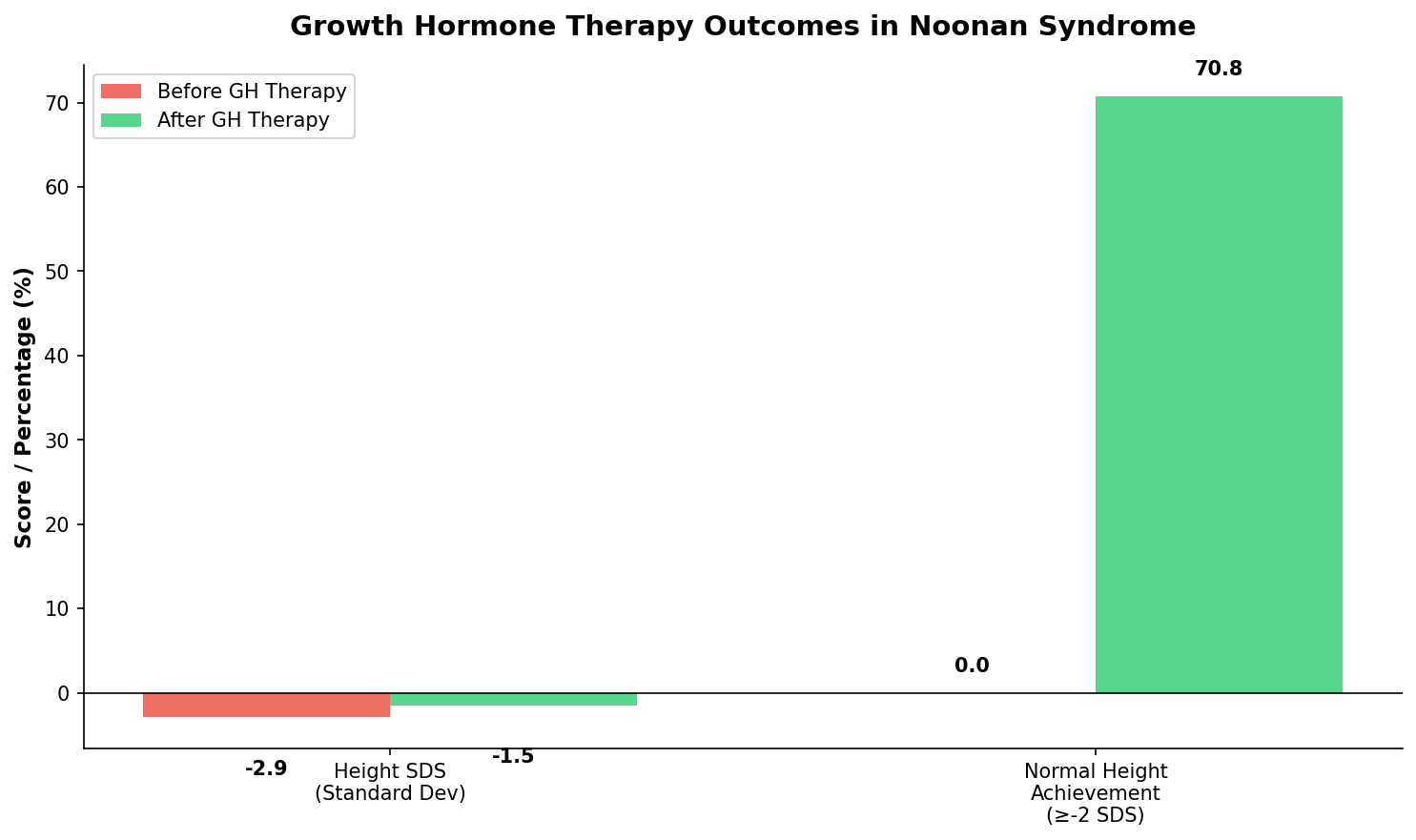 Figure 4: Long-term survival rates have improved dramatically. Most people with Noonan syndrome now reach adulthood.
Life Expectancy
Let's address the question everyone asks: What's my life expectancy? The research is encouraging. If you don't have severe cardiac complications, life expectancy is normal. Even with cardiac issues, modern treatment significantly improves outcomes.
Early mortality is real—0–5.4% of children with Noonan syndrome die before age 1, and 2% between ages 1–5. But these statistics are driven by severe cardiac complications that are now more treatable than ever. People with Noonan syndrome who reach adulthood generally have a good life expectancy, particularly with consistent medical management.
Education and Career
Educational attainment is lower in Noonan syndrome populations than in the general population, but this is changing. Recent longitudinal cohorts show improved educational trajectories compared to historical data. Fewer developmental delays in childhood mean better preparation for school and work.
Are careers possible? Absolutely. Some people will need educational support or accommodations. Some will excel academically. Many will work in fields they love. What matters is finding what you're good at and building your future around that, not around limitations.
Relationships and Partnership
Social challenges and differences in appearance can make dating and relationships feel complicated. Research shows lower partnership rates in Noonan syndrome populations. But this doesn't mean partnership is impossible—it means you might need to be more intentional about finding people who appreciate you.
You might need to disclose Noonan syndrome to partners. You can decide when and how to do that. You might feel more comfortable with people who are also neurodivergent or disabled. You might find that your people are people who value substance over appearance.
Many people with Noonan syndrome have partners, marriages, and families. It's not automatic, but it's possible.
Living Your Values
Beyond career and partnership, what matters is building a life aligned with your values. Most adults report good quality of life, and the difference between people who report good quality of life and those who don't often comes down to whether they're living in a way that feels meaningful to them.
What matters to you? Family relationships? Creative expression? Making a difference? Physical activity? Intellectual pursuits? Building community? You get to decide what a good life looks like for you—not what Noonan syndrome dictates, not what other people expect, but what feels genuinely good to you.
Practical Next Steps
If you've just been diagnosed:
- Schedule appointments with a geneticist, cardiologist, and endocrinologist (growth specialist)
- Join the Noonan syndrome Support Group
- Request that your healthcare team communicate and coordinate
- Ask about genetic counseling, especially if you're planning to have children
If you're struggling emotionally:
- Find a therapist experienced with chronic illness or genetic conditions
- Connect with others through support groups (online or in-person)
- Talk to your doctor about anxiety or depression; treatment helps
- Consider social cognitive training, if emotional recognition is difficult
If you're a parent:
- Connect with other Noonan syndrome parents through the support group
- Get family counseling if stress is high
- Educate your child's school about Noonan syndrome and their specific needs
- Remember that good parenting isn't preventing all struggle; it's preparing your child to handle it
If you're struggling with appearance or social confidence:
- Remind yourself that perspective shifts with age
- Spend time with people who value you
- Challenge negative self-talk when you notice it
- Consider working with a therapist on body image and social anxiety
If you're managing medical complexity well and want more:
- Consider sharing your story with others newly diagnosed
- Explore education and career possibilities without limiting yourself
- Build relationships and community
- Focus on what brings you joy and meaning
The Bottom Line
Noonan syndrome is a real medical condition that requires consistent care and attention. It comes with physical challenges, social differences, and emotional patterns that are documented and manageable. It also comes with resilience, community, and the possibility of a genuinely good life.
Most people with Noonan syndrome reach adulthood. Most report good quality of life. Many build careers, relationships, and communities. Not all of them had easy paths. Many struggled deeply along the way. But they got through it, adapted, built confidence, and created lives worth living.
You can do that too. It starts with good medical care, realistic self-understanding, connection with people who get it, and the willingness to keep trying even when things are hard. That's not Noonan syndrome-specific wisdom—that's just wisdom about being human. And you're human, with or without this diagnosis.
Further Reading
Heart Health and Cardiac Management
- Cardiac Manifestations of Noonan syndrome - PubMed
- Cardiovascular Disease in Noonan syndrome - PubMed
- Natural History of Hypertrophic Cardiomyopathy in Noonan - PubMed
- Noonan syndrome Heart Health - Mayo Clinic
Growth Hormone Therapy
- Effectiveness of Growth Hormone Therapy in Children with Noonan syndrome - PubMed
- Long-Term Effectiveness and Safety of Growth Hormone Treatment - PubMed
- Growth Hormone Therapy Outcomes by Gene Type - PubMed
Cognitive Development and Learning
- Intellectual Development in Noonan syndrome - PubMed
- Neuropsychological and Behavioral Aspects - PubMed
- Cognitive Functioning in Adults with Noonan syndrome - PubMed
Emotional and Social Health
- Affective Functioning and Social Cognition in Noonan syndrome - PubMed
- Neuropsychiatric Phenotypes in Children with Noonan syndrome - PubMed
- Social Cognitive Training for Adults with Noonan syndrome - PubMed
- Personality and Psychopathology in Adults - PubMed Central
Parenting Support and Family Impact
- Parenting Stress in Caregivers with Noonan syndrome - PubMed
- Feeding Problems Impact on Family - PubMed
Bleeding Disorders and Coagulation
- Coagulation-Factor Deficiencies and Bleeding - PubMed
- Hemostatic Abnormalities in Noonan syndrome - PubMed
- Evaluation of Bleeding Disorders - PubMed
Medical Outcomes and Quality of Life
- Health and Quality of Life in Adults - PubMed
- Medical Complications and Educational Outcomes - PubMed
- Long-Term Follow-up Study of Natural History - PubMed
Genetic Information and Diagnosis
- Noonan syndrome - GeneReviews, NIH
- Noonan syndrome - StatPearls, NCBI Bookshelf
- Diagnosis Using Target Next Generation Sequencing - PubMed Central
Support and Community Resources
References/Helpful Resources
- National Institutes of Health. Noonan syndrome - GeneReviews [Internet]. [cited 2026 Jul 17]. Available from: https://www.ncbi.nlm.nih.gov/books/NBK1124/
- National Institutes of Health. Noonan syndrome - StatPearls [Internet]. [cited 2026 Jul 17]. Available from: https://www.ncbi.nlm.nih.gov/books/NBK532269/
- Roberts AE. Noonan syndrome. In: Adam MP, Bick S, Mirzaa GM, Pagon RA, Wallace SE, Amemiya A, editors. GeneReviews®, Seattle (WA): University of Washington, Seattle; 2001. Available from: https://www.ncbi.nlm.nih.gov/books/NBK1124/
- Pierpont ME, Digilio MC. Cardiovascular disease in Noonan syndrome. Current Opinion in Pediatrics. 2018;30(5):601–8. Available from: https://europepmc.org/article/MED/30024444 doi: 10.1097/mop.0000000000000669
- Razzaque MA, Nishizawa T, Komoike Y, Yagi H, Furutani M, Amo R, et al. Germline gain-of-function mutations in RAF1 cause Noonan syndrome. Nat Genet 2007;39:1013–17. Available from: https://www.nature.com/articles/ng2078 doi: 10.1038/ng2078
- Santoro M, Barisic I, Coi A, Tan J, Garne E, Loane M, et al. Health outcomes and drug utilisation in children with Noonan syndrome: a European cohort study. Orphanet J Rare Dis. 2025;20:76. Available from: https://link.springer.com/article/10.1186/s13023-025-03594-7 doi: 10.1186/s13023-025-03594-7
- Naylor PE, Bruno JL, Shrestha SB, Friedman M, Jo B, Reiss AL, et al. Neuropsychiatric phenotypes in children with Noonan syndrome. Develop Med Child Neuro. 2023;65:1520–9. Available from: https://onlinelibrary.wiley.com/doi/full/10.1111/dmcn.15627?msockid=302fd2a5ac9464610c8ac313ad746504 doi: 10.1111/dmcn.15627
- Noonan JA. Noonan syndrome and related disorders. Progress in Pediatric Cardiology. 2005;20(2):177–85. Available from: https://www.sciencedirect.com/science/article/pii/S1058981305000330 doi: 10.1016/j.ppedcard.2005.04.008
- Tartaglia M, Gelb BD. NOONAN syndrome AND RELATED DISORDERS: Genetics and Pathogenesis. Annu Rev Genom Hum Genet. 2005;6:45–68. Available from: https://www.annualreviews.org/content/journals/10.1146/annurev.genom.6.080604.162305 doi: 10.1146/annurev.genom.6.080604.162305
- Allanson JE. Objective studies of the face of Noonan, Cardio‐facio‐cutaneous, and Costello syndromes: A comparison of three disorders of the Ras/MAPK signaling pathway. Am J Med Genet Part A. 2016;170A:2570–7. Available from: https://onlinelibrary.wiley.com/doi/full/10.1002/ajmg.a.37736 doi: 10.1002/ajmg.a.37736
- Sznajer Y, Keren B, Baumann C, Pereira S, Alberti C, Elion J, et al. The Spectrum of Cardiac Anomalies in Noonan syndrome as a Result of Mutations in the PTPN11 Gene. Pediatrics. 2007;119(6):e1325–31. Available from: https://publications.aap.org/pediatrics/article-abstract/119/6/e1325/70624/The-Spectrum-of-Cardiac-Anomalies-in-Noonan doi: 10.1542/peds.2006-0211
- Osio D, Dahlgren J, Wikland KA, Westphal O. Improved final height with long‐term growth hormone treatment in Noonan syndrome. Acta Paediatrica. 2005;94:1232–7. Available from: https://onlinelibrary.wiley.com/doi/abs/10.1111/j.1651-2227.2005.tb02081.x doi: 10.1111/j.1651-2227.2005.tb02081.x
- Seok E mi, Park HK, Rho JG, Kum CD, Lee HS, Hwang JS. Effectiveness of growth hormone therapy in children with Noonan syndrome. Ann Pediatr Endocrinol Metab. 2020;25(3):182–6. Available from: https://synapse.koreamed.org/articles/1516085526 doi: 10.6065/apem.1938154.077
- Östman-Smith I, Wettrell G, Riesenfeld T. A cohort study of childhood hypertrophic cardiomyopathy: Improved survival following high-dose beta-adrenoceptor antagonist treatment. Journal of the American College of Cardiology. 1999;34(6):1813–22. Available from: https://www.sciencedirect.com/science/article/pii/S0735109799004210 doi: 10.1016/S0735-1097(99)00421-0
- Feidakis A, Nies R, Kural M, Pennig L, Winnerling N, Erger F et al. Therapeutic Response to Myosin Inhibitor Therapy in Noonan syndrome–Associated Obstructive Hypertrophic Cardiomyopathy. J Am Coll Cardiol Case Rep. 2026;31:106223. Available from: https://www.jacc.org/doi/abs/10.1016/j.jaccas.2025.106223 doi: 10.1016/j.jaccas.2025.106223
- Perri L, Viscogliosi G, Trevisan V, Brogna C, Chieffo DPR, Contaldo I, et al. Parenting Stress Index in Caregivers of Individuals With Noonan syndrome. American J of Med Genetics Pt B. 2025;198(2):e33009. Available from: https://onlinelibrary.wiley.com/doi/full/10.1002/ajmg.b.33009 doi: 10.1002/ajmg.b.33009
- Noonan JA. Noonan syndrome: An Update and Review for the Primary Pediatrician. Clin Pediatr (Phila). 1994;33(9):548–55. Available from: https://journals.sagepub.com/doi/abs/10.1177/000992289403300907 doi: 10.1177/000992289403300907
- Allanson JE, Hall JG, Hughes HE, Preus M, Witt RD, Opitz JM, et al. Noonan syndrome: The changing phenotype. Am J Med Genet. 1985;21(3):507–14. Available from: https://onlinelibrary.wiley.com/doi/abs/10.1002/ajmg.1320210313 doi: 10.1002/ajmg.1320210313
- Wingbermühle E, Egger JI, Verhoeven WM, van der Burgt I, Kessels RP. Affective functioning and social cognition in Noonan syndrome. Psychol Med. 2012;42(2):419–26. Available from: https://europepmc.org/article/MED/21740625 doi: 10.1017/s0033291711001115
- Stagi S, Cappa M, Gagliardi MG, Tartaglia M, Maghnie M. Multidisciplinary Treatment of Patients With Noonan syndrome: A Consensus Statement. JAMA Netw Open. 2025;8(10):e2537603. Available from: https://pubmed.ncbi.nlm.nih.gov/41091474/ doi: 10.1001/jamanetworkopen.2025.37603
