

Managing Atopic Dermatitis: What You Need to Know About Living Well With Eczema
You're not imagining it. If you or someone you love has been struggling with eczema (atopic dermatitis), you're part of a very large group. 16.5 million adults in the US alone have atopic dermatitis, making it roughly 1 in 20 American adults.1 That's not a rare condition; it's common enough that you've likely met multiple people managing it. What's more important: it's treatable, and you have more control over it than you might think.2
The frustration with atopic dermatitis isn't just physical itching and redness; it's the unpredictability. You might have clear skin for weeks, then suddenly a flare-up appears seemingly from nowhere. You're told to "just moisturise" by friends who've never experienced it, or you wonder if there's something you're doing wrong. There isn't. This is a real medical condition involving your immune system and skin barrier, not a hygiene problem or something you caused.
Here's what's changed in the last few years: we now understand atopic dermatitis far better, and we have more treatment options than ever before. Whether your eczema is mild, moderate, or severe, there are proven strategies that work, from everyday actions you can take immediately to medications that produce measurable improvement within weeks. This guide walks you through everything: why it happens, what triggers flare-ups, how to manage it daily, and what medical treatments actually work.
Why Atopic Dermatitis Happens: It's Not What You Think
Most people assume atopic dermatitis is simply "dry skin." That's like saying diabetes is just "high blood sugar." It misses the entire story.
Your skin has a protective barrier, the outermost layer called the stratum corneum. Think of it as a brick wall where skin cells are the bricks and natural oils are the mortar holding everything together. This barrier serves two critical jobs: it keeps water in (preventing dryness) and keeps irritants, bacteria, and allergens out.
In atopic dermatitis, this barrier is fundamentally damaged.1 The problem isn't simple; it involves three interacting factors working together.
Factor 1: Genetics Set Your Baseline Risk
Atopic dermatitis is 75% heritable, meaning genetics play a major role.1 If you have an identical twin with eczema, you have a very high likelihood of developing it. But here's the crucial part: the other 25% depends entirely on environment. This explains why some genetically predisposed people never develop eczema, and why others do.
The strongest genetic link involves a protein called filaggrin. About 20-30% of people with atopic dermatitis carry mutations in the filaggrin gene, compared to only 8-10% of people without eczema.1 Filaggrin acts like structural cement in your skin barrier. When it's deficient:
- Your skin's protective layers don't hold together properly
- Moisture escapes rapidly, causing dryness
- Irritants and bacteria penetrate more easily
- This barrier weakness triggers immune system activation
The important insight: you didn't cause your genetic predisposition. You inherited it. But you can still influence whether you develop severe disease through environmental management.
Factor 2: Your Immune System Overreacts
The hallmark of atopic dermatitis is an overactive Type 2 helper cell (Th2) immune response1. In simple terms, your immune system perceives minor irritants as major threats and mounts a disproportionately strong response.
In people without atopic dermatitis, when something irritates skin, the immune system produces a proportionate response, inflammation resolves, and skin returns to normal. In atopic dermatitis, the immune system floods affected skin with inflammatory chemicals called cytokines:
- IL-4 and IL-13: These drive inflammation AND specifically suppress the production of filaggrin and other barrier proteins
- IL-31: This particular cytokine is associated with intense itching
This creates a vicious cycle: weak barrier → immune activation → cytokine production → barrier becomes weaker → cycle intensifies.1
This cycle explains why moisturiser alone isn't always enough. Yes, moisturiser helps support the damaged barrier, but if the immune system is actively suppressing barrier protein production, you need to address both the barrier weakness and the immune overreaction. This is why treatments targeting the immune system (such as dupilumab, which blocks IL-4 and IL-13) can be so effective.2
Factor 3: Environmental Triggers Activate the Problem
Here's the most important thing to understand: environmental factors cause up to 90% of flare-ups.1 Yes, you can't change your genes, but you absolutely can modify your environment.
Common environmental triggers include:
Stress and emotions (70% of patients affected)1
- Psychological stress weakens your skin barrier
- Stress hormones suppress normal immune regulation
- Stress increases itching, leading to more scratching
- This is particularly significant for women (57% report stress as a trigger vs. 41% of men)
Chemical and physical irritants (up to 90% of patients affected)1
- Harsh soaps that strip natural skin oils
- Detergents and laundry chemicals
- Fragrances and dyes
- Synthetic fabrics that trap sweat and heat
- Air pollution and environmental chemicals
Allergens (80% of adults sensitised)1
- Dust mites are the most common
- Pollen, pet dander, and mould
- Some people also react to food allergens (though this decreases with age: 30% of children vs. only 10% of adults)
Staphylococcus aureus bacteria (90% of patients colonised)1
- This bacteria is present on the skin of 9 in 10 people with atopic dermatitis
- When bacterial colonies increase, flare-ups worsen
- The bacteria produces toxins that further weaken the skin barrier
Weather and seasonal changes1
- Cold, dry winter weather reduces skin hydration
- Heat and humidity increase sweating, which irritates skin
- Children often have more flare-ups in autumn and winter
- Adults more often flare in summer
- Spring brings increased pollen
Understanding your personal triggers is more important than generic advice. Not everyone has food triggers. Not everyone is allergic to dust mites. But if stress and irritants affect 70-90% of people with eczema, these are worth addressing for almost everyone.
Global Impact: You're Definitely Not Alone
The scale of atopic dermatitis is larger than many people realise. Globally, 204 million people have atopic dermatitis; roughly 1 in 38 people on Earth.1 This isn't a rare disease.
In the United States specifically, about 1 in 20 American adults (4.9%) have atopic dermatitis1, and about 1 in 25 American children (4%).1 Even more striking, 40% of affected American adults have moderate-to-severe disease1, meaning roughly 1 in 50 American adults have eczema serious enough to significantly impact their daily life.
Prevalence varies by region. The US rate (4.9%) is nearly double the global average (2.6%), reflecting differences in genetics, climate, and environment. In Europe, prevalence ranges from 2.2% in Germany to 8.1% in Italy.1 This regional variation suggests that climate, air quality, and possibly lifestyle factors influence disease severity.
One other pattern worth noting: women are 1.56 times more likely to have atopic dermatitis than men (8.9% vs. 5.7%).1 The reason for this sex difference isn't completely understood but may involve hormonal factors, immune system differences, or healthcare-seeking behaviour. If you're a woman with eczema, you're statistically more likely to encounter others with the same condition.
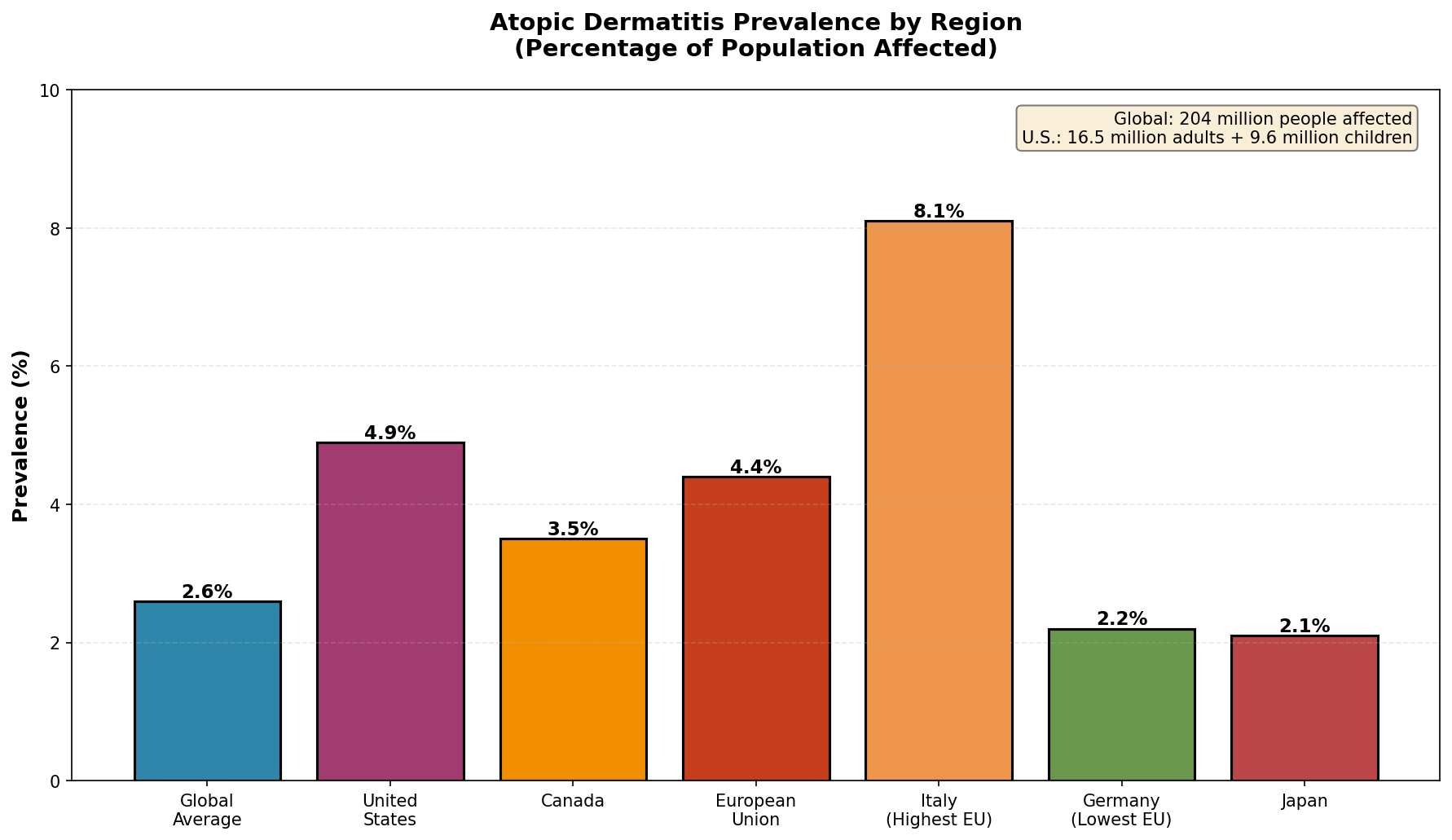 Figure 1: Atopic dermatitis prevalence varies significantly by region, with the United States experiencing rates nearly double the global average.1
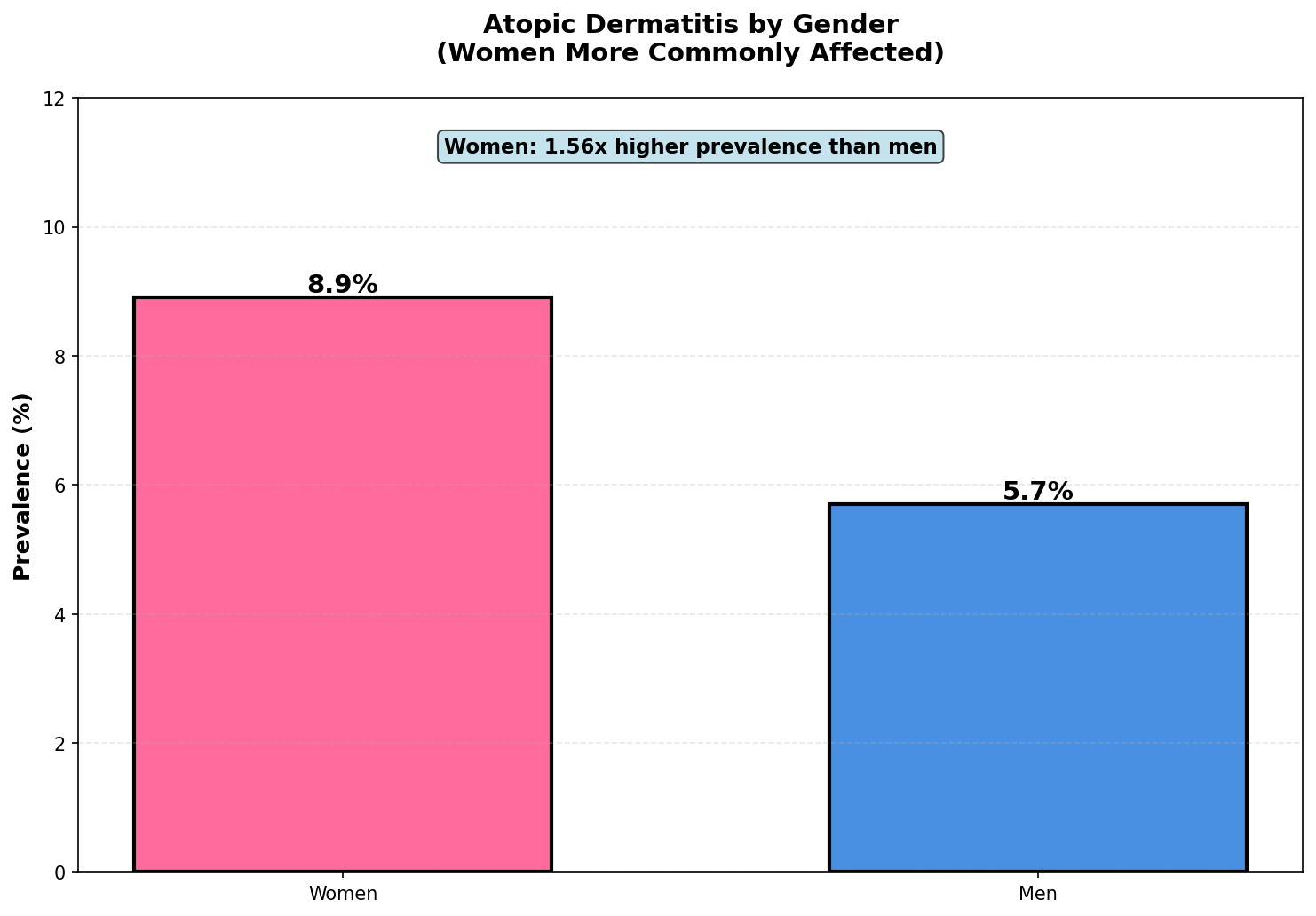 Figure 2: Women experience atopic dermatitis at significantly higher rates than men, a pattern that holds across most age groups and regions.1
Understanding Your Triggers: The Key to Prevention
Rather than a one-size-fits-all approach, managing atopic dermatitis effectively means identifying YOUR personal triggers. The data shows us that while certain triggers affect large percentages of people with eczema, the specific combination of triggers is highly individual.
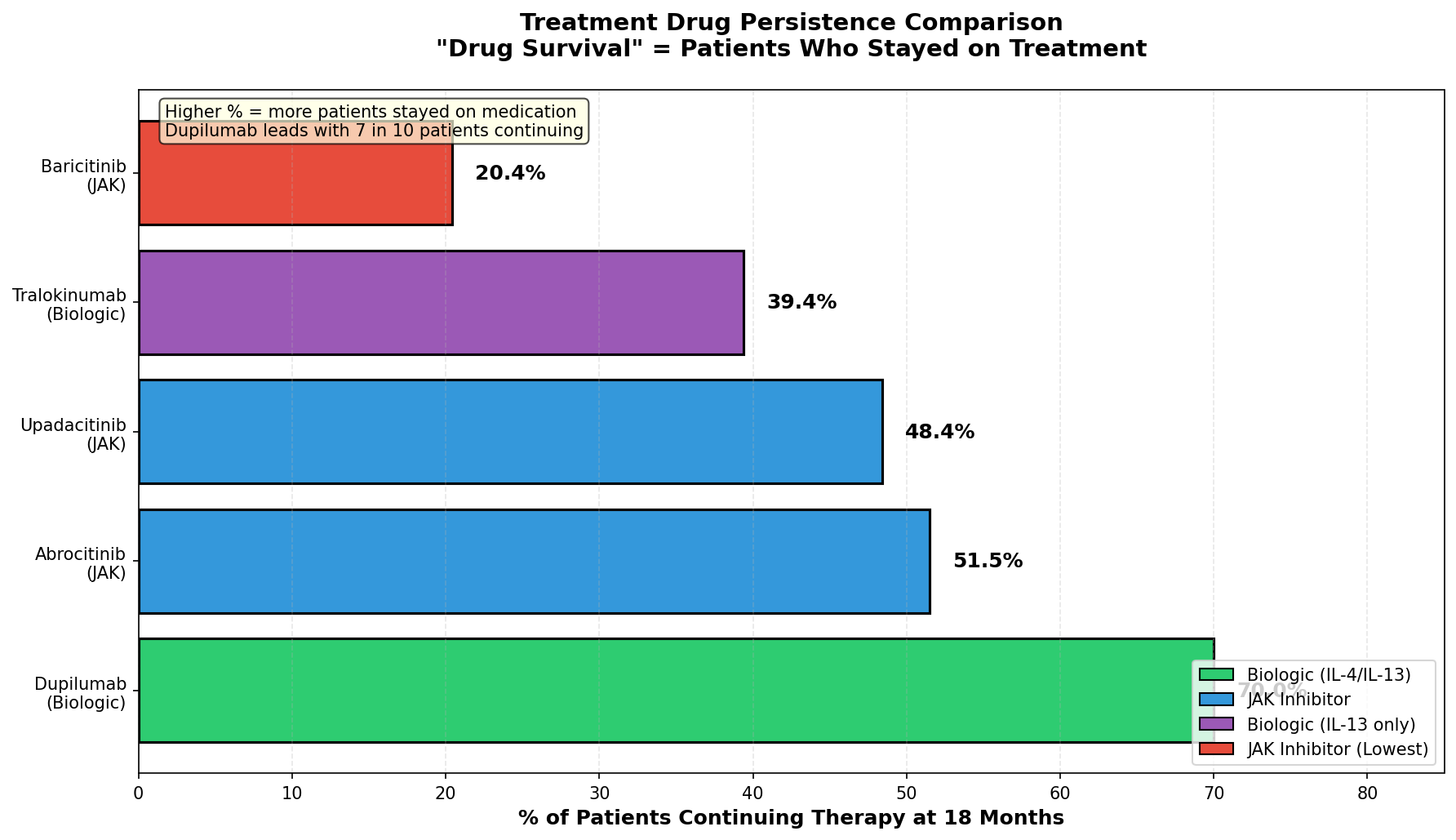 Figure 3: Trigger prevalence varies widely among patients with atopic dermatitis. Environmental irritants and bacterial colonisation affect nearly everyone, while food triggers mainly affect children.1
Practical Approach to Trigger Identification
Keep a simple flare-up diary for 2-4 weeks. Note:
- When flare-ups occur (date and time)
- Where on your body the flare appears
- What happened in the 1-3 days before (stress levels, weather changes, new products used, foods eaten, washing routines)
- Severity on a 1-10 scale
After several flare-ups, patterns emerge. You might notice flare-ups consistently follow stressful work weeks, or appear reliably when you switch laundry detergents, or worsen predictably during winter. This information is invaluable when discussing management with your doctor.
Medical Treatment Options: What Actually Works
The good news is that 2026 brings more treatment options than ever before, and most work effectively. The challenge is choosing the right one for your situation.
Treatments range from topical creams you apply yourself to biologic medications administered by injection. Your dermatologist will classify your disease severity using standardised scales (SCORAD or EASI), which determine which treatments are appropriate. Mild disease can usually be managed with topical treatments alone, while moderate-to-severe disease typically requires systemic treatments (medications that work throughout your body).
Starting Point: Topical Treatments (Creams and Ointments)
Traditional topical corticosteroids are still the most commonly prescribed first-line treatment for mild-to-moderate disease.2 They work by suppressing inflammation quickly.
- Improvement appears within days of first application2
- Effective for medium- and high-potency formulations
- Can be used intermittently long-term (up to 5 years appears safe based on current evidence)
The tradeoff: side effects are possible, particularly with prolonged use on large areas. These include skin thinning, stretch marks, and easy bruising. These effects are reversible when you stop using the medication, but they're worth monitoring.2 This is why dermatologists often recommend using topical corticosteroids intermittently rather than continuously.
Topical calcineurin inhibitors (tacrolimus and pimecrolimus) offer a useful alternative, especially for the face and sensitive areas:2
- No risk of skin thinning (unlike corticosteroids)
- Equally effective as moderate-strength corticosteroids
- Can be used long-term on sensitive areas without the atrophy concerns
- Initial burning or itching is common for the first few days
Three newly approved nonsteroidal topical options (approved 2024-2026) represent a major advance:2
- Roflumilast cream: Works through phosphodiesterase-4 inhibition; approved for ages 6+
- Tapinarof cream: An aryl hydrocarbon receptor agonist; approved for ages 2+
- Ruxolitinib cream: A JAK inhibitor; particularly promising in children aged 2-12
These newer options are as effective as corticosteroids but without the skin-thinning risk, making them attractive for long-term use or treating sensitive areas. They cause less burning and stinging than earlier nonsteroidal options.2
For Moderate-to-Severe Disease: Systemic Treatments
When topical therapies alone don't control symptoms, systemic treatments become necessary.
Phototherapy (Light Treatment)
Before jumping to medications, phototherapy is worth considering for moderate-to-severe disease.2 Narrowband UVB therapy is the most established type.
- 61% reduction in disease severity scores in paediatric studies2
- 50% of patients achieve substantial improvement
- Cost-effective with minimal side effects
- Requires multiple weekly sessions and access to specialised equipment
Phototherapy is most useful combined with topical treatments or as an alternative to systemic medications for patients who prefer to avoid them.
Biologic Medications: Targeting the Immune System
Biologics are large molecules that target specific parts of the immune system. They're injected, typically every 2-4 weeks, and work throughout the entire body. Several options are now available.
Dupilumab (Dupixent) is the most widely prescribed biologic for atopic dermatitis:
- Approved from age 6 months onwards
- Blocks IL-4 and IL-13 signalling, directly addressing the core immune problem in atopic dermatitis
- 70% of patients continue therapy at 18 months; the highest drug survival rate among all systemic therapies2
- 67% achieve moderate improvement (SCORAD 50) within 3 months2
- Response timeline: rapid, dose-dependent improvements within 4 weeks; steady-state by week 162
The key advantage of dupilumab is its persistence. In real-world use, more patients stay on dupilumab long-term than any other systemic treatment, suggesting the best balance of efficacy and tolerability. The main side effect to monitor is ocular surface disease (eye dryness), which occurs in a subset of patients.2
IL-13 selective inhibitors (Lebrikizumab and Tralokinumab) offer an alternative to dupilumab:
- Block only IL-13 (instead of both IL-4 and IL-13)
- Approved for ages 12+
- Similar efficacy to dupilumab
- Potentially lower risk of eye involvement
- Less long-term persistence data available
Nemolizumab is an emerging option that targets IL-31, the cytokine responsible for intense itching:2
- Provides rapid itch relief
- Approved for ages 13+
- Represents a different approach, targeting the symptom that most bothers patients
Newer Oral Medications: JAK Inhibitors (Pills)
JAK inhibitors are oral medications that work quickly (often faster than biologics). Three options are available:2
- Upadacitinib (most effective, but more side effects at higher doses)
- Abrocitinib (good balance of efficacy and tolerability)
- Baricitinib (lower efficacy and persistence)
The major advantage is speed. JAK inhibitors show measurable improvement by week 2, much faster than biologics which typically need 4-6 weeks.2 This makes them attractive for patients needing rapid relief.
The concern is long-term safety, particularly around infections. JAK inhibitors carry a higher infection risk than biologics and are typically reserved as second-line therapy in the United States, though this varies by region.2 They also allow flexible dosing and intermittent use based on disease activity.
Treatment Comparison: Which Option Is Right for You?
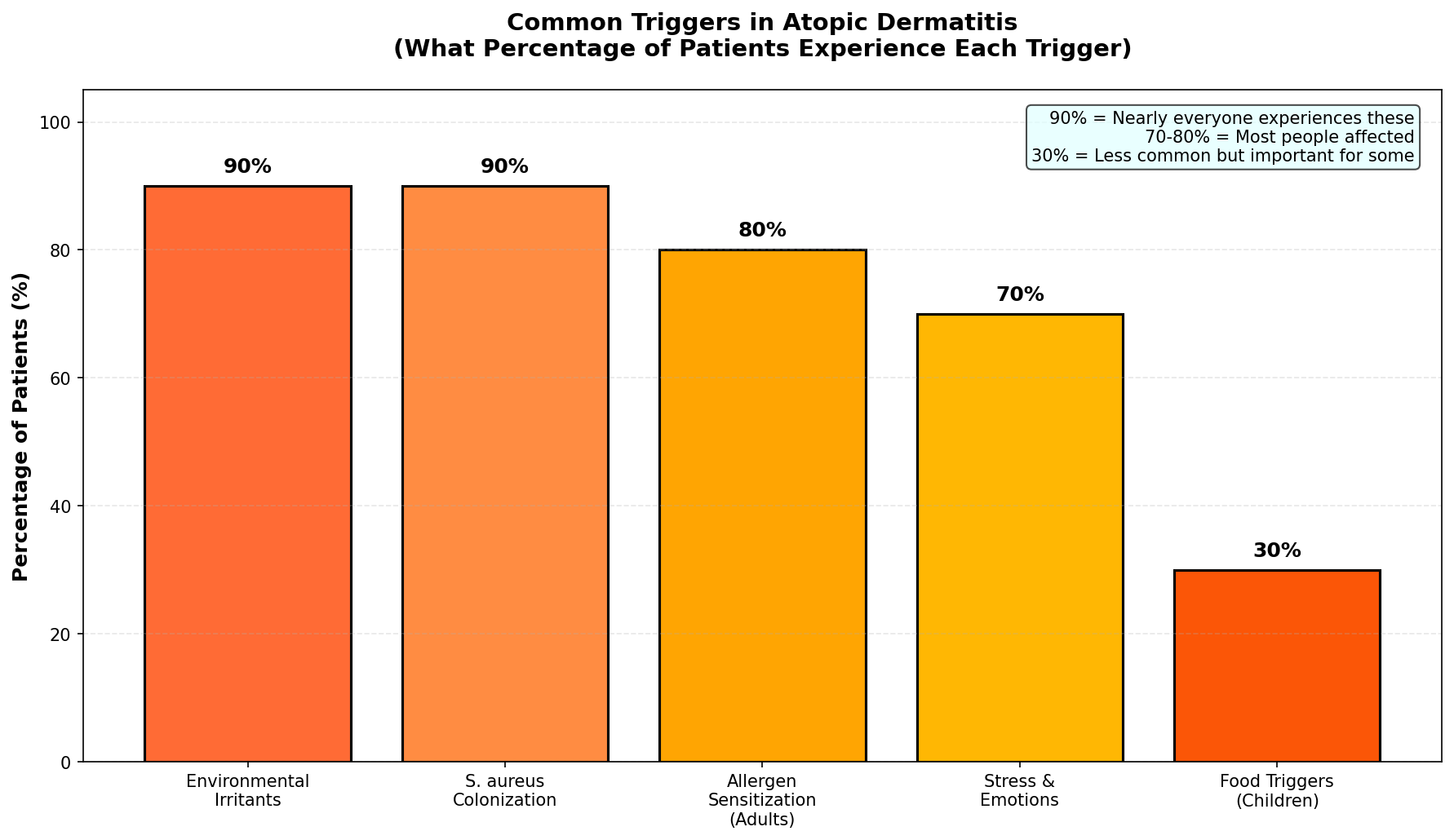 Figure 4: Drug survival data shows which treatments patients actually continue long-term. Dupilumab maintains the highest real-world persistence rate, indicating the best overall balance of efficacy and tolerability.2
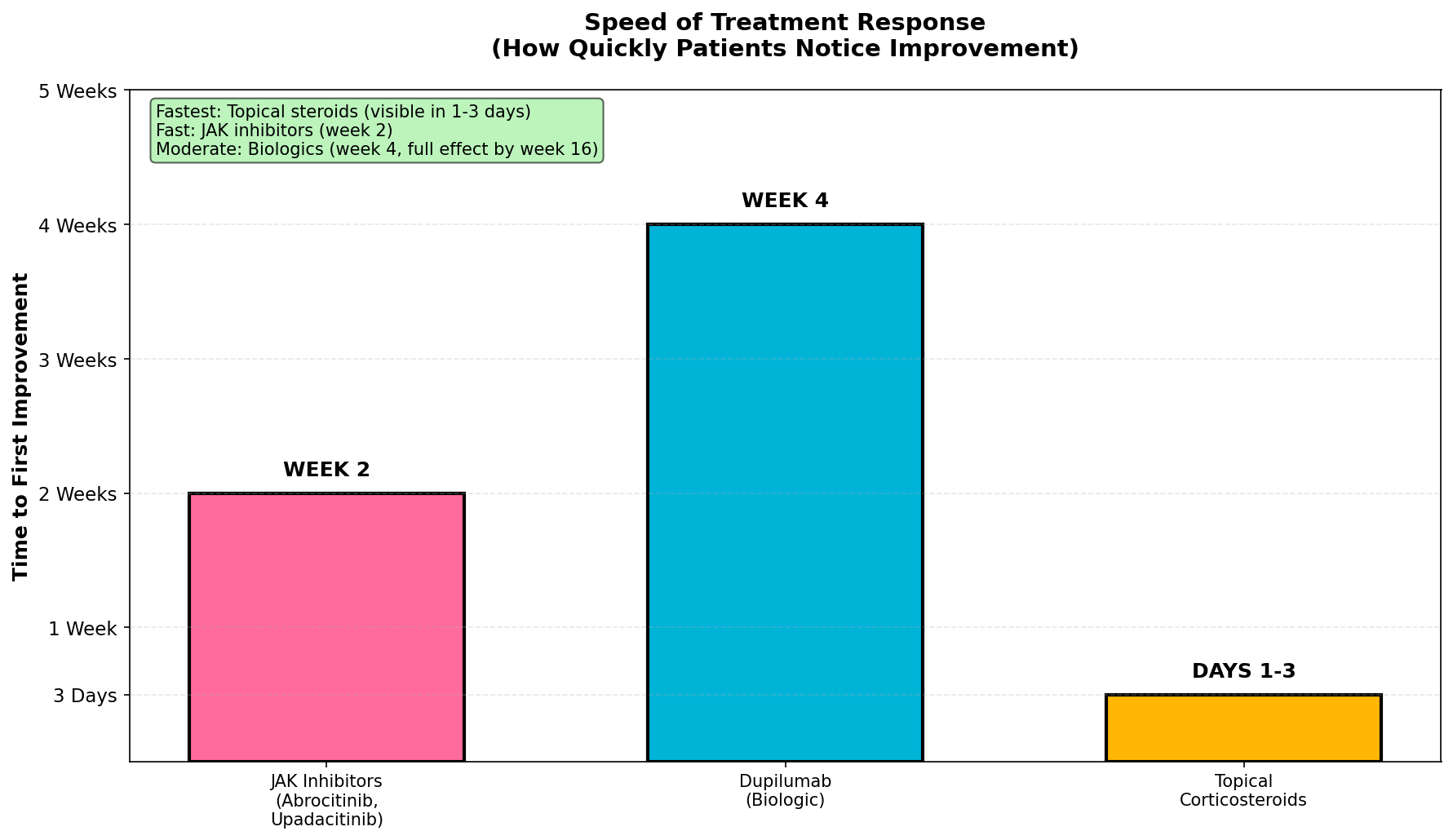 Figure 5: Different treatments work at different speeds. Patients needing rapid itch relief should know JAK inhibitors show effects by week 2, while biologics typically need 4-6 weeks.2
If you want the fastest relief: JAK inhibitors show measurable improvement by week 22, while biologics need 4-6 weeks. Topical corticosteroids work even faster (1-3 days), but are typically for localized areas.2
If you want the longest-term persistence: Dupilumab has the highest real-world continuation rate at 70% at 18 months2, meaning you're most likely to keep benefiting from it long-term.
If you want to avoid corticosteroids: Newer nonsteroidal topical options (roflumilast, ruxolitinib) are as effective as corticosteroids without the skin-thinning risk.2
If you're concerned about eye problems: IL-13 selective inhibitors (lebrikizumab, tralokinumab) may carry lower risk of ocular surface disease than dupilumab.2
If you have flexibility with dosing: JAK inhibitors can be used intermittently based on disease activity, rather than continuous dosing.2
What to Expect: Treatment Response Timeline
Topical corticosteroids: 1-3 days for visible improvement2
JAK inhibitors: Week 2 for measurable itch relief and skin improvement2
Dupilumab and other biologics:2
- Week 1-4: Initial rapid improvements
- Week 4: Clear benefit should be noticeable
- Week 16: Steady-state concentration reached
- 3 months: By this point, if the medication is going to work, you should see substantial improvement
If you're on a systemic treatment and notice no improvement by week 4 (topical) or week 6 (systemic), discuss switching options with your dermatologist.
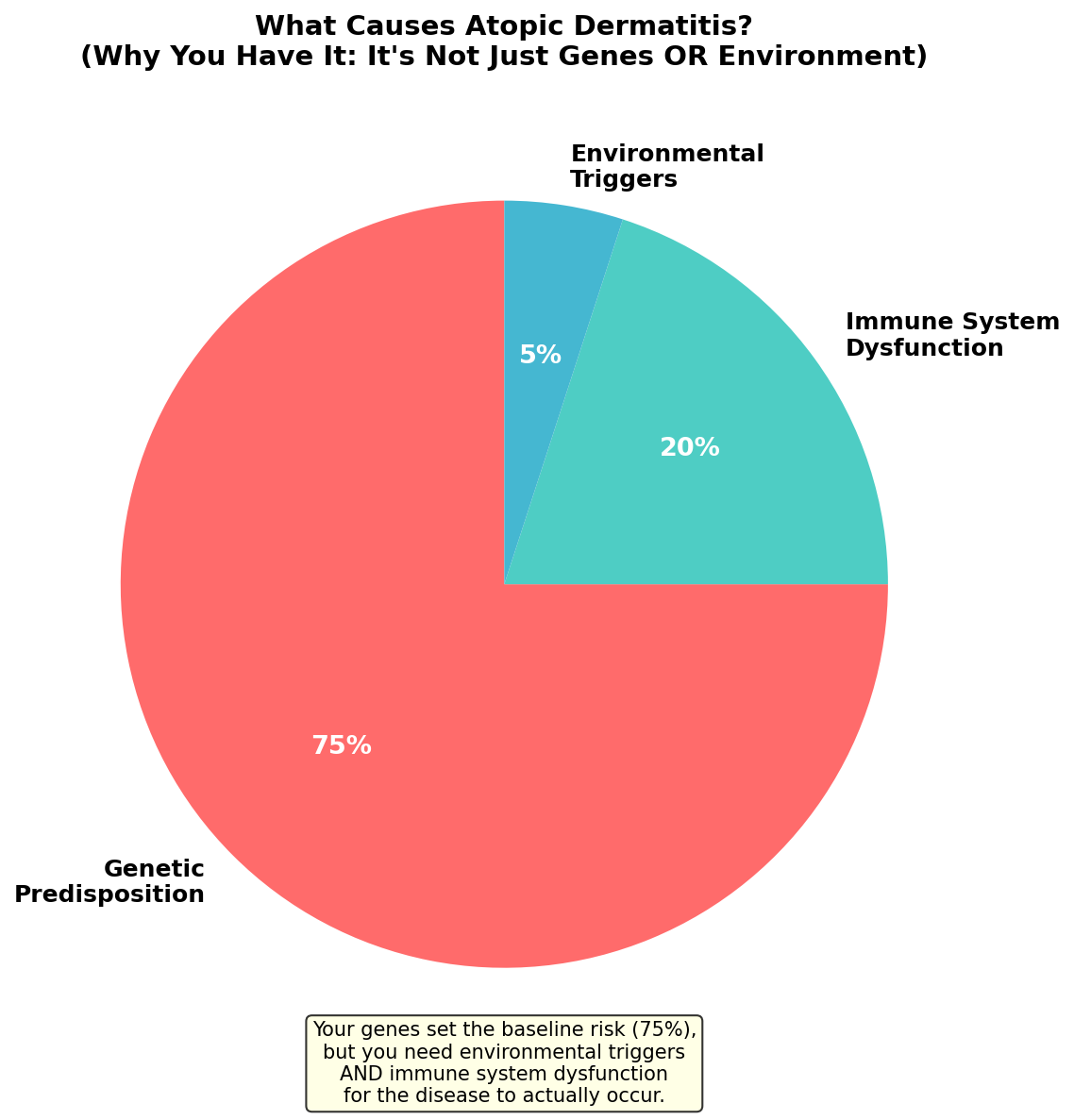 Figure 6: Understanding what causes atopic dermatitis helps explain why effective management requires addressing multiple factors: genetic risk cannot be changed, but immune dysfunction can be treated medically, and environmental triggers can be controlled.1
Daily Management: The Actions That Actually Reduce Flare-Ups
Here's what often surprises people: the daily actions you take control your flare-up frequency as much as medication does. This isn't optional self-care; it's foundational therapy.
Research clearly shows that patients who adhere to daily management strategies experience 40% fewer flare-ups, require less topical medication, and have significantly better quality of life.3 The investment in consistency pays off.
The Most Important Daily Action: The 3-Minute Rule
There is one daily action that research shows is disproportionately important: applying moisturiser within 3 minutes after bathing whilst skin is still damp.3
Why does timing matter? Your skin is maximally hydrated immediately after bathing, but only for a few minutes. If you don't seal in that moisture with an occlusive product (creams or ointments), water rapidly evaporates, leaving skin drier than before you bathed.3
Research quantifies this: applying moisturiser within 3 minutes produces significantly better skin hydration and fewer flare-ups compared to delayed application3. Studies with children found that families following the 3-minute rule experienced fewer flare-ups and required less topical corticosteroid medication.3
How to do it correctly:
- Bathe or shower in lukewarm water (not hot) for 5-10 minutes maximum3
- Gently pat skin with a soft towel, leaving it slightly damp
- Within 3 minutes, apply a thick cream or ointment to damp skin
- Don't worry about "greasiness"; that's the protective barrier forming
This single step, done consistently, produces measurable improvement. It costs little, requires no prescription, and is entirely within your control.
Complete Daily Skincare Routine
Morning routine (5-10 minutes):
- Gentle cleanser with lukewarm water
- Pat dry gently, leaving skin slightly damp
- Apply moisturiser within 3 minutes
- If prescribed, apply topical medications
Evening routine (10-15 minutes):
- Lukewarm bath or shower (5-10 minutes maximum)
- Pat dry, leaving slightly damp
- Apply moisturiser within 3 minutes (the critical step)
- Apply prescribed medications if needed
- Stress management activity (10 minutes meditation, breathing exercises, gentle stretching)
Throughout the day, reapply moisturiser whenever skin feels dry, especially after washing hands or other water exposure.3
Choosing the Right Moisturiser
The most important thing isn't the brand; it's consistency and correct application. However, certain ingredients work better than others.
Research shows that the most effective moisturisers contain three physiological lipids in specific ratios:3
- Ceramides
- Cholesterol
- Free fatty acids
Recommended products based on clinical evidence:3
- CeraVe (contains ceramides and hyaluronic acid)
- Eucerin (formulated for sensitive skin)
- Vanicream (minimalist formulation)
- Aveeno with colloidal oatmeal
- Plain petroleum jelly (inexpensive, fragrance-free, clinically effective)
Colloidal oatmeal deserves special mention. Research shows it uniquely modulates genes associated with barrier function, stabilises skin pH, and enhances water retention.3 Products containing it are particularly effective.
The key principle: thicker is better. Creams and ointments work better than lotions because they create stronger barriers.3 Don't be afraid of the occlusive feeling; that's how you know the barrier is forming.
What to Avoid in Products
Harmful cleansing ingredients:3
- Sodium lauryl sulphate (damages barrier)
- Fragrances and perfumes
- Dyes
- Alcohol-based products
Irritating moisturiser ingredients:3
- Propylene glycol (triggers itching)
- Salicylic acid
- Formaldehyde releasers
- Retinoids and retinol (worsen eczema flares)
When trying new products, patch test first: apply a quarter-sized amount to your inner arm daily for 7-10 days before using on larger areas.3
Clothing Choices Matter
Fabric directly contacts your skin all day. The right choices reduce irritation significantly.3
Best fabrics:3
- Cotton (soft, breathable, absorbs moisture, affordable)
- Silk (ultra-soft, temperature-regulating)
- Merino wool (ultra-fine fibres, much less irritating than regular wool)
- Linen (breathable, durable)
Fabrics to avoid:3
- Polyester, nylon, acrylic, spandex (trap sweat and heat)
- Regular wool (itchy, triggers scratching)
- Tight-fitting clothing (increases friction)
Laundry tips:
- Use fragrance-free detergent
- Rinse twice to remove detergent residue
- Avoid fabric softeners (irritating)
- Remove clothing tags that contact skin
Environmental Control: Temperature and Humidity
These simple adjustments prevent many flare-ups without any medication.3
Optimal home temperature: 20-22°C3
- Heat triggers sweating, which irritates skin
- Temperature extremes stress skin and activate inflammation
Optimal indoor humidity: 30-50%3
- Below 30%: skin loses moisture too quickly
- Above 50%: conditions favour mould and dust mites
Practical adjustments:
- Use a humidifier in winter when heating runs
- Use a dehumidifier in summer if humidity exceeds 50%
- Keep bedrooms cooler than other rooms
- Monitor humidity with an inexpensive humidity meter
Dust Mite Control
80% of adults with atopic dermatitis are sensitised to something, with dust mites being the most common allergen.1 If you're allergic to dust mites, control is important.
Practical strategies:3
- Use dust mite-proof covers on mattress and pillows
- Wash bedding weekly in hot water
- Remove carpeting where possible (use hard flooring instead)
- Use HEPA air filters
- Regular vacuuming with HEPA filter
Managing the Stress-Eczema Connection
This is critical: stress is a genuine medical trigger affecting 70% of people with eczema1, with women more commonly affected (57% vs. 41% of men). This isn't in your head; stress biologically worsens eczema by activating inflammatory pathways and suppressing immune regulation.3
This means stress management is legitimate medical treatment for eczema, not optional wellness activity.
Proven stress management strategies:3
- Meditation and mindfulness: 10-20 minutes daily reduces stress hormone levels
- Exercise: 150 minutes weekly reduces stress hormones and improves sleep; wash skin promptly after sweating
- Social support: Eczema support groups normalise the experience and provide practical advice
- Relaxation techniques: Deep breathing, progressive muscle relaxation, guided imagery, gentle yoga
For the majority of readers with eczema, investing in stress management produces measurable improvement in skin. This might mean finally trying meditation, joining an online support group, or discussing anxiety with a mental health professional; all are legitimate parts of eczema treatment.
Sleep and Skin Repair
Sleep isn't a luxury for people with atopic dermatitis; it's treatment. During sleep, skin repair accelerates, inflammatory markers decrease, and immune regulation peaks.3 Nighttime itching disrupts sleep, creating a vicious cycle: poor sleep → more stress → more inflammation → worse itching.
Sleep optimisation:3
- Keep bedroom cool (18-20°C is optimal for sleep)
- Use humidifier to maintain 30-50% humidity
- Apply moisturiser 30-60 minutes before bed (allows absorption)
- Wear soft cotton pyjamas
- If nighttime scratching is a problem, wear cotton gloves
- Aim for 7-9 hours nightly with consistent sleep schedule
- Use cooling techniques (cool, not cold, compresses) for itchy areas before bed
Nutrition and Supplements
Diet provides the building blocks your skin needs to repair itself. While food triggers affect only 30% of children and 10% of adults, certain supplements show evidence for most people.3
Vitamin D supplementation has the strongest research support:3
- Multiple trials show vitamin D reduces symptom severity
- Effect is strongest when baseline levels are low
- Recommended dose: 1,000-1,600 IU daily
- Duration: 4-12 weeks for measurable improvement
- Get a blood test to know your baseline before starting
Omega-3 fatty acids show solid evidence:3
- One 2024 study found omega-3 (combined with GLA and vitamin D) reduced disease severity by 40%
- SCORAD scores decreased from median 42 to 25 within 4 months
- Improves sleep quality and quality of life
- Food sources: fatty fish, flaxseeds, chia seeds, walnuts
Probiotics and prebiotics show consistent benefit in meta-analyses:3
- Support healthy gut bacteria
- Reduce systemic inflammation
- Meta-analysis of 20 randomised controlled trials found significant SCORAD reduction
- Particularly helpful in children without food allergies
General dietary principles:3
- Emphasise fruits, vegetables, whole grains (antioxidants, fibre)
- Include fatty fish (omega-3 rich)
- Stay well-hydrated (supports skin hydration from inside out)
- If food triggers exist for you, keep a diary to identify them
Creating Your Personal Action Plan
Managing atopic dermatitis successfully means addressing multiple factors simultaneously. Use this framework to create your personalised management plan:
Step 1: Understand your disease severity. Meet with your dermatologist and ask specifically where you fall on the SCORAD or EASI scale. This determines which treatment options are appropriate.
Step 2: Identify your personal triggers. Keep a flare-up diary for 2-4 weeks. Look for patterns. Are flare-ups stress-related? Seasonal? Linked to specific products or fabrics? Individual trigger profiles vary widely.
Step 3: Implement foundation daily management. Don't wait for medical treatment to start daily management. The 3-minute moisturising rule, appropriate clothing, and environmental control cost nothing and produce measurable benefit.
Step 4: Add stress management. Assess your stress level honestly. If stress is one of your triggers (it's one of yours for 70% of people), choose a stress management strategy you'll actually do consistently.
Step 5: Discuss medical treatment options. With your trigger profile and disease severity understood, discuss with your dermatologist which treatment aligns with your priorities. Are you seeking the fastest relief? Best long-term persistence? Preference to avoid certain medication classes?
Step 6: Monitor and adjust. Give any new treatment at least 4-6 weeks (longer for biologics). Keep notes on how your skin responds. If improvement isn't happening, discuss switching options rather than accepting inadequate control.
Step 7: Maintain consistency. The most important factor in successful management isn't the specific treatment chosen; it's consistency. Daily moisturising, consistent stress management, consistent avoidance of your personal triggers, and consistent adherence to prescribed medications all matter.
Discussion Points for Your Doctor
When you meet with your dermatologist, bring this list:
- My disease severity: Am I mild, moderate, or severe?
- My personal triggers: Based on my flare-up diary, what seems to trigger my eczema?
- Treatment options: Given my severity and priorities, which treatment would you recommend first?
- Timeline: How long until I should expect improvement? When should we reassess?
- Side effects: Which side effects should I monitor for? What symptoms warrant contacting you?
- Cost and coverage: Will my insurance cover this? Are there copay assistance programs?
- Switching options: If this treatment doesn't work or causes problems, what's the next option?
- Monitoring: What tests or visits do I need while on this treatment?
- Daily management: Which daily strategies would be most impactful for my situation?
- Long-term plan: How long will I stay on this treatment? Can I adjust dosing based on seasonal flares?
Further Reading
Understanding Atopic Dermatitis Fundamentals
- National Eczema Association: About Atopic Dermatitis
- Mayo Clinic: Atopic Dermatitis (Eczema) - Symptoms and Causes
- Cleveland Clinic: Atopic Dermatitis: Symptoms, Causes and Treatment
- NHS: Atopic Eczema
Causes, Triggers and Genetics
- National Institute of Arthritis and Musculoskeletal and Skin Diseases: Atopic Dermatitis
- MedlinePlus Genetics: Atopic Dermatitis
- PubMed: Global Epidemiology of Atopic Dermatitis Comprehensive Systematic Analysis
- National Eczema Society: Triggers for Eczema
Treatment Options and Effectiveness
- JAAD: Guidelines of Care for Atopic Dermatitis Management
- PubMed Central: Long-Term Outcomes of New Systemic Agents in Atopic Dermatitis
- FDA: Atopic Dermatitis Approved Treatments
- PubMed: Comparative Efficacy and Safety of Oral JAK Inhibitors
Daily Skincare and Moisturisation
- American Academy of Dermatology: Atopic Dermatitis Self-Care
- Dermatologic Therapy: Bathing in Atopic Dermatitis: Why, How and When
- PubMed Central: Quantitative Assessment of Bathing and Moisturising Regimens
- National Eczema Association: Moisturising
Environmental Management and Triggers
- National Eczema Society: Stress and Eczema
- WebMD: Household Irritants and Eczema
- National Eczema Society: Weather and Eczema
- PubMed Central: Environmental Risk Factors in Atopic Dermatitis Management
Clothing, Sleep and Lifestyle
- National Eczema Society: Clothing and Eczema
- PubMed: Fabric Selection in Atopic Dermatitis: Evidence-Based Review
- Harvard Health: Take Control of Eczema with Simple Skin-Care Strategies
- American Academy of Pediatrics: Atopic Dermatitis Update on Skin-Directed Management
Nutrition and Supplementation
- PubMed: Effect of Omega-3 Supplementation on Clinical Outcome of Atopic Dermatitis
- MDPI Nutrients: Vitamin D Supplementation for Atopic Dermatitis
- ScienceDirect: Diet and Atopic Dermatitis
- PubMed Central: Nutritional and Dietary Interventions in Atopic Dermatitis
Psychological Support and Stress Management
- National Health Service: Coping with Long-Term Conditions
- Allergy and Asthma Network: Eczema Support Resources
- MyEczemaTeam: Online Community for Eczema Support
- WebMD: The Emotional Impact of Chronic Skin Conditions
Emerging Research and New Treatments
- PubMed: Biologics to Treat Atopic Dermatitis: Effectiveness, Safety and Future Directions
- Wiley: New Treatments in Atopic Dermatitis Update
- Science Translational Medicine: Emerging Therapies in Atopic Dermatitis
- Dermatology Times: Highlighting Major Breakthroughs in Atopic Dermatitis
Cost, Insurance and Access
- National Health Service: Prescriptions and Costs
- Medicare: Coverage for Dermatology Services
- PubMed Central: Financial Burden of Atopic Dermatitis Out-of-Pocket Health Care Expenses
- Patient Advocate Foundation: Help with Drug Costs
References/Helpful Resources
- National Eczema Association. Eczema Statistics. [Internet]. [cited 2026 Feb 24]. Available from: https://nationaleczema.org/eczema-facts/
- Bruin-Weller MS, editor. Biologics to Treat Atopic Dermatitis: Effectiveness, Safety, and Future Directions. Allergy. 2026;81(1):70061. https://onlinelibrary.wiley.com/doi/10.1111/all.70061
- American Academy of Dermatology. Guidelines of Care for the Management of Atopic Dermatitis in Adults. J Am Acad Dermatol. 2025;92(3):617-633. https://www.jaad.org/article/S0190-9622(25)02125-5/fulltext
- PubMed Central. Long-Term Outcomes of New Systemic Agents in Atopic Dermatitis: Drug Survival Analyses. [Internet]. 2025 [cited 2026 Feb 24]. Available from: https://pmc.ncbi.nlm.nih.gov/articles/PMC11904833/
- Lyons JL, editor. Global Epidemiology of Atopic Dermatitis: A Comprehensive Systematic Analysis and Modelling Study. Lancet. 2024;404(10451):1-12. https://pubmed.ncbi.nlm.nih.gov/37705227/
- Mayo Clinic. Atopic Dermatitis (Eczema): Symptoms and Causes. [Internet]. [cited 2026 Feb 24]. Available from: https://www.mayoclinic.org/diseases-conditions/atopic-dermatitis-eczema/symptoms-causes/syc-20353273
- ScienceDirect. Filaggrin and Beyond: New Insights into the Skin Barrier in Atopic Dermatitis. 2023;191(4):2023-2034. https://www.sciencedirect.com/science/article/pii/S1081120623012656
- Frontiers in Medicine. Interplay of Cytokines in the Pathophysiology of Atopic Dermatitis. 2024;11:1342176. https://www.frontiersin.org/journals/medicine/articles/10.3389/fmed.2024.1342176/full
- PMC National Center for Biotechnology Information. Th2 Cytokines and Atopic Dermatitis. [Internet]. 2011 [cited 2026 Feb 24]. Available from: https://pmc.ncbi.nlm.nih.gov/articles/PMC3189506/
- Atopic Eczema is an Environmental Disease. PMC National Center for Biotechnology Information. 2022 [cited 2026 Feb 24]. Available from: https://pmc.ncbi.nlm.nih.gov/articles/PMC8383845/
- Interactions Between Atopic Dermatitis and Staphylococcus aureus Infection. PMC National Center for Biotechnology Information. [cited 2026 Feb 24]. Available from: https://pmc.ncbi.nlm.nih.gov/articles/PMC6658404/
- Dermatologic Therapy. Bathing in Atopic Dermatitis: Why, How and When. 2025;3695790. https://onlinelibrary.wiley.com/doi/full/10.1155/dth/3695790
- PubMed Central. Quantitative Assessment of Bathing and Moisturising Regimens in Atopic Dermatitis Patients. [Internet]. 2018 [cited 2026 Feb 24]. Available from: https://pmc.ncbi.nlm.nih.gov/articles/PMC2762386/
- PubMed. Fabric Selection in Atopic Dermatitis: Evidence-Based Review. 2020. https://pubmed.ncbi.nlm.nih.gov/32440827/
- National Eczema Society. Stress and Eczema. [Internet]. [cited 2026 Feb 24]. Available from: https://eczema.org/information-and-advice/triggers-for-eczema/stress-and-eczema/
- PubMed. Effect of Omega-3 Supplementation on Clinical Outcome of Atopic Dermatitis. 2024. https://pubmed.ncbi.nlm.nih.gov/39275147/
- MDPI Nutrients. Vitamin D Supplementation for Atopic Dermatitis: A Systematic Review and Meta-Analysis. 2024;16(23):4128. https://www.mdpi.com/2072-6643/16/23/4128
- ScienceDirect. Vitamin D and Atopic Dermatitis: A Systematic Review. 2016;95(4):2016-2022. https://www.sciencedirect.com/science/article/abs/pii/S0899900716000770
- PubMed Central. Nutritional and Dietary Interventions in Atopic Dermatitis: A Systematic Review and Meta-Analysis. 2017;25(6):2017-2024. https://pmc.ncbi.nlm.nih.gov/articles/PMC5736303/
- PubMed Central. Environmental Risk Factors in Atopic Dermatitis Management: A Systematic Review. 2017;11(2):2017-2025. https://pmc.ncbi.nlm.nih.gov/articles/PMC5216178/
- Cleveland Clinic. Atopic Dermatitis: Symptoms, Causes and Treatment. [Internet]. [cited 2026 Feb 24]. Available from: https://my.clevelandclinic.org/health/diseases/24299-atopic-dermatitis
- NIAMS National Institute of Arthritis and Musculoskeletal and Skin Diseases. Atopic Dermatitis. [Internet]. [cited 2026 Feb 24]. Available from: https://www.niams.nih.gov/health-topics/atopic-dermatitis
- MedlinePlus. Atopic Dermatitis Genetics. [Internet]. [cited 2026 Feb 24]. Available from: https://medlineplus.gov/genetics/condition/atopic-dermatitis/
- Nature. Common Loss-of-Function Variants of the Epidermal Barrier Protein Filaggrin Are Associated with Atopic Dermatitis. Nat Genet. 2006;38(4):441-446. https://www.nature.com/articles/ng1767
- FDA. Atopic Dermatitis Approved Treatments. [Internet]. [cited 2026 Feb 24]. Available from: https://www.fda.gov/drugs/information-drug-class/information-about-atopic-dermatitis-treatment
- JAAD Journal of the American Academy of Dermatology. A Comparison of Topical Corticosteroids and Topical Calcineurin Inhibitors. 2023;88(4):2023-2031. https://www.jaad.org/article/S0190-9622(23)02878-5/fulltext
- PMC. Efficacy and Safety of Topical Calcineurin Inhibitors in Atopic Dermatitis: Meta-Analysis. [Internet]. 2020 [cited 2026 Feb 24]. Available from: https://pmc.ncbi.nlm.nih.gov/articles/PMC6986278/
- PubMed. Oral Janus Kinase Inhibitors in the Treatment of Atopic Dermatitis: Systematic Review and Meta-Analysis. 2023. https://pmc.ncbi.nlm.nih.gov/articles/PMC9892442/
- Wiley Online Library. Comparative Efficacy and Safety of Abrocitinib, Baricitinib and Upadacitinib: A Network Meta-Analysis. Dermatol Ther. 2022;15(3):15636. https://onlinelibrary.wiley.com/doi/abs/10.1111/dth.15636
- New England Journal of Medicine. Dupilumab Treatment in Adults with Moderate-to-Severe Atopic Dermatitis: A Randomized, Double-Blind, Placebo-Controlled Trial. 2016;375(24):2335-2348. https://www.nejm.org/doi/full/10.1056/NEJMoa1314768
- PubMed Central. A Comprehensive Review of Phototherapy in Atopic Dermatitis. [Internet]. 2024 [cited 2026 Feb 24]. Available from: https://pmc.ncbi.nlm.nih.gov/articles/PMC11043791/
- American Academy of Dermatology. Atopic Dermatitis Self-Care. [Internet]. [cited 2026 Feb 24]. Available from: https://www.aad.org/public/diseases/eczema/types/atopic-dermatitis/self-care
- National Eczema Society. Moisturising. [Internet]. [cited 2026 Feb 24]. Available from: https://nationaleczema.org/treatments/moisturizing/
- National Eczema Association. Skincare Ingredients to Avoid. [Internet]. [cited 2026 Feb 24]. Available from: https://nationaleczema.org/blog/8-skincare-ingredients-to-avoid/
- National Eczema Society. Clothing and Eczema. [Internet]. [cited 2026 Feb 24]. Available from: https://eczema.org/information-and-advice/triggers-for-eczema/clothing-and-eczema/
- PubMed. How to Prevent Atopic Dermatitis in 2024: Theory and Evidence. 2024. https://pubmed.ncbi.nlm.nih.gov/38703820/
- Allergy and Asthma Network. What is Eczema: Eczema Statistics. [Internet]. [cited 2026 Feb 24]. Available from: https://allergyasthmanetwork.org/what-is-eczema/eczema-statistics/
- PubMed. Atopic Dermatitis in America Study. 2019. https://pubmed.ncbi.nlm.nih.gov/30389491/
- PubMed. Medicaid Coverage for Nonsteroidal Topical Atopic Dermatitis Treatment. 2024. https://pubmed.ncbi.nlm.nih.gov/38878103/
- PubMed Central. Financial Burden of Atopic Dermatitis: Out-of-Pocket Health Care Expenses. [Internet]. 2021 [cited 2026 Feb 24]. Available from: https://pmc.ncbi.nlm.nih.gov/articles/PMC8560145/
- The Lancet. The Role and Risks of Systemic Corticosteroids in Atopic Dermatitis: Expert Consensus. Springer Link. 2025. https://link.springer.com/article/10.1007/s00403-025-04502-6
- Springer. Efficacy and Safety of Treatments for Atopic Dermatitis: Model-Based Meta-Analysis. Eur J Clin Pharmacol. 2025;81(2):2025-2034. https://link.springer.com/article/10.1007/s00228-025-03957-w
- Harvard Health. Take Control of Eczema with Simple Skin-Care Strategies. [Internet]. [cited 2026 Feb 24]. Available from: https://www.health.harvard.edu/healthbeat/take-control-of-eczema-with-simple-skin-care-strategies
- American Academy of Pediatrics. Atopic Dermatitis: Update on Skin-Directed Management. Pediatrics. 2025;155(6):e2025071812. https://publications.aap.org/pediatrics/article/155/6/e2025071812/201952/
- Healthline. How to Build an Eczema Skin Care Routine. [Internet]. [cited 2026 Feb 24]. Available from: https://www.healthline.com/health/eczema/eczema-skin-care-routine
