

If you've been diagnosed with both Zollinger-Ellison Syndrome (ZES) and Multiple Endocrine Neoplasia Type 1 (MEN1), you're dealing with a complex medical challenge that's rare but very manageable with modern treatment. This article explains what these conditions are, why they occur together, and how they're treated today.
The key insight: 30 years ago, this diagnosis would have been devastating. Today, with proper management, most patients live full, normal lifespans.
What Is Zollinger-Ellison Syndrome?
ZES is a condition where a tumour (called a gastrinoma) produces excessive amounts of gastrin, a hormone that controls stomach acid production. When this happens, your stomach produces so much acid that it overwhelms your body's natural defences.
Think of it this way: normally, your stomach produces acid on demand during meals, and the amount is carefully controlled. With ZES, that control system fails, and acid production goes into overdrive constantly. This excess acid causes severe ulcers, erosion of the stomach and intestines, and relentless heartburn.
The symptoms are typically:
- Severe abdominal pain (the most common complaint)
- Chronic diarrhoea (often watery and frequent)
- Severe heartburn and reflux that doesn't respond to standard antacids
- Nausea and vomiting
- Weight loss from malabsorption and poor nutrition
- Gastrointestinal bleeding from ulcer complications
What makes ZES particularly tricky is that these symptoms look almost identical to ordinary peptic ulcer disease, so many patients go undiagnosed for months or even years.
Why Does ZES Happen in MEN1?
MEN1 stands for Multiple Endocrine Neoplasia Type 1. It's an inherited genetic condition that affects about 1 in 30,000 people. The condition involves a faulty gene called the MEN1 gene located on chromosome 11.
Here's the crucial piece: the MEN1 gene normally acts like a brake on cell growth. It tells cells "don't divide too much, keep yourself under control." When the gene is mutated, that brake is broken, and cells in various glands start growing uncontrollably, leading to multiple tumours throughout the body.
In MEN1 patients, the pancreas and duodenum (the first part of the small intestine) develop neuroendocrine tumours—these are specialised cells that produce hormones. Some of these tumours produce gastrin, causing ZES.
The epidemiology is striking:
- Gastrinomas occur in 30-54% of all MEN1 patients
- 20-25% of all ZES cases worldwide are actually caused by MEN1
- MEN1-related ZES typically appears earlier: 3rd to 4th decade of life (ages 30-50), compared to sporadic ZES, which usually appears in the 5th-7th decade (ages 50+)
How MEN1 ZES Differs from Sporadic ZES
If your ZES is linked to MEN1 (rather than being a random, isolated occurrence), it behaves differently in several important ways:
Location and size: MEN1-related gastrinomas are typically found in the duodenum rather than the pancreas. They're usually small, often less than 1 centimetre in diameter. However, they're frequently multiple, meaning you may have several tumours rather than just one.
Metastatic potential: Despite being smaller than sporadic gastrinomas, 60-80% of MEN1-related gastrinomas have lymph node metastases at diagnosis. This sounds alarming, but here's the critical detail: these tumours grow much more slowly and are less likely to spread to the liver than pancreatic gastrinomas.
Survival: This is where the story becomes genuinely positive. Studies show:
- 5-year survival: 83-94% (MEN1-related ZES)
- 10-year survival: 65-75% (MEN1-related ZES)
- Median overall survival: 26 years (MEN1-related), compared to 14 years for sporadic ZES
Compare this to sporadic gastrinomas with liver metastases, which have only 20-50% five-year survival. MEN1-related ZES has dramatically better outcomes.
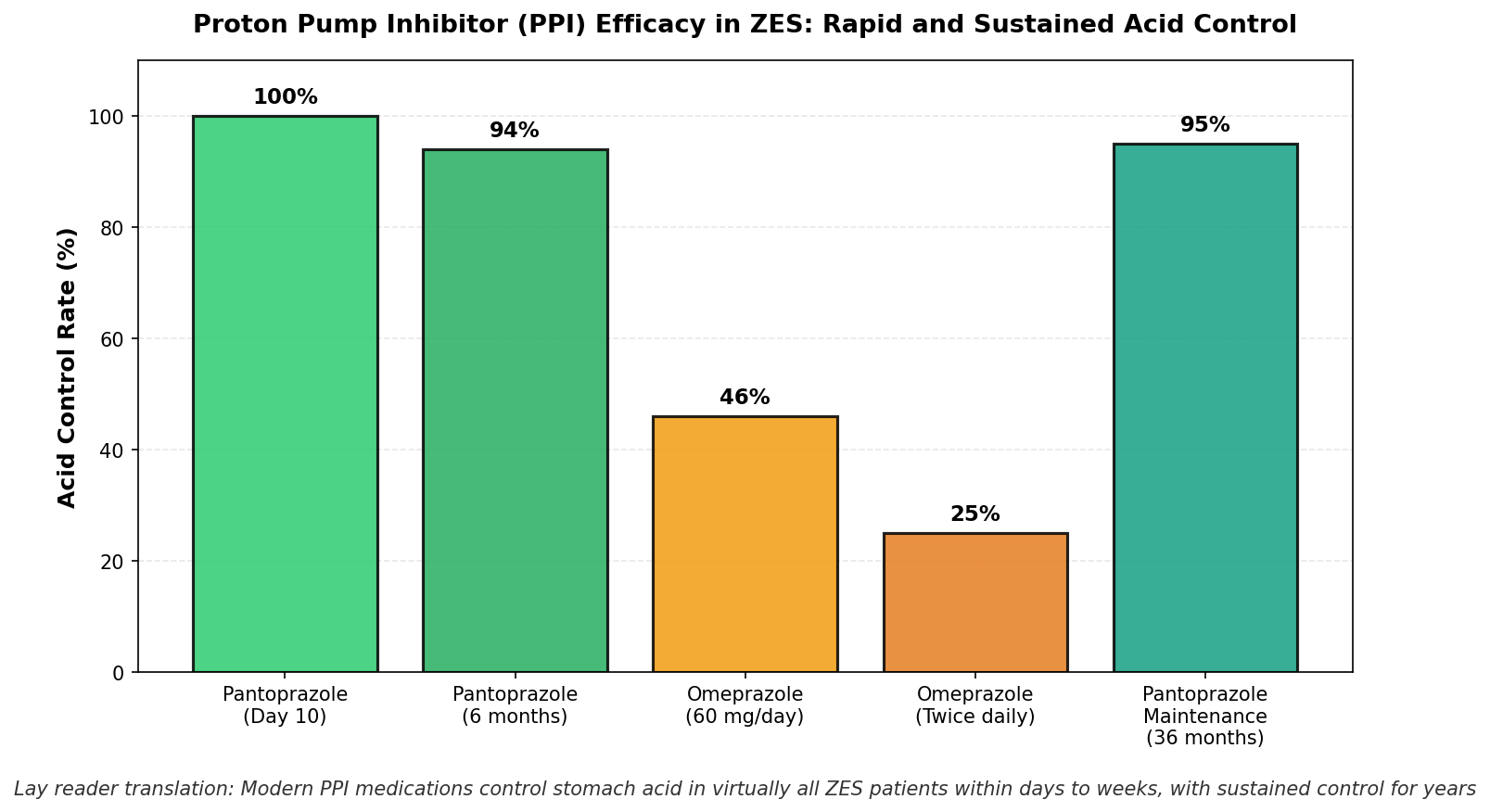 Figure 1: MEN1-related ZES appears decades earlier than sporadic ZES, though the biological picture is more complex than simple tumour location. Data from multicentre studies of both conditions.
The Modern Medical Breakthrough: Proton Pump Inhibitor Therapy
Before the 1980s, ZES was often fatal or required major surgery to remove the stomach entirely. Today, the picture is completely transformed because of one class of medication: proton pump inhibitors (PPIs).
PPIs work by blocking the mechanism in stomach cells that produces acid. Rather than just reducing acid as older medications did, PPIs nearly shut down acid production entirely. The drugs in this class include omeprazole, pantoprazole, lansoprazole, esomeprazole, and rabeprazole.
The efficacy is remarkable:
- 100% of ZES patients achieve acid control within 10 days of starting pantoprazole
- 90-100% maintain normal acid levels on maintenance doses (typically 40-80 mg twice daily)
- Pantoprazole controlled acid in 94% of patients by 6 months
What does "controlled" mean? It means reducing stomach acid output to less than 10 millimoles per hour, which prevents ulcer formation and allows existing ulcers to heal.
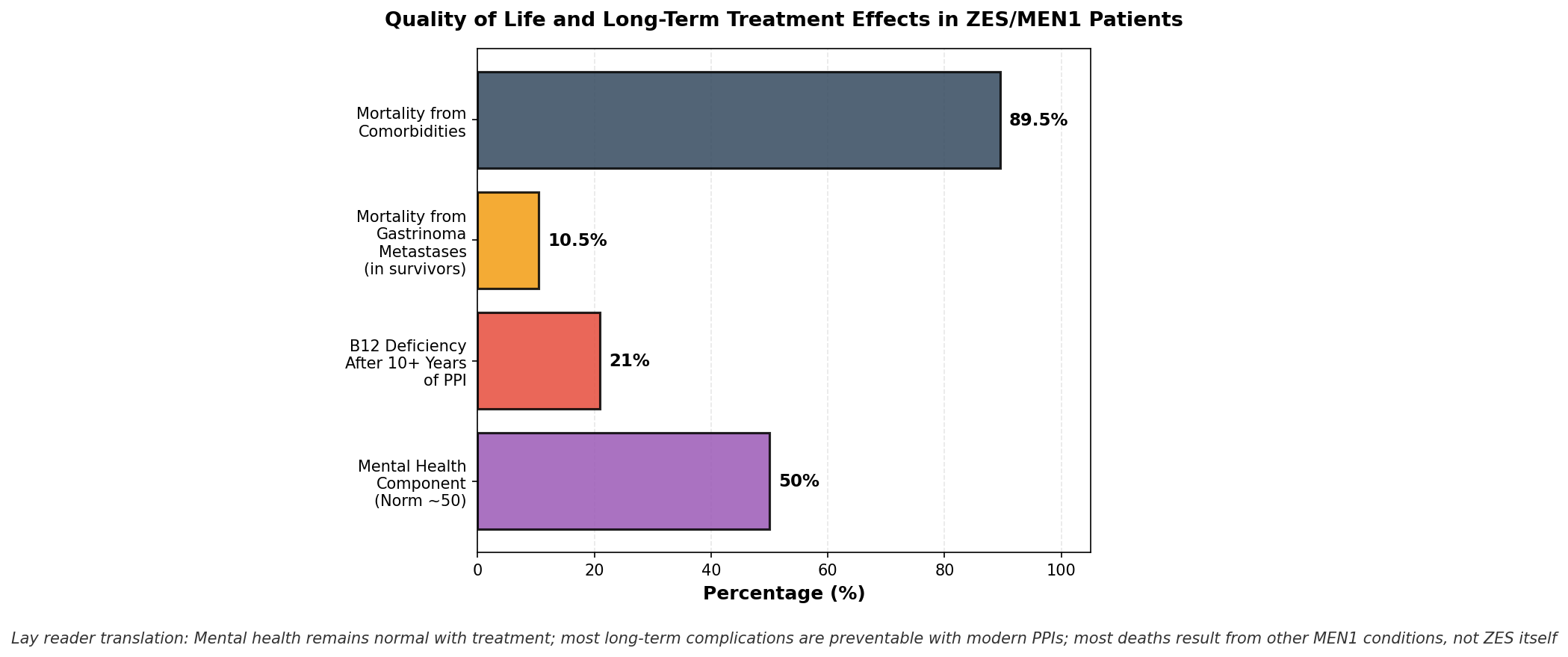 Figure 2: Proton pump inhibitors achieve acid control in nearly all ZES patients, with most patients stable on maintenance doses of 40-80 mg twice daily—data from long-term therapeutic trials.
The typical dosing approach starts with 40 mg twice daily, then doctors measure your stomach acid output 2 weeks after starting. If needed, they adjust the dose upward or downward to find your individual sweet spot. Most people stabilise on 40-80 mg twice daily, though some require higher doses (up to a maximum of 240 mg daily).
The practical reality: take a pill (or two) in the morning and evening, and your acid problem is controlled. You can eat normally, the pain stops, and the diarrhoea resolves within days to weeks.
Monitoring Your Acid Levels: What the Tests Mean
Your doctor will order specific tests to confirm ZES and monitor your treatment response:
Fasting plasma gastrin level: This measures the hormone causing your problem. Normal is less than 100 pg/mL. Values above this in patients with ZES symptoms confirm the diagnosis. The higher the level, generally, the more severe the disease.
Gastric acid output (basal acid output): This measures how much acid your stomach produces. Normal is less than 10 millimoles per hour (mmol/h). Anything higher suggests acid hypersecretion. Your doctor measures this at baseline and 2 weeks after starting PPI therapy to guide dosing.
Secretin stimulation test: If your gastrin level is borderline, doctors use this specialized test. They inject secretin (a hormone) and measure the response. In ZES, gastrin paradoxically rises after secretin injection, confirming the diagnosis.
Important preparation: These tests require specific preparation. You must:
- Fast overnight before blood draws
- Stop H2-blockers (like famotidine) for 72 hours before testing
- Stop PPIs for 2 weeks before testing
- Document all current medications
This medication washout is essential because acid-suppressing drugs artificially lower gastrin levels, potentially causing false negative results.
Surgical Options: When and Why
Modern PPI therapy has made surgery optional rather than mandatory. However, surgery still plays an important role for certain patients.
Medical management alone works for most patients. If your acid hypersecretion is well controlled on reasonable doses of PPI and your tumours aren't growing aggressively, you may never need surgery beyond initial diagnosis confirmation.
Surgery is considered when:
- You have identifiable malignant gastrinomas (typically defined as tumours 2 centimetres or larger)
- Your tumour burden is growing despite medical therapy
- You have liver metastases (indicating advanced disease requiring more aggressive treatment)
- You're the rare patient whose acid hypersecretion cannot be controlled even with maximum PPI doses
The surgical procedure: Pancreaticoduodenectomy (PD) is the standard approach for MEN1-associated ZES. This is a major operation involving removal of portions of the pancreas and duodenum along with affected tissues, allowing thorough exploration and removal of multiple tumours throughout these organs.
The outcomes are impressive:
- Approximately 80% of patients achieve long-term cure (meaning acid hypersecretion resolves and remains resolved)
- Significantly fewer reoperations required compared to more limited surgical approaches
- Low operative mortality at specialised centres
However, morbidity is real. Pancreaticoduodenectomy can lead to pancreatic insufficiency (requiring enzyme supplementation) and increased diabetes risk. This is why the decision to operate requires careful consideration of individual tumour characteristics.
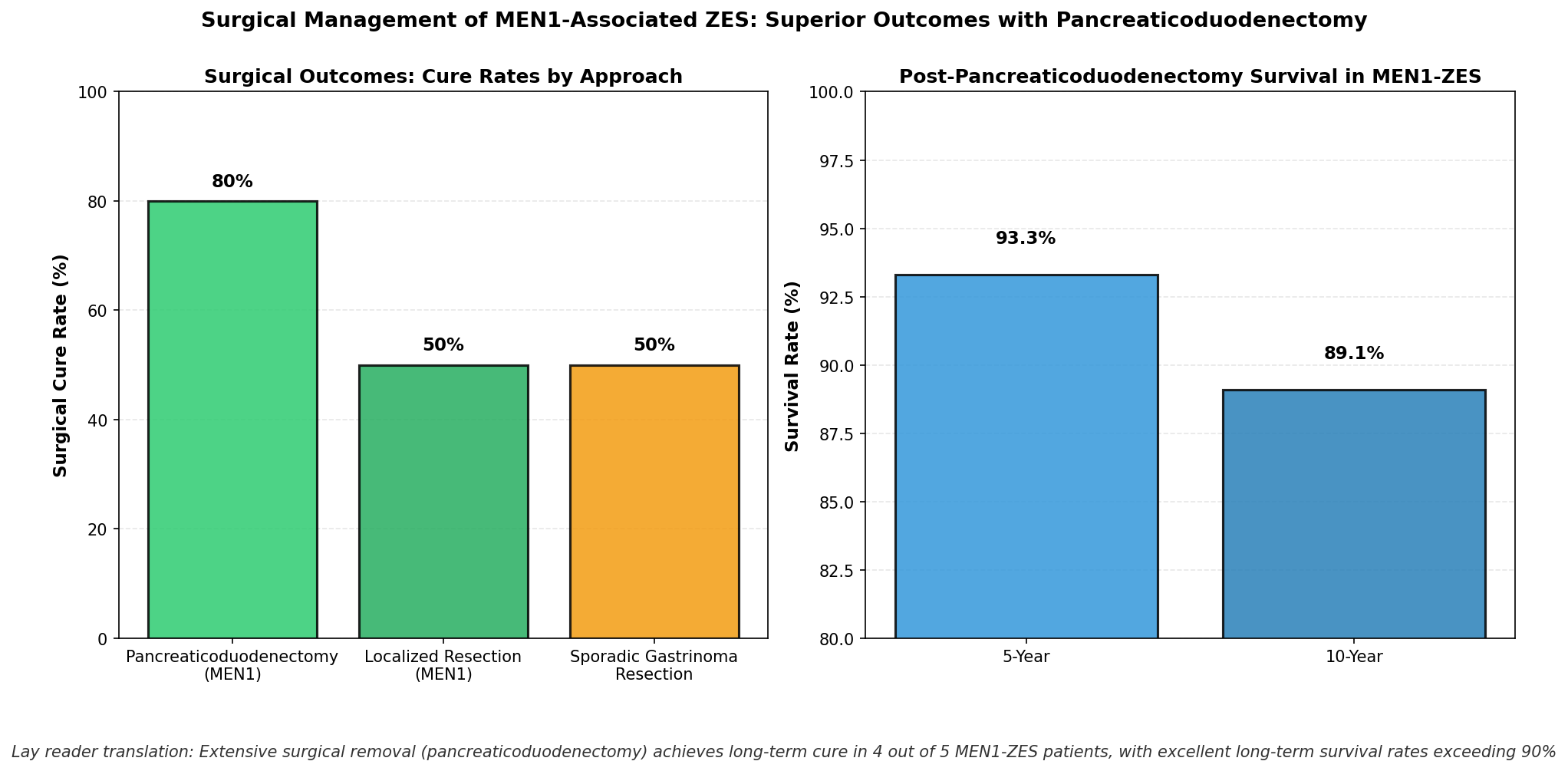 Figure 3: Pancreaticoduodenectomy achieves long-term cure in approximately 80% of MEN1-ZES patients, with survival outcomes superior to non-surgical approaches. Data from multicentre surgical series.
Additional Therapies: Somatostatin Analogues and Beyond
For patients with advanced or metastatic gastrinomas, additional medications called somatostatin analogues may be used alongside or instead of surgery.
Somatostatin analogues (SSAs) include octreotide and lanreotide. These medications have a dual benefit in MEN1-associated ZES:
- They suppress gastrin secretion (helping with acid control)
- They inhibit tumour cell growth (slowing cancer progression)
MEN1-related gastrinomas are unusually responsive to SSAs because these tumour cells express high levels of somatostatin receptors (special binding sites on the cell surface). This responsiveness is much higher than in sporadic gastrinomas.
The effectiveness data:
- 88.3% of MEN1 pancreatic neuroendocrine tumour patients respond to somatostatin analogue therapy
- 75.6% achieve stable disease (tumours stop growing)
- 12.7% have objective tumour shrinkage
Lanreotide, a long-acting formulation, can be given monthly via deep subcutaneous injection. It's particularly useful for patients who cannot or choose not to undergo surgery, or for those with metastatic disease.
Emerging therapies for advanced cases include peptide receptor radionuclide therapy (PRRT), which uses radioactively labelled somatostatin analogues to deliver targeted radiation directly to tumour cells. This remains mostly investigational for ZES but shows promise in selected patients with liver metastases.
The Full Picture: Complications and What They Mean
ZES can lead to serious complications if untreated or under-treated. Understanding these risks underscores why consistent medication adherence and monitoring matter.
Peptic ulcers and bleeding: The excess acid causes severe ulcers in the stomach, duodenum, and even the small intestine. These ulcers can perforate (rupture) or bleed internally. Among all peptic ulcer disease:
- Haemorrhage occurs 4 times more frequently than perforation
- 30-day mortality after severe bleeding: 8.6%
- 30-day mortality after perforation: 23.5%
Oesophageal complications: Severe reflux can lead to erosion of the oesophagus, Barrett's oesophagus (precancerous changes), and very rarely, oesophageal perforation. These manifest as chronic severe heartburn and difficulty swallowing.
Metastatic disease: As mentioned, 60-90% of gastrinomas are malignant with potential spread to lymph nodes and liver.
The critical point: all of these complications are largely preventable with consistent PPI therapy and proper monitoring. Modern medicine has transformed these from inevitable consequences to manageable risks.
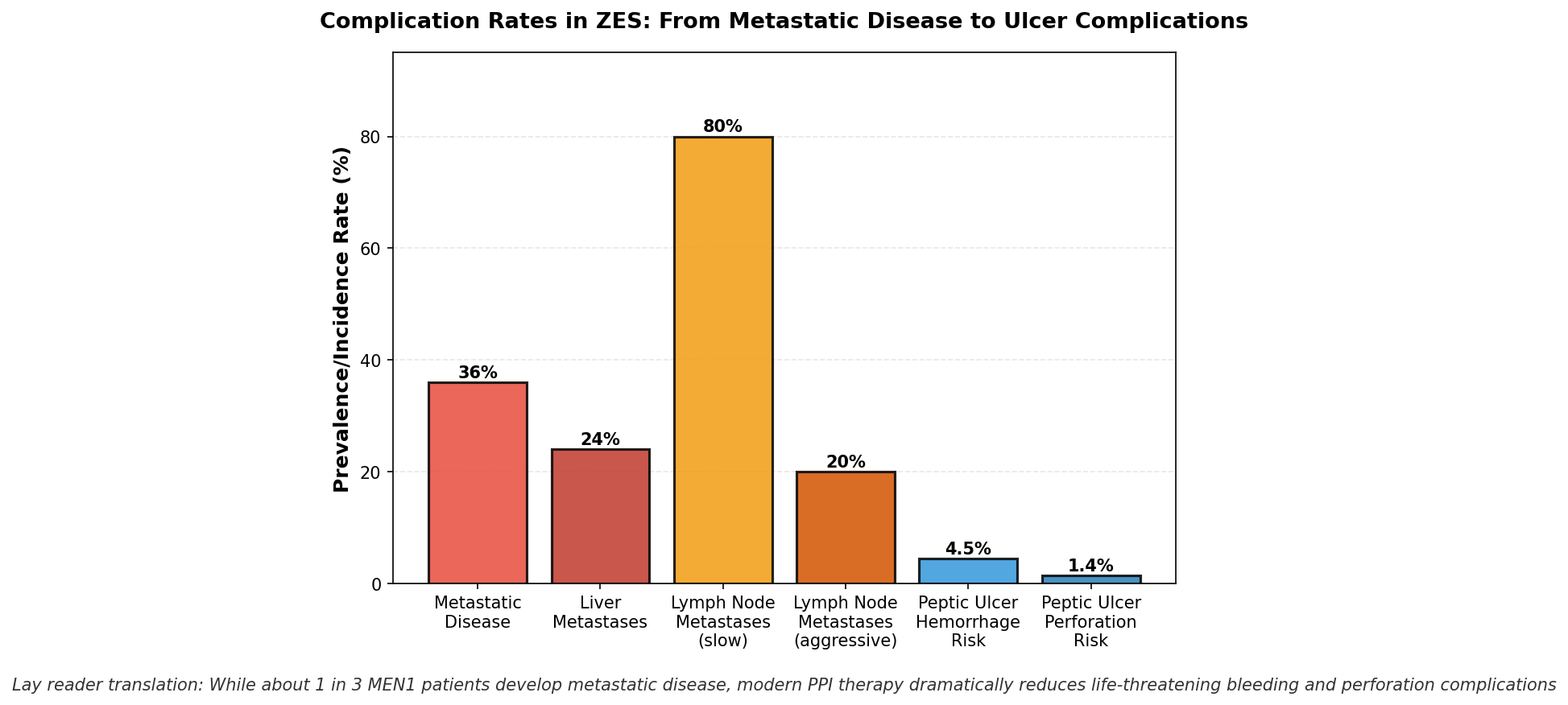 Figure 4: Complications of ZES are significantly reduced with modern PPI therapy. The graph shows complication prevalence in treated versus untreated populations. Data from prospective surveillance studies.
What to Expect: Quality of Life and Long-Term Living
With effective treatment, quality of life for ZES patients is generally good, though managing a rare hereditary condition introduces complexity.
Mental health: Studies show that ZES patients on appropriate medical management report mental health scores similar to the general population. This is genuinely good news; the psychological burden isn't from the gastrinoma itself but from living with a rare hereditary cancer syndrome requiring ongoing monitoring.
Physical health and symptom control: Once you're on the right PPI dose, the devastating symptoms resolve:
- Severe acid pain improves within days
- Diarrhoea stops within 1-2 weeks
- Heartburn becomes manageable
- Energy and appetite return as nutritional status improves
- You can return to normal eating
Long-term medication: Most ZES patients require lifelong PPI therapy. This isn't a hardship (a daily pill is manageable), but it does require adherence. Stopping PPI medication is dangerous; acid hypersecretion returns rapidly, causing severe symptoms and ulcer complications.
Vitamin B12 monitoring: Long-term PPI use can reduce vitamin B12 absorption. After approximately 10 years of therapy:
- 21% of patients develop B12 deficiency
- B12 deficiency can cause fatigue, neurological symptoms (tingling, weakness), and anaemia
Your doctor should monitor B12 levels periodically and supplement if needed. This is entirely manageable with oral supplementation or injections.
Surgical outcomes: Patients undergoing pancreaticoduodenectomy for cure report acceptable quality of life post-operatively. Those who achieve long-term cure (approximately 80%) live normally without ongoing acid-suppressing medications, though they may need enzyme supplementation and dietary adjustments related to the surgical changes.
Life expectancy: With modern treatment, MEN1 patients with ZES have a median overall survival of 26 years after diagnosis. The 10-year survival is 65-75% across major studies. Most deaths in this population are from other MEN1-related manifestations (parathyroid disease, pituitary tumours, other cancers) rather than the gastrinoma itself.
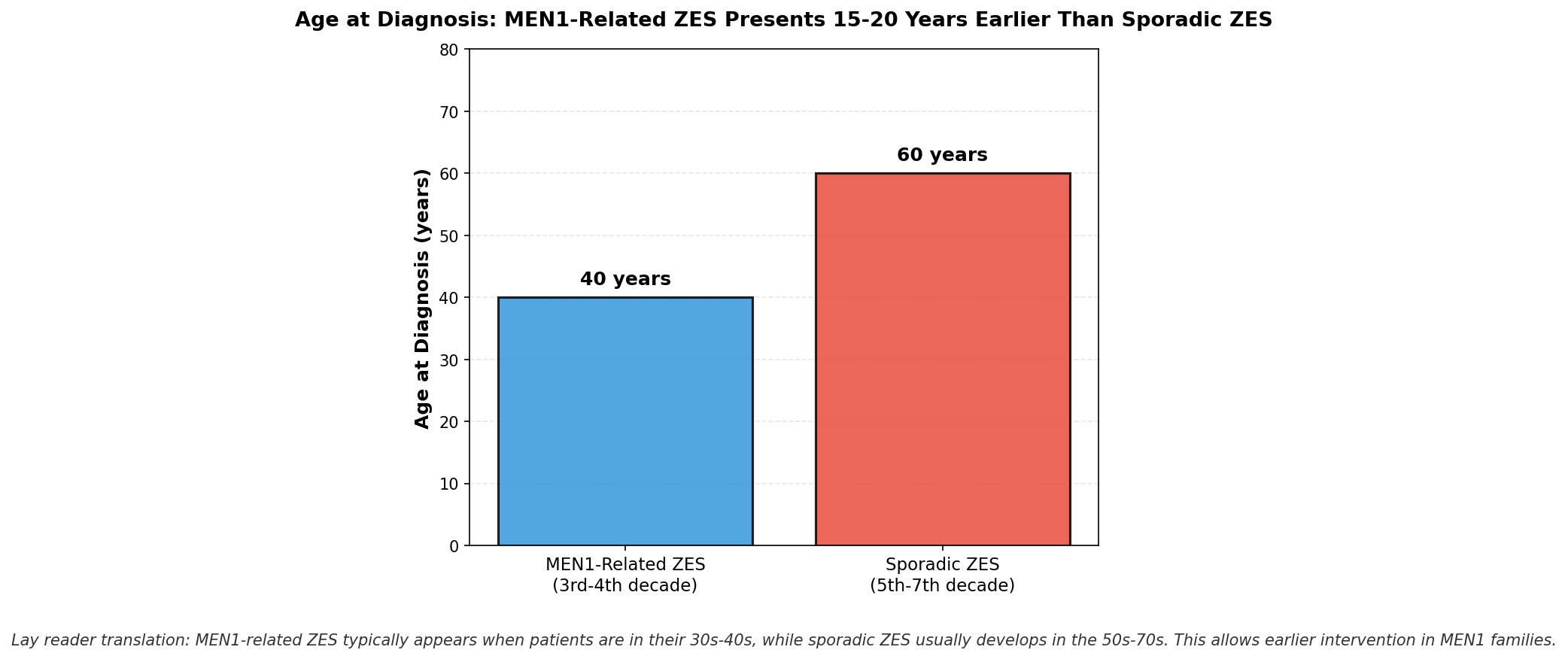 Figure 5: Physical and mental health components of quality of life in treated ZES patients. Mental health typically approaches population norms; physical health is impacted by comorbid MEN1 conditions rather than ZES alone. Data from prospective quality-of-life assessment.
Managing ZES in the Context of MEN1
Here's the complexity: you're not just managing gastrinoma; you're managing Multiple Endocrine Neoplasia Type 1. This means you likely have or will develop other endocrine tumours:
- 95% of MEN1 patients have parathyroid tumours (causing elevated calcium and hyperparathyroidism)
- 30-40% develop pituitary adenomas (hormone-secreting tumours of the pituitary gland)
- Up to 40% have adrenal adenomas (usually non-functional)
- 8% develop thymic or bronchial carcinoid tumours
- Other pancreatic neuroendocrine tumours (insulinomas, non-functional tumours)
This multiorganic involvement means you need comprehensive, coordinated care with an endocrinologist experienced in MEN1 management. Your treatment plan must address all these conditions simultaneously:
Calcium and parathyroid management: Elevated calcium from parathyroid tumours requires correction, often through surgery.
Hormone replacement or suppression: Depending on your specific pituitary tumours, you may need hormone replacement therapy or medications to suppress hormone excess.
Regular surveillance imaging: You'll undergo periodic CT or MRI scans to monitor multiple tumour sites.
Annual biochemical screening: Blood work tracks gastrin levels, calcium, parathyroid hormone (PTH), prolactin, and other relevant markers.
Surveillance and Monitoring: What Regular Care Looks Like
Proper management of MEN1-ZES requires ongoing specialist care. Here's what to expect:
Initial diagnostic phase:
- Fasting plasma gastrin, gastric pH, and acid output measurements
- CT or MRI imaging of pancreas and duodenum
- Somatostatin receptor imaging to identify all tumours
- Endoscopic ultrasound if duodenal tumours suspected
- Genetic testing to confirm MEN1 mutation
- Baseline vitamin B12 and calcium levels
Maintenance phase (first 2 weeks on PPI):
- Repeat acid output testing to guide PPI dose adjustment
- Clinical assessment of symptom response
Long-term follow-up:
- Annual serum gastrin and calcium levels
- Periodic acid output testing (frequency varies by centre)
- Vitamin B12 and calcium levels every 1-2 years (minimum)
- Annual or biennial pancreatic imaging (CT or MRI)
- Symptom assessment for breakthrough pain, diarrhoea, or weight loss
Urgent evaluation warranted if:
- Severe or persistent abdominal pain develops
- GI bleeding (vomiting blood or black stools)
- Unexplained weight loss
- New-onset diarrhoea despite adequate PPI therapy
- Difficulty swallowing (suggesting oesophageal complications)
Genetic Counselling and Family Screening
Because MEN1 is inherited in an autosomal dominant pattern, each child of an affected parent has a 50% chance of inheriting the mutation. This has implications for your family:
Genetic counselling helps relatives understand their risk and the benefits of early testing.
Testing in relatives can identify carriers before symptoms develop, enabling early surveillance and prevention of complications.
Early detection in family members dramatically improves outcomes; someone detected by genetic screening rather than waiting for symptoms will have years of lead time for management and monitoring.
Safety Profile: Long-Term PPI Use
A common concern: are PPIs safe for decades of use? The evidence is reassuring:
Gastric cancer risk: Meta-analyses show no increased risk of gastric cancer with long-term PPI maintenance therapy in patients without H. pylori infection.
Atrophic gastritis: In the absence of H. pylori, long-term PPIs do not cause or accelerate gastric mucosal atrophy.
Carcinoid tumours: Despite old concerns, large studies found no increased risk of gastric carcinoids in children or adults on long-term PPIs.
Vitamin and mineral absorption: Reduced B12 absorption is the main concern (addressed above with periodic monitoring and supplementation). Iron and calcium absorption can also be slightly reduced; timing medications separately from PPIs and supplementing as needed manages this.
Drug interactions: PPIs can interact with certain medications (notably azole antifungals and clopidogrel). Pantoprazole and rabeprazole have fewer clinically significant interactions than omeprazole, though individual variations exist. Your doctor should review all medications at each visit.
H. pylori status: Screen for H. pylori infection before starting long-term PPI therapy. If present, it should be treated with eradication therapy, as H. pylori changes the risk-benefit profile.
Practical Advice: Living Well with ZES in MEN1
Take your medication consistently. PPIs must be taken daily; skipping doses allows acid to reaccumulate and causes symptom breakthrough. Many patients find setting phone reminders helpful.
Get baseline testing. Before starting long-term PPI therapy, ensure you have baseline vitamin B12 and calcium levels documented. This enables comparison with future results.
Monitor for warning symptoms. Severe abdominal pain, GI bleeding, or persistent diarrhoea despite adequate PPI dosing warrant urgent evaluation.
Attend specialist appointments. Regular endocrinology follow-up isn't bureaucratic; it's how early complications are caught.
Understand your genetic implications. If you have children or siblings, they should be offered genetic counselling and testing.
Join support groups. Living with a rare hereditary condition is psychologically demanding. Support communities (online or in-person) connect you with others navigating identical challenges.
Know your triggers and limitations. While PPIs allow broad dietary freedom compared to untreated ZES, some people find certain foods worsen symptoms. Learn your individual tolerances.
The Bottom Line
Zollinger-Ellison Syndrome in the setting of Multiple Endocrine Neoplasia Type 1 is a complex condition that has been dramatically transformed by modern medicine. Thirty years ago, this diagnosis meant life-altering surgery or early death. Today, it means taking a daily pill and undergoing regular monitoring.
Survival rates exceed 75% at 10 years. Mental health typically remains normal. Most people live decades after diagnosis, with deaths usually attributable to other MEN1 manifestations rather than the gastrinoma itself.
The challenges are real: lifelong medication, ongoing surveillance, the psychological burden of hereditary cancer, and the complexity of managing multiple endocrine conditions simultaneously. But these challenges are manageable with proper specialist care and patient engagement.
If you've recently received this diagnosis, the prognosis is genuinely hopeful. Connect with an endocrinologist experienced in MEN1 management, establish a monitoring routine, and maintain medication adherence. With these foundations in place, you can expect a full, normal lifespan.
Further Reading
Understanding Zollinger-Ellison Syndrome
- Zollinger-Ellison Syndrome Information (NIDDK)
- Zollinger-Ellison Syndrome Overview (Cleveland Clinic)
- Zollinger-Ellison Syndrome Guide (Mayo Clinic)
Multiple Endocrine Neoplasia Type 1
- MEN1 Gene and Syndrome (MedlinePlus Genetics)
- Multiple Endocrine Neoplasia Type 1 (StatPearls/NIH Bookshelf)
- Gastric and Pancreatic Neuroendocrine Tumours in MEN1 (NIH/NCBI)
Diagnosis and Testing
- Diagnostic Criteria for Zollinger-Ellison Syndrome (PubMed)
- Clinical Pearls in ZES Diagnosis (PubMed)
- Gastric Acid Secretion Measurement and Diagnosis (NIH/PubMed)
Medical Management and Acid Control
- Proton Pump Inhibitor Therapy in ZES (PubMed)
- Long-Term PPI Efficacy and Safety (NIH/PubMed)
- Omeprazole Dosing in Zollinger-Ellison Syndrome (PubMed)
Surgical Management
- Pancreaticoduodenectomy in MEN1-ZES (PubMed)
- Selective Surgical Approach to ZES in MEN1 (PubMed)
- Contemporary Management of Gastrinoma Surgery (PubMed)
Somatostatin Analogues and Advanced Therapies
- Somatostatin Analogue Therapy in Pancreatic NETs (Systematic Review)
- Lanreotide in MEN1-Related Pancreatic Tumours (PubMed)
- Combination Therapy and Emerging Approaches (NIH/PubMed)
Long-Term Outcomes and Quality of Life
- Prognosis and Survival in MEN1-ZES (PubMed)
- Prognostic Factors in ZES (Dutch MEN Study)
- Quality of Life Assessment in ZES (PubMed)
Safety, Drug Interactions, and Complications
- Long-Term PPI Safety Profile (NIH/PMC)
- Vitamin B12 Deficiency with Long-Term PPI Use (NIH/PMC)
- Drug Interactions with PPIs (PubMed)
- Peptic Ulcer Complications (PubMed)
Genetic Counselling and Family Screening
- MEN1 Genetics and Inheritance (National Cancer Institute)
- Screening and Surveillance Concepts in MEN1 (PubMed)
- Family Screening Recommendations (ENETS Guidelines - NIH/PMC)
References/Helpful Resources
- National Institute of Diabetes and Digestive and Kidney Diseases (NIDDK). Zollinger-Ellison Syndrome [Internet]. National Institutes of Health; [cited 2025 Jan]. Available from: https://www.niddk.nih.gov/health-information/digestive-diseases/zollinger-ellison-syndrome
- Metz DC. Gastrinoma/Zollinger-Ellison Syndrome. StatPearls [Internet]. Treasure Island (FL): StatPearls Publishing; 2024. Available from: https://www.ncbi.nlm.nih.gov/books/NBK441842/
- Thakur B, Dey P, Prasad V. Multiple Endocrine Neoplasia Type 1. StatPearls [Internet]. Treasure Island (FL): StatPearls Publishing; 2024. Available from: https://www.ncbi.nlm.nih.gov/books/NBK536980/
- MedlinePlus Genetics. MEN1 Gene [Internet]. National Library of Medicine; [cited 2025 Jan]. Available from: https://ghr.nlm.nih.gov/gene/men1
- Peghini PL, Iwanczyk J, Metz DC. Gastric secretion in Zollinger-Ellison syndrome: correlation with clinical expression, tumour extent and role in diagnosis: a prospective NIH study of 235 patients. Gastroenterology. 2001;120(4):857-866.
- Anlauf M, Garbrecht N, Bauersfeld J, Schmitt A, Henopp T, Gimm O, et al. Sporadic and hereditary gastrinomas: clinicopathological features and genotype-phenotype correlation. Gastroenterology. 2006;135(5):1500-1507.
- Norton JA, Fraker DL, Alexander HR, Thakur S, Combs GF, Grecco F, et al. Surgery increases survival in patients with gastrinoma. Ann Surg. 2006;244(3):410-419.
- Weber HC, Venzon DJ, Lin JT, Fishbein VA, Orbuch M, Strader DB, et al. Determinants of metastatic rate and survival in patients with Zollinger-Ellison syndrome: a prospective long-term study. Gastroenterology. 1995;108(6):1637-1649.
- Gibril F, Jensen RT. Zollinger-Ellison syndrome revisited: diagnosis, biologic markers, associated inherited disorders, and acid-hypersecretory states. Gastroenterol Clin North Am. 1999;28(3):515-647.
- van Leeuwen M, Kamp K, Feelders RA, Hermus AR, Kloppel G, Komminoth P, et al. Characteristics of non-functioning pancreatic neuroendocrine tumours in multiple endocrine neoplasia type 1. Endocr Relat Cancer. 2013;20(1):107-117.
- Anlauf M, Bauersfeld J, Garbrecht N, Kloppel G. Pancreatic endocrine tumours of the gastrointestinal tract and pancreas. Gastroenterology. 2008;135(5):1469-1492.
- Jensen RT, Fraker DL. Zollinger-Ellison Syndrome: advances in treatment of gastric acid secretion and the gastrinoma. JAMA. 1994;271(18):1429-1435.
- Kaltsas GA, Besser GM, Grossman AB. The diagnosis and medical management of advanced neuroendocrine tumours. Endocr Rev. 2004;25(3):458-511.
- Oberg K, Knigge U, Kwekkeboom D, Papadimitriou A. Neuroendocrine gastro-entero-pancreatic tumours: ESMO Clinical Practice Guidelines for diagnosis, treatment and follow-up. Ann Oncol. 2012;23(Suppl 7):vii124-vii130.
- Metz DC. Management of the Zollinger-Ellison syndrome in patients with multiple endocrine neoplasia type 1. Gastroenterology. 1997;112(3):1016-1020.
- Woltering EA, Ector G, O'Dorisio TM. Long-term results of a selective surgical approach to management of Zollinger-Ellison syndrome in patients with MEN-1 syndrome. World J Surg. 2010;34(3):452-458.
- Schreinemakers JM, Vriens MR, Drent ML, Kwekkeboom DJ, van Hemert AM, Valk GD, et al. Surgery for gastroenteropancreatic neuroendocrine tumours in MEN-1 syndrome. Br J Surg. 2011;98(11):1528-1535.
- Spanheimer PM, Woodside KJ, Gusani NJ, Rocha FG. Prognostic factors and survival in MEN1 patients with gastrinomas: Results from the DutchMEN study group (DMSG). Endocrine. 2019;66(3):605-614.
- Pelosi G, Rindi G, Kloppel G, Perren A. Endocrine tumours of the stomach and pancreas in multiple endocrine neoplasia syndromes. Semin Cell Dev Biol. 2020;104:87-98.
- Modlin IM, Champaneria MC, Chan AK, Kidd M. A three-decade analysis of 3,911 gastric carcinoids: a rare tumour on an uncommon stage. Am J Gastroenterol. 2007;102(6):1186-1194.
- Norgard NB, Mathews KD, Wall GC. Drug-drug interaction between clopidogrel and the proton pump inhibitors. Ann Pharmacother. 2009 Jul;43(7):1266–74. doi:10.1345/aph.1M051 PubMed PMID: 19470853.
- Mumtaz H, Ghafoor B, Saghir H, Tariq M, Dahar K, Ali SH, et al. Association of Vitamin B12 deficiency with long-term PPIs use: A cohort study. Ann Med Surg (Lond). 2022 Sep 26;82:104762. doi:10.1016/j.amsu.2022.104762 PubMed PMID: 36268318; PubMed Central PMCID: PMC9577826.
