

Male breast cancer doesn't receive the attention it deserves. When most people hear "breast cancer," they think of women. But every year, thousands of men are diagnosed with this disease, often catching it far too late. The difference between early and late detection isn't small: it's the difference between a 95% survival chance and just 20%.
The real tragedy isn't that men get breast cancer. It's that most men don't know they can get it. Neither do many doctors. Combined with shame and embarrassment, this knowledge gap creates delays of over a year before diagnosis. By then, cancer has often spread to lymph nodes and beyond. Understanding the facts, recognising who's at risk, and knowing when screening matters can save lives.
The Scale of the Problem: How Common Is Male Breast Cancer?
Male breast cancer is genuinely rare. Only 1 in 1,000 men will develop it in their lifetime, compared to 1 in 8 women. It accounts for just 0.5 to 1% of all breast cancer cases worldwide, with around 2,500 new diagnoses annually in the United States.
But rarity doesn't mean it's not serious or worth ignoring.
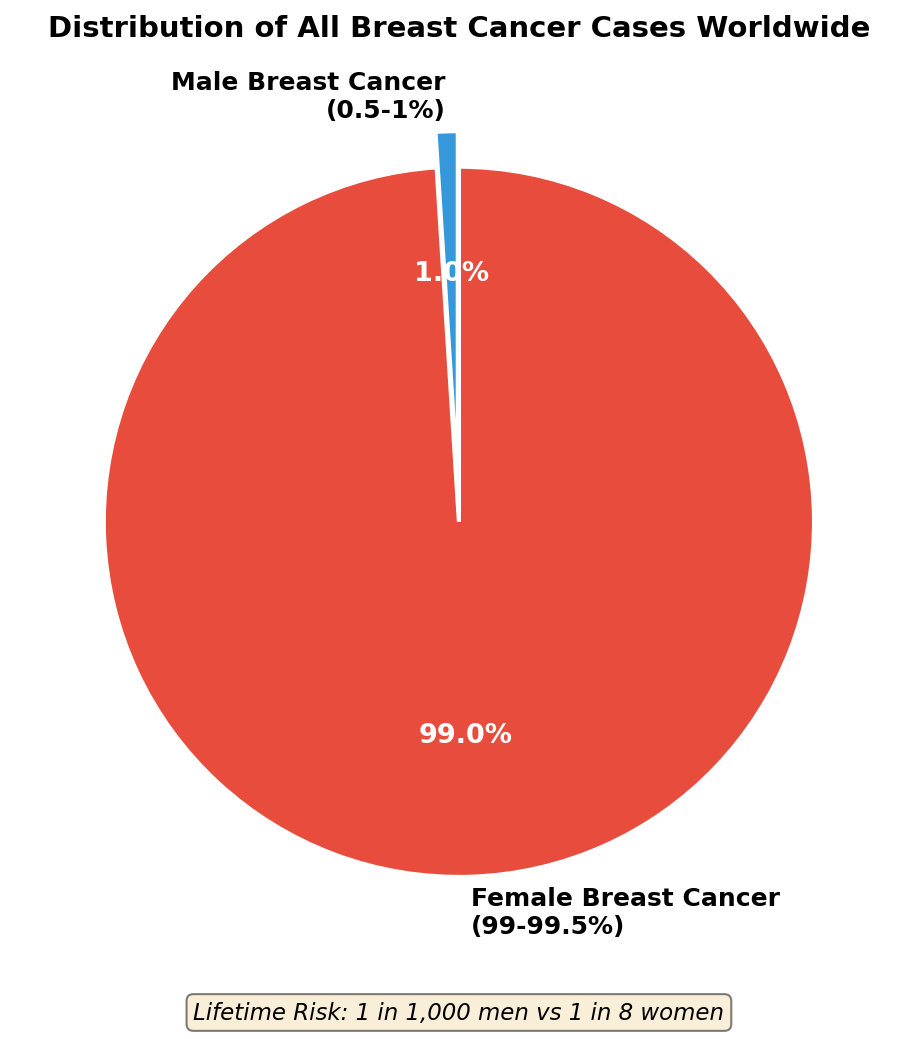 Figure 1: Male breast cancer represents less than 1% of all breast cancer cases, but affects thousands of men annually.
The incidence is actually increasing. Since 1975, diagnosed cases have grown by about 1.3% each year. Some of this reflects better awareness and improved diagnosis, but some is genuine increase in cases. Older men are at highest risk; the average age at diagnosis is around 66 years, about 5 years later than for women.
Why Men Develop Breast Cancer: The Biology Behind It
Men have functional breast tissue, just like women do. It's simply underdeveloped due to lower natural oestrogen levels. But when oestrogen levels rise for any reason, that tissue can become cancerous. This is why understanding risk factors is crucial for prevention and early detection.
The fundamental driver of male breast cancer is abnormal oestrogen exposure or increased oestrogen sensitivity in breast tissue. Several medical conditions and life circumstances can trigger this:
Hormonal imbalances are the biggest culprit. Obesity increases oestrogen production because fat tissue produces this hormone. Men with significant excess weight produce roughly twice as much oestrogen as men at a healthy weight, elevating cancer risk markedly.
Klinefelter syndrome, a genetic condition where men have an extra X chromosome (47,XXY instead of 46,XY), creates a dramatic 50-fold increase in breast cancer risk. This condition affects about 1 in 500 men in the general population, but among men with breast cancer, 7.5% carry this diagnosis.
Liver cirrhosis (advanced scarring of the liver) is a unique male risk factor, increasing breast cancer risk fourfold. When the liver is damaged, it loses its ability to process oestrogen effectively, allowing it to accumulate.
Family history and genetics matter greatly in men. Unlike women, where genetic factors account for roughly 18% of breast cancer cases, male breast cancer has a stronger genetic basis. About 31% of men with breast cancer have a family history of the disease.
Risk Factors: Who Should Be Concerned?
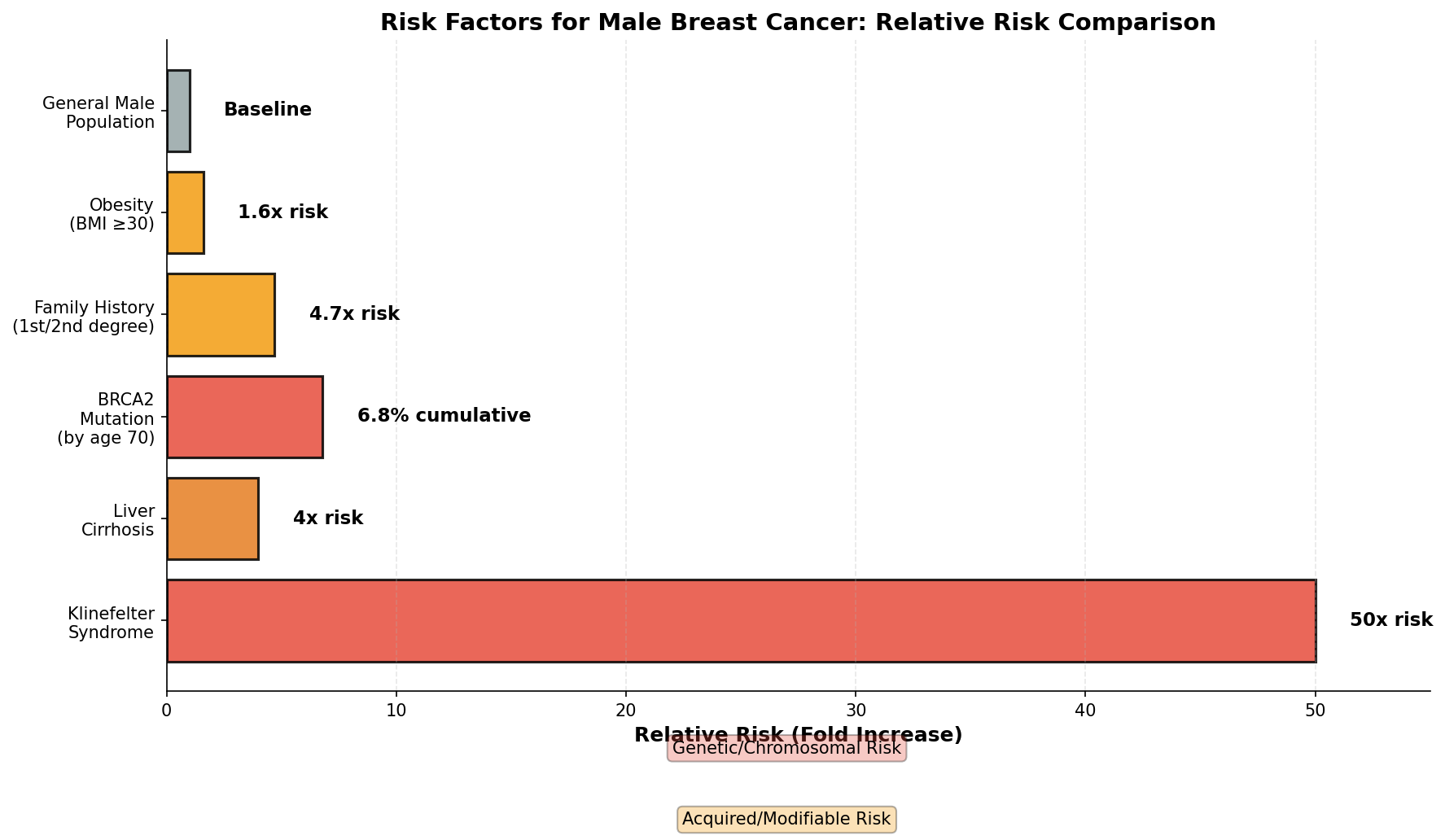 Figure 2: Key risk factors that elevate male breast cancer risk.
The Genetic Risk Factor: BRCA Mutations
The most important genetic risk is a mutation in the BRCA2 gene. BRCA2 is a DNA repair gene; when it's mutated, cells accumulate damage and are more likely to become cancerous.
- Men with BRCA2 mutations have a 6.8% risk of developing breast cancer by age 70 (and 8.4% by age 80). Compare this to the general male population (0.1% lifetime risk), and you can see the dramatic difference.
- By contrast, BRCA1 mutations in men carry only a 1.2% risk by age 70, much lower than BRCA2.
- If your mother, sister, or father had breast cancer (especially under age 50), or if you have Ashkenazi Jewish ancestry (where BRCA mutations are more common), genetic testing should be considered.
Family History
Having a first- or second-degree relative with breast cancer increases a man's risk fourfold. The risk rises even more if multiple family members were affected or if relatives were diagnosed young.
This is particularly important because male breast cancer clusters in families. If you have a mother, sister, or brother with breast cancer, you're not just at statistical risk; you may carry the same genetic predisposition.
Age
Breast cancer in men is typically a disease of older men. While it can occur at any age, rates increase dramatically after age 60. The median age at diagnosis is 66 years.
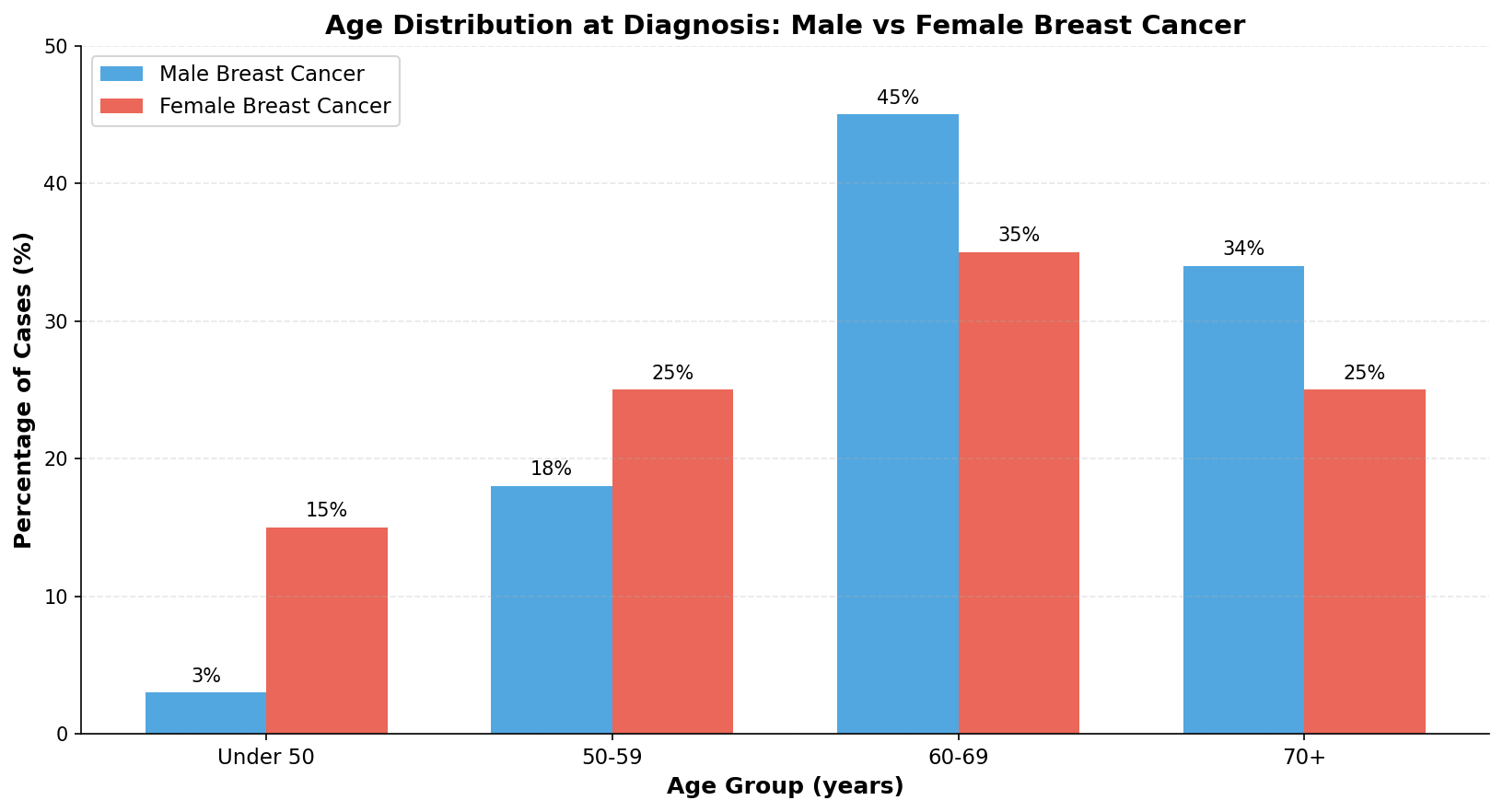 Figure 3: Male breast cancer typically occurs in older men, with incidence rising sharply after age 60.
Medical Conditions
Several medical conditions elevate risk:
- Liver disease: Cirrhosis and chronic hepatitis alter oestrogen metabolism
- Obesity: Body mass index (BMI) over 30 kg/m² is a clear risk factor
- Testicular dysfunction: Beyond Klinefelter syndrome, any condition reducing testosterone or increasing oestrogen
- Previous radiation: Chest or thoracic radiation (for lymphoma, heart disease, or other cancers) increases risk
Lifestyle Factors
- Excess alcohol: Regular heavy drinking increases risk
- Sedentary lifestyle: Physical inactivity is associated with increased cancer risk
- Oestrogen exposure: Use of oestrogen for any medical reason (rare in men but documented)
Clinical Features: What Male Breast Cancer Actually Looks Like
The most common presentation is a painless lump. About 65% of men with breast cancer discover a firm, hard lump, usually behind or around the nipple.
What makes this tricky is that male breast tissue is small and sits directly against the chest wall. A tumour, even a small one, is often noticed more easily in a man than a woman. But the very rarity of the disease means men (and their doctors) don't always recognise what they're seeing.
Warning Signs That Warrant Evaluation
You should see a doctor promptly within 1 to 2 weeks if you notice:
- A firm lump in either breast, typically behind the nipple but potentially anywhere
- Nipple discharge of any kind (clear, bloody, or reddish fluid)
- Skin changes: dimpling, puckering, redness, or thickening
- Nipple inversion: the nipple turning inward or pulling to one side
- Persistent one-sided breast pain (especially if combined with other symptoms)
- One-sided swelling or sudden enlargement of breast tissue
The key is persistence. If something hasn't resolved within two weeks, get it checked. Early evaluation transforms outcomes.
How Diagnosis Is Often Delayed
Male breast cancer is typically diagnosed 15.7 months after initial symptoms appear. This delay is far longer than ideal and accounts for much of the worse survival compared to women.
Why does this happen?
First, awareness is shockingly low. Nearly 80% of men don't know they can develop breast cancer. If you don't expect something, you're unlikely to recognise it when it appears.
Second, shame and embarrassment are significant barriers. Over 90% of male breast cancer patients report feeling embarrassed about their symptoms. About 43% worry that a breast cancer diagnosis would make them question their masculinity. This psychosocial barrier leads men to delay seeking help or avoid breast centres if they do seek care.
Third, doctors may miss it too. Because male breast cancer is rare, some healthcare providers don't immediately think of cancer when a man presents with breast symptoms. The condition may be misdiagnosed as benign gynecomastia (enlargement of breast tissue from hormonal imbalance) or a cyst, delaying appropriate investigation.
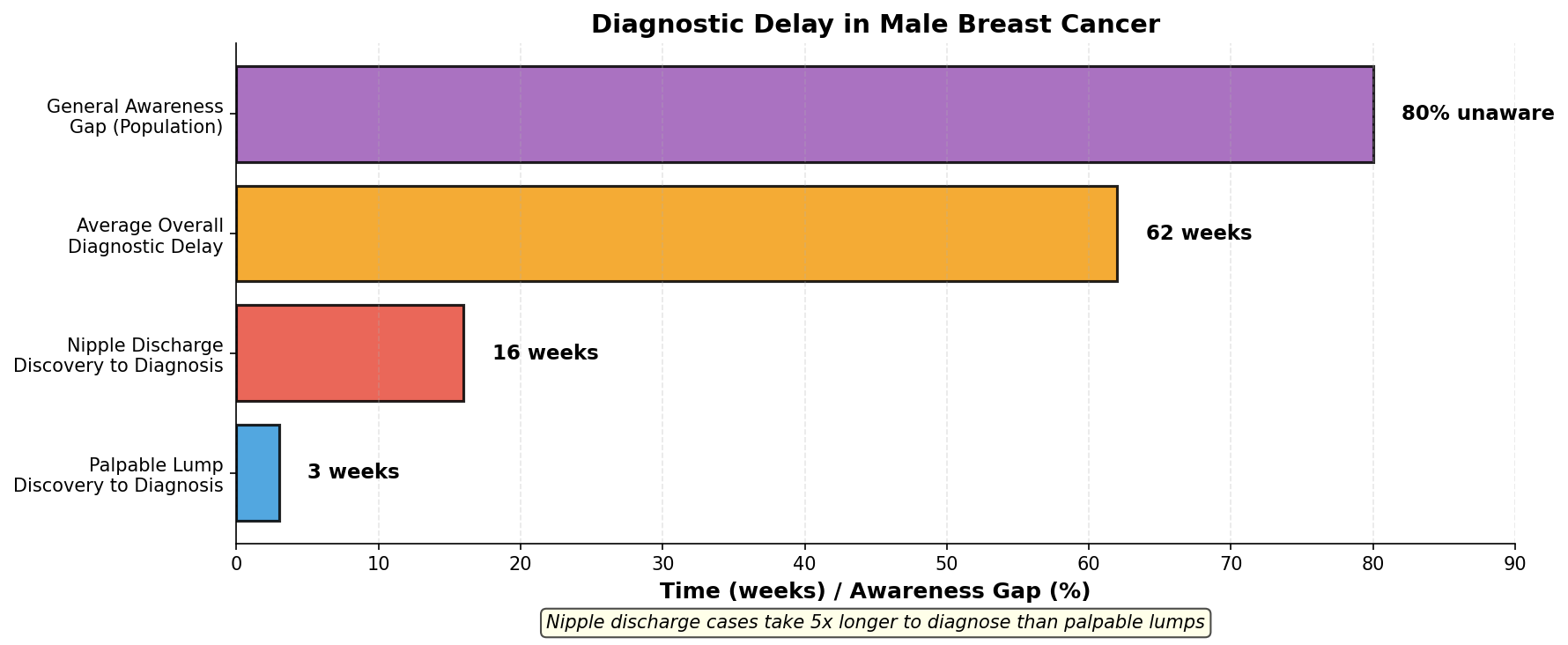 Figure 4: Diagnostic delays are significantly longer when men present with nipple discharge compared to a palpable lump.
Screening and Early Detection: When Is It Necessary?
Why Most Men Don't Need Routine Screening
The general male population doesn't have routine breast cancer screening. The incidence is simply too low (1 per 100,000 men per year). Screening the entire male population would be inefficient and costly relative to lives saved.
However, this doesn't mean men should ignore their bodies. Any man who notices a concerning change should seek evaluation.
High-Risk Men: Who Should Be Screened?
Men with certain risk factors benefit from structured screening and surveillance:
Men with BRCA1 or BRCA2 mutations should have:
- Clinical breast examination twice yearly by a doctor
- Monthly self-examination at home
- Annual mammography (though recommendations vary slightly among specialists)
Men with strong family history of breast cancer (multiple affected relatives or relatives diagnosed young) should discuss individualised screening plans with their doctor.
Men with Klinefelter syndrome require regular surveillance given the 50-fold increase in risk.
Men with liver cirrhosis warrant annual clinical examination.
Men with prior chest radiation should have regular clinical assessment.
The Diagnostic Process
If you have symptoms, your doctor will use a step-by-step approach:
Step 1: Physical examination involves examining both breasts and the lymph nodes under your arms, feeling for lumps, skin changes, or other abnormalities.
Step 2: Imaging typically includes mammography (low-dose X-rays) or ultrasound. Both can effectively identify male breast tumours. Ultrasound is particularly useful for younger men or when mammography results are unclear.
Step 3: Biopsy confirms the diagnosis. If imaging shows suspicious findings, the doctor takes a small tissue sample using a needle (core biopsy) or removes the entire area (excisional biopsy). A pathologist examines cells under a microscope to confirm whether cancer is present and to identify important characteristics affecting treatment.
Key finding about male breast cancer cells: about 90% are invasive ductal carcinoma (the most common type), and most are hormone receptor-positive, meaning they respond to oestrogen and progesterone. This is actually good news for treatment, as these tumours generally respond well to hormone-blocking therapy.
The Stage Problem: Why Diagnosis Timing Matters So Much
Here's where the delayed diagnosis becomes truly critical.
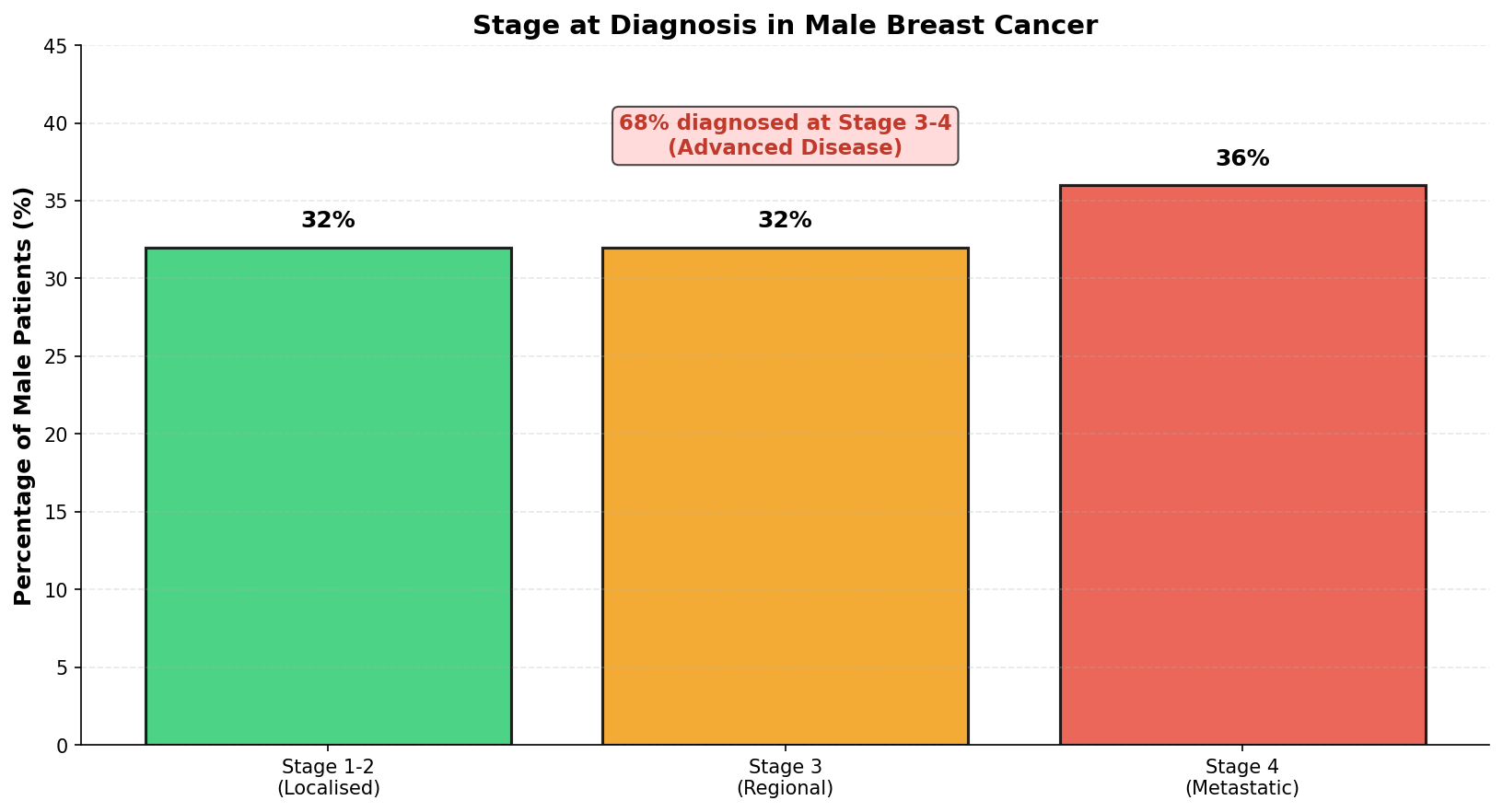 Figure 5: Most men present with advanced disease; 82% have lymph node involvement at diagnosis.
When breast cancer is caught early and hasn't spread:
- 95% of men survive at least 5 years
When it has spread to regional lymph nodes (stage 2-3):
- 84% survive at least 5 years
When it has spread to distant organs (stage 4, metastatic):
- Only 20% survive 5 years
The dramatic difference between 95% and 20% illustrates why early detection is transformative.
Currently, 82% of men have cancer that has already spread to underarm lymph nodes by the time of diagnosis. This is far more common than in women. Many men also present with larger primary tumours (T3-T4 stage), meaning the cancer has grown larger before being discovered.
Treatment Options: What Works and What Doesn't
Once diagnosed, treatment depends on the cancer's characteristics and stage. Most men benefit from a combination approach.
Surgery: Mastectomy
The standard surgical approach is mastectomy (removal of all breast tissue) with removal of underarm lymph nodes. Because male breasts are small, breast conservation (keeping the breast tissue and removing only the tumour) is less commonly performed.
This surgery effectively removes the cancer and assesses lymph node involvement, which is critical for staging and treatment planning.
Hormone Therapy: The Cornerstone of Treatment
Since 60 to 70% of male breast cancers are hormone receptor-positive (meaning they depend on oestrogen to grow), hormone-blocking therapy is the main treatment for most men.
Tamoxifen is the first-line drug. It blocks oestrogen from binding to cancer cells, starving them of growth signals. Standard treatment is 5 years of tamoxifen.
Here's an important point: tamoxifen works better in men than alternative hormone therapies. However, it causes more side effects in men than in women. About 20% of men stop tamoxifen because of intolerable side effects, compared to only 4% of women.
Common side effects include hot flashes (affecting 18% of men), decreased sexual desire, weight gain, and tiredness. Some men also face an increased risk of blood clots in the first 18 months of treatment.
For men who can't tolerate tamoxifen, doctors sometimes combine other hormone-blocking drugs, though outcomes are less favourable.
Chemotherapy
Chemotherapy (powerful drugs that kill rapidly dividing cells) is recommended for:
- Younger men with involved lymph nodes
- Tumours that lack hormone receptors
- High-grade, aggressive-appearing tumours
Unlike hormone therapy, there are no randomised clinical trials specifically in men. Treatment decisions are adapted from female breast cancer evidence. Common regimens include FAC (fluorouracil, doxorubicin, cyclophosphamide) or CMF (cyclophosphamide, methotrexate, fluorouracil).
Radiation Therapy
Radiation is used for men with high-risk features, particularly those with lymph node involvement or invasion into the chest wall muscle. It achieves local control in about 97% of treated patients, with 5-year survival around 77%.
Targeted Therapy for HER2-Positive Cancers
About 5 to 20% of male breast cancers are HER2-positive (overexpressing a growth-promoting protein). These respond to targeted drugs like trastuzumab (Herceptin), which blocks HER2 and stops cancer growth. Newer agents like T-DM1 and T-DXd also show promise.
Survival and Prognosis: What the Numbers Actually Mean
Five-year overall survival for male breast cancer is 73 to 84%, depending on the study and time period. This sounds reasonable until you compare it to female breast cancer survival of 83 to 86%. Despite receiving the same treatment, men fare worse.
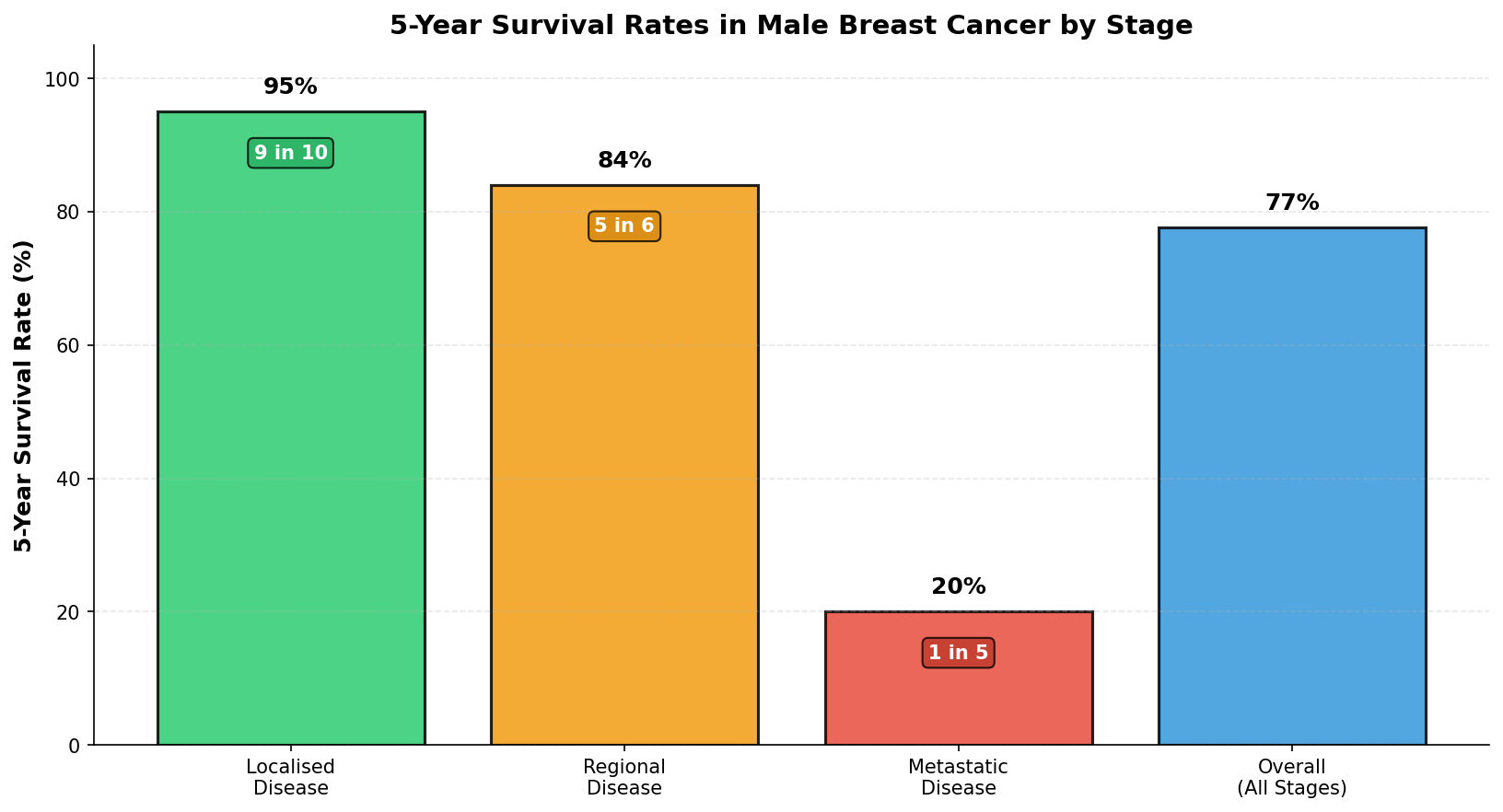 Figure 6: Five-year survival varies dramatically by stage at diagnosis.
Why the discrepancy?
Delayed diagnosis is the primary culprit. Men present at later stages, which requires more aggressive treatment and limits effectiveness.
Biological differences may also play a role. Male breast cancers appear to have distinct genetic and molecular characteristics compared to female tumours, potentially making them slightly more aggressive or less responsive to standard treatments.
Underrepresentation in clinical trials means newer, more effective treatments haven't been as thoroughly studied in men, potentially leaving them with less optimised therapy.
Racial disparities are significant. Black men have poorer survival outcomes than White men, reflecting broader systemic healthcare inequities.
Long-term survival also declines over time. Ten-year survival is 54% for men versus 70% for women. This suggests that while initial treatment often succeeds, long-term cancer control remains a challenge in men.
Screening and Risk Assessment for High-Risk Men
If you have multiple risk factors, genetic counselling and testing may be appropriate.
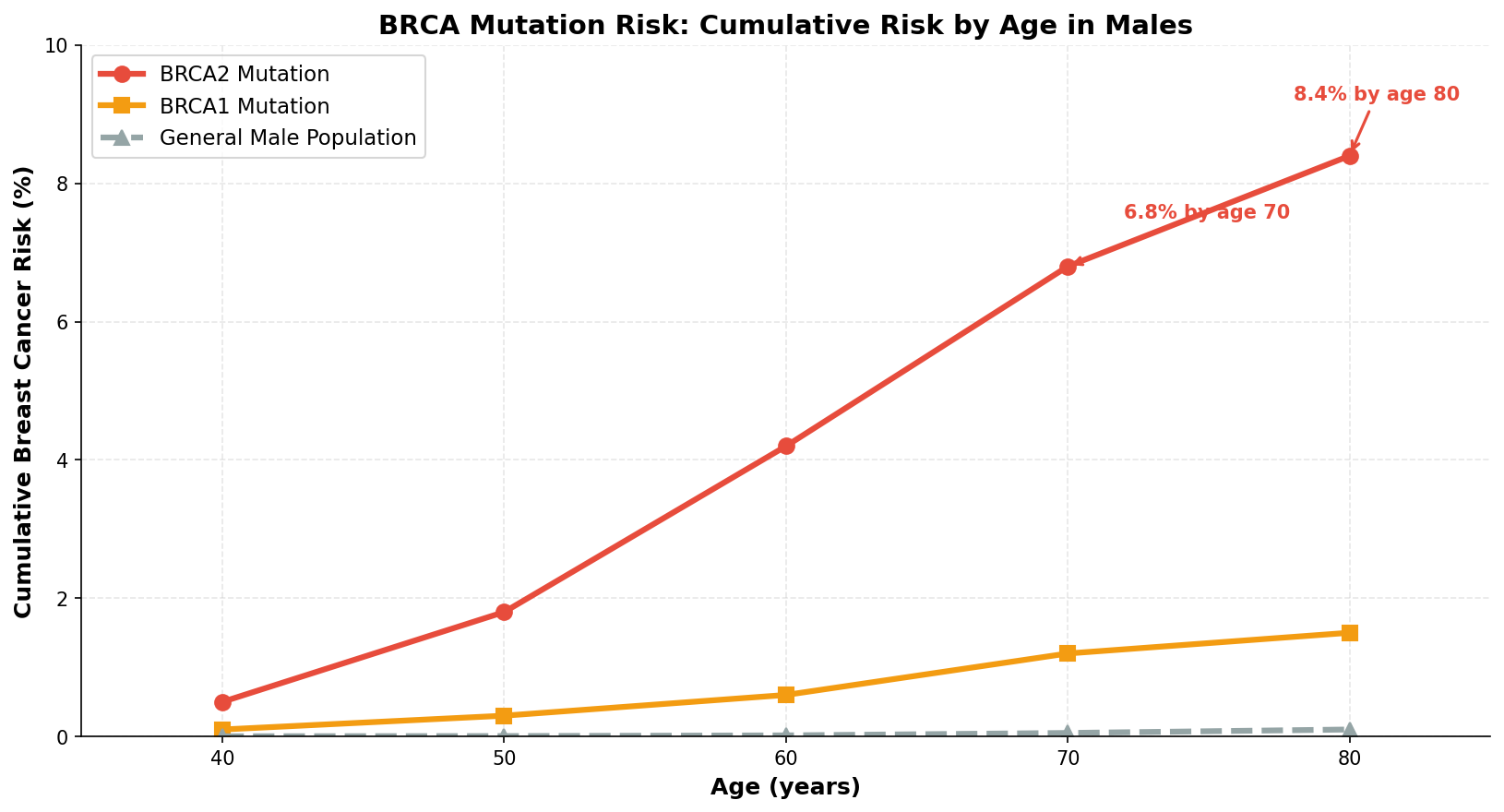 Figure 7: Cumulative breast cancer risk increases with age for men carrying BRCA mutations.
Consider genetic testing if you have:
- A mother, sister, or father with breast cancer (especially under age 50)
- Klinefelter syndrome or known family history of Klinefelter
- Ashkenazi Jewish ancestry and any family history of breast cancer
- Personal history of cancer diagnosis before age 50
- Multiple relatives with cancer
If genetic testing identifies a BRCA mutation:
- Begin surveillance with clinical examination twice yearly starting in your 20s or 30s
- Perform monthly self-examination of your breasts
- Consider annual mammography (recommendations vary; discuss with your doctor)
- Maintain healthy lifestyle: manage weight, limit alcohol, stay physically active
Living with Male Breast Cancer: Support and Quality of Life
Male breast cancer survivors face unique psychological challenges. The disease is rare, carrying stigma and confusion (many people don't believe men can get it). Support resources specifically for men are limited compared to female-focused programmes.
Research shows that 58% of male breast cancer survivors moderately to strongly like identifying as "survivors," 26% are neutral, and 16% dislike the term. This variation reflects the diverse experiences and feelings about the disease.
Quality of life generally improves after treatment, with most survivors reporting good functioning. However, sexual side effects from hormone therapy and body image concerns after mastectomy warrant attention and support.
Key support needs include:
- Reducing stigma and educating the public (and healthcare providers) about male breast cancer
- Accessing gender-specific information and management tailored to men
- Participating in support groups with other male breast cancer patients
- Managing sexual and hormonal side effects of treatment
- Psychological support to address the unique emotional impact of the disease
Key Takeaways: What Every Man Should Know
- Male breast cancer is real. Approximately 2,500 men are diagnosed annually in the United States, and cases are increasing.
- It can happen to you. Whilst rare, any man can develop breast cancer, particularly if he has risk factors like family history, BRCA mutations, Klinefelter syndrome, liver disease, or obesity.
- Awareness is critically low. 80% of men don't know they can develop breast cancer, creating dangerous delays in diagnosis.
- Early detection transforms survival. Stage 1 disease carries 95% five-year survival; stage 4 carries just 20%. Every month of delay matters.
- Know the warning signs. A persistent lump, nipple discharge, skin changes, or nipple inversion warrants prompt evaluation.
- Screening is for high-risk men. If you have BRCA mutations, strong family history, or prior chest radiation, discuss screening with your doctor.
- Treatment is effective. Most male breast cancers respond well to surgery, hormone therapy, and sometimes chemotherapy or radiation.
- Support is available. Male-specific support groups and resources are increasingly common; psychological support should be part of your care.
- Lifestyle matters. Maintain a healthy weight, limit alcohol, stay physically active, and know your family history.
- Tell your story. The more men know that breast cancer can affect them, the earlier others will seek help.
Further Reading
Understanding Male Breast Cancer
- Male Breast Cancer Overview - National Cancer Institute
- Male Breast Cancer - NHS
- Male Breast Cancer - Mayo Clinic
- Male Breast Cancer - Cleveland Clinic
Risk Factors and Screening
- Risk Factors for Breast Cancer in Men - National Cancer Institute
- Genetic Risk and BRCA Testing - National Institute of Health
- Klinefelter Syndrome and Cancer Risk - NIH MedlinePlus
Diagnosis and Screening Methods
- Breast Cancer Screening - CDC
- Breast Cancer Diagnosis - Mayo Clinic
- Mammography and Breast Imaging - National Cancer Institute
Treatment Options
- Male Breast Cancer Treatment - National Cancer Institute
- Tamoxifen and Hormone Therapy - National Cancer Institute
- Chemotherapy for Breast Cancer - National Cancer Institute
- Radiation Therapy for Cancer - National Cancer Institute
Support and Survivorship
- Cancer Survivor Resources - National Cancer Institute
- ClinicalTrials.gov - Finding Clinical Trials
- Support Groups and Counselling - American Cancer Society
Helpful Resources
- National Cancer Institute. Male Breast Cancer [Internet]. US Department of Health and Human Services; [cited 2025 June]. Available from: https://www.cancer.gov/types/breast/male-breast-cancer
- NHS England. Breast Cancer in Men [Internet]. National Health Service; [cited 2025 June]. Available from: https://www.nhs.uk/conditions/breast-cancer-in-men/
- Mayo Clinic. Male Breast Cancer: Symptoms and Causes [Internet]. Mayo Foundation for Medical Education and Research; [cited 2025 June]. Available from: https://www.mayoclinic.org/diseases-conditions/male-breast-cancer/symptoms-causes/syc-20374740
- Cleveland Clinic. Male Breast Cancer [Internet]. Cleveland Clinic Foundation; [cited 2025 June]. Available from: https://my.clevelandclinic.org/health/diseases/9011-male-breast-cancer
- National Cancer Institute. Male Breast Cancer Treatment PDQ [Internet]. US National Institutes of Health; [cited 2025 June]. Available from: https://www.cancer.gov/types/breast/hp/male-breast-treatment-pdq
- CDC. Breast Cancer Statistics [Internet]. Centers for Disease Control and Prevention; [cited 2025 June]. Available from: https://www.cdc.gov/cancer/breast/statistics/
- NIH PubMed. Global, Regional, and National Burden of Male Breast Cancer, 1990-2021. National Institutes of Health National Center for Biotechnology Information; 2024.
- NIH PubMed. Male Breast Cancer: Epidemiology, Diagnosis, Molecular Mechanisms, Therapeutics, and Future Perspectives. National Institutes of Health National Center for Biotechnology Information; 2024.
- NIH PubMed. Delayed Presentation, Diagnosis, and Psychosocial Aspects of Male Breast Cancer. National Institutes of Health National Center for Biotechnology Information; 2021.
- NIH PubMed. Male Breast Cancer: An Updated Review of Epidemiology, Clinicopathology, and Treatment. National Institutes of Health National Center for Biotechnology Information; 2023.
- NIH PubMed. Breast Cancer Risk Among Male BRCA1 and BRCA2 Mutation Carriers. National Institutes of Health National Center for Biotechnology Information; 2008.
- NIH PubMed. Risk of Breast Cancer in Male BRCA2 Carriers. National Institutes of Health National Center for Biotechnology Information; 2011.
- NIH PubMed. Prospective Evaluation of Risk Factors for Male Breast Cancer. National Institutes of Health National Center for Biotechnology Information; 2009.
- NIH PubMed. Risk Factors for Male Breast Cancer. National Institutes of Health National Center for Biotechnology Information; 1996.
- NIH PubMed. Risk of Breast Cancer in Men in Relation to Weight Change. National Institutes of Health National Center for Biotechnology Information; 2022.
- NIH PubMed. Male Breast Cancer and Hyperestrogenemia. National Institutes of Health National Center for Biotechnology Information; 2016.
- NIH PubMed. Men's Awareness and Knowledge of Male Breast Cancer. National Institutes of Health National Center for Biotechnology Information; 2010.
- NIH PubMed. Breast Cancer Risk Among Patients with Klinefelter Syndrome. National Institutes of Health National Center for Biotechnology Information; 2011.
- NIH PubMed. Cancer Incidence and Mortality in Men with Klinefelter Syndrome. National Institutes of Health National Center for Biotechnology Information; 2006.
- NIH PubMed. Male Breast Cancer: Does the Prognosis Differ Compared to Female? National Institutes of Health National Center for Biotechnology Information; 2001.
- NIH PubMed. Male Breast Cancer: An Updated Surveillance, Epidemiology, and End Results Data Analysis. National Institutes of Health National Center for Biotechnology Information; 2018.
- NIH PubMed. Men with Breast Cancer Have Higher Mortality than Women. National Institutes of Health National Center for Biotechnology Information; 2019.
- NIH PubMed. Survival in Male Breast Cancer Over the Past 3 Decades. National Institutes of Health National Center for Biotechnology Information; 2023.
- NIH PubMed. Clinicopathological Characteristics and Survival Outcomes of Male Breast Cancer According to Race. National Institutes of Health National Center for Biotechnology Information; 2016.
- NIH PubMed. Tumor Subtypes and Survival in Male Breast Cancer. National Institutes of Health National Center for Biotechnology Information; 2021.
- NIH PubMed. Incidence and Survival Outcomes of Early Male Breast Cancer. National Institutes of Health National Center for Biotechnology Information; 2019.
- NIH PubMed. Clinical Characteristics and Survival Trends of Male Breast Cancer in the United States. National Institutes of Health National Center for Biotechnology Information; 2023.
- NIH PubMed. Risk of Breast Cancer in Families of Multiple Affected Women and Men. National Institutes of Health National Center for Biotechnology Information; 2013.
- NIH PubMed. Risk of Breast Cancer in Men with Liver Cirrhosis. National Institutes of Health National Center for Biotechnology Information; 1999.
- NIH PubMed. Male Breast Cancer Clinical Presentation and Treatment. National Institutes of Health National Center for Biotechnology Information; 2016.
- NIH PubMed. Male Breast Cancer Genetic Testing. National Institutes of Health National Center for Biotechnology Information; 2019.
- NIH PubMed. Breast Cancer Screening in High-Risk Men. National Institutes of Health National Center for Biotechnology Information; 2019.
- NIH PubMed. Male Breast Cancer Risk Assessment and Screening. National Institutes of Health National Center for Biotechnology Information; 2020.
- NIH PubMed. Male Breast Cancer Epidemiology Insights. National Institutes of Health National Center for Biotechnology Information; 2024.
- NIH PubMed. International Male and Female Breast Cancer Incidence Comparison. National Institutes of Health National Center for Biotechnology Information; 2012.
- NIH PubMed. Endocrine Therapy for Male Breast Cancer: Rates of Toxicity and Adherence. National Institutes of Health National Center for Biotechnology Information; 2010.
- NIH PubMed. Tamoxifen Administration and High Rate of Treatment-Limiting Symptoms in Male Breast Cancer Patients. National Institutes of Health National Center for Biotechnology Information; 1993.
- NIH PubMed. Tamoxifen Treatment for Male Breast Cancer and Risk of Thromboembolism. National Institutes of Health National Center for Biotechnology Information; 2020.
- NIH PubMed. Quality-of-Life and Oncological Outcomes in Male Breast Cancer. National Institutes of Health National Center for Biotechnology Information; 2023.
- NIH PubMed. Breast Cancer in Men and Quality of Life: A Systematic Review. National Institutes of Health National Center for Biotechnology Information; 2023.
- NIH PubMed. Male Breast Cancer: Risk Factors, Biology, Diagnosis, Treatment, and Survivorship. National Institutes of Health National Center for Biotechnology Information; 2012.
- NIH PubMed. Male Breast Cancer Networking and Telephone Support Group. National Institutes of Health National Center for Biotechnology Information; 2014.
- NIH PubMed. Factors Associated with Survivor Identity in Men with Breast Cancer. National Institutes of Health National Center for Biotechnology Information; 2021.
- NIH PubMed. Transitional Experience of Men with Breast Cancer from Diagnosis to Survivorship. National Institutes of Health National Center for Biotechnology Information; 2019.
- NIH PubMed. Management of Male Breast Cancer: ASCO Guideline. National Institutes of Health National Center for Biotechnology Information; 2020.
- NIH PubMed. Adjuvant Radiation Therapy for Male Breast Cancer. National Institutes of Health National Center for Biotechnology Information; 2021.
- NIH PubMed. Impact of Adjuvant Radiation Therapy in Patients With Male Breast Cancer: A Multicenter International Analysis. National Institutes of Health National Center for Biotechnology Information; 2020.
- NIH PubMed. Adjuvant Radiotherapy in Male Breast Cancer. National Institutes of Health National Center for Biotechnology Information; 2000.
- NIH PubMed. HER2-Positive Male Breast Cancer Treatment with Trastuzumab and Paclitaxel. National Institutes of Health National Center for Biotechnology Information; 2008.
- NIH PubMed. Durable Clinical and Metabolic Response to Trastuzumab Deruxtecan in Male HER2-Low Metastatic Breast Cancer. National Institutes of Health National Center for Biotechnology Information; 2023.
- NIH PubMed. Trastuzumab: Targeted Therapy for HER2-Overexpressing Metastatic Breast Cancer. National Institutes of Health National Center for Biotechnology Information; 2005.
- NIH PubMed. Patterns of Recurrence and Treatment in Male Breast Cancer. National Institutes of Health National Center for Biotechnology Information; 2016.
- NIH PubMed. Survival Pattern in Male Breast Cancer. National Institutes of Health National Center for Biotechnology Information; 2023.
- NIH PubMed. Features, Outcomes, and Management Strategies of Male Breast Cancer. National Institutes of Health National Center for Biotechnology Information; 2020.
- NIH PubMed. Male Breast Cancer in Serbia: A Retrospective Cohort Study. National Institutes of Health National Center for Biotechnology Information; 2023.
