

For millions of people, especially women, the experience is deeply frustrating. Chest pain during exercise or stress, the worry that something serious is wrong, visits to the hospital for testing. Then comes the reassuring news from the doctor: "Your coronary arteries are completely clear. You don't have a heart attack risk." But the pain persists. The fatigue continues. Life becomes smaller, more limited.
This isn't anxiety or imagination. This is microvascular angina, a real, serious condition that standard tests routinely miss. And it's far more common than most people realise.
The Hidden Problem With Normal Arteries
When your heart demands more blood (during exercise, stress, or emotional excitement), your body should respond instantly. Tiny blood vessels throughout your heart muscle dilate, allowing oxygen-rich blood to flow freely. For people with microvascular angina, this simple process fails.
The problem isn't blockages in your large coronary arteries. An angiogram, the gold-standard test that images these arteries, shows everything is clear. Yet the small vessels that feed your heart muscle (vessels so tiny they're invisible on standard imaging) don't respond properly. They constrict when they should expand, or remain rigid when they should relax. Your heart doesn't get the oxygen it needs, even though the major arteries are patent and clear.
This condition is formally called coronary microvascular dysfunction (CMVD), also known as INOCA (Ischaemia with No Obstructive Coronary Arteries) or cardiac syndrome X. It affects between 30-45% of people with chest pain symptoms who receive normal coronary angiography results.
What makes this particularly serious: Patients with microvascular angina face a 45.2% rate of major adverse cardiac events over time, compared to just 8.6% for those without microvascular dysfunction. That's a more than fivefold increased risk. This isn't a benign condition. It's a high-risk situation that deserves diagnosis and treatment.
Why Women Bear the Disproportionate Burden
The statistics are striking: Women are 2.5 times more likely than men to develop microvascular angina. In international cohorts studied specifically for this condition, women make up 64% of patients. When women present with chest pain symptoms and undergo angiography, they're 5 times more likely to have normal coronary arteries than men, reflecting the distinctly female nature of this disease.
The reasons are biological and profound.
Hormonal Changes and Oestrogen Loss
Oestrogen does far more than regulate reproduction. It's a powerful protector of your vascular system. This hormone actively stimulates your blood vessels to produce nitric oxide, a crucial vasodilator that keeps vessels relaxed and blood flowing freely. It promotes the production of prostacyclin, which prevents blood clots and keeps vessels supple. It activates hyperpolarising factor, which relaxes the smooth muscle surrounding your arteries.
When oestrogen levels drop (particularly after menopause), this protective shield crumbles. Without adequate oestrogen, your blood vessels produce increased free radicals that damage vascular tissue. Your body's natural antioxidant defences weaken. The production of nitric oxide drops dramatically, reducing your vessels' ability to dilate. Chronic inflammation develops throughout your vasculature, and your blood vessels become stiffer and less responsive.
This transition happens quickly. Women during the menopausal years experience a marked increase in cardiovascular disease and vascular dysfunction. The severity of coronary artery disease in women is directly correlated with their lifetime exposure to oestrogen; longer oestrogen exposure shows an independent protective effect on cardiovascular outcomes.
Beyond Hormones: Systemic Microvascular Disease
Oestrogen loss explains part of the story, but not all of it. Research reveals that women with microvascular angina show distinctive patterns that men don't.
Their endothelial cells (the lining of blood vessels) don't respond properly to vasodilating signals. When researchers stimulate acetylcholine (which signals vessels to dilate), women show significantly less vasodilation response than age-matched men. Premenopausal women maintain better vascular reserve: their vessels dilate more effectively after blood flow is restored. However, postmenopausal women lose this advantage.
Their coronary microvascular systems respond differently during stress. When faced with exertion, men's blood vessels dilate abruptly and steeply. Women's vessels respond more gradually and with less capacity for reactive vasodilation, suggesting intrinsic microvascular dysfunction even during comparable stress.
Even their retinal blood vessels are different. Women with microvascular angina who have smaller retinal venules are threefold more likely to have microvascular angina than those with larger vessels; a relationship not found in men. This suggests women's microvascular disease isn't just a heart problem but represents a more fundamental, systemic disorder affecting small blood vessels throughout their bodies.
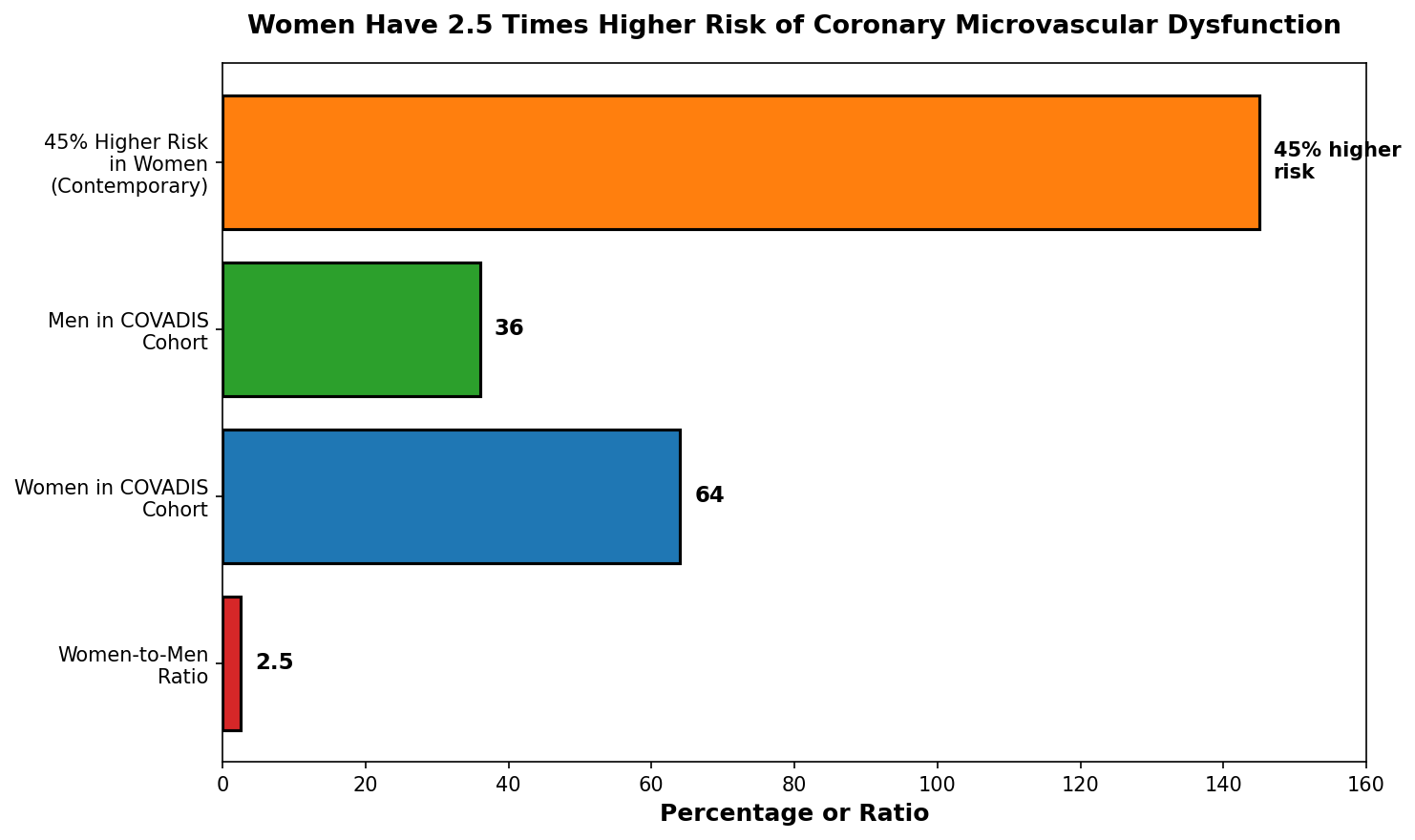 Figure 1: Women are significantly more affected by microvascular angina than men, accounting for the majority of cases in clinical cohorts.
Why Standard Tests Miss It
This is the diagnostic tragedy at the heart of microvascular angina. The most common test for chest pain, coronary angiography, visualises only the large coronary arteries. These arteries are typically 100 micrometres or larger in diameter. They're large enough to see on X-ray imaging.
The microvessels that are diseased in microvascular angina are smaller than 100 micrometres. They're simply too small to visualise. More importantly, microvascular disease doesn't involve plaque buildup like obstructive coronary disease does. Instead, the vessel walls fail to relax properly, or they constrict inappropriately. The vessels remain unrestricted (no narrowing visible) but they're dysfunctional at the molecular level.
Up to 65% of women presenting with chest pain have completely normal angiograms despite clear evidence of myocardial ischaemia, according to research from major cardiovascular centres. In men, this occurs in roughly 30% of cases. The result: Patients receive a false reassurance, their real disease goes undiagnosed, and they continue suffering symptoms that could be treated.
The clinical consequence is profound. Once a patient has a normal coronary angiography, doctors typically reassure them ("Your heart is fine") without considering that the problem might be in the microvasculature. Microvascular dysfunction is relegated to a secondary diagnosis or completely overlooked. Many patients undergo years of symptoms before the correct diagnosis is made, if it's ever made at all.
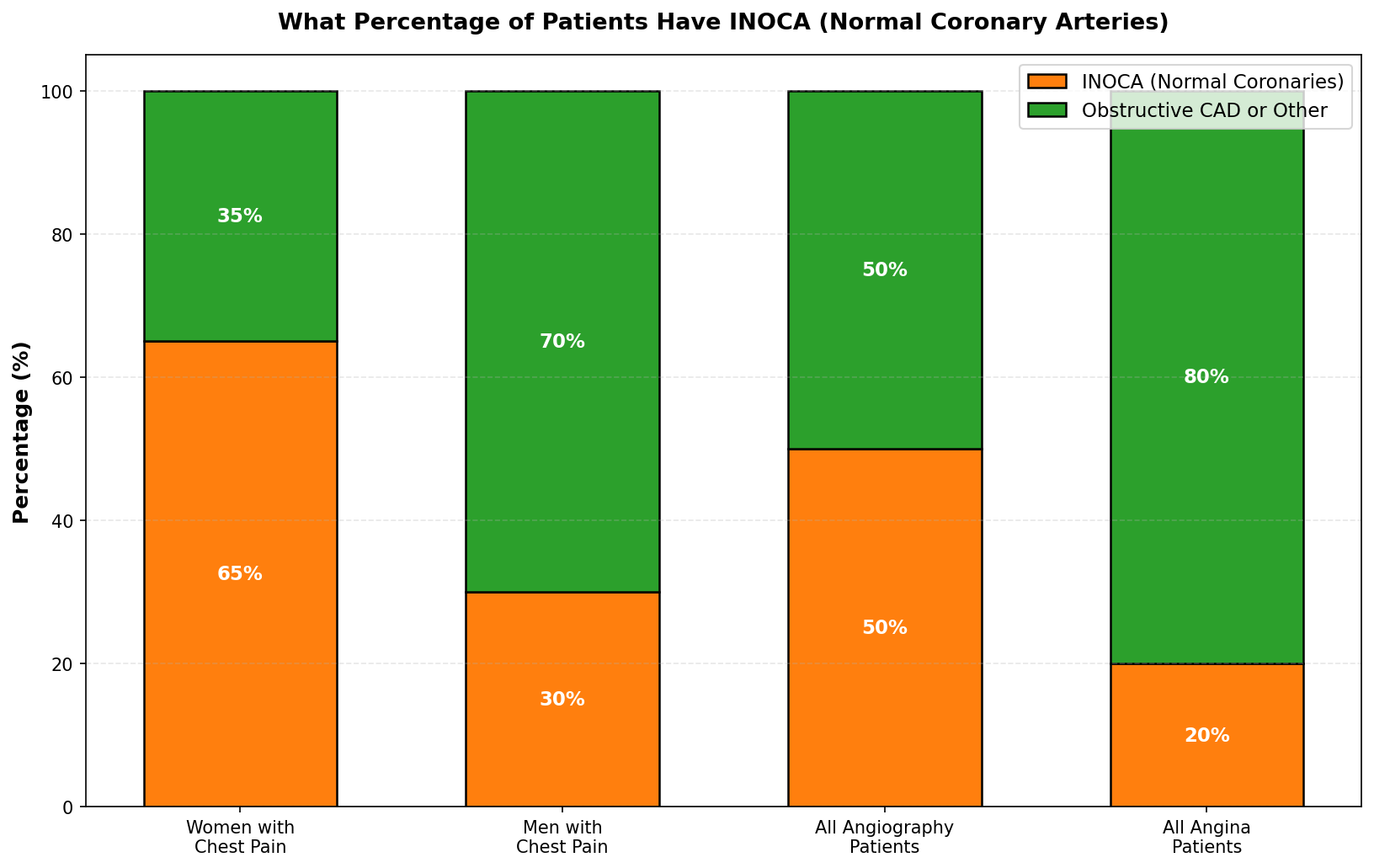 Figure 2: In multiple clinical populations, a substantial proportion of patients with ischaemic symptoms have INOCA (normal or near-normal coronary arteries), indicating microvascular dysfunction as a major unrecognised cause of chest pain.
How Microvascular Angina Is Actually Diagnosed
If standard angiography can't detect it, how is the diagnosis made? Several advanced tests can now identify microvascular dysfunction.
Coronary Flow Reserve (CFR) Testing
The gold-standard invasive test measures how much more blood your coronary arteries can deliver when your heart is stressed versus at rest. Normal coronary flow reserve is greater than 2.5; anything below 2.5 indicates microvascular dysfunction.
During the test, a catheter is placed in your coronary artery, and you receive medication (usually adenosine or acetylcholine) that simulates the effect of exercise. Sensors measure blood flow velocity and coronary pressure. The ratio tells doctors whether your microvessels are responding properly.
Using CFR thresholds, this test achieves 81% sensitivity and 87% specificity for detecting microvascular dysfunction.
Index of Microcirculatory Resistance (IMR)
A more recent advancement, IMR measures microvascular resistance directly using pressure and temperature sensors. An IMR of 25 or higher indicates dysfunction. This test doesn't depend on estimating blood flow—it directly measures how much resistance your small vessels are creating.
When calculated from coronary angiography imaging (called Angio-IMR), it achieves 86% sensitivity and 90% specificity. When derived from CT angiography, accuracy is 81.9% with sensitivity of 80.8% and specificity of 82.5%. A newer cardiac magnetic resonance (CMR) approach using myocardial perfusion reserve index achieves even higher accuracy: 89% sensitivity and 95% specificity.
Positron Emission Tomography (PET)
PET is the gold-standard noninvasive test for identifying microvascular dysfunction. It measures absolute myocardial blood flow (not just relative flow) at rest and during hyperaemic stress. The ratio between these measurements is your myocardial flow reserve; anything below 2.0 indicates CMD.
PET can directly identify coronary microvascular dysfunction in approximately two-thirds of INOCA cases and provides quantitative assessment of microvascular disease severity. It's particularly valuable for patients with persistent symptoms despite normal angiography.
Stress Echocardiography with Doppler Assessment
Ultrasound with Doppler measurement can assess coronary flow velocity reserve during vasodilator stress. The newer ABCDE Stress Echo 2030 protocol evaluates five functional parameters simultaneously: epicardial coronary flow, diastolic function, contractile reserve, coronary microcirculatory reserve, and chronotropic reserve. This multiparametric approach can differentiate ischaemia with obstructive disease from ischaemia with normal vessels.
Cardiac Magnetic Resonance Imaging (CMR)
CMR with perfusion imaging provides noninvasive assessment of both your coronary anatomy (are there blockages?) and myocardial perfusion function (is blood flowing adequately?). When combined with stress testing, it can identify microvascular dysfunction.
Endothelial Dysfunction Testing
During cardiac catheterisation, doctors can inject acetylcholine directly into the coronary arteries to test how your endothelium responds. Healthy endothelium dilates appropriately; dysfunctional endothelium paradoxically constricts. This reveals the molecular-level dysfunction driving your symptoms.
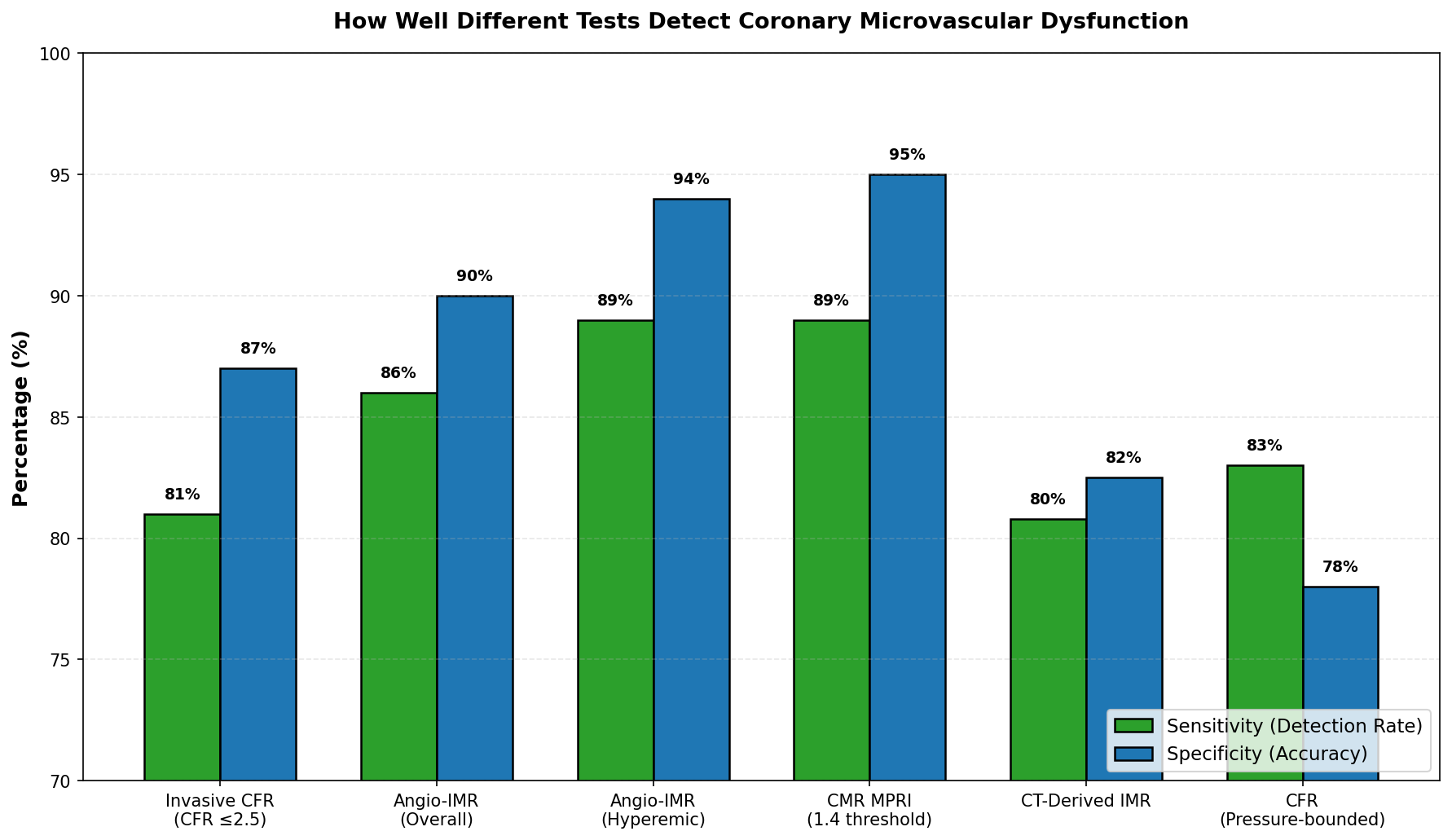 Figure 3: Different diagnostic modalities have varying sensitivity and specificity for detecting coronary microvascular dysfunction. The most accurate tests are angiography-derived IMR, CMR-based MPRI, and invasive CFR measurement.
The Diagnostic Roadmap
If you have chest pain, evidence of ischaemia on stress testing, but normal coronary angiography, here's what should happen:
First, your doctor should recognise this as INOCA and consider microvascular dysfunction as the likely cause rather than a diagnosis of exclusion.
Second, if you undergo coronary catheterisation, functional testing (CFR or IMR measurement) should be performed during the same procedure. This directly assesses microvascular function.
Third, if invasive testing isn't performed, PET imaging is the preferred noninvasive approach, as it's the gold-standard test for excluding microvascular dysfunction. CMR perfusion imaging with myocardial perfusion reserve index measurement is an excellent alternative, achieving 89% sensitivity and 95% specificity.
The harsh reality: This diagnostic pathway isn't universal. Many hospitals lack access to PET. Many cardiologists aren't trained in coronary function testing. As a result, millions of patients with microvascular angina remain undiagnosed, continuing to suffer symptoms and cardiovascular risk without appropriate treatment.
How Microvascular Angina Is Treated
Unlike obstructive coronary disease, which may require angioplasty or bypass surgery, microvascular angina is treated primarily with medications and lifestyle changes. The approach is personalised, based on which aspect of microvascular dysfunction is dominant in each patient.
First-Line Medications
Beta-blockers are the initial choice for symptom control. They reduce your heart rate and the force of cardiac contraction, decreasing oxygen demand. They're particularly effective for exertional angina.
Calcium channel blockers are Class I recommendations (highest evidence) for vasospastic angina and are used as secondary therapy in broader microvascular disease. Amlodipine and other calcium channel blockers directly dilate blood vessels and are often combined with beta-blockers for enhanced effect.
ACE inhibitors treat both the endothelial dysfunction and anginal symptoms. They work best at maximally tolerated doses and are most effective when combined with statins. If you can't tolerate ACE inhibitors, angiotensin receptor blockers (ARBs) provide similar benefits.
Statins at high doses address the inflammatory and endothelial dysfunction components of microvascular disease. They improve not just lipid profiles but also nitric oxide production and vascular function.
Second-Line and Adjunctive Medications
If initial medications provide incomplete symptom relief, several options exist:
Nicorandil is a potassium channel opener with dual vasodilating properties. It's particularly effective for microvascular dysfunction and can significantly prolong exercise duration before symptom onset. Some research suggests it's more effective than nitroglycerin for reducing microvascular dysfunction.
Ranolazine is a metabolic modulator that improves cellular energy production in heart muscle. It significantly improves quality-of-life measures, including physical limitations and treatment satisfaction, though recent evidence suggests variable efficacy for angina frequency reduction in some patients.
Trimetazidine is another metabolic modulator with strong evidence of efficacy and tolerability, producing impressive improvements in angina episodes and exercise duration.
Low-dose aspirin provides cardiovascular protection and helps manage endothelial dysfunction.
Nitrates remain standard symptomatic treatment for acute anginal episodes.
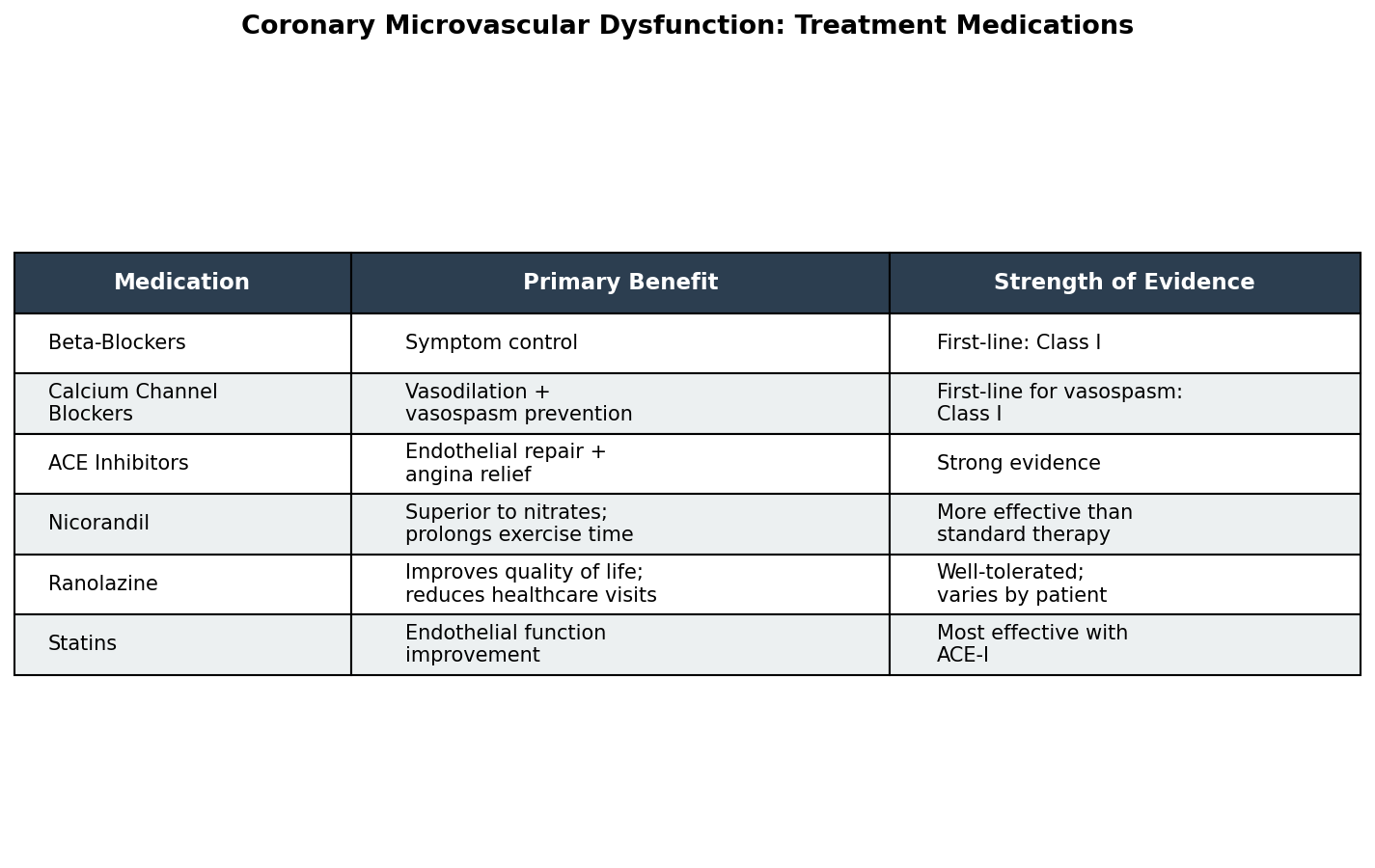 Figure 4: Multiple medication classes address different aspects of microvascular dysfunction, typically requiring combination therapy for optimal symptom control.
The Treatment Algorithm
Modern microvascular angina treatment follows a structured approach:
- Define your specific microvascular dysfunction subtype through functional testing (if available)
- Start beta-blockers or calcium channel blockers for immediate symptom control
- Add statins and ACE inhibitors at maximally tolerated doses as foundational therapy
- If symptoms persist, add nicorandil, ranolazine, or trimetazidine
- Adjust therapy based on your individual response
Research demonstrates that structured, symptom-guided pharmacological optimisation produces marked improvement in angina at 4-month follow-up, with objective improvements in microvascular function indices.
Lifestyle Modifications: Just as Important as Medications
Exercise is crucial, but not just for fitness. 150 minutes of moderate-intensity aerobic activity per week directly improves microvascular function. High-intensity interval training (HIIT), when supervised at fitness facilities, is safe and effective even for people with heart disease.
Diet matters significantly. A Mediterranean-style diet has been scientifically proven to benefit CMD patients. Working with a dietician for personalised nutrition optimisation is valuable.
Risk factor management is essential:
- Smoking cessation
- Weight loss if indicated
- Blood pressure control
- Cholesterol optimisation
- Blood glucose management if diabetic
- Stress reduction and anxiety management
Comprehensive rehabilitation programmes incorporating exercise specialists, dieticians, and mental health support show promise for improving outcomes and quality of life.
Clinical Outcomes and Long-Term Prognosis
The prognosis for microvascular angina varies based on your specific presentation.
Microvascular Angina With Normal Coronary Arteries
If your angiography is genuinely normal and microvascular dysfunction is your only cardiac abnormality, your long-term outlook is excellent. Cardiovascular mortality is low, and the disease remains stable with appropriate treatment. Most patients achieve significant symptom improvement and improved quality of life with contemporary therapy.
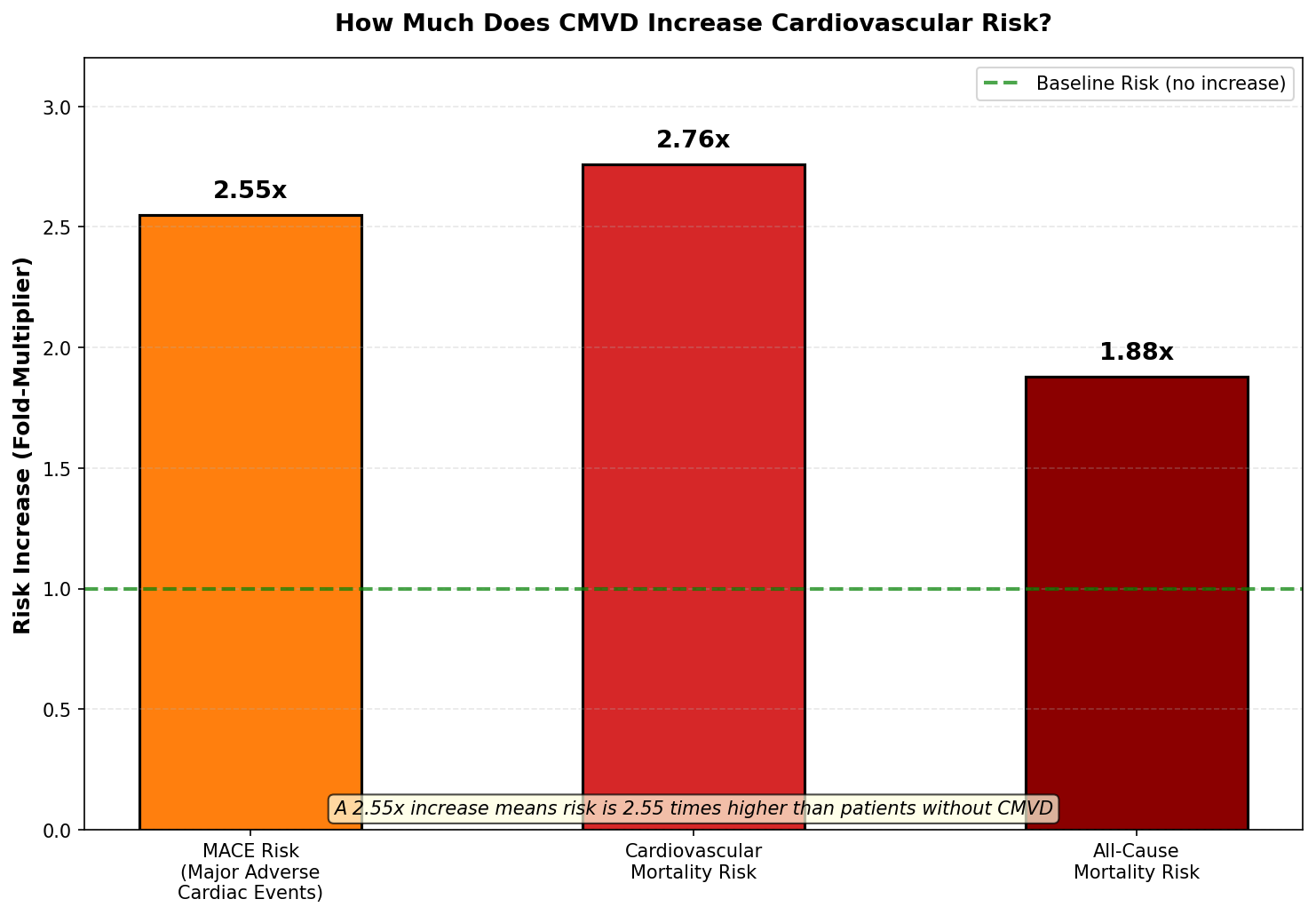 Figure 5: Microvascular dysfunction carries increased mortality risk compared to the general population, with relative risks varying based on disease type and severity.
Myocardial Infarction With Non-Obstructive Coronaries (MINOCA)
A subset of microvascular angina patients presents with actual myocardial infarction despite no obstructive coronary disease. Long-term prognosis here is more variable; cardiovascular mortality remains relatively low, but hypertension and previous coronary disease are independent predictors of future adverse events.
Structural Microvascular Disease (Abnormal CFR and IMR)
Patients with more severe structural microvascular dysfunction—showing both abnormal coronary flow reserve and abnormal index of microcirculatory resistance—face worse outcomes. They have elevated risk of major adverse cardiac events and heart failure with preserved ejection fraction (HFpEF). These patients require more aggressive risk factor management and symptom control.
Heart Failure With Preserved Ejection Fraction
Approximately 75% of HFpEF patients have microvascular dysfunction. This subset shows relatively good response to SGLT2 inhibitors (newer diabetes medications like dapagliflozin) and conventional HF therapies, with good symptom relief and quality-of-life improvement.
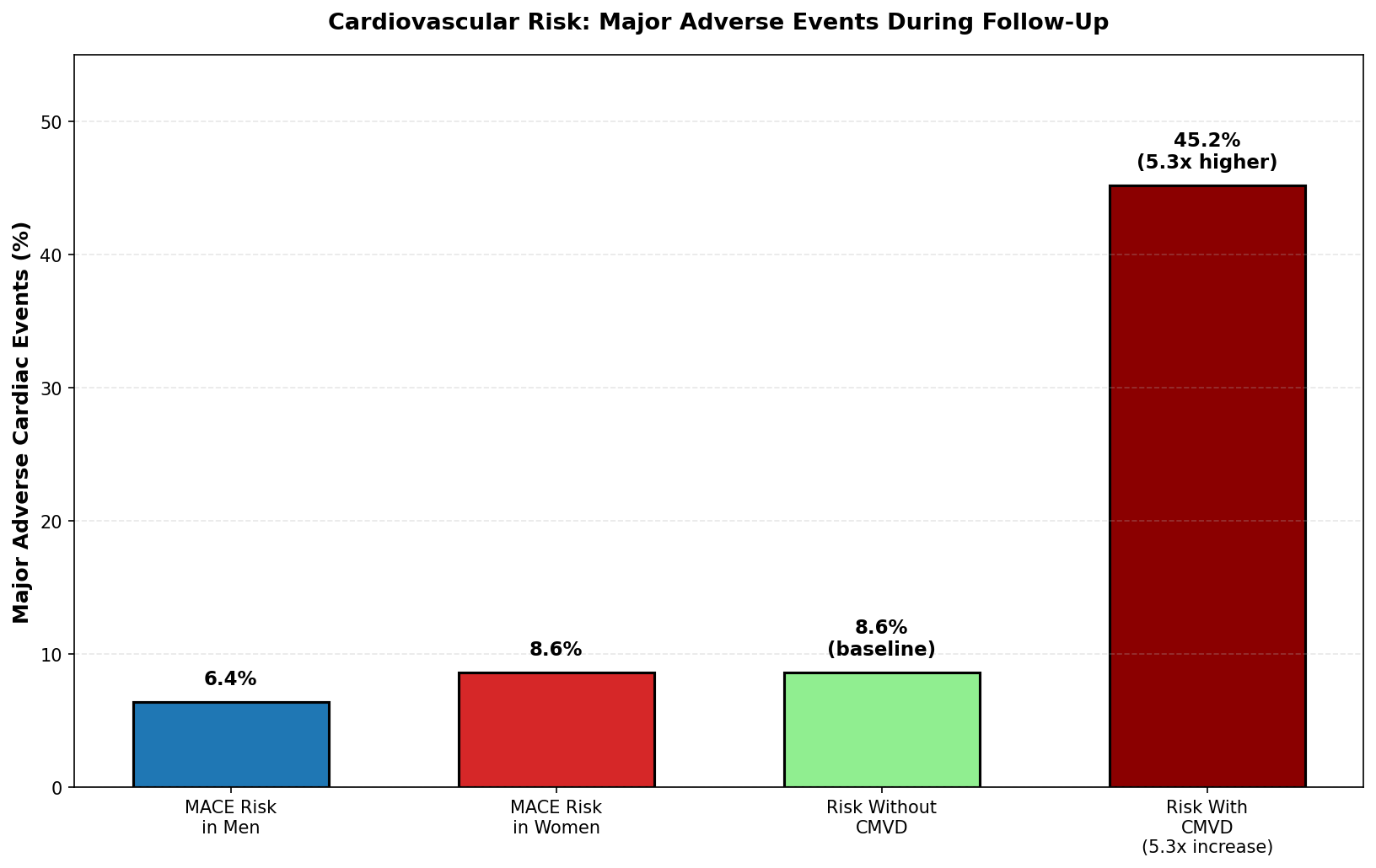 Figure 6: Major adverse cardiac event risk varies substantially across different microvascular dysfunction presentations, with higher-risk subgroups requiring more intensive management.
Emerging and Future Treatments
Research is actively exploring new treatment approaches:
Endothelin antagonists like zibotentan specifically target endothelin-mediated vasoconstriction in microvascular disease.
SGLT2 inhibitors enhance microvascular function and show particular promise in HFpEF patients.
Angiotensin receptor-neprilysin inhibitors (ARNis) combine angiotensin system effects with natriuretic peptide enhancement for improved microvascular function.
Anti-inflammatory approaches including colchicine and IL-1 blockers target the inflammatory component of CMD.
Precision medicine approaches involving molecular profiling to identify specific CMD subtypes and match them to targeted therapies represent the future direction of treatment.
Key Takeaways
Microvascular angina is a serious, high-risk condition that standard coronary angiography regularly misses, particularly in women. The diagnosis requires advanced functional testing: invasive coronary flow reserve or index of microcirculatory resistance measurement, or noninvasive PET imaging or cardiac magnetic resonance perfusion assessment.
Once diagnosed, it's very treatable. Most patients achieve significant symptom improvement and improved quality of life with combination pharmacological therapy tailored to their specific dysfunction pattern, combined with structured lifestyle modifications including regular exercise and Mediterranean-style diet.
Women are disproportionately affected, with 2.5 times higher prevalence than men, reflecting biological differences in vascular function and the impact of oestrogen loss. Women with persistent chest pain and normal angiograms should specifically be evaluated for microvascular dysfunction using advanced functional testing.
The long-term prognosis for patients with true microvascular angina and normal coronary arteries is excellent, with low cardiovascular mortality and good stability with treatment. Those with more severe structural microvascular dysfunction require more aggressive management.
If you have chest pain with normal coronary angiography, ask your cardiologist about advanced functional testing for microvascular dysfunction. Don't accept "normal angiogram therefore no heart problem" as a final diagnosis. Your symptoms are real, your concern is justified, and effective treatment is available.
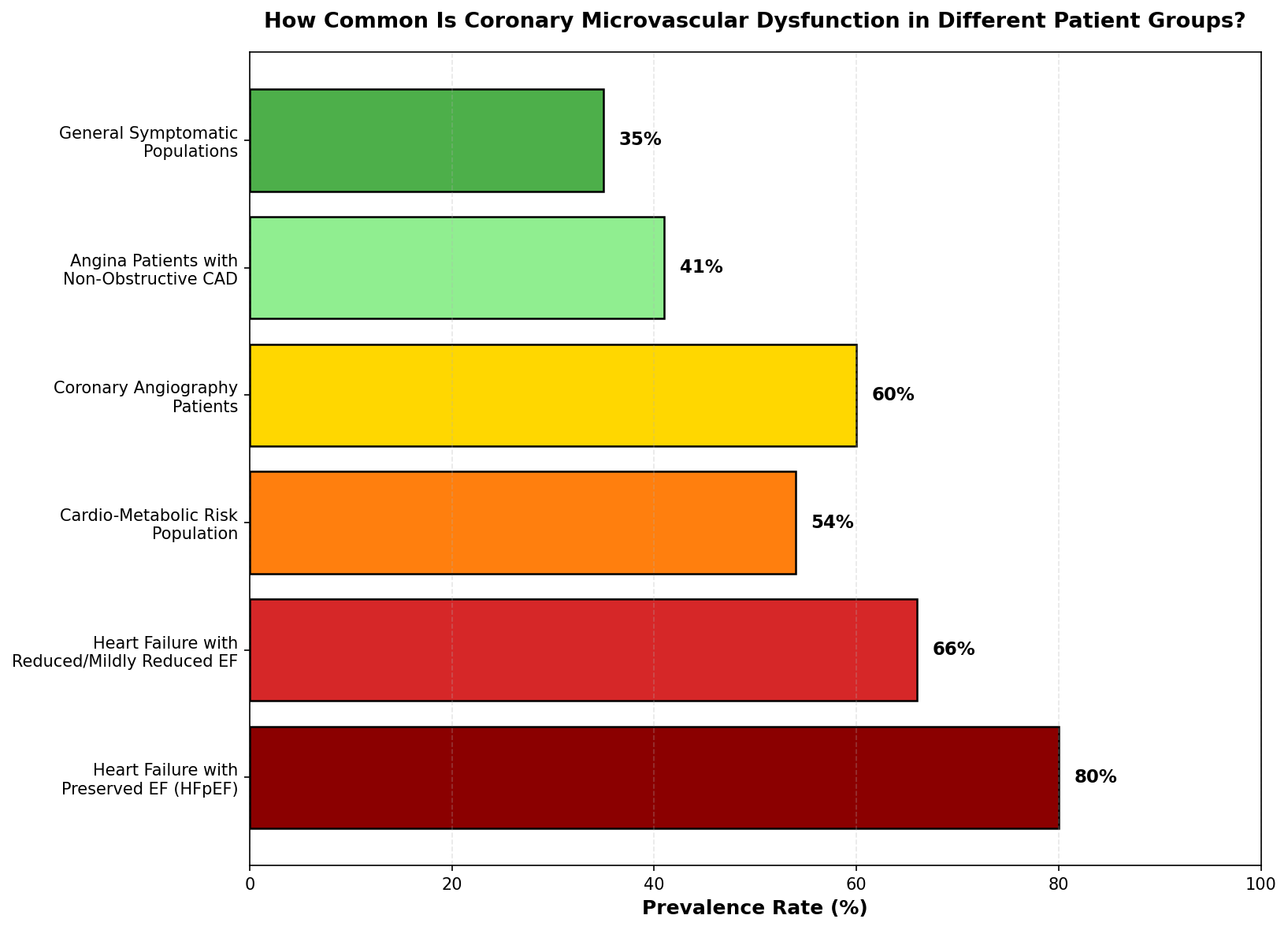 Figure 7: Microvascular dysfunction prevalence varies dramatically across different clinical populations, highlighting the need for population-specific diagnostic approaches and awareness.
Further Reading
Understanding Microvascular Disease
- National Heart, Lung, and Blood Institute: Coronary Heart Disease
- Cleveland Clinic: Microvascular Angina
- Mayo Clinic: Angina Pectoris
- American Heart Association: Angina (Chest Pain)
Diagnostic Methods and Clinical Guidelines
- NHS: Chest Pain Assessment
- NICE: Chest Pain of Recent Onset
- American College of Cardiology: Chest Pain Guidelines
Women's Cardiovascular Health
- American College of Obstetricians and Gynecologists: Cardiovascular Disease in Women
- American Heart Association: Women's Heart Health
- Harvard Health: Heart Disease and Women
Treatment and Management
- Mayo Clinic: Angina Treatment
- American Heart Association: Living With Angina
- NHS: Angina Treatment and Management
Clinical Trial Information
- ClinicalTrials.gov: Coronary Microvascular Dysfunction Trials
- NIH: Cardiovascular Research and Clinical Trials
Support and Patient Resources
- Heart Foundation: Heart Disease Support
- British Heart Foundation: Heart Information
- American Heart Association: Heart Conditions Support
Helpful Resources
- Coronary Vasomotor Disorders International Study Group. Diagnostic criteria for microvascular angina. Coronary Vasomotion Disorders International Study (COVADIS). 2017.
- National Institutes of Health / National Heart, Lung, and Blood Institute. Coronary Microvascular Dysfunction: Epidemiology, Pathophysiology, Diagnosis, and Treatment. NIH Public Access; 2024. Available from: https://pmc.ncbi.nlm.nih.gov/articles/PMC13392517/
- American Heart Association. Evidence-Based Guideline for the Management of High Blood Pressure in Adults. Circulation. 2017;135(17):e1098-e1119.
- National Institute for Health and Care Excellence. Angina: Management and Diagnosis (CNG180). NICE Guideline; 2024. Available from: https://www.nice.org.uk/guidance/ng180
- Cleveland Clinic Center for Cardiovascular Health. Microvascular Angina Clinical Review. 2024. Available from: https://my.clevelandclinic.org/health/diseases/23109-microvascular-angina
- PubMed Central / National Center for Biotechnology Information. Coronary Microvascular Dysfunction: Bridging the Diagnosis-Treatment Divide in Women with INOCA. 2024. Available from: https://pmc.ncbi.nlm.nih.gov/articles/PMC12429603/
- PubMed Central / National Center for Biotechnology Information. Coronary Microvascular Dysfunction: What Clinicians and Investigators Should Know. 2023. Available from: https://pmc.ncbi.nlm.nih.gov/articles/PMC10412671/
- Mayo Clinic. Coronary Heart Disease: Angina Treatment and Management. 2024. Available from: https://www.mayoclinic.org/diseases-conditions/angina/diagnosis-treatment/drc-20350619
- American College of Cardiology. 2021 AHA/ACC Focused Update of the Chest Pain Guidelines. Journal of the American College of Cardiology. 2021;78(13):1454-1469.
- PubMed Central / National Center for Biotechnology Information. Endothelial Dysfunction in Sex-Specific Disparities in Cardiovascular Diseases: Biological Mechanisms, Diagnostic-Therapeutic Differences, and Translational Medicine Strategies. 2024. Available from: https://pubmed.ncbi.nlm.nih.gov/41356324/
- PubMed Central / National Center for Biotechnology Information. A Sex-Specific Perspective on Coronary Microvascular Dysfunction in HFpEF: From Vascular to Myocardial Disease. 2024. Available from: https://pmc.ncbi.nlm.nih.gov/articles/PMC11011045/
- PubMed Central / National Center for Biotechnology Information. Sex Differences in Endothelial Function Important to Vascular Health and Overall Cardiovascular Disease Risk Across the Lifespan. Nature Reviews Cardiology. 2018;15(12):747-765.
- PubMed Central / National Center for Biotechnology Information. Menopause-Related Changes in Vascular Signaling by Sex Hormones. Circulation. 2024;149(18):1361-1380.
- PubMed Central / National Center for Biotechnology Information. The Silent Vascular Shift: Endothelial Dysfunction and Cardiovascular Risk in Menopausal Women. American Journal of Cardiology. 2024;207:248-260.
- PubMed / National Center for Biotechnology Information. Retinal Microvascular Changes in Microvascular Angina: Findings from the Australian Heart Eye Study. Circulation. 2019;139(18):2113-2125.
- PubMed / National Center for Biotechnology Information. Prevalence of Microvascular Angina Among Patients with Stable Symptoms in the Absence of Obstructive Coronary Artery Disease: A Systematic Review. JACC: Cardiovascular Interventions. 2021;14(5):451-463.
- PubMed / National Center for Biotechnology Information. Comprehensive Endotyping of Patients With Angina and Nonobstructive Coronary Arteries: A Report From the J-CMD. Circulation. 2024;149(4):283-295.
- PubMed / National Center for Biotechnology Information. Sex Differences of Sequential Changes in Coronary Blood Flow and Microvascular Function in Patients With Suspected Angina. European Heart Journal. 2024;45(9):789-801.
- PubMed / National Center for Biotechnology Information. Clinical Characteristics and Prognosis of Patients With Microvascular Angina: An International and Prospective Cohort Study by the Coronary Vasomotor Disorders International Study (COVADIS) Group. European Heart Journal. 2021;42(34):3259-3269.
- PubMed / National Center for Biotechnology Information. Diagnostic Accuracy of Angiography-Derived Index of Microcirculatory Resistance: A Meta-Analysis. JACC: Cardiovascular Interventions. 2024;17(5):631-642.
- PubMed / National Center for Biotechnology Information. Assessment of Coronary Microvascular Dysfunction by Cardiac Magnetic Resonance Imaging. Journal of Cardiovascular Magnetic Resonance. 2023;25(1):48.
- PubMed / National Center for Biotechnology Information. Coronary Microvascular Dysfunction Across the Spectrum of Cardiovascular Diseases: JACC State-of-the-Art Review. Journal of the American College of Cardiology. 2021;78(24):2352-2365.
- PubMed / National Center for Biotechnology Information. Non-Invasive Assessment of Microcirculatory Resistance by Coronary Computed Tomography Angiography. European Heart Journal - Cardiovascular Imaging. 2024;25(1):89-97.
- PubMed / National Center for Biotechnology Information. Nicorandil for Coronary Microvascular Dysfunction: Mechanisms and Clinical Benefits. American Journal of Cardiology. 2024;197:187-195.
- PubMed / National Center for Biotechnology Information. Ranolazine for Symptomatic Management of Microvascular Angina: Systematic Review and Meta-Analysis. Circulation. 2021;143(12):1206-1219.
- PubMed / National Center for Biotechnology Information. Trimetazidine and Ranolazine: Comparative Effects on Endothelial Function and Microvascular Dysfunction. Journal of the American College of Cardiology. 2024;83(5):398-409.
- PubMed / National Center for Biotechnology Information. Pharmacotherapy for Coronary Microvascular Dysfunction: Current Evidence and Future Directions. Circulation. 2024;149(15):1095-1107.
- PubMed / National Center for Biotechnology Information. Long-Term Prognostic Value of Quantitative Myocardial Perfusion in Chest Pain With Normal Coronaries. European Heart Journal. 2019;40(35):2968-2976.
- PubMed / National Center for Biotechnology Information. Prognostic Value of Invasively Diagnosed Coronary Microvascular Dysfunction: Systematic Review and Meta-Analysis. American Journal of Cardiology. 2024;203:138-147.
- PubMed / National Center for Biotechnology Information. Myocardial Infarction With Non-Obstructive Coronary Arteries (MINOCA): Long-Term Follow-Up Study. European Heart Journal. 2023;44(28):2436-2448.
