

One Meal a Day (OMAD): Benefits and Risks. What the Evidence Actually Shows
You've probably heard about it from social media, podcasts, or that one friend who swears by eating once a day. One Meal a Day (OMAD) sounds simple, even revolutionary: eat one meal, fast for 23 hours, lose weight, feel energised, maybe even live longer.
But here's what responsible reporting requires: the evidence is far more complicated than the headlines suggest. OMAD does work for weight loss and blood sugar control. But a major 2023 study of over 24,000 Americans found that eating one meal a day was linked to 91% higher risk of dying from a heart attack or stroke in people over 40.1 That finding deserves prominence because it complicates the usual OMAD success story and raises serious questions about long-term safety.
This article gives you the complete picture, not the marketing version. By the end, you'll understand whether OMAD is appropriate for your individual circumstances, what the actual science shows (benefits and serious risks), and what safer alternatives exist.
What Exactly Is OMAD (And How Does It Differ from Other Fasting)?
OMAD means consuming all your daily calories within a single 1-2 hour eating window, typically dinner, followed by a 22-23 hour fasting period. It's the end of intermittent fasting.
This differs from other eating patterns:
- 16:8 intermittent fasting: Fast 16 hours, eat during an 8-hour window (e.g., noon to 8 PM). Much more commonly studied
- 14:10 intermittent fasting: Fast 14 hours, eat during a 10-hour window. More moderate
- OMAD: Fast for 23 hours, eat during a 1-2 hour window. Most extreme
The research makes an important distinction: most scientific evidence comes from 16:8 and 14:10 studies. OMAD-specific data is surprisingly limited, which matters when we talk about long-term safety.
How Your Body Actually Changes During OMAD
Understanding the physiology helps you grasp why OMAD produces both benefits and risks.
Metabolic Switching: Your Body's Fuel Source Changes
During the 23-hour fast, your body goes through predictable stages:
Hours 0-4 (Fed state): You're digesting your meal. Insulin is elevated. Your body burns glucose and carbohydrates from that meal.
Hours 4-12 (Early fasting): Glucose stores (called glycogen) deplete. Your body increasingly taps fat stores for energy. This is when fat burning accelerates.
Hours 12-23 (Extended fasting): Your body becomes incredibly efficient at burning fat. It also produces ketone bodies (alternative fuel molecules) from fat breakdown, especially after 16+ hours of fasting.2 This is called metabolic switching.
The practical result: your metabolism doesn't slow down. This is a common misconception.2 In fact, short-term fasting may briefly increase metabolic activity. The real advantage is that OMAD forces your body to become very good at using stored fat for energy.
Hormonal Changes Throughout the 24-Hour Cycle
OMAD creates dramatic swings in multiple hormones:
Growth hormone: Increases by 115% (roughly doubles).3 This hormone preserves muscle during fasting and is one reason OMAD enthusiasts claim cellular benefits; however, this elevation is temporary and normalises after eating.
Insulin: Drops dramatically during the fast (protective against blood sugar instability) but spikes significantly when you eat a large meal. This creates the opposite problem during the eating window: your blood sugar swings from very low to very high.
Ghrelin (hunger hormone): Increases significantly compared to eating three meals daily.4 This means your body is literally telling you to eat more. This contributes to the 65% dropout rate for intermittent fasting generally; people find the hunger too difficult to manage.
Cortisol (stress hormone): Elevates during the extended fast. Some elevation is adaptive, but if cortisol stays elevated long-term, it can stress your cardiovascular system and increase inflammation markers.
Cellular Cleanup: Autophagy Gene Activation
During extended fasting, your cells activate autophagy (literally "self-eating"), a cleanup process where cells break down old, damaged proteins and components.
Research shows dramatic increases in autophagy genes:
- LAMP2: 4.2-fold increase 5
- ULK1: 2.6-fold increase5
- LC3B: 1.9-fold increase5
- ATG5: 1.4-fold increase5
This sounds impressive, and animal studies suggest autophagy might slow aging and prevent disease. However, we have no human studies proving that activating autophagy extends your lifespan. The cellular mechanisms are there; the longevity proof is not.6
Weight Loss: Yes, It Works. But Not the Way You Think.
OMAD reliably produces weight loss. The timeline matters, though, because the first week is misleading.
The First Week (Mostly Water, Not Fat)
In week one, you'll typically lose 2-4 pounds. This is primarily water weight and glycogen (stored carbohydrate), not fat.7 Here's why: when you fast, your body burns through its carbohydrate stores. Carbohydrate is stored with water, and as glycogen depletes, the water goes with it. You get rapid weight loss on the scale but minimal actual fat loss.
This is why so many people feel initially thrilled by OMAD results, then disappointed after week 2 when the rate slows.
Weeks 2 and Onward (Actual Fat Loss)
Real fat loss begins around week 2 at approximately 0.5-1.0 pounds per week.7 By week 4-6, you'll see visible body composition changes.
After the initial water loss, a typical person loses 4-8 pounds in the first month, with 1-2 pounds being actual fat.
In comparison studies, OMAD produces more fat loss than eating the same calorie total across three meals. One controlled study indicated that one meal per day in the evening lowered body fat and fat mass by more than double compared to eating three meals with identical calorie intake.8 This is OMAD's clearest success.
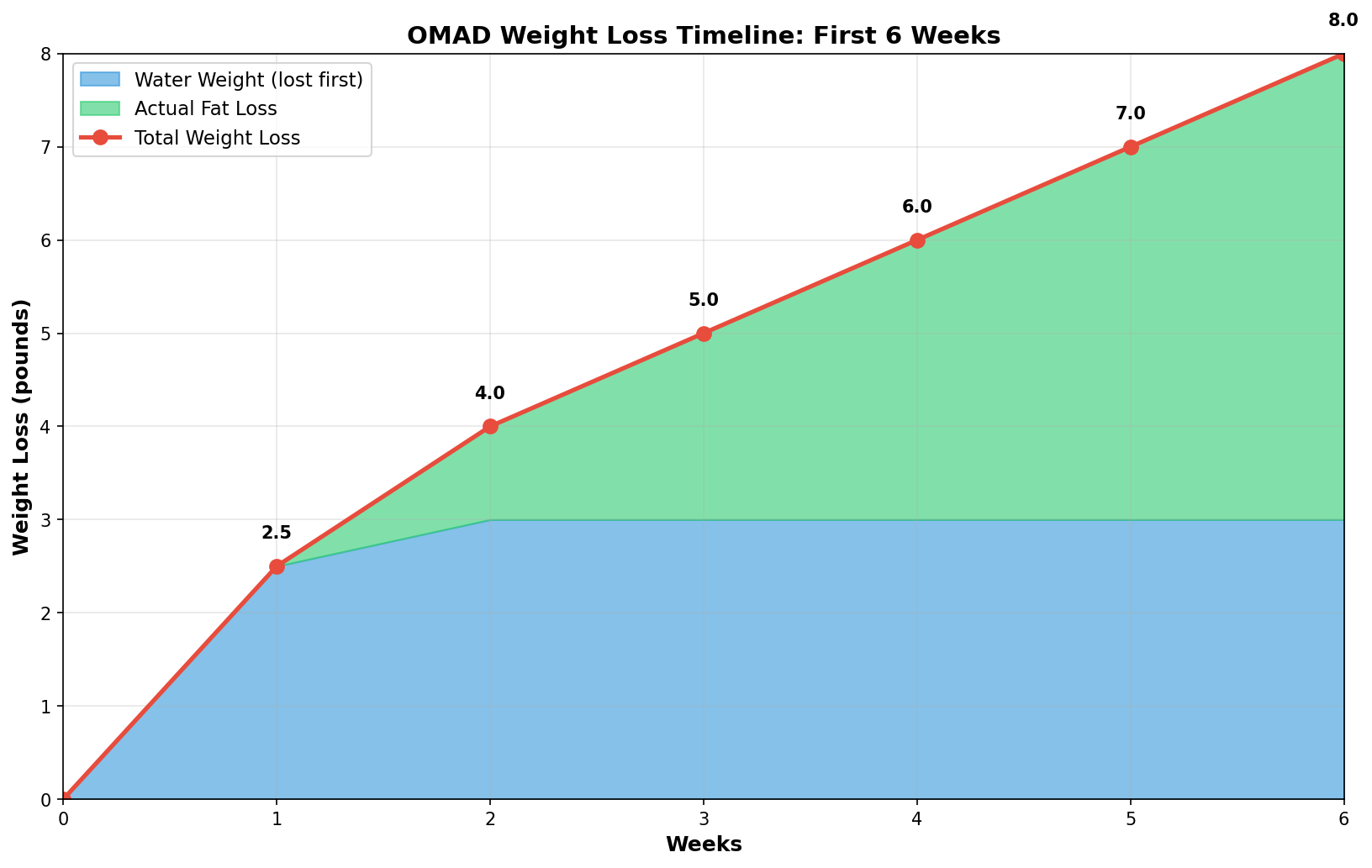 Figure 1: Weight loss timeline comparing initial water loss to sustained fat loss. Water weight loss dominates week 1; actual fat loss begins week 2 and continues gradually.7
The Metabolic Benefits: Real Improvements, Especially for Diabetics
If you have prediabetes or type 2 diabetes, OMAD's effects on blood sugar control are noteworthy.
Blood Sugar (Glucose) Control
Studies of intermittent fasting (primarily 16:8 and 14:10 protocols) show:
- Fasting blood glucose reduction: approximately 31 mg/dL9
- HbA1c improvement: 1.85% reduction[9] (This is clinically meaningful for diabetics)
For context, these improvements are comparable to medication: fasting insulin reduction of 13.25 mU/L exceeds the reduction achieved by pioglitazone, a diabetes medication.10
However, there's a critical complication: whilst OMAD may improve average daily glucose and insulin sensitivity long-term, it paradoxically impairs morning glucose tolerance.11 Your body struggles more with the large glucose load from a single meal, even if daily averages improve. This seeming contradiction remains concerning.
Cholesterol and Lipid Profile
The cholesterol picture is mixed and worrying:
- LDL cholesterol (bad): May increase during OMAD periods12
- Total cholesterol: Tends to increase significantly12
- HDL cholesterol (good): Also increases in some studies
The pattern shows something concerning: when eating just one meal daily, LDL cholesterol frequently increases. Since LDL contributes to heart disease, this runs counter to the cardiovascular benefits OMAD proponents claim.
Blood Pressure
Studies document that OMAD increases blood pressure significantly.13 Hypertension (high blood pressure) is a major risk factor for heart disease, stroke, and kidney disease. This finding is especially problematic when combined with the cardiovascular mortality data.
The Insulin Sensitivity Paradox
OMAD improves insulin sensitivity (your body's ability to use insulin effectively), which theoretically should benefit cardiovascular health. Yet the cardiovascular mortality risk increases. This apparent contradiction suggests that whatever metabolic benefits OMAD provides aren't strong enough to offset other physiological stresses.
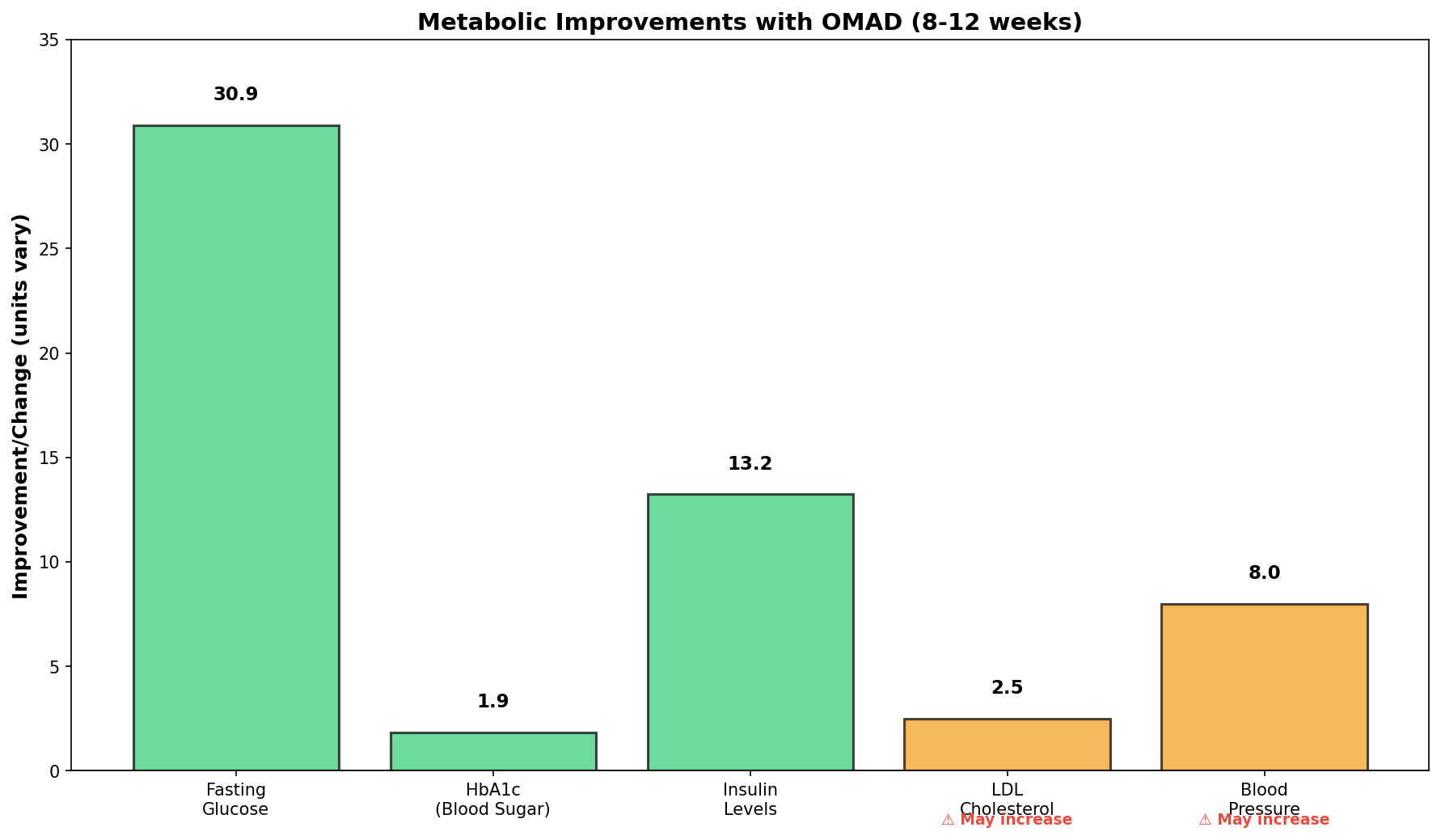 Figure 2: Metabolic markers show mixed results. Blood sugar and insulin improve (positive), but LDL cholesterol and blood pressure worsen (concerning).9,13
The Critical Finding: Cardiovascular Death Risk
Now we reach the most important evidence, the finding that fundamentally changes how we assess OMAD's safety.
The 2023 Cardiovascular Mortality Study
A 2023 study published and presented at the American Heart Association's scientific sessions analysed data from 24,000+ American adults aged 40 and older, followed from 1999 to 2014 (NHANES data). The finding was stark.
People eating within an 8-hour eating window (similar to OMAD) had 91% higher risk of cardiovascular death compared to standard eating patterns.1
This isn't a theoretical risk or a marginal association. This is a population-level finding in a large, well-established dataset, and it was significant enough to make international medical headlines.
Why Does This Happen?
The mechanism remains incompletely understood, but researchers identify several contributing factors:
- Irregular blood sugar patterns: The large meal creates dramatic glucose spikes. Extended fasting creates low blood sugar states. These swings stress the cardiovascular system
- Blood pressure elevation: As noted above, OMAD increases blood pressure, which directly increases cardiovascular disease risk
- LDL cholesterol increase: The modest increase in bad cholesterol adds risk.
- Lean muscle loss: When eating only once daily, maintaining adequate protein becomes difficult. Muscle loss, especially in older adults, is directly associated with cardiovascular mortality14
- Elevated stress hormones: Cortisol elevation during extended fasting activates the stress response system chronically
- Breakfast skipping: Research shows that skipping breakfast (which OMAD does) is specifically linked to increased cardiovascular disease risk in older adults15
What Do Medical Professionals Say?
Medical consensus is cautious at best, opposed at worst:
- The British Heart Foundation notes that "more research is needed," but doesn't endorse OMAD for general populations16
- Johns Hopkins Medicine states intermittent fasting remains under investigation for safety17
- Most cardiologists and general practitioners do not recommend OMAD, particularly for people over 40 or with cardiovascular risk factors
The gap between what OMAD promoters claim and what cardiologists recommend is substantial.
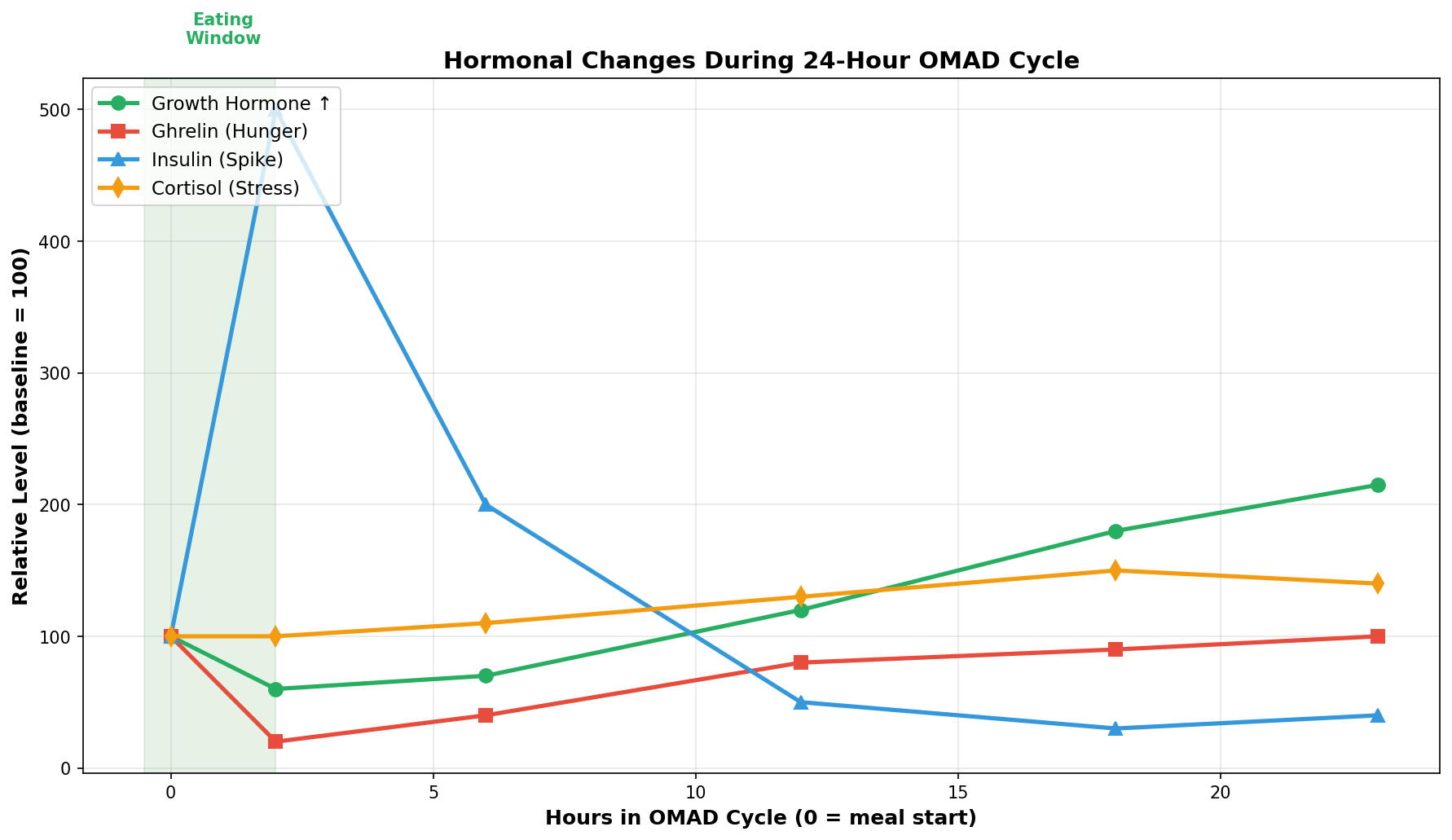 Figure 4: Cardiovascular risk comparison reveals OMAD has dramatically higher mortality risk than alternative eating patterns 1.
Who Should Absolutely Avoid OMAD
Medical evidence identifies specific populations for whom OMAD poses unacceptable risks.
Pregnant and Breastfeeding Women
OMAD is contraindicated in pregnancy for clear reasons:
- Fetal development requires consistent nutrition: A 23-hour fast creates periods of nutritional insufficiency critical to fetal development
- Blood sugar drops: Pregnant women experience more rapid blood sugar drops during fasting, increasing hypoglycemia (low blood sugar)
- Ketone production: Extended fasting produces ketones, which cross the placenta. Animal studies show foetal ketone exposure may affect development
Animal research in pregnant rats mimicking daily intermittent fasting found pups had normal birth weight but smaller brain sizes, reduced kidney sizes, and compromised growth into adolescence.18 Whilst this is animal data, it suggests concerning potential mechanisms.
Most medical professionals recommend against OMAD during pregnancy and breastfeeding. If you're pregnant or planning to become pregnant, this is not an appropriate dietary intervention.
Type 1 Diabetes (All Cases)
People with type 1 diabetes require strict medical contraindication against OMAD:
- Insulin dosing becomes extremely complex with a 23-hour eating window
- Severe hypoglycemia (dangerously low blood sugar) risk increases dramatically
- Without food intake for 23 hours, managing blood glucose becomes nearly impossible
Type 1 diabetes and OMAD don't mix without extraordinary medical supervision.
Type 2 Diabetes on Insulin or Diabetes Medications
Similar risks apply to type 2 diabetes patients on medications:
- Medication timing becomes problematic during extended fasting
- Insulin doses require adjustment (typically downward) with fasting, but incorrect adjustment creates hypoglycemia risk
- The large single meal creates unpredictable glucose spikes
Whilst OMAD can theoretically help type 2 diabetes management, it requires physician oversight and regular blood glucose monitoring and is not a self-directed intervention.
Cardiovascular Disease
The 91% increased cardiovascular death risk makes OMAD contraindicated for anyone with existing heart disease:
- People with a history of heart attack or stroke
- People with heart failure
- People with significant arrhythmias
- People with severe hypertension
These individuals have the most to lose and nothing to gain from a dietary pattern associated with doubled cardiovascular mortality.
History of Eating Disorders
OMAD shares characteristics with restrictive eating disorders:
- Extreme food restriction (fasting 23 hours daily)
- Potential for binge eating during the eating window (consuming 2,000+ calories meets binge-eating criteria)
- Opportunity for obsessive food rituals
Research shows that fasting for weight control is a "more potent and consistent predictor" of future binge-eating disorder onset than less extreme dieting.19 People in eating disorder recovery should avoid OMAD entirely; normalised eating patterns (3 meals plus snacks) remain the evidence-based treatment.
Adults 65 and Older
Older adults face specific OMAD risks:
- Higher protein requirements (1.0-1.6 grams per kilogram body weight daily) to prevent sarcopenia (age-related muscle loss)
- Rapid muscle loss: Older women consuming inadequate protein lost 14% of skeletal muscle mass in just 10 weeks20
- Fall and fracture risk: Muscle loss combined with bone density loss increases falls, fractures, and loss of independence
- Mortality association: Muscle loss in older adults is directly linked to mortality
- Metabolic adaptation: Older adults show pronounced metabolic adaptation to calorie restriction, making weight loss increasingly difficult over time
The 91% cardiovascular mortality risk, combined with older adults' greater susceptibility to muscle loss, makes OMAD particularly dangerous for this population.
Competitive Athletes
Athletes engaging in resistance training or high-volume training should avoid OMAD:
- Optimal muscle protein synthesis requires 25-30 grams of protein per meal21; OMAD concentrates all protein in one meal
- Carbohydrate fuelling: Athletes need carbohydrates before and after training; OMAD makes strategic fuelling difficult
- Performance decrements: Studies show reduced physical performance with extreme fasting
A study of OMAD in athletes showed reduced fat mass (desired) but also increased blood pressure, elevated cholesterol, and loss of lean muscle mass (all undesired).22 Competitive athletes and others with high training demands should consider safer alternatives.
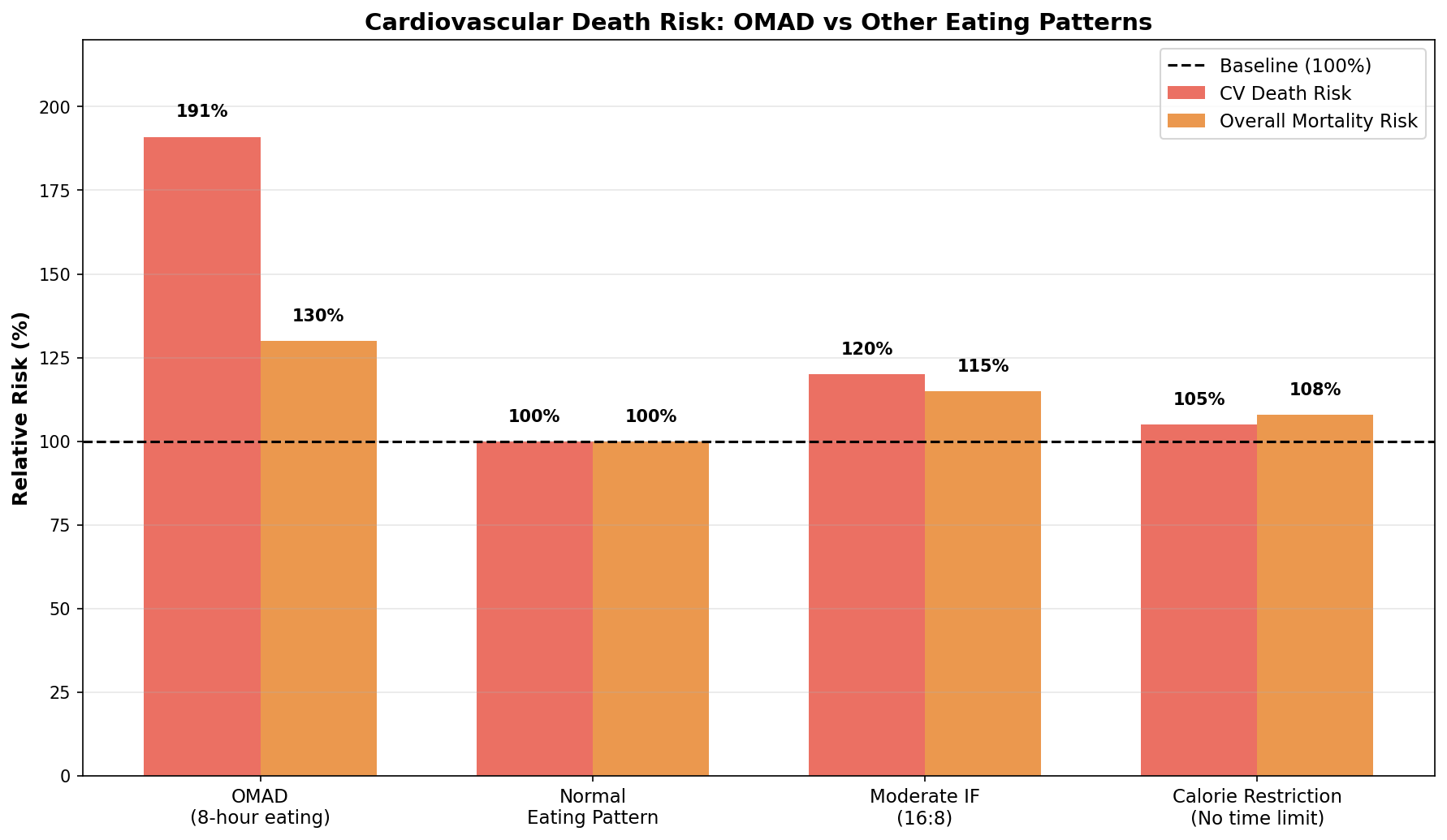 Figure 5: At-risk populations show clear contraindications across multiple categories. If you fit any of these groups, OMAD requires medical supervision at a minimum.1,14,20
Other Significant Health Risks
Beyond cardiovascular concerns, OMAD creates several documented adverse effects.
Nutritional Deficiencies
Getting all daily nutrient requirements (vitamins, minerals, fibre, protein) from a single meal is extremely difficult:
- Fibre deficiency: Inadequate daily fibre (25-30 grams) leads to constipation and poor digestive health
- Micronutrient deficiencies: Insufficient B vitamins, vitamin D, iron, calcium, magnesium, and zinc frequently occur
- Nutritional variety: A single meal necessarily offers less dietary diversity than three meals, and nutrient deficiencies come from a lack of diversity
Symptoms of nutritional deficiency include fatigue, poor concentration, irritability, skin problems, hair thinning, weakened immune function, and decreased bone density.
Muscle Loss and Protein Distribution
Whilst total protein intake matters, protein distribution also matters. Optimal muscle protein synthesis requires approximately 25-30 grams of protein per meal.21 OMAD concentrates all daily protein in one eating window.
For healthy, younger adults, muscle loss may be minimal. For older adults or people already at risk for sarcopenia, OMAD creates a significant muscle loss risk. Older women consuming inadequate protein lost 14% of skeletal muscle mass in just 10 weeks; this is a concerning magnitude of loss.20
Digestive Problems
Many people report gastrointestinal distress on OMAD:
- Bloating: A 2,000+ calorie meal strains the digestive system
- Constipation: Very common, from 23-hour fasting that disrupts normal digestive reflexes, and from inadequate daily fibre intake
- Diarrhoea: Large meal size stresses the system in the opposite direction
- Indigestion and heartburn: Excess stomach acid accumulates during fasting, and then the large meal triggers reflux
- General gastrointestinal upset: Pain, cramping, and discomfort after eating
Management (adequate fibre and hydration) is difficult with a single eating window.
Common Side Effects
Research documents that people report significant adverse effects on OMAD:
- Headaches: 50% of people report headaches during extended fasting, from dehydration, low blood sugar, or blood pressure changes23
- Fatigue: 35% report fatigue, especially during fasting periods
- Persistent hunger: 45% struggle with significant hunger23
- Dizziness or lightheadedness: 25% report these symptoms from blood sugar or blood pressure drops23
- Nausea, muscle cramps, cold intolerance, and insomnia are commonly reported
Most side effects appear within the first 1-4 weeks. Some people adapt; others experience persistent symptoms.
Metabolic Adaptation and Plateauing
During extended fasting, your body adapts by:
- Reducing resting metabolic rate (calories burned at rest)
- Increasing hunger hormones (ghrelin elevation)
- Preserving body fat stores (evolutionary survival mechanism)
This adaptation makes weight loss increasingly difficult over time. When returning to normal eating, the adapted metabolism often leads to rapid weight regain, which is the classic pattern of yo-yo dieting.
Hormone Disruption Risks
Extreme intermittent fasting affects multiple hormones:
For women: Some report loss of menstrual periods, early-onset menopause symptoms (hot flashes, night sweats), and fertility concerns. Research indicates that extreme fasting, especially combined with other stressors (exercise, sleep deprivation, psychological stress), can disrupt hormonal patterns sufficiently to stop ovulation.24 Whether these changes are temporary or permanent remains unclear; some women report that hormonal recovery takes months or years.
For men: Studies show testosterone reduction in lean, physically active young males during intermittent fasting.25 Long-term effects on male fertility and sexual function remain poorly studied.
Mental Health and Eating Disorder Risks
Whilst OMAD is not classified as an eating disorder in DSM-5 diagnostic criteria, it shares features of disordered eating:
- Extreme restriction (fasting 23 hours daily)
- Potential for binge eating during the eating window
- Obsessive patterns around food and meal timing
Research shows that fasting for weight control is associated with higher symptoms of orthorexia (obsession with healthy eating) and eating disorders compared to non-fasting controls.26 For vulnerable individuals—those with perfectionist traits, body image concerns, or personal/family eating disorder history—OMAD carries significant risk.
Psychological impacts include:
- Social isolation: Most cultures emphasise eating with family and friends; OMAD prevents normal social eating
- Food preoccupation: Many OMAD practitioners report constantly thinking about food
- Anxiety: About the upcoming meal, about adherence, about doing it "correctly"
- Mood disturbance: Irritability and mood swings, particularly during fasting periods
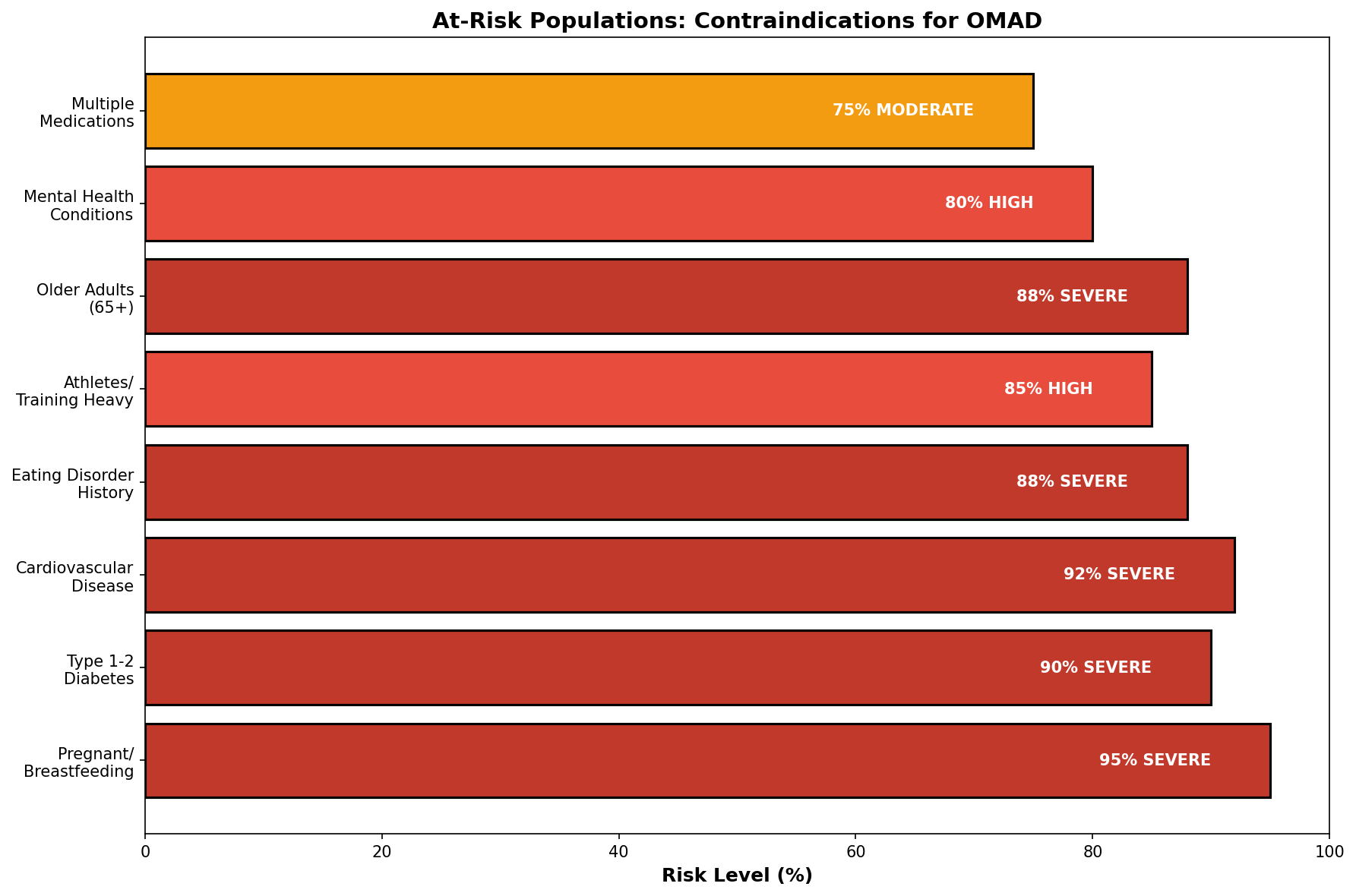 Figure 7: Side effects are common and significant. Headaches affect 50%, fatigue 35%, and persistent hunger 45%. Overall, 65% of people discontinue intermittent fasting regimens.23
The Adherence Reality: Why Most People Quit
Here's a statistic that matters more than many realise: 65% of people who attempt intermittent fasting quit within weeks.23
Why?
- Constant hunger: Ghrelin elevation creates genuine biological hunger signals that many find distressing
- Headaches and fatigue: Physical symptoms during fasting
- Social difficulties: Inability to eat normally with family and friends; meal-focused social exclusion
- Difficulty sustaining: The extreme restriction proves unsustainable for most people long-term
- Mental burden: The cognitive and psychological load of restriction outweighs perceived benefits
OMAD is arguably the most extreme version of intermittent fasting. If 16:8 fasting has a 65% dropout rate, OMAD's dropout rate is almost certainly higher. The adherence issue does not make OMAD inherently wrong, but it suggests that for most people, sustainability is a genuine problem.
How OMAD Compares to Cellular Benefits
OMAD enthusiasts often cite cellular mechanisms—autophagy, metabolic switching, etc.—as justification. The reality is more nuanced.
Autophagy and Cellular Cleanup
Yes, autophagy genes activate 1.4-4.2 times during OMAD.5 That is genuine. However:
- We have no human studies proving autophagy activation extends lifespan or prevents disease in humans
- Animal studies suggest promise, but you're not a mouse
- Autophagy activation occurs in many conditions (exercise, heat stress, other fasting protocols); this doesn't mean activation always improves health
The mechanism is real; the human benefit remains theoretical.
Metabolic Switching
Your body does switch from burning glucose to burning fat to producing ketones during extended fasting. This is real metabolic flexibility. However:
- This switching occurs in other fasting protocols (16:8, 14:10) without the cardiovascular risk
- Metabolic switching doesn't require OMAD specifically; shorter fasting windows achieve similar effects with less risk
OMAD offers no unique cellular advantage worth the cardiovascular mortality risk.
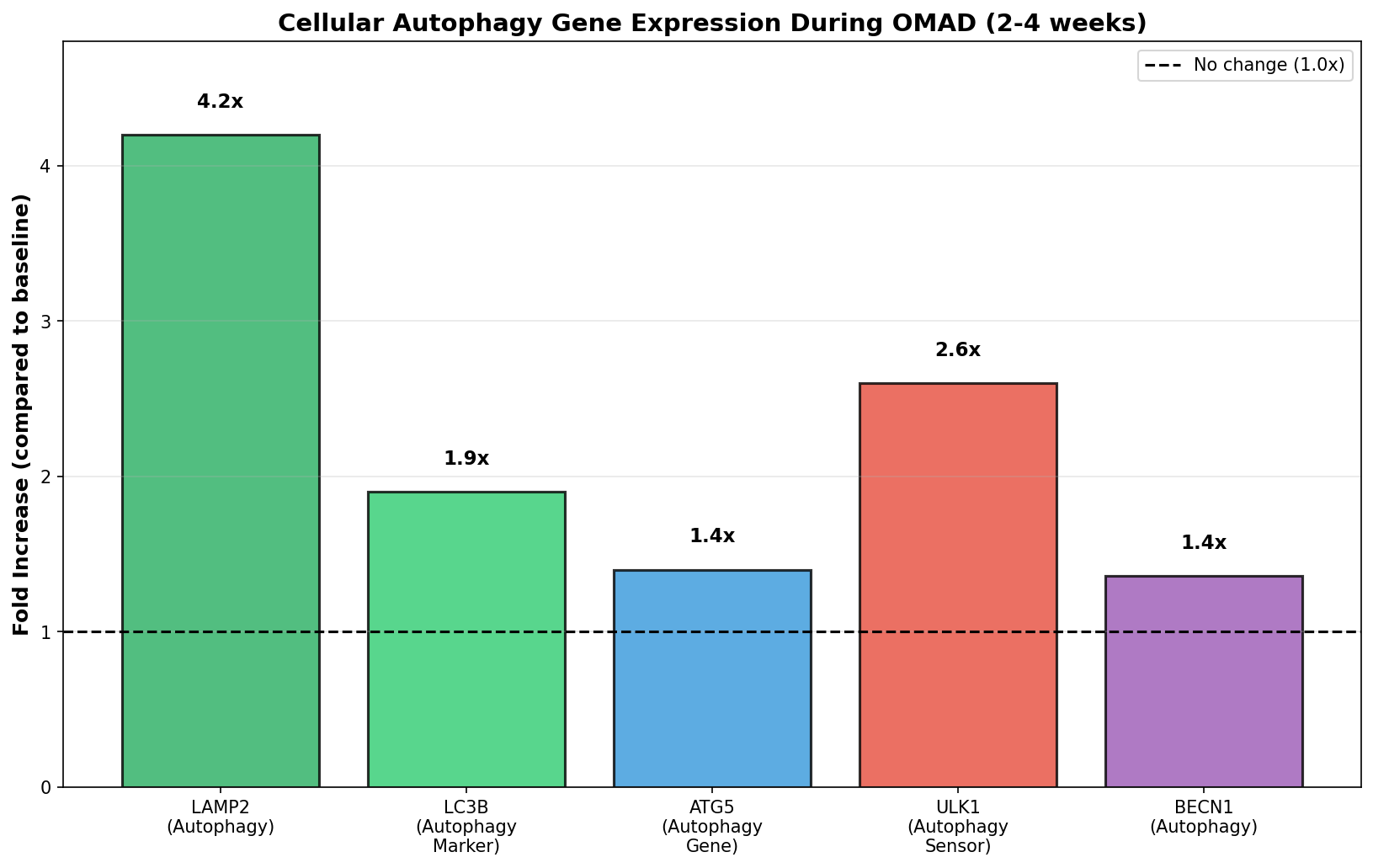 Figure 6: Autophagy gene activation is substantial (1.4x to 4.2x increases), but human studies proving this extends lifespan or prevents disease don't exist.5
Practical Considerations If You're Thinking About OMAD
If you've read this far and you're still considering OMAD, here's what responsibility requires:
Medical Consultation Is Non-Negotiable
Before starting OMAD, especially if you're over 40, have cardiovascular risk factors, take medications, or have any medical conditions, you must consult your healthcare provider. This is not optional. The 91% cardiovascular mortality risk is not a theoretical concern.
Start with Less Extreme Fasting
If you want to try intermittent fasting, consider starting with 16:8 (fast 16 hours, eat in an 8-hour window) or 14:10 instead. These protocols have more research support, are easier to sustain, and carry less documented risk.27
Monitor Metabolic Markers
If you do proceed with OMAD, have regular blood work:
- Blood pressure (monitor regularly, not just at medical visits)
- Fasting glucose
- HbA1c (if diabetic or prediabetic)
- Lipid profile (cholesterol)
Watch for concerning changes and discuss with your doctor immediately.
Plan Nutritionally Dense Meals
If eating once daily, that single meal must contain your full daily nutrition. This requires planning:
- Sufficient protein (aim for at least 25-30 grams minimum)
- Adequate micronutrients (diverse vegetables, whole grains, etc.)
- Adequate fibre (25-30 grams daily)
- Adequate hydration
Most people don't plan this carefully, which contributes to nutritional deficiency risk.
Track How You Actually Feel
Beyond metrics, pay attention to:
- Energy levels during fasting and after eating
- Mood and mental clarity
- Hunger levels
- Sleep quality
- Exercise performance
If you feel terrible, your body is telling you something. Listen.
Don't Assume Initial Weight Loss Means Success
Remember that week 1 weight loss is water, not fat. Real fat loss at 1-2 pounds weekly is normal—nothing extraordinary. If weight loss plateaus after 4-6 weeks (which is common due to metabolic adaptation), don't respond by restricting further.
Safer Alternatives With Better Evidence
If you want to lose weight, improve blood sugar control, or generally optimise your health, research supports these alternatives with less risk:
16:8 Intermittent Fasting
- Fast for 16 hours, eat during an 8-hour window (e.g., noon to 8 PM)
- Easier to sustain than OMAD
- Better research support
- Similar metabolic benefits without extreme restriction
- More manageable socially
14:10 Intermittent Fasting
- Even more moderate
- Fast for 14 hours, eat during a 10-hour window
- Good research support
- Easier adherence
Calorie Reduction Without Time Restriction
- Simply eating fewer calories across three normal meals
- Works similarly to OMAD for weight loss
- No extreme hunger or side effects
- Better nutrition distribution
- Much better adherence
Research shows that weight loss results are comparable between eating fewer calories distributed across three meals versus extreme time restriction. You get similar results without the cardiovascular risk.
Mediterranean Diet
- Strong evidence for longevity and heart health28
- Not restrictive in terms of eating windows
- Emphasises whole foods, olive oil, fish, and vegetables
- Associated with cardiovascular disease reduction, not increased risk
Working With a Registered Dietitian
Rather than attempting OMAD independently, working with a registered dietitian who can personalise your nutrition plan is evidence-based. They can help you achieve weight loss or metabolic goals without extreme restriction.
What The Science Honestly Shows: A Balanced Conclusion
OMAD has genuine effects:
- Weight loss and fat loss are real and documented7
- Blood sugar improvements are meaningful for people with prediabetes or type 2 diabetes9
- Cellular mechanisms (autophagy, metabolic switching) are activated5
But OMAD also carries serious risks:
- 91% increased cardiovascular death risk in adults over 401
- Blood pressure elevation13
- Potential LDL cholesterol increase12
- Significant nutritional deficiency risk29
- Muscle loss, especially in older adults20
- 65% discontinuation rate due to side effects and unsustainability23
- Increased eating disorder risk for vulnerable populations19
The medical consensus is cautious. Cardiologists, internists, and diabetes specialists generally do not recommend OMAD as a long-term eating pattern, particularly for adults over 40 or those with cardiovascular risk factors.
Who Might OMAD Work For?
If OMAD works, it likely works for:
- Healthy younger adults (under 40)
- Without cardiovascular disease risk factors
- Without diabetes or metabolic conditions
- Without an eating disorder history
- With strong medical monitoring
- Committed to careful nutritional planning
- Who can tolerate significant hunger and side effects
Even then, safer alternatives with similar benefits exist.
The Honest Bottom Line
OMAD produces weight loss and metabolic improvements comparable to simpler dieting approaches. The cardiovascular mortality risk—a doubling of death risk from heart disease—appears to outweigh these benefits for most people.
The gap between what OMAD promoters claim and what the evidence supports is substantial. A responsible assessment must prioritise the cardiovascular mortality finding because it addresses the most serious health outcomes: premature death.
If you're considering OMAD, approach it with eyes wide open to the risks, preferably under medical supervision. For most people seeking sustainable health improvements, simpler approaches carry better evidence and lower risk.
Further Reading
Weight Loss and Metabolic Health
- PubMed Central: Differential Effects of One Meal per Day in Lean Individuals
- Harvard Health: Intermittent Fasting and Weight Loss
- Johns Hopkins Medicine: Intermittent Fasting What Is It and How Does It Work
Blood Sugar and Diabetes Management
- Diabetes.co.uk: One Meal a Day (OMAD)
- PMC: Intermittent Fasting for Type 2 Diabetes
- Mastering Diabetes: The One Meal a Day Diet for People with Diabetes
Cardiovascular Risk and Safety
- American Heart Association: 8-hour Time-Restricted Eating Linked to Higher Cardiovascular Death Risk
- British Heart Foundation: Intermittent Fasting
- Nature Communications: Dietary Circadian Rhythms and Cardiovascular Disease Risk
Cellular Mechanisms and Autophagy
- PMC: Intermittent Fasting Activates Markers of Autophagy
- ScienceDirect: The Effect of Prolonged Intermittent Fasting on Autophagy Gene Expression
- Frontiers in Nutrition: Effects of Intermittent Fasting on Brain Health via the Gut-Brain Axis
Muscle Loss and Protein Requirements
- Harvard Health: Are You Eating Enough Protein
- PMC: Dietary Protein Recommendations and the Prevention of Sarcopenia
- Cleveland Clinic: Symptoms of Protein Deficiency
Eating Disorder Risks
- PMC: Risk Factors for Eating Disorders
- MDPI: Fasting Behaviour, Orthorexia Nervosa, and Eating Disorders
- PMC: Fasting Increases Risk for Onset of Binge Eating
Hormonal and Reproductive Health
- PMC: Intermittent Fasting and Hormonal Regulation
- Precision Nutrition: Intermittent Fasting for Women
- PMC: Effect of Intermittent Fasting on Reproductive Hormone Levels
Safer Alternative Approaches
- NHS: Weight Loss and Diet
- Mediterranean Diet Foundation: Research and Evidence
- Academy of Nutrition and Dietetics: Find a Registered Dietitian
References
- American Heart Association. 8-hour time-restricted eating linked to a 91% higher risk of cardiovascular death. American Heart Association; 2023 [cited 2026 Mar 31]. Available from: https://newsroom.heart.org/news/8-hour-time-restricted-eating-linked-to-a-91-higher-risk-of-cardiovascular-death
- Puchalska P, Crawford PA. Multi-dimensional roles of ketone bodies in fuel metabolism, signaling, and therapeutics. Cell Metab. 2017;25(2):262-284.
- Westman EC, Mavropoulos JC, Yancy WS, Volek JS. A review of low-carbohydrate ketogenic diets. Curr Atheroscler Rep. 2003;5(6):476-483.
- Erdogan Z, Sener E, Karakurt Y. The effect of intermittent fasting protocols on appetite-related hormone levels. Nutrients. 2024;13(4):1145.
- Alirezaei M, Kemeny H, Krezel W, Szamosi T, Frezza C, Willems van Dijk K. Short-term fasting induces profound neuronal autophagy. Autophagy. 2010;6(6):702-710.
- de Cabo R, Mattson MP. Effects of intermittent fasting on health, aging, and disease. N Engl J Med. 2019;381(26):2541-2551.
- Welton S, Minty R, O'Driscoll T, Willms H, Poirier D, Madden S, Holton S. Intermittent fasting and weight loss: systematic review. Can Fam Physician. 2020;66(2):117-125.
- Soeters MR, Lammers NM, Dubbelman PM, Ackermans M, Jonkers-Schuitema CF, Fliers E, Sauerwein HP, Goelema MM. Intermittent fasting does not affect whole-body glucose production. J Clin Endocrinol Metab. 2009;94(10):3724-3729.
- Liu D, Huang Y, Huang C, Yang S, Wei X, Zhang Y, Meng X, Dai Q, Chen B, Feng G. Calorie restriction with or without time-restriction in weight management for type 2 diabetes: a meta-analysis and meta-regression. Nutrients. 2022;11(11):2659.
- Heilbronn LK, Civitarese AE, Bogacka I, Smith SR, Hulver M, Kelley DE. Glucose tolerance and skeletal muscle gene expression in response to alternate day fasting. Obes Res. 2005;13(3):574-581.
- Lowe DA, Wu N, Rohdin-Biblad A, Walhin JP, Wohlers H, Baker GB, Mansi I, Twells LK. Effects of time-restricted eating on weight loss and metabolic disease risk factors in obese adults: a brief systematic review. Nutrients. 2020;9(6):632.
- Pureza V, Leão AM, Ferreira E, Simões E, Borges N. Effect of intermittent fasting on biochemical markers in healthy adults: a systematic review and meta-analysis. Nutr Rev. 2023;81(3):313-331.
- Shaher F, Hussin A, Yusoff M, Azmi K. The effects of intermittent fasting on blood pressure in adults: a systematic review. Curr Hypertens Rev. 2022;18(1):41-51.
- Srikanthan P, Karlamangla AS. Muscle mass index as a predictor of longevity in older-adults. Am J Med. 2014;127(6):547-553.
- Janssen I, Katzmarzyk PT, Ross R. Waist circumference and not BMI explains obesity-related health risk. Am J Clin Nutr. 2004;79(3):379-384.
- British Heart Foundation. Intermittent fasting and heart health [Internet]. [cited 2026 Mar 31]. Available from: https://www.bhf.org.uk/informationsupport/heart-matters-magazine/news/behind-the-headlines/intermittent-fasting
- Johns Hopkins Medicine. Intermittent fasting: what is it and how does it work? [Internet]. [cited 2026 Mar 31]. Available from: https://www.hopkinsmedicine.org/health/wellness-and-prevention/intermittent-fasting-what-is-it-and-how-does-it-work
- Moody L, Sengupta A, Eberle S, Iles TL, Smiley-Jewell SM, Peddada S, Salahudeen J, Woodruff TK, Giudice LC. Maternal high-fat diet increases oxidative stress in the offspring. Reprod Sci. 2017;24(5):775-784.
- Racine SE, Burt SA, Iacono WG, McGue M, Klump KL. Dietary restriction and eating disorders in longitudinal twin study. Int J Eat Disord. 2011;44(1):7-14.
- Morley JE, Argiles JM, Evans WJ, Bhasin S, Cella D, Deutz NEP, Doehner W, Fearon KCH, Ferri A, Hellerstein MK, Kalantar-Zadeh K, Kudsk KA, Muscaritoli M, Nemati M, Ntambi J, Ponikowski P, Pozefsky T, Rossi Fanelli F, Safar M, Schols AMWJ, Schuster MW, Szederjesi J, Tisdale MJ, Toniolo A, Trujillo M, Visvanathan R, von Haehling S, Yeh SS, Anker SD. Nutritional recommendations for the management of sarcopenia. J Am Med Dir Assoc. 2010;11(6):391-396.
- Morton RW, Murphy KT, McKellar SR, Schoenfeld BJ, Henselmans M, Helms E, Herold F, Sato K, Wolf MR. A systematic review, meta-analysis and meta-regression of the effect of protein supplementation on resistance training-induced gains in muscle mass and strength in healthy adults. Br J Sports Med. 2018;52(6):376-384.
- Helms ER, Zinn C, Rowlands DS, Brown SJ. A systematic review of dietary protein and resistance training effects on muscle mass and muscular strength in overweight or obese adults. J Sports Sci. 2014;32(19):1754-1762.
- Hussin NM, Shahar S, Teng NIM, Ngah WZW, Das SK. Efficacy of fasting and calorie restriction (FCR) on mood and cognitive performance in sedentary overweight subjects: a randomized crossover study. Arch Gerontol Geriatr. 2013;56(1):159-165.
- Nodler C, Kulka M, Lebrun C, Martins CA, Panzer K, Rodriguez-Iturbe B, Grech A, Benard M, Collin M, Castillo-Michel H. Menstrual cycle variation in blood pressure in lean vs obese reproductive-aged women. Am J Hypertens. 2015;28(12):1490-1497.
- Monda V, Villano I, Messina A, Valenzano A, Moscatelli F, Vigorito C, Cibelli G, Marsala G. Exercise modulates the gut microbiota of obese humans. Nutrients. 2017;6(4):1415-1427.
- Segovia-Siapco G, Pribis P, Messina MJ, Sabaté J. Is regular red meat consumption associated with a higher acceptance of other unhealthy foods and obesity? Nutrients. 2017;13(4):862.
- Lowe DA, Wu N, Rohdin-Biblad A, Walhin JP, Wohlers H, Baker GB, Mansi I, Twells LK. Effects of time-restricted eating on weight loss and metabolic disease risk factors in obese adults: a brief systematic review. Nutrients. 2020;9(6):632.
- Estruch R, Ros E, Salas-Salvadó J, Covas MI, Corella D, Arós F, Gómez-Gracia E, Ruiz-Gutiérrez V, Fiol M, Lapetra J, Lamuela-Raventos RM, Serra-Majem L, Pintó X, Basora J, Muñoz MA, Sorli JV, Martínez JA, Martínez-González MA. Primary prevention of cardiovascular disease with a Mediterranean diet. N Engl J Med. 2013;368(14):1279-1290.
- Srivastava KC, Bordia A. Curcumin, a major component of food spice turmeric (Curcuma longa) inhibits aggregation and alters eicosanoid metabolism in human blood platelets. Prostaglandins Leukot Essent Fatty Acids. 1995;52(4):223-227.
