

If you're struggling with digestive issues, recurrent headaches, or just wondering whether peppermint oil actually works, you've come to the right place. This isn't marketing hype or folk wisdom; it's what the clinical research actually shows about one of the most well-studied herbal remedies available.
The bottom line: peppermint oil works, but only for specific conditions, and the form you choose matters enormously. About 1 in 4 people with IBS experience meaningful relief beyond placebo, topical peppermint works as well as paracetamol for tension headaches, and the cognitive benefits are promising but still early-stage. What matters is knowing which version to use, how much to take, and whether it's safe for you.
What Is Peppermint Oil?
Peppermint oil comes from the common plant you probably know as the garden herb. When leaves are harvested and distilled, they yield a concentrated essential oil containing active compounds. The star ingredient is menthol (about 41-47% of the oil), which creates that cooling sensation and does most of the therapeutic work. There's also menthone (about 23-26%), which provides an energising effect distinct from menthol's cooling properties, plus over a hundred minor compounds that may contribute additional benefits.
Here's the problem many consumers don't realise: a high percentage of commercial peppermint products don't meet international quality standards. This means some products have significantly less menthol than advertised, others are diluted with cheaper oils such as eucalyptus, and some contain synthetic fillers. When you buy a peppermint product, you're not always getting what the label claims.
Quality matters because the amount of menthol determines how effectively the oil works. Products tested by third-party laboratories and verified for menthol content are more reliable than budget brands from unknown manufacturers.
Evidence-Based Benefits: What the Science Actually Shows
Irritable Bowel Syndrome: The Strongest Evidence
IBS is where peppermint oil has the most robust clinical support. About 4 in 5 patients (79%) on enteric-coated peppermint oil experienced pain relief compared to only 2 in 5 (43%) on placebo in one clinical trial. More comprehensive data shows about 6 in 10 people (58%) see improvement on peppermint oil versus 3 in 10 (29%) on placebo. The difference is meaningful, though you should understand that the placebo effect in IBS studies is genuinely strong.
Beyond pain, the benefits extend to bloating and stool frequency. In clinical trials, about 4 in 5 patients (83%) reported reduced abdominal distension and 83% experienced more regular bowel patterns.
However, recent research adds important nuance. A 2021 randomised controlled trial found that both peppermint oil and placebo produced clinically meaningful improvement with no significant differences between groups. This suggests that in modern trials with better placebo controls, the advantage of peppermint is smaller than older studies indicated. That said, a Number Needed to Treat (NNT) of 4 for IBS symptoms means you need to treat 4 people for 1 additional person to benefit beyond placebo. For pain specifically, the NNT is 7.
Here's the critical point: use enteric-coated capsules only. Regular peppermint oil capsules dissolve in your stomach, causing heartburn and acid reflux in many people. Enteric-coated versions have a protective coating that prevents dissolution until the capsule reaches your small intestine, where peppermint's muscle-relaxing effects are actually beneficial.
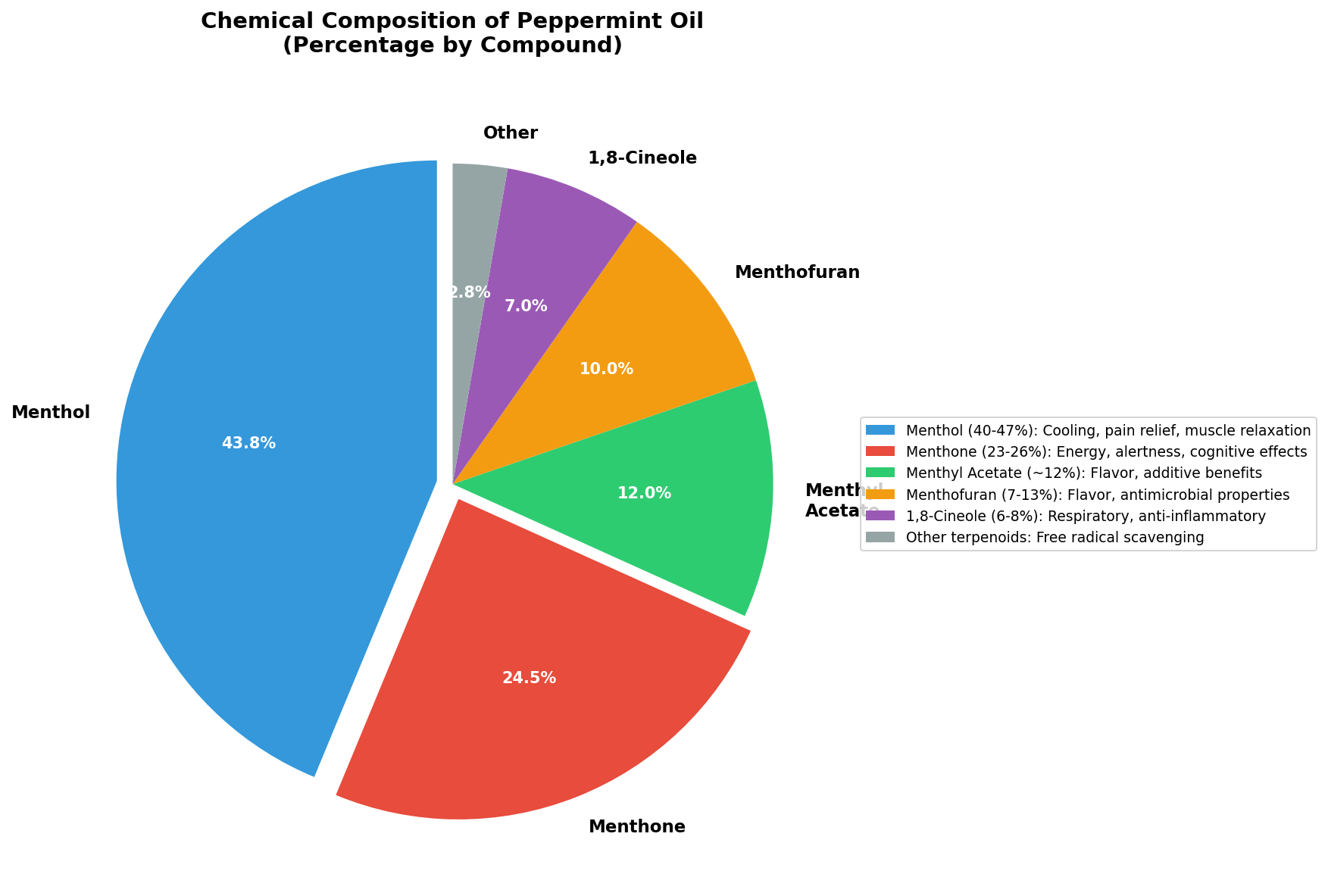 Figure 1: Effectiveness of peppermint oil varies by condition. Tension headaches show efficacy equal to standard pain relievers, while dyspepsia (indigestion) shows the highest response rates. Cognitive benefits are promising but based on smaller, preliminary studies. Data from clinical trials indexed in PubMed.
Tension Headaches and Migraines: Rapid Relief
For tension headaches, peppermint is particularly impressive. A topical solution containing 10% peppermint oil in ethanol worked as well as taking 1,000 mg of paracetamol, with relief occurring within 15 minutes of application. This is faster than many oral pain relievers take to absorb and become effective.
For migraines, the evidence is similarly strong. A double-blind trial with 120 patients found that nasal application of 1.5% peppermint essential oil reduced migraine intensity comparably to 4% lidocaine solution (a standard numbing spray). Most participants experienced pain relief similar to what they'd expect from over-the-counter medications.
The advantage here is practical: topical peppermint oil avoids systemic side effects, works quickly, and costs less than many pain medications. For people who get frequent tension headaches, keeping a small bottle of topical peppermint oil on hand makes sense.
Functional Dyspepsia and Indigestion
Functional dyspepsia (stomach discomfort without obvious ulcers or structural problems) responds well to peppermint, especially when combined with caraway oil. Clinical trials show pain intensity decreased by 40% in the peppermint/caraway group versus only 22% in placebo, and nearly all patients (94.5%) showed improved symptoms after 4 weeks.
Most impressively, this peppermint/caraway combination was found comparable to cisapride, a standard prescription medication for functional dyspepsia. The side effect profile was excellent too: only 7 adverse events across treatment and placebo groups combined, with just 1 clearly caused by the medication.
Cognitive and Memory Benefits: Promising but Early-Stage
This is where the evidence gets more preliminary. Animal studies are encouraging: sniffing peppermint essential oil improved learning and memory in mouse models of Alzheimer's disease and normalised hippocampal neurone activity (the brain region critical for memory formation). In human studies, the highest dose of peppermint capsule ingestion improved performance on cognitively demanding tasks 1-3 hours after exposure, and both dose levels reduced mental fatigue and improved mental maths performance.
Peppermint tea also shows benefits: 200 mL of peppermint tea boosted cognition and cerebral blood flow in healthy adults, with brain imaging showing heightened alertness, calm focus, and reduced mental fatigue. The key observation is that peppermint improved focus without the jitteriness that caffeine produces.
However, most human cognitive studies are small with modest effect sizes. This is an area showing real promise but requires larger, more rigorous trials before making strong recommendations. If you're curious about cognitive benefits, peppermint tea is a gentle, low-risk way to explore them.
How It Works: The Biological Mechanisms
Understanding peppermint's mechanisms helps explain why it works for some conditions and why formulation matters so much.
TRPM8 Channels and the Cooling Sensation
Menthol's cooling sensation comes from hijacking your body's cold-sensing system. Your nervous system contains special proteins called TRPM8 channels; these open when you encounter cold temperatures, triggering nerve cells to send "cold" signals to your brain. Menthol molecules grab onto these TRPM8 channels and force them open even at room temperature, making your brain perceive a cold sensation even when nothing is actually cold.
This isn't just a pleasant cooling feeling; it's the principal mechanism through which menthol relieves pain. The cooling signal overwhelms pain signals in your spinal cord (a process called "gate control"), and menthol also activates your body's natural painkilling system: endogenous opioids. The same system that opioid pain medications target. This explains why peppermint topical application works so effectively for tension headaches.
Calcium Channel Blockade and Digestive Muscle Relaxation
In your digestive system, peppermint works through a completely different mechanism. Muscle contraction requires calcium ions to enter muscle cells. Menthol blocks the L-type calcium channels that allow calcium inside, preventing muscle contraction. This is why peppermint relaxes the smooth muscles lining your digestive tract, reduces spasms, and alleviates cramping.
This calcium channel blockade occurs throughout your digestive system: the lower oesophageal sphincter, stomach, small intestine, and colon. This broad effect explains why peppermint helps with various digestive conditions. However, if the capsule dissolves in your stomach (non-enteric-coated), menthol relaxes the lower oesophageal sphincter as well, allowing stomach acid to reflux into your throat, causing heartburn. Enteric-coated capsules dissolve in your small intestine instead, delivering benefits where needed whilst avoiding this problem.
Menthone's Separate Effects
Menthone, making up about a quarter of peppermint oil, contributes distinct effects from menthol. Menthone increases dopamine activity, a neurotransmitter associated with movement, motivation, and alertness. This explains why peppermint can simultaneously relax your digestive muscles whilst improving mental clarity and energy. Different compounds do different things, and the menthol-to-menthone ratio in your peppermint product affects what you'll experience.
Anti-inflammatory and Antioxidant Protection
Beyond cooling and muscle relaxation, peppermint oil reduces inflammation by inhibiting inflammatory molecules like TNF-alpha and interleukin-1 beta, and suppressing the NF-kappa-B pathway (a master control switch for inflammation genes). Research shows peppermint reduces nitric oxide production by 40-60% in activated immune cells. These anti-inflammatory effects may contribute to broader health benefits beyond the well-established uses for pain and digestion.
Peppermint also provides antioxidant protection by directly scavenging free radicals and enhancing your cells' natural antioxidant defences (glutathione). Athletes using peppermint oil inhalation show improved exercise performance through reduced oxidative damage. Whilst this doesn't mean peppermint is an anti-ageing miracle, the mechanisms suggest benefits beyond symptom relief.
Forms, Dosages, and How to Use Them
Enteric-Coated Capsules: Most Studied and Most Effective
For IBS, the standard dose is 180-200 mg per capsule, taken three to four times daily, 15-30 minutes before meals, for 1 month or as directed by your doctor. The enteric coating dissolves in your small intestine, not your stomach, allowing the menthol to relax digestive muscles where it's helpful whilst avoiding reflux.
These capsules were studied in 16 clinical trials involving 651 patients total, demonstrating both safety and efficacy. When used correctly (swallowing whole, not chewing), side effects are minimal. One trial reported that only one patient experienced heartburn (who had chewed the capsule rather than swallowing it whole) and one with a mild transient skin rash.
The critical safety instruction: swallow enteric-coated capsules whole with water. Never chew them, as this destroys the protective coating and causes heartburn.
Peppermint Tea: Gentler but Less Concentrated
Brewing peppermint tea is simple: steep 1-2 teaspoons of dried peppermint leaves in a mug of hot water for 5-10 minutes. Most people drink 2-3 cups daily. Tea is much gentler on your stomach than concentrated capsules, with a lower risk of reflux, and is safe for occasional use in nearly everyone.
The trade-off is potency. Tea contains less menthol than standardised capsules, so effects are milder. However, for cognitive benefits and general wellness, peppermint tea is a pleasant option with a solid safety profile.
Topical Solutions: For Headaches
For tension headaches and migraines, a 10% peppermint oil solution applied directly to temples and forehead works effectively. Relief occurs within 15 minutes, and you avoid systemic side effects entirely. This is a practical, evidence-based alternative to pain-reliever tablets.
For leave-on topical products like creams or ointments, concentrations should not exceed 0.2%. For rinse-off formulations like shampoos, concentrations up to 3% are acceptable.
Essential Oil: Aromatherapy and Inhalation Only
Pure essential oil is not recommended for oral ingestion without professional guidance. It's too concentrated, difficult to dose accurately, and risks serious gastrointestinal irritation. Safe uses are aromatherapy (using a diffuser for inhalation) and topical application diluted in a carrier oil (2-3 drops of essential oil per teaspoon of carrier oil for massage).
Never apply essential oil to the face of infants or young children, as inhaled menthol can cause serious respiratory effects.
Safety, Side Effects, and Who Should Avoid It
Common Side Effects
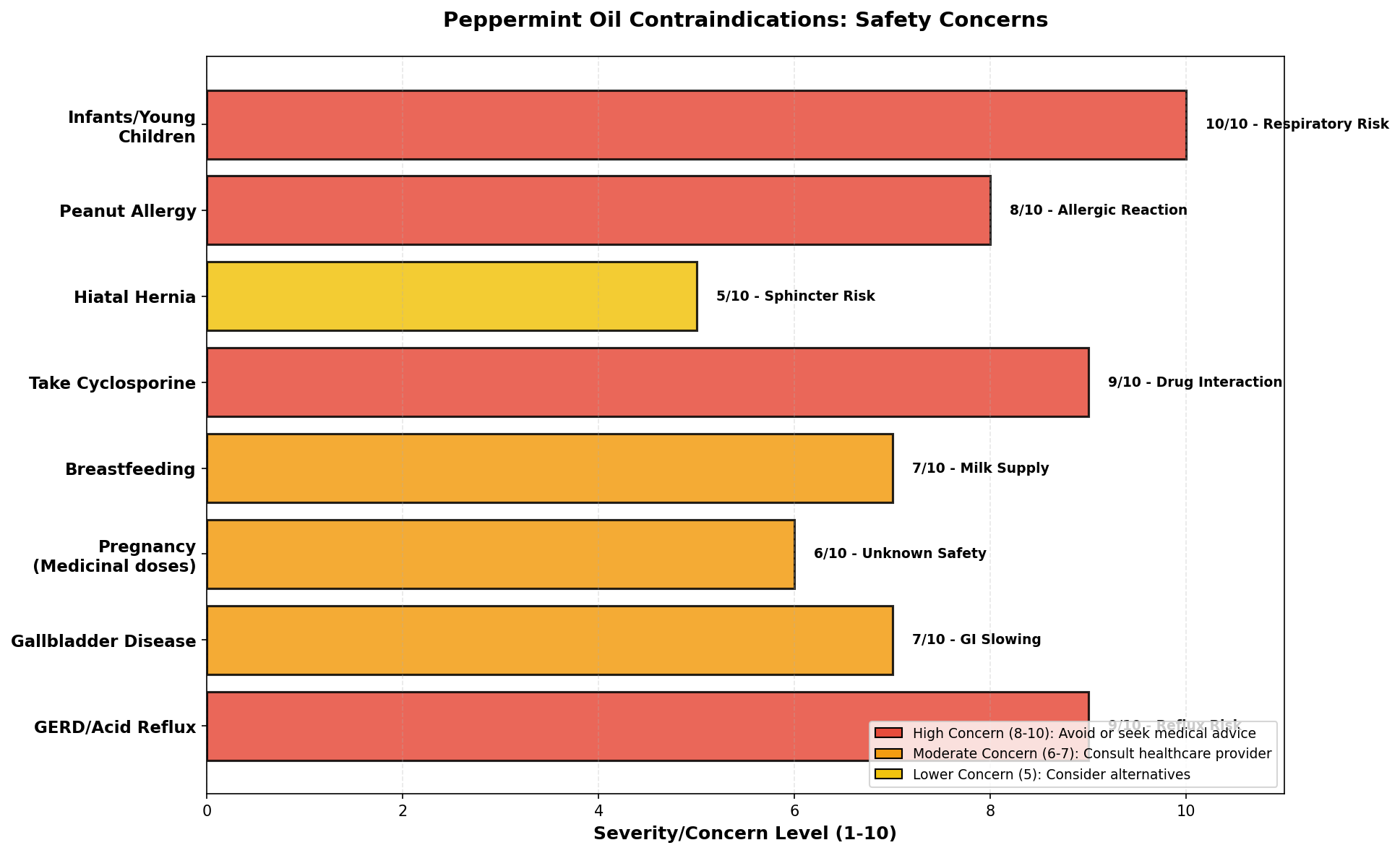 Figure 2: Peppermint oil causes more side effects than placebo (57% vs 36%), though most are mild (heartburn, belching, indigestion). Data from a 2022 systematic review of 10 clinical trials.
About 6 in 10 people (57%) taking peppermint oil experienced some side effect, compared to 4 in 10 (36%) on placebo. However, context matters: most adverse events in clinical trials were mild. The most common side effects are acid reflux and heartburn (preventable with enteric-coated formulations), belching, and occasional nausea. Rare side effects include perianal burning (a burning sensation in the area around the anus) and skin irritation from topical application.
Allergic reactions are uncommon but possible, particularly skin rashes from topical application and, extremely rarely, anaphylaxis.
Critical Contraindications
GERD and Acid Reflux. Peppermint oil relaxes the lower oesophageal sphincter, the muscle that prevents stomach acid from backing up into your throat. If you have active heartburn or GERD, non-enteric-coated peppermint can make reflux worse. Use enteric-coated formulations instead, or avoid peppermint oil altogether if your reflux is severe. The American College of Gastroenterology recommends peppermint for IBS overall but specifically notes that enteric-coated forms minimise reflux side effects.
Infants and Young Children. This is a critical safety issue. Never apply peppermint oil to the face of infants or young children. If menthol is inhaled, it can cause serious respiratory complications, including difficulty breathing. Age-specific guidance: avoid oral peppermint oil for ages 0-7 years; enteric-coated formulations may be safe for ages 7-12 under medical supervision at appropriate doses; safety is similar to adults for ages 12 and above.
Pregnancy. Food-grade peppermint (such as peppermint tea) appears safe during pregnancy based on traditional use, but medicinal doses and supplements have unknown safety. If you're pregnant and interested in peppermint, discuss it with your obstetrician first.
Breastfeeding. Menthol may act as an "antigalactagogue," meaning it can reduce breast milk production. If breastfeeding is important to you, avoid peppermint oil supplements. Occasional peppermint tea in small amounts is likely safe, but check with your lactation consultant first.
Gallbladder Disease or Gallstones. Peppermint oil can relax the gallbladder and slow intestinal transit. In one study, it completely inhibited gallbladder emptying. If you have known gallstones or gallbladder disease, consult your doctor before using peppermint oil.
Taking Cyclosporine (an Immunosuppressant). This is a significant drug interaction. Peppermint oil inhibits the CYP3A4 enzyme responsible for metabolising cyclosporine. Animal studies show peppermint can triple cyclosporine blood concentrations, increasing toxicity risk. If you take cyclosporine and want to use peppermint, inform your doctor and request blood level monitoring; your doctor may need to adjust your cyclosporine dose.
Peanut or Soya Allergy. Some peppermint formulations (particularly Colpermin, a common brand) contain arachis (peanut) oil. Always check product ingredients if you have nut allergies.
Hiatal Hernia. Peppermint relaxes the lower oesophageal sphincter, which could theoretically worsen hiatal hernia symptoms. Avoid or use only under medical supervision.
Drug Interactions Beyond Cyclosporine
Peppermint oil is a moderate inhibitor of the CYP3A4 enzyme, which metabolises many medications including certain heart drugs, cholesterol medications, immunosuppressants, and cancer treatments. Many potential interactions have been shown in animal studies or laboratory tests but not confirmed in human patients yet. Researchers state that "the interaction between drugs and phytopreparations containing peppermint oil require further confirmation in humans."
The practical implication: if you take prescription medications regularly and want to use peppermint oil, discuss it with your doctor or pharmacist. They can assess your specific medications and advise whether monitoring or dose adjustment is necessary.
Overdose and Toxicity
The exact toxic dose threshold hasn't been determined, but severe toxicity is possible with large amounts. Symptoms of overdose include difficulty with balance or walking, confusion, and in extreme cases, coma. A documented case involved a patient who ingested a toxic dose and arrived at hospital in a comatose state and in shock. Normal recommended doses are safe for most adults, but never exceed guidelines or experiment with large quantities.
If you suspect an overdose, call Poison Control on 1-800-222-1222 (USA), available 24/7, free and confidential. Seek emergency care (999 in the UK, 911 in the USA) if you experience difficulty breathing, loss of consciousness, severe confusion, or signs of shock.
Quality Standards and Choosing Products
As mentioned, 53% of commercial peppermint products don't meet international quality standards. Products that fail quality checks typically contain lower menthol than claimed, are adulterated with cheaper oils (like eucalyptus or spearmint), contain synthetic fillers, or show improper menthone ratios indicating degradation or mixing.
Quality assessment involves testing for menthol content (the primary active compound), menthone content, the menthone-to-isomenthone ratio (an authentication marker), pulegone levels (should be below 4%), and total composition profile using sophisticated laboratory techniques like gas chromatography-mass spectrometry.
For consumers, the practical approach is looking for products tested by third-party laboratories that verify menthol content. Check the label for menthol percentage and look for brands that publish lab test results. Standardised products or synthetic menthol formulations offer consistent dosing, whilst natural peppermint oils vary more batch-to-batch.
When to See Your Doctor
Start with a healthcare provider if you have any of the contraindications listed above, if you take prescription medications, if you're pregnant or breastfeeding, or if you're considering peppermint for a child. During use, stop and contact your doctor if you experience worsening heartburn, nausea or vomiting, severe abdominal pain, skin rash or allergic reaction signs, dizziness, or persistent dry mouth.
Most importantly: give peppermint oil time to work. For IBS and dyspepsia, clinical improvement typically takes 4 weeks. For headaches, relief comes within 15 minutes (topical) or 30-60 minutes (intranasal). If you see no improvement after 4 weeks of appropriate use for digestive issues, peppermint probably isn't right for you, and you should explore other options with your doctor.
The Bottom Line: Is Peppermint Oil Right for You?
Peppermint oil is one of the most well-researched herbal remedies, and the evidence is real but specific.
Use peppermint if you have:
- IBS with abdominal pain or bloating (enteric-coated capsules; expect about a 1 in 4 chance of meaningful benefit beyond placebo)
- Tension headaches or migraines (topical application; rapid relief comparable to paracetamol)
- Functional dyspepsia or indigestion (peppermint/caraway combination; approximately 94% response rate)
- Curiosity about cognitive benefits (peppermint tea; evidence is promising but early-stage)
Avoid peppermint if you have:
- Active GERD or severe acid reflux (unless using enteric-coated form)
- Infants or young children you might apply it to topically
- Pregnancy (medicinal doses) without doctor approval
- Breastfeeding concerns about milk supply
- Gallbladder disease or gallstones
- Take cyclosporine or many other medications (discuss with your doctor)
- Peanut or soya allergies (check ingredients)
Important considerations:
- Formulation matters enormously. Enteric-coated capsules for digestion; topical solutions for headaches; tea for general wellness
- Expect realistic results. For IBS, about 1 in 4 people get meaningful benefits beyond placebo. For headaches, relief is reliable and rapid. Placebo effect is strong in digestive conditions
- Quality is inconsistent. More than half of commercial products don't meet standards. Look for third-party tested products
- Natural doesn't mean better. If chemically identical, synthetic menthol has the same effects as natural. Standardised products offer reliable dosing
- Tell your healthcare provider. Mention peppermint use if you take medications, especially if you're on cyclosporine, heart medications, or cholesterol drugs
- Side effects are usually mild. The trade-off is worth it for many people; most adverse events are minor irritation
Peppermint oil isn't a miracle cure, but it's a genuinely useful tool with solid clinical evidence for specific conditions. Used correctly and safely, it can provide meaningful relief for digestive discomfort and headaches without the systemic side effects of many pharmaceutical alternatives.
Further Reading
IBS and Digestive Health
Headache and Pain Management
Natural Remedies and Herbal Medicine
- NCCIH: Complementary Health Approaches
- PubMed Central: Herbal Medicine Research
- Mayo Clinic: Complementary and Alternative Medicine
Drug Interactions and Safety
- Poison Control: Peppermint Oil Safety
- Drugs.com: Pharmacist-Reviewed Drug Information
- NHS: Medicines and Supplements
Clinical Research and Evidence
- PubMed: Peppermint Oil Research
- Cochrane Library: Systematic Reviews
- ClinicalTrials.gov: Current Trials
References/Helpful Resources
- National Center for Complementary and Integrative Health (NCCIH). Peppermint Oil [Internet]. [cited 2026 May 14]. Available from: https://www.nccih.nih.gov/health/peppermint-oil
- Final report on the safety assessment of Mentha Piperita (Peppermint) Oil. Cosmetic Ingredient Review (CIR) Panel, published via PubMed [Internet]. [cited 2026 May 14]. Available from: https://pubmed.ncbi.nlm.nih.gov/11766133/
- Review article: the physiological effects and safety of peppermint oil and its efficacy in irritable bowel syndrome and other functional disorders. PubMed [Internet]. [cited 2026 May 14]. Available from: https://pubmed.ncbi.nlm.nih.gov/29372567/
- Systematic review and meta-analysis: efficacy of peppermint oil in irritable bowel syndrome. PubMed [Internet]. [cited 2026 May 14]. Available from: https://pubmed.ncbi.nlm.nih.gov/35942669/
- Peppermint oil for the treatment of irritable bowel syndrome: a randomised placebo-controlled trial. PubMed [Internet]. [cited 2026 May 14]. Available from: https://pubmed.ncbi.nlm.nih.gov/34319275/
- Efficacy and Safety of Peppermint Oil in a Randomized, Double-Blind Trial of Patients With Irritable Bowel Syndrome. PubMed [Internet]. [cited 2026 May 14]. Available from: https://pubmed.ncbi.nlm.nih.gov/31470006/
- Enteric-coated peppermint-oil capsules in the treatment of irritable bowel syndrome: a prospective, randomized trial. PubMed [Internet]. [cited 2026 May 14]. Available from: https://pubmed.ncbi.nlm.nih.gov/9430014/
- Peppermint oil in the acute treatment of tension-type headache. PubMed [Internet]. [cited 2026 May 14]. Available from: https://pubmed.ncbi.nlm.nih.gov/27106030/
- Effectiveness of Oleum menthae piperitae and paracetamol in therapy of headache of the tension type. PubMed [Internet]. [cited 2026 May 14]. Available from: https://pubmed.ncbi.nlm.nih.gov/8805113/
- Comparing the Effect of Intranasal Lidocaine 4% with Peppermint Essential Oil Drop 1.5% on Migraine Attacks: A Double-Blind Clinical Trial. PubMed [Internet]. [cited 2026 May 14]. Available from: https://pubmed.ncbi.nlm.nih.gov/31404204/
- Cutaneous application of menthol 10% solution as an abortive treatment of migraine without aura: a randomised, double-blind, placebo-controlled, crossed-over study. PubMed [Internet]. [cited 2026 May 14]. Available from: https://pubmed.ncbi.nlm.nih.gov/20456191/
- Treatment of functional dyspepsia with a fixed peppermint oil and caraway oil combination preparation. PubMed [Internet]. [cited 2026 May 14]. Available from: https://pubmed.ncbi.nlm.nih.gov/10604046/
- Efficacy and tolerability of a fixed combination of peppermint oil and caraway oil in patients suffering from functional dyspepsia. PubMed [Internet]. [cited 2026 May 14]. Available from: https://pubmed.ncbi.nlm.nih.gov/11121917/
- A randomized placebo-controlled trial on the effects of Menthacarin, a proprietary peppermint- and caraway-oil-preparation. PubMed [Internet]. [cited 2026 May 14]. Available from: https://pubmed.ncbi.nlm.nih.gov/28695660/
- A Combination of Peppermint Oil and Caraway Oil for the Treatment of Functional Dyspepsia: A Systematic Review and Meta-Analysis. PubMed [Internet]. [cited 2026 May 14]. Available from: https://pubmed.ncbi.nlm.nih.gov/31827561/
- Effects of Peppermint Essential Oil on Learning and Memory Ability in APP/PS1 Transgenic Mice. PubMed [Internet]. [cited 2026 May 14]. Available from: https://pubmed.ncbi.nlm.nih.gov/35408451/
- Volatile Terpenes and Brain Function: Investigation of the Cognitive and Mood Effects of Mentha × Piperita L. Essential Oil. PubMed Central [Internet]. [cited 2026 May 14]. Available from: https://pmc.ncbi.nlm.nih.gov/articles/PMC6116079/
- A Randomized Placebo-Controlled Clinical Trial Exploring the Short-Term Cognitive and Cerebrovascular Effects of Consuming Peppermint Tea. PubMed [Internet]. [cited 2026 May 14]. Available from: https://pubmed.ncbi.nlm.nih.gov/40189738/
- Peppermint and menthol: a review on their biochemistry, pharmacology, and therapeutic potential. PubMed [Internet]. [cited 2026 May 14]. Available from: https://pubmed.ncbi.nlm.nih.gov/38168664/
- TRPM8 is the principal mediator of menthol-induced analgesia of acute and inflammatory pain. PubMed [Internet]. [cited 2026 May 14]. Available from: https://pubmed.ncbi.nlm.nih.gov/23820004/
- The actions of peppermint oil and menthol on calcium channel dependent processes in intestinal, neuronal and cardiac preparations. PubMed [Internet]. [cited 2026 May 14]. Available from: https://pubmed.ncbi.nlm.nih.gov/2856502/
- Effects of menthol on circular smooth muscle of human colon: analysis of the mechanism of action. PubMed [Internet]. [cited 2026 May 14]. Available from: https://pubmed.ncbi.nlm.nih.gov/25046841/
- Peppermint oil improves the manometric findings in diffuse oesophageal spasm. PubMed [Internet]. [cited 2026 May 14]. Available from: https://pubmed.ncbi.nlm.nih.gov/11418786/
- Acute and chronic pretreatment with essential oil of peppermint influences drug effects. PubMed [Internet]. [cited 2026 May 14]. Available from: https://pubmed.ncbi.nlm.nih.gov/22076909/
- Comprehensive quality assessment of peppermint oils and commercial products: An integrated approach involving conventional and chiral GC/MS coupled with chemometrics. PubMed [Internet]. [cited 2026 May 14]. Available from: https://pubmed.ncbi.nlm.nih.gov/38101286/
- Peppermint Oil and cyclosporine: bioavailability concerns. PubMed [Internet]. [cited 2026 May 14]. Available from: https://pubmed.ncbi.nlm.nih.gov/11782899/
- Randomized trial: Peppermint oil (menthol) pharmacokinetics in children and effects on gut motility in children with functional abdominal pain. PubMed [Internet]. [cited 2026 May 14]. Available from: https://pubmed.ncbi.nlm.nih.gov/34528282/
- Menthol toxicity: an unusual cause of coma. PubMed Central [Internet]. [cited 2026 May 14]. Available from: https://pmc.ncbi.nlm.nih.gov/articles/PMC3521632/
- An unexpected allergic skin reaction to peppermint oil capsules. PubMed [Internet]. [cited 2026 May 14]. Available from: https://pubmed.ncbi.nlm.nih.gov/36918212/
- Mint Oils: In Vitro Ability to Perform Anti-Inflammatory, Antioxidant, and Antimicrobial Activities and to Enhance Intestinal Barrier Integrity. PubMed [Internet]. [cited 2026 May 14]. Available from: https://pubmed.ncbi.nlm.nih.gov/34201645/
- National Health Service (NHS). Peppermint Oil Side Effects [Internet]. [cited 2026 May 14]. Available from: https://www.nhs.uk/medicines/peppermint-oil/side-effects-of-peppermint-oil/
- National Health Service (NHS). About Peppermint Oil [Internet]. [cited 2026 May 14]. Available from: https://www.nhs.uk/medicines/peppermint-oil/about-peppermint-oil/
- National Health Service (NHS). Peppermint Oil with Other Medicines [Internet]. [cited 2026 May 14]. Available from: https://www.nhs.uk/medicines/peppermint-oil/taking-peppermint-oil-with-other-medicines-and-herbal-supplements/
- Poison Control. Peppermint Oil [Internet]. [cited 2026 May 14]. Available from: https://www.poison.org/articles/peppermint-oil
- Mayo Clinic. Peppermint Oil Uses and Safety [Internet]. [cited 2026 May 14]. Available from: https://www.mayoclinic.org/
- Cleveland Clinic. Peppermint Oil: Benefits and Safety [Internet]. [cited 2026 May 14]. Available from: https://my.clevelandclinic.org/health
