

You've likely heard warnings about undercooked chicken and Salmonella, but what about pork? There's a bacterial infection named yersiniosis that most people have never heard of, yet it affects over 100,000 Americans every year. The culprit: undercooked or raw pork, particularly when contaminated during preparation.
The good news is that this infection is entirely preventable through proper cooking and food handling. Yet many people don't know about it or how to protect themselves, so thousands of preventable infections occur every year. This article explains everything you need to know about pork-related yersiniosis, who's most at risk, what symptoms to look out for, and exactly how to keep your family safe.
What Is Yersiniosis?
Yersiniosis is a bacterial infection caused by Yersinia enterocolitica, a pathogen that lives in the digestive systems of pigs and other animals. When you eat raw or undercooked pork containing the bacteria, it can colonise your intestines and cause illness.
The infection usually shows up as severe gastroenteritis (food poisoning) with diarrhoea, fever, and abdominal pain. Most people recover on their own within 1–3 weeks. However, some develop complications affecting joints, lymph nodes, or other organs that can persist for months.
It's one of the most common foodborne zoonoses in Europe and causes a significant disease burden in North America. Yet many cases go undiagnosed because yersiniosis mimics other conditions, and improved testing has only recently revealed how common it actually is.
How Common Is It Really?
The United States experiences approximately 117,000 yersiniosis infections annually. This translates to about 640 hospitalisations and 35 deaths each year. While the mortality rate is low (less than 3 deaths per 10 million Americans), the sheer volume of infections makes this a genuine public health concern.
What's striking is that modern testing has revealed thousands of previously undiagnosed cases. When the UK switched from traditional culture methods to faster PCR (molecular) testing in 2017, they discovered 45 times more yersiniosis cases than traditional methods had detected. This suggests approximately 7,500 infections annually in England were silently occurring but going unrecognised.
Why Pigs Are the Problem
About 1 in 8 pigs in the United States carry pathogenic Yersinia enterocolitica, with contamination rates ranging from 10.9–13.1% across herds. The bacteria colonise the pig's intestines and accumulate in certain tissues, particularly the tonsils and throat area.
Where in the Pig Is the Bacteria?
Research on pig tissue shows where bacteria concentrate:
- Porcine tonsils: 42–43% positive for the pathogenic O:3 and O:9 strains that cause human disease
- Porcine tongues: 20% positive
- Rectal tissue: 17% positive
- Retail pork: Only 1% positive (commercial processing removes most contamination)
This distribution matters because the bacteria thrive in lymphoid tissue (tonsils and immune organs) where they can reach high concentrations. When pork is improperly handled or eaten raw, these bacteria transfer to the person consuming it.
From Farm to Table: How Contamination Spreads
The infection typically enters pigs through their feed or water. On farms with poor pest control, inadequate bedding, or improper sanitation, the prevalence increases substantially. During slaughter and butchering, bacteria on the pig's surface can contaminate the meat if proper hygiene isn't maintained.
However, retail pork is relatively clean because commercial processing includes washing and inspection steps. The real danger emerges when raw pork is handled in homes: cross-contamination through hands, cutting boards, and surfaces spreads the bacteria far beyond the original meat.
Symptoms and When They Appear
How Long Until You Get Sick?
After exposure to contaminated pork, symptoms typically appear 4–6 days later. Some people get sick within 24 hours; others take up to 2 weeks. This lag between eating and getting sick is why people often can't pinpoint where the infection came from.
What Yersiniosis Feels Like
The infection primarily causes gastrointestinal symptoms resembling severe food poisoning:
- Diarrhoea: Occurs in 88.5% of patients (usually bloody)
- Fever: Present in 88% of cases
- Abdominal pain: Affects 64% of patients
- Nausea: Occurs in 43% of patients
- Vomiting: Happens in 38–43% of patients
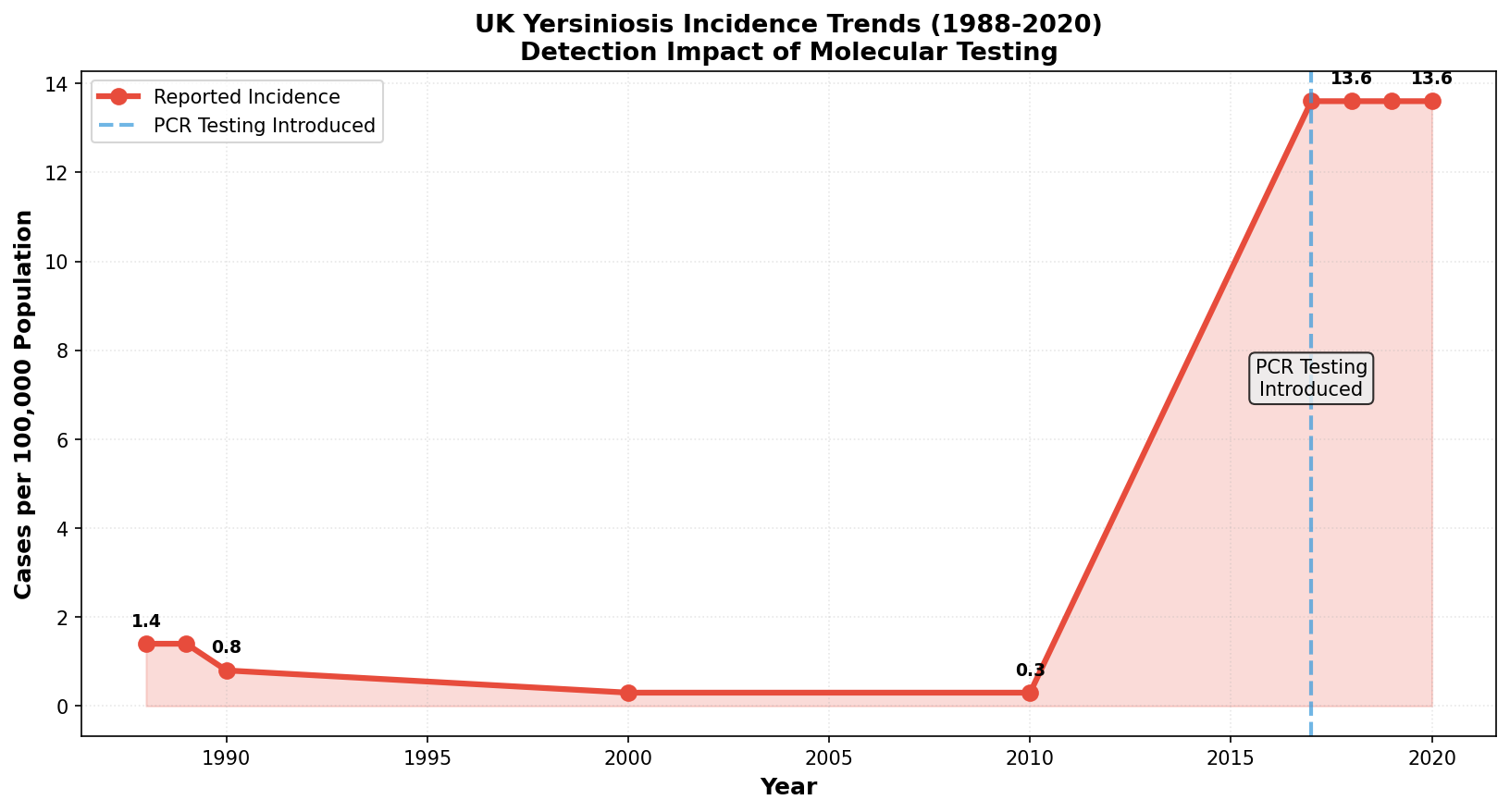 Figure 1: Prevalence of symptoms among patients with yersiniosis. Diarrhoea and fever are nearly universal; other symptoms vary.
Most people experience severe symptoms in the first 1–2 weeks. Diarrhoea tends to be the most persistent symptom and often continues even after fever and abdominal pain resolve.
The Appendicitis Mimic Problem
Here's where yersiniosis becomes clinically tricky: in adults, the infection often causes inflammation of the lower intestine (terminal ileitis) and swollen abdominal lymph nodes. This mimics acute appendicitis so convincingly that about 31% of patients presenting with acute appendicitis symptoms actually have yersiniosis.
This matters significantly because some patients have undergone unnecessary appendectomies before yersiniosis was diagnosed. Modern CT scans and blood antibody testing help differentiate yersiniosis from true appendicitis, potentially preventing unnecessary surgery.
Diagnosis: How Doctors Identify Yersiniosis
The Evolution of Testing: From Culture to PCR
Diagnosing yersiniosis has transformed dramatically over the past decade. Traditional culture methods required growing the bacteria on special media— a process that took days to weeks. Modern PCR testing detects bacterial DNA directly and produces results within hours.
This shift is recent and dramatic. In 2012, only 3% of yersiniosis diagnoses used PCR; by 2021, 89% relied on molecular testing. This 30-fold increase in PCR adoption explains why cases that previously went undiagnosed are now being detected.
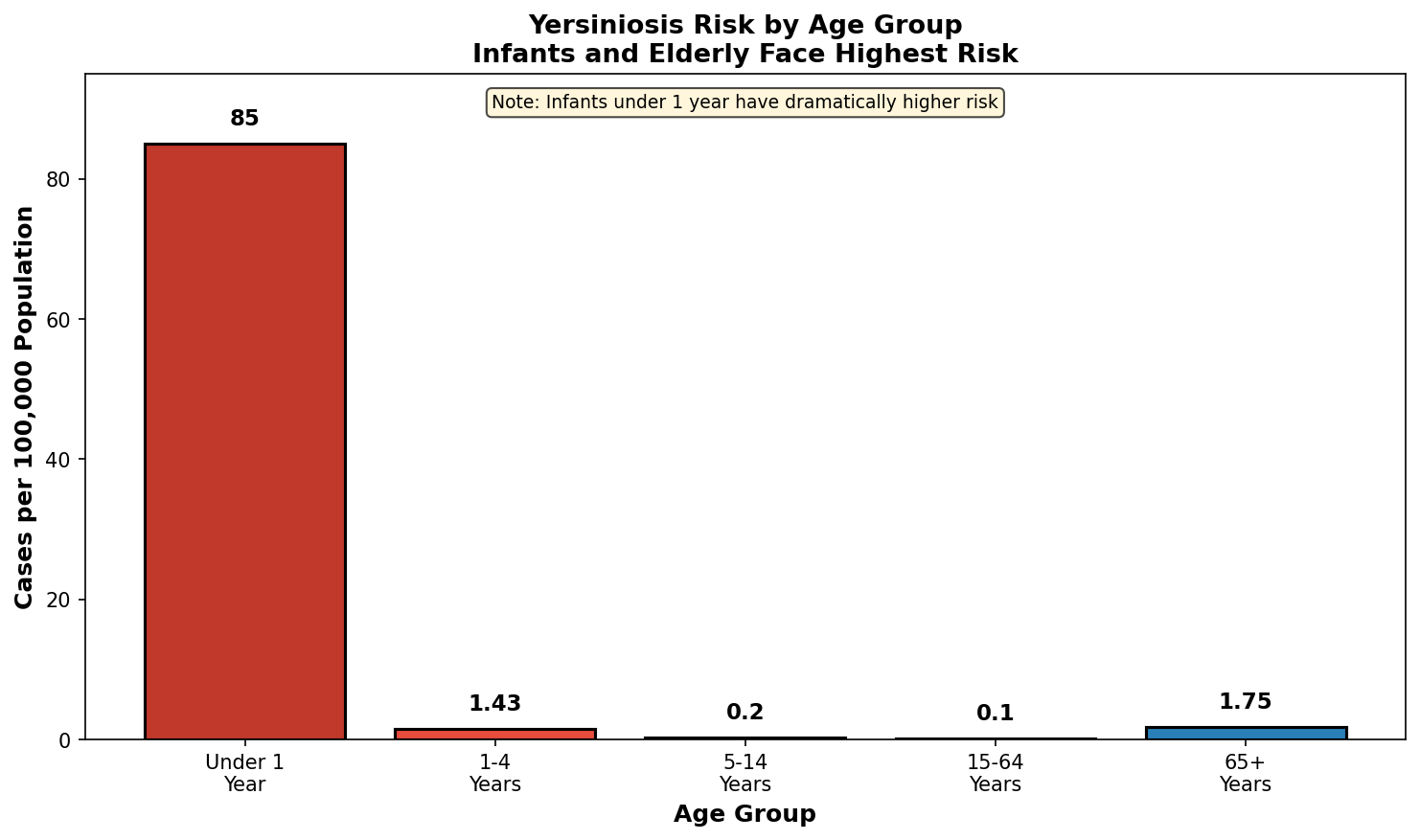 Figure 2: Adoption of PCR testing for yersiniosis increased dramatically between 2012 and 2021, improving detection compared with traditional culture methods.
Specific Diagnostic Approaches
Polymerase Chain Reaction (PCR): Fast molecular test detecting bacterial DNA directly from stool, blood, or tissue samples. Results available within hours. Now the standard diagnostic method.
Blood Antibody Testing (Serology): Detects immune antibodies your body produces against the bacteria. Particularly useful when the bacteria can no longer be cultured but the clinical features strongly suggest yersiniosis. Helps distinguish yersiniosis from Crohn's disease.
Endoscopy with Biopsy: Camera examination of the intestines with tissue sampling. Shows characteristic swollen, cobblestone-like inflammation at the end of the small intestine. Tissue culture can definitively confirm infection.
Imaging (CT Scans): Can show characteristic patterns of intestinal inflammation and swollen lymph nodes. Repeat scans 3 days apart help distinguish yersiniosis (which improves over time) from true appendicitis (which worsens).
Who Is Most at Risk?
Age-Related Risk
Risk varies dramatically by age group:
- Infants under 1 year: Highest risk; 85% of severe cases occur in babies under 1 year old
- Young children (1–4 years): Average incidence of 1.43 per 100,000
- Elderly adults (65+): 1.75 per 100,000 (similar to young children)
- Other adults: Much lower risk
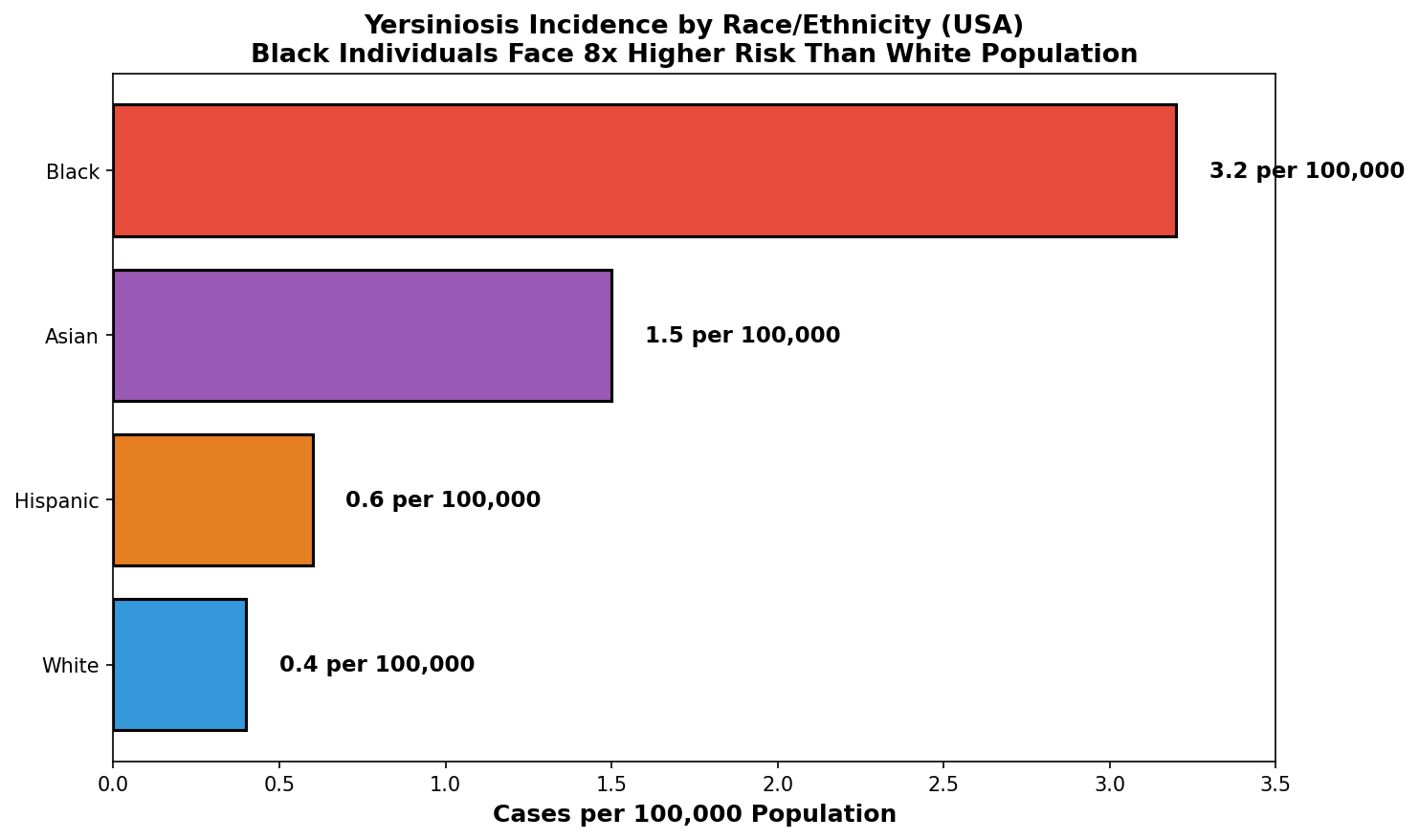 Figure 3: Dramatic difference in yersiniosis risk across age groups, with infants far exceeding all others.
Babies and very young children are vulnerable because their immune systems are still developing. Elderly adults with weakened immune systems also face elevated risk. By contrast, adults aged 25–64 with normal immune function have substantially lower risk.
Racial and Ethnic Disparities
An important and often overlooked disparity exists in yersiniosis incidence:
- Black population: 3.2 per 100,000 (8 times higher than White population)
- Asian population: 1.5 per 100,000
- Hispanic population: 0.6 per 100,000
- White population: 0.4 per 100,000
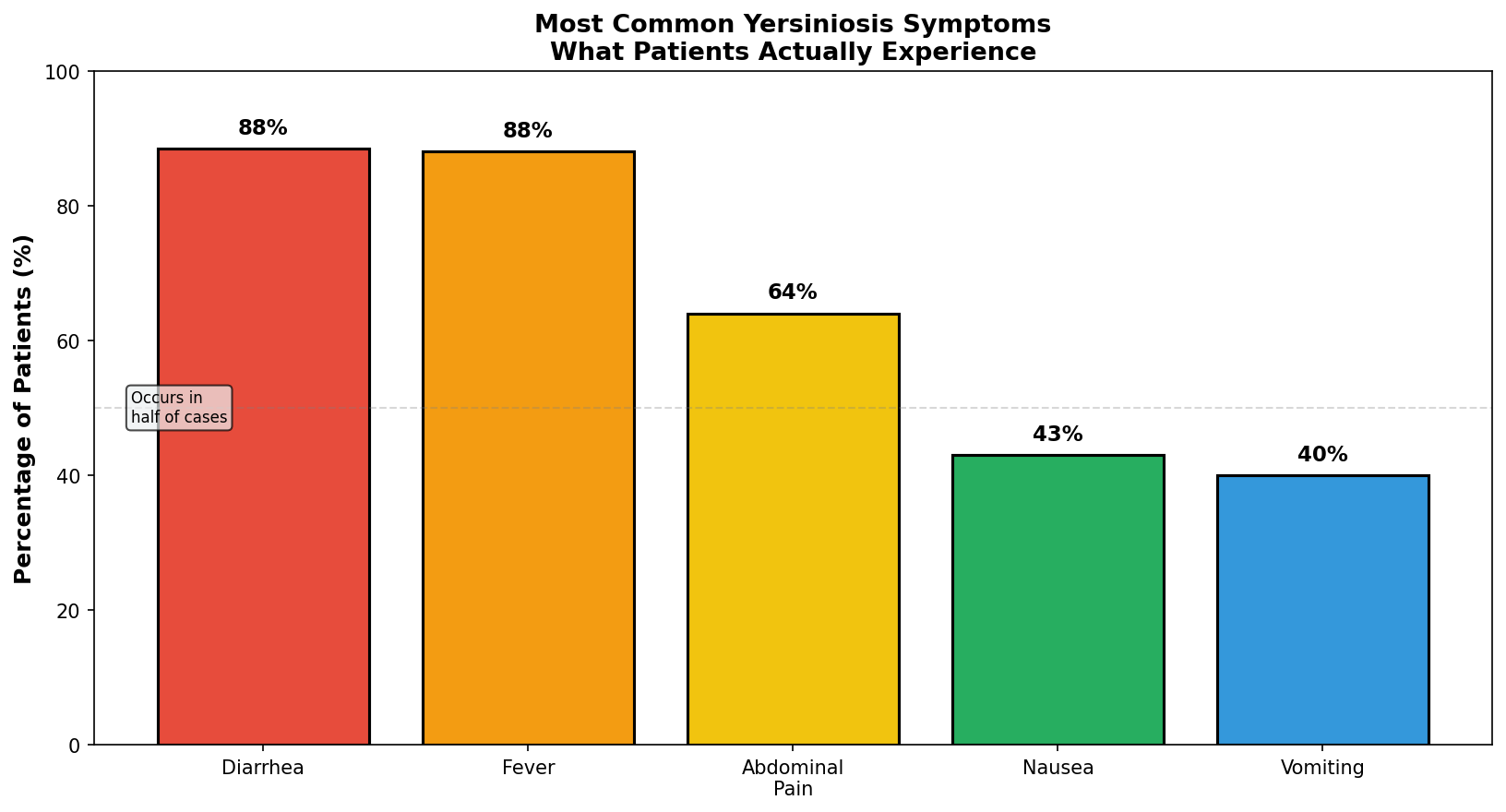 Figure 4: Significant disparity in yersiniosis incidence showing substantially higher rates in Black and Asian populations.
This disparity is entirely explained by consumption patterns, not biological differences. Black infants face exceptionally high-risk (141.9 per 100,000) because of traditional preparation of chitterlings (raw pork intestines) in households with young children. A 2001–2002 outbreak in Tennessee documented cross-contamination from handlers' hands to infants during raw chitterling preparation. Addressing this disparity requires targeted food safety education in at-risk communities.
Treatment and Recovery
Most Cases Resolve Without Antibiotics
Unlike some bacterial infections, most yersiniosis cases resolve through natural immune response. The body clears the bacteria on its own within 1–3 weeks. Antibiotics are not necessary for uncomplicated gastroenteritis.
When Antibiotics Are Needed
Antibiotics are reserved for severe infections or immunocompromised patients. When prescribed, effective options include:
- Fluoroquinolones (like ciprofloxacin)
- Doxycycline
- Cephalosporins
- Aminoglycosides
Importantly, yersiniosis is resistant to ampicillin and related antibiotics, so doctors must select appropriate options carefully.
Recovery Timeline
For uncomplicated cases:
- Acute phase: 1–3 weeks of severe symptoms
- Full recovery: Most people return to normal within 3–6 weeks
- Hospitalisation rate: Only about 1 in 180 infected people require hospital admission
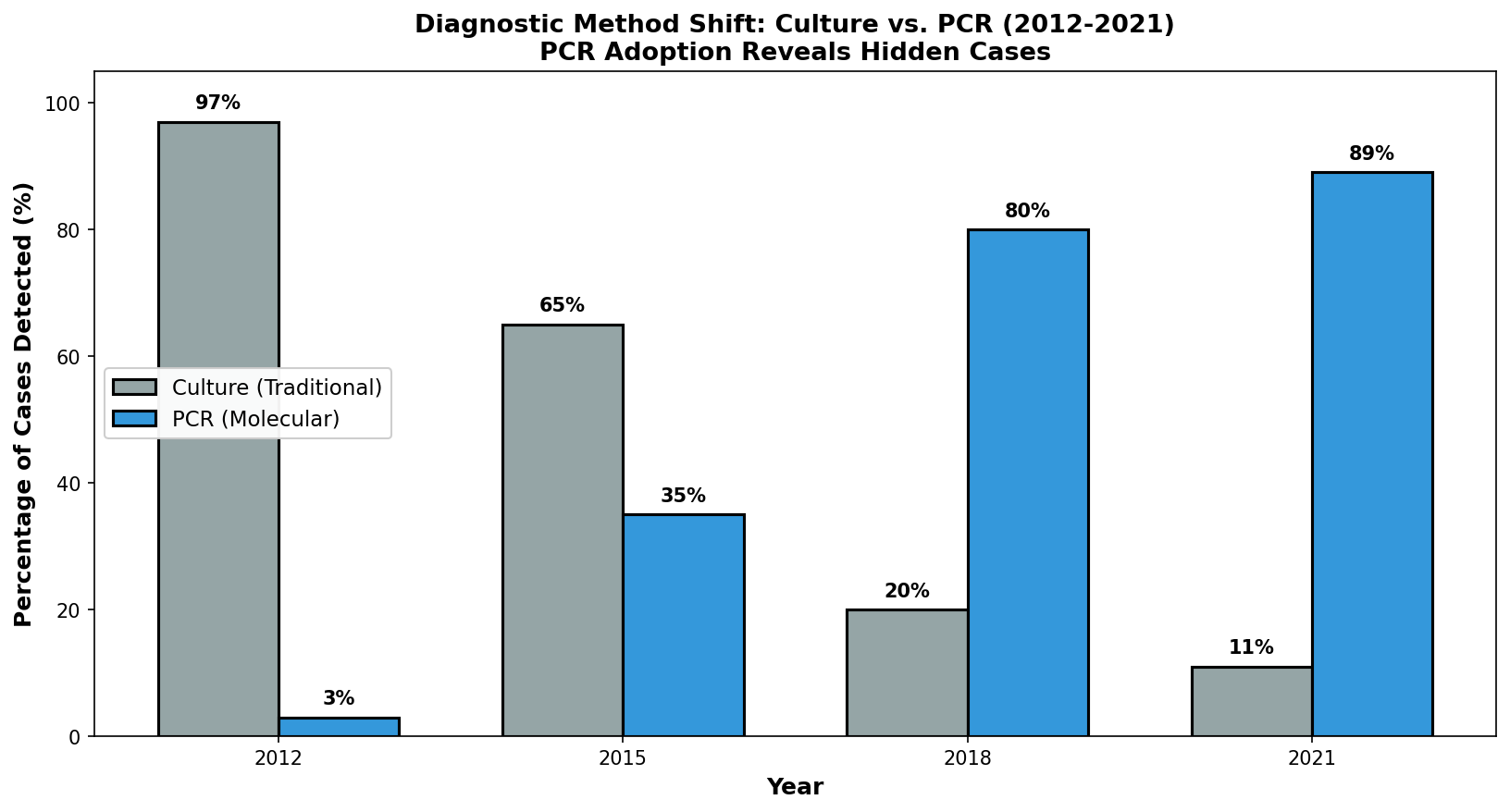 Figure 5: Expected recovery duration varies from 1–3 weeks for uncomplicated cases to months for those developing reactive arthritis.
Long-Term Outcomes
A Norwegian study following 458 hospitalised yersiniosis patients for 10 years revealed:
- 79% recovered completely with no chronic symptoms
- 11.6% experienced persistent joint complaints
- 6.1% had chronic diarrhoea
- 8.3% had chronic abdominal pain
- 3.9% developed ankylosing spondylitis (chronic spinal arthritis)
- 3.1% developed rheumatoid arthritis
While most people recover fully, a meaningful proportion experience lasting complications months or years after the acute infection.
Support Measures During Illness
The most critical intervention during yersiniosis is preventing dehydration:
- Drink plenty of fluids (water, electrolyte solutions, clear broths)
- Rest to allow immune response to work
- Avoid anti-diarrhoeal medications (which can trap bacteria and worsen infection)
- Monitor for signs of severe dehydration (dizziness, dark urine, decreased urination)
Prevention: Safe Pork Handling
The Critical Temperature Rule
Proper cooking is the single most effective way to prevent yersiniosis. Yersinia enterocolitica dies at specific temperatures:
- Whole cuts of pork (steaks, chops, roasts): Cook to minimum internal temperature of 145°F (63°C); then allow 3 minutes rest
- Ground pork: Cook to minimum internal temperature of 160°F (71°C)
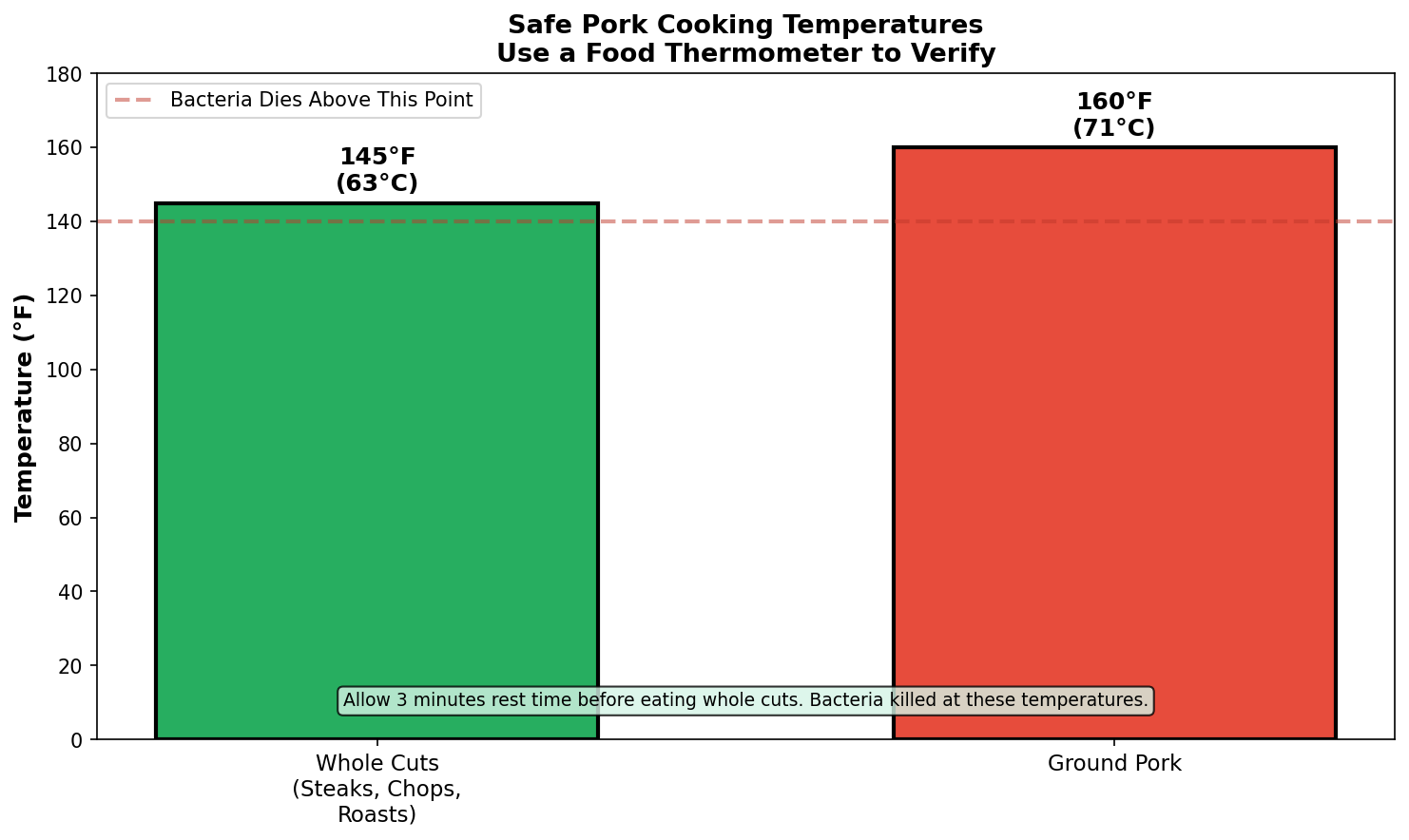 Figure 6: Specific internal temperatures required to kill Yersinia bacteria in different pork products.
Use a food thermometer. This is non-negotiable. Relying on appearance, texture, or cooking time is unreliable. An instant-read thermometer takes seconds and ensures safety.
Cold Chain Management
Because Yersinia grows particularly well at refrigerator temperatures (unlike most pathogens), proper storage is essential.
Refrigerator Storage:
- Keep refrigerator at 40°F (4°C) or below
- Cook or freeze fresh pork within 3–5 days of purchase
- Store in shallow, covered containers
- Use cooked pork within 2 hours (1 hour if room temperature exceeds 90°F or 32°C)
The "Danger Zone" (40–140°F): Bacteria double in number every 20 minutes in this temperature range. Never leave pork at room temperature. The difference between leaving pork out for 30 minutes versus 2 hours is roughly 256 times more bacterial growth.
Freezer Storage:
- Maintain 0°F (-18°C) or below
- Frozen pork remains safe indefinitely if properly stored
- Thaw only using three safe methods: refrigerator (slowest, safest), cold water (changed every 30 minutes), or microwave (cook immediately after)
Never thaw pork at room temperature, on the counter, or in warm locations.
Cross-Contamination Prevention
Raw pork can contaminate your entire kitchen if not handled carefully:
- Wash hands thoroughly with soap and warm water after handling raw pork
- Critically: Wash hands BEFORE touching children, bottles, pacifiers, toys, or other items
- Use separate cutting boards for raw pork and ready-to-eat foods
- Sanitise all surfaces and utensils that contacted raw pork
- Wash cloth towels that touched raw pork before using on other foods or people
Hand hygiene is particularly important for families with young children. The Tennessee chitterling outbreak showed that infants weren't infected from eating cooked chitterlings; they were infected through contact with caregivers' hands during raw chitterling preparation.
Special Guidance for Chitterlings
Raw pork intestines (chitterlings) carry particularly high bacterial concentrations and cause documented outbreaks. If you prepare chitterlings:
- Buy pre-cooked when possible and store frozen if not using within 2 days
- If cleaning and cooking raw chitterlings:
- Keep all children, especially infants, completely out of the kitchen during entire preparation
- Arrange for someone else to watch young children if possible
- Thoroughly boil the chitterlings (final cooked product is safe, but handling poses risk)
- Wash hands thoroughly with soap and warm water before ANY contact with children afterward
The boiled, cooked chitterling is safe to eat. The danger lies entirely in cross-contamination during preparation.
Seasonality and At-Risk Groups
When Is Risk Highest?
Yersiniosis shows clear seasonal patterns. Peak months are November, December, and January. This winter predominance may reflect increased pork consumption during holiday celebrations and cooler temperatures during storage.
Age-Based Risk Factors
- Infants under 3 months: Highest risk for bacteremia (bloodstream infection)
- Young children under 5 years: Primary risk group
- Older adults (65+): Secondary high-risk group due to weakened immunity
Risk Factors You Can Prevent
Research identifies the strongest preventable risk factor:
- Raw minced pork consumption has an adjusted odds ratio of 4.7 (nearly 5 times more likely to cause infection)
- Household preparation of minced pork is independently associated with infection
- Eating raw pork within 2 weeks before symptom onset accounts for approximately 58% of infections (odds ratio = 12, making it 12 times more likely)
Other non-dietary risk factors include playground sandbox contact (children), contact with birds, and certain pig farm management practices in occupational settings.
Real-World Impact: What Outbreaks Teach Us
Historical Outbreaks and Key Lessons
Several documented outbreaks illustrate transmission patterns:
Tennessee Chitterlings Outbreak (2001–2002): During this outbreak, Black infants were infected, but not from eating the cooked chitterlings. Instead, cross-contamination occurred when adults preparing raw intestines touched infants without washing their hands. This outbreak demonstrated that proper hand hygiene is the critical barrier, not just cooking.
Norway Processed Pork Outbreak (2006): Ready-to-eat processed pork products contaminated during manufacturing sickened numerous people, showing that contamination can occur even in commercial settings.
Washington State Tofu Outbreak (1981–1982): While not directly pork-related, 87 people became infected through tofu packed in untreated spring water, demonstrating that Yersinia can contaminate other foods through untreated water.
These outbreaks share a common lesson: awareness and proper food handling practices prevent infection.
When to Seek Medical Care
Contact a healthcare provider if you experience:
- Severe or bloody diarrhoea lasting more than a few days
- High fever (above 103°F or 39.4°C)
- Signs of severe dehydration (dizziness, dark urine, dramatic decrease in urination)
- Severe abdominal pain
- Symptoms in children under 5 years
- Symptoms in adults 65 and older
- Joint pain developing 3–6 weeks after diarrheal illness (possible reactive arthritis)
- Persistent gastrointestinal symptoms after 2–3 weeks
Early medical evaluation is particularly important for high-risk groups because complications can develop.
Conclusion: You Have the Power to Prevent This
Yersiniosis from pork is a genuine but entirely preventable infection affecting over 100,000 Americans annually. The infection can be serious, causing prolonged illness and, in some cases, long-term complications like reactive arthritis.
However, you have the tools to eliminate this risk completely:
- Cook pork to proper internal temperatures (145°F for whole cuts, 160°F for ground pork)
- Use a food thermometer every single time
- Maintain proper cold-chain storage (40°F or below)
- Practice diligent hand hygiene after handling raw pork, especially before touching children
Families with infants and young children, Black families preparing traditional foods like chitterlings, and elderly adults should pay particular attention to these precautions. Modern testing now catches yersiniosis infections that previously went undiagnosed; this means physicians are increasingly aware of the condition and can treat it effectively.
The reality is this: modern food thermometers have eliminated the need to guess whether pork is safely cooked. By treating every piece of pork with respect and following basic food safety practices, you can protect yourself and your family from this infection entirely.
Further Reading
Food Safety and Pork Handling
- CDC: Tips for Preparing Chitlins
- USDA FSIS: Fresh Pork From Farm to Table
- USDA FSIS: Safe Temperatures and Cooking Guide
- FDA: Bad Bug Book - Foodborne Pathogenic Microorganisms
Disease Information and Symptoms
- CDC: Yersinia Infection Overview
- CDC Yellow Book 2024: Yersiniosis
- Cleveland Clinic: Yersiniosis - Causes, Symptoms, Diagnosis & Treatment
Diagnosis and Medical Management
Prevention and Public Health
- CDC: Preventing Foodborne Illness
- CDC: Notes from the Field - Yersinia Infections Associated with Pasteurised Milk
At-Risk Populations and Outbreaks
- CDC: From Pig to Pacifier - Chitterling-Associated Yersiniosis Outbreak Among Black Infants
- CDC: Outbreak of Yersinia enterocolitica O:9 Infection and Processed Pork, Norway
References/Helpful Resources
- Centers for Disease Control and Prevention (CDC). Yersinia Infection [Internet]. [cited 2026 Jul 22]. Available from: https://www.cdc.gov/yersinia/about/index.html
- Centers for Disease Control and Prevention (CDC). Tips for Preparing Chitlins [Internet]. [cited 2026 Jul 22]. Available from: https://www.cdc.gov/yersinia/about/prepare-chitlins.html
- Centers for Disease Control and Prevention (CDC). Yersiniosis. CDC Yellow Book 2024 [Internet]. [cited 2026 Jul 22]. Available from: https://wwwnc.cdc.gov/travel/yellowbook/2024/infections-diseases/yersiniosis
- United States Department of Agriculture Food Safety and Inspection Service (USDA FSIS). Fresh Pork: From Farm to Table [Internet]. [cited 2026 Jul 22]. Available from: https://www.fsis.usda.gov/food-safety/safe-food-handling-and-preparation/meat-catfish/fresh-pork-farm-table
- United States Department of Agriculture Food Safety and Inspection Service (USDA FSIS). Danger Zone: 40°F-140°F [Internet]. [cited 2026 Jul 22]. Available from: https://www.fsis.usda.gov/food-safety/safe-food-handling-and-preparation/food-safety-basics/danger-zone-40f-140f
- Food and Drug Administration (FDA). Bad Bug Book: Foodborne Pathogenic Microorganisms and Natural Toxins. 2nd ed. [Internet]. [cited 2026 Jul 22]. Available from: https://www.fda.gov/files/food/published/Bad-Bug-Book-2nd-Edition-(PDF).pdf
- Cleveland Clinic. Yersiniosis: Causes, Symptoms, Diagnosis & Treatment [Internet]. [cited 2026 Jul 22]. Available from: https://my.clevelandclinic.org/health/diseases/23400-yersiniosis
- Centers for Disease Control and Prevention (CDC). From Pig to Pacifier: Chitterling-Associated Yersiniosis Outbreak Among Black Infants. Emerging Infectious Diseases [Internet]. 2003 Aug [cited 2026 Jul 22]. Available from: https://wwwnc.cdc.gov/eid/article/9/8/03-0103_article
- Centers for Disease Control and Prevention (CDC). Outbreak of Yersinia enterocolitica O:9 Infection and Processed Pork, Norway. Emerging Infectious Diseases [Internet]. 2007 May [cited 2026 Jul 22]. Available from: https://wwwnc.cdc.gov/eid/article/13/5/06-1062_article
- National Center for Biotechnology Information (NCBI). Yersinia enterocolitica Infection. StatPearls [Internet]. [cited 2026 Jul 22]. Available from: https://www.ncbi.nlm.nih.gov/books/NBK499837/
- Borch E, Kant-Muermans ML, Blixt Y. Bacterial spoilage of meat and cured meat products. International Journal of Food Microbiology. 1996;33(1):103-20. Available from: https://www.sciencedirect.com/science/article/abs/pii/016816059601135X doi: 10.1016/0168-1605(96)01135-X
- Bottone EJ. Yersinia enterocolitica: the charisma continues. Clin Microbiol Rev. 1997 Apr;10(2):257-76. Available from: https://pmc.ncbi.nlm.nih.gov/articles/PMC172919/ doi: 10.1128/CMR.10.2.257
- Smego RA, Frean J, Koornhof HJ. Yersiniosis I: Microbiological and Clinicoepidemiological Aspects of Plague and Non-Plague Yersinia Infections. EJCMID. 1999;18:1–15. Available from: https://link.springer.com/article/10.1007/s100960050219 doi: 10.1007/s100960050219
- Fredriksson-Ahomaa M, Korkeala H. Low occurrence of pathogenic Yersinia enterocolitica in clinical, food, and environmental samples: a methodological problem. Clin Microbiol Rev. 2003;16(2):220-29. Available from: https://europepmc.org/article/PMC/153140 doi: 10.1128/cmr.16.2.220-229.2003
- European Centre for Disease Prevention and Control (ECDC). The European Union summary report on trends and sources of zoonoses, zoonotic agents and foodborne outbreaks in 2013. EFSA Journal [Internet]. 2015 [cited 2026 Jul 22]. Available from: https://www.ecdc.europa.eu/en
- Rosner BM, Stark K, Werber D. Epidemiology of reported Yersinia enterocolitica infections in Germany, 2001-2008. BMC Public Health. 2010;10:337. Available from: https://pubmed.ncbi.nlm.nih.gov/20546575/ doi: 10.1186/1471-2458-10-337
- National Institute for Health and Care Excellence (NICE). Food poisoning [Internet]. [cited 2026 Jul 22]. Available from: https://www.nice.org.uk/
- NHS. Salmonella [Internet]. [cited 2026 Jul 22]. Available from: https://www.nhs.uk/conditions/salmonella/
