

Postbiotics: What They Are and Why They Matter
If you've heard of probiotics and prebiotics but aren't quite sure what postbiotics are; or why you should care; you're not alone. This relatively new category of gut health supplements has been quietly growing, with major health companies investing billions and clinical research confirming real benefits. The interesting part: postbiotics might actually work better than probiotics for some common health problems, and they're far more convenient.
This article explains what postbiotics are, how they work in your body, what the science actually shows, and whether they're worth your time and money.
So What Exactly Are Postbiotics?
Let's start with a clear definition. The International Scientific Association for Probiotics and Prebiotics (ISAPP), the world's leading expert body on these topics, defined postbiotics in 2021 as: "a preparation of inanimate microorganisms and/or their components that confers a health benefit on the host."1
In plain English: postbiotics are the beneficial compounds that bacteria produce, packaged without the bacteria themselves.
Here's the key insight: when beneficial bacteria (probiotics) ferment food in your gut, they create useful byproducts. These byproducts are postbiotics. You're not consuming the bacteria; you're consuming what they've already made.
Postbiotics, Probiotics, and Prebiotics: The Key Differences
This is crucial because these three terms get confused constantly. They're fundamentally different tools:
Probiotics are live bacteria you consume, hoping they'll colonise your gut and do beneficial work. Think of them as hiring new employees.
Prebiotics are food (usually fibre) that feeds your existing good bacteria. Think of them as providing lunch for your existing staff.
Postbiotics are the actual output of bacterial work; the compounds bacteria have already produced. Think of them as getting your employee's work product directly without hiring anyone.1,2
This distinction matters because it changes how each one works in your body and what advantages each offers.
Why Postbiotics Are Different (And Sometimes Better)
The advantages become obvious when you understand the fundamental difference:
- Postbiotics don't require live bacteria, so they're shelf-stable and don't need refrigeration3
- They work immediately; you don't need to wait for bacteria to colonise your gut4
- They cause minimal or no adjustment symptoms (no bloating, gas, or digestive upset)4
- They're safer for immunocompromised individuals because there's no infection risk from dead organisms2
- They have a defined composition you can verify with third-party testing3
Traditional probiotics require refrigeration, can cause adjustment symptoms in some people, and their viability declines over time. This sounds like an advantage for postbiotics, and in many situations, it is.
How Are Postbiotics Created?
Understanding the manufacturing process helps explain why postbiotics work the way they do.
The Four-Step Process
Step 1: Fermentation. Beneficial bacteria (usually Lactobacillus or Bifidobacterium strains) are grown in special culture media for days to weeks. During this time, the bacteria digest food and produce thousands of beneficial metabolites as byproducts.5
Step 2: Inactivation. Once enough metabolites are produced, the bacteria are killed through heat treatment, high pressure, or other methods. This stops bacterial growth while preserving the metabolites they've created.5
Step 3: Extraction and isolation. The metabolites and bacterial cell components are separated from the culture medium using centrifugation, filtration, or other advanced techniques.5
Step 4: Formulation. The concentrated postbiotic material is processed into final form (capsules, powder, liquid) and stabilised for shelf storage.5
What's Actually In Postbiotics?
Postbiotics aren't single substances; they're complex mixtures containing multiple beneficial compounds:
- Short-chain fatty acids (butyrate, propionate, acetate): These are the most potent components, providing direct fuel for gut cells and reducing inflammation5,6
- Bacterial cell wall components: Lipoteichoic acid and peptidoglycan help train your immune system5
- Exopolysaccharides: Complex carbohydrates that feed beneficial bacteria and strengthen the gut barrier5
- Enzymes and bacteriocins: Proteins that improve digestion and kill harmful bacteria5
- Vitamins and organic acids: Metabolic support and pH regulation5
The specific composition varies depending on which bacterial strains were used and the fermentation method, which is why different postbiotic products can have different effects.
How Postbiotics Actually Work in Your Body
This is where the science gets fascinating. Postbiotics don't just randomly help your gut; they work through multiple interconnected biological pathways, each supported by peer-reviewed research.
Mechanism 1: Fuelling Your Gut Cells
Your intestinal lining cells need energy to function. Short-chain fatty acids (particularly butyrate) provide exactly that energy.6 Butyrate is absorbed by colonocytes (the cells lining your colon) and used to power cellular functions. This is like providing direct fuel for the machinery that maintains your gut barrier.6,7
When gut cells are well-nourished, they maintain tight junction proteins (occludin, claudin, zonula occludens) that form the "seals" between intestinal cells, keeping harmful molecules out.6 Studies show that postbiotics increase expression of these tight junction proteins by 20–40%, creating a stronger barrier.5
Mechanism 2: Educating Your Immune System
Your immune system has about 70% of its cells stationed throughout your gut lining, making this your largest immune organ. Postbiotics educate these immune cells to respond appropriately.6
Here's how it works: when you consume postbiotics, their bacterial components interact with immune cells through receptors called pattern recognition receptors. This "conversation" between postbiotics and immune cells teaches your immune system what is and isn't a threat. The result is better immune balance, less chronic inflammation, better response to real threats.6,7
One specific mechanism: postbiotics shift your immune cells from a pro-inflammatory state (Th1/Th17 cells) towardss an anti-inflammatory state (regulatory T cells), which produce calming compounds like IL-10. Clinical studies show this results in TNF-alpha (a major inflammatory marker) decreasing by 20–35%, and IL-10 (anti-inflammatory) increasing by 25–40%.5,6
Mechanism 3: Reducing Inflammation
Postbiotics contain compounds that inhibit histone deacetylase (HDAC) enzymes in immune cells. Without getting lost in molecular biology, this process changes which genes are switched on or off in immune cells, turning down the inflammation dial.6
Different short-chain fatty acids work through slightly different pathways. Butyrate is the most potent at this, which explains why it's so frequently studied and why butyrate-rich postbiotics are often the most effective.6
Mechanism 4: Antimicrobial Activity
Some postbiotic components, particularly bacteriocins and organic acids, directly suppress harmful bacteria.5 Additionally, the organic acids in postbiotics lower the pH of your colon, creating an environment where harmful bacteria struggle but beneficial bacteria thrive.5
What the Research Actually Shows
Now for the important part: what does clinical evidence actually demonstrate about postbiotic benefits?
Constipation Relief: Strong Evidence
In a randomised, double-blind, placebo-controlled trial, postbiotic supplementation increased weekly complete spontaneous bowel movements by 19.12% over three weeks.2,8 That might sound like a modest percentage, but in practical terms: if someone is having less than one bowel movement per week, a 19% improvement means roughly one additional movement weekly. For someone struggling with chronic constipation, that's meaningful relief.
The study population (110 adults) is reasonably sized, the duration was adequate to see effects, and the results were statistically significant (p = 0.047). Importantly, the postbiotic product used (heat-killed Lacteol Fort) actually outperformed live probiotics for this condition.2,8
Timeline: Benefits typically appear within 2-3 weeks.
Diarrhoea Management: Strong Evidence, Surprising Results
Here's where postbiotics show a genuine advantage over probiotics. Multiple clinical trials compared heat-killed postbiotics to live Lactobacillus acidophilus in adults with chronic diarrhoea. Starting from week 2, the postbiotic group had significantly lower stool frequency and better symptom control.2,8
This contradicts conventional wisdom that "live is always better." For diarrhoea specifically, dead organisms appear superior to live ones.
For people with IBS-predominant diarrhoea, postbiotics improved pain scores, bloating, and quality of life measures after one month.2
Timeline: Initial improvement within 1-2 weeks; full benefit by week 4.
Immune Function and Inflammation: Good Evidence
The most rigorous clinical trial published in 2024 involved 120 stroke patients; a population where inflammation and infection risk are major concerns.9 Patients received either postbiotic supplementation or placebo for seven days.
Results from this randomised, double-blind, placebo-controlled trial:
- TNF-alpha decreased 28% in the postbiotic group vs. 5% in placebo; a 23-percentage-point advantage9
- Oxidative stress markers decreased 32% in postbiotics vs. 8% in placebo; a 24-percentage-point advantage9
- Pneumonia incidence (a serious complication in stroke patients) was reduced9
- No adverse events reported with postbiotics9
This is impressive because benefits appeared within just one week; most supplements show nothing this quickly.
General inflammation studies across multiple populations show:
- TNF-alpha reduction of 20–35%5,6
- IL-6 (pro-inflammatory interleukin) reduction of 15–30%5,6
- IL-10 (anti-inflammatory) increase of 25–40%5,6
Timeline: Measurable immune marker changes within 1-2 weeks; clinical symptom improvement by 2-4 weeks.
Microbiome Recovery After Antibiotics: Good Evidence
When antibiotics eliminate your gut bacteria (which they must do to fight infection), your body needs to rebuild a diverse microbiota. A randomised placebo-controlled trial found that postbiotic supplementation increased fecal bacterial alpha diversity (a measure of how many different beneficial species are present) by 40% compared to placebo.2
This matters because microbiota diversity is essential for immune function and preventing secondary infections and diarrhoea; common problems after antibiotics.
Metabolic Health: Emerging Evidence
A meta-analysis examining 25 randomised controlled trials found that postbiotics produced consistent but modest improvements in metabolic markers:
- Serum insulin decreased by 2.76 µU/mL (indicating improved insulin sensitivity)2
- Triglycerides decreased by 8.46 mg/dL (heart health marker)2
- Waist circumference decreased by 1.47 cm2
- C-reactive protein (inflammation) decreased by 0.99 mg/L2
These individual improvements are small, but when you consider that 25 different trials showed consistent results in the same direction, it suggests a real biological mechanism at work. For metabolic health, results typically require 8-12 weeks.2
Mental Health: Mechanisms Clear, Evidence Emerging
The biological pathways connecting postbiotics to mood are well-established: postbiotics can improve barrier function, reduce systemic inflammation, and influence neurotransmitter production through the gut-brain axis.2
However, honest assessment requires noting that clinical evidence for mental health benefits is less robust than for digestive health. In head-to-head comparisons, probiotics showed slightly stronger effects on depression reduction.2 Postbiotics show promise for mood support, but larger clinical trials are still needed.
Bottom line: Don't expect dramatic mood changes from postbiotics alone, but supporting gut health often correlates with better mental wellbeing.
The Market Growth Story: What It Means
The global postbiotics market was valued at $130 million in 2024 and is projected to reach $312 million by 2034; a 2.4x increase in just ten years.3,10 The annual growth rate is accelerating from 7.6% to 11.5%.3
Why does this matter? When billion-dollar corporations like ADM, Cargill, DSM-Firmenich, and Kerry Group invest heavily in a supplement category, it signals two things: real commercial opportunity and genuine scientific support. These aren't companies gambling; they invest in categories with robust evidence and consumer demand.3,10
This market growth also reflects what's driving consumer adoption: millions of people worldwide experience digestive issues that current treatments don't adequately address.
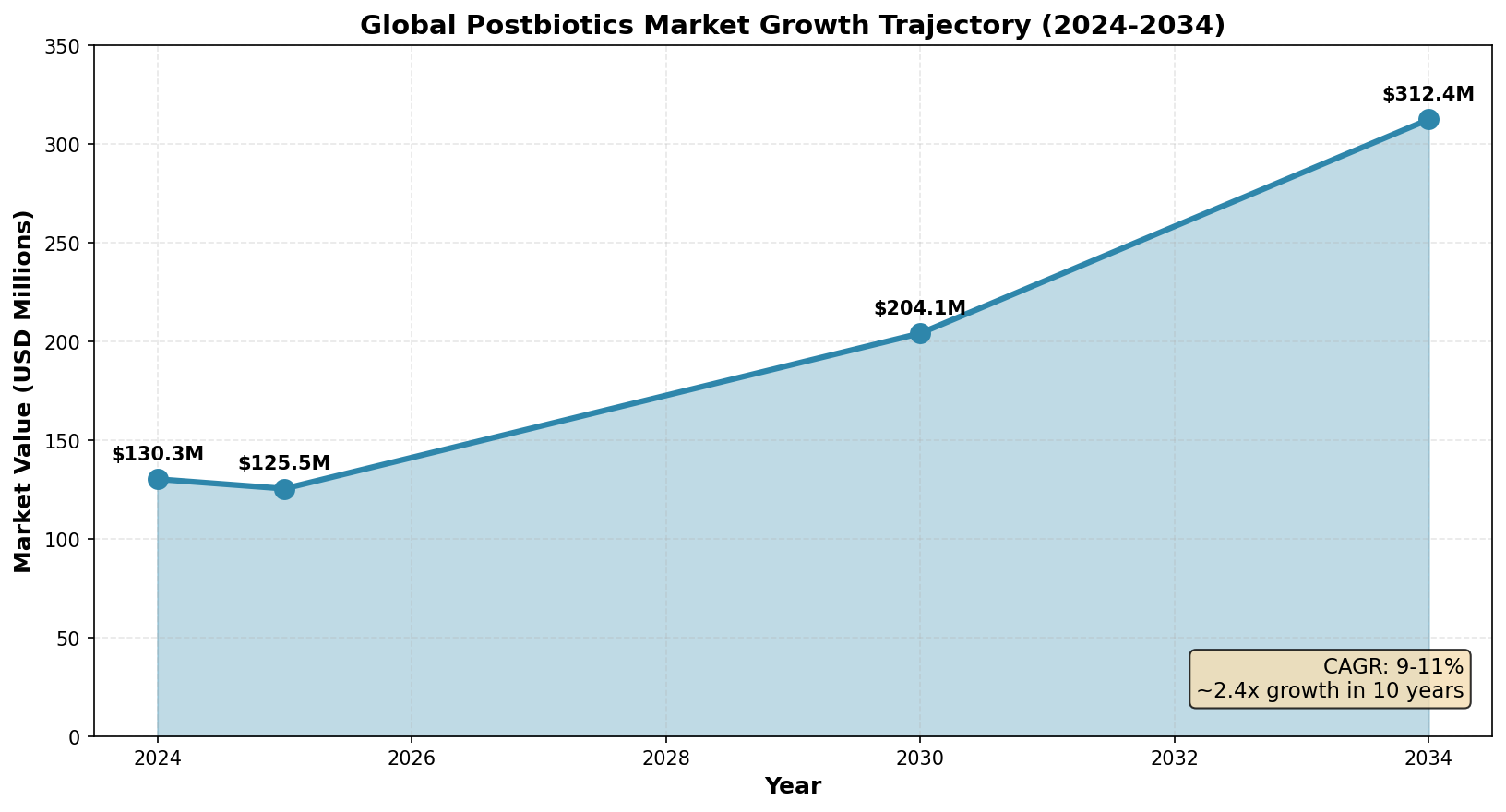 Figure 1: The global postbiotics market is projected to grow from $130 million (2024) to over $310 million (2034), signalling increasing consumer interest and clinical validation.3
How to Actually Get Postbiotics
You have two main options: food sources or supplements. Each has advantages and trade-offs.
Option 1: Food-Based Approach
Fermented foods naturally contain postbiotics because the fermentation process creates them, and many contain both probiotics and postbiotics (especially unpasteurised versions).
Most potent fermented foods (ranked by postbiotic content):
- Kimchi (250 billion CFU per cup): Korean fermented vegetables; highest concentration of any fermented food
- Raw sauerkraut (25 billion CFU per cup): Fermented cabbage; widely available
- Kefir (25 billion CFU per cup): Fermented milk drink; drinkable and convenient
- Kombucha (20 billion CFU per bottle): Fermented tea; contains both probiotics and postbiotics
- Miso (8 billion CFU per 2 tablespoons): Fermented soybean paste; concentrate form
- Tempeh (15 billion CFU per 3–4 oz): Fermented soybean cake; protein source
- Yogurt (2.5 billion CFU per cup): Familiar dairy option, though lower concentration
- Sourdough bread (postbiotics only after baking): Fermented grain; heat kills probiotics but preserves postbiotics
Cost: A food-based approach costs approximately £10–25 monthly (sauerkraut, kimchi, yogurt, miso, kombucha, sourdough).
Advantage: Whole-food nutrition, variable tastes, budget-friendly, zero adjustment period.
Disadvantage: Variable postbiotic content depending on fermentation time and storage, requires developing taste for unfamiliar foods.
Option 2: Supplement Approach
Postbiotic supplements are increasingly available in the UK and US markets. Major brands entering or expanding in 2025–2026 include:3
- Gaia Herbs: 3 billion postbiotic cells per serving; capsules; shelf-stable
- Verb Biotics: Uses precision fermentation; focused on mood and immunity
- Probulin: Established brand expanding postbiotic line
- ADM/Asahi partnership: Lactobacillus gasseri CP2305 for stress and sleep (new distribution 2025)
- Kerry Group's Plenibiotic: Plant-derived from rice fermentation (new 2024)
Standard dosage: Most effective research doses are 10-20 billion CFU equivalent daily.2
Cost: £15-30 monthly for dedicated postbiotic supplements.3
Advantage: Standardised dosage, no taste adjustment needed, convenient daily dose, clinically researched strains.
Disadvantage: Higher cost than food approach, misses whole-food nutrition benefits.
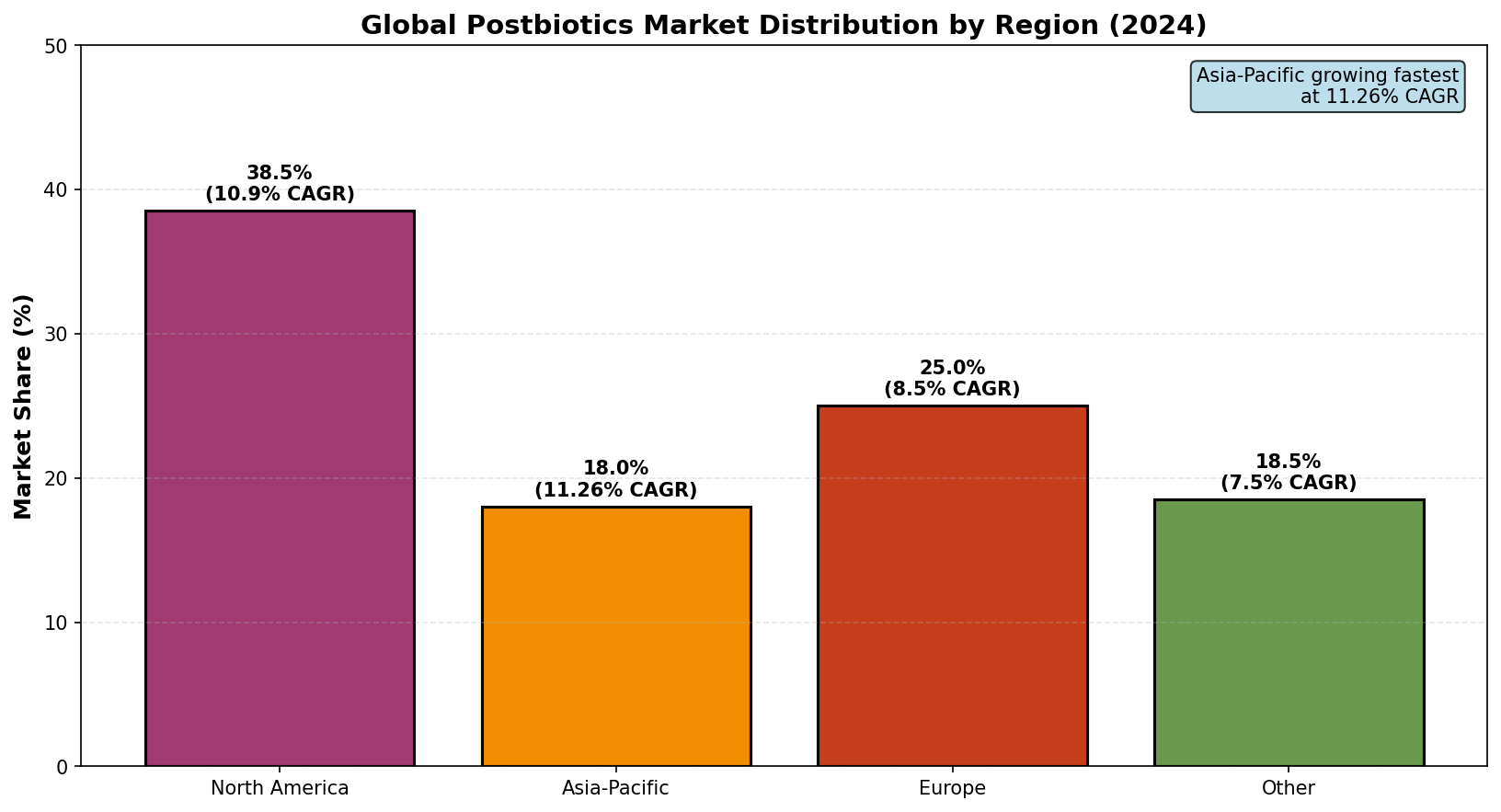 Figure 2: Fermented foods vary widely in postbiotic content, with kimchi providing the highest concentration at 250 billion CFU per serving compared to yogurt's 2.5 billion.
Option 3: Combined Approach (Maximum Results)
Eat fermented foods daily (postbiotics from whole food) plus take a supplement (standardised dosage) for maximum benefit. Cost: £2-3 daily; timeline for full benefits: 2-3 weeks.
What Results Actually Look Like: Realistic Expectations
Here's where honesty matters. Postbiotics do work, but they're not miracle cures. Here's what realistic expectations look like:
For constipation:
- Timeline: 2–3 weeks
- Expected outcome: roughly 19% improvement in bowel movement frequency
- Reality: Meaningful relief if you're struggling, but you still need adequate fibre and water
For diarrhoea:
- Timeline: 1–2 weeks for initial improvement
- Expected outcome: significantly reduced frequency
- Reality: This is where postbiotics genuinely outperform probiotics
For IBS:
- Timeline: 2–4 weeks
- Expected outcome: measurable improvement in pain, bloating, quality of life
- Reality: Benefits are real but vary by individual and IBS subtype
For immune/inflammation support:
- Timeline: 1–2 weeks for measurable marker changes
- Expected outcome: 20–35% reduction in inflammatory markers
- Reality: Supportive, not curative; best combined with overall healthy lifestyle
For metabolic health:
- Timeline: 8–12 weeks
- Expected outcome: modest improvements in insulin, triglycerides, body composition
- Reality: Small but meaningful changes, most effective combined with diet and exercise
The key variable: individual response differs significantly. Gut microbiota composition, current diet, lifestyle, age, and health status all affect how well postbiotics work for you specifically.2
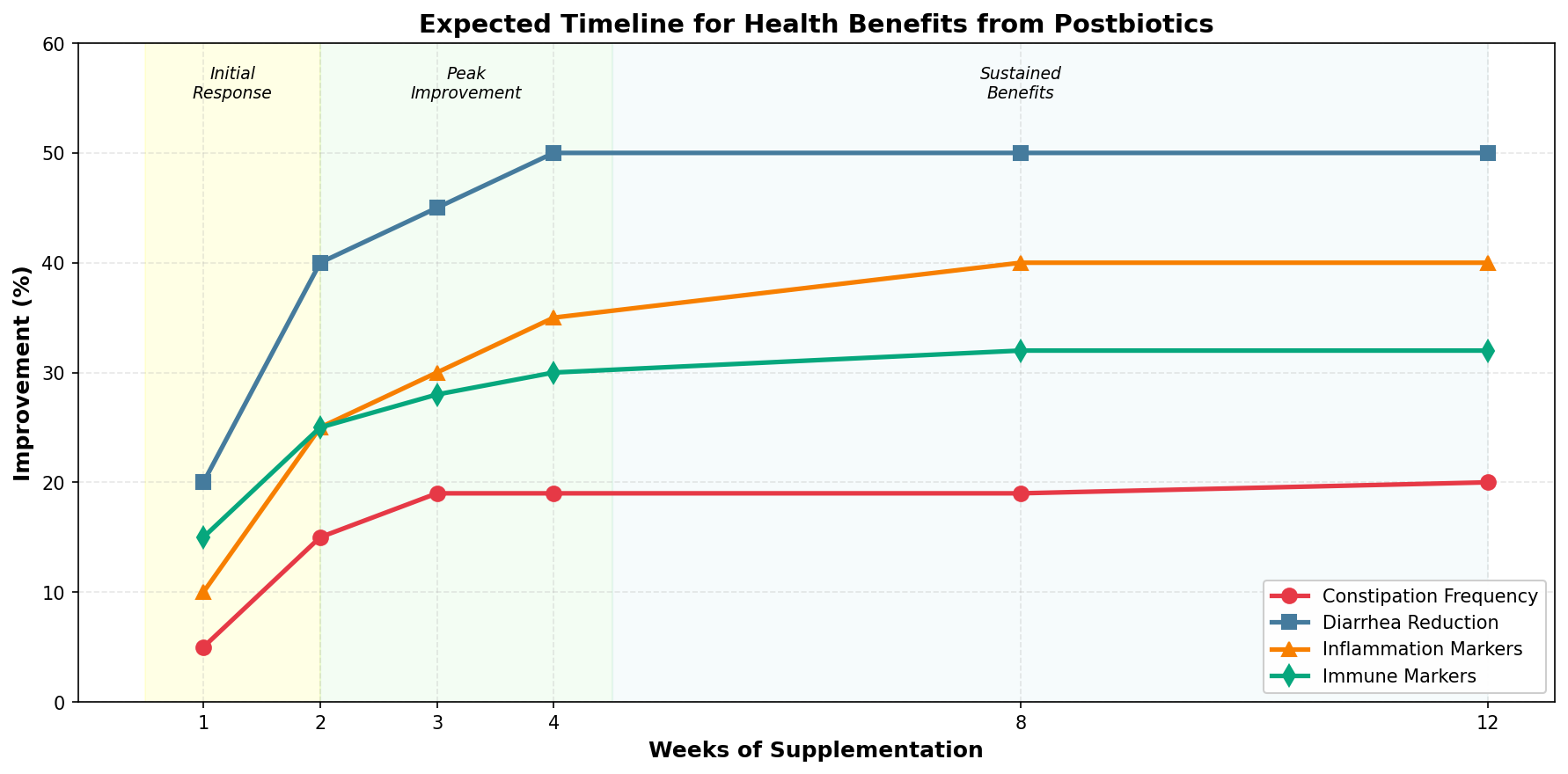 Figure 3: Most postbiotic benefits appear within the first month of use, with peak improvements typically occurring around weeks 3-4 of consistent daily supplementation.2
Safety: What You Actually Need to Know
Postbiotics have an excellent safety profile; arguably better than probiotics since they contain no living organisms.
- No infection risk (all organisms are dead)
- Shelf-stable (no spoilage concerns)
- GRAS status (Generally Recognized As Safe by FDA)
- No antibiotic resistance gene transfer (organisms are inactivated)
- Minimal reported adverse events in clinical trials
- Adults tolerate postbiotics with minimal to no adverse effects
- Stroke patients showed zero adverse events with seven-day supplementation
- Infants tolerate postbiotics in formula with no increase in colic, diarrhoea, or vomiting
- No serious adverse events reported in large randomised controlled trials
- Long-term safety beyond 3-6 months is less established (most studies are shorter)
- Limited data in severely immunocompromised individuals (though theoretically safer than probiotics)
- Limited data in pregnant or nursing women
- One important discovery: postbiotics can increase the bioavailability of certain medications (omeprazole by 270%, lurasidone by 4.3-fold), meaning if you take reflux or psychiatric medications, discuss postbiotics with your doctor before starting2,5
Bottom line: Postbiotics are safe for most people, but check with your doctor if you take medications.
Comparing Postbiotics to Probiotics and Prebiotics
Understanding the trade-offs helps you choose the right tool:
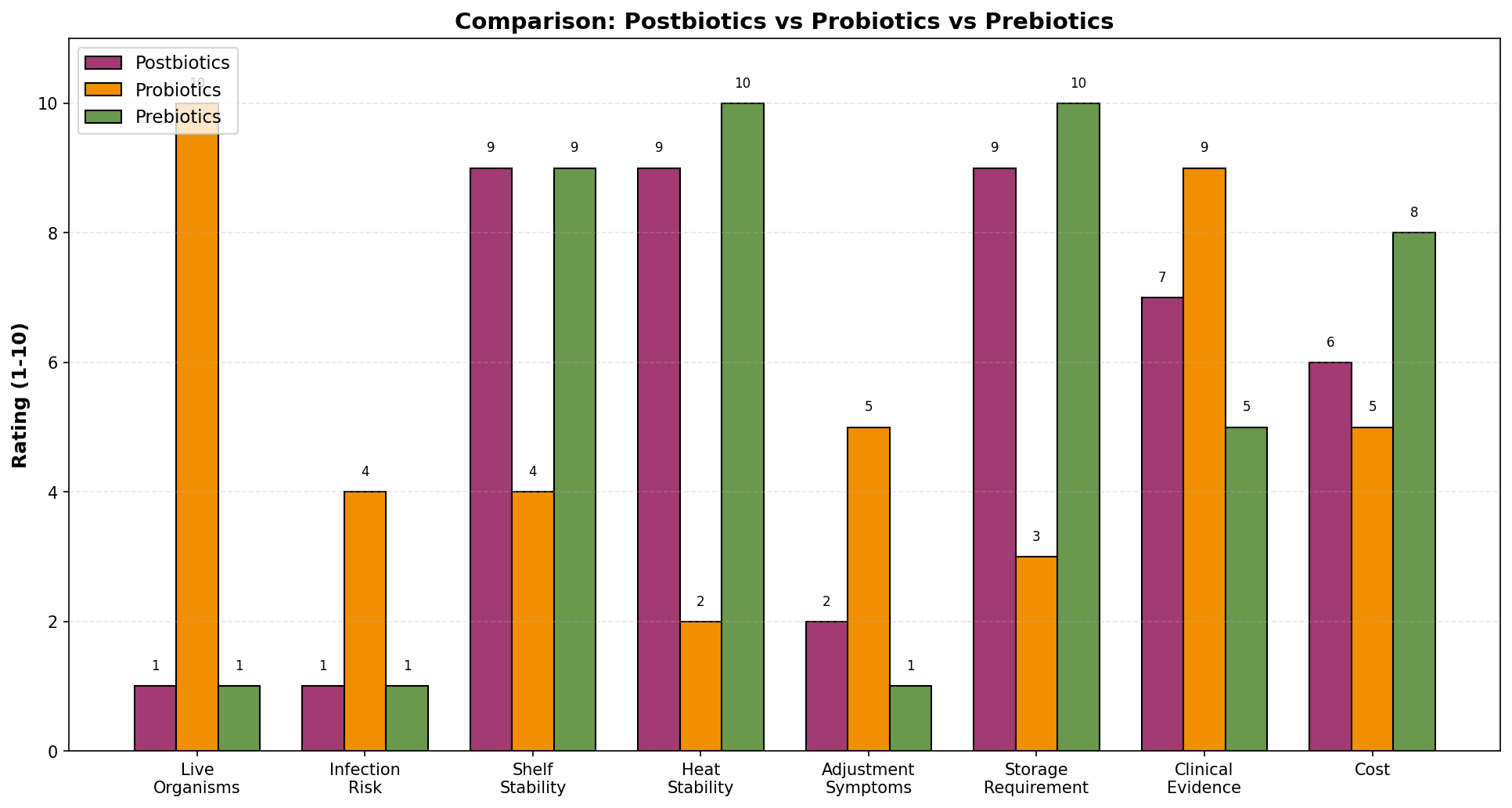 Figure 4: While probiotics have more decades of research, postbiotics offer advantages in stability, convenience, and safety. Prebiotics provide the least immediate effect but support long-term microbiota health.3
Probiotics have the most research backing (30+ years) and work through broad immune support. But they need refrigeration, can cause adjustment symptoms, and lose viability over time.
Prebiotics are fibre that feeds your existing beneficial bacteria. They're cheap, shelf-stable, but require you to already have beneficial bacteria present to work effectively.
Postbiotics bridge the gap: they provide immediate benefit from actual bacterial metabolites, don't require viability, cause minimal adjustment, are shelf-stable, but have less research history than probiotics.
The ideal approach? Combine all three: eat prebiotic fibre (feeds your bacteria), take probiotics if you tolerate them well (establish beneficial bacteria), and add postbiotics for immediate metabolite benefits. But if you can only choose one, postbiotics offer the best combination of safety, convenience, and fast-acting results.
The Honest Truth About Research Gaps
Good science requires acknowledging what we don't know yet.
- Long-term data: Most postbiotic trials run 2–12 weeks. We need multi-year studies to understand sustained benefits.
- Dosage standardisation: Optimal doses haven't been established. Different conditions may need different amounts.
- Individual variation: We can't yet predict who will respond best to which postbiotic formulations.
- Specific mechanisms: Researchers understand how postbiotics work in general, but which specific components are most important remains unclear.
- Emerging areas need more research: mental health, neurodegeneration, chronic disease management
What's well-established: Constipation relief, diarrhoea management, and general immune function.
What's promising but needs more evidence: mental health, metabolic health, muscle function.
What we should be cautious about: claims regarding cancer prevention, Alzheimer's treatment, or major disease reversal (these are mechanistically plausible but lack human clinical evidence).
Why Should You Care? The Real-World Impact
Let's zoom out from the mechanisms and numbers. Why does any of this matter?
Digestive problems affect millions of people. IBS alone affects 6–14% of the global population; that's roughly 25–45 million Americans and millions more in the UK.2 Many people with digestive issues find that current treatments either don't work well, cause problematic side effects, or aren't accessible.
Postbiotics represent a new tool. For someone with chronic constipation, a 19% improvement in bowel movements could mean the difference between life-limiting symptoms and reasonable function.2 For someone with diarrhoea, faster symptom resolution than probiotics means returning to normal life sooner.2
Beyond digestive health, postbiotics help manage inflammation, support immune function, and potentially improve metabolic health.2,5 These aren't flashy benefits, but over time, reducing chronic inflammation prevents major diseases like heart disease and diabetes.
Most importantly, postbiotics work through mechanisms that make biological sense and are backed by peer-reviewed clinical evidence. They're not a miracle cure, but they're a legitimate tool backed by real science.
The Bottom Line
Postbiotics are processed compounds derived from beneficial bacteria fermentation that provide real health benefits without requiring living organisms. They work through multiple interconnected mechanisms: providing fuel for gut cells, educating your immune system, reducing inflammation, and supporting beneficial bacteria growth.
The evidence shows:
- Strong support for constipation relief (19% improvement in 2–3 weeks) and diarrhoea management (faster results than probiotics)2,8
- Good evidence for immune function and inflammation reduction (20–35% reduction in inflammatory markers within weeks)5,6,9
- Promising but emerging evidence for metabolic health, mood support, and muscle function2
Practical advantages:
- Shelf-stable; no refrigeration required
- Minimal adjustment symptoms
- Works within days to weeks (faster than probiotics)
- Safe with excellent tolerability
- Available through both food and supplements
Cost-effective options:
- Food-based: £10–25 monthly
- Supplement-based: £15–30 monthly
- Combined approach: £2–3 daily for maximum benefit
Important caveats:
- Not a replacement for dietary fibre, overall diet, or healthy lifestyle
- Individual response varies significantly
- Long-term safety data beyond 3–6 months still emerging
- Potential medication interactions (discuss with doctor if on reflux or psychiatric medications)
- Mental health benefits emerging but not yet strongly proven
The postbiotics market is growing rapidly because the science is genuinely compelling and millions of people experience real benefits. But they're not a substitute for fundamental health habits; adequate sleep, stress management, regular movement, fibre-rich diet, and whole food nutrition matter fundamentally.
If you struggle with chronic digestive issues, want to support immune function, or are interested in evidence-based approaches to gut health, postbiotics are worth exploring. Start with fermented foods (affordable, whole-food approach) and see how you respond. If additional support is needed, postbiotic supplements offer a convenient, safe option.
The emerging category of postbiotics represents how nutritional science evolves: we identify beneficial compounds, understand their mechanisms, run clinical trials, and ultimately provide better tools for health optimisation. That's exactly what's happening here.
Further Reading
Understanding Postbiotics
- ISAPP Postbiotics Definition and Resources
- Harvard Health: What Are Postbiotics
- Nature Reviews: ISAPP Consensus Statement on Postbiotics
Health Benefits and Clinical Evidence
- Frontiers in Nutrition: Postbiotics Formulation and Therapeutic Effects
- Frontiers in Microbiomes: Postbiotics and Biotherapeutic Potential for Chronic Disease
- Scientific Reports: Clinical Trial of Postbiotic Supplementation in Stroke Patients
- Taylor & Francis: Overview of Postbiotics and Distinct Role in Gut Health
Digestive Conditions and IBS
- Cell Reports Medicine: Efficacy of Postbiotics in Promoting Colonic Transit
- Gastroenterology: Prevalence and Burden of IBS
Mechanisms and Molecular Biology
- Frontiers in Microbiology: Postbiotic Production and Health Applications
- PMC: Role of Short-Chain Fatty Acids in Gut Health
- Nature: Regulatory Mechanisms of Gut Microbiota and SCFAs
Metabolic Health and Safety
- Nutrition and Metabolism: Meta-Analysis of Postbiotics and Metabolic Health
- PMC: Postbiotics in Human Health Narrative Review
Practical Guides and Product Information
Market Research and Industry Trends
- Mordor Intelligence: Postbiotics Market Report
- Meticulous Research: Postbiotics Market Analysis 2025-2034
- InsightAce Analytics: Postbiotics Market Segments 2025-2034
References/Helpful Resources
- International Scientific Association for Probiotics and Prebiotics. Postbiotics Definition. Available from: https://isappscience.org/resource/episode-18-postbiotics/
- Hill C, Guarner F, Reid G, et al. Expert consensus document: The International Scientific Association for Probiotics and Prebiotics consensus statement on the scope and appropriate use of the term probiotic. Nat Rev Gastroenterol Hepatol. 2021;18:669-683.
- Mordor Intelligence. Global Postbiotics Market Size, Share & Trends Report 2024-2034. Available from: https://www.mordorintelligence.com/industry-reports/postbiotics-market
- Frontiers in Nutrition. Postbiotics Formulation and Therapeutic Effects. 2025. Available from: https://www.frontiersin.org/journals/nutrition/articles/10.3389/fnut.2025.1582733/full
- ScienceDirect. Comprehensive insights into postbiotics: Bridging the gap to real-world application. 2025. Available from: https://www.sciencedirect.com/science/article/pii/S3050843625000253
- Frontiers in Microbiomes. Postbiotics and Biotherapeutic Potential for Chronic Disease. 2025. Available from: https://www.frontiersin.org/journals/microbiomes/articles/10.3389/frmbi.2025.1489339/full
- PMC. Role of Short-Chain Fatty Acids in Gut Health and Metabolism. Available from: https://pmc.ncbi.nlm.nih.gov/articles/PMC3735932/
- Cell Reports Medicine. Efficacy of a postbiotic and its components in promoting colonic transit and alleviating chronic constipation. 2025. Available from: https://www.cell.com/cell-reports-medicine/fulltext/S2666-3791(25)00166-1
- Scientific Reports. Clinical trial of the effects of postbiotic supplementation on inflammation, oxidative stress, and clinical outcomes in patients with CVA. 2024;14:76153-y. Available from: https://www.nature.com/articles/s41598-024-76153-y
- Meticulous Research. Global Postbiotics Market: 2025-2034 Growth Trends Report. Available from: https://www.meticulousresearch.com/product/postbiotics-market-5380
