

If you are a few months postpartum and watching alarming clumps of hair come away in the shower, the most important thing to know is that this is not unusual, and it will pass. More than 9 in 10 new mothers experience postpartum hair loss. It is one of the most common physical changes after birth, and it is also one of the least talked about.
This article explains exactly what is happening in your body, when it starts, when it peaks, and when to expect it to stop. It also covers the real mental health toll of watching your hair fall out, which treatments have actual evidence behind them, and the specific considerations for women who are breastfeeding.
What Is Postpartum Hair Loss, and Why Does It Happen?
The medical name for this is postpartum telogen effluvium. "Telogen" refers to the resting phase of the hair growth cycle, the stage before a hair sheds naturally. In a normal healthy scalp, only about 5 to 10% of your roughly 100,000 hair follicles are in this resting phase at any one time, which is why we shed a manageable 50 to 150 hairs per day without noticing much.
Pregnancy strikingly changes all of this. During the second and third trimesters, high circulating oestrogen actively holds most follicles in the active growth phase. Hair looks and feels thicker because the normal shedding cycle is essentially paused.
Then, at delivery, oestrogen and progesterone levels drop sharply and suddenly. All those follicles that have been held back enter the resting phase at the same time, a synchronised wave that simply does not happen in normal hair cycling. By around nine weeks postpartum, approximately 30% of scalp follicles are simultaneously in telogen (three to six times the usual proportion). Two to three months later, when the resting phase completes, they all shed together. The result is what many women describe as alarming, distressing, impossible-to-ignore hair loss.
It feels dramatic, but it is not a sign that something has gone wrong. It is your body completing a cycle that pregnancy placed on hold.

Figure 1: Hair loss severity and timing across the postpartum period, showing average onset, peak, and cessation.
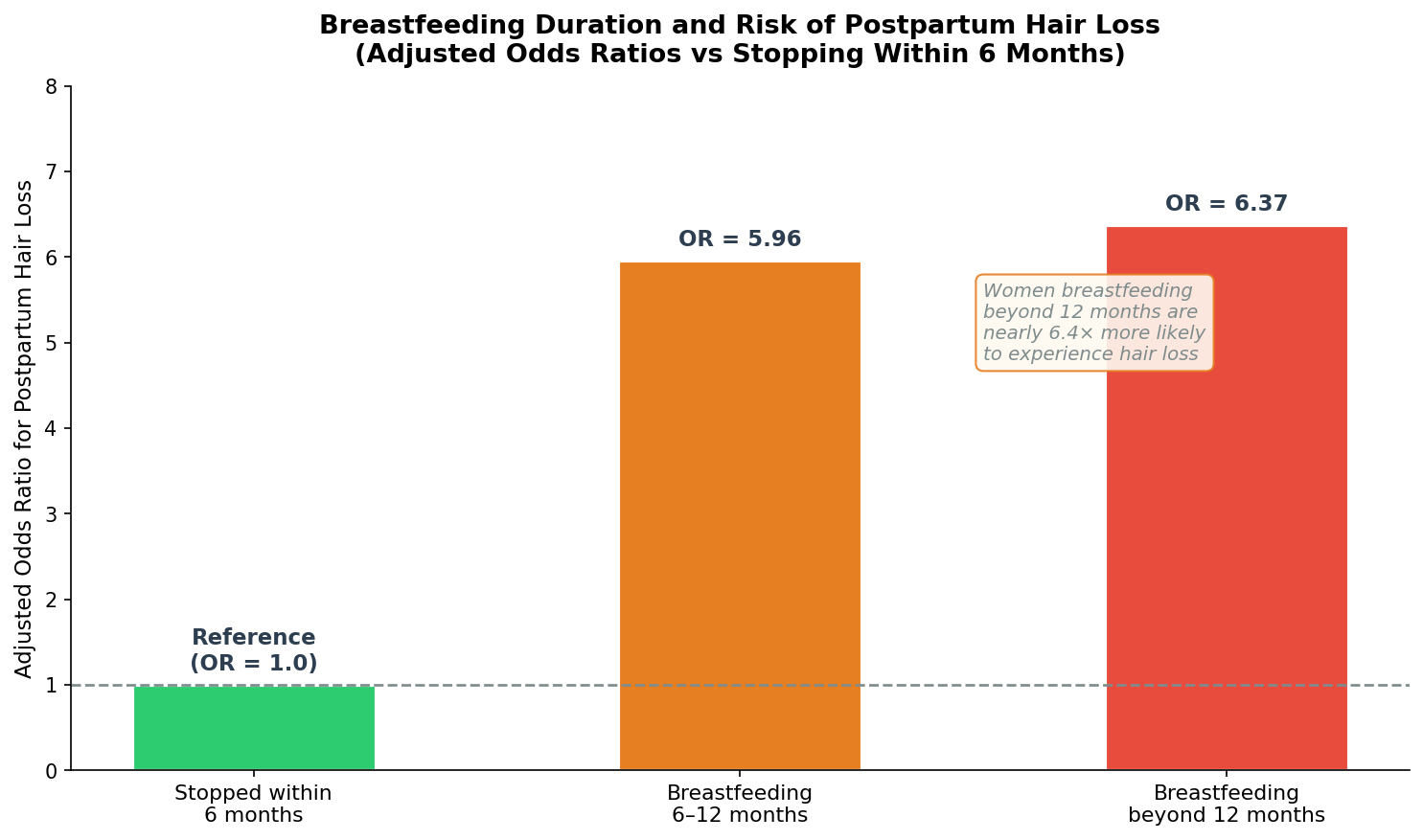 Figure 2: The proportion of hair follicles in the resting (telogen) phase under normal conditions versus the postpartum period. Under normal conditions, 5 to 10% of follicles rest simultaneously; postpartum, this rises to approximately 30%.
How Common Is Postpartum Hair Loss?
Very common. A 2024 cross-sectional study of 331 women found that 91.8% reported experiencing postpartum hair loss. When researchers apply stricter clinical diagnostic criteria (rather than self-reported experience), the figure for clinically defined postpartum telogen effluvium comes in at around 20% of all postpartum women, which still represents a substantial proportion.
The gap between 91.8% and 20% reflects a difference in measurement, not a contradiction. The vast majority of new mothers notice elevated shedding; roughly 1 in 5 meet the threshold for a dermatologist to formally diagnose. Either way, if you are experiencing it, you are in very large company.
When Does It Start, Peak, and Stop?
The timeline follows a fairly predictable pattern, which can itself be reassuring to know in advance.
- Hair loss typically begins at around 3 months after delivery
- Shedding peaks at around 5 months postpartum
- Hair loss ends, on average, at around 8 months after delivery
- Full recovery of hair density is expected by 12 months in most cases (around the baby's first birthday)
The two- to three-month lag between birth and visible shedding explains why so many women are caught off guard. The baby has arrived, things seem to be settling, and then the hair loss starts. Understanding why this delay happens (the telogen resting phase takes two to three months to complete) can make it feel less stressful.
In rare cases, shedding can persist up to 15 months, and if this happens, it is worth seeing a doctor to rule out underlying conditions. More on this in the "When to See a Doctor" section below.
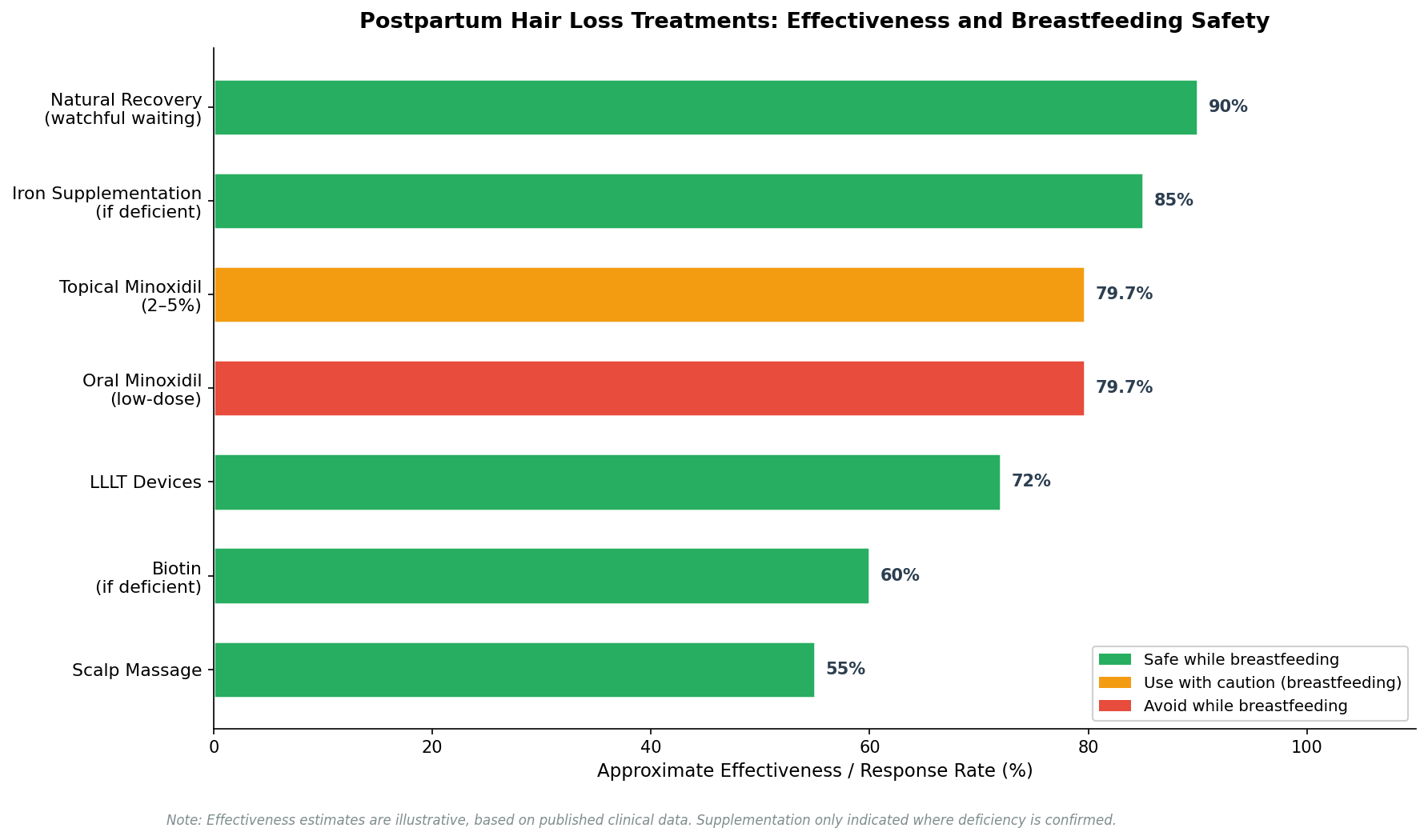 Figure 3: Recovery timelines compared across acute postpartum telogen effluvium, chronic telogen effluvium, and cases with underlying conditions.
What Puts You at Higher Risk?
Not every woman experiences the same severity of postpartum hair loss. Several factors meaningfully increase the risk or extend the duration.
Breastfeeding duration is the most striking risk factor in the data. The hormone prolactin, which drives milk production, can inhibit hair shaft elongation and promote earlier entry into the resting phase. Breastfeeding also keeps oestrogen levels suppressed by disrupting the hormonal signals that normally trigger oestrogen production. The result is that low oestrogen, the same trigger that causes the initial postpartum shedding, is maintained for longer in women who breastfeed.
The numbers are significant: breastfeeding for 6 to 12 months is associated with nearly 6 times higher odds of postpartum hair loss (odds ratio 5.96) compared to stopping within six months. Breastfeeding beyond 12 months raises this to an odds ratio of 6.37. This does not mean women should stop breastfeeding. It means that breastfeeding mothers should be forewarned about prolonged or more pronounced hair loss, and supported accordingly.
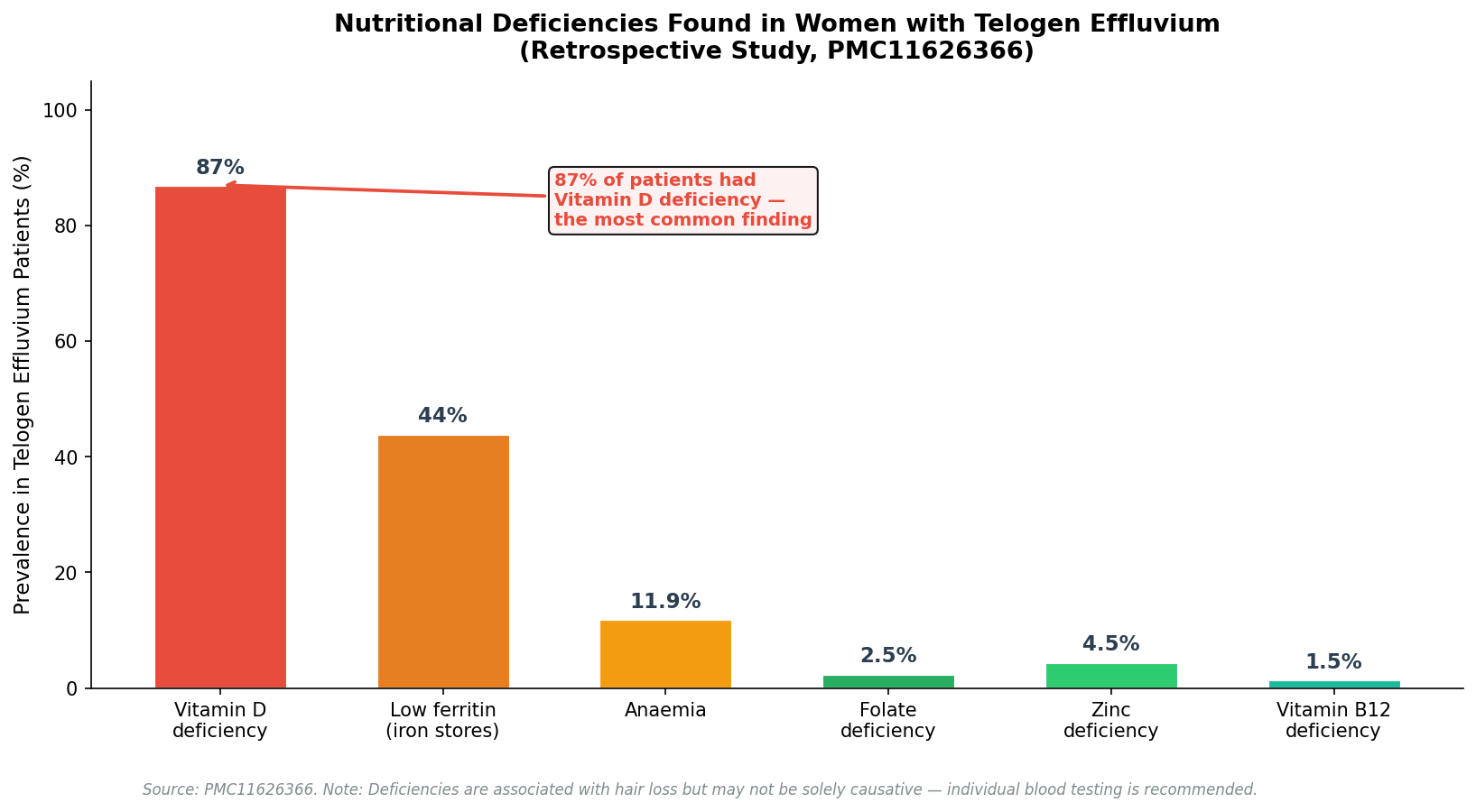
Figure 4: Hair loss risk by breastfeeding duration. Odds ratios compared to stopping breastfeeding within 6 months.
Nutritional deficiencies are another important factor. A retrospective study of telogen effluvium patients found:
- Vitamin D deficiency
- Low ferritin (iron stores)
- Anaemia
- Zinc deficiency
- Biotin deficiency
Pregnancy is nutritionally demanding, and postpartum bodies often carry deficits in these same nutrients, especially iron (depleted by blood loss at delivery) and vitamin D. These deficiencies can compound the hair loss and potentially extend its duration.
Preterm labour and first delivery are also independently associated with higher risk, as is the presence of thyroid dysfunction, which often peaks between one and four months postpartum and can worsen or mimic hair loss symptoms.
The Mental Health Side of Hair Loss
This is not just a cosmetic issue. The psychological evidence is clear, and it matters.
A landmark 2024 study, the first to directly examine the link between postpartum hair loss and anxiety, found that women experiencing the most severe postpartum shedding had adjusted odds of anxiety 4.58 times higher than women with no hair loss. Being a first-time mother and disrupted sleep were also independent predictors. Greater hair loss independently predicts anxiety, even after controlling for other factors.
73% of women with postpartum hair loss experience anxiety or stress specifically about the condition. And this anxiety arrives at the worst possible time. Hair loss peaks at three to five months postpartum, which is precisely the window of highest postpartum mental health vulnerability.
The psychological burden of hair loss is well documented beyond the postpartum context too. Research on women with various types of hair loss describes emotional consequences including loss of confidence, embarrassment, irritability, and social withdrawal, with decreased quality of life. Women often report feeling dismissed when told "it will grow back" without acknowledgement of the real distress they are experiencing.
This is important to name clearly: anxiety about postpartum hair loss is a documented medical concern, not vanity. Women losing visible amounts of hair deserve to have that distress taken seriously.
Hair loss also arrives during a period when a big percentage of postpartum women are already dissatisfied with their post-birth bodies. The pile-up of body changes (weight, shape, stretch marks, and now hair) can make any single change feel overwhelming, even one that is entirely temporary.
What helps? Evidence supports several approaches:
- Cognitive behavioural therapy (CBT) and peer support improved anxiety and coping in 68% of women with alopecia in one review
- Cosmetic solutions (wigs, hairpieces, scarves, scalp micropigmentation) improved confidence and social reintegration for 72% of patients
- Mindfulness-based stress reduction (MBSR) reduced anxiety, distress, and improved quality of life in alopecia studies
- A NIMH-funded preventive intervention reduced the risk of developing moderate-to-severe postpartum anxiety and depression by more than 70%
If postpartum hair loss is causing you significant distress, speaking to your GP about a referral for counselling is a reasonable and evidence-supported next step. In the US, the National Maternal Mental Health Hotline (1-833-852-6262) is free, confidential, and available 24/7 in English and Spanish.
What Are Your Treatment Options?
The first thing to know is that postpartum telogen effluvium is a self-limiting condition. That is the medical way of saying it resolves on its own. For the majority of women, no treatment is required, and the main role of "treatment" is supporting recovery and managing the appearance of hair while it regrows.
That said, several options have evidence behind them.
Watchful waiting is legitimately first-line. Understanding the timeline (onset around three months, resolution by eight to twelve months) and ensuring nutritional deficiencies are addressed is often sufficient.
Nutritional assessment should happen before nutritional supplementation. Blood tests for ferritin, vitamin D, zinc, and a full blood count are straightforward and can reveal correctable deficiencies. Supplementing iron when ferritin is below 40 ng/mL has clear evidence for reducing telogen shedding. Vitamin D supplementation where deficient is similarly supported. Biotin supplements are widely marketed but only benefit women with confirmed biotin deficiency (found in around 38% of women with hair loss complaints). Blanket supplementation without testing is not well supported by the evidence.
Low-level laser therapy (LLLT) uses FDA-cleared devices to stimulate follicle activity. In a double-blind, randomised, sham-controlled trial, LLLT produced terminal hair density increases of 18 to 25 hairs per cm² over 26 weeks, compared with fewer than 3 in the sham group. It is non-invasive, drug-free, and safe to use while breastfeeding.
Scalp massage (nine minutes daily, consistently over 24 weeks) showed increased hair thickness in a standardised study. It is free, safe during breastfeeding, and carries no risk. Combined with a gentle, sulphate-free shampoo and avoiding tight hairstyles that place tension on fragile hair, it forms a practical foundation for self-care during recovery.
Minoxidil (topical 2% or 5%) is the only FDA-approved topical treatment for female hair loss. In a descriptive study of 148 women on oral minoxidil, 79.7% showed clinical improvement. However, this evidence base largely comes from female pattern hair loss rather than postpartum telogen effluvium specifically, which typically resolves without intervention. Critically, if you are breastfeeding, there are important cautions: topical minoxidil should only be used once breastfeeding is established, infant skin contact with treated areas must be avoided, and oral minoxidil is not recommended during breastfeeding at all. One documented case recorded a breastfed infant developing significant facial hair after the mother used 5% topical minoxidil twice daily, which resolved when treatment stopped. Always discuss minoxidil with your doctor before starting, especially if you are breastfeeding.
The bottom line on treatments: ask your doctor before starting any supplement or medication postpartum, particularly if you are breastfeeding. Many options (scalp massage, gentle hair care, LLLT) are safe and accessible immediately. Nutritional testing and supplementation help in cases of proven deficiency and are evidence-based. Minoxidil works but requires medical guidance for breastfeeding mothers.
If You Are Breastfeeding
Breastfeeding and hair loss have a complex relationship. Extended breastfeeding (beyond six months) is associated with significantly higher odds of ongoing postpartum hair loss, as explained above. This is because prolactin suppresses oestrogen production, keeping follicles in the shedding-prone state for longer.
This is not a reason to stop breastfeeding. The benefits of breastfeeding for both infant and mother are well established, and a longer duration of breastfeeding is associated with better health outcomes across multiple measures. The point is simply that breastfeeding mothers should expect that their hair loss may last longer and may be more pronounced, and should be supported with this knowledge rather than surprised by it.
While most nutritional supplements (iron, vitamin D, zinc at recommended doses) are safe during breastfeeding, minoxidil requires specific caution as outlined above. LLLT, scalp massage, and gentle hair care practices are fully safe. If you are unsure about any supplement or treatment, ask your GP or pharmacist before starting.
When Should You See a Doctor?
Postpartum hair loss is almost always benign and temporary. However, there are circumstances where seeing your doctor is the right call.
See a doctor if:
- Hair loss continues beyond six months after delivery, or shows no signs of improving by 12 months
- Hair loss is patchy rather than diffuse (this can indicate alopecia areata, a different condition requiring different management)
- You have other symptoms alongside the hair loss: fatigue, unexplained weight changes, heart palpitations, feeling cold all the time, or changes to your periods. These can point to postpartum thyroiditis or iron deficiency anaemia, both of which are treatable
- Hair loss is causing you significant distress or anxiety. This is a valid reason to seek support, regardless of clinical severity
What your doctor may check:
- Serum ferritin (iron stores): levels below 40 ng/mL are significant for hair loss
- Thyroid function (TSH, T3, T4): postpartum thyroiditis affects 5 to 10% of women and peaks in the one to four month window
- Vitamin D (25-hydroxyvitamin D)
- Zinc, vitamin B12, full blood count
Postpartum thyroiditis in particular can cause hair loss that looks identical to typical postpartum telogen effluvium, and it requires specific treatment. If diagnosed and treated, the hair loss associated with thyroid dysfunction typically resolves.
Chronic telogen effluvium (lasting more than six months) is a different entity from the acute postpartum type, and while it usually resolves spontaneously over three to four years, in rare cases it can persist longer. This is uncommon and warrants specialist evaluation.
The Bottom Line
Postpartum hair loss is one of the most common physical changes after having a baby, affecting more than 9 in 10 new mothers to some degree. It follows a predictable biological pattern: oestrogen drops after delivery, a large proportion of follicles enter the resting phase simultaneously, and shedding peaks around five months postpartum before resolving.
Full recovery is the expected outcome. This is a benign, self-limiting condition with no associated long-term harm to hair health. For most women, reassurance, gentle hair care, and adequate nutrition are all that is needed.
What deserves equal attention is the psychological burden. The anxiety associated with postpartum hair loss is real, documented, and significant. Women experiencing severe shedding are nearly five times more likely to develop anxiety than those who don't. That distress occurs during the most vulnerable mental health window of the postpartum year and should be met with compassion, information, and practical support rather than dismissal.
If you are in the middle of it right now: this is temporary, it is common, and it will end.
Further Reading
Understanding Postpartum Hair Loss
- Postpartum Hair Loss (Johns Hopkins Medicine)
- Postpartum Hair Loss (Cleveland Clinic)
- Telogen Effluvium (NIH StatPearls)
- Hair Loss Overview (NHS)
Nutrition and Hair Health
Postpartum Mental Health
Coping and Support
- Coping Tips for Women with Hair Loss (NHS)
- Minoxidil Safety During Breastfeeding (NIH LactMed)
- Intervention Reduces Likelihood of Developing Postpartum Anxiety and Depression (NIMH)
Breastfeeding Guidance
References/Helpful Resources
- Hirose A, Terauchi M, Odai T, Fudono A, Tsurane K, Sekiguchi M, et al. Investigation of exacerbating factors for postpartum hair loss: a questionnaire-based cross-sectional study. International Journal of Women’s Dermatology [Internet]. 2023 [cited 2026 July 20]; 9(2):e084. Available from: https://journals.lww.com/10.1097/JW9.0000000000000084.
- Piérard-Franchimont C, Piérard GE. Alterations in Hair Follicle Dynamics in Women. BioMed Research International [Internet]. 2013 [cited 2026 July 20]; 2013:1–5. Available from: http://www.hindawi.com/journals/bmri/2013/957432/.
- Hirose A, Terauchi M, Odai T, Fudono A, Tsurane K, Sekiguchi M, et al. Postpartum hair loss is associated with anxiety. J of Obstet and Gynaecol [Internet]. 2024 [cited 2026 July 20]; 50(12):2239–45. Available from: https://obgyn.onlinelibrary.wiley.com/doi/10.1111/jog.16130.
- Rebora A. <p>Telogen effluvium: a comprehensive review</p>. CCID [Internet]. 2019 [cited 2026 July 21]; 12:583–90. Available from: https://www.dovepress.com/telogen-effluvium-a-comprehensive-review-peer-reviewed-fulltext-article-CCID.
- Hughes EC, Syed HA, Saleh D. Telogen Effluvium. In: StatPearls [Internet]. Treasure Island (FL): StatPearls Publishing; 2026 [cited 2026 July 20]. Available from: http://www.ncbi.nlm.nih.gov/books/NBK430848/.
- Malkud S. Telogen Effluvium: A Review. JCDR [Internet]. 2015 [cited 2026 July 20]. Available from: http://jcdr.net/article_fulltext.asp?issn=0973-709x&year=2015&volume=9&issue=9&page=WE01&issn=0973-709x&id=6492.
- Hirose A, Terauchi M, Odai T, Fudono A, Tsurane K, Sekiguchi M, et al. Investigation of exacerbating factors for postpartum hair loss: a questionnaire-based cross-sectional study. International Journal of Women’s Dermatology [Internet]. 2023 [cited 2026 July 20]; 9(2):e084. Available from: https://journals.lww.com/10.1097/JW9.0000000000000084.
- Durusu Turkoglu IN, Turkoglu AK, Soylu S, Gencer G, Duman R. A comprehensive investigation of biochemical status in patients with telogen effluvium: Analysis of Hb, ferritin, vitamin B12 , vitamin D, thyroid function tests, zinc, copper, biotin, and selenium levels. J of Cosmetic Dermatology [Internet]. 2024 [cited 2026 July 20]; 23(12):4277–84. Available from: https://onlinelibrary.wiley.com/doi/10.1111/jocd.16512.
- Hirose A, Terauchi M, Odai T, Fudono A, Tsurane K, Sekiguchi M, et al. Postpartum hair loss is associated with anxiety. J of Obstet and Gynaecol [Internet]. 2024 [cited 2026 July 20]; 50(12):2239–45. Available from: https://obgyn.onlinelibrary.wiley.com/doi/10.1111/jog.16130.
- Mehra S. P136 Psychological impact of hair loss in women: a qualitative systematic review. British Journal of Dermatology [Internet]. 2025 [cited 2026 July 20]; 193(Supplement_1):ljaf085.164. Available from: https://academic.oup.com/bjd/article/doi/10.1093/bjd/ljaf085.164/8161935.Lueangarun S,
- Visutjindaporn P, Parcharoen Y, Jamparuang P, Tempark T. A Systematic Review and Meta-analysis of Randomized Controlled Trials of United States Food and Drug Administration-Approved, Home-use, Low-Level Light/Laser Therapy Devices for Pattern Hair Loss: Device Design and Technology. J Clin Aesthet Dermatol [Internet]. 2021 [cited 2026 July 20]; 14(11):E64–75. Available from: https://www.ncbi.nlm.nih.gov/pmc/articles/PMC8675345/.
- Rodrigues-Barata R, Moreno-Arrones OM, Saceda-Corralo D, Jiménez-Cauhé J, Ortega-Quijano D, Fernández-Nieto D, et al. Low-Dose Oral Minoxidil for Female Pattern Hair Loss: A Unicenter Descriptive Study of 148 Women. Skin Appendage Disord [Internet]. 2020 [cited 2026 July 20]; 6(3):175–6. Available from: https://karger.com/article/doi/10.1159/000505820.
