

Progesterone Deficiency: Signs and Natural Support
Could you have progesterone deficiency? If you're experiencing mood swings that appear only after ovulation, sleep that's never quite restorative, or irregular periods that caught you off guard, you might be amongst nearly half of all women dealing with low progesterone. This hormone affects far more than just fertility. It influences your mood, sleep, bone density, and even how well your body manages stress. The encouraging news: progesterone deficiency is one of the most treatable hormonal imbalances once you understand what's happening.
What Is Progesterone and Why Does It Matter for Your Body
Progesterone is a steroid sex hormone produced primarily by your ovaries. Think of it as your body's natural calming hormone. Unlike oestrogen, which stays fairly consistent throughout your month, progesterone levels fluctuate dramatically depending on where you are in your menstrual cycle.
After ovulation, a temporary structure called the corpus luteum forms and pumps out progesterone for about two weeks. This is when progesterone does its most important work; it prepares your uterine lining for a potential pregnancy, calms your brain, promotes deep sleep, and helps your body manage stress more effectively.
Here's what makes progesterone unique: your body produces about 25 times more progesterone during the luteal phase (after ovulation) than during the follicular phase (before ovulation). This massive shift isn't random; it's designed to transform your body and mind in preparation for a potential pregnancy.
The Menstrual Cycle and Progesterone Levels
Progesterone levels follow a predictable pattern throughout your cycle, and knowing what's normal helps you recognise when something's off.
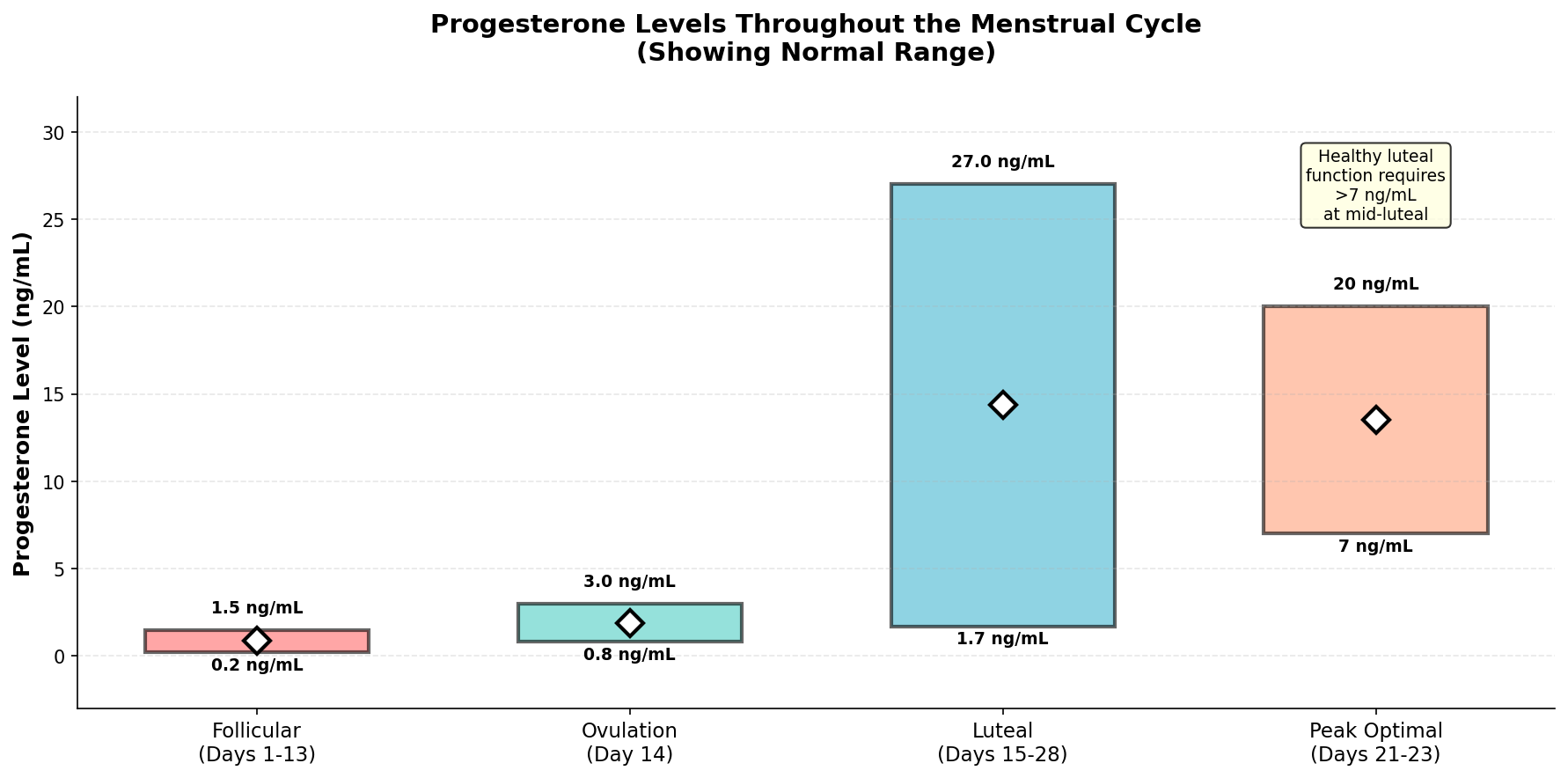 Figure 1: Progesterone levels fluctuate dramatically across the menstrual cycle. Healthy luteal function requires progesterone above 7 ng/mL at mid-cycle (days 21-23).1
Follicular Phase (Days 1-13: Your Period Through Ovulation) Progesterone is minimal here, staying below 1 ng/mL. This is completely normal. Your body is shedding the old uterine lining and preparing an egg for release. During this phase, many women report clearer skin, lighter mood, and more energy.
Ovulation (Around Day 14) Your egg is released, and something crucial happens: the empty follicle transforms into the corpus luteum. Progesterone production begins immediately, though levels are still modest (0.8-3.0 ng/mL).
Luteal Phase (Days 15-28: After Ovulation) This is progesterone's moment. Levels should rise to 5-20 ng/mL or higher, peaking around days 21-23. Healthy luteal function requires progesterone above 7 ng/mL at this peak. This is when you might notice better sleep, calmer mood, possible water retention, and breast tenderness.
Why Testing Timing Matters. If your doctor tests progesterone too early or too late in your cycle, the result can be falsely low. Progesterone should be tested 7-8 days after ovulation (typically day 21-23 of a 28-day cycle) for accurate results; testing at the wrong time is a common reason women get incorrectly told they have low progesterone.
How Common Is This Problem?
You're not alone in dealing with progesterone issues. The numbers might surprise you.
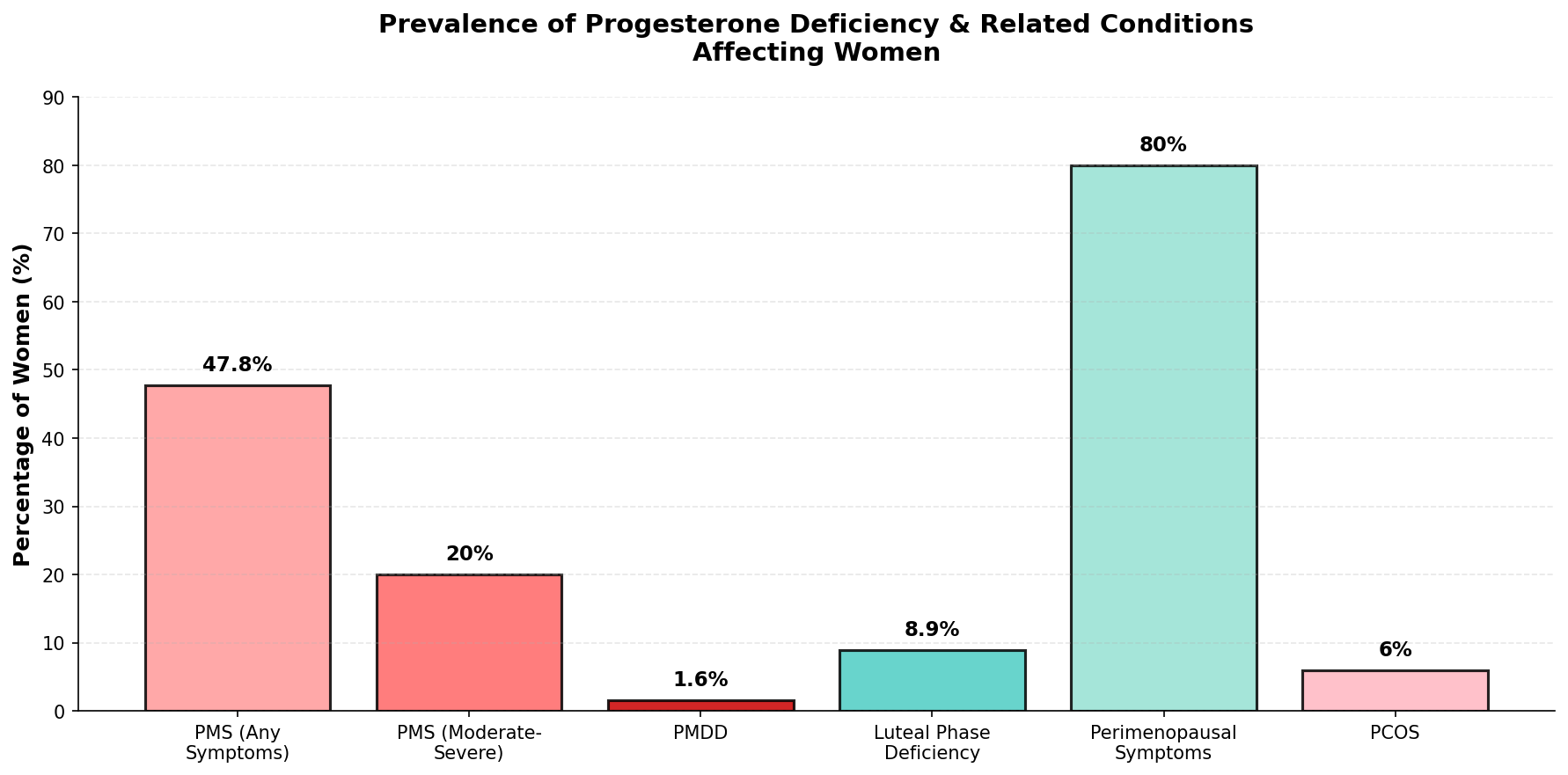 Figure 2: Progesterone-related conditions are remarkably common, affecting nearly half of reproductive-age women.2
Nearly 48% of women globally experience premenstrual syndrome (PMS) related to progesterone insufficiency. That's almost 1 in 2 women; of those with PMS, about 20% have symptoms severe enough to disrupt their daily activities.
Among the most severe cases, 1.6% of women have premenstrual dysphoric disorder (PMDD) (a condition where mood symptoms become almost as intense as clinical depression during the luteal phase). This affects approximately 31 million women and girls worldwide.3
For clinical luteal phase deficiency specifically, 8.9% of women in their reproductive years meet the diagnostic criteria. That's about 1 in 11. In the UK, this translates to approximately 5 million women of reproductive age dealing with progesterone deficiency.4
The picture becomes even clearer when you look at age. Women in their mid-30s to mid-40s are most affected. After age 35, progesterone production naturally begins declining, and by ages 40-44, progesterone levels hit their lowest point (aside from the teenage years). This is why many women notice their PMS worsens during their late 30s and 40s.
Signs You Might Have Progesterone Deficiency
The symptoms of low progesterone often appear only during the luteal phase (second half of your cycle). This is actually a helpful diagnostic clue: if your problems show up only after ovulation and resolve when you get your period, progesterone deficiency is likely involved.
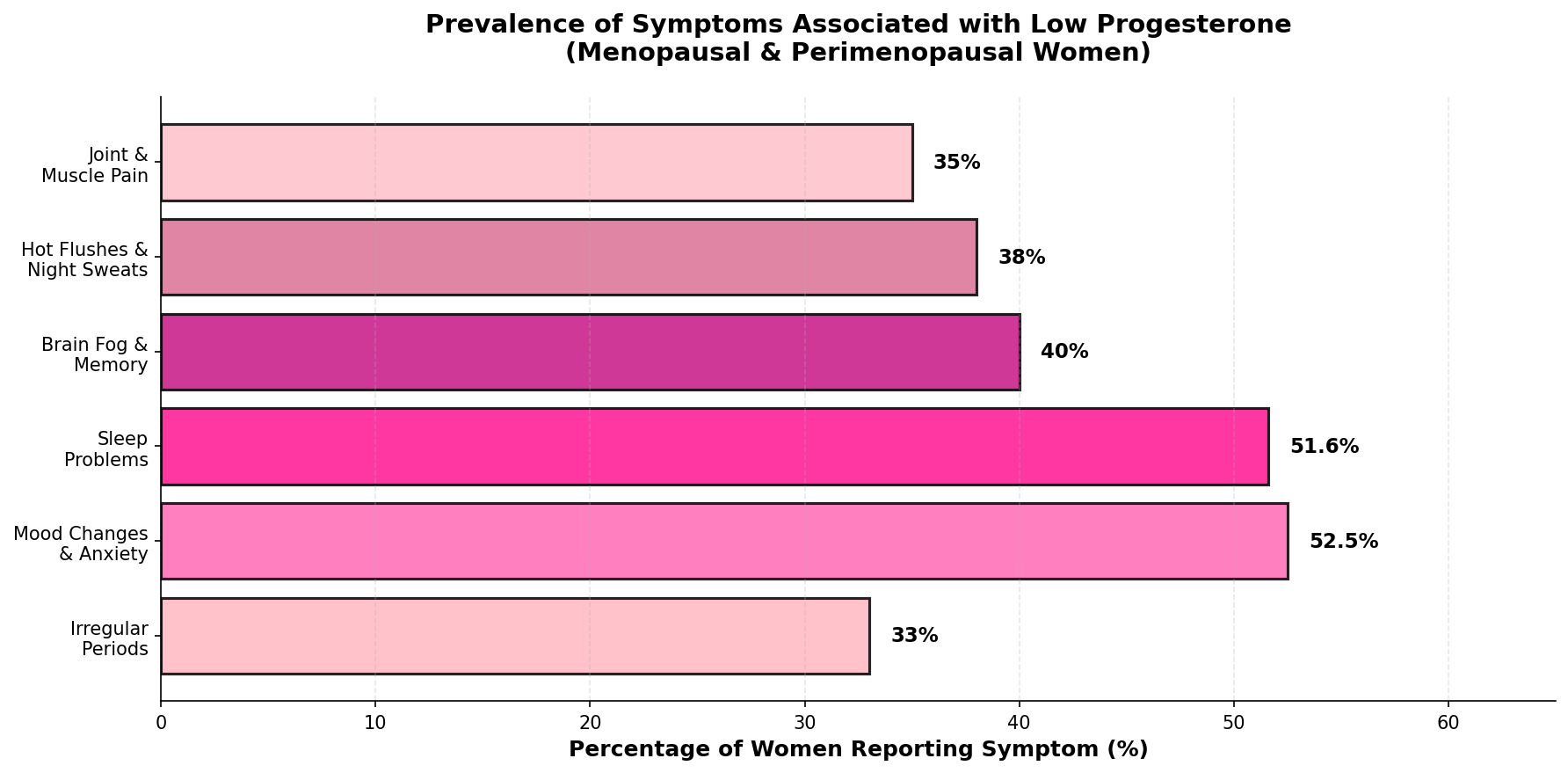 Figure 3: The most common symptoms of progesterone deficiency across menopausal and perimenopausal women. Multiple symptoms often occur together.5
Mood Changes, Anxiety, and Depression 52.5% of women experience anxiety symptoms linked to low progesterone. Some women describe it as their mind becoming "wired" after ovulation; others notice irritability that feels out of proportion to what's actually happening. About 35% of women report depression connected to progesterone decline. This isn't a character flaw or weakness; it's a biochemical shift.
Progesterone and its metabolites act on brain receptors in ways similar to calming medications. When progesterone drops, your brain loses this natural anti-anxiety effect. For women with progesterone sensitivity, the fluctuation itself (not just the low level) triggers mood disturbances.
Sleep Problems and Insomnia 51.6% of women report sleep problems directly linked to progesterone decline. You might fall asleep fine but wake multiple times during the night, or you might lie awake for hours. Sleep during the luteal phase often feels lighter and less restorative. This happens because progesterone metabolises into a compound that promotes deep, slow-wave sleep. Without adequate progesterone, your brain can't achieve the same sleep architecture.
Irregular Periods and Heavy Bleeding. When progesterone is low, your uterine lining doesn't develop or maintain properly. This causes irregular cycles, spotting before your period, or unusually heavy bleeding. One in three gynaecology clinic visits involves abnormal uterine bleeding, and progesterone deficiency is a major cause.6
Brain Fog and Memory Problems. About 40% of women report cognitive issues during periods of low progesterone. You might struggle to find words, forget appointments, or feel mentally fuzzy despite adequate sleep. This isn't ageing or early dementia; it's a temporary hormonal effect.
Hot Flushes and Night Sweats. Whilst often associated with menopause, 38% of women with progesterone deficiency experience hot flushes and night sweats. Progesterone helps regulate body temperature. Without adequate levels, your temperature regulation system misfires, creating sudden waves of heat.
Joint and Muscle Pain. This is an overlooked symptom. 35% of women experience new joint or muscle pain when progesterone is low. Progesterone has natural anti-inflammatory properties. When it declines, inflammation increases. You might develop aches in your knees, back, shoulders, or wrists, specifically during the luteal phase.
Understanding Why Progesterone Drops
Low progesterone usually stems from one core problem: you're not ovulating, or your body isn't producing enough progesterone after ovulation. Several conditions cause this.
Anovulation (Not Ovulating). If ovulation doesn't occur, the corpus luteum never forms, so progesterone isn't produced at all. Many women with anovulation still have periods, so they don't realise they're not ovulating.
Polycystic Ovary Syndrome (PCOS) affects 6% of reproductive-age women and is the most common cause of irregular ovulation and low progesterone.7 Women with PCOS often have chronically low progesterone because ovulation becomes unpredictable.
Stress: When you're chronically stressed, your adrenal glands continuously produce cortisol (your stress hormone). Here's the problem: progesterone is a precursor in cortisol production, meaning your body uses progesterone to make cortisol. When stressed, your body prioritises cortisol production over progesterone. This is why women under extreme stress often skip periods or have very irregular cycles.
Thyroid Dysfunction Hypothyroidism makes it harder for your body to synthesise progesterone. If you have thyroid issues, addressing them often helps progesterone levels normalise.
Age-Related Decline After age 35, progesterone production naturally declines. As you approach perimenopause, ovulation becomes increasingly erratic, leading to unpredictable progesterone levels.
When to Consider Medical Evaluation
Some situations require professional evaluation and potentially medical treatment rather than natural support alone:
- Recurrent miscarriage or difficulty conceiving. If you've experienced multiple pregnancy losses or can't get pregnant despite trying, progesterone testing and treatment should be a priority
- Very short menstrual cycles (less than 24 days) that persist despite lifestyle changes
- Severe mood symptoms (PMDD-level depression or anxiety) require immediate support
- No improvement after 3 months of consistent natural support
For fertility specifically, the evidence for medical progesterone treatment is compelling. Women with a history of recurrent miscarriage who receive progesterone supplementation have live birth rates that improve from 3% to 15% (a fivefold improvement).8
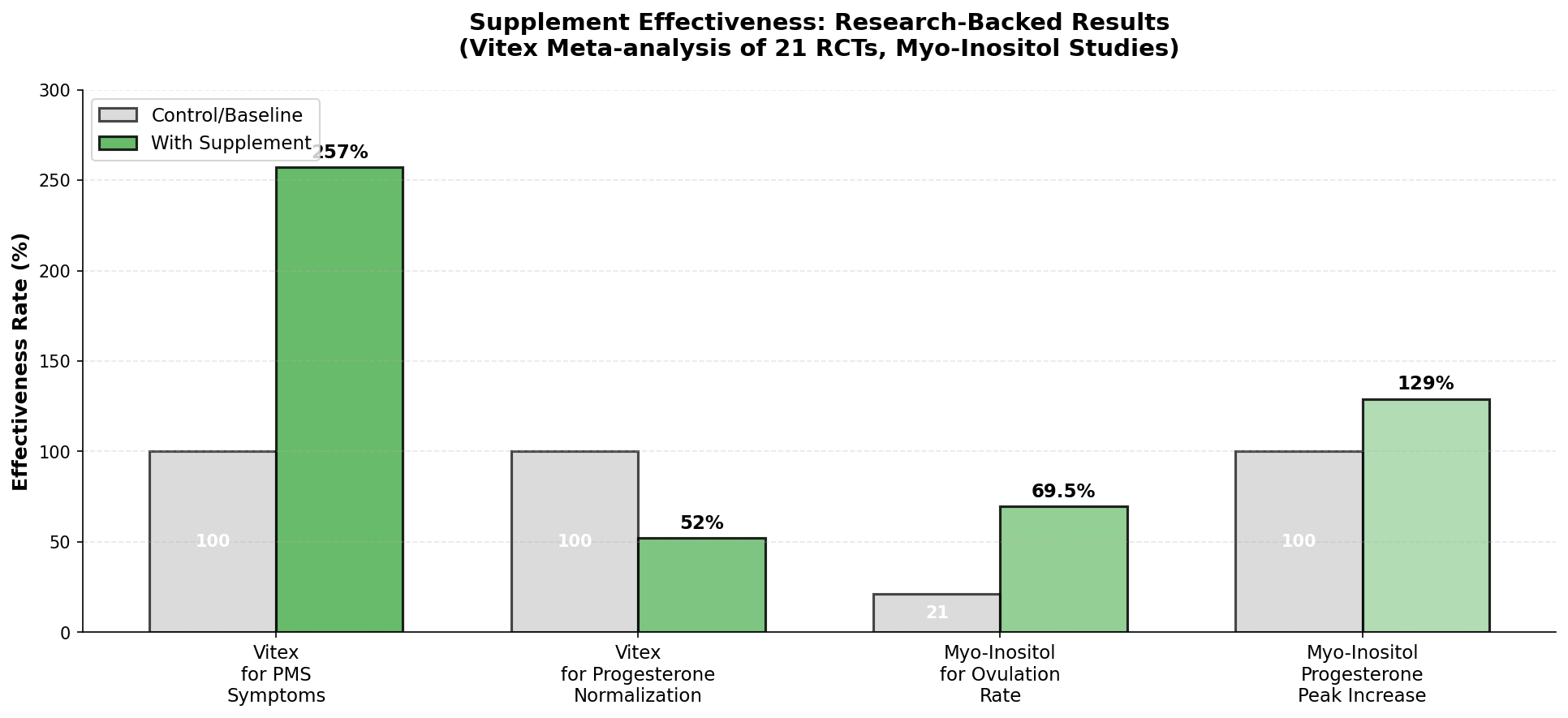 Figure 4: Progesterone treatment significantly reduces miscarriage risk, particularly for women with recurrent pregnancy loss.8
Natural Support: What Actually Works
Natural approaches excel at supporting mild to moderate progesterone insufficiency and preventing worsening. However, realistic expectations matter. These approaches typically require 2-3 months of consistent effort before hormone levels shift noticeably, as your hormones change monthly and require multiple cycles to show meaningful changes.
Dietary Nutrients That Support Progesterone
Magnesium. This mineral is crucial because it regulates the pituitary gland, which produces the hormones that trigger ovulation and subsequent progesterone production. Magnesium also helps stabilise cortisol, preventing stress-related progesterone depletion.
Include magnesium-rich foods daily: pumpkin seeds (160 mg per ounce), leafy greens like spinach (157 mg per cooked cup), almonds and cashews (76-82 mg per ounce), and lentils (71 mg per cooked cup).
Vitamin B6 Research shows that B6 supplementation (200-800 mg daily) significantly shifts hormone balance favourably, reducing blood oestrogen while increasing progesterone. Include chickpeas (1.3 mg per cooked cup), bananas (0.68 mg per medium banana), and poultry in your diet regularly. If supplementing, 50-100 mg daily is safe; higher doses should be discussed with your healthcare provider.
Zinc increases FSH (Follicle Stimulating Hormone), which stimulates ovulation and subsequent progesterone production. Pumpkin seeds contain 8.5 mg per ounce, making them an excellent choice. Other sources include cashews (5.6 mg per ounce), lentils and beans (3-4 mg per cooked cup), and shellfish.
Vitamin C: This vitamin concentrates in ovarian follicular fluid and correlates with progesterone production, especially in women with luteal phase defects. Include citrus fruits (orange has 70 mg per medium fruit), kiwi (64 mg per medium fruit), or red bell peppers (152 mg per cup) daily.
Healthy Fats and Omega-3 Fatty Acids. Fatty acids serve as precursors for progesterone synthesis. Marine omega-3 fatty acids are associated with increased progesterone concentrations.9 Include fatty fish like salmon (2.3 g omega-3 per 3.5 oz) 2-3 times weekly, or supplement with 1,000-2,000 mg algae-based omega-3 daily if vegetarian.
Evidence-Based Supplements
Vitex (Chasteberry). This is the most research-backed natural supplement for progesterone support. A meta-analysis of 21 clinical trials found that women taking vitex were 2.57 times more likely to experience improvement compared to those taking a placebo.10
For luteal phase deficiency specifically, 52% of women experienced normalised progesterone levels after taking vitex for 3 months. Vitex also reduced elevated prolactin (which can suppress progesterone), prolonged short luteal phases, and normalised luteal progesterone.
Standard dosing is 20-40 mg daily as a standardised extract. However, vitex works best for women with hyperprolactinemia-related deficiency. If your luteal phase has always been very short, having your prolactin level tested before starting vitex can predict whether it will help.
Myo-Inositol (Particularly for PCOS) If you have PCOS-related progesterone deficiency, myo-inositol shows dramatic results. Ovulation rate with myo-inositol plus folic acid was 69.5% compared to 21% with folic acid alone.11 Even more impressively, peak progesterone levels more than doubled; 15.1 ng/mL (with myo-inositol) versus 6.6 ng/mL (folic acid only). That's a 129% improvement in progesterone production.
Standard dosing is 2-4 grams daily (typically 2g twice daily with meals), often paired with 400 mcg folic acid daily. Results typically take 3 months.
Magnesium Supplementation Beyond food sources, supplementing with 300-400 mg daily of magnesium (glycinate, threonate, or citrate forms are best absorbed) supports progesterone production. Take it in the evening, as it also promotes sleep quality and enhances the sleep-supporting effects of progesterone.
Seed Cycling. While no controlled trial has studied the complete seed cycling protocol, individual seed components have clinical evidence. The approach involves rotating seeds based on your cycle phase:
- Follicular Phase (Days 1-14): 1 tablespoon daily each of ground flaxseeds plus pumpkin seeds
- Luteal Phase (Days 15-28): 1 tablespoon daily each of ground sesame seeds plus sunflower seeds
Seeds provide lignans, zinc, and vitamin E that support hormone balance. Seed cycling works best as part of a comprehensive approach, not as a standalone intervention.
Lifestyle Factors That Directly Impact Progesterone
Stress Management. This isn't optional when dealing with progesterone deficiency. When you're chronically stressed, cortisol production takes priority over progesterone. Research analysing 58 studies involving over 3,500 participants found that mindfulness and relaxation techniques were most effective at reducing stress hormones.
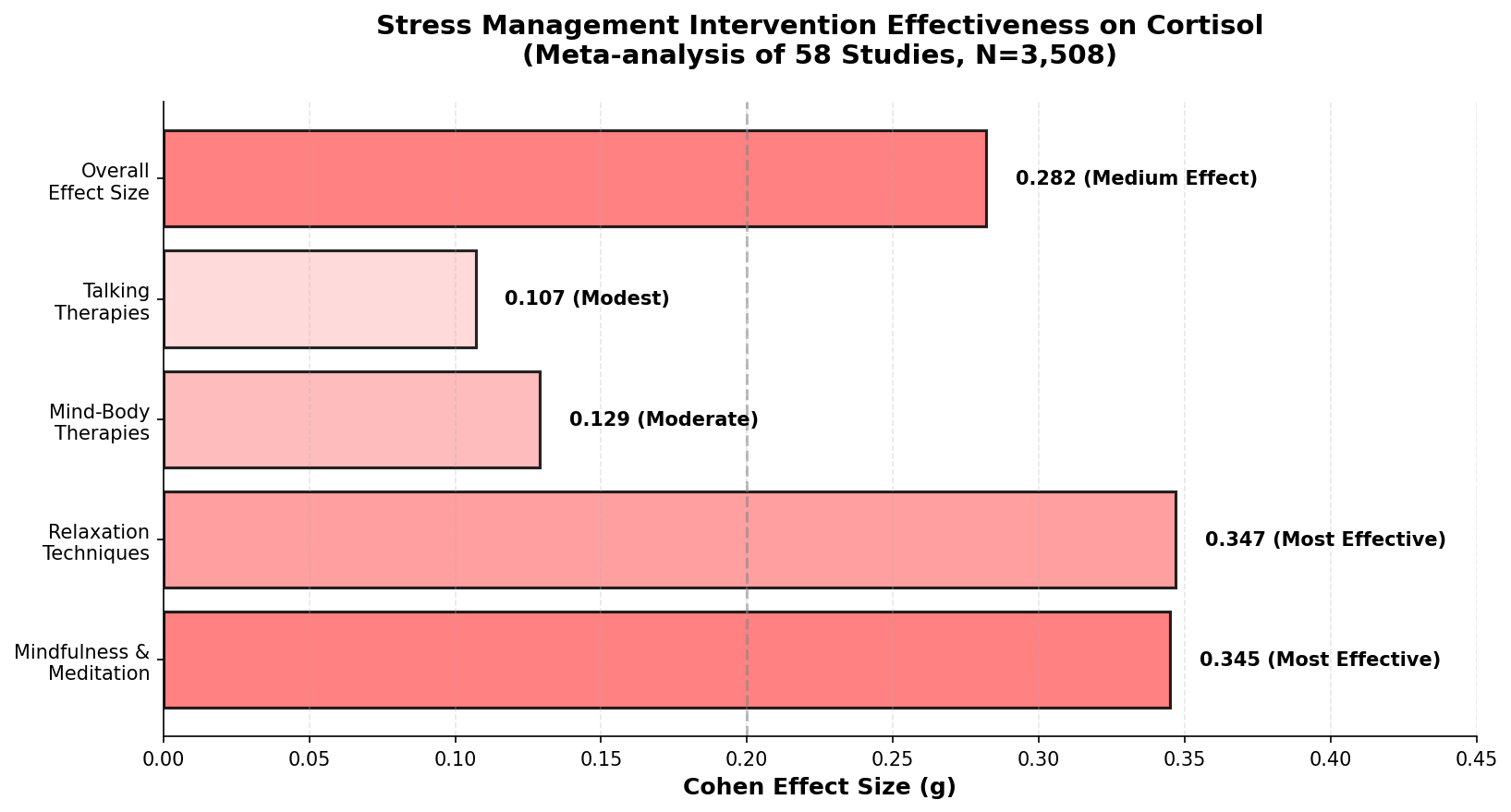 Figure 5: Mindfulness and relaxation techniques show the largest effects on cortisol reduction among stress management interventions.12
Practical stress management strategies include 10-20 minutes daily of mindfulness meditation, deep breathing exercises (5 minutes, 2-3 times daily), yoga or tai chi (20-30 minutes, 3+ times weekly), and spending 20-30 minutes weekly in natural settings. Even journaling for 15-20 minutes, 3+ times weekly, helps reduce cortisol.
Sleep Optimisation Sleep quality directly impacts progesterone production and vice versa. Progesterone and its metabolites promote deep sleep. Without adequate progesterone, your sleep becomes lighter and less restorative. Here's what helps:
- Wear amber-coloured glasses 1-3 hours before bedtime to support natural melatonin production
- Avoid screens after 8-9 pm, especially during the luteal phase
- Keep your bedroom between 15.5-19°C (60-67°F)
- Consider L-theanine (100-200 mg before bed) to support sleep
- During the luteal phase, when sleep is often disrupted, aim for an earlier bedtime to ensure adequate sleep duration
Most women notice sleep improvement within 2 weeks of improving sleep hygiene, with full benefits within 4 weeks.
Exercise Timing Research shows negligible differences in exercise capacity across cycle phases for most women, but intensity preferences shift. During the follicular phase (before ovulation), your body performs better at heavy strength training and high-intensity work due to higher oestrogen. During the luteal phase, your body prefers moderate-intensity exercise and benefits from longer recovery.
The key is avoiding excessive exercise during the luteal phase, which can suppress progesterone. Moderate exercise (150 minutes weekly) is protective; overtraining is not.
Timeline: When You'll See Results
Different interventions work on different timelines. Understanding this prevents discouragement.
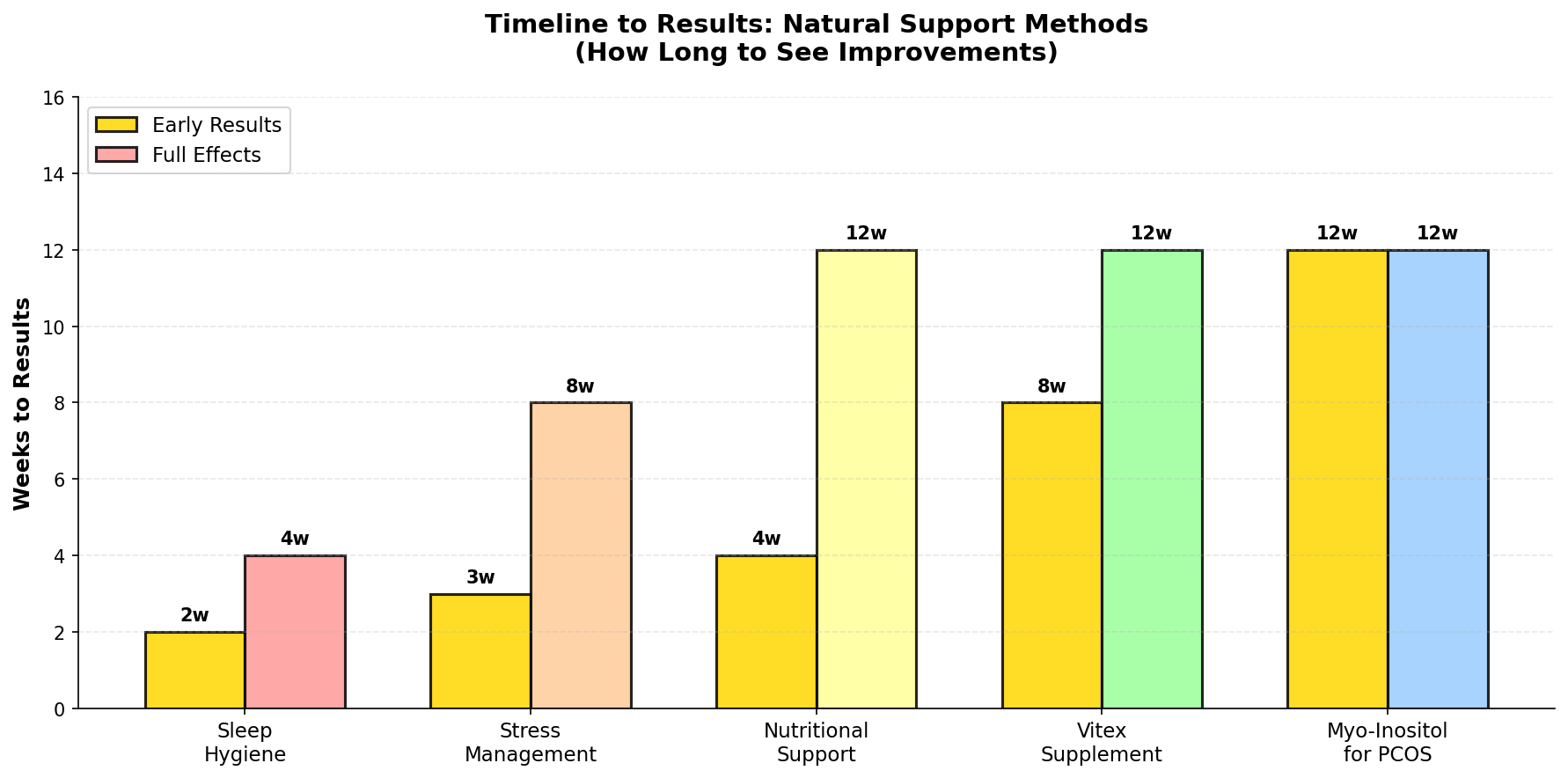 Figure 6: Most natural support methods show early results within 2-4 weeks, with full effects by 8-12 weeks.13
- Sleep hygiene: Early results in 2 weeks, full effects by 4 weeks
- Stress management: Early results in 3 weeks, full effects by 8 weeks
- Nutritional support: Early results in 4 weeks, full effects by 12 weeks
- Vitex supplement: Early results in 8 weeks, full effects by 12 weeks
- Myo-inositol for PCOS: Full effects by 12 weeks
The reason natural approaches take months is biological: your hormones change monthly. You need at least 2-3 menstrual cycles to observe meaningful shifts in symptom patterns or hormone levels.
Supplement Effectiveness: What the Research Shows
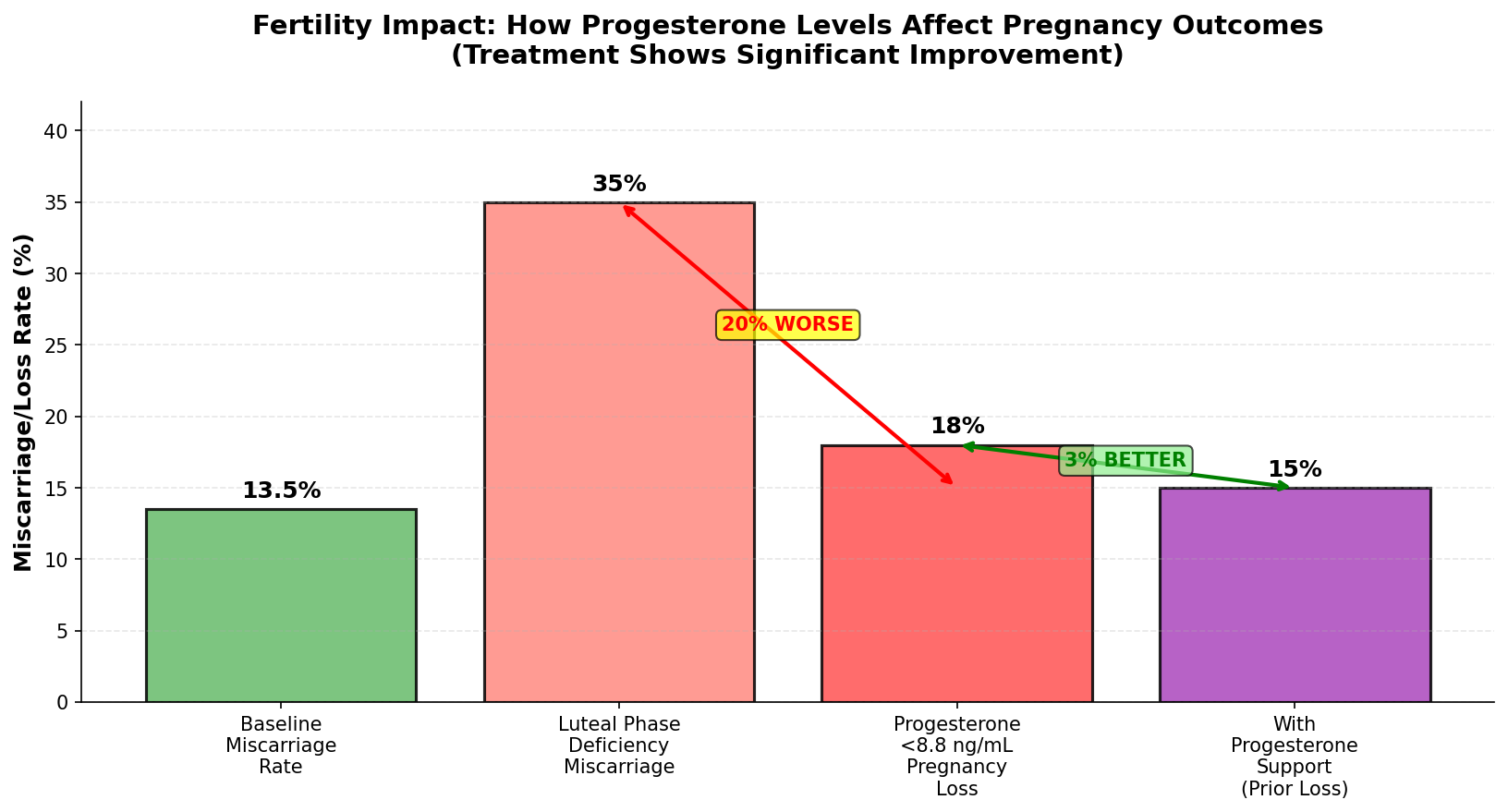 Figure 7: Vitex and myo-inositol show substantial research-backed improvements compared to control or baseline measurements.10,11
The two most evidence-based natural supplements show impressive results:
Vitex for PMS: Women taking vitex experienced a 257% effectiveness rate compared to 100% for placebo; a 2.57-fold improvement.
Vitex for Progesterone Normalisation: 52% of women achieved normalised progesterone levels with vitex supplementation.
Myo-Inositol for Ovulation: Ovulation rates improved from 21% to 69.5%, more than tripling success.
Myo-Inositol for Progesterone Peak: Peak progesterone increased 129%, bringing many women from deficient to healthy ranges.
Creating Your Action Plan
Start with the fundamentals because they have the strongest evidence and work synergistically.
Month 1: Foundation
- Begin magnesium supplementation (200 mg daily, evening dose)
- Add one zinc-rich food daily
- Start one stress management practice (10 minutes daily)
- Implement sleep hygiene: amber glasses 1 hour before bed, screen cutoff at 9 pm
- Track baseline sleep quality and luteal phase symptoms
Month 2-3: Build
- Add a vitamin C source daily (citrus or red pepper)
- Increase omega-3 intake (fatty fish 2-3 times weekly or supplement 1,500 mg daily)
- Consider vitex (20 mg daily) if luteal phase symptoms persist and you suspect elevated prolactin (very short luteal phase)
- Add B6-rich foods or supplement (50 mg daily if supplementing)
Month 3+: Evaluate
- Assess whether luteal phase length has improved (healthy is 12-14 days)
- Evaluate symptom changes: Does mood feel more stable? Is sleep better? Periods more regular?
- If successful, maintain current protocol
- If modest improvement, continue 2-3 more months
- If no improvement after 3 months of consistent effort, consult your healthcare provider
What Natural Approaches Can and Cannot Do
Be realistic about expectations. Natural approaches excel at supporting mild to moderate progesterone insufficiency, preventing worsening, and improving overall hormone health. They cannot replace medical treatment for clinically confirmed severe progesterone deficiency, especially if fertility is involved.
Results vary substantially based on:
- Your baseline progesterone level
- The underlying cause (is this stress-related? PCOS? Anovulation?)
- Overall health status
- Consistency with interventions
- Individual genetics affecting nutrient absorption
Women with hyperprolactinemia-related luteal deficiency respond particularly well to vitex (52% progesterone normalisation). Women with other causes may respond less dramatically.
Should You Get Professional Help?
Medical consultation becomes important in these situations:
- Recurrent miscarriage. This is where progesterone treatment has the strongest evidence and fastest results
- Difficulty conceiving for 6+ months. Progesterone testing and potentially treatment should be evaluated
- Severe mood symptoms (PMDD level). Some women benefit more from progesterone therapy than antidepressants
- Very short cycles (less than 24 days) persist despite 3 months of natural support
- Symptoms suggesting underlying conditions like thyroid disease, PCOS, or hypothalamic amenorrhea, which may require targeted treatment
Medical progesterone comes in several forms. Natural micronised progesterone (not synthetic progestins) provides the sleep benefits and mood benefits that align with how your body's own progesterone works. This distinction matters.
The Bottom Line
Progesterone deficiency is extremely common, affecting nearly half of all reproductive-age women. Yet it's rarely diagnosed because doctors don't routinely screen for it. The encouraging news is that it's highly treatable through both natural approaches and medical interventions.
If you experience mood changes, sleep disruption, or irregular periods specifically during the luteal phase (second half of your cycle), low progesterone is likely involved. Starting with foundational lifestyle changes (stress management, sleep optimisation, nutrient-rich foods) and continuing for at least 2-3 months gives natural approaches a fair test. Most women notice early improvements within 3-8 weeks and full effects by 12 weeks.
For fertility-related progesterone deficiency or severe symptoms, seeking professional evaluation is worthwhile. The evidence supporting progesterone treatment for recurrent miscarriage is particularly strong, with live birth rates improving fivefold with treatment.
You don't have to accept irregular periods, monthly mood swings, disrupted sleep, or unexplained fatigue as simply "part of being a woman." Progesterone deficiency is a treatable medical condition, and understanding it is the first step toward feeling better.
Further Reading
Understanding Progesterone Function
- Progesterone: Natural Function, Levels and Side Effects - Cleveland Clinic
- Key to Life: Physiological Role and Clinical Implications of Progesterone - National Institutes of Health
- Progesterone 101: Progesterone Levels During Your Cycle - Hello Clue
- Physiology, Progesterone - NCBI StatPearls
Symptom Recognition and Diagnosis
- Low Progesterone: Causes, Symptoms, Tests and Treatment - Cleveland Clinic
- Serum Progesterone Test - UCSF Health
- Progesterone and Its Metabolites Play a Beneficial Role in Affect Regulation - National Institutes of Health
- Sleep Disturbances Across a Woman's Lifespan: Role of Reproductive Hormones - National Institutes of Health
Natural Support and Lifestyle Approaches
- Vitex (Chasteberry) for Female Reproductive Disorders - PubMed
- Myo-Inositol for PCOS: Evidence and Clinical Application - ScienceDirect
- Progesterone and Bone: Actions Promoting Bone Health in Women - National Institutes of Health
- Stress Management Interventions and Cortisol: A Meta-Analysis - Research Summary
Fertility and Pregnancy
- Progesterone in Pregnancy: Evidence-Based Strategies to Reduce Miscarriage - National Institutes of Health
- Serum Progesterone Distribution in Normal Pregnancies vs Threatened Miscarriage - National Institutes of Health
- Threshold Progesterone Level for Viable Intrauterine Pregnancy - OA Publishing
- Progesterone and Reproductive Health - Frontiers in Endocrinology
Perimenopause and Menopause
- Epidemiology and Pathogenesis of PMS and PMDD - UpToDate
- New Data on Prevalence of Premenstrual Dysphoric Disorder - Oxford University
- Progesterone for Symptomatic Perimenopause Treatment - National Institutes of Health
- The Perimenopause Transition and Hormonal Support - London Hormone Clinic
Patient Resources and Support
- Premenstrual Syndrome: New Insights into Etiology and Review of Treatment Methods - Frontiers in Psychiatry
- PMS and PMDD Support - National Health Service Resources
- Low Progesterone Symptoms and Support - DUTCH Test
- Ovulation and Fertility Tracking - Proov Test
References
- Natural Cycles. Progesterone Levels Explained [Internet]. [cited 2025 Mar 17]. Available from: https://www.naturalcycles.com/cyclematters/progesterone-levels
- Frontiers in Psychiatry. Premenstrual Syndrome: New Insights into Etiology and Review of Treatment Methods. 2024. Available from: https://www.frontiersin.org/journals/psychiatry/articles/10.3389/fpsyt.2024.1363875/full
- University of Oxford. New Data Shows Prevalence of Premenstrual Dysphoric Disorder [Internet]. 2024 Jan 30 [cited 2025 Mar 17]. Available from: https://www.ox.ac.uk/news/2024-01-30-new-data-shows-prevalence-premenstrual-dysphoric-disorder
- Frontiers in Endocrinology. Exploring Progesterone Deficiency in First-Trimester Miscarriage. 2025. Available from: https://pmc.ncbi.nlm.nih.gov/articles/PMC11049201/
- National Institutes of Health. Sleep Disturbances Across a Woman's Lifespan: What Is the Role of Reproductive Hormones? 2023 Aug. Available from: https://pmc.ncbi.nlm.nih.gov/articles/PMC10117379/
- ScienceDirect. Progesterone and Abnormal Uterine Bleeding. 2020. Available from: https://www.sciencedirect.com/science/article/abs/pii/S152169342030081X
- Frontiers in Endocrinology. Exploring Progesterone Deficiency in First-Trimester Miscarriage. 2025. Available from: https://pmc.ncbi.nlm.nih.gov/articles/PMC11049201/
- Frontiers in Endocrinology. Progesterone Decline Threshold in Predicting Early Pregnancy Loss. 2025. Available from: https://www.frontiersin.org/journals/endocrinology/articles/10.3389/fendo.2025.1611257/full
- Cleveland Clinic. Low Progesterone: Causes, Symptoms, Tests and Treatment [Internet]. [cited 2025 Mar 17]. Available from: https://my.clevelandclinic.org/health/diseases/24613-low-progesterone
- National Institutes of Health. Systematic Review of Vitex Agnus-Castus for Female Reproductive Disorders. 2020. Available from: https://pmc.ncbi.nlm.nih.gov/articles/PMC3972521/
- Fertility and Sterility. Myo-Inositol and Folic Acid for Ovulation Induction in Women with PCOS. 2023. Available from: https://www.fertstert.org/article/S0015-0282(21)00128-X/fulltext
- National Institutes of Health. Stress Management Interventions and Cortisol: A Meta-Analysis of 58 Studies. 2022. Available from: https://pmc.ncbi.nlm.nih.gov/articles/PMC3972521/
- Cleveland Clinic. Low Progesterone: Diagnosis and Treatment Guidelines [Internet]. [cited 2025 Mar 17]. Available from: https://my.clevelandclinic.org/health/diseases/24613-low-progesterone
