

For nine years, Sarah thought she had particularly bad acid reflux. Over-the-counter antacids provided temporary relief, but her symptoms always returned: intense abdominal pain, frequent diarrhoea, and persistent heartburn that didn't respond the way her doctor said it should. After a decade of diagnostic confusion, a gastroenterologist recognised the real problem: Zollinger–Ellison Syndrome (ZES), a rare condition that makes the stomach produce dangerously high amounts of acid. She wasn't alone in her diagnostic journey. The median diagnostic delay for ZES is nine years, meaning countless patients suffer whilst their condition is repeatedly misdiagnosed as simple reflux or peptic ulcer disease.
Here's what you need to know about this overlooked condition: how to recognise it early, why diagnosis matters, and what modern treatment can achieve.
An Extraordinarily Rare But Serious Condition
Zollinger–Ellison Syndrome affects only 0.1 to 3 people per million in the United States. To put this in perspective, in a city of 1 million people, you might find only 1 to 3 cases. It's rarer than being struck by lightning. Yet because it's so uncommon, many doctors never see a case during their entire careers, which is partly why it gets missed so often.
ZES occurs when a tumour called a gastrinoma produces excessive amounts of gastrin, a hormone that triggers stomach acid production. Normally, your stomach produces acid in carefully controlled amounts. But in ZES, the feedback system that regulates this process breaks down completely. The tumour releases gastrin continuously, overwhelming your stomach's natural defences and producing acid levels that are 10 to 40 times higher than normal.
The condition typically affects people in their 40s and 50s, though it can occur at any age from childhood to old age. Roughly one in four to five ZES patients have a genetic link; their condition is part of multiple endocrine neoplasia type 1 (MEN-1), a rare inherited disorder affecting hormone-producing glands. The remaining 75 to 80 per cent of cases occur sporadically, striking without warning or family history.
The Symptom Triad That Doctors Often Miss
Here's where ZES becomes tricky for diagnosis: it doesn't always present the way patients and doctors expect. The classic image of acid reflux (a burning sensation in the chest) occurs in less than half of ZES patients. Instead, a different trio of symptoms emerges.
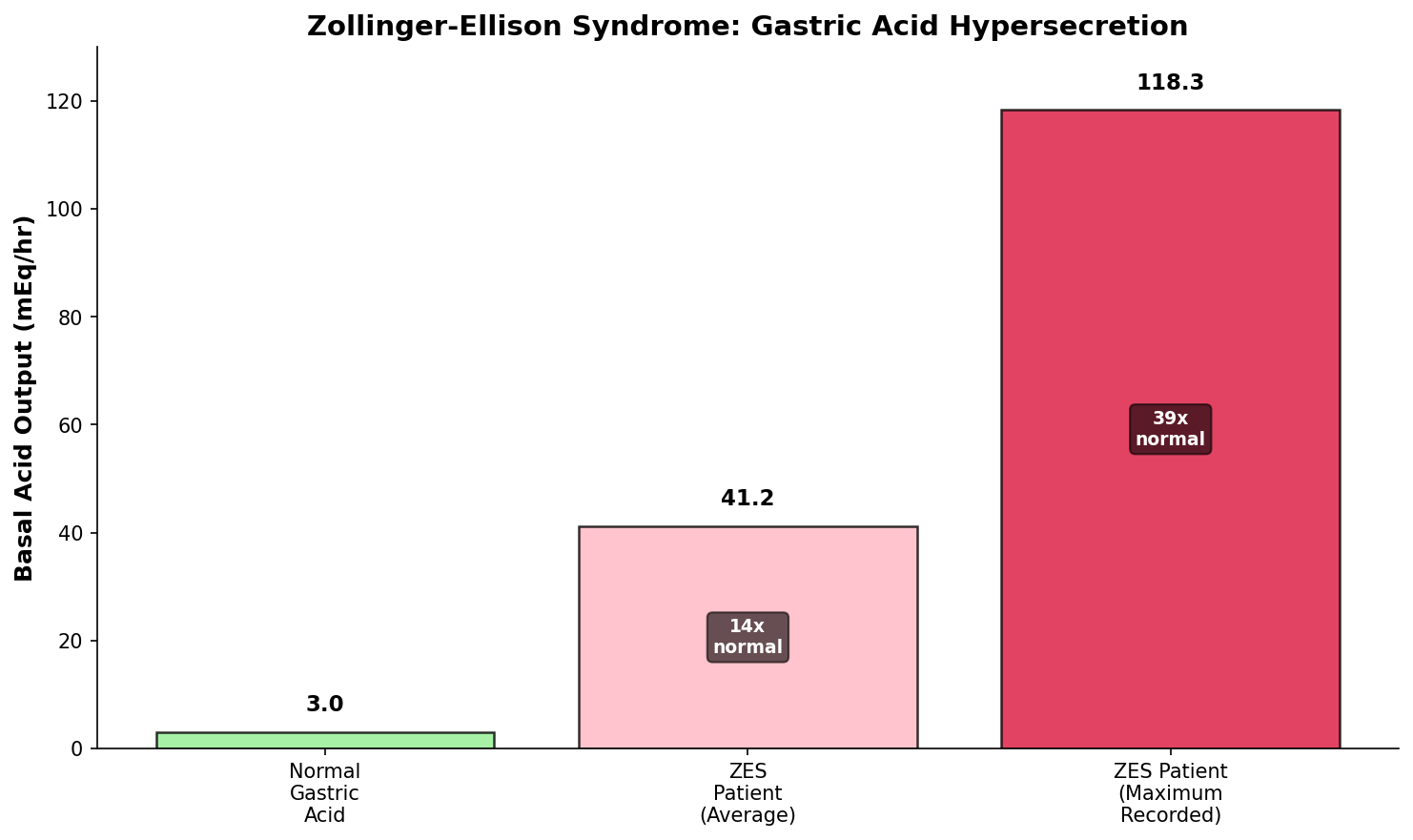 Figure 1: Core symptoms reported by ZES patients. Data shows abdominal pain and chronic diarrhoea are more common than heartburn, challenging the typical reflux narrative.
Abdominal pain dominates, occurring in 75 per cent of patients. This isn't mild discomfort; it's often severe, burning or cramping pain located in the upper central abdomen. Patients describe it as intense and persistent, frequently waking them at night or limiting their daily activities.
Chronic diarrhoea affects 73 per cent of patients, making it nearly as common as abdominal pain. This is the symptom that truly distinguishes ZES from ordinary acid reflux. The diarrhoea results from stomach acid destroying the lining of the small intestine, inactivating enzymes needed for fat digestion, and directly irritating nerve endings in the gut. In severe cases, patients may experience 20 or more loose bowel movements daily; a level of diarrhoea that is socially isolating and nutritionally devastating.
Heartburn and reflux occur in only 44 per cent of patients. This is critical: fewer than half of ZES patients even have heartburn. The absence of reflux symptoms doesn't rule out ZES; many patients present primarily with pain or diarrhoea, causing clinicians and patients alike to miss the diagnosis.
Weight loss appears in about 17 per cent of patients, particularly those with severe disease. It results from chronic diarrhoea, reduced nutrient absorption, and simply eating less due to pain.
Why the Combination Matters
A patient with recurrent peptic ulcers and chronic diarrhoea, or someone with severe heartburn that doesn't respond to standard medication, should raise alarm bells. Yet these symptoms are often attributed to irritable bowel syndrome, ordinary peptic ulcer disease, or stress-related indigestion. The nine-year diagnostic delay isn't accidental; it reflects how effectively ZES masquerades as common conditions.
The Extreme Acid Overproduction That Damages Everything
To understand ZES's severity, consider stomach acid production. A normal person produces about 1 to 4 milliequivalents (mEq) of acid per hour. The average ZES patient produces 41.2 mEq per hour; roughly 10 to 14 times normal. Some patients produce far more; the recorded range extends to 118 mEq per hour, which is nearly a 40-fold elevation.
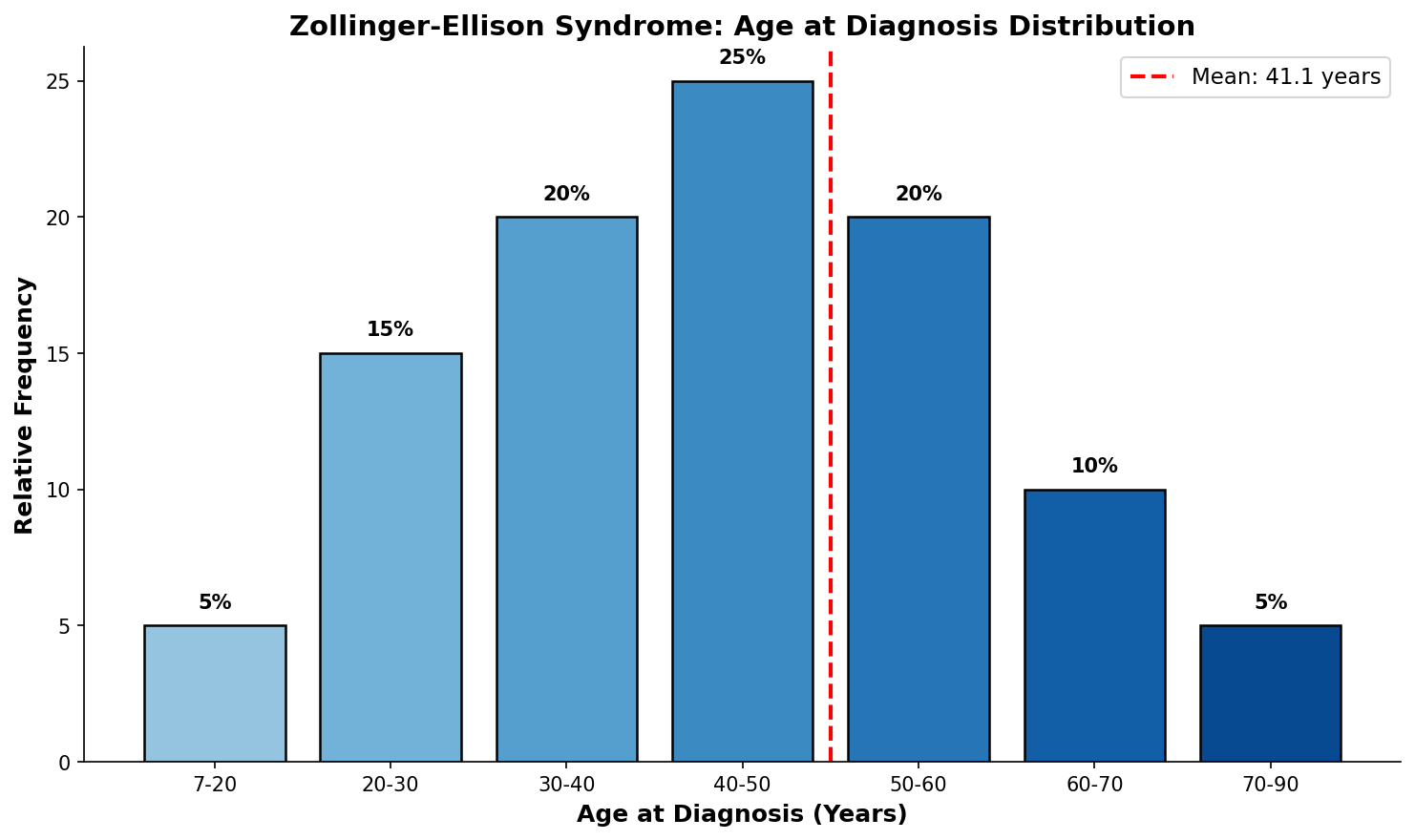 Figure 2: Comparison of gastric acid output. Normal stomach acid production is dwarfed by the extreme hypersecretion in ZES patients. This explains why standard treatments fail and why complications develop.
This isn't theoretical. The extreme acid overwhelms the stomach's protective mechanisms, rapidly eroding the lining and creating ulcers that resist ordinary treatment. It's why traditional medications often fail; they simply can't suppress acid enough to allow healing.
Severity Spectrum: Mild to Catastrophic
ZES exists on a spectrum. Some patients experience mild, persistent heartburn and occasional loose stools; symptoms they self-treat for years without diagnosis. Others develop rapidly worsening disease with severe pain, multiple large ulcers, and complications that require emergency care.
Mild cases may appear almost like ordinary reflux: persistent heartburn, occasional diarrhoea, mild abdominal discomfort. Patients often attribute symptoms to diet or stress and don't seek medical attention.
Moderate disease brings multiple episodes of abdominal pain weekly, moderate-to-severe diarrhoea with significant fluid loss, and visible ulcers on endoscopy. Standard ulcer medications provide partial control but never full relief. Patients begin experiencing nutritional consequences: weight loss, anaemia from bleeding ulcers, and malabsorption.
Severe presentations are incapacitating. Abdominal pain becomes constant and severe. Diarrhoea is watery and frequent; 10 or more times daily. Ulcers are extensive and refractory (resistant to treatment). Serious complications develop: bleeding ulcers causing vomiting of blood or black tarry stools, perforation creating a hole in the intestinal wall (a surgical emergency), or oesophageal strictures narrowing the food pipe and making swallowing impossible.
Unusual Presentations That Delay Diagnosis
Some patients don't follow the typical pattern. A small number present primarily with oesophageal symptoms rather than peptic ulcers. They develop severe acid reflux, oesophageal ulcers, or strictures (fibrous narrowing of the food pipe), sometimes years before ZES is diagnosed. In one case review, 37 per cent of 24 ZES patients showed evidence of acid-induced oesophageal damage ranging from erosive inflammation to massive bleeding ulcers.
Oesophageal perforation (where acid erodes completely through the oesophageal wall) is rare but life-threatening. It presents as sudden severe chest pain, difficulty breathing, or signs of infection. If oesophageal perforation occurs before ZES is diagnosed, it's often fatal or requires emergency surgery.
Others present with what seems like primary diarrhoea, particularly children and some adults. The diarrhoea is so severe that it overshadows other symptoms, and doctors may pursue investigations for inflammatory bowel disease, coeliac disease, or IBS before considering ZES.
How Doctors Actually Diagnose ZES
Modern diagnosis of ZES relies on a stepwise approach combining blood tests, stimulation tests, imaging, and endoscopy. Here's what the diagnostic pathway looks like:
Step 1: Initial Blood Test
The first clue is a fasting serum gastrin level. Normal fasting gastrin is less than 100 picograms per millilitre (pg/mL). ZES typically produces levels greater than 1,000 pg/mL; a ten-fold elevation. But here's the catch: in two-thirds of ZES patients, the fasting gastrin level overlaps with values seen in other conditions, so a single elevated result doesn't confirm diagnosis.
The blood test must be taken when the stomach is truly at rest; patients fast for 10 to 12 hours beforehand. Importantly, any acid-suppressing medications must be stopped first, as they interfere with test accuracy.
Step 2: The Gold Standard Test
If fasting gastrin is elevated, the next step is the secretin stimulation test, the gold standard for ZES diagnosis. This test is nearly perfect: it correctly identifies ZES in 97 to 99 per cent of patients.
Here's how it works: the patient receives an injection of secretin, a natural gut hormone. In normal people, secretin suppresses gastrin release; the body's feedback mechanism at work. But in ZES, the tumour releases gastrin paradoxically; it actually rises in response to secretin, a bizarre response unique to gastrinomas. If gastrin rises more than 100 pg/mL after secretin injection, ZES is virtually certain.
Step 3: Confirming Acid Overproduction
Doctors also measure gastric acid directly. A nasogastric tube (passed through the nose into the stomach) or an endoscopic technique measures acid output. Basal acid output exceeding 15 milliequivalents per hour (or 5 mEq/hr in patients who've had prior stomach surgery) combined with elevated fasting gastrin confirms ZES.
Step 4: Visualising the Damage
Upper endoscopy (a camera passed down the throat under sedation) reveals what ZES has done to the digestive tract. Doctors see oesophageal ulcers (unusual in ordinary ulcer disease), multiple duodenal ulcers (often in unusual locations), and sometimes jejunal ulcers further down the small intestine (extremely rare outside of ZES). The sheer number and location of ulcers raise suspicion for ZES.
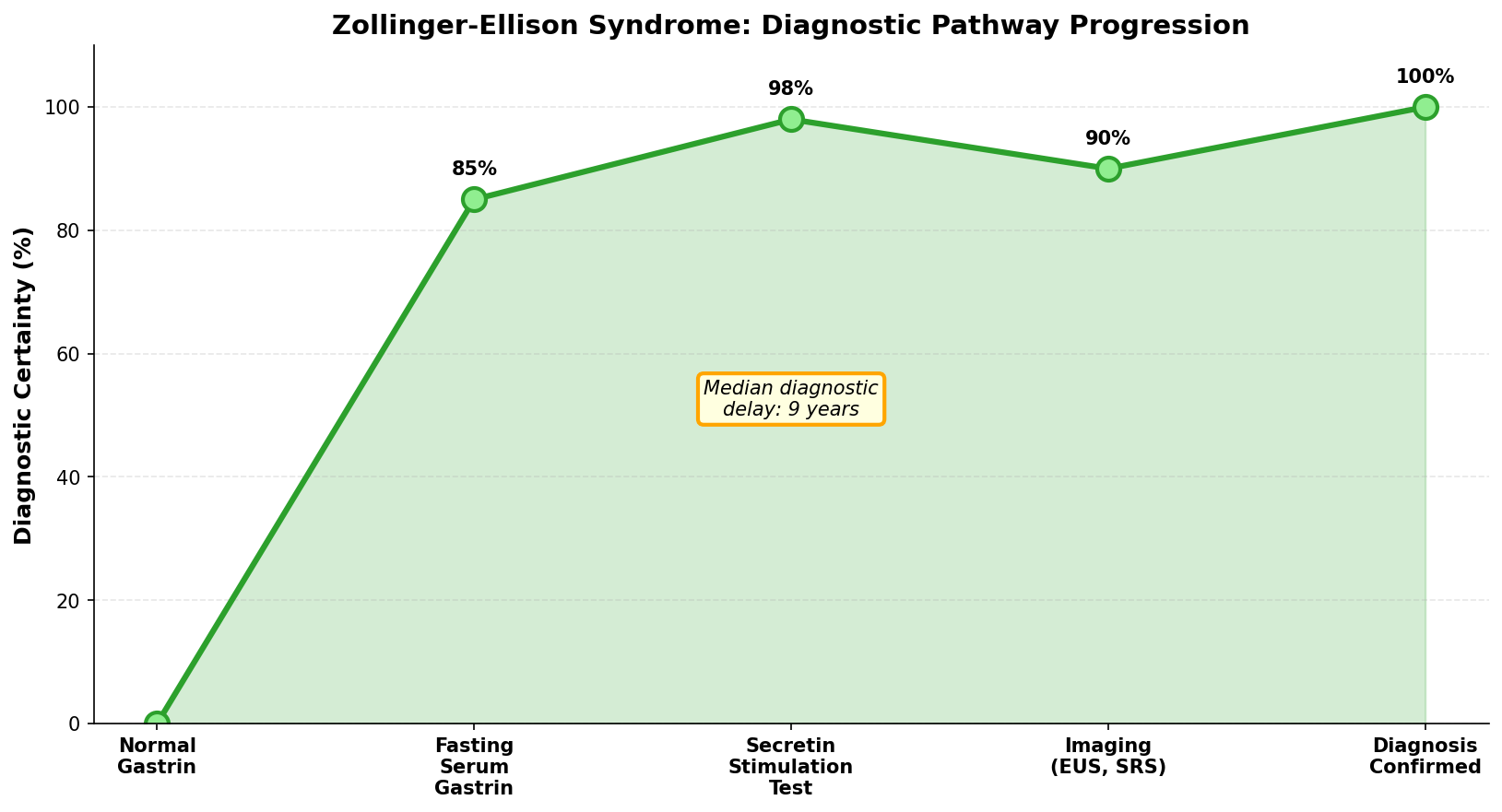 Figure 3: Sequential testing flow from initial presentation to confirmed diagnosis. Note that median diagnostic delay is 9 years, emphasising that clinical suspicion must be high enough to initiate testing despite overlapping symptoms with common conditions.
Step 5: Locating the Tumour
Once ZES is confirmed, imaging localises the gastrinoma. Most tumours occur in the duodenum (42 per cent of cases), with significant numbers in nearby lymph nodes (38 per cent) and the pancreas (17 per cent).
Several imaging modalities help locate tumours:
Somatostatin receptor scintigraphy (a specialised nuclear medicine scan) detects approximately 8 in 10 gastrinomas. In roughly one-third of cases, this scan is the only imaging that finds the tumour; conventional imaging misses it entirely.
Endoscopic ultrasound provides high-resolution images particularly useful for small duodenal tumours.
Conventional CT imaging helps identify larger pancreatic tumours and detect metastatic spread.
Modern practice often combines multiple imaging approaches; using several methods together detects tumours in approximately 9 in 10 cases, compared with only 6 in 10 with conventional imaging alone.
The Malignancy Question: Are These Tumours Cancerous?
This is where ZES becomes genuinely sobering. Approximately 60 per cent of ZES patients have malignant (cancerous) disease at the time of diagnosis. This means the tumour has already begun spreading.
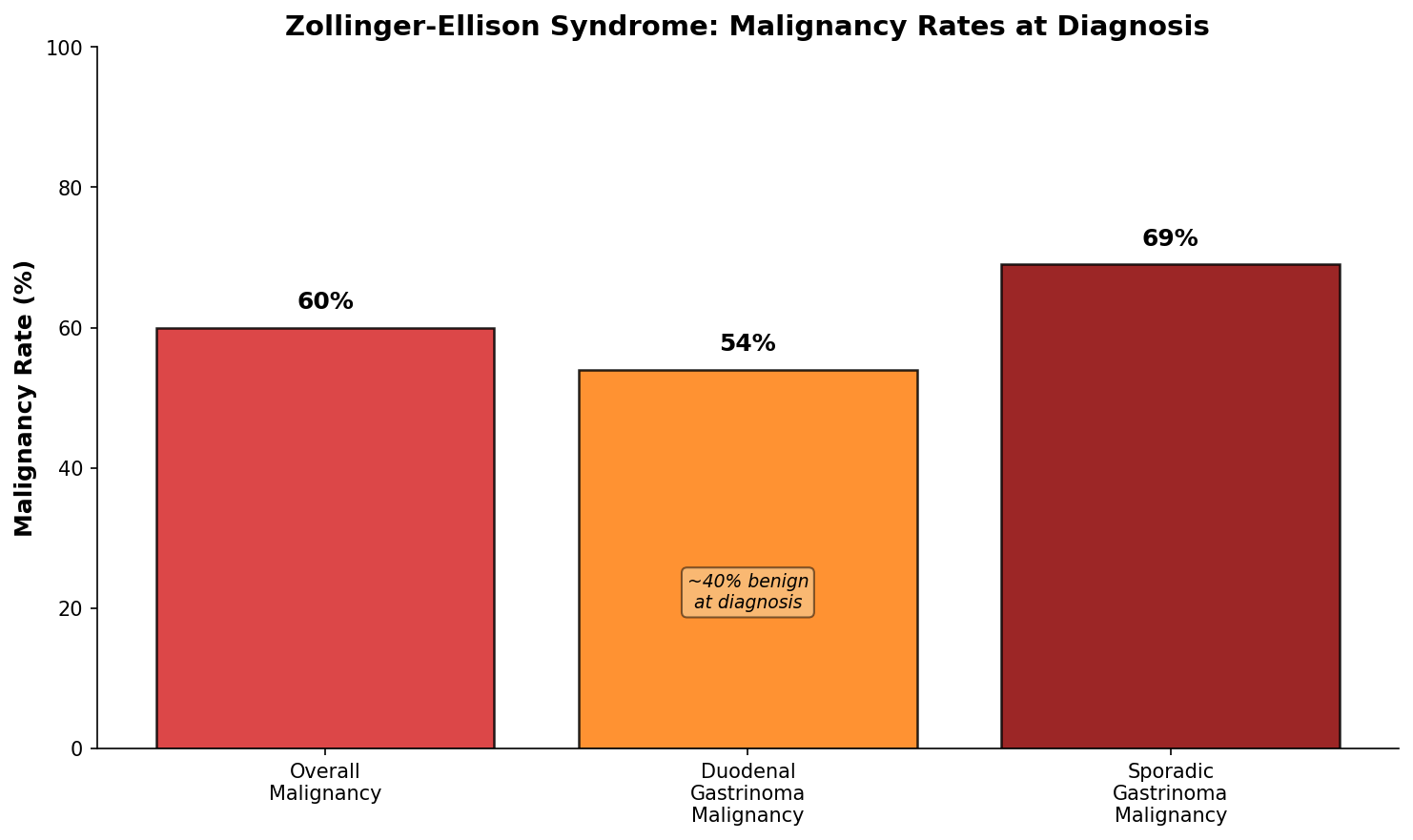 Figure 4: Gastrinoma malignancy at diagnosis. Contrary to older medical literature suggesting duodenal tumours were benign, modern data shows 54 per cent of duodenal gastrinomas are malignant. Sporadic cases have the highest malignancy rate at 69 per cent.
More specifically, 54 per cent of duodenal gastrinomas (historically thought to be benign) are malignant. In sporadic ZES cases, 69 per cent are malignant. More than half of duodenal gastrinoma patients have regional lymph node involvement at diagnosis, and approximately 8 per cent have liver metastases.
The most common sites for metastatic spread are the liver, followed by the lungs, bone, and brain. Liver metastases carry a worse prognosis than lymph node involvement alone.
This doesn't mean ZES is immediately fatal. Many patients with metastatic gastrinomas live for years with appropriate treatment. But it does mean that once diagnosed, ZES requires active surveillance for disease progression and careful long-term management. Who Gets ZES: Genetic and Demographic Patterns
Most ZES cases occur sporadically, in people without a family history. But roughly 1 in 4 to 5 ZES patients carry a genetic predisposition through MEN-1 syndrome. If you have MEN-1, your lifetime risk of developing a gastrinoma is 16 to 38 per cent; approximately 1 in 3 to 1 in 2.
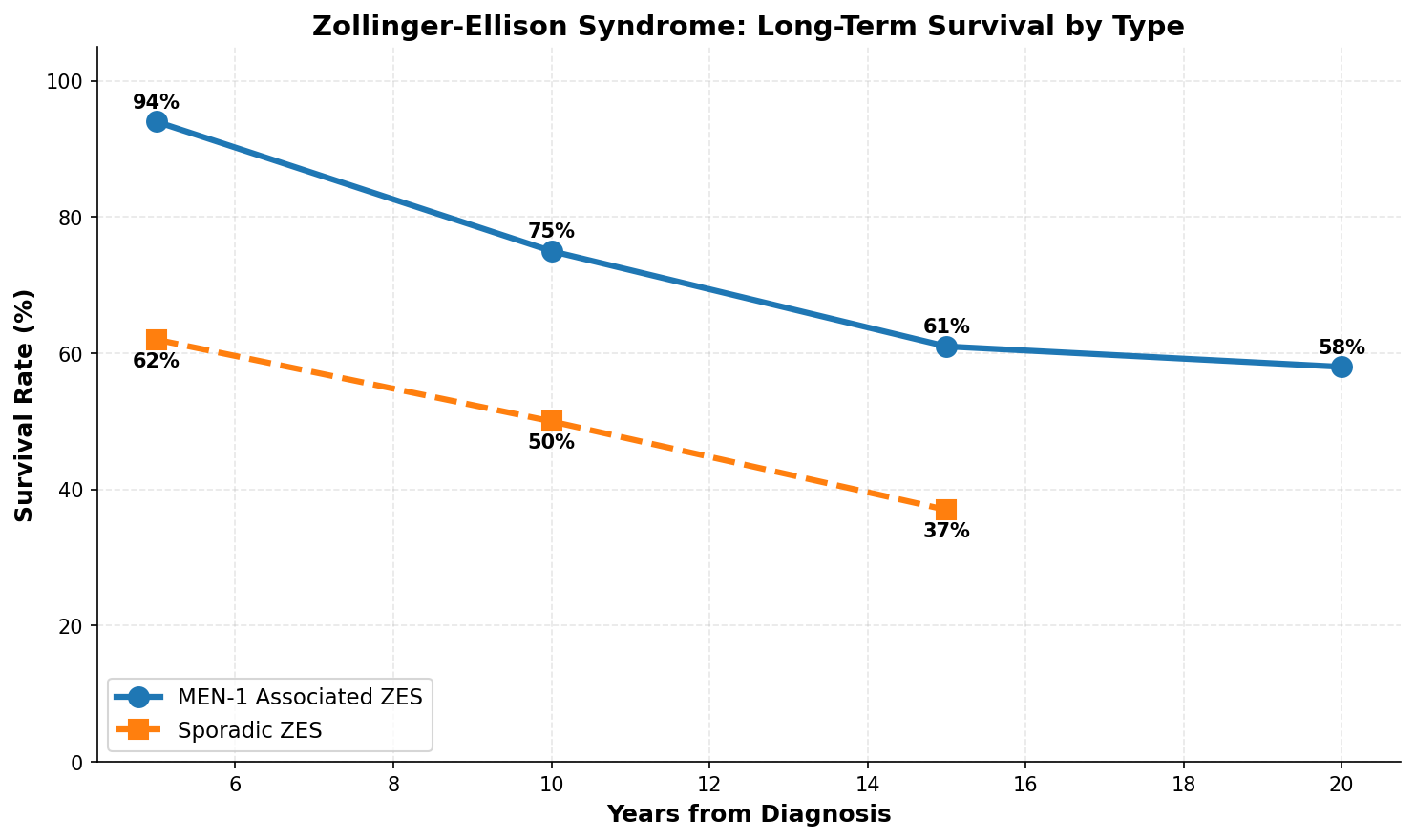 Figure 5: Age range at ZES diagnosis. Whilst cases occur from age 7 to 90, peak incidence is between 30 and 50 years, with a mean of 41 years. This means ZES primarily affects working-age adults during their most productive years.
Men are slightly more commonly affected than women, though gender should never decrease clinical suspicion. The disease strikes across socioeconomic backgrounds, races, and geographic regions without apparent bias.
Modern Treatment: A Dramatic Success Story
Here's the good news: ZES is now highly manageable. Before the 1980s, the only option was extensive gastric surgery or even total stomach removal; devastating procedures with significant complications. The advent of proton pump inhibitors (PPIs) revolutionised ZES treatment by providing acid suppression so effective that most patients no longer need surgery.
Proton Pump Inhibitors: The Game-Changer
PPIs work by blocking the final common pathway of gastric acid production. Three PPIs have proven highly effective in ZES:
Omeprazole controlled gastric acid hypersecretion in 100 per cent of ZES patients in long-term studies, with demonstrated safety over 9 years without loss of effectiveness. Most patients require only 20 to 40 milligrams daily as maintenance therapy.
Lansoprazole similarly achieved 100 per cent efficacy and reduced gastric acid output by an average of 87 per cent (range: 75 to 99 per cent).
Pantoprazole requires higher doses (80 to 240 milligrams daily) but remains effective for at least three years and beyond.
Overall, more than 95 per cent of ZES patients achieve adequate acid control with PPI therapy. Ulcers heal in more than 90 per cent of patients within 4 to 8 weeks. Most patients experience dramatic symptom relief; pain subsiding, diarrhoea resolving, heartburn disappearing, within 1 to 2 weeks of starting treatment.
Why Lifelong Medication Is Necessary
Here's a crucial point: stopping PPI medication leads to rapid symptom recurrence. Acid secretion rebounds within hours to days. Ulcers redevelop. Complications like bleeding and perforation risk increase sharply. This is why lifelong adherence to daily PPI therapy is non-negotiable. Missing doses, even occasionally, can trigger the return of severe symptoms and complications.
Secondary Options: Somatostatin Analogues
Before effective PPIs, somatostatin analogues like octreotide were used as primary therapy. Today, PPIs are preferred because they're more effective and easier to use. Octreotide remains valuable in specific situations: advanced metastatic disease, patients who can't tolerate PPIs, or as adjunctive therapy alongside PPIs. Octreotide suppresses gastrin levels and alleviates symptoms in 70 to 78 per cent of patients, and it uniquely resolves diarrhoea in all patients who had it.
Surgery: A Limited Role
Modern surgical approach differs markedly from historical practice. Surgery is no longer the primary treatment. With effective PPIs, most patients are managed medically and do exceptionally well without operation.
Surgery is considered for carefully selected cases:
- Patients with a clearly localised, resectable gastrinoma and no metastatic disease
- Selected patients with advanced malignant disease (palliative approach)
- Some MEN-1 patients requiring ongoing surveillance
Importantly, complete cure through surgery is impossible in 70 to 90 per cent of patients, who therefore require lifelong medical therapy even after operation. Immediate post-surgical disease-free status occurs in about 52 per cent of patients, but this drops to just 42 per cent at one year and 35 per cent by five years. This is why medical management with PPIs has become the standard approach.
Survival and Prognosis: Good News and Important Caveats
With modern treatment, prognosis is substantially better than historical data suggests. However, survival differs notably between genetic and sporadic cases.
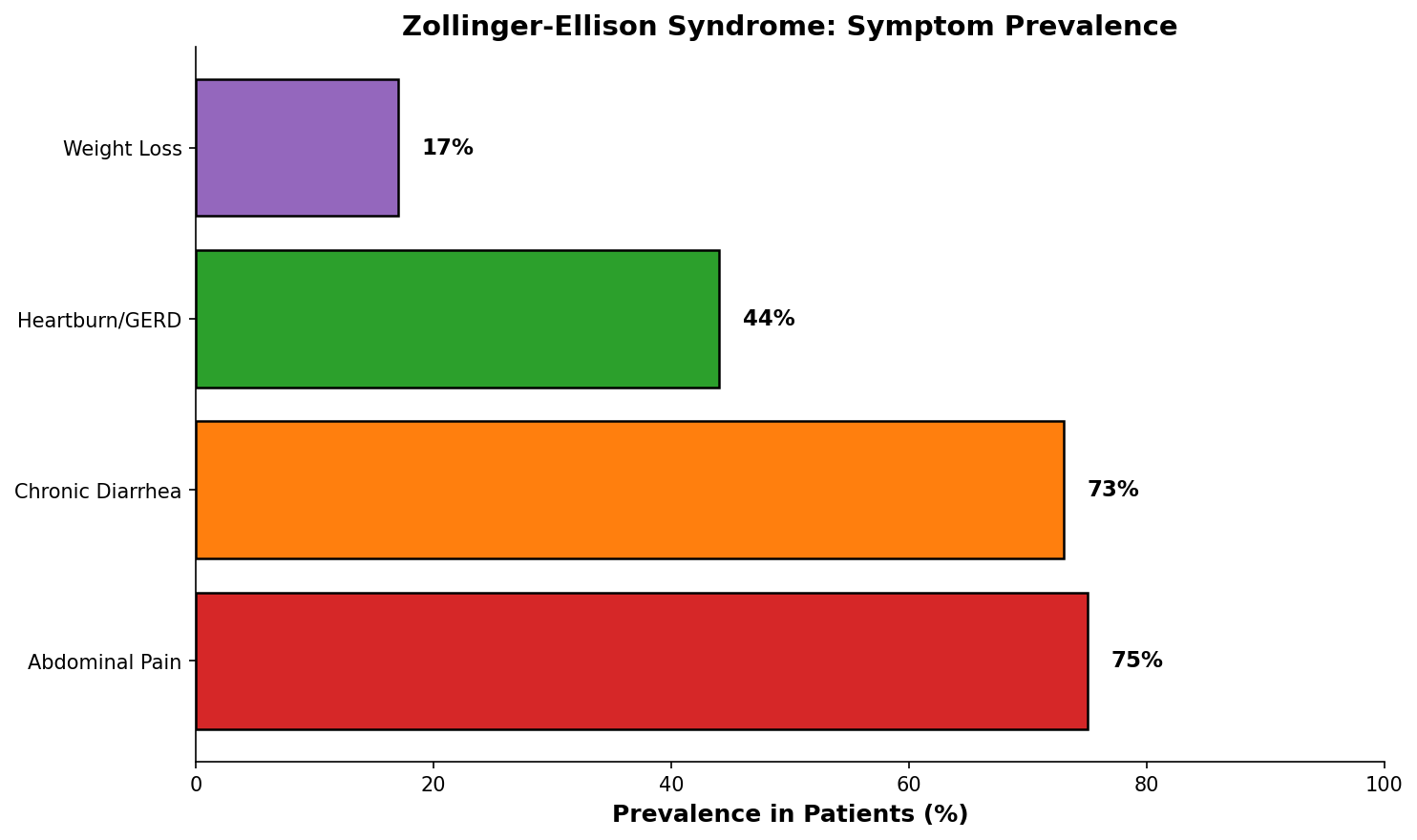 Figure 6: Five-, ten-, and fifteen-year survival comparing MEN-1-associated ZES (better outcomes) with sporadic ZES. The dramatic difference reflects earlier detection in MEN-1 patients under regular endocrine surveillance.
MEN-1-associated ZES has excellent long-term survival:
- 94 per cent at 5 years
- 75 per cent at 10 years
- 61 per cent at 15 years
- 58 per cent at 20 years
Sporadic ZES has somewhat lower survival:
- 62 per cent at 5 years
- 50 per cent at 10 years
- 37 per cent at 15 years
Mixed population overall:
- 75 per cent at 5 years
- 52 per cent at 10 years
- Median survival: 6.6 years from diagnosis
The better survival in MEN-1 ZES likely reflects earlier detection due to active monitoring of MEN-1 patients for endocrine tumours. When ZES is caught earlier, outcomes improve substantially.
An important finding: in long-term prospective studies, all deaths were from non-acid-related causes. Modern PPI therapy has essentially eliminated death from uncontrolled acid hypersecretion. The current threat to survival is metastatic gastrinoma spread, not the acid itself. This represents genuine progress from the pre-PPI era when acid complications often proved fatal.
Living with ZES: The Bigger Picture
Treatment with PPIs controls acid, heals ulcers, and prevents complications. But ZES's impact on quality of life extends beyond acid suppression. In prospective studies using standardised quality-of-life measures, ZES patients reported:
- Significantly impaired physical functioning from chronic pain and diarrhoea
- Markedly reduced energy levels from malnutrition and anaemia
- Disrupted social and occupational functioning from frequent bathroom needs and unpredictable symptom flares
- Psychological burden from chronic disease, anxiety about complications, and frustration from years of diagnostic delays
Even after PPI treatment begins and acid control is achieved, quality-of-life concerns persist. This means successful ZES management requires more than just medical control of acid; it involves psychological support, nutritional management, and recognition that the disease's impact extends beyond gastric physiology.
Long-term management includes:
- Strict medication adherence: Daily PPI use without skipped doses is essential. The cost of non-compliance is symptom recurrence and complications
- Regular monitoring: Periodic follow-up appointments (every 3 to 6 months initially) ensure adequate acid control and detect any disease progression
- Imaging surveillance: In MEN-1 patients, regular imaging (annually or biannually) screens for metastatic disease
- Nutritional support: Long-term PPI use may require supplementation with vitamin B12, calcium, and magnesium
- Lifestyle adjustments: Avoiding known gastric irritants (alcohol, excessive caffeine), eating small frequent meals if diarrhoea persists, and maintaining regular follow-up.
When to Seek Medical Attention
If you experience any of the following, request testing for ZES rather than accepting simple reassurance about reflux:
- Persistent heartburn unresponsive to standard PPI therapy (especially if high-dose PPIs don't provide relief)
- Chronic diarrhoea lasting more than four weeks, particularly if accompanied by abdominal pain or weight loss
- Recurrent or refractory peptic ulcers (ulcers that return quickly after healing, or multiple ulcers found on endoscopy)
- Combination of heartburn, abdominal pain, and diarrhoea (the classic ZES triad)
- Any gastrointestinal symptom associated with weight loss
- Sudden severe abdominal pain (possible perforation; a surgical emergency)
- Haematemesis (vomiting blood) or melena (black tarry stools; possible GI bleeding)
- Progressive difficulty swallowing (possible stricture)
- Signs of anaemia: unusual fatigue, shortness of breath, or pale skin
- Unintentional weight loss greater than 10 per cent of body weight
The nine-year diagnostic delay exists because too many patients normalise their symptoms, and clinicians attribute them to common conditions. Your persistence in seeking answers matters. If symptoms persist despite standard treatment, ZES testing is appropriate; not just reassurance about reflux.
The Bottom Line
Zollinger–Ellison Syndrome is rare but treatable. It mimics common digestive conditions, which is why diagnosis is delayed by an average of nine years. The symptoms that should raise alarm are not heartburn alone (which occurs in fewer than half of ZES patients) but rather the combination of chronic diarrhoea, recurrent peptic ulcers, or severe unresponsive heartburn. Modern proton pump inhibitor therapy controls acid in more than 95 per cent of patients, prevents complications, and enables normal survival. With lifelong medication adherence, most ZES patients live normal lifespans, with survival determined more by age and comorbidities than by the syndrome itself.
If you've struggled with digestive symptoms that don't respond to standard treatment, persistent diarrhoea, or recurrent ulcers, ask your doctor about ZES. The nine-year diagnostic delay is preventable. Early recognition and treatment can spare you years of unnecessary suffering.
Further Reading
Diagnostic Methods and Clinical Standards
- Zollinger-Ellison Syndrome: Pathogenesis, Diagnosis, and Management (PubMed)
- Zollinger-Ellison Syndrome (NIDDK Patient Information)
- Clinical Presentation in 261 Patients with Zollinger-Ellison Syndrome (PubMed)
- Secretin Stimulation Test Diagnostic Efficacy (PubMed)
Symptom Recognition and Patient Experience
- Zollinger-Ellison Syndrome: Presentation, Response to Therapy, and Outcome (PubMed)
- Quality of Life in ZES Patients: Prospective Evaluation (PubMed)
- Catching the Zebra: Clinical Pearls and Pitfalls for Successful ZES Diagnosis (PubMed)
- Esophageal Perforation in Zollinger-Ellison Syndrome: A Scoping Review (PubMed Central)
Treatment Options and Efficacy
- Nine-Year Study of Omeprazole Efficacy and Safety in ZES (PubMed)
- Lansoprazole Efficacy and Safety in ZES (PubMed)
- Three-Year Maintenance Pantoprazole Administration in ZES (PubMed)
- Long-Term Efficacy of Octreotide in ZES Treatment (PubMed)
Tumour Characteristics and Prognosis
- Location, Incidence, and Malignant Potential of Duodenal Gastrinomas (PubMed)
- Surgical Pathology of Gastrinoma: Multicentricity and Malignancy (PubMed)
- Sporadic and MEN1-Related Gastrinoma and ZES: Differences in Outcomes (PubMed Central)
- Follow-Up Study of ZES Patients 1966–2002: Effects of Surgical and Medical Treatments on Survival (PubMed)
Imaging and Localisation
- Somatostatin Receptor Scintigraphy in 48 Patients with ZES (PubMed)
- Endoscopic Ultrasound in Gastrinoma Localisation (PubMed)
- Preoperative Detection of Duodenal Gastrinomas by Somatostatin Receptor Scintigraphy (PubMed)
MEN-1 and Genetic Considerations
- Long-Term Prognosis of Zollinger-Ellison Syndrome in Multiple Endocrine Neoplasia Type 1 (PubMed)
- Gender-Related Differences in MEN-1 Lesion Occurrence and Diagnosis (PubMed)
References/Helpful Resources
- National Institute of Diabetes and Digestive and Kidney Diseases (NIDDK). Zollinger-Ellison Syndrome [Internet]. U.S. Department of Health and Human Services; [cited 2026 Jul 20]. Available from: https://www.niddk.nih.gov/health-information/digestive-diseases/zollinger-ellison-syndrome
- Maton PN, Frucht H, Vinayek R, Wank SA, Gardner JD, Jensen RT. Medical management of patients with Zollinger-Ellison syndrome who have had previous gastric surgery: a prospective study. Gastroenterology. 1988 Feb;94(2):294–9. doi:10.1016/0016-5085(88)90415-5 PubMed PMID: 3335308.
- Meko JB, Norton JA. Management of patients with Zollinger-Ellison syndrome. Annu Rev Med. 1995;46:395–411. doi:10.1146/annurev.med.46.1.395 PubMed PMID: 7598474.
- Metz DC, Cadiot G, Poitras P, Ito T, Jensen RT. Diagnosis of Zollinger-Ellison syndrome
- in the era of PPIs, faulty gastrin assays, sensitive imaging and limited access to acid secretory testing. Int J Endocr Oncol. 2017;4(4):167–85. doi:10.2217/ije-2017-0018 PubMed PMID: 29326808; PubMed Central PMCID: PMC5757869.
- Roy PK, Venzon DJ, Shojamanesh H, Abou-Saif A, Peghini P, Doppman JL, et al. Zollinger-Ellison syndrome. Clinical presentation in 261 patients. Medicine (Baltimore). 2000 Nov;79(6):379–411. doi:10.1097/00005792-200011000-00004 PubMed PMID: 11144036.
- Yu F, Venzon DJ, Serrano J, Goebel SU, Doppman JL, Gibril F, et al. Prospective study of the clinical course, prognostic factors, causes of death, and survival in patients with long-standing Zollinger-Ellison syndrome. J Clin Oncol. 1999 Feb;17(2):615–30. doi:10.1200/JCO.1999.17.2.615 PubMed PMID: 10080607.
- Hirschowitz BI. Zollinger-Ellison syndrome: pathogenesis, diagnosis, and management. Am J Gastroenterol. 1997 Apr;92(4 Suppl):44S-48S; discussion 49S-50S. PubMed PMID: 9127626.
- Jensen RT, Pandol SJ, Collen MJ, Raufman JP, Gardner JD. Diagnosis and management of the Zollinger-Ellison syndrome. J Clin Gastroenterol. 1983;5 Suppl 1:123–31. doi:10.1097/00004836-198312001-00012 PubMed PMID: 6140281.
- Kuiper P, Biemond I, Masclee AA, Jansen JB, Verspaget HW, Lamers CB. Diagnostic efficacy of the secretin stimulation test for the Zollinger-Ellison syndrome: an intra-individual comparison using different dosages in patients and controls. Pancreatology. 2010;10(1):14–8. doi:10.1159/000265936 PubMed PMID: 20299818.
- Thompson JC, Lewis BG, Wiener I, Townsend CM. The role of surgery in the Zollinger-Ellison syndrome. Ann Surg. 1983 May;197(5):594–607. doi:10.1097/00000658-198305000-00014 PubMed PMID: 6847279; PubMed Central PMCID: PMC1353043.
- Norton JA, Alexander HR, Fraker DL, Venzon DJ, Gibril F, Jensen RT. Does the Use of Routine Duodenotomy (DUODX) Affect Rate of Cure, Development of Liver Metastases, or Survival in Patients With Zollinger-Ellison Syndrome? Ann Surg. 2004 May;239(5):617–26. doi:10.1097/01.sla.0000124290.05524.5e PubMed PMID: 15082965; PubMed Central PMCID: PMC1356269.
- Bartsch DK, Fendrich V, Langer P, Celik I, Kann PH, Rothmund M. Outcome of duodenopancreatic resections in patients with multiple endocrine neoplasia type 1. Ann Surg. 2005 Dec;242(6):757–64, discussion 764-766. doi:10.1097/01.sla.0000189549.51913.d8 PubMed PMID: 16327485; PubMed Central PMCID: PMC1409888.
- Klöppel G, Couvelard A, Perren A, Komminoth P, McNicol AM, Nilsson O, et al. ENETS Consensus Guidelines for the Standards of Care in Neuroendocrine Tumors: towards a standardized approach to the diagnosis of gastroenteropancreatic neuroendocrine tumors and their prognostic stratification. Neuroendocrinology. 2009;90(2):162–6. doi:10.1159/000182196 PubMed PMID: 19060454.
- Nieto JM, Pisegna JR. The role of proton pump inhibitors in the treatment of Zollinger-Ellison syndrome. Expert Opin Pharmacother. 2006 Feb;7(2):169–75. doi:10.1517/14656566.7.2.169 PubMed PMID: 16433582.
- Kurien M, Lobo AJ. Acute upper gastrointestinal bleeding. Clin Med (Lond). 2015 Oct 5;15(5):481–5. doi:10.7861/clinmedicine.15-5-481 PubMed PMID: 26430191; PubMed Central PMCID: PMC4953237.
- Metser U, Kulanthaivelu R, Duder J, Hinzpeter R, Singh S, Wong R, et al. 68Ga-DOTATATE PET/CT in the Initial Staging of Well-Differentiated Gastroenteropancreatic and Non-Gastroenteropancreatic Neuroendocrine Tumors: Results of a Prospective Registry. Cancers (Basel). 2025 Jan 27;17(3):434. doi:10.3390/cancers17030434 PubMed PMID: 39941805; PubMed Central PMCID: PMC11815848.
- Tio TL. Endoscopic ultrasonography in patients with gastrinomas. Ital J Gastroenterol Hepatol. 1999 Oct;31 Suppl 2:S172-178. PubMed PMID: 10604125.
- Larsson LI. Developmental biology of gastrin and somatostatin cells in the antropyloric mucosa of the stomach. Microsc Res Tech. 2000 Mar 1;48(5):272–81. doi:10.1002/(SICI)1097-0029(20000301)48:5<272::AID-JEMT4>3.0.CO;2-N PubMed PMID: 10700044.
- Jensen RT. Pancreatic neuroendocrine tumors: overview of recent advances and diagnosis. J Gastrointest Surg. 2006 Mar;10(3):324–6. doi:10.1016/j.gassur.2005.08.022 PubMed PMID: 16622982.
- Kenney LM, Hughes M. Surgical Management of Gastroenteropancreatic Neuroendocrine Tumors. Cancers (Basel). 2025 Jan 23;17(3):377. doi:10.3390/cancers17030377 PubMed PMID: 39941746; PubMed Central PMCID: PMC11816225.
- Massironi S, Cavalcoli F, Elvevi A, Quatrini M, Invernizzi P. Somatostatin analogs in patients with Zollinger Ellison syndrome (ZES): an observational study. Endocrine. 2022 Mar;75(3):942–8. doi:10.1007/s12020-021-02915-7 PubMed PMID: 34716542.
