

Red light therapy is often described as a novel approach that uses specific wavelengths of light to influence biological processes in the body. Interest in its potential benefits—such as skin health, pain relief, and wound healing—has increased in recent years. However, the strength and consistency of clinical evidence vary depending on the application. Understanding its potential benefits and limitations, alongside the quality of available evidence, is important for making informed decisions about its use.
This article explains how red light therapy is thought to work at a cellular level, which health applications have the most supporting evidence, what outcomes have been observed in studies, and the safety considerations involved in its use.
How Red Light Therapy Works: The Cellular Mechanism
The Energy Production Story
Cells l contain mitochondria, which are responsible for producing energy in the form of adenosine triphosphate (ATP). ATP is used to support a wide range of cellular functions, including tissue repair and normal metabolic activity.
Red light therapy is thought to influence this energy production process in certain contexts.
Red and near-infrared light can penetrate the skin and reach the mitochondria, where they interact with a key enzyme called cytochrome c oxidase (CCO). This enzyme is involved in the mitochondrial electron transport chain and can be inhibited by nitric oxide, which reduces its activity.1
Exposure to specific wavelengths of light is thought to reduce this inhibition, potentially allowing for increased electron transport and ATP production in experimental settings.
Some studies have reported increases in cellular ATP production, although the magnitude of this effect varies depending on cell type, wavelength, and experimental conditions.
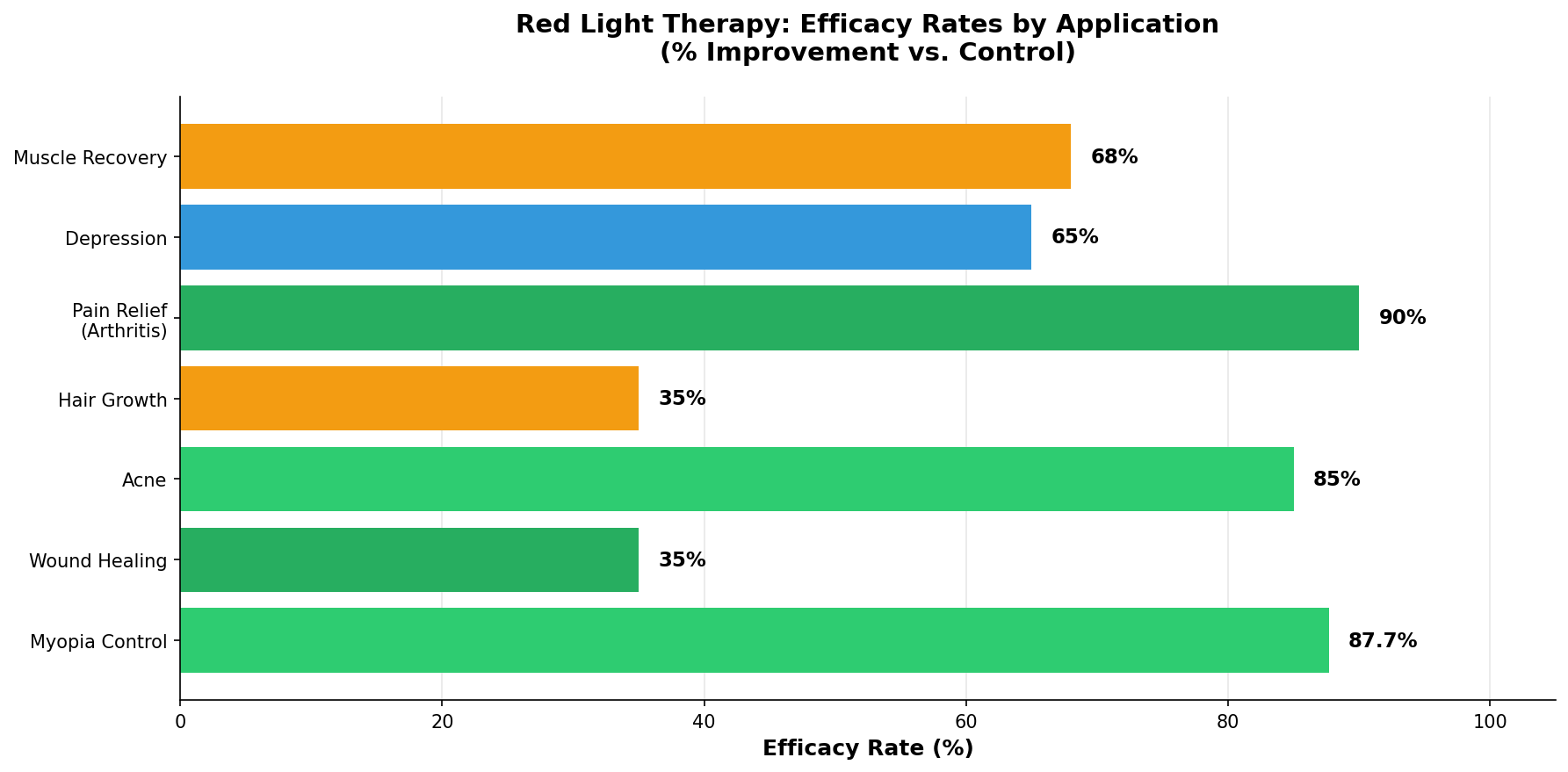 Figure 1: Changes in cellular ATP production following exposure to 670 nm red light in experimental studies. Reported increases vary by cell type, with retinal cells showing approximately 20% increases and neuronal cells showing increases of up to 50% in some laboratory studies.1
Why This Matters
Increased cellular energy is one proposed mechanism that may help explain some of the observed effects of red light therapy in certain contexts. Some studies suggest potential benefits in areas such as wound healing and skin health, while evidence for other applications remains limited or inconsistent.1
Red light therapy is thought to influence cellular energy production by acting on mitochondrial activity, although the extent and clinical significance of this effect vary depending on the condition and setting.
The Wavelength Question: Why Different Colours Penetrate Different Depths
Not all light is equal. Different wavelengths of light interact with biological tissues in different ways, including how deeply they can penetrate.1
Red light (approximately 630-660 nanometres) penetrates a few millimetres into the skin, reaching the dermis, which contains structural proteins like collagen. This is why it is commonly studied in relation to skin-related outcomes, including wound healing and aspects of skin appearance such as texture and fine lines.2
Near-infrared light (810-850 nanometres) penetrates deeper into biological tissues than visible red light, although light intensity decreases with depth. For this reason, athletes and people with deep joint pain benefit from near-infrared wavelengths.1
These differences in wavelength are based on the optical properties of light and how it interacts with biological tissues. Selecting an appropriate wavelength may help target tissues at different depths, although clinical effectiveness depends on multiple factors, including treatment. parameters and individual variation.
Health Applications of Red Light Therapy: Evidence Overview
The following sections outline some of the more commonly studied applications of red light therapy. They are presented according to the relative strength of available evidence, although the quality and consistency of research vary across different indications.
Application 1: Slowing Childhood Myopia (Nearsightedness) – Emerging Evidence
This is one of the more actively studied clinical applications of red light therapy.
Myopia (nearsightedness) is increasing globally, particularly among children. It is primarily associated with elongation of the eyeball, although both genetic and environmental factors contribute to its development. In many cases, myopia may progress over time, leading to increasing dependence on corrective lenses.3
Red light therapy, typically using wavelengths in the 650-660 nanometres range, has been investigated as a potential approach to slowing myopia progression in children. Some studies have reported reductions in axial elongation and myopia progression, although further research is needed to confirm long-term effectiveness and safety.4
The Numbers: Reported clinical findings suggest that repeated low-level red light therapy may reduce myopia progression in children. In one randomised controlled trial, treatment was associated with a substantial reduction in the progression of spherical equivalent refraction over 12 months compared to controls.
Similarly, axial length elongation—an important structural change associated with myopia progression—was also reduced in the treatment group. However, these findings are based on specific study conditions, and further research is needed to confirm long-term effectiveness and generalisability.
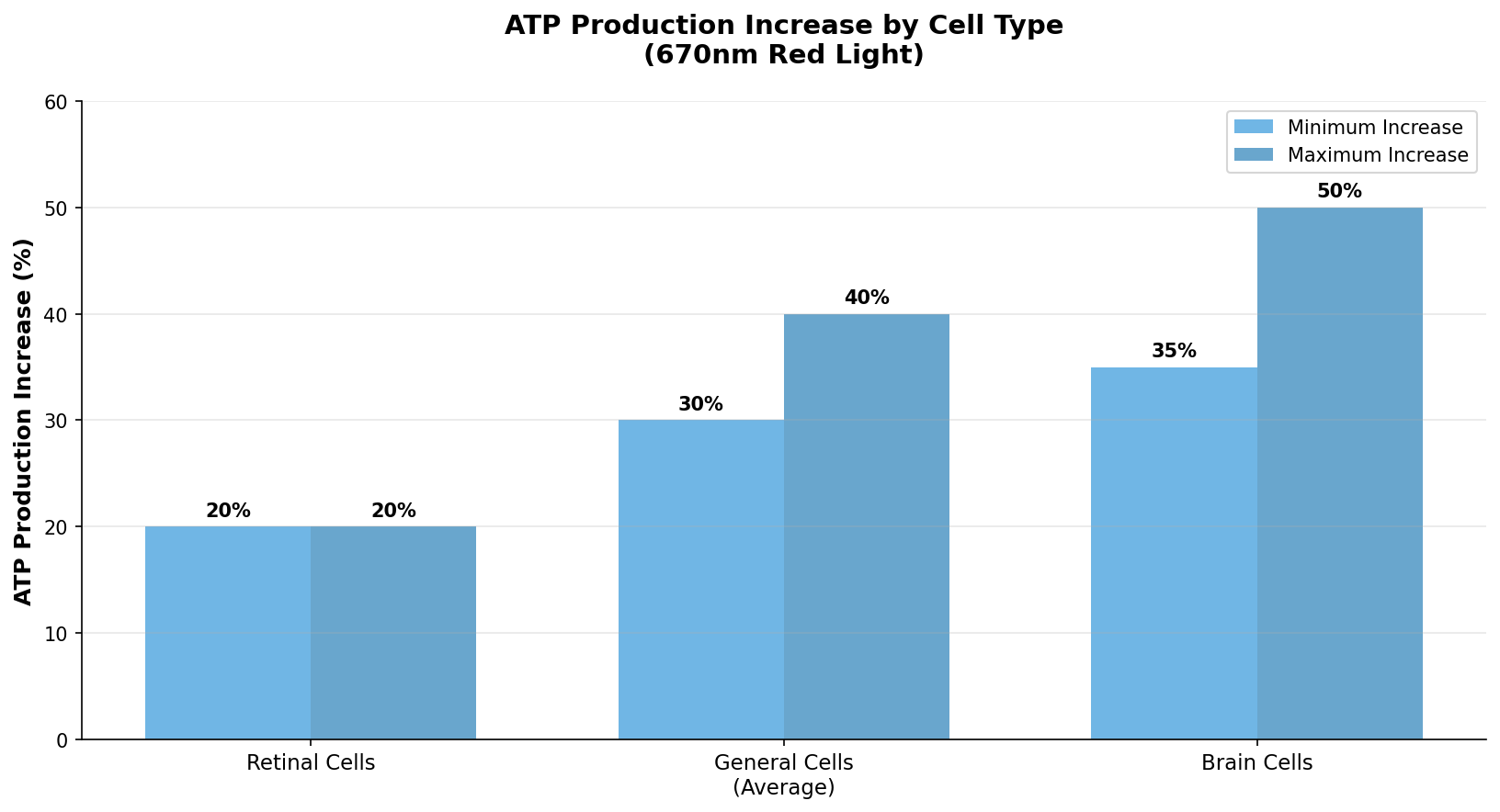 Figure 2: How myopia progression slowing improves over time with daily 650nm red light therapy. Progress is noticeable at 3 months (60% slowing) and continues improving to 76.8% slowing by 12 months.5
Timeline to Reported Effects
- Some studies have reported progressive reductions in axial length elongation over time with repeated low-level red light therapy, with greater effects observed at longer follow-up periods. However, the magnitude of these changes varies between studies and individuals
Safety: Clinical studies to date have generally reported no serious adverse events associated with short-term use of red light therapy in children. However, long-term safety data remain limited, and ongoing monitoring is recommended.
Clinical Considerations: This therapy slows progression rather than improving existing myopia. If your child's vision is already blurred, red light therapy won't restore clear vision. But it can prevent the annual worsening that normally occurs, potentially reducing how many times glasses prescriptions need updating.
Application 2: Wound Healing – Moderate Evidence
Red light therapy has been studied for its potential role in supporting wound healing. It is thought to influence biological processes involved in healing, including inflammatory responses, collagen production, and tissue remodelling, although the extent of these effects varies depending on the wound type and treatment conditions.1
The Numbers: Some studies have reported that red light therapy may improve certain aspects of wound healing compared with standard care, including faster wound closure and reduced inflammation. However, results vary depending on wound type, treatment protocol, and study design.
Reported improvements in healing rates differ across studies, with some showing moderate acceleration in healing time and others reporting more limited effects.
In some specific studies, reductions in infection-related outcomes have also been observed, although this is not a consistent finding across all research.
How It May Work Biologically:
Photobiomodulation has been studied for its potential effects on biological processes involved in wound healing. Proposed mechanisms include modulation of inflammatory mediators such as IL-1β, although findings vary depending on study conditions.
Some experimental studies suggest that red light therapy may influence collagen-related pathways and fibroblast activity, as well as factors involved in angiogenesis, such as vascular endothelial growth factor (VEGF). However, the extent and consistency of these effects differ across models and treatment protocols.6
Wound Types Studied:
- Post-surgical wounds
- Diabetic ulcers
- Acute skin injuries (cuts and abrasions)
- Chronic wounds
What has been observed in studies: Faster wound closure in some cases with decreased redness, reduced inflammation and improved tissue markers. However, these effects vary depending on wound type, treatment protocol, and individual response.
Clinical Considerations: Red light therapy is generally used as an adjunct to standard wound care, rather than a replacement. It is typically studied alongside established treatments such as appropriate wound dressings, infection control measures, and clinical monitoring.
Application 3: Pain Management and Inflammation – Moderate Evidence
Red light therapy has been studied for its potential role in reducing pain and inflammation across a range of musculoskeletal and neurological conditions. Proposed mechanisms include modulation of inflammatory mediators, effects on cellular metabolism, and changes in local blood flow, although the exact pathways are not fully established.
The Numbers:
In rheumatoid arthritis, some small clinical trials have reported improvements in pain scores following photobiomodulation treatment, although results vary between studies.
In fibromyalgia, studies have shown reductions in reported pain levels, with some evidence suggesting additional benefit when different wavelengths of light are combined. However, findings are not consistent across all trials.
A broader analysis of randomised controlled trials in musculoskeletal pain has reported modest but clinically relevant reductions in pain scores associated with red light therapy, although effect sizes differ depending on condition and treatment protocol.
Clinical considerations:
Medication use and pain outcomes:
Some studies have suggested that photobiomodulation may be associated with reduced use of pain medications, particularly non-steroidal anti-inflammatory drugs (NSAIDs), in certain patient groups. However, this finding is not consistent across all studies and should be interpreted with caution.
Given the known risks associated with long-term use of certain pain medications, these findings may be clinically relevant, but more robust evidence is needed to confirm their effect on medication use in routine practice.
Conditions studied:
Red light therapy has been investigated in several pain-related conditions, including:
- Rheumatoid arthritis
- Fibromyalgia
- Knee osteoarthritis
- Temporomandibular joint disorders
- Neck, shoulder, and back pain
- General musculoskeletal pain
Evidence strength varies significantly across these conditions, with some showing more consistent findings than others.
Reported outcomes in studies: Clinical studies have reported reductions in pain intensity and improvements in function in some patients over several weeks of treatment. However, response varies widely depending on condition, treatment protocol, and individual factors, and outcomes cannot be reliably predicted.
Treatment Parameters reported in studies:
Photobiomodulation studies have used a range of parameters depending on the condition being treated.
Red light (around 630–660 nm) is more commonly studied for superficial tissues, while near-infrared light (around 800–850 nm) has been investigated for deeper tissues.
- Treatment frequency and duration vary across studies, with protocols often involving multiple sessions per week over several weeks. There is currently no universally standardised regimen for all pain conditions
Clinical considerations: Some patients report meaningful reductions in pain, while others experience more modest improvements. Overall outcomes appear to depend on individual factors, treatment parameters, and underlying condition, and therefore cannot be reliably predicted.
Application 4: Skin Health and Anti-Ageing – Moderate to Strong Evidence
Red light therapy stimulates collagen production in your skin's deeper layers.6 It is thought to influence fibroblast activity in the dermis, which plays a role in maintaining skin extracellular matrix components such as collagen and elastin.7
The Numbers: Controlled clinical trials have reported reduction in wrinkles, fine lines and skin roughness following red and near-infrared light therapy compared with control or sham treatment conditions. Some studies have also reported increases in Intradermal collagen density, as measured through skin assessment techniques, although the magnitude of these changes varies depending on study design and treatment parameters.
A recent controlled study using red and near-infrared wavelengths (600-860nm)reported improvements in skin texture parameters, including reductions in wrinkle severity and skin roughness, compared with sham treatment conditions.7
The study also observed changes in fibroblast activity and markers associated with collagen and elastin synthesis at lower irradiance levels (approximately 0.5 mW/cm²).7
Reported Improvements:
- Controlled clinical trials have reported improvements in several skin parameters following red and near-infrared light therapy, including reductions in the appearance of fine lines (such as periorbital wrinkles), improvements in skin roughness, and increases in skin firmness
Clinical considerations: Changes in skin appearance are typically observed over several weeks of repeated treatment in clinical studies. You'd see smoother texture, reduced fine lines, improved firmness, more even skin tone, and an overall more hydrated, plump appearance.
Treatment Parameters in Skin Studies:
- Wavelengths in the red spectrum (approximately 630–660 nm) are commonly used in dermatological applications7
- Reported treatment doses typically fall within a low-energy range (approximately 3–15 J/cm²), although optimal dosing varies depending on irradiance, device type, and treatment goal
- Studies have also used different treatment frequencies, often ranging from several sessions per week over multiple weeks.
- Session duration in clinical studies varies widely and is influenced by device output and distance from the treatment area7
Clinical considerations: Improvements in skin parameters following red light therapy typically occur gradually over repeated sessions, as changes in dermal structure and cellular activity develop over time. Consistent application is commonly used in clinical studies, although optimal treatment schedules are still being investigated.
Application 5: Hair Regrowth and Hair Loss Prevention – Moderate Evidence
Red light therapy has been investigated as a potential approach to managing hair loss. Proposed mechanisms include effects on cellular energy production within hair follicle cells, as well as influences on hair growth cycle dynamics and local blood flow. Some studies also suggest that photobiomodulation may affect follicular cell activity, although these mechanisms are not fully established in clinical settings.
The Numbers: Clinical studies have reported improvements in hair growth parameters following red light therapy, although results vary depending on study design and outcome measures.
In one study involving male participants using a helmet-based device, an increase in hair count was observed compared with a control group over the treatment period.
A larger randomised controlled trial evaluating a laser comb device in both men and women reported an increase in hair density of approximately 15 hairs per square centimetre compared with sham treatment at 26 weeks.8
Combination Therapy Results
Some studies have explored combining red light therapy with established treatments such as minoxidil, with findings suggesting potential additive effects on hair growth outcomes. However, evidence remains limited and varies across study designs.
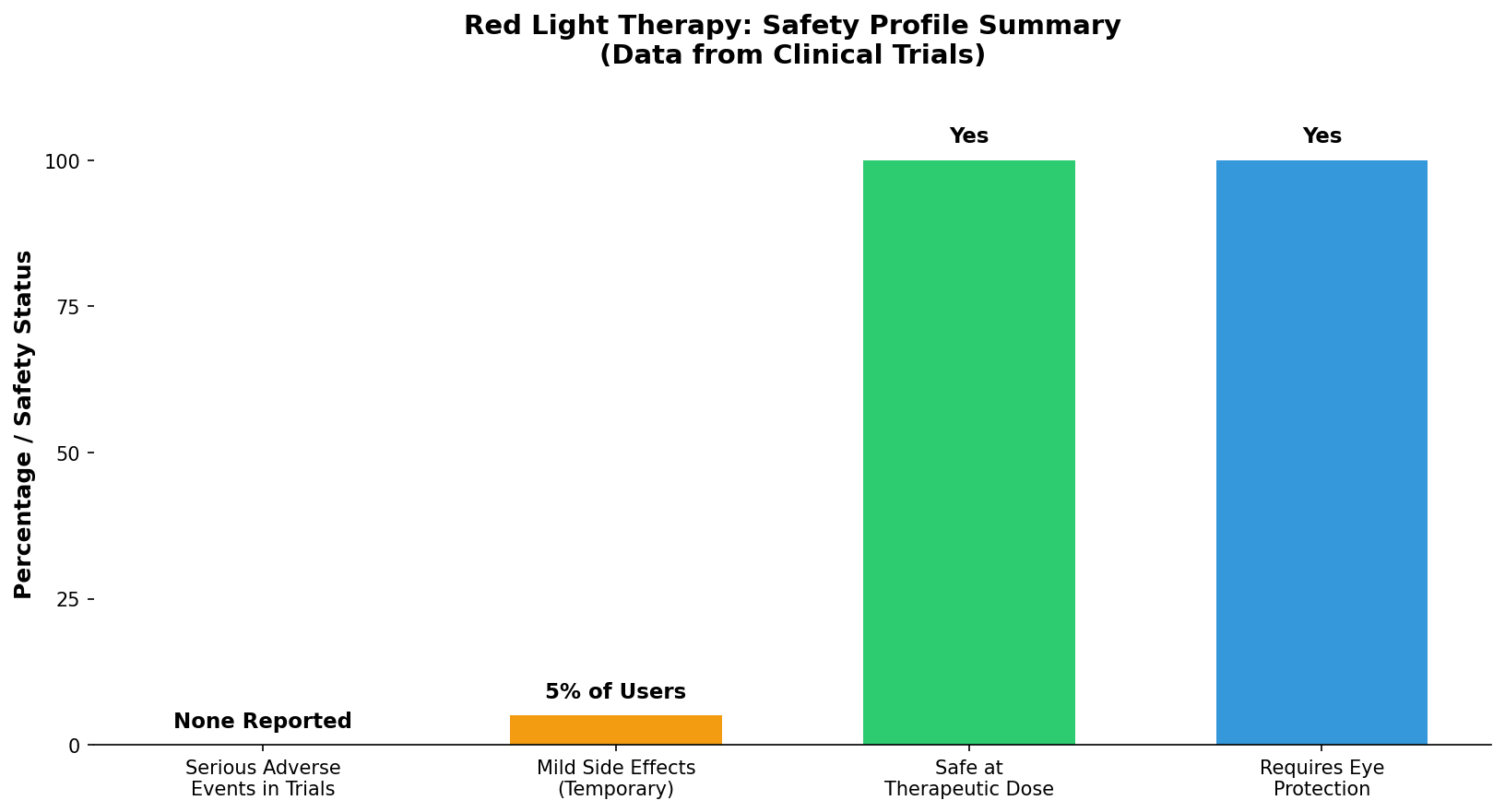 Figure 3: Hair growth outcomes vary by treatment approach. Some studies report increases in hair growth of around 30–50% with red light therapy alone, while combination approaches with minoxidil have shown greater increases in hair count in specific study settings.
Timeline Reported Studies:
- Improvements in hair growth parameters are typically assessed after several weeks of treatment in clinical studies, with some trials reporting changes in hair density after approximately 12-16 weeks of regular use9
- Longer treatment durations have been associated with continued changes in some studies, although results vary depending on the treatment protocol and individual response
Clinical considerations: Red light therapy has been associated in some studies with increases in hair density and changes in hair characteristics. However, outcomes vary between individuals, and effects are not consistent across all users or treatment approaches.9
What the evidence shows:
- Studies of low-level light therapy for hair loss report gradual changes in hair density over time, with outcomes varying between individuals and treatment protocols. Some research suggests that photobiomodulation may help maintain existing hair density and, in some cases, support improvements in hair growth parameters. However, responses differ depending on the stage and severity of hair loss
Treatment Parameters used in studies:
- Clinical trials have used a range of red and near-infrared wavelengths, commonly including red light (approximately 630-650nm) and near-infrared light (around 800- 830nm), sometimes in combination10
- Treatment frequency in studies varies, with protocols ranging from multiple sessions per week to daily use, depending on device type and study design
- Devices used in research include laser combs, helmets, and LED-based scalp applicators
- Reported study durations typically range from approximately 12 weeks to several months, with longer studies generally assessing more sustained changes in hair density
Clinical Considerations: Some studies have investigated the combination of low-level light therapy with topical treatments such as minoxidil. These studies suggest that combination approaches may be associated with improved hair growth outcomes compared with monotherapy in certain cases.
However, evidence remains limited, and findings are not consistent across all study designs.
Application 6: Muscle Recovery and Athletic Performance – Moderate Evidence
Red light therapy has been studied in relation to muscle recovery, with proposed mechanisms including potential effects on cellular energy production, inflammation, and oxidative stress. These mechanisms are not fully established in human performance contexts but have been observed in experimental and clinical studies.
The Numbers (Findings from clinical research):
Sport-specific findings
Individual studies in athletic populations, including soccer players, have reported lower post-exercise creatine kinase levels following red light therapy. These findings are specific to the study population and should not be generalised across all sports or training conditions.
Some studies have also reported reductions in creatine kinase levels, a biomarker associated with muscle stress and breakdown, following red light therapy interventions.
Individual studies in athletic populations, including soccer players, have reported lower post-exercise creatine kinase levels following red light therapy. These findings are specific to the study population and should not be generalised across all sports or training conditions.
Reported outcomes in studies
- Studies investigating red light therapy in athletic populations have reported improvements in recovery-related outcomes, including measures of muscle soreness, recovery time, and perceived readiness for subsequent exercise.
Study Parameters used in Research:
- Clinical trials have used red and near-infrared wavelengths, commonly around 660 nm and 850 nm, in both pre- and post-exercise settings11
- Treatment frequency and duration vary significantly across studies, with protocols ranging from single-session applications to repeated use over training cycles
Clinical considerations: Evidence from systematic reviews suggests that photobiomodulation may have modest effects on certain markers of exercise recovery, although findings across studies are variable. Some trials report improvements in recovery-related outcomes, while others show minimal or no effect.
Overall, the current evidence does not support consistent large enhancements in athletic performance outcomes. Results should be interpreted within the context of other established factors influencing recovery, including training load, nutrition, and sleep.
Application 7: Cognitive Function and Mood – Emerging Evidence
Transcranial photobiomodulation has been investigated as a potential approach for neurological and psychiatric conditions. Proposed mechanisms include effects on cellular energy metabolism and inflammatory pathways, although these mechanisms are primarily derived from preclinical and early-stage clinical research and are not fully established in humans.
Depression A meta-analysis of randomised controlled trials has reported reductions in depressive symptoms following transcranial photobiomodulation, with moderate effect sizes observed across studies, although results vary depending on study design and treatment parameters.
Individual clinical trials have also reported improvements in depressive symptoms following near-infrared light therapy; however, sample sizes are generally small and findings are not yet fully consistent.9
Neurological conditions: In post-stroke populations, randomised trials have reported improvements in cognitive function and functional outcomes following photobiomodulation, along with changes in mood-related measures such as anxiety and depression. These findings are based on specific clinical populations and require further replication.
Studies in individuals with mild cognitive impairment have also reported improvements in certain cognitive domains following transcranial near-infrared light therapy, although evidence remains preliminary and protocol-dependent.
Reported outcomes in studies
- Transcranial photobiomodulation has been associated in some studies with improvements in mood-related outcomes, including depressive symptoms and anxiety measures. Some trials have also reported changes in cognitive performance, although findings vary across studies and are not yet fully consistent
Study Parameters:
- Clinical studies investigating transcranial photobiomodulation have commonly used near-infrared wavelengths such as approximately 810 nm or 830 nm applied to the scalp. Treatment frequency and dosage vary across studies, with no universally established protocol, and reported energy densities differ depending on study design12
Clinical Considerations: The current evidence base for cognitive and psychiatric applications of photobiomodulation is still emerging, with a limited number of large, high-quality randomised controlled trials. Further research is needed to determine optimal treatment parameters and to confirm clinical effectiveness across broader populations.
Application 8: Eye Health – Emerging Evidence in Retinal Conditions
Photobiomodulation has been investigated in various ocular conditions, with the strongest established evidence relating to myopia control (covered previously), while other applications remain at an earlier stage of clinical research.
Dry Age-Related Macular Degeneration (AMD): The Valeda Photobiomodulation System, which uses multiple wavelengths including approximately 590nm, 660nm, 850nm has been evaluated in patients with intermediate dry age-related macular degeneration.13
In clinical studies in around 100 patients, the therapy reported improvements in visual function and changes in disease progression markers following treatment.
This device has received regulatory clearance for clinical use in dry AMD in some regions, representing one of the first approved applications of photobiomodulation in retinal disease. However, longer-term and larger-scale studies are still needed to fully establish its disease-modifying effects.
Dry Eye Disease: Low-level light therapy has been investigated as a potential treatment for dry eye disease, with several studies reporting improvements in symptoms and tear film-related measures.
Other Ocular Conditions: Photobiomodulation is also being explored in other eye conditions, including glaucoma and retinal diseases. In glaucoma, research is still at an early stage, with primarily preclinical and preliminary clinical studies investigating potential neuroprotective effects on retinal cells. Evidence in these areas remains limited and requires further validation.
Safety and Limitations: Clinical studies of photobiomodulation for ocular conditions have generally reported few short-term adverse effects. However, long-term safety data and optimal treatment parameters are still being established.
Regulatory frameworks and standardised treatment protocols continue to evolve as research in this field develops.
Evidence Considerations: Questions remain about optimal dosing strategies and long-term effects of photobiomodulation in ocular conditions. Regulatory frameworks and standardisation of treatment protocols are still evolving, and clinical use varies depending on regional approvals and practice settings.
Summary of Evidence Across Applications
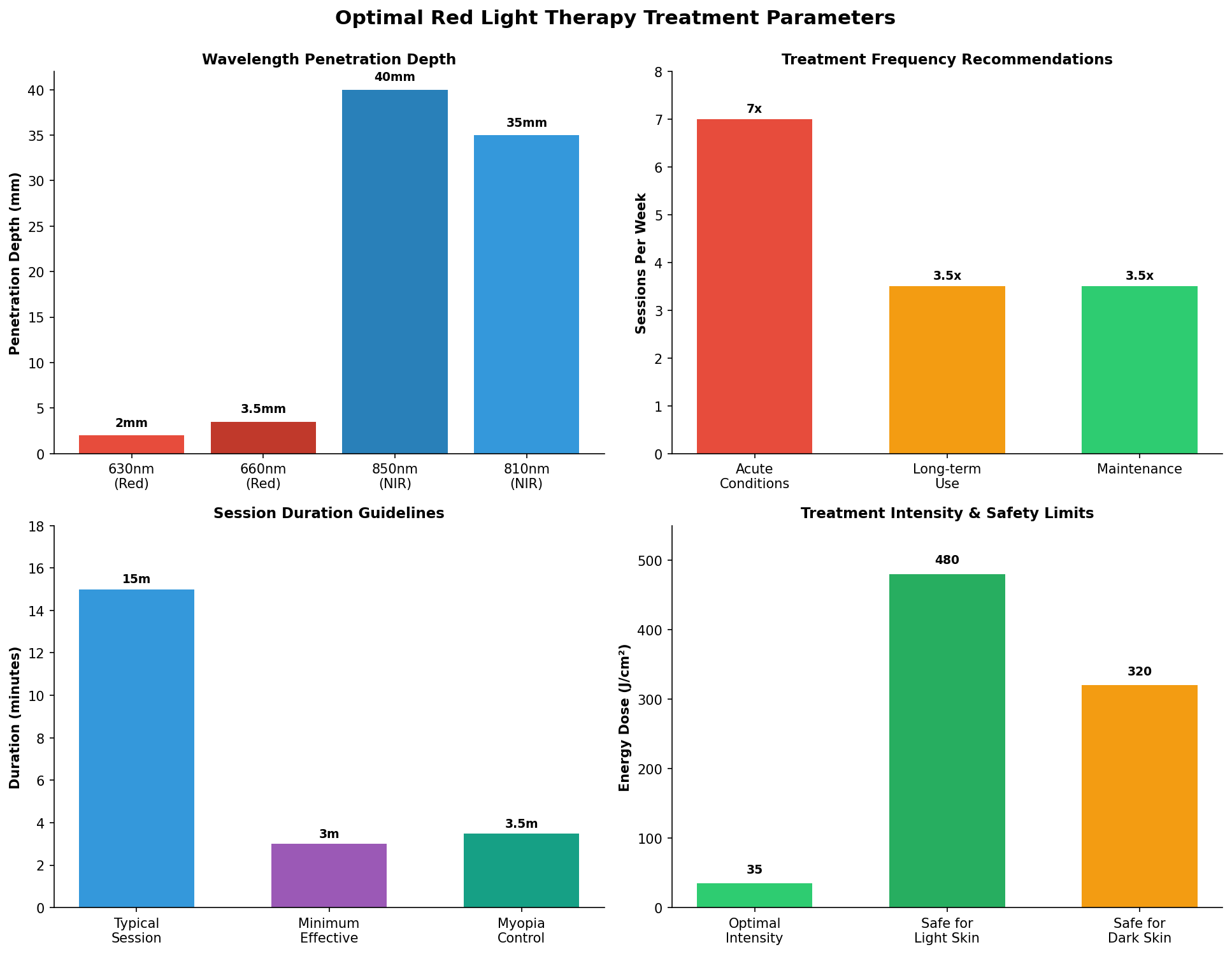 Figure 4: Summary of reported outcomes across photobiomodulation applications. Studies report reductions in myopia progression (87.7%) and improvements in pain- related outcomes (80-90%), while findings in areas such as muscle recovery and depression are more variable and reflect moderate to emerging evidence
Safety, Side Effects, and Contraindications
Overall Safety Profile
Red light therapy is generally well tolerated when used within recommended parameters.
- It uses non-ionising red and near-infrared wavelengths, which differ from ultraviolet (UV) radiation and are not associated with the same mechanisms of DNA damage14
- Short-term studies, including randomised controlled trials, have reported few serious adverse events when therapy is applied at appropriate doses
- However, long-term safety data remain limited, with most studies having follow-up periods of up to approximately 12 weeks
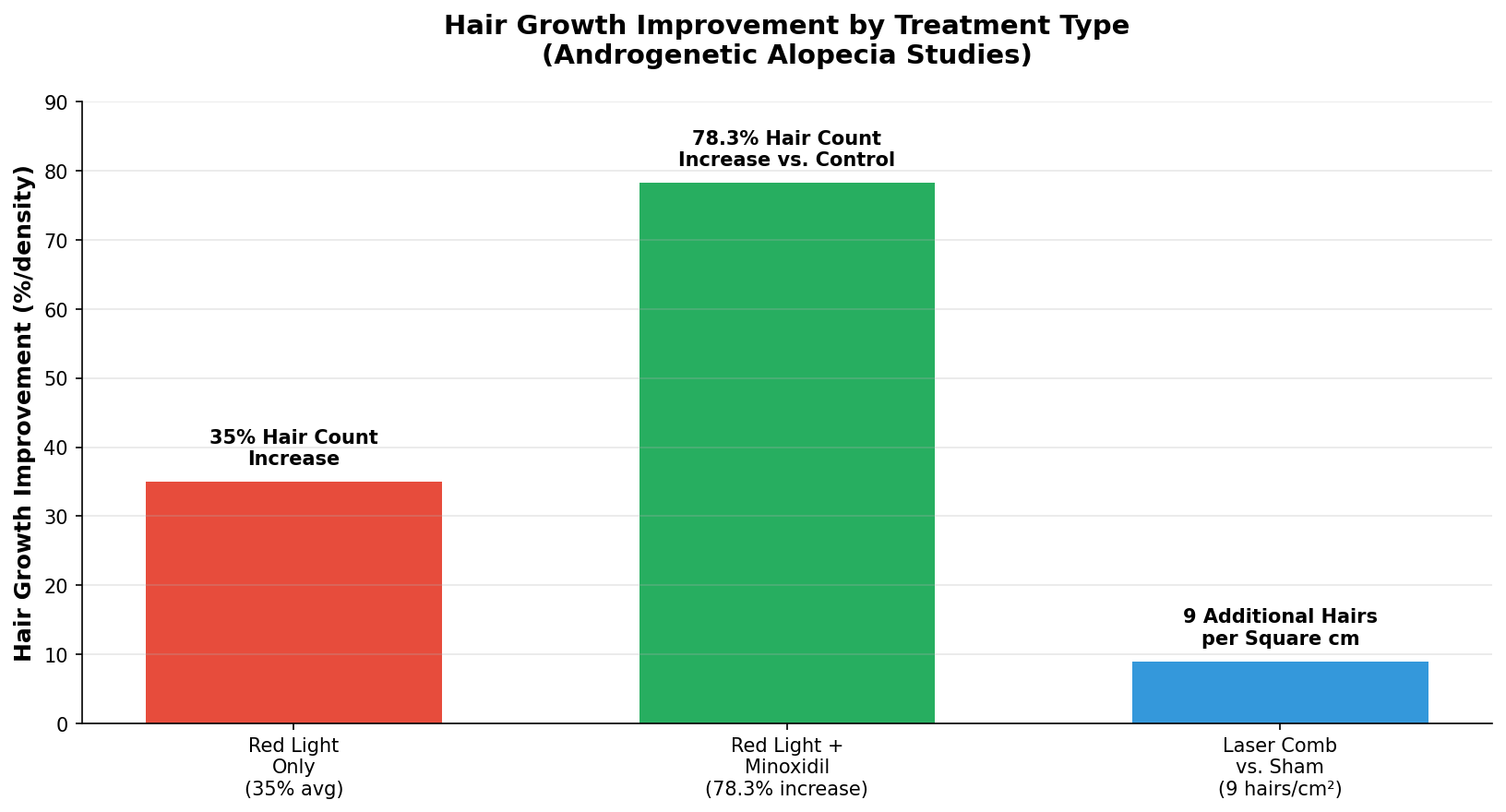 Figure 5: Summary of safety findings from clinical studies of photobiomodulation. Trials report low rates of adverse events, with most side effects described as mild and transient. No serious adverse events have been reported in short-term studies using therapeutic doses, although long-term safety data remain limited. Eye protection is recommended in certain applications depending on treatment area and device.15
Mild Side Effects
Clinical studies of photobiomodulation have generally reported few adverse effects, with most being mild and transient in nature.
Reported short-term effects in some studies include temporary skin redness, mild discomfort at the treatment site, and a sensation of warmth during or shortly after application.
- In rare cases, mild skin dryness or changes in pigmentation have been described, although these findings are not consistently reported across all trials
- Temporary warmth on treated area11
Adverse effects with inappropriate use: Excessive exposure or incorrect use of red light therapy devices may lead to temporary skin reactions such as redness, irritation, or, in rare cases, blistering. These effects are generally associated with misuse of device parameters rather than standard therapeutic use.
Cautionary populations:
- Certain populations may require caution when considering photobiomodulation due to limited evidence in these groups. These include individuals with active malignancy, where theoretical concerns have been raised but not conclusively demonstrated in clinical studies, and pregnant individuals, due to a lack of robust safety data in fetal exposure
Caution is also advised in individuals with photosensitivity disorders or photosensitive epilepsy when devices involve flickering or modulated light exposure.
A history of skin cancer is sometimes considered a precautionary factor, although evidence regarding risk is currently limited.
Medication-Based Contraindications
- Certain medications associated with drug-induced photosensitivity, such as tetracycline-class antibiotics (e.g. doxycycline and minocycline) and phenothiazine-class antipsychotics, have been shown in dermatological literature to increase sensitivity to light exposure and may therefore warrant caution when using light-based therapies
Populations requiring caution
- Certain clinical populations have been discussed in the literature as requiring caution due to limited evidence regarding photobiomodulation in these conditions. These include individuals with retinal disease (such as diabetic retinopathy or other active retinal disorders) and autoimmune conditions such as systemic lupus erythematosus (SLE), where data on ocular and systemic effects remain limited.
Eye Safety Considerations
- Red and near-infrared light used in photobiomodulation is generally considered safe at therapeutic doses; however, direct exposure to high-intensity light sources should be avoided. Protective eyewear is commonly recommended during facial or transcranial applications, particularly when there is a risk of direct ocular exposure
Treatment Parameters in Red Light Therapy
Red light therapy demonstrates a biphasic dose response, where insufficient irradiation may produce limited biological effects, while excessive doses may reduce therapeutic efficacy depending on tissue type and context.
Wavelength Selection by Application
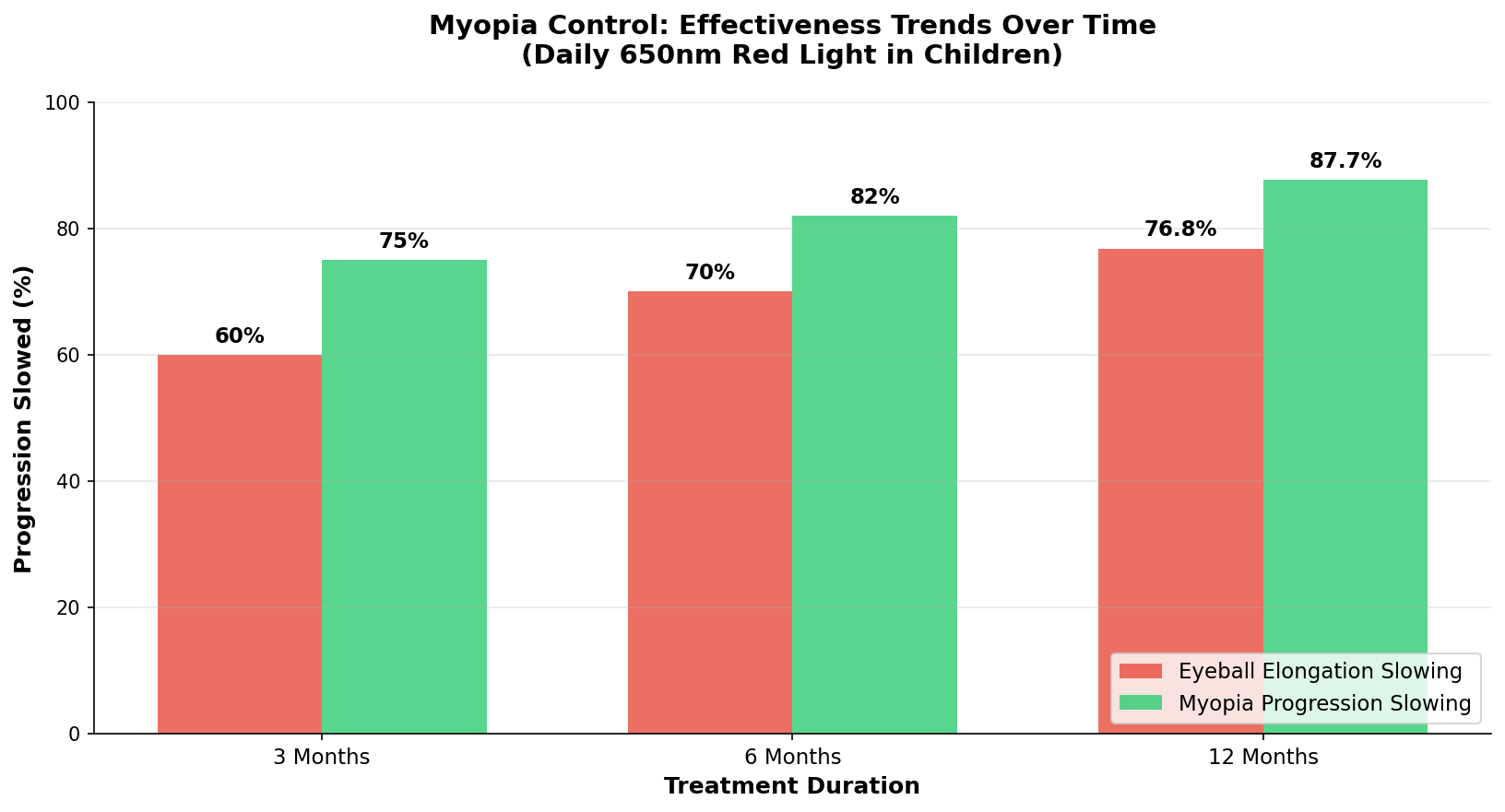 Figure 6: Overview of commonly used photobiomodulation parameters, including wavelength ranges, estimated tissue penetration depth, and typical treatment ranges reported in clinical studies. Parameter selection varies depending on the target tissue and application.16
The wavelength of light influences how deeply it penetrates tissue and therefore affects its primary therapeutic targets.
630-660nm (Red Light):
- Red light is primarily absorbed in more superficial tissues and is commonly used in applications such as skin health, including photoageing, collagen-related changes, and superficial wound healing
810-850nm (Near-Infrared):
- Near-infrared wavelengths penetrate more deeply into biological tissues compared with red light and are frequently studied in applications involving muscles, joints, and deeper soft tissue structures
Combined Wavelength:
Some photobiomodulation devices use a combination of red and near-infrared wavelengths to target both superficial and deeper tissue layers, although optimal protocols vary depending on the clinical application and device parameters.
Intensity (Irradiance)
In photobiomodulation, irradiance (power density) typically varies across studies, and there is no universally established optimal value. Therapeutic outcomes are generally described in relation to total energy dose (fluence) rather than irradiance alone.
Safety Considerations:
- Adverse effects in red light therapy are uncommon when appropriate dosing parameters are used. Reported reactions are generally mild and transient, such as temporary redness or irritation, and are more often associated with excessive or inappropriate exposure rather than standard therapeutic use
Session Duration and Frequency
Typical Recommendations:
In red light therapy studies, session duration and treatment frequency vary depending on the device, wavelength, and clinical application. Commonly reported protocols typically range from a few minutes to around 20 minutes per session.
Treatment frequency also varies across studies, with many protocols using multiple sessions per week during initial treatment phases, followed by maintenance schedules in some cases.
Application- based approaches:
- Different clinical applications use varying protocols. Skin-related studies often use shorter, localised sessions, while applications involving muscles, hair follicles, or systemic targets may involve longer or more frequent exposures depending on study design
For conditions such as myopia, some studies have used very short daily exposure times, whereas other applications such as pain or muscle recovery commonly use several sessions per week.
What Evidence Shows: Strength of findings across applications
Applications with Strong Evidence
Myopia control in children has been studied in randomised trials reporting reduced rates of progression over time.
Wound healing has been investigated in multiple clinical studies reporting accelerated healing outcomes compared with standard care.
Pain-related conditions, including arthritis, have been evaluated in several trials showing improvements in pain scores and functional outcomes, although results vary between studies.
Skin-related applications, such as photoageing, have demonstrated improvements in collagen-related markers and visible skin parameters in controlled studies.
Applications with Moderate Clinical Evidence
Hair regrowth studies have reported increases in hair counts compared with placebo in several controlled trials, although results vary depending on device type and treatment protocol.
Muscle recovery research suggests improvements in biomarkers associated with muscle damage and recovery, while effects on strength outcomes remain inconsistent across studies.
Emerging Areas of Research
Cognitive function has been investigated in small clinical trials, including studies in depression and post-stroke populations, with preliminary improvements reported but limited overall evidence.
Ocular applications beyond myopia, such as dry age-related macular degeneration and dry eye disease, show early promising findings but remain under active investigation.
Areas with limited or insufficient evidence
Claims relating to general longevity, lifespan extension, or broad systemic health benefits are not supported by robust clinical trial evidence.
Evidence for athletic performance enhancement remains limited, with stronger support for recovery-related outcomes than for direct improvements in strength or performance.
Many commercially marketed claims extend beyond the current scope of clinical research and are not supported by large-scale randomised controlled trials.
Important Research Quality Considerations
The clinical evidence for red light therapy is real and growing, but several methodological limitations should be considered when interpreting results :
Study Design Limitations:
- Many clinical studies in this field involve relatively small sample sizes, often ranging from approximately 20-50 participants
- In addition, follow-up periods are frequently short, commonly around 8-12 weeks post-treatment, meaning long- term outcomes are less well established
- Blinding can also be challenging in light-based interventions, which may introduce potential bias in some study designs
Lack of Protocol Standardisation: Despite decades of research there's still no universally accepted standard for . Studies vary widely in wavelength selection, irradiance, treatment duration, and frequency, which makes direct comparison between trials difficult and limits the ability to establish standardised clinical guidelines.
Device Variability (LED vs. Laser): Most published clinical evidence has historically been based on laser devices, while many commercially available systems use light-emitting diodes (LEDs). The extent to which results from laser-based studies fully translate to LED-based devices remains an area of ongoing investigation, and direct head-to-head comparative studies are limited.
Publication Bias: As in many biomedical fields, there is a possibility of publication bias, where studies with positive findings are more likely to be published than those with neutral or negative results, potentially influencing the overall perception of efficacy.
Interpretation: These limitations do not negate the existing evidence, but they highlight the need for cautious interpretation and further high-quality, standardised clinical research.
Red Flags in Marketing Claims vs. What Evidence Suggests
Marketing Claim: "Proven to treat 20+ conditions"
What evidence suggests: Clinical evidence is stronger for a limited number of applications, with varying levels of support across conditions. Many additional claims are based on preliminary or insufficient evidence.
Marketing Claim: "FDA-approved red light therapy"
What It Means: Most Devices are FDA-cleared, not approved, for specific uses (e.g. cosmetic skin treatments). Clearance for one indication does not imply effectiveness for other claimed applications.
Marketing Claim: "Used by professional athletes; improves performance"
What Evidence Suggests: Some studies support benefits for muscle recovery and reduced soreness. However, evidence for direct improvements in strength or athletic performance is inconsistent.
Marketing Claim: "Improves cognitive function, extend lifespan, and enhances wellness"
What Evidence Suggests: Early research shows potential benefits in specific areas such as mood and cognitive function, but evidence remains limited. There is currently no strong clinical evidence supporting lifespan extension or broad “wellness” claims.
Key Takeaways: What To Remember
How It Works: Red light therapy boosts your cells' energy (ATP) production by activating a specific enzyme (cytochrome c oxidase) in your mitochondria. This may contribute to effects such as improved tissue repair and modulation of inflammation.
Where Evidence is the strongest: Clinical evidence is more consistent in areas such as myopia control in children, wound healing, pain management, and certain skin applications. Other areas, including hair growth and muscle recovery, show moderate but variable evidence, while applications in mood and cognitive function remain under active investigation.
Realistic Expectations: Red light therapy produces gradual, measurable improvements over weeks to months rather than immediately. Consistent use appears to be more important than occasional high-intensity or irregular sessions.
Safety: Red light therapy is generally very safe when used appropriately, with most reported side effects being mild and temporary. Eye protection is recommended when there is a risk of direct exposure, and caution is advised in certain clinical situations.
Best Practice Approach: Red light therapy is best viewed as a complementary approach that may support other treatments such as exercise, nutrition, and standard medical care, rather than replacing them.
Individual Variation: Responses can vary depending on factors such as age, baseline health, and treatment parameters. Not all individuals experience the same degree of benefit.
Why Parameters Matter: Treatment outcomes depend on factors such as wavelength, dose, and frequency, which vary across studies and applications. Selecting appropriate parameters for the target tissue and condition is important, although no single standard protocol exists.
Further Reading
Myopia Control and Eye Health
- Effectiveness of Low-Level Red Light in Controlling Myopia Progression in Children: A Systematic Review and Meta-Analysis
- Effects of repeated low-level red light therapy on myopia progression in children: a systematic review and meta-analysis
- Illuminating eye care: the promise and future of red light therapy in ophthalmology
Wound Healing and Tissue Repair
- Red-light LED therapy promotes wound regeneration by upregulating COL1A1, COL2A1, VEGF and reducing IL-1β for anti-inflammation
- Efficacy and safety of red and infrared light in the adjunctive treatment on diabetic foot ulcers: A systematic review and meta-analysis
- Effects of low-power light therapy on wound healing: LASER x LED
Pain Management and Inflammation
- Low-intensity LASER and LED (photobiomodulation therapy) for pain control of the most common musculoskeletal conditions
- Mechanisms and applications of the anti-inflammatory effects of photobiomodulation
- Mechanisms and Pathways of Pain Photobiomodulation: A Narrative Review
Skin Health and Anti-Ageing
- A Controlled Trial to Determine the Efficacy of Red and Near-Infrared Light Treatment in Patient Satisfaction, Reduction of Fine Lines, Wrinkles, Skin Roughness, and Intradermal Collagen Density Increase
- Reverse skin ageing signs by red light photobiomodulation
- Low-level red and infrared light increases expression of collagen, elastin, and hyaluronic acid in skin
Hair Growth and Androgenetic Alopecia
- Hair Growth Promoting Effects of 650 nm Red Light
- Role of Low-Level Light Therapy (LLLT) in Androgenetic Alopecia
- The growth of human scalp hair mediated by visible red light
Muscle Recovery and Athletic Performance
- Photobiomodulation in human muscle tissue: an advantage in sports performance?
- The Influence of Phototherapy on Recovery From Exercise-Induced Muscle Damage
- Near-Infrared Light Therapy to Attenuate Strength Loss After Strenuous Resistance Exercise
Cognitive Function and Mood
- Photobiomodulation: shining a light on depression
- Red-light photobiomodulation improves cognition and neuropsychiatric symptoms in post-stroke cognitive impairment: a randomized trial
Mechanisms and Cellular Biology
- Mechanisms and Mitochondrial Redox Signaling in Photobiomodulation
- Therapeutic photobiomodulation: nitric oxide and a novel function of mitochondrial cytochrome c oxidase
- Low-Intensity Light Therapy: Exploring the Role of Redox Mechanisms
- Exploring Immediate Photon Effects From 635 nm Light on Mitochondrial Bioenergetics
Safety and Regulation
- Safety of light emitting diode-red light on human skin: two randomized controlled trials
- Review of light parameters and photobiomodulation efficacy: dive into complexity
Healthcare Organisation Perspectives
- Red Light Therapy: What the science says
- Red Light Therapy: Benefits, Side Effects & Uses
- Is red light therapy right for your skin?
- 5 health benefits of red light therapy
- Red Light Therapy: Benefits, Safety and Things to Know
Comprehensive Reviews and Meta-Analyses
- Effects of photobiomodulation on multiple health outcomes: an umbrella review of randomized clinical trials
- Evidence-based consensus on the clinical application of photobiomodulation
- Photobiomodulation: Cellular, molecular, and clinical aspects
- A Meta-analysis: Red Light Therapy for Depression Treatment
References/Helpful Resources
- Hamblin MR. Mechanisms and Mitochondrial Redox Signaling in Photobiomodulation. Photochem Photobiol. 2018;94(2):199-212. Available from: https://www.ncbi.nlm.nih.gov/pmc/articles/PMC5844808/
- Avci P, Gupta A, Sadasivam M, Vecchio D, Pam Z, Pam N, et al. Low-level laser (light) therapy (LLLT) in skin: stimulating, healing, restoring. Semin Cutan Med Surg. 2013;32(1):41–52. Available from: https://www.ncbi.nlm.nih.gov/pmc/articles/PMC4126803/
- Surico PL, Parmar UPS, Singh RB, Farsi Y, Musa M, Maniaci A, et al. Myopia in children: epidemiology, genetics, and emerging therapies for treatment and prevention. Children (Basel). 2024;11(12):1446. Available from: https://www.ncbi.nlm.nih.gov/pmc/articles/PMC11674392/
- Jiang Y, Li S, Li Z, et al. Effect of repeated low-level red-light therapy for myopia control in children: a randomized clinical trial. Ophthalmology. 2022;129(5):509–519. Available from: https://www.aaojournal.org/article/S0161-6420(21)00916-7/fulltext Huang WL, Xu GH, Yin QS. Red-light LED therapy promotes wound regeneration by upregulating COL1A1, COL2A1, VEGF and reducing IL-1β for anti-inflammation. Burns Trauma. 2024;12:tkad059.
- Lin ZH, Tao ZY, Kang ZF, Deng HW. A study on the effectiveness of 650-nm red-light feeding instruments in the control of myopia. Ophthalmic Res. 2023;66(1):664–671. Available from: https://pubmed.ncbi.nlm.nih.gov/36858031/
- Felician MCP, Belotto R, Tardivo JP, Baptista MS, Martins WK. Photobiomodulation: cellular, molecular, and clinical aspects. J Photochem Photobiol. 2023;17:100197. Available from: https://www.sciencedirect.com/science/article/pii/S2666469023000386
- Wunsch A, Matuschka K. A controlled trial to determine the efficacy of red and near-infrared light treatment in patient satisfaction, reduction of fine lines, wrinkles, skin roughness, and intradermal collagen density increase. Photomed Laser Surg. 2014;32(2):93–100. Available from: https://www.ncbi.nlm.nih.gov/pmc/articles/PMC3926176/
- Jimenez JJ, Wikramanayake TC, Bergfeld W, Hordinsky M, Hickman JG, Hamblin MR, Schachner LA. Efficacy and safety of a low-level laser device in the treatment of male and female pattern hair loss: a multicenter, randomized, sham device-controlled, double-blind study. Am J Clin Dermatol. 2014;15(2):115–127. Available from: https://www.ncbi.nlm.nih.gov/pmc/articles/PMC3986893/
- Avci P, Gupta GK, Clark J, Wikonkal N, Hamblin MR. Low-level laser (light) therapy (LLLT) for treatment of hair loss. Lasers Surg Med. 2014;46(2):144–151. Available from: https://www.ncbi.nlm.nih.gov/pmc/articles/PMC3944668/
- Lueangarun S, Visutjindaporn P, Parcharoen Y, Jamparuang P, Tempark T. A systematic review and meta-analysis of randomized controlled trials of United States Food and Drug Administration-approved, home-use, low-level light/laser therapy devices for pattern hair loss: device design and technology. J Clin Aesthet Dermatol. 2021;14(11):E64–E75. Available from: https://www.ncbi.nlm.nih.gov/pmc/articles/PMC8675345/
- Leal-Junior EC, Vanin AA, Miranda EF, de Carvalho Pde T, Dal Corso S, Bjordal JM. Effect of phototherapy (low-level laser therapy and light-emitting diode therapy) on exercise performance and markers of exercise recovery: a systematic review with meta-analysis. Lasers Med Sci. 2015;30(2):925–939. Available from: https://pubmed.ncbi.nlm.nih.gov/24249354/
- Gaggi NL, Iosifescu DV. Transcranial photobiomodulation: an emerging therapeutic method to enhance brain bioenergetics. Neuropsychopharmacology. 2025;50:314–315. Available from: https://www.nature.com/articles/s41386-024-01929-9
- Boyer D, Hu A, Warrow D, Xavier S, Gonzalez V, Lad E, Rosen RB, Do D, Schneiderman T, Ho A, Munk MR, Jaffe G, Tedford SE, Croissant CL, Walker M, Rückert R, Tedford CE. LIGHTSITE III: 13-month efficacy and safety evaluation of multiwavelength photobiomodulation in nonexudative (dry) age-related macular degeneration using the Lumithera Valeda light delivery system. Retina. 2024;44(3):487–497. Available from: https://pubmed.ncbi.nlm.nih.gov/37972955/
- Hamblin MR. Mechanisms and mitochondrial redox signaling in photobiomodulation. Photochem Photobiol. 2018;94(2):199–212.
- Available from: https://www.ncbi.nlm.nih.gov/pmc/articles/PMC5844808/
- Son Y, Lee H, Yu S, et al. Effects of photobiomodulation on multiple health outcomes: an umbrella review of randomized clinical trials. Syst Rev. 2025;14:160. Available from: https://systematicreviewsjournal.biomedcentral.com/articles/10.1186/s13643-025-02902-3
- Felician MCP, Belotto R, Tardivo JP, Baptista MS, Martins WK. Photobiomodulation: cellular, molecular, and clinical aspects. J Photochem Photobiol A Chem. 2023;17:100197. Available from: https://doi.org/10.1016/j.jpap.2023.100197
