

Red light therapy is often discussed in gyms, wellness clinics, and health media. Unlike many short-lived health trends, photobiomodulation (the scientific name for red light therapy) has been studied for decades with growing clinical interest in specific applications such as wound healing and pain management. While it is used in a range of settings—from sports recovery to supportive care in medical environments—its effectiveness varies depending on the condition being treated, and not all claims are equally supported by evidence.
When red light interacts with your cells, a series of biological processes are triggered at the cellular level. But what does this mean in practice? Can it support pain relief, recovery, cognitive function, or other health outcomes? This article examines the underlying mechanisms and reviews what current scientific evidence suggests.
Mechanisms of Photobiomodulation
Photobiomodulation (Red light therapy) is based on a well-studied interaction between specific wavelengths of light and cellular components. While the full range of biological effects is still being explored, key mechanisms have been identified in experimental and clinical research.
When tissues are exposed to red and near-infrared light (600–900 nanometres), some of the light can penetrate the skin and reach cellular structures including mitochondria. Within the mitochondria, cytochrome c oxidase (CCO)- an enzyme in the electron transport chain—has been identified as a primary photoacceptor.
Cytochrome c oxidase (CCO), a key enzyme in the mitochondrial electron transport chain, contains copper centres and iron-heme groups that can absorb specific wavelengths of red and near-infrared light. One proposed mechanism suggests that nitric oxide (NO), which can bind to CCO and inhibit its activity under certain conditions, may be displaced when the enzyme absorbs light energy. This displacement is thought to relieve inhibitory effects on mitochondrial respiration, allowing electron transport to proceed more efficiently and contributing to increased ATP production.
Photobiomodulation has been shown in experimental studies to influence mitochondrial activity in a dose- and wavelength-dependent manner, with some evidence suggesting changes in ATP production under specific conditions.
These cellular effects are thought to contribute to downstream biological processes involved in tissue repair, immune regulation, inflammation modulation, and muscle recovery, although the magnitude of these outcomes varies depending on treatment parameters and tissue type.
The released nitric oxide (NO) has been proposed as one of the secondary mechanisms involved in photobiomodulation. NO is a known vasodilator and may contribute to changes in local blood flow and tissue oxygenation under certain conditions. Photobiomodulation has also been associated with transient changes in reactive oxygen species (ROS) levels. At low concentrations, ROS can function as signalling molecules involved in cellular adaptive responses, including pathways related to inflammation and antioxidant defence.
Rather than representing oxidative damage, these changes are thought to reflect a regulated cellular signalling response that may contribute to tissue repair processes, although the magnitude and consistency of these effects depend on treatment parameters.
Light Wavelengths and Tissue Penetration in Photobiomodulation
The biological effects of photobiomodulation depend on the wavelength of light used, which influences how deeply it can penetrate biological tissue.
This is often described in terms of the "optical window" of tissue, generally considered to lie in the red to near-infrared range (approximately 600 to 1100 nanometres, where absorption by chromophores such as melanin, haemoglobin, and water is relatively reduced compared with other wavelengths.
Shorter wavelengths, such as blue and ultraviolet light, are more strongly absorbed in superficial layers of the skin, with ultraviolet light additionally carrying the potential to induce DNA damage. In contrast, red and near-infrared wavelengths are able to penetrate deeper into tissue, which is why they are commonly used in photobiomodulation research.
Comparison of Wavelength-Dependent Tissue Effects
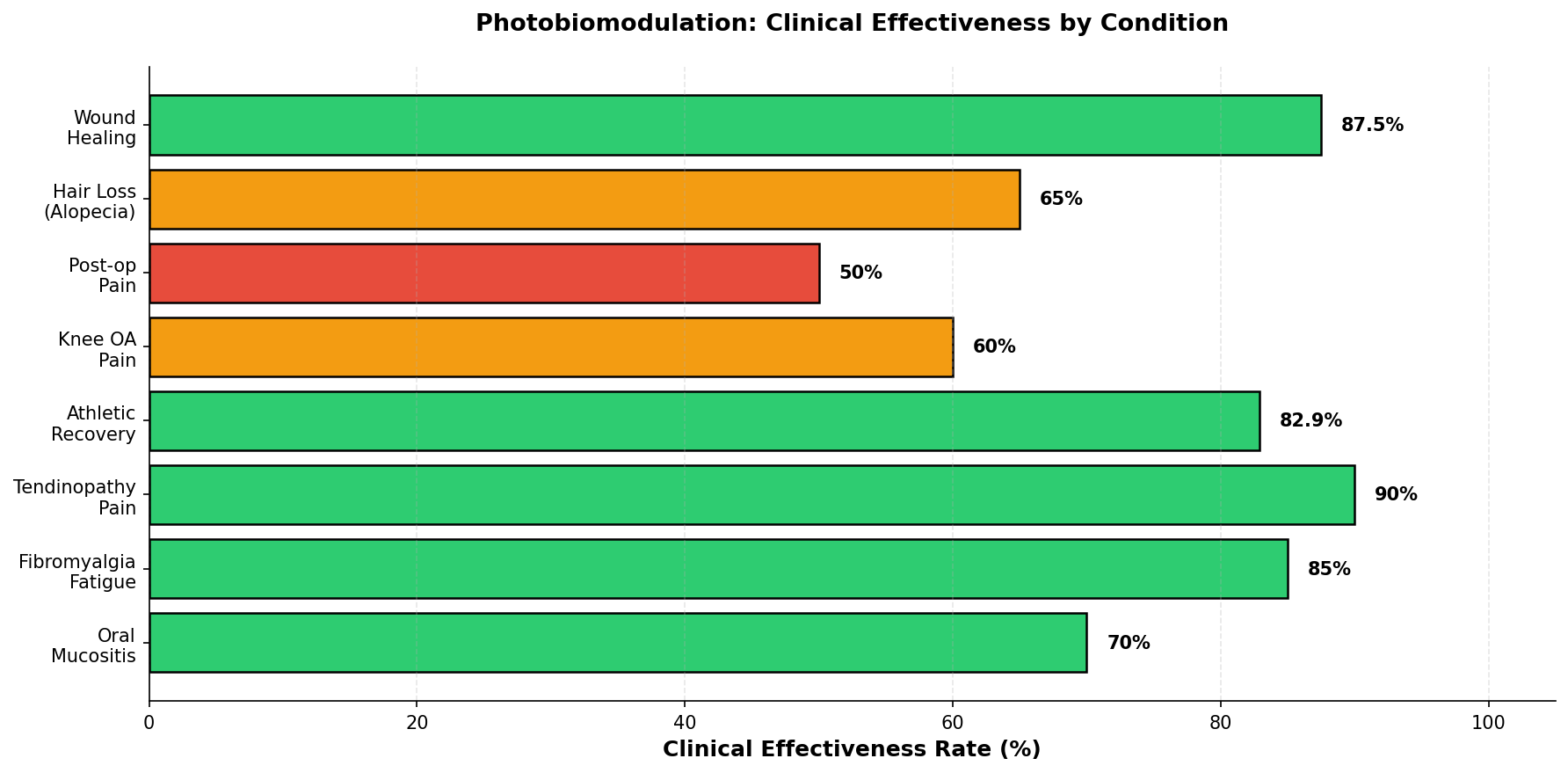 Figure 1: Relative penetration of red and near-infrared light in biological tissue. Red light primarily affects superficial skin layers, while near-infrared light penetrates more deeply and may reach subcutaneous tissues, including muscle, depending on wavelength and tissue properties.
Red light (630–660 nm) is absorbed relatively superficially in biological tissue, with penetration generally limited to the skin and shallow subcutaneous layers, depending on tissue properties and treatment parameters. These wavelengths have been studied in dermatological applications, including wound healing, inflammatory skin conditions such as acne, and cosmetic indications such as skin rejuvenation, although the strength of evidence varies across these uses.
Light at 630–660 nm falls within the visible red spectrum and is commonly used in photobiomodulation devices targeting superficial tissues.
Near-infrared (810–850 nm) penetrates more deeply into biological tissue compared with visible red wavelengths, with the potential to reach subcutaneous structures depending on tissue composition and treatment parameters. These wavelengths have been studied in musculoskeletal conditions, including joint and soft tissue disorders such as osteoarthritis and tendinopathy, although treatment outcomes vary across studies.
Wavelengths around 810 nm are commonly used in photobiomodulation, as they fall within the optical window of tissue where absorption by chromophores such as water, melanin, and haemoglobin is relatively reduced, allowing for deeper tissue penetration.
Different wavelengths of light have distinct tissue penetration profiles, and some photobiomodulation devices incorporate multiple wavelengths to target both superficial and deeper tissues. This approach may provide complementary effects, although the extent of any added benefit compared with single-wavelength treatment is not fully established.
Treatment outcomes in photobiomodulation are influenced by device parameters, including wavelength, irradiance, and treatment duration. Selecting appropriate parameters for the target tissue depth and condition is therefore an important consideration, although clinical effectiveness varies across indications and treatment protocols.
Where the Evidence Is Strongest in Photobiomodulation
Research on photobiomodulation spans a wide range of clinical conditions, with varying levels of evidence supporting its use. This section summarises findings from higher-quality studies, including randomised controlled trials and systematic reviews, to highlight areas where evidence is more consistent.
Photobiomodulation for Oral Mucositis in Head and Neck Cancer
Photobiomodulation has been studied as a supportive therapy for oral mucositis in patients undergoing head and neck cancer treatment. Clinical trials suggest that it may reduce the severity of mucositis and the need for supportive interventions in some patient populations.
In one clinical study, patients receiving photobiomodulation during radiotherapy showed lower rates of severe oral mucositis and reduced need for feeding tube placement compared with control groups. Treatment adherence in these studies was generally high, suggesting that the intervention is well tolerated.
These findings indicate a potential role for photobiomodulation in improving treatment tolerance and maintaining oral function during cancer therapy, although outcomes may vary depending on treatment protocols and patient populations.
Photobiomodulation as an Adjunct Therapy in Fibromyalgia
Photobiomodulation has been investigated as an adjunct therapy in fibromyalgia. In one randomised controlled trial, treatment applied to multiple muscle groups over several weeks, in combination with aerobic exercise, was associated with improvements in quality-of-life scores and reductions in symptoms such as fatigue, pain, and sleep disturbance.
In this study, the combination of photobiomodulation and exercise resulted in greater improvements compared with either intervention alone, suggesting a potential additive effect within this specific treatment protocol. However, findings may vary across studies, and further research is needed to establish consistency across different patient populations and treatment parameters.
Photobiomodulation in Athletic Recovery and Performance
Photobiomodulation has been investigated for its potential role in athletic recovery and performance. It has been discussed in sports medicine literature, including consensus and review papers, as a modality that may support muscle recovery under certain conditions.
The majority of included studies reported improvements in outcomes related to muscle performance and recovery, although study quality and methodologies varied. Individual clinical studies have also explored its use in athletes; for example, pre-exercise application has been associated with changes in performance and fatigue-related markers in some trials of exercise treatment for reducing soreness at 24 hours.
Comparisons with other recovery strategies, such as cryotherapy, have been explored, but findings are mixed and depend on study design and outcome measures. Overall, while photobiomodulation shows potential in this area, results remain variable and further high-quality research is needed.
Photobiomodulation in Tendinopathy: Importance of Treatment Parameters
Photobiomodulation has been studied in the management of tendinopathy, with evidence suggesting that treatment outcomes are influenced by the parameters used, including wavelength, energy density, and treatment duration. In a systematic review, studies that applied treatment protocols consistent with World Association for Laser Therapy (WALT) recommendations were more likely to report reductions in pain compared with studies using suboptimal dosing parameters. This highlights the importance of appropriate treatment settings in photobiomodulation research and clinical application.
Clinical studies have also reported improvements in pain outcomes following photobiomodulation, although results vary depending on study design and treatment protocols.
Transcranial Photobiomodulation and Cognitive Function
Transcranial photobiomodulation has been investigated as a potential intervention for cognitive and neurological conditions. In a systematic review, a proportion of included studies reported improvements in cognitive and functional outcomes, although study designs and quality varied.
Evidence has been explored across conditions such as mild cognitive impairment, traumatic brain injury, and neurodegenerative disorders.
Some studies have reported improvements in measures including memory, attention, and functional performance; however, findings are heterogeneous and often based on small sample sizes.
Proposed mechanisms include modulation of cerebral blood flow, changes in mitochondrial activity and effects on neurotrophic factors such as brain-derived neurotrophic factor (BDNF), as well as alterations in neural network activity. These mechanisms remain an area of ongoing research.
Photobiomodulation in Wound Healing
Photobiomodulation has been studied for its potential role in wound healing, with evidence suggesting a dose-dependent response in some experimental and clinical settings. Individual studies have reported differences in healing outcomes based on treatment parameters, including duration and wavelength, although findings vary across study designs and wound types.
In patients with impaired healing, such as those with diabetic wounds, some studies have observed reductions in wound size over time following photobiomodulation treatment.
Overall, while photobiomodulation shows potential in supporting tissue repair, the magnitude of benefit varies depending on the clinical context, and further high-quality studies are needed to establish consistent treatment effects.
Photobiomodulation in Hair Loss(Androgenetic Alopecia and Alopecia Areata)
Photobiomodulation has been studied in the management of hair loss, particularly androgenetic alopecia. Clinical studies suggest that it may increase hair density and reduce hair shedding in some individuals, although results vary and typically require several months of consistent use to become noticeable.
Treatment effectiveness appears to depend on the presence of viable hair follicles, with better outcomes observed in individuals with early or moderate hair thinning compared with more advanced hair loss.
Photobiomodulation has also been explored in alopecia areata, with some studies reporting earlier or increased rates of hair regrowth in treated areas compared with controls; however, findings are based on limited data and require further validation.
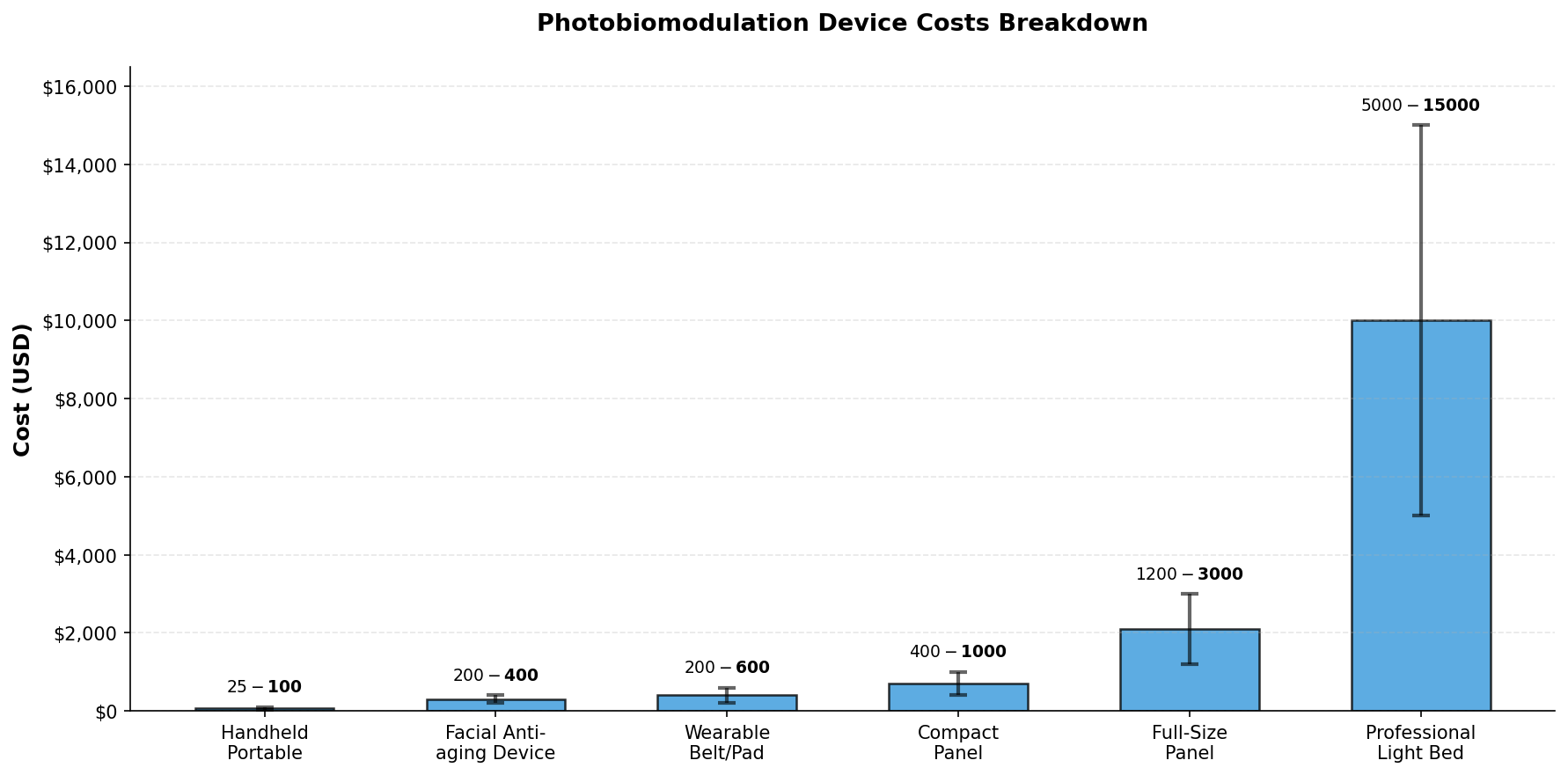 Figure 2: Conceptual representation of the relative strength of evidence for photobiomodulation across selected clinical conditions.
Optimising Photobiomodulation: The Role of Treatment Parameters
Photobiomodulation exhibits a biphasic-dose response relationship, in which the biological effects vary depending on the amount of energy delivered. At lower doses, treatment may produce minimal or no effect, while moderate doses are associated with therapeutic responses.
This applies to multiple parameters:
Irradiance (Power Intensity)
Irradiance, measured in milliwatts per square centimetre (mW/cm²), describes the optical power delivered per unit area at a given distance from the light source.
- Low- irradiance devices ( approximately 1–50 mW/cm²): generally require longer exposure times (often 20–30 minutes) to achieve a therapeutic energy dose, depending on the target fluence (J/cm²)
- Mid-range irradiance (approximately 25–120 mW/cm²) is commonly used in photobiomodulation devices, as it allows practical treatment durations (typically 5–15 minutes depending on target dose requirements)
- High irradiance devices (often >100–200+ mW/cm²) can deliver equivalent energy doses in shorter treatment times (approximately 5–10 minutes), depending on treatment parameters. These devices are generally used in clinical settings and are typically more expensive
In practical terms, assuming a constant target fluence, a 100 mW/cm² device would deliver the same energy dose in approximately 10 minutes that a 25 mW/cm² device would deliver in around 40 minutes.
Fluence (Energy Density, J/cm²)
Fluence, measured in joules per square centimetre (J/cm²), represents the total energy delivered per unit area during a treatment session.
- Very low fluence levels (approximately <2–3 J/cm²) are generally associated with minimal or reduced biological response in many experimental models
- Fluence levels in the approximate range of 3–50 J/cm² are commonly used in photobiomodulation studies and are often associated with therapeutic effects, depending on tissue type, wavelength, and clinical indication
- Higher fluence levels (often >80–100+ J/cm²) may result in reduced or plateaued biological responses, consistent with the biphasic dose-response observed in photobiomodulation
Typical fluence ranges by tissue type
- Facial skin (thin superficial tissue): approximately 3–6 J/cm² per session
- Superficial body tissues: approximately 10–20 J/cm² per session
- Deeper tissues such as muscle and joint may require approximately 20–40 J/cm² per session, depending on wavelength and tissue depth
Prolonged exposure beyond optimal fluence levels is unlikely to provide additional therapeutic benefit and may result in reduced or plateaued biological responses, consistent with the biphasic dose-response observed in photobiomodulation studies.
Treatment Frequency and Timeline
Many photobiomodulation protocols involve consistent, repeated treatment sessions to achieve cumulative therapeutic effects.
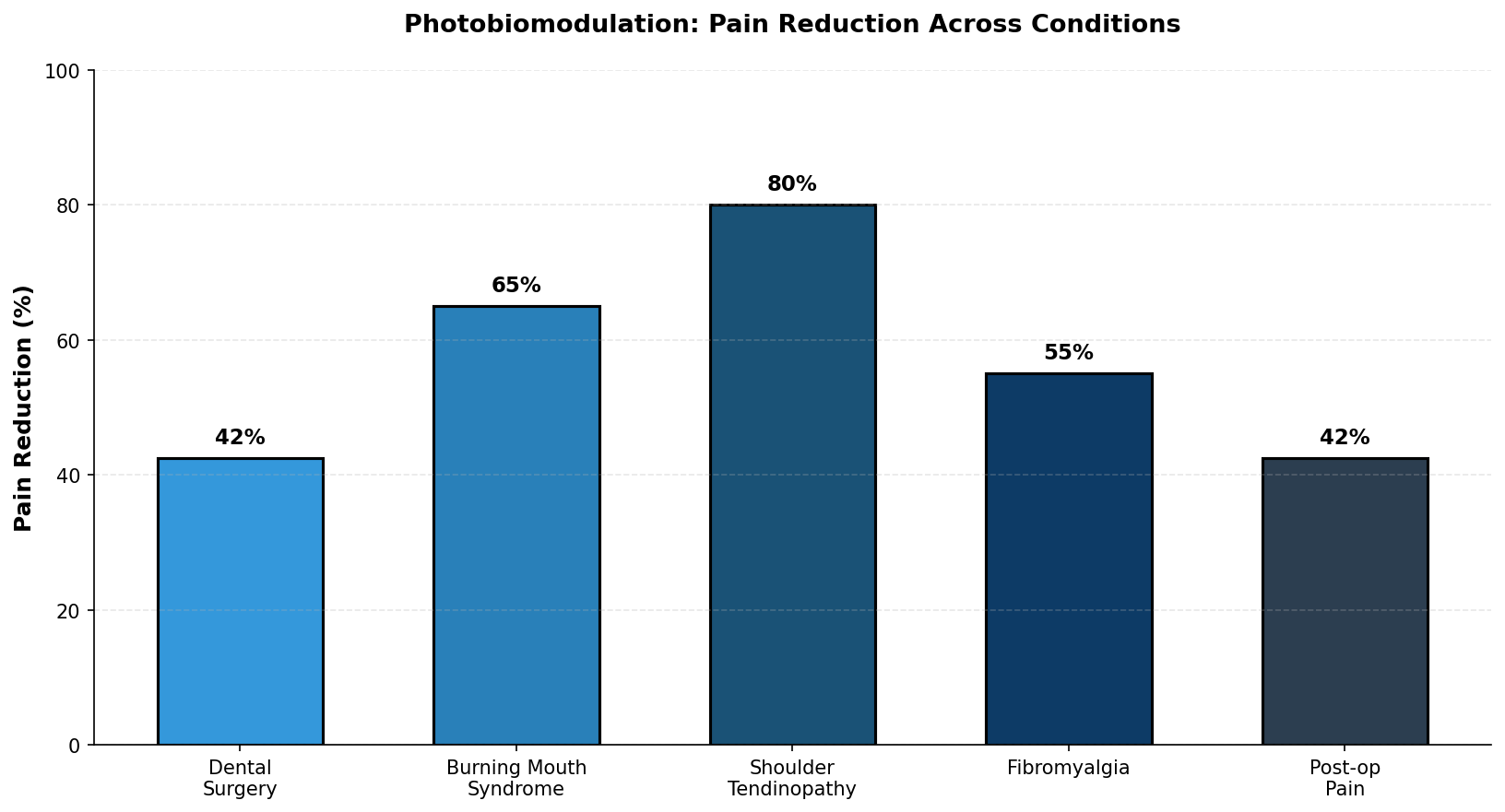 Figure 3: Time required to see improvements varies significantly by condition. Acute pain may improve within days in some cases, whereas chronic conditions and cosmetic outcomes often require approximately 4–12 weeks of consistent treatment to achieve noticeable effects.
- Acute post-operative pain may show clinically meaningful reductions within approximately 3–7 days in some studies, with reported pain reductions ranging around 30–55% depending on protocol
- Chronic pain conditions often require approximately 4–12 weeks of regular treatment to achieve peak or stable therapeutic benefit
- Cognitive function improvements have been reported after approximately 8–12 weeks of regular sessions in some studies, though findings remain variable
- Hair loss typically requires approximately 3–6+ months of consistent use to observe noticeable effects
- Wound healing may range from approximately 2–8 weeks depending on wound severity and type
- Skin rejuvenation often requires approximately 8–12 weeks for observable improvements in skin texture and collagen-related outcomes
- Athletic performance acute effects on recovery and fatigue have been observed immediately to within 24 hours post-exercise in some studies
Treatment frequency: commonly ranges from 3–5 times weekly for many conditions, depending on dose and clinical indication.
Devices: Types, Costs, and Key Performance Factors
Photobiomodulation systems range from inexpensive handheld units to high-cost full-body chambers. Cost alone does not determine effectiveness; device specifications such as wavelength, irradiance, and dose parameters are more important predictors of therapeutic outcome.
Device Types
Panel devices ($600–$7,000+): Large fixed panels covering broad treatment areas such as the back, torso or legs. They are commonly used for full-area exposure, with typical sessions lasting approximately 10–15 minutes depending on device irradiance and treatment goals.
Wearable devices ($200–$600): Flexible belts, pads, and wraps designed to target specific areas such as knees, elbows, shoulders, or back. They allow hands-free application and are often used for extended or repeated sessions typically ranging from approximately 30 minutes to a few hours depending on protocol and device output.
Handheld/compact devices ($25–$400): Small portable units used for localised treatment of areas such as the face or small joints. Session times typically range from approximately 5–20 minutes depending on irradiance and target fluence.
Full-body beds ($5,000–$15,000+): Large systems designed for whole-body exposure, allowing simultaneous treatment of multiple regions. They are primarily used in clinical or professional settings.
Professional clinical sessions ($25–$200 per session): Offered in dermatology clinics, physiotherapy practices and wellness centres. Sessions typically last approximately 20–30 minutes depending on indication and treatment protocol.
Cost-Benefit Analysis
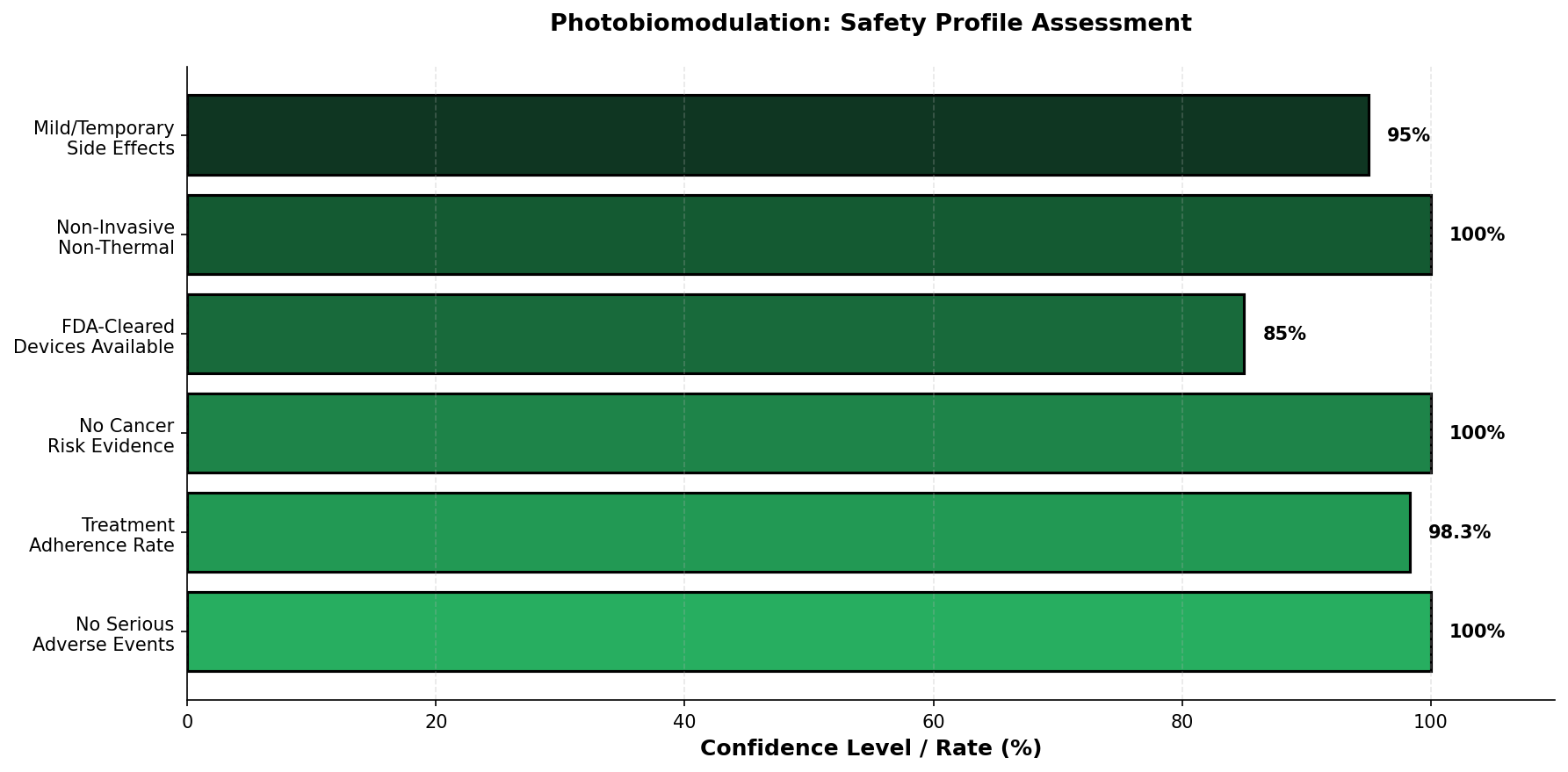 Figure 4: Price ranges for different photobiomodulation device types. Home-use devices range from low-cost handheld units to higher-powered panel systems designed for broader treatment coverage. Professional clinic session costs vary depending on, session duration, device type, and geographic location.
Home- use device cost analysis :
- Upfront cost: approximately $300–$1,000 for mid-range home-use devices.
- Estimated cost per session: approximately $0.50–$5 per when distributed over a multi-year usage period (assuming regular use over hundreds of sessions, which may vary depending on adherence and protocol).
- Most suitable for: Long-term and frequent use, where per-session cost decreases significantly with repeated application.
Professional clinic costs:
- Upfront cost: $0 excluding optional consultation or intake fees depending on provider
- Cost per session: approximately $25–$200 depending on clinic type, treatment area, and session duration
- Typical treatment plans often involve approximately 10–20 sessions depending on the condition and treatment goals
- Estimated 12-week cost: approximately $750–$2,400 based on 10–20 sessions and per-session pricing ranges
From a cost perspective, long-term or high-frequency use may result in lower cumulative costs when using a home device compared with repeated clinic-based sessions, depending on device cost and local pricing structures.
Safety Profile of Photobiomodulation
When used within appropriate parameters, photobiomodulation is generally considered a low-risk, non-invasive therapeutic modality with a favourable safety profile compared to many standard interventions.
Safety Data
- Serious adverse events: Rarely reported in clinical trials, with many studies reporting no significant adverse events
- DNA damage: No evidence of DNA damage has been demonstrated at therapeutic wavelengths and doses; red and near-infrared light are non-ionising and do not carry sufficient energy to directly break molecular bonds
- Cancer risk: Current evidence does not indicate that photobiomodulation at therapeutic doses causes or promotes cancer, although long-term data remain limited
- Treatment adherence: High adherence rate (eg.,98.3% in some oncology-related studies suggest good tolerability, although adherence may vary depending on protocol and population
- FDA clearance: Multiple photobiomodulation devices have received FDA clearance for indications such as pain relief, hair loss, and skin applications
Common Side Effects (Typically Mild and Transient)
Reported side effects are generally uncommon and typically mild and short-lived, often resolving within hours to a few days.
Skin -related effects: Mild erythema (redness) or temporary dryness may occur. More significant effects such as burns are rare and are typically associated with improper use or excessive exposure.
Eye-related effects: Temporary eye strain, afterimages or headaches related to light sensitivity have been reported. Appropriate eye protection and maintaining recommended distance from the device are important safety measures.
Neurological effects: Transient sensations such as numbness at application site or temporary increases in pain have been reported, typically resolving over a short period or with continued treatment.
Contraindications: When to Use Caution
Use with caution or avoid direct treatment in the following situations:
- Active malignant skin lesions (limited safety data for direct application)
- Photosensitivity disorders (eg.,lupus, porphyria, xeroderma pigmentosum)
- Use of Photosensitising medications (eg.,certain antibiotics, retinoids or, chemotherapy agents)
Use with medical supervision:
- Pregnancy (limited safety data; consultation with a healthcare provider is recommended)
- History of skin cancer (medical guidance is recommended prior to use)
- Photosensitive epilepsy (use with caution; devices with flicker or pulsing light may require medical guidance)
- Thyroid conditions (direct exposure over the thyroid gland is generally avoided unless guided by a healthcare professional)
Following cosmetic procedures, timing of photobiomodulation should be considered. For example, treatment is typically delayed until initial healing has occurred after procedures such as chemical peels, and medical guidance is recommended following interventions such as Botox or laser treatments.
Photobiomodulation uses non-ionising light, which does not have sufficient energy to directly damage DNA at therapeutic doses. Current evidence does not indicate that it causes tumour formation, and it is used clinically to manage certain cancer treatment-related side effects, such as oral mucositis. However, due to limited data on direct application over malignant lesions, treatment in these areas is generally avoided or undertaken only with specialist guidance.
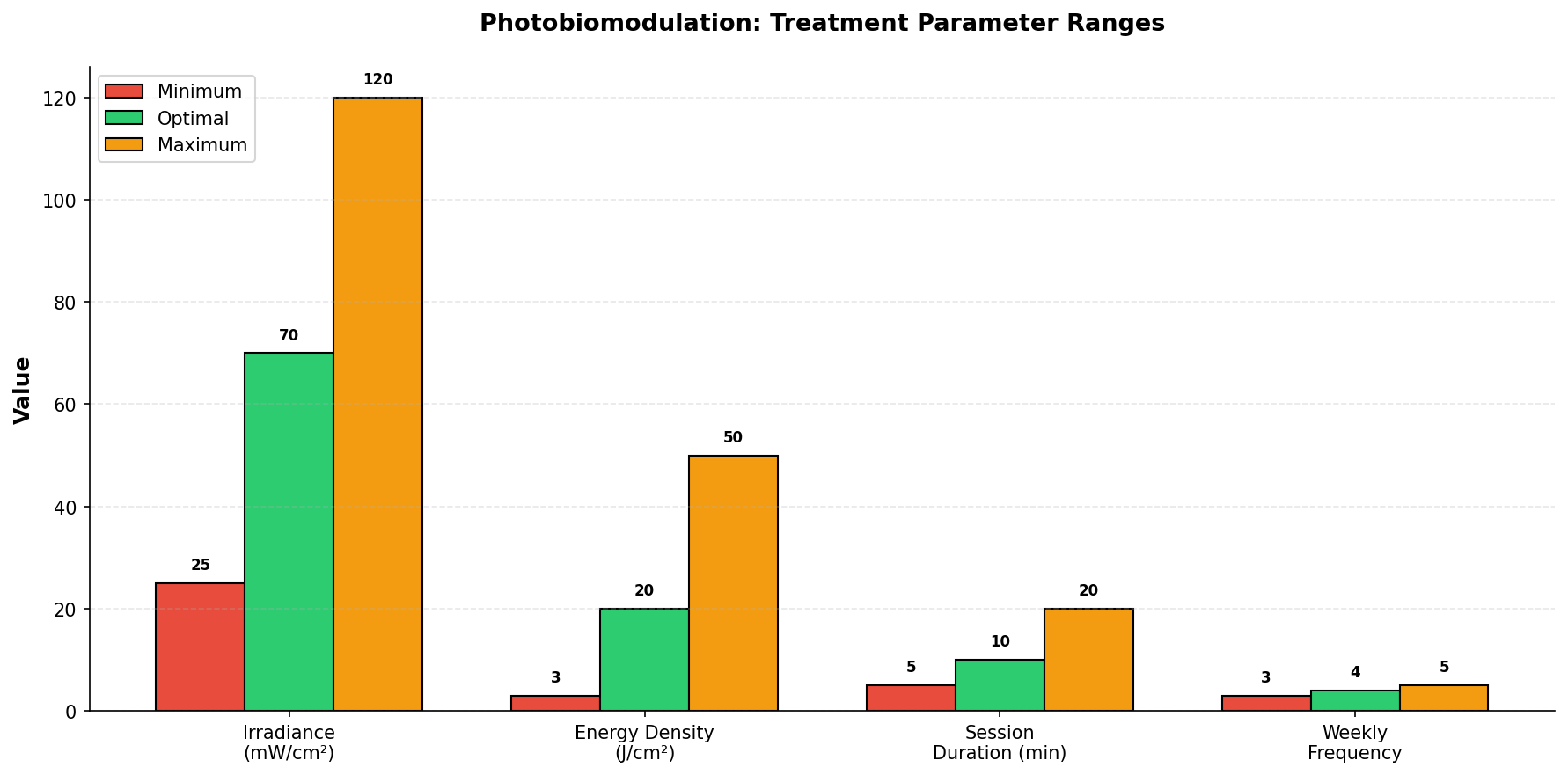 Figure 5: Adverse event rates and safety outcomes across clinical trials. Serious adverse events are rarely reported, with many studies reporting none, while mild, transient side effects are reported infrequently.
Photobiomodulation Device Parameters and Treatment Considerations
Device selection is often influenced by price or total wattage; however, parameters such as irradiance play a more direct role in determining treatment delivery and effectiveness.
Step 1:Verify Measured Irradiance Specs
Irradiance should ideally be reported at practical treatment distances rather than relying solely on total wattage. These distances often range from approximately 6–12 inches for facial applications and 6–24 inches for larger body areas, depending on the device.
For example, a device with high total wattage may still deliver relatively low irradiance at typical treatment distances, whereas a lower-wattage device with more efficient light delivery may achieve higher irradiance at the target area.
Many devices operate within an irradiance range of approximately 50–120 mW/cm² at typical treatment distances, which is commonly used in both clinical and home settings depending on the intended application.
Step 2: Confirm Wavelengths
- Commonly used wavelengths include approximately 630 -660 nm (red light) and 810 nm- 850 nm (near-infrared), depending on the target tissue and application
- Wavelengths in the 700–770 nm range are less commonly used in photobiomodulation, as they may have lower tissue penetration and less consistent evidence compared with red and near-infrared ranges
- Devices that combine red and near-infrared wavelengths are commonly used to target both superficial and deeper tissues.
Step 3: Check FDA Status
- FDA cleared: The device has undergone regulatory review (typically via the 510(k) pathway), demonstrating substantial equivalence to an existing legally marketed device
- FDA approved: The device has undergone a more rigorous review process, typically requiring clinical evidence of safety and effectiveness
- Both designations indicate regulatory review; however, the absence of FDA clearance does not necessarily indicate ineffectiveness, as regulatory pathways depend on intended use, market strategy, and cost considerations
The Valeda Light Delivery System (2024) became the first FDA-approved photobiomodulation treatment for dry age-related macular degeneration, reflecting the level of clinical evidence required for full regulatory approval.
Step 4: Assess Safety Features
- Eye protection: Appropriate eye protection should be used, ideally matched to the device’s wavelength range and intensity (e.g.,suitable optical density ratings)
- Electrical and light output characteristics: Some devices report low electromagnetic field (EMF) emissions and minimal flicker, although the clinical relevance of these factors in photobiomodulation remains unclear
- Thermal management: Devices should incorporate adequate heat control to prevent excessive surface temperatures during use
- Build quality: Durable construction and stable design may contribute to safe and consistent operation over time.
- Warranty and manufacturer support: Warranty periods (often 1–5 years) may reflect manufacturer confidence and provide assurance regarding device reliability
- Safety certifications: Regulatory markings (eg., FCC, UL, CE marks) indicate compliance with electrical and safety standards
Step 5: Check for Peer-Reviewed Evidence
Device claims should be supported by peer-reviewed studies published in reputable scientific or medical journals. It is important to assess whether the supporting evidence is independent or primarily manufacturer-sponsored, as funding sources may influence study design, reporting, or interpretation of results.
Step 6: Consider Device Type for Your Lifestyle
|
Your Situation |
Best Device |
|
Travel frequently |
Handheld or small device |
|
Multiple body areas |
Panel or wearable |
|
Want hands-free use |
Wearable belt or pad |
|
Limited space |
Compact panel or handheld |
|
Whole-body treatment |
Full panel or bed |
|
Target specific joint |
Wearable or focused panel |
Step 7: Read Reviews Carefully
Look for detailed, experience-based reviews rather than overly generic positive or negative statements. Comparing feedback across multiple platforms can provide a more balanced view. It is also important to be aware that online reviews may not always be independently verified.
Step 8: Test Before Large Investment
Before making a larger investment, some users may trial lower-cost devices or clinical sessions to assess consistency of use and personal response. Adherence is an important factor in determining real-world effectiveness of photobiomodulation, as devices are only beneficial when used regularly as part of a protocol.
Step 9: Understand Return Policies
Return policies (often 30–60 days), warranty terms, and customer support quality may vary between manufacturers and can be important considerations when evaluating device reliability and purchase confidence.
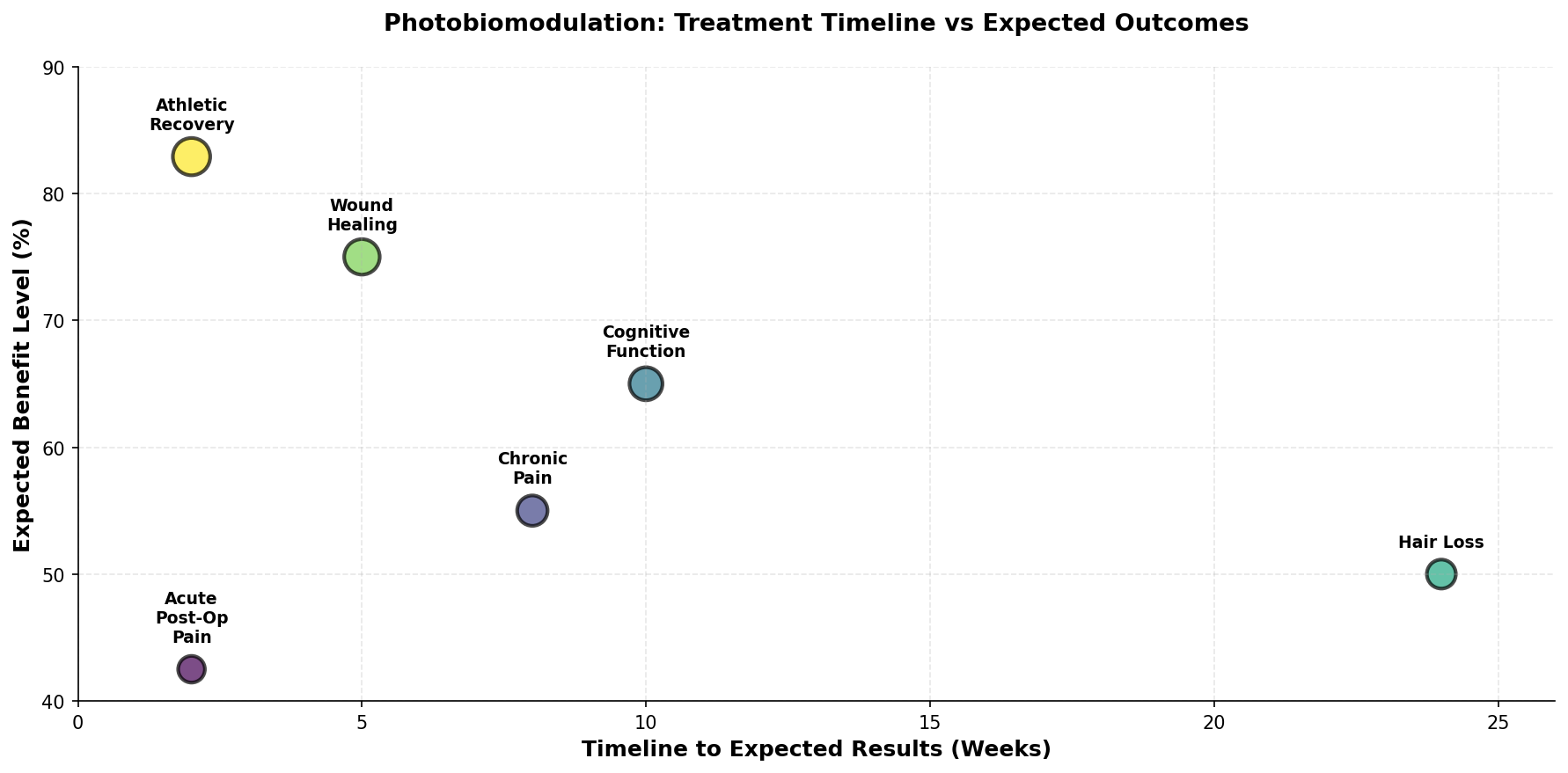 Figure 6: Power density (irradiance) and energy density (fluence) are key parameters influencing photobiomodulation outcomes. Reported therapeutic ranges commonly fall between approximately 3–50 J/cm² per session at irradiance levels of roughly 25–120 mW/cm², depending on tissue type, wavelength and treatment application.
Clinical Considerations for Photobiomodulation
Evidence suggests that photobiomodulation may be beneficial for specific conditions, although realistic expectations are important.
Conditions with comparatively stronger evidence:
- Cancer treatment side effects (oral mucositis)
- Athletic recovery and performance (emerging but relatively well-supported in some studies)
- Chronic pain (eg., fibromyalgia, neuropathy, tendinopathy), with variable evidence across subtypes
- Wound healing acceleration
- Cognitive decline in ageing and brain injury (emerging evidence, primarily preclinical and early clinical studies)
Conditions with emerging or mixed evidence:
- Knee osteoarthritis pain
- Post-operative pain (variable results depending on protocol)
- Androgenetic alopecia (Hair loss), particularly early-stage thinning
- Skin rejuvenation and collagen production
- Parkinson's disease symptoms (early-stage and experimental evidence)
Limited evidence (may help, but more research needed):
- Age-related macular degeneration (emerging clinical evidence for specific devices and protocols)
- Rheumatoid arthritis (limited and mixed evidence)
- Plantar fasciitis
Setting Realistic Expectations
Consistency and treatment frequency: Results depend on consistency. While single sessions may produce transient effects, sustained benefits typically require repeated application over time. Many protocols involve 3–5 sessions per week for approximately 4–12 weeks, depending on the condition.
Combination therapy: Photobiomodulation is often used as an adjunct to other interventions. In many cases, combined approaches (such as exercise, physical therapy, or standard medical care) may produce more comprehensive outcomes than photobiomodulation alone. It is intended to support healing processes rather than replace conventional medical treatment.
Individual variability: Individual responses vary. What produces significant improvement in one person may result in more modest effects in another. Genetics, baseline health, consistency and other factors influence outcomes.
Dosage importance: Dosage is critical. Devices that do not deliver appropriate irradiance, wavelength, and fluence may be less effective regardless of cost. In photobiomodulation, technical specifications are generally more relevant to outcomes than price alone.
Safety statement: Photobiomodulation has a generally favourable safety profile when used appropriately. Serious adverse events are rarely reported in clinical studies, although improper use may increase the risk of minor adverse effects. The primary limitation in the field is the optimisation of treatment parameters rather than significant safety concerns.
Summary
Photobiomodulation is a well-studied area of biophysics involving light–tissue interactions, particularly the activation of cytochrome c oxidase. Research has characterised commonly used wavelength ranges (approximately 600–900 nm), a biphasic dose–response relationship, and several clinical applications where evidence is more established, including oral mucositis, wound healing, chronic pain, and aspects of recovery and cognitive function.
Photobiomodulation has a generally favourable safety profile and is non-invasive when used appropriately. Outcomes depend on consistent use and appropriate treatment parameters rather than device cost alone or marketing claims.
For cancer- related oral mucositis, athletic recovery, chronic pain management and aspects of cognitive health, photobiomodulation may be considered as a complementary therapy supported by varying degrees of clinical evidence. It is not intended as a replacement for medical care, but as an adjunctive approach within broader treatment strategies.
Early research, including studies involving NASA-supported investigations into LED light exposure, contributed to renewed interest in photobiomodulation and its potential biological effects. Over time, advances in both clinical research and device technology have expanded its accessibility and applications. Ongoing research continues to refine optimal parameters and clinical indications.
Further Reading
Cellular Mechanism and Physiology
- Photobiomodulation—Underlying Mechanism and Clinical Applications
- Proposed Mechanisms of Photobiomodulation or Low-Level Light Therapy
- What Lies at the Heart of Photobiomodulation: Light, Cytochrome C Oxidase, and Nitric Oxide
- Photobiomodulation CME part I: Overview and mechanism of action
Light Wavelengths and Tissue Penetration
- A Controlled Trial on Red and Near-Infrared Light
- Effect of wavelength and beam width on penetration
Clinical Effectiveness Across Conditions
- Effects of photobiomodulation on multiple health outcomes: umbrella review
- Effectiveness of Photobiomodulation in Reducing Pain and Disability in Knee Osteoarthritis
- Outcomes of whole-body photobiomodulation on pain and quality of life
- Effectiveness of Photobiomodulation for Parkinson's Disease
Wound Healing and Tissue Repair
- Photobiomodulation in fibroblasts and molecular pathways
- Modulation of gene expression in skin wound healing
- Photobiomodulation targeting fibroblast regeneration in diabetic wounds
Athletic Performance and Muscle Recovery
- Photobiomodulation in human muscle tissue: an advantage in sports performance?
- The Effect of Photobiomodulation Therapy on Muscle Performance in Volleyball and Football Players
- Clinical and scientific recommendations for PBM in exercise performance
- Photobiomodulation and Sports: Results of a Narrative Review
Cognitive Function and Brain Health
- Can transcranial photobiomodulation improve cognitive function in TBI patients?
- Transcranial photobiomodulation increases cognition and serum BDNF
- Can transcranial PBM improve cognitive function? Systematic review
- Transcranial PBM for brain diseases: mechanisms and trends
Hair Loss and Skin Health
- Photobiomodulation Effectiveness in Treating Androgenetic Alopecia
- Unlocking the Power of Light on the Skin
- Photobiomodulation CME part II: Clinical applications in dermatology
Oral Mucositis and Cancer Treatment
- Intraoral and Transcutaneous Photobiomodulation for Oral Mucositis
- Efficacy of PBM in oral mucositis management
- Preventive Photobiomodulation for Chemotherapy-Induced Oral Mucositis
Device Selection and Safety
- Review of light parameters and PBM efficacy
- Photobiomodulation therapy - JADA Foundational Science
- Red Light Therapy: Effectiveness, Treatment, and Risks
