

You've heard the claims: resveratrol is a fountain of youth hiding in red wine and grapes. It activates longevity genes, fights cancer, protects your heart, and slows ageing. The problem is that most of these claims sound more impressive than what the evidence actually shows. This article explains what resveratrol really does, where it comes from, how your body uses it, and whether it's worth paying attention to.
What Is Resveratrol and How Does It Actually Work?
Resveratrol is a natural compound that grapes, berries, peanuts, and cocoa plants produce to protect themselves from stress. Think of it like the plant's own antioxidant shield. When you eat these foods, you consume this compound, and your body has specific ways of handling it.
At the molecular level, resveratrol does several things:
- Neutralises free radicals: Unstable molecules that damage your cells, proteins, and DNA. This accumulation contributes to wrinkles, inflammation, and age-related diseases
- Activates SIRT1 proteins: Called "longevity proteins," these improve how your cells produce energy and handle stress
- Reduces inflammation: Resveratrol suppresses the molecular switches (particularly NF-κB) that turn on inflammatory responses throughout your body
- Improves blood vessel function: It increases nitric oxide production, which relaxes blood vessels and lowers blood pressure
- Enhances metabolic health: It improves how your cells take up glucose and use insulin
The mechanisms are real and well-documented in laboratory studies. The problem is translating "works in a test tube" to "works in your body."
The Bioavailability Paradox: Why Most of It Vanishes
Here's where resveratrol becomes interesting and disappointing at the same time.
When you consume resveratrol, your intestines absorb approximately 70-75% of it. That sounds great. But here's the catch: your liver and intestines immediately transform it into different compounds through a process called metabolism. The result? Less than 1% of what you swallowed reaches your bloodstream in its original form.
Picture ordering 100 pizzas for delivery. Your intestines accept 75 of them at the door. But before you can eat them, your liver converts them into something unrecognisable and sends them back out of your body. Only trace amounts of actual pizza ever reach your kitchen.
Following a typical 25 mg dose:
- Initial absorption: 70-75%
- Peak plasma levels of unchanged resveratrol: only 491 ±90 ng/mL
- Unchanged resveratrol in bloodstream: less than 5 ng/mL
- Bioavailable resveratrol reaching tissues: <1%
- Time to clear from your body: 9-12 hours
This explains why a single glass of red wine (containing roughly 0.2 mg of resveratrol) seems unlikely to produce dramatic health effects.
The Hidden Benefit: Your Body's Metabolites Are Actually Active
But here's what makes resveratrol interesting despite its terrible bioavailability. Your body doesn't waste the resveratrol it absorbs. Instead, it converts it into metabolites (modified forms) like dihydroresveratrol (DHR) and lunularin. These metabolites are often MORE biologically active than the original compound.
Research shows these metabolites exhibit stronger anti-inflammatory and anti-cancer effects than resveratrol itself at equivalent concentrations. Your body's conversion process might be a feature, not a bug. The metabolites accumulate in your tissues at much higher concentrations than free resveratrol ever could.
This means resveratrol can produce measurable health effects despite having terrible bioavailability of the parent compound.
Health Benefits: What the Evidence Actually Shows
This is where we need to separate hype from reality. Laboratory studies look fantastic. Animal studies show promise. But what happens when researchers test resveratrol in actual people? The results are much more modest.
Antioxidant and Anti-Inflammatory Effects (Evidence: Moderate)
What the lab evidence shows: Resveratrol clearly reduces inflammatory molecules and boosts antioxidant defences. This is well-documented.
What human studies show: A randomised controlled trial in healthy smokers found that resveratrol supplementation:
- Significantly reduced C-reactive protein (a key inflammation marker)
- Increased total antioxidant status
- Restored catalase and superoxide dismutase enzyme activities
This is real, measurable improvement. The anti-inflammatory benefits appear to be the most robust evidence for resveratrol's effectiveness in humans.
Type 2 Diabetes and Metabolic Health (Evidence: Low-to-Moderate)
What researchers found: In clinical trials, high doses of resveratrol (≥1,000 mg daily) have reduced fasting blood glucose, improved insulin sensitivity, and increased HDL cholesterol ("good" cholesterol) in some people with type 2 diabetes.
The catch: Results are inconsistent. In one study of people with well-controlled diabetes, resveratrol showed no improvement in insulin sensitivity. Higher doses appear more effective than lower doses, but even at high doses, benefits aren't reliable across all patients.
Bottom line: Resveratrol may help with blood sugar control in some people, particularly at high doses, but it's not a proven treatment.
Cardiovascular Health (Evidence: Low)
The theory: Resveratrol improves blood vessel function, reduces blood pressure, and prevents arterial stiffness. This is extensively demonstrated in laboratory and animal studies.
In human trials: Clinical evidence is limited and mixed. Some studies show modest blood pressure reduction in hypertensive patients. Others show little benefit. We don't have large-scale population studies confirming that resveratrol prevents heart disease in people.
The mechanisms are solid, but the human proof is lacking.
Brain Health and Cognitive Function (Evidence: Low-to-Moderate)
What preliminary research suggests: Resveratrol improves cerebral blood flow and may reduce amyloid-beta levels (relevant to Alzheimer's risk). In one small study, it improved hippocampus volume and functional connectivity in people at dementia risk.
Important caveat: Most studies were small, with fewer than 100 participants. Results were inconsistent between studies. One study found no effect on cognitive function at all.
What's needed: Larger, longer trials to confirm whether resveratrol actually prevents cognitive decline.
Ageing and Longevity (Evidence: Very Low in Humans)
Here's where hope meets reality.
Resveratrol extends lifespan in yeast and worms, works somewhat in mice, and barely works in primates. In humans? A 10-year study of 783 older adults (average age 74) found that higher dietary resveratrol intake was NOT associated with:
- Reduced cardiovascular disease
- Reduced cancer incidence
- Reduced inflammation
- Extended lifespan
The National Institute on Ageing's conclusion: "Resveratrol does not affect health, longevity in population study."
Despite decades of hope and hype, there's no evidence that resveratrol extends human lifespan or healthspan at dietary or supplemental doses.
Cancer Prevention (Evidence: Very Low in Humans)
Lab evidence: Resveratrol kills cancer cells and blocks multiple stages of cancer development in cell cultures. This is impressive but not directly applicable to living humans.
Human clinical trials: All completed trials are Phase I studies, which test safety and dosage, not whether the compound prevents cancer. We have no large-scale human trials demonstrating cancer prevention.
Bottom line: Laboratory mechanisms are compelling, but we can't recommend resveratrol for cancer prevention until larger trials are completed.
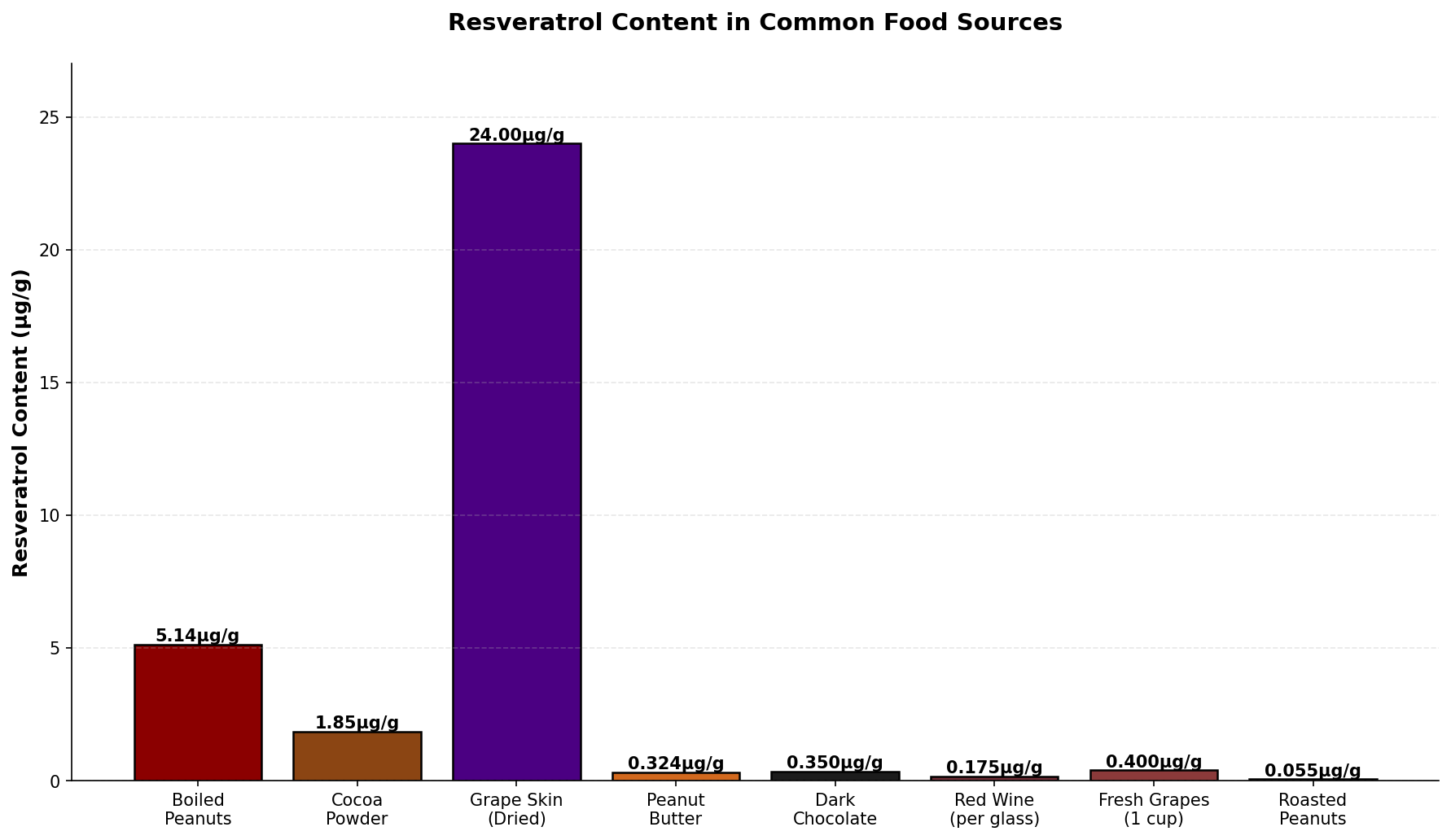 Figure 1: The gap between laboratory evidence and human clinical evidence is substantial across most resveratrol health claims. Lab studies suggest benefits; human trials show more modest or inconsistent results.
Food Sources: Where to Find Resveratrol and How Much You Actually Get
The irony of resveratrol is that the most studied health benefits require doses far higher than you can realistically consume from food.
Highest-Content Foods (Practical Servings)
Tier 1: Highest Concentration
- Boiled peanuts: 5.138 ±2.849 micrograms per gram. A 1-cup serving provides substantial resveratrol. (Roasted peanuts contain 93× less: 0.055 micrograms per gram)
- Cocoa powder: 1.85 ±0.43 micrograms per gram. One tablespoon (about 5 grams) mixed into a beverage provides roughly as much as a glass of red wine
- Dried grape skin: 24.06 micrograms per gram (the most concentrated food source)
- Red wine: 0.362–1.979 mg per litre. One 150 mL glass contains roughly 0.2–0.3 mg
- Fresh red/purple grapes: 0.16–3.54 mg per gram (concentration varies by variety). One cup of fresh grapes provides 0.4–0.5 mg, mostly in the skin
Tier 2: Moderate Content
- Peanut butter: 0.324 ±0.129 micrograms per gram. Two tablespoons (32 grams) provide measurable amounts
- Dark chocolate (70%+ cacao): 0.35 ±0.08 micrograms per gram. One 28-gram serving provides small amounts
- Purple/red grape juice: Varies widely depending on processing; organic varieties contain more than conventional juice
- Blueberries and bilberries: Contain resveratrol at less than 10% the level found in grapes
Tier 3: Minor Sources
- Pistachios, soy products, and cranberries contain resveratrol but in lower amounts
The Practical Reality of Food-Based Resveratrol
A glass of red wine contains roughly 0.2 mg of resveratrol. Clinical trials testing resveratrol's benefits typically use 150–500 mg daily. That means you'd need to drink 750 to 2,500 glasses of red wine daily to match a single dose, which is obviously impossible.
The bottom line: You cannot achieve therapeutic doses of resveratrol from food sources alone.
However, this doesn't mean these foods are worthless. Grapes, berries, peanuts, cocoa, and wine contain numerous other beneficial compounds (polyphenols, antioxidants, fibre, vitamins). Eating them provides health benefits independent of resveratrol specifically.
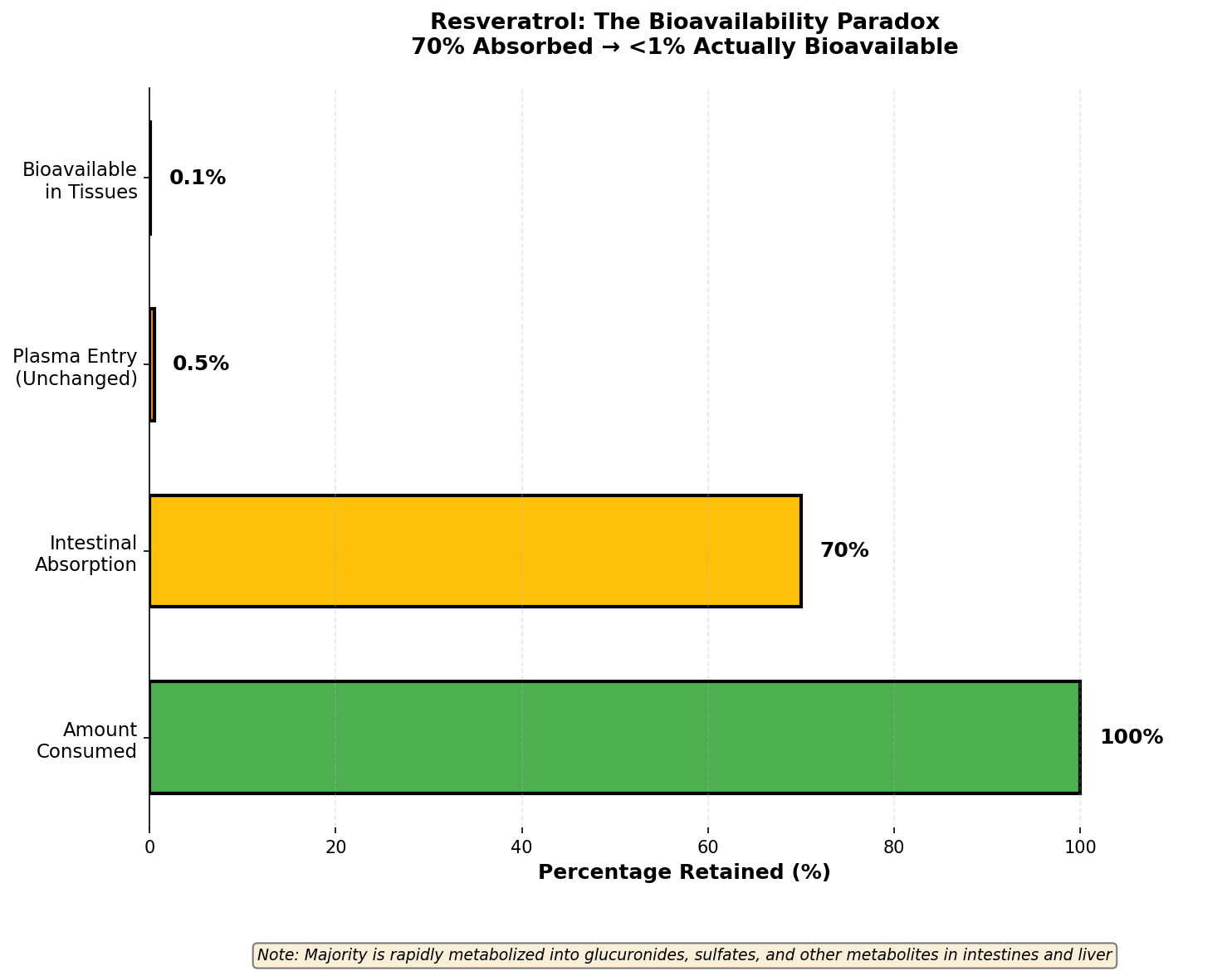 Figure 2: Boiled peanuts and cocoa powder contain surprisingly high concentrations of resveratrol. Interestingly, roasting peanuts destroys much of their resveratrol content; boiling preserves it better.
How Your Body Processes Resveratrol
Absorption and Metabolism
Resveratrol follows a specific path through your body:
- Intestinal absorption: Your gut absorbs 70-75% of the resveratrol you consume through passive diffusion and active transport
- Liver and intestinal metabolism: Your liver and intestinal wall cells immediately conjugate the resveratrol with sulfate or glucuronic acid, converting it into inactive forms
- Bacterial metabolism: Your gut microbiota also metabolise resveratrol, producing compounds like dihydroresveratrol and lunularin
- Tissue accumulation: The metabolites accumulate in tissues at much higher concentrations than free resveratrol
- Elimination: Everything clears from your body within 9-12 hours (about 2 half-lives)
Metabolite Forms Your Body Produces
When your body metabolises resveratrol, it produces several different compounds:
- Dihydroresveratrol (DHR): Approximately 22% of metabolites; MORE biologically active than parent resveratrol
- Lunularin: Approximately 15% of metabolites; MORE biologically active than parent resveratrol
- Glucuronide conjugates: Approximately 35% of metabolites; variable biological activity
- Sulfate conjugates: Approximately 28% of metabolites; generally inactive
The most important finding: those metabolites are where the actual benefits come from, not the minuscule amount of free resveratrol in your blood.
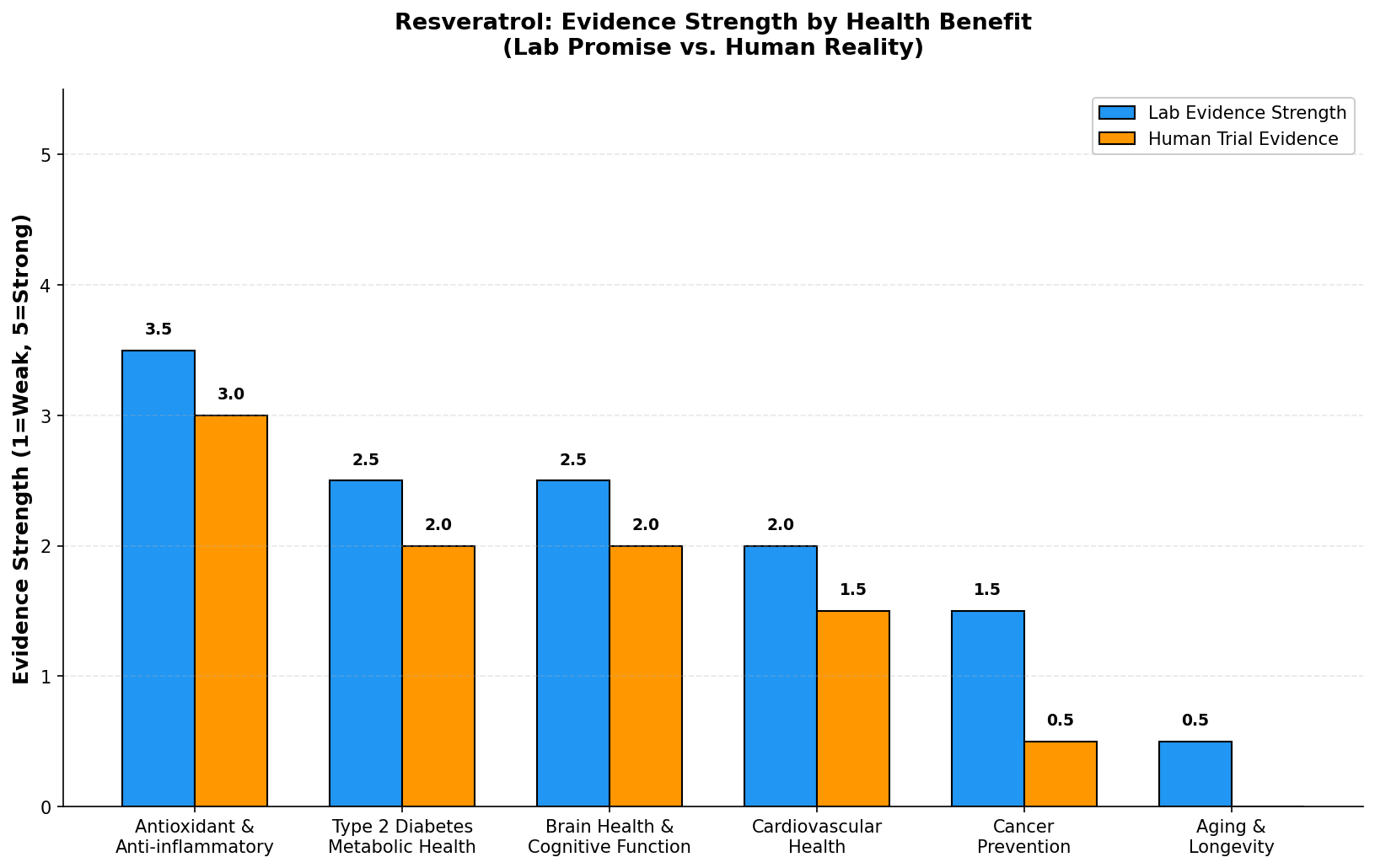 Figure 3: The bioavailability funnel shows the dramatic reduction: 70% absorbed at the intestine, but less than 1% reaches your bloodstream unchanged. However, the metabolites produced by your liver are where the biological activity comes from.
Absorption and Bioavailability: Why Body Converts It
Your body converts most resveratrol because conjugation (attaching sulfate or glucuronic acid) is actually a protective mechanism. It makes the compound easier to dissolve and eliminate through urine. Your liver treats resveratrol like a foreign chemical that needs to be processed and removed.
This is frustrating for supplement enthusiasts but actually makes biological sense. Your body prevents excessive accumulation of plant compounds.
Can You Enhance Resveratrol Absorption?
Research shows several strategies improve bioavailability:
Combine with quercetin: Found in apples, onions, berries, and tea, quercetin inhibits the enzymes that conjugate resveratrol, allowing more to reach your bloodstream. Eat grapes with apples and berries, or drink tea with grape juice.
Consume multiple polyphenols together: Different plant compounds work synergistically. Combining dark chocolate, berries, nuts, and grapes in a single meal provides better results than any single food alone.
Use specialised delivery systems: Newer supplement formulations using lipid-based delivery (LipiSperse technology) can achieve 2-3 times higher plasma concentrations than standard resveratrol supplements.
Include healthy fats: Consuming resveratrol-containing foods with fat-containing meals improves absorption.
Maintain gut health: Your gut bacteria convert resveratrol into DHR and lunularin. A healthy microbiome may enhance resveratrol's effectiveness.
Safety and Side Effects: What You Should Know
The good news: resveratrol is remarkably safe.
Safety Profile at Different Doses
Below 1 gram per day: Well-tolerated with minimal side effects. Minor gastrointestinal symptoms in only 5-8% of users.
1-2 grams per day: Generally well-tolerated. Nausea and diarrhoea occur in about 30-35% of users.
2-5 grams per day: Significant gastrointestinal side effects. At 5 grams daily, approximately 80% experience nausea or diarrhoea.
No serious toxicity: No organ damage, severe adverse events, or toxicity has been reported even at the highest doses tested (5 grams per day).
Most Common Side Effects (at High Doses)
- Nausea: Most frequent side effect; rate increases from 5% at low doses to 79% at high doses
- Diarrhoea: Increases from 8% at low doses to 71% at high doses
- Fatigue: 46% at high doses
- Vomiting: 54% at very high doses
- Increased cholesterol: 27.5% at high doses
All side effects are mild and self-limiting, resolving 2-4 days after stopping the supplement.
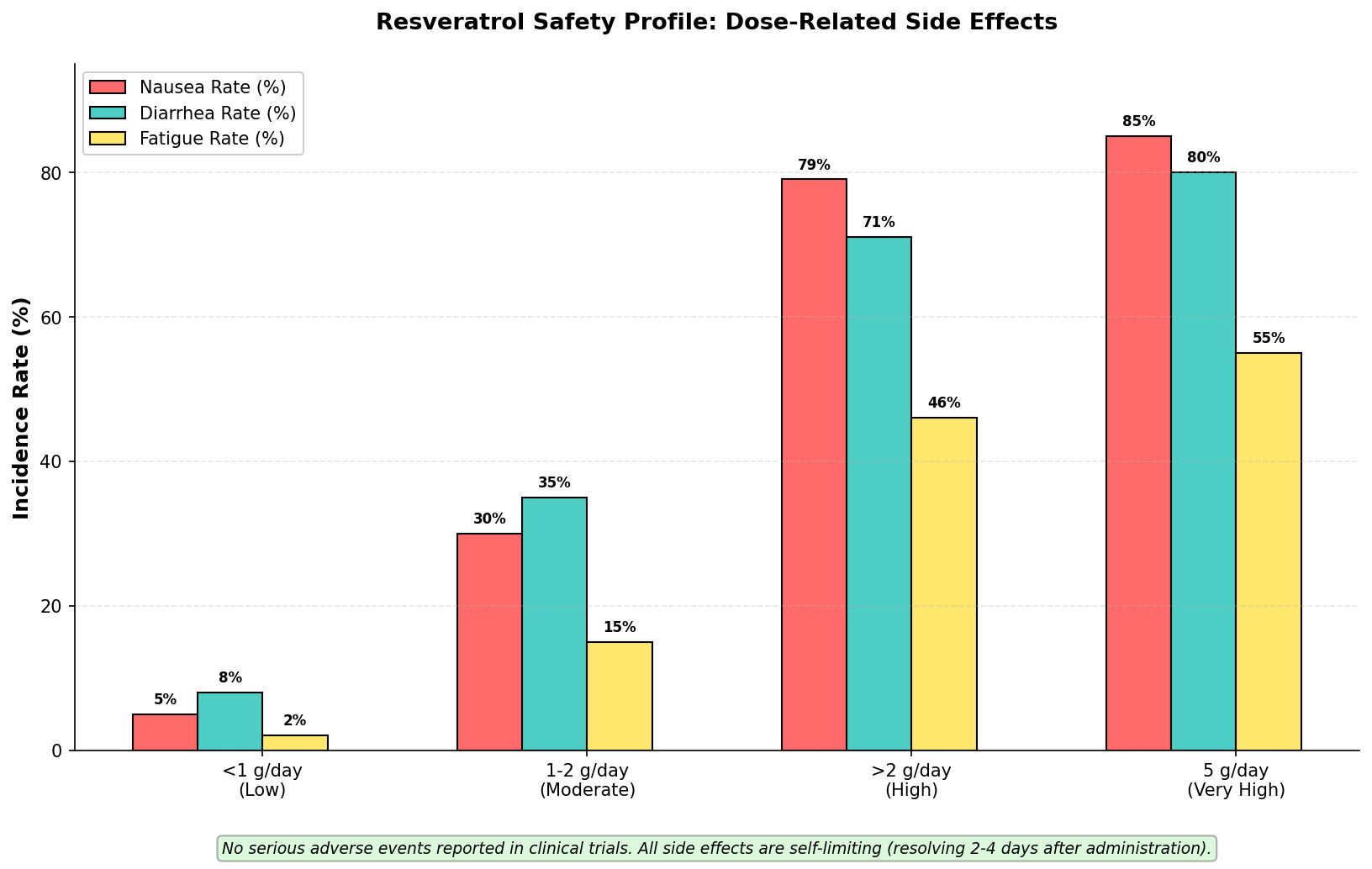 Figure 4: Safety profile is excellent, with side effects being mild gastrointestinal issues only at very high doses. No serious adverse events reported in any clinical trial.
Dosage Considerations: How Much Is Enough?
No official recommended dietary allowance has been established for resveratrol. However, clinical research provides guidance:
- Doses tested in human trials: 20 mg to 5,000 mg daily
- Typical supplement dosing: 150–500 mg per day (the range used in most efficacy studies)
- Safe daily intake: 450 mg daily for a 60 kg (132 lb) person
Important finding: There appears to be a dose–response relationship, but absorption plateaus at higher doses. Taking 2,000 mg daily doesn't produce 4× the benefits of 500 mg daily because your intestines can only absorb so much.
Age matters: Research shows resveratrol's antioxidant and anti-inflammatory effects decrease with age. Adults over 55 may need higher doses or more consistent consumption to achieve the same benefits as younger people.
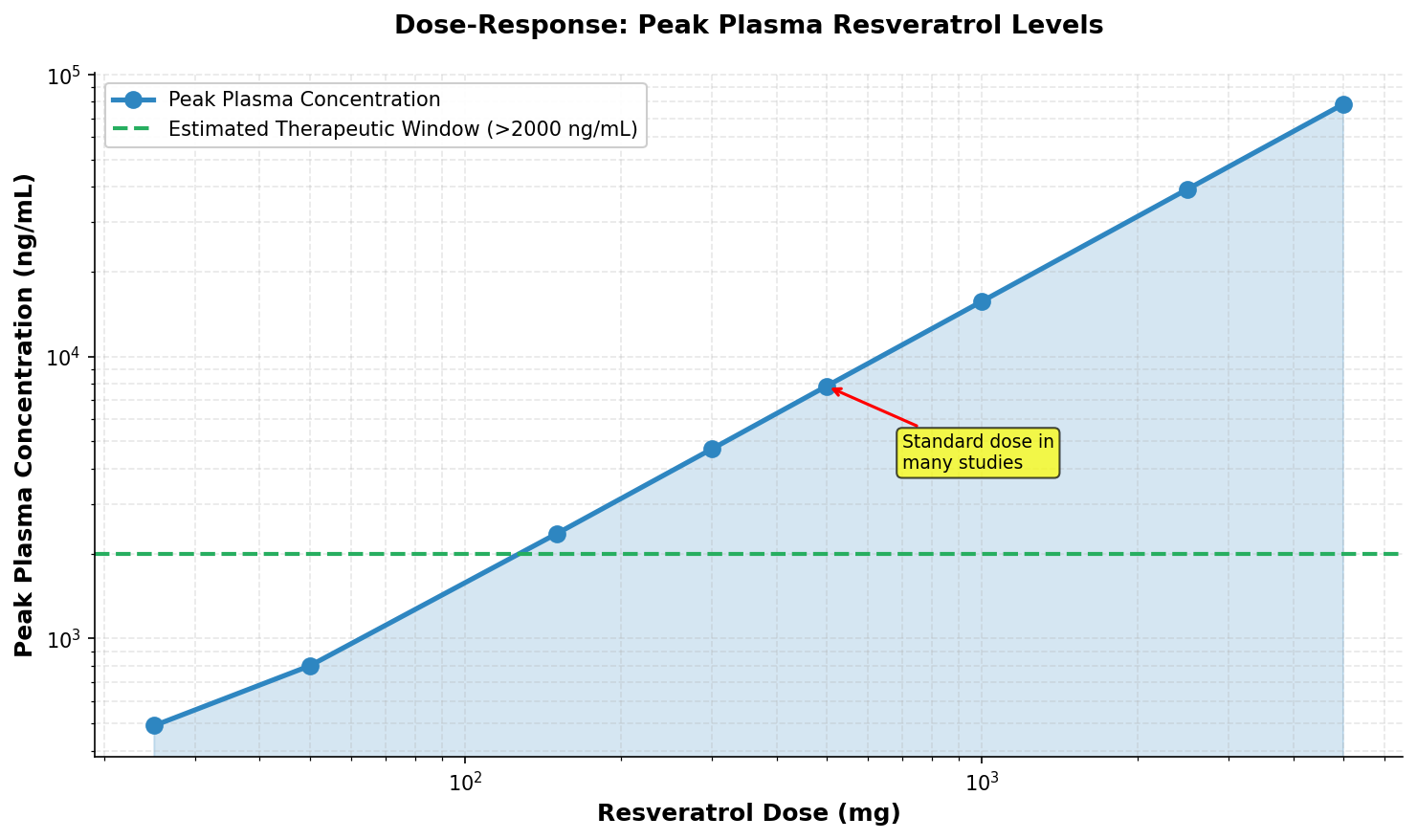 Figure 5: Blood levels of resveratrol increase proportionally with dose, but absorption isn't completely saturated at typical supplement doses. However, benefits don't increase linearly with dose.
Is It Worth Supplementing?
Given everything above, should you take resveratrol supplements? It depends on what you're trying to achieve.
Where the Evidence Actually Supports Use
Anti-inflammatory and antioxidant effects: The strongest evidence exists for reducing inflammation and oxidative stress. This is measurable in human studies.
Type 2 diabetes management: Some benefit shown in clinical trials, particularly at higher doses (≥1,000 mg), but results are inconsistent. May be worth trying if you have type 2 diabetes, though it's not a proven treatment.
General metabolic health: Some evidence suggests benefits for glucose control and lipid profiles.
Where Evidence Is Lacking
- Cancer prevention: No human evidence; only lab studies completed
- Longevity and anti-ageing: Explicitly disproven in human population studies
- Heart disease prevention: Good theory, weak human evidence
- Cognitive decline prevention: Preliminary evidence; larger studies needed
- General health in healthy people: Not recommended; no established benefit
Whole Foods vs. Supplements
This is important: whole foods beat isolated supplements for resveratrol absorption.
Here's why: when you eat grapes, you get resveratrol plus quercetin, other polyphenols, fibre, and vitamins. These compounds work synergistically; combined they're more effective than resveratrol alone. Grapes also contain hundreds of other compounds we don't fully understand but that likely contribute to health benefits.
When you take a resveratrol supplement, you're getting an isolated compound with terrible bioavailability. The whole-food matrix that enhances absorption is absent.
Practical recommendation: Eat foods containing resveratrol (grapes, berries, dark chocolate, peanuts) for their overall health benefits and polyphenol diversity. If you want to supplement with resveratrol for specific conditions like type 2 diabetes, use higher doses (150–500 mg daily) with realistic expectations.
Daily Patterns for Maximum Benefit
Because individual sources have poor bioavailability, consume multiple resveratrol sources simultaneously for synergistic effects:
Option 1: Fruit-Based (Non-Alcoholic)
- 1 cup fresh red/purple grapes (eat the skins)
- 1 cup blueberries or raspberries
- 8 oz glass of purple grape juice
- Combined polyphenol benefit; no alcohol
Option 2: Chocolate-Based
- 1 oz dark chocolate (70%+ cacao)
- 1 tablespoon unsweetened cocoa powder mixed into a beverage
- Handful of boiled or roasted peanuts
- 1 cup fresh grapes
- Combines multiple polyphenol sources
Option 3: Wine-Based (For Adults Who Drink Alcohol)
- 1 glass (150 mL) red wine with dinner (especially Pinot Noir, which tends to have higher resveratrol)
- 1 oz dark chocolate
- Handful of nuts (peanuts or pistachios)
- Combines resveratrol with other cardiovascular benefits of wine (in moderation)
Option 4: Supplement-Based (If Targeting Specific Conditions)
- 150–500 mg resveratrol supplement daily
- Taken with meals containing healthy fats to improve absorption
- Combined with whole foods for synergistic benefits
- More practical for achieving therapeutic doses
Reality check: Even with optimal food combinations, actual systemic resveratrol bioavailability remains <1%. However, the other polyphenols and combined effects of multiple compounds mean these foods offer genuine health benefits beyond resveratrol alone.
Important Practical Tips for Maximum Resveratrol Content
Heat Destroys Resveratrol
When berries and grapes are heated at 190°C (374°F) for 18 minutes, 17–46% of resveratrol degrades. Eat grapes and berries raw whenever possible. If you must cook them, use low temperatures and short cooking times. Freezing fruit preserves resveratrol better than cooking.
Organic vs. Conventional
Organic grape juice contains significantly more polyphenols and trans-resveratrol than conventional varieties. Processing and heating reduce content further. If buying juice, choose organic and minimise heating.
Grape Skin Concentration Variation
Different forms of resveratrol exist in grape skins:
- Cis-piceid: 92.33 micrograms per gram (most abundant)
- Trans-piceid: 42.19 micrograms per gram
- Trans-resveratrol: 24.06 micrograms per gram (the well-studied form)
Most resveratrol research focuses on trans-resveratrol, but cis-piceid is nearly 4× more abundant. This means much of what's in grapes is a different form than what's been studied most extensively.
Boiled Peanuts Beat Roasted
A critical finding: boiled peanuts contain 5.138 ±2.849 micrograms per gram, whilst roasted peanuts contain only 0.055 micrograms per gram. That's a 93-fold difference. If you want resveratrol from peanuts, boiling preserves it much better than roasting.
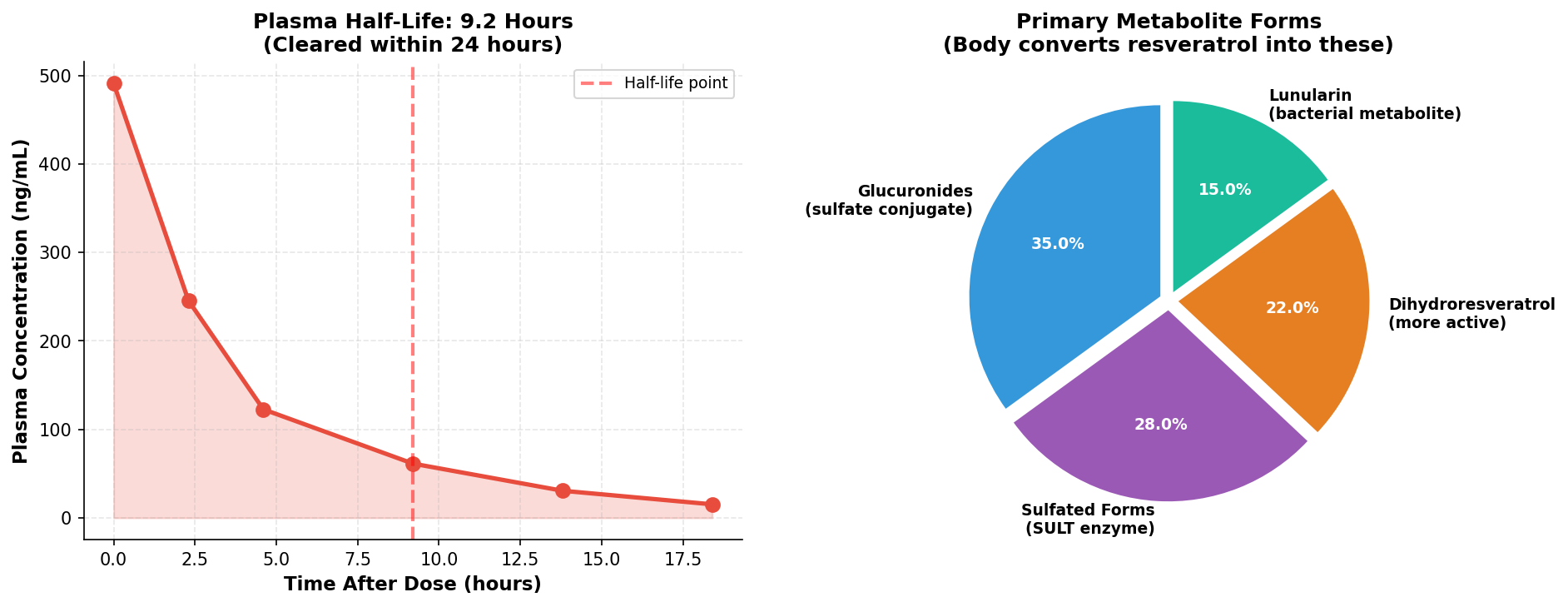 Figure 6: Resveratrol has a 9.2-hour half-life, meaning it clears from your body within 9-12 hours. This suggests daily consumption may be more effective than occasional large doses. Your body produces several metabolite forms, with DHR and lunularin being more biologically active than the parent compound.
Key Takeaways
What resveratrol actually is: A plant compound with real antioxidant and anti-inflammatory mechanisms, but with a critical bioavailability problem.
Where the evidence is strongest: Anti-inflammatory and antioxidant effects are measurable in human studies. These are the most reliable health benefits.
Where the evidence is weak: Cardiovascular health, cancer prevention, cognitive function, and longevity show promise in lab and animal studies but lack robust human evidence.
Where the evidence is absent: Extending human lifespan or healthspan is explicitly disproven in population studies.
The bioavailability paradox: Your body absorbs 70-75% of resveratrol but immediately converts it to metabolites. Less than 1% of the original compound reaches your bloodstream. However, those metabolites are often MORE biologically active than the parent compound.
Food sources vs. supplements: You cannot achieve therapeutic doses from food alone, but whole foods provide synergistic benefits that supplements can't match. Whole foods likely more effective than isolated supplements.
Safety: Extremely safe at therapeutic doses; only mild gastrointestinal side effects at high doses.
Age consideration: Resveratrol's effectiveness decreases with age. Adults over 55 may need higher or more consistent consumption.
Realistic expectations: Resveratrol isn't a miracle compound, but it's not worthless either. It may modestly improve inflammation and blood sugar control, particularly at doses of 150–500 mg daily. For specific conditions like type 2 diabetes, it may be worth trying. For general health and longevity in healthy people, the evidence doesn't support supplementation.
The best approach: Eat foods containing resveratrol (grapes, berries, dark chocolate, boiled peanuts, cocoa) as part of a healthy diet for their overall nutritional benefits. If targeting specific conditions, use higher-dose supplements with realistic expectations about outcomes.
Further Reading
Food Sources and Dietary Intake
- Plant foods and herbal sources of resveratrol - PubMed
- Resveratrol content in grapes and wines - PubMed
- Red wine and resveratrol: Good for your heart? - Mayo Clinic
- How much wine do you need to stay healthy? - PubMed
Bioavailability and Metabolism
- High absorption but very low bioavailability of oral resveratrol in humans - PubMed
- Metabolism and bioavailability of trans-resveratrol - PubMed
- Resveratrol bioavailability after oral administration meta-analysis - PubMed
- Enhancing resveratrol bioavailability - PubMed
Health Benefits and Clinical Evidence
- Anti-inflammatory and antioxidant effects of resveratrol in healthy smokers - PubMed
- Resveratrol and metabolic health in type 2 diabetes - PubMed
- Effects of resveratrol on metabolic indicators systematic review - PubMed
- Resveratrol and cardiovascular disease - PubMed
- Resveratrol and cognitive function - PubMed
- Impact of resveratrol on glucose control and hippocampal structure - PubMed
Mechanisms of Action
- SIRT1 activation by resveratrol - PubMed
- Anti-inflammatory action and mechanisms of resveratrol - PubMed
- Resveratrol metabolites and their biological activities - PubMed
- Resveratrol anti-obesity mechanisms - PubMed
Safety and Side Effects
- Potential adverse effects of resveratrol - PubMed
- Safety of resveratrol supplements - PubMed
- Efficacy and safety of resveratrol on blood lipid and glucose control - PubMed
Ageing and Longevity
- National Institute on Aging: Resveratrol does not affect health, longevity in population study
- Resveratrol levels and all-cause mortality in older adults - PubMed
- Effects and mechanisms of resveratrol on ageing and age-related diseases - PubMed
- The effect of resveratrol on longevity across species meta-analysis - PubMed
References/Helpful Resources
- National Institutes of Health PubMed Central. High absorption but very low bioavailability of oral resveratrol in humans. J Pharm Pharmacol. 2005;57(12):1543-1551. Available from: https://pubmed.ncbi.nlm.nih.gov/15333514/
- PubMed Central. Metabolism and bioavailability of trans-resveratrol. J Nutr Biochem. 2006;17(1):38-48. Available from: https://pubmed.ncbi.nlm.nih.gov/15779070/
- National Institutes of Health PubMed. Resveratrol bioavailability after oral administration: A meta-analysis of clinical trial data. Nutrients. 2024;13(3):944. Available from: https://pubmed.ncbi.nlm.nih.gov/39557444/
- National Institutes of Health PubMed. Anti-inflammatory and antioxidant effects of resveratrol in healthy smokers. Eur J Clin Invest. 2013;43(12):1313-1319. Available from: https://pubmed.ncbi.nlm.nih.gov/23298135/
- PubMed Central. Anti-inflammatory action and mechanisms of resveratrol. FASEB J. 2021;35(1):e21165. Available from: https://pubmed.ncbi.nlm.nih.gov/33466247/
- National Institutes of Health PubMed. The effects of resveratrol on metabolic status in patients with type 2 diabetes mellitus: a systematic review and meta-analysis. Nutr Metab (Lond). 2021;18:61. Available from: https://pubmed.ncbi.nlm.nih.gov/31486447/
- PubMed Central. Effects of resveratrol on metabolic indicators: systematic review and meta-analysis. Nutrients. 2022;11(7):1521. Available from: https://www.ncbi.nlm.nih.gov/pmc/articles/PMC9158797/
- National Institutes of Health PubMed. Preclinical and clinical evidence for the role of resveratrol in the treatment of cardiovascular diseases. Nutrients. 2019;11(8):1802. Available from: https://pubmed.ncbi.nlm.nih.gov/25451966/
- PubMed Central. Resveratrol and vascular health: evidence from clinical studies. Nutrients. 2024;13(6):1891. Available from: https://www.ncbi.nlm.nih.gov/pmc/articles/PMC10982351/
- National Institutes of Health PubMed. Resveratrol boosts cognitive function by targeting SIRT1. Aging (Albany NY). 2019;11(9):2914-2929. Available from: https://pubmed.ncbi.nlm.nih.gov/29943083/
- National Institutes of Health PubMed. Resveratrol preserves cerebrovascular density and cognitive function in aging mice. Neurobiol Aging. 2010;31(11):1814-1825. Available from: https://pubmed.ncbi.nlm.nih.gov/20552055/
- National Institutes of Health PubMed. Impact of resveratrol on glucose control, hippocampal structure and connectivity, and memory performance. Front Nutrition. 2018;5:26. Available from: https://pubmed.ncbi.nlm.nih.gov/28326010/
- National Institute on Aging (NIA). Resveratrol does not affect health, longevity in population study [Internet]. [cited 2024]. Available from: https://www.nia.nih.gov/news/resveratrol-does-not-affect-health-longevity-population-study
- National Institutes of Health PubMed. Resveratrol levels and all-cause mortality in older community-dwelling adults. JAMA Internal Med. 2014;174(7):1077-1084. Available from: https://pubmed.ncbi.nlm.nih.gov/24819981/
- PubMed Central. Effects and mechanisms of resveratrol on ageing and age-related diseases. Oxid Med Cell Longev. 2021;2021:8162153. Available from: https://pmc.ncbi.nlm.nih.gov/articles/PMC8289612/
- PubMed Central. The effect of resveratrol on longevity across species: a meta-analysis. J Gerontol A Biol Sci Med Sci. 2013;68(4):351-362. Available from: https://pmc.ncbi.nlm.nih.gov/articles/PMC3440975/
- National Institutes of Health PubMed. Potential adverse effects of resveratrol: a literature review. Nutrients. 2020;9(2):132. Available from: https://pubmed.ncbi.nlm.nih.gov/32197410/
- National Institutes of Health PubMed. Subchronic oral toxicity and cardiovascular safety pharmacology studies of resveratrol. Food Chem Toxicol. 2011;49(12):3319-3325. Available from: https://pubmed.ncbi.nlm.nih.gov/21939727/
- National Institutes of Health PubMed. Efficacy and safety of resveratrol supplements on blood lipid and blood glucose control. Nutrients. 2021;10(11):1686. Available from: https://pubmed.ncbi.nlm.nih.gov/34484395/
- National Institutes of Health PubMed Central. A molecular mechanism for direct sirtuin activation by resveratrol. Cell. 2012;149(5):1043-1054. Available from: https://www.ncbi.nlm.nih.gov/pmc/articles/PMC3504108/
- National Institutes of Health PubMed Central. Resveratrol: anti-obesity mechanisms of action. Molecules. 2019;24(10):1909. Available from: https://www.ncbi.nlm.nih.gov/pmc/articles/PMC6271102/
- PubMed Central. Gut microbiota-derived resveratrol metabolites, dihydroresveratrol and lunularin, significantly contribute to the biological activities of resveratrol. Microorganisms. 2022;10(5):920. Available from: https://www.ncbi.nlm.nih.gov/pmc/articles/PMC9131081/
- National Institutes of Health PubMed. Plant foods and herbal sources of resveratrol. J Agric Food Chem. 2002;50(12):3337-3340. Available from: https://pubmed.ncbi.nlm.nih.gov/12010007/
- National Institutes of Health PubMed. Resveratrols in grape berry skins and leaves in Vitis germplasm. Food Chem. 2013;141(3):2795-2800. Available from: https://pubmed.ncbi.nlm.nih.gov/23637874/
- Mayo Clinic. Red wine and resveratrol: Good for your heart? [Internet]. Available from: https://www.mayoclinic.org/diseases-conditions/heart-disease/in-depth/red-wine/art-20048281
- National Institutes of Health PubMed. How much wine do you have to drink to stay healthy? Resveratrol content and cardiovascular risk reduction. J Agric Food Chem. 2017;65(3):659-668. Available from: https://pubmed.ncbi.nlm.nih.gov/27422505/
- National Institutes of Health PubMed. Enhancing bioavailability of nutraceutically used resveratrol and other stilbenoids. Molecules. 2021;26(15):4655. Available from: https://pubmed.ncbi.nlm.nih.gov/34578972/
- National Institutes of Health PubMed. Wine, resveratrol and health: a review. J Cardiovasc Med. 2009;10(1):7-12. Available from: https://pubmed.ncbi.nlm.nih.gov/19445315/
- National Institutes of Health PubMed. Phenolic content and antioxidant activities of white and purple juices from organic and conventional grapes. Food Chem. 2007;104(4):1467-1475. Available from: https://pubmed.ncbi.nlm.nih.gov/17683842/
- National Institutes of Health PubMed. Survey of trans-resveratrol and trans-piceid content in cocoa and chocolate products. J Agric Food Chem. 2008;56(18):8374-8379. Available from: https://pubmed.ncbi.nlm.nih.gov/18759443/
