

When checking the skin for cancer or unusual changes, the areas often checked are the arms, legs, chest and back. However, the scalp and nails are often overlooked even though they are areas where lesions can be found.
Scalp melanoma kills people at nearly twice the rate of melanomas found elsewhere on the body, because it is an area that is not regularly checked and the lesions can be concealed by hair. A dark stripe under a thumbnail can look like a bruise, but may actually be a melanoma that has been growing quietly while you have been waiting for it to grow out. Nail changes can be the very first warning of psoriasis, thyroid disease or a fungal infection that, in older adults, opens the door to serious bacterial complications.
Why the Scalp and Nails Get Skipped
Even doctors miss these areas more often than you would think. An international survey showed only 52.8% of dermatologists examine the scalp during a full-body check. In Australia, the figure was a little higher at 59.9%. The reasons is due to hair covering the scalp or nail polish covering the nails as well as thorough exams taking longer.
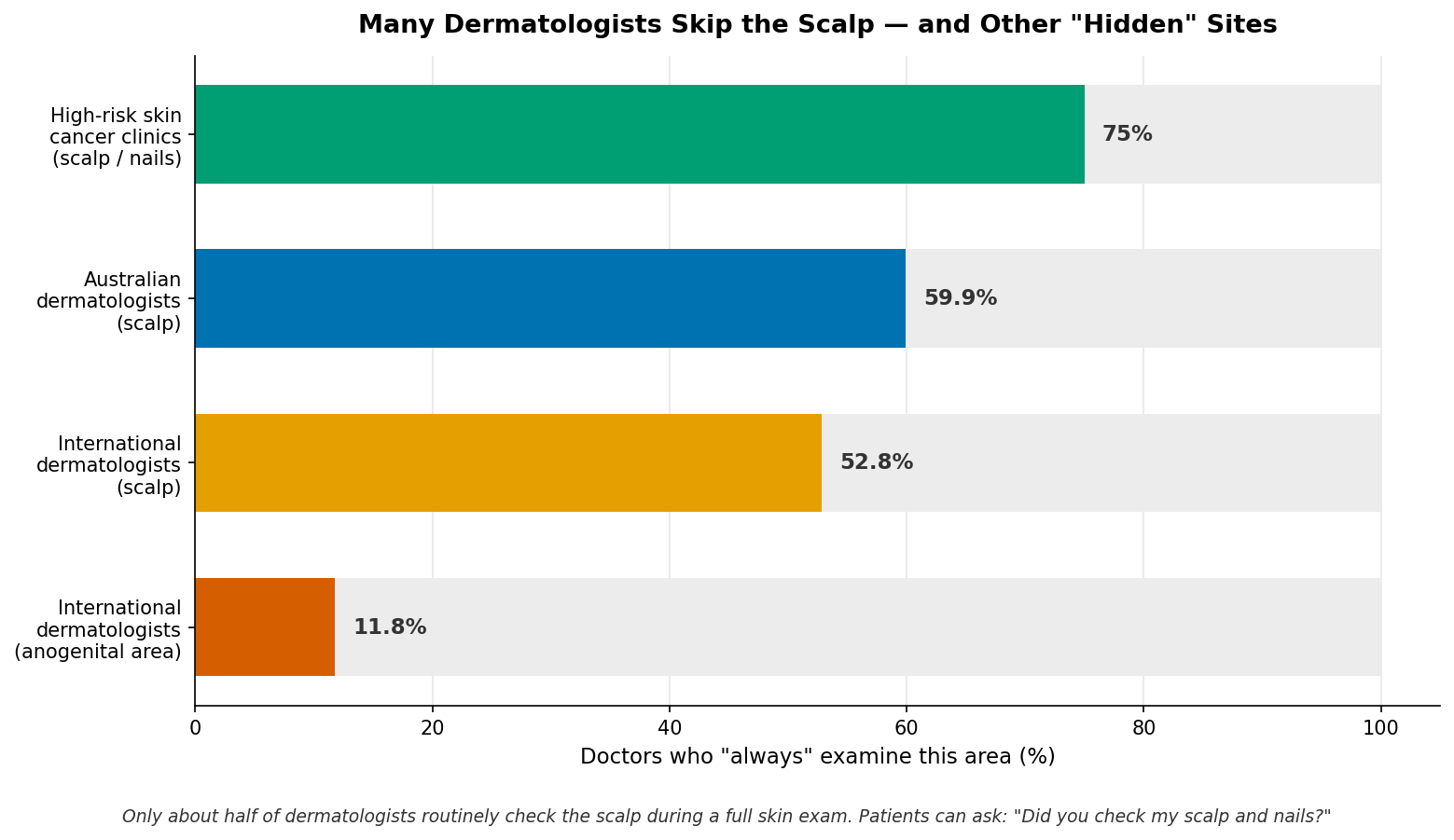 Figure 1: The main reasons scalp and nail areas are skipped during routine skin checks, ranging from physical obstruction by hair to lack of trichoscopy training. Data synthesised from international dermatology practice surveys.
For patients, the barriers are even bigger. It is difficult to examine your own scalp without a mirror and a comb or someone to help you. Nail polish hides early warning signs and some changes under a nail look like bruises, scabs or fungus, hence the average delay between first symptoms of nail melanoma and a correct diagnosis is roughly 1.5-2 years.
That delay is crucial in providing a good prognosis for melanoma. Catch the symptoms early, and roughly 99 out of 100 people will have a five year survival rate; catch the symptoms late that figure can drop significantly.
Common Scalp Conditions
Scalp Melanoma: "The Invisible Killer"
Scalp melanoma makes up 3%-5% of all skin melanomas but it accounts for a disproportionate number of melanoma deaths. The average age at diagnosis is 62 years old. Men make up roughly 76% of cases and male pattern baldness raises the risk 7-fold.
The reason it is dangerous is because of how late it is found. By the time scalp melanoma is diagnosed, its average thickness (a measurement called Breslow thickness) is about 2.1 mm, more than double the thickness for other head-and-neck melanomas which is usually 0.85 mm.
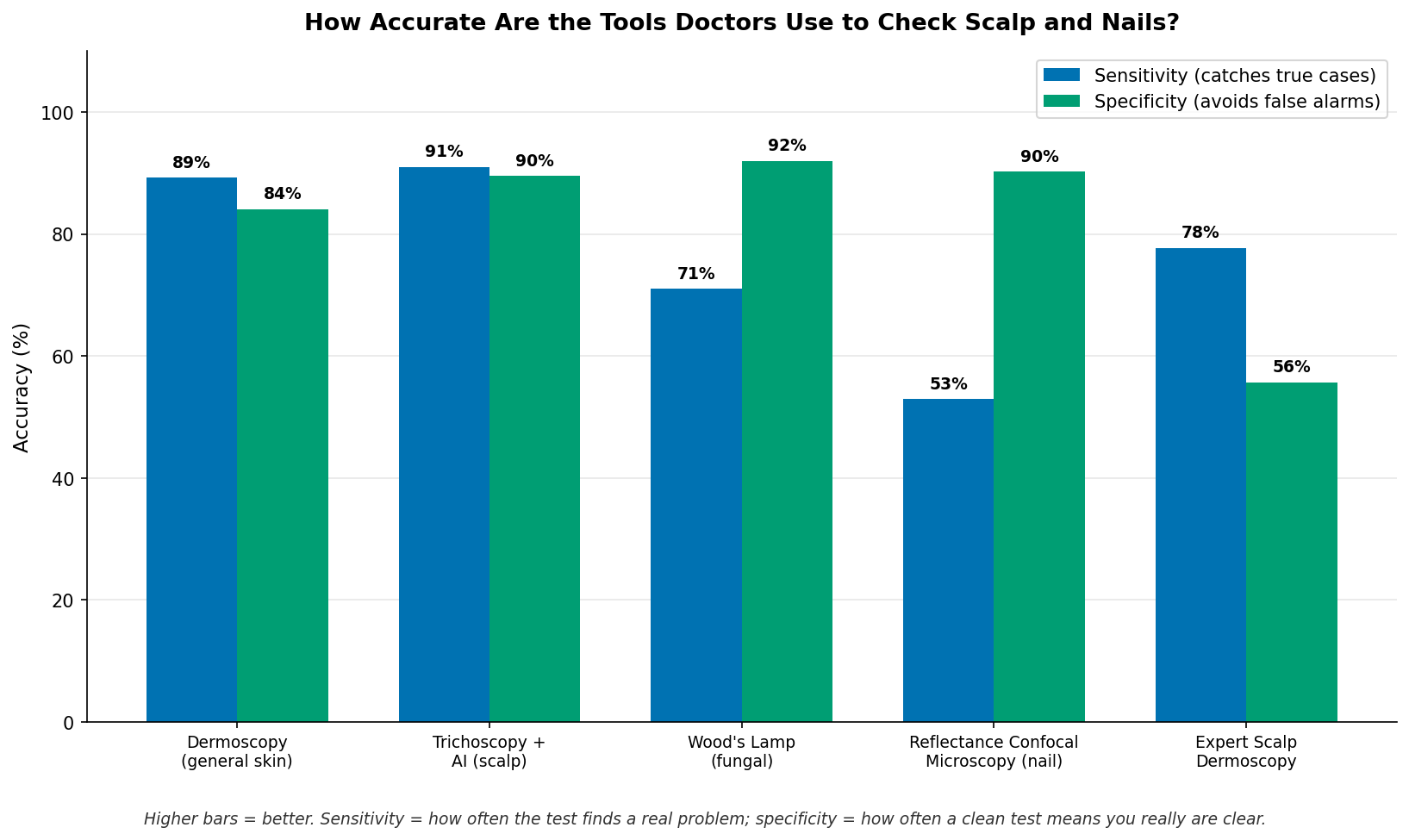
Figure 2: Five- and ten-year survival rates for scalp/neck melanoma are significantly lower than melanomas elsewhere on the body, largely because hair conceals lesions until they grow thicker. SEER population data.
Basal Cell and Squamous Cell Carcinoma
The most common skin cancers, basal cell carcinoma (BCC) and squamous cell carcinoma (SCC), is mostly caused by sun exposure and the scalp of a balding head has more exposure than a non-bald person. BCC accounts for about 80% of all non-melanoma skin cancers and scalp BCC tends to behave more aggressively than BCC on other parts of the body. When found early, scalp BCC and SCC are highly curable.
Seborrhoeic Keratosis
These present as waxy, brown bumps that usually show up with age. They are benign but they can look almost identical to melanoma or a pigmented BCC.
Scalp Psoriasis
Scalp psoriasis affects up to 80% of people with psoriasis and for nearly 80% of them, the scalp is where psoriasis first shows up. It is often mistaken for dandruff, the plaques can be itchy, painful, prone to bleeding and they cause real distress where about 80% of patients report a negative impact on quality of life.
Seborrhoeic Dermatitis
Affecting roughly 1%-5% of adults, seborrhoeic dermatitis shows up as greasy, yellowish, flaky patches on the scalp and face. It involves the scalp in about 70% of cases. It is not dangerous but is chronic and often itchy and painful.
Tinea Capitis (Scalp Ringworm)
A fungal infection primarily of children aged 3-14, tinea capitis causes scaly, sometimes pus-filled patches and patchy hair loss. If untreated, it can cause permanent scarring and bald spots, so a child with persistent scalp scaling and hair loss should be seen promptly.
Common Nail Conditions
Subungual Melanoma
Subungual melanoma (melanoma under the nail) accounts for less than 3.5% of all melanomas in caucasian populations, but it represents a much larger share of melanomas in people with darker skin tones: 75% of melanomas in African populations, 25% in some Chinese populations and 10% in Japanese populations.
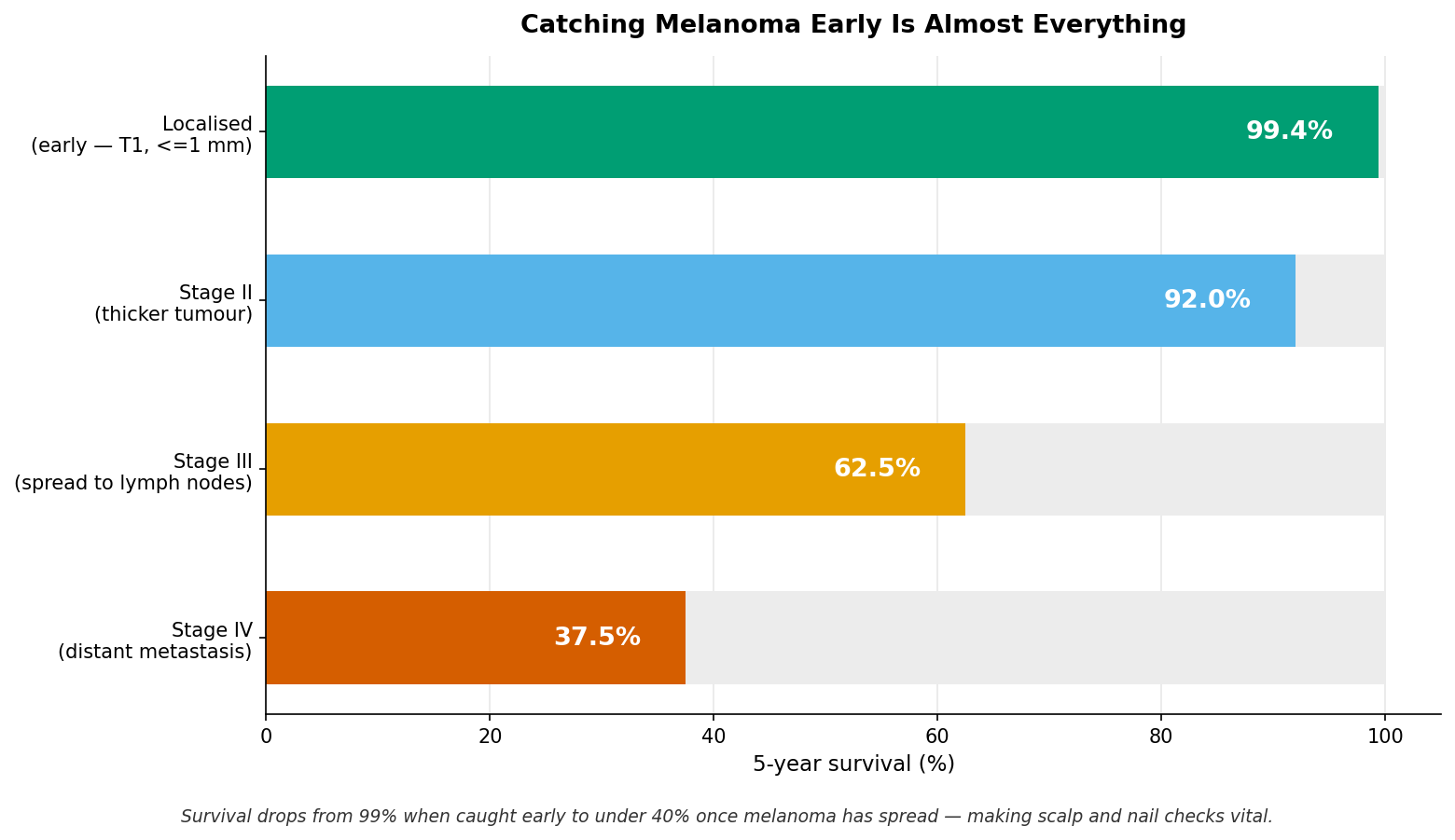 Figure 3: While subungual melanoma is rare in caucasian populations, it represents a major share of melanomas in people of African, Asian and Hispanic descent. Data adapted from PubMed-indexed epidemiology reviews.
It most often affects the thumbs and big toes. Up to one in three subungual melanomas are amelanotic, meaning they have no pigment at all, which makes them especially deceptive. Average diagnostic delay is around two years and by the time it is diagnosed, five-year survival can drop to roughly 30%.
Onychomycosis (Fungal Nail Infection)
This is the most common nail problem. Onychomycosis affects roughly 10% of the general population, rising to 20% in people over 60, and around 50% of people over 70. About one in three people with diabetes is affected. In older adults and people with diabetes, a cracked, infected toenail can be a doorway for bacterial infection (cellulitis).
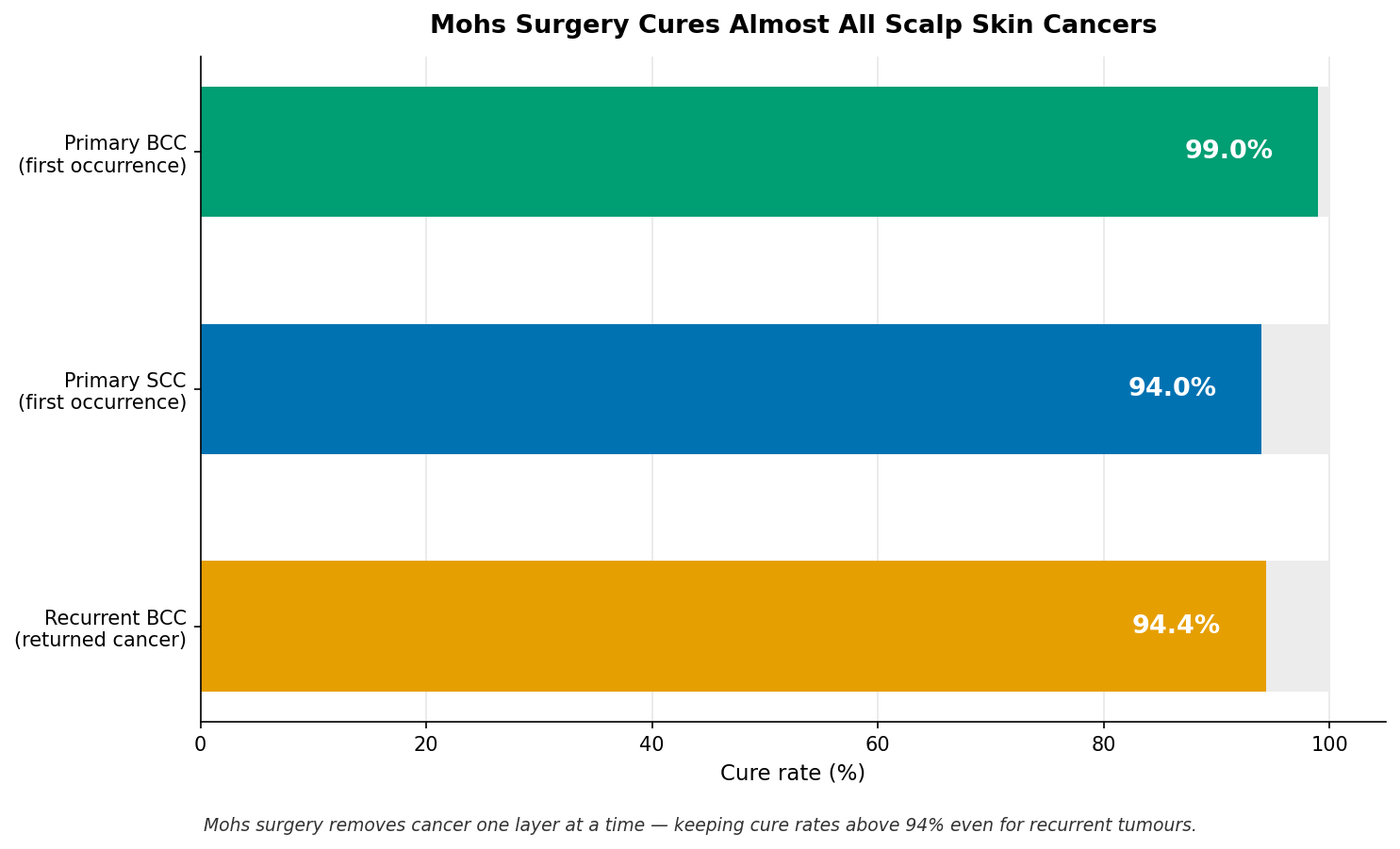 Figure 4: Fungal nail infection prevalence climbs steeply with age, from around 10% in the general population to roughly half of those over 70. StatPearls / NCBI data.
Nail Psoriasis
Between 10%-82% of people with psoriasis have nail involvement. Common signs include pitting (small dents), thickening, yellowish "oil drops" and crumbling. Nail psoriasis is one of the strongest predictors of psoriatic arthritis, which can cause permanent joint damage if untreated. Up to 80% of people with psoriatic arthritis have nail involvement.
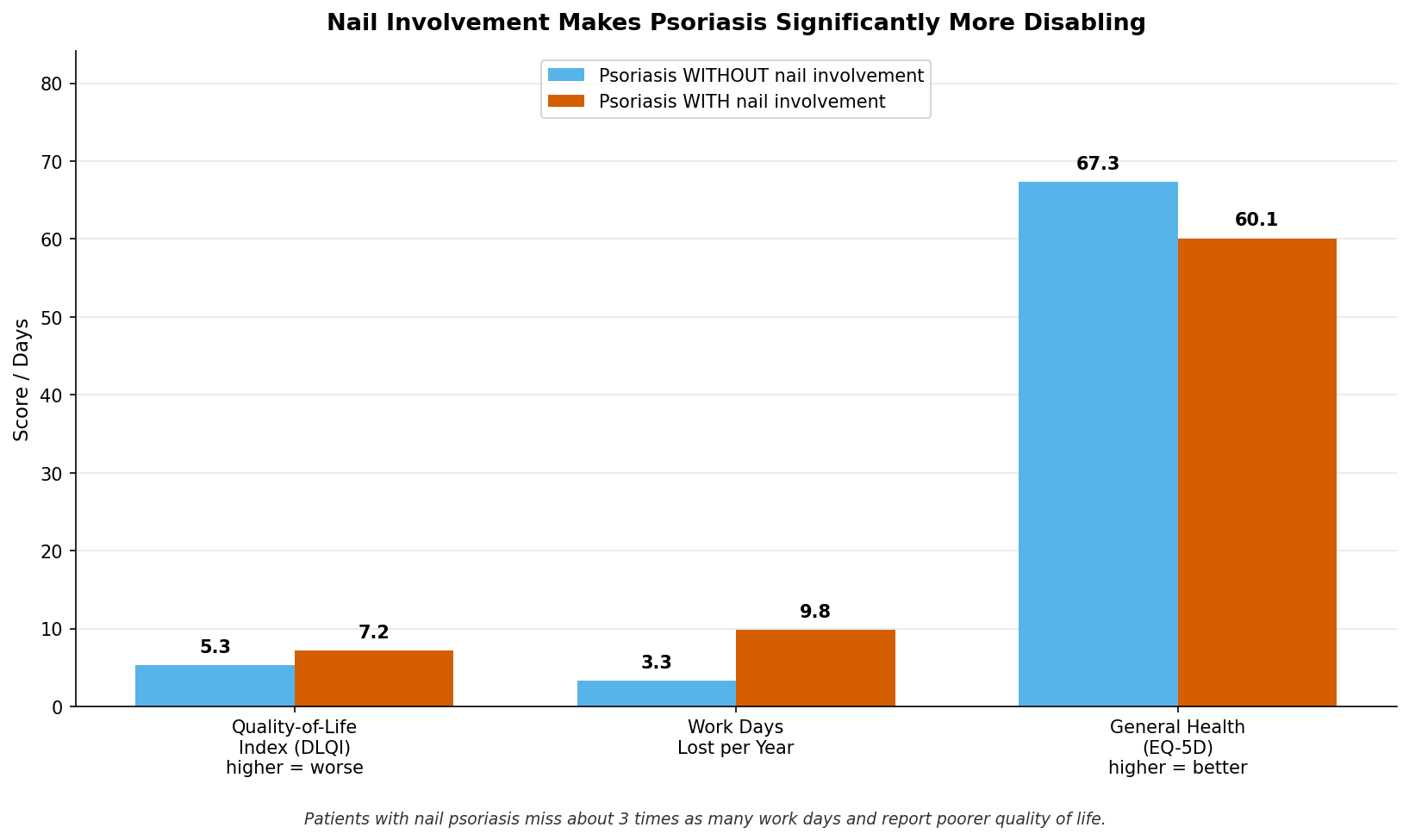 Figure 5: People with nail psoriasis report higher disability scores (DLQI), lower general health (EQ-5D), and miss roughly three times more work days than those with psoriasis but no nail involvement.
Nail Lichen Planus
Lichen planus is an inflammatory condition that, when it hits the nails, can cause thinning, ridging, splitting and, if untreated, permanent nail loss. Early treatment, often with steroid injections, achieves moderate-to-good improvement in roughly 60% of patients.
Onycholysis (Nail Separation)
That gap between the nail and the nail bed can be caused by trauma, fungus, psoriasis, certain medications or thyroid disease. Persistent or unexplained onycholysis is worth a medical opinion rather than home remedies.
How to Examine Your Own Scalp and Nails
A Five-Minute Self-Exam
Once a month, set aside time after a shower in good lighting:
- Comb your hair into sections with a wide-toothed comb or a blow dryer on a cool setting. Use a hand mirror in combination with a wall mirror, or ask someone to help, so you can see every part of your scalp
- Look for moles, scabs that do not heal, sores that bleed, scaly patches or new bumps and for any existing lesions that change in size, shape or colour
- Do not forget to check the back of the neck, behind the ears and the hairline
- For your nails, remove any polish first. Examine fingernails and toenails in bright natural light
- Compare left to right; most nail problems start in one nail
The ABCDEF Warning Signs for Nails
Dermatologists use a simple memory aid for suspicious nail changes:
- A – Age: Most cases occur between the 50s-70s. The risk is higher in people of African, Asian, Hispanic or Native American descent
- B – Brown-black band: A dark stripe wider than 3 mm, with irregular or blurred borders
- C – Change: The band gets wider, darker, does not grow out or a nail problem that will not heal despite treatment
- D – Digit: Thumb, big toe and index finger are most commonly affected
- E – Extension: Pigment spreading onto the skin around the nail (called Hutchinson's sign)
- F – Family: family or personal history of melanoma or unusual moles
How to Tell a Bruise From Something Worse
A subungual bruise (haematoma) starts after an injury and grows out with the nail over weeks to months, eventually leaving a normal-looking proximal nail. A subungual melanoma, by contrast, stays anchored to the nail fold, it does not migrate and it may widen or darken over time.
When to See a Dermatologist
Some changes warrant a routine appointment. Others should be seen urgently.
See a dermatologist soon (within weeks) if you notice:
- A new mole or pigmented spot on the scalp, especially if you are male and over 50
- A scaly patch on the scalp that bleeds, crusts or does not heal
- A new dark stripe under a single nail
- Pitting, crumbling or yellow patches of one or more nails alongside joint pain
- Persistent fungal-looking nails that do not respond to over-the-counter treatments
Seek urgent assessment if you notice:
- A scalp mole that is rapidly changing in size, shape or colour
- A nail band that is growing wider, darkening or showing pigment spreading onto the skin (Hutchinson's sign)
- A non-healing scalp wound that bleeds repeatedly
- A nail problem accompanied by sudden swelling, redness, pus or significant pain, especially if you have diabetes or are immunosuppressed
In the UK, your GP can refer you to a dermatologist under the two-week-wait pathway for suspected skin cancer. In the US, most dermatology practices offer skin cancer screening appointments within days for concerning lesions.
How Dermatologists Examine the Scalp and Nails
Dermoscopy and Trichoscopy
A dermatoscope is a handheld magnifier (usually 10x-200x) with a polarised light that lets a dermatologist see colours and patterns under the top layer of skin that are completely invisible to the naked eye. For scalp lesions, it is called trichoscopy, for nails, it is called onychoscopy.
Dermoscopy roughly doubles diagnostic accuracy for melanoma compared with naked-eye examination. For melanocytic lesions, dermoscopy reaches sensitivity around 89% and specificity around 84%.
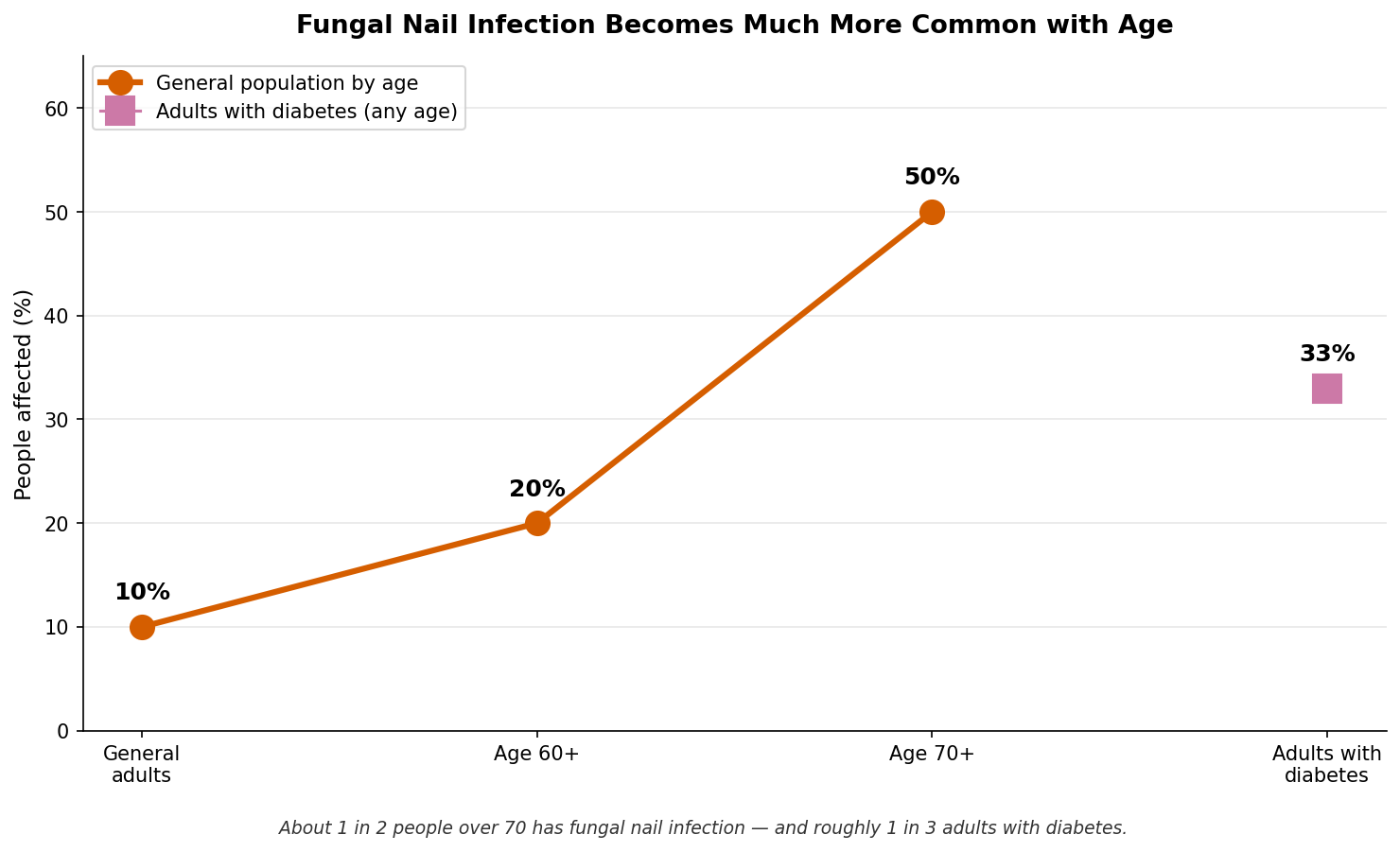 Figure 6: Sensitivity and specificity of common dermatological diagnostic tools. AI-assisted dermoscopy and trichoscopy show particularly high performance for face and scalp lesions. PubMed-indexed validation studies.
Wood's Lamp Examination
A Wood's lamp is a long-wave ultraviolet light that makes certain fungi, bacteria and pigment changes fluoresce. It is a quick, painless way to support a diagnosis of some fungal infections with 71% sensitivity and 92% specificity.
Reflectance Confocal Microscopy
This is an advanced, non-invasive imaging technique that lets clinicians see cells in real time without a biopsy. For onychomycosis, it has a specificity of about 90%.
Biopsy
If something looks suspicious after dermoscopy, the only way to confirm a diagnosis is a biopsy. For nail biopsies in particular, doctors with specific surgical expertise in nail anatomy are important because a poorly performed nail biopsy can cause permanent deformity.
What Treatment Looks Like
Skin Cancer on the Scalp
For most BCC and SCC on the scalp, treatment is surgical. Mohs micrographic surgery, which removes the cancer one layer at a time and checks each layer under a microscope, has some of the highest cure rates in all of oncology:
- 99% cure rate for primary BCC on the scalp
- 94.4% cure rate for recurrent BCC
- >94% cure rate for primary SCC
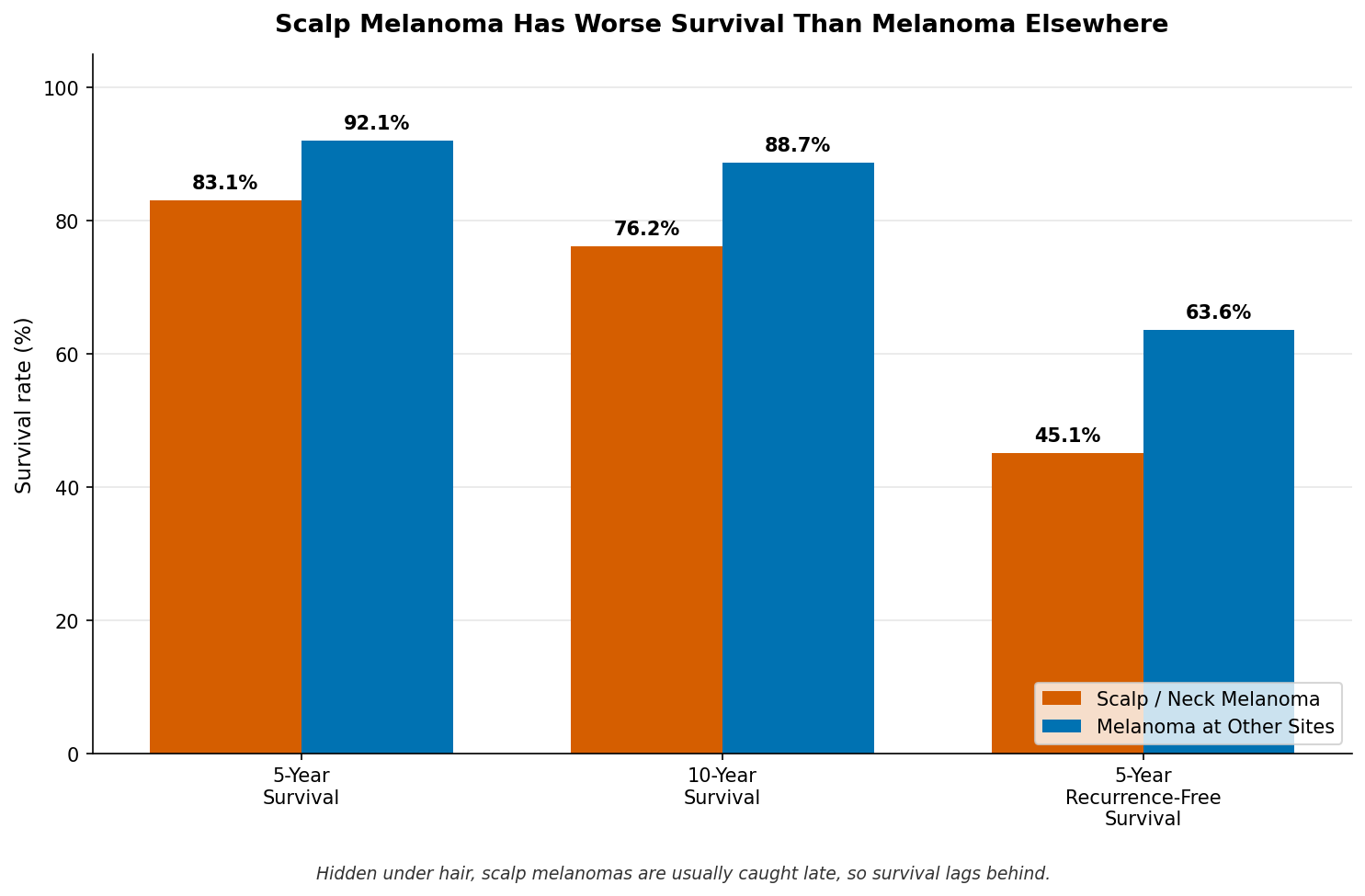 Figure 7: Cure rates for Mohs micrographic surgery on the scalp are among the highest in oncology, especially for primary (first-time) basal and squamous cell carcinomas.
For scalp melanoma, treatment depends heavily on thickness. Surgery with wide margins is standard; deeper or more advanced cases may also involve sentinel lymph node biopsy and immunotherapy. The single biggest determinant of outcome is how thick the melanoma is at diagnosis.
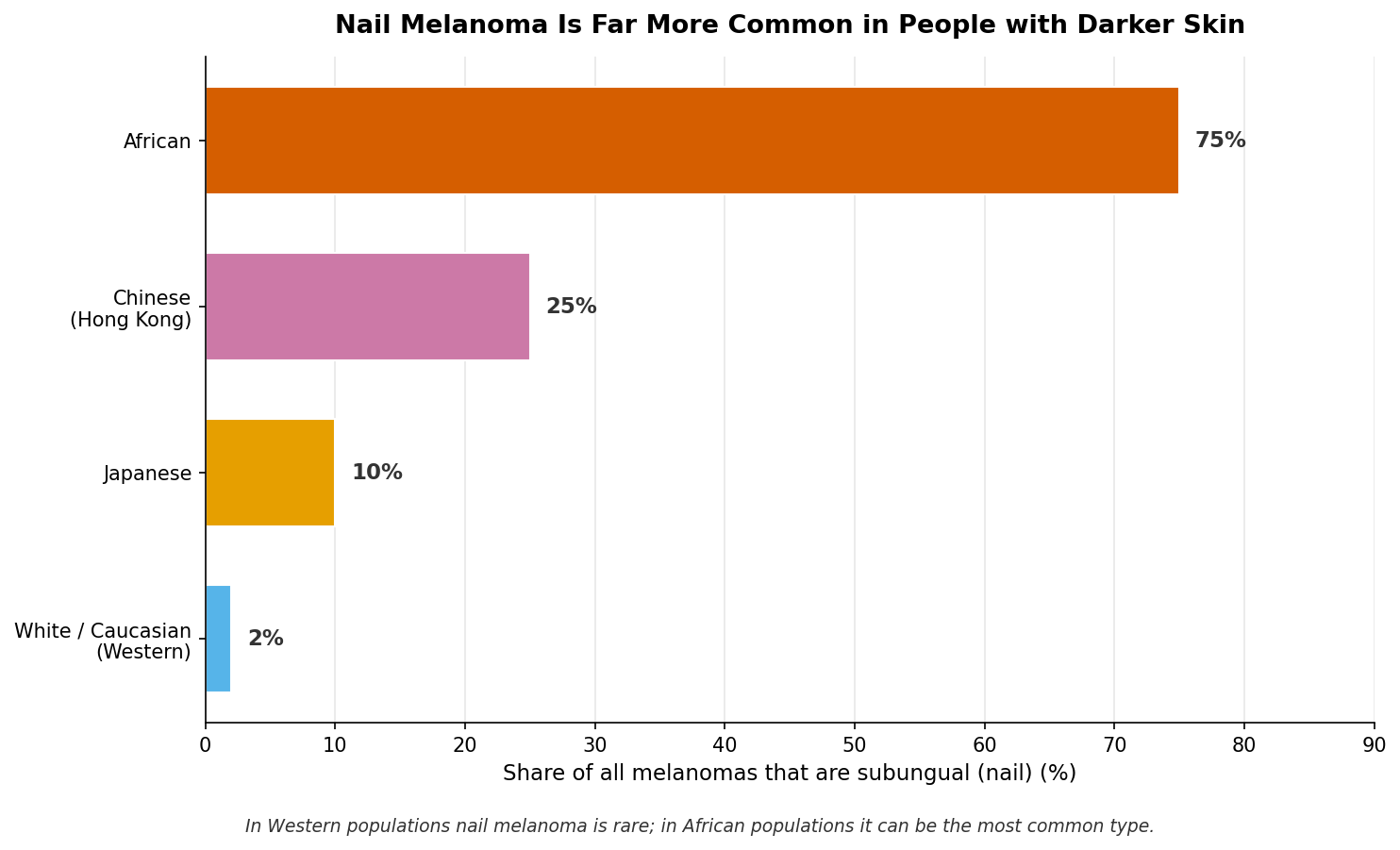 Figure 8: Thirty-year melanoma-specific survival ranges from roughly 95% for thin tumours (T1, less than 1 mm) to about 54% for thick tumours (T4, more than 4 mm). Early detection is the single most powerful tool we have.
Inflammatory Conditions
Scalp psoriasis is treated in steps: medicated shampoos(such as coal tar or salicylic acid), topical steroids, vitamin D analogues and for stubborn cases, oral medications like methotrexate or modern biologic injections (such as ixekizumab or bimekizumab) that can produce near-complete clearance.
Nail psoriasis can be treated with topical steroids, intralesional steroid injections and the same range of systemic and biologic therapies. Since nail involvement is so strongly linked to psoriatic arthritis, treatment is often coordinated with a rheumatologist.
Nail lichen planus is usually treated with steroid injections, methotrexate or sometimes biologics. The earlier the treatment, the better the chance of preserving the nail.
Fungal Nail Infection
Mild cases sometimes respond to topical antifungal lacquers, but most cases benefit from oral terbinafine. Cure rates with terbinafine are around 76%, with itraconazole around 60% and with fluconazole around 48%. Relapse is common within 2 to 3 years, so prevention such as drying the feet thoroughly, treating athlete's foot and avoiding shared footwear and shower floors) is important.
Watch-and-Wait
For benign lesions like seborrhoeic keratosis, treatment is optional and cosmetic. The most important thing is the initial accurate diagnosis.
Why This Matters for Your Life, Not Just Your Skin
The numbers around scalp and nail conditions are striking on their own, but the human story is just as important.
Nail psoriasis patients miss an average of 9.8 days of work per year, three times more than psoriasis patients without nail involvement. Their quality-of-life scores are measurably worse, even when the actual skin disease is mild. Scalp psoriasis carries a similar burden: patients describe years of feeling self-conscious, hiding hair loss, avoiding swimming pools and intimacy.
For those with skin cancer, the cost of late detection is measured in years of life. A thin (T1) scalp melanoma caught early carries a 30-year survival of nearly 95%. The same cancer caught when it has grown thick (T4) drops survival to around 54%. That gap is almost entirely about how soon it gets noticed.
What You Can Do Tomorrow
The most powerful thing about scalp and nail health is that the simplest interventions (looking, asking, removing the polish, parting the hair) change outcomes more than any high-tech device.
- Do a self-exam once a month, ideally on the same day each month to build the habit
- Take photos of any moles, marks or nail bands so you can spot changes objectively
- Remove nail polish before each self-exam and before any dermatology appointment
- Ask your GP or dermatologist to examine your scalp and nails at your next visit
- If you are a balding man over 50 years old, use sunscreen or a hat and check it routinely
- If you notice a dark stripe under a single nail that was not there before, have it checked
Scalp and nails get overlooked because they are awkward to see, easy to disguise and slow to change, but once you know what to look for, they become one of the most informative parts of any skin check. Five minutes a month is a small price to catch the things that matter most when they are still small.
Further Reading
Self-Examination and Screening
- AAD: How to perform a skin self-exam
- AAD: How to examine your skin for skin cancer
- Cambridge University Hospitals NHS: How to check your skin for cancer
- NHS: Skin cancer (melanoma) symptoms and signs
Scalp Conditions and Treatment
- NHS: Psoriasis treatment
- Guy's and St Thomas' NHS: Treating scalp psoriasis
- Mayo Clinic: Seborrheic keratosis diagnosis and treatment
- NIH MedlinePlus: Scalp problems
Nail Conditions and Treatment
- Mayo Clinic: 7 fingernail problems not to ignore
- Cleveland Clinic: Onycholysis
- Cleveland Clinic: Nail psoriasis
- Onychomycosis StatPearls (NCBI Bookshelf)
Melanoma and Skin Cancer Resources
- National Cancer Institute: Melanoma treatment (PDQ)
- NHS Scotland: Skin cancer referral guidelines
- NIH MedlinePlus: Melanoma
References/Helpful Resources
- Stanganelli I, Tucci G, Mazzoni L, et al. Scalp melanoma: a high-risk subset of cutaneous head and neck melanomas. PubMed [Internet]. [cited 2026 Jun 2]. Available from: https://pubmed.ncbi.nlm.nih.gov/38137712/
- Licata G, Scharf C, Ronchi A, et al. Melanoma of the scalp and neck: a population-based analysis. PubMed [Internet]. [cited 2026 Jun 2]. Available from: https://pubmed.ncbi.nlm.nih.gov/36551538/
- Lachiewicz AM, Berwick M, Wiggins CL, Thomas NE. Survival differences between patients with scalp or neck melanoma and those with melanoma of other sites in the Surveillance, Epidemiology, and End Results (SEER) program. PubMed [Internet]. [cited 2026 Jun 2]. Available from: https://pubmed.ncbi.nlm.nih.gov/18427046/
- Howard MD, Wee E, Wolfe R, et al. Anatomic location of primary melanoma: survival differences and sun exposure. PubMed [Internet]. [cited 2026 Jun 2]. Available from: https://pubmed.ncbi.nlm.nih.gov/28413056/
- Pearlman RL, Wilkerson AH, Cobb EK, et al. Factors associated with male pattern baldness and risk of melanoma. PubMed [Internet]. [cited 2026 Jun 2]. Available from: https://pubmed.ncbi.nlm.nih.gov/28602049/
- Tan KB, Moncrieff M, Thompson JF, et al. Subungual melanoma: a study of 124 cases highlighting features of early lesions. PubMed [Internet]. [cited 2026 Jun 2]. Available from: https://pubmed.ncbi.nlm.nih.gov/19111151/
- Levit EK, Kagen MH, Scher RK, Grossman M, Altman E. The ABC rule for clinical detection of subungual melanoma. PubMed [Internet]. [cited 2026 Jun 2]. Available from: https://pubmed.ncbi.nlm.nih.gov/10642684/
- Haneke E. Important malignant and new nail tumors. PubMed [Internet]. [cited 2026 Jun 2]. Available from: https://pubmed.ncbi.nlm.nih.gov/30765143/
- Nakamura Y, Ohara K, Kishi A, et al. Effects of non-amelanotic and amelanotic subungual melanoma on Hutchinson sign reliability. PubMed [Internet]. [cited 2026 Jun 2]. Available from: https://pubmed.ncbi.nlm.nih.gov/38112410/
- Soon SL, Solomon AR, Papadopoulos D, et al. Acral lentiginous melanoma mimickers: clinical-pathologic correlation. PubMed [Internet]. [cited 2026 Jun 2]. Available from: https://pubmed.ncbi.nlm.nih.gov/19686364/
- Pyne JH, Myint E, Hou A. Basal cell carcinoma: variation in invasion depth by subtype, sex, and anatomic site. PubMed [Internet]. [cited 2026 Jun 2]. Available from: https://pubmed.ncbi.nlm.nih.gov/30659714/
- Leiter U, Keim U, Garbe C. Epidemiology of skin cancer: update 2019. National Center for Biotechnology Information [Internet]. [cited 2026 Jun 2]. Available from: https://www.ncbi.nlm.nih.gov/pmc/articles/PMC7900109/
- Veasey JV, Framil VM, Nadal SR, Marta AC, Lellis RF. Onychomycosis: epidemiology, diagnosis, and management. National Center for Biotechnology Information StatPearls [Internet]. [cited 2026 Jun 2]. Available from: https://www.ncbi.nlm.nih.gov/books/NBK441853/
- Gupta AK, Stec N, Summerbell RC, et al. Global prevalence of onychomycosis in general and special populations: an updated perspective. PubMed [Internet]. [cited 2026 Jun 2]. Available from: https://pubmed.ncbi.nlm.nih.gov/38606891/
- Armstrong AW, Mehta MD, Schupp CW, Gondo GC, Bell SJ, Griffiths CEM. Psoriasis prevalence in adults in the United States. PubMed [Internet]. [cited 2026 Jun 2]. Available from: https://pubmed.ncbi.nlm.nih.gov/34190957/
- Egeberg A, Thyssen JP, Wu JJ, et al. Hard-to-treat areas in psoriasis. National Center for Biotechnology Information [Internet]. [cited 2026 Jun 2]. Available from: https://www.ncbi.nlm.nih.gov/pmc/articles/PMC7238562/
- Klaassen KMG, van de Kerkhof PCM, Pasch MC. Nail psoriasis: a questionnaire-based survey. PubMed [Internet]. [cited 2026 Jun 2]. Available from: https://pubmed.ncbi.nlm.nih.gov/28919705/
- Crowley J, Reich K, Paul C, et al. Quality of life in nail psoriasis: systematic review. PubMed [Internet]. [cited 2026 Jun 2]. Available from: https://pubmed.ncbi.nlm.nih.gov/33796553/
- Chen W, Plewig G. Seborrheic dermatitis: global prevalence and epidemiology review. PubMed [Internet]. [cited 2026 Jun 2]. Available from: https://pubmed.ncbi.nlm.nih.gov/38958996/
- Hay R, Bendeck SE, Chen S, et al. Skin diseases. National Center for Biotechnology Information Bookshelf, Tinea capitis StatPearls [Internet]. [cited 2026 Jun 2]. Available from: https://www.ncbi.nlm.nih.gov/books/NBK536909/
- Strazzulla LC, Avila L, Lo Sicco K, Shapiro J. Image gallery: trichoscopy. PubMed [Internet]. [cited 2026 Jun 2]. Available from: https://pubmed.ncbi.nlm.nih.gov/26370641/
- Lallas A, Apalla Z, Argenziano G, et al. Dermoscopy of lentiginous melanomas of the scalp. PubMed [Internet]. [cited 2026 Jun 2]. Available from: https://pubmed.ncbi.nlm.nih.gov/38035549/
- Piraccini BM, Alessandrini A, Starace M. Onychoscopy: dermoscopy of the nails. PubMed [Internet]. [cited 2026 Jun 2]. Available from: https://pubmed.ncbi.nlm.nih.gov/30201152/
- Klatte JL, van der Beek N, Kemperman PMJH. 100 years of Wood's lamp revised. PubMed [Internet]. [cited 2026 Jun 2]. Available from: https://pubmed.ncbi.nlm.nih.gov/30725878/
- Pharaon M, Gari-Toussaint M, Khemis A, et al. Diagnosis and treatment monitoring of toenail onychomycosis by reflectance confocal microscopy. PubMed [Internet]. [cited 2026 Jun 2]. Available from: https://pubmed.ncbi.nlm.nih.gov/24786418/
- Veness MJ, Howle JR, Allan CP, et al. Squamous cell carcinoma of the scalp: Peter MacCallum Cancer Centre experience. PubMed [Internet]. [cited 2026 Jun 2]. Available from: https://pubmed.ncbi.nlm.nih.gov/27283245/
- Demirseren DD, Demirseren ME, Ceran C, et al. Mohs micrographic surgery of scalp tumours. PubMed [Internet]. [cited 2026 Jun 2]. Available from: https://pubmed.ncbi.nlm.nih.gov/17083590/
- Sosa Seda IM, Wong DJ, Kim YS, et al. Recurrence rates of basal cell carcinoma after Mohs surgery: REGESMOHS cohort. PubMed [Internet]. [cited 2026 Jun 2]. Available from: https://pubmed.ncbi.nlm.nih.gov/34694418/
- Gupta AK, Foley KA, Versteeg SG. New therapeutic options for onychomycosis. PubMed [Internet]. [cited 2026 Jun 2]. Available from: https://pubmed.ncbi.nlm.nih.gov/30456537/
- Iorizzo M, Tosti A, Starace M, et al. Nail psoriasis: a combined treatment approach and updated systemic options. PubMed [Internet]. [cited 2026 Jun 2]. Available from: https://pubmed.ncbi.nlm.nih.gov/37519941/
- Iorizzo M, Starace M, Pasch MC. Nail lichen planus: clinical features and outcomes. PubMed [Internet]. [cited 2026 Jun 2]. Available from: https://pubmed.ncbi.nlm.nih.gov/34703863/
- Goldminz AM, Buzney CD, Kim N, Au SC, Gottlieb AB. Prevalence of the metabolic syndrome in children with psoriatic disease and onycholysis as early indicator of thyroid disease. National Center for Biotechnology Information [Internet]. [cited 2026 Jun 2]. Available from: https://www.ncbi.nlm.nih.gov/pmc/articles/PMC6522173/
- Robinson JK. Full-body skin examination practices among international dermatologists. National Center for Biotechnology Information [Internet]. [cited 2026 Jun 2]. Available from: https://www.ncbi.nlm.nih.gov/pmc/articles/PMC12507240/
- Helm MF, Hallock KK, Bisbee E, Miller JJ. Total body skin examination practices in high-risk skin cancer clinics. PubMed [Internet]. [cited 2026 Jun 2]. Available from: https://pubmed.ncbi.nlm.nih.gov/31106016/
- American Academy of Dermatology Association. How to perform a skin self-exam [Internet]. [cited 2026 Jun 2]. Available from: https://www.aad.org/public/diseases/skin-cancer/find/check-skin
- National Health Service. Psoriasis: treatment [Internet]. [cited 2026 Jun 2]. Available from: https://www.nhs.uk/conditions/psoriasis/treatment/
- Mayo Clinic. Seborrheic keratosis: diagnosis and treatment [Internet]. [cited 2026 Jun 2]. Available from: https://www.mayoclinic.org/diseases-conditions/seborrheic-keratosis/diagnosis-treatment/drc-20353882
- Mayo Clinic. 7 fingernail problems not to ignore [Internet]. [cited 2026 Jun 2]. Available from: https://www.mayoclinic.org/healthy-lifestyle/adult-health/in-depth/7-fingernail-problems-not-to-ignore/art-20546860
- Cleveland Clinic. Onycholysis [Internet]. [cited 2026 Jun 2]. Available from: https://my.clevelandclinic.org/health/diseases/22903-onycholysis
- Cleveland Clinic. Nail psoriasis [Internet]. [cited 2026 Jun 2]. Available from: https://my.clevelandclinic.org/health/diseases/22841-nail-psoriasis
- National Cancer Institute. Skin cancer (including melanoma) - patient version [Internet]. [cited 2026 Jun 2]. Available from: https://www.cancer.gov/types/skin
- NHS Scotland. Scottish referral guidelines for suspected cancer: skin cancers [Internet]. [cited 2026 Jun 2]. Available from: https://www.rightdecisions.scot.nhs.uk/scottish-referral-guidelines-for-suspected-cancer/skin-cancers/
