

If your scalp constantly flakes, your face alternates between oily and irritated patches, or you find yourself dealing with persistent itching and redness especially during winter months, you're not alone. Seborrheic dermatitis affects 1-4 in every 100 people globally, making it far more common than most readers realise. The truly good news: it's treatable, manageable, and doesn't have to disrupt your life.
This article answers every question someone with seborrheic dermatitis needs answered, from understanding what's actually happening in your skin to choosing the right treatment approach for your situation.
What Exactly Is Seborrheic Dermatitis?
Seborrheic dermatitis is an inflammatory skin condition that typically appears as greasy, itchy scales and redness on oil-rich areas of your body: your scalp, face (especially around the nose and eyebrows), behind ears, and upper chest. It's not contagious, it's not caused by poor hygiene, and you can't catch it from someone else.
The confusing part? It's not actually about too much oil or too much yeast alone. Recent research (2024-2025) has completely reframed our understanding: seborrheic dermatitis results from a complex interaction between your immune system, your skin barrier, yeast (Malassezia), and genetics. Your immune system overreacts to normal yeast that lives on everyone's skin, your skin barrier becomes compromised, and inflammation follows. It's fundamentally an immune issue, not a hygiene issue.
Who Gets It and Why
The prevalence of seborrheic dermatitis increases dramatically with age. Infants occasionally develop "cradle cap" (0.23% prevalence), which usually resolves within a year. But after puberty, cases climb sharply: adults peak between ages 30-40 (men at 30, women at 40), and by age 65, nearly 1 in 3 people have it.
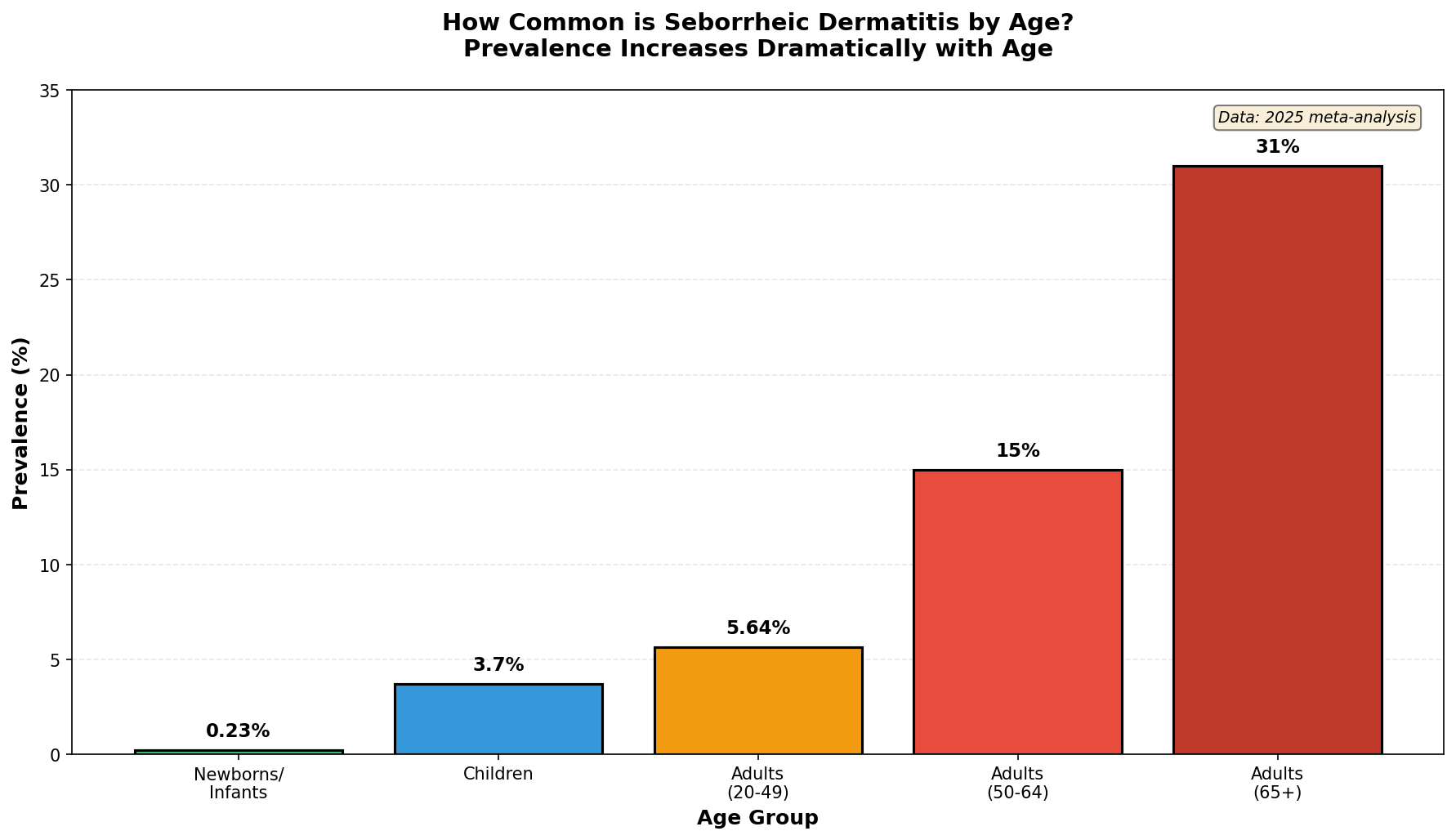 Figure 1: Seborrheic dermatitis becomes increasingly common with age, affecting nearly 31% of people over 65.
Men are more commonly affected than women, likely due to hormonal factors and increased sebaceous gland activity. Geographic variation is also striking: South Africa reports 8.82% prevalence, while India reports 2.62%, showing that climate and genetics substantially influence your risk.
The Three Underlying Problems (It's Not Just the Yeast)
Understanding what's actually happening in your skin helps explain why treatments work the way they do.
Problem 1: Your Immune System Is Overreacting
Your immune system is supposed to tolerate Malassezia yeast; it lives harmlessly on everyone's skin. But in seborrheic dermatitis, your immune system treats this normal resident like an invader. Multiple immune pathways activate simultaneously: Th17 cells, Th22 cells, and inflammatory signalling molecules flood the affected area. It's like your immune system's alarm system has a broken sensitivity dial.
A 2024 genomic study revealed something dramatic: 1,374 genes showed abnormal expression in seborrheic dermatitis skin compared to healthy skin: 674 overactive genes and 700 underactive genes. This proves seborrheic dermatitis is fundamentally an immune disorder, not simply a yeast problem.
Problem 2: Your Skin Barrier Is Broken
Your skin's protective barrier has two critical components: tight junctions (proteins that seal spaces between cells like mortar in a brick wall) and lipids (protective fats). In seborrheic dermatitis, genes controlling both become less active. Your skin loses its ability to keep irritants out and moisture in.
This creates a vicious cycle: weakened barrier allows irritants to penetrate, more immune activation follows, inflammatory chemicals damage the barrier further, and the cycle perpetuates.
Problem 3: Malassezia Yeast Orchestrates the Inflammation
Malassezia is present on 75-98% of healthy adult skin. It's not the enemy; it's a secondary player that orchestrates inflammation in genetically vulnerable people. The yeast breaks down skin oils into oleic acid and related molecules. Your overactive immune system detects these fatty acids and mounts a disproportionate response. The yeast doesn't cause the disease; it triggers the disease in people already predisposed.
What Triggers Flare-Ups? And Why Winter Is Peak Season
Understanding your specific triggers allows you to prevent rather than just react to flares.
Stress: The Most Powerful Trigger
People experiencing high stress are 8 times more likely to have seborrheic dermatitis flare-ups. Stress increases inflammatory cytokines (IL-6, TNF-alpha) throughout your body and impairs your skin barrier function. This isn't psychosomatic; it's biochemical. Stress hormones literally change your immune function and sebum composition.
If you notice flares after major stressful periods, you've identified an actionable trigger. Meditation, exercise, and adequate sleep directly reduce stress hormones and improve skin outcomes.
Alcohol: The Most Modifiable Risk Factor
This finding surprises many readers: regular alcohol consumption increases your risk of seborrheic dermatitis by 10.2 times: the most powerful modifiable risk factor we know about. Alcohol impairs immune function and damages your skin barrier. For some people struggling with frequent flares, reducing or eliminating alcohol can produce dramatic improvement.
Tobacco use also increases risk by 2.2 times, making smoking cessation another high-impact lifestyle change.
Weather and Seasonality: The Winter Problem
The most striking seasonal pattern emerges from climate data: nearly 7 out of 10 flares occur during autumn and winter combined (68.2%), with winter alone accounting for 35.3% of all annual cases. December is the peak month (7.3% of all cases occur in December).
Why winter worsens seborrheic dermatitis:
- Indoor heating dramatically reduces humidity (sometimes dropping it 50% or more)
- Cold outdoor air strips moisture from exposed skin
- Reduced sun exposure eliminates natural UV's antimicrobial effect
- Temperature fluctuations between outdoors and heated indoors stress your skin barrier
- Seasonal stress contributes to immune dysregulation
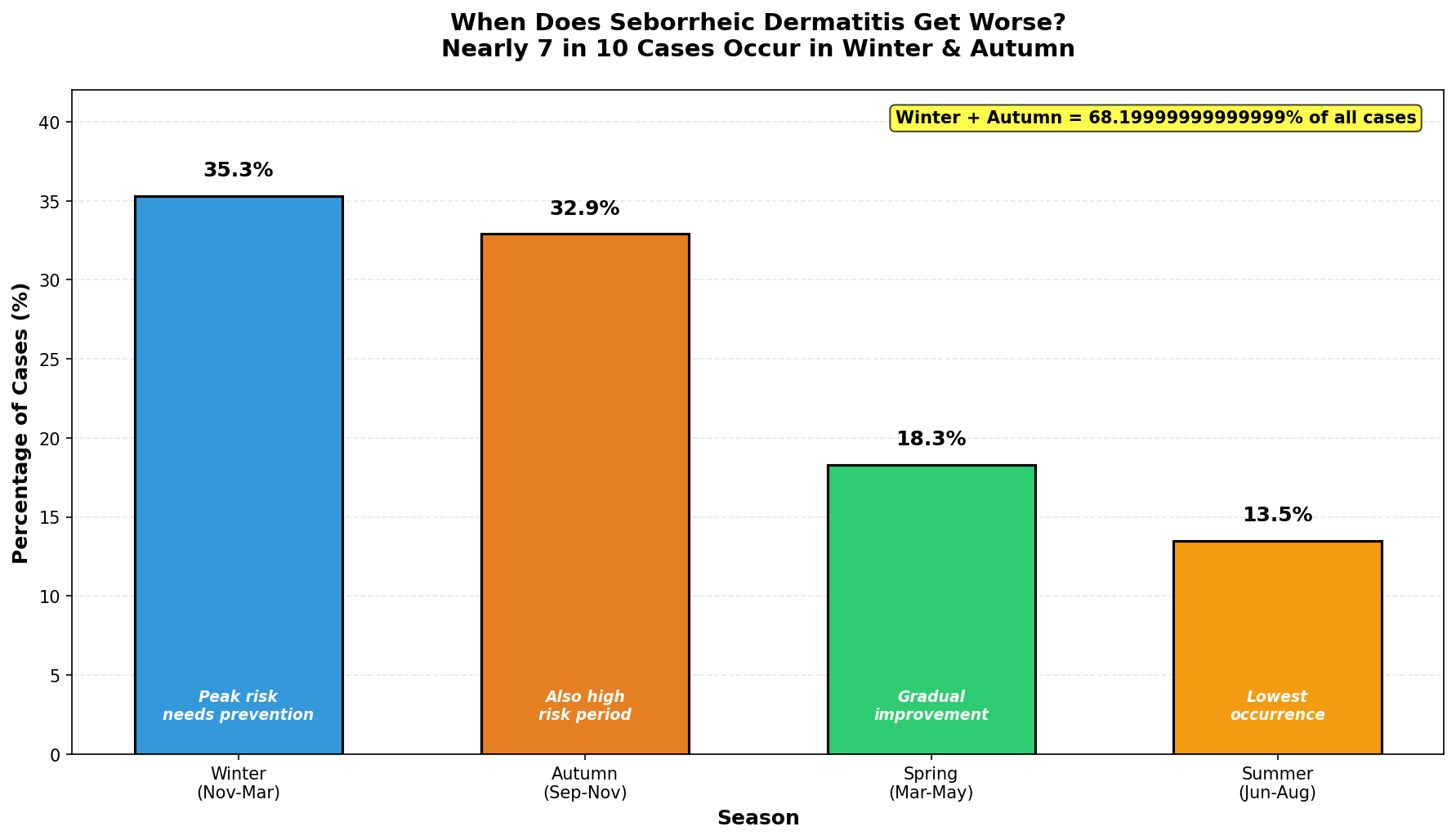 Figure 2: Seasonal pattern reveals nearly 68% of flares occur in autumn and winter combined, with December the peak month.
Diet and Food Triggers
This is where individual variation matters tremendously. Some patients report these foods trigger flares: spicy foods (16.9% of patients), sweets (16.9%), fried foods (13.5%), dairy products (11.9%), and citrus fruits (10.2%). However, just because citrus bothers one person doesn't mean it will affect you. Keeping a food diary for 2-3 weeks can reveal your personal patterns.
A Western diet (processed foods, high sugar, high saturated fat) is associated with 47% increased risk overall, while fruit-heavy diets show 25% lower risk.
Products That Make It Worse
Certain ingredients actively worsen seborrheic dermatitis:
- Harsh soaps and cleansers (sodium lauryl sulfate damages your barrier)
- Fragrances and perfumes (ranked in the top 5 allergens for seborrheic dermatitis)
- Alcohol in products (dehydrating alcohols strip skin of protective oils)
- Oils that feed Malassezia: coconut oil, jojoba oil, olive oil, sunflower oil, polysorbates
- Some parabens and preservatives
How to Manage Daily: Practical Routines That Work
Management divides into two phases: active treatment (weeks 1-8) and long-term maintenance (ongoing). Let's address both.
Daily Skincare Foundation
Cleanse once or twice daily with lukewarm (never hot) water using a gentle, fragrance-free cleanser. Hot water strips your barrier. Pat dry gently; don't rub.
Moisturise immediately after cleansing, within 3 minutes, to lock in hydration. Use fragrance-free emollients with these key ingredients:
- Hyaluronic acid (draws moisture in)
- Glycerin (humectant)
- Panthenol (soothing, moisture-retaining)
- Ceramides (repair barrier function)
- Licochalcone from licorice extract (reduces redness)
Top dermatologist-recommended moisturisers include Eucerin Redness Relief, Cetaphil Pro DermaControl Oil Absorbing Moisturiser SPF 30, and CeraVe Moisturising Cream.
Apply sunscreen SPF 30+ daily, choosing mineral formulations (zinc oxide, titanium dioxide) over chemical sunscreens.
Medicated Shampoo Protocol
For scalp involvement, use medicated antifungal shampoo 2-3 times weekly for straight/wavy hair, or once weekly for curly or tightly coiled hair (which needs less frequent washing). Here's the critical technique most people miss:
- Wet hair thoroughly
- Apply shampoo generously to scalp
- Leave it on the scalp for 5-10 minutes: this contact time is crucial
- Gently massage with fingertips (never scratch)
- Rinse thoroughly with lukewarm water
- Follow with mild conditioner on hair lengths only
Use medicated shampoo as treatment, not regular shampoo. The contact time is what allows the active ingredient to work.
Environmental Control: Humidity and Temperature
During dry winter months, run a humidifier in your bedroom for 8-10 hours nightly, targeting 40-60% humidity. Too low causes dryness (triggering flares); too high encourages fungal growth.
Avoid hot showers (they strip your barrier). Keep showers to 5-10 minutes maximum with lukewarm water. Pat dry gently.
Moderate sun exposure (10-20 minutes, 3-4 times weekly) actually improves seborrheic dermatitis due to UV's anti-inflammatory effect. Just use SPF 30+ to prevent sun damage while getting these benefits.
Treatment Options: From OTC to Advanced Therapies
Seborrheic dermatitis is chronic and relapsing. Most people need ongoing maintenance therapy, but multiple effective options exist. The right treatment depends on your disease severity, location of involvement (scalp vs. face vs. body), and personal preferences.
First-Line Topical Antifungals (Start Here)
Ketoconazole 1% (OTC) or 2% (Prescription)
Ketoconazole is the gold standard, supported by the strongest evidence base. Ketoconazole achieves 73% improvement in severity scores by week 4, and is 5.78 times more effective than placebo. Apply twice weekly, waiting at least 3 days between applications.
Costs $5-15 for OTC 1%, $50-100 for prescription 2%. The prescription 2% strength is significantly more effective (p < 0.01 at week 4) than OTC 1%, making it worth the cost if OTC isn't sufficient.
Zinc Pyrithione 1% (OTC)
A solid alternative, achieving 67% improvement at week 4. It's very affordable ($3-8 per bottle) and works well for mild to moderate cases. However, relapse rates are higher: 39% with zinc pyrithione versus only 23% with ketoconazole.
Ciclopirox 1% (Prescription)
Three times more effective than placebo (Risk Ratio 3.00), ciclopirox offers an alternative for people who don't respond adequately to ketoconazole or develop sensitivity. Costs $30-100 per bottle.
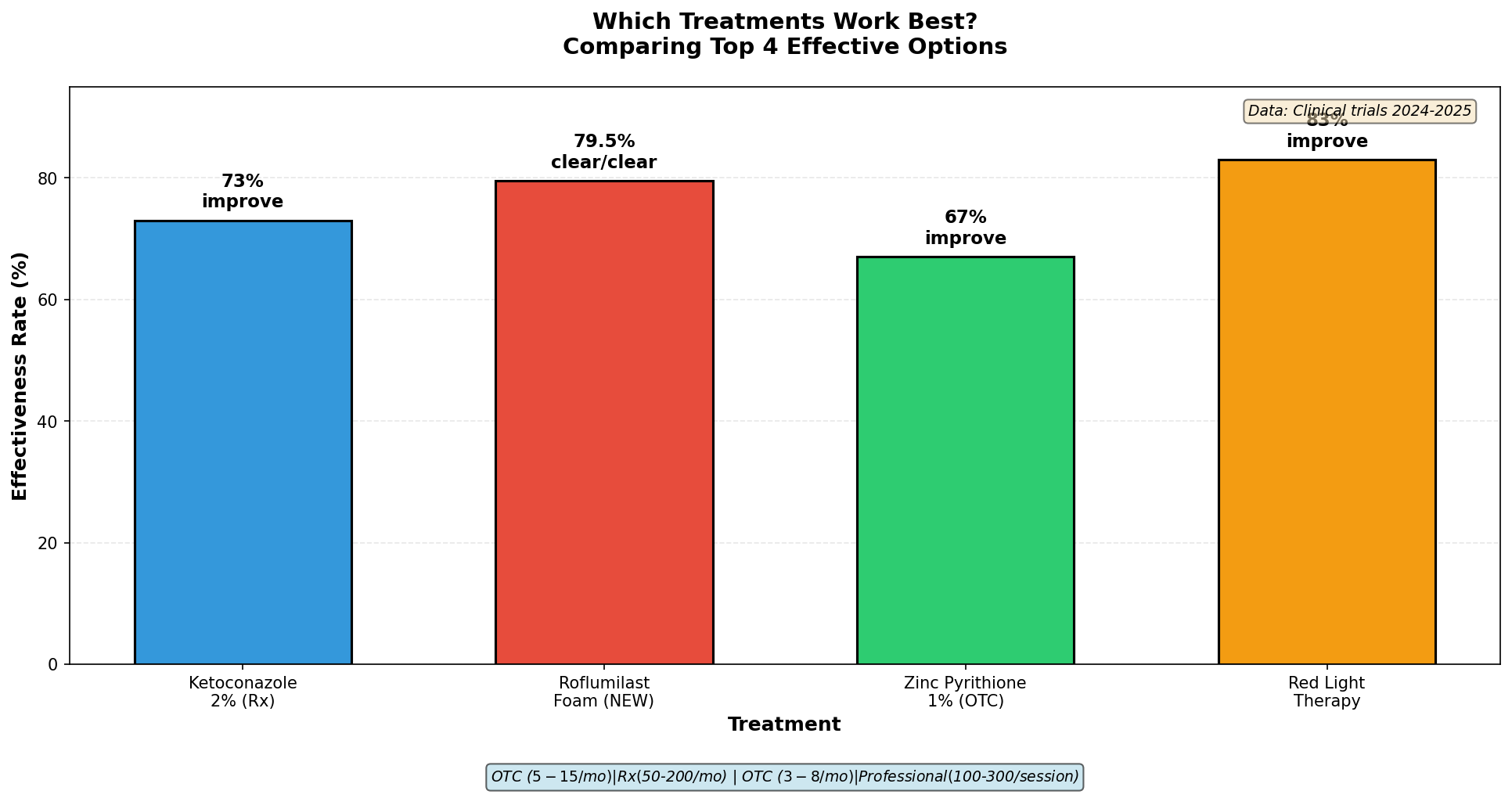 Figure 3: Most treatments help 7 in 10 patients achieve significant improvement or clear skin within 4-8 weeks.
For Rapid Symptom Control: Topical Corticosteroids
If you need fast relief (within days rather than weeks), short-term topical corticosteroids work: hydrocortisone 1% OTC, or prescription options like triamcinolone or clobetasol 0.05%.
Important: Never use topical corticosteroids as long-term monotherapy. They cause skin atrophy (thinning), visible blood vessels (telangiectasia), and frequent severe relapses when stopped. Use them for 1-2 weeks maximum alongside an antifungal. A typical regimen: clobetasol 0.05% shampoo twice weekly alternating with ketoconazole 2% twice weekly for the first 2 weeks, then dropping the steroid and continuing ketoconazole alone.
Steroid-Free Alternatives: Calcineurin Inhibitors
For facial involvement especially, tacrolimus 0.1% ointment or pimecrolimus 1% cream offer non-steroidal alternatives. They're comparable in efficacy to potent steroids, with improvement visible in 2 weeks. Crucially, they have no risk of skin atrophy, telangiectasia, or perioral dermatitis; all complications of long-term steroid use on the face.
Cost is higher ($50-150 monthly), but they're safe for long-term maintenance without the structural skin damage steroids cause.
The Game-Changer: Roflumilast Foam 0.3% (Newest Option, 2024)
In December 2023, the FDA approved roflumilast foam; the first new mechanism for seborrheic dermatitis in over 20 years. This is a PDE-4 inhibitor, meaning it works through a completely different pathway than antifungals or steroids.
Phase 3 trial results with 457 patients show: 79.5% achieved clear or almost clear skin by week 8, with 68.3% fully clear by 8 weeks. Compare this to ketoconazole's 73% improvement: roflumilast edges ahead. Adverse events occurred in only 1-1.5% of patients, mostly mild (nasopharyngitis 1.5%, nausea 1.3%, headache 1.1%).
Apply once daily (much more convenient than twice-weekly shampoos). It's steroid-free and doesn't carry antibiotic resistance concerns. The main downside: cost. At $100-200+ monthly ($1,200-2,400 annually), it's expensive compared to OTC options.
For Resistant Cases: Oral Medications
If extensive body involvement exists or topical treatments fail after 8-12 weeks, oral antifungals become appropriate:
Itraconazole 200 mg daily: Prevents disease recurrence significantly better than placebo, improves quality of life in moderate-to-severe cases. Requires monitoring for liver function and drug interactions. Cost $50-300 monthly.
Isotretinoin (Accutane): Reserved for severe, treatment-resistant cases. Recent dose-comparison data (2024-2025) reveals: 20 mg daily achieves 36.1% recurrence-free at 12 months versus only 14.3% with 10 mg: a 2.5-fold difference. Higher doses substantially outperform lower ones.
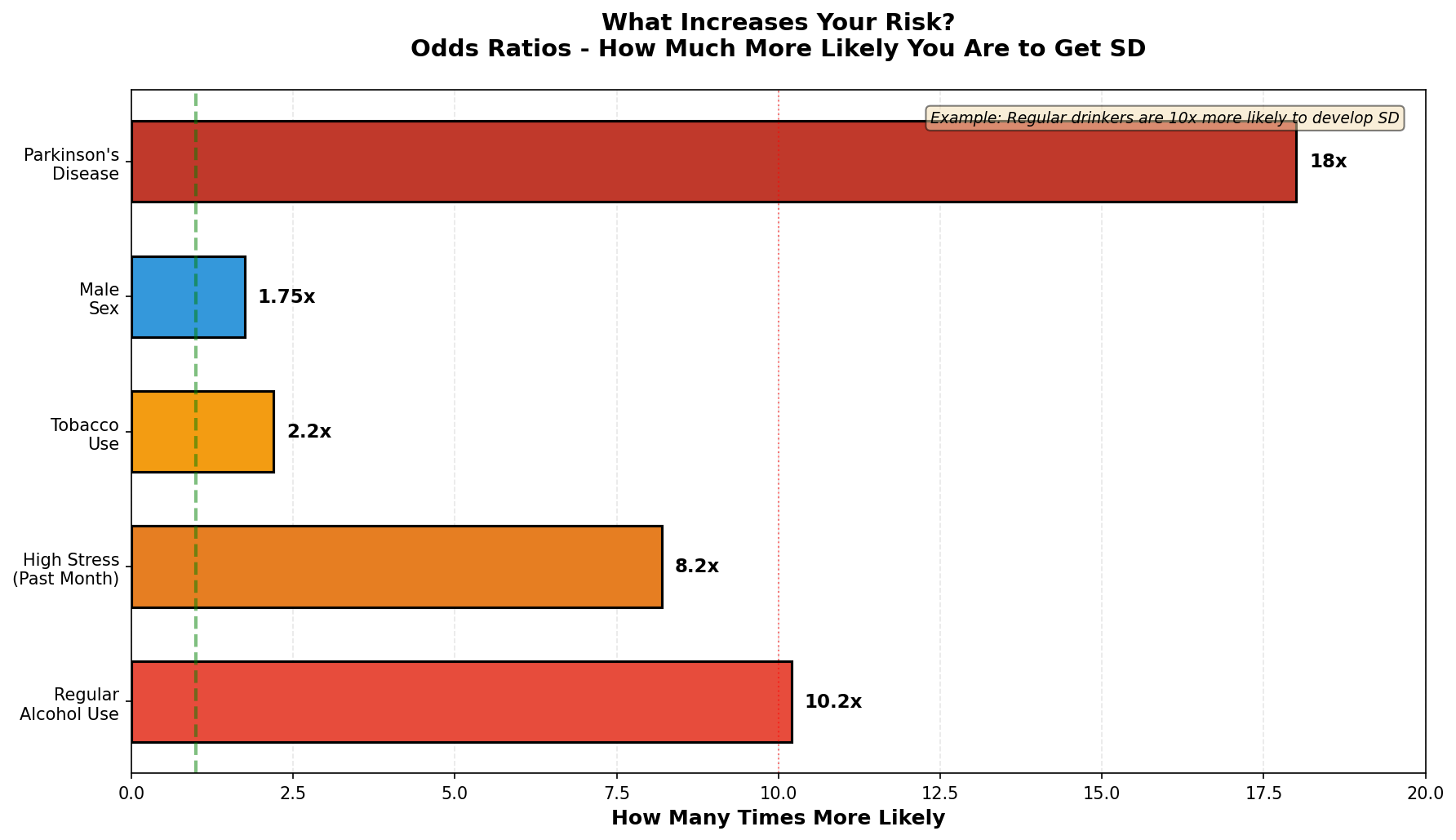 Figure 4: Higher isotretinoin doses provide significantly better long-term disease control, with 20 mg achieving 2.5-fold better outcomes than 10 mg at 12 months.
However, isotretinoin requires strict monitoring: monthly liver function tests, lipid panels, and pregnancy tests (absolute contraindication in pregnancy). Cost $50-200 monthly. Reserve this for severe cases only.
Light-Based Therapies (For Resistant Cases)
Red light therapy (Low-level laser): 83% of patients report symptom improvement. Sessions last 10-20 minutes, performed 2-5 times weekly. Professional treatments cost $100-300 per session; home devices $100-500. No systemic side effects; can combine with medications.
LED therapy: 50% improvement after first session, particularly effective for treatment-resistant cases.
IPL (Intense Pulsed Light) combined with 30% salicylic acid: Significantly decreases seborrheic dermatitis after 3 sessions, faster than single-modality therapy.
These represent good options when conventional treatments fail, particularly for patients declining oral medications.
Treatment by Disease Severity
Mild Seborrheic Dermatitis
Start with OTC ketoconazole 1% shampoo ($5-15) twice weekly, or zinc pyrithione 1% ($3-8) twice weekly. Most people improve significantly within 4 weeks. Cost: $5-15 monthly.
Expect 70%+ to achieve good control. If inadequate after 4 weeks, see a dermatologist for prescription upgrade.
Moderate Seborrheic Dermatitis
Begin with a combination approach:
- Short-term topical steroid (low-to-mid potency) for 1-2 weeks for rapid symptom relief
- Concurrent antifungal shampoo or cream (ketoconazole 2% or ciclopirox 1%) twice weekly
- Transition away from steroid as antifungal takes effect
This combination controls acute symptoms faster (days) while the antifungal provides sustained, long-term control. Cost: $50-200 initially, then $60-180 annually for maintenance.
Alternatively, use clobetasol 0.05% shampoo alternating with ketoconazole 2% twice weekly: faster initial control than antifungal alone.
Severe or Extensive Seborrheic Dermatitis
Start with strong topical corticosteroid (clobetasol 0.05% foam) combined with prescription antifungal for 1-2 weeks, then continue antifungal or roflumilast foam alone. If inadequate response after 4 weeks, add oral antifungal (itraconazole 200 mg daily) or consider roflumilast foam as primary therapy.
For treatment-resistant cases, consider isotretinoin or light-based therapies. Cost: $100-300+ monthly depending on choice.
Seasonal Prevention: Planning Ahead
Since nearly 7 in 10 flares occur in cold months, proactive seasonal planning prevents disaster.
September-October (Preparation):
- Install or test humidifier before dry season starts
- Switch to heavier moisturisers
- Begin stress management practices
- Increase omega-3 intake
- Schedule dermatology visit for preventive assessment
November-March (Intensive Maintenance):
- Run humidifier 8-10 hours nightly in bedroom
- Use medicated shampoo at higher frequency (may increase from once to twice weekly)
- Be vigilant with moisturising (potentially 3-4 times daily)
- Prioritise sleep and stress management
- Avoid hot showers
- Have medicated products on hand for early flare intervention
April-May (Transition):
- Monitor improvement as temperatures rise
- Gradually reduce humidifier use
- Switch to lighter moisturisers
- Begin tapering steroid frequency if used
June-August (Maintenance):
- Reduce treatment frequency but maintain antifungal weekly
- Take advantage of sun exposure (10-20 minutes, 3-4 times weekly)
- Use lighter formulations if humidity increases
- Continue weekly maintenance treatment
When to See a Dermatologist
Contact your dermatologist if symptoms persist beyond 4 weeks of appropriate OTC treatment, worsen despite current therapy, show signs of secondary infection (pus, warmth, crusting), or significantly impact quality of life.
Bring photos of worst flares, a symptom diary (past 2-4 weeks), list of products tried, and specific questions about treatment options. Your dermatologist will:
- Examine affected areas closely
- Assess severity (mild, moderate, severe)
- Discuss flare timing and triggers
- Determine if facial involvement changes treatment approach
- Evaluate whether systemic therapy or procedures are appropriate
The Cost of Control (Surprisingly Affordable)
Effective seborrheic dermatitis treatment costs remarkably little: OTC ketoconazole 1% costs $60-180 annually ($5-15 monthly), less than a coffee habit.
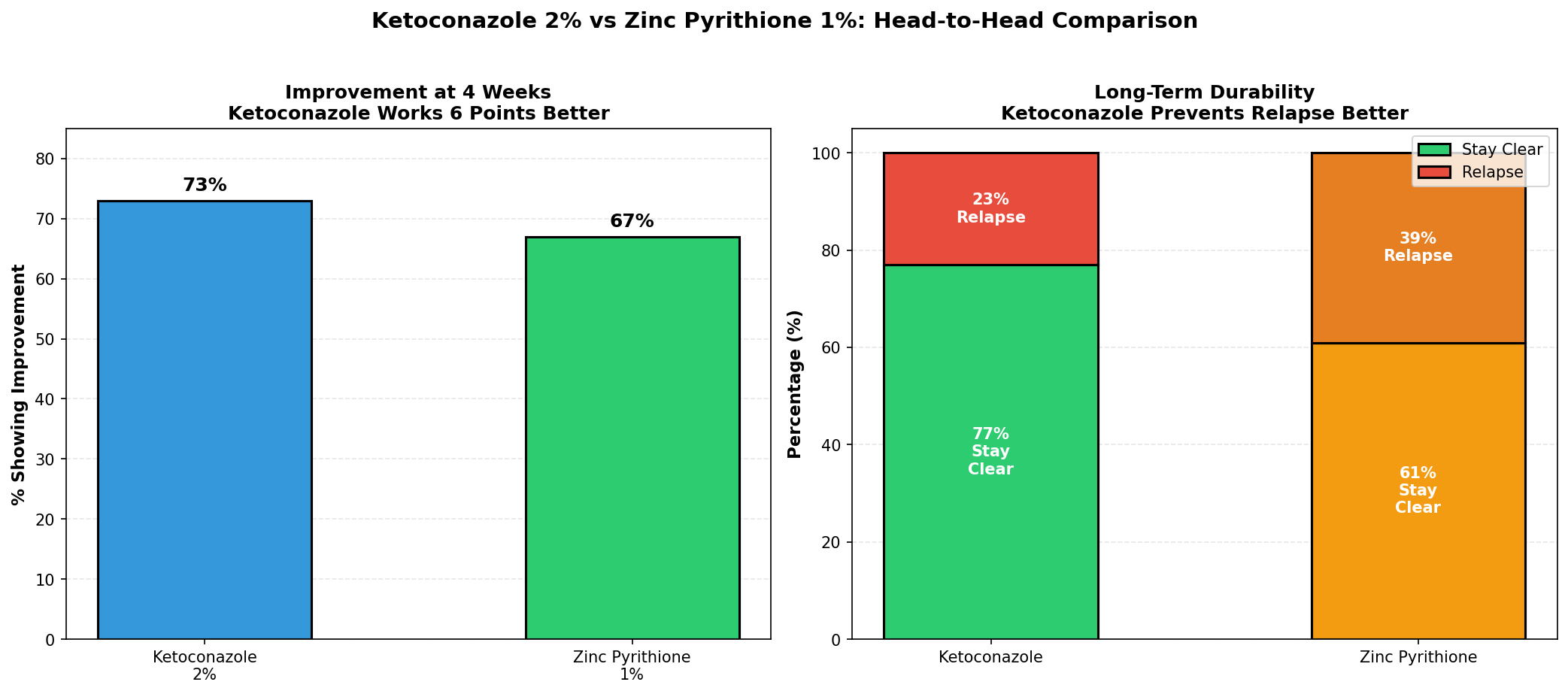 Figure 5: Annual treatment costs range from under $50 for ultra-budget options to over $2,400 for the newest treatments, but most effective management falls under $200 annually.
Even prescription options remain affordable. Only the newest treatment (roflumilast foam at $1,200-2,400 annually) exceeds most budgets. For most people, excellent disease control is achievable for under $200 per year.
Long-Term Maintenance: The Relapse Reality
Seborrheic dermatitis is chronic. Stopping treatment allows disease to return. Here's what the data shows:
Without maintenance, 23% of ketoconazole-treated patients relapse, compared to 39% of zinc pyrithione-treated patients. Corticosteroid users experience higher relapse rates with frequent severe flares.
However, continuing weekly antifungal treatment indefinitely prevents 75%+ of relapses and costs just $60-180 annually. Most dermatologists recommend switching to OTC options once disease is controlled: start with prescription for faster initial control, then maintain with cheap OTC ketoconazole 1% once stable.
Risk Factors You Can Control
Several modifiable risk factors dramatically influence your risk:
- Alcohol: 10.2x risk with regular consumption: this is the most changeable major risk
- Stress: 8.2x risk during high-stress periods: meditation, exercise, sleep matter
- Tobacco: 2.2x risk; smoking cessation helps
- Western diet: 47% increased risk; shift toward fruit and omega-3 sources
- Poor sleep: worsens immune function and barrier integrity
Conversely, fruit-heavy diets show 25% lower risk. Omega-3 rich foods (salmon, sardines, flaxseed) support barrier function. Regular exercise reduces stress hormones and improves circulation. These lifestyle changes are cheap, have no side effects, and actually work.
Key Takeaways and Your Action Plan
- You're not alone. 1-4 in 100 people have seborrheic dermatitis, with prevalence approaching 1 in 3 in older adults.
- It's treatable, not curable. Seborrheic dermatitis requires ongoing management, but excellent control is absolutely achievable
- Start simple. OTC ketoconazole 1% shampoo ($5-15) works for roughly 70% of people. Try it for 4 weeks before considering stronger options
- Plan seasonally. Nearly 7 in 10 flares occur in autumn-winter. Start humidifiers and preventive care in October, not December
- Lifestyle changes work. Reducing alcohol, managing stress, improving sleep, and dietary changes are as important as medications; they're modifiable and powerful
- Maintenance is essential. Continue antifungal weekly indefinitely after initial control. This prevents 75%+ of relapses for under $200 annually
- Multiple options exist. If one treatment fails, many alternatives remain. Resistance is rare; most people find something effective
- Steroid-free options exist. Calcineurin inhibitors and roflumilast foam provide non-steroidal approaches, avoiding long-term steroid side effects
- Seek professional help if needed. Four weeks of appropriate OTC treatment with no improvement warrants dermatologist consultation
- This is manageable. Seborrheic dermatitis significantly impacts many lives, but with proper understanding and treatment, most people achieve excellent control and quality of life
Further Reading
Understanding Seborrheic Dermatitis
- Cleveland Clinic: Seborrheic Dermatitis Overview
- Mayo Clinic: Seborrheic Dermatitis Symptoms and Causes
- American Academy of Dermatology: Seborrheic Dermatitis Patient Information
- National Eczema Society: Seborrheic Dermatitis in Adults
Treatment Options and Effectiveness
- StatPearls: Seborrheic Dermatitis Treatment Review
- JAMA Dermatology: Global Prevalence Meta-Analysis
- Cochrane Library: Topical Antifungals for Seborrheic Dermatitis
- Dermatology Times: Roflumilast Foam FDA Approval
Lifestyle Management and Prevention
- Cleveland Clinic: Seborrheic Dermatitis Self-Care
- Risk Factors Study: Alcohol, Stress, and Smoking
- Seasonal Pattern Research: Winter Peak Flares
- Diet and Seborrheic Dermatitis: Case-Control Study
Special Situations
- Seborrheic Dermatitis in HIV/AIDS Patients
- Parkinson's Disease and Seborrheic Dermatitis Association
- Pediatric Seborrheic Dermatitis
Patient Communities and Support
References/Helpful Resources
- Polaskey MT, Chang CH, Daftary K, Fakhraie S, Miller CH, Chovatiya R. The Global Prevalence of Seborrheic Dermatitis: A Systematic Review and Meta-Analysis. JAMA Dermatology [Internet]. 2024 Jul 3 [cited 2026 Apr 18];160(8). Available from: https://jamanetwork.com/journals/jamadermatology/article-abstract/2820685
- Tucker D, Masood S. Seborrheic Dermatitis [Internet]. PubMed. Treasure Island (FL): StatPearls Publishing; 2024 [cited 2026 Apr 18]. Available from: https://www.ncbi.nlm.nih.gov/books/NBK551707/
- Chang CH, Raj Chovatiya. More yeast, more problems?: reevaluating the role of Malassezia in seborrheic dermatitis. Archives of Dermatological Research [Internet]. 2024 Mar 12 [cited 2026 Apr 18];316(4). Available from: https://link.springer.com/article/10.1007/s00403-024-02830-7
- Navarro Triviño FJ, Velasco Amador JP, Rivera Ruiz I. Seborrheic Dermatitis Revisited: Pathophysiology, Diagnosis, and Emerging Therapies—A Narrative Review. Biomedicines [Internet]. 2025 Oct 9 [cited 2026 Apr 18];13(10):2458. Available from: https://www.mdpi.com/2227-9059/13/10/2458
- Sanders MGH, Pardo LM, Franco OH, Ginger RS, Nijsten T. Prevalence and determinants of seborrheic dermatitis in a middle‐aged and elderly population: the Rotterdam Study. British Journal of Dermatology [Internet]. 2018 Jan [cited 2026 Apr 18];178(1). Available from: https://academic.oup.com/bjd/article-abstract/178/1/e71/6668465?redirectedFrom=fulltext
- Zander N, Sommer R, Schäfer I, Ralf René Reinert, Kirsten N, Birgit-Christiane Zyriax, et al. Epidemiology and dermatological comorbidity of seborrhoeic dermatitis: population‐based study in 161 269 employees. British Journal of Dermatology [Internet]. 2019 Jul 17 [cited 2026 Apr 18];181(4):743–8. Available from: https://academic.oup.com/bjd/article-abstract/181/4/743/6602522?redirectedFrom=fulltext
- Tuğba Özkök Akbulut. Is the frequency of seborrheic dermatitis related to climate parameters? Şişli Etfal Hastanesi tıp bülteni [Internet]. 2021 Jan 1 [cited 2026 Apr 18];56(1). Available from: https://www.ncbi.nlm.nih.gov/pmc/articles/PMC9040311
- Ungar B, Manson M, Kim M, Gour D, Temboonnark P, Metukuru R, et al. Tape-strip profiling identifies unique immune and lipid dysregulation in patients with seborrheic dermatitis. Journal of the American Academy of Dermatology [Internet]. 2025 Jun [cited 2026 Apr 18];92(6):1277–87. Available from: https://www.jaad.org/article/S0190-9622(25)00180-X/fulltext
- Vest BE, Krauland K. Malassezia Furfur [Internet]. PubMed. Treasure Island (FL): StatPearls Publishing; 2020 [cited 2026 Apr 18]. Available from: https://www.ncbi.nlm.nih.gov/books/NBK553091/
- Lancar R, Missy P, Dupuy A, Beaulieu P, Fardet L, Costagliola D, et al. Risk Factors for Seborrhoeic Dermatitis Flares: Case-control and Case-crossover Study. Acta Dermato Venereologica [Internet]. 2020 [cited 2026 Apr 18];100(17):adv00292. Available from: https://pmc.ncbi.nlm.nih.gov/articles/PMC9274933
- Zhang H, Wang M, Zhao X, Wang Y, Chen X, Su J. Role of stress in skin diseases: A neuroendocrine-immune interaction view. Brain, Behavior, and Immunity [Internet]. 2024 Feb 1 [cited 2026 Apr 18];116(116):286–302. Available from: https://www.sciencedirect.com/science/article/pii/S0889159123003768
- Wróblewska J, Długosz A, Czarnecki D, Tomaszewicz W, Błaszak B, Szulc J, et al. The Role of Oxidative Stress in Skin Disorders Associated with Alcohol Dependency and Antioxidant Therapies. Molecules [Internet]. 2025 Jul 25 [cited 2026 Apr 18];30(15):3111. Available from: https://www.mdpi.com/1420-3049/30/15/3111
- Malak Alshaebi, Zahed L, Majed Osaylan, Sanaa Sulaimani, Abdulrahman Albahlool, Abduljabbar MH, et al. Association Between Diet and Seborrheic Dermatitis: A Case-Control Study. Cureus [Internet]. 2023 Nov 14 [cited 2026 Apr 18];15(11). Available from: https://www.ncbi.nlm.nih.gov/pmc/articles/PMC10719884/
- Sanders MGH, Pardo LM, Ginger RS, Kiefte-de Jong JC, Nijsten T. Association between Diet and Seborrheic Dermatitis: A Cross-Sectional Study. Journal of Investigative Dermatology [Internet]. 2019 Jan [cited 2022 Mar 29];139(1):108–14. Available from: https://www.jidonline.org/article/S0022-202X(18)32480-1/fulltext
- Leoty-Okombi S, Gillaizeau F, Leuillet S, Douillard B, Le Fresne-Languille S, Carton T, et al. Effect of Sodium Lauryl Sulfate (SLS) Applied as a Patch on Human Skin Physiology and Its Microbiota. Cosmetics [Internet]. 2021 Jan 6 [cited 2026 Apr 18];8(1):6. Available from: https://www.mdpi.com/2079-9284/8/1/6
- Silverberg JI, Hou A, Warshaw EM, Maibach HI, Belsito DV, DeKoven JG, et al. Allergens in patients with a diagnosis of seborrheic dermatitis, North American Contact Dermatitis Group data, 2001-2016. Journal of the American Academy of Dermatology [Internet]. 2021 Sep 27 [cited 2026 Apr 18];86(2):460–3. Available from: https://www.jaad.org/article/S0190-9622(21)02522-6/fulltext
- Pastor-Nieto MA, Gatica-Ortega ME. Ubiquity, hazardous effects, and risk assessment of fragrances in consumer products. Current Treatment Options in Allergy [Internet]. 2021 Jan 23 [cited 2026 Apr 18];8(1):1–21. Available from: https://pubmed.ncbi.nlm.nih.gov/33520600/
- Mayo T, Dinkins J, Elewski B. Hair Oils May Worsen Seborrheic Dermatitis in Black Patients. Skin Appendage Disorders [Internet]. 2023 Jan 18 [cited 2026 Apr 18];9(2):1–2. Available from: https://pmc.ncbi.nlm.nih.gov/articles/PMC10015641
- Yamamoto K. Revisiting the Etiology and Management of Atopic Dermatitis: A Perspective on Skin Microbiota, Bathing Habits, and Surfactant-Free Skincare. Clinical, Cosmetic and Investigational Dermatology [Internet]. 2025 May [cited 2026 Apr 18];Volume 18:1087–93. Available from: https://pmc.ncbi.nlm.nih.gov/articles/PMC12054541/
- Kim Khoa Nguyen, Duy Le Pham, Thao Thu Mai, Chu H, Dat Quoc Nguyen, Hai Dang Ngo, et al. Moisturizing effectiveness of immediate compared with delayed moisturization. Journal of Cosmetic Dermatology [Internet]. 2022 Jun 4 [cited 2026 Apr 18];21(10):5134–40. Available from: https://onlinelibrary.wiley.com/doi/10.1111/jocd.15003
- Galizia G, Fortina AB, Semenzato A. Seborrheic Dermatitis: From Microbiome and Skin Barrier Involvement to Emerging Approaches in Dermocosmetic Treatment. Cosmetics [Internet]. 2024 Nov 28 [cited 2026 Apr 18];11(6):208–8. Available from: https://www.mdpi.com/2079-9284/11/6/208
- Piquero-Casals J, Hexsel D, Mir-Bonafé JF, Rozas-Muñoz E. Topical Non-Pharmacological Treatment for Facial Seborrheic Dermatitis. Dermatology and Therapy [Internet]. 2019 Aug 8 [cited 2026 Apr 18];9(3):469–77. Available from: https://pmc.ncbi.nlm.nih.gov/articles/PMC6704200/
- Purnamawati S, Indrastuti N, Danarti R, Saefudin T. The Role of Moisturizers in Addressing Various Kinds of Dermatitis: a Review. Clinical Medicine & Research [Internet]. 2017 Dec 1 [cited 2026 Apr 18];15(3-4):75–87. Available from: https://pmc.ncbi.nlm.nih.gov/articles/PMC5849435/
- Gary G. Optimizing Treatment Approaches in Seborrheic Dermatitis. The Journal of Clinical and Aesthetic Dermatology [Internet]. 2013 Feb [cited 2026 Apr 18];6(2):44. Available from: https://pmc.ncbi.nlm.nih.gov/articles/PMC3579488/
- Gabros S, Zito PM. Sunscreens And Photoprotection [Internet]. Nih.gov. StatPearls Publishing; 2019 [cited 2026 Apr 18]. Available from: https://www.ncbi.nlm.nih.gov/books/NBK537164/
- Tynes BE, Johnson CD, Vaish MH, Abbott B, Jelena Vučenović, Giustino Varrassi, et al. Ketoconazole Shampoo for Seborrheic Dermatitis of the Scalp: A Narrative Review. Cureus [Internet]. 2024 Aug 22 [cited 2026 Apr 18];16(8). Available from: https://pmc.ncbi.nlm.nih.gov/articles/PMC11416180/
- Piérard-Franchimont C, Goffin V, Decroix J, Piérard GE. A Multicenter Randomized Trial of Ketoconazole 2% and Zinc Pyrithione 1% Shampoos in Severe Dandruff and Seborrheic Dermatitis. Skin Pharmacology and Physiology [Internet]. 2002 [cited 2026 Apr 18];15(6):434–41. Available from: https://karger.com/spp/article-abstract/15/6/434/383472/A-Multicenter-Randomized-Trial-of-Ketoconazole-2?redirectedFrom=fulltext
- Okokon EO, Verbeek JH, Ruotsalainen JH, Ojo OA, Bakhoya VN. Topical antifungals for seborrhoeic dermatitis. The Cochrane Database of Systematic Reviews [Internet]. 2015 Apr 29 [cited 2026 Apr 18];(4). Available from: https://www.ncbi.nlm.nih.gov/pmc/articles/PMC4448221/
- Gabros S, Zito PM. Topical Corticosteroids [Internet]. PubMed. Treasure Island (FL): StatPearls Publishing; 2023 [cited 2026 Apr 18]. Available from: https://www.ncbi.nlm.nih.gov/books/NBK532940/
- Mandelin J, Remitz A, Virtanen H, Reitamo S. One-year Treatment with 0.1% Tacrolimus Ointment versus a Corticosteroid Regimen in Adults with Moderate to Severe Atopic Dermatitis: A Randomized, Double-blind, Comparative Trial. Acta Dermato Venereologica [Internet]. 2010 [cited 2026 Apr 18];90(2):170–4. Available from: https://medicaljournalssweden.se/actadv/article/view/7587
- Reitamo S, Rustin M, Ruzicka T, Cambazard F, Kalimo K, Friedmann PS, et al. Efficacy and safety of tacrolimus ointment compared with that of hydrocortisone butyrate ointment in adult patients with atopic dermatitis. Journal of Allergy and Clinical Immunology [Internet]. 2002 Mar [cited 2026 Apr 18];109(3):547–55. Available from: https://www.jacionline.org/article/S0091-6749(02)85714-1/fulltext
- Gooderham MJ, Alonso-Llamazares J, Bagel J, Bhatia N, Bukhalo M, DuBois J, et al. Roflumilast Foam, 0.3%, for Psoriasis of the Scalp and Body. JAMA Dermatology [Internet]. 2025 May 7 [cited 2026 Apr 18];161(7). Available from: https://jamanetwork.com/journals/jamadermatology/fullarticle/2833460
- Blauvelt A, Draelos ZD, Linda Stein Gold, Alonso-Llamazares J, Bhatia N, DuBois J, et al. Roflumilast foam 0.3% for adolescent and adult patients with seborrheic dermatitis: A randomized, double-blinded, vehicle-controlled, phase 3 trial. Journal of the American Academy of Dermatology [Internet]. 2024 Jan 1 [cited 2026 Apr 18];90(5). Available from: https://www.sciencedirect.com/science/article/pii/S0190962224001075
- Ghodsi SZ, Abbas Z, Abedeni R. Efficacy of Oral Itraconazole in the Treatment and Relapse Prevention of Moderate to Severe Seborrheic Dermatitis: A Randomized, Placebo-Controlled Trial. American Journal of Clinical Dermatology [Internet]. 2015 May 28 [cited 2026 Apr 18];16(5):431–7. Available from: https://link.springer.com/article/10.1007/s40257-015-0133-9
- Lai J, Barbieri JS. Acne Relapse and Isotretinoin Retrial in Patients With Acne. JAMA Dermatology [Internet]. 2025 Jan 15 [cited 2026 Apr 18];161(4). Available from: https://jamanetwork.com/journals/jamadermatology/article-abstract/2829255
- Nguyen T. Isotretinoin use: best practice [Internet]. The Pharmaceutical Journal. 2026 [cited 2026 Apr 18]. Available from: https://pharmaceutical-journal.com/article/ld/isotretinoin-use-best-practice
- Vidal SI, Menta N, Green L. Child and Adult Seborrheic Dermatitis: A Narrative Review of the Current Treatment Landscape. Dermatology and therapy [Internet]. 2025 Mar [cited 2026 Apr 18];15(3):599–613. Available from: https://pubmed.ncbi.nlm.nih.gov/39953371/
- Fonseka S, Narankotuwa KHH, Bandara DDJ. Light-emitting Diode Light Therapy for Facial Seborrhoeic Dermatitis: A Case Report. Journal of cutaneous and aesthetic surgery [Internet]. 2021 [cited 2026 Apr 18];14(2):241–3. Available from: https://www.ncbi.nlm.nih.gov/pmc/articles/PMC8423200/
- Gu RL, Wang SQ. Clinical study on treatment of facial seborrheic dermatitis with intense pulsed light combined with 30% supramolecular salicylic acid. Clinics [Internet]. 2020 [cited 2026 Apr 18];75. Available from: https://pmc.ncbi.nlm.nih.gov/articles/PMC7603169/
- Parke MA, Perez-Sanchez A, Zamil DH, Katta R. Diet and Skin Barrier: The Role of Dietary Interventions on Skin Barrier Function. Dermatology Practical & Conceptual [Internet]. 2021 Jan 29 [cited 2026 Apr 18];11(1):e2021132. Available from: https://pmc.ncbi.nlm.nih.gov/articles/PMC7875671/
