

Seed Oils Controversy: What the Research Says
You've probably seen it on social media. A viral hashtag with over 126 million views claiming seed oils are poisoning you. Wellness influencers with millions of followers warning against products containing them. Headlines suggesting they're destroying your health. Yet here's the disconnect: when you ask people what "seed oils" actually are, roughly 4 in 5 people are drawing a blank.
This is the story of how genuine health concerns got tangled up with misinformation in a way that tells us something important about how medical information spreads in 2025. It's also a story where the actual evidence matters more than the viral claims.
The Question Worth Understanding
Before diving into the evidence, ask yourself, "Why should you care?" Because seed oils are in virtually every processed food you've ever eaten. Because the scientific evidence on their health effects directly affects what you should feel comfortable eating. And because understanding how to evaluate conflicting health information is increasingly essential.
The good news: once you understand what the research actually shows, you can stop worrying about this particular controversy and focus on what genuinely moves your health needle.
How We Got Here: A Brief History of Seed Oils
Seed oils didn't arrive accidentally. They're the result of a combination of technology, economics, and good intentions that combined to reshape Western diets more dramatically than almost any other change in human nutrition.
The Timeline
In 1911, Procter & Gamble introduced Crisco, a hydrogenated cottonseed oil marketed as a revolutionary cooking ingredient.1 Before refrigeration, this offered something genuinely useful: shelf-stable fat that worked at scale. By 1916, Americans were consuming 60 million pounds of it annually.1
What followed was the most dramatic dietary shift in modern history. In 1900, seed oils made up just 1% of Americans' added fat intake.1 By the end of the 20th century, they accounted for approximately 85% of it.1 Soybean oil consumption alone increased roughly 1,000-fold between 1909 and 1999.1
This happened for straightforward reasons: seed oils were cheap. Government agriculture policies subsidised soybean and corn production. Food manufacturers discovered they could use these oils in almost every product. When President Eisenhower suffered a heart attack in 1955, prominent researchers like Ancel Keys presented evidence that replacing saturated fats with polyunsaturated fats (found in seed oils) would reduce heart disease.1 Health authorities began promoting this switch, and seed oils became central to food systems across the Western world.
Today, the average American consumes approximately 3 tablespoons of seed oil per day.1 Most of it comes from ultra-processed foods rather than home cooking.
Here's the crucial part: this history is mostly true, but the conclusions people draw from it are often wrong.
What Science Actually Shows About Seed Oils
When major health organisations make claims, it helps to know where they're coming from. Let's walk through the actual evidence.
The Cardiovascular Protection
Start with what's well-established: replacing saturated fats with polyunsaturated fats from seed oils reduces cardiovascular disease risk by approximately 30%.2 This isn't a small effect. It's equivalent to the cardiovascular protection you get from taking a statin medication for high cholesterol.2
How strong is this evidence? This finding is supported by:
- Large prospective cohort studies tracking hundreds of thousands of people for decades1
- Randomised controlled trials where some people switch to seed oils and others don't2
- Meta-analyses synthesising dozens of studies1
- Multiple independent health organisations reaching the same conclusion2
The mechanism is straightforward: seed oils (high in linoleic acid, an omega-6 polyunsaturated fat) reduce LDL cholesterol, the type that builds up in artery walls.1 Lower LDL means lower heart disease risk. This is one of nutrition science's best-supported findings.
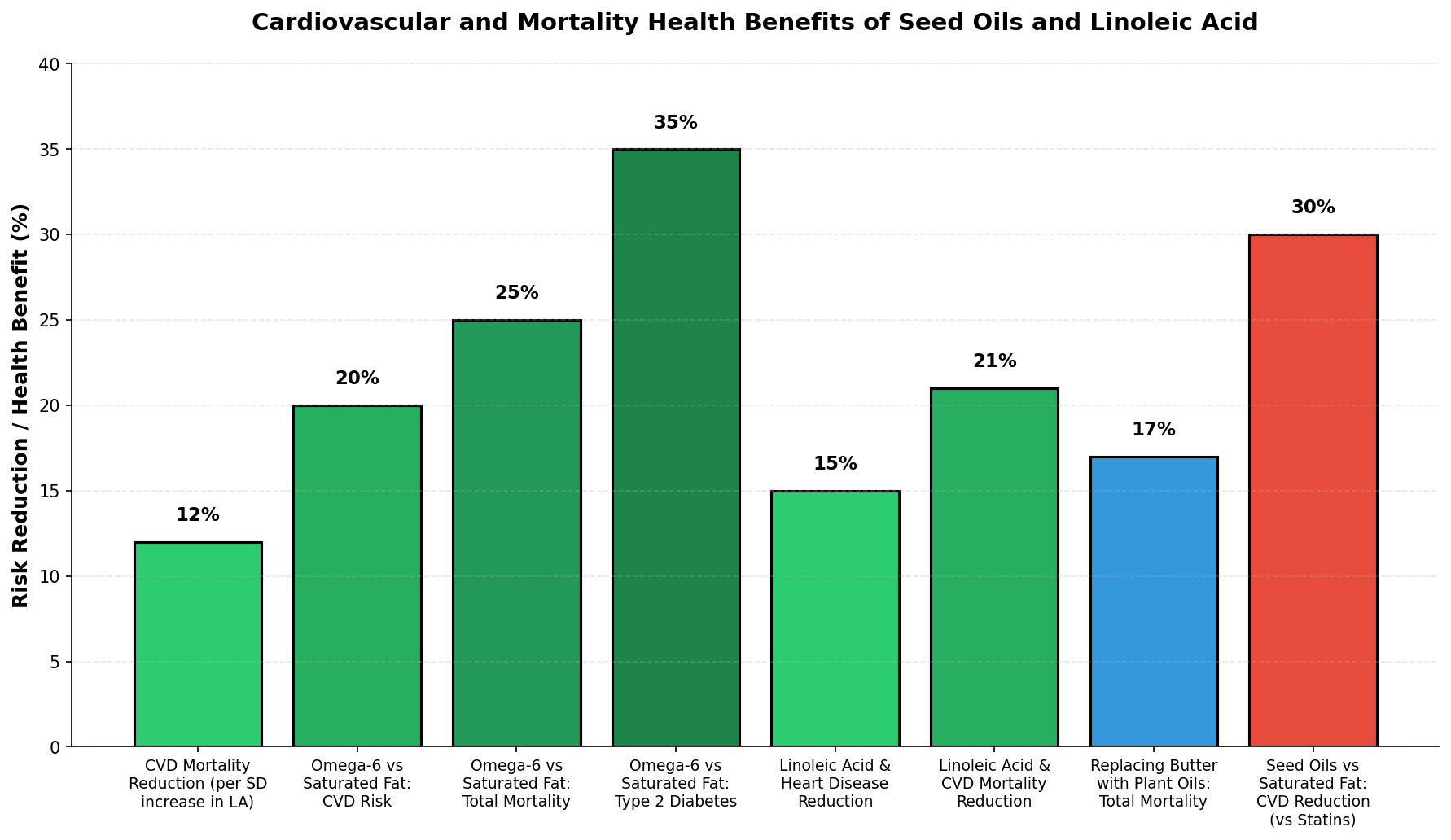 Figure 1: Multiple cardiovascular outcomes improve with higher linoleic acid (omega-6) intake and seed oil consumption, showing 12-35% risk reductions across different health measures.2
The Inflammation Claim: What Clinical Trials Actually Show
Here's where the conversation often goes wrong. The most common criticism of seed oils is that they cause inflammation through their omega-6 content. This claim circulates everywhere on social media. It's also contradicted by clinical evidence.
A 2025 systematic review examined inflammatory markers in people consuming seed oils.3 The finding: no significant inflammatory response to seed oils under normal consumption. Inflammatory markers like C-reactive protein, TNF-α, and interleukins remained unchanged or improved.3
Here's another striking finding: in a study of 2,022 Americans, participants with the highest linoleic acid levels in their blood had lower inflammation markers than those with the lowest levels.1 The opposite of what anti-seed oil advocates claim.
Why does this misunderstanding persist? Partly because the biochemistry sounds plausible. Linoleic acid does convert into arachidonic acid, which is involved in inflammatory processes. But here's the critical detail: only 0.2% of linoleic acid actually converts this way.1 You need the conversion to happen at a meaningful scale for it to affect inflammation, and it doesn't.
The Omega-6 to Omega-3 Ratio Question
Social media frequently claims we've thrown our omega-6 to omega-3 ratio catastrophically out of balance, and this is why we're sick. The evidence suggests something different.
Research on this question shows that:
- Higher omega-6 intake is associated with 10-40% lower cardiovascular mortality1
- Higher omega-6 intake is associated with 20-50% lower type 2 diabetes1
- There is no established scientific evidence supporting an optimal 1:1 ratio between omega-6 and omega-31
What the research actually supports is increasing omega-3 intake (most people are deficient), not reducing omega-6.1 These aren't contradictory findings; they're actually pointing to the same dietary improvement.
The Trans Fat Question
One specific concern about seed oils involves trans fats. This one has a straightforward answer.
Modern refined seed oils contain less than 1% trans fat.4 This is genuinely lower than butter and milk naturally contain (3-6% trans fat).4 The partially hydrogenated oils we banned for cardiovascular risk contained 20-40% trans fat.4
Modern processing methods no longer use the techniques that created dangerous trans fat levels. The concern about trans fats in seed oils is not supported by current chemical analysis of these products.4
The Heat Stability Story
There's one legitimate caveat here. When oils are heated repeatedly at extremely high temperatures (as in fast-food frying operations that reuse oil multiple times), polyunsaturated oils do form compounds that are more concerning than monounsaturated oils like olive oil would produce.5
But (and this matters) normal home cooking doesn't approach these conditions. Stir-frying vegetables in seed oil for 10 minutes is chemically different from deep-frying in oil that's been reused 20 times. The research on oxidation products causing health problems comes from extreme heating conditions that most home cooks never encounter.5
The Real Problem: Ultra-Processed Food, Not Seed Oil Specifically
Here's where the conversation needs to redirect.
Americans consume 55% of their daily calories from ultra-processed foods.6 For children aged 1-18, it's 61.9% 6. This is genuinely problematic, not because of the seed oil content, but because ultra-processed foods are high in added sugar, sodium, and calories while being low in fibre, vitamins, and minerals.
But here's the critical distinction: someone eating a home-cooked stir-fry with soybean oil and fresh vegetables is in a completely different health situation from someone eating fast-food fries cooked in the same oil. The problem isn't the seed oil; it's the overall food quality, the added ingredients, the calorie density, and the lack of whole foods.
When researchers find associations between seed oil consumption and disease, the confounding factor is usually diet quality overall.1 People eating high amounts of seed oil often do so through ultra-processed foods, which are independently harmful. People eating seed oils in the context of home cooking and whole foods show the cardiovascular benefits we'd expect.
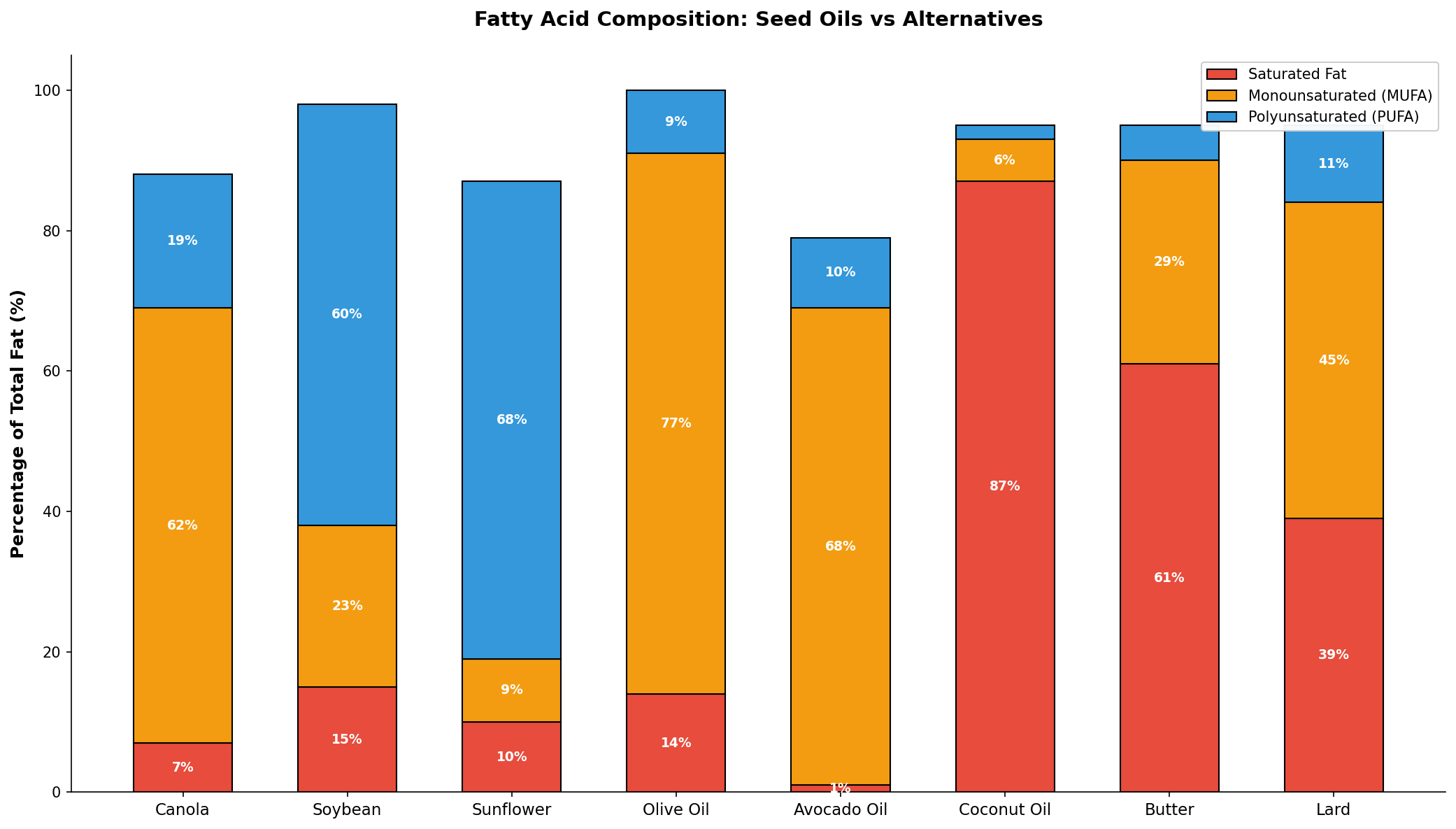 Figure 2: Nutritional composition of common oils showing saturated fat versus unsaturated fat content, demonstrating why seed oils like canola (7% saturated fat) are nutritionally distinct from alternatives like coconut oil (85-92% saturated fat) and butter (61% saturated fat).1
The Global Scientific Consensus
What do the organisations we trust for medical information actually say about this?
The American Heart Association (2024) stated explicitly: "There is no evidence suggesting we should avoid seed oils and plenty of evidence that they are beneficial to our health".2 Their evidence? When you replace saturated fat with polyunsaturated fat from seed oils, LDL cholesterol drops reliably by 10-30%.2
The World Health Organization recommends replacing saturated fatty acids with polyunsaturated fatty acids as part of healthy diets.7
The US Dietary Guidelines specifically recommend canola, soybean, sunflower, safflower, corn, and vegetable oils.1
Harvard T.H. Chan School of Public Health: "The idea that omega-6 fatty acids are pro-inflammatory is propagated over and over again in social media. Dozens of studies have looked at this, and about half show no effect, while the other half show a reduction in inflammatory factors".1
The NHS supports polyunsaturated fats from seed oils as healthier alternatives to saturated fats.1
Johns Hopkins, Stanford Medicine, Memorial Sloan Kettering and Cleveland Clinic - virtually every major medical institution reaches the same conclusion.2
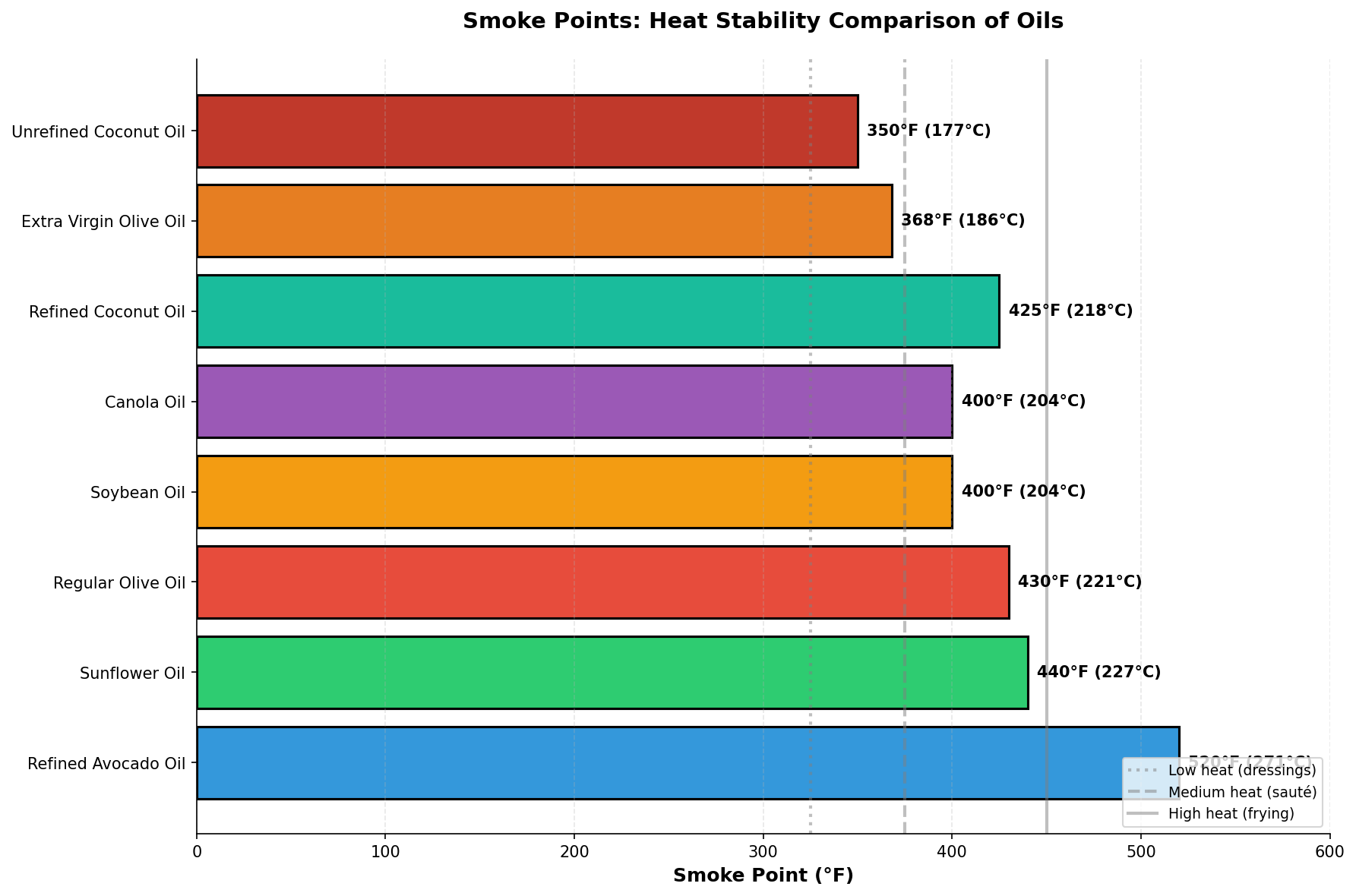 Figure 3: Global health organisations show unanimous agreement that seed oils are safe and beneficial when replacing saturated fats, reflecting consensus across North American, European, and other major medical institutions.2
Is this consensus because of corporate influence? Partly. Procter & Gamble did donate $1.5 million to the American Heart Association in the 1940s, which helped the organisation grow.1 That's a genuine historical fact worth knowing.
But here's what happened next: decades of independent research by scientists with no financial interest in seed oils (working in universities, government agencies, and independent research institutions) confirmed the original advice. The evidence hasn't changed because someone paid it to; it's held up because subsequent decades of data keep showing the same thing.
How This Controversy Actually Spread
Understanding how seed oil panic went viral tells us something important about how misinformation works in the modern media environment.
The seed oil controversy emerged as a social media phenomenon around 2022-2023, despite seed oils having been in our food system for over a century.1 This timing isn't because new science discovered they're dangerous. It's because the internet had the right conditions for this particular narrative to spread.
The TikTok hashtag #seedoils has accumulated 126 million views.1 A February 2023 post claiming seed oils were "the most destructive force in the world today" received over 63,000 likes.1 Wellness influencers on Instagram and TikTok have made seed oil avoidance a central health claim.
Yet here's the paradox: according to a 2025 Purdue University survey, only 3 in 14 Americans (about 21%) are actually familiar with the term "seed oils".1 A majority of people encountering this information online have limited baseline understanding of what they're being told to avoid.
Why did this particular controversy go viral when seed oils have been around since 1911?
Several factors lined up:
First, it taps into real health concerns. Americans genuinely are experiencing rising obesity, diabetes, and heart disease. Ultra-processed foods genuinely are problematic. The fact that seed oils are ubiquitous in unhealthy foods is true. The logical leap (from "seed oils are in unhealthy foods" to "seed oils cause the unhealthiness") feels intuitive but is unsupported by evidence.
Second, it's simple and actionable in a way that real nutrition advice isn't. "Avoid seed oils" is an easy rule that makes people feel they're taking control of their health. "Eat fewer ultra-processed foods overall" is more complex, less satisfying, and harder to execute.
Third, the history of corporate influence is partially true, which makes the conspiracy narrative more compelling. Procter & Gamble's financial influence on dietary guidelines is real. That narrative confirms existing beliefs about "Big Food" prioritising profit over health. It's the perfect combination: true historical facts supporting a false medical conclusion.
Fourth, high-profile figures amplified it. When Robert F. Kennedy Jr. was appointed HHS Secretary in 2025, it brought mainstream attention to the anti-seed-oil narrative. Wellness influencers with millions of followers promoted it. It became politicised, attracting both right-wing and certain health-conscious communities.
Finally, social media algorithms reward engagement, and the seed oil debate generates enormous engagement.1 The more outrageous the claim, the more comments and shares it receives.
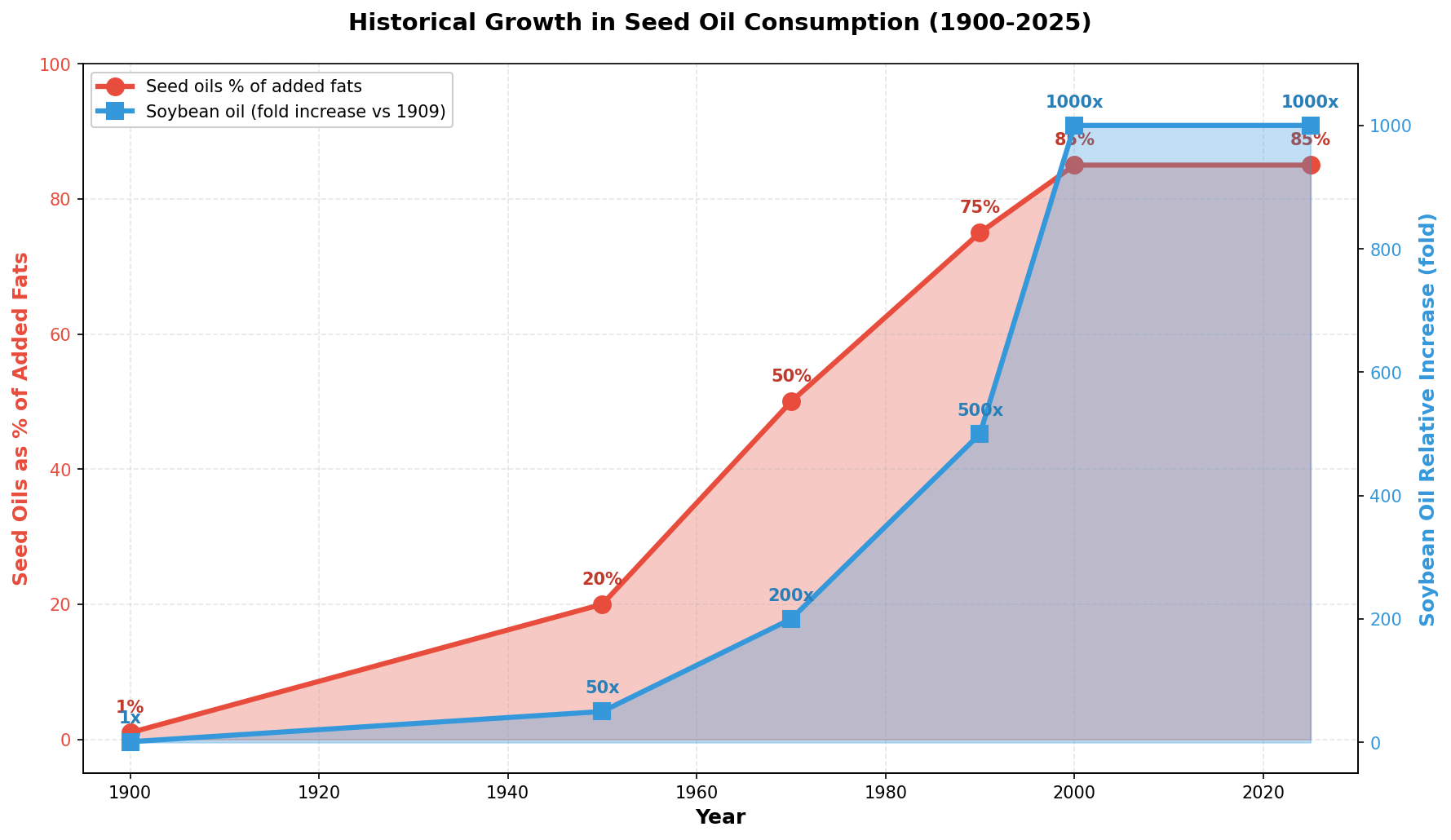 Figure 4: The disparity between social media exposure (126 million TikTok views) and actual public understanding (only 21% of Americans familiar with the term) illustrates how viral claims spread without corresponding knowledge.1
Comparing Seed Oils to Alternatives
Let's move beyond seed oils being safe to a more practical question: what oils should you actually use?
Olive Oil vs. Seed Oils
Extra virgin olive oil has a compelling advantage: it contains substantially more antioxidants than seed oils. The antioxidant content is roughly 18 times higher than canola oil and 700 times higher than coconut oil.1 It also contains unique compounds like oleocanthal and oleuropein, which have anti-inflammatory properties.
The cardiovascular evidence for olive oil is strong; arguably stronger than for seed oils in isolation.1 The Mediterranean diet's health benefits are partly attributable to its olive oil consumption.
The limitation: olive oil is more expensive and has a lower smoke point (the temperature at which it begins to break down). For high-heat cooking, refined vegetable oils are more practical.
Avocado Oil
Refined avocado oil represents a middle ground. It has a high smoke point (270°C for refined versions), making it suitable for high-heat cooking.1 It's rich in monounsaturated fats and has an oxidation stability profile similar to olive oil.1 The cost is higher than seed oils but lower than premium extra virgin olive oil.
If budget allows, refined avocado oil is an excellent choice for high-heat cooking where you'd otherwise use refined seed oils.
Coconut Oil
Coconut oil is 85-92% saturated fat, primarily lauric acid, which metabolises differently from long-chain saturated fats.1 It's relatively stable when heated, producing fewer oxidation compounds than seed oils.1
The cardiovascular evidence is mixed. Whilst lauric acid may increase HDL ("good") cholesterol, coconut oil doesn't show the same cardiovascular benefits as oils higher in unsaturated fats.1 From a heart disease prevention perspective, it's less beneficial than seed oils or olive oil, though acceptable in moderation as part of an overall diet.
Butter and Lard
Both are high in saturated fat (butter: 11 g per tablespoon; lard: over double the saturated fat of olive oil per tablespoon).1 The evidence consistently shows that replacing butter with seed oils or olive oil is associated with better cardiovascular outcomes.1
Small amounts of butter for culinary purposes (flavouring, baking, traditional dishes) aren't problematic when they're the minority of your fat intake. But making butter your primary cooking fat would increase cardiovascular risk compared to unsaturated oil-based diets.1
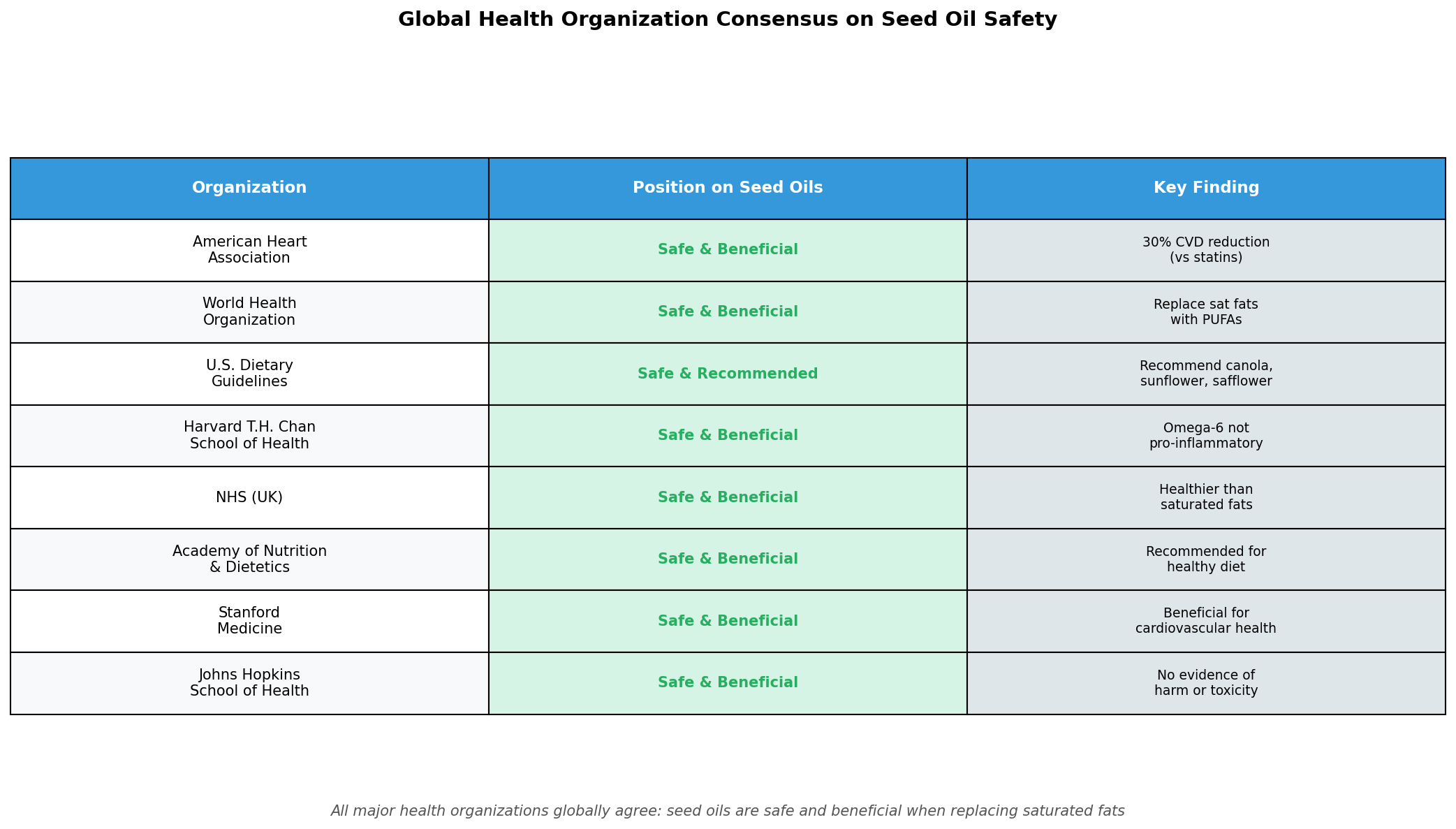 Figure 5: Smoke point comparison showing that refined avocado oil and seed oils suit high-heat cooking, olive oil suits medium heat, and extra virgin olive oil is best for finishing and dressings.1
Practical Guidance for Your Cooking
Here's how to think about this without getting bogged down in the controversy:
For salad dressings and finishing: Extra virgin olive oil. The antioxidants matter when the oil won't be heated, and the flavour is an advantage.
For general cooking at medium heat: Regular olive oil or canola oil. Both have solid cardiovascular evidence and reasonable smoke points.
For high-heat cooking: Refined avocado oil (if budget allows) or refined seed oils like sunflower or canola oil.
For baking where you need specific fat chemistry: Refined coconut oil or butter works fine in small to moderate amounts.
For budget-conscious shopping: Canola oil offers the best combination of health evidence, lowest saturated fat content, and affordability.
The larger point: don't agonise over whether your cooking oil is "optimal." The difference between seed oils and olive oil matters far less than whether you're eating mostly whole foods or mostly ultra-processed foods. Someone cooking home meals in refined soybean oil is making a better health choice than someone eating ultra-processed foods with "better" oils.
The Claim That Concerns: Oxidised Linoleic Acid Metabolites (OXLAMs)
One concern about seed oils deserves serious treatment because it's the most evidence-based critique: oxidised linoleic acid metabolites.
When linoleic acid heats up or metabolises in your body, it can form compounds called OXLAMs (oxidised linoleic acid metabolites). Some of these compounds show pro-inflammatory properties in research models.5
Here's what we know and don't know:
OXLAMs can be harmful (supported by animal studies and some clinical data).5 Higher linoleic acid intake is associated with cardiovascular benefits (supported by multiple meta-analyses).1 These aren't contradictory if the key variable is whether the linoleic acid gets oxidised.
The critical gap: we don't yet have strong evidence that dietary OXLAMs in typical consumption levels cause disease in humans.5 Most evidence comes from animal models or laboratory studies. The bioavailability of dietary OXLAMs in humans remains unclear; they may degrade in digestion before being absorbed in significant amounts.5
This is a legitimate area where research is ongoing and uncertainty exists. If this concern motivates you to use cold-pressed seed oils (which retain more antioxidant protection) or olive oil (which produces fewer oxidised compounds when heated), that's reasonable. But it's not currently strong enough evidence to reject seed oils entirely.
The honest scientific position: this is an emerging hypothesis that warrants continued research, not a proven mechanism of disease.
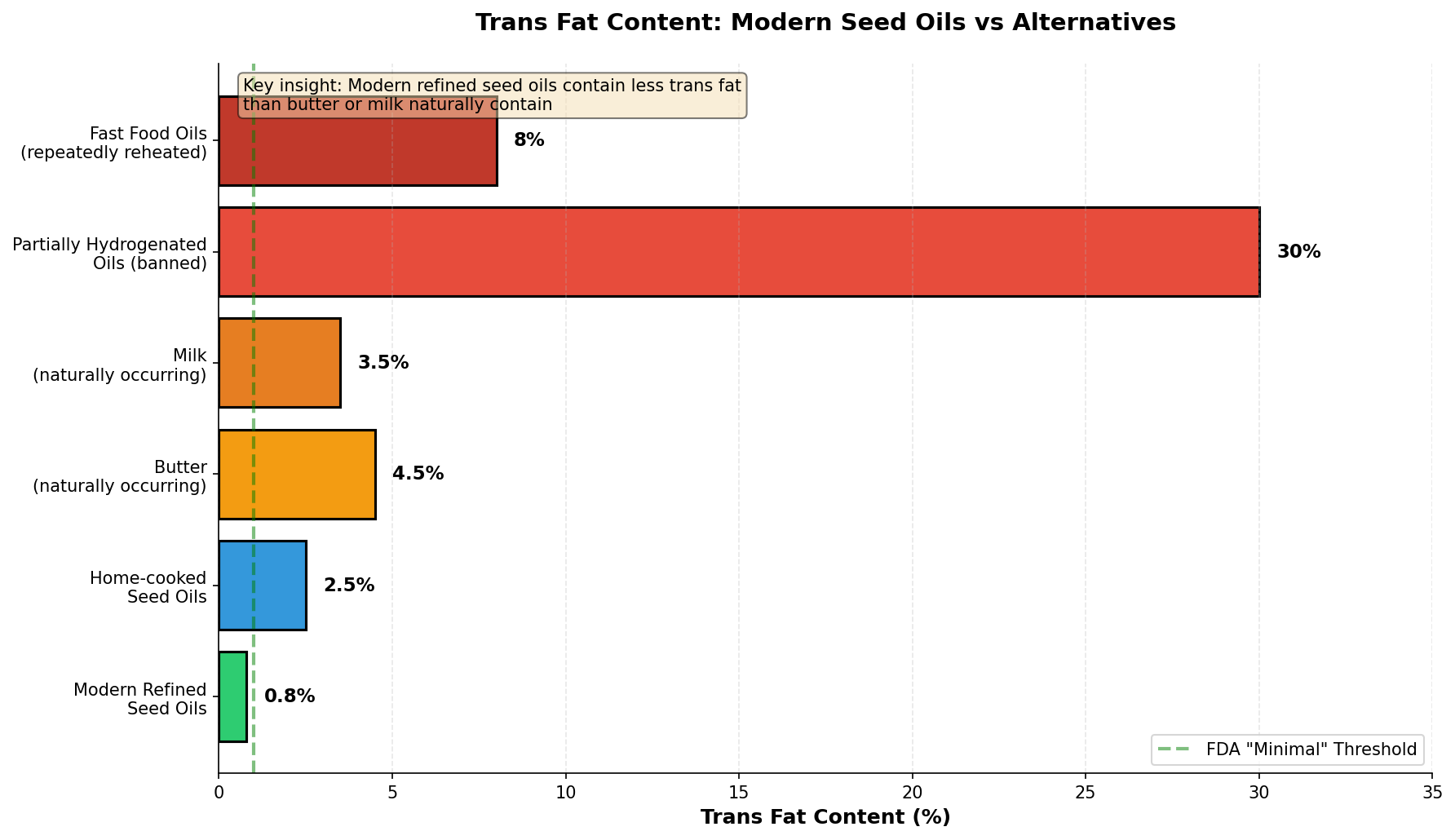 Figure 6: Historical data showing the dramatic 85-fold increase in seed oils as a percentage of American added fats (1900-2025) and the 1,000-fold increase in soybean oil consumption, illustrating why people intuitively feel something major changed in our diet.1
How to Evaluate Conflicting Health Information
Here's the broader skill worth developing: when you encounter conflicting health claims, what should you actually do?
First, check the source hierarchy. Are claims coming from peer-reviewed research published in journals where scientists review each other's work? From official position statements by health organisations that require scientific consensus? Or from social media influencers, anecdotes, and "just asking questions" framing?
Second, look for consensus among independent entities. Does agreement exist across multiple health organisations with different funding sources? Or mainly among people with financial interests in a particular outcome? (Note: everyone involved has some financial incentive. The point is consistency across independent institutions.)
Third, follow the evidence type. Are claims backed by randomised controlled trials, large observational studies, and meta-analyses? Or by single anecdotes, theoretical mechanisms, or laboratory studies that haven't been replicated in humans?
Fourth, understand the difference between "suggests a mechanism" and "proves health harm." It's true that oxidised linoleic acid can trigger inflammatory pathways in cells. That's interesting science. But it doesn't prove that typical dietary exposure causes disease in humans. This distinction matters because social media often presents mechanistic findings as if they were proven health effects.
Fifth, ask what would change someone's mind. If a person claims seed oils are dangerous but can't identify what evidence would prove they're safe, they may be arguing in bad faith. Good faith disagreement includes conditions for being convinced otherwise.
Sixth, check temporal consistency. The seed oil controversy emerged in 2022-2023, but seed oils have been in our food system since 1911 and in modern quantities since the 1960s-1970s. If they were acutely dangerous, why did this concern only become widespread on social media in the last few years? The timing suggests the narrative arrived before new science, not the other way around.
What the Evidence Supports and Doesn't
Here's what we know with confidence:
- Seed oils are safe when used in normal cooking2
- Replacing saturated fats with seed oils reduces cardiovascular disease risk by approximately 30%, equivalent to statin medication2
- Seed oils do not cause inflammation at normal consumption levels; higher linoleic acid intake is associated with lower inflammatory markers1
- Modern seed oils contain less than 1% trans fat, lower than butter naturally contains4
- The omega-6 to omega-3 ratio concern lacks scientific support; higher omega-6 intake is associated with better cardiovascular outcomes1
Here's what the evidence doesn't support:
- That seed oils are acutely toxic2
- That they cause inflammation through linoleic acid content1
- That switching from seed oils to butter would improve your health1
- That the omega-6 "problem" is a major driver of modern disease epidemics1
- That oxidised linoleic acid metabolites in typical diets cause documented disease in humans5
Here's where legitimate scientific debate exists:
Whether the unprecedented amount of seed oils in modern diets warrants additional long-term mechanistic studies in humans.5
Whether increasing omega-3 intake (which most people lack) is more important than reducing omega-6 intake.1
How to balance practical nutrition advice with the complexity of modern food systems.1
These debates don't overturn the current evidence; they're appropriate areas for continued research.
The Broader Context: Why This Matters
The seed oil controversy illustrates something important about modern health information. It shows how real history (corporate influence on dietary guidelines) can get tangled with medical fiction (that seed oils are toxic). It shows how plausible-sounding mechanisms (oxidised compounds causing inflammation) can feel proven before human evidence supports them. It shows how social media algorithms amplify the simplest, most outrageous claims regardless of evidence.
Most importantly, it shows why understanding the actual evidence matters. Not because you need to become an expert in nutrition science, but because health information is increasingly mediated through platforms where engagement beats accuracy. The healthiest approach is developing the skill to distinguish between different types of evidence and different sources of authority.
The Practical Bottom Line
If you're worried about seed oils: Stop. The evidence doesn't support the concern. If you prefer olive oil for taste or avocado oil for cooking stability, absolutely use those. But you don't need to fear seed oils or obsessively check labels to avoid them.
If you're worried about your health: Focus on what the evidence actually supports. Eat fewer ultra-processed foods overall. Eat more whole foods. Use unsaturated oils (seed, olive, or avocado) instead of saturated fats like butter or lard when cooking. Get adequate omega-3s (fish, flaxseeds, chia seeds and walnuts). These changes move the health needle more than any single ingredient choice.
If you're tired of conflicting health information, that's understandable. The honest answer is that for most food components, the evidence exists somewhere between "superfood cure-all" and "poison to avoid." Seed oils are in that middle ground: safe and beneficial when replacing saturated fats and best used in the context of overall dietary patterns that emphasise whole foods over processed ones.
The controversy will probably continue on social media for a while. But the evidence, considered calmly and comprehensively, points clearly in one direction: seed oils are fine to eat, particularly when they're part of home-cooked meals with whole foods. That's not sexy or viral-worthy. But it's what the science actually shows.
Further Reading
Cardiovascular Health and Research
- Dietary intake and biomarkers of linoleic acid and mortality: systematic review and meta-analysis of prospective cohort studies
- The effects of canola oil on cardiovascular risk factors: A systematic review and meta-analysis with dose-response analysis of controlled clinical trials
- Effects of oils and solid fats on blood lipids: a systematic review and network meta-analysis
- Evaluating the effects of seed oils on lipid profile, inflammatory and oxidative markers, and glycemic control of diabetic and dyslipidemic patients: a systematic review of clinical studies
Inflammation, Omega-6, and Health Claims
- Omega-3 and omega-6 polyunsaturated fatty acids and metabolic syndrome: A systematic review and meta-analysis
- ω-6 Polyunsaturated Fatty Acids and Cardiometabolic Health: Current Evidence, Controversies, and Research Gaps
- Scientists debunk claims of seed oil health risks
Processing, Safety, and Oxidation
- Does the processing of seed oils pose a health risk?
- Analysis of Trans Fat in Edible Oils with Cooking Process
- Oxidative Stability of Selected Edible Oils
- Linoleic Acid: A Narrative Review of the Effects of Increased Intake in the Standard American Diet and Associations with Chronic Disease
Health Organisation Positions
- American Heart Association: There's no reason to avoid seed oils and plenty of reasons to eat them
- Johns Hopkins Bloomberg School of Public Health: The Evidence Behind Seed Oils' Health Effects
- Stanford Medicine: Five things to know about seed oils
- Harvard T.H. Chan School of Public Health: Are seed oils healthful or harmful?
- WHO Guidelines: Saturated Fatty Acid and Trans-Fatty Acid Intake for Adults and Children
Comparing Oils and Practical Cooking Guidance
- Comparing oils: Olive, coconut, canola, and vegetable oil
- Seed Oils: Are They Truly Toxic?
- Seed Oils: Facts & Myths
- The Truth About Seed Oils, According to MSK
The Misinformation Phenomenon
- Why TikTok Hates Seed Oils, and Should You?
- The Unscientific Crusade Against Seed Oils
- Are seed oils actually bad for your health? Here's the science behind the controversy
- Majority of consumers perceive seed oils as safe, but health concerns rise
Understanding Oil Composition and Effects
- Smoke Point of Oils Chart: 30+ Oils Ranked by Temperature
- Nutrition Fact Check: Seed Oils
- USDA FoodData Central: Nutrient composition databases
Ultra-Processed Food Consumption
- Consumption of Ultra-Processed Foods and Diet Quality Among U.S. Children and Adults
- Ultra-processed Food Consumption in Youth and Adults
References/Helpful Resources
- Dietary intake and biomarkers of linoleic acid and mortality: systematic review and meta-analysis of prospective cohort studies. PubMed. https://pubmed.ncbi.nlm.nih.gov/32020162/
- American Heart Association (2024). There's no reason to avoid seed oils and plenty of reasons to eat them. https://www.heart.org/en/news/2024/08/20/theres-no-reason-to-avoid-seed-oils-and-plenty-of-reasons-to-eat-them
- Evaluating the effects of seed oils on lipid profile, inflammatory and oxidative markers, and glycemic control of diabetic and dyslipidemic patients: a systematic review of clinical studies. Frontiers in Nutrition. 2025. https://www.frontiersin.org/journals/nutrition/articles/10.3389/fnut.2025.1502815/full
- Analysis of Trans Fat in Edible Oils with Cooking Process. PubMed Central. https://pmc.ncbi.nlm.nih.gov/articles/PMC4609978/
- Linoleic Acid: A Narrative Review of the Effects of Increased Intake in the Standard American Diet and Associations with Chronic Disease. MDPI Nutrients. 2023. https://www.mdpi.com/2072-6643/15/14/3129
- Consumption of Ultra-Processed Foods and Diet Quality Among U.S. Children and Adults. PubMed Central. https://pmc.ncbi.nlm.nih.gov/articles/PMC9384846/
- WHO Updates Guidelines on Fats and Carbohydrates. World Health Organization. 2023. https://www.who.int/news/item/17-07-2023-who-updates-guidelines-on-fats-and-carbohydrates
- Omega-3 and omega-6 polyunsaturated fatty acids and metabolic syndrome: A systematic review and meta-analysis. PubMed. https://pubmed.ncbi.nlm.nih.gov/31010701/
- ω-6 Polyunsaturated Fatty Acids and Cardiometabolic Health: Current Evidence, Controversies, and Research Gaps. ScienceDirect. https://www.sciencedirect.com/science/article/pii/S2161831322012649
- The effects of canola oil on cardiovascular risk factors: A systematic review and meta-analysis with dose-response analysis of controlled clinical trials. PubMed. https://pubmed.ncbi.nlm.nih.gov/33127255/
