

Should You Use a Glucose Monitor? What Non-Diabetics Actually Need to Know
You've probably noticed them popping up everywhere: tiny sensors stuck to people's arms that track their blood sugar. They're on social media, promoted by wellness influencers, endorsed by biohackers, and now available without a doctor's prescription. The promise is seductive: understand your metabolism, optimise your energy, lose weight, perform better. But here's the question nobody's asking loudly enough: does any of it actually work, and more importantly, is the data you're getting even accurate?
Continuous Glucose Monitors (CGMs) have genuinely transformed diabetes care. For people with type 1 or type 2 diabetes, they're life-changing. But their expansion into wellness territory is a different story entirely. The evidence is surprisingly mixed; there are some serious accuracy problems nobody talks about, and the psychological risks are more real than you might think.
What Is a CGM, Really?
Let's start with the basics, because understanding how these devices actually work is crucial to knowing whether you should use one.
A CGM is a sensor roughly the size of a postage stamp that sits under your skin (usually on your abdomen or the back of your arm) and measures glucose every 1-5 minutes. Unlike traditional finger-stick tests that give you a single snapshot, CGMs provide continuous data throughout the day and night. You get 96-288 glucose readings per day instead of 4-10.
The sensor measures glucose in your interstitial fluid (the fluid between your cells), not directly in your blood. This is important. Blood glucose and interstitial glucose don't always match exactly. They can lag by 5-15 minutes, which matters when you're trying to interpret what's happening immediately after you eat or exercise.
Data wirelessly transmits to your phone via a small transmitter, and you can see trends, patterns, and alerts (on some devices) in real time. It's technically sophisticated and genuinely useful for certain people. The question is whether you're one of them.
The Market Is Booming (But For the Right Reasons?)
The numbers paint a picture of explosive growth. The global CGM market reached USD 10.9 billion in 2024 and is projected to hit USD 47.1 billion by 2034: that's more than four times larger in a decade.
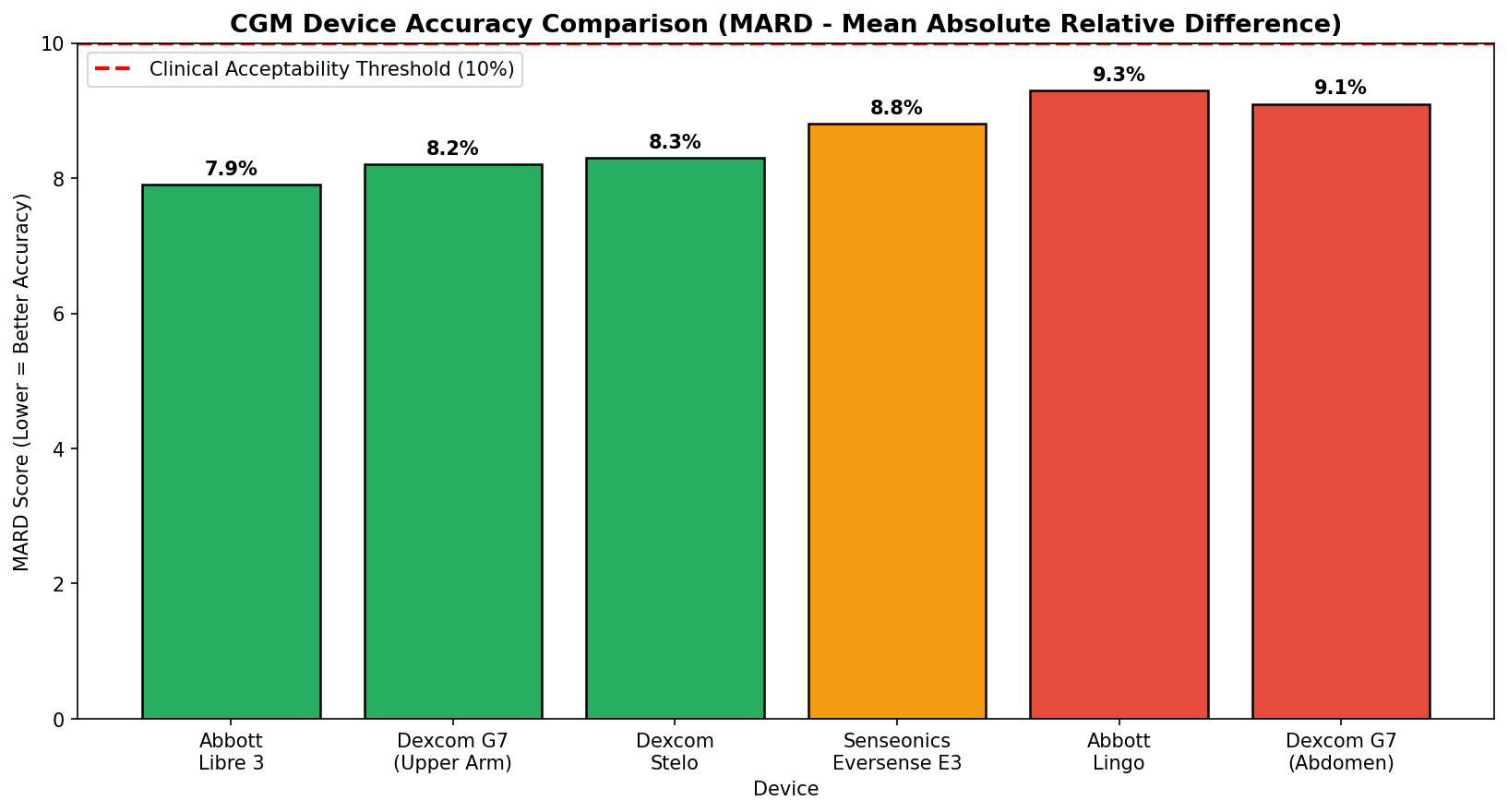 Figure 1: The CGM market is expanding rapidly, driven partly by new over-the-counter options for non-diabetics.
But here's what's more interesting: non-diabetics now represent the largest revenue share. Look at who's buying these devices.
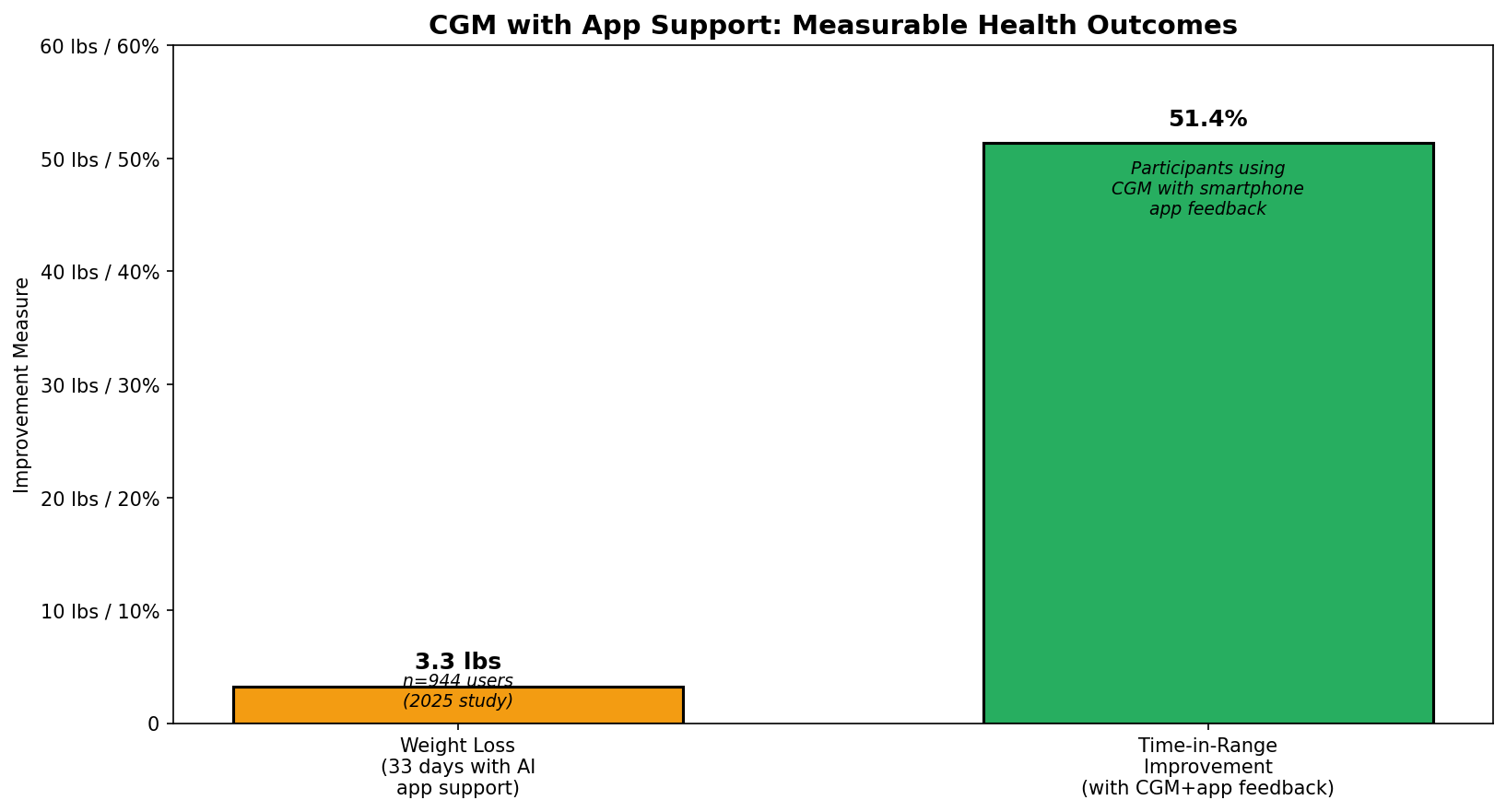 Figure 2: Non-diabetics represent 41.5% of the over-the-counter CGM market, making them the largest user segment.
The pre-diabetic and at-risk group makes up 45%, which is at least medically understandable. But non-diabetics purely interested in wellness? That's 41.5% of the market. That's USD 154 million of the USD 370.7 million OTC CGM market in 2024. These are health-conscious people spending significant money on devices without clear evidence that it's improving their health.
The FDA Cleared These Devices, But Here's What That Actually Means
In March 2024, Dexcom Stelo became the first over-the-counter CGM cleared by the FDA for non-prescription use. Abbott Lingo followed in June 2024. This was positioned as a breakthrough; suddenly, you could buy a glucose monitor without seeing a doctor.
But the FDA's language is worth noting carefully. These devices are cleared for "general health and wellness." That's not the same as being cleared to prevent disease or improve health outcomes. The FDA required the manufacturers to prove that the devices accurately measure glucose. It did not require evidence that using them actually makes you healthier.
Think of the difference: a bathroom scale accurately measures weight (FDA-cleared). That doesn't mean owning one makes you lose weight. You need to do something with that information. With CGMs, the question becomes: what exactly should you do?
The Hidden Problem: One in Seven Healthy People Have Secret Glucose Spikes
This is where things get interesting and slightly concerning.
Research now shows that 15% of perfectly healthy people without diabetes have glucose levels that spike into the diabetic range, completely unknowingly. Even more striking: 36% of people with prediabetes experience glucose excursions into the diabetic range.
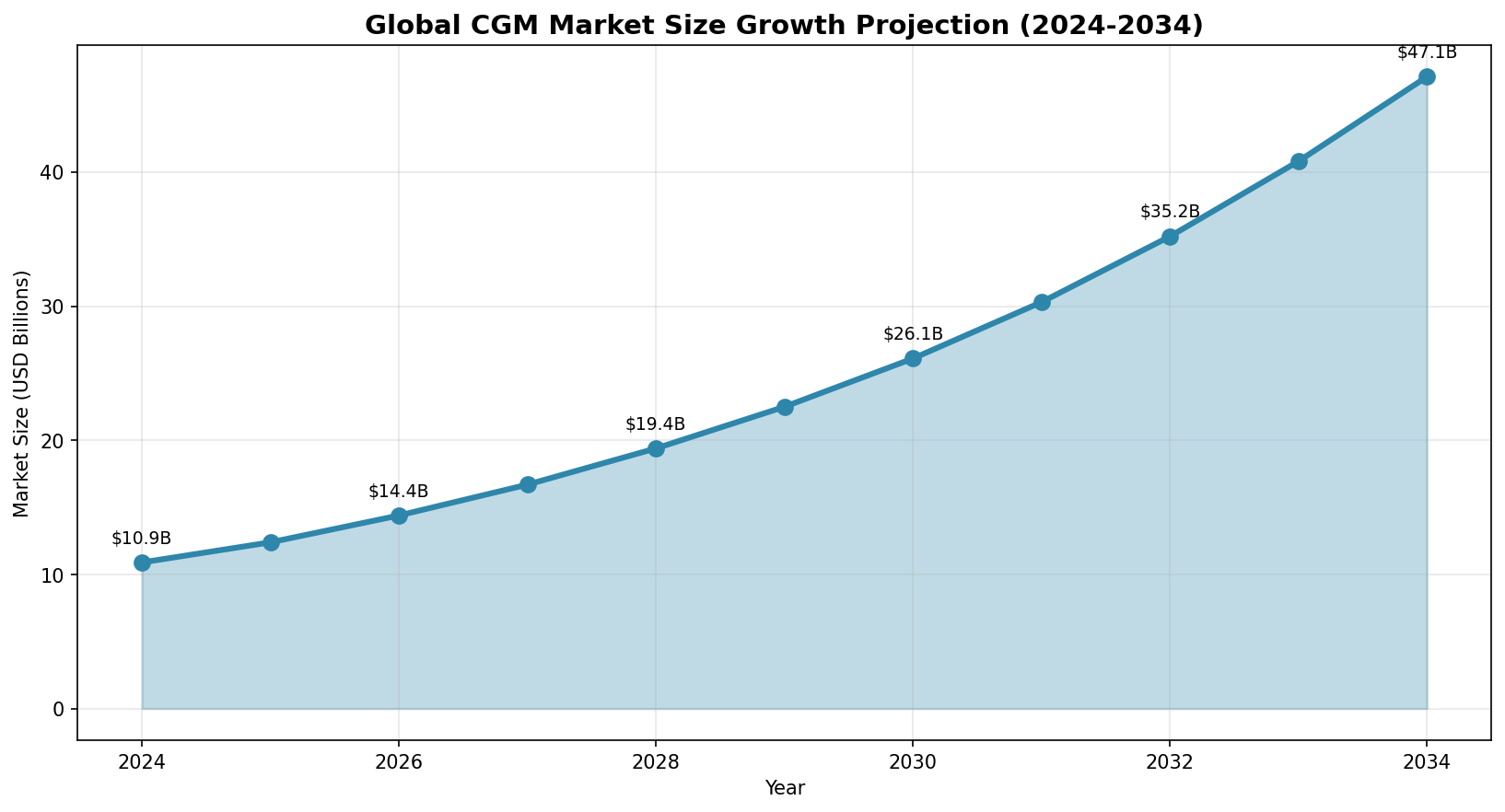 Figure 3: Hidden glucose dysregulation is more common than most people realise. One in seven healthy people have unexpected glucose spikes.
This sounds alarming, doesn't it? One in seven of us has a hidden metabolic problem we don't know about. This was the original appeal of CGM for non-diabetics: an early warning system, catch it before it becomes prediabetes, and prevent diabetes entirely.
Sounds perfect. Except for one major problem we're about to discuss.
The Accuracy Crisis: CGMs Overestimate by 400%
Here's the critical finding that most people using CGMs don't realise.
Recent peer-reviewed research from the University of Bath found something genuinely alarming: CGMs overestimate the time you spend with elevated blood glucose by nearly 400%. When compared to traditional blood glucose testing, CGMs consistently reported higher blood sugar levels.
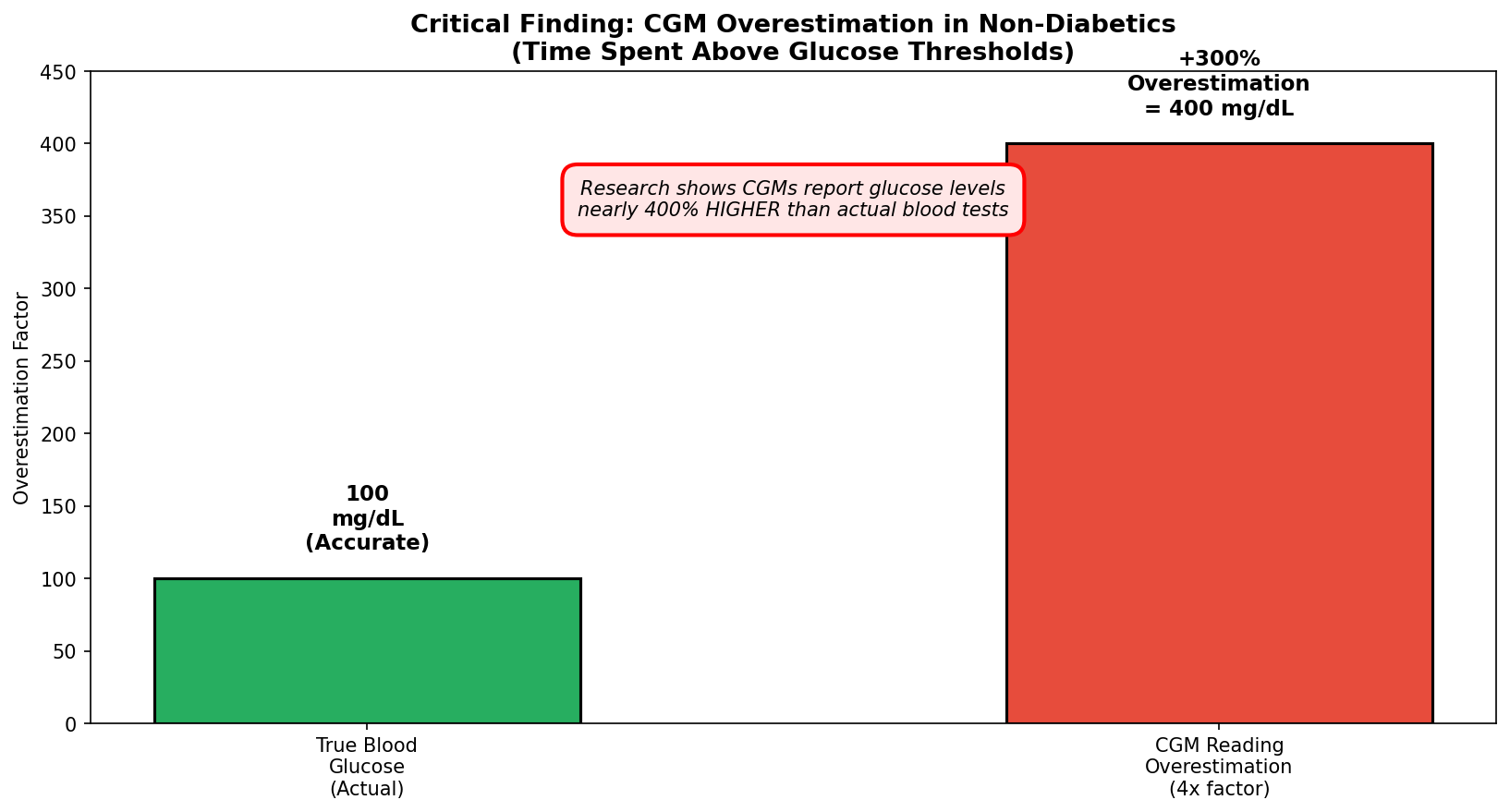 Figure 4: Critical finding: CGM readings overestimate high blood glucose by a 4x factor in non-diabetics. A true glucose of 100 mg/dL gets reported as if it were nearly 400 times more concerning.
Why does this happen? Remember how CGMs measure interstitial fluid, not blood directly. In people with diabetes, this difference is small enough to ignore. In people with naturally stable glucose, the gap becomes much larger. You might get a notification about a "glucose spike" that didn't really happen, triggering unnecessary anxiety and dietary restriction.
Even more concerning: CGM metrics that correlate perfectly with disease risk in diabetics lose all clinical meaning in non-diabetics. In diabetes patients, CGM readings predict their HbA1c (the gold-standard measure of long-term glucose control). In healthy people? The correlation completely disappears. Doctors literally cannot tell what the readings mean in your body.
This creates a strange situation: you're getting accurate glucose measurements, but nobody can reliably interpret whether those measurements actually indicate a problem.
What CGM Actually Improves (And What It Doesn't)
Let's be clear about what the research does support.
CGM can improve glucose stability when paired with app feedback and coaching. One study found that 51.4% of participants improved their Time-in-Range (percentage of time glucose stays in healthy zones) when using CGM with smartphone app feedback.
For weight loss, the results are more modest. A 2025 study of 944 users showed average weight reduction of 3.3 pounds over 33 days with an AI-supported CGM app and personalised recommendations. That's real, but it's also not dramatic. Another study found no significant difference in weight loss between people using a CGM-based personalised diet versus people following a standard low-fat diet.
The key finding: weight loss works when CGM is paired with behavioural coaching, nutrition guidance, and consistent app engagement. CGM alone doesn't cause weight loss. The device provides data; you provide the behaviour change.
For athletic performance, the evidence is even thinner. Endurance athletes can use real-time glucose feedback to optimise fuelling strategies and recovery. But research hasn't established whether controlling glucose variability alone actually improves performance. Many athletes perform excellently with highly variable glucose patterns.
For cognitive performance and energy? This is where the research gets genuinely interesting. Large blood glucose swings impair the brain's information processing speed and cause fatigue, brain fog, and reduced motivation in healthy people. CGM can reveal whether you're having these swings and whether specific foods trigger them. That's useful. But again, this requires action; knowledge alone doesn't change outcomes.
The Real Psychological Risk
This is the part that concerns researchers more than the physical effects.
There's a genuine risk of what researchers call "pathologising normal physiology." When you're staring at continuous glucose data all day, normal fluctuations start looking like problems. A small rise after breakfast that your body handles perfectly might appear on your screen and trigger anxiety. You might unnecessarily avoid healthful foods like whole grains and fruit because you saw a glucose spike once.
The research warns about several psychological risks:
- Treating normal post-prandial (after-eating) glucose responses as abnormal
- Unnecessary food restriction despite a healthy overall diet
- Development of obsessive focus on glucose optimisation where none is needed
- Potential triggering of disordered eating patterns
- Stress from constantly available data
- Exaggerated exercise behaviour driven by trying to "fix" normal glucose variation
For people already prone to health anxiety or obsessive tendencies, a CGM might amplify those patterns rather than help. You're essentially quantifying something that was previously invisible, which can be either liberating (if you use it constructively) or anxiety-inducing (if you become hyperaware of normal variations).
So, Who Should Actually Consider One?
Given everything above, here are the groups where CGM might genuinely help:
People with prediabetes are the clearest candidates. You have actual evidence of metabolic dysfunction, and the lifestyle interventions that prevent diabetes progression to full disease are well-established. CGM can provide real-time feedback on whether your specific dietary and exercise changes are working. This is especially valuable because prediabetes often goes undiagnosed until standard annual blood work.
People with a family history of type 2 diabetes might benefit from 2-4 weeks of CGM use to understand whether they have hidden glucose dysregulation, like that 15% of healthy people do. This could motivate preventive action. But this isn't ongoing monitoring; it's a data-gathering experiment.
People struggling with weight loss, when combined with formal nutrition coaching, might see benefits. The research shows CGM works best paired with professional guidance, not as a standalone tool. If you're working with a registered dietitian, CGM could provide useful feedback.
Athletes optimising fuelling strategies during training cycles. Understanding your individual glucose response to different foods and exercise intensities has genuine value. Again, this is typically a short-term tool, not permanent wear.
Health-curious individuals willing to use CGM as a 2-4 week personal experiment to understand their unique glucose patterns, with realistic expectations about what that knowledge will accomplish. If you approach it as learning, not as preventive medicine, it can be genuinely interesting.
Who Should Probably Avoid CGM
Be honest with yourself:
Do you already struggle with health anxiety? CGM might make it worse.
Are you prone to obsessive behaviour or perfectionism around health? Continuous glucose data feeds that loop.
Do you have any history of eating disorders? The glucose-focused nutritional thinking that CGM encourages could be harmful.
Are you expecting this to cause significant weight loss without behaviour change? Research doesn't support that.
Are you expecting prevention of future disease? There's no FDA approval or clinical evidence for that claim, despite what some marketing suggests.
Are you completely healthy with no metabolic risk factors? Standard prevention (exercise, Mediterranean diet, regular screening) has stronger evidence and costs nothing.
The Cost Question: Is It Worth the Money?
This is where the scepticism gets practical.
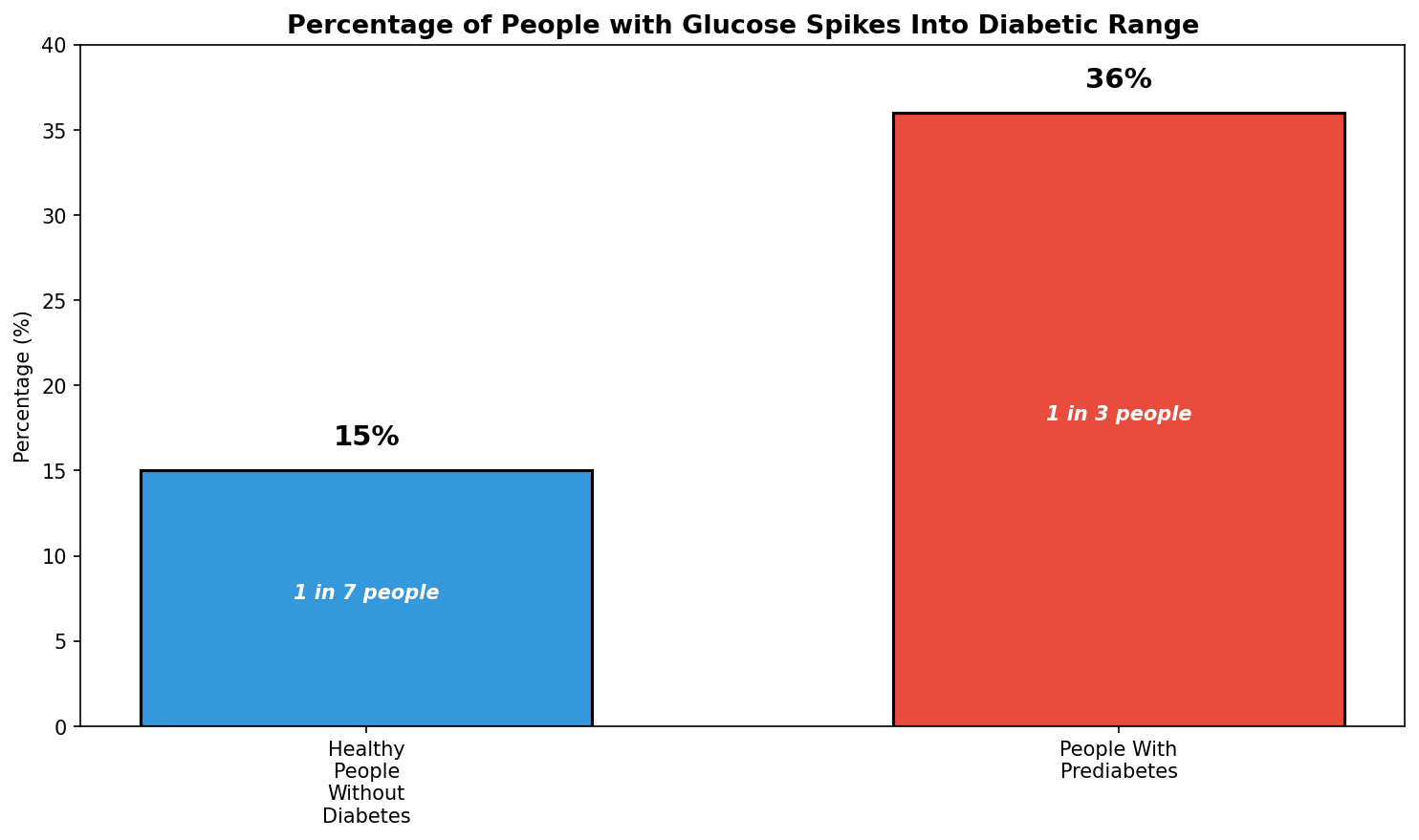 Figure 5: OTC CGM pricing comparison shows annual costs of USD 1,068 for Dexcom Stelo at regular rates, substantially lower if purchased through subscription.
Out-of-pocket, you're looking at USD 1,200-3,600 per year for most non-diabetics (sensors wear 10-14 days, so you need multiple per year). Most health insurance doesn't cover them for non-diabetics. You're paying this privately.
For comparison, an annual blood work screening including HbA1c (which measures 3-month average glucose control) costs roughly USD 100-200 out-of-pocket. So you're spending 10-30 times more to get continuous data versus a snapshot every year.
Is the extra information worth the cost? That depends entirely on how you'll use it. If you're genuinely going to act on the data with lifestyle changes and pair it with professional guidance, maybe. If you're hoping it prevents disease or causes significant weight loss on its own, probably not.
There's also a privacy concern worth mentioning. Unlike prescription CGMs, which fall under HIPAA, many over-the-counter CGM apps don't have the same legal privacy protections. Your glucose data (which is extraordinarily intimate health information) might be shared with third parties, analysed for patterns, or used for purposes beyond glucose monitoring.
What's Actually Happening in the Research Right Now
The evidence base is expanding but remains limited. Most studies examining CGM in non-diabetics are:
- Short-term (weeks to months, not years)
- Often observational rather than rigorous randomised trials
- Conducted with populations that have metabolic risk factors, not truly healthy people
- Missing long-term outcome data showing whether CGM use actually prevents disease
What researchers keep emphasising is what they don't know:
- Whether CGM-guided behavioural changes are sustained long-term
- Whether improved glucose readings on CGM actually prevent diabetes or cardiovascular disease
- What defines "normal" versus "abnormal" glucose patterns in healthy non-diabetics
- Whether the psychological burden of constant monitoring outweighs the benefits
In the meantime, 88% of American adults are metabolically unhealthy by standard measures, meaning they have some combination of elevated blood pressure, cholesterol, glucose, or weight. The question isn't whether metabolic disease is a problem. It absolutely is. The question is whether CGM is the best tool for addressing it.
What Evidence Actually Shows Works
If you're reading this thinking, "okay, I want to optimise my health," here's what has strong evidence:
Regular physical activity. Not special protocols; just regular moderate exercise. 150 minutes per week of aerobic activity reduces glucose variability, improves cardiovascular health, and helps with weight management. Zero cost, strong evidence.
Mediterranean diet patterns. Not obsessive macronutrient counting; just an eating pattern that emphasises vegetables, fruits, whole grains, legumes, fish, and healthy fats. Proven benefits for glucose control, heart health, and longevity.
Regular metabolic screening. Annual or biannual blood work checking HbA1c, fasting glucose, lipids, and blood pressure if you're 35+. This catches metabolic problems early when lifestyle intervention still works. Much cheaper than CGM.
Sleep and stress management. Poor sleep and chronic stress directly impair glucose regulation, weight loss, and cognitive function. These fundamentals matter.
These aren't sexy biohacking optimisations. But they work, they're evidence-based, they're accessible, and they don't require constantly monitoring your biology.
The Bottom Line: Hype Versus Reality
Here's what we know with confidence:
- CGM technology accurately measures glucose in most situations
- It reveals patterns of glucose variation that were previously invisible
- In people with prediabetes or metabolic risk, it can motivate lifestyle changes
- For weight loss, it works when paired with professional coaching
Here's what we don't know:
- Whether using CGM without a diabetes diagnosis actually prevents disease
- Whether the accuracy problems matter clinically in non-diabetics
- Whether psychological costs outweigh benefits for some users
- Whether sustained behavioural changes outlast the monitoring period
The honest assessment from researchers reviewing this evidence is cautious. Many healthcare professionals are awaiting data from ongoing studies before making broader recommendations. The field is described as an "evidence-free zone" where commercial growth is substantially outpacing scientific proof.
CGM might become valuable for many non-diabetics. The technology is good, and the potential is real. But right now, we're in the early stages of understanding who truly benefits and at what cost.
Key Takeaways: Making Your Own Decision
If you're genuinely interested in understanding your glucose patterns and potentially preventing metabolic disease:
Do the screening first. Get annual blood work, including HbA1c. If it's normal, you're not in a high-risk category. CGM probably isn't necessary.
Consider CGM if you have specific reasons. Prediabetes diagnosis, family history of diabetes, active weight loss goal with professional support, or genuine curiosity about your personal metabolic responses (not medical anxiety).
Treat it as a short-term experiment, not permanent wear. Two to four weeks is enough to identify patterns and learn how foods and activities affect you. Then remove the sensor and apply what you learned.
Pair it with professional guidance. CGM alone is data. Professional interpretation (ideally from a registered dietitian or diabetes educator) transforms that data into actionable change.
Acknowledge the accuracy limitations. Your CGM readings might overestimate high glucose episodes. Be sceptical of dramatic numbers. When in doubt, confirm with traditional blood glucose testing.
Monitor your psychology. If you notice anxiety increasing, food restriction happening, or obsessive focus developing, that's a sign CGM isn't helping. Stop using it. Your mental health is more important than the data.
Set realistic expectations. CGM probably won't cause significant weight loss without behaviour change. It probably won't prevent disease without proven prevention interventions. It will give you information about your glucose. What you do with that information is up to you.
The most important decision isn't whether to wear a CGM. It's whether you're genuinely ready to act on whatever you discover. If knowledge alone doesn't change your behaviour, the device won't help. But if you're motivated, willing to learn, and open to professional guidance, CGM could provide valuable insights into your personal metabolic health.
The technology is real. The enthusiasm is real. The evidence is still catching up. Proceed with realistic expectations, but don't feel like you're missing out if you decide it's not for you. You probably aren't.
Further Reading
Continuous Glucose Monitoring Technology and How It Works
- Cleveland Clinic: Continuous Glucose Monitoring (CGM) Explained
- NIDDK: Continuous Glucose Monitoring Guide
- Dexcom Stelo Official Information
- Abbott FreeStyle Libre Official Information
Clinical Evidence and Research
- Harvard Health: Is blood sugar monitoring without diabetes worthwhile?
- Yale Medicine: Who Should Use a Continuous Glucose Monitor?
- Johns Hopkins: Is Glucose Monitoring Useful for Non-Diabetics?
- Mass General Brigham: CGM Accuracy in Non-Diabetics
- MDPI: Non-Invasive Continuous Glucose Monitoring for Cardiovascular Prevention
- Nature: Use of Continuous Glucose Monitoring to Stratify Individuals Without Diabetes
Weight Loss and Metabolic Health
- Nature Digital Medicine: Digital Health Interventions for Glycaemic Control and Weight
- Signos: FDA-Approved Glucose Monitoring for Weight Management
- Nutrisense Journal: CGM and Nutritional Coaching Programmes
Athletic Performance and Glucose Optimisation
- Gatorade Sports Science: CGM Use in Athletes Without Diabetes
- Levels Blog: Continuous Glucose Monitoring for Athletic Recovery
Accuracy and Safety Concerns
- University of Bath: CGM Overestimation Research
- PMC: Expert Clinical Interpretation of CGM Reports in Non-Diabetics
- Washington State Health Care Authority: CGM Evidence Report
Market Data and Adoption
- GM Insights: OTC Continuous Glucose Monitoring Market Analysis
- Grand View Research: CGM Market Sizing and Forecasts
- GoodRx: OTC CGM Pricing and Availability Guide
Practical Comparisons
- Plotline Health: Best CGMs for Non-Diabetics (Stelo vs Lingo)
- Montgomery Nutrition: Effectiveness of Over-the-Counter CGMs
References
- Cleveland Clinic. Continuous Glucose Monitoring (CGM). [Internet]. [cited 2026 Mar 16]. Available from: https://my.clevelandclinic.org/health/articles/continuous-glucose-monitoring-cgm
- Grand View Research. Continuous Glucose Monitoring Market Size, Share & Growth Analysis 2034. 2024.
- European Journal of Medical Research. Continuous glucose monitoring in non-diabetic populations: a systematic review of observational and interventional studies with meta-analysis. 2026.
- University of Bath. Researchers warn continuous glucose monitors can overestimate blood sugar levels. [Internet]. 2024 [cited 2026 Mar 16]. Available from: https://www.bath.ac.uk/announcements/researchers-warn-continuous-glucose-monitors-can-overestimate-blood-sugar-levels/
- Nature npj Digital Medicine. Impact of Digital Health Interventions on Glycaemic Control and Weight. 2025;8(1).
