

Your skin isn't sterile. It never was. Right now, across your entire body, approximately 1,000 different species of bacteria are living on your skin surface, and they're not your enemy. They're your protective team, your first line of defence against harmful pathogens, and essential partners in keeping your skin healthy.
This microscopic ecosystem is called your skin microbiome, and it might be more important to your health than the skincare products you're spending money on. Here's what you need to know and why it matters.
The Surprising Truth About Your Skin's Bacteria
For decades, the medical model treated bacteria as universal enemies. Antibacterial everything. Kill the germs. But modern research has revealed something completely different: the bacteria living on your skin are largely beneficial, and when they're healthy, they protect you. When they become imbalanced (a condition called dysbiosis), that's when problems start.
Your skin bacteria aren't randomly scattered. They form distinct communities based on where they live on your body. Oily areas like your face are dominated by Cutibacterium acnes (formerly called Propionibacterium), which is completely normal and healthy until dysbiosis disrupts it. Moist areas like your armpits support balanced communities of Staphylococcus and Corynebacterium. Dry areas like your forearms have the most diverse microbial populations.
Why does location matter? Because different skin environments create different niches. Your oily skin has different humidity, pH, and nutrient availability than your dry forearm, so different bacteria thrive there. This is crucial: body location is a more important factor than your genetic background in determining which bacteria colonise your skin.
What Your Skin Microbiome Actually Does
Protection Against Infections
Imagine your skin as a gated community. The beneficial bacteria are the residents who occupy all the best properties, making it physically impossible for dangerous pathogens to move in. This is called colonisation resistance, and it's one of your most important defences.
But they don't just take up space. Your skin bacteria actively produce antimicrobial peptides (natural antibiotics) that kill harmful bacteria. Staphylococcus epidermidis, one of the most important residents, produces a powerful enzyme called Esp that specifically prevents dangerous Staphylococcus aureus from forming biofilms and breaking apart existing ones.
When dysbiosis occurs, and you lose these protective bacteria, your skin suddenly becomes vulnerable. S. aureus and other pathogens move in, produce toxins that damage your skin, and trigger inflammation.
Immune System Training
Your beneficial bacteria are constantly communicating with your immune system, teaching it which threats to fight and which stimuli to tolerate. During normal conditions, these bacteria send signals to your immune cells that tell them to remain calm and non-inflammatory. This prevents your immune system from overreacting to harmless stimuli.
The mechanism? Your bacteria signal through a pathway called the aryl hydrocarbon receptor (AHR), which influences how your skin cells develop and whether they produce protective molecules. When dysbiosis occurs, this communication breaks down, and your immune system becomes hyperresponsive. That's when inflammatory conditions like eczema and rosacea worsen.
pH Balance: The Acid Mantle
Your skin has a natural acidity that's absolutely critical for health. Healthy skin pH is 4.5 to 5.5 (about as acidic as lemon juice). This isn't accidental. Your bacteria create this acidic environment through their metabolism, and the acids serve specific protective functions: they selectively inhibit pathogenic bacteria like S. aureus while supporting the enzymes involved in skin cell turnover and barrier repair.
Here's where most skincare goes wrong: traditional bar soap has a pH of 9 to 10; you're washing your skin with something roughly 1,000 times more alkaline than it naturally is. This disrupts the acid mantle, kills protective bacteria, and triggers a cascade of problems that can persist for weeks.
Barrier Function and Skin Renewal
Your skin barrier is your protection against water loss, environmental toxins, and pathogens. Your microbiome is essential for maintaining this barrier. Bacteria signal to your skin cells through multiple pathways that keep your outer skin cells tightly bound together and properly renewed.
When you lose beneficial bacteria, your barrier breaks down. Water escapes from deeper layers. Environmental toxins penetrate more easily. Your skin becomes dry, sensitive, and vulnerable to infection.
How Your Microbiome Composition Varies Across Your Skin
Your microbiome isn't uniform. Different areas of your body host completely different bacterial communities, and understanding this explains why you get acne on your face but not your forearms.
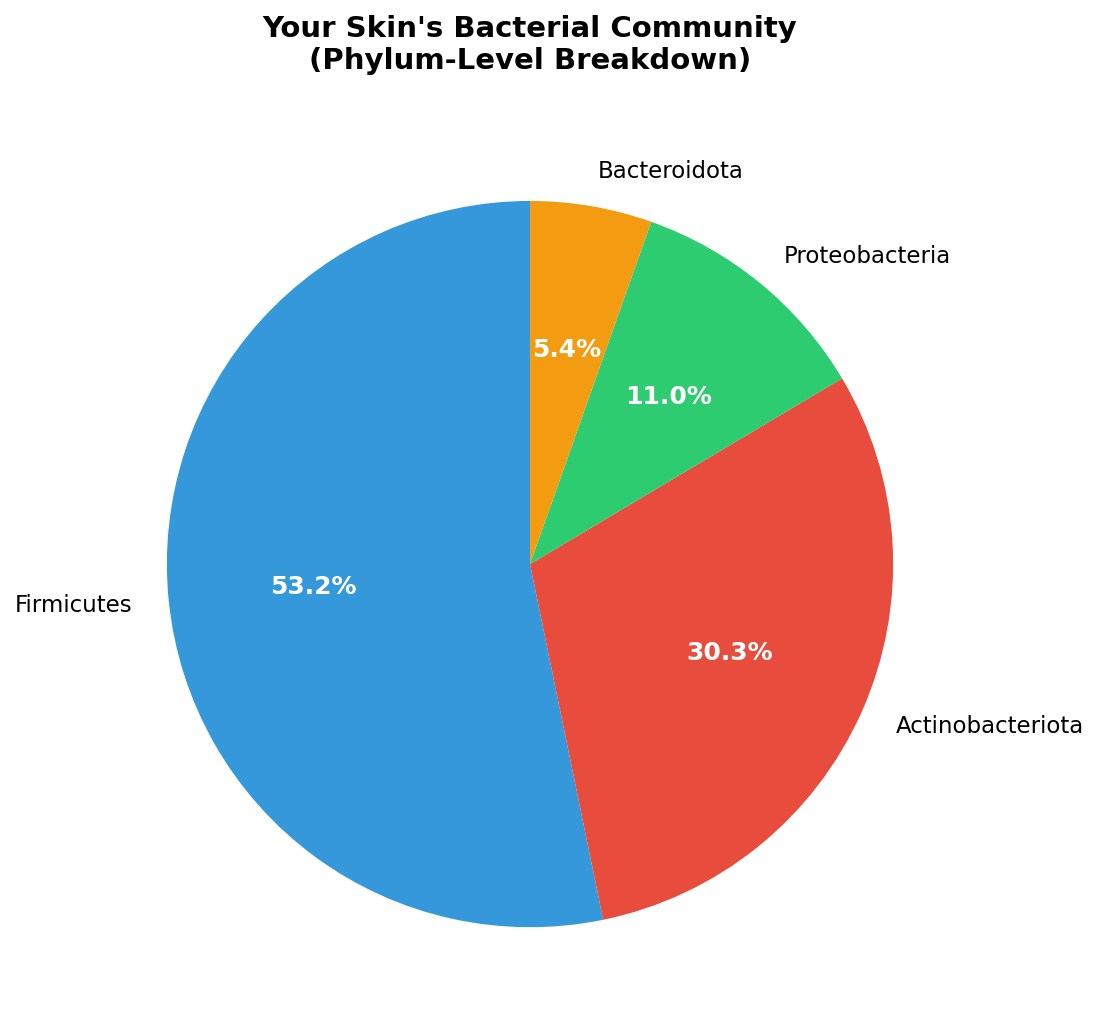 Figure 1: The four bacterial phyla that dominate healthy human skin. Firmicutes comprise over half of your skin's bacteria, followed by Actinobacteria, with smaller populations of Proteobacteria and Bacteroidota. These four groups work together to maintain skin health.
Sebaceous (Oily) Sites
Oily areas of your skin include your face (especially between the eyebrows and nose creases), external auditory canal (inner ear), upper chest, back, and scalp. These areas produce sebum (skin oil), creating a lipid-rich environment.
This is where Cutibacterium acnes dominates, making up nearly 90% of healthy skin bacteria; the keyword is "healthy." In healthy conditions, C. acnes is not pathogenic. It's adapted to thrive on oily skin and helps maintain skin health. Problems only arise when dysbiosis causes pathogenic strains to proliferate and form biofilms.
Moist Sites
The armpits, inner elbow, between your fingers and toes, groin crease, and behind your knees create moist environments with high humidity. Here, bacterial diversity is much higher. You'll find roughly equal abundances of Corynebacterium, Cutibacterium, and Staphylococcus, creating more complex microbial interactions.
This balanced community is particularly important for preventing pathogenic overgrowth. When dysbiosis occurs in moist sites, the loss of protective bacteria often allows S. aureus to proliferate unchecked.
Dry Sites
Your forearms, calves, hands, and legs have the most diverse bacterial communities. Dry skin supports greater bacterial diversity, which makes these communities more stable and resilient. This diversity is protective; when you have many different bacterial species, it's harder for pathogens to take over.
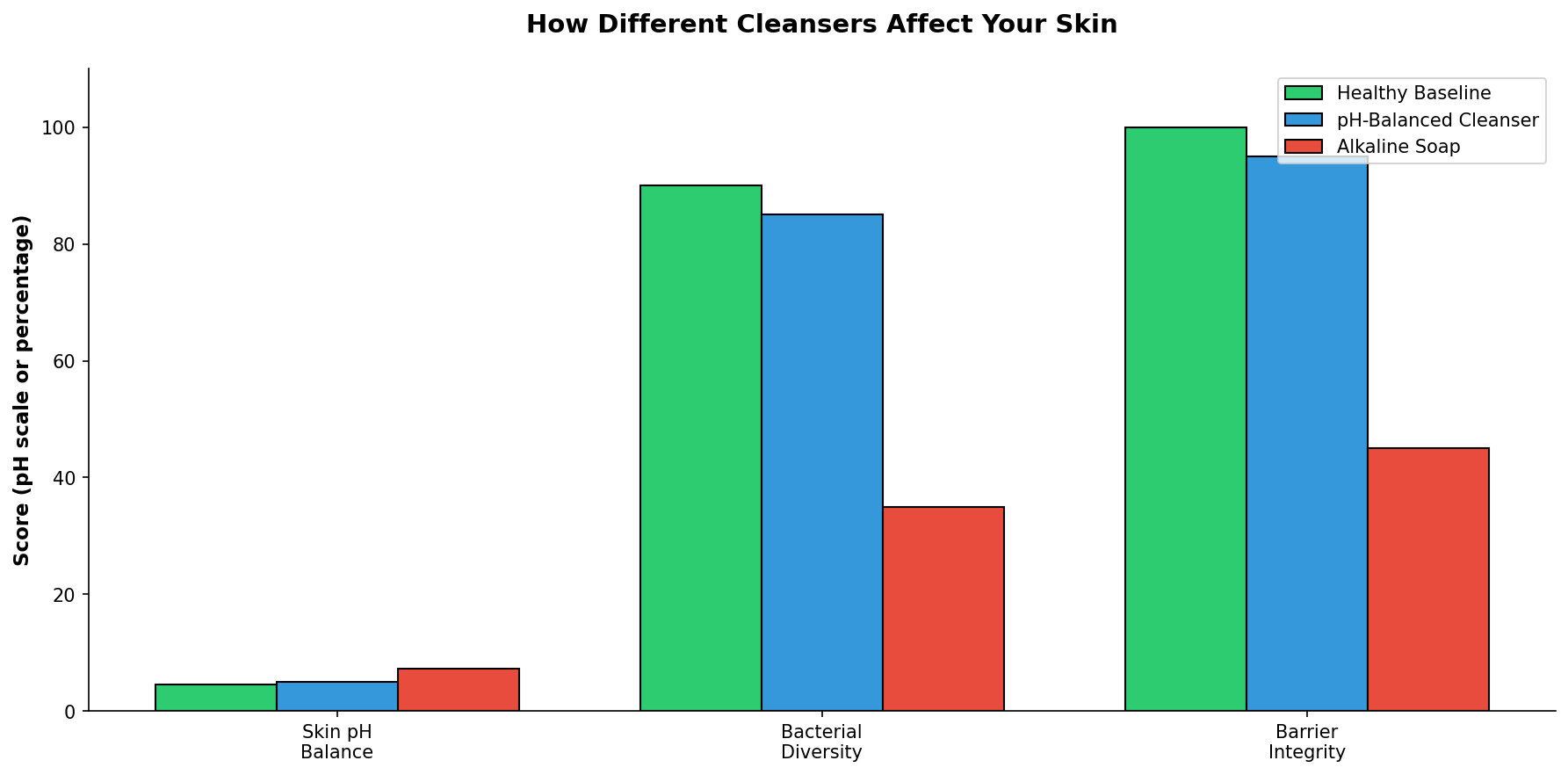 Figure 2: Bacterial diversity varies dramatically across body locations. Dry skin areas support the most diverse microbiome, while oily areas have lower diversity. This explains why acne concentrates on oily skin while dry areas rarely develop acne.
The Three Most Abundant Bacteria on Your Skin
Research has identified the bacteria that dominate healthy skin, and understanding these helps explain how dysbiosis drives disease.
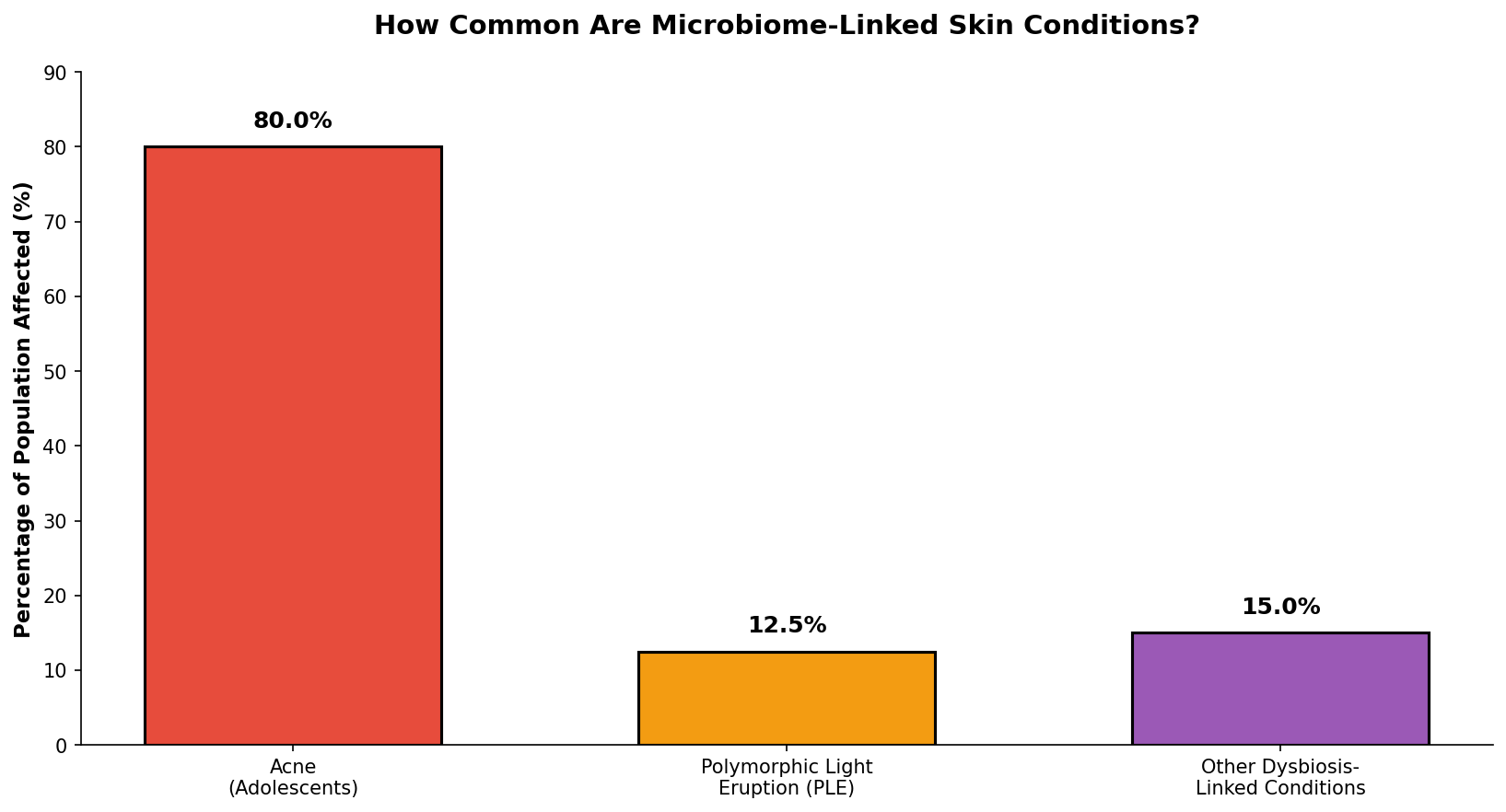 Figure 3: The three dominant bacterial genera comprise nearly 80% of your skin's bacteria. Staphylococcus makes up about 1 in 3 skin bacteria, followed by Corynebacterium and Cutibacterium. Each plays a distinct protective role.
Staphylococcus (35.7%)
About 1 in 3 bacteria on your skin is Staphylococcus, and most are the beneficial species S. epidermidis. This bacterium is your skin's guardian. It produces potent antimicrobial peptides that actively kill dangerous pathogens, and it's particularly important for preventing S. aureus colonisation.
This is why dysbiosis in eczema is so dangerous: the loss of protective S. epidermidis allows pathogenic S. aureus to take over, triggering severe inflammation that drives disease flares.
Corynebacterium (22.6%)
Corynebacterium comprises about 1 in 4 skin bacteria, particularly abundant on moist skin sites. These bacteria help maintain the healthy bacterial community balance and contribute to protective barrier function.
Cutibacterium (20%)
As mentioned, this bacterium dominates oily skin areas and is completely normal and healthy in appropriate proportions. The issue arises when dysbiosis causes pathogenic strains to shift into biofilm formation mode.
When Dysbiosis Occurs: What Goes Wrong
Dysbiosis is an imbalance in your skin's bacterial community characterised by three key changes: reduced microbial diversity, overgrowth of pathogenic species, and loss of protective bacteria.
When dysbiosis happens, the protective mechanisms collapse. Competitive exclusion breaks down. Antimicrobial defences decrease. Barrier function deteriorates. And opportunistic pathogens like S. aureus produce virulence factors (toxins and inflammatory molecules) that trigger skin disease.
Acne: The Microbiome Biofilm Problem
Acne affects 80% or more of adolescents and young adults globally, with approximately 231 million cases worldwide. It's the most common youth skin condition, and it's a microbiome disease.
In healthy skin, C. acnes exists as individual bacteria. In acne-prone skin, dysbiosis causes C. acnes to shift into biofilm mode (organised bacterial communities that are resistant to antibiotics and antimicrobial peptides). Severe acne also shows loss of diversity among C. acnes phylotypes, with one strain becoming overwhelmingly dominant.
This explains why killing bacteria with harsh products and antibiotics often makes acne worse: you're destroying the protective bacteria that keep C. acnes in check, allowing it to proliferate further.
Atopic Dermatitis (Eczema): The Dysbiosis-Driven Cycle
Eczema is characterised by severe dysbiosis. Patients show reduced bacterial diversity and Staphylococcus aureus overgrowth that directly correlates with disease severity. During flares, S. aureus forms biofilms that make treatment more difficult.
The vicious cycle works like this: Initial dysbiosis reduces protective bacteria. S. aureus colonises because space is available. S. aureus produces toxins that damage skin cells and trigger inflammation. Inflammation damages the barrier further. The damaged barrier allows more S. aureus colonisation. More inflammation drives worse flares.
The critical insight: simply killing S. aureus with antibiotics doesn't solve eczema. The underlying dysbiosis returns, and S. aureus colonises again. Modern treatment approaches focus on reducing inflammation (which allows protective bacteria to recover), supporting barrier function, and restoring the protective microbiome.
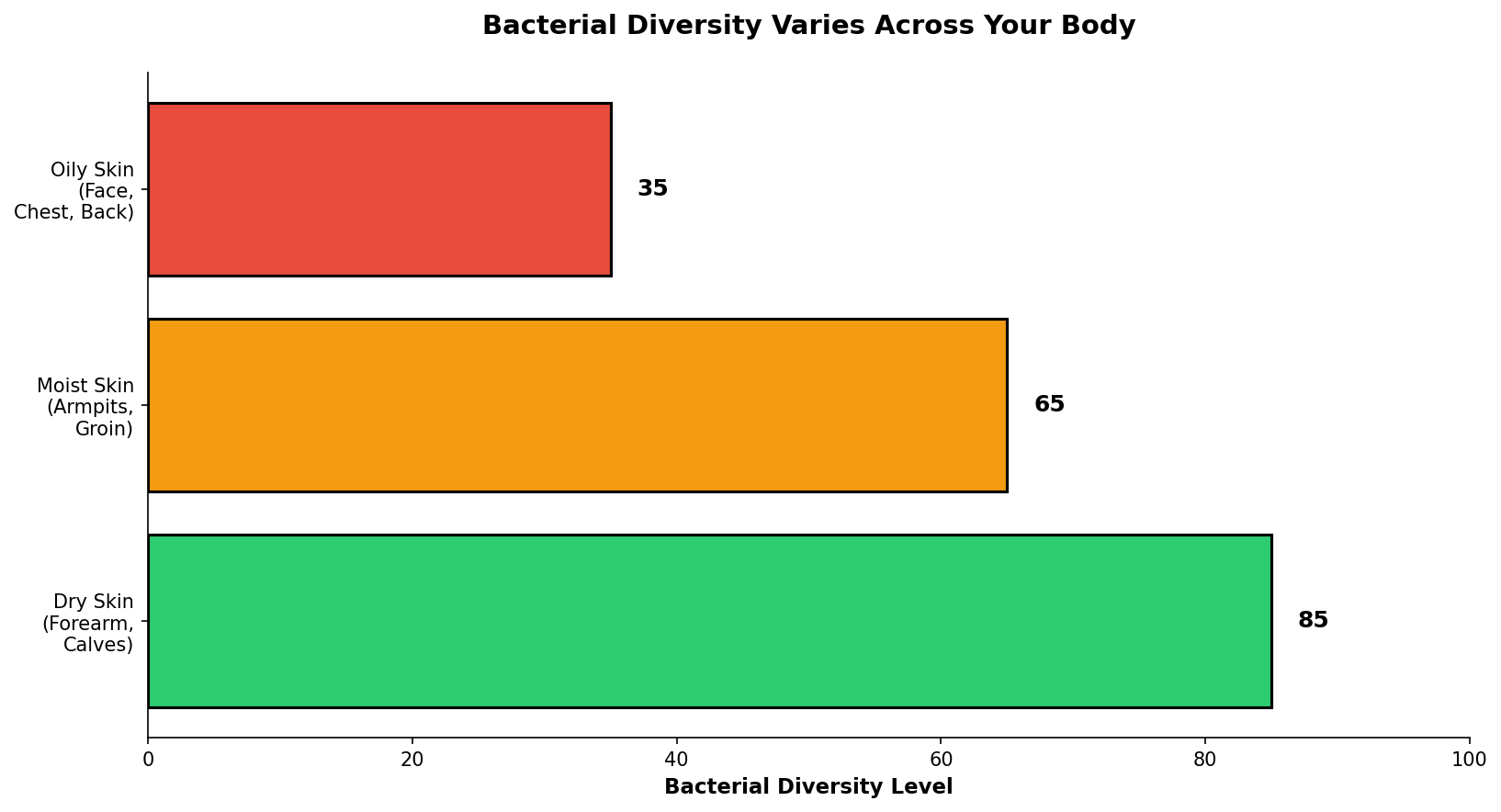 Figure 4: Acne is the most common microbiome-linked skin condition, affecting the vast majority of adolescents. Other dysbiosis-driven conditions, like polymorphic light eruption (affecting 10-15% of the population), also show microbiome involvement.
What Damages Your Microbiome
Understanding what damages your protective bacteria helps you avoid these disruptions.
Harsh Cleansers and Antibacterial Products
This is perhaps the most damaging and most easily corrected problem. Using alkaline soaps, antibacterial cleansers, and harsh products damages your microbiome in multiple ways.
Traditional soaps at pH 9-10 disrupt the acid mantle that your bacteria depend on. Antibacterial ingredients eliminate protective bacteria along with harmful ones, creating space for pathogens to proliferate. The damage isn't brief. Disruption from antibacterial products persists for 2 or more weeks after you stop using them, with the amount of soap used predicting the severity of microbiome changes.
Beyond bacterial effects, harsh soaps directly damage your skin cells, causing subclinical barrier irritation, excessive dryness, and long-term thinning of the skin. They increase transepidermal water loss (water escaping from deeper skin layers), increase skin redness, and trigger dermatitis.
Systemic Antibiotics
While sometimes medically necessary, antibiotics cause lasting damage to your skin microbiome. One-week recovery after antibiotic use does NOT fully restore diversity or composition to baseline. Full recovery may take 3 or more weeks, and in some cases, may never completely return to the original bacterial composition.
This damage occurs even as the antibiotics effectively kill target pathogens. Strong antibiotics like vancomycin actually decrease critical immune proteins (RegIIIγ and interleukin-17) that your body needs for immune defence. The result: the antibiotic is killing bad bacteria while simultaneously weakening your immune response.
Additionally, antibiotics create selective pressure that favours the emergence and persistence of antibiotic-resistant bacteria, contributing to the growing resistance crisis.
Environmental Factors
Modern pollution, synthetic fabrics, microplastics, and extreme climates can all disrupt your microbiome. Excessive moisture or dryness shifts the balance of which bacteria can thrive. Age and hormonal changes (particularly during puberty and menopause) alter microbial composition.
How Long Does Recovery Take?
Understanding recovery timelines helps you plan treatments and set realistic expectations.
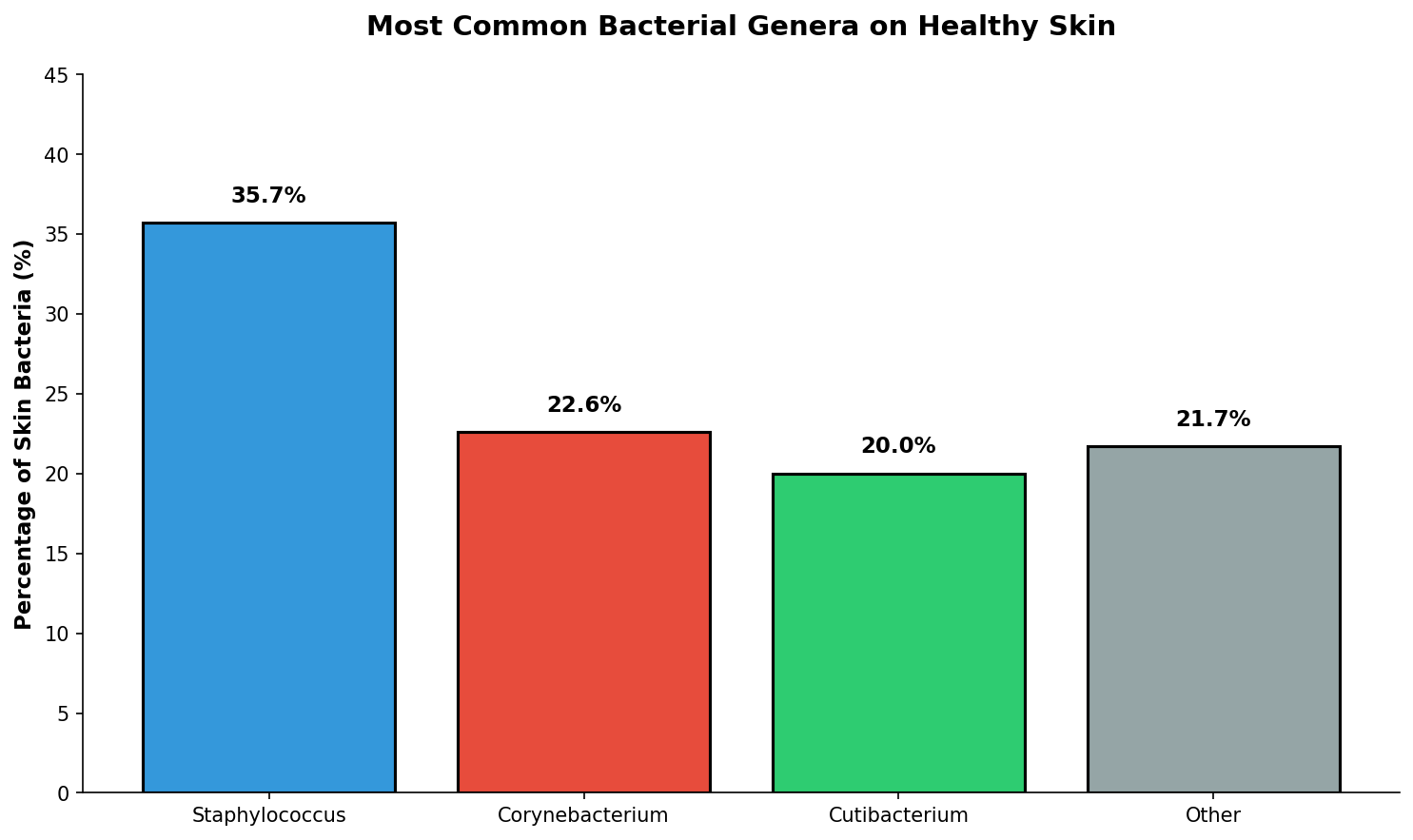 Figure 5: Recovery times vary dramatically depending on what disrupted your microbiome. Mechanical disruption (like physical removal of skin) recovers in 7 days. Antiseptic treatment recovers in about 10 days. Antibiotic disruption takes 3 or more weeks, with some microbiomes requiring months for complete recovery.
After Mechanical Disruption
If your skin is physically disrupted (through tape stripping or mechanical injury), your microbiome can recover relatively quickly. Bacterial diversity typically returns to normal within 7 days, and bacterial composition returns shortly after. This is the fastest recovery scenario because the disruption doesn't kill bacteria; it just physically removes them.
After Antiseptic Treatment
Pre-surgical antiseptic treatments create temporary dysbiosis. Most people's skin recovers to baseline within 7-10 days. Initially, pathogenic bacteria briefly increase (transient pathogen enrichment), but the community structure recovers.
The crucial finding: your microbiome can achieve functional recovery (regaining its protective abilities) even if the exact bacterial species composition doesn't return to baseline. This means you can restore health even without perfectly recovering the original community.
After Antibiotic Disruption
Antibiotic-induced dysbiosis is the most damaging and longest-lasting. One-week recovery does NOT fully restore the microbiome. Extended recovery takes 3 or more weeks, sometimes much longer. Some antibiome disruption may never fully recover to the original composition.
This explains why dermatologists now recommend using antibiotics only when medically necessary and combining them with microbiome-supporting skincare (pH-balanced cleansers and acidic moisturisers).
Accelerating Recovery
Here's good news: acidic moisturising products actually accelerate microbiome recovery. Studies show that using pH-balanced, acidic moisturisers produces measurable improvement in microbiome recovery by just 2 days, with the benefit increasing over 5 weeks of regular use.
This shifts recovery from passive waiting to active support. After antibiotics or harsh treatment, using the right products can meaningfully speed up the healing process.
How to Protect and Support Your Microbiome
Based on the evidence, here's what actually works.
Use pH-Balanced Cleansers
This is the single most important change most people can make. Stop using alkaline soaps. Switch to pH-balanced cleansers specifically labelled "gentle" or "for sensitive skin." Non-soap-based cleansers (often labelled "syndet") are superior to traditional soaps.
You don't need to eliminate cleansing. Daily cleansing with appropriate products maintains bacterial diversity better than antibacterial versions. Once or twice daily is sufficient; overwashing damages the microbiome regardless of product type.
Avoid Antibacterial Products
Antibacterial ingredients like triclocarban and benzalkonium chloride eliminate both harmful and beneficial bacteria. The dysbiosis this creates actually makes skin problems worse; standard antibacterial treatments often increase skin problems rather than solving them.
Avoid products labelled "antibacterial," "antimicrobial," or "anti-acne" soaps. If you have acne or infections, consult a dermatologist for targeted, evidence-based treatments that don't rely on broad-spectrum bacteria destruction.
Apply Moisturisers Strategically
Apply moisturiser within 3 minutes of cleansing to lock in water while skin is still damp. This timing is critical for maximum benefit.
Look for moisturisers containing ceramides and cholesterol (physiologic lipids that seal moisture in) or colloidal oatmeal, both of which have clinical evidence for supporting barrier function and microbiome health. Products containing prebiotics and postbiotics (non-living microbiome-supporting ingredients) are emerging as effective options.
After 5 weeks of regular use, quality moisturisers measurably increase beneficial bacteria and strengthen the microbiome's protective pathways. Don't expect immediate results; consistency matters, and benefits build over weeks.
Support Your Microbiome Holistically
Your skin microbiome doesn't exist in isolation. Multiple lifestyle factors dramatically influence it.
Sleep: Aim for 7 to 9 hours nightly. Sleep deprivation eliminates the circadian rhythm of beneficial bacteria, weakens immune activation, and damages barrier function. Sleep allows your immune system to restore itself and supports bacterial population cycles.
Stress: Chronic stress directly damages your microbiome by increasing barrier permeability, reducing antimicrobial peptides, and triggering dysbiosis. Stress is linked to anxiety and depression in people with dysbiosis-driven skin conditions, creating a vicious psychological and physical cycle. Evidence-based stress reduction through mindfulness, physical activity, social connection, and adequate relaxation benefits both your mental health and your skin.
Diet: Your gut microbiome influences your skin microbiome through systemic metabolites and immune signalling. Diet is one of the major determinants of both gut and skin microbiome composition.
Eat a plant-based, anti-inflammatory diet with variety. Include fermented foods (yoghurt, kefir, sauerkraut, kimchi) that provide live beneficial bacteria. Aim for 30 or more different plant foods weekly. Polyphenol-rich foods (berries, green tea, dark chocolate) support microbiome diversity. Omega-3-rich foods (fatty fish, flaxseeds, walnuts) reduce systemic inflammation.
Ensure adequate vitamin D, zinc, iron, and B vitamins. Deficiencies in these nutrients are associated with impaired immune function and skin disease.
Hydration: The common advice to "drink 8 glasses of water daily for glowing skin" is overstated. Drinking additional water shows a limited direct impact on skin hydration in healthy individuals. External moisturising is far more effective. Drink adequate water for general health, but don't obsess; focus instead on supporting your barrier function through proper moisturising.
Sunscreen: Use SPF 30 or higher daily. Sunscreen protects your microbiome from UV-induced dysbiosis. Ultraviolet radiation causes direct bactericidal effects, changes skin chemistry in ways that favour pathogenic species, and reduces protective bacteria and families. Sunscreen preserves beneficial bacteria like L. crispatus while reducing problematic C. acnes proliferation.
The trade-off is worth it: the protection benefits far outweigh any minor diversity reduction from sunscreen use.
Probiotic and Prebiotic Products: What the Evidence Actually Shows
Probiotic skincare products show promising but still-developing evidence. Clinical trials demonstrate real benefits for treating existing skin conditions, particularly acne.
In randomised clinical trials, 50% of patients treated with specific probiotic strains showed improvement on the Acne Global Severity Scale, compared to 29% in the placebo group. This 21 percentage point difference is clinically significant. Studies testing oral and topical probiotics found benefits with specific strains (Lactobacillus, Bifidobacterium, Bacillus, Enterococcus) in 4-12 week trials.
However, important caveats: Evidence is stronger for therapeutic use (treating existing conditions) than for prevention in healthy skin. Efficacy is strain-specific; not all probiotics are equal. More research is needed on long-term safety and efficacy in healthy individuals.
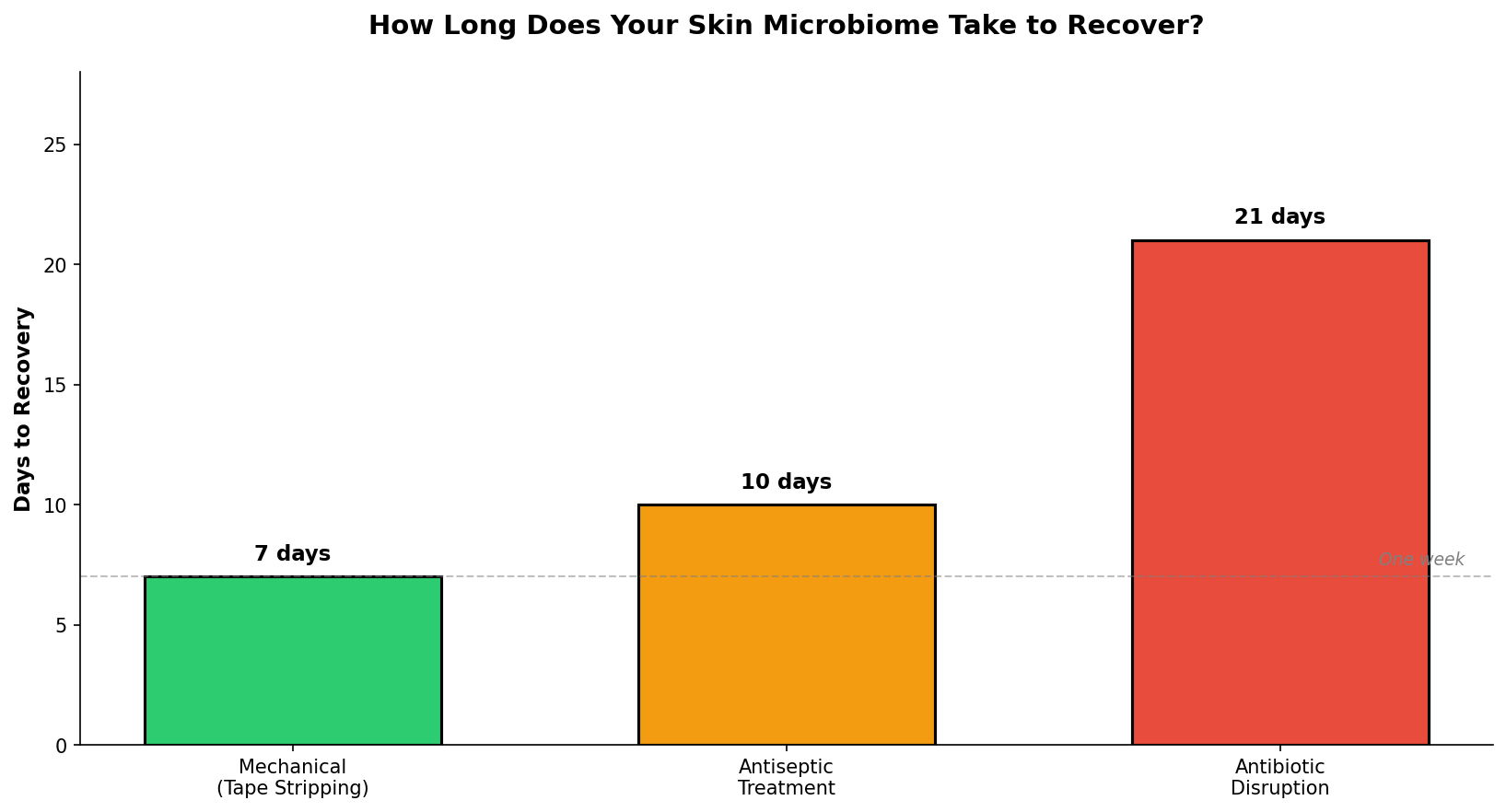 Figure 6: Clinical trial data show that probiotic-containing products improved acne in 50% of treated patients compared to 29% in the placebo group. This represents meaningful improvement, though results vary depending on the specific bacterial strains used.
Bottom line: If you have acne, discussing probiotic products with your dermatologist is evidence-based. For general prevention in healthy skin, the evidence doesn't yet support them. Focus first on the fundamentals: pH-balanced cleansing, appropriate moisturising, sleep, stress management, and diet.
Myths vs. Facts
Let's address common misconceptions with evidence.
Myth: "You need antibacterial soaps for healthy skin." Fact: Antibacterial products disrupt protective bacteria and increase antimicrobial resistance. Regular, pH-balanced cleansers are superior. The FDA has been restricting antibacterial ingredients since 2016.
Myth: "More frequent washing equals healthier skin." Fact: Overwashing disrupts the microbiota. Once or twice daily with appropriate cleansers is sufficient.
Myth: "Drinking more water hydrates your skin." Fact: Water intake has a limited direct impact on skin hydration. External moisturising, barrier support, and humidification are more effective.
Myth: "All probiotics are equally beneficial for skin." Fact: Efficacy is strain-specific. Not all gut-beneficial probiotics help skin. Current evidence supports probiotics for treating specific conditions, not general prevention.
Myth: "Natural or organic products are always better." Fact: Formulation matters more than source. A synthetic pH-balanced cleanser is superior to a natural high-pH soap. Organic products can still disrupt your microbiota if improperly formulated.
Myth: "Sunscreen damages your microbiome." Fact: Sunscreen protects your microbiome by preventing UV-induced dysbiosis. Protection benefits far outweigh any minor diversity reduction.
Why Understanding Your Microbiome Matters
Your skin microbiome isn't a novelty concept. It's a fundamental driver of skin health that explains why common skin problems develop and how to prevent them.
Understanding that acne is a microbiome condition changes your approach. Instead of trying to kill all bacteria (which makes it worse), you support the protective community that prevents pathogenic biofilm formation.
Understanding that eczema involves dysbiosis explains why simply killing S. aureus doesn't solve the problem. You need to restore the protective bacteria that prevent S. aureus from colonising in the first place.
Understanding pH balance explains why one pH-appropriate cleanser used once daily is superior to harsh antibacterial soaps used multiple times.
This knowledge empowers you to make informed decisions about products, habits, and lifestyle factors that genuinely support your skin health rather than damage it. Your skin bacteria aren't enemies to be destroyed. They're essential partners to be protected and supported.
Further Reading
Microbiome Function and Protection
- The Skin Microbiota: Balancing Risk and Reward
- Functions of the Skin Microbiota in Health and Disease
- Skin Microbiome in Health and Disease: Mechanisms and Emerging Therapeutic Strategies
- Microbial Symbiosis with the Innate Immune Defence System of the Skin
Barrier Function and pH Balance
- The Skin Acid Mantle: An Update on Skin pH
- Importance of Stratum Corneum Acidification to Restore Skin Barrier Function in Eczematous Diseases
- Skin Barrier Function and the Microbiome
- Commensal Microbiota Regulates Skin Barrier Function and Repair via Signalling Through the Aryl Hydrocarbon Receptor
Dysbiosis and Skin Conditions
- An Overview of the Skin Microbiome, the Potential for Pathogen Shift, and Dysbiosis in Common Skin Pathologies
- Skin Microbiome Dysbiosis and the Role of Staphylococcus aureus in Atopic Dermatitis in Adults and Children
- Skin Microbiome Dynamics in Atopic Dermatitis: Understanding Host-Microbiome Interactions
- The Role of the Skin Microbiome in Atopic Dermatitis: Correlations and Consequences
Cleansing and Skincare Products
- The Cutaneous Microbiome and Aspects of Skin Antimicrobial Defence System Resist Acute Treatment with Topical Skin Cleansers
- Antibacterial Soap Use Impacts Skin Microbial Communities in Rural Madagascar
- Acidic Skin Care Promotes Cutaneous Microbiome Recovery and Skin Physiology in an Acute Stratum Corneum Stress Model
- Effects of Investigational Moisturisers on the Skin Barrier and Microbiome Following Exposure to Environmental Aggressors
Antibiotics and Recovery
- Oral Antibiotic Treatment Induces Skin Microbiota Dysbiosis and Influences Wound Healing
- Alterations of Human Skin Microbiome and Expansion of Antimicrobial Resistance After Systemic Antibiotics
- Microbiome Dynamics of Human Epidermis Following Skin Barrier Disruption
Acne and Cutibacterium
- Distinct Intraspecies Variation of Cutibacterium acnes and Staphylococcus epidermidis in Acne Vulgaris and Healthy Skin
- An Increased Incidence of Propionibacterium acnes Biofilms in Acne Vulgaris
- The Microbiome and Acne: Perspectives for Treatment
- Analysis of Skin Microbiome in Facial and Back Acne Patients Based on High-Throughput Sequencing
Lifestyle Factors: Sleep, Stress, and Diet
- Melatonin Improves Skin Barrier Damage Caused by Sleep Restriction Through Gut Microbiota
- Microbial Dysbiosis in the Skin Microbiome and Its Psychological Consequences
- Dietary Influences on Skin Health in Common Dermatological Disorders
- The Influence of Lifestyle and Environmental Factors on Host Resilience Through a Homeostatic Skin Microbiota
Sun Protection and Microbiome
- Sunscreens Can Preserve Human Skin Microbiome Upon Erythemal UV Exposure
- A Narrative Review of the Impact of Ultraviolet Radiation and Sunscreen on the Skin Microbiome
- Skin Microbiome Dynamics in Patients with Polymorphic Light Eruption in Response to Ultraviolet Radiation
Probiotics and Prebiotic Products
- Efficacy of Probiotic Supplements and Topical Applications in the Treatment of Acne
- A Randomised Clinical Trial to Evaluate the Efficacy of an Oral Probiotic in Acne Vulgaris
- The Potential of Probiotics for Treating Skin Disorders: A Concise Review
Mycobiome and Fungal Component
- Forgotten Fungi: The Importance of the Skin Mycobiome
- Alteration in Skin Mycobiome Due to Atopic Dermatitis and Seborrheic Dermatitis
- Diverse Colonisation and Disease Associations of the Human Commensal Malassezia
References/Helpful Resources
- National Institutes of Health. The skin microbiome: Current techniques, challenges, and future directions. PubMed Central. 2023 Sep;10223452.
- National Institutes of Health. The skin microbiota: Balancing risk and reward. PubMed Central. 2020 Jun;7444652.
- Grice EA, Segre JA. Functions of the skin microbiota in health and disease. Seminars in Immunology. 2012 Aug;24(4):236-242.
- Cogen AL, Nizet V, Gallo RL. Skin microbiota: A source of disease or defence? British Journal of Dermatology. 2008 Mar;158(3):442-455.
- Mayo Clinic. Microbiome science: Understanding your body's microbes and their role in disease prevention. Mayo Clinic Press. 2024.
- Cleveland Clinic. Dysbiosis: What It Is, Symptoms, Causes, Treatment & Diet [Internet]. Cleveland Clinic. [cited 2025 April]. Available from: https://my.clevelandclinic.org/health/diseases/dysbiosis
- National Institutes of Health. The skin acid mantle: An update on skin pH. PubMed. 2023 Sep;39243251.
- National Institutes of Health. Importance of stratum corneum acidification to restore skin barrier function in eczematous diseases. PubMed Central. 2023 Dec;10861303.
- National Institutes of Health. An overview of the skin microbiome, the potential for pathogen shift, and dysbiosis in common skin pathologies. PubMed Central. 2024 Jan;11767775.
- National Institutes of Health. Skin microbiome dysbiosis and the role of Staphylococcus aureus in atopic dermatitis in adults and children: A narrative review. PubMed. 2023 Jun;37232427.
- National Institutes of Health. Distinct intraspecies variation of Cutibacterium acnes and Staphylococcus epidermidis in acne vulgaris and healthy skin. PubMed. 2024 Jan;40005665.
- National Institutes of Health. An increased incidence of Propionibacterium acnes biofilms in acne vulgaris: A case-control study. PubMed. 2012 Feb;22356121.
- National Institutes of Health. The cutaneous microbiome and aspects of skin antimicrobial defence system resist acute treatment with topical skin cleansers. PubMed. 2015 Aug;27377698.
- National Institutes of Health. Antibacterial soap use impacts skin microbial communities in rural Madagascar. PubMed. 2018 Dec;30125279.
- National Institutes of Health. Acidic skin care promotes cutaneous microbiome recovery and skin physiology in an acute stratum corneum stress model. PubMed. 2022 Aug;35908536.
- National Institutes of Health. Effects of investigational moisturisers on the skin barrier and microbiome following exposure to environmental aggressors. PubMed. 2023 Oct;37763018.
- National Institutes of Health. Oral antibiotic treatment induces skin microbiota dysbiosis and influences wound healing. PubMed. 2014 Feb;25301498.
- National Institutes of Health. Alterations of human skin microbiome and expansion of antimicrobial resistance after systemic antibiotics. PubMed. 2021 Sep;34936382.
- National Institutes of Health. Microbiome dynamics of human epidermis following skin barrier disruption. PubMed. 2012 Sep;23153041.
- National Institutes of Health. Melatonin improves skin barrier damage caused by sleep restriction through gut microbiota. PubMed. 2023 Feb;37057339.
- National Institutes of Health. Microbial dysbiosis in the skin microbiome and its psychological consequences. PubMed. 2024 Mar;39338582.
- National Institutes of Health. Dietary influences on skin health in common dermatological disorders. PubMed. 2024 Feb;38562266.
- National Institutes of Health. The influence of lifestyle and environmental factors on host resilience through a homeostatic skin microbiota. PubMed. 2024 Apr;39485000.
- National Institutes of Health. Sunscreens can preserve human skin microbiome upon erythemal UV exposure. PubMed. 2023 Aug;37664974.
- National Institutes of Health. A narrative review of the impact of ultraviolet radiation and sunscreen on the skin microbiome. PubMed. 2024 Feb;38288770.
- National Institutes of Health. Skin microbiome dynamics in patients with polymorphic light eruption in response to ultraviolet radiation. PubMed. 2024 Dec;39576029.
- National Institutes of Health. Efficacy of probiotic supplements and topical applications in the treatment of acne: A scoping review of current results. PubMed. 2024 Dec;39810881.
- National Institutes of Health. A randomised clinical trial to evaluate the efficacy of an oral probiotic in acne vulgaris. PubMed. 2024 May;38751177.
- National Institutes of Health. The potential of probiotics for treating skin disorders: A concise review. PubMed. 2022 Apr;35410594.
- National Institutes of Health. Forgotten fungi: The importance of the skin mycobiome. PubMed. 2023 Jan;36372041.
- NHS. Atopic eczema [Internet]. NHS. [cited 2024 Jan]. Available from: https://www.nhs.uk/conditions/atopic-eczema/
- National Institute for Health and Care Excellence. Secondary bacterial infection of eczema and other common skin conditions: Antimicrobial prescribing. NICE Guidance NG190. 2019.
