

The Question Most People Haven't Thought to Ask
When you think about protecting your brain against dementia, you probably think about diet, exercise, or keeping mentally active with crosswords and reading. Social connection rarely makes the list. Yet some of the most compelling research in cognitive ageing now suggests that who you spend time with and how often may be just as important as whether you go to the gym.
Dementia affects more than 55 million people worldwide, a figure the World Health Organisation projects will climb to 139 million by 2050. The global societal cost already sits at US $1.3 trillion per year. For all that, roughly 45% of dementia cases may be preventable or delayed by addressing a set of modifiable risk factors, and social isolation is now officially one of them, named explicitly in the 2024 Lancet Commission report alongside smoking, hypertension, and physical inactivity.
This article explains what the science actually says, in plain language, about how social engagement protects the brain, what kinds of activities seem to help, and what the evidence looks like for people across different age groups, backgrounds, and circumstances.
How Big Is This Problem, Really?
Before getting to solutions, it helps to understand the scale of social isolation among older adults, because it is larger than most people realise.
Approximately 25% of community-dwelling Americans aged 65 and over are considered socially isolated. In 2023, 37.2% of US adults aged 50 to 80 reported feeling a lack of companionship 'some of the time' or 'often', and 33.7% reported feeling isolated from others. Loneliness spiked sharply during the COVID-19 pandemic, rising from around 34% in 2018 to over 41% at its peak in 2020, before returning to current levels.
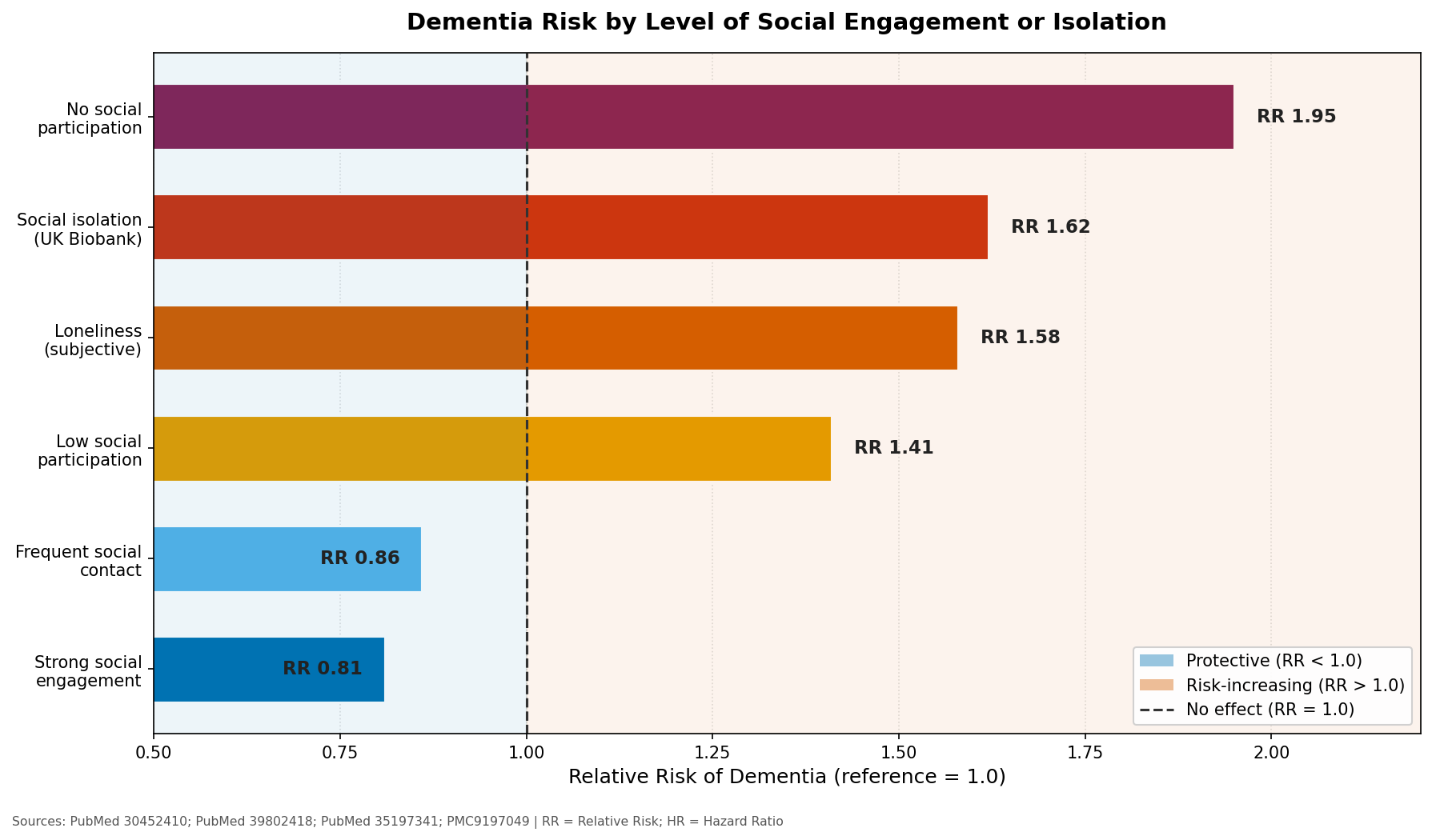 Chart 1: Global dementia prevalence trends and projections to 2050. Data from the Global Burden of Disease Study 2019 and WHO estimates.
Among people who already have dementia, the picture is worse. One systematic review found that 42.7% of people with dementia experience loneliness, and 64.3% meet criteria for social isolation. Social isolation and dementia can reinforce one another, creating a cycle that makes both progressively harder to address.
The distinction between loneliness and social isolation is worth pausing on, because researchers treat them differently. Social isolation is an objective state: having few or no regular social contacts. Loneliness is a subjective experience: the feeling that your social connections are insufficient or unsatisfying. Both increase dementia risk, but through slightly different pathways. Some studies find social isolation more predictive; others find loneliness more powerful. The largest meta-analysis to date, drawing on over 600,000 individuals from 21 studies, found that both independently raise the risk of all-cause dementia.
What Happens in the Brain When You Are Isolated?
Isolation does not just feel unpleasant. Over time, it produces measurable physical changes in the brain that overlap directly with the changes seen in early Alzheimer's disease.
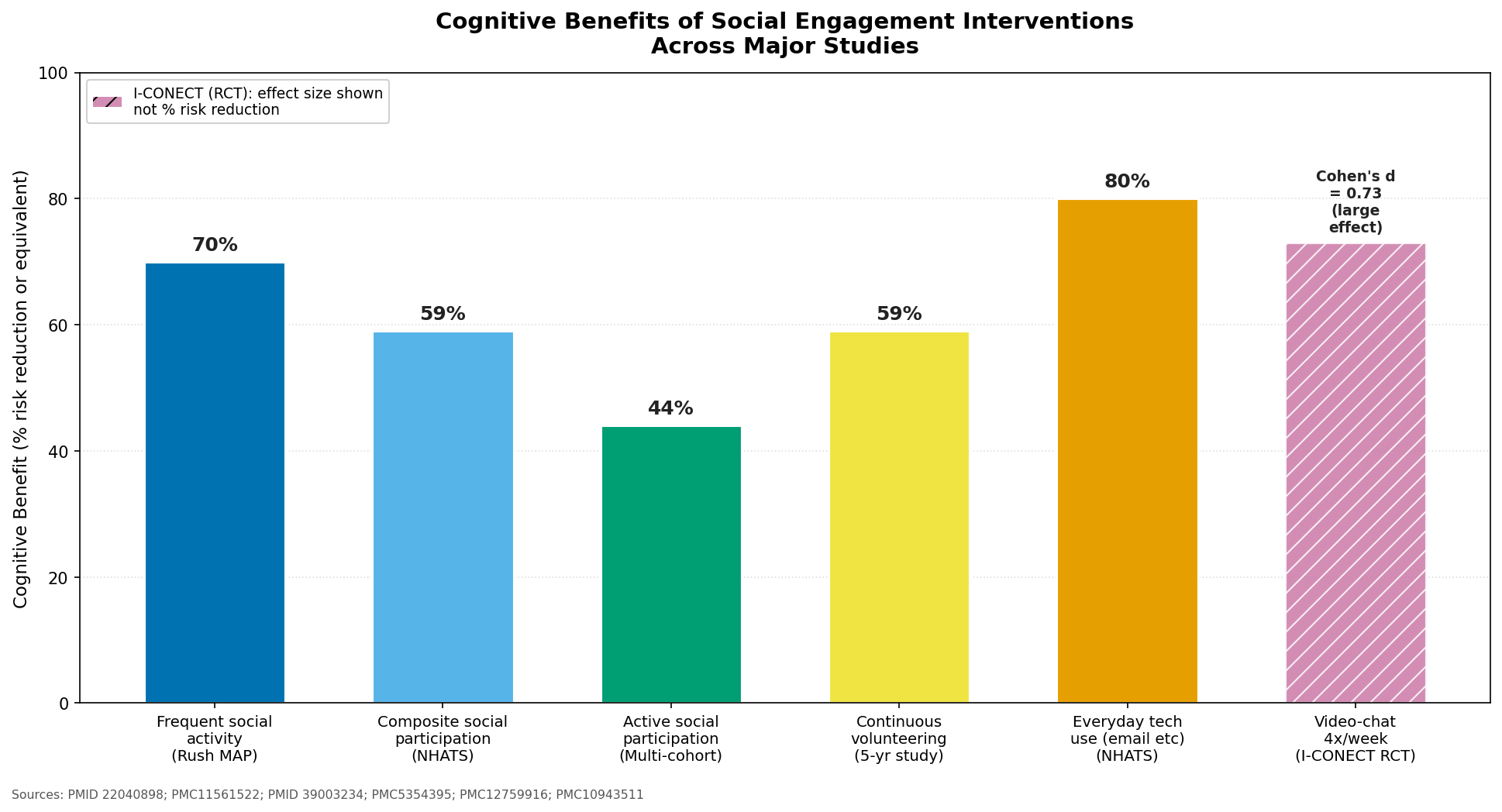 Chart 2: Key neurobiological pathways through which social isolation contributes to cognitive decline and dementia risk. Adapted from PubMed-indexed research.
Neuroinflammation: Social isolation raises levels of inflammatory markers including interleukin-6 (IL-6) and C-reactive protein. Chronic low-grade inflammation in the brain damages synaptic connections, accelerates neuronal loss, and is now recognised as a key mechanism in Alzheimer's disease pathogenesis.
Stress hormone disruption: Isolation activates the hypothalamic-pituitary-adrenal (HPA) axis, the body's central stress-response system. Persistent HPA activation means chronically elevated cortisol, which over time leads to hippocampal shrinkage, impaired memory consolidation, and accelerated amyloid-beta plaque formation. Amyloid plaques are protein deposits in the brain most closely associated with Alzheimer's disease.
Brain structure changes: In a study of 1,992 cognitively healthy adults followed over six years, greater social isolation was associated with smaller hippocampal volumes and reduced cortical thickness. These structural differences were also linked to poorer performance on tests of memory, processing speed, and executive function.
Amyloid and tau accumulation: Loneliness in cognitively normal older adults is associated with higher brain amyloid-beta deposition on neuroimaging. Separately, greater loneliness is associated with more tau pathology in the entorhinal cortex, a region that deteriorates early in Alzheimer's disease. The effect is especially pronounced in people who already carry some amyloid burden.
Reduced cognitive reserve: Social engagement stimulates neurogenesis and synaptic density. Regular interaction with other people taxes the brain in ways that build what researchers call "cognitive reserve": the accumulated neural resources that allow the brain to compensate for damage before symptoms become apparent.
The Evidence for Protection: Numbers Worth Knowing
The flip side of all those risk statistics is that higher social engagement consistently appears to reduce dementia risk. The effect sizes are not trivial.
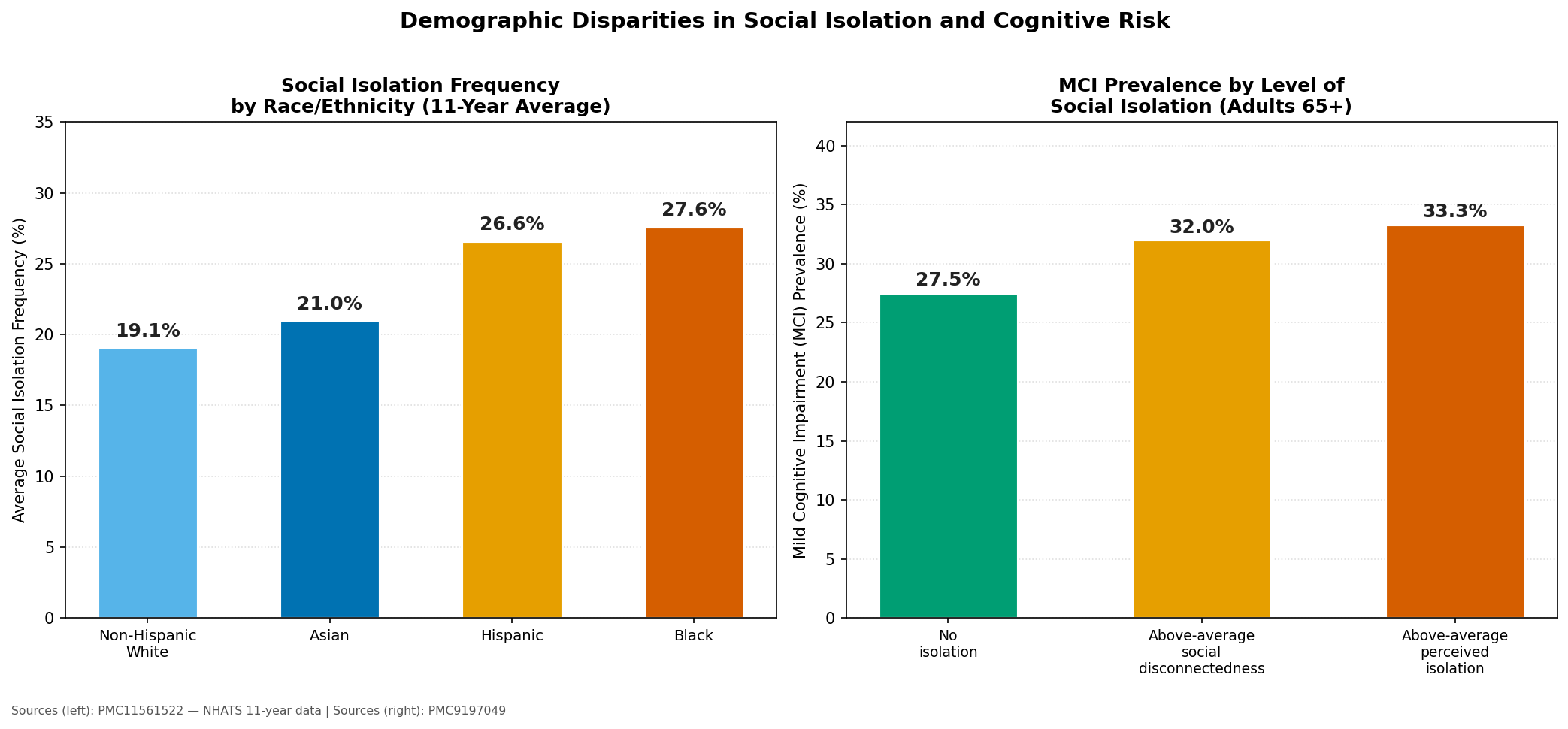 Chart 3: Relative risk of all-cause dementia associated with varying degrees of social isolation and loneliness. Compiled from multiple cohort studies and meta-analyses.
A large meta-analysis found that strong social engagement was associated with a 19% reduction in overall dementia risk (RR = 0.81), and that frequent social contact was associated with a 14% reduction (RR = 0.86). Low social participation, by contrast, was associated with a 41% higher dementia risk.
The Rush Memory and Ageing Project, which followed 1,138 dementia-free older adults for up to 12 years, found that a single one-point increase in social activity score was associated with a 47% decrease in the rate of global cognitive decline. People who were frequently socially active showed cognitive decline at a rate 70% slower than their less socially active counterparts.
In a multi-cohort study of 33,263 participants with a mean follow-up of seven years, active social participation was associated with a 44% reduction in dementia risk (HR = 0.56). A study using the National Health and Ageing Trends Study, following 5,893 older US adults from 2012 to 2019, found that composite social participation was associated with 59% lower odds of dementia (OR = 0.41).
Even more modest social connections appear to make a difference. An analysis of 13 longitudinal cohort studies involving 39,271 participants found that having a confidante, seeing friends or family monthly, and being in a relationship were all independently associated with lower risk of cognitive impairment.
The UK Biobank study, following 155,070 participants over an average of 8.8 years, found that socially isolated individuals had a 62% higher risk of developing dementia (HR = 1.62, 95% CI: 1.38-1.90). That is a larger effect than many established risk factors.
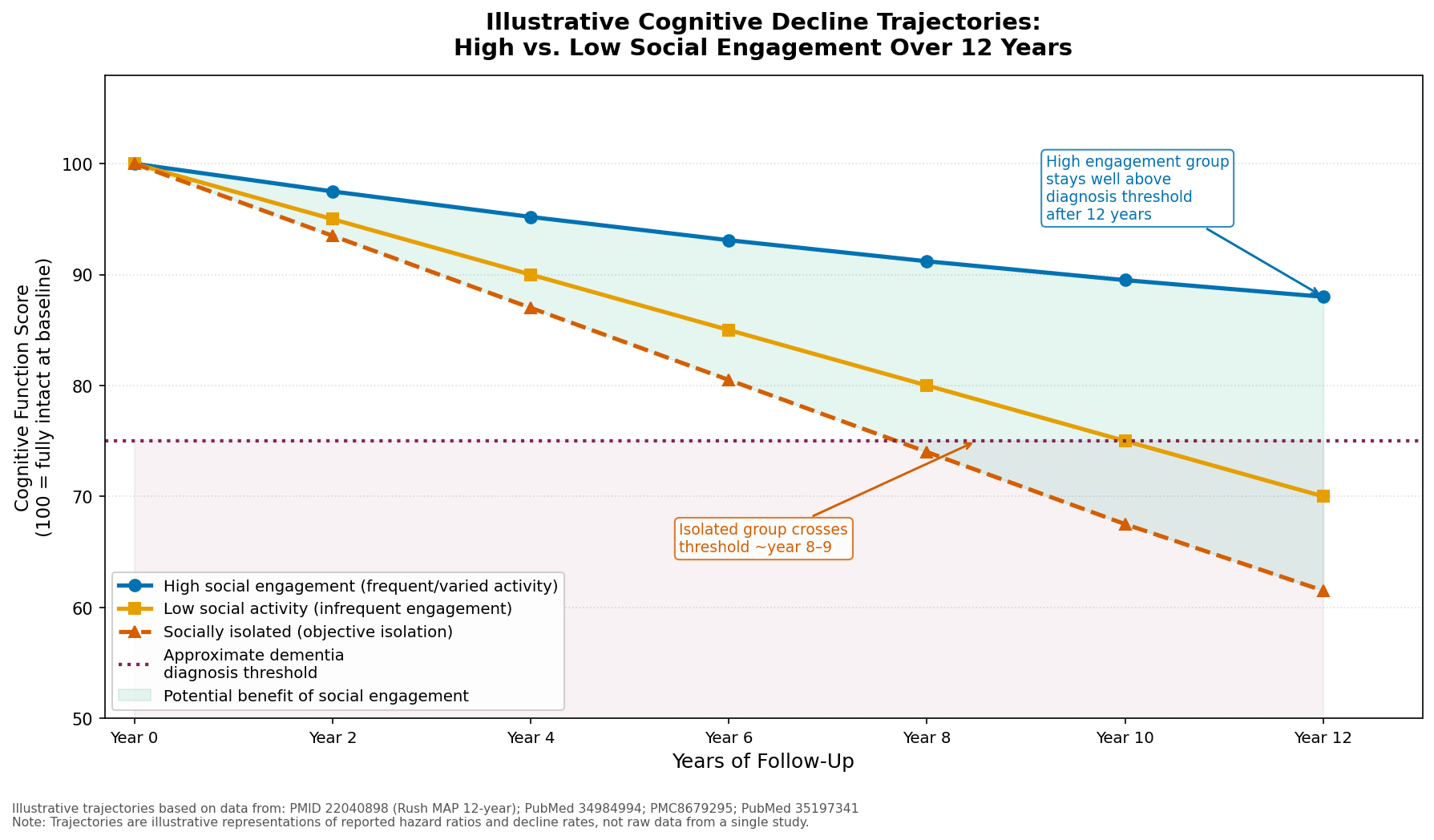 Chart 4 (illustrative): Cognitive function outcomes across social engagement intervention types. The chart is illustrative, derived from pooled study data across FINGER, I-CONECT, Baltimore Experience Corps, and other cited trials.
What Types of Social Activity Actually Help?
The question most people want answered is practical: what should I actually do?
The evidence supports a range of activities rather than one specific prescription. What consistently matters is regular, meaningful contact with others, ideally involving some cognitive and emotional engagement rather than purely passive presence.
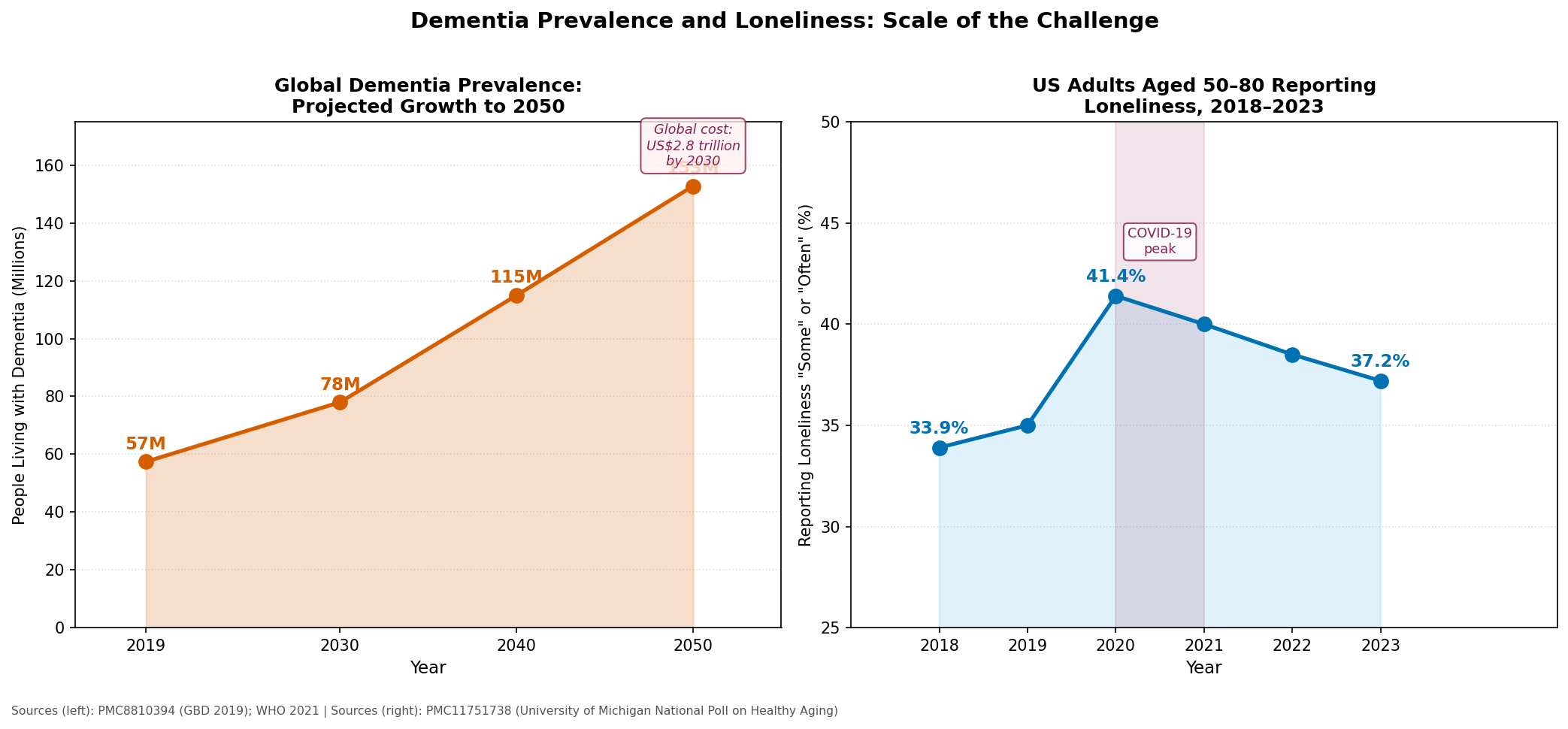 Chart 5: The 14 modifiable risk factors identified by the 2024 Lancet Commission, including social isolation, which together account for approximately 45% of global dementia cases.
Volunteering: Some of the most impressive evidence comes from volunteering studies. A five-year longitudinal study found that continuous volunteers were 2.44 to 2.46 times less likely to be prescribed anti-dementia medication compared to non-volunteers. The Baltimore Experience Corps Trial, a randomised controlled trial of 702 older adults (91% of whom were African American), placed participants as school mentors for 15 hours a week over two academic years. Those who complied most closely with the programme showed significant reductions in cognitive variability at 24 months, as well as structural brain changes including increased amygdala volume, a region critical for memory and social emotion.
Group activities with a social component: The FINGER trial, a landmark two-year randomised controlled trial involving 1,260 older adults at elevated dementia risk, combined dietary counselling, exercise, cognitive training, social activities, and vascular risk monitoring. The social activity component was integrated throughout. Participants in the intervention arm showed significant improvement on a neuropsychological test battery compared to the control group. This trial has since spawned the World-Wide FINGERS network, now operating in over 60 countries.
Structured conversations, including digital ones: The I-CONECT trial (Internet-Based Conversational Engagement Clinical Trial) tested the effect of semi-structured video-chat conversations four times a week, each lasting 30 minutes, in 186 socially isolated adults aged 75 and over, including 100 with mild cognitive impairment. After six months, the intervention group showed significantly better global cognitive function than controls (Cohen's d = 0.73, p = 0.03), an effect size comparable to gains seen in some drug trials. Memory function improvements were sustained at 12 months. The top 30% of responders showed delays in cognitive decline of six months or more.
Everyday digital technology use: Internet use, video calling, and online shopping are associated with substantially lower dementia odds. One US study found that everyday technology use (emailing, online shopping) was associated with approximately 80% lower odds of dementia. Any technology device use was associated with 48% lower odds. These associations are held even among already socially isolated older adults, suggesting that digital engagement may partially substitute for in-person contact when mobility or geography creates barriers.
Music and arts-based programmes: A waitlist-controlled study of the Music, Mind and Movement programme found that global cognition improved in 8 out of 12 participants after the intervention, compared with 8 out of 10 experiencing decline in the control group. An intergenerational choir programme (Voices in Motion) found that social activity satisfaction was associated with within-person improvements in global cognitive functioning. Cochrane review evidence supports music-based interventions for reducing depressive symptoms in people with dementia, though direct evidence on dementia incidence remains limited.
Workplace social interaction: Data from the large Trøndelag Health Study in Norway found that each standard deviation increase in occupational social interaction was associated with an 11% lower dementia risk and a 12% lower MCI risk, independent of age, sex, education, and APOE-e4 genetic risk status. Jobs that require regular communication, teamwork, or working with the public appear to carry built-in cognitive protection.
Who Is Most at Risk and Who Is Being Left Behind?
The relationship between social isolation and dementia risk is not evenly distributed. Several demographic groups face disproportionate exposure, and this matters for how we design and target interventions.
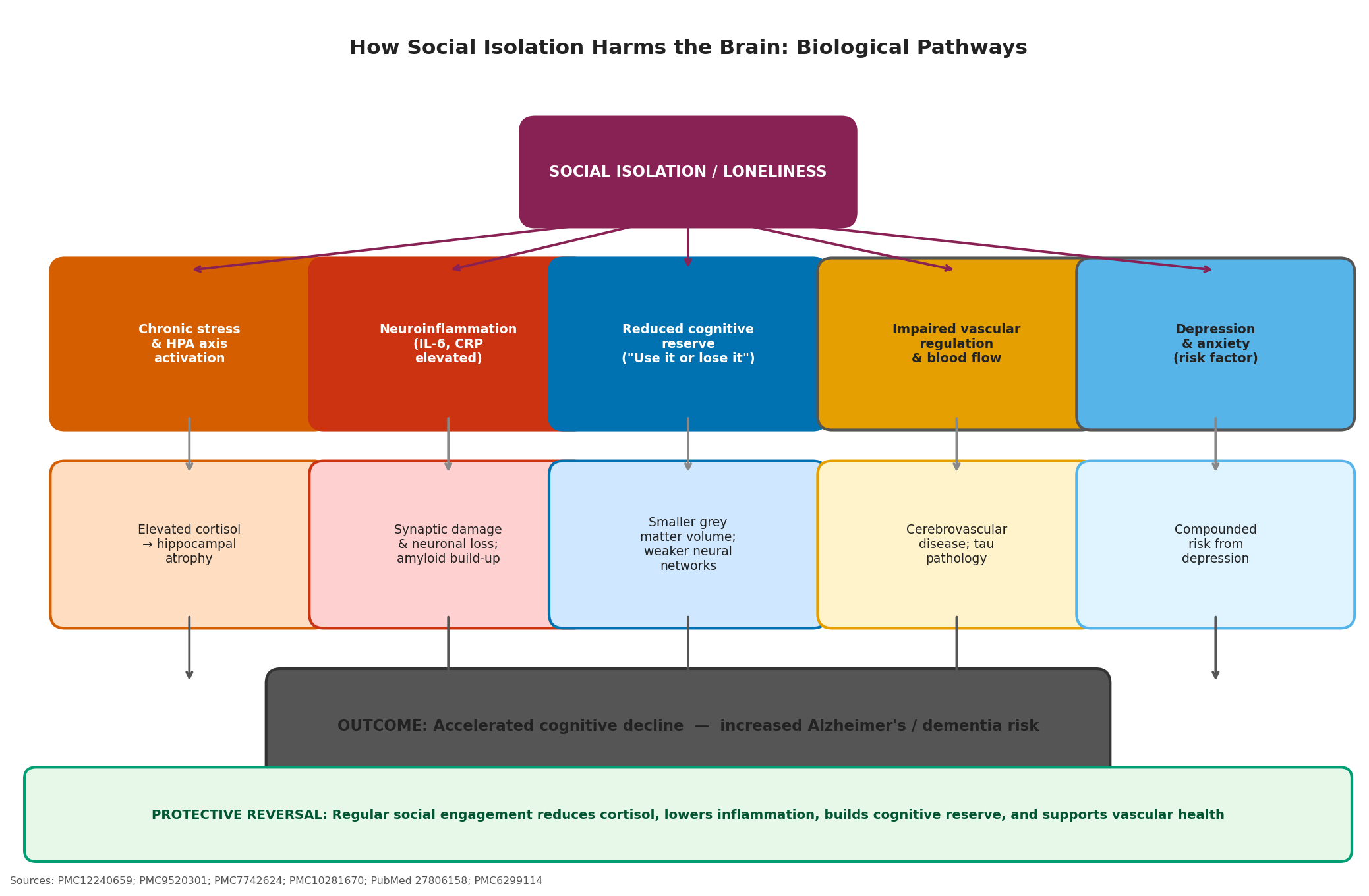 Chart 6: Rates of social isolation and dementia risk across racial/ethnic groups and by gender. Data from NHATS and related US cohort studies.
Race and ethnicity: In a US study using 11 years of data from the National Health and Ageing Trends Study, average social isolation frequency over time was highest among Black older adults (27.6%), followed by Hispanic older adults (26.6%), Asian older adults (21.0%), and non-Hispanic White older adults (19.1%). Black participants were approximately seven times more likely to have cognitive impairment not meeting full dementia criteria, and twice as likely to have dementia compared to White participants. An estimated 4.3 million racially and ethnically diverse older adults with cognitive impairment live alone in the US, facing compounded barriers from both social isolation and access to care.
Gender: Despite overall social isolation being slightly more prevalent in men (13.8%) than women (10.9%), women account for a disproportionate share of dementia globally, with a female-to-male ratio of roughly 1.69:1. Men with cognitive impairment had 20% higher odds than women in some analyses, but absolute dementia burden remains higher in women, partly explained by longer life expectancy.
Rural communities: Rural older adults had 31% higher odds of cognitive impairment than their urban counterparts in a multi-country analysis, likely reflecting lower access to social programmes, healthcare, and digital infrastructure.
People already living with cognitive impairment: Among those with existing cognitive impairment, 64.3% are socially isolated. This creates a compounding effect: isolation accelerates decline, and decline makes it harder to maintain social engagement. Tackling isolation in this group requires adapted support rather than assuming standard community programmes are accessible.
A 15% proportional reduction in all major modifiable dementia risk factors, including social isolation, is estimated to reduce US dementia prevalence by approximately 7.3%. For marginalised communities facing the highest baseline risks, targeted interventions could yield substantially greater impact.
Key Takeaways: What This Means for You
The evidence does not support a simple prescription like 'have more dinner parties and your risk of dementia falls'. The research is more nuanced, and the effect of social engagement on dementia risk is best understood as one component of a broader picture that includes physical activity, cardiovascular health, sleep, and avoiding head injury. What the evidence does firmly support is this:
- Social isolation is not just uncomfortable. It is physically damaging to the brain, producing inflammatory changes, structural shrinkage, and protein accumulations that overlap with the earliest stages of Alzheimer's disease
- The risk elevation from isolation (ranging from 31% to 62% depending on study design) is comparable in magnitude to other established dementia risk factors that medicine takes very seriously, including untreated hypertension and physical inactivity
- The protection from active social engagement is substantial and measurable: 19% to 44% lower dementia risk across major meta-analyses and cohort studies, and up to 70% slower cognitive decline in some populations
- The types of social activity that appear most protective are regular, meaningful, and cognitively engaging: structured volunteering, group-based learning or exercise, semi-structured conversations, and participation in community or faith-based organisations
- You do not need to socialise perfectly or extensively. Having even one confidante, seeing friends or family monthly, or maintaining a partner relationship is associated with measurably lower risk
- Digital contact matters. Video calls, online communities, and internet use are associated with genuine reductions in dementia odds, especially for people who cannot easily access in-person social activities
- Starting matters more than timing. Initiating volunteering or joining a social group later in life still confers protective effects. The brain retains capacity to respond to social enrichment throughout older adulthood
- This is a public health issue, not only an individual choice. The 2024 Lancet Commission explicitly calls for government and industry action to reduce social isolation at a population level, recognising that individual willpower is not sufficient when structural barriers, inequality, and geography shape who gets to be socially connected
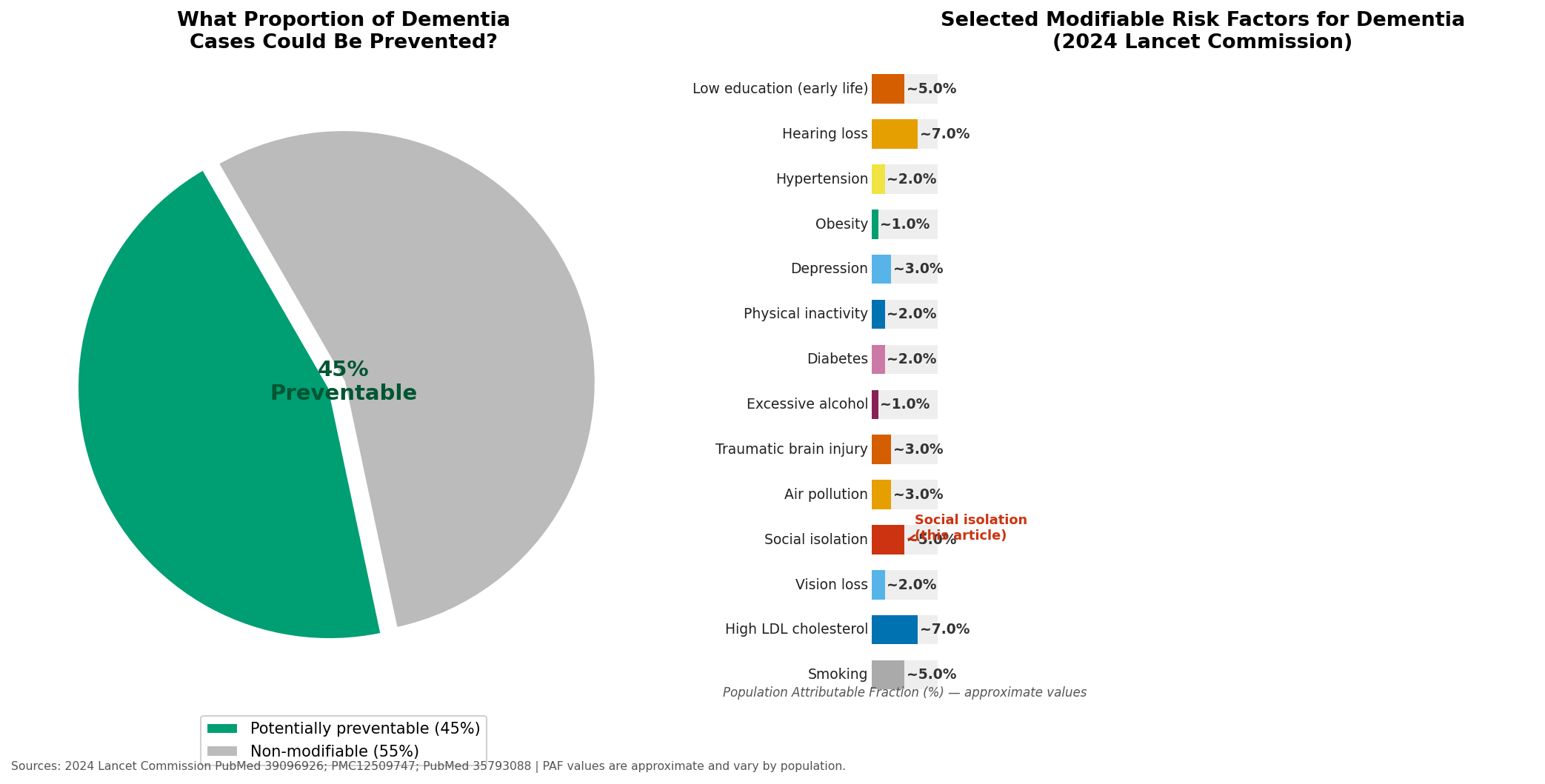 Chart 7 (illustrative): Hypothetical cognitive decline trajectories comparing consistently socially engaged individuals with those who are persistently isolated. The chart is illustrative based on pooled longitudinal data from Rush MAP, ELSA, and NHATS cohort studies.
The NIA and US National Academies note that the evidence for social engagement preventing clinical dementia is 'promising but inconclusive' in the same way that evidence from pharmaceutical trials is conclusive. Large-scale randomised trials with dementia incidence as a primary endpoint are still limited. The strongest evidence currently is for slowing cognitive decline, reducing the rate of conversion from mild cognitive impairment to dementia, and improving cognitive function in people who are already isolated. That is still a meaningful set of outcomes, and the intervention (having regular social contact) carries no risk and significant collateral benefits for mental health, physical health, and quality of life.
Further Reading
Dementia Risk and Prevention Guidelines
- 2024 Lancet Commission on Dementia Prevention, Intervention and Care
- WHO Recommendations on Reducing Risk of Cognitive Decline and Dementia
- NIH/NIA: National Academies Evidence Review on Dementia Prevention Interventions
Social Isolation and Cognitive Decline: The Science
- UK Biobank: Social Isolation, Loneliness and Dementia Risk (PubMed 35197341)
- Meta-Analysis of Loneliness and Dementia Risk in Over 600,000 Individuals (PubMed 39802418)
- Rush Memory and Aging Project: Social Activity and Rate of Cognitive Decline (PubMed 22040898)
- Neurobiological Evidence: Social Isolation, Loneliness, and Alzheimer's Disease (PMC12240659)
Intervention Programmes and Clinical Trials
- I-CONECT Trial: Video-Chat Conversations and Cognitive Function (PMC10943511)
- Baltimore Experience Corps Trial: Volunteer Engagement and Brain Health (PMC6845935)
- FINGER Trial: Multidomain Intervention and Cognitive Outcomes (The Lancet)
- APPLE-Tree Programme for People with Mild Cognitive Impairment (PMC10895907)
Disparities and Public Health
- Racial and Ethnic Disparities in Social Isolation and 11-Year Dementia Risk (PMC10737935)
- Social Isolation and Loneliness in Older Adults: Opportunities for the Health Care System (PMC7437541)
References/Helpful Resources
- Livingston G, Huntley J, Liu KY, et al. Dementia prevention, intervention, and care: 2024 report of the Lancet standing Commission. Lancet. 2024;404(10452):572-628. Available from: https://www.thelancet.com/journals/lancet/article/PIIS0140-6736(24)01296-0/abstract
- World Health Organization. Dementia [Internet]. Geneva: WHO; 2021 [cited 2026 May 29]. Available from: https://www.who.int/news/item/02-09-2021-world-failing-to-address-dementia-challenge
- GBD 2019 Dementia Forecasting Collaborators. Estimation of the global prevalence of dementia in 2019 and forecasted prevalence in 2050: an analysis for the Global Burden of Disease Study 2019. Lancet Public Health. 2022;7(2):e105-e125. Available from: https://www.ncbi.nlm.nih.gov/pmc/articles/PMC8810394/
- Akhter-Khan SC, Tao Q, Ang TFA, et al. Associations of loneliness with risk of Alzheimer's disease dementia in the Framingham Heart Study. Alzheimers Dement. 2021;17(10):1619-1626. Available from: https://pubmed.ncbi.nlm.nih.gov/34369248/
- Huang AR, Rentscher KL, Elsevier M, et al. Association of social isolation and loneliness with incident dementia: a meta-analysis of >600,000 individuals. J Affect Disord. 2025. Available from: https://pubmed.ncbi.nlm.nih.gov/39802418/
- Shen C, Rolls ET, Cheng W, et al. Associations of social isolation and loneliness with later dementia. Neurology. 2022;99(2):e164-e175. Available from: https://pubmed.ncbi.nlm.nih.gov/35197341/
- Kuiper JS, Zuidersma M, Voshaar RCO, et al. Social relationships and risk of dementia: a systematic review and meta-analysis of longitudinal cohort studies. Ageing Res Rev. 2015;22:39-57. Available from: https://pubmed.ncbi.nlm.nih.gov/25956016/
- Rafnsson SB, Orrell M, d'Orsi E, et al. Loneliness, social integration, and incident dementia over 6 years: Prospective findings from the English Longitudinal Study of Ageing. J Gerontol B Psychol Sci Soc Sci. 2020;75(1):114-124. Available from: https://pubmed.ncbi.nlm.nih.gov/28658937/
- Wilson RS, Boyle PA, James BD, et al. Late-life social activity and cognitive decline in old age. J Int Neuropsychol Soc. 2012;18(3):540-548. Available from: https://pubmed.ncbi.nlm.nih.gov/22040898/
- Subramaniam M, Abdin E, Vaingankar J, et al. Social engagement, loneliness, and risk of dementia: meta-analysis. BMC Geriatr. 2018;18(1):131. Available from: https://pubmed.ncbi.nlm.nih.gov/30452410/
- Lara E, Martín-María N, De la Torre-Luque A, et al. Association between social integration and risk of dementia: a systematic review and meta-analysis. Ageing Res Rev. 2023;83:101764. Available from: https://pubmed.ncbi.nlm.nih.gov/36307921/
- Chen WL, Shih CC, Chou MY, et al. Association of social isolation changes and long-term risk of dementia: Health and Retirement Study 2006–2020. Arch Gerontol Geriatr. 2024. Available from: https://pubmed.ncbi.nlm.nih.gov/39046736/
- National Academies of Sciences, Engineering, and Medicine. Social Isolation and Loneliness in Older Adults: Opportunities for the Health Care System. Washington, DC: National Academies Press; 2020. Available from: https://pmc.ncbi.nlm.nih.gov/articles/PMC7437541/
- Tun SM, Murman DL, Colenda CC. Concurrent validity of neuropsychiatric inventory domain scores for behavioral symptoms in Alzheimer disease patients. Am J Geriatr Psychiatry. 2008;16(6):490-499. Available from: https://pubmed.ncbi.nlm.nih.gov/34984994/
- Zhong G, Wang Y, Zhang Y, et al. Smoking is associated with an increased risk of dementia: a meta-analysis of prospective cohort studies with investigation of potential effect modifiers. PLoS One. 2015;10(3):e0118333. Available from: https://pubmed.ncbi.nlm.nih.gov/37102417/
- Jiang Q, Li Z, Jia J, et al. Social engagement and risk of cognitive impairment or dementia: a systematic review and dose-response meta-analysis of longitudinal cohort studies. Ageing Res Rev. 2023;91:102033. Available from: https://pubmed.ncbi.nlm.nih.gov/39003234/
- Engvig A, Fjell AM, Westlye LT, et al. Memory training impacts short-term changes in aging white matter: a longitudinal diffusion tensor imaging study. Hum Brain Mapp. 2013. Available from: https://pubmed.ncbi.nlm.nih.gov/41021477/
- Nguyen TT, Yi SS, Crews DC, et al. Social isolation, loneliness associated with cognitive impairment: 11-year NHATS data. J Am Geriatr Soc. 2024. Available from: https://www.ncbi.nlm.nih.gov/pmc/articles/PMC11561522/
- Dong XY, Chang ES, Wong E, et al. Working with community organizations to better address the social isolation of US Chinese older adults. Res Aging. 2012;34(6):731-752. Available from: https://www.ncbi.nlm.nih.gov/pmc/articles/PMC10737935/
- Morrow-Howell N, Galucia N, Swinford E. Recovering from the COVID-19 pandemic: a focus on older adults. J Aging Soc Policy. 2020;32(4-5):526-535. Available from: https://pmc.ncbi.nlm.nih.gov/articles/PMC11751738/
- Fried LP, Carlson MC, McGill S, et al. Experience Corps: a dual trial to promote the health of older adults and children's academic success. Contemp Clin Trials. 2013;36(1):1-13. Available from: https://www.ncbi.nlm.nih.gov/pmc/articles/PMC6845935/
- Ngandu T, Lehtisalo J, Solomon A, et al. A 2 year multidomain intervention of diet, exercise, cognitive training, and vascular risk monitoring versus control to prevent cognitive decline in at-risk elderly people (FINGER): a randomised controlled trial. Lancet. 2015;385(9984):2255-2263. Available from: https://pubmed.ncbi.nlm.nih.gov/39096926/
- Sherry A, Torous J, Bhattacharya S, et al. I-CONECT: Internet-based conversational engagement clinical trial — topline results. Alzheimers Dement (N Y). 2024. Available from: https://pmc.ncbi.nlm.nih.gov/articles/PMC10943511/
- Sundström A, Westerlund O, Kotyrlo E. Marital status and risk of dementia: a nationwide population-based prospective study from Sweden. BMJ Open. 2016. Available from: https://pubmed.ncbi.nlm.nih.gov/32659336/
- Zhang M, Gale SD, Erickson LD, et al. Digital technology use and dementia risk: evidence from NHATS. Alzheimers Dement. 2025. Available from: https://www.ncbi.nlm.nih.gov/pmc/articles/PMC12759916/
- National Institute on Aging. National Academies committee sees promising, inconclusive evidence for interventions to prevent dementia [Internet]. Bethesda (MD): NIA; [cited 2026 May 29]. Available from: https://www.nia.nih.gov/news/national-academies-committee-sees-promising-inconclusive-evidence-interventions-prevent
- Sommerlad A, Sabia S, Singh-Manoux A, et al. Association of social contact with dementia and cognition: 28-year follow-up of the Whitehall II cohort study. PLoS Med. 2019;16(8):e1002862. Available from: https://pubmed.ncbi.nlm.nih.gov/37102417/
- Marioni RE, Proust-Lima C, Amieva H, et al. Social activity, cognitive decline and dementia risk: a 20-year prospective cohort study. BMC Public Health. 2015;15:1089. Available from: https://pubmed.ncbi.nlm.nih.gov/26499254/
- Bherer L, Erickson KI, Liu-Ambrose T. A review of the effects of physical activity and exercise on cognitive and brain functions in older adults. J Aging Res. 2013;2013:657508. Available from: https://www.ncbi.nlm.nih.gov/pmc/articles/PMC12190983/
- WHO. Risk reduction of cognitive decline and dementia: WHO guidelines. Geneva: World Health Organization; 2019. Available from: https://www.ncbi.nlm.nih.gov/pmc/articles/PMC8784726/
