

Stop Losing Muscle: The Science-Based Guide to Preventing Sarcopenia
Your muscles are disappearing. Not tonight, not next month, but right now as you read this. Without action, you'll lose 3 to 8 per cent of your muscle mass every decade starting from age 30. By 80, you might have lost half the muscle you had at 30. But here's the critical part: this isn't entirely inevitable and can be significantly slowed or partially reversed.1 Sarcopenia (the medical term for age-related muscle loss) is one of the few ageing problems where you have substantial influence over its progression
This comprehensive guide covers everything you need to know to prevent muscle loss, stay independent and maintain the strength to do what matters to you. Whether you're 35 and want to future-proof yourself or 65 and ready to slow or partially reverse the decline, the science is clear on what works.
What Exactly Is Sarcopenia and Why Should You Care?
Sarcopenia isn't just about looking less muscular. It's about losing the ability to climb stairs without effort, carry groceries with one trip, get up from a chair without pushing with your hands, or live independently. The term comes from Greek words meaning "poverty of flesh", but what it really means is a loss of functional independence.
The numbers tell the story: 10 to 16 per cent of elderly people worldwide have sarcopenia. That's roughly 50 million people right now.2 By age 80, the rate jumps dramatically: between 11 and 50 per cent of people have significant muscle loss.1 Women face special risk after menopause; 7.43 per cent of postmenopausal women have sarcopenia compared to 5.50 per cent of premenopausal women, rising as high as 32 per cent in late postmenopausal women.1
What makes this serious isn't just the muscle itself. It's what that muscle loss means for your life:
- People with sarcopenia are 1.5 to 4.6 times more likely to develop disability than those with normal muscle mass3
- 16.5 per cent develop new difficulties with daily activities within three years: eating, bathing, dressing1
- They're 3 times more likely to fall, and falls in older adults can end independence permanently1
- The healthcare cost is substantial: £1,450 per person per year in extra healthcare expenses due to sarcopenia1
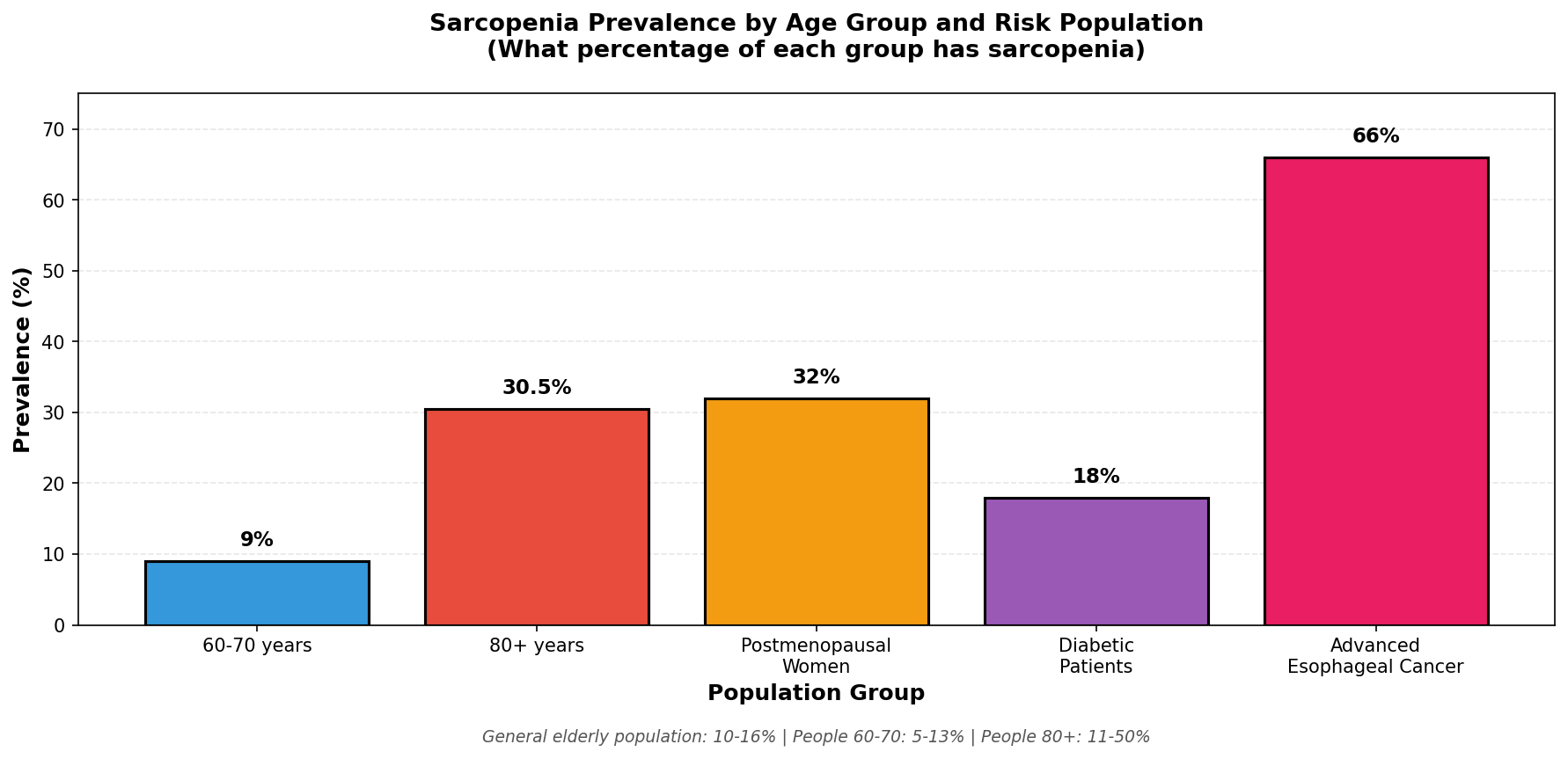 Figure 1: How sarcopenia prevalence increases with age, showing it becomes increasingly common after 65.1
But here's the crucial insight: this is preventable and partially reversible. Regular resistance exercise and adequate protein intake have been proven in dozens of clinical trials to slow, and, in some cases, partially reverse muscle loss. The window of opportunity exists if you act now.
The Timeline: When Do You Start Losing Muscle and How Fast?
Understanding when muscle loss begins helps explain why early action matters so much.
Ages 30-50: Your body starts losing muscle mass very gradually (around 3 to 5 per cent per decade). You probably won't notice. This is why prevention starting in your 30s and 40s is so valuable; you still have strong muscles to work with.
Ages 50-65: The process accelerates significantly. You're losing 1 to 2 per cent of muscle mass per year. Between the ages of 50 and 60, strength declines by 1.5 per cent per year.2 You might start noticing it: jars becoming harder to open, stairs requiring more effort, and recovering from activities taking longer.
Ages 65-80: After 65, strength declines by 3 per cent per year.2 This is the critical danger zone. By this point, if you haven't been exercising, you've already lost 15 to 20 per cent of the muscle you had at 30. The loss accelerates further: you may lose up to 8 per cent of muscle mass per decade during this period.1
Age 80+: Without intervention, you might have lost 50 per cent of your total muscle mass compared to age 30.1 At this point, independence becomes precarious.
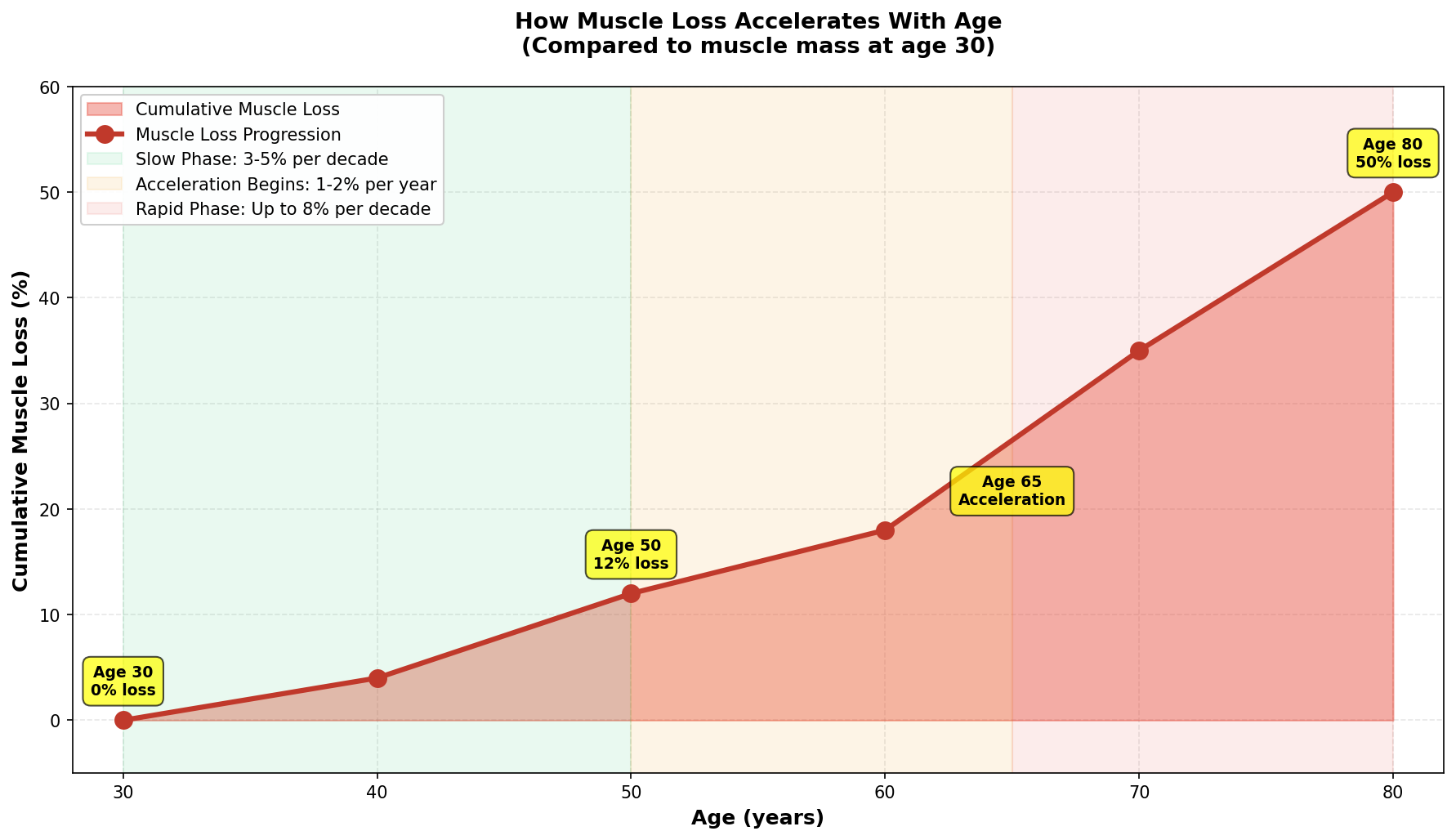 Figure 2: How muscle loss progresses with age, showing why preventing loss in your 40s-60s is critical.2
The pattern is clear: you have the most power to prevent sarcopenia in your 40s and 50s, when you still have strong muscles and time is on your side. But even at 80, the right intervention can improve your situation.
Exercise: The Foundation of Sarcopenia Prevention
Resistance exercise is the most effective intervention and a central component of treatment for sarcopenia.3 No medication exists. No supplement alone works without exercise. This is what the evidence says: regular movement, particularly resistance training, is essential.
The good news? It doesn't require obsessive gym dedication or complex training plans. It requires consistency and progression.
How Much Exercise Actually Works?
Research from 24 randomised controlled trials involving 951 participants found that resistance training significantly improved:
- Handgrip strength (the strongest effect size: 0.901)2
- Walking speed and functional ability to do daily tasks2
- Knee extension strength and lower body power2
For building actual muscle mass, the optimal prescription is:
- Frequency: 3 times per week (more than twice per week minimum)2
- Duration: 24 weeks minimum to see measurable changes2
- Intensity: 60 to 80 per cent of your maximum lift (the weight you could lift once if you tried your absolute hardest)2
- Volume: 10 to 15 repetitions per exercise, 2 to 3 sets per exercise2
- Session time: At least 30 minutes2
What this means in practice: Commit to three 45-minute sessions per week for six months, and you'll see real muscle growth. This is achievable for almost everyone.
For building strength alone (rather than mass), you can do slightly less:
Strength improvements can appear in as little as 12 weeks at this lower intensity.
The Critical Role of Progression
Your body adapts. If you do the same workout every session, you stop making progress. This is why progressive overload (gradually making your workout harder) is essential.
Every two to four weeks, something must change:
- Increase repetitions: Week 1-2 do 8 reps, week 3-4 do 10 reps, week 5-6 do 12 reps
- Add weight: Increase by 0.5 to 1 pound when the current weight becomes easy
- Add sets: Move from 1 set to 2 sets to 3 sets per exercise
- Slow down movements: Take 3 seconds to lower, 1 second to lift (increases time under tension)
- Add exercises: Start with 5, progress to 8 to 10 different exercises
The principle is simple: without progression, adaptation stops and gains a plateau.
Specific Exercises and How to Start
You don't need a gym. Research shows bodyweight and household items work effectively.2
Chair-based exercises (especially important if very weak or deconditioned):
- Sit-to-stand: stand up from a chair without using your hands (or minimal hand support). Start with 5 repetitions
- Chair squats
- Seated leg lifts
Bodyweight movements:
- Wall push-ups
- Squats
- Lunges
- Modified planks (on knees, not toes)
Household items for resistance:
- Water bottles (8 to 16 ounces)
- Food tins
- Books in a backpack
- Resistance bands (£5 to 15, very effective)
If progressing to equipment:
- Light dumbbells (start with 2 to 5 pounds)2
- Resistance bands in multiple tension levels
- Weight machines (safest option if available; they guide your movement)
The research is clear: the type of equipment matters far less than consistency and progression. A person doing bodyweight squats three times a week for six months will build more muscle than someone with access to a fancy gym who goes sporadically.
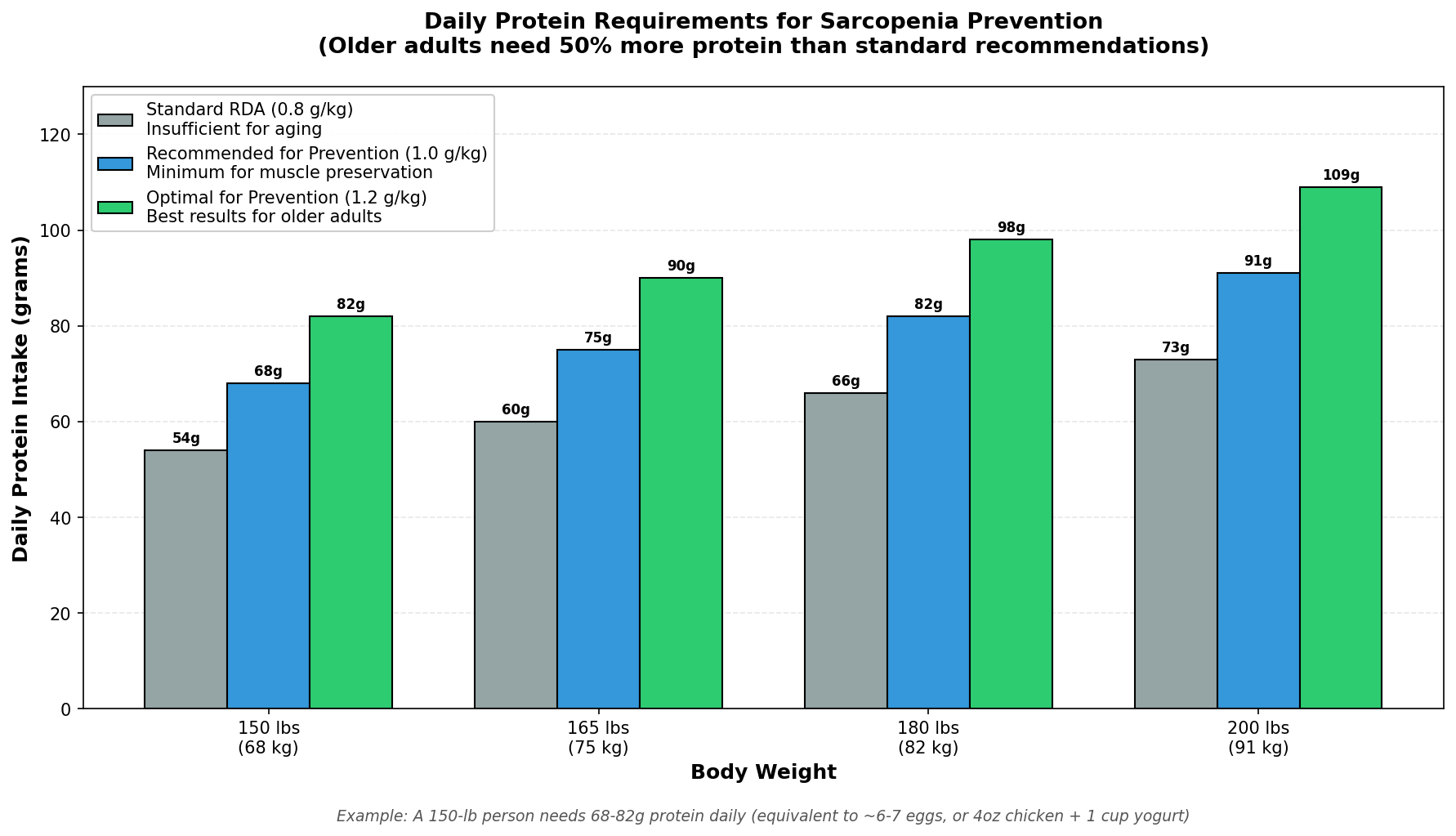 Figure 3: Timeline showing when you'll notice improvements with consistent resistance training.2
Nutrition: The Building Blocks of Muscle
Exercise sends the signal to your body: "build muscle." Protein provides the raw materials. Together, they're unstoppable. Separately, neither works.
How Much Protein Do You Actually Need?
This is where most people go wrong. The standard dietary recommendation of 0.8 grams per kilogram of body weight per day was designed for average adults, not ageing populations.
For sarcopenia prevention, you need 1.0 to 1.2 grams per kilogram per day. That's 50 per cent more than the standard recommendation.1
Practical examples:
- 150-pound person (68 kg): 68 to 82 grams per day
- 165-pound person (75 kg): 75 to 90 grams per day
- 200-pound person (91 kg): 91 to 109 grams per day
Why the higher amount? As you age, your muscles become less efficient at responding to protein signals. You need more protein to trigger the same muscle-building response.1
The Power of Distribution: Spreading Protein Across Meals
Eating all your protein in one meal doesn't work. Your body can only use about 20 to 30 grams of protein at once for muscle building.1
Aim for 25 to 30 grams of high-quality protein per meal, spread across three or more meals daily.
Example daily pattern:
- Breakfast: 25 to 30g (2 eggs + 1 cup yogurt = 24g)
- Lunch: 25 to 30g (100g chicken + beans = 35g)
- Dinner: 25 to 30g (150g salmon + legumes = 32g)
- Snack (optional): 10 to 20g (handful of nuts or Greek yoghurt)
This distribution pattern signals your muscle-building machinery multiple times per day, maximising total muscle protein synthesis.
Leucine: The Master Signal for Muscle Building
Leucine is an amino acid with unique properties. It's like the "instruction manual" that tells your muscles to build new protein.
Aim for 3 grams of leucine at three main meals (roughly 9 grams per day total).1 This activates the mTOR pathway, the master muscle-building switch in your cells.
Best food sources of leucine:
- Whey protein: highest in leucine (~13g per 100g protein)1
- Dairy products (milk, yoghurt, cheese)
- Eggs
- Chicken and turkey
- Fish (salmon, tuna)
- Beef
- Soy protein isolate
- Legumes (beans, lentils)
The research is telling: in a 13-week study, 6 grams per day of leucine improved functional performance, respiratory muscle strength, and prevented lean mass decline compared to placebo.1
Post-Exercise Protein Timing
After resistance exercise, your muscles are primed to build new protein. Consume 20 to 30 grams of high-quality protein within one hour before or after exercise.1
This is why a simple shake or meal after your workout is valuable; it capitalises on this anabolic window when your body is most responsive.
Vitamin D: The Forgotten Nutrient for Muscles
Vitamin D receptors are present in muscle cells. Low vitamin D levels are associated with reduced muscle mass, lower grip strength and decreased physical performance.1
Target a serum vitamin D level of 30 ng/mL or higher.1 Most people in northern climates are deficient.
Supplementation approach:
- Standard vitamin D3: 800 to 2,000 IU per day1
- Get tested first; if deficient, higher doses may be needed
- Active vitamin D (eldecalcitol) showed significantly greater improvements than standard D31
- Combine with resistance exercise for best results; vitamin D alone has modest effects1
Food sources:
- Fatty fish (salmon, sardines, mackerel, tuna)
- Egg yolks
- Fortified milk and orange juice
- Mushrooms exposed to sunlight
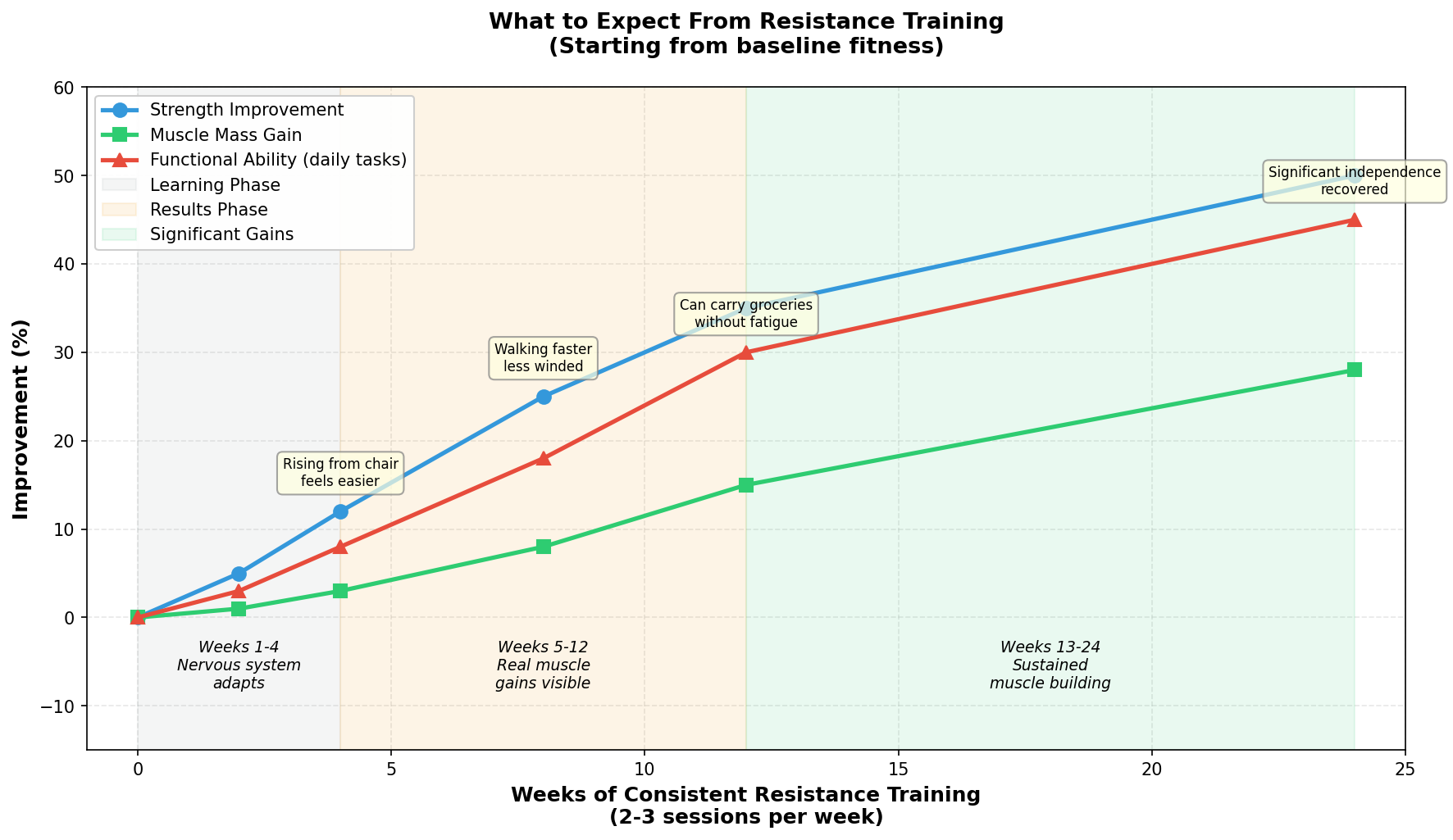 Figure 4: Protein intake recommendations for sarcopenia prevention versus standard guidelines.1
B Vitamins: Preventing Muscle Damage
B vitamins (B6, B12, and B9/folate) work together to break down homocysteine, an amino acid byproduct. Elevated homocysteine is linked to muscle weakness and poor physical function.1
Research finds that sarcopenic older adults have lower intakes of B6 and B9 than non-sarcopenic older adults.1 Getting adequate B vitamins may protect the muscles by preventing this damage.
Recommended intakes for adults 51+ years:
- Vitamin B6: 1.5 to 1.7 mg per day1
- Vitamin B12: 2.4 micrograms per day1
- Vitamin B9 (folate): 400 micrograms per day1
Best food sources:
- B6: Chickpeas, potatoes, bananas, chicken, salmon
- B12: Fish, shellfish, beef, liver, eggs, dairy, fortified cereals
- B9 (Folate): Leafy greens, asparagus, broccoli, legumes, avocado
Most of these nutrients come naturally from whole foods when you eat protein-rich meals with vegetables.
The Optimal Diet Approach
The most effective diet combines:
- Adequate protein (1.0 to 1.2 g/kg per day)
- High leucine content at main meals (3g per meal)
- Rich in fruits and vegetables (antioxidants, micronutrients)
- Adequate hydration
- Whole foods over isolated supplements
Research shows that a well-planned diet may be as effective as, or better than, individual nutrient supplements for sarcopenia prevention.1 Whole foods contain multiple beneficial compounds working synergistically.
Lifestyle Strategies Beyond Exercise and Nutrition
Exercise and nutrition form the foundation, but other lifestyle factors significantly impact muscle preservation.
Sedentary Time Is Your Enemy
This is striking: each additional hour of sitting per day may increase sarcopenia risk by 33 per cent.1 The more you sit, the more your muscles atrophy.
Greater sitting time is associated with chronic low-grade inflammation that promotes muscle loss, and sedentary behaviour amplifies muscle fibre ageing and atrophy.1
Minimise sedentary time throughout the day. Break up sitting every 30 minutes by standing, walking or doing light activity. This doesn't replace resistance training, but it's an essential context for your training. Someone doing resistance exercise twice weekly but sitting 8+ hours daily still has a high sarcopenia risk.
The ideal combination: resistance training 2 to 3 times weekly plus regular activity throughout the day.
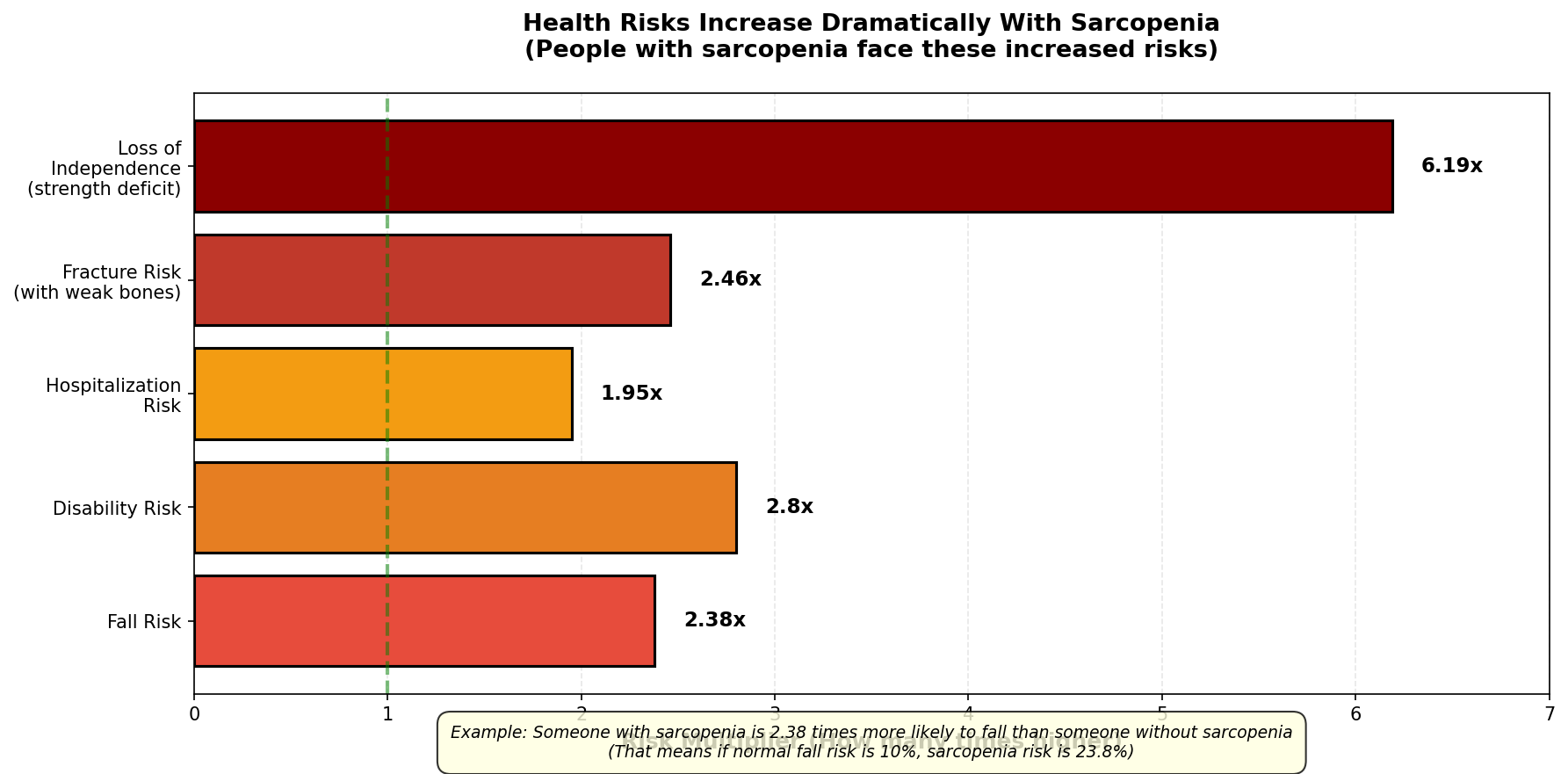 Figure 5: How sedentary time dramatically increases sarcopenia risk. 1
Sleep Quality: When Muscles Actually Build
This surprises many people: muscle doesn't build during your workout. Muscle repair and growth occur primarily during recovery periods, including sleep. During deep sleep:
- Growth hormone peaks; critical for muscle protein synthesis1
- Satellite cells activate; necessary for muscle repair and growth1
- Muscle protein synthesis is enhanced1
Poor sleep does the opposite: increased cortisol (a catabolic hormone that promotes muscle breakdown), decreased muscle-building signals, reduced protein synthesis pathways, and increased muscle degradation.1
Aim for 7 to 9 hours of sleep per night with a consistent sleep schedule. Age-related sleep problems are common, but therapeutic approaches can normalise sleep and protect muscles.1
Practical sleep improvements:
- Maintain consistent bedtime and wake time
- Get morning sunlight exposure
- Avoid screens 1 to 2 hours before bed
- Keep the bedroom cool and dark
- Avoid large meals and caffeine near bedtime
This isn't a luxurious indulgence; it's muscle medicine. A seven-to-eight-hour sleeper who exercises beats a five-hour sleeper who exercises equally.
Hormonal Changes and Sex-Specific Considerations
Women face special risk, particularly postmenopausal women. Declining oestrogen accelerates muscle loss: oestrogen helps maintain muscle mass and strength, and the loss at menopause significantly increases sarcopenia risk.1
Hormone therapy for 13+ months was associated with better muscle preservation in some studies.1
Both men and women experience declines in testosterone, growth hormone, and IGF-1; all essential muscle-building signals. Elevated cortisol (stress hormone) actively breaks down muscle tissue.1
Practical takeaway: Women in their 40s-50s should prioritise sarcopenia prevention before menopause. Hormone therapy, if appropriate, may help. For both sexes, stress management and sleep quality matter more than ever during this period.
Health Consequences: Why This Actually Matters
The statistics are sobering, but important to understand what you're preventing:
People with sarcopenia are 1.5 to 4.6 times more likely to develop disability.3 This isn't merely weakness; it's the difference between independence and dependence.
They're 3 times more likely to fall, and falls in older adults can permanently compromise independence. Hip fractures from falls increase mortality risk by 8 to 36 per cent.1
They're 1.95 times more likely to be hospitalised.1 Sarcopenia complications lead to expensive healthcare costs averaging £1,450 per person per year; in the US alone, sarcopenia hospitalisation costs total over £20 billion annually.1
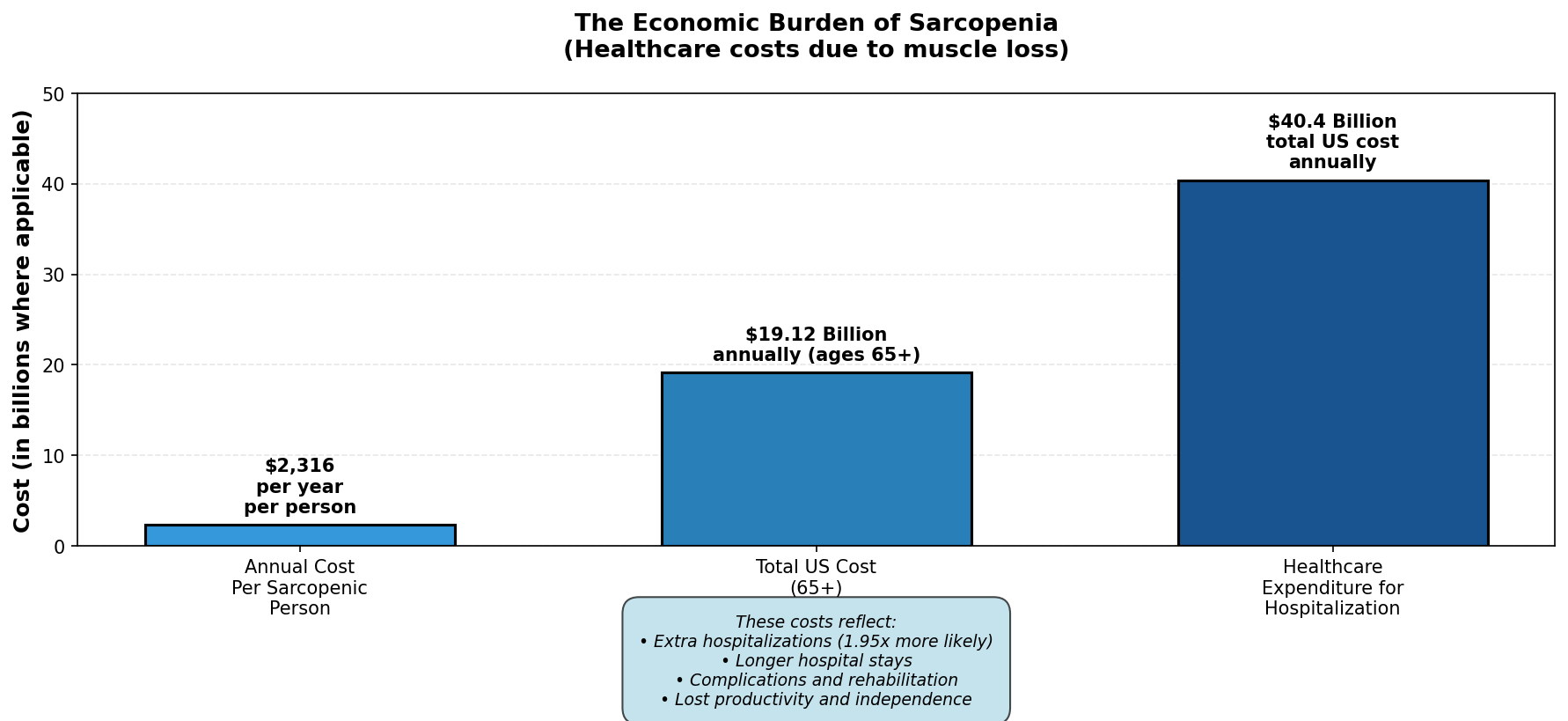 Figure 6: Major health consequences of sarcopenia, illustrating why prevention is critical.1
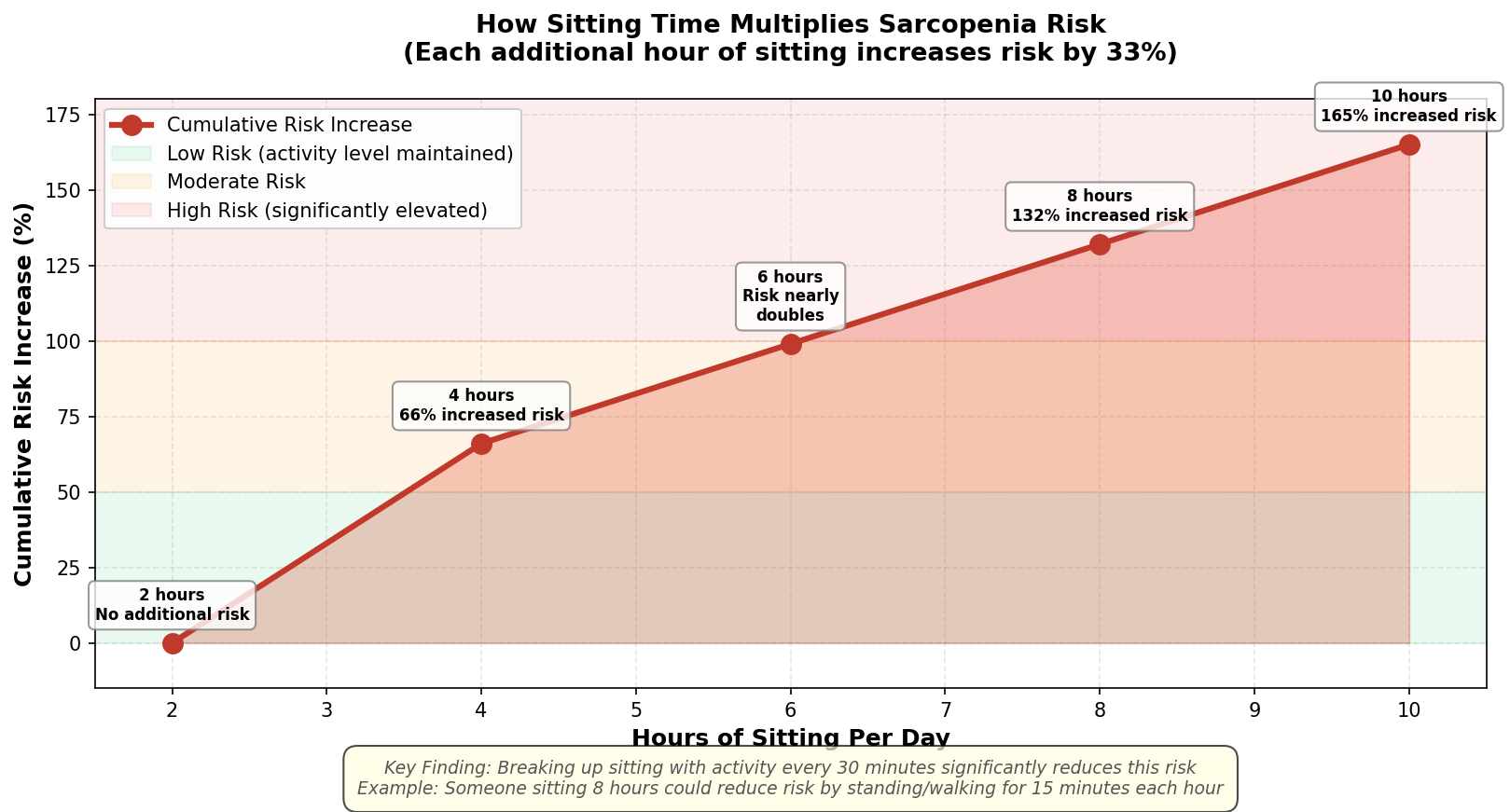 Figure 7: Economic impact of sarcopenia showing substantial healthcare cost increases.1
But here's the flip side: preventing sarcopenia avoids all of these. It's one of the few ageing problems where preventive strategies are effective.
Your Actionable Prevention Plan
This is the part that matters: what do you actually do?
Step 1: Assess Your Baseline (This Week)
- Calculate your target protein intake: body weight in pounds ÷ 2.2 = weight in kg. Multiply by 1.0 to 1.2
- Track your current protein intake for three days
- Check how many hours daily you're sedentary
- Note any early warning signs: difficulty opening jars, trouble climbing stairs, visible decrease in arm or leg size, needing to push with your hands to stand from a chair
Step 2: Start Resistance Exercise (This Month)
If mostly sedentary:
- Week 1: See your doctor; get medical clearance
- Weeks 2-3: Learn movement patterns with bodyweight or very light resistance, 2 days per week, 20-30 minutes, focusing on perfect form
- Weeks 4-5: Add slight resistance and a third exercise; build to 2 sets of 8-10 reps
- Weeks 6-8: Establish routine with 3 days per week, 8-10 exercises, 30-45 minutes
- Week 9+: Continue progressing; this is now your maintenance routine
If you have some fitness base:
- Start with 3 sessions per week, 30-45 minutes
- Do 8-10 exercises targeting all major muscle groups
- Use a weight that feels challenging in the last 2-3 repetitions
- Progress every two to four weeks by adding reps, weight, or sets
Optimal long-term routine:
- 3 times per week, 45-60 minutes
- 10 exercises targeting large muscle groups
- 2-3 sets of 10-15 repetitions per exercise
- 60-80 per cent of your maximum lift
- Continue for life; this is maintenance, not a temporary programme
Step 3: Restructure Your Nutrition (Immediately)
- Breakfast example: 2 eggs + 1 cup Greek yogurt + berries = 24g protein, 3g leucine
- Lunch example: 100g grilled chicken + 1 cup cooked beans + vegetables = 35g protein, 3g leucine
- Dinner example: 150g salmon + 1 cup legumes + vegetables = 32g protein, 3g leucine
- Snack (optional): Handful of almonds or 150ml Greek yoghurt = 10-15g protein
- Daily target: 1.0-1.2g per kg body weight, distributed across 3-4 meals
Step 4: Optimise Your Sleep (This Month)
- Set consistent bedtime and wake time (same every day)
- Get morning sunlight exposure (15-30 minutes)
- Reduce evening screen time 1-2 hours before bed
- Keep the bedroom cool (around 16-18°C) and dark
- Avoid caffeine after 2 pm
Step 5: Get Your Vitamin D Tested (This Month)
- Ask your doctor for a serum 25-hydroxyvitamin D test
- If low (below 30 ng/mL): start supplementation (800-2,000 IU daily)
- Increase food sources: fatty fish, egg yolks, fortified milk
Step 6: Break Up Sitting (Starting Today)
- Set hourly reminders to stand or walk
- Walk or do light activity for 5-10 minutes each hour
- Incorporate activity into daily routine: gardening, dancing, walking, doing housework
- At minimum, avoid sitting for more than 2 hours continuously
Step 7: Build Consistency (Months 1-3)
The magic isn't in perfection; it's in consistency. Three months of regular resistance training, adequate protein intake, good sleep, and minimal sitting will produce measurable strength gain likely visible muscle changes.
What to Expect: Timeline and Progress
Weeks 1-2: Muscle soreness (delayed onset muscle soreness, normal). The nervous system learns to use muscles better. You feel stronger from neuromuscular adaptation, not yet from muscle growth.
Weeks 3-8: Real strength gains appear. Muscle soreness diminishes. You notice that rising from a chair feels easier.
Weeks 8-12: Visible muscle changes begin. Clothes fit differently. Climbing stairs requires noticeably less effort.
3-6 months: Measurable improvements in handgrip strength, walking speed, and ability to rise from a chair. You notice you're feeling more physically confident.
6-12 months: Significant muscle mass improvements if continuing consistently. Independence improves noticeably. Activities that felt difficult now feel manageable.
Beyond 12 months: Maintained muscle if you continue training (studies show gains decline if you stop). Continued independence and quality of life.
This timeline is realistic and backed by clinical trial data.
Overcoming Common Barriers
"I don't have access to a gym." Bodyweight exercises work. Resistance bands cost £5-20 and are highly effective. Household items (water bottles, cans, books in a backpack) provide safe resistance. Chair exercises are fully effective for older adults.
"I'm too weak to start." Start with bodyweight only. Chair-based exercises are safe and effective. Intensity can be as low as 30-60 per cent of maximum. Even very weak, sedentary people improved muscle strength in clinical trials.
"I don't have time." Ten to 30 minutes, 2-3 times per week, produces real results. Three to four hours weekly is your investment for muscle preservation and independence. Consider it insurance against the alternative.
"I'm worried about getting injured." No serious adverse events were reported in any clinical trials of resistance training in older adults. Proper form and starting light reduce injury risk dramatically. Your own bodyweight is safe resistance.
"I'm too old to start." Age alone is not a barrier. People in their 70s, 80s and 90s successfully gain muscle with resistance training. Benefits appear across all age groups.
The Bottom Line
Sarcopenia is common, serious and preventable. By age 65, most people have already lost 10-20 per cent of the muscle they had at 30. But that timeline isn't destiny; it's opportunity. You still have muscle to build on and decades of independence to preserve.
The evidence is strong and consistent: Resistance exercise 3 times per week combined with adequate protein (1.0-1.2g per kg) produces measurable improvements in muscle mass, strength, and physical function across all ages and fitness levels.
This isn't complicated. It requires consistency, not perfection. It's achievable while working, raising a family or managing other health conditions.
The alternative (losing independence, falling, fracturing bones, requiring hospitalisation, losing the ability to live alone) is far more complex and costly.
Start now. Not next month. Not next year. Your 80-year-old self will thank you.
Further Reading
Understanding Sarcopenia Basics
- Sarcopenia Overview - Cleveland Clinic
- Sarcopenia: What It Is and Why It Matters - NCBI
- Epidemiology of Sarcopenia - ScienceDirect
Resistance Exercise and Training
- Evidence-Based Exercise Guidelines for Sarcopenia - PMC
- Optimal Resistance Training Prescriptions for Sarcopenia - PMC
- Exercise for Sarcopenia in Older People - PMC
- Resistance Training Variables for Muscle Mass - PMC
Nutrition for Muscle Preservation
- Dietary Protein and Sarcopenia Prevention - PMC
- Leucine and Muscle Health in Older Adults - Frontiers in Nutrition
- The Nutritional Support to Prevent Sarcopenia - Frontiers in Nutrition
- Vitamin D and Sarcopenia - PMC
Lifestyle Strategies
- Sleep and Sarcopenia - PMC
- Sedentary Behaviour and Muscle Loss - The Lancet Healthy Longevity
- Physical Exercise Guidelines - CDC Growing Stronger Program
Clinical Guidelines and Research
- International Clinical Practice Guidelines for Sarcopenia - ScienceDirect
- Global Prevalence of Sarcopenia - Wiley Online Library
- Sarcopenia and Mortality - Karger Publishers
Patient Resources and Support
References
- Cleveland Clinic. Sarcopenia (Muscle Loss): Symptoms, Causes, and Treatment. [Internet]. [cited 2026 Mar 17]. Available from: https://my.clevelandclinic.org/health/diseases/23167-sarcopenia
- Bae S, Kong S, Kim C-H, Kim J-S, Koh J-H, Lee SK, et al. Position statement: Evidence-Based Exercise Guidelines for Sarcopenia in Older Adults: Insights from the Korean Working Group on Sarcopenia. Ann Geriatr Med Res [Internet]. 2025 [cited 2026 Apr 9]; 29(3):278–94. Available from: http://e-agmr.org/journal/view.php?doi=10.4235/agmr.25.0052
- Yuan S, Larsson SC. Epidemiology of sarcopenia: Prevalence, risk factors, and consequences. Metabolism [Internet]. 2023 [cited 2026 Apr 9]; 144:155533. Available from: https://linkinghub.elsevier.com/retrieve/pii/S0026049523001361
