

Testosterone in Women: What You Need to Know
You've probably heard that testosterone is a "male hormone." That's misleading. Your body produces testosterone right now (in your ovaries and adrenal glands) and it does far more than what many people assume. It keeps your bones strong, your muscles firm, your mood stable, and your sexual function intact. When testosterone declines, which it naturally does as you age, the effects ripple across your entire body and health.
This is information that can help you understand your own body better, recognise when something feels wrong, and have informed conversations with healthcare providers about what's actually happening.
Why Testosterone Matters for Women
Testosterone isn't a hormone that women "accidentally" have small amounts of actively produced by women's bodies and serves critical functions.1 Here's what it actually does:
Sexual function. Testosterone concentrations are positively associated with sexual desire and sexual satisfaction, though the relationship is complex and affected by many psychological and social factors.1 Interestingly, nine out of ten studies failed to find a direct correlation between total testosterone levels alone and sexual desire, indicating that sexuality involves far more than hormones.1
Bone strength. This is perhaps the most underappreciated role testosterone plays. Unlike oestrogen, which prevents bone loss, testosterone actively builds new bone tissue.1 Women with higher free testosterone levels have greater bone mineral density, and lower testosterone increases osteoporosis risk.1 More than 50% of women aged 60-70 will suffer from postmenopausal osteoporosis, making this a serious long-term health concern.1
Muscle and strength. Testosterone is essential for muscle development and maintenance.1 As testosterone declines with age, women often experience noticeable loss of muscle mass and strength, changes that affect your ability to stay physically independent and mobile.
Mood and mental clarity. Testosterone influences mood, cognitive functions, and overall sense of well-being.1 Clinical trials suggest testosterone enhances cognitive performance in postmenopausal women.1 Fatigue, mood changes, difficulty concentrating, and memory problems can all result from low testosterone.1
Cardiovascular health. Testosterone affects most organ systems, not just reproductive ones, including cardiovascular health and general circulation.1
The bottom line: testosterone is a hormone that maintains strength, emotional stability, sexual function, and long-term bone health. It's not optional; it's essential.
Normal Testosterone Ranges and How They Change With Age
To understand whether you might have low testosterone, it helps to know what "normal" actually means. The challenge: there's no universally agreed-upon normal range for women's testosterone like there is for men. Different laboratories use different reference ranges, which can make diagnosis confusing.2
Here's what we know from the best available data:
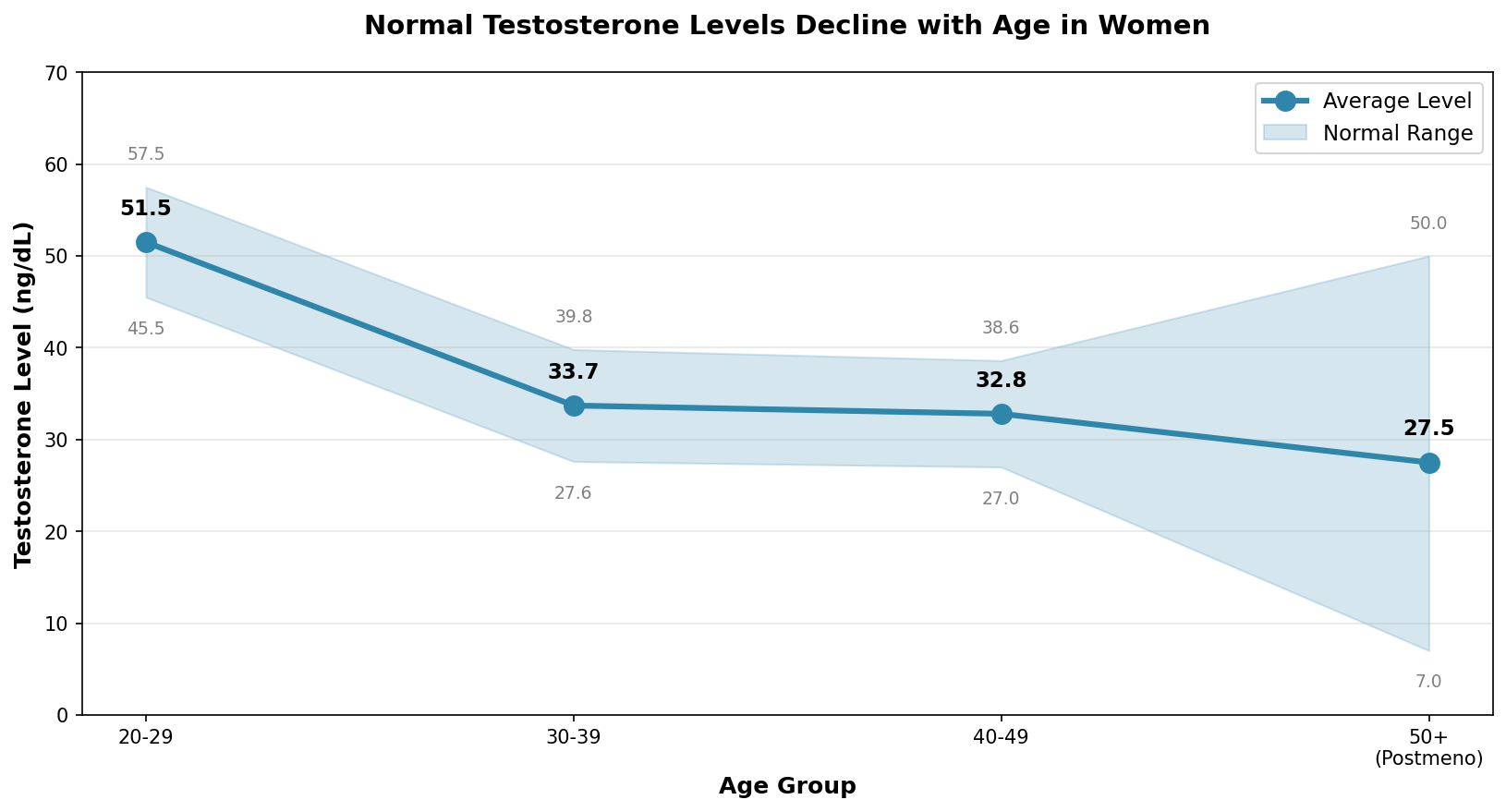 Figure 1: How testosterone levels change across your lifespan. Peak levels occur in your 20s, with gradual decline starting in your 30s and the most dramatic drop happening during the menopausal transition (ages 45-55).1
Your 20s (Peak reproductive years): Average testosterone is around 51.5 ng/dL (nanograms per deciliter), your highest levels.1
Your 30s and 40s: Testosterone gradually declines to about 33 ng/dL, roughly half your peak level.1 This happens so slowly that most women don't notice it.
Your 45-55s (Perimenopause and menopause): This is the critical transition. Testosterone drops dramatically to around 27.5 ng/dL.1 Unlike men's gradual decline over decades, women experience an abrupt, concentrated drop during this period; this is why symptoms often appear suddenly rather than gradually.
Your 60s and beyond: Testosterone reaches its lowest levels, continuing to decline slowly.1
Measurement Challenges
Women's testosterone levels are often so low that accurate measurement is difficult with standard laboratory tests, especially after perimenopause.1 This creates a real problem: the measurement of women's testosterone is complicated because normal ranges are difficult to define in clinical practice, as levels often fall below the detection threshold of standard tests.1
If you have testing done, ask your healthcare provider to use an ultrasensitive liquid chromatography-tandem mass spectrometry (LC-MSMS) test rather than older direct immunoassay methods, which are less accurate for women.2 Testing is best done in the morning between 7-10 AM, when testosterone is typically highest.2 If you still menstruate, ideally get tested about 8-20 days after your period starts, when hormone levels are more stable.2
How Your Body Produces Testosterone
Testosterone doesn't come from a single source. Think of it as a three-part production system:
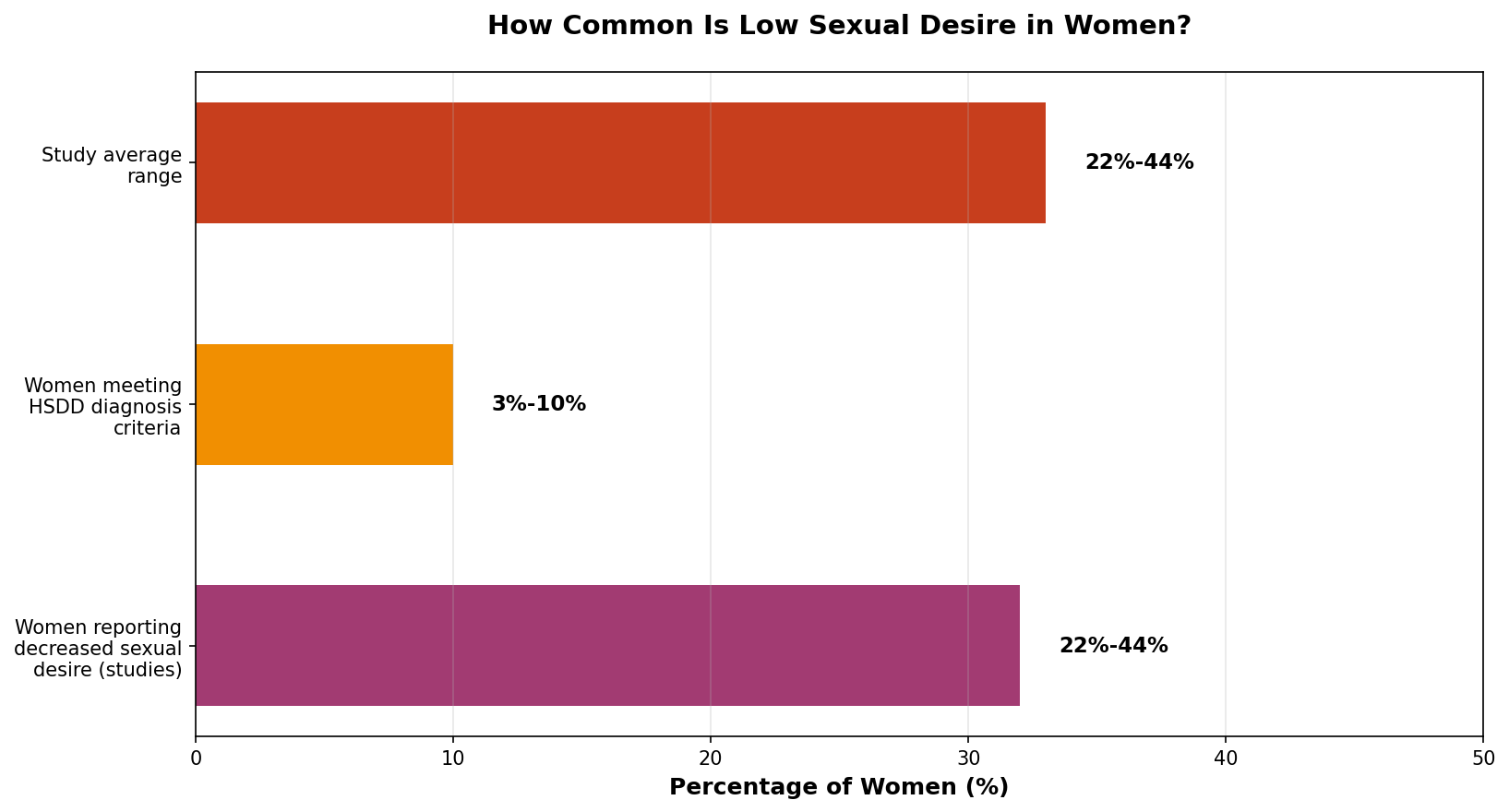 Figure 2: Where women's testosterone comes from. About 40-50% comes directly from the ovaries and adrenal glands combined, while the remaining 50-60% is produced when other tissues convert precursor hormones into testosterone.1
Your ovaries produce about 25% of your testosterone directly.1
Your adrenal glands (small glands sitting on top of your kidneys) produce another 25% directly.1
Your fat and other tissues convert other hormones (mainly androstenedione, a precursor hormone) into testosterone, accounting for the remaining 50%.1
This matters in practical ways. If your ovaries are surgically removed, you lose not just the direct 25% production but also the loss of their contribution to the conversion process. Weight and body composition affect testosterone production because fat tissue is involved in that conversion. Both ovarian and adrenal function need to be working well for healthy testosterone levels.
Signs and Symptoms of Low Testosterone
Low testosterone affects multiple body systems. Women may experience some or all of these symptoms. The key is recognising patterns: if several symptoms started around the same time or developed gradually together, low testosterone could be a factor.
Sexual and Reproductive Symptoms
- Decreased sexual desire (reduced interest in sexual activity)1
- Difficulty reaching orgasm or reduced pleasure during sex1
- Vaginal dryness1
- Irregular or missed menstrual periods (in premenopausal women)1
Sexual dysfunction is the most common symptom of low testosterone in women, but it's often overlooked or attributed to psychological causes when it actually has a biological basis.1
Energy and Physical Symptoms
- Persistent fatigue (feeling tired despite adequate sleep)1
- General lack of energy throughout the day1
- Loss of strength and muscle tone1
- Muscle weakness without an obvious cause1
- Unexpected weight gain, particularly around the abdomen, despite unchanged diet and exercise1
- Thinning hair or hair loss (including body hair)1
- Dry, brittle skin1
Many women attribute these symptoms to ageing, stress, or depression when low testosterone could be a significant contributor. Muscle loss is particularly important because it accelerates as women age and can make physical strength and independence harder to maintain.
Mental and Cognitive Symptoms
- Depression or persistently low mood that doesn't improve with typical treatments1
- Anxiety or increased nervousness1
- Mood swings or irritability1
- Brain fog or mental cloudiness1
- Difficulty concentrating at work or during daily tasks1
- Memory issues or forgetfulness1
- Reduced emotional resilience1
These mental health symptoms are frequently misdiagnosed as primary depression or anxiety disorders. Women may be treated with antidepressants alone when addressing low testosterone could significantly improve outcomes.
Sleep-Related Symptoms
Overall Impact
If you're experiencing several of these symptoms that started around the same time or developed gradually, low testosterone could be a factor worth investigating. About 22-44% of women report decreased sexual desire, with an average of 32% across studies.1 Among these, only about 3-10% formally meet the diagnostic criteria for Hypoactive Sexual Desire Disorder (HSDD)—a formal diagnosis requiring that the symptom causes significant distress.1
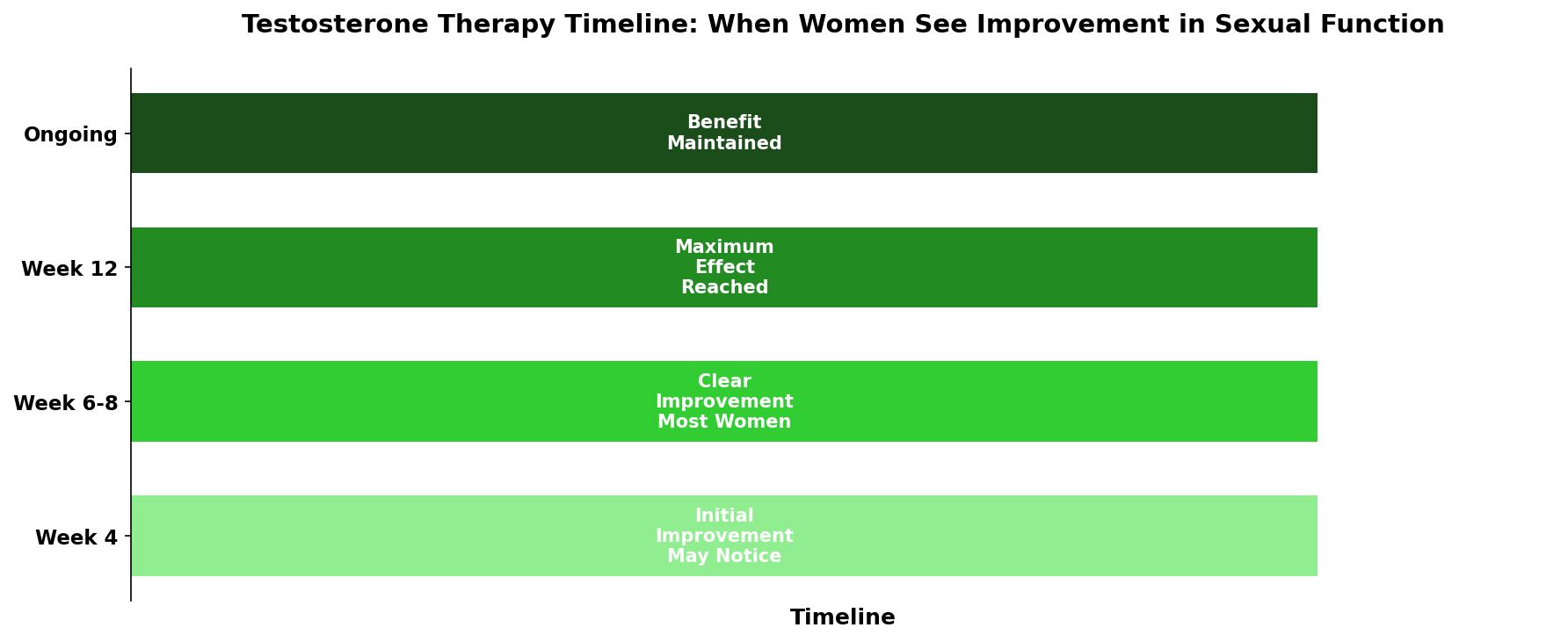 Figure 3: How many women report decreased sexual desire versus how many meet the formal diagnosis criteria for a disorder. Having decreased desire doesn't automatically mean you need medical treatment; it depends on whether it's causing you distress and affecting your quality of life.1
Why Low Testosterone Happens
Low testosterone can occur for several interconnected reasons:
Age and natural hormonal changes. Testosterone naturally declines gradually starting in your 30s, with the most dramatic drop happening during perimenopause and menopause.1 By the time you reach menopause, testosterone may drop to about one-quarter of your peak levels.1
Surgical removal of ovaries (oophorectomy). If you've had one or both ovaries surgically removed, your testosterone levels drop immediately and dramatically because the ovaries produce approximately 50% of women's testosterone.1 This is one of the most significant causes of low testosterone in younger women.
Hormonal medications. Oestrogen treatments, including hormonal birth control pills and patches, can lower testosterone by increasing sex hormone-binding globulin (SHBG), a protein that binds to testosterone and reduces its availability.1
Medical conditions. Pituitary disorders, adrenal insufficiency, thyroid disorders, ovarian dysfunction or premature ovarian failure, diabetes, and other chronic illnesses can all affect testosterone levels.1
Lifestyle factors. These are important because they're within your control:
- Excess weight: Obesity affects hormone production and metabolism1
- Chronic stress: Elevated stress hormones (cortisol) suppress testosterone production1
- Poor sleep: Adequate sleep is necessary for hormone production and regulation1
- Extreme dieting: Malnutrition or very low-calorie diets leave inadequate nutrition for hormone production1
- Excessive alcohol: Significant alcohol consumption impairs hormone production1
Recognising the Age-Related Decline Timeline
Understanding when testosterone changes happen can help you make sense of what's happening in your body:
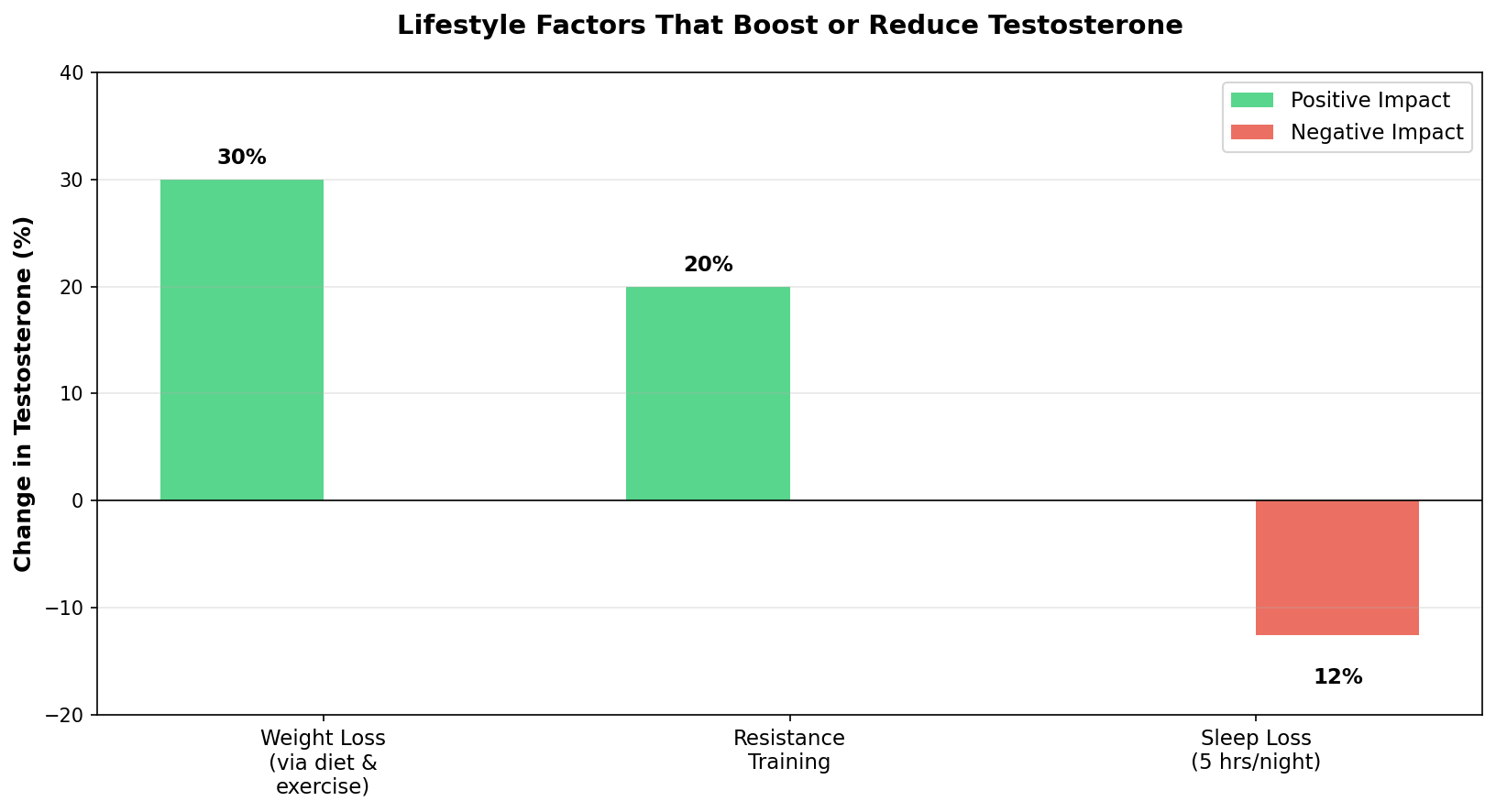 Figure 4: The timeline of testosterone change from your 20s through 60s. The steepness of the line during your 45-55s shows how much faster the decline is during the menopausal transition compared to other decades.1
Your 20s-30s: Slow leak. Testosterone starts declining gradually, so gradually you might not notice. You still feel mostly yourself.
Your 40s: Continued gradual decline. The slow leak continues, and most women still feel relatively stable, though some may notice early signs.
Your 45-55s (Perimenopause and menopause): The critical transition. Testosterone plummets. Because this decline is rapid and concentrated rather than gradual over decades, symptoms often become noticeable. Fatigue, mood changes, loss of sexual desire, muscle loss, and sleep disruption frequently appear during this period.
Your 55+: Stabilisation then slow decline. Once you're through the menopausal transition, testosterone levels stabilise at their new, lower level and decline more slowly thereafter.
This timeline matters because it helps validate that symptoms appearing during perimenopause aren't just "normal aging"—they're a biological response to a significant hormonal shift.
Diagnostic Approaches and Healthcare Gaps
Here's an uncomfortable truth: low testosterone in women is under-recognised and under-treated compared to men's, partly because of lack of standardised testing and treatment protocols.1
Why diagnosis is challenging:
There's no universally agreed-upon "normal" testosterone level for women.1 Unlike testosterone deficiency in men, there is no agreed-upon serum testosterone level that defines "testosterone deficiency" in women.1 Different laboratories use different reference ranges, with some reporting 9-55 ng/dL as normal and others using 15-70 or even 40-120 ng/dL.2
What this means for diagnosis: A testosterone level test alone cannot diagnose any health condition.1 The most important factor is how testosterone levels correlate with your actual symptoms and overall health.1 A healthcare provider needs to look at the combination of your symptoms, your measured level relative to the specific lab's reference range, and your overall health picture.
When to seek testing:
Discuss testosterone testing with your healthcare provider if you experience:
- Persistent fatigue that doesn't improve with sleep or rest1
- Loss of sexual desire that's new or unexplained1
- Unexplained weight gain with loss of muscle mass1
- Depressed mood or anxiety that doesn't respond to typical treatment1
- Brain fog or concentration problems that are new or worsening1
- Loss of strength or muscle tone without obvious cause1
- Multiple symptoms appearing together around the same time1
The key: don't wait for severe symptoms. If symptoms are affecting your quality of life, they deserve investigation.
Treatment Options: Medical and Lifestyle
The Medical Reality
Currently, no testosterone medications are FDA-approved specifically for women in the United States.1 This represents a significant gap in approved treatments. Any testosterone therapy prescribed to women is technically "off-label" use.1
The only evidence-based indication for testosterone therapy in women is Hypoactive Sexual Desire Disorder (HSDD)—when decreased sexual desire causes significant distress and meets specific diagnostic criteria.1
If You're Considering Testosterone Therapy
If testosterone therapy is being discussed, here's what you should know:
Timeline to effectiveness: Most women notice clear improvement in sexual function within 6-8 weeks, with maximum effects typically achieved by 12 weeks.1 Some women may notice initial improvements at 4 weeks, but results vary.1 This is important: the benefits only last as long as you take the medication. Once you stop, your sexual desire typically returns to previous levels.1 This is a maintenance therapy, not a cure.
How it's delivered: While no formulations are officially FDA-approved for women, several approaches are used under medical supervision:
- Transdermal patches and creams designed for women (preferred, due to steady hormone levels and fewer side effects)1
- Oral formulations (less commonly used due to higher variability in absorption)1
- Implantable pellets (subcutaneous pellets providing sustained delivery; less common for women)1
Dosing philosophy: Testosterone therapy in women should target physiologic premenopausal testosterone levels (not male levels) using the lowest effective dose.1
Short-term safety (6-24 months): When used transdermally at low physiologic doses, testosterone appears relatively safe:1
- No increase in blood pressure1
- No adverse effects on cholesterol profiles1
- No changes to kidney or liver function1
- No abnormalities in blood cell counts1
- No increased breast cancer risk in the short term1
- Does not stimulate the uterine lining1
Known potential risks: Virilisation (masculinising effects) including voice deepening, facial/body hair growth, clitoral enlargement, and male-pattern baldness can occur, particularly with higher doses or prolonged use.1 Some women experience abnormal uterine bleeding.1
Critical safety limitation: There are little to no long-term safety data beyond 2 years of use.1 Long-term effects (5+ years) are essentially unknown. Breast cancer risk beyond 2 years cannot be ruled out.1 Cardiovascular effects of long-term use are theoretically possible but not established in available studies.1
Who needs closer monitoring: Women with a history of breast cancer or significant family history, cardiovascular disease or multiple cardiovascular risk factors, uncontrolled high blood pressure, severe liver or kidney disease, or PCOS should be monitored more closely.1
Lifestyle Approaches: What Actually Works
The good news: several lifestyle changes directly affect testosterone levels, and most are within your control.
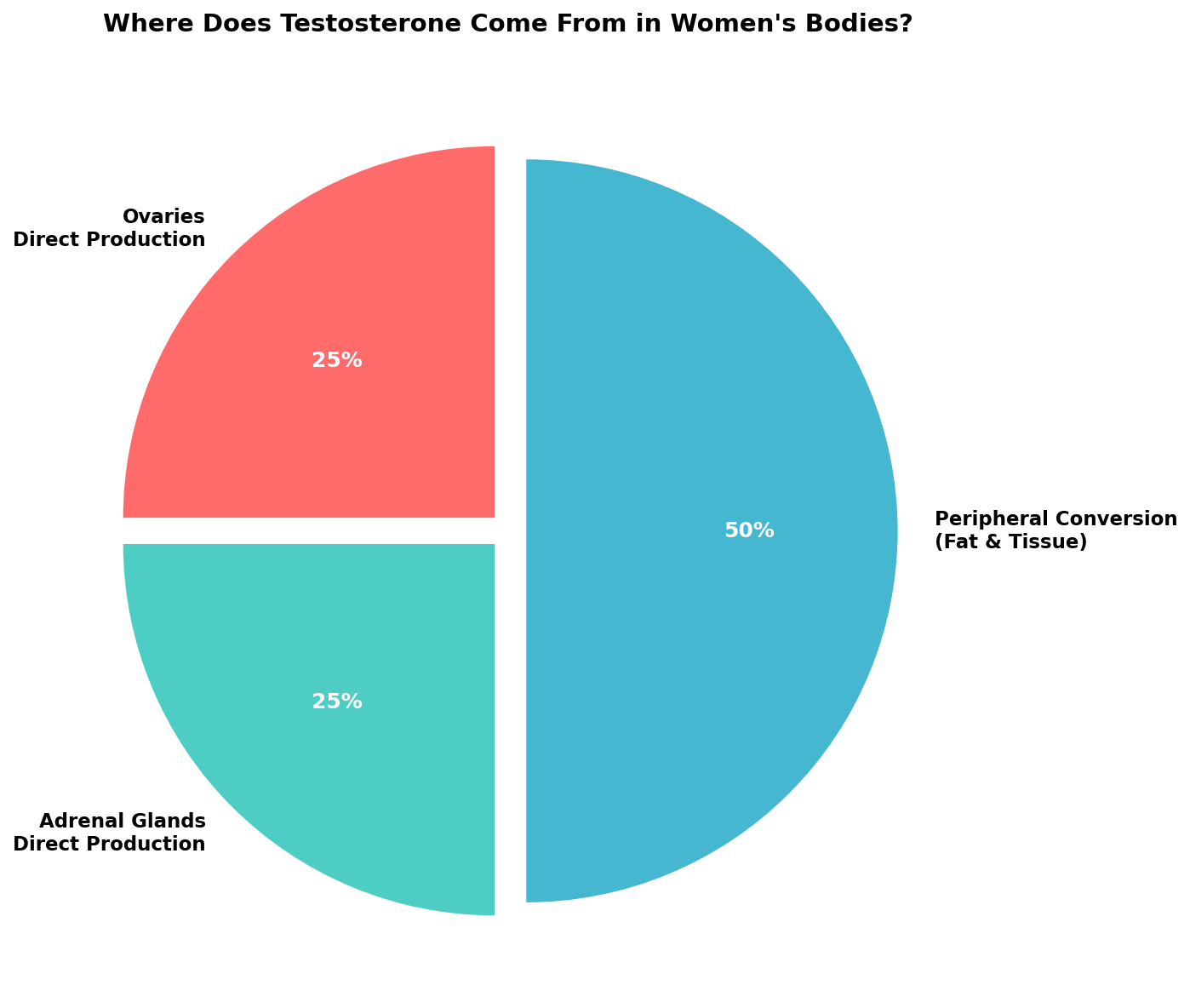 Figure 5: How much different lifestyle interventions can affect testosterone levels. Weight loss offers the largest potential improvement, while poor sleep and chronic stress actively suppress testosterone.1
Resistance training (weightlifting): This directly boosts testosterone, particularly in the hours after exercise.1 The more consistent you are with strength training, the more sustained the benefit. Focus on building and maintaining muscle mass; this compounds over time.1
High-Intensity Interval Training (HIIT): Very effective for improving testosterone levels, particularly beneficial for women with PCOS.1
Weight loss: This is significant. If you lose weight through a combination of diet and exercise, you could see testosterone increase by up to 30%.1 This represents a real, measurable improvement. The reason: excess body fat promotes lower testosterone.
Sleep quality and duration: Sleep directly affects testosterone levels. Sleep restriction (5 hours per night for 8 nights) decreased testosterone by 10-15% in research studies.1 Sleep quality is as important as quantity. Prioritise 7-9 hours of quality sleep nightly as a foundational testosterone support strategy.1
Stress reduction: When stressed, your body releases cortisol and other stress hormones that signal the pituitary gland to produce less testosterone.1 This is a direct biochemical link. Evidence-based stress reduction strategies include meditation, mindfulness practices, yoga, adequate sleep, regular exercise, and social connection.1
Balanced nutrition: You don't need special foods, but you need:
- Adequate protein (maintains healthy testosterone levels and supports muscle gain)1
- Healthy fats from avocados, nuts, seeds, and olive oil (these are building blocks for hormone synthesis)1
- Magnesium, zinc, and B vitamins (essential cofactors for testosterone production)1
- Omega-3 fatty acids (support overall hormone and cardiovascular health)1
Avoid highly restrictive diets (especially low-fat diets) and excessive caloric restriction, which suppress testosterone production.1 Weight loss, if needed, should occur through moderate caloric deficit plus exercise, not extreme restriction.1
Combining Approaches
The most effective non-medical approach combines these elements synergistically:
- Resistance training 3-4 times weekly for direct testosterone stimulation1
- Weight management (if needed) for up to 30% potential testosterone boost1
- Quality sleep (7-9 hours) to prevent testosterone suppression1
- Stress management to reduce cortisol-mediated testosterone suppression1
- Balanced nutrition with protein, healthy fats, and key micronutrients1
These work together; exercise helps with sleep and weight, sleep reduces stress-related hormone disruption, and proper nutrition supports all physical adaptations.1
Treatment Timeline: What to Expect
If you start testosterone therapy, here's a realistic timeline:
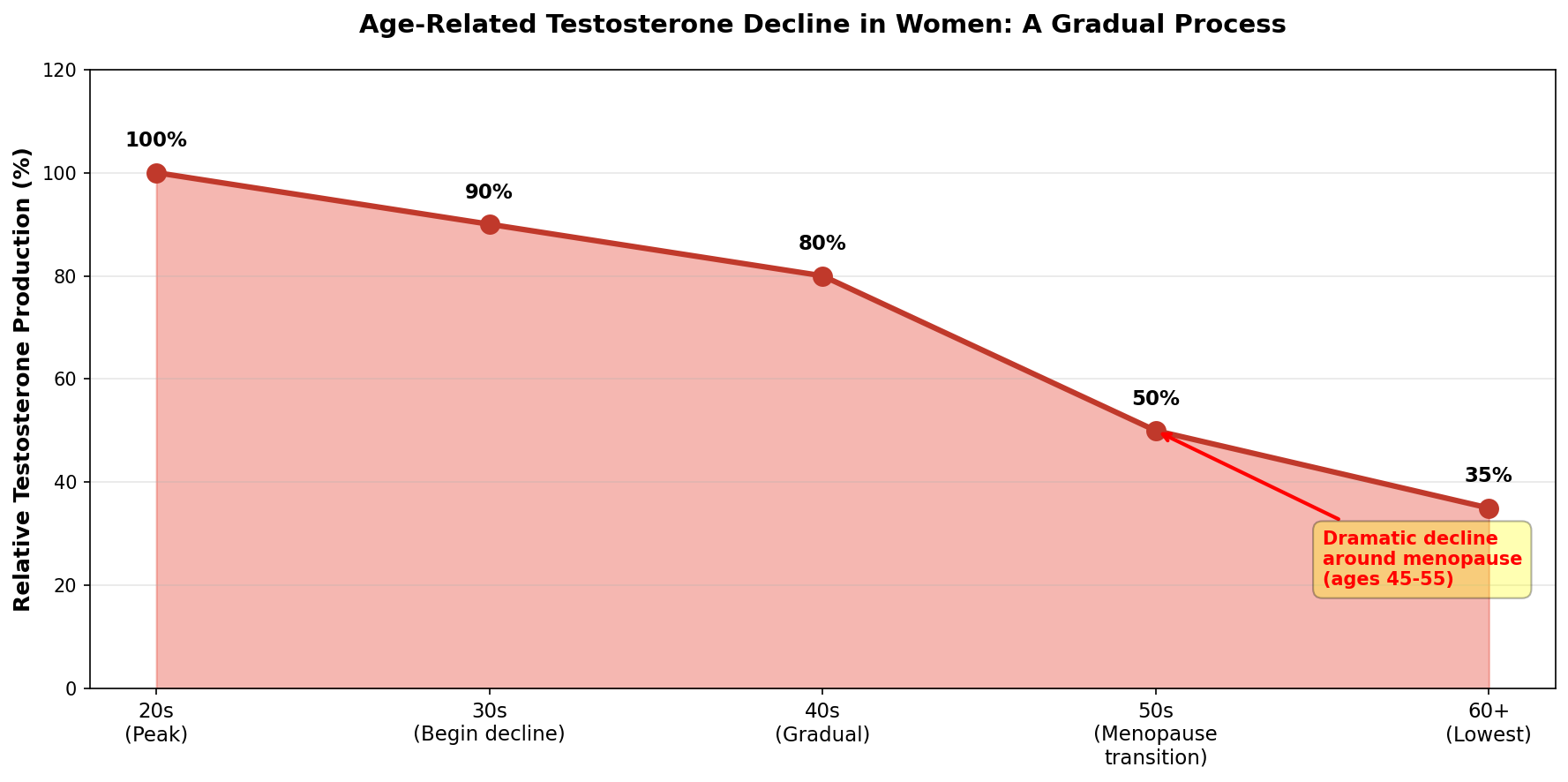 Figure 6: The typical timeline for noticing improvements in sexual function after starting testosterone therapy. Most women see clear improvement by weeks 6-8, with maximum effects by week 12.1
Weeks 1-3: Minimal improvement. Patience is needed.
Week 4: Some women might start noticing a difference, but it's not universal.
Weeks 6-8: Most women see noticeable improvement in sexual desire and function. This is when most people would say "it's working."
Week 12: Maximum benefit is usually reached. If it's going to work, you'll know by 12 weeks.
If you haven't seen benefit by 12 weeks, testosterone therapy might not be the right treatment for you.
Questions to Ask Your Healthcare Provider
Before considering testosterone therapy, have these conversations with your provider:
- Have my testosterone levels been measured with a high-quality test (LC-MSMS)?1
- What is my specific testosterone level, and how does it compare to normal ranges?1
- Is HSDD the right diagnosis for what I'm experiencing?1
- What dose are you proposing, and why? How is it monitored?1
- What improvement should I expect, and on what timeline?1
- What are the potential side effects I should watch for?1
- What long-term monitoring will be required?1
- How long is treatment expected to continue?1
- What are the alternatives or other approaches we could try first?1
- If I experience side effects, how quickly can we adjust treatment?1
What We Know vs. What Remains Uncertain
What Research Clearly Shows
Testosterone naturally declines with age, particularly around menopause.1 Surgical removal of ovaries causes dramatic testosterone loss.1 Testosterone is effective for treating HSDD, with improvement seen by 6-8 weeks.1 Transdermal testosterone at low physiologic doses is safe for short-term use (up to 2 years).1 Exercise, sleep, weight management, and stress reduction all support healthy testosterone.1 Weight loss can increase testosterone by up to 30%.1 Sleep restriction decreases testosterone by 10-15%.1
What Remains Uncertain
Long-term safety beyond 2 years is unknown.1 Optimal testosterone levels for women haven't been standardised.1 How common testosterone deficiency truly is remains unclear due to lack of standardised diagnostic criteria.1 Breast cancer risk beyond 2 years of use cannot be ruled out.1 Cardiovascular effects of long-term use haven't been established.1 Effectiveness for symptoms beyond HSDD lacks sufficient evidence.1
This uncertainty matters. If you're considering testosterone therapy, understand that you're making a decision with incomplete long-term safety data. This isn't meant to scare you but to ensure you make informed choices with full awareness of the knowns and unknowns.
The Most Important Question: Why Should You Care?
Testosterone affects bone strength, muscle maintenance, mood stability, cognitive function, and sexual health. If you're experiencing symptoms (whether that's fatigue, mood changes, sexual dysfunction, or loss of muscle strength), understanding testosterone's role in your body helps you:
- Recognise that these symptoms aren't psychological failings or simply "normal aging"1
- Advocate for appropriate testing if you suspect low testosterone1
- Understand the underlying biology so you can make informed decisions about treatment1
- Optimise lifestyle factors that are within your control1
- Have informed conversations with healthcare providers about your health1
Women's testosterone deficiency remains under-recognised and under-treated compared to men's, partly because of lack of standardised testing and treatment protocols.1 This represents an opportunity for better healthcare if you advocate for evaluation of testosterone when experiencing relevant symptoms.
Further Reading
Understanding Testosterone in Women
- Cleveland Clinic: Low Testosterone in Women
- NHS: Testosterone Levels
- WebMD: Low Testosterone in Women
- Medical News Today: Low Testosterone in Women
Sexual Health and HSDD
- The Impact of Testosterone on Female Sexual Function
- Hypoactive Sexual Desire Disorder: Assessment and Management
Bone Health and Osteoporosis
- Association between Testosterone Levels and Bone Mineral Density
- Dr Louise Newson: Can HRT and Testosterone Prevent Osteoporosis?
Lifestyle and Exercise
- Harvard Health: Lifestyle Strategies to Support Testosterone
- Effects of Integrated Exercise on Testosterone in Women
- High-Intensity Interval Training and Strength Training in Women with PCOS
Diagnosis and Testing
Treatment and Safety
- The Safety of Testosterone Therapy in Women
- Global Consensus Position Statement on Testosterone Therapy for Women
- Benefits and Risks of Testosterone Treatment for HSDD
References/Helpful Resources
- Research notes from testosterone_function.md, testosterone_symptoms.md, and testosterone_treatment.md; data from testosterone_symptom.md and data_summary.md; studies cited include NHANES 2011-2012 data, CDC 2015 data, and peer-reviewed research on testosterone in women.
- Data summary from data_summary.md; testing standards based on clinical guidelines for testosterone measurement in women.
