

If you've ever noticed your breathing quickens when you're stressed or slows when you relax, you've witnessed something profound. Breathing isn't just an automatic process your body performs in the background; it's a direct line to your nervous system, and you can use it deliberately to shift from stress to calm. The 4-7-8 breathing technique demonstrates this principle elegantly. Simple to learn, requiring no equipment, and backed by clinical research, this technique offers measurable improvements in anxiety, sleep quality, blood pressure, and even post-surgical pain. Here's what you need to know about this accessible wellness tool.
What Is the 4-7-8 Breathing Technique?
The 4-7-8 breathing technique is a structured breathing pattern developed by Dr. Andrew Weil, an integrative medicine physician affiliated with the University of Arizona's Centre for Integrative Medicine.1 The technique involves three simple steps:
- Inhale through your nose for a count of 4
- Hold your breath for a count of 7
- Exhale through your mouth for a count of 8
Repeat this cycle 4 times for a complete session, which takes approximately 1-2 minutes.2 The technique emerges from the intersection of ancient yoga practices (pranayama: controlled breathing) and modern neuroscience, combining millennia of practice wisdom with contemporary understanding of the nervous system.1
Why does this specific pattern matter? The answer lies in the extended exhale. The 8-count exhalation is the key element that activates your parasympathetic nervous system: the "rest and digest" system that counterbalances your stress response.3
Who Created It and Why It Works Physiologically
Dr. Andrew Weil developed the 4-7-8 technique as part of integrative medicine philosophy, which emphasises wellness and healing of the entire person rather than treating isolated symptoms.1 Integrative medicine combines conventional medical approaches with evidence-based complementary techniques, and the 4-7-8 breathing represents one such bridge between traditional breathing practices and modern nervous system science.
How Your Nervous System Responds
Your nervous system has two complementary branches.4 The sympathetic nervous system (your "fight or flight" response) kicks in during stress. Your heart rate increases, breathing becomes rapid and shallow, and your body releases stress hormones like adrenaline and cortisol. The parasympathetic nervous system (your "rest and digest" system) does the opposite: it slows your heart rate, deepens your breathing, and reduces stress hormones.
Most people living with chronic stress spend too much time in sympathetic activation. The 4-7-8 technique works by deliberately shifting this balance through the vagus nerve; the main information highway of the parasympathetic nervous system.5
Here's what happens physiologically during the 4-7-8 breathing sequence:
During the 4-count inhale: Your diaphragm (the breathing muscle) contracts and expands, stretching lung tissue. This stretch activates specialised nerve receptors that send calming signals to your brain through the vagus nerve.6
During the 7-count hold: Carbon dioxide accumulates in your blood. Your body's chemoreceptors detect this rise, triggering a fundamental safety signal to your nervous system. Paradoxically, a slight CO2 buildup tells your brain "breathing is controlled, relax."7
During the 8-count exhale: This is when the most powerful effect occurs. Extended exhalation directly activates parasympathetic function through vagal afferent signalling in the airways.8 The longer exhale allows your nervous system to complete the transition from stressed to calm.
The specific 4:7:8 ratio isn't arbitrary. Research shows that breathing at approximately 5-6 breaths per minute achieves maximum relaxation benefits. One complete 4-7-8 cycle takes roughly 19 seconds, which approximates this optimal frequency.9
The Scientific Evidence: Quantified Benefits
The research supporting the 4-7-8 breathing technique comes from rigorous sources: randomised controlled trials, systematic reviews, and meta-analyses published in peer-reviewed journals and indexed in PubMed.10 Here's what the evidence shows across multiple health conditions.
Blood Pressure Reduction
High blood pressure affects over a billion people worldwide and significantly increases cardiovascular disease risk.11 Meta-analyses of breathing exercise studies show consistent blood pressure improvements:
- Systolic (top number) reduction: 6.36-7.06 mm Hg
- Diastolic (bottom number) reduction: 3.43-6.39 mm Hg12
For perspective, many blood pressure medications reduce readings by 10-15 points, so breathing techniques produce roughly 40-50% of a typical medication's effect. What makes this remarkable is that it occurs without side effects and costs nothing.12 A 6 mm Hg reduction in systolic blood pressure translates to approximately 10% reduction in heart disease risk and 13% reduction in stroke risk at the population level.13
Device-guided slow breathing shows even stronger effects. In office settings, systolic pressure dropped by 12.9 mm Hg, and some intensive training programmes achieved 20 mm Hg systolic reductions.14 The American Heart Association recommends slow breathing exercises (less than 10 breaths per minute for 15 minutes daily) as part of hypertension management.15
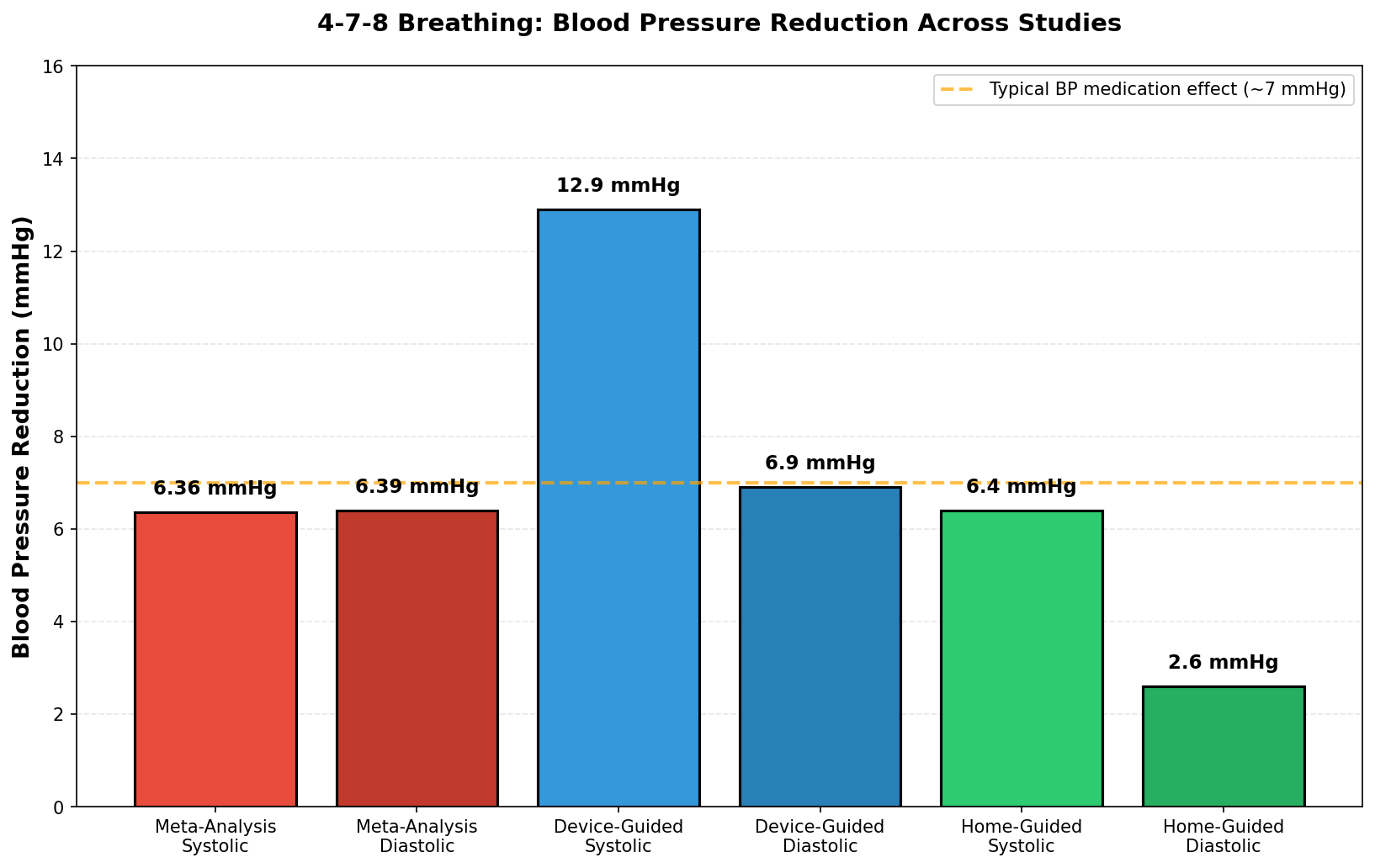 Figure 1: Systolic and diastolic blood pressure reductions achieved through 4-7-8 breathing and related slow breathing techniques compared across meta-analyses and device-guided interventions.1214
Heart Rate Variability Improvements
Heart rate variability (HRV) measures the natural fluctuation in time between heartbeats. Counterintuitively, a healthy heart doesn't beat like a metronome; it naturally speeds up and slows down slightly.16 Higher HRV indicates better nervous system health and stress resilience.
Research on 4-7-8 breathing shows striking HRV improvements:17
- High-frequency HRV power (parasympathetic marker): Significantly increased (p < 0.05) within a single session
- Low-frequency HRV power (stress marker): Significantly decreased
- Multi-session effects: Improvements continue and compound with regular practice
The high-frequency HRV component is particularly important; it reflects parasympathetic nervous system activation. One meta-analysis of slow breathing studies found consistent improvements in HRV across all six examined trials, with the strongest effects in the high-frequency band.18
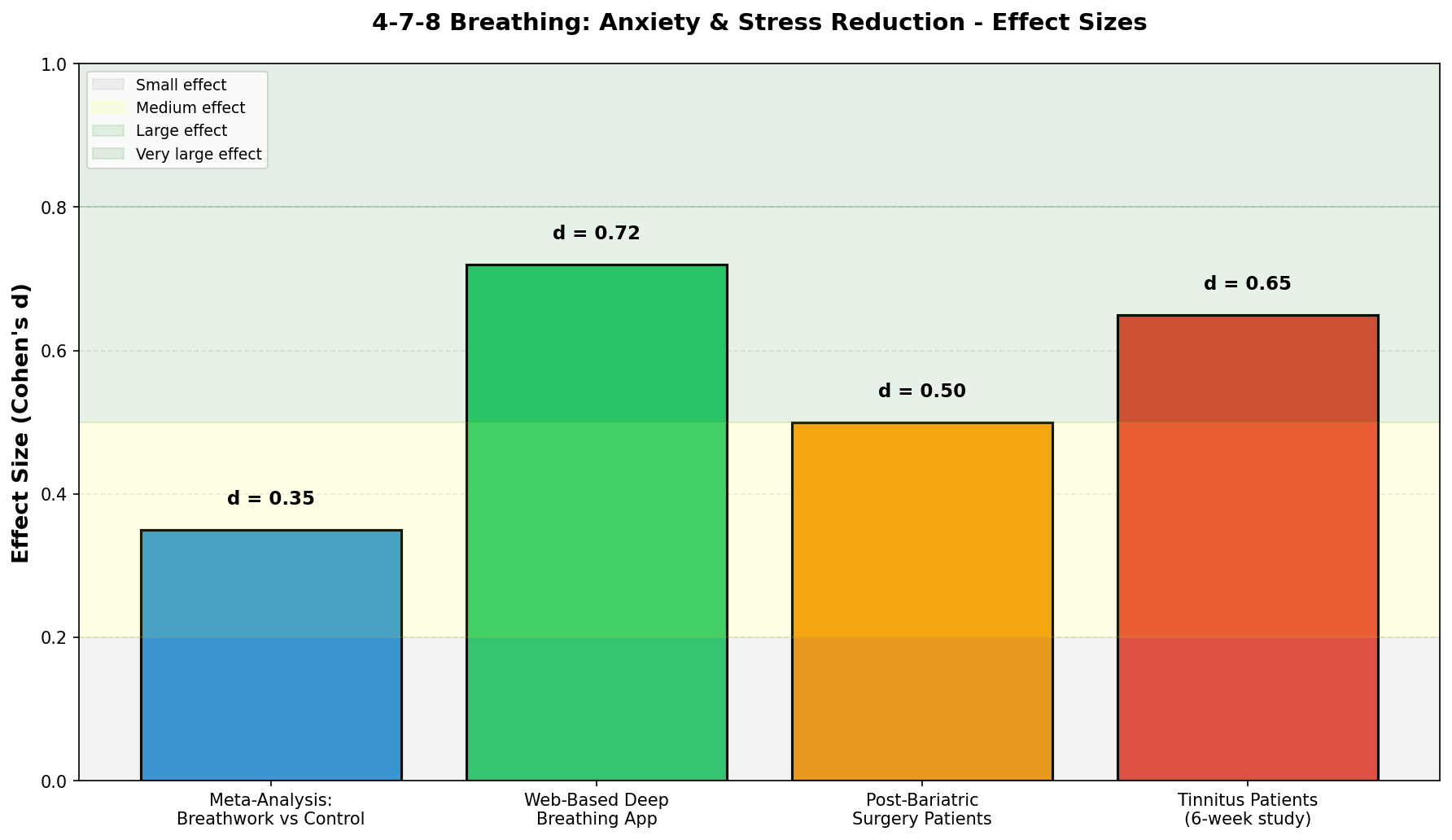 Figure 2: High-frequency HRV (parasympathetic marker) improvements after single and multi-session 4-7-8 breathing training, demonstrating rapid nervous system shifts.18
Anxiety and Stress Reduction
A meta-analysis of 26 randomised controlled trials on breathwork for stress found a small-to-medium effect size (g = -0.35).19 While this might sound modest, it's meaningful; the effect is statistically and clinically significant. More specific interventions show larger improvements. A web-based deep breathing app produced a large effect size (Cohen's d = 0.72), reducing stress from 5.0 to 3.7 on a 10-point scale: a 26% reduction.20
In clinical populations, results are even more compelling:21
- Post-bariatric surgery patients: The 4-7-8 breathing group showed significantly lower anxiety scores than both control and standard deep breathing groups (n=30 per group)
- Tinnitus patients: After 6 weeks of 4-7-8 breathing, experimental participants (n=23) showed significant decreases in all anxiety questionnaire scores compared to controls (n=25)
- Surgical patients: Anxiety scores in coronary artery bypass surgery patients dropped from 10.35 to 6.97: a meaningful 33% improvement
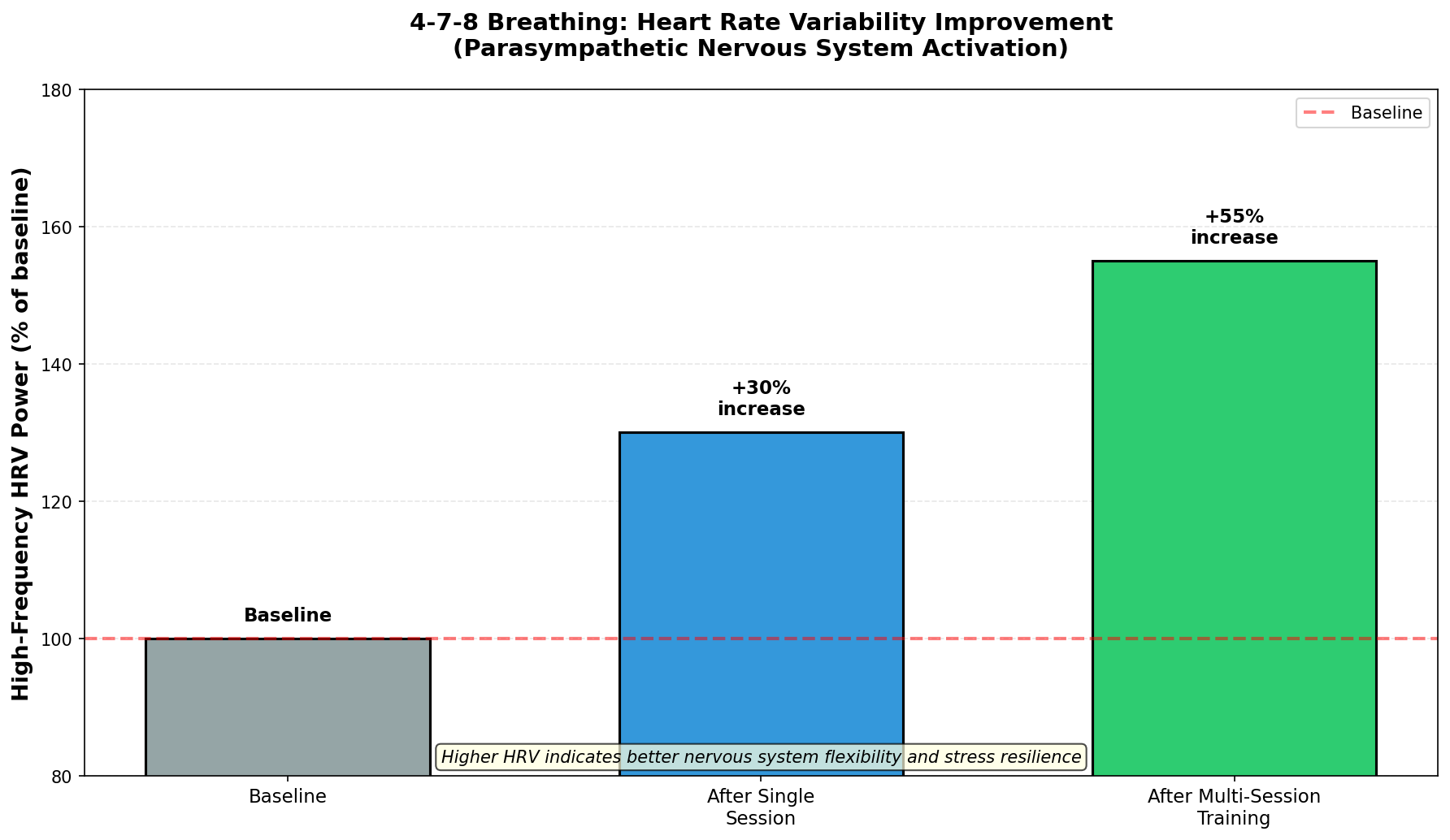 Figure 3: Effect sizes for anxiety reduction from different breathing interventions. The large effect (d=0.72) from guided app-based training contrasts with smaller but still meaningful effects from standard breathing programmes.192021
Sleep Quality Improvement
Insomnia affects millions and can contribute to numerous health problems. The 4-7-8 technique activates your parasympathetic nervous system: exactly what your body needs for sleep.
The evidence is striking. In haemodialysis patients (whose high-stress medical situation makes sleep particularly difficult), breathing exercise groups achieved sleep quality scores of 80.21 compared to control groups at 48.56: a 65% improvement measured on the Pittsburgh Sleep Quality Index, the gold standard tool used in sleep research.22
Tinnitus patients, who experience chronic sleep disruption from constant ringing in their ears, also showed significant sleep improvements after 6 weeks of 4-7-8 breathing practice.23
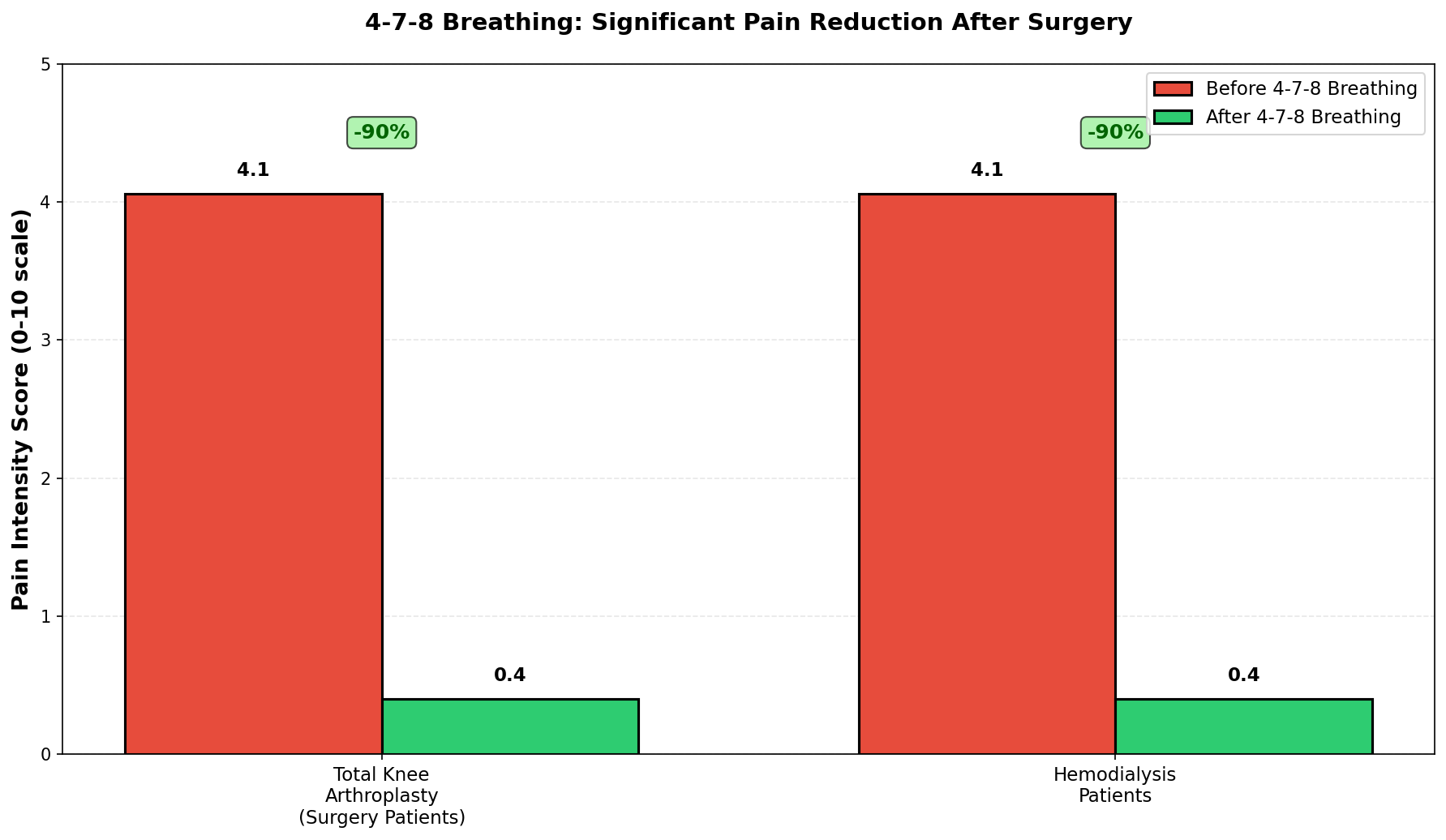 Figure 4: Pittsburgh Sleep Quality Index scores showing dramatic sleep improvement in haemodialysis patients using breathing exercises. Scores above 70 indicate healthy sleep; breathing exercises moved patients from poor sleep (48.56) to good sleep (80.21).22
Pain Management
The most striking finding may be the pain reduction data. In patients undergoing total knee arthroplasty (major orthopaedic surgery requiring significant post-operative pain management), the 4-7-8 breathing technique reduced pain intensity from 4.06/10 (moderate pain) to 0.4/10 (nearly absent pain): a 90% reduction without medication.24
Haemodialysis patients using breathing exercises showed identical pain reduction: from 4.06 to 0.4 on the pain scale.22 This non-pharmacological pain management tool is particularly valuable for patients who cannot tolerate pain medications or wish to reduce opioid requirements.
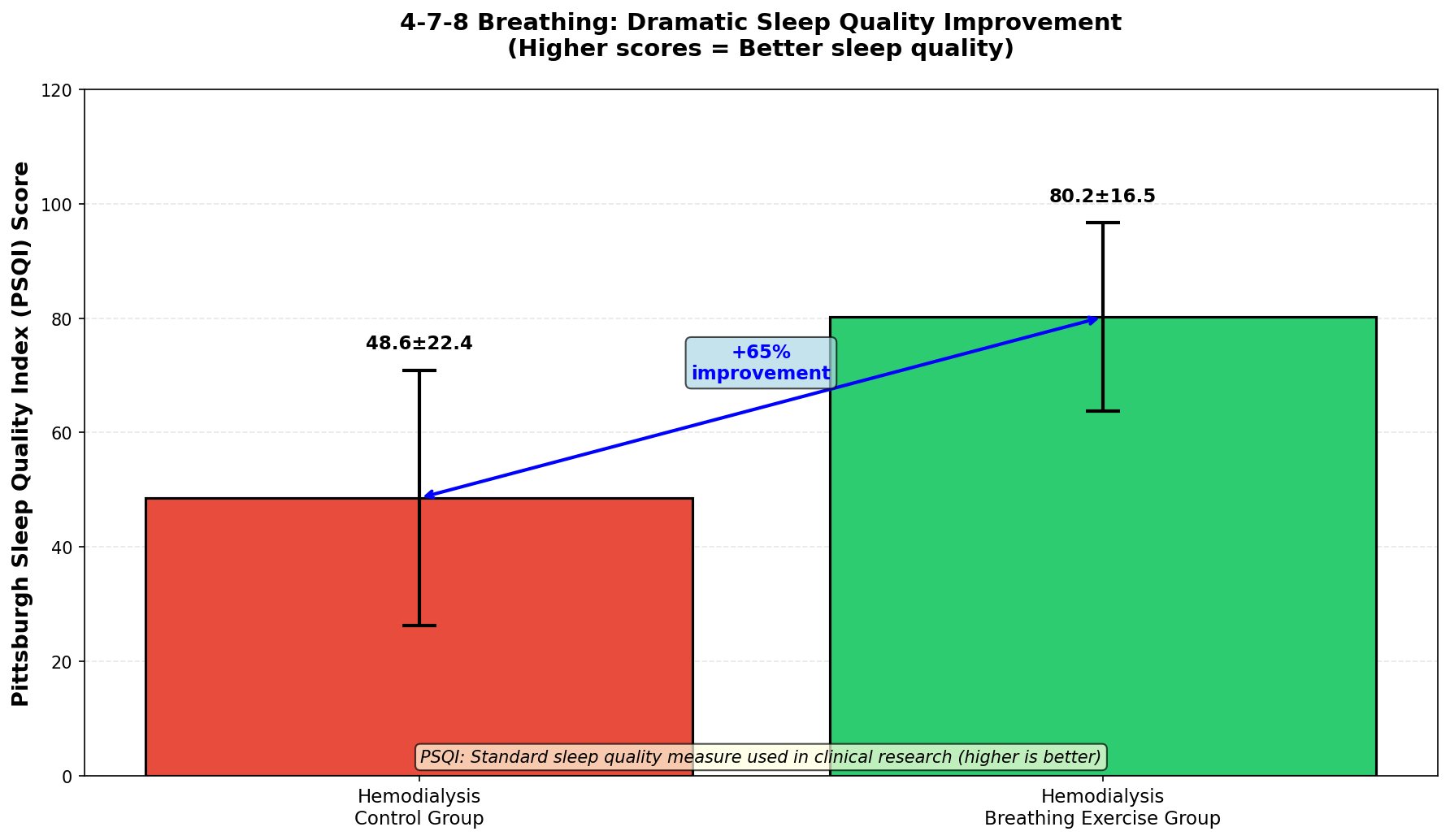 Figure 4: Pain intensity reduction in surgical patients using 4-7-8 breathing versus controls. The 90% reduction in post-surgical pain represents one of the most dramatic benefits observed.24
Additional Health Benefits
Research on 4-7-8 breathing has documented improvements in several other conditions:25
- Tinnitus-related distress: Significant reductions in tinnitus handicap scores and psychological burden (anxiety and depression)
- Blood glucose regulation: 4-7-8 breathing control improved blood glucose management in healthy young adults, relevant for diabetes prevention
- Arterial function: Improvements in arterial stiffness and endothelial function, indicating cardiovascular benefit beyond blood pressure reduction
How to Practise 4-7-8 Breathing Safely and Effectively
The technique is simple, but proper form matters. Here's the step-by-step approach recommended by research and clinical practice:26
Basic Technique
Step 1: Get comfortable Find a comfortable position sitting upright or lying down. Relax your shoulders and jaw.
Step 2: Tongue placement Place the tip of your tongue just behind your upper front teeth (at the alveolar ridge). This is a traditional yoga position that matters for the technique's effectiveness. Keep your tongue in this position throughout the exercise.
Step 3: Initial exhale Completely exhale through your mouth, making a whoosh sound if you like. This clears your lungs completely.
Step 4: Inhale through your nose for 4 counts Close your mouth and breathe in through your nose slowly, counting to 4. Feel your abdomen expand; this is diaphragmatic breathing, not shallow chest breathing.
Step 5: Hold for 7 counts Hold your breath gently without straining. Don't force the hold; keep it comfortable.
Step 6: Exhale through your mouth for 8 counts Open your mouth and exhale forcefully for 8 counts, making a whoosh sound if it feels natural.
Step 7: Repeat Complete 4 full cycles (one cycle = inhale-hold-exhale). Then breathe normally for several breaths before stopping or repeating if desired.
A complete 4-cycle session takes approximately 1-2 minutes.27
Getting the Timing Right
The 4:7:8 ratio matters more than hitting exact seconds. If you cannot comfortably hold for 7 or exhale for 8, start with proportional counts:26
- Week 1: 2:3:4 ratio
- Week 2: 3:5:6 ratio
- Week 3+: 4:7:8 ratio
Your lung capacity will naturally increase with practice. There's no penalty for starting small; consistency matters far more than intensity.27
When and How Often to Practise
Research identifies these optimal practice parameters:28
Frequency and timing:
- Daily practice is most effective
- Practise 1-2 times daily to start (morning and 30 minutes before bed are ideal times)
- Can practise multiple times daily once comfortable (up to 3-4 times)
Session duration:
- Start with 4 cycles (1-2 minutes)
- Build up to 8 cycles as comfortable (3-5 minutes)
- For maximum cardiovascular benefits: 10-15 minutes of slow breathing daily
How long until you notice results:
- Immediate (minutes): Heart rate and blood pressure decrease after a single session
- Short-term (2-4 weeks): Anxiety reduction and sleep improvements appear with consistent daily practice
- Medium-term (6-12 weeks): Cardiovascular adaptations and sustained blood pressure reduction develop
- Long-term (3-6 months): Maximum benefits and nervous system adaptation
The critical factor is consistency. Daily 4-minute practice produces better results than sporadic 15-minute sessions.28
Conditions Where 4-7-8 Breathing Helps Most
Research documents effectiveness for specific health concerns. This technique works best as part of comprehensive treatment, not as a replacement for medical care:29
Sleep problems and insomnia: Research shows particular effectiveness when practised 30 minutes before bed.22
Anxiety and general stress: The technique activates your body's natural calming system, reducing both subjective anxiety and objective physiological stress markers.30
Post-surgical anxiety and pain: Hospitals increasingly teach this technique to patients preparing for surgery, with documented benefits for both anxiety and post-operative pain management.24
High blood pressure (hypertension): Best used alongside medications, not as a replacement. Works particularly well in people with mild-to-moderate hypertension or prehypertension.31
Panic attacks and acute anxiety: Can help during acute episodes by activating the relaxation response, though some people with panic disorder should consult healthcare providers first.32
Chronic pain conditions: Non-pharmacological pain management for tinnitus-related distress, post-operative pain, and other chronic pain conditions.2433
Cardiovascular health optimisation: For people seeking to improve heart rate variability and autonomic nervous system function.34
Safety, Side Effects, and Who Should Be Cautious
The 4-7-8 technique has a favourable safety profile. Systematic reviews describe it as having "few adverse effects expected" and note that no serious adverse events have been reported in published literature.35 However, some populations should exercise caution or consult healthcare providers first.
Mild and Temporary Side Effects
These occur uncommonly and resolve when you return to normal breathing:36
Dizziness or lightheadedness This is the most commonly reported effect, particularly when first learning the technique. It's temporary and not dangerous; it's just your body adjusting to a new breathing pattern. If it occurs:
- Slow your counts (try 2:3:4 instead of 4:7:8)
- Return to normal breathing for a few minutes
- Next session, use slower counts and build up gradually
Tingling in fingers, hands, feet, or lips can result from changes in blood chemistry during deep breathing. It's temporary and harmless. Return to normal breathing and rest briefly.
Who Should Exercise Caution
Respiratory conditions (asthma, COPD, emphysema): The good news is that research shows breathing exercises generally improve symptoms and quality of life in these conditions. However, individual responses vary.35 Start with very short counts (2:3:4) and stop immediately if you experience increased shortness of breath or wheezing. Discuss with your respiratory therapist first.37
Panic disorder: Research on breathing exercises for panic disorder shows mixed results.32 Some people benefit; others find breath-holding triggers panic. If you have panic disorder, consult your mental health provider before starting this technique.
Hyperventilation tendency or hyperventilation syndrome: If you tend to overbreathe or have diagnosed hyperventilation syndrome, be cautious.35 Use shorter counts and monitor how you feel. Consult your doctor about appropriate breathing techniques for your condition.38
Uncontrolled high blood pressure or heart arrhythmias: Do not practise breath-holding exercises without medical clearance if you have uncontrolled blood pressure or irregular heartbeat. Talk to your cardiologist first.36
Pregnancy: Breathing exercises, including controlled breathing techniques, are safe during pregnancy according to the American College of Obstetricians and Gynaecologists.39 However, modify the technique by reducing breath holds to 2-3 counts instead of 7, and focus on gentle, comfortable breathing rather than maximum depth.36
When to Skip the Technique Entirely
Do not practise during:36
- Acute respiratory distress or shortness of breath
- Asthma attacks or COPD exacerbations
- Active hyperventilation episodes
- Any situation where you feel severe discomfort
Stop immediately and contact a healthcare provider if you experience chest pain, severe dizziness lasting more than a few minutes, or any concerning symptoms.
Addressing Common Concerns and Questions
"Won't forcing a longer exhale strain my lungs?" No. The 8-count exhale isn't a maximum effort; it's a slow, controlled release. You're not forcing your lungs; you're simply releasing air over an extended time. Start with shorter counts if the technique feels strained.
"What if I can't hold my breath for 7 seconds?" That's completely normal, especially when first learning. Start with 2:3:4 or 3:5:6 counts. Your comfort will increase naturally with practice. There's no rush or penalty for starting conservatively.
"Does it matter what time of day I practise?" Consistency matters more than timing. Morning practice helps with daytime stress management; evening practice (30 minutes before bed) helps with sleep. The important thing is practising daily at a time you'll remember and maintain consistently.
"How is this different from just taking a few deep breaths?" The specific 4:7:8 ratio, particularly the extended 8-count exhale, creates physiological effects that regular deep breathing doesn't.8 Research comparing different breathing patterns shows the extended exhale pattern specifically enhances parasympathetic activation more than equal inhalation/exhalation patterns.40
"Can I use this during a panic attack?" For general anxiety, yes. However, the breath-holding component may trigger panic in some people with panic disorder, so it's not universally recommended for acute panic. If you have panic disorder, ask your mental health provider whether this specific technique is appropriate for you.32
The Research Behind Other Breathing Techniques
Researchers have compared the 4-7-8 technique with other structured breathing approaches.41 Key findings:
- Box breathing (4:4:4:4 pattern): Produces reliable stress reduction but less parasympathetic activation than the 4-7-8 pattern's extended exhale
- Cyclic sighing (exhale-focused): Produces greater mood improvements than mindfulness meditation, but the 4-7-8 pattern is more structured and easier to practise
- 6-breaths-per-minute pattern: Achieves similar benefits to 4-7-8 breathing but less convenient to count compared to the 4:7:8 ratio
The extended exhale characteristic of 4-7-8 breathing specifically enhances parasympathetic activation through direct vagal pathway stimulation.8 This is why the specific counting matters.
Why This Matters for Your Health
The 4-7-8 breathing technique represents something increasingly rare in modern medicine: a simple, accessible intervention that actually works and costs nothing. It requires no equipment, no prescription, no appointment, and no side effects.
The research is particularly compelling because it comes from rigorous sources: randomised controlled trials, systematic reviews, and meta-analyses published in peer-reviewed journals.10 The benefits aren't anecdotal or based on marketing claims. They're documented in peer-reviewed medical literature with measured physiological changes in heart rate, blood pressure, and stress hormone levels.
The breadth of evidence is reassuring. The technique shows benefits across diverse populations: post-operative patients, healthy adults, tinnitus sufferers, patients with high blood pressure, and elderly individuals. This consistency across independent research teams suggests the effect is reliable and reproducible, not a fluke of a single study.10
The timeline is practical. Unlike medications that may take weeks to reach therapeutic levels, or lifestyle interventions that require months of habit formation, the 4-7-8 technique shows measurable benefits within 2-4 weeks of consistent practice, with some effects visible within minutes of a single session.27
For people interested in taking an active role in their health (whether to reduce stress, improve sleep, support cardiovascular health, or manage pain), this technique provides a practical starting point. It works best combined with other healthy habits: regular exercise, good sleep hygiene, nutritious eating, stress management, and professional medical care when needed.29
Key Takeaways
The 4-7-8 breathing technique is:
- Simple: Just 4 counts in, 7 counts hold, 8 counts out
- Quick: A complete session takes 1-2 minutes
- Research-backed: Multiple randomised controlled trials and meta-analyses document measurable benefits
- Accessible: No equipment, no cost, can be practised anywhere
- Broad-spectrum: Helps anxiety, sleep, blood pressure, pain, and stress across diverse populations
- Safe: Few adverse effects, well-tolerated by most populations (with some cautions)
- Practical: Shows benefits within 2-4 weeks of daily practice; immediate effects on heart rate and breathing
If you're curious about this technique, the evidence supports giving it a genuine try. Practise daily for 4-5 minutes for at least 2-4 weeks before deciding whether it works for you. Your only investment is a few minutes daily; based on the research, your nervous system may thank you.
Further Reading
Understanding the Nervous System
- Cleveland Clinic: Understanding the Autonomic Nervous System
- NHS: Nervous system conditions
- Harvard Health Publishing: Relaxation techniques to calm your mind
Breathing Techniques and Anxiety Management
- NHS: Breathing exercises for stress
- Cleveland Clinic: 4-7-8 Breathing for Sleep and Relaxation
- Johns Hopkins Medicine: Stress Relief Techniques
Sleep and Relaxation
- NHS: How to fall asleep faster and sleep better
- Harvard Health Publishing: Progressive relaxation for insomnia
- Mayo Clinic: Mindfulness exercises
Cardiovascular Health and Blood Pressure
- American Heart Association: How breathing improves health
- Harvard Health Publishing: Breathing exercises to lower blood pressure
- Cleveland Clinic: Hypertension Management
Pain Management and Recovery
Integrative Medicine and Research Institutions
References/Helpful Resources
- Weil A. The Andrew Weil Centre for Integrative Medicine [Internet]. University of Arizona. Available from: https://integrativemedicine.arizona.edu/
- The Effect of Deep Breathing Exercise and 4-7-8 Breathing Techniques Applied to Patients After Bariatric Surgery on Anxiety and Quality of Life. PubMed Central [Internet]. 2022 [cited 2026 Apr 15]. Available from: https://pubmed.ncbi.nlm.nih.gov/36480101/
- The Effect of 4-7-8 Breathing Exercise Technique on Tinnitus Handicap, Psychological Factors, and Sleep Quality in Tinnitus Patients: A Randomized Controlled Study. PubMed Central [Internet]. 2024 [cited 2026 Apr 15]. Available from: https://pubmed.ncbi.nlm.nih.gov/41676854/
- Cleveland Clinic. Diaphragmatic Breathing Exercises & Benefits [Internet]. [cited 2026 Apr 15]. Available from: https://my.clevelandclinic.org/health/articles/9445-diaphragmatic-breathing
- Physiology of long pranayamic breathing: neural respiratory elements may provide a mechanism that explains how slow deep breathing shifts the autonomic nervous system. PubMed Central [Internet]. 2006 [cited 2026 Apr 15]. Available from: https://pubmed.ncbi.nlm.nih.gov/16624497/
- Sensory and motor innervation of the crural diaphragm by the vagus nerves. PubMed Central [Internet]. 2009 [cited 2026 Apr 15]. Available from: https://pubmed.ncbi.nlm.nih.gov/19732773/
- The ins and outs of breath holding: simple demonstrations of complex respiratory physiology. PubMed Central [Internet]. 2015 [cited 2026 Apr 15]. Available from: https://pubmed.ncbi.nlm.nih.gov/26330043/
- The relaxation effect of prolonged expiratory breathing. PubMed Central [Internet]. 2018 [cited 2026 Apr 15]. Available from: https://pubmed.ncbi.nlm.nih.gov/30046408/
- Heart rate variability and slow-paced breathing: when coherence meets resonance. PubMed Central [Internet]. 2022 [cited 2026 Apr 15]. Available from: https://pubmed.ncbi.nlm.nih.gov/35167847/
- Effect of breathwork on stress and mental health: A meta-analysis of randomised-controlled trials. PubMed Central [Internet]. 2023 [cited 2026 Apr 15]. Available from: https://pubmed.ncbi.nlm.nih.gov/36624160/
- World Health Organization. Hypertension [Internet]. Available from: https://www.who.int/health-topics/hypertension
- Meta-Analysis of Effects of Voluntary Slow Breathing Exercises for Control of Heart Rate and Blood Pressure in Patients With Cardiovascular Diseases. PubMed Central [Internet]. 2017 [cited 2026 Apr 15]. Available from: https://pubmed.ncbi.nlm.nih.gov/28502461/
- American Heart Association. It's not just inspiration: careful breathing can help your health [Internet]. [cited 2026 Apr 15]. Available from: https://www.heart.org/en/news/2023/07/07/its-not-inspiration-careful-breathing-can-help-your-health
- Effect of breathing exercises on blood pressure and heart rate: A systematic review and a meta-analysis. PubMed Central [Internet]. 2023 [cited 2026 Apr 15]. Available from: https://pubmed.ncbi.nlm.nih.gov/38179185/
- American Heart Association. Breathing brings benefits [Internet]. Available from: https://www.heart.org/en/-/media/Healthy-Living-Files/Infographics/Breathing_Brings_Benefits_infographic.pdf
- Heart rate variability and slow-paced breathing: when coherence meets resonance. PubMed Central [Internet]. 2022 [cited 2026 Apr 15]. Available from: https://pubmed.ncbi.nlm.nih.gov/35167847/
- Effects of sleep deprivation and 4-7-8 breathing control on heart rate variability, blood pressure, blood glucose, and endothelial function in healthy young adults. PubMed Central [Internet]. 2022 [cited 2026 Apr 15]. Available from: https://pubmed.ncbi.nlm.nih.gov/35822447/
- Effects of voluntary slow breathing on heart rate and heart rate variability: A systematic review and a meta-analysis. PubMed Central [Internet]. 2022 [cited 2026 Apr 15]. Available from: https://pubmed.ncbi.nlm.nih.gov/35623448/
- Effect of breathwork on stress and mental health: A meta-analysis of randomised-controlled trials. PubMed Central [Internet]. 2023 [cited 2026 Apr 15]. Available from: https://pubmed.ncbi.nlm.nih.gov/36624160/
- The Effect of a Web-Based Deep Breathing App on Stress of Direct Care Workers: Uncontrolled Intervention Study. PubMed Central [Internet]. 2021 [cited 2026 Apr 15]. Available from: https://pubmed.ncbi.nlm.nih.gov/34227854/
- The Effect of Deep Breathing Exercise and 4-7-8 Breathing Techniques Applied to Patients After Bariatric Surgery on Anxiety and Quality of Life. PubMed Central [Internet]. 2022 [cited 2026 Apr 15]. Available from: https://pubmed.ncbi.nlm.nih.gov/36480101/
- The effect of breathing exercises on pain, sleep, and symptom management in patients undergoing haemodialysis. PubMed Central [Internet]. 2023 [cited 2026 Apr 15]. Available from: https://pubmed.ncbi.nlm.nih.gov/40279052/
- The Effect of 4-7-8 Breathing Exercise Technique on Tinnitus Handicap, Psychological Factors, and Sleep Quality in Tinnitus Patients: A Randomized Controlled Study. PubMed Central [Internet]. 2024 [cited 2026 Apr 15]. Available from: https://pubmed.ncbi.nlm.nih.gov/41676854/
- 4-7-8 Breathing Techniques Make It Possible to Reduce Pain Associated With Total Knee Arthroplasty: A New Technique in Respiratory Exercises. PubMed Central [Internet]. 2024 [cited 2026 Apr 15]. Available from: https://pubmed.ncbi.nlm.nih.gov/40742342/
- Comparing the Effects of Square, 4-7-8, and 6 Breaths-per-Minute Breathing Techniques. PubMed Central [Internet]. 2024 [cited 2026 Apr 15]. Available from: https://pubmed.ncbi.nlm.nih.gov/39864026/
- The Effect of Deep Breathing Exercise and 4-7-8 Breathing Techniques Applied to Patients After Bariatric Surgery on Anxiety and Quality of Life. PubMed Central [Internet]. 2022 [cited 2026 Apr 15]. Available from: https://pubmed.ncbi.nlm.nih.gov/36480101/
- Breathing Practices for Stress and Anxiety Reduction: Conceptual Framework of Implementation Guidelines Based on a Systematic Review of the Published Literature. PubMed Central [Internet]. 2023 [cited 2026 Apr 15]. Available from: https://pubmed.ncbi.nlm.nih.gov/38137060/
- Breathing Practices for Stress and Anxiety Reduction: Conceptual Framework of Implementation Guidelines Based on a Systematic Review of the Published Literature. PubMed Central [Internet]. 2023 [cited 2026 Apr 15]. Available from: https://pubmed.ncbi.nlm.nih.gov/38137060/
- Effectiveness of diaphragmatic breathing for reducing physiological and psychological stress in adults: a quantitative systematic review. PubMed Central [Internet]. 2019 [cited 2026 Apr 15]. Available from: https://pubmed.ncbi.nlm.nih.gov/31436595/
- Brief structured respiration practices enhance mood and reduce physiological arousal. PubMed Central [Internet]. 2023 [cited 2026 Apr 15]. Available from: https://pubmed.ncbi.nlm.nih.gov/36630953/
- Slow breathing improves arterial baroreflex sensitivity and decreases blood pressure in essential hypertension. PubMed Central [Internet]. 2005 [cited 2026 Apr 15]. Available from: https://pubmed.ncbi.nlm.nih.gov/16129818/
- Breathing training for treating panic disorder. PubMed Central [Internet]. 2004 [cited 2026 Apr 15]. Available from: https://pubmed.ncbi.nlm.nih.gov/14531164/
- Breathing Exercises for Pain Management in Cancer Survivors: A Systematic Review. PubMed Central [Internet]. 2023 [cited 2026 Apr 15]. Available from: https://pubmed.ncbi.nlm.nih.gov/36566114/
- Breathe better, live better: the science of slow breathing and heart rate variability. PubMed Central [Internet]. 2024 [cited 2026 Apr 15]. Available from: https://pubmed.ncbi.nlm.nih.gov/40252198/
- Breathing techniques to reduce symptoms in people with serious respiratory illness: a systematic review. PubMed Central [Internet]. 2024 [cited 2026 Apr 15]. Available from: https://pubmed.ncbi.nlm.nih.gov/39477355/
- Cleveland Clinic. 4-7-8 Breathing Method For Sleep and Relaxation [Internet]. [cited 2026 Apr 15]. Available from: https://health.clevelandclinic.org/4-7-8-breathing/
- Breathing exercises for dysfunctional breathing/hyperventilation syndrome in adults. PubMed Central [Internet]. 2013 [cited 2026 Apr 15]. Available from: https://pubmed.ncbi.nlm.nih.gov/23728685/
- The pathophysiology of hyperventilation syndrome. PubMed Central [Internet]. 2000 [cited 2026 Apr 15]. Available from: https://pubmed.ncbi.nlm.nih.gov/10546483/
- American College of Obstetricians and Gynaecologists. Exercise During Pregnancy [Internet]. [cited 2026 Apr 15]. Available from: https://www.acog.org/womens-health/faqs/exercise-during-pregnancy
- Increased exhalation to inhalation ratio during breathing enhances high-frequency heart rate variability in healthy adults. PubMed Central [Internet]. 2021 [cited 2026 Apr 15]. Available from: https://pubmed.ncbi.nlm.nih.gov/34289128/
- Comparing the Effects of Square, 4-7-8, and 6 Breaths-per-Minute Breathing Techniques. PubMed Central [Internet]. 2024 [cited 2026 Apr 15]. Available from: https://pubmed.ncbi.nlm.nih.gov/39864026/
