

Red bumps on your skin can either be acne or folliculitis. These are two completely different conditions that require different treatments. Getting the incorrect diagnosis and hence incorrect treatment could make your skin worse.
What Is Acne?
Acne vulgaris is a hormonal, inflammatory condition that affects the entire pilosebaceous unit (the hair follicle and its attached oil gland). During puberty, hormones called androgens signa the oil glands to produce more sebum. At the same time, the lining of your hair follicles starts shedding skin cells faster than normal. The excess skin cells mixed with the extra oil, form a plug that blocks the follicle opening, creating an environment that becomes perfect for bacteria called Cutibacterium acnes to multiply, triggering inflammation. It results in blackheads, whiteheads, red bumps or painful cysts.
Acne is common, about 9.4% of the global population has it at any given time. Among adolescents aged 15-19, the peak prevalence is 13.02%, which is about 1 in 8 teenagers. Furthermore, acne does not just affect teenagers anymore. Increasingly, adults (particularly women) are developing or struggling with persistent acne after their twenties.
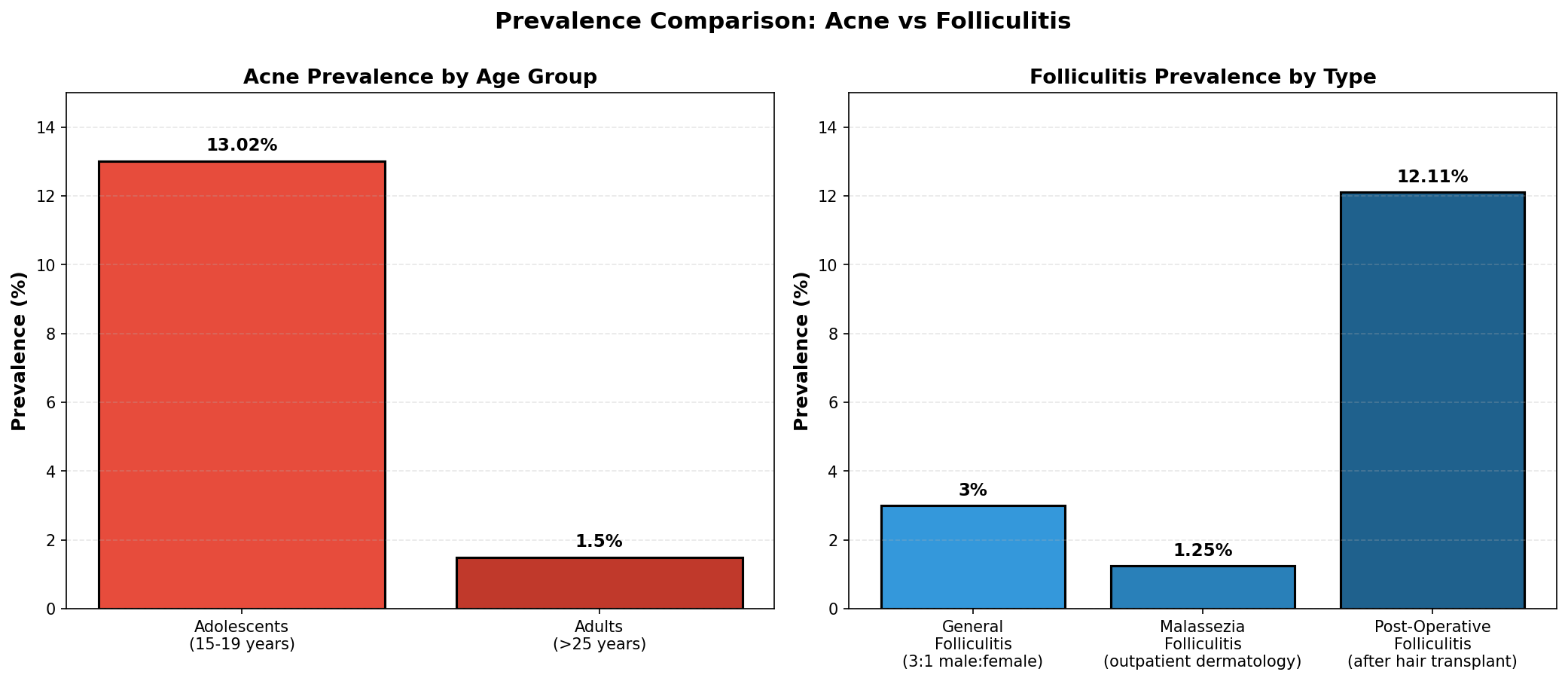
Figure 1: Acne is predominantly an adolescent condition, but post-adolescent acne increasingly affects adult women.
What Does Acne Look Like?
The hallmark of acne is the presence of comedones (blackheads and whiteheads). These are bumps with keratin and oil plugging the follicle - comedones that are open to air appear dark and are known as blackheads, whilst those covered by the skin appear flesh-coloured are known as whiteheads. Some acne appears as red bumps without heads and sometimes deep, painful cysts can also form. There can be a mix of different types of lesions at once, where the bumps vary in appearance and size.
Where Does Acne Appear?
Acne usually appears on the face (especially the T-zone), neck, chest and upper back. These are areas with the highest concentration of oil glands and where androgens have the most effect. Acne on the lower legs or other body parts is rare.
What Is Folliculitis?
Folliculitis is completely different. While acne is a hormonal, inflammatory condition, folliculitis is an infection (usually from bacteria, fungi or viruses) or irritation of the hair follicle itself. The word "folliculitis" means inflammation of the follicle. There are several types, each with different causes.
Types of Folliculitis
Bacterial Folliculitis is the most common. Staph bacteria (Staphylococcus aureus) gets into the follicle, usually through tiny cuts from shaving, friction from tight clothing or even just sweating heavily in warm, moist conditions. It presents as small, uniform, pus-filled bumps surrounded by a ring of redness.
Fungal Folliculitis (Malassezia Folliculitis) occurs when a yeast already living on the skin overgrows. This often happens after antibiotic use (which kills good bacteria but lets fungi flourish) or in people with weakened immune systems. In dermatology clinics, fungal folliculitis accounts for about 1-1.5% of patient visits, though it si significantly more common in immunocompromised people. In HIV-positive patients, it affects 13.5%, making it a major concern for that population.
Hot Tub Folliculitis (Pseudomonas Folliculitis) is caused by bacteria living in inadequately chlorinated water. Researchers found that about 67% of hot tubs and 63% of swimming pools were contaminated with this bacteria. The bumps usually appear 1-2 days after exposure to hot tub or pool.
Folliculitis after hair removal is incredibly common. About 12% of people develop folliculitis after hair transplants and it can happen after shaving, waxing or plucking, especially in areas prone to ingrown hairs.
How Common Is Folliculitis?
Folliculitis is common. Men are 3 times more affected than women. Unlike acne, which peaks at puberty, folliculitis can happen at any age and any time, though risk increases with tight clothing, sweating or recent hair removal.

Figure 2: Acne dominates in adolescence (13.02% in ages 15-19), while folliculitis rates vary by type and context, with post-operative folliculitis affecting 12% of hair transplant patients.
What Does Folliculitis Look Like?
Folliculitis presents as small, uniform pus-filled bumps or red papules centred around individual hair follicles. Unlike acne which has a mixed appearance, folliculitis lesions all look similar to each other with a consistent pattern.
Fungal folliculitis has its own appearance. It often clusters on the upper back, shoulders and neck in a "cape-like" distribution, with lots of itching. Bacterial folliculitis appears more scattered across any hair-bearing area.
The Key Difference That Changes Everything
The single most important distinction between the two is that acne has comedones whilst folliculitis does not. Distinguishing the difference between the two can determine the treatment received. For example, treating acne with antibiotics usually used to treat folliculitis can be detrimental as it can unnecessarily kill of the good bacteria that keep fungi in check.
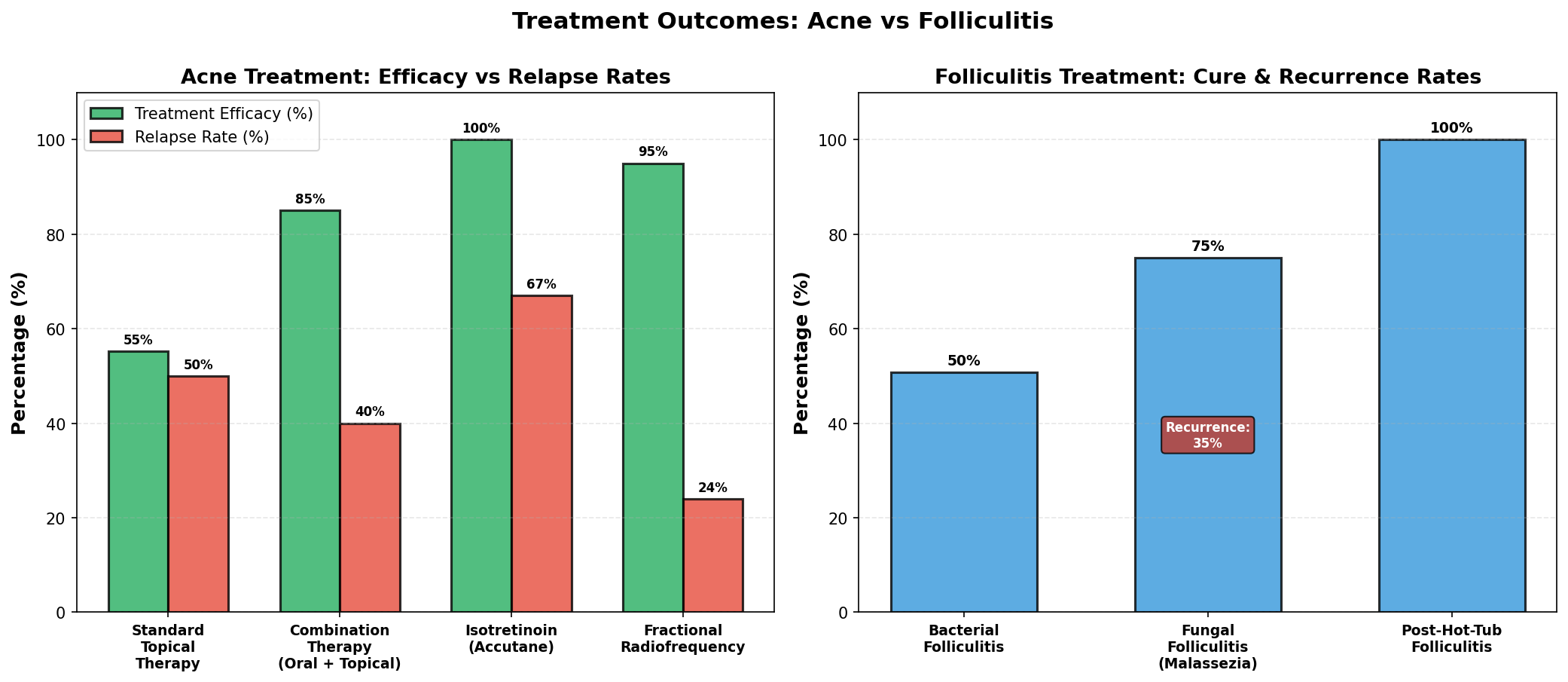 Figure 3: Acne is distinguished by comedones, hormonal dependency and varied lesion types. Folliculitis presents uniform lesions, itching, and infectious triggers.
Distinguishing the Difference: Causes and Triggers
Understanding the difference between acne and folliculitis can help in receiving the correct treatment.
Acne is fundamentally hormonally driven. Androgens surge at puberty, triggering oil production and follicular skin cell shedding which is why acne peaks during the teenage years and early twenties. Other factors that lead to acne include: stress (stress hormones boost androgens), certain foods including high-glycaemic foods and dairy and menstrual cycle changes in women.
Folliculitis, by contrast, is triggered by external factors. The primary causes are friction, heat, sweating and microbial invasion. Tight clothing, shaving, hot water exposure and poor hygiene in warm environments are the main causes. Folliculitis is not driven by hormones, it is driven by inflammation of the hair follicle which is why it can happen at any age and often appears suddenly after a specific trigger.
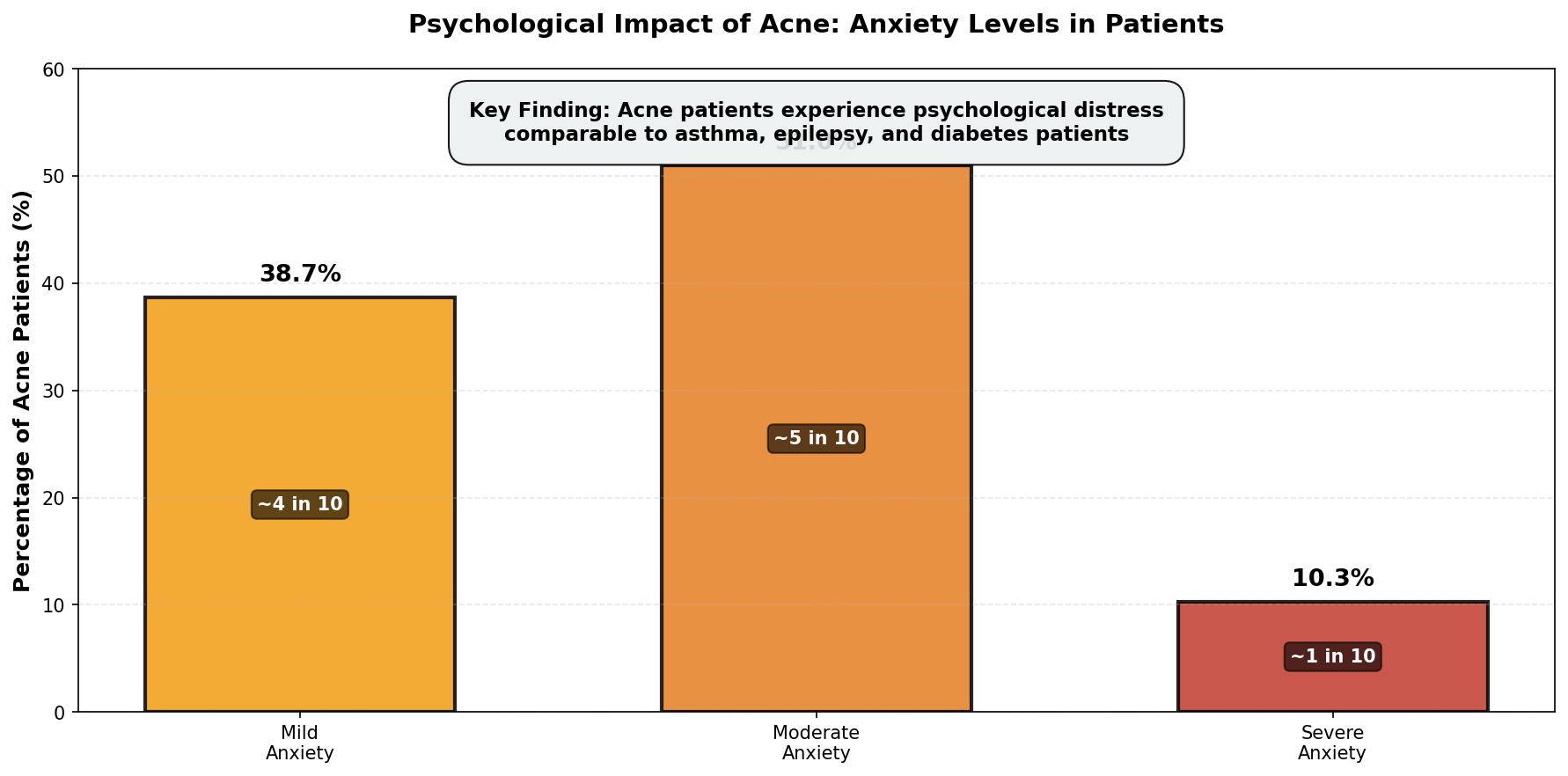 Figure 4: Acne develops through hormonal stimulation, keratinocyte overgrowth, oil accumulation and bacterial colonisation. Folliculitis results from bacterial, fungal or environmental triggers.
Practical: How to Tell Them Apart
Step 1: Look for comedones. Do you see any blackheads or whiteheads?
- Yes → You have acne
- No → Proceed to step 2
Step 2: Notice the itching. Is your skin intensely itchy?
- Yes → More likely folliculitis (especially fungal)
- No → Could be either; proceed to step 3
Step 3: Check the location. Are the bumps on your face, chest or upper back?
- Yes → More likely acne
- No → More likely folliculitis; but acne can appear elsewhere too
Step 4: Think about triggers. Did the bumps appear shortly after shaving, a hot tub visit, or wearing tight clothing?
- Yes → Likely folliculitis
- No → Could be either
Step 5: Consider the uniformity. Do the bumps look identical or is there variety in size and type?
- Uniform → Suggests folliculitis
- Mixed appearance → Suggests acne
If you are still unsure after this checklist, see a healthcare provider. They can do simple tests: a gram stain and culture for bacterial folliculitis, or a KOH prep or special staining for fungal folliculitis.
Treatment
Accurate diagnosis is critical.
Treating Acne
Acne responds to medications that address its underlying causes - blocking oil production, normalising skin cell turnover, reducing inflammation and controlling bacteria.
For mild acne, topical treatments are first-line:
- Benzoyl peroxide (2.5-10% concentration) kills bacteria and reduces inflammation
- Salicylic acid (0.5-2% concentration) exfoliates excess skin cells
- Retinoids (tretinoin, adapalene) normalise skin cell turnover and reduce comedones
- Azelaic acid reduces both inflammatory and non-inflammatory lesions
For moderate acne, combination therapy works best. Combining benzoyl peroxide with a retinoid and a topical or oral antibiotic shows superior results. Oral antibiotics like doxycycline reduce inflammation, while a retinoid prevents new comedones from forming.
For severe acne, especially nodulocystic acne at high risk of permanent scarring, isotretinoin (Accutane) is precribed. This medication works on all four pathogenic mechanisms. It shrinks oil glands, normalises skin cell turnover, drastically reduces bacteria and decreases inflammation. It is 100% effective at clearing acne, but it requires monthly blood tests and strict monitoring because of potential side effects and teratogenicity (severe birth defects). About 85% of people show significant improvement and about 67% experience relapse at 3-year follow-up.
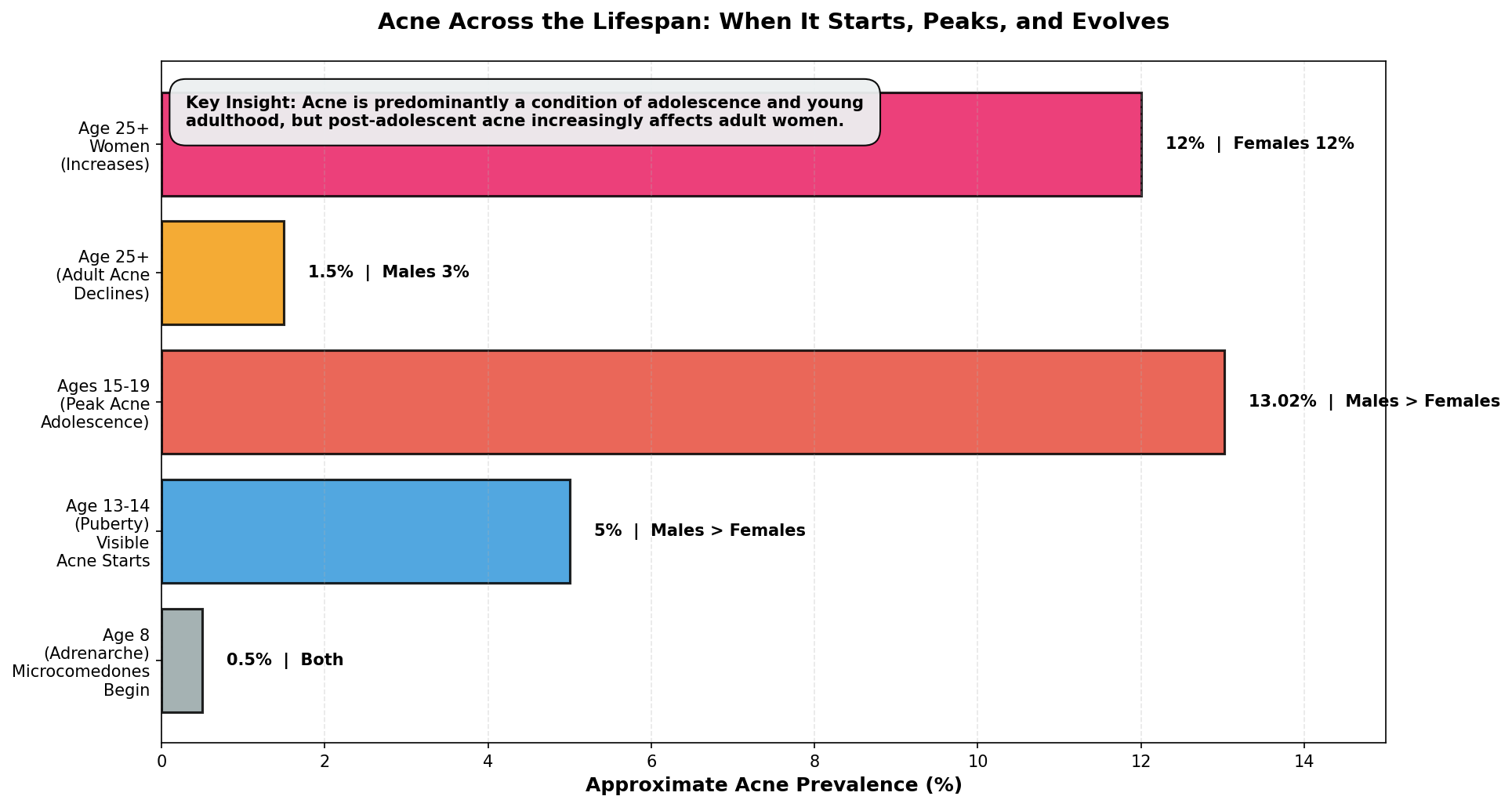 Figure 5: Acne treatment efficacy varies by approach; isotretinoin shows 100% initial efficacy but 67% relapse. Fractional radiofrequency shows lower relapse (24%) with sustained remission.
Treating Folliculitis
Folliculitis treatment depends on the type.
Bacterial folliculitis responds warm compresses 3-4 times daily, changing out of sweaty clothes immediately and keeping the area clean and dry. Medication includes topical antibiotics for mild cases and oral antibiotics (fluoroquinolones) for moderate-to-severe cases.
Fungal folliculitis requires antifungal medications, not antibiotics. If fungal folliculitis is mistaken for acne and treated with oral antibiotics, the condition worsens because antibiotics kill the good bacteria that normally keep fungi in check. Topical antifungals like ketoconazole are first-line, but oral antifungals (ketoconazole, itraconazole) are more effective. Treatment works in about 75-79% of cases.
Hot tub folliculitis usually resolves on its own within 1-2 weeks without treatment because it is self-limited. Warm compresses also help.
The Psychological Impact
Acne patients experience psychological distress levels comparable to asthma, epilepsy and diabetes patients. In studies, acne patients report:
- 38.7% experience mild anxiety
- 51% experience moderate anxiety
- 10.3% experience severe anxiety
The psychological burden includes social withdrawal, low self-esteem, difficulty dating, poor academic or work performance and in severe cases, suicidal ideation.
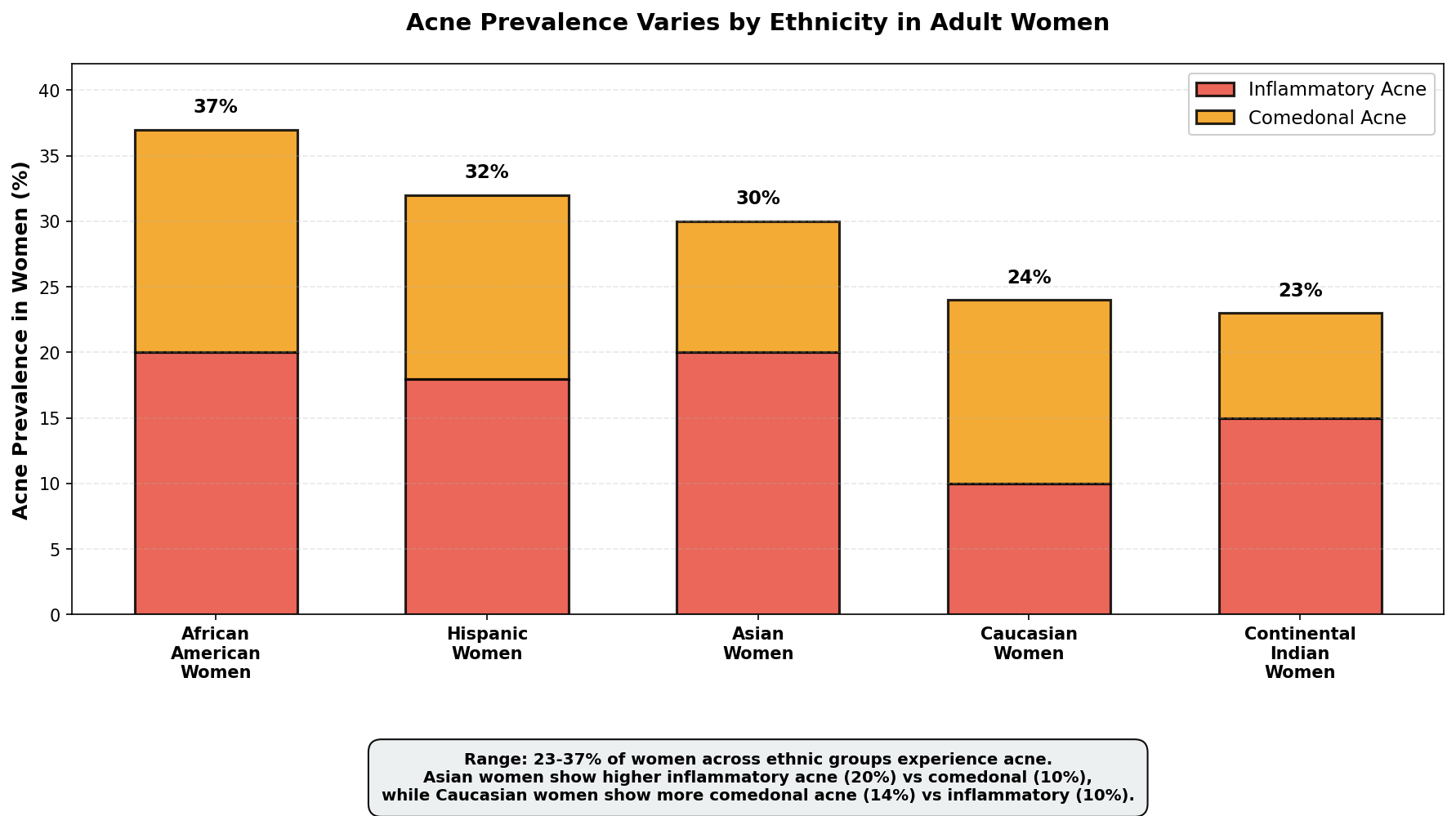 Figure 6: Approximately 5 out of 10 acne patients experience moderate to severe anxiety, highlighting acne's significant psychological burden.
When people successfully clear their acne, quality-of-life scores improve across all dimensions: self-esteem improves, anxiety decreases and social functioning recovers.
Folliculitis's psychological impact is less studied but likely significant when chronic or when it causes permanent scarring (as in certain types like folliculitis decalvans or acne keloidalis nuchae).
Acne Across Different Groups
Acne prevalence varies by ethnicity. Among adult women:
- African American women: 37% prevalence
- Hispanic women: 32% prevalence
- Asian women: 30% prevalence (with more inflammatory acne)
- Caucasian women: 24% prevalence (with more comedonal acne)
- Continental Indian women: 23% prevalence
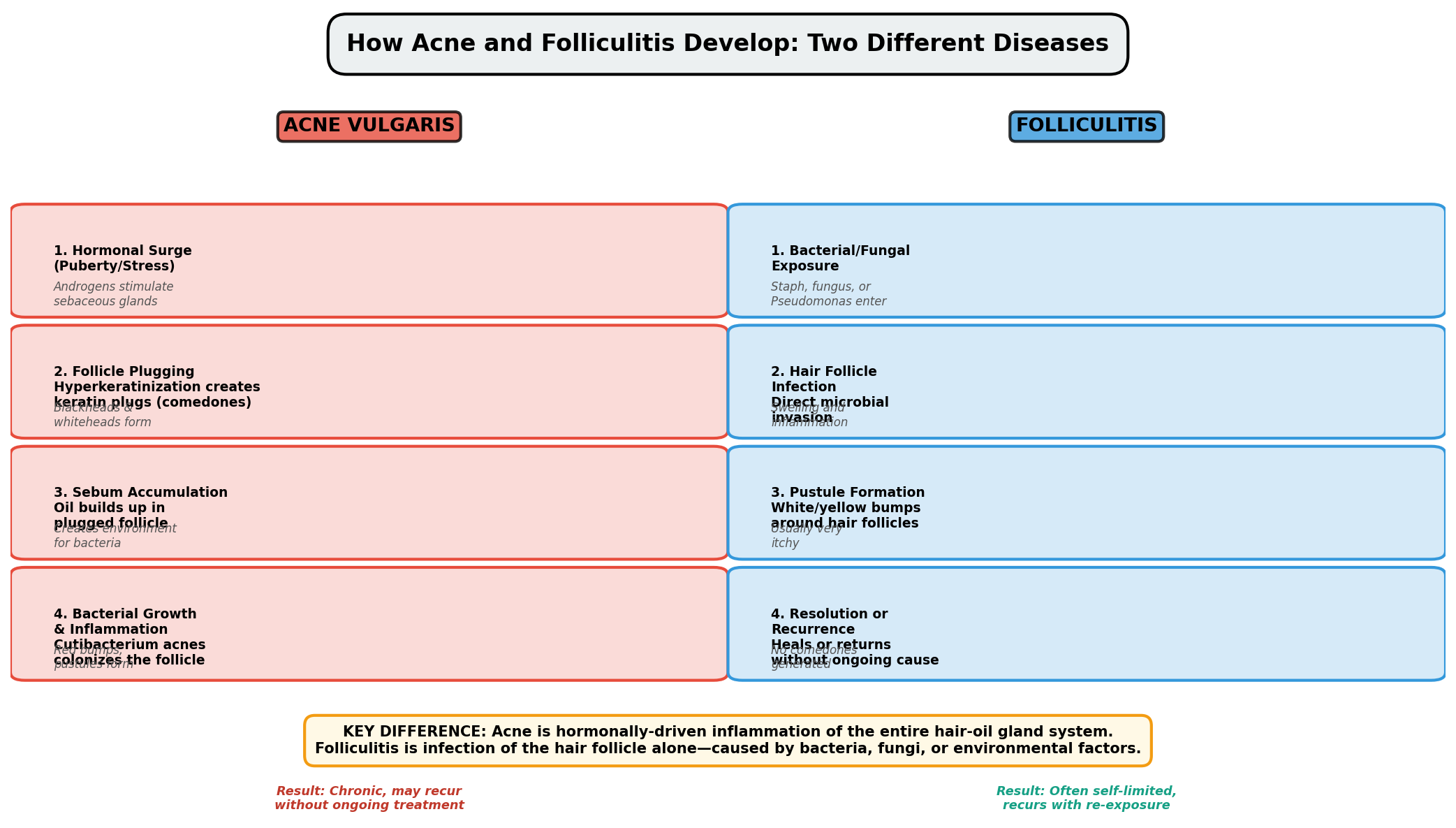 Figure 7: Acne prevalence ranges from 23-37% across ethnic groups in adult women, with variations in inflammatory versus comedonal presentations.
Different skin types may respond differently to different medications, and dermatologists now recognise that individualised treatment is important.
When to See a Dermatologist
For acne, see a dermatologist if:
- You have severe acne with extensive nodules or widespread inflammation
- Your acne is causing psychological distress or contributing to mental health problems
- You have mild-to-moderate acne that hasn't improved after two proper courses of treatment
- Your acne is leaving scars
- You are considering isotretinoin (you must see a specialist)
For folliculitis, see a dermatologist if:
- It is spreading despite home care measures
- It is recurrent despite preventive efforts
- It is not responding to topical or oral antibiotics after adequate treatment courses
- It is causing permanent hair loss or scarring
Living With These Conditions: Prevention and Self-Care
Managing Acne
Acne prevention focuses on consistent treatment:
- Use prescribed topical medications twice daily without skipping
- Combine medications as prescribed (topical retinoid plus benzoyl peroxide works better together)
- Do not stop treatment once skin clears; maintenance therapy prevents relapse
- Gentle cleansing (do not over-scrub), avoid picking or squeezing lesions
- Use non-comedogenic skincare and sunscreen (especially if using retinoids)
- Consider individual triggers: stress management, adequate sleep and limiting foods that worsen acne
Preventing Folliculitis
The key is eliminating triggers:
- Change out of sweaty or damp clothing immediately after exercise
- Bathe daily with proper cleansing
- Use antiperspirant to keep skin dry
- Only use properly chlorinated hot tubs and pools, shower with soap immediately afterwards
- If you shave, use clean razors and shaving cream, consider switching to electric razors or depilatory methods if folliculitis is triggered by shaving
- Manage underlying conditions (diabetes, immunosuppression) that increase infection risk
The Bottom Line
Acne and folliculitis might look similar at first glance, but they are different conditions. Acne is a chronic, hormonal, inflammatory disorder that typically begins at puberty and affects the entire oil gland system. Folliculitis is an acute or recurrent infection or irritation of the hair follicle itself, triggered by external factors like friction, heat or microbes.
The distinction matters because treatments are different. Using the wrong treatment can make things worse. Fungal folliculitis treated with antibiotics worsens it. Acne treated with antibiotics alone may progress to severe forms.
If you notice persistent bumps on your skin, the first step is getting an accurate diagnosis. Look for comedones, notice whether the bumps itch and observe any patterns in timing or location. This information will help your healthcare provider recommend the right treatment.
Remember, acne and folliculitis affect quality of life beyond just the skin. Treatment improves mental wellbeing, prevents scarring, and allows you to live without the burden of persistent skin disease. Do not minimise the impact on yourself or delay seeking help.
Further Reading
Understanding Acne
- Acne Vulgaris: Clinical Presentations and Pathophysiology (PubMed)
- The Four Main Pathogenic Factors in Acne Development (PubMed)
- Acne Epidemiology and Clinical Patterns (NIH StatPearls)
Understanding Folliculitis
- Folliculitis: Types, Causes, and Diagnostic Approaches (Mayo Clinic)
- Fungal Acne: Malassezia Folliculitis (Cleveland Clinic)
- Special Types of Folliculitis and Differential Diagnosis from Acne (PubMed)
Diagnostic Methods
- Laboratory Testing and Diagnostic Procedures for Folliculitis (PubMed)
- Visual Characteristics and Clinical Diagnostic Criteria (Cleveland Clinic)
Treatment Options for Acne
- Comparative Efficacy of Acne Treatments: Network Meta-Analysis (PubMed)
- Isotretinoin Treatment and Long-Term Remission (PubMed)
- Fractional Radiofrequency for Long-Term Acne Remission (PubMed)
- NICE Guidelines for Acne Vulgaris Management (NICE, UK)
Treatment Options for Folliculitis
- Topical and Systemic Treatments for Folliculitis (Mayo Clinic)
- Treatment of Malassezia Folliculitis: Oral and Topical Antifungals (PubMed)
- Management of Bacterial Folliculitis and Prevention (PubMed)
Psychological Impact and Quality of Life
- Exploring the Multifaceted Impact of Acne on Quality of Life (PMC)
- Acne and Mental Health: Anxiety, Depression, and Psychological Distress (PubMed)
- Impact of Acne on Dermatology-Related Quality of Life Index (DLQI) (PMC)
Epidemiology and Risk Groups
- Global Burden of Acne Vulgaris in Adolescents (PubMed)
- Adult-Onset Acne: Increasing Prevalence in Women (NIH)
- Racial and Ethnic Variations in Acne Prevalence (PubMed)
- Prevalence and Antimicrobial Resistance of Pseudomonas in Water Systems (PubMed)
Complications and Scarring
- Acne Scarring: Types and Prevention Through Early Treatment (PubMed)
- Scarring Variants of Folliculitis: Folliculitis Decalvans (PubMed)
- Acne Keloidalis Nuchae: Prevalence and Management (PubMed)
References/Helpful Resources
- National Institute of Arthritis and Musculoskeletal and Skin Diseases (NIAMS). Acne [Internet]. [cited 2025 Jan 15]. Available from: https://www.niams.nih.gov/
- Mayo Clinic. Acne vulgaris: definition, causes, and symptoms [Internet]. [cited 2025 Jan 15]. Available from: https://www.mayoclinic.org/diseases-conditions/acne/symptoms-causes/syc-20368835
- Mayo Clinic. Folliculitis: symptoms and causes [Internet]. [cited 2025 Jan 15]. Available from: https://www.mayoclinic.org/diseases-conditions/folliculitis/symptoms-causes/syc-20361634
- Cleveland Clinic. Acne vulgaris: overview and treatment [Internet]. [cited 2025 Jan 15]. Available from: https://my.clevelandclinic.org/health/diseases/7082-acne
- Cleveland Clinic. Folliculitis: causes, symptoms, and management [Internet]. [cited 2025 Jan 15]. Available from: https://my.clevelandclinic.org/health/diseases/17692-folliculitis
- Cleveland Clinic. Fungal acne: Malassezia folliculitis [Internet]. [cited 2025 Jan 15]. Available from: https://my.clevelandclinic.org/health/diseases/24341-fungal-acne
- National Health Service (NHS). Acne [Internet]. [cited 2025 Jan 15]. Available from: https://www.nhs.uk/conditions/acne/
- National Centre for Biotechnology Information (NCBI). Acne vulgaris. In: StatPearls. Treasure Island (FL): StatPearls Publishing; 2024.
- National Centre for Biotechnology Information (NCBI). Folliculitis. In: StatPearls. Treasure Island (FL): StatPearls Publishing; 2024.
- Thiboutot DM, Dréno B, Abanmi A, et al. The pathophysiology of acne vulgaris and inflammatory rosacea: demodex mites and associated bacterial lipases. J Clin Aesthet Dermatol. 2015;8(5):16-23.
- Williams HC, Dellavalle RP, Garner S. Acne vulgaris. Lancet. 2012;379(9813):361-372.
- Leyden JJ. Folliculitis: recognition and management. J Am Acad Dermatol. 1992;27(4):519-524.
- Patel SB, Katz LM. Staph aureus folliculitis. Semin Cutan Med Surg. 2008;27(1):44-50.
- Polat M, Uğur M, Ünüvar R, et al. Prevalence and epidemiological characteristics of Malassezia folliculitis. Mycoses. 2013;56(4):415-421.
- Faergemann J. Malassezia infections of the skin. Curr Opin Infect Dis. 2002;15(2):169-174.
- Zeichner JA, Tan KD. Treatment of acne vulgaris: A comprehensive review of the literature. J Drugs Dermatol. 2016;15(7):808-816.
- Zaenglein AL, Pathy AL, Schlosser BJ, et al. Guidelines of care for the management of acne vulgaris. J Am Acad Dermatol. 2016;74(5):945-973.
- Tan J, Goodman S, Ng P. Customizing acne therapy: which agent, which patient, and when? Can Fam Physician. 2012;58(2):148-155.
- Thiboutot D, Gollnick H, Bettoli V, et al. New insights into the management of acne: an update from the Global Alliance to Improve Outcomes in Acne group. J Am Acad Dermatol. 2009;60(5 Suppl):S1-S50.
