

In 1955, two surgeons from Ohio State University made a discovery that would reshape the medical understanding of ulcers in the stomach. What they found was not another variant of a common disease, it was an entirely new condition caused by a rare pancreatic tumour producing excessive amounts of a hormone called gastrin known as Zollinger-Ellison Syndrome (ZES). Today, seventy years later, ZES has transformed from a surgical emergency into a manageable chronic condition. This is the story of how that transformation happened and what it means for the roughly 165-990 people diagnosed with ZES each year in the United States.
The Landmark Discovery of a Medical Mystery
On April 29, 1955, Dr. Edwin H. Ellison presented groundbreaking findings at the annual meeting of the American Surgical Association in Philadelphia. The presentation was titled "Primary Peptic Ulcerations of the Jejunum Associated with Islet Cell Tumours of the Pancreas" and it described something the medical world had never seen before. Working alongside Dr. Robert M. Zollinger, Ellison had identified two women presenting with perforated ulcers deep in the small intestine, specifically in the jejunum, that were accompanied by acid overproduction in the stomach. More intriguingly, both women had unusual pancreatic tumours that appeared to be secreting an unknown ulcerogenic substance.
Before this discovery, patients with severe, recurrent peptic ulcers and unexplained chronic diarrhoea had no explanation for their condition. Doctors treated them for ulcers or attributed their symptoms to other causes. Some underwent multiple surgeries, others simply suffered with little understanding of why their symptoms were so resistant to standard treatment. The Zollinger-Ellison discovery changed everything. It showed that a hidden pancreatic tumour was the root cause and that this tumour was producing a hormone, later identified as gastrin, driving massive acid secretion.
Just months after the discovery was announced, the medical term "Zollinger-Ellison Syndrome" was formally coined in February 1956, cementing both physicians' names in medical history. This simple act of naming and characterising a disease marked the birth of an entirely new field: gastrointestinal endocrinology, the study of hormone-secreting tumours of the digestive system.
Understanding What Happens in the Body
To understand ZES, imagine your stomach's acid-producing system has a faulty "on" switch. Normally, the hormone gastrin tells your stomach's parietal cells to produce acid at appropriate levels. In healthy people, it produces roughly 0.5 litres of gastric acid in 12 hours. However, in ZES, gastrinomas (a gastrin-secreting neuroendocrine tumour) are present leading to the stomach producing 2-3 litres in just 12 hours, which is four to six times the normal amount.
This excessive acid causes multiple peptic ulcers to form in the duodenum and jejunum, triggering severe gastro-oesophageal reflux disease (GORD) which can burn the oesophagus and sometimes causing strictures (scars that narrow the oesophagus). It also causes chronic, severe diarrhoea by overwhelming the small intestine's ability to absorb nutrients and by inactivating digestive enzymes.
The syndrome typically affects those aged 20-50 years. About 75-80% of cases are sporadic (caused by a random genetic mutation in a single tumour cell), whilst 20-25% are hereditary, associated with Multiple Endocrine Neoplasia Type 1 (MEN-1), a genetic disorder that predisposes to multiple tumours, affecting men more than women.
The Pre-Treatment Era: When Surgery Was the Only Option
Before the 1970s, ZES was seen as a medical emergency. There were no powerful acid-suppressing medications. The only way to save patients from the devastating complications of their own stomach acid was to remove the stomach surgically. Total gastrectomy (complete removal of the stomach) became the standard treatment and it was often performed as a last resort after patients had suffered years of recurrent ulcers, multiple surgeries for perforations and chronic, debilitating symptoms.
The surgery did control the acid production, but it left patients without a stomach, facing severe complications including malnutrition, vitamin deficiencies (particularly vitamin B12), dumping syndrome (rapid gastric emptying causing nausea, dizziness and fainting) and profound impacts on the quality of life. Patients had to eat frequently in small amounts and lived with chronic digestive problems. By modern standards, this approach seems barbaric, but at the time, it was the only way to prevent patients from literally being digested by their own stomach acid.
In the 1960s and 1970s, surgeons developed a slightly less radical approach: proximal gastric vagotomy, which involved cutting the branches of the vagus nerve controlling the stomach's acid-producing cells whilst preserving the stomach itself. This preserved more normal digestive function than total gastrectomy and studies showed a 10-year survival rate of 81%. However, it was still major surgery with its own complications; about 52% of patients were disease-free immediately after surgery, though this dropped to 35% by 5 years as the gastrinoma recurred.
The Revolutionary Transformation: Proton Pump Inhibitors
The story of ZES transformed dramatically in the 1970s and 1980s. First came H2-receptor antagonists like cimetidine, which were revolutionary for their time because they were the first oral medications that could significantly reduce gastric acid production. Surgery was no longer the only option. However, these medications had limitations as they required high doses, frequent administration and were not consistently effective for ZES patients.
Then came the proton pump inhibitors (PPIs) such as omeprazole, lansoprazole and pantoprazole which represented a leap in acid suppression technology. These drugs did not just reduce acid production, they essentially shut down the acid-secretion in the stomach’s parietal cells. In clinical trials with ZES patients, PPIs achieved >95% symptom control in nearly all patients where ulcers healed, diarrhoea resolved, GORD symptoms disappeared and patients could eat normally again.
The clinical data was striking. With lansoprazole at varying doses, 100% of ZES patients, in both short-term and long-term studies, achieved complete control of gastric acid hypersecretion and peptic symptoms. With omeprazole at maintenance doses of just 20 mg once or twice daily, >66% of patients achieved sustained control. With pantoprazole, 90-100% of patients maintained acid output below the target level throughout 36 months of continuous therapy. More importantly, these medications were well tolerated. Patients on long-term PPI therapy remained free of serious gastrointestinal infections and developed no gastric carcinoid tumours.
The introduction of PPIs fundamentally shifted ZES from a primarily surgical disease to a primarily medical disease. Before 1980, approximately 50% of ZES patients required surgery, today, about 80% of ZES patients are managed successfully with medical therapy alone. This transformation meant that people with ZES could retain their stomachs, maintain normal quality of life and avoid the serious complications of extensive surgery.
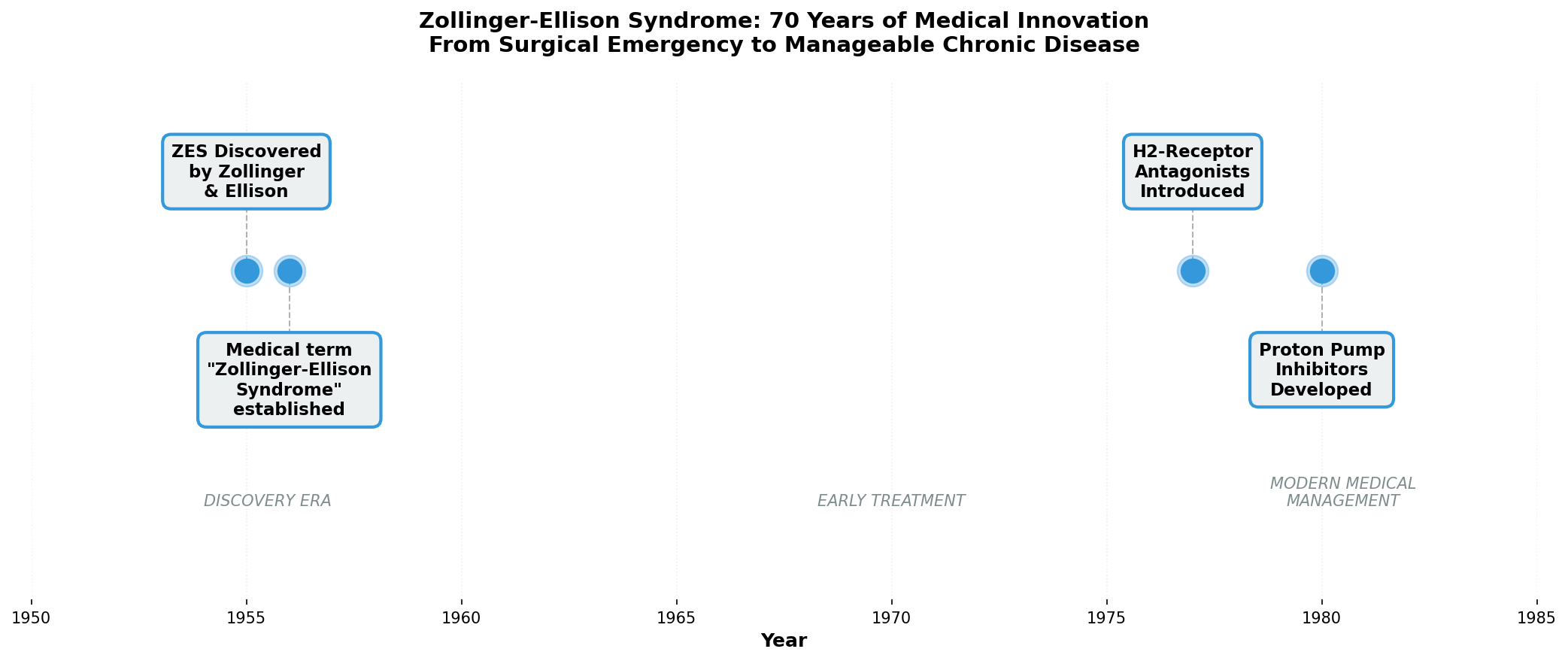
Figure 1: Major milestones in ZES diagnosis and treatment, from discovery in 1955 through the PPI era. This timeline shows the shift from a surgical emergency to a medically managed condition.
How Modern Diagnosis Works
In the pre-1980s era, diagnosing ZES was difficult and often required exploratory surgery. Patients might undergo a laparotomy (surgical opening of the abdomen) just to search for a gastrinoma. There were no reliable blood tests and diagnosis was primarily clinical. The modern diagnostic approach follows a logical sequence designed to confirm ZES and locate the tumour without invasive surgery. First comes the initial screening where fasting serum gastrin levels are measured after the patient has discontinued any proton pump inhibitors for 5-7 days (PPIs artificially lower gastrin levels and can cause false negatives). If the fasting gastrin is elevated, the next step is measuring gastric pH to confirm the stomach is actually acidic. If the fasting gastrin is >1,000 pg/mL combined with a gastric pH below 2, the diagnosis can be confirmed without further testing.
For intermediate cases, the gold standard is the secretin stimulation test. This is a simple, non-invasive procedure. The patient receives an intravenous injection of secretin and blood gastrin levels are measured at intervals. A rise in gastrin of >100 ng/L is diagnostic of ZES. The secretin test has sensitivity exceeding 90%, meaning it correctly identifies ZES in more than 9 in 10 suspected cases.
Once ZES is confirmed, the tumour can be localised. Endoscopic ultrasound (EUS) is the first-line imaging modality. It can detect 75% of pancreatic gastrinomas and 50% of duodenal gastrinomas (the two most common locations). For detecting metastases to the liver (present in 60-90% of patients at diagnosis), magnetic resonance imaging (MRI) is superior, with 83% sensitivity, compared to computed tomography (CT) at 56% and ultrasound at 50%. Somatostatin receptor scintigraphy, which images neuroendocrine tumours based on their receptor expression, provides additional localisation information.
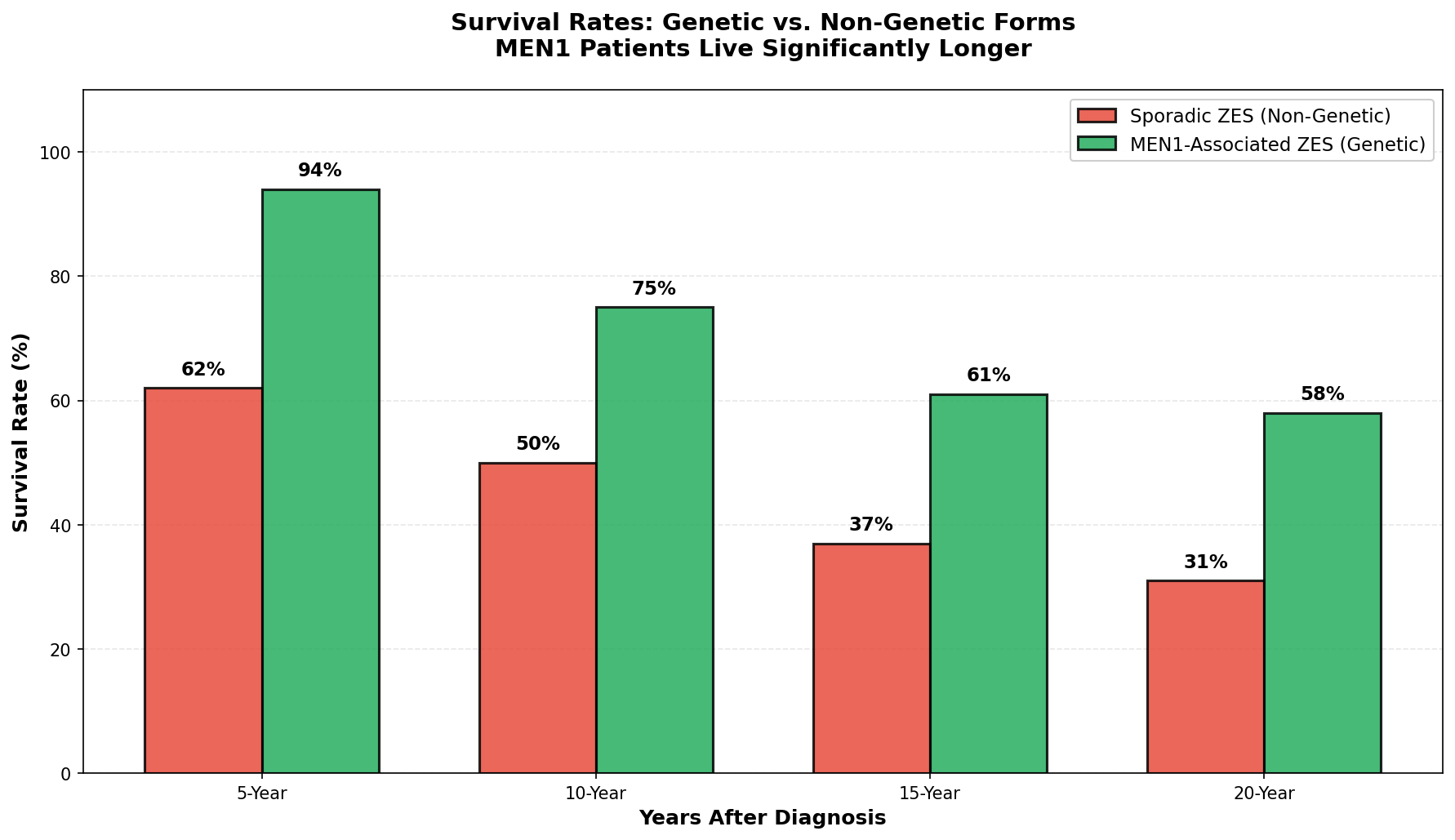
Figure 2: Different imaging modalities have different strengths. Endoscopic ultrasound excels at finding the primary tumour, whilst MRI is better for detecting cancer spread to the liver.
The evolution from exploratory surgery to sophisticated diagnostic protocols represents a fundamental shift in how medicine approaches rare diseases. Patients can now be diagnosed with certainty in days rather than months and the diagnosis comes from blood tests and non-invasive imaging rather than surgery.
Understanding Survival
One of the most important discoveries in ZES research is that not all cases carry equal prognosis. The presence or absence of the MEN-1 genetic mutation profoundly affects survival.
Sporadic ZES (caused by a random mutation, accounting for 75-80% of cases) prognosis is :
- Five-year survival: 62%
- Ten-year survival: 50%
- Twenty-year survival: 31%
MEN-1-Associated ZES (hereditary form, accounting for 20-25% of cases) has better outcomes:
- Five-year survival: 94%
- Ten-year survival: 75%
- Twenty-year survival: 58%
This means that someone with genetic MEN-1 ZES can expect to live approximately 12 years longer on average than someone with sporadic ZES. This is because MEN-1-associated gastrinomas tend to be smaller at diagnosis because they are discovered through family screening. They are also less likely to develop distant metastases leading to increased survival.
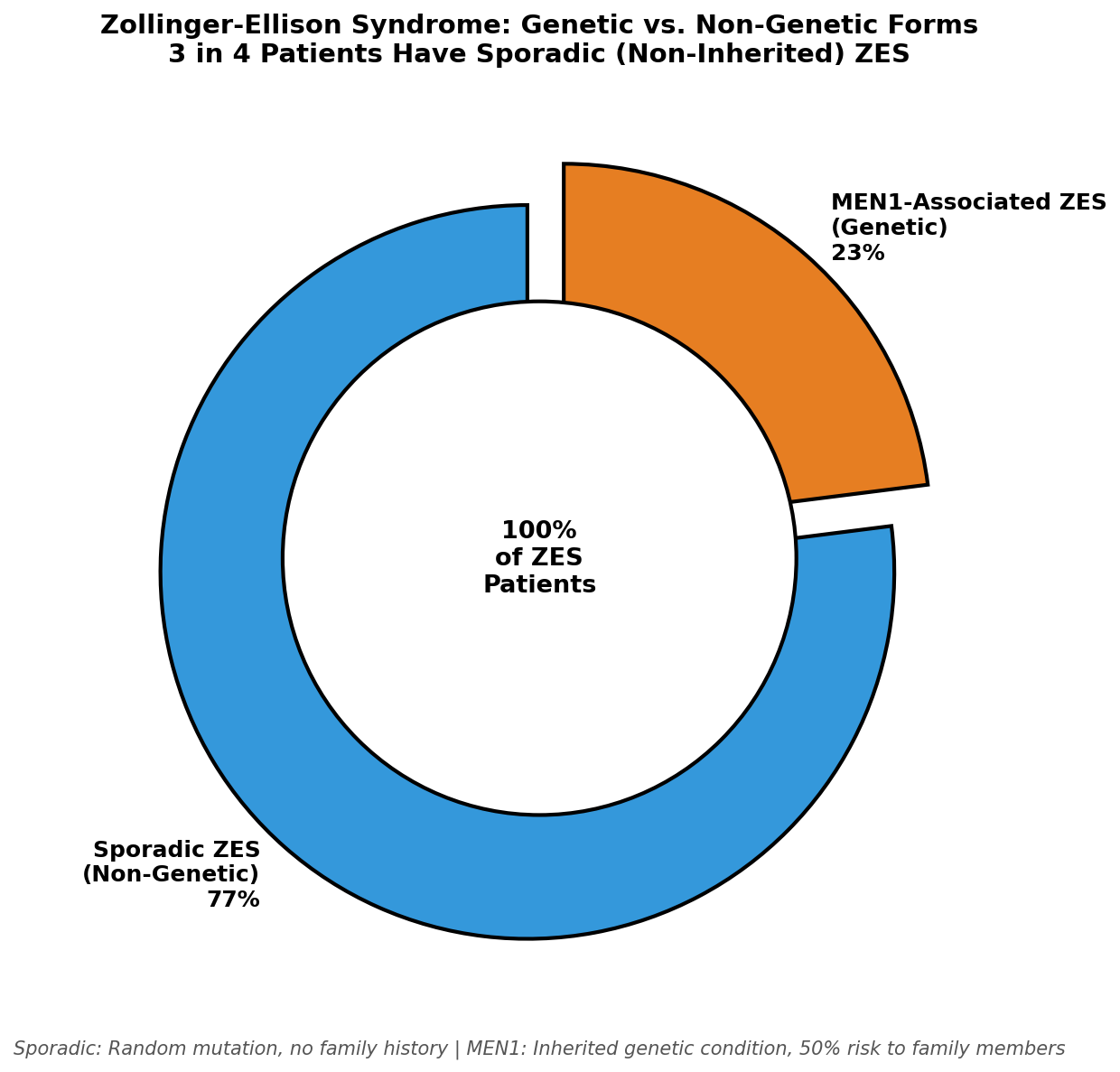
Figure 3: Five, ten, fifteen and twenty-year survival rates show a consistent and substantial survival advantage for genetic MEN-1 ZES compared to sporadic ZES.
If you are diagnosed with ZES, particularly at a younger age or with other endocrine features, genetic testing is recommended. If you carry the MEN-1 mutation, your siblings and children each have a 50% chance of inheriting it and should undergo genetic screening and surveillance.
Diagnostic Delay
Despite advances in diagnosis, ZES is still being diagnosed much later than it should be. The average diagnostic delay from first symptom to accurate diagnosis is 5-5.5 years, with cases ranging from 2 months to 10 years, with diagnostic delays continually increasing.
The reason for this delay is due to the success of proton pump inhibitor therapy. Many patients with undiagnosed ZES start taking PPIs for what they think is acid reflux or peptic ulcer disease. The PPIs work well, the symptoms disappear and both the patient and doctor assume they have solved the problem, neither realising that a gastrinoma is silently growing in the pancreas or duodenum. The very medication that transformed ZES from a surgical emergency into a manageable disease has inadvertently masked the condition.
This diagnostic delay has a clinical impact where the patient's delayed diagnosis gives the chance for the gastrinomas to become metastatic. This is one reason why specialists emphasise that symptom improvement on PPIs does not mean ZES has been ruled out, it means the symptoms are being controlled whilst the underlying diagnosis is unconfirmed.
Modern Treatment
Today's approach to ZES treatment differs based on tumour type and patient circumstances.
For patients with sporadic ZES and a localised, resectable gastrinoma, early surgical exploration is often recommended because complete surgical removal offers the best chance of cure. Studies show that patients undergoing complete surgical resection of their gastrinoma achieve >80% five-year survival. Some patients with completely resected small duodenal gastrinomas have achieved 100% disease-specific survival at ten-year follow-up.
However, incomplete surgical resection (when the surgeon cannot remove all tumour tissue) results in only about 40% five-year survival, so if the ZES cannot be cured with surgery, medical control of acid combined with tumour surveillance is the better approach.
For patients with MEN-1-associated ZES, the surgical calculus is different. Because MEN-1 patients often develop multiple gastrinomas, in 60-90% of cases and early screening detects tumours whilst they are still small, surgery is considered more selectively. Some surgeons perform pancreaticoduodenectomy (removal of part of the pancreas and duodenum) for MEN-1 patients, achieving 80% cure rates.
Nonetheless, 80% of ZES patients are managed successfully with medical therapy alone using a proton pump inhibitor. The dose is typically higher than standard peptic ulcer treatment, adjusted individually to maintain gastric acid output below target levels. Some patients can eventually stabilise on lower maintenance doses as their tumour growth stabilises but most require long-term, continuous PPI therapy.
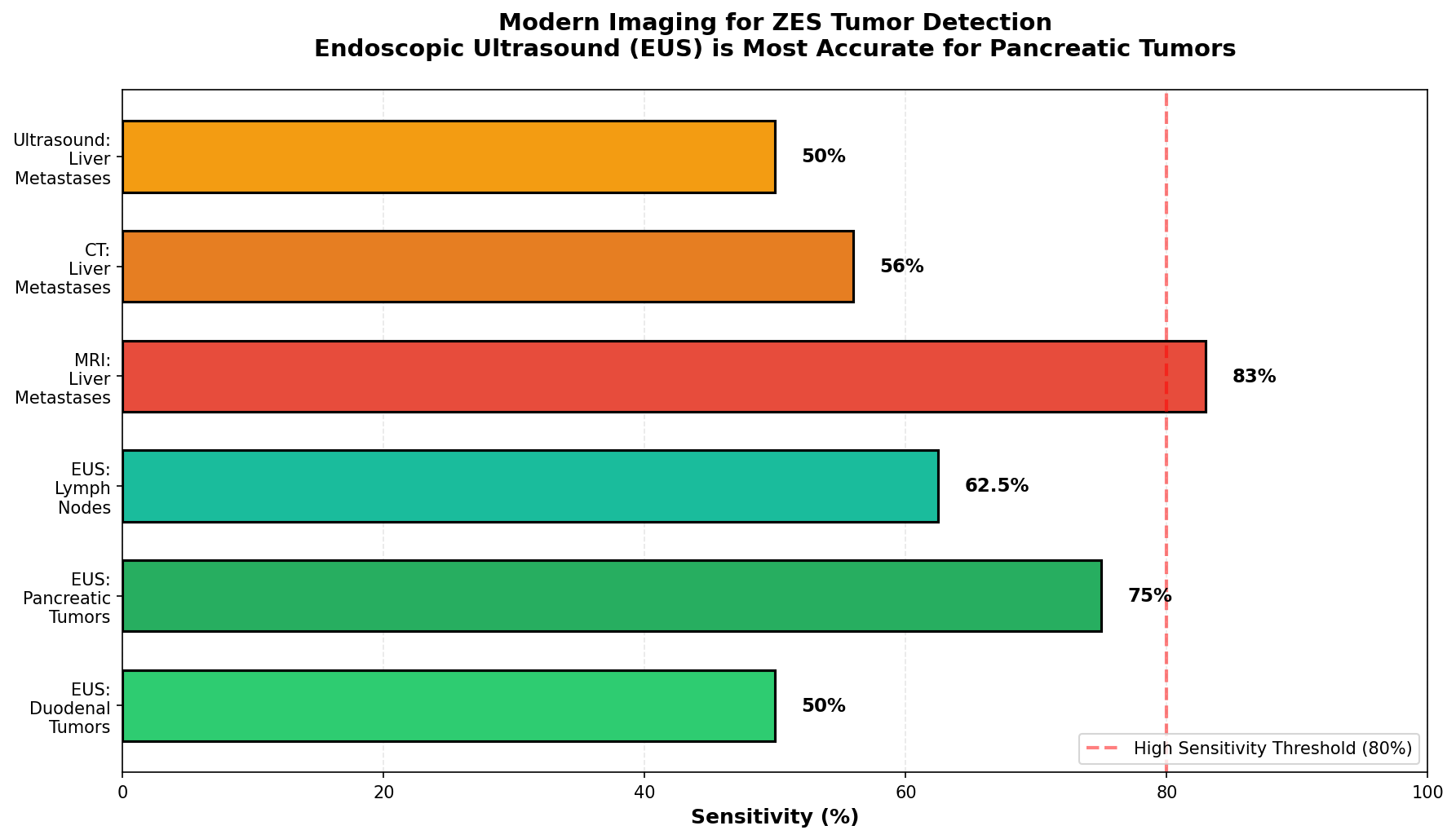
Figure 4: Symptom control and quality of life have improved dramatically with PPIs compared to older surgical approaches, though older medications like gastrectomy and vagotomy remain important historical references.
A critical safety point - stopping PPIs abruptly in ZES patients can lead to severe complications within 48 hours, including multiple oesophageal strictures from massive acid reflux, severe abdominal pain and intestinal microperforation from duodenal ulcers eroding through the bowel wall. This means ZES patients on PPIs cannot miss doses and cannot stop medications without specialist guidance.
Emerging Therapies for Advanced Disease
For patients with metastatic or refractory ZES, newer treatment options are expanding. These include targeted therapies like everolimus (an mTOR inhibitor) and sunitinib (a tyrosine kinase inhibitor), which are effective for advanced neuroendocrine tumours. Somatostatin analogues like octreotide provide both acid suppression and gastrin reduction. For patients with extensive liver metastases, interventional radiology techniques including liver embolisation and radioembolisation offer disease control. Peptide receptor radionuclide therapy (PRRT), which uses targeted radioactive compounds to kill tumour cells, represents an emerging option. In select cases with extensive liver metastases, liver transplantation has been considered.
The general trend in ZES management is moving towards personalised, precision medicine which includes molecular profiling of individual tumours to guide therapy selection, combined with traditional chemotherapy, targeted therapy and surgical approaches tailored to each patient's unique circumstances.
What Changed Over Decades: The Causes of Death
A striking shift has occurred in what kills ZES patients. Before the proton pump inhibitor, many patients died from the acid-related complications of their disease including bleeding from ulcers, perforation and peritonitis, severe oesophageal strictures and malnutrition from chronic diarrhoea. The introduction of PPIs essentially eliminated acid-related mortality in ZES patients.
Today, approximately 50% of ZES-related deaths occur from gastrinoma progression, tumour growth and metastatic spread. This reflects a fundamental change in disease priorities. The focus has shifted from controlling acid which is now reliably controllable to controlling the cancer itself. The main determinant of long-term survival is now the biological behaviour of the gastrinoma; whether it grows slowly or aggressively, whether it spreads to distant organs and how it responds to available therapies.
This shift explains why surgical consultation and tumour surveillance have become central to modern ZES management. A patient whose acid is perfectly controlled on PPIs but whose gastrinoma is growing unchecked faces a very different prognosis than one whose tumour remains stable or is surgically removed.
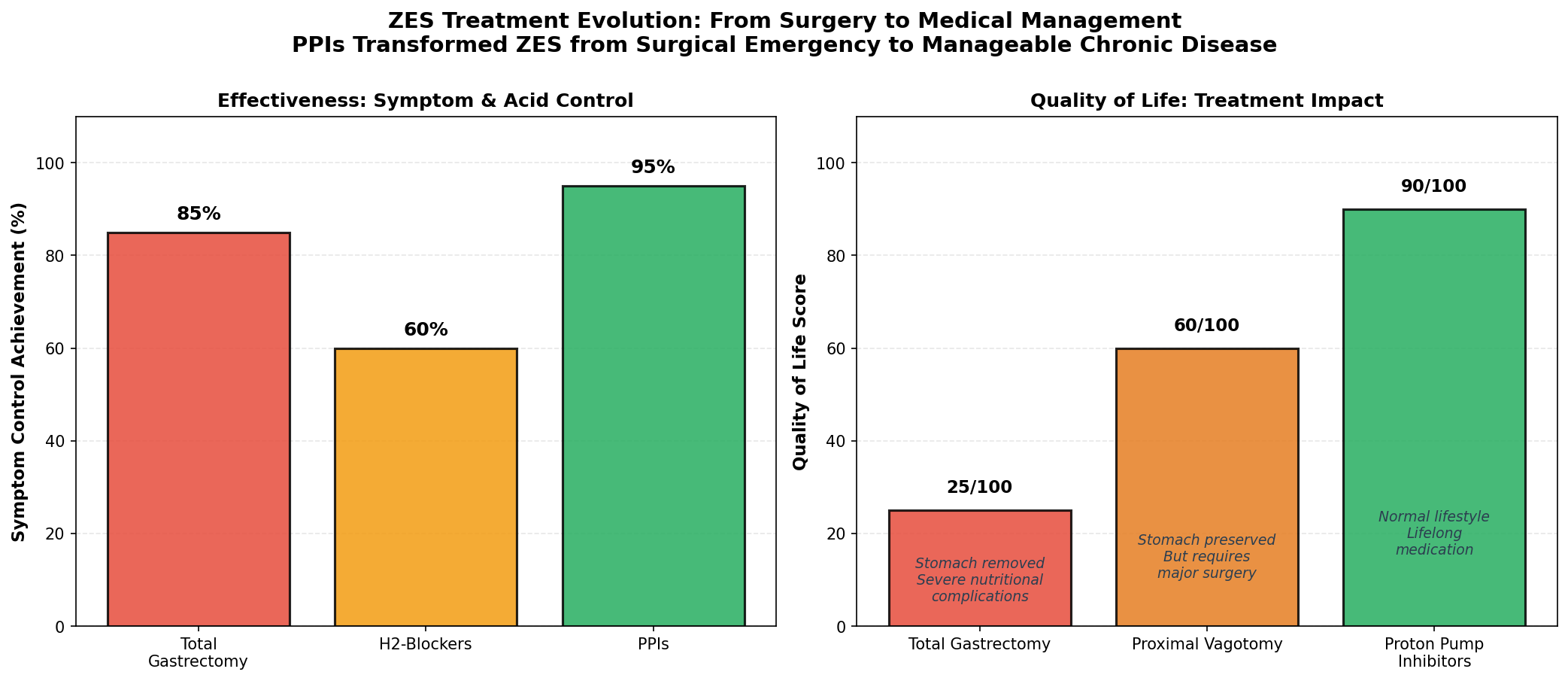
Figure 5: The presence and extent of cancer spread dramatically affects survival. Patients without liver metastases at diagnosis achieve 95% twenty-year survival, whilst those with liver metastases plus bone metastases have markedly reduced survival.
Living with ZES
One of the most encouraging findings from modern ZES research is that quality of life is often better than expected. Patients managed with PPI therapy achieve normal psychological wellbeing (norm-based mental health quality of life score of 49.8 versus population norm of 50) and with appropriate medical management, most patients can work, maintain normal social relationships and participate in activities of daily living.
However, ZES does impose some burdens. Most patients require lifelong medication with no possibility of stopping therapy. They need regular monitoring including gastrin level testing and imaging surveillance for tumour growth. They experience the chronic stress of managing a rare disease with limited patient communities and healthcare providers who may not be familiar with the condition.
Additionally, research has identified a bidirectional relationship between psychological stress and ZES severity. Stress elevates serum gastrin levels and increases acid secretion, whilst the disease burden itself creates psychological stress. This means that stress management and psychological support are important medical interventions that can influence disease physiology.
Diagnostic delays can impose psychological burdens. Patients who endured years of unexplained symptoms, visiting multiple doctors, receiving misdiagnoses, being told their symptoms were psychosomatic often experience significant relief upon finally receiving a diagnosis. However, the years of diagnostic odyssey can leave lasting frustration and anxiety. Early diagnosis not only improves physical outcomes but also benefits mental health.
What This Means for Patients and Families Today
Modern ZES is different from the disease described in 1955. Today, if you:
- have sporadic ZES, prognosis depends heavily on whether the gastrinoma is found before it metastasises and whether it can be surgically removed. With modern PPIs, acid symptoms are controllable, and you can expect a high survival rate with a good quality of life. However, you will require lifelong medication and regular tumour surveillance. Early diagnosis improves outcomes
- have MEN-1-associated ZES, the long-term outlook is better than sporadic ZES. The survival rate is >12 years longer on average. However, you are likely to have multiple gastrinomas requiring aggressive surveillance and possibly multiple surgeries. Siblings and children have a 50% chance of inheriting the genetic mutation and should undergo genetic testing
- are experiencing diagnostic delay and have been on PPIs for months or years without formal confirmation that ZES has been ruled out, ask your doctor for fasting gastrin level, gastric pH measurement and secretin stimulation testing. Modern diagnostic tools can confirm or exclude ZES relatively quickly. Do not accept symptom improvement on PPIs as definitive evidence that you do not have ZES as the medication works perfectly at masking the condition whilst a tumour potentially grows
The Future: Emerging Discoveries and Advancing Care
ZES research continues to advance on multiple fronts. Molecular profiling of individual gastrinomas is beginning to enable personalised treatment selection. Biomarkers beyond serum gastrin such as chromogranin A levels are being refined for more accurate surveillance. Clinical trials are investigating combination therapies, immunotherapy approaches and novel targeted agents. Minimally invasive surgical techniques are being refined to reduce operative morbidity.
Most importantly, awareness is increasing. Gastroenterologists, primary care physicians and emergency medicine doctors are becoming increasingly attuned to the diagnosis of ZES. Patients with refractory acid disease or persistent ulcers are more likely to have ZES testing performed before they have waited years with symptoms. Rare disease networks are connecting ZES patients and families, reducing the isolation that once characterised this diagnosis. Specialist centres with expertise in ZES and related neuroendocrine tumours are becoming more accessible.
The transformation of ZES from a medical curiosity in 1955 to a well-understood, manageable condition in 2026 represents one of medical science's success stories. What began as a surgical emergency has become a chronic disease that responds to medication and surveillance. What was once a death sentence in many cases now offers a realistic prospect of decades of productive life. The discovery by Zollinger and Ellison seventy years ago opened an entire new field of medicine. Today, that field continues to evolve, offering increasingly sophisticated approaches to understanding and treating this rare condition.
For someone diagnosed with ZES today, the message is clear: you have access to transformative medicines and diagnostic technologies that simply did not exist for patients in previous generations. The survival and quality of life depends on getting the diagnosis confirmed, understanding whether the disease is sporadic or genetic and committing to long-term specialist follow-up. With those pieces in place, ZES is a condition you can live with, not a condition that will define your life.
Further Reading
History and Discovery
- The history of Zollinger-Ellison syndrome discovery
- Zollinger-Ellison syndrome historical perspective and evolution
- Gastrinoma reports prior to Zollinger and Ellison
Diagnosis and Diagnostic Challenges
- Catching the Zebra: Clinical Pearls and Pitfalls for Successful ZES Diagnosis
- Diagnosis of Zollinger-Ellison syndrome: diagnostic criteria and methods
- Diagnostic efficacy of the secretin stimulation test
- Diagnostic delays and their clinical impact
Epidemiology and Natural History
- Zollinger-Ellison syndrome epidemiology and prevalence
- Sporadic versus MEN1-related gastrinoma: distinct characteristics and survival
- Clinical course, prognostic factors, and causes of death in ZES
Medical Treatment and PPIs
- Proton pump inhibitor efficacy in Zollinger-Ellison syndrome
- Long-term lansoprazole therapy in Zollinger-Ellison syndrome
- Long-term pantoprazole administration in ZES patients
- Successful lifetime medical treatment of acid hypersecretion in ZES
- Evolution of proton pump inhibitors for gastrooesophageal reflux disease
Surgical Management and Outcomes
- Surgery increases survival in patients with gastrinoma
- Management and outcomes in sporadic gastrinoma arising in the duodenum
- Results of surgical management in consecutive ZES patients
- Pancreaticoduodenectomy for ZES associated with MEN1
Tumour Localisation and Imaging
- Endoscopic ultrasound in locating gastrinomas
- Prospective comparative study of MR imaging versus other modalities for tumour localisation
- Comparison of MR imaging with CT, angiography, and ultrasound
Genetic Forms and MEN1 Association
- MEN-1 syndrome and Zollinger-Ellison syndrome: comprehensive analysis
- Long-term prognosis of ZES in multiple endocrine neoplasia
- Diagnostic and therapeutic criteria in MEN1-associated ZES
Quality of Life and Patient Outcomes
- Prospective evaluation of quality of life in ZES patients
- Psychological and psychosocial impact of rare disease diagnosis
- Stress and serum gastrin in Zollinger-Ellison syndrome
General Information and Patient Resources
- Zollinger-Ellison Syndrome information from NIDDK
- Mayo Clinic Zollinger-Ellison Syndrome diagnosis and treatment
- Cleveland Clinic Zollinger-Ellison Syndrome overview
Advanced and Emerging Therapies
- Treatment of Zollinger-Ellison syndrome: medical and surgical strategies
- Pharmacotherapy of Zollinger-Ellison syndrome: comprehensive review
- Current management of ZES: recent advances
- Evaluating pancreatic tumours in patients with ZES - clinical trial information
References/Helpful Resources
- National Institute of Diabetes and Digestive and Kidney Diseases (NIDDK). Zollinger-Ellison syndrome [Internet]. [cited 2025 Jan 15]. Available from: https://www.niddk.nih.gov/health-information/digestive-diseases/zollinger-ellison-syndrome
- Mayo Clinic. Zollinger-Ellison syndrome: Diagnosis and treatment [Internet]. [cited 2025 Jan 15]. Available from: https://www.mayoclinic.org/diseases-conditions/zollinger-ellison-syndrome/diagnosis-treatment/drc-20379046
- Cleveland Clinic. Zollinger-Ellison syndrome: What it is and symptoms [Internet]. [cited 2025 Jan 15]. Available from: https://my.clevelandclinic.org/health/diseases/17960-zollinger-ellison-syndrome
- Ellison EH, Wilson SD. The Zollinger-Ellison syndrome: re-appraisal and evaluation of 260 registered cases. Ann Surg. 1964;160(3):512–530.
- Borch K, Ahren B, Ahlman H, Falkmer S, Granerus G, Grimelius L. Gastric carcinoids: biologic behavior and prognosis after differentiated treatment in relation to type of antral gastrin cell hyperfunction. Ann Surg. 1991;213(4):298–306.
- Roy PK, Venzon DJ, Shojamanesh A, Abou-Saif A, Peghini P, Doppman JL, et al. Zollinger-Ellison syndrome. Clinical presentation in 261 patients. Medicine (Baltimore). 2000;79(6):379–411.
- Norton JA, Alexander HR, Fraker DL, Doppman JL, Gibril F, Jensen RT. Comparison of surgically and medically treated patients with Zollinger-Ellison syndrome. Ann Surg. 2012;256(2):184–190.
- Frucht H, Doppman JL, Norton JA, Collen MJ, Maton PN, Gardner JD, et al. Gastrinoma. Diagnostic and therapeutic criteria. Ann Intern Med. 1989;111(9):713–720.
- Milosavljevic T, Krstic M, Urosevic M, Jovanovic I, Micev M. Sporadic and hereditary gastrinomas in multiple endocrine neoplasia type 1. World J Gastroenterol. 2014;20(9):2272–2280.
- Gibril F, Doppman JL, Reynolds JC, Chen CC, Venzon DJ, Termanini B, et al. Somatostatin receptor scintigraphy: its sensitivity compared with other imaging methods and usefulness in the localization of gastrinomas. Ann Intern Med. 1996;125(1):26–34.
- Jensen RT. Zollinger-Ellison syndrome. Gastroenterol Clin North Am. 2006;35(2):275–302.
- Isacoff WH, Eckhauser FE. The surgical management of Zollinger-Ellison syndrome. Ann Surg. 1988;207(4):378–389.
- Promberger M, Bartsch DK. Surgical management of Zollinger-Ellison syndrome: classical considerations and current controversies. Visc Med. 2019;35(5):346–357.
- Proye C, Hubbard JG, Kermarrec N, Fabry T, Mignon M. Aggressive resection of sporadic gastrinomas: the price for cure? World J Surg. 1998;22(7):719–727.
- Demeure MJ, Klonoff DC, Karam JH, Duh QY, Siperstein AE, Clark OH. Surgery and the ZES patient: a 25-year odyssey. Am J Surg. 1997;174(4):370–373.
- Imamura M, Komoto I, Doi R, Kato Y, Koshiba T, Tani M, et al. Significance of prophylactic surgery for gastrinoma in multiple endocrine neoplasia type 1. Surgery. 2002;131(2):176–183.
- Frucht H, Maton PN, Jensen RT. Gastrinoma (Zollinger-Ellison syndrome). In: Srivastava S, editor. Neuroendocrine Tumours. New York: Springer; 1997. p. 345–371.
- Pisegna JR, Norton JA, Sloan JM, Doppman JL, Jensen RT. Effects of curative gastrinoma resection on gastric secretory function and symptoms related to acid hypersecretion in the Zollinger-Ellison syndrome. Gastroenterology. 1992;102(3):767–778.
- Weber HC, Venzon DJ, Lin JT, Fishbein VA, Orbuch M, Strader DB, et al. Secretin-stimulated gastrin levels in patients with Zollinger-Ellison syndrome: relationships to clinical expression, CT findings, and long-term outcome. Gastroenterology. 1997;112(4):1063–1071.
- Maton PN, Vinayek R, Frucht H, Wank SA, Gardner JD, Jensen RT. Long-term efficacy and safety of omeprazole in patients with Zollinger-Ellison syndrome with or without multiple endocrine neoplasia type I. Gastroenterology. 1989;97(3):616–627.
