

When a colleague doesn't reply to your email immediately, your stomach drops. A friend seems slightly distant during a conversation, and you spend the next two hours replaying every word you said. Your manager asks you to revise a project, and instead of thinking about improvements, you feel like a failure. For the rest of the day, you can barely function. If this sounds like you, you're not overreacting or being overly sensitive. You might be experiencing rejection-sensitive dysphoria (RSD), and it affects nearly everyone with ADHD.
RSD isn't a casual disappointment or a normal hurt feeling. It's an overwhelming emotional response to perceived rejection that hits like physical pain. The tragedy is that many people suffer through this for years, blaming themselves for being "too sensitive" or "unstable," when in reality they're dealing with a recognised aspect of ADHD rooted in brain chemistry. Understanding what RSD is and why it happens can be genuinely life-changing.
What Exactly is Rejection Sensitive Dysphoria?
Rejection-sensitive dysphoria is an intense, subjective fear of rejection, criticism, or failure. But here's the crucial detail: it doesn't require an actual rejection. Your brain can trigger the same overwhelming emotional pain from perceived rejection, even in ambiguous or neutral situations.
Imagine rejection sensitivity on a spectrum. Most people experience normal rejection sensitivity. They feel disappointed or temporarily upset when they're criticised or rejected, but they recover within hours or days. They can see that their boss's feedback was constructive, even though it stings.
RSD is entirely different. The emotional pain is severe, often described as unbearable and disabling. It's not something you can simply shake off with reassurance or logic. One person described it as feeling like her chest was collapsing. Another said the emotional pain felt more intense than a physical injury.
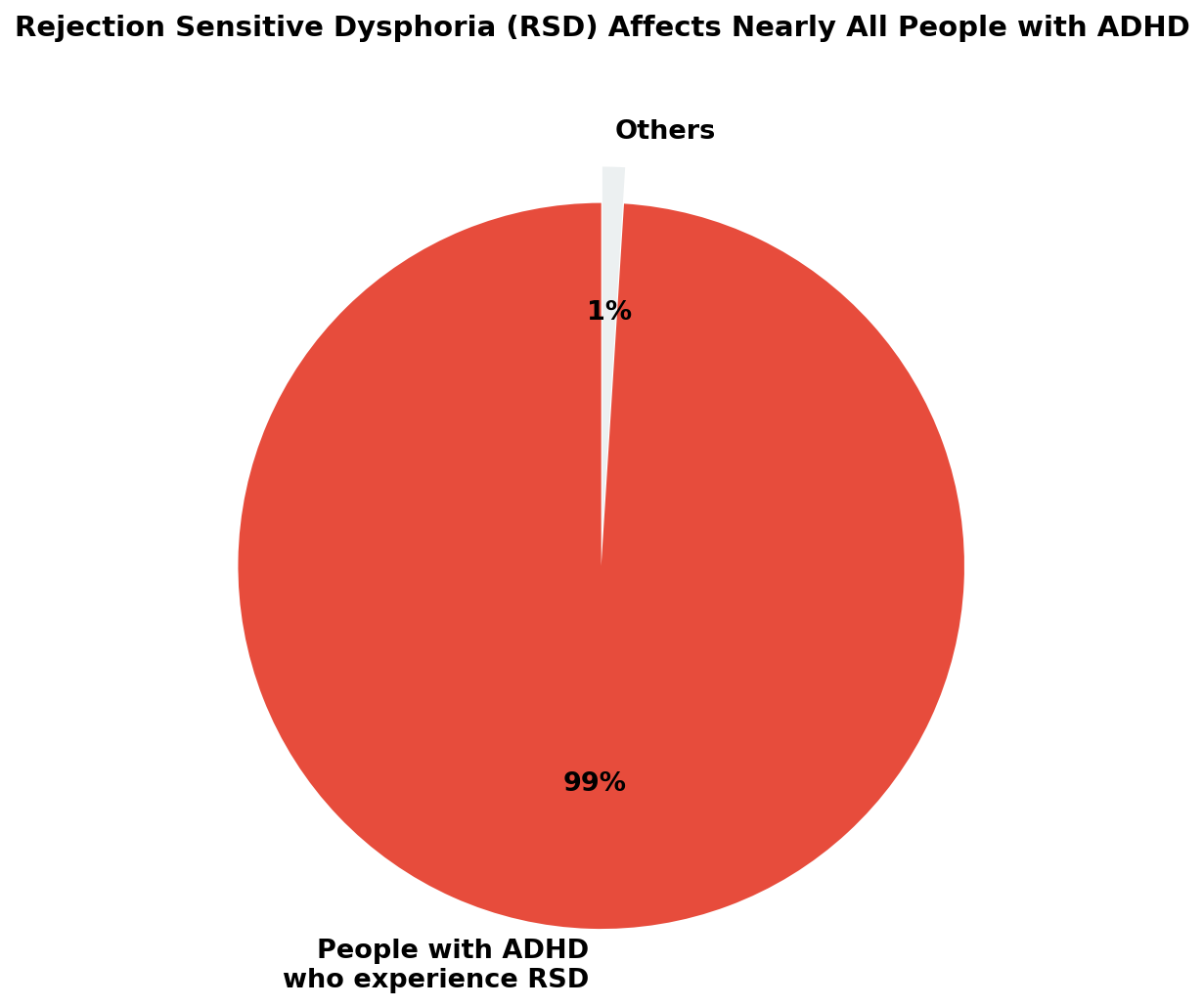 Figure 1: Research shows RSD affects up to 99% of people with ADHD. This isn't a rare variation; it's a nearly universal experience within the ADHD community.
The key distinction: you understand the reaction is disproportionate, but you feel powerless to control it. Someone with RSD might logically know that a neutral email response doesn't mean rejection, yet feel devastated for hours anyway. This self-awareness without emotional control is part of what makes RSD so distressing.
How Common Is RSD, Really?
The statistics are striking. Up to 99% of individuals with ADHD experience rejection-sensitive dysphoria. That means if you have ADHD, it's almost certain you experience RSD to some degree.
Even more telling: approximately one-third of ADHD patients consider RSD their most burdensome symptom. Not difficulty focusing. Not hyperactivity or impulsivity. The emotional pain of rejection sensitivity.
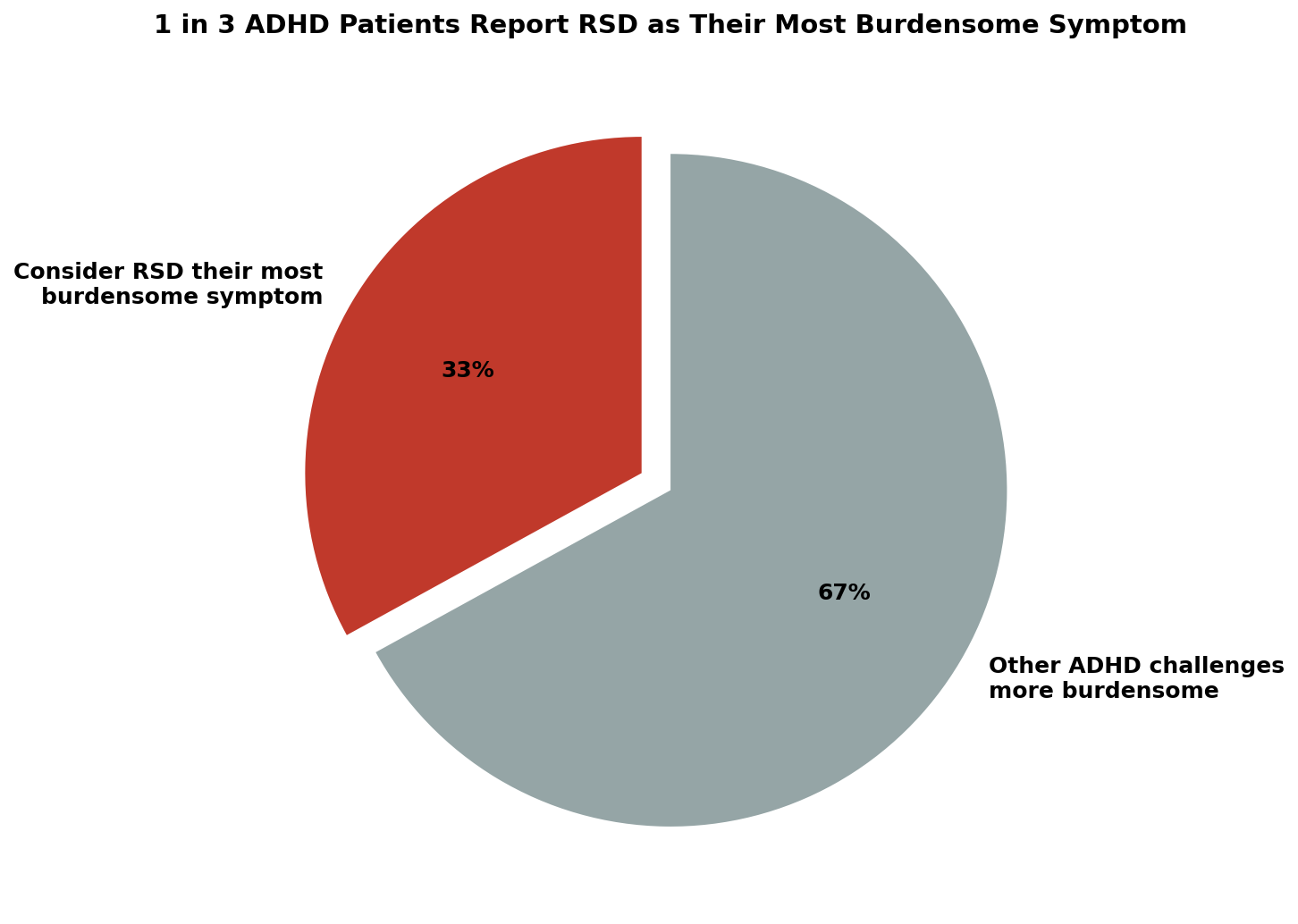 Figure 2: Among all the challenges people with ADHD face, about 1 in 3 report that rejection sensitivity is their greatest struggle. This challenges the stereotype that ADHD is primarily about attention or hyperactivity.
This reframing is important. ADHD is commonly understood as a disorder of attention and impulse control. But for millions of people, the emotional component is what actually disrupts their lives most severely. They can manage their attention with strategies and medication. But the fear of rejection and the overwhelming emotional pain it triggers? That's what costs them relationships, career opportunities, and mental health.
What Does RSD Feel Like?
The symptoms fall into several categories:
Emotional responses start with intense, overwhelming emotional pain triggered by perceived rejection. This goes beyond sadness into dysphoria: a state of deep emotional distress that feels utterly unbearable. People report extreme anxiety, despair, shame, and embarrassment. The emotional reaction is vastly disproportionate to the actual trigger.
Physical sensations often accompany the emotional pain. People describe chest tightness, body tension, fatigue, stomach pain, and feeling physically disconnected from themselves (dissociation). RSD doesn't just hurt emotionally; it feels like physical pain in the nervous system.
Behavioural responses include ruminating for hours or days about what happened, harsh self-blame ("I'm so stupid," "Nobody likes me," "I ruin everything"), withdrawal from social situations to avoid future rejection, and masking (hiding emotional reactions to protect yourself). Some people experience explosive anger or outbursts of crying that feel out of proportion. Others shut down completely.
Cognitive patterns involve constantly scanning for signs of rejection, misinterpreting neutral or vague responses as clear rejection, obsessing about situations long after they occurred, and catastrophising about future rejection ("She doesn't like me, so nobody will ever like me").
Why Does Your Brain Do This?
RSD isn't a character flaw or sign of weakness. It has a neurobiological basis involving brain chemistry and structure.
The Dopamine System
ADHD involves dysfunction in the dopamine system, the brain's reward and motivation circuits. Dopamine helps regulate emotional responses and pain processing. When dopamine isn't functioning optimally, the brain struggles to regulate emotions effectively and becomes hypersensitive to social pain.
A specific genetic marker linked to ADHD is the dopamine D4 receptor variant (DRD4 7R allele). This variant is associated with heightened sensitivity to rejection and altered functioning in the prefrontal cortex, the brain region responsible for emotional regulation.
The Brain's Alarm and Brake Systems
Think of your brain as having two systems for emotional responses: the alarm system and the brake system.
The amygdala (your alarm system) detects threats, including social rejection. In typical emotional processing, when the amygdala signals a threat, the prefrontal cortex (your brake system) kicks in with perspective. It says, "Wait, this isn't as bad as it feels."
In people with RSD, two things go wrong:
- The amygdala is hyperactive. It's oversensitive to rejection cues, detecting threat where there might be none
- The prefrontal cortex doesn't communicate effectively with the amygdala. The brake system fails to regulate the alarm system's response
This means the emotional pain signal gets amplified and never gets properly "turned down." Research shows that even after receiving reassurance or positive feedback, people with RSD can continue experiencing intense emotional pain because the amygdala-prefrontal cortex communication is impaired.
The Pain Processing System
Recent neuroimaging research has made a startling discovery: depression, physical pain distress, and rejection distress share the same neurobiological circuits. To someone with RSD, rejection literally activates the same brain regions as physical pain. This isn't metaphorical. The brain's pain-processing system is being activated.
The opioid system (involved in both physical pain and emotional pain processing) also appears hypersensitive in people with RSD, contributing to the intensity of emotional distress.
Emotional Dysregulation as Core ADHD
Emotional dysregulation affects about 2 in 3 adults with ADHD. This isn't just a side effect of ADHD; it's recognised as a core feature. RSD is one manifestation of this broader difficulty regulating emotional responses.
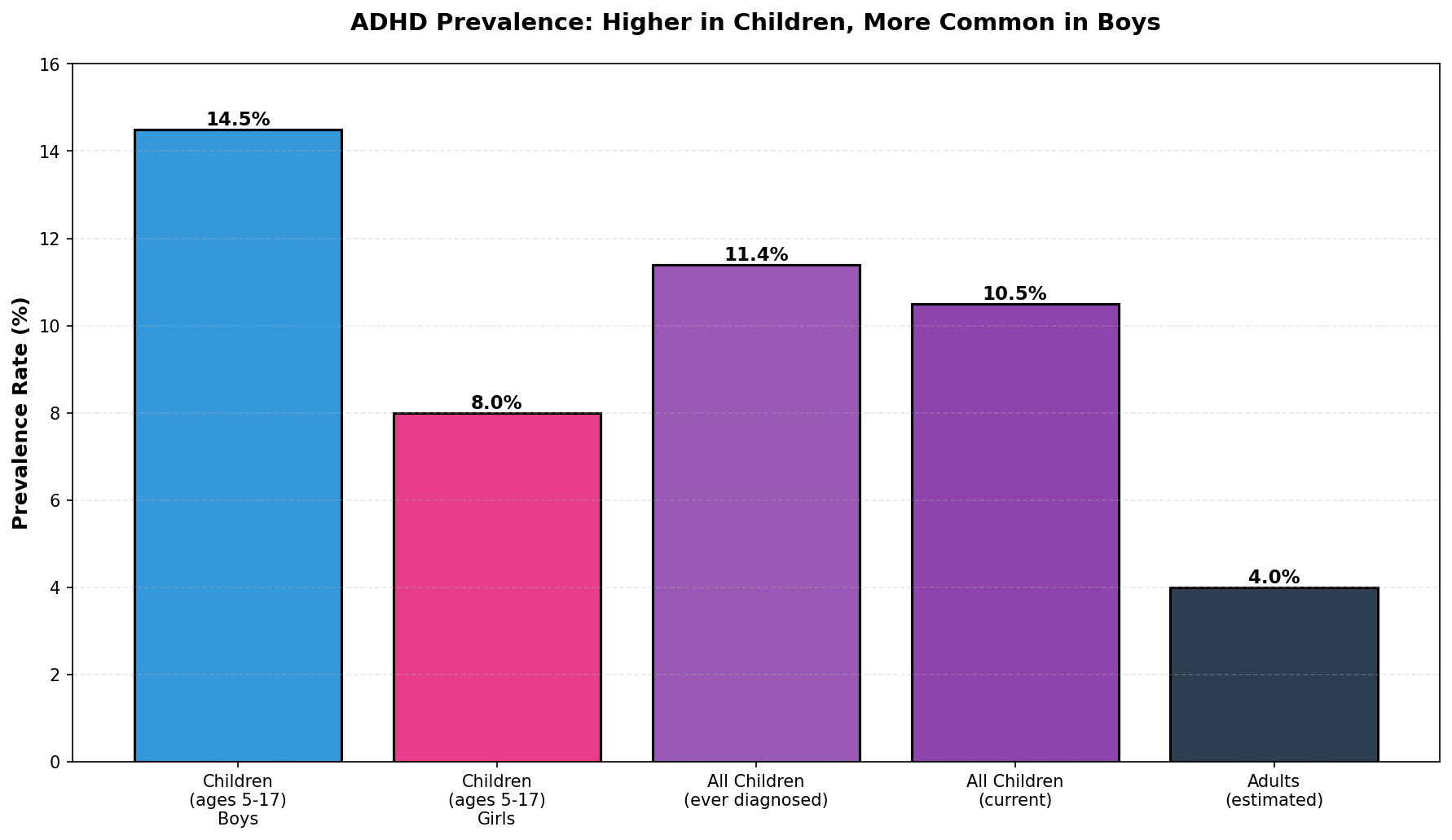 Figure 3: Research shows emotional dysregulation is extremely common in ADHD, affecting 30-70% of adults depending on how it's measured, with about 62% experiencing moderate to severe dysfunction.
How RSD Differs from Normal Sadness or Anxiety
Let's compare RSD with typical responses to rejection:
|
Aspect |
Normal Rejection Response |
RSD |
|
Trigger |
Actual, clear rejection |
Perceived rejection; often in ambiguous situations |
|
Intensity |
Proportional to the situation |
Vastly disproportionate |
|
Duration |
Hours to days |
Hours to days or longer, with rumination |
|
Control |
Can be managed with coping strategies |
Difficult to control despite recognition that the reaction is excessive |
|
Physical impact |
Mild sadness, maybe temporary upset |
Severe physical symptoms: chest pain, fatigue, dissociation |
|
Recovery |
Resolves with time and reassurance |
Requires intensive effort; reassurance may not help |
Who's Affected, and How Common Is ADHD Anyway?
To understand RSD's prevalence, it helps to know how common ADHD is.
About 1 in 9 children in the United States has been diagnosed with ADHD (11.4%). Boys are diagnosed more frequently than girls: 14.5% of boys ages 5-17 compared to 8% of girls. However, this gap likely reflects diagnostic bias rather than the true difference. Girls' ADHD often presents differently, without the visible hyperactivity that prompts adults to seek evaluation.
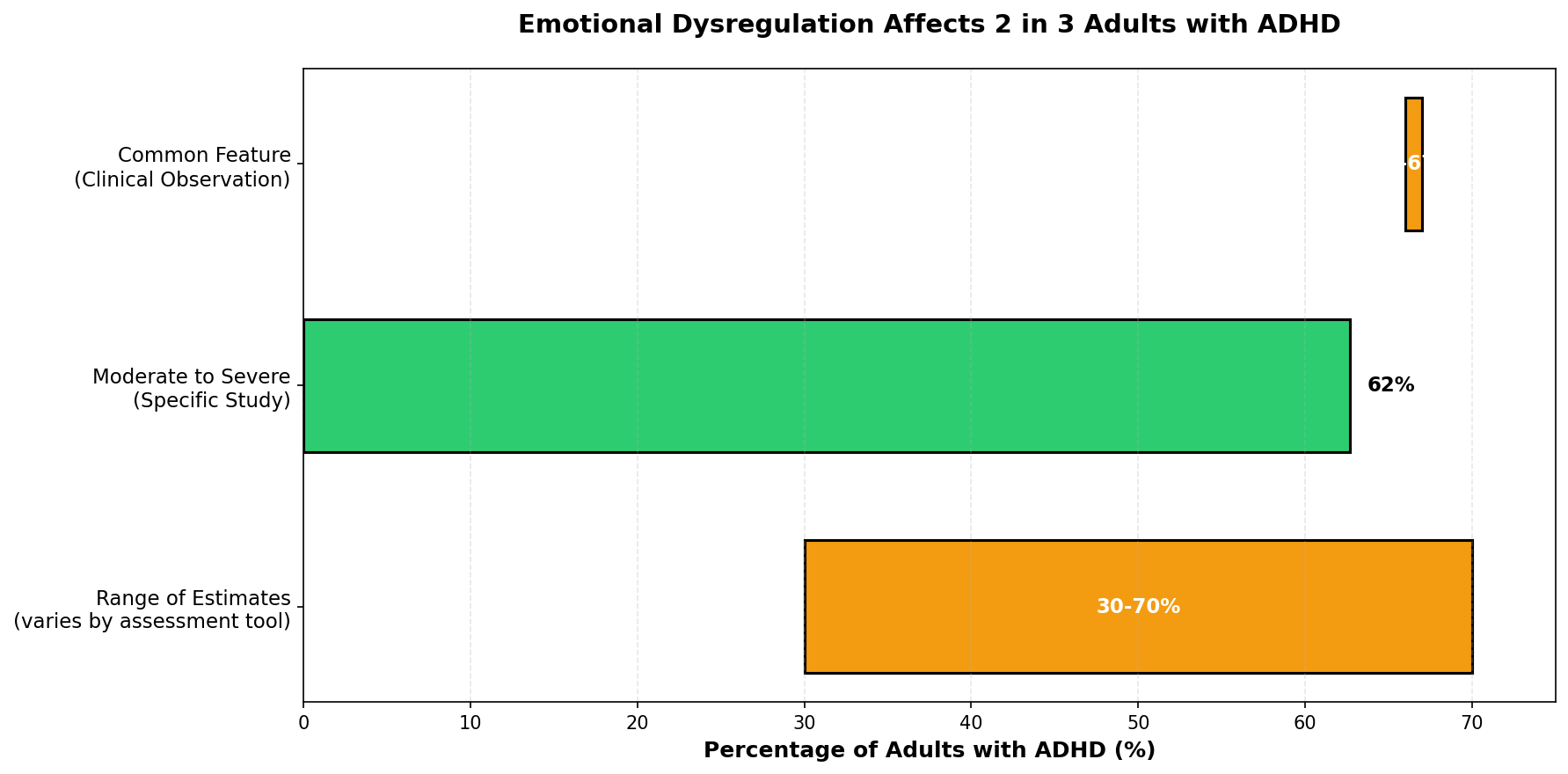 Figure 4: ADHD prevalence varies significantly by gender and age. Boys are diagnosed at nearly twice the rate of girls, whilst ADHD in adults remains underdiagnosed because childhood symptoms can improve with maturity and coping strategies.
In adults, ADHD affects 3-5% of the population. This means many children's ADHD doesn't resolve; it continues into adulthood. Some adults weren't diagnosed as children and may seek a diagnosis later in life, sometimes triggered by noticing similar symptoms in their own children.
RSD Often Comes with Other Diagnoses
ADHD rarely travels alone. Nearly 4 in 5 children (78%) with ADHD have at least one additional diagnosis.
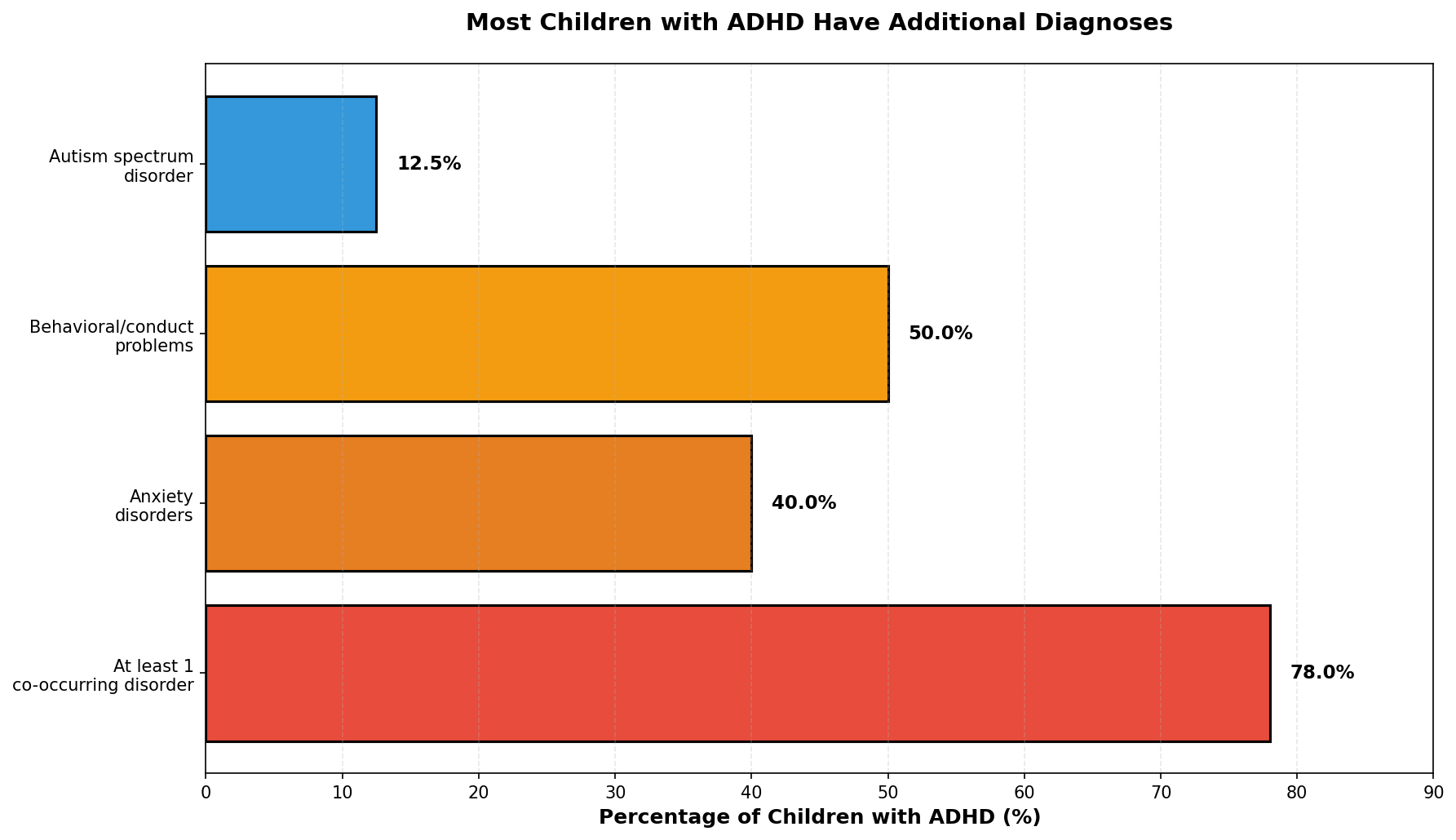 Figure 5: Comorbidity is the norm in ADHD. About 40% also have anxiety disorders, 50% have behavioural or conduct problems, and 12.5% are also autistic. These conditions often compound the emotional dysregulation.
The most common mental health co-occurrence is anxiety disorder, affecting about 4 in 10 children with ADHD. Behavioural or conduct problems affect about half. And there's significant overlap with autism spectrum disorder.
This matters because each co-occurring condition can intensify RSD. Anxiety amplifies the anticipation of rejection. Autism spectrum traits are themselves associated with heightened rejection sensitivity. When you combine these conditions, the emotional dysregulation becomes more severe.
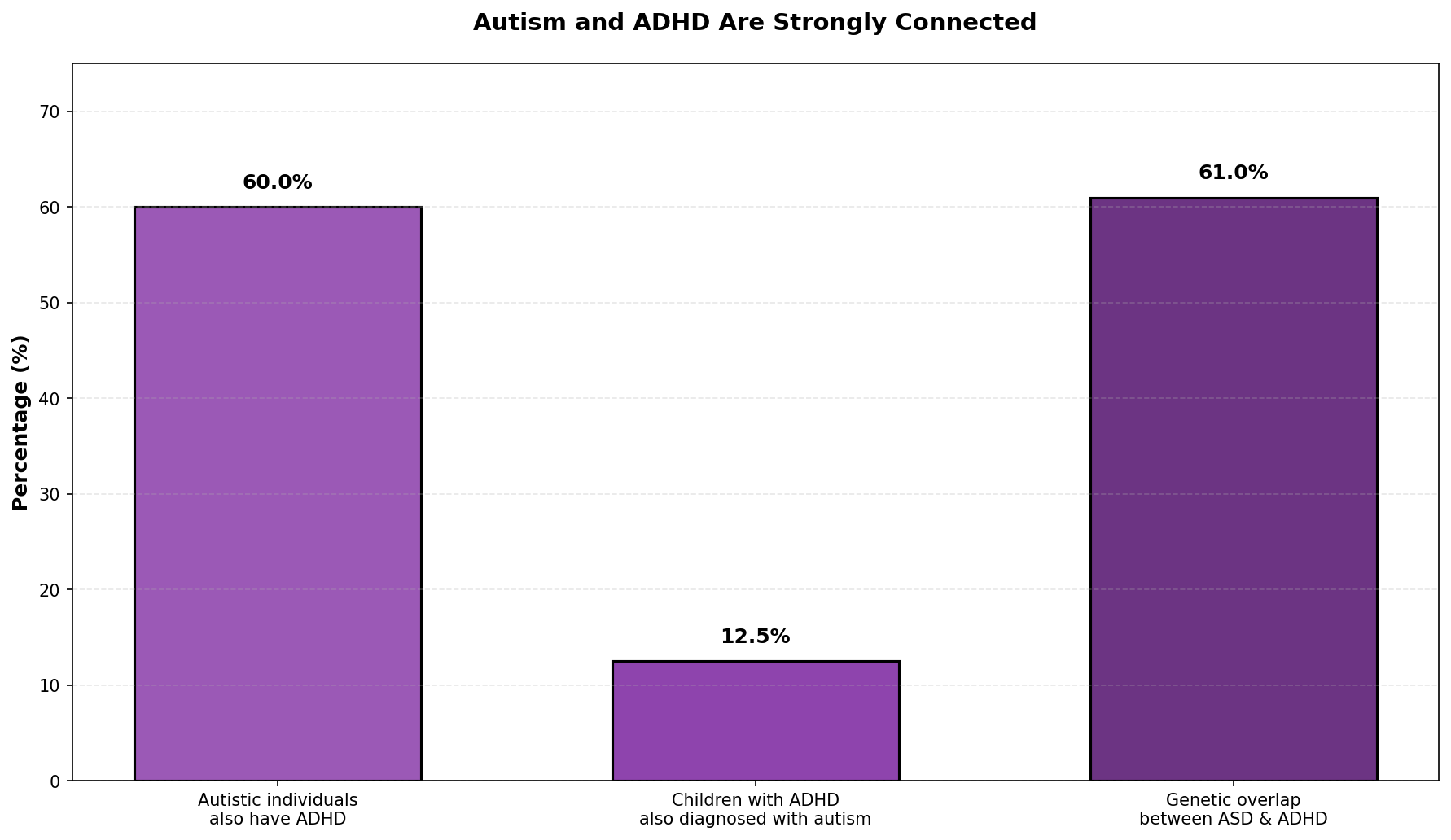 Figure 6: About 60% of autistic individuals also have ADHD, and 12.5% of children with ADHD are also autistic. They share 50-72% of genetic factors, explaining the high overlap and suggesting shared neurobiological bases for rejection sensitivity.
How RSD Impacts Daily Life
The emotional pain of RSD doesn't stay contained to momentary hurt feelings. It radiates outward, affecting relationships, work, mental health, and quality of life.
On Relationships
People with RSD often interpret ambiguous partner behaviour as rejection, triggering defensive or withdrawn responses. Partners of people with RSD report confusion and hurt when a neutral comment is received as a severe rejection. This can create conflict cycles: the person with RSD responds intensely to perceived rejection, the partner feels attacked or misunderstood, and both withdraw.
Many adults with ADHD report short-lived, conflicted romantic relationships. Some avoid pursuing relationships entirely because the fear of rejection feels unbearable. Others experience unstable attachment patterns rooted in their fear of abandonment.
On Career and Work
Rejection sensitivity in the workplace manifests as intense fear of criticism or failure. People with RSD often avoid seeking promotions despite being qualified because the possibility of being rejected for advancement feels intolerable. They may misinterpret a manager's constructive feedback as confirmation that they're failing or disliked.
Adults with ADHD experience measurable career disadvantages: they underperform professionally compared to peers without ADHD, face higher workplace stress, take more sick leave, and experience reduced career opportunities. RSD contributes significantly to these outcomes.
On Mental Health
Rejection sensitivity is associated with increased rates of depression, anxiety, loneliness, and isolation. The constant fear of rejection and the emotional devastation when perceived rejection occurs create a breeding ground for these conditions. Over time, many people with untreated RSD develop clinical depression or anxiety disorders.
On Physical Health
The constant state of emotional arousal and the physical symptoms accompanying emotional pain (tension, fatigue, dissociation) take a toll. Some people experience sleep disturbances. Others develop chronic pain or other somatised symptoms (physical manifestations of emotional distress).
Treatment: What Actually Works
The good news: RSD is treatable. Unlike some mental health conditions with limited options, there's a growing evidence base for effective approaches.
Medication
About 78% of people with ADHD respond adequately to stimulant medications (such as methylphenidate or amphetamine-based medications). For the remaining 22%, dose adjustments or alternative medications may help.
Stimulants work by increasing dopamine availability in the prefrontal cortex, improving emotional regulation alongside attention. Many people report that stimulant medication helps reduce the intensity and frequency of RSD episodes.
For those whose RSD is accompanied by depression or anxiety, antidepressants (SSRIs) may be added, though they're not typically the first-line treatment for RSD specifically.
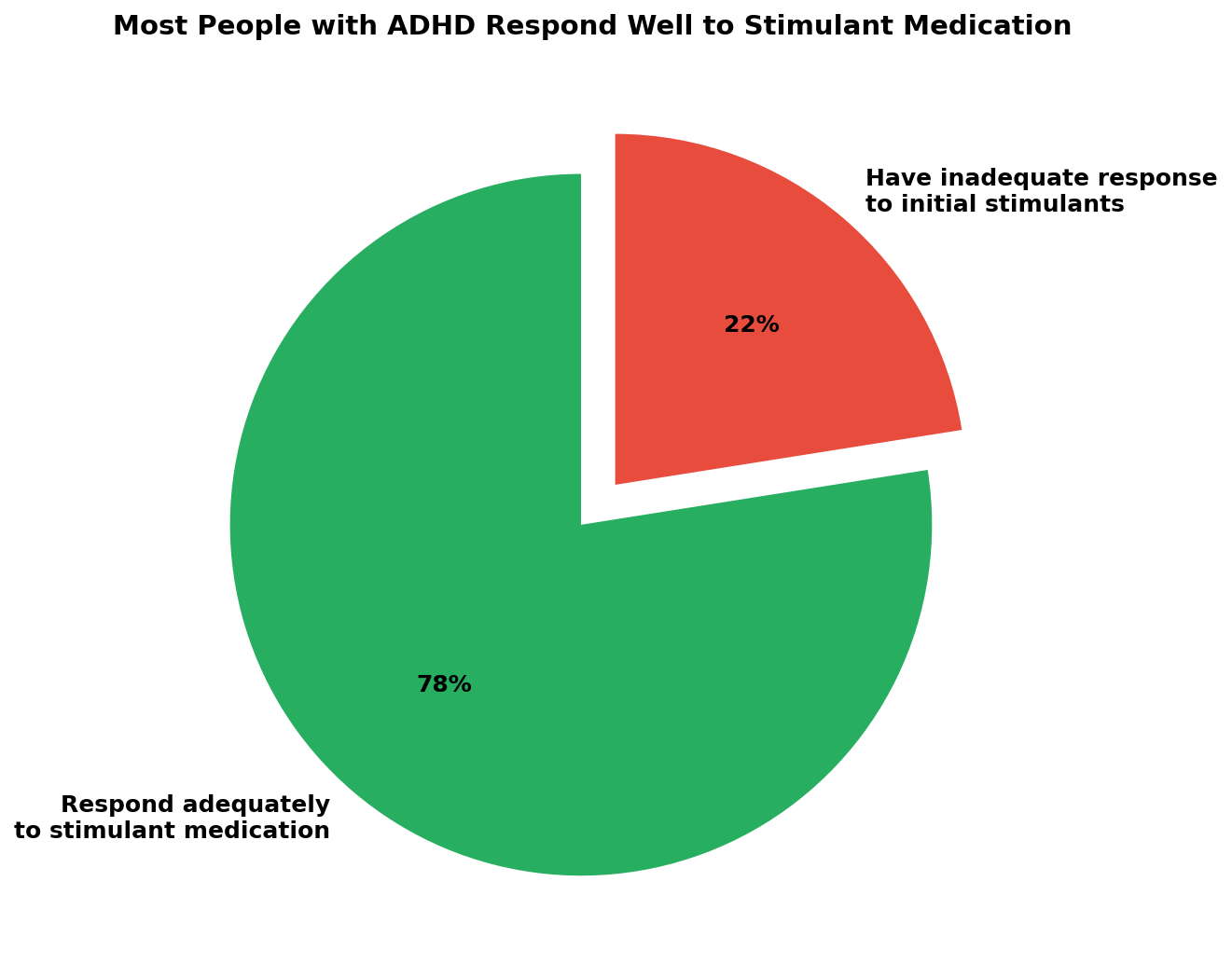 Figure 7: About 78% of people adequately respond to stimulant treatment. For the 22% with inadequate response, dose optimisation within FDA-approved ranges often helps, as research shows incremental benefits at higher therapeutic doses.
Therapy and Psychological Treatment
Cognitive Behavioural Therapy (CBT) helps people identify and challenge thought patterns that amplify rejection sensitivity. It teaches practical strategies for managing emotional reactions and reframing ambiguous situations.
Dialectical Behaviour Therapy (DBT) focuses specifically on emotional regulation, distress tolerance, mindfulness, and interpersonal effectiveness. Research shows college students receiving DBT group training for ADHD demonstrated greater treatment response rates, clinical recovery rates, improved quality of life, and better executive functioning.
Acceptance and Commitment Therapy (ACT) takes a different approach, teaching people to accept difficult emotions rather than fight them, whilst staying committed to their values. Rather than trying to eliminate painful feelings, ACT helps people live meaningful lives despite experiencing rejection sensitivity.
Mindfulness-based interventions show strong evidence. An 8-week mindfulness meditation programme improved self-reported ADHD symptoms, clinician-rated symptoms, executive functioning, and emotional dysregulation. Systematic reviews confirm these findings across multiple studies.
Lifestyle and Self-Help Strategies
Exercise directly impacts dopamine. Even short bursts (a quick walk, some jumping jacks, one loop around the block) boost dopamine levels and improve mood. For someone whose emotional dysregulation stems from dopamine dysfunction, movement is a powerful tool.
Sleep is foundational. Sleep deprivation worsens emotional dysregulation significantly. Maintaining consistent sleep and wake times stabilises mood and emotional resilience.
Structured breaks prevent emotional accumulation. Rather than powering through the day until you're emotionally overwhelmed, taking short 5-10 minute breaks every hour acts as a reset, preventing escalation to crisis responses.
Routine and organisation provide predictability, which reduces triggers for rejection sensitivity. When your environment and schedule feel chaotic, your brain is in constant threat-detection mode. Structure and predictability signal safety.
Building support systems is crucial. Trusted relationships where you can be honest about your struggles, support groups for ADHD, and therapy relationships all provide validation and reduce isolation.
Combination Treatment
Research consistently shows that combination approaches work best: medication plus therapy plus lifestyle modifications. Here's a realistic timeline:
Medication effects appear within 2-4 weeks. Early therapy improvements show up within 4-8 weeks. Substantial changes typically take 12-16 weeks. True skill mastery and lasting change take 6-12 months of consistent effort.
The combination works because each element addresses a different aspect of the problem. Medication restores dopamine function. Therapy teaches new skills and perspectives. Lifestyle modifications support neurochemistry and build resilience.
Managing RSD in Relationships
If you have RSD, you likely know how it affects your relationships. What you might not know is that your partner can learn to respond in ways that help rather than harm.
Communication Patterns That Help
Rather than reactive responses, structured communication slows things down and prevents escalation. This might involve:
- Taking turns speaking and listening
- Using scheduled conversations for sensitive topics rather than ad-hoc criticism
- Practising reflecting on what you heard before responding
- Validating feelings even when disagreeing
- Requesting feedback in writing when possible, since tone and subtle cues can trigger misinterpretation
Partner Education Matters
Many relationship conflicts stem from partners not understanding RSD. When a partner learns that perceived rejection triggers intense emotional pain (not a choice), they can respond with compassion rather than defensiveness.
Explaining to your partner that RSD is a neurobiological condition, not rejection of them, can shift the dynamic entirely. Instead of "You're overreacting," the conversation becomes "Your brain processes rejection differently, and I understand that hurts intensely."
Couples Therapy Specifically for ADHD
Imago Relationship Therapy is designed to work well with ADHD dynamics. It:
- Slows the communication process, preventing reactive escalation
- Provides structured conversation frameworks
- Ensures both partners feel genuinely heard and understood
- Helps partners understand ADHD/RSD without blame
Moving Forward
Rejection sensitive dysphoria is real, it's common, and it's treatable. If you recognise yourself in this description, the first step is understanding that you're not broken or weak. Your brain processes rejection differently, and that's a neurobiological fact, not a character flaw.
The second step is seeking proper assessment and treatment. This might involve:
- Speaking with your doctor about an ADHD assessment if you haven't been diagnosed
- Discussing RSD specifically with your healthcare provider, as not all clinicians yet recognise it as a distinct component requiring separate attention
- Exploring medication options with a psychiatrist or ADHD specialist
- Finding a therapist experienced with ADHD and emotional dysregulation
- Beginning lifestyle modifications whilst pursuing medical treatment
The path forward isn't always linear. Treatment may need adjustments. You might try one therapy approach and later add or switch to another. That's normal. What matters is that you're addressing the underlying neurobiological issue rather than blaming yourself.
With proper treatment, people with RSD experience significant improvement. The emotional reactions don't disappear, but they become more manageable. You develop skills to recognise when your brain is misinterpreting ambiguous situations. You learn techniques to tolerate distress when it does arise. Over months, the intensity of RSD episodes typically decreases, and your quality of life improves measurably.
You're not overreacting. Your brain is just wired to experience rejection more intensely, and that can be addressed.
Further Reading
Understanding RSD and ADHD
- Cleveland Clinic: Rejection Sensitive Dysphoria (RSD) and Symptoms
- Cleveland Clinic: Emotional Dysregulation in ADHD
- Mayo Clinic: Adult ADHD Diagnosis and Treatment
- Harvard Health: Coping Strategies for Midlife ADHD
Treatment Approaches
- Cleveland Clinic: Emotional Dysregulation: What It Is, Causes and Treatment
- Harvard Health: Self-Regulation Strategies for Adults
- Mayo Clinic: Focus and Time Management Tips for ADHD
Research and Additional Information
References/Helpful Resources
- Cleveland Clinic. Rejection Sensitive Dysphoria (RSD): Symptoms & Treatment [Internet]. [cited 2026 Apr 23]. Available from: https://my.clevelandclinic.org/health/diseases/24099-rejection-sensitive-dysphoria-rsd.
- Cleveland Clinic. Why Emotional Dysregulation Can Happen With ADHD [Internet]. [cited 2026 Apr 23]. Available from: https://health.clevelandclinic.org/adhd-and-emotional-dysregulation.
- Cleveland Clinic. Emotional Dysregulation: What It Is, Causes & Treatment [Internet]. [cited 2026 Apr 23]. Available from: https://my.clevelandclinic.org/health/symptoms/25065-emotional-dysregulation.
- National Institute of Mental Health. ADHD [Internet]. National Institutes of Health. [cited 2026 Apr 23]. Available from: https://www.nimh.nih.gov/health/topics/attention-deficit-hyperactivity-disorder-adhd.
- Centers for Disease Control and Prevention. Data and Statistics on ADHD [Internet]. [cited 2026 Apr 23]. Available from: https://www.cdc.gov/adhd/data/index.html.
- Mayo Clinic. Adult attention-deficit/hyperactivity disorder (ADHD): Diagnosis and treatment [Internet]. [cited 2026 Apr 23]. Available from: https://www.mayoclinic.org/diseases-conditions/adult-adhd/diagnosis-treatment/drc-20350883.
- Harvard Health Publishing. Midlife ADHD? Coping strategies that can help [Internet]. [cited 2026 Apr 23]. Available from: https://www.health.harvard.edu/blog/midlife-adhd-coping-strategies-that-can-help-202102052381.
- Harvard Health Publishing. Self-regulation for adults: Strategies for getting a handle on emotions and behaviour [Internet]. [cited 2026 Apr 23]. Available from: https://www.health.harvard.edu/mind-and-mood/self-regulation-for-adults-strategies-for-getting-a-handle-on-emotions-and-behavior.
- National Institute of Mental Health. Attention-Deficit/Hyperactivity Disorder [Internet]. National Institutes of Health. [cited 2026 Apr 23]. Available from: https://www.nimh.nih.gov/health/topics/attention-deficit-hyperactivity-disorder-adhd.
