

If you are a man over 40 (or you love one), there is a good chance you have heard about the PSA test and felt confused about whether it is something you should actually have. One friend swears it saved his life. Another says his uncle had a biopsy he never needed. Your GP brings it up gently, then leaves the decision to you.
That confusion is not your fault. The PSA test is one of the most useful but also most debated tools in modern men's health. It is a simple blood draw that can catch prostate cancer years before symptoms appear; it can also flag harmless conditions and lead some men into treatments they never needed.
This guide pulls together what the best evidence actually says, so you can have a real conversation with your doctor rather than a guess-the-answer one. By the end you will know what PSA is, what the numbers mean, who benefits most from screening, what the risks are, and how to decide what is right for you.
What Is the Prostate, and Why Does PSA Matter?
The prostate is a small gland, roughly the size of a walnut, that sits just below the bladder in men. Its main job is to make some of the fluid in semen. It tends to grow with age, which is why so many older men develop urinary symptoms, most of which are nothing to do with cancer.
PSA stands for prostate-specific antigen. It is a protein made almost entirely by prostate cells, both healthy and cancerous. A tiny amount leaks into the bloodstream, where it can be measured by a simple blood test. Because PSA comes mostly from one place, it acts like a quiet messenger from the prostate: when the gland is irritated, enlarged, inflamed, or harbouring cancer, PSA levels often rise.
Here is the key point most articles bury: PSA is specific to the prostate, but it is not specific to cancer. That single sentence explains nearly every controversy you will read about.
Prostate Cancer by the Numbers
Prostate cancer is the second most common cancer in men worldwide, with around 1.4 million new cases globally in 2020 and more than 375,000 deaths. In the United States alone, an estimated 333,830 new cases and 36,320 deaths are projected for 2026.
Put another way:
- About 1 in 8 men will be diagnosed with prostate cancer in their lifetime
- About 1 in 41 men (around 2.4%) will die from it
- More than 80% of cases are caught at an early, localised stage
- Five-year survival across all stages is 98%. For early-stage disease it is essentially 100%; for cancer that has already spread, it drops to about 32%
That last contrast is the entire reason the PSA test exists. Catching prostate cancer early changes the outcome dramatically.
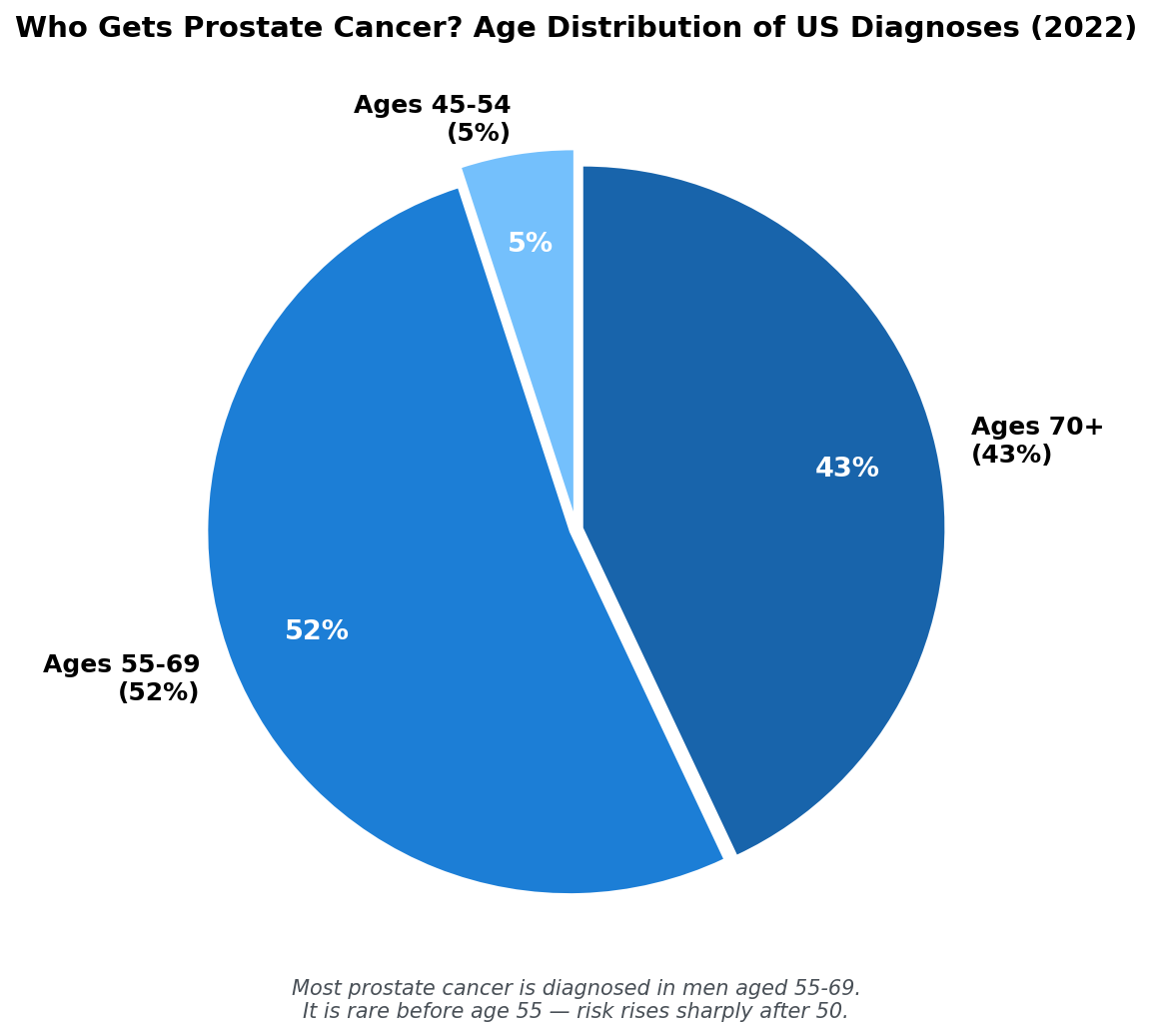 Figure 1: Age distribution of US prostate cancer diagnoses in 2022. Just over half of cases are diagnosed between ages 55 and 69, with only 5% diagnosed under age 55.
The risk is also rising. In the US, new-case rates have climbed an average of 2.7% per year over the last decade, while death rates have continued to fall by about 0.8% per year, partly thanks to earlier detection and better treatments.
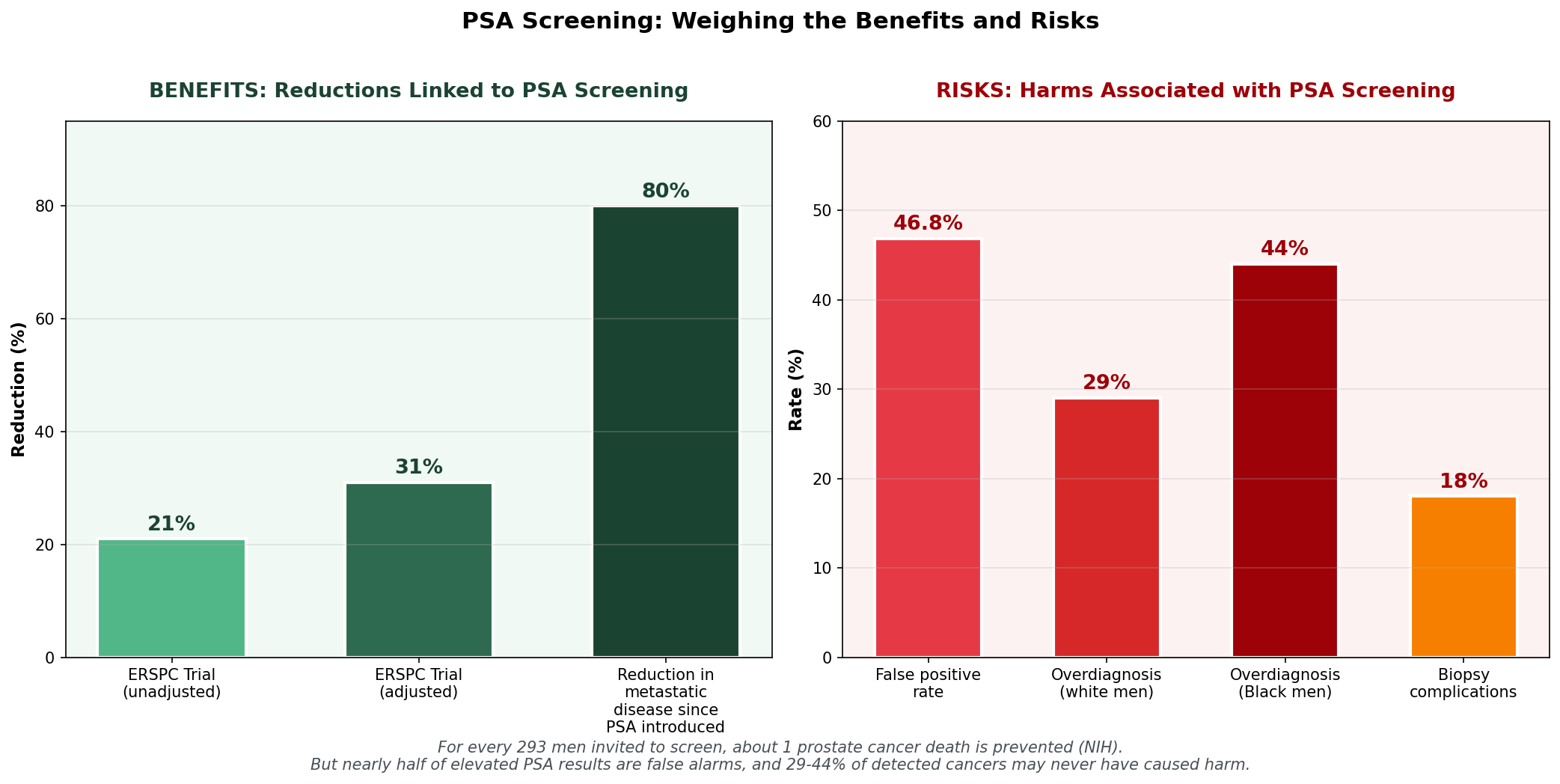 Figure 2: Long-term US trends show new cases rising while deaths slowly fall.
How the PSA Test Actually Works
The test itself is unremarkable. A nurse takes a small blood sample from your arm, the lab measures how many nanograms of PSA are in each millilitre of blood (written as ng/mL), and results usually come back within one to two weeks. No fasting. No special prep beyond a few sensible 48-hour rules.
To get a reliable result, doctors recommend:
- Avoiding ejaculation for 48 hours before the test (sex temporarily raises PSA)
- Skipping vigorous exercise, especially cycling, for two days beforehand
- Waiting one to two months after any urinary infection, prostate procedure, or recent biopsy
If you are taking finasteride or dutasteride (common medications for hair loss or enlarged prostate), tell your doctor. These can cut PSA roughly in half, and your reading needs to be doubled to interpret it properly.
What Counts as "Normal"?
There is no single normal number that fits every man. PSA naturally rises with age and prostate size, so doctors use age-banded reference ranges as a starting point.
|
Age Group |
Typical Upper Limit (ng/mL) |
|
40–49 |
2.5 |
|
50–59 |
3.5 |
|
60–69 |
4.5 |
|
70–79 |
6.5 |
The classic single threshold is 4.0 ng/mL, but age-specific thresholds have been suggested, as shown above, reflecting a more cautious approach for younger men. What matters even more than the single number is the trend.
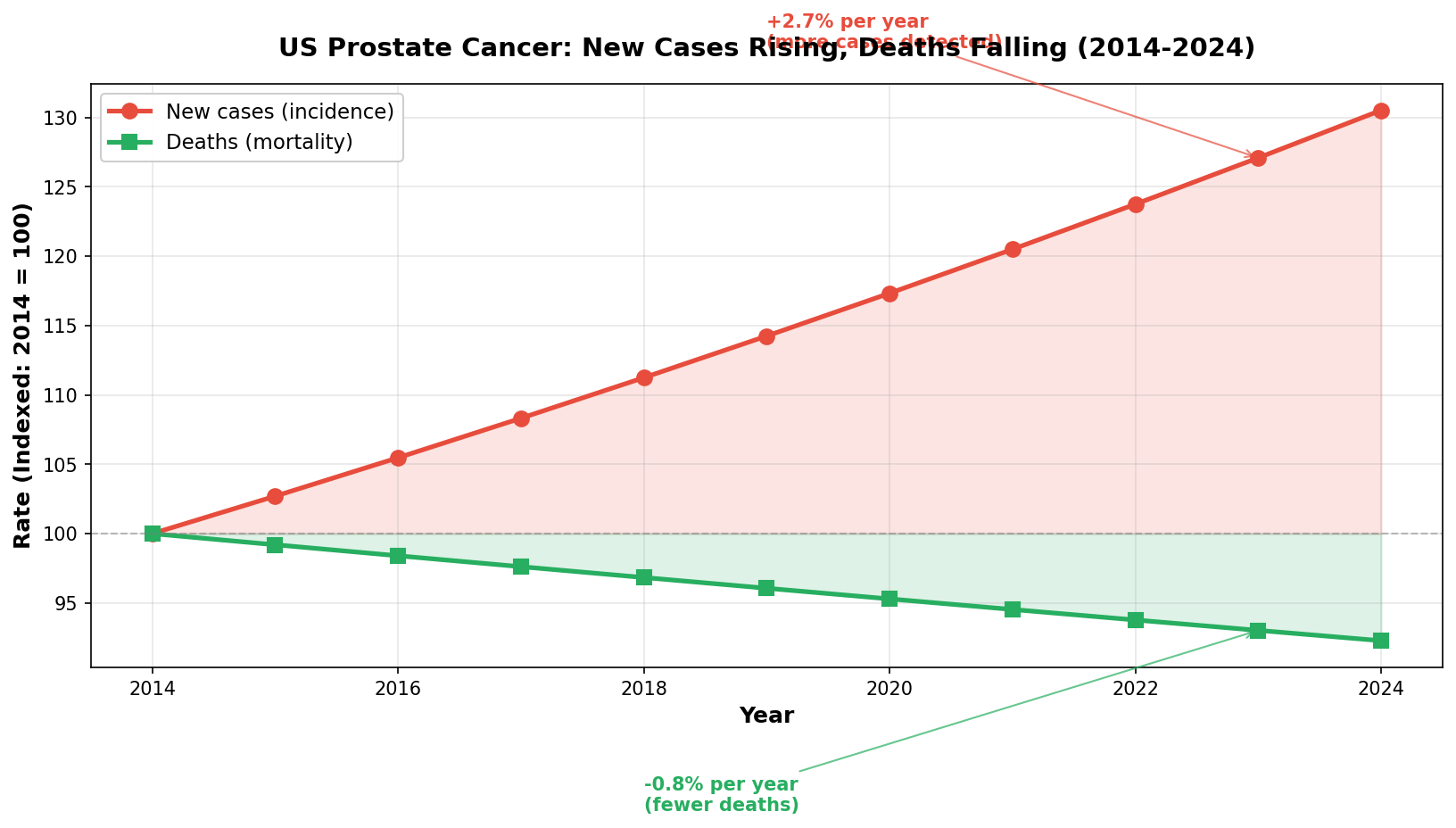 Figure 3: Typical PSA upper limits by age group. The "normal" line shifts upward as the prostate naturally enlarges over time.
Doctors also look at:
- PSA velocity: how fast the number is rising. A jump of more than 0.75 ng/mL per year is more concerning than the absolute value
- PSA doubling time: aggressive cancers tend to double PSA in less than 12 months.
- Free PSA ratio: when total PSA sits in the awkward 4–10 ng/mL "grey zone", the percentage that is "free" (unbound) helps separate cancer from benign enlargement. A free PSA above 25% is reassuring; below 10% is more suspicious
- PSA density: total PSA divided by prostate volume from an ultrasound or MRI
Think of it like blood pressure. One reading rarely tells the whole story; doctors look at the pattern.
What Raises PSA (Without Cancer Being Involved)
This is the part most men wish they had heard sooner. PSA can rise for plenty of reasons that have nothing to do with cancer:
- Benign prostatic hyperplasia (BPH), the harmless age-related enlargement of the prostate. Up to 86% of men with BPH have elevated PSA
- Prostatitis, an infection or inflammation of the prostate
- Recent ejaculation, vigorous cycling, or a urinary catheter
- A recent biopsy or urinary infection within the last one to two months
The NHS estimates that 3 out of 4 men with a raised PSA do not have prostate cancer. That single statistic explains why an abnormal result is the start of a conversation, not a diagnosis.
How Accurate Is the Test?
PSA is good at not missing cancer but poor at correctly ruling it out. Across large studies of symptomatic patients referred for biopsy, sensitivity (the ability to catch true cancer) runs around 93%. However, specificity (the ability to correctly identify men without cancer) is much lower, around 20%.
In practice this means:
- An elevated PSA is often a false alarm
- Only about 1 in 8 men with a raised PSA actually has prostate cancer
That trade-off is the heart of the PSA debate.
The Benefits: Why Doctors Still Use It
The biggest reason PSA testing exists is that it catches cancer earlier, when it is far easier to cure. The European Randomised Study of Screening for Prostate Cancer (ERSPC), the largest trial ever run on this question, found that PSA screening:
- Reduced prostate-cancer deaths by about 20% in standard analysis and by 25–31% once you adjust for men who skipped screening
- Slashed the share of men first diagnosed with already-metastatic disease from 21% to about 4%, an 80% reduction since PSA was introduced
To prevent one prostate-cancer death, roughly 293 men need to be invited for screening and 12 cancers need to be diagnosed. Those numbers may sound modest until you scale them up to a national population, where thousands of deaths are avoided each year.
The US PLCO trial famously found no clear benefit, but later analyses showed this was largely because many men in the "no screening" group were quietly getting PSA tests anyway. Once researchers accounted for that, the benefit looked similar to the European trial.
The Risks: What the Headlines Get Right
Screening is not free. The harms are real, even if they are often less dramatic than internet stories suggest.
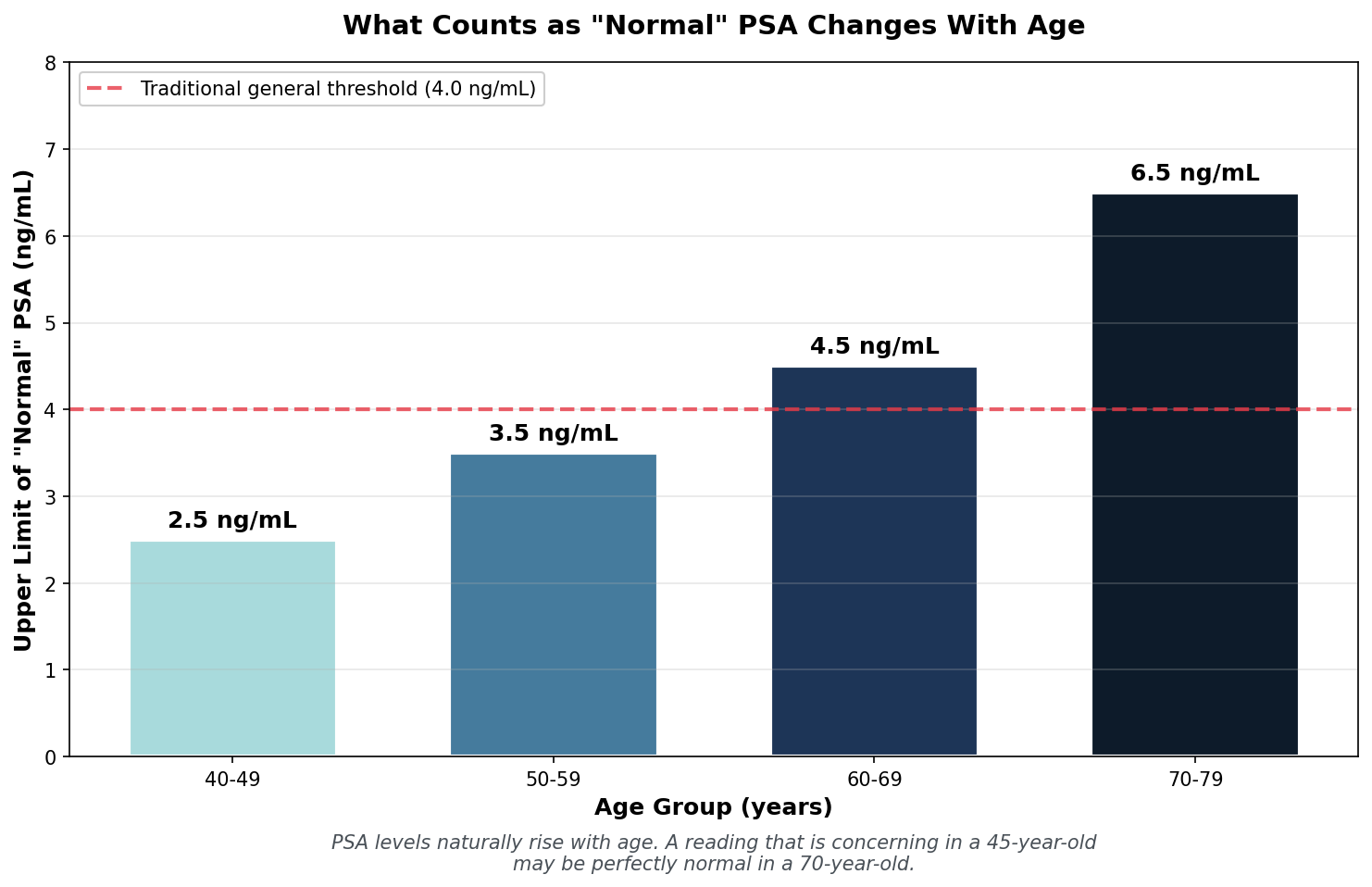 Figure 4: A side-by-side look at the trade-offs of PSA screening.
The main concerns are:
- False positives. Around 17–47% of men screened will be told their PSA is high when nothing serious is going on. That usually triggers anxiety and further tests
- Overdiagnosis. Some prostate cancers grow so slowly they would never have caused harm in a man's lifetime. ERSPC estimated about half of screen-detected cancers fall into this category, and other analyses put the figure between 22% and 64% depending on assumptions
- Biopsy complications. A prostate biopsy is needed to confirm cancer. Complication rates run around 14–18%, including 2–7% infections, a small chance of sepsis (around 0.3–3%), and roughly 1% hospitalisation
- Overtreatment side effects. Surgery and radiation can cause urinary incontinence and erectile problems. For low-risk cancers, modern guidelines now favour active surveillance, watching closely rather than treating immediately
The good news: side-by-side comparison shows that the benefits of screening (fewer advanced cancers, fewer deaths) and the harms (false positives, overdiagnosis) can be weighed quite clearly once you know your personal risk.
What the Guidelines Actually Say
There is no single global answer because the evidence is genuinely balanced. Here is how the major bodies line up.
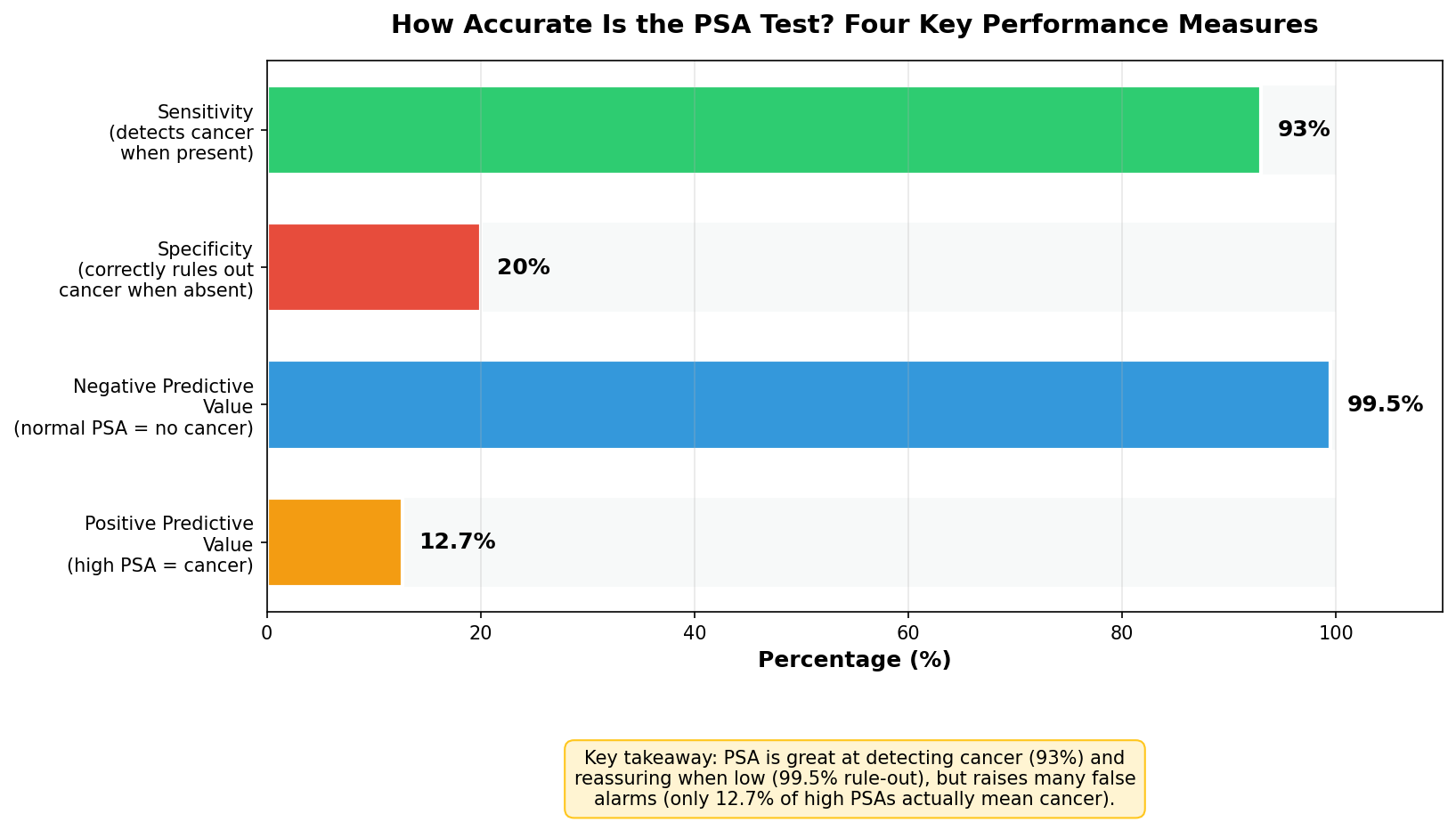 Figure 6: How USPSTF, NHS, ACS, and AUA differ on PSA screening recommendations.
- USPSTF (United States, 2018): For men aged 55–69, screening is an individual decision after discussing benefits and harms (Grade C). For men 70 and older, routine PSA testing is not recommended (Grade D)
- NHS (United Kingdom): There is no national screening programme. Men aged 50+ can request a PSA test from their GP after a counselling discussion under the Prostate Cancer Risk Management Programme. Men aged 45+ with strong family history or Black/Afro-Caribbean ethnicity are eligible earlier
- American Cancer Society (ACS): Discussion at age 50 for average-risk men, age 45 for higher-risk men (Black ancestry or a first-degree relative diagnosed before 65), and age 40 for very high risk (multiple affected relatives or known genetic mutations)
- American Urological Association / SUO (2023): A risk-based approach starting at 40–45 for higher-risk groups, with a strong emphasis on shared decision-making and using newer tools (MRI, biomarkers) before biopsy
A consistent theme across every guideline: do not screen men whose life expectancy is under 10 years, because the harms outweigh the benefits.
Racial and Health Disparities
Not all men face the same risk, and this matters enormously when deciding when and whether to test.
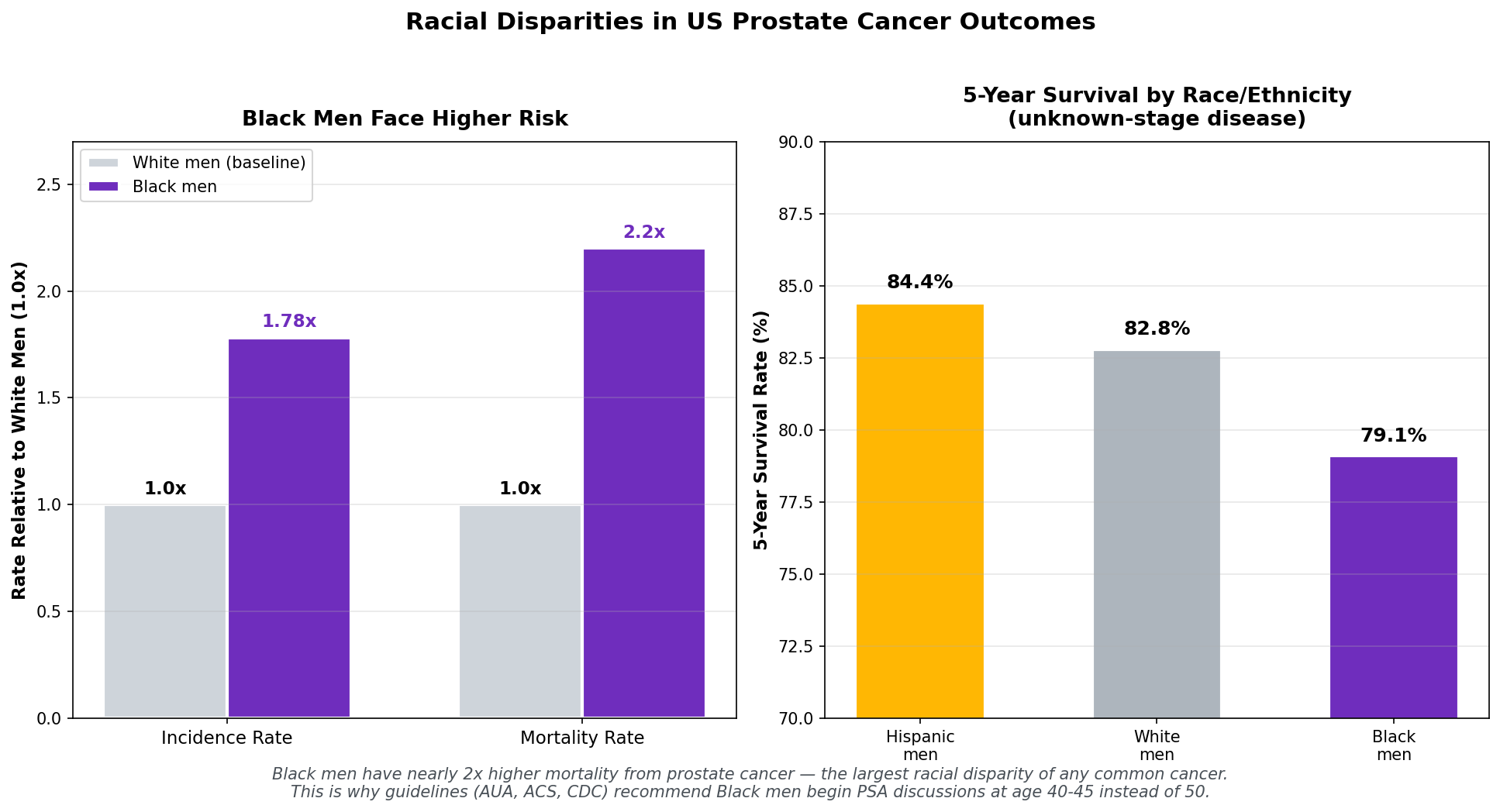 Figure 7: Black men in the US face significantly higher prostate cancer incidence and mortality than other groups.
The numbers are stark. Compared with non-Hispanic white men, Black men in the US have:
- 1.78 times higher incidence of prostate cancer
- 2.2 times higher mortality, the largest racial gap of any common cancer
- A higher likelihood of being diagnosed with aggressive, advanced disease
The causes are layered: genetic differences, healthcare access, screening uptake, and longstanding inequities in how care is delivered. Family history also raises risk substantially. Men with a BRCA2 mutation under age 65 have around an 8.6 times higher risk of prostate cancer; men with a BRCA1 mutation have around 3.8 times higher risk. Both mutations are linked to more aggressive disease.
For these groups, the case for earlier and more regular PSA conversations is much stronger because the absolute risk of a dangerous cancer is meaningfully higher.
A Personal Decision Framework
There is no universal right answer, but here is a practical way to think about it.
Ask yourself three questions:
- How old am I, and what is my likely life expectancy? Screening makes most sense for men with at least 10–15 more years of expected life, because that is how long it usually takes a slow prostate cancer to cause harm
- What is my personal risk? Family history of prostate, breast, or ovarian cancer; Black or Afro-Caribbean ancestry; or a known BRCA mutation all push you towards earlier and more proactive testing
- How would I feel about a positive result? Some men want every possible piece of information. Others would rather not face years of biopsies and decisions over a cancer that might never harm them. Both are valid
A reasonable starting point for most men:
- Under 40: Almost no role for routine PSA, unless very strong family history or known genetic risk
- 40–45 with high risk (Black ancestry, BRCA mutation, close relative diagnosed before 65): Talk to your doctor about starting PSA testing
- 50–69 with average risk: Have a proper conversation with your doctor. Weigh the benefits (fewer advanced cancers, fewer prostate-cancer deaths) against the harms (false alarms, overdiagnosis, possible biopsies)
- 70 and older, or anyone with under 10 years of life expectancy: Routine PSA is generally not recommended
Whatever you decide, remember:
- One PSA reading is not a diagnosis. It is a starting point
- A raised PSA usually triggers more tests, often a multiparametric MRI before any biopsy, which has reduced unnecessary biopsies significantly
- If cancer is found and it is low risk, active surveillance is a legitimate, increasingly common path. You do not have to choose immediate surgery or radiation
- Tell your doctor about ejaculation, cycling, infections, and medications before your test; they all affect the number
Prostate cancer is common, but it is also one of the most survivable cancers when caught early. The PSA test is imperfect, sometimes frustrating, and not for everyone, but for the right man at the right time, it remains one of the most powerful tools in men's health. The goal is not to test or skip testing on autopilot; it is to make a decision that fits your life, your risk, and your values.
Further Reading
Understanding PSA and Prostate Cancer Basics
- NHS: PSA test
- NCI: Prostate-Specific Antigen (PSA) Test Fact Sheet
- Mayo Clinic: PSA test overview
- MedlinePlus: PSA test
Screening Guidelines and Decision-Making
- USPSTF: Prostate Cancer Screening Recommendation
- CDC: Should I Get Screened for Prostate Cancer?
- Mayo Clinic: Prostate cancer screening in-depth
- NCI: Prostate Cancer Screening (PDQ)
Diagnosis, Risk Factors and Disparities
- CDC: Prostate Cancer Risk Factors
- CDC: U.S. Prosta te Cancer Incidence Statistics
- NCI/SEER: Cancer Stat Facts – Prostate Cancer
Treatment, Active Surveillance and Survivorship
- NCI: Prostate Cancer Treatment (PDQ)
- NHS: Prostate cancer treatment
- StatPearls: Prostate Cancer Screening
Research and Clinical Trials
- ClinicalTrials.gov: ProstClinicalTrials.gov: PLCO Prostate Cancer Screening Trial
- NEJM: ERSPC Original Trial
- NEJM: ERSPC 23-Year Follow-up
References/Helpful Resources
- Siegel RL, Kratzer TB, Wagle NS, Sung H, Jemal A. Cancer statistics, 2026. CA Cancer J Clin. 2026;76:e70043. Available from: https://doi.org/10.3322/caac.70043
- National Cancer Institute. Cancer Stat Facts: Prostate Cancer [Internet]. Bethesda (MD): National Cancer Institute, SEER Program; [cited 2026 Jun 3]. Available from: https://seer.cancer.gov/statfacts/html/prost.html
- Centers for Disease Control and Prevention. Prostate Cancer Risk Factors [Internet]. Atlanta: CDC; [cited 2026 Jun 3]. Available from: https://www.cdc.gov/prostate-cancer/risk-factors/index.html
- David MK, Leslie SW. Prostate-specific antigen. In: StatPearls [Internet]. Treasure Island (FL): StatPearls Publishing; 2026 Jan– [updated 2024 Sep 10; cited 2026 Jun 3]. Available from: https://www.ncbi.nlm.nih.gov/books/NBK557495/
- Merriel SWD, Pocock L, Gilbert E, Creavin S, Walter FM, Spencer A, et al. Systematic review and meta-analysis of the diagnostic accuracy of prostate-specific antigen (PSA) for the detection of prostate cancer in symptomatic patients. BMC Med. 2022;20:54. Available from: https://doi.org/10.1186/s12916-021-02230-y
- Schröder FH, Hugosson J, Roobol MJ, Tammela TLJ, Ciatto S, Nelen V, et al. Screening and prostate-cancer mortality in a randomized European study (ERSPC). N Engl J Med. 2009;360(13):1320-1328. Available from: https://pubmed.ncbi.nlm.nih.gov/19297566/
- Lumbreras B, Parker LA, Caballero-Romeu JP, Gómez-Pérez L, Puig-García M, López-Garrigós M, et al. Variables associated with false-positive PSA results: a cohort study with real-world data. Cancers. 2023;15(1):261. Available from: https://doi.org/10.3390/cancers15010261
- US Preventive Services Task Force. Prostate cancer: screening [Internet]. Rockville (MD): USPSTF; 2018 [cited 2026 Jun 3]. Available from: https://www.uspreventiveservicestaskforce.org/uspstf/recommendation/prostate-cancer-screening
- Prostate Cancer UK. Balanced information on the PSA blood test: NHS guidelines and Prostate Cancer UK's risk checker [Internet]. London: Prostate Cancer UK; 2024 [updated 2024 Nov; cited 2026 Jul 9]. Available from: https://prostatecanceruk.org/for-health-professionals/guidelines/psa-blood-test-nhs-guidelines-and-prostate-cancer-uk-s-risk-checker
- American Cancer Society. American Cancer Society recommendations for prostate cancer early detection [Internet]. Atlanta: American Cancer Society; 2023 [revised 2023 Nov 22; cited 2026 Jul 9]. Available from: https://www.cancer.org/cancer/types/prostate-cancer/detection-diagnosis-staging/acs-recommendations.html
- American Urological Association; Society of Urologic Oncology. Early detection of prostate cancer: AUA/SUO guideline (2023) [Internet]. Linthicum (MD): American Urological Association; 2023 [approved 2023 Apr]. Available from: https://www.auanet.org/documents/Guidelines/PDF/Early%20Detection%20Prostate%20Cancer/EDPC%20Unabridged%20FINAL.pdf
- Islami F, Siegel RL, Jemal A. The changing landscape of cancer in the USA — opportunities for advancing prevention and treatment. Nat Rev Clin Oncol. 2020;17(10):631-649. Available from: https://doi.org/10.1038/s41571-020-0378-y
- Siegel DA, O'Neil ME, Richards TB, Dowling NF, Weir HK. Prostate Cancer Incidence and Survival, by Stage and Race/Ethnicity — United States, 2001-2017. MMWR Morb Mortal Wkly Rep. 2020;69(41):1473-1480. doi:10.15585/mmwr.mm6941a1. Available from: https://pmc.ncbi.nlm.nih.gov/articles/PMC7561091/
- Castro E, Eeles R. The role of BRCA1 and BRCA2 in prostate cancer. Asian J Androl. 2012;14(3):409-414. Available from: https://pmc.ncbi.nlm.nih.gov/articles/PMC3720154/
- Nyberg T, Frost D, Barrowdale D, Evans DG, Bancroft E, Adlard J, et al. Prostate cancer risks for male BRCA1 and BRCA2 mutation carriers: a prospective cohort study. Eur Urol. 2020;77(1):24-35. Available from: https://pmc.ncbi.nlm.nih.gov/articles/PMC6926480/
