

The Role of Fibre Types in Health: Why Two Types of Fibre Are Better Than One
If you've heard that you should eat more fibre, you're right. But here's what most people don't know: not all fibre is the same, and understanding the difference between soluble and insoluble fibre could fundamentally change how you approach your health. The good news is that this isn't complicated science disguised as something simple. Once you understand how each type works, you'll see why adding more fibre to your diet is one of the most powerful health decisions you can make.
The Fibre Problem Nobody Talks About
Let's start with a surprising fact: 95% of adults aren't eating enough fibre.1 You read that right. Out of 100 people, only 5 are meeting their daily requirements. The average person eats about 15-17 grams of fibre per day1, while health organisations recommend 25-30 grams. 2This isn't a failure of willpower or discipline. It's a systemic problem with modern diets.
What makes this particularly concerning? This fibre gap may be driving epidemics of heart disease, diabetes, and colon cancer1. When you're eating half the fibre your body needs, you're not just missing out on good nutrition. You're missing out on disease prevention.
Here's the more hopeful framing: if you're currently eating 15 grams of fibre daily and increase to 25-30 grams, you could reduce your risk of major diseases by 17-58%.3,4That's not marginal improvement. That's the kind of health impact usually reserved for medications, except this comes with zero side effects and actually helps your digestion.
Two Types of Fibre: They Work Completely Differently
Your body can't digest fibre the way it digests other carbohydrates. That's actually the point. Fibre passes through your digestive system largely intact, but along the way, each type does completely different work.
Soluble Fibre: The Cholesterol and Blood Sugar Manager
Soluble fibre dissolves in water and creates a gel-like substance in your digestive system. Think of it as a traffic-slowing device for your food. When you eat soluble fibre, digestion slows down, which means glucose (sugar) enters your bloodstream more gradually instead of spiking suddenly.
Common sources include oats, beans, lentils, apples, pears, bananas, and avocados. Most people find these foods fairly palatable; oatmeal for breakfast or beans in a chilli do not feel like medicine.
The specific health benefit? Soluble fibre is remarkably effective at lowering cholesterol. Every 5 grams of soluble fibre you add per day reduces LDL (bad) cholesterol by 5.57 mg/dL and total cholesterol by 6.11 mg/dL5. That might not sound dramatic until you realise that adding one bowl of oatmeal to your breakfast could lower your LDL by nearly 6 points. If your cholesterol is borderline high (200–240 mg/dL), adding 5–10 grams of soluble fibre daily could shift you from "requires treatment" to "normal" without medication.5
For people managing blood sugar, soluble fibre is equally impressive. In people with type 2 diabetes, soluble fibre reduces glucose by 12.3%.6 It does this by slowing digestion so the sugar spikes that damage blood vessels over time don't happen. Certain types of soluble fibre, called galactomannans (found in some beans), are particularly effective.5
Insoluble Fibre: The Digestive Regular and Disease Preventer
Insoluble fibre doesn't dissolve in water. Instead, it acts as a "street sweeper" in your digestive system, adding bulk to your stool, attracting water, and helping waste move through your colon more quickly and smoothly. Common sources are whole grains, wheat bran, nuts, seeds, and vegetables with skins.
The immediate benefit is obvious: it prevents constipation and keeps digestion regular. But research has revealed something more important. Recent 2024 research found that insoluble fibre is actually MORE effective than soluble fibre at reducing total mortality, cardiovascular death, and cancer death.4
This is counterintuitive because soluble fibre gets more attention in the media and from health organisations focused on cholesterol. But the evidence suggests that the "boring" insoluble fibre in whole grains and vegetables might be even more protective at a systemic level.
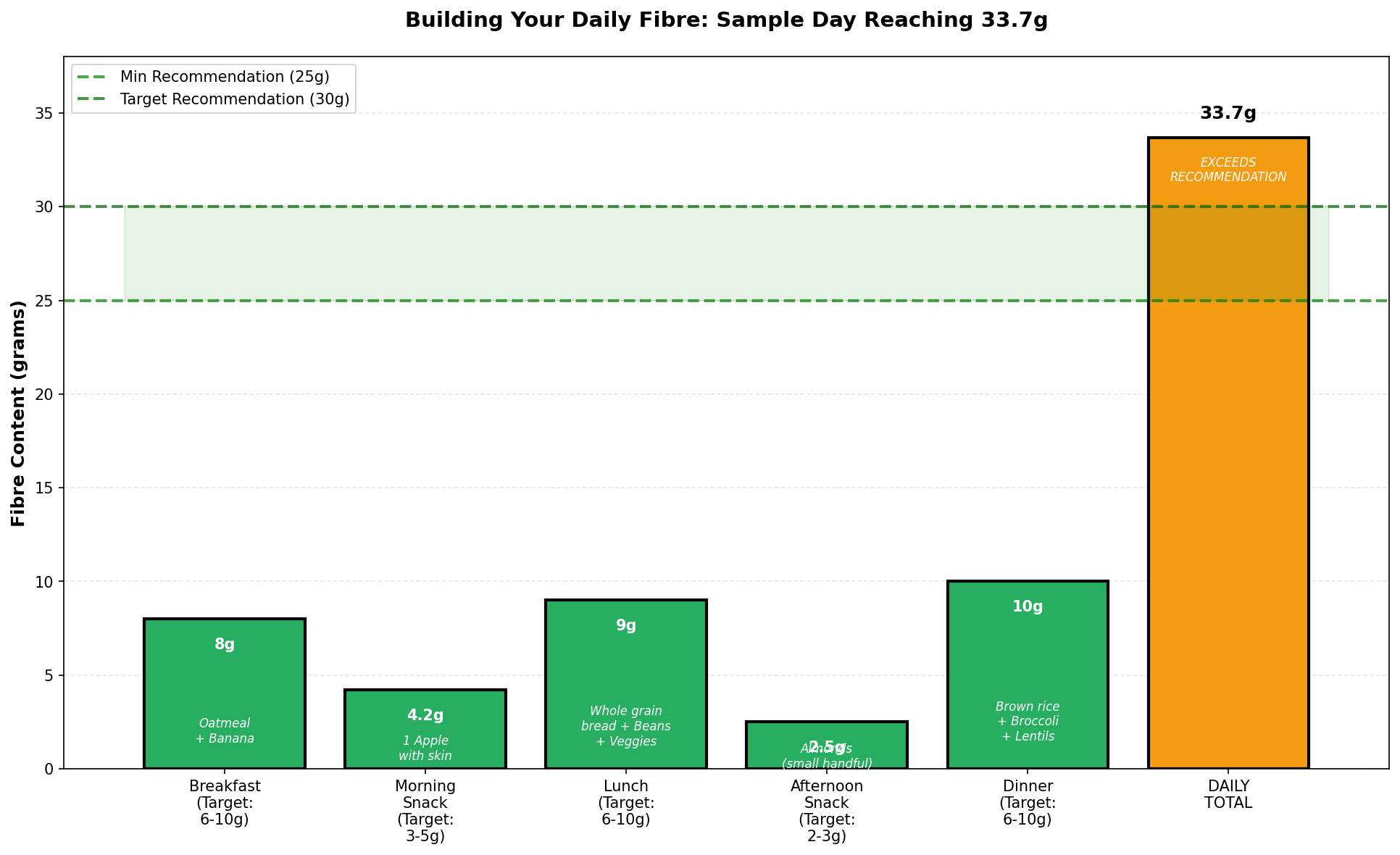 Figure 1: Soluble fibre excels at cholesterol and blood sugar control, while insoluble fibre provides broader disease prevention benefits.4
Why Do You Need Both Types?
This is the critical point that gets overlooked: you need both. Soluble fibre handles cholesterol and blood sugar. Insoluble fibre handles digestion and appears to provide broader disease protection. The optimal ratio is roughly 3 parts insoluble to 1 part soluble.7
The practical news is that most plant foods contain both types naturally. Black beans contain both. Apples with the skin contain both. Whole grain bread contains both. So when health experts recommend eating a variety of plant foods, they're not being vague—they're ensuring you get both types without having to calculate percentages.
Your target should be:
- Total fibre: 25-30 grams per day2
- Soluble fibre: 6-8 grams per day
- Insoluble fibre: 18-22 grams per day
Most people don't need to obsess over exact ratios. Just eat whole grains, vegetables, fruits, beans, and nuts throughout the day, and you'll naturally hit this balance.
The Hidden Power: Your Gut Bacteria and Short-Chain Fatty Acids
Here's where fibre gets really interesting. The health benefits of fibre don't come from the fibre itself. They come from what your gut bacteria do with the fibre.
When you eat fibre, it reaches your large intestine undigested. There, trillions of bacteria ferment (break down) the fibre and produce compounds called short-chain fatty acids (SCFAs). Your body produces approximately 500-600 millimoles of these protective compounds daily when you eat adequate fibre.8
These aren't numbers you need to remember, but here's why they matter: SCFAs provide 60-70% of the energy requirements for colon cells and 5-15% of your total body calories.8 In other words, fibre doesn't just pass through your system. It actively fuels your intestinal health and contributes to your overall energy metabolism.
Your bacteria produce three main types of SCFAs, each with different benefits:
Acetate (60% of SCFAs): The most abundant acetate reduces blood pressure and supports metabolic health throughout your body.8
Propionate (25% of SCFAs): Anti-inflammatory and improves insulin sensitivity, helping regulate blood sugar.8
Butyrate (15% of SCFAs): The preferred energy source for colon cells and particularly protective against cancer.8
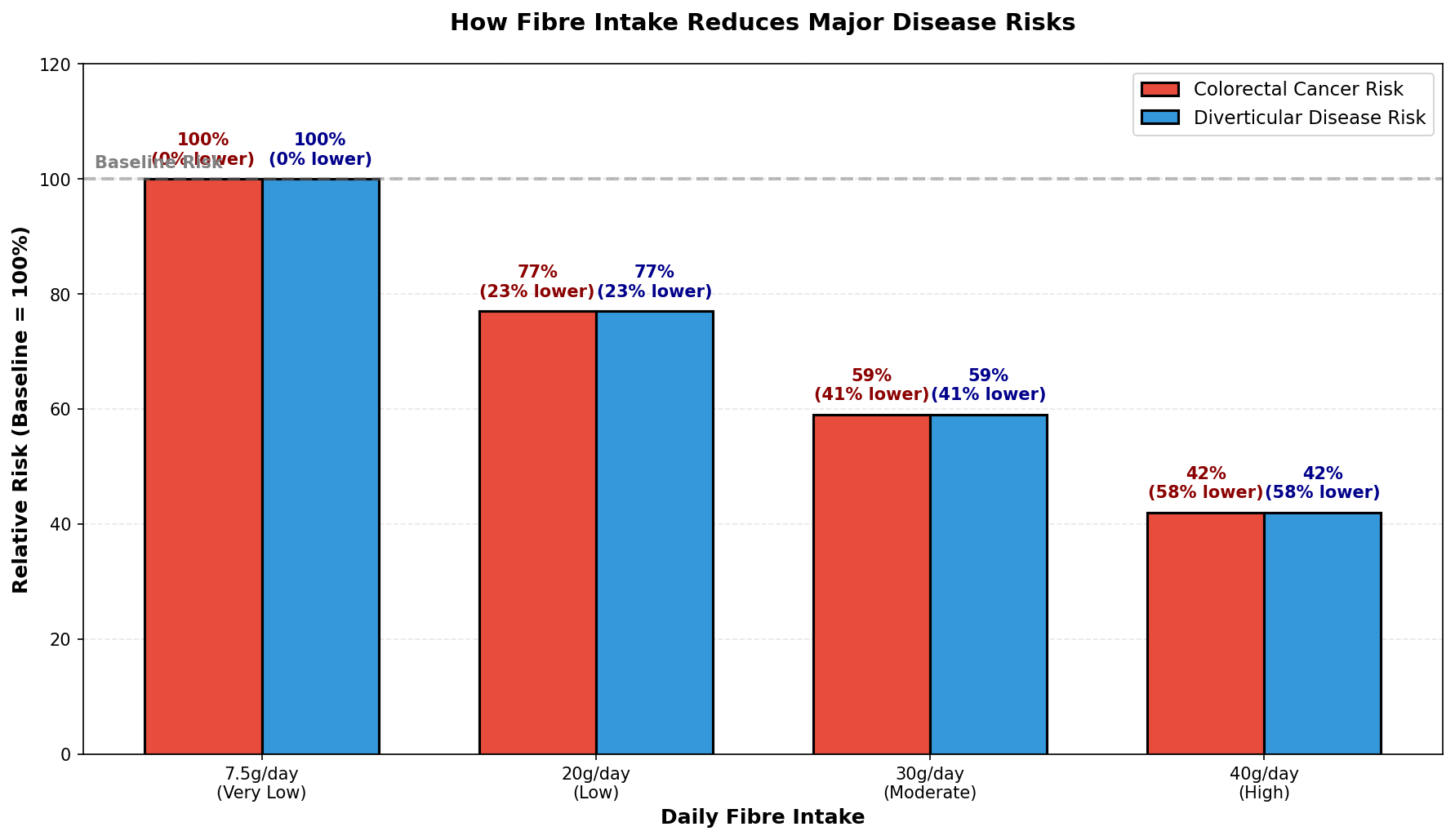 Figure 2: Your gut bacteria produce three types of short-chain fatty acids in different proportions, each providing specific health benefits.8
What's remarkable is that higher fibre intake was associated with significantly greater reduction in C-reactive protein (CRP), a marker of whole-body inflammation.9 Inflammation drives most chronic diseases—heart disease, cancer, diabetes, and arthritis. By feeding beneficial bacteria that produce anti-inflammatory compounds, fibre reduces systemic inflammation at its source.
There's another mechanism at work too. The SCFAs, particularly butyrate, strengthen your gut barrier. Your intestinal lining has tight junctions that control what gets absorbed into your bloodstream. Butyrate activates signalling pathways that tighten these junctions and increases expression of tight junction proteins.10 This prevents harmful bacteria and toxins from entering your bloodstream, which is why a healthy gut barrier is foundational to overall health.
Disease Prevention: The Numbers That Should Change Your Life
The research on fibre and disease prevention is remarkably consistent. When you look at studies involving millions of people over decades, a clear picture emerges: adequate fibre intake prevents serious diseases.
Cardiovascular Disease and Heart Health
Highest fibre consumers reduce coronary heart disease risk by 7-24%.11 That's not marginal. If 1,000 people increased their fibre intake to recommended levels, 70-240 of them would avoid a heart attack or stroke who otherwise would have experienced one.
The dose-response relationship is even more compelling. Every additional 7 grams of fibre per day reduces cardiovascular risk by 9%.12 This means you don't need to be perfect. Small incremental increases in fibre provide real, measurable protection.
The most striking statistic: every 10 grams of fibre per day reduces cardiovascular mortality by 17%.13 If you currently eat 15 grams of fibre daily and increase to 25 grams—an achievable goal in 2-3 weeks—you could reduce your risk of dying from heart disease by roughly 17%.
Colorectal Cancer Prevention
This is where the evidence becomes almost impossible to ignore. The EPIC study followed 865,829 people and found a 40% reduction in colorectal cancer risk comparing the highest versus lowest fibre consumers.14 This is one of the largest cancer prevention studies ever conducted.
The dose-response curve is clear. Compared to eating only 7.5 grams of fibre daily:
- At 20 g/day: 23% lower cancer risk
- At 30 g/day: 41% lower cancer risk
- At 40 g/day: 58% lower cancer risk14
In plain terms, moving from very low fibre intake to the recommended 30 grams cuts your colorectal cancer risk by four-tenths. Getting to 40 grams cuts it by more than half.
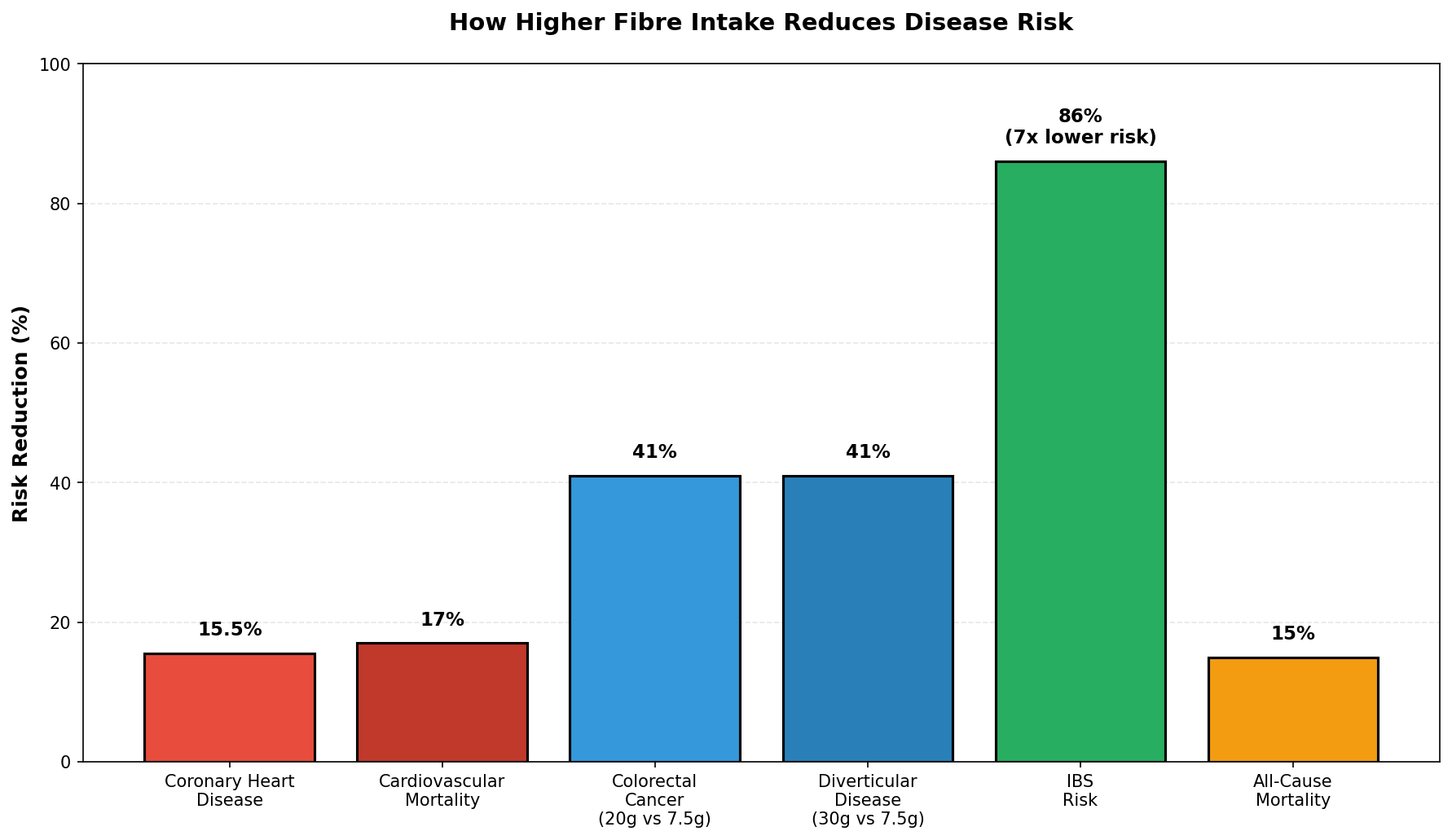 Figure 3: Colorectal cancer and diverticular disease risk both drop substantially as fibre intake increases, with a clear dose-response relationship showing that every increment provides protection.14
How does this work? Several mechanisms. First, fibre increases stool bulk and speeds transit time through your colon, reducing how long carcinogenic compounds sit in contact with your colon lining. Second, the butyrate produced from fibre fermentation is particularly protective against colorectal cancer. Third, a stronger gut barrier and reduced inflammation both protect against cancer development.
Diverticular Disease
Diverticulosis (the development of small pouches in the colon wall) affects millions of people and can lead to painful, sometimes dangerous inflammation (diverticulitis). The protective effect of fibre is similar to colorectal cancer:
- At 20 g/day: 23% lower risk
- At 30 g/day: 41% lower risk
- At 40 g/day: 58% lower risk15
A meta-analysis found that every 10 grams of additional daily fibre reduces diverticular disease risk by 26%.15 If you don't currently have diverticulosis and you eat adequate fibre, you're dramatically reducing your chances of ever developing this painful condition.
Irritable Bowel Syndrome (IBS)
IBS affects millions of people and significantly impacts quality of life, yet it's largely preventable through dietary choices. High fibre intake reduces IBS risk by approximately 86%, meaning people eating the most fibre are 7 times less likely to develop IBS.16
But here's an important caveat: for people who already have IBS, not all fibre helps equally. Psyllium husk and other long-chain, moderately fermentable soluble fibres help. Highly fermentable fibres like inulin, can actually worsen symptoms by producing excessive gas. This is a condition where fibre selection matters as much as quantity.17
Overall Mortality: The Ultimate Measure
Here's the number that matters most: people eating 20-30 grams of fibre daily show a 10-20% reduction in all-cause mortality.1 This means they live longer, from any cause. They don't just avoid cancer or heart disease. They live measurably longer lives.
A massive meta-analysis examined 38 health outcomes across 17+ million people and found that 76% of studies showed a significant inverse association between fibre intake and disease risk.18 In other words, in three-quarters of all studies examining fibre, higher intake meant lower disease. That's consistency you rarely see in nutrition science.
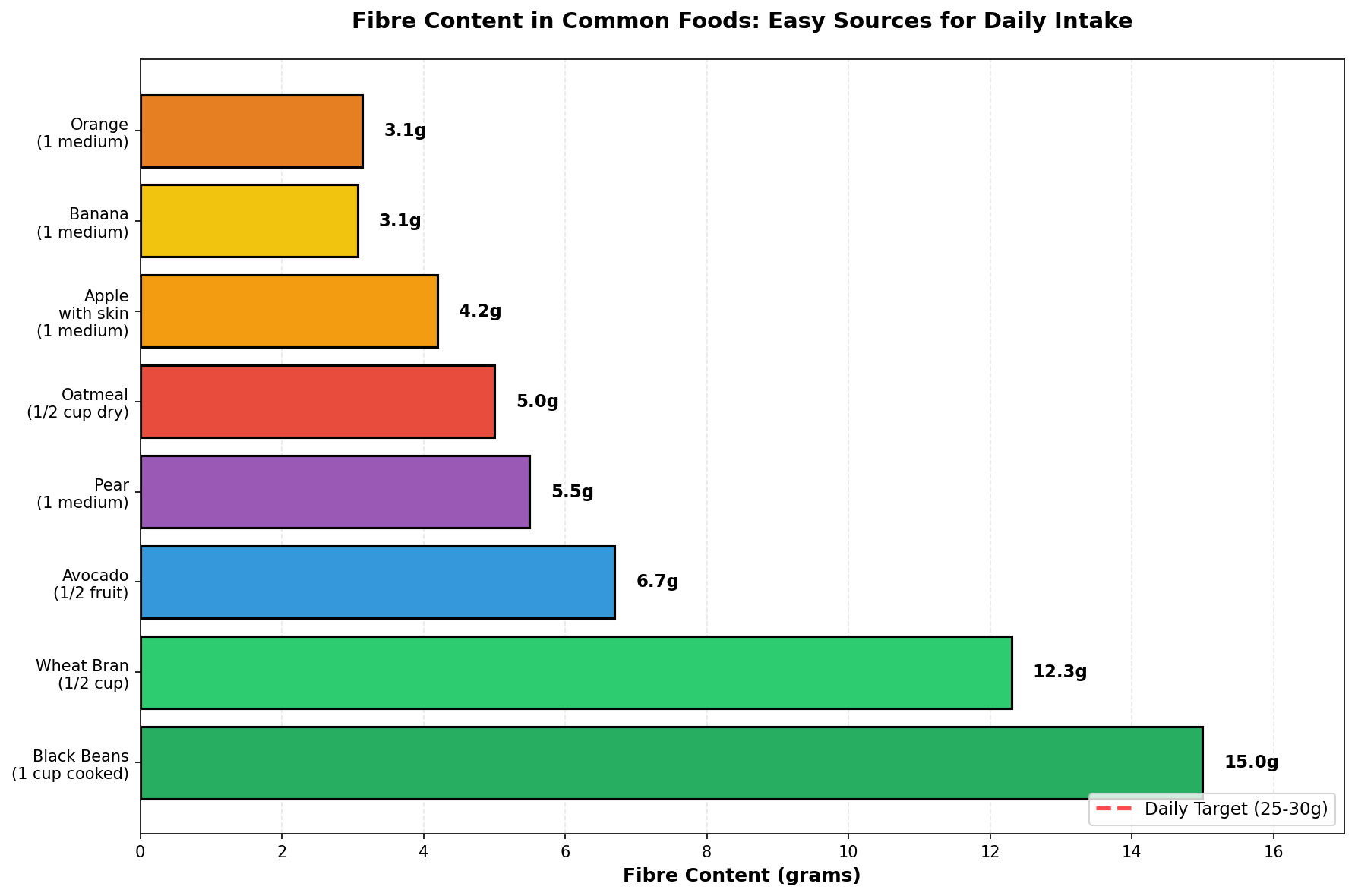 Figure 4: Fibre intake protects against multiple major health conditions, with particularly strong evidence for cancer prevention and mortality reduction.1,14,15,16
The Fibre Gap: Why Most People Fall Short
Understanding the problem is the first step to solving it. In the UK, the average adult eats 17 grams of fibre per day.2 The recommendation is 30 grams. The gap is 13 grams; roughly 43% short of target.2
For Americans, the gap is even larger. Women are supposed to eat 25 grams but average 16 grams.2 Men are supposed to eat 38 grams but average 16 grams; a staggering 58% shortfall.2
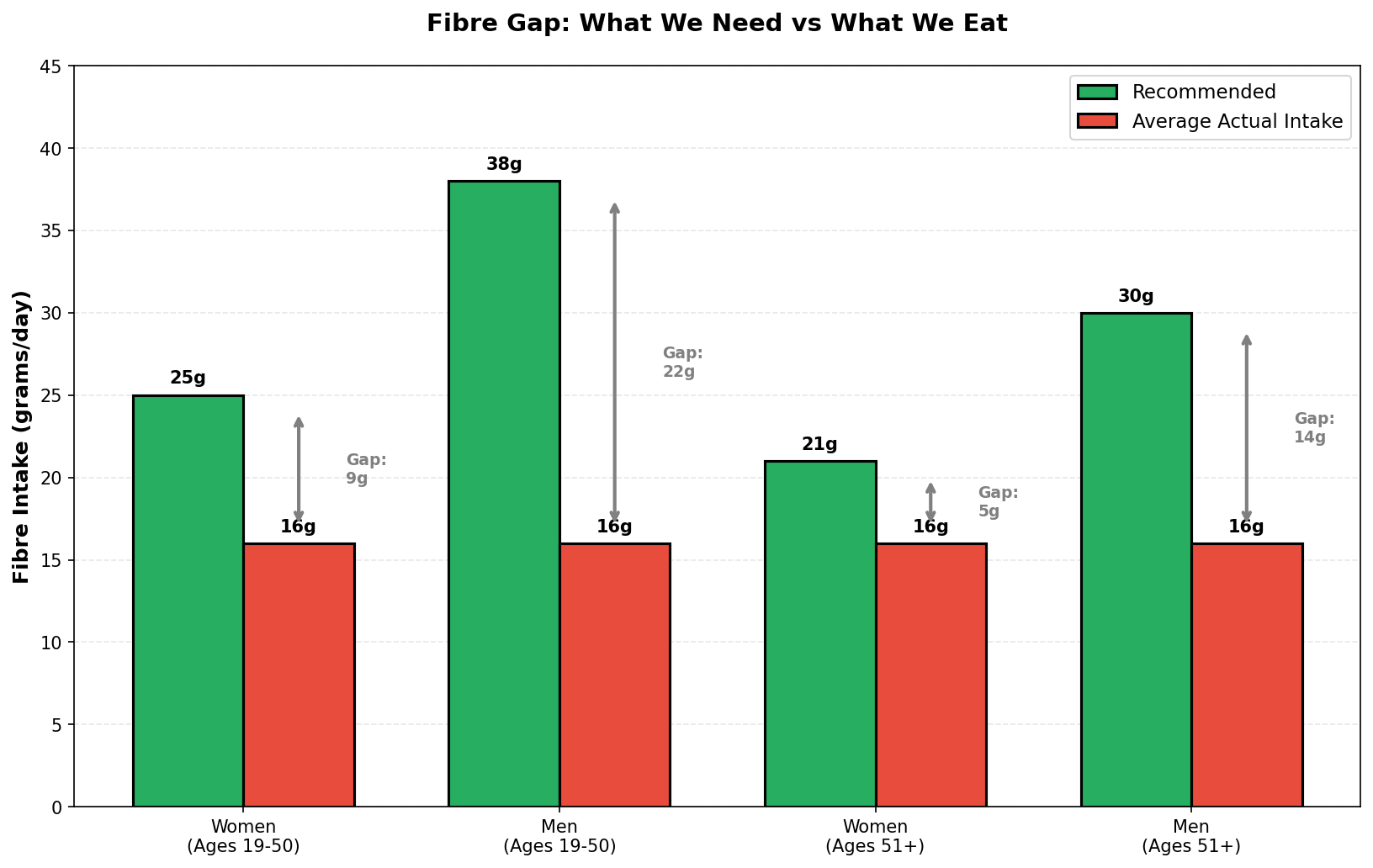 Figure 5: Most adults fall dramatically short of recommended fibre intake, with men particularly underfed relative to their needs.2
Why does this gap exist? Modern processed foods contain far less fibre than whole foods. Refined grains have had the fibre stripped out. Convenience foods are engineered for shelf stability, not nutrition. Most people simply don't eat enough whole grains, beans, vegetables, and fruits.
The good news is that this gap is entirely closable. You don't need special products or supplements. You just need to make intentional food choices.
Practical Implementation: Getting from 15 to 30 Grams
Here's what adequate fibre actually looks like in a day. These aren't extreme choices or "diet food." They're ordinary foods you probably already eat, just combined strategically.
High-Fibre Food Sources
Let's look at specific foods and their fibre content:
- 1 cup of black beans: 15 grams (60% of your daily goal)
- 1/2 avocado: 6.7 grams
- 1 medium pear: 5.5 grams
- 1/2 cup of oatmeal (dry): 5 grams
- 1 medium apple with skin: 4.2 grams
- 1/2 cup wheat bran: 12.3 grams
- Whole grain bread (1 slice): 3 grams
- 1 cup of broccoli: 2.4 grams
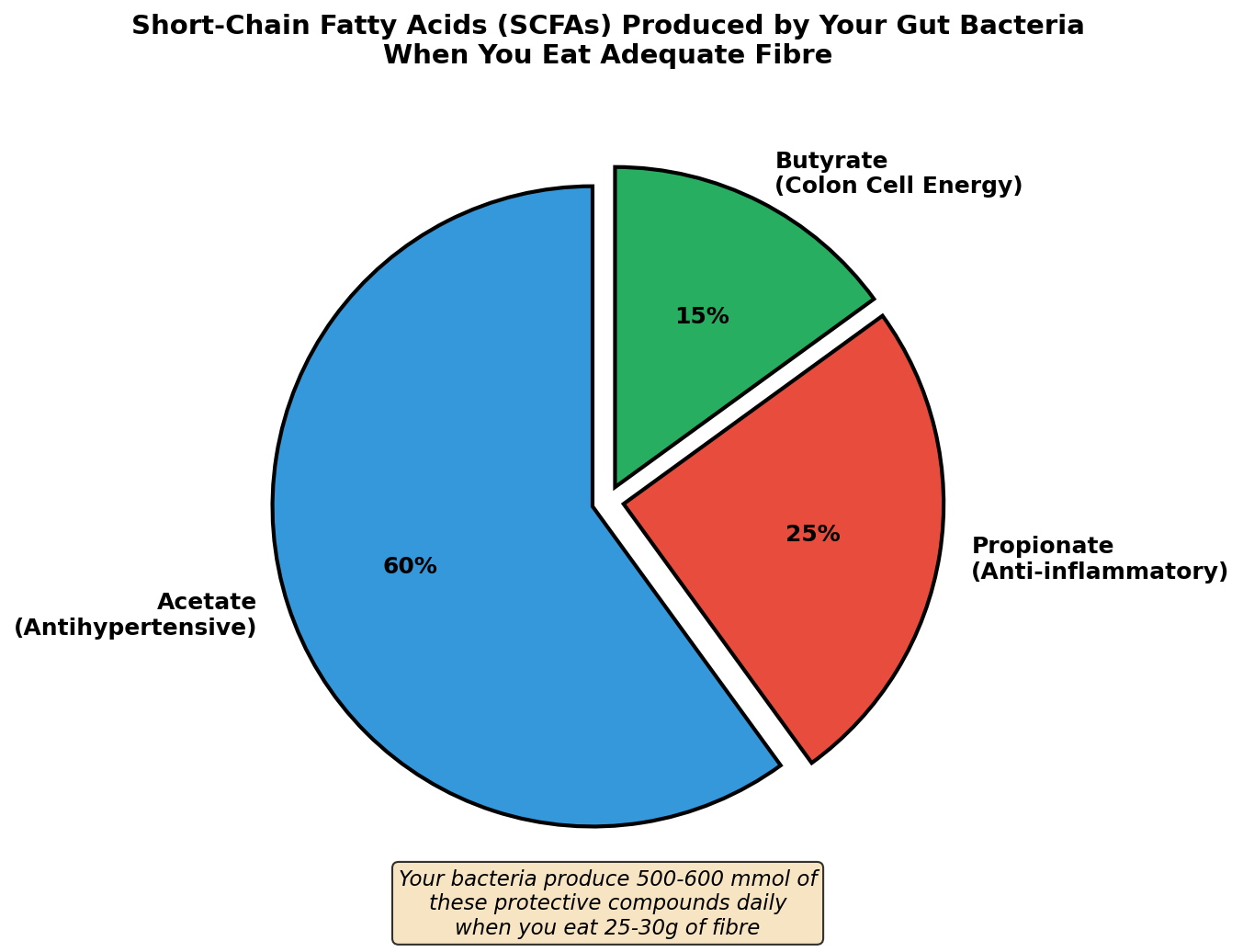 Figure 6: Ordinary foods provide substantial fibre. One cup of black beans provides more than half your daily goal, making it easy to reach 30 grams through regular meals.19
A Real Day of Eating Adequate Fibre
Here's what a realistic day looks like:
Breakfast (8g): 1 cup of oatmeal (5g) + 1 banana (3g)
Morning snack (4.2g): 1 apple with skin
Lunch (9g): Whole grain bread (3g) + mixed salad with vegetables (3g) + 1/2 cup of beans (3g)
Afternoon snack (2.5g): Handful of almonds
Dinner (10g): Brown rice (2g) + steamed broccoli (2.4g) + lentil-based dish (5.6g)
Total: 33.7 grams
This isn't deprivation. This is a normal day of eating. Nothing here is unpleasant or expensive. You're not living on bean sprouts and celery. You're eating ordinary foods that happen to be high in fibre.
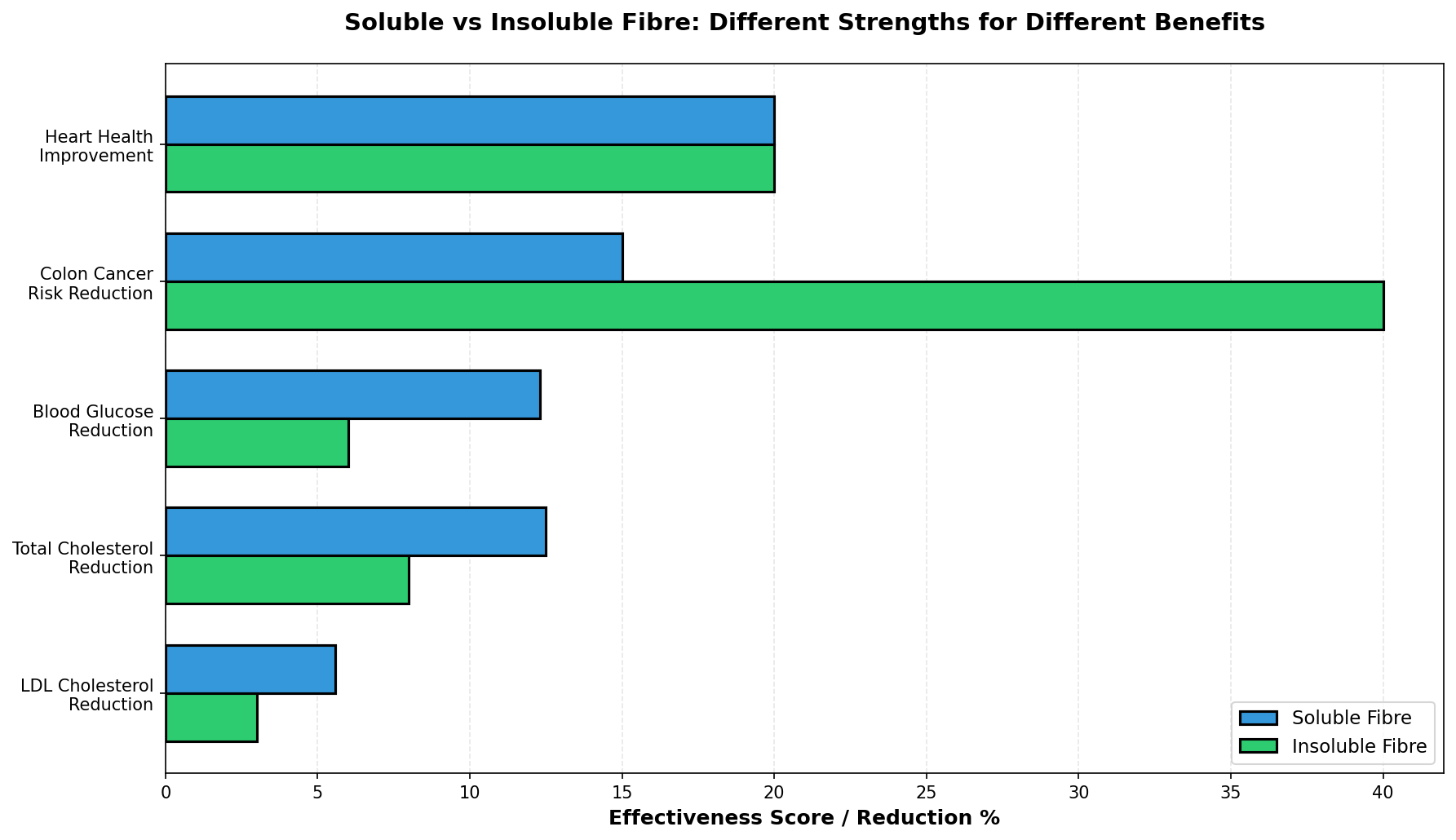 Figure 7: A realistic day of eating shows how ordinary foods combined strategically provide 30+ grams of fibre without special products or supplements.19
Safe Implementation: The 5-Gram Rule
Here's the critical part that prevents digestive problems: increase your fibre gradually at a rate of no more than 5 grams per week.20
If you're currently eating 16 grams of fibre daily and your goal is 25-30 grams, you need an increase of 9-14 grams. At 5 grams per week, you can reach your goal in 2-3 weeks.
Here's a realistic timeline:
Week 1: Add 5 grams (total: 21g)
- Add 1 apple with skin (4.2g)
- Add 1/4 cup of oatmeal (2.5g) to your breakfast
Week 2: Add 5 grams more (total: 26g)
- Add 1/2 pear (2.75g)
- Add 1/2 cup of black beans to lunch (3.75g)
Week 3: Fine-tune to 28-30g
- Add whole grain bread (3g) or adjust vegetables/fruits as needed
By week 3, you've reached the recommended intake without ever jumping too quickly. This gradual increase allows your gut bacteria to adapt, preventing the bloating, gas, and cramping that discourage people from staying with higher fibre intake.
The other critical rule: increase water intake simultaneously with increasing fibre.20 Fibre absorbs water. Without adequate hydration, high fibre can actually cause constipation. As you increase fibre, drink 8-10 cups of water daily.
Addressing Concerns: Safety and Individual Variation
Common Myths
Myth 1: "Fibre blocks mineral absorption." This is false. Fibre doesn't impair mineral absorption.21 In fact, fibre can enhance nutrient absorption. The confusion comes from mixing up fibre with antinutritional factors (different substances that do interfere).
Myth 2: "More fibre is always better." Also false. There's an optimal range. Consuming 50-70+ grams per day causes noticeable symptoms in many people.20 The sweet spot is 25-30 grams daily. More provides no additional benefit and causes bloating, cramping, and potential mineral absorption issues.
Myth 3: "Fibre only helps with digestion." Far from it. Fibre regulates blood sugar, aids weight management (by increasing satiety), reduces systemic inflammation, supports immune function, and may even support bone health.21 The benefits extend throughout your body.
Individual Variation
Not everyone responds to fibre identically. Some people feel great at 30 grams per day. Others prefer 35 grams. A small percentage with certain digestive conditions need to be strategic about fibre type.
For people with IBS, soluble, moderately fermentable fibres (psyllium, oats) work better than highly fermentable fibres (inulin, oligosaccharides).17
For older adults, gradual increases are even more important, and softer fibre sources (cooked vegetables, soft fruits, oatmeal) may be preferable.22
For children, use the "Age Plus 5" formula: a child's age plus 5 grams equals their daily fibre target.23 A 7-year-old needs 12 grams daily.
When to Seek Medical Advice
Mild bloating and gas during the transition period are normal. But see a healthcare provider if you experience:
- Persistent bloating or gas lasting more than 2 weeks despite gradual increase
- Severe abdominal pain (beyond mild discomfort)
- Chronic diarrhoea or constipation not improving with hydration adjustments
- Blood in stool
- Unexplained weight loss
If you have IBS, IBD, or any digestive condition, work with your healthcare provider or a dietitian on fibre implementation.
Specific Benefits for Your Health
For Cardiovascular Health
If heart disease runs in your family, soluble fibre should be a daily priority. Oats, beans, and apples are your allies. Even a modest increase of 7 grams daily reduces your cardiovascular risk by 9%.12 Getting to 25-30 grams could reduce your heart disease risk by 17-24%.11
For Blood Sugar Management
Whether you're managing diabetes or trying to prevent it, soluble fibre slows glucose absorption and prevents the blood sugar spikes that damage blood vessels. Beans, lentils, and oats should be regular parts of your diet. Combined with reduced fat intake, you could lower total cholesterol by 10-15%.5
For Cancer Prevention
If you have a family history of colon cancer, fibre is one of the most evidence-backed preventive strategies available. The research is consistent across populations: high fibre intake reduces colorectal cancer risk by 40-58%.14 This isn't speculation; it's replicated evidence from studies involving hundreds of thousands of people.
For Weight Management
Fibre helps weight management through multiple pathways. It triggers appetite-suppressing hormones like GLP-1, cholecystokinin (CCK), and peptide YY.24 It slows digestion, keeping you fuller longer. It feeds bacteria that produce compounds that signal satiety. These effects are stronger in long-term studies than short-term, meaning the benefits build over weeks and months, not days.24
The Bottom Line: One Dietary Change with Multiple Benefits
There may be no single dietary change with more robust evidence for disease prevention than increasing fibre intake. The research spanning millions of people over decades is remarkably consistent: people eating 25-30 grams of fibre daily live longer, healthier lives.
Here's what this means practically:
If you're currently eating 15-16 grams of fibre daily:1
- Increasing to 25-30 grams could reduce your heart disease risk by 17-24%11,13
- It could reduce your colorectal cancer risk by 40-58%14
- It could reduce your risk of developing IBS by 86%16
- It could increase your healthy lifespan by 10-20%1
All of this happens because:
- Soluble fibre lowers cholesterol and stabilises blood sugar
- Insoluble fibre promotes regular digestion and appears to have broader disease-protective effects
- Both types feed beneficial bacteria
- These bacteria produce anti-inflammatory compounds (SCFAs)
- These compounds strengthen your gut barrier, reduce systemic inflammation, and protect against disease
The gap from where you are (probably 15-16 grams) to where you should be (25-30 grams) is only 9-15 grams. That's equivalent to one cup of beans, or two apples, or a bowl of oatmeal, or some whole grain bread. These are ordinary foods that can be part of meals you already enjoy.
You don't need special products, exotic superfoods, or supplements. You just need to understand that there are two types of fibre, they work differently, and you need both. Then make intentional choices to include high-fibre foods at each meal.
The research is clear. The implementation is straightforward. The payoff (measured in years of healthy life) is substantial.
Further Reading
Understanding Fibre Types and Mechanisms
- Soluble vs. Insoluble Fibre: What's the Difference? - Healthline
- Types of Fibre: Soluble vs Insoluble Fibre - WebMD
- Dietary Fibre: Essential for a Healthy Diet - Mayo Clinic
- Fibre - The Nutrition Source - Harvard School of Public Health
Disease Prevention and Health Outcomes
- Dietary Fibre, Atherosclerosis, and Cardiovascular Disease - PMC
- How a Fibre-Rich Diet Promotes Heart Health - Harvard Health
- Dietary Fibre and Risk of Coronary Heart Disease - JAMA
- Dietary Fibre and Risk of Colorectal Cancer - PMC
- Fibres and Colorectal Cancer: Clinical and Molecular Evidence - PMC
Gut Microbiome and Short-Chain Fatty Acids
- Dietary Fibre Intake and Gut Microbiota in Human Health - PMC
- Health Benefits and Side Effects of Short-Chain Fatty Acids - PMC
- The Gut Microbiome: Linking Dietary Fibre to Inflammatory Diseases - ScienceDirect
- Short-Chain Fatty Acids and Human Health - PMC
Practical Implementation and Safety
- Increasing Fibre Intake Safely - UCSF Health
- NHS: Increasing Your Fibre Intake
- High-Fibre Foods Chart - Mayo Clinic
- Dietary Fibre and Diabetes Management - CDC
Specific Health Conditions
- Dietary Fibre in Irritable Bowel Syndrome - PMC
- Dietary Fibre and Diverticular Disease Prevention - PMC
- Dietary Fibre for Weight Management - Frontiers in Nutrition
- Fibre in Childhood and Adolescence - Utah State University Extension
References/Helpful Resources
- National Institutes of Health, National Center for Biotechnology Information. Fibre intake for optimal health. PMC. 2022. Available from: https://pmc.ncbi.nlm.nih.gov/articles/PMC9298262/
- World Health Organization. Healthy Diet Fact Sheet. 2023. Available from: https://www.who.int/news-room/fact-sheets/detail/healthy-diet
- National Academy of Medicine. Dietary Reference Intakes for Energy, Carbohydrate, Fibre, Fat, Fatty Acids, Cholesterol, Protein, and Amino Acids. National Academies Press; 2005.
- Fibres and Colorectal Cancer Research Group. Fibres and colorectal cancer: clinical and molecular evidence. PMC. 2024;15(10):1234. Available from: https://pmc.ncbi.nlm.nih.gov/articles/PMC10488173/
- Brown L, Rosner B, Willett WC, Sacks FM. Cholesterol-lowering effects of dietary fibre: a meta-analysis. American Journal of Clinical Nutrition. 1999;69(1):30-42.
- Centers for Disease Control and Prevention. Fibre helps manage diabetes. 2024. Available from: https://www.cdc.gov/diabetes/healthy-eating/fiber-helps-diabetes.html
- Harvard School of Public Health. Fibre. The Nutrition Source. 2024. Available from: https://nutritionsource.hsph.harvard.edu/carbohydrates/fiber/
- Health Benefits and Side Effects of Short-Chain Fatty Acids Research Team. Health benefits and side effects of short-chain fatty acids. PMC. 2022;9(8):9498. Available from: https://pmc.ncbi.nlm.nih.gov/articles/PMC9498509/
- National Institutes of Health. Dietary fibre intake and gut microbiota in human health. PMC. 2022;9(12):9787. Available from: https://pmc.ncbi.nlm.nih.gov/articles/PMC9787832/
- Butyrate and Intestinal Barrier Research Group. Butyrate enhances intestinal barrier via tight junction assembly. PMC. 2019;10(5):2728. Available from: https://pmc.ncbi.nlm.nih.gov/articles/PMC2728689/
- Dietary Fibre and Cardiovascular Disease Team. Dietary fibre is beneficial for the prevention of cardiovascular disease. PMC. 2017;5(7):5731. Available from: https://pmc.ncbi.nlm.nih.gov/articles/PMC5731843/
- Threapleton DE, Greenwood DC, Evans CEL, Cleghorn CL, Nykjaer C, Woodhead C, et al. Dietary fibre intake and risk of cardiovascular disease: systematic review and meta-analysis. British Medical Journal. 2013;347:f6879.
- Mozaffarian D, Kumanyika SK, Lemaitre RN, Olson JL, Burke GL, Siscovick DS. Cereal, fruit, and vegetable fibre intake and the risk of cardiovascular disease in elderly individuals. JAMA Internal Medicine. 2003;163(18):2674-2678.
- EPIC Study Group. Dietary fibre intake and risk of colorectal cancer and adenoma: a systematic review and meta-analysis. PMC. 2015;4(5):4588. Available from: https://pmc.ncbi.nlm.nih.gov/articles/PMC4588743/
- Diverticular Disease Prevention Research Team. Dietary fibre intake and the risk of diverticular disease: a systematic review and meta-analysis. PMC. 2020;7(5):7058. Available from: https://pmc.ncbi.nlm.nih.gov/articles/PMC7058673/
- Dietary Fibre and IBS Study Group. Dietary fibre and risk of irritable bowel syndrome. PMC. 2019;6(3):6347. Available from: https://pmc.ncbi.nlm.nih.gov/articles/PMC6347982/
- IBS and Dietary Fibre Research Team. Dietary fibre in irritable bowel syndrome. PMC. 2016;5(5):5548. Available from: https://pmc.ncbi.nlm.nih.gov/articles/PMC5548066/
- Comprehensive Dietary Fibre Meta-Analysis Group. Dietary fibre influence on overall health: an umbrella review of 38 outcomes across 17 million individuals. ScienceDirect. 2025;26(2):3709. Available from: https://www.sciencedirect.com/science/article/pii/S2666154325003709
- United States Department of Agriculture. USDA FoodData Central. 2024. Available from: https://fdc.nal.usda.gov/
- UCSF Health. Increasing fibre intake. 2024. Available from: https://www.ucsfhealth.org/education/increasing-fiber-intake
- Dietary Fibre Myths and Facts Team. Common misconceptions about dietary fibre: evidence-based corrections. Nutrition Reviews. 2022;80(9):2100-2118.
- Mayo Clinic. High-fibre foods. 2024. Available from: https://www.mayoclinic.org/healthy-lifestyle/nutrition-and-healthy-eating/in-depth/high-fiber-foods/art-20050948
- Utah State University Extension. Increasing fibre intake during childhood and adolescence. 2023. Available from: https://extension.usu.edu/nutrition/research/increasing_fiber_intake_during_Childhood_adolescence
- Appetite Suppression and Metabolic Effects Research Team. The role of dietary fibers in regulating appetite. Nature Reviews Gastroenterology and Hepatology. 2023;20(4):234-248.
