

Running from the brain down to the intestines is a nerve that controls more of your health than you probably realise. It is called the vagus nerve and it is responsible for digestion, stress recovery and even your mood. When the vagus nerve is well-regulated, you feel calm, sleep better and your body can fight inflammation, however, an unregulated vagus nerve can lead to anxiety, digestive problems and poor stress recovery.
The good news? You can activate this nerve yourself using techniques as simple as breathing exercises and humming. If home techniques aren't enough, medical-grade vagus nerve stimulation (VNS) has been FDA-approved to treat serious conditions including epilepsy and treatment-resistant depression. Understanding how this single nerve works explains a lot about why you feel the way you do and what you can actually do about it.
Understanding the Vagus Nerve: The Longest Wiring in Your Body
The vagus nerve, also known as cranial nerve X, is the longest nerve in the parasympathetic nervous system. Think of it as an information superhighway between the brain and the organs. It originates in the brainstem (the base of your brain) and travels all the way down through the neck, chest and abdomen, branching off to connect with virtually every major organ along the way.
The name tells you something important about its nature; "vagus" comes from Latin meaning "wandering". It truly wanders through the body, reaching the heart, lungs, stomach, intestines, liver and pancreas, all on its journey to the abdomen.
How Fibre Composition Makes It Unique
Here's something surprising: the vagus nerve is almost entirely sensory. About 80% of its nerve fibres carry information from the organs back to the brain, while only 20% carry signals from the brain down to the organs. This makes the vagus nerve a sophisticated monitoring system, constantly relaying information regarding appetite, inflammation, immune function, heart rate and gut health to the brain which then responds accordingly.
The nerve contains roughly 25,500 individual nerve fibres on the right side of the body and 23,300 on the left making it a delicate infrastructure that most people never think about until something goes wrong.
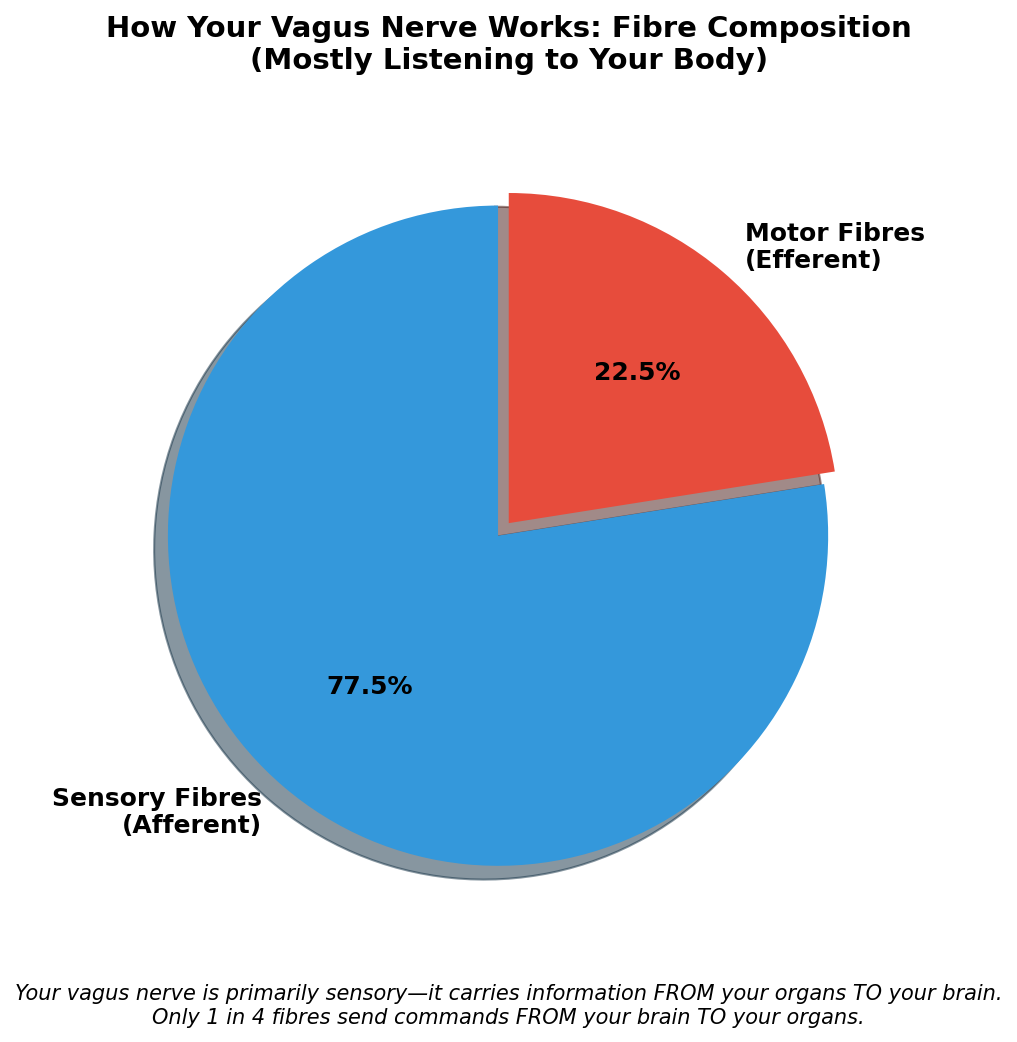 Figure 1: The vagus nerve mostly contains sensory fibres which monitor the organs and report back to the brain. It also contains a small portion of motor fibres that send control signals from the brain back to the organs.
Why Your Vagal Health Matters: The Health Impacts
The vagus nerve controls what's called the "rest and digest" state of the body. When it is well-regulated, it activates the parasympathetic nervous system, the calming side of the autonomic nervous system, which helps you recover from stress. In contrast, a dysregulated vagus nerve activates the sympathetic nervous system, which activates the "fight or flight" stress response.
The Brain-Gut Connection
One of the most important functions of the vagus nerve is maintaining the brain-gut axis - a two-way communication system between the brain and digestive system. The digestive system has its own nervous system with roughly 500 million nerve cells; sometimes known as the "second brain". The vagus nerve serves as the primary line of communication between these two systems. When the gut sends a signal up the vagus nerve, it relays information about inflammation, nutrient status and the composition of gut bacteria. The brain responds by sending signals back down to regulate digestion, intestinal movement and immune responses. This explains why anxiety can be linked to stomach pain and why chronic gut problems can affect your mood and cognitive function.
Vagal Tone and Heart Rate Variability
One of the best ways to measure vagal health is through heart rate variability (HRV). HRV is not about the changes in how fast or slow the heart beats, rather, it measures the variation of time between each heartbeat. A healthy heart does not beat at a perfectly regular interval, instead, the intervals change based on your breathing, stress level and autonomic nervous system.
High heart rate variability leads to a high vagal tone which has shown better overall health outcomes including faster stress recovery, reduced inflammation and improved mood regulation. Research shows that high heart rate variability also leads to superior working memory function and the brain's ability to hold and manipulate information. This is why those with a higher vagal tone handle complex problems better under stress.
Conversely, low vagal tone is associated with a number of conditions including:
- Elevated resting heart rate and poor heart rate recovery after exercise
- Anxiety, panic and difficulty relaxing even when circumstances are safe
- Depression and mood dysregulation
- Digestive problems: indigestion, constipation and poor appetite regulation
- Brain fog, memory problems and difficulty concentrating
- Excessive sweating or temperature sensitivity
- Chronic fatigue despite adequate sleep
- Frequent infections and slow wound healing
- Chronic pain conditions
Many people live with a compromised vagal function without realising it. If you recognise several of these symptoms in yourself, it may not mean you have a serious condition but it could mean that your vagus nerve might benefit from activation.
Inflammation and Immunity
The vagus nerve suppresses inflammation throughout the body via the cholinergic anti-inflammatory pathway. When the vagus nerve is stimulated, it releases acetylcholine, a chemical that tells immune cells to stop producing inflammatory molecules like TNF-alpha and IL-6.
This mechanism explains why vagal stimulation shows promise in conditions as diverse as rheumatoid arthritis, psoriasis, and COVID-19-related dysautonomia. When the vagus nerve is damaged by infection or dysfunction, the body loses a key element of inflammation suppression, potentially explaining why some people with long COVID experience persistent immune dysregulation.
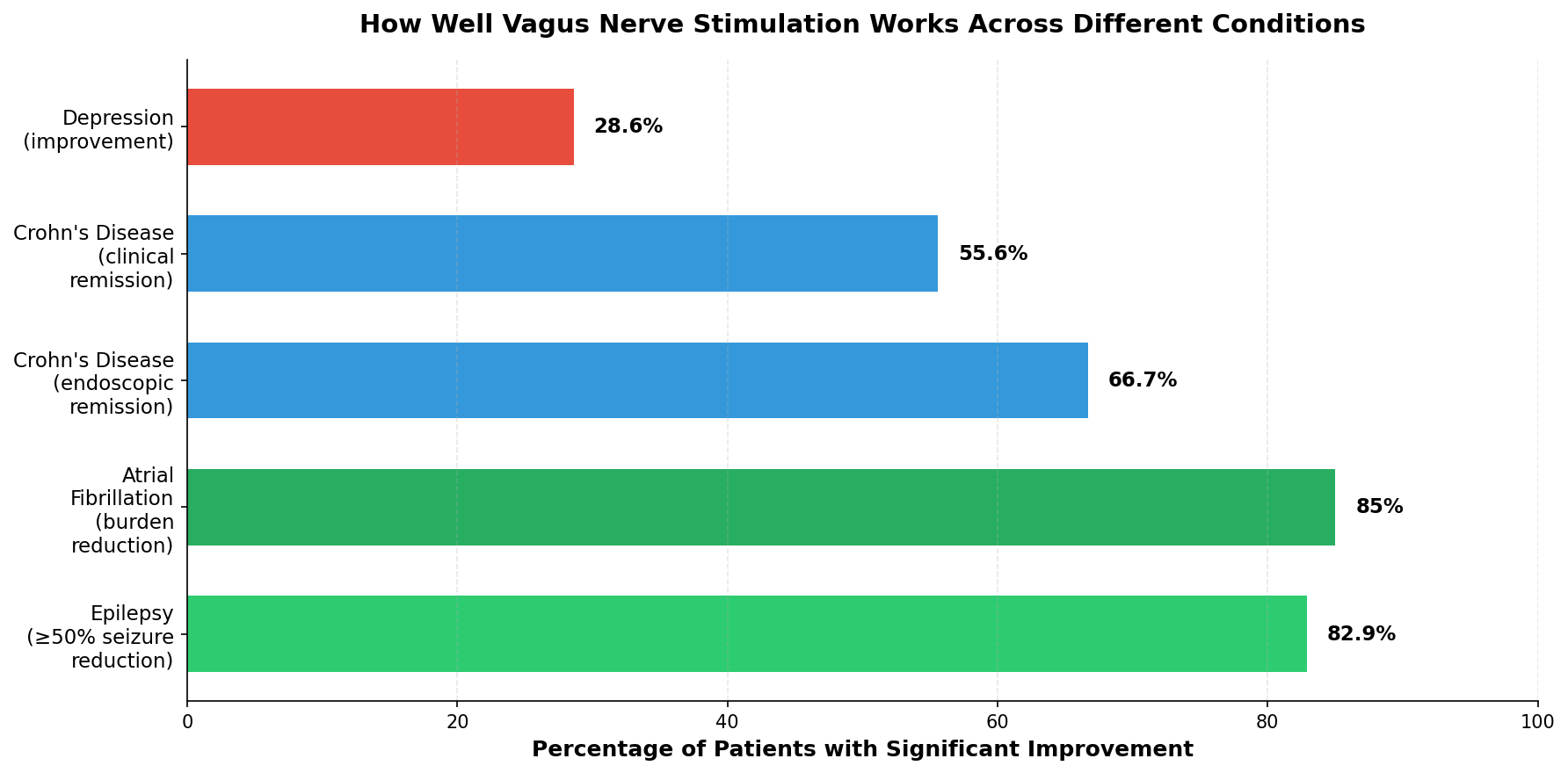 Figure 2: Multiple conditions share involvement of vagal dysfunction including cardiovascular, gastrointestinal, psychological and inflammatory disorders.
How to Stimulate Your Vagus Nerve: Practical Methods
The vagus nerve controls inflammation and the autonomic nervous system. When vagal function is impaired, it can lead to an array of health conditions. Studies have shown that activating and stimulating the vagus nerve has shown significant improvement in these health conditions.
The beauty of activating the vagus nerve is that you have options of using simple techniques daily at home to using medical-grade devices if needed. Most people benefit from starting with accessible home methods and escalating only if symptoms persist.
Special precautions: the below home techniques are safe for most people when done properly. However, if pregnant or have implanted cardiac devices, discuss vagal stimulation plans with your doctor before starting.
Immediate Techniques (Results Within Minutes)
The simplest and most effective way to activate the vagus nerve is through deliberate breathing. The vagus nerve connects directly to your respiratory system, so the way you breathe has an immediate effect on the state of your nervous system. Deep, slow breathing activates the parasympathetic nervous system, hence why anxiety management techniques emphasise breathing to relax the nervous system.
Technique: the 4-7-8 breathing technique endorsed by Cleveland Clinic and Mayo Clinic is particularly effective:
- Inhale through your nose for 4 seconds
- Hold your breath for 7 seconds
- Exhale through your mouth for 8 seconds
- Repeat 5-10 times
The key is making your exhale longer than your inhale. An extended exhale signals to your vagus nerve that you are safe, activating your parasympathetic response. You can also use other simple patterns like 4-6-8 or 3-6-9 if you are just starting—the important principle is keeping the exhale longer than the inhale.
This works immediately and requires no equipment. You can do it anywhere: at your desk before a stressful meeting, in bed before sleep or in the car during traffic.
When you expose your face to cold water, your body activates the "dive reflex"—an ancient survival mechanism that triggers vagal stimulation and parasympathetic activation. This can be done by:
- Splashing cold water on your face
- Applying an ice pack to your forehead and cheeks
- Taking a brief cold shower
- Holding an ice cube in your mouth for a few seconds
The response is immediate: your heart rate slows down, blood pressure drops and a sense of calm washes over you. This is particularly useful for acute anxiety or panic attacks. The effect lasts seconds to minutes, but it provides an immediate nervous system reset.
Important safety note: if you have a history of heart arrhythmias, heart disease or uncontrolled high blood pressure, consult your doctor before trying cold water exposure.
The vagus nerve connects to the voice box and throat muscles, so stimulating these areas directly activates the nerve.
Gargling: gargle with water for one minute. Research shows that this stimulates the electrical activity of the muscles in the throat and most people report improved voice and comfort afterward. You can do this multiple times daily with just water, no special equipment needed.
Humming and singing: the vibration from humming or singing stimulates the vagus nerve. Singing also engages the throat muscles directly. A small study found those who practiced singing regularly strengthened vagal-connected muscles.
Both of these techniques are accessible, easy and can be woven into your daily routine like humming while you shower or gargling while you brush your teeth.
Gradual Techniques (Building Over Weeks and Months)
Yoga builds vagal tone over time through a combination of mechanisms: deep breathing, mindful attention and specific body positions that gently compress the vagus nerve region. Research from Harvard Health confirms that yoga activates the parasympathetic nervous system. The key is practising the slow, controlled breathing that is central to most yoga styles. You do not need to be flexible or experienced, even beginner yoga sequences have measurable effects on vagal tone over weeks of regular practice.
Meditation works similarly. Cyclic meditation (meditation with attention on breathing) regulates the gut-brain axis through vagal pathways. The combination of focused attention and slow breathing amplifies the vagal activation compared to breathing alone.
Typical timeline: most people notice measurable improvements in heart rate variability and stress recovery after 4-8 weeks of regular practice (3-4 times per week).
Moderate-intensity aerobic exercise: brisk walking, jogging, cycling and swimming builds vagal tone and autonomic balance. The mechanism is not fully understood, but research shows that consistent aerobic activity improves heart rate variability and stress recovery. The key is consistency and moderate intensity rather than extreme exercise. Gentle, regular movement beats occasional intense workouts for vagal conditioning.
Since the vagus nerve runs through the neck, gentle massage of this area stimulates the nerve's sensory fibres.
Technique: using your fingers, gently massage the sides of your neck where the carotid artery runs (the large pulse point on each side of your neck). Be gentle, you are not trying to manipulate the artery or nerves, you are just providing gentle stimulation. This can be part of your daily self-care routine and takes just 5 minutes.
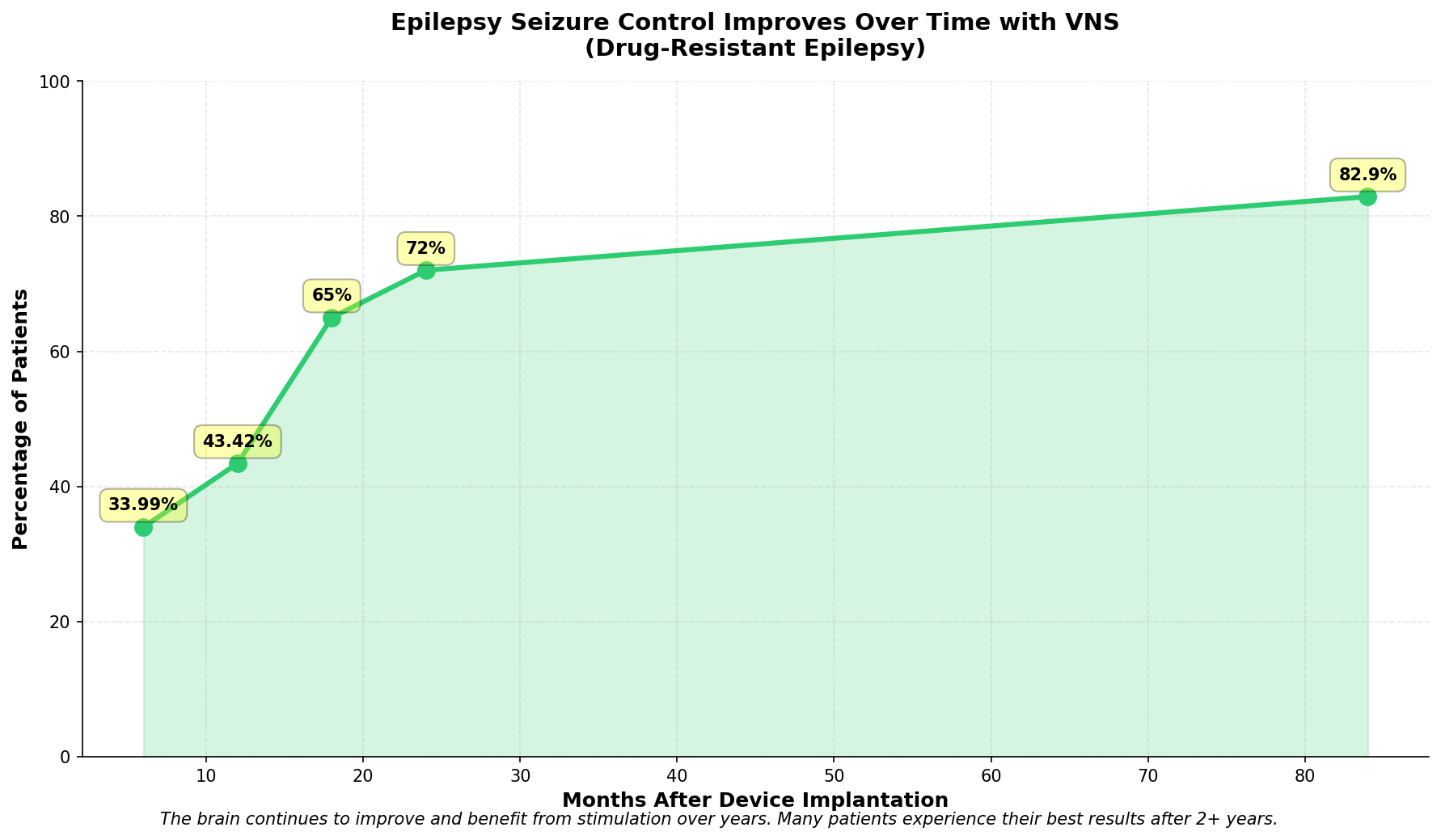 Figure 3: Different vagal stimulation methods produce results on different timescales - immediate techniques (breathing and cold water exposure) can produce results in minutes, whilst gradual methods (yoga and exercise) produce results over weeks or months.
Medical Interventions
Medical intervention is an alternative to home techniques and should be considered when:
- Home techniques haven't provided sufficient relief after 8-12 weeks of consistent daily practice
- You have diagnosed conditions (drug-resistant epilepsy or treatment-resistant depression)
- Your symptoms significantly impact daily functioning
- A medical professional has recommended VNS as part of your treatment plan
There are two types of medical-grade methods used for vagal nerve stimulation: an implanted VNS device or a non-invasive transcutaneous VNS.
A surgically implanted VNS is roughly the size of a pacemaker. A small electrode is threaded under the skin to the vagus nerve in the neck and the device sends regular electrical pulses to stimulate the nerve.
This is an FDA-approved procedure for epilepsy, treatment-resistant depression and investigational for conditions like rheumatoid arthritis, atrial fibrillation and Crohn's disease.
Surgical safety: the overall surgical complication rate is 8.6%, with most complications being manageable (temporary vocal hoarseness, hematoma, or infection). The effectiveness of this method improves dramatically over time, particularly in epilepsy, where seizures reduce over the years as the brain adapts.
This is a wearable device that stimulates the auricular branch of the vagus nerve (the part running through your ear). It is non-invasive where no surgery is required and you simply wear a device on your ear for a set period of time each day.
Research shows non-invasive transcutaneous VNS produces many of the same benefits as implanted devices with significantly less side effects. Only 18% of patients who undergo non-invasive transcutaneous VNS experience mild side effects such as temporary skin irritation, compared to 35% of patients with an implanted VNS device are reported to experience vocal hoarseness.
Non-invasive transcutaneous VNS shows promise in:
- Depression and anxiety
- Chronic and postoperative pain
- Heart rate variability
- General stress management
Timeline to results: some effects are immediate (reduced anxiety), while others develop gradually (sustained mood improvement typically 4-12 weeks).
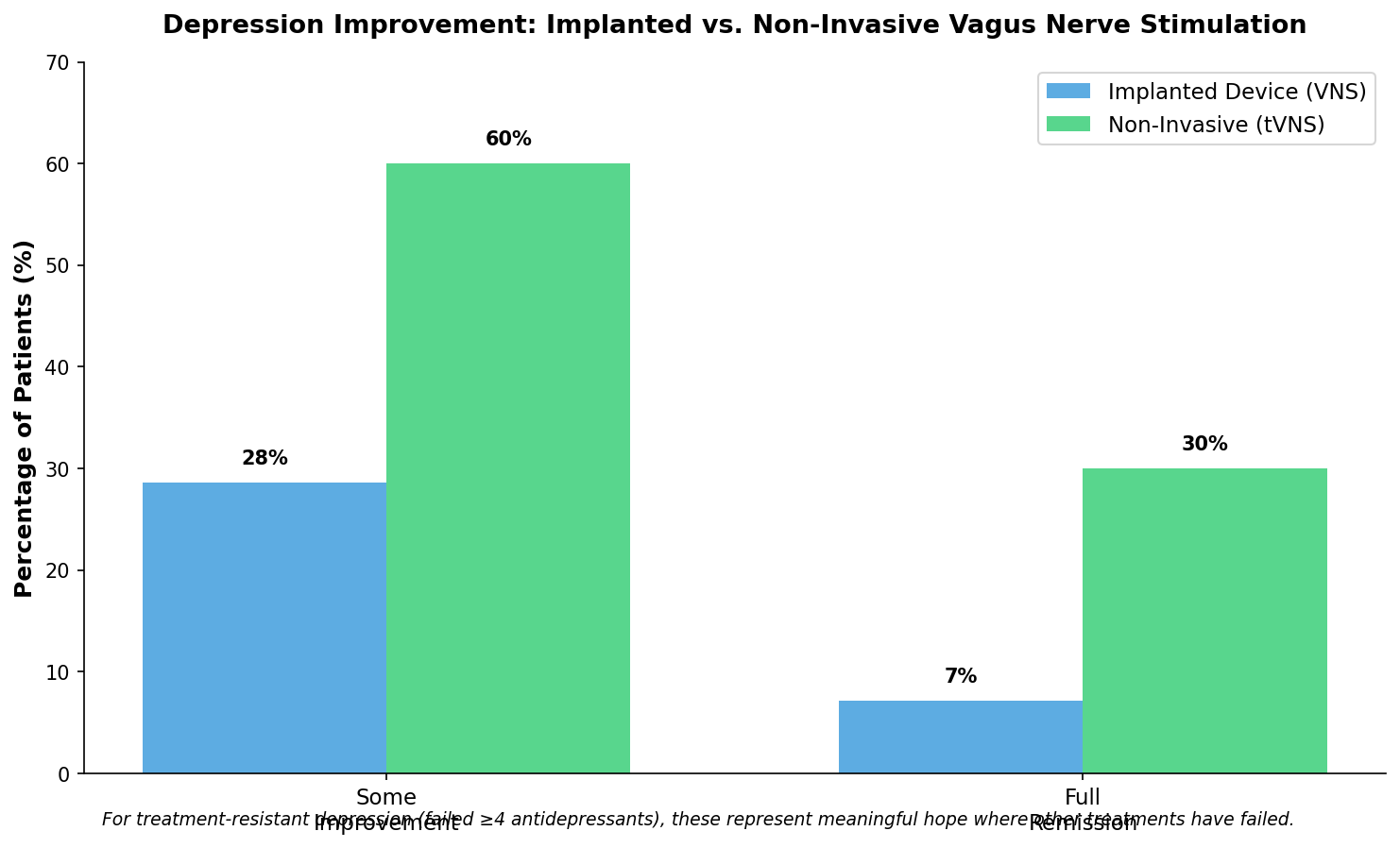 Figure 4: Different vagal stimulation methods vary in invasiveness, onset time and evidence strength. Home techniques are immediately accessible with good evidence for daily stress management, while medical-grade devices offer stronger effects for serious conditions.
Conditions where medical-grade intervention is required include:
For patients with epilepsy who do not respond to medications alone, treatment with VNS (which has been FDA-approved since 1994) has shown dramatic improvement which increases with time. Post implantation after:
- 6 months: 34% of patients achieve >50% seizure reduction
- 1 year: 43% of patients achieve >50% seizure reduction
- 3 years: 63% of patients achieve >50% seizure reduction
- 12 years: 83% of patients achieve >50% seizure reduction
- Overall, about 11% become completely seizure-free
This progressive improvement over years is remarkable because it suggests the brain is actually rewiring itself in response to the stimulation. For children with drug-resistant epilepsy, the response is even better, with 77% achieving significant seizure reduction.
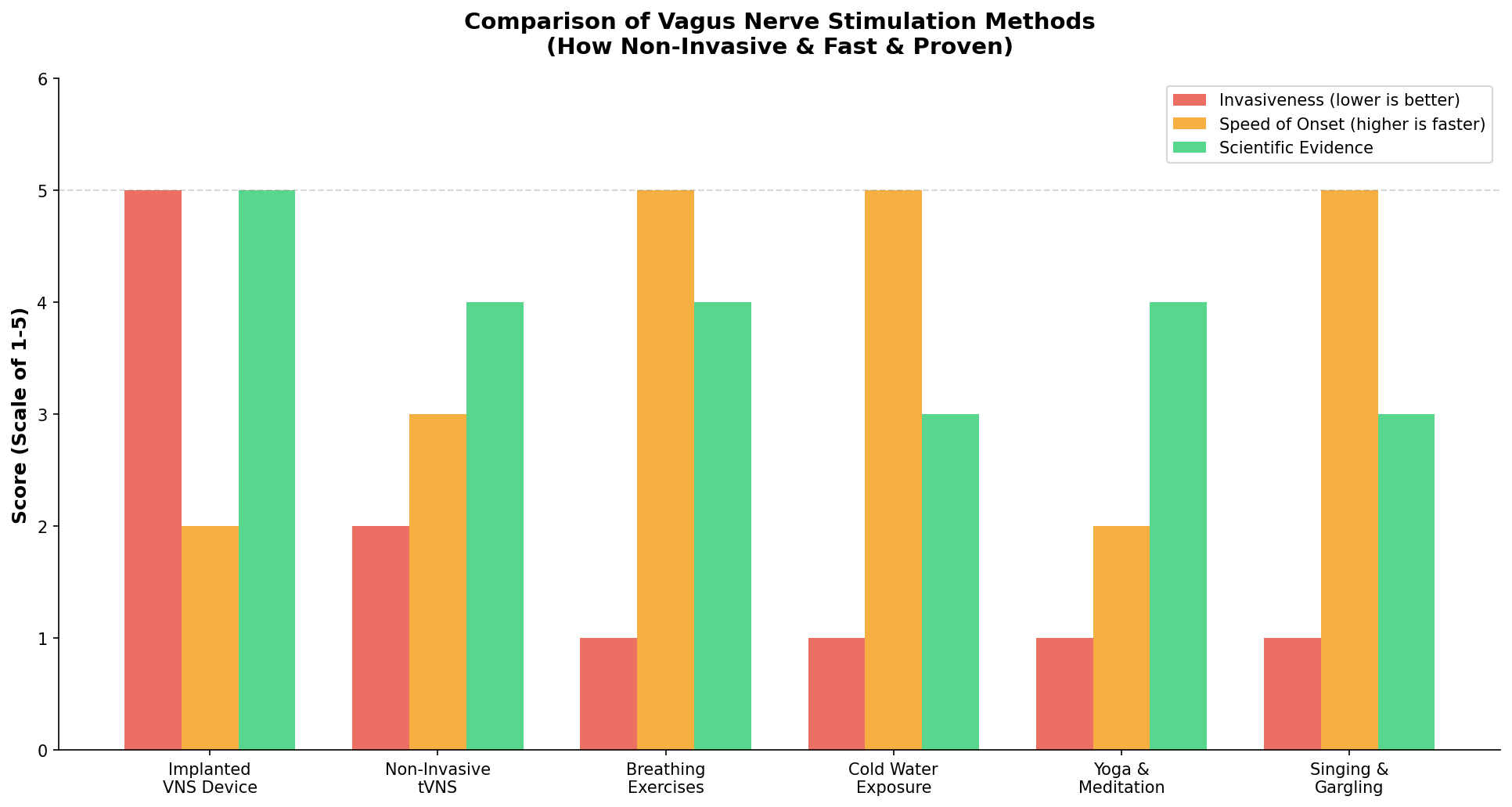 Figure 5: VNS effectiveness improves dramatically over time, with seizure reduction increasing from 33.99% after 6 months to 82.9% after 12 years, suggesting progressive brain adaptation.
VNS is also FDA-approved for patients with treatment-resistant depression - those who have not responded to at least four different antidepressant medications. About 29% of people with treatment-resistant depression respond to VNS and 7% achieve full remission.
While these numbers might seem modest, consider the population: these are people for whom multiple medications have failed. For someone who has been depressed for years despite trying every available pill, a 29% response rate represents meaningful hope. Brain imaging shows that patients whose vagus stimulation improves their depression show activation of a brain region called the insula, suggesting the stimulation is changing how their brain processes emotion.
Atrial fibrillation is an irregular heart rhythm that increases the risk of stroke and reduces exercise tolerance. Low-level vagus nerve stimulation shows promising results:
- Up to 85% reduction in time spent in atrial fibrillation after 6 months
- 90% reduction in the total duration of atrial fibrillation episodes
- Improvements in heart tissue and electrical properties
This type of improvement can transform quality of life, someone who previously had episodes lasting hours or days might now have them last only minutes.
The vagus nerve controls a critical mechanism called the "inflammatory reflex", which suppresses excessive immune activation. In inflammatory bowel disease (both Crohn's disease and ulcerative colitis), low vagal activity allows inflammation to run unchecked.
In a 12-month clinical trial of VNS for Crohn's disease:
- 56% achieved clinical remission
- 67% achieved endoscopic remission (the inflammation actually healed as seen on camera)
These remission rates rival the best medications available and VNS works through a completely different mechanism, making it valuable for people are unresponsive to conventional drugs.
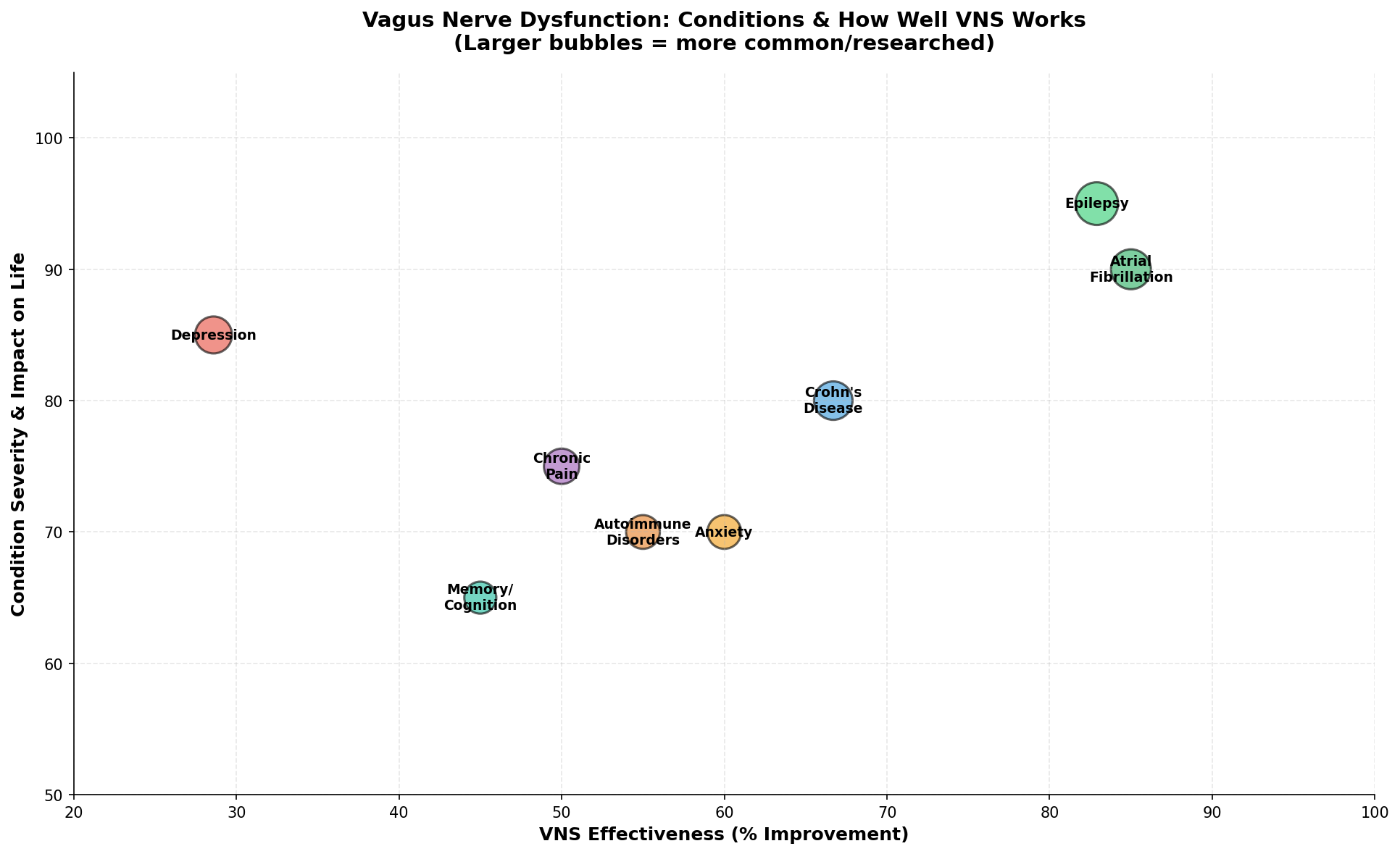 Figure 6: Vagus nerve stimulation shows significant effectiveness across multiple conditions, from drug-resistant epilepsy (83% response) to depression (29% response), though the magnitude of benefit varies by condition and individual factors.
The Bottom Line
The vagus nerve is far more important to your health than most people realise. It controls whether you can digest food, recover from stress, regulate inflammation and maintain a stable mood. When it works well, you feel calm, sleep better and your body can heal itself. When it is impaired, anxiety, digestive problems and stress sensitivity often follow.
The good news is that you can activate your vagus nerve yourself; starting today, using simple techniques such as breathing exercises or humming. These are not just relaxation tricks, these techniques shift the state of the nervous system through the same anatomical pathways that professional medical devices use.
If home techniques are not adequate, modern medicine offers FDA-approved treatments for serious vagal dysfunction. The National Institutes of Health has invested $250 million in vagus nerve research, reflecting the growing recognition that this single nerve is fundamental to treating multiple chronic diseases. This level of investment suggests major therapeutic advances are expected. Implanted and non-invasive vagus nerve stimulation devices have transformed outcomes for people with drug-resistant epilepsy, treatment-resistant depression and inflammatory conditions that previously had limited options.
Understanding your vagus nerve empowers you to take control of your stress response, digestion and immune function in ways that no pill can match. It is one of the most important wires in your body—and now you know how to activate it.
Further Reading
Understanding Vagus Nerve Anatomy and Physiology
- Vagus Nerve: What It Is, Function, Location and Conditions — Cleveland Clinic comprehensive overview
- Parasympathetic Nervous System: What It Is and Function — Cleveland Clinic explanation of the parasympathetic nervous system
- Neuroanatomy, Cranial Nerve 10 (Vagus Nerve) — StatPearls comprehensive anatomical reference
- The Vagus Nerve at the Interface of the Microbiota-Gut-Brain Axis — NIH research on brain-gut connections
Vagal Tone and Heart Rate Variability
- How the Vagus Nerve Produces Beat-to-Beat Heart Rate Variability — Physiological mechanisms explained
- High Vagal Tone and Working Memory — NIH research on cognitive benefits
Health Conditions and Vagal Dysfunction
- A Possible Role for the Vagus Nerve in Physical and Mental Health — Comprehensive review of vagal involvement in disease
- The Vagus Nerve as a Cornerstone for Mental Health — Focus on psychiatric conditions
- The Vagus Nerve Can Predict and Possibly Modulate Non-Communicable Chronic Diseases — Research on disease prediction and prevention
Medical Treatments and Devices
- Vagus Nerve Stimulation (VNS): What It Is, Uses and Side Effects — Clinical overview of VNS devices
- Vagus Nerve Stimulation — Mayo Clinic patient guide
- Long-Term Outcome of Vagus Nerve Stimulation Therapy in Drug-Resistant Epilepsy — Research on long-term epilepsy outcomes
- Vagus Nerve Stimulation for Treatment of Partial Seizures — Detailed efficacy study
Home Techniques and Non-Invasive Methods
- How to Reset Your Vagus Nerve Naturally — Cleveland Clinic guide to home techniques
- 5 Ways to Reset Your Vagus Nerve — Practical methods explained
- Vagal Manoeuvres: How to Slow Your Heart Rate — Techniques for acute nervous system reset
- Yoga for Better Mental Health — Harvard Health on yoga benefits
- Effects of Voiced Gargling on Laryngeal Muscles — Research on gargling technique
- Can Singing Exercises Reduce Snoring — Singing as vagal stimulation
Inflammation and Immune Function
- Vagus Nerve Stimulation and Inflammation: Expanding the Scope Beyond Cytokines — Advanced mechanisms of anti-inflammatory effects
- Vagus Nerve as Modulator of the Brain-Gut Axis — How vagal signalling affects immune function
Special Populations and Conditions
- Vagus Nerve Stimulation for Pediatric Intractable Epilepsy — Safety and efficacy in children
- Microbiota-Gut-Brain Axis: Vagus Nerve, Microbiota, Obesity, and Diabetes — Metabolic health connections
- Neuroimmune Modulation Through VNS in Crohn's Disease — Inflammatory bowel disease treatment
References/Helpful Resources
- Cleveland Clinic. Vagus Nerve: What It Is, Function, Location and Conditions [Internet]. [cited 2026 Jan 01]. Available from: https://my.clevelandclinic.org/health/body/22279-vagus-nerve
- Cleveland Clinic. How to Reset Your Vagus Nerve Naturally [Internet]. [cited 2026 Jan 01]. Available from: https://health.clevelandclinic.org/vagus-nerve-reset
- Mayo Clinic. Vagus Nerve Stimulation [Internet]. [cited 2026 Jan 01]. Available from: https://www.mayoclinic.org/tests-procedures/vagus-nerve-stimulation/about/pac-20384565
- National Institutes of Health. Neuroanatomy, Cranial Nerve 10 (Vagus Nerve). StatPearls. [Internet]. [cited 2026 Jan 01]. Available from: https://www.ncbi.nlm.nih.gov/books/NBK537171/
- National Institutes of Health. The Vagus Nerve at the Interface of the Microbiota-Gut-Brain Axis [Internet]. PMC. [cited 2026 Jan 01]. Available from: https://www.ncbi.nlm.nih.gov/pmc/articles/PMC5808284/
- National Institutes of Health. How the Vagus Nerve Produces Beat-to-Beat Heart Rate Variability [Internet]. PMC. [cited 2026 Jan 01]. Available from: https://www.ncbi.nlm.nih.gov/pmc/articles/PMC6410617/
- National Institutes of Health. High Vagal Tone and Working Memory [Internet]. PMC. [cited 2026 Jan 01]. Available from: https://www.ncbi.nlm.nih.gov/pmc/articles/PMC9986304/
- National Institutes of Health. A Possible Role for the Vagus Nerve in Physical and Mental Health [Internet]. PMC. [cited 2026 Jan 01]. Available from: https://pmc.ncbi.nlm.nih.gov/articles/PMC12839095/
- National Institutes of Health. The Vagus Nerve as a Cornerstone for Mental Health [Internet]. PMC. [cited 2026 Jan 01]. Available from: https://pmc.ncbi.nlm.nih.gov/articles/PMC12289630/
- National Institutes of Health. The Vagus Nerve Can Predict and Possibly Modulate Non-Communicable Chronic Diseases [Internet]. PMC. [cited 2026 Jan 01]. Available from: https://pmc.ncbi.nlm.nih.gov/articles/PMC6210465/
- National Institutes of Health. Long-Term Outcome of Vagus Nerve Stimulation Therapy in Drug-Resistant Epilepsy [Internet]. PMC. [cited 2026 Jan 01]. Available from: https://www.ncbi.nlm.nih.gov/pmc/articles/PMC12098027/
- National Institutes of Health. Vagus Nerve Stimulation for the Treatment of Epilepsy [Internet]. PubMed. [cited 2026 Jan 01]. Available from: https://pubmed.ncbi.nlm.nih.gov/30898273/
- National Institutes of Health. Vagus Nerve as Modulator of the Brain-Gut Axis in Psychiatric and Inflammatory Disorders [Internet]. PMC. [cited 2026 Jan 01]. Available from: https://www.ncbi.nlm.nih.gov/pmc/articles/PMC5859128/
- National Institutes of Health. Microbiota-Gut-Brain Axis: Vagus Nerve, Microbiota, Obesity, and Diabetes [Internet]. PMC. [cited 2026 Jan 01]. Available from: https://pmc.ncbi.nlm.nih.gov/articles/PMC10289935\
- National Institutes of Health. Neuroimmune Modulation Through VNS in Crohn's Disease [Internet]. PMC. [cited 2026 Jan 01]. Available from: https://www.ncbi.nlm.nih.gov/pmc/articles/PMC10798868/
- National Institutes of Health. Vagus Nerve Stimulation for Pediatric Intractable Epilepsy [Internet]. PMC. [cited 2026 Jan 01]. Available from: https://www.ncbi.nlm.nih.gov/pmc/articles/PMC6332620/
- National Institutes of Health. Effects of Voiced Gargling on the Electrical Activity of Extrinsic Laryngeal Muscles [Internet]. PubMed. [cited 2026 Jan 01]. Available from: https://pubmed.ncbi.nlm.nih.gov/32665117/
- National Institutes of Health. Can Singing Exercises Reduce Snoring [Internet]. PubMed. [cited 2026 Jan 01]. Available from: https://pubmed.ncbi.nlm.nih.gov/11068344/
- National Institutes of Health. Vagus Nerve Stimulation and Inflammation: Expanding the Scope Beyond Cytokines [Internet]. PubMed. [cited 2026 Jan 01]. Available from: https://pubmed.ncbi.nlm.nih.gov/36457107/
- Harvard Medical School. Yoga for Better Mental Health [Internet]. Harvard Health Publishing. [cited 2026 Jan 01]. Available from: https://health.harvard.edu/staying-healthy/yoga-for-better-mental-health
- Cleveland Clinic. Vagus Nerve Stimulation (VNS): What It Is, Uses and Side Effects [Internet]. [cited 2026 Jan 01]. Available from: https://my.clevelandclinic.org/health/treatments/17598-vagus-nerve-stimulation
- Cleveland Clinic. Parasympathetic Nervous System (PSNS): What It Is and Function [Internet]. [cited 2026 Jan 01]. Available from: https://my.clevelandclinic.org/health/body/23266-parasympathetic-nervous-system-psns
- Cleveland Clinic. Vagal Manoeuvres: How to Slow Your Heart Rate [Internet]. [cited 2026 Jan 01]. Available from: https://my.clevelandclinic.org/health/treatments/22227-vagal-maneuvers
