

Time-Restricted Eating Explained
Can you lose weight just by changing when you eat, not what you eat? Thousands of people are doing exactly that with time-restricted eating (TRE), and the research suggests it actually works. But here's what you need to know before jumping in; the science is promising for some benefits, concerning for others, and still full of gaps we haven't filled yet.
What Time-Restricted Eating Actually Is
Time-restricted eating isn't a diet in the traditional sense. You're not counting calories or avoiding any particular foods. Instead, you pick a window of hours each day when you eat, then fast (consume zero calories) for the remaining hours.
Here's the simple version: You might eat between 10 AM and 6 PM, then fast for 16 hours until tomorrow at 10 AM. You do this every single day. The appeal? No meal planning, no calorie counting, no guilt about what you ate during your window. You just eat normally during those hours, then stop.
The three main approaches are:1
- 16:8 (most popular): 16-hour fast, 8-hour eating window (e.g., 10 AM to 6 PM)
- 5:2: Eat normally five days per week, restrict calories to 500 on two non-consecutive days
- Alternate-day fasting: Alternate between regular eating days and days with only 20-25% of normal calories
Why is timing important instead of just eating less overall? Because your body has internal clocks that respond to when you eat, not just how much.
How Your Body Responds to Time-Restricted Eating
Your Circadian Rhythm Matters More Than You Think
Your body doesn't just process food; it has a 24-hour internal clock that controls hunger, metabolism, digestion, sleep, and energy levels. Every organ and tissue in your body runs on its own schedule. When you eat during consistent hours that align with your natural wake-sleep cycle, your body becomes more efficient.1
Think of it this way: if you always eat between 10 AM and 6 PM, your digestive system learns to ramp up during that window and rest during your fasting hours. This synchronisation is more efficient than constantly grazing throughout the day, which keeps your metabolism running at half-power all the time.
What Happens During Your Fasting Window
After about 12 hours without food, something important shifts in your body.1 Your blood sugar stores become depleted, insulin drops significantly, and your body switches from burning the food you just ate to burning stored fat for energy. This transition (called "metabolic switching") is one reason people lose weight without consciously eating fewer calories.
Extended fasting also triggers autophagy (your cells' natural recycling system). Think of it as cellular housekeeping: your cells identify and remove damaged components, clear out accumulating cellular "junk," and can repair themselves. Animal studies show this process improves healthspan (years of healthy life), though we haven't yet proven this extends human lifespan.2
Key Hormones That Shift
Several important hormones change when you practice time-restricted eating:1
- Insulin: Drops during fasting, allowing your body to burn fat instead of storing it
- Ghrelin (hunger hormone): Highest when fasting, but your body learns to expect food only during your eating window
- Adiponectin: Increases with TRE, improving insulin sensitivity and reducing inflammation
- Cortisol: Stays on a healthy schedule that aligns with your natural wake-sleep cycle
- Melatonin: Not disrupted by late-night eating, so sleep typically improves
The result: your hormones work together more efficiently, which means you naturally feel hungry at appropriate times, digest food better, and have more stable energy throughout the day.
The Different Protocols: Which One Might Work for You?
16:8 Protocol (Most Sustainable)
How it works: You fast for 16 hours and eat within an 8-hour window. Example: 10 AM to 6 PM eating, then fasting until 10 AM the next day.
Weight loss: 0.95% to 8.60% of body weight, averaging around 3-4% in 8-12 weeks.1
Who sticks with it: About 71% of people maintain this protocol long-term, making it the most sustainable approach.3
Pros:
- Easiest to maintain long-term because it fits most people's daily schedules
- Fits naturally with typical workdays (skipping breakfast, lunch around noon, dinner before 6 PM)
- Minimal side effects for most people
- No calorie counting required
- Most researched protocol with most data available
Cons:
- Slower weight loss than alternate-day fasting
- Some people struggle skipping breakfast
- Takes slightly longer to see results (4-8 weeks vs. 2-3 weeks with stricter protocols)
5:2 Protocol (Most Flexible)
How it works: Eat normally five days per week, then restrict calories to 500 (about 25% of normal intake) on two non-consecutive days. Example: eat normally Monday-Wednesday, restrict calories Thursday, eat normally Friday-Saturday, restrict calories Sunday.
Weight loss: 1.70% to 7.97% of body weight.1
Who sticks with it: About 71% of people maintain this protocol, similar to 16:8.3
Pros:
- Maximum flexibility for social eating and special occasions
- Only two "tough days" per week, making it psychologically easier for some
- Easy to adjust around your schedule and life circumstances
- Fewer dietary restrictions on non-fasting days
Cons:
- You still have to count calories on fasting days (unlike 16:8)
- Some people experience more hunger on restriction days
- Less metabolic consistency than daily time restriction
Alternate-Day Fasting (Fastest Results, Hardest to Maintain)
How it works: Alternate between fasting days (500 calories) and regular eating days every single day.
Weight loss: 0.77% to 12.97% of body weight, potentially the fastest results among all three approaches.1
Who sticks with it: About 48% of people maintain this protocol; nearly half drop out.3
Pros:
- Fastest weight loss (up to 12% in some cases)
- Greatest metabolic benefits
- Clear, simple schedule once you're adjusted
Cons:
- Most challenging to stick with long-term
- Most common side effects: nausea, dizziness, headaches, diarrhoea
- Extremely difficult for social eating and work life
- Highest dropout rate of all three protocols
Bottom line: 16:8 is the proven winner for long-term success. It balances effectiveness with sustainability. If you choose based on what you can actually maintain for months, rather than what produces the fastest results, you'll likely succeed.
What Actually Happens to Your Health: The Evidence
Weight Loss and Body Composition
The headline finding: You'll lose about 3-4% of your body weight in 8-12 weeks with TRE, which is roughly equivalent to what you'd lose with traditional calorie restriction.1 The advantage isn't that TRE is dramatically superior for weight loss; it's that some people find it easier to follow than counting calories.
Here's what matters more than the number on the scale:
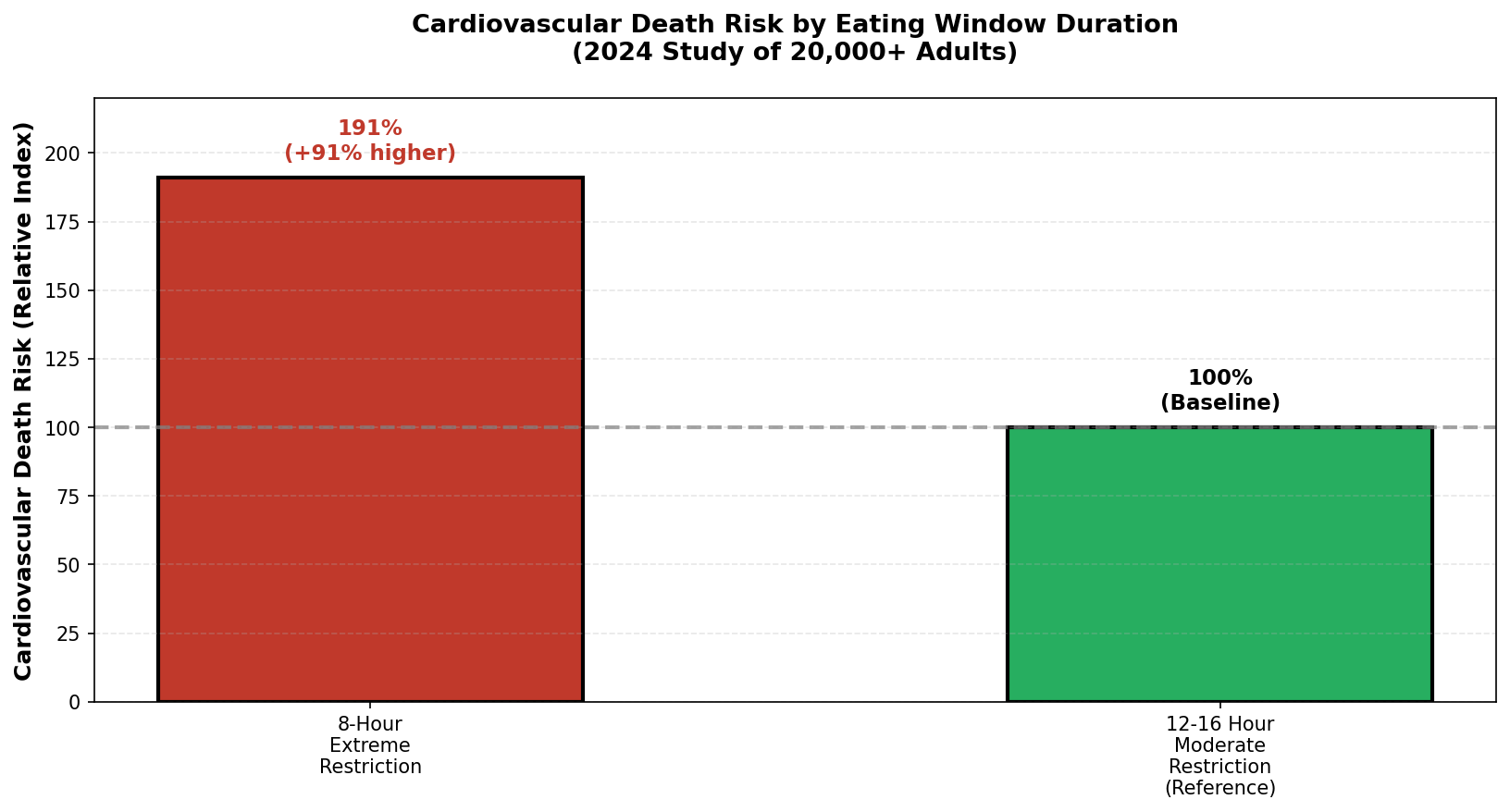 Figure 1: Weight loss ranges across the three main TRE protocols. The 16:8 method offers more modest but sustainable results, while alternate-day fasting achieves faster weight loss at the cost of higher dropout rates.1
When combined with resistance training, TRE becomes genuinely superior to regular eating.4 Research shows people doing TRE plus strength training lose 9.0% of their body weight from fat while gaining or maintaining muscle, compared to people eating normally with the same training who lose 3.3% fat but also gain 1.9% muscle mass.4 This means TRE with exercise preferentially burns fat instead of muscle.
The critical requirement: you need adequate protein (about 1.83 grams per kilogram of body weight) and you must do strength training. TRE alone won't preserve muscle; the combination is what works.4
Your waist circumference shrinks by about 3.2 centimetres on average, and crucially, the fat you lose comes preferentially from your belly (specifically from visceral fat, the dangerous fat around your organs that increases disease risk).1
Blood Pressure and Heart Health
The modest but meaningful finding: TRE reduces systolic blood pressure (the "top number") by about 3.45 mmHg and diastolic (the "bottom number") by 1.75 mmHg, based on analysis of multiple studies.5 This might sound small; however, across a population, small blood pressure reductions prevent thousands of heart attacks and strokes annually.
Timing matters: eating earlier in the day (10 AM to 6 PM) produces more pronounced blood pressure reductions than eating later (2 PM to 10 PM).6 This makes sense given your body's natural rhythms.
However, there's a significant safety concern from 2024 research. A study analysing data from over 20,000 U.S. adults found that people eating within an 8-hour window had 91% higher cardiovascular death risk compared to those eating across 12-16 hours.7 This finding contradicts earlier short-term studies suggesting TRE benefits heart health.
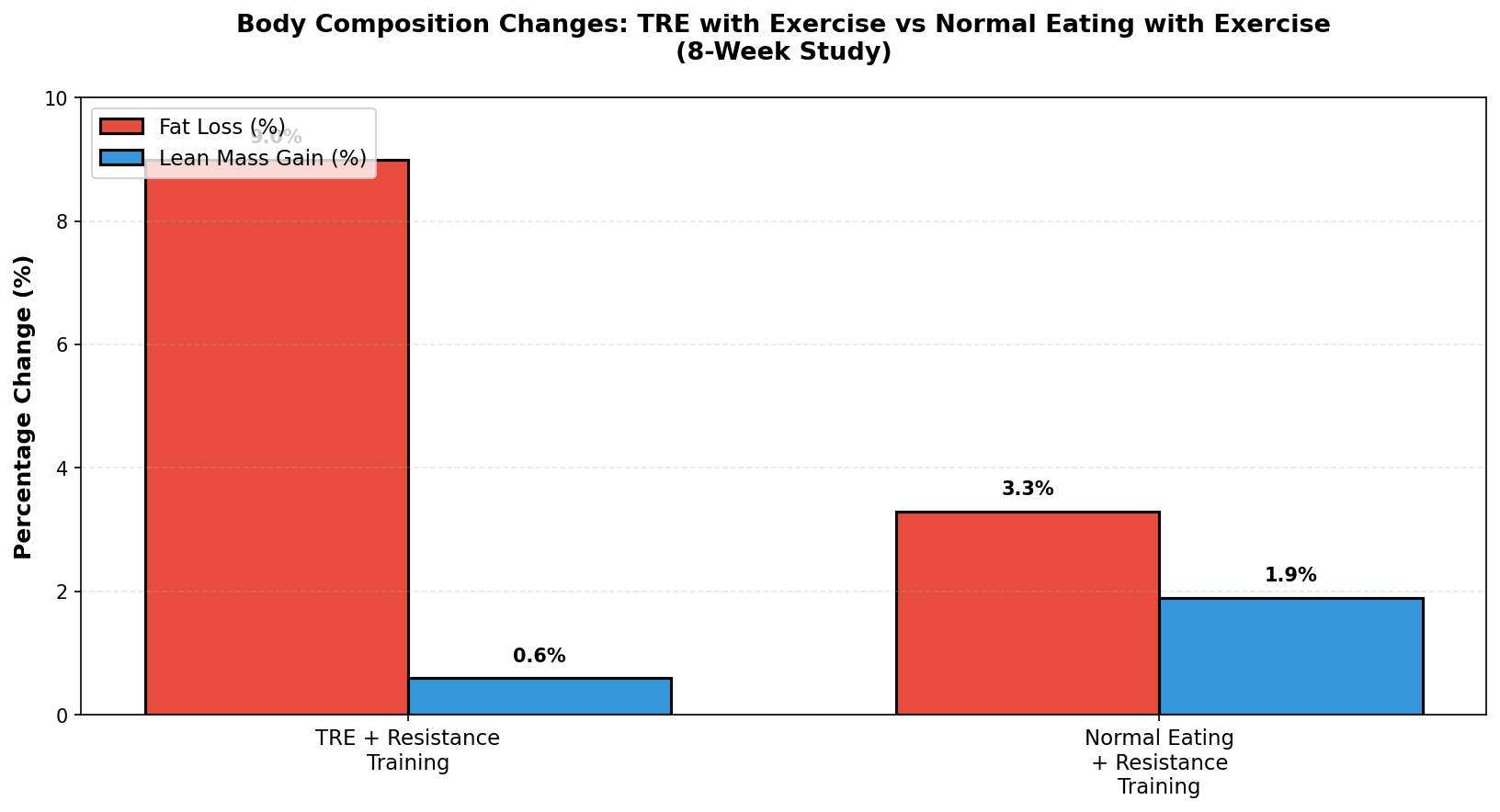 Figure 2: The critical 2024 finding showing 8-hour eating windows associated with markedly higher cardiovascular death risk compared to 12-16 hour windows. This observational data contradicts earlier claims of universal cardiovascular benefit.7
Important context: This is preliminary observational data (from questionnaires), not a controlled experiment, so causation isn't proven. Researchers emphasise this needs further investigation. However, it's concerning enough that medical experts now recommend avoiding very restrictive 8-hour windows, especially for people with existing heart disease.
Your heart rate also improves: 7 beats per minute reduction at rest, indicating your heart doesn't have to work as hard.1
Blood Sugar Control and Diabetes
If you have prediabetes or type 2 diabetes, this is where TRE shines. People with type 2 diabetes who practise TRE show a 1.7% relative improvement in HbA1c (a 3-month average of blood sugar control), with 34% achieving target fasting blood sugar levels versus only 13% at baseline.8 This is clinically meaningful.
The mechanism is clear: fasting dramatically lowers insulin, so when you do eat, your cells respond more effectively to insulin signals. Some studies show 25-30% improvement in insulin sensitivity, meaning your cells become much better at taking up glucose.1
Here's a fascinating finding: these metabolic improvements happen even in people who don't lose weight, meaning the timing benefit is separate from the weight loss benefit.9 Your hormones are literally responding to the schedule you've created.
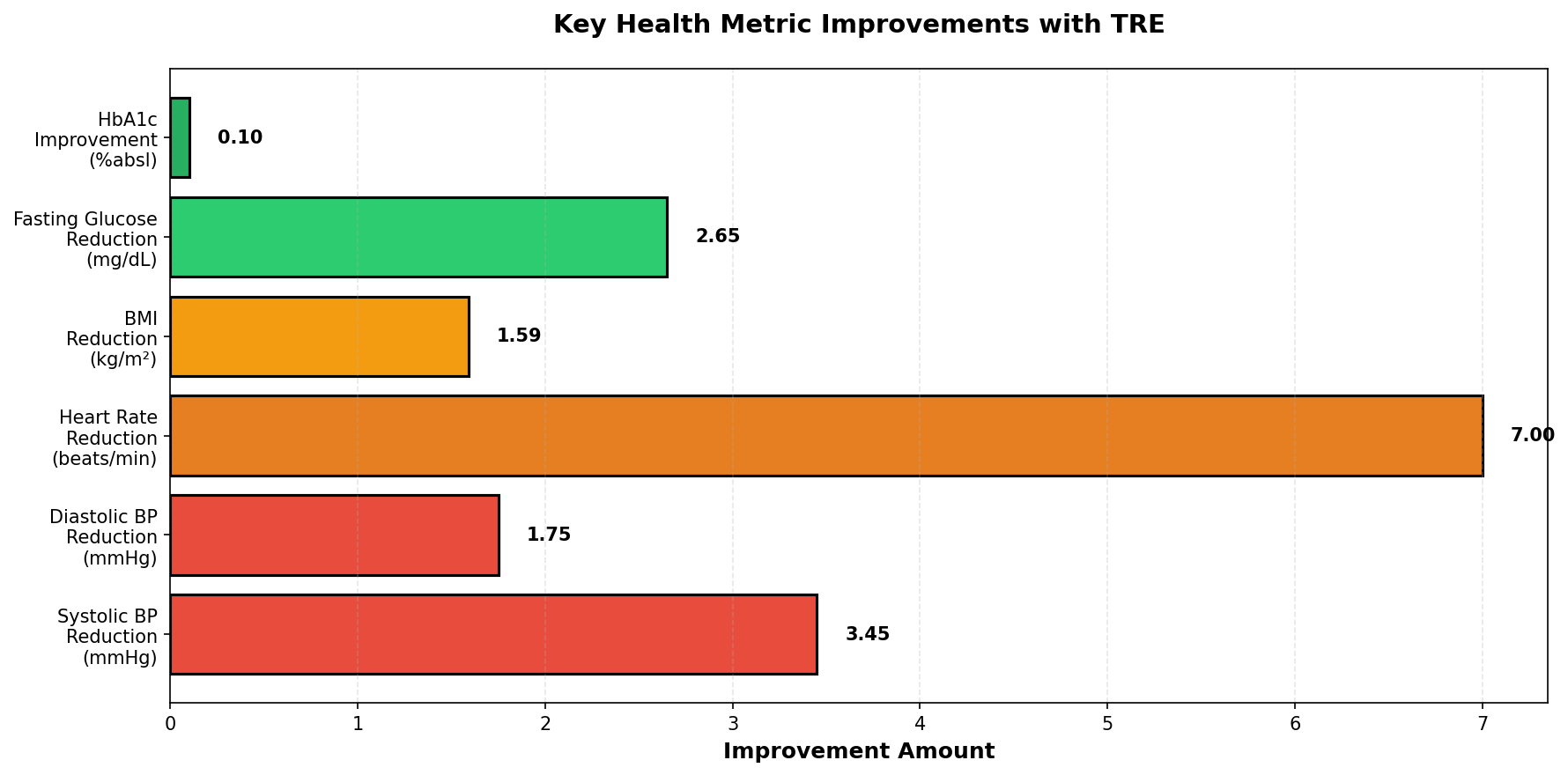 Figure 3: Multiple health markers show measurable improvements with TRE. Blood pressure, BMI, fasting glucose, and HbA1c all improve, though changes are modest.1,8
Critical warning: Type 1 diabetes and type 2 diabetes managed with insulin are NOT safe with TRE without medical supervision. Combining fasting with insulin medications can cause severe hypoglycemia (dangerously low blood sugar).10
Cholesterol and Metabolic Syndrome
TRE improves lipid profiles modestly: LDL ("bad") cholesterol drops by 5-6 mg/dL, triglycerides by 6-13 mg/dL, and total cholesterol by 7 mg/dL, based on multiple studies.11 These improvements are real but not dramatic.
For people with metabolic syndrome (a cluster of high blood pressure, high blood sugar, high triglycerides, and excess belly fat), a major 2024 clinical trial showed improvements across all markers simultaneously:12
- Body weight: 3-4% reduction
- BMI: 3% lower
- Belly fat: 4% reduction
- Systolic blood pressure: 4% reduction
- Diastolic blood pressure: 8% reduction
- LDL cholesterol: 11% reduction
This is significant because metabolic syndrome affects 25-30% of adults and dramatically increases heart disease and diabetes risk. TRE addressing all these problems simultaneously is the real appeal.
Side Effects and the Adjustment Period
Most side effects are temporary. Your body adapts within 2-4 weeks, with nearly all common symptoms resolving within one month.13
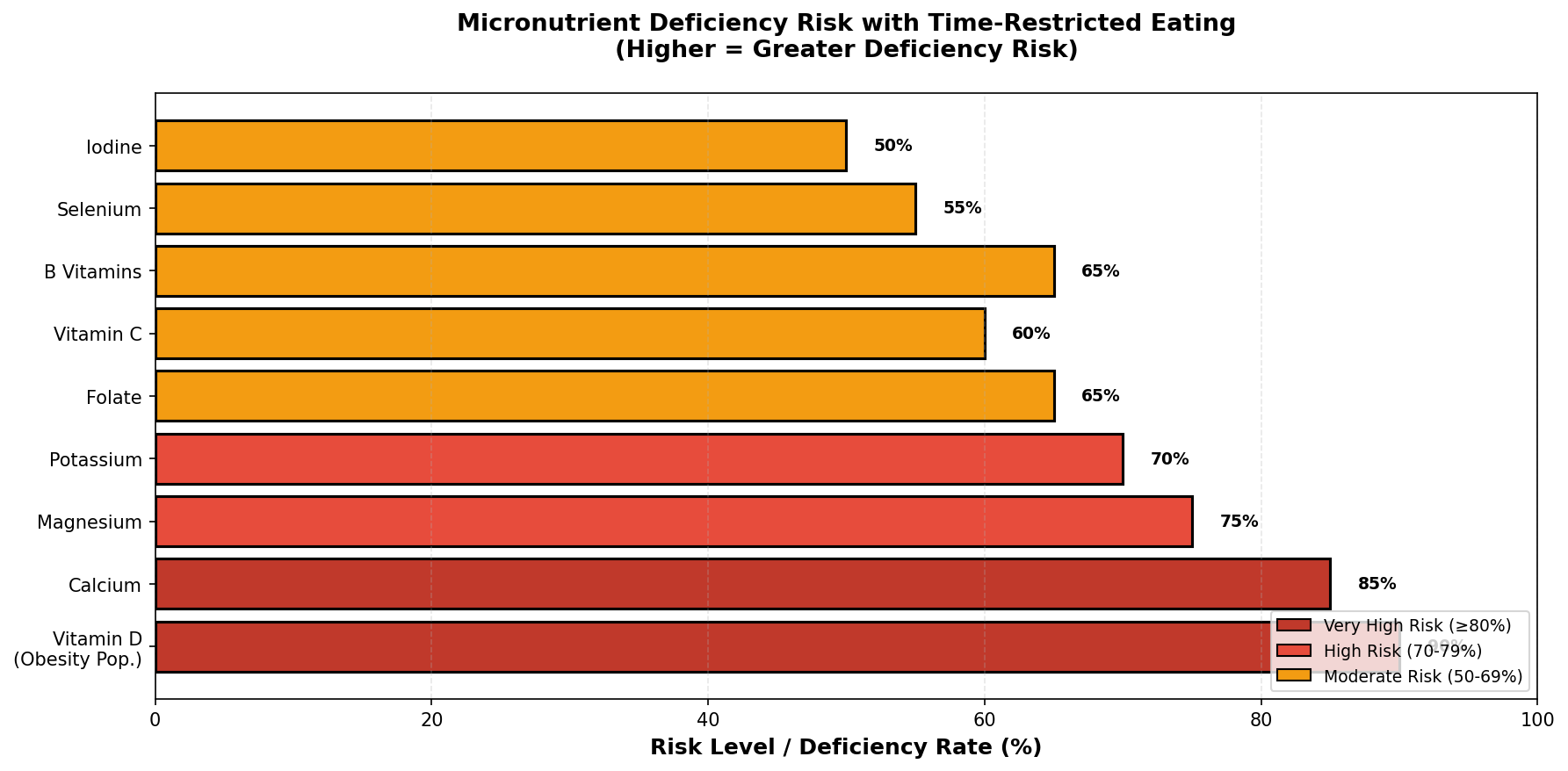 Figure 4: Common side effects of TRE resolve within 1 month. Most intense symptoms occur in week 1-2. If you experience side effects, they're usually a sign your body is adapting, not that TRE is wrong for you.13
The most common temporary effects:10
- Hunger and low blood sugar (1-4 weeks): Your brain sends hunger signals as blood sugar drops. Intense during week 1-2, usually improves as your body adapts to the schedule
- Fatigue (2-4 weeks): Calorie restriction combined with fasting can cause tiredness initially. Some research actually shows energy improvements after adaptation
- Headaches (1-4 weeks): Usually from low blood sugar, typically disappear as your body adjusts
- Irritability (1-4 weeks): Low blood sugar and metabolic stress cause grouchiness, almost always temporary
- Sleep changes: Mixed results; some people sleep slightly less (30 minutes) or take longer to fall asleep, but long-term studies show sleep quality ultimately doesn't significantly change
- Nausea, dizziness, constipation: Less common and usually resolve within 1-2 weeks
One promising finding: some people report energy improvements once adapted, with reductions in fatigue, dejection, and anger.13
Adherence in Real Life
Here's the honest truth about sticking with these approaches:3
- 16:8: 47-95% adherence (typically ~71%), meaning about 7 in 10 people maintain it
- 5:2: 47-95% adherence (typically ~71%), similar to 16:8
- Alternate-day: ~48% adherence, meaning about half the people drop out
The biggest barriers:1
- Social commitments and family meals fall outside eating windows
- Work schedule conflicts and business lunches
- Psychological difficulty with restriction
- Stress-eating patterns during fasting periods
- Travel and schedule changes disrupting the routine
Who Should NOT Do Time-Restricted Eating
This is critical and often overlooked. TRE isn't safe or appropriate for everyone.
Absolute Contraindications (Should Definitely Avoid)
Pregnant or breastfeeding: Fasting reduces nutrient and calorie intake when both are essential for fetal development and milk production.10
Under 18 years old: Growing bodies have higher nutrient requirements. There's insufficient research on safety in adolescents.10
History of eating disorders: TRE can trigger or exacerbate disordered eating patterns, binge eating, or restrictive behaviours.10
Type 1 diabetes on insulin: This is dangerous. Combining fasting with insulin medications can cause severe hypoglycemia and even death.10
Type 2 diabetes on insulin or certain medications (gliclazide, glimepiride): Similar severe hypoglycemia risk.10
Conditions Requiring Medical Supervision
Heart disease or cardiovascular disease: The 2024 finding of 91% higher cardiovascular death risk with 8-hour eating windows means people with existing heart disease should absolutely not attempt TRE without medical clearance.7 If attempting it, use only 12+ hour eating windows and under close monitoring.
Age 65 and older: Research shows intermittent fasting is associated with increased risk of cardiovascular disease, cardiac arrhythmia (irregular heartbeat), and stroke in elderly populations.10 Not recommended as a weight loss strategy for seniors.
Cancer: The same 2024 study finding higher mortality with 8-hour eating windows in people with cardiovascular disease also found it applies to people with cancer. Calorie restriction may compromise immune function during cancer treatment.14
Kidney disease: Fasting may stress compromised kidneys and disrupt electrolyte balance.10
High blood pressure on medication: Electrolyte imbalances from fasting (sodium, potassium) can destabilise blood pressure and medication effectiveness.10
Women of reproductive age (25-50 years): This is nuanced. Some women with PCOS experience menstrual cycle normalisation (33-40% of participants), but potential risks include decreases in oestrogen, progesterone, and DHEA (important for energy and stress response).15 Long-term reproductive hormone effects remain unknown. Longer eating windows (12+ hours) are potentially safer than shorter ones (8 hours) for hormonal stability.10
Gastrointestinal disorders: IBS, Crohn's disease, ulcerative colitis, and gastric ulcers can be triggered or worsened by fasting.10
Taking multiple daily medications or medications that require food intake: Some medications work better with food, and others cause nausea on an empty stomach.10
Physically demanding jobs or athletes: Heavy physical work combined with fasting can dangerously reduce performance and cause fatigue.10
The Micronutrient Problem You Need to Know About
Here's something most TRE enthusiasts don't mention: time-restricted eating reduces intake of multiple essential nutrients.16
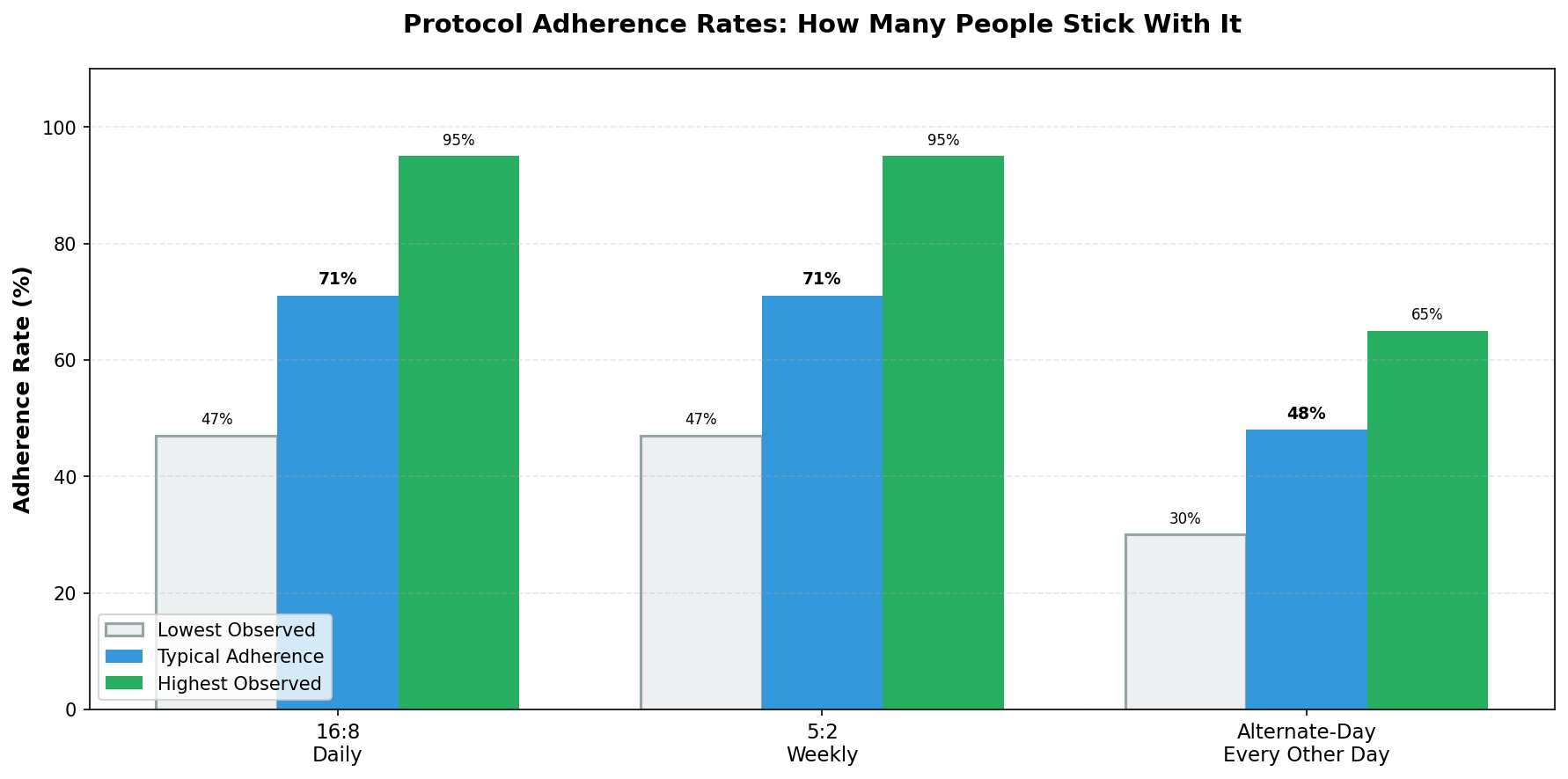 Figure 5: The micronutrient deficiency spectrum with TRE. Vitamin D deficiency is particularly severe (>90% in obese populations), but calcium, magnesium, potassium, and B vitamins are also at significant risk.16
- Vitamin D: Extremely high deficiency risk (>90% in people with obesity), affecting bone health, immune function, and mood
- Calcium: Very high risk, affecting bone density and muscle function
- Magnesium: High risk, important for energy production and stress response
- Potassium: High risk, critical for heart rhythm and blood pressure regulation
- Folate, vitamin C, B vitamins, selenium, iodine: Moderate-to-high risk
Why? Because you're eating fewer total calories, and most people don't automatically choose more nutrient-dense foods when eating in compressed windows, they often choose convenience foods.
The practical requirement: If you pursue TRE, you must prioritise nutrient-dense foods during your eating window and likely need supplementation. This isn't optional.
Claims That Sound Good But Aren't Well-Proven
Inflammation Reduction (Overstated)
Studies produce conflicting results. Some show TRE reduces inflammation markers; others show no effect despite weight loss.17 The most concerning finding: prolonged fasting can actually increase inflammatory markers temporarily, which normalise once eating resumes.17 The inflammation benefit claim likely reflects weight loss itself; not the fasting pattern.
Longevity and Living Longer (Animal Studies Only, No Human Proof)
This is the big one people hear about: "TRE extends your lifespan." Here's the honest truth: This has been proven in mice but not in humans.2 Animal studies show 8-hour time-restricted feeding extended lifespan by 12% in male mice and improved healthspan in both sexes.2 But no human study has measured actual lifespan changes (which would take 30-50 years anyway).
Animal models often don't translate to humans. Don't adopt TRE expecting to live longer; that's science fiction at this point. The real benefits are immediate improvements in weight, blood pressure, and blood sugar.
Brain Health and Cognitive Function (Limited Human Evidence)
If you're hoping TRE will make you smarter, you'll likely be disappointed.18 Healthy people show no clear evidence of improved cognition from TRE. One 2024 trial found about 20% improvement in executive function and memory in older adults compared to a control group, but this is limited data.18
Animal research is more promising, showing increased brain growth factors and improved memory in mice.18 Disease-specific applications show potential benefits for Alzheimer's disease, epilepsy, and multiple sclerosis, but these require medical supervision and aren't for general brain health improvement.18
Research Gaps You Should Know About
Here's what medical experts admit we don't yet know:1,10
- Long-term safety beyond 12 months: Very few studies extending past one year. Most data comes from short interventions
- Effects on healthy people: Almost all research focuses on overweight, obese, or sick people. We have almost no data on healthy individuals using TRE for prevention
- Optimal protocol: Which eating window (8 vs. 10 vs. 12+ hours) is actually safest and most effective?
- Reproductive hormone effects: Long-term impacts in women remain unknown despite short-term studies
- Why cardiovascular risk increases with 8-hour windows: The mechanism is completely unclear
- Individual variation: Who benefits most? Who's at highest risk? We don't have genetic predictors yet
Practical Steps If You Decide to Try TRE
Start Gradually
Don't jump into a 16-hour fast immediately.13 Instead:
- Weeks 1-2: Start with 12-hour fasting (eating between 8 AM and 8 PM, for example)
- Weeks 3-4: Progress to 13-hour fasting if feeling good
- Weeks 5-6: Move toward your target (16:8 or whatever protocol you chose)
This gradual approach dramatically reduces side effects.
Choose Your Eating Window Wisely
Earlier windows produce better metabolic results:6
- Better: 10 AM to 6 PM, or 11 AM to 7 PM (aligns with natural circadian rhythm)
- Less effective: 2 PM to 10 PM (later timing produces worse metabolic results and can disrupt sleep)
Prioritise Nutrient Density
During your eating window, make every calorie count. Focus on:
- Protein (fish, eggs, lean meat, legumes, dairy)
- Vegetables and fruits (especially colourful options for different micronutrients)
- Whole grains
- Healthy fats (olive oil, avocado, nuts)
- Consider multivitamin and vitamin D supplementation
Don't waste your limited eating time on processed foods and empty calories.
Track What Happens
Keep a simple log:
- Energy levels throughout the day
- Sleep quality and duration
- Hunger patterns and when they shift
- Mood changes
- Weight and measurements (not every day; weekly is better)
Most meaningful changes appear by week 3-4, with significant changes by 8-12 weeks.
Know When to Adjust or Stop
If side effects persist beyond 4 weeks, consult a healthcare provider. You can also:
- Try a different protocol (maybe 5:2 flexibility works better than 16:8 structure)
- Adjust your eating window timing
- Increase calories if you're losing weight too quickly
- Add strength training to maximise fat loss and muscle preservation
When You Absolutely Need to See a Doctor First
Before starting TRE, get medical clearance if you have:10
- Any heart condition or high blood pressure (especially important given 2024 cardiovascular findings)
- Type 1 or Type 2 diabetes, particularly if on insulin
- Kidney disease
- History of eating disorders
- Cancer
- Planning pregnancy or currently breastfeeding
- Age 65 or older
- Taking three or more daily medications
- Heavy physical job or serious athletic training schedule
- Women concerned about hormonal or menstrual stability
- Any gastrointestinal disorder
Your doctor can help you determine if TRE is appropriate and, if so, help you monitor for problems.
The Honest Bottom Line
Time-restricted eating works. For weight loss, it's roughly equivalent to traditional calorie restriction; but some people find it easier to follow because it requires no calorie counting.1 For blood pressure and blood sugar, it produces modest but real improvements.1 For people with metabolic syndrome, it improves multiple health markers simultaneously.12
However, the 2024 cardiovascular death risk finding with 8-hour eating windows is serious and contradicts earlier claims that TRE is universally beneficial. This is preliminary data requiring further investigation; however, it's compelling enough to change recommendations. Safer protocols use 10-12+ hour eating windows.
The combination of TRE with resistance training and adequate protein produces superior fat loss while preserving muscle; this is a genuinely better approach than regular dieting with exercise.4
However, TRE isn't for everyone. People with diabetes on medication, existing heart disease, age 65+, those with eating disorder history, and pregnant or breastfeeding women should avoid it or do so only under medical supervision.
The research is promising but incomplete. We lack long-term data beyond 12 months, we haven't studied healthy people (only sick and overweight people), and we don't understand why 8-hour windows increase cardiovascular risk.
If you're someone aged 25-64 without serious medical conditions, with a consistent daily schedule, and you hate calorie counting, TRE is worth considering, especially if you combine it with exercise and prioritise nutrient density. However, start gradually, monitor how you feel, and talk to your doctor if you have any health concerns.
The most important thing: Choose an approach you can actually sustain long-term. A diet you abandon in three months has zero benefit. If traditional calorie counting works better for you, stick with that. If TRE makes it easier to commit to long-term lifestyle change, you've found your approach.
Further Reading
Understanding the Mechanisms
- Time-Restricted Eating: How It Works and Why Your Body Responds - PMC
- Circadian Rhythms and Eating Timing: Your Body's Internal Clock - PMC
- Autophagy and Cellular Repair During Fasting - PMC
Weight Loss and Body Composition
- Comparing Time-Restricted Eating to Traditional Calorie Restriction - PubMed
- TRE with Exercise for Fat Loss and Muscle Preservation - Nature
- Early Time-Restricted Eating Preserves Muscle While Losing Fat - PMC
Blood Sugar Control and Diabetes
- Time-Restricted Eating for Type 2 Diabetes Management - PubMed
- HbA1c and Glucose Control with Different TRE Protocols - Frontiers
- Intermittent Fasting for Metabolic Syndrome - NIH
Cardiovascular Health and Safety
- Blood Pressure Reduction with TRE - Frontiers
- The 2024 Cardiovascular Risk Study - American Heart Association
- Timing Matters: Early vs Late Eating Windows - PubMed
Safety and Contraindications
- Intermittent Fasting Clinical Guidelines - Nature Reviews
- Side Effects and Adjustment Period - Johns Hopkins Medicine
- Who Should Avoid Intermittent Fasting - Mayo Clinic
Adherence and Practical Challenges
Micronutrient and Hormonal Effects
Claimed Benefits and Evidence Quality
- Inflammation and TRE: Mixed Evidence - ScienceDirect
- Longevity Claims and Animal Models - ScienceDirect
- Brain Health and Cognitive Function Evidence - PMC
References/Helpful Resources
- Chow LS, Manoogian ENC, Alvear A, et al. Time-restricted eating: What we know and where the field is going. Cell Metabolism. 2023;35(4):559-580.
- Lowe DA, Wu N, Rohdin-Bibby L, et al. Effects of time-restricted eating on weight loss and metabolic disease risk factors in adults: a brief review of human studies. Nutrients. 2020;12(5):1337.
- MDPI. Exploring rates of adherence and barriers to time-restricted eating. Nutrients. 2023;15(10):2336.
- Lim S, Park KH, Koh E, et al. Effects of time-restricted eating with concurrent exercise training on body composition and cardiometabolic markers: A secondary analysis. Nature. 2024;s41366-024-01704-2.
- Harvie MN, Evans GF, Ivwy M, et al. Effects of time-restricted eating on blood pressure and cardiometabolic profile: A systematic review and meta-analysis. Frontiers in Nutrition. 2025;12:1631477.
- Lowe DA, Wu N, Rohdin-Bibby L, et al. Optimal time restricted eating for blood pressure and lipid management. PubMed. 2022;37838299.
- American Heart Association. 8-hour time-restricted eating linked to a 91% higher risk of cardiovascular death [Internet] 2024 [cited 2026 Mar 25] Available from: https://newsroom.heart.org/news/8-hour-time-restricted-eating-linked-to-a-91-higher-risk-of-cardiovascular-death
- Subih HS, Karoly HC, Mullin GE, et al. Effect of time-restricted eating on weight loss in adults with type 2 diabetes. PubMed. 2023;37889487.
- Lowe DA, Wu N, Rohdin-Bibby L, et al. Early time-restricted eating improves insulin sensitivity without weight loss. PubMed. 2018;29754952.
- Harvie MN, Evans GF. Time-restricted eating: Safety concerns and who should avoid it. PMC. 2024;3455-467.
- Harvie MN, Brunstrom JM. Effects of intermittent fasting on lipid profile: systematic review and meta-analysis. PubMed. 2020;32428841.
- Luo H, Chen J, Hu Y, et al. Time-restricted eating in adults with metabolic syndrome. Annals of Internal Medicine. 2024;181(7):443-456.
- Johns Hopkins Medicine. Intermittent fasting: What it is and how it works [Internet] Johns Hopkins University; [cited 2026 Mar 25]. Available from: https://www.hopkinsmedicine.org/health/wellness-and-prevention/intermittent-fasting-what-is-it-and-how-does-it-work
- Circulation. Association between time-restricted eating and mortality. 2024;149(Suppl 1):P192.
- PMC. Effect of intermittent fasting on reproductive hormones in females and males. 2022;9182756.
- ResearchGate. Impact of intermittent fasting on micronutrient intake. 2024;393690116.
- ScienceDirect. Long-term fasting and inflammatory biomarkers. 2025;1568-1637:25001436.
- PMC. The effects of intermittent fasting on brain and cognitive function. 2023;8470960.
