

That fuzzy feeling at 2 p.m. when your eyelids feel heavy and your focus slips isn't laziness or a character flaw. It's biology. Your brain is telling you something important: napping isn't just permissible, it's backed by decades of solid science showing it can make you sharper, healthier, and measurably more productive.
The catch? Duration and timing matter more than you might think.
Let's talk about what actually happens when you nap, why it works so well, and how to do it right so you get the benefits without the grogginess or the risk.
What Actually Happens to Your Brain During a Nap
Your sleep isn't random. It follows predictable patterns, and understanding this changes how you nap.
A complete sleep cycle takes about 90 to 110 minutes. During this time, your brain cycles through distinct stages, each serving a different purpose. You start in light sleep (stages 1 and 2), progress into deep sleep (stage 3), and finish with REM sleep, where your brain consolidates memories and processes emotions.
Most of your sleep time (about 75 percent) is non-REM sleep; the remaining 25 percent is REM. Stage 2 (light sleep) is where you spend the most time, accounting for roughly 45 percent of your total sleep.
Here's why this matters for napping: the length of your nap determines which sleep stages you experience, and that directly affects what benefits you get.
When you stay awake, two systems control your sleepiness. The first is homeostatic sleep pressure, governed by a molecule called adenosine. Adenosine builds up in your brain during waking hours as a byproduct of metabolism. The longer you're awake, the more adenosine accumulates, and the sleepier you become. A nap clears some of this adenosine, temporarily resetting your fatigue.
The second system is your circadian rhythm, a 24-hour biological clock controlled by light exposure. This clock signals "be awake now" in the morning and "get ready for sleep" in the evening, independent of how long you've actually been awake.
These two systems work together to create an ideal nap window: your circadian rhythm naturally weakens its wake signal in mid-afternoon (usually between 1 p.m. and 3 p.m.), while your accumulated sleep pressure is substantial. This overlap is when napping works best and feels most natural.
Why Brief Naps Deliver Remarkable Cognitive Benefits
The data here is striking. NASA research found that pilots taking 26-minute naps were 54 percent more alert and performed their jobs 34 percent better than those who didn't nap. That's not marginal improvement; that's transformative.
A 30-minute workplace nap increased productivity by 14 percent. For a standard 8-hour workday, that's like gaining an extra productive hour. A 13-minute nap still yielded a 2.3 percent productivity boost per day.
The alertness improvements from a 30-minute nap last up to 4 hours (240 minutes) after waking, meaning one midday nap can carry you through your entire afternoon and into early evening.
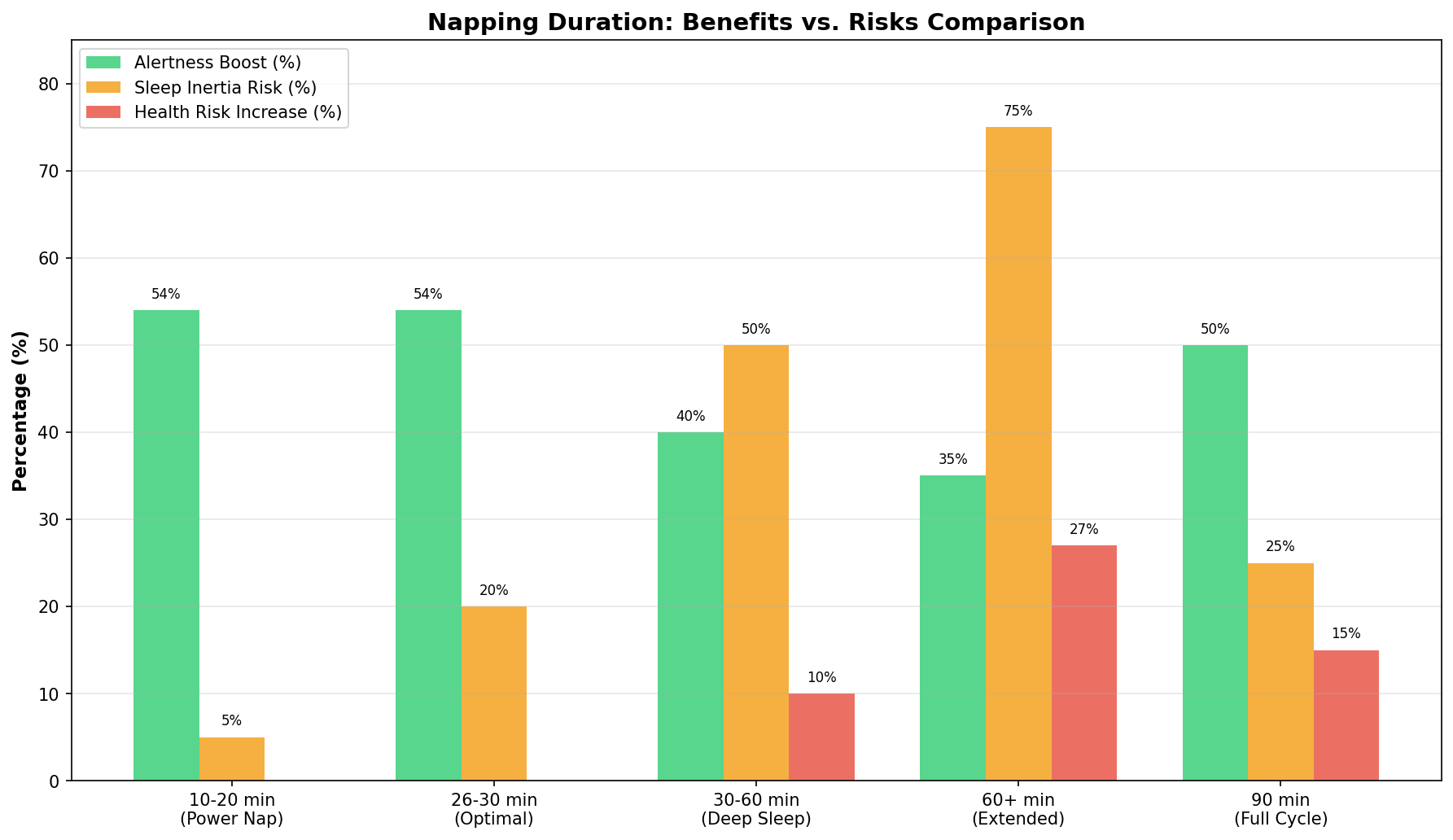 Figure 1: Cognitive improvements by domain. Alertness shows the strongest gains (effect size 0.610), followed by procedural memory for learning motor skills (effect size 0.494) and declarative memory for facts and events (effect size 0.376).
Memory consolidation improves measurably with naps. While any nap helps, 30-minute naps significantly improved memory encoding compared to staying awake. If you're studying or learning something at work, a strategic nap doesn't disrupt your afternoon; it helps your brain solidify what you're learning.
For cognitive preservation as you age, the findings are even more compelling. A major 5-year longitudinal study found that people taking brief, regular naps experienced nearly half the cognitive decline of non-nappers. Those taking short naps (less than 30 minutes) had an odds ratio of just 0.47 for developing cognitive impairment versus non-nappers. In another analysis, regular nappers showed brain volumes equivalent to 2.6 to 6.5 years younger in brain ageing.
Let that sink in: if you're 60 and habitually nap strategically, your brain might have the volume and connectivity of someone 53 to 57 years old.
The Physical Health Benefits You Might Not Expect
Napping doesn't just sharpen your mind; it supports your body's defences and recovery systems.
When you sleep poorly at night, your immune system weakens. Your white blood cells decline, and antiviral proteins (interleukin-6) drop in your saliva, leaving you more vulnerable to infection. A 30-minute midday nap returns white blood cell counts to baseline after sleep restriction. Two 30-minute naps can normalise stress and immune-system biomarkers even after significant stress.
In practical terms: when you're running on insufficient sleep, a strategic nap helps your body fight off illness rather than just pushing through.
For cardiovascular health, the relationship is nuanced but ultimately supportive when done correctly. People who napped 1 to 2 times per week showed 48 percent lower cardiovascular disease risk than non-nappers. Those taking naps of at least 30 minutes, 3 or more times per week, were less likely to die of heart disease than those who never napped.
But here's the critical boundary: naps over 60 minutes daily are associated with 37 percent increased cardiovascular disease risk. Daily napping of 60 minutes or longer is linked to 27 percent increased all-cause mortality risk. This association is strongest in people with existing poor nighttime sleep, suggesting that long daily napping may signal underlying sleep disorders rather than being healthy in itself.
The lesson is clear: brief, occasional naps are protective; extended daily napping carries serious risks and warrants medical evaluation.
Stress hormones respond immediately to napping. Your saliva cortisol (the primary stress hormone) drops during naps, indicating real stress reduction. After waking, cortisol rises appropriately, supporting alertness and afternoon performance. People who habitually nap show significantly higher alertness during afternoons compared to non-nappers.
Emotionally, napping works. Research comparing naps to regular breaks during acute stress found that napping improved negative emotions more effectively than taking a break. All nap durations showed improved positive mood lasting up to 4 hours after waking.
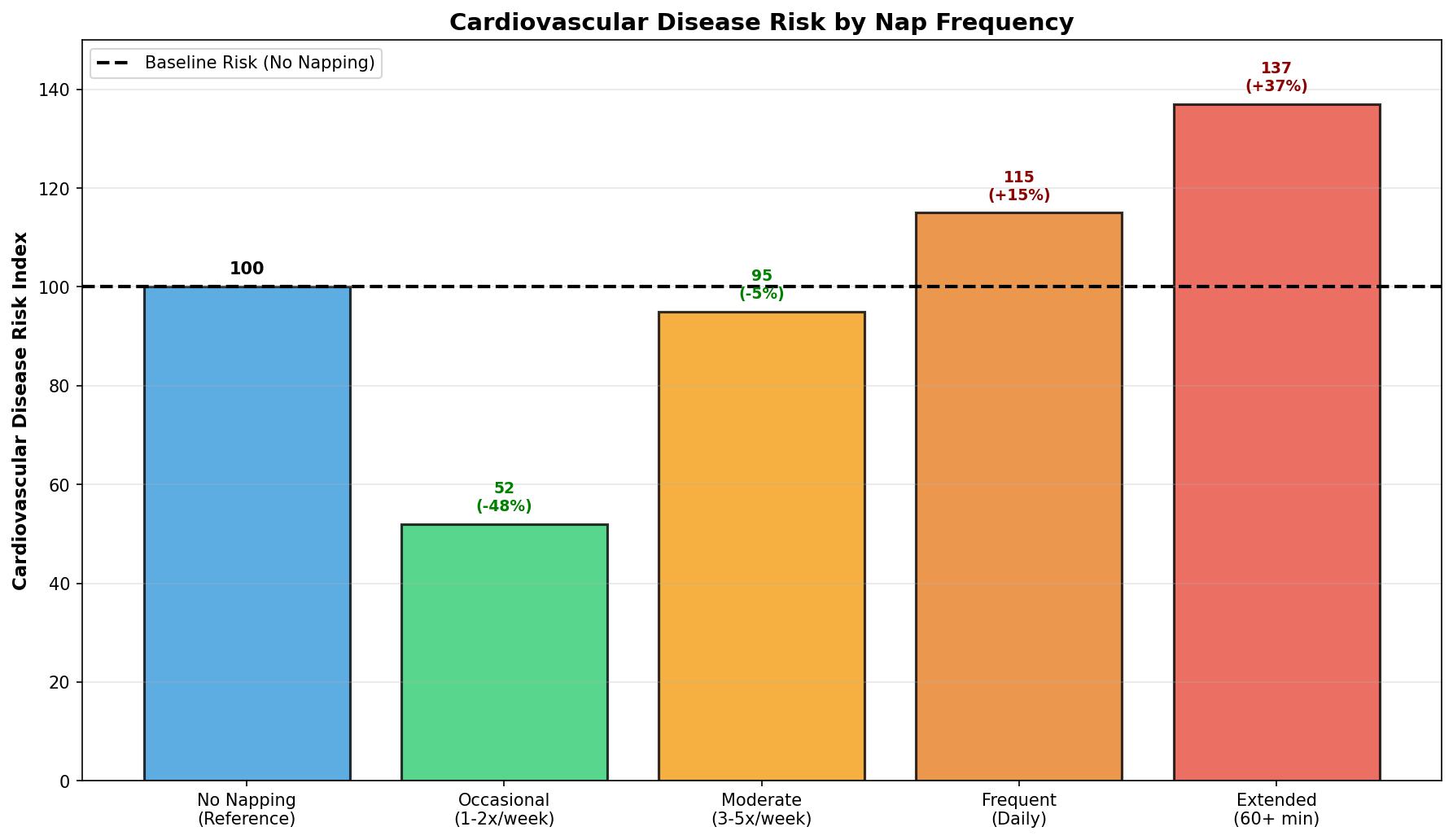 Figure 2: Cardiovascular disease risk by napping frequency. Occasional napping (1-2 times weekly) is associated with 48 percent lower risk; daily extended napping (60+ minutes) shows 37 percent increased risk.
The Optimal Nap: Timing, Duration, and Environment
The science clearly identifies the best way to nap. Deviate from this protocol, and you sacrifice benefits or invite problems.
The Perfect Duration: Why 20-30 Minutes Wins
A 20-minute nap delivers full alertness benefits with virtually no grogginess. You enter light sleep (stages 1-2) but don't reach deep sleep, so waking feels natural and you're immediately sharp.
The NASA standard is 26 minutes, optimising the trade-off between practicality and effectiveness.
A 30-minute nap provides better memory consolidation than shorter naps but carries a small risk: you might experience sleep inertia (grogginess) for about 30 to 35 minutes after waking. However, once that grogginess resolves, your alertness boost lasts 155 minutes or more.
There's a danger zone between 30 and 60 minutes. A 45-minute nap often produces significant sleep inertia (you've entered deep sleep) without gaining the full benefits of a longer cycle. This makes the 30 to 60-minute range counterproductive for most people.
A 90-minute nap completes a full sleep cycle: light sleep, deep sleep, and REM. If timed correctly, you wake as you're exiting deep sleep, experiencing minimal grogginess. This duration provides the strongest memory consolidation and creative benefits, as REM sleep enhances creative problem-solving and novel thinking. About 40 percent of creativity improvement correlates with REM sleep amount.
Anything over 60 minutes daily shows health risks and should be avoided except in specific medical circumstances.
Timing: Why 1-3 P.M. Is Everything
Nap between 1 p.m. and 3 p.m. Ideally, nap before 2 p.m. This window aligns with your natural circadian dip and accumulated sleep pressure.
Napping after 3 p.m. increases the risk of nighttime sleep disruption. A nap reduces your accumulated sleep pressure; if you nap late, you'll have less sleep drive built up when bedtime arrives, making it harder to fall asleep.
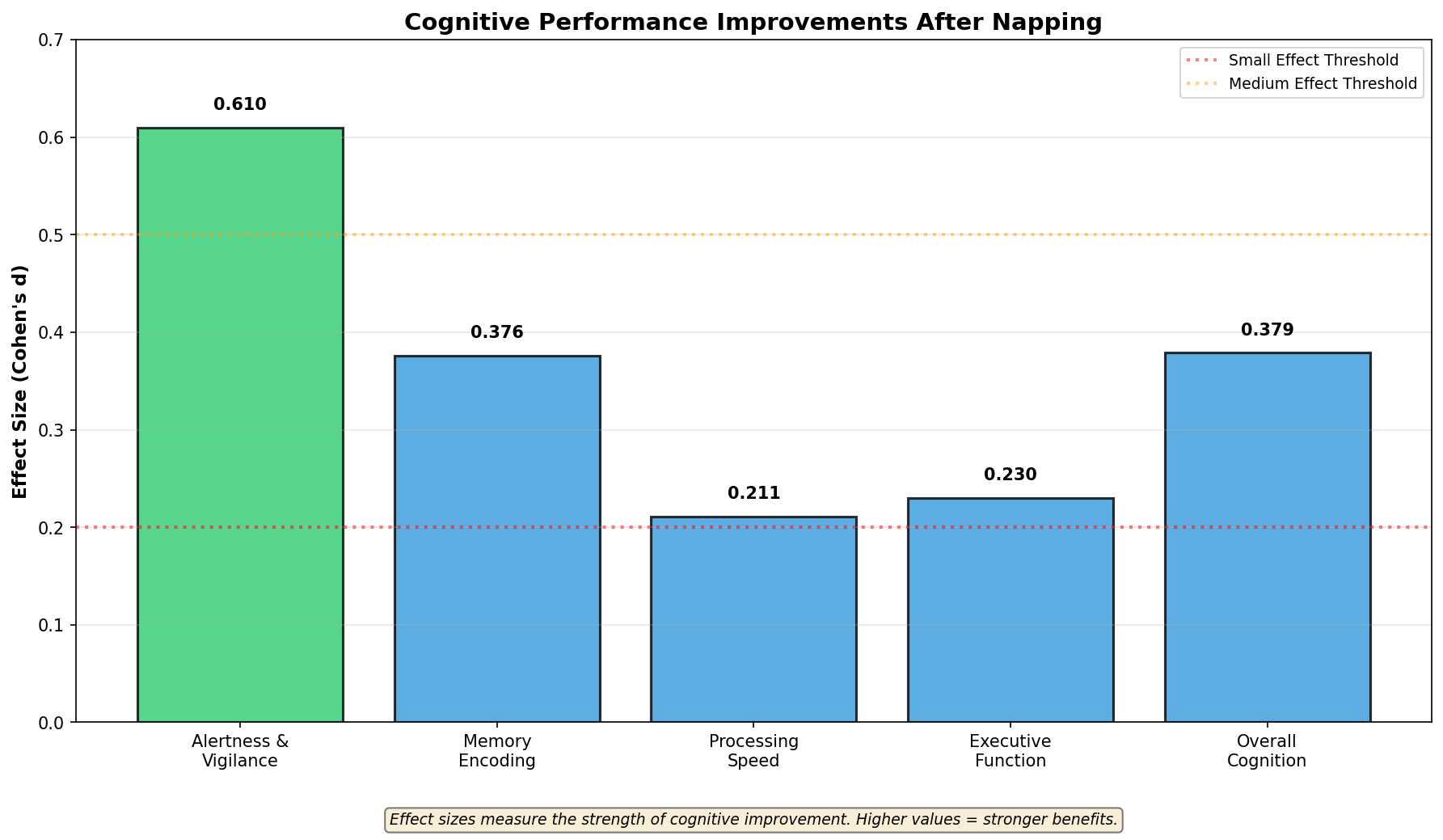 Figure 3: Nap timing window showing the optimal 1-3 p.m. slot aligns with both circadian biology and sleep pressure accumulation, while late-afternoon naps (after 3 p.m.) significantly increase risk of nighttime sleep disruption.
Creating Your Nap Environment
Temperature matters most. An ideal nap environment is cool, between 60 and 67 degrees Fahrenheit (15 to 19 degrees Celsius). This mimics your body's natural temperature drop during sleep.
Complete darkness is ideal. Avoid blue light, which suppresses melatonin. If you're dimming lights before a nap, use warm amber bulbs rather than blue-tinted lights.
Humidity should be between 40 and 60 percent. Below 40 percent causes nasal and throat dryness that disrupts sleep; above 60 percent feels uncomfortably warm.
Position yourself slightly reclined rather than fully flat (think aeroplane seat, not bed). This reduces leg swelling, triggers a relaxation response, and is less likely to push you into deep sleep than a fully flat position.
The Coffee Nap: A Simple Enhancement
Here's a surprising technique: consume coffee 15 to 20 minutes before napping. Caffeine takes about 15 to 20 minutes to enter your system. While you sleep, it prevents adenosine from binding to receptors in your brain. When you wake, the caffeine kicks in precisely as sleep clears, creating a dual-alertness boost.
Research shows that a nap followed by caffeine improves attention by 32 percent more than caffeine alone.
Setting Yourself Up to Actually Fall Asleep
Use a timer. Set your alarm for your target wake time so you don't oversleep into the grogginess zone.
Try progressive muscle relaxation before lying down: systematically tense and release muscle groups for 5 to 10 minutes. It provides physical restoration and mental clarity whilst being easy to do in an office setting.
Choose a consistent time to establish a habit. Your body adapts quickly to regular napping windows.
Who Should Nap, and Who Really Shouldn't
Napping benefits certain people tremendously and harms others. The distinction matters.
Ideal Candidates
You're a good candidate for napping if you:
- Sleep 7 to 9 hours nightly and are still occasionally fatigued
- Work cognitively demanding jobs (pilots, drivers, data analysts, doctors) where afternoon focus matters
- Are recovering from a single night of poor sleep
- Are a student consolidating new learning
- Are an athlete in recovery phases
- Work night shifts or irregular hours
- Experience jet lag
- Are under acute stress and need emotional regulation
- Have no history of insomnia
All of these scenarios align with napping being a tool rather than a band-aid for underlying sleep problems.
Critical Red Flags: When NOT to Nap
Avoid regular napping if you:
- Have insomnia or nighttime sleep problems
- Struggle to fall asleep or stay asleep at night (napping reduces your sleep drive, making night sleep harder)
- Consistently nap despite getting 7 or more hours of nighttime sleep
- Have high blood pressure, diabetes, or established heart disease (consult your doctor first)
- Are a woman napping more than 5 times per week or longer than 50 minutes per session
- Nap regularly after 3 p.m. (disrupts nighttime sleep)
The most important flag: if you're getting adequate nighttime sleep yet still feel compelled to nap regularly, you may have an underlying sleep disorder. Conditions like sleep apnoea, narcolepsy, or restless leg syndrome can trigger excessive daytime sleepiness. Talk to your doctor before assuming napping is the solution.
The Sleep Inertia Reality: Plan Accordingly
Sleep inertia is the grogginess you feel upon waking. It's real, measurable, and affects your performance.
A 20-minute nap causes minimal sleep inertia; you typically feel groggy for just 5 to 30 minutes.
A 30-minute nap can leave you impaired for 15 to 95 minutes, depending on how quickly you entered deep sleep, with 35 minutes being typical.
The 40 to 60-minute nap is worst: you're deepest asleep, and grogginess lasts 20 to 120 minutes.
A 90-minute nap, if timed correctly (waking as you exit deep sleep), involves 10 to 60 minutes of grogginess but provides comprehensive brain restoration.
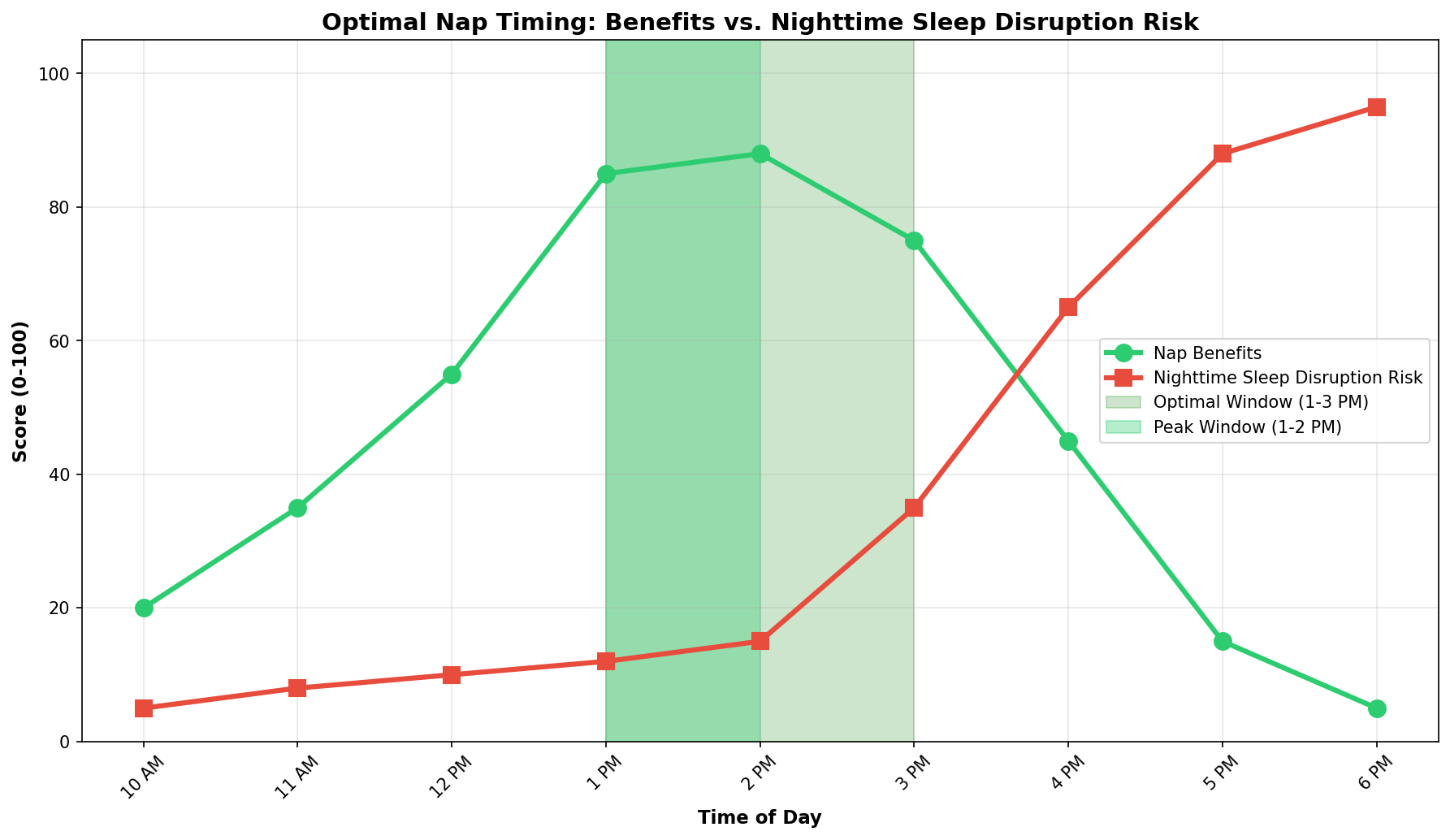 Figure 4: Sleep inertia (grogginess) duration by nap length. Short naps (20 minutes) show minimal inertia; the 30-60 minute range shows the worst inertia relative to benefits; 90-minute naps, surprisingly, show less inertia if timed correctly.
The practical implication: if you take a 30-minute nap, plan important tasks, decisions, or machinery operation for 35 minutes after waking, not immediately.
Why Athletes Nap and You Might Too
Between 37 and 91 percent of athletes nap regularly, and the best-performing athletes nap more than lower-performing ones. They do it because it works.
A 90-minute nap significantly improved peak cycling power output in trained athletes. Naps reduced afternoon fatigue and muscle soreness. Athletes showed lower perceived exertion during exercise after napping.
The timing for athletic napping differs slightly: athletes benefit from naps between noon and 4 p.m., with naps lasting 30 to 60 minutes. However, athletes should allow at least 30 minutes between nap ending and exercise beginning; exercising immediately after waking produces sleep inertia that impairs performance.
The Bottom Line: Who Benefits Most and Why
For healthy adults aged 25 to 65 getting adequate nighttime sleep, a 20 to 30-minute nap between 1 and 3 p.m. represents a low-cost, time-effective, evidence-backed intervention to boost afternoon performance, preserve cognitive health as you age, and support emotional resilience during stress.
The research is comprehensive. Meta-analyses across thousands of people, studies from NASA to elite universities, and clinical trials all point to the same conclusion: brief, well-timed naps work.
But duration matters critically. Short naps (under 30 minutes) show no increased health risks and substantial benefits. Extended daily naps (60+ minutes) carry serious risks and usually signal underlying sleep problems requiring medical attention.
Your Evidence-Based Napping Protocol
- Duration: 20 to 26 minutes for immediate alertness without grogginess; 30 minutes if you want stronger memory benefits and can tolerate 30-35 minutes of post-nap grogginess
- Timing: 1 p.m. to 3 p.m., ideally before 2 p.m.
- Frequency: 1 to 3 times per week for cognitive and health benefits; daily napping shows health risks
- Environment: Cool (60-67°F), dark, quiet, slightly reclined position
- Preparation: Optional but effective: have coffee 15-20 minutes before lying down
The catch about nighttime sleep: napping enhances, but doesn't replace, nighttime sleep. You still need 7 to 9 hours nightly. A nap is a top-up, not a substitute.
When to Investigate Further
If you find yourself needing frequent long naps despite sleeping well at night, don't assume napping is beneficial. See your doctor or a sleep specialist. You might have a sleep disorder (sleep apnoea, narcolepsy, delayed sleep phase syndrome) that needs treatment, not accommodation.
The evidence is clear: strategic napping is a tool for healthy people seeking performance enhancement. If it has become a necessity due to persistent fatigue, the real issue needs addressing.
The Takeaway: Biology, Not Laziness
That 2 p.m. drowsiness you feel isn't weakness or a sign you're not sleeping enough at night. It's your circadian biology and accumulated sleep pressure aligning to create an opportunity. Your brain is built to benefit from a strategic nap at exactly that time.
The science shows that 20 to 30 minutes of sleep between 1 and 3 p.m. can make you measurably sharper, more productive, and emotionally resilient. It may help preserve your cognitive health as you age. It's supported by NASA, elite athletes, military pilots, and countless research studies.
The only requirement is understanding the boundaries: brief naps are beneficial; extended daily napping signals problems. Occasional napping enhances your life; frequent napping that replaces proper nighttime sleep needs medical evaluation.
If you're sleeping well at night and would benefit from an afternoon cognitive boost, a strategic 20-to-30-minute nap between 1 and 3 p.m. is one of the most evidence-backed interventions available. It requires no equipment, no medication, and no lifestyle overhaul. Just 20 minutes of your afternoon, timed right.
Further Reading
Sleep Science and Neurobiology
- Physiology, Sleep Stages
- Sleep: What It Is and Why It's Important
- Stages of Sleep
- Sleep Homeostasis and the Circadian Clock
Napping Benefits and Guidelines
- Napping: Do's and Don'ts for Healthy Adults
- Can a Quick Snooze Help with Energy and Focus?
- The Benefits of Napping for Safety
- What Doctors Wish Patients Knew About Taking Naps
Cognitive Performance and Memory
- Effects of a Short Daytime Nap on Cognitive Performance: A Systematic Review and Meta-Analysis
- Sleep Helps Learning and Memory
- Naps Can Boost Memory
- Sleep-Dependent Memory Consolidation
Cardiovascular and Health Outcomes
- Association of Sleep Duration, Napping, and Sleep Patterns With Risk of Cardiovascular Diseases
- Short Naps May Prove Beneficial for Cardiovascular Health
- Association Between Self-Reported Napping and Risk of Cardiovascular Disease and All-Cause Mortality
- Enjoy Your Nap, But Be Aware of the Pros and Cons
Sleep Inertia and Performance
- A 30-Minute, But Not a 10-Minute Nighttime Nap Is Associated with Sleep Inertia
- Sleep Inertia: Current Insights
- Effects of Napping on Sleepiness and Sleep-Related Performance Deficits in Night-Shift Workers
Athletic Performance and Recovery
- The Impact of Daytime Napping on Athletic Performance
- Daytime Naps Improve Afternoon Power and Perceptual Measures in Elite Rugby Union Athletes
- Effect of a 90-Minute Nap at Different Times of the Day on Physical Performance
Workplace Productivity
- Research Proves It: Naps Save You Money
- Sleeping at Work Can Boost Staff Productivity
- Module 7: Napping, an Important Fatigue Countermeasure
Brain Health and Cognitive Aging
- Is There an Association Between Daytime Napping, Cognitive Function, and Brain Volume?
- Regular Napping Linked to Larger Brain Volume
- Daytime Napping and Cognitive Health in Older Adults
- Short Daytime Napping Reduces Cognitive Decline: 5-Year Study
Environmental Factors and Sleep Quality
- Review of the Environmental Parameters Necessary for an Optimal Sleep Environment
- A Guide to Napping: Benefits, Duration, and Best Practices
- Daytime Naps in Darkness Phase Shift the Human Circadian Rhythms
Immune Function and Stress Recovery
- Benefits of Napping and an Extended Duration of Recovery Sleep on Alertness and Immune Cells
- Napping Reverses Health Effects of Poor Sleep
- A Brief Nap During an Acute Stressor Improves Negative Affect
References/Helpful Resources
- National Institutes of Health, National Center for Biotechnology Information. Physiology, Sleep Stages. [Internet]. [cited 2025 February]. Available from: https://www.ncbi.nlm.nih.gov/books/NBK526132/
- Harvard Health Publishing. Can a Quick Snooze Help with Energy and Focus? The Science Behind Power Naps. [Internet]. [cited 2025 February]. Available from: https://www.health.harvard.edu/staying-healthy/can-a-quick-snooze-help-with-energy-and-focus-the-science-behind-power-naps
- NASA Langley Research Center. The Benefits of Napping for Safety [Internet]. [cited 2025 February]. Available from: https://ntrs.nasa.gov/api/citations/20190033981/downloads/20190033981.pdf
- Mayo Clinic. Napping: Do's and Don'ts for Healthy Adults [Internet]. [cited 2025 February]. Available from: https://www.mayoclinic.org/healthy-lifestyle/adult-health/in-depth/napping/art-20048319
- Influence of mid-afternoon nap duration on memory, mood, and processing speed. Oxford Academic, Sleep. 2023;46(4). https://academic.oup.com/sleep/article/46/4/zsad025/7034889
- Effects of a Short Daytime Nap on the Cognitive Performance: A Systematic Review and Meta-Analysis. PMC. 2021;PMC8507757. Available from: https://pmc.ncbi.nlm.nih.gov/articles/PMC8507757/
- A 90 min Daytime Nap Is Better Than 40 min for Cognitive Performance. PMC. 2020;PMC7369743. Available from: https://pmc.ncbi.nlm.nih.gov/articles/PMC7369743/
- Sloan D. Research Proves It: Naps Save You Money. MIT Sloan Management Review. 2023. [Internet]. Available from: https://mitsloan.mit.edu/ideas-made-to-matter/research-proves-it-naps-save-you-money
- Short Daytime Napping Reduces Cognitive Decline: A Five-Year Study. BMC Geriatrics. 2021;21:418. Available from: https://link.springer.com/article/10.1186/s12877-021-02418-0
- Is There an Association Between Daytime Napping, Cognitive Function, and Brain Volume? Nature. 2023. [Internet]. [cited 2025 February]. Available from: https://pubmed.ncbi.nlm.nih.gov/37344293/
- Regular Napping Linked to Larger Brain Volume. UCL News. 2023 June. [Internet]. Available from: https://www.ucl.ac.uk/news/2023/jun/regular-napping-linked-larger-brain-volume
- Benefits of Napping and an Extended Duration of Recovery Sleep on Alertness and Immune Cells. PubMed. 2010. [Internet]. Available from: https://pubmed.ncbi.nlm.nih.gov/20699115/
- Napping Reverses Health Effects of Poor Sleep. ScienceDaily. 2015 February. [Internet]. Available from: https://www.sciencedaily.com/releases/2015/02/150210141734.htm
- Association of Sleep Duration, Napping, and Sleep Patterns With Risk of Cardiovascular Diseases. Journal of the American Heart Association. 2023;122:025969. Available from: https://www.ahajournals.org/doi/10.1161/JAHA.122.025969
- Association Between Self-Reported Napping and Risk of Cardiovascular Disease and All-Cause Mortality. PLOS ONE. 2024;e0311266. Available from: https://journals.plos.org/plosone/article?id=10.1371/journal.pone.0311266
- Benefits of Napping Habits in Healthy Adults: Maintaining Alerting Performance and Cortisol Levels. Sleep and Biological Rhythms. 2024;22:1898. Available from: https://www.sciencedirect.com/science/article/abs/pii/S1389945724001898
- A Brief Nap During an Acute Stressor Improves Negative Affect. PMC. 2023;PMC9786543. Available from: https://pmc.ncbi.nlm.nih.gov/articles/PMC9786543/
- A 30-Minute, But Not a 10-Minute Nighttime Nap Is Associated with Sleep Inertia. PMC. 2014;PMC4763354. Available from: https://pmc.ncbi.nlm.nih.gov/articles/PMC4763354/
- Sleep Inertia: Current Insights. Dove Medical Press. 2021. [Internet]. Available from: https://www.dovepress.com/sleep-inertia-current-insights-peer-reviewed-fulltext-article-NSS
- The Impact of Daytime Napping on Athletic Performance: A Narrative Review. PubMed. 2021. [Internet]. [cited 2025 February]. Available from: https://pubmed.ncbi.nlm.nih.gov/34559915/
- Effect of a 90-Minute Nap at Different Times of the Day on Physical Performance. PMC. 2024;PMC12656117. Available from: https://pmc.ncbi.nlm.nih.gov/articles/PMC12656117/
- Daytime Naps Improve Afternoon Power and Perceptual Measures in Elite Rugby Union Athletes. SLEEP. 2023;46(12):zsad133. Available from: https://academic.oup.com/sleep/article/46/12/zsad133/7157067
- Review of the Environmental Parameters Necessary for an Optimal Sleep Environment. ScienceDirect. 2018. [Internet]. Available from: https://www.sciencedirect.com/science/article/abs/pii/S0360132318300325
- Cleveland Clinic Health Essentials. Napping Can Be Good for You If You Follow These Rules [Internet]. [cited 2025 February]. Available from: https://health.clevelandclinic.org/napping
