

Your thyroid is one of the most powerful yet overlooked glands in your body. This small butterfly-shaped organ in your neck controls how fast your body burns calories, how your heart beats, whether you feel energetic or exhausted, and even your mood and fertility. Yet despite its critical importance, 1 in 8 women and 1 in 70 men will develop thyroid disease during their lifetime, and 60% of people with thyroid problems don't even realise they have it.
If you've ever struggled with unexplained weight gain, bone-deep fatigue, depression that doesn't respond to antidepressants, or difficulty getting pregnant, your thyroid might be the culprit. The good news: most thyroid conditions are highly treatable with simple, affordable medication. Understanding your thyroid could be one of the most valuable discoveries for your health.
What Your Thyroid Does (And Why It Affects Everything)
Think of your thyroid as your body's metabolic control centre. It produces two main hormones: thyroxine (T4) and triiodothyronine (T3), which regulate how efficiently your body uses energy. These hormones affect virtually every system in your body.
Your thyroid controls:
- Energy levels and weight management. The thyroid determines how fast or slow you burn calories. When it's underactive, your metabolism slows down, making weight gain almost inevitable despite normal eating. When it's overactive, you burn calories so rapidly you lose weight uncontrollably
- Heart function. Thyroid hormones influence heart rate and force of contractions. Thyroid problems can cause irregular heartbeats, high blood pressure, or a dangerously rapid heart rate
- Brain function and mood. Thyroid hormones directly affect mental clarity, mood regulation, and cognitive function. An underactive thyroid commonly causes depression, brain fog, and difficulty concentrating
- Temperature regulation. People with thyroid problems often feel abnormally cold or cannot tolerate heat. This isn't just discomfort; it reflects your body's fundamental temperature control mechanism
- Digestion and bowel regularity. The thyroid hormone speeds or slows how quickly food moves through your system, affecting everything from appetite to constipation
- Bone health. Thyroid hormones regulate calcium levels and bone turnover. Thyroid disease increases osteoporosis risk
- Women's reproductive health. Thyroid hormones regulate menstrual cycles and fertility. Thyroid problems are a common (and often missed) cause of irregular periods and infertility
The key insight: If you have thyroid dysfunction, nearly every symptom you're experiencing has a physiological explanation. What you might blame on stress, aging, depression, or lack of willpower often has a treatable biological cause.
How Common Is Thyroid Disease? (The Numbers Might Surprise You)
The statistics are striking. Roughly 20 million Americans have diagnosed thyroid disease; with 60% of cases going undiagnosed, the true burden is estimated at 50 million people. That's approximately 1 in every 3-4 Americans affected by either diagnosed or undiagnosed thyroid dysfunction.
Age matters significantly. Whilst thyroid disease affects people of all ages, prevalence jumps to 15.4% for adults over 60, meaning roughly 1 in 6-7 older adults have thyroid disease. Women over 60 face the highest risk, with 16-18% prevalence (1 in 5-6 affected).
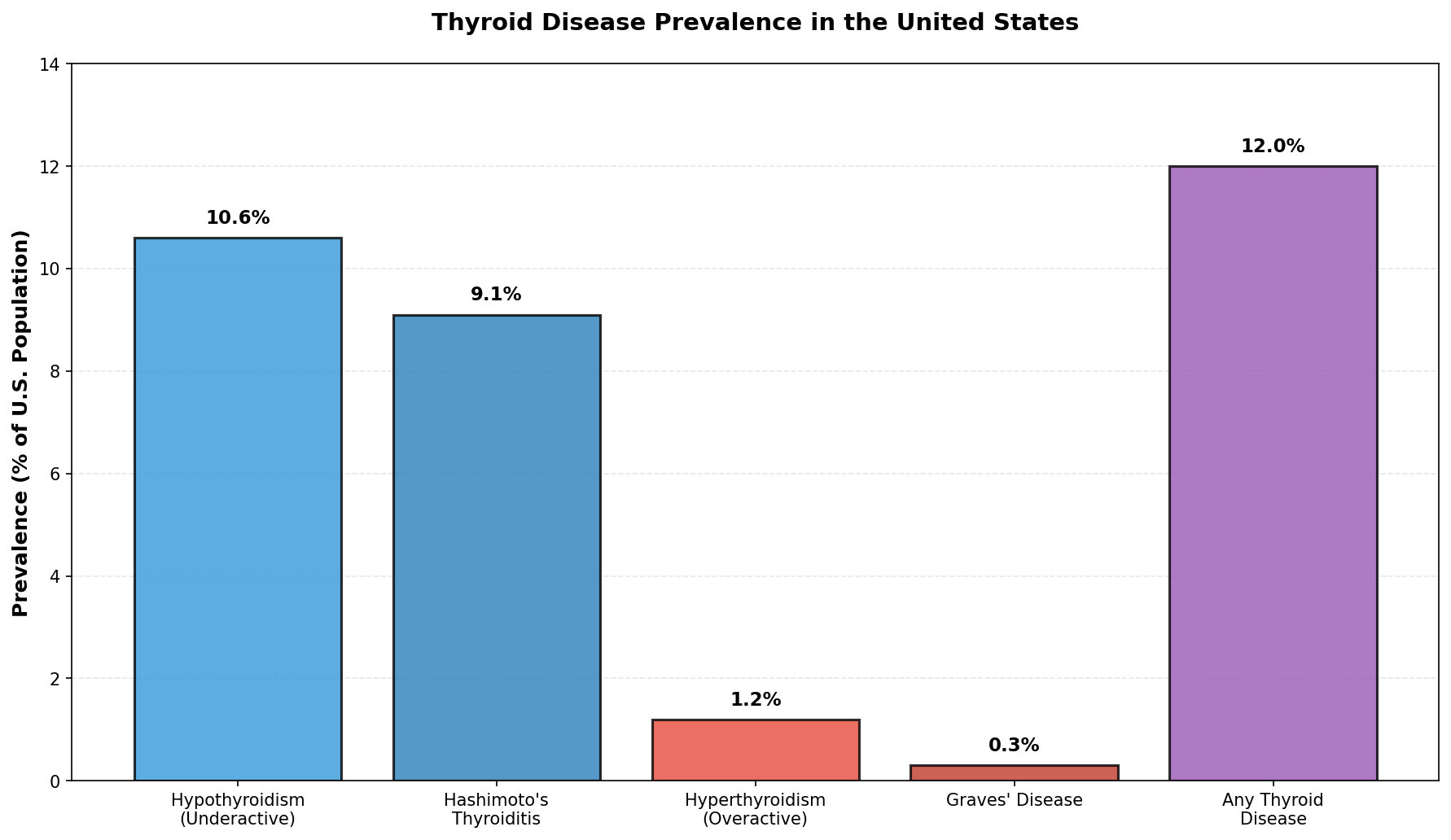 Figure 1: Prevalence of different thyroid conditions in the population. Hypothyroidism (underactive thyroid) is far more common than hyperthyroidism, with approximately 1 in 10 Americans affected.
The Gender Gap: Why Women Are Disproportionately Affected
One of the most striking patterns in thyroid disease is the massive gender disparity. Women are 5-8 times more likely than men to develop thyroid disease, and for some forms like Hashimoto's thyroiditis, women face a 4-10 times higher risk. This isn't a small variation; it rivals or exceeds gender differences in most major health conditions.
1 in 8 women will develop thyroid disease during her lifetime, compared to only 1 in 70 men. This dramatic difference reflects biological reality: women's immune systems are naturally more vigorous, which provides protection against infections but makes them more susceptible to autoimmune diseases where the immune system attacks the body's own tissues.
Life events amplify this risk for women:
- Pregnancy and postpartum period: Hormonal shifts after childbirth can trigger autoimmune thyroid disease. Many women develop thyroid problems within a year of giving birth
- Menopause: The hormonal upheaval of menopause increases thyroid problems in midlife women
- Menstrual irregularities: Thyroid disease often first appears as changes in menstrual patterns
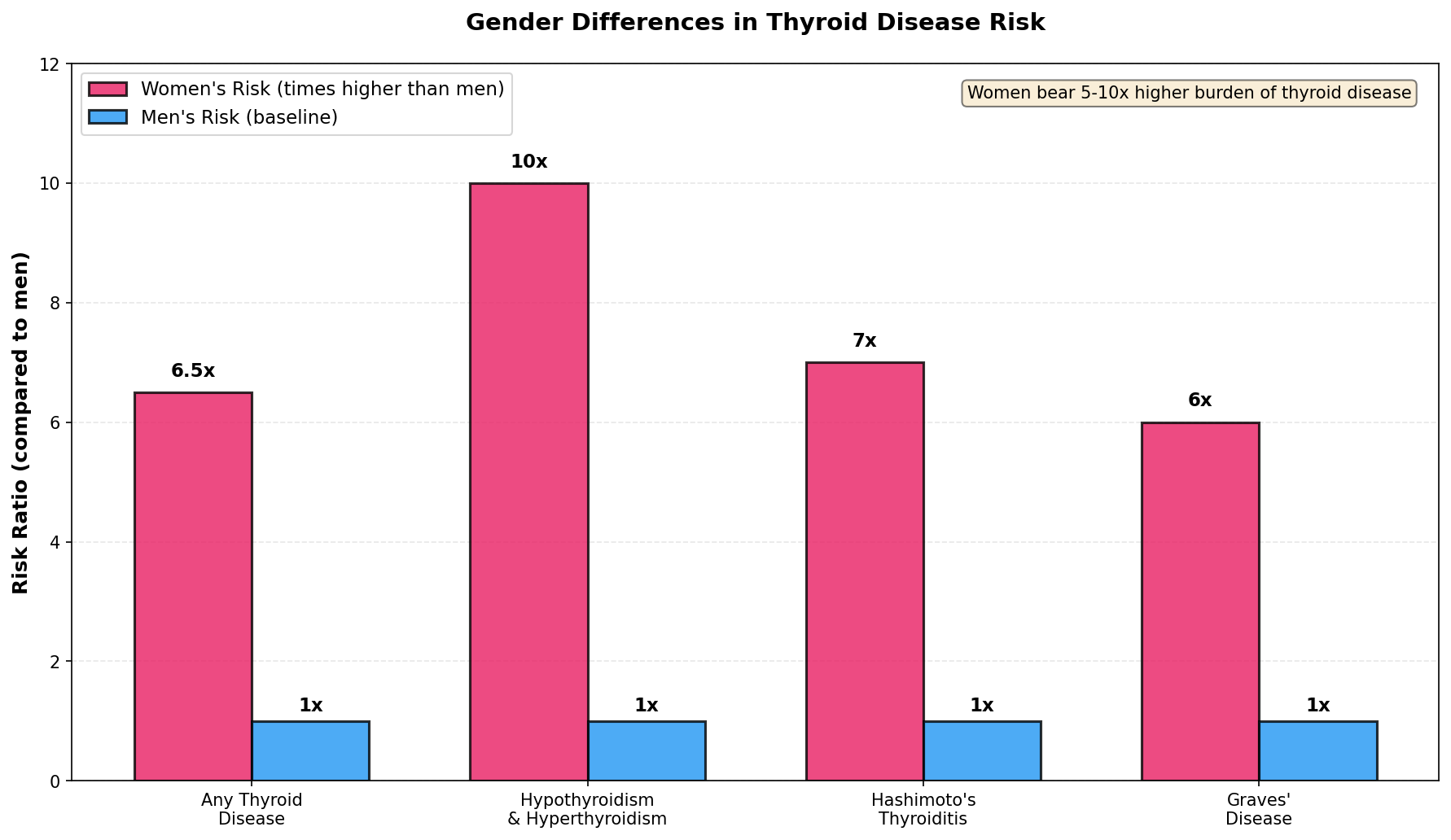 Figure 2: Women's thyroid disease risk compared to men across different conditions. Women face a dramatically higher risk across all forms of thyroid disease.
If you're a woman and experiencing unexplained weight gain, fatigue, mood changes, fertility problems, or menstrual irregularities, thyroid disease should be on your radar. It's common enough that testing is worthwhile.
The Five Main Thyroid Conditions
Hypothyroidism (Underactive Thyroid): The Most Common Form
Hypothyroidism occurs when your thyroid produces insufficient hormone, slowing your metabolism and all body systems. It's the most common thyroid disorder, affecting 9.6% to 11.7% of Americans, with rates increasing from 9.6% in 2012 to 11.7% in 2019.
Common symptoms include:
- Fatigue that doesn't improve with sleep
- Weight gain despite eating normally
- Feeling constantly cold
- Dry skin, hair loss, and brittle nails
- Constipation
- Brain fog and difficulty concentrating
- Depression or mood changes
- Muscle weakness
The most common cause is Hashimoto's thyroiditis, an autoimmune condition where your immune system attacks your thyroid. Other causes include iodine deficiency (the most common cause worldwide), medications, and ageing.
The critical insight: Hypothyroidism is one of the most treatable conditions. With simple blood testing and daily medication (levothyroxine), most people feel dramatically better. Many people suffer for years with symptoms they think are normal before discovering thyroid medication transforms their quality of life.
Hyperthyroidism (Overactive Thyroid): Less Common But More Dangerous
When your thyroid produces excess hormone, your metabolism accelerates dangerously, like running your body at 150% capacity. Hyperthyroidism affects about 1.2% of Americans, making it less common than hypothyroidism but potentially more dangerous if untreated.
Symptoms include:
- Anxiety, nervousness, and irritability
- Racing heartbeat or heart palpitations (can become dangerous irregular rhythms)
- Heat intolerance and excessive sweating
- Unintentional weight loss despite increased appetite
- Tremors or shakiness
- Insomnia despite exhaustion
- Muscle weakness
- Enlarged thyroid (visible swelling in the neck)
The most common cause is Graves' disease, an autoimmune condition affecting approximately 10 million Americans, where the immune system forces the thyroid to overproduce hormone. The constant speeding up of body systems stresses your heart and can cause thyroid crisis, a medical emergency.
Untreated hyperthyroidism is dangerous: it can cause permanent heart damage and thyroid crisis (confusion, high fever, uncontrollable heartbeat). This requires prompt treatment with antithyroid medication, radioactive iodine, or surgery.
Hashimoto's Thyroiditis: The Autoimmune Form
Hashimoto's is an autoimmune condition where your immune system creates antibodies attacking thyroid cells. It's the most common cause of hypothyroidism in developed countries, affecting 14 million Americans and representing 7.5% of the global population with significant regional variation.
Important statistics:
- 10-12% lifetime risk of developing Hashimoto's
- 4 times more common in women than in men
- Often runs in families
- People with Hashimoto's have a 14.3% risk of developing other autoimmune conditions
Understanding Hashimoto's as autoimmune rather than simple hypothyroidism helps explain symptom patterns and the importance of stress management. With proper thyroid hormone replacement, people live normally.
Graves' Disease: Autoimmune Hyperthyroidism
Graves' disease is the autoimmune form of hyperthyroidism, where the immune system forces thyroid hormone overproduction. It's the most common cause of hyperthyroidism in developed countries, affecting approximately 10 million Americans.
Key facts:
- More common in women (women diagnosed at 40-50, men in 60s-70s)
- 3% lifetime risk for women, 0.5% for men
- Can be triggered by stress, infections, or pregnancy
- Can cause eye problems (eye bulging, vision changes)
People often misattribute Graves' symptoms to stress or anxiety because feeling jittery, anxious, and unable to sleep sounds psychological. Recognising this as a thyroid problem rather than a mental health issue is crucial for proper diagnosis and treatment.
Thyroid Nodules: Usually Benign
Thyroid nodules are lumps that develop in thyroid tissue. They're surprisingly common: 5-7% of people have nodules large enough to feel by touch, whilst 19-67% have small nodules visible only on ultrasound.
Here's the reassuring part: 94-95% of thyroid nodules are benign (completely harmless). Even palpable nodules have only a 5% cancer risk. Most nodules never cause problems and don't require treatment, just monitoring.
Women are slightly more likely than men to develop nodules (52% vs 43%), and prevalence increases with age. If your doctor finds a thyroid nodule, this is usually reassuring news that requires monitoring but rarely intervention.
Why Your Thyroid Might Be Struggling: Common Disruptors
Thyroid dysfunction doesn't happen in isolation. Environmental exposures, dietary factors, lifestyle patterns, and medications all influence thyroid health. Understanding these disruptors helps explain why thyroid disease is becoming more common and what you can control.
Environmental Exposures
Plastics and endocrine-disrupting chemicals (EDCs)
Plastics contain chemicals like bisphenol A (BPA) and phthalates that act as endocrine disruptors. These chemicals reduce your thyroid's ability to uptake iodine (essential for making thyroid hormone) and can mimic or block thyroid hormones. Micro- and nanoplastics are now found in human blood and organs, including thyroid tissue.
Prenatal and early childhood exposure is especially concerning, potentially causing permanent thyroid developmental problems affecting infant brain development.
Heavy metals
Lead, cadmium, mercury, and arsenic accumulate directly in thyroid tissue and alter thyroid hormone levels. People at highest risk include those living near industrial areas, consuming contaminated fish (mercury), or working in manufacturing or mining.
PFAS ('forever chemicals')
Per- and polyfluoroalkyl substances found in non-stick cookware, water-resistant textiles, and food packaging are called 'forever chemicals' because they don't break down in the environment or your body. They interfere with estrogen and testosterone (which regulate the thyroid) and can accumulate in thyroid tissue.
Pesticides
Organophosphate pesticides increase thyroid problems. Meta-analysis shows pesticide exposure significantly increases hypothyroidism risk by 12% (aOR = 1.12, 95% CI = 1.07-1.17). Conventional food residues, contaminated water, living near agricultural areas, and occupational exposure all increase risk.
Radiation
The relationship between radiation and thyroid cancer depends dramatically on age at exposure. Childhood radiation exposure carries 7.7 times higher excess relative risk per unit of radiation compared to adult exposure. Risk increases after doses exceeding 50-100 milliGray and appears at least 5-10 years after exposure, sometimes decades later.
Adults exposed to radiation after age 20 show little increased thyroid cancer risk. Approximately 44,020 new thyroid cancer cases are expected in the U.S. annually, representing 1% of all new cancer diagnoses.
Dietary and Nutritional Disruptors
Iodine deficiency: The most critical nutrient
Iodine is the essential building block of thyroid hormones. Without adequate iodine, your thyroid cannot function. Approximately 800 million people worldwide are affected by iodine deficiency disorders, making iodine deficiency the most common preventable cause of brain damage globally.
Consequences include goitre (enlarged thyroid), hypothyroidism, mental disability, growth impairment, and, in pregnant women, congenital hypothyroidism in infants, affecting the baby brain development.
The solution is simple: iodised salt, seafood, dairy, and eggs provide reliable iodine. Most people in developed countries get sufficient iodine through a normal diet, though some regions have naturally low soil iodine.
Selenium and iron deficiency
Selenium is required for enzymes that activate and deactivate thyroid hormones and protect the thyroid from free radical damage. Whilst selenium deficiency is uncommon in developed countries, specific populations (kidney dialysis patients, people with HIV, some international populations) are at risk.
Iron is essential for thyroid peroxidase (the enzyme that makes thyroid hormone). Iron deficiency reduces T3 and T4 levels and may increase TSH. Women with heavy periods, pregnant women, vegetarians without fortified foods, and those with malabsorption disorders face the highest risk. Iron deficiency creates a cycle where it both causes and results from hypothyroidism.
Goitrogens: Cruciferous vegetables and soy
Goitrogens are compounds blocking iodine uptake, found in broccoli, cauliflower, cabbage, kale, soy products, cassava, and millet. The term comes from their potential to cause goitre (thyroid enlargement).
Here's what actually matters (dispelling common myths):
People with normal thyroid function and adequate iodine are NOT susceptible to goitrogenic effects. The enzyme creating goitrogens is rapidly deactivated by cooking, reducing their effect dramatically: steaming removes 30%, boiling for 30 minutes removes 65%, and boiling with water discard removes 90% of goitrogens.
Cruciferous vegetables have major health benefits (vitamins, minerals, fibre, antioxidants) that far outweigh goitrogen concerns for people with adequate iodine intake.
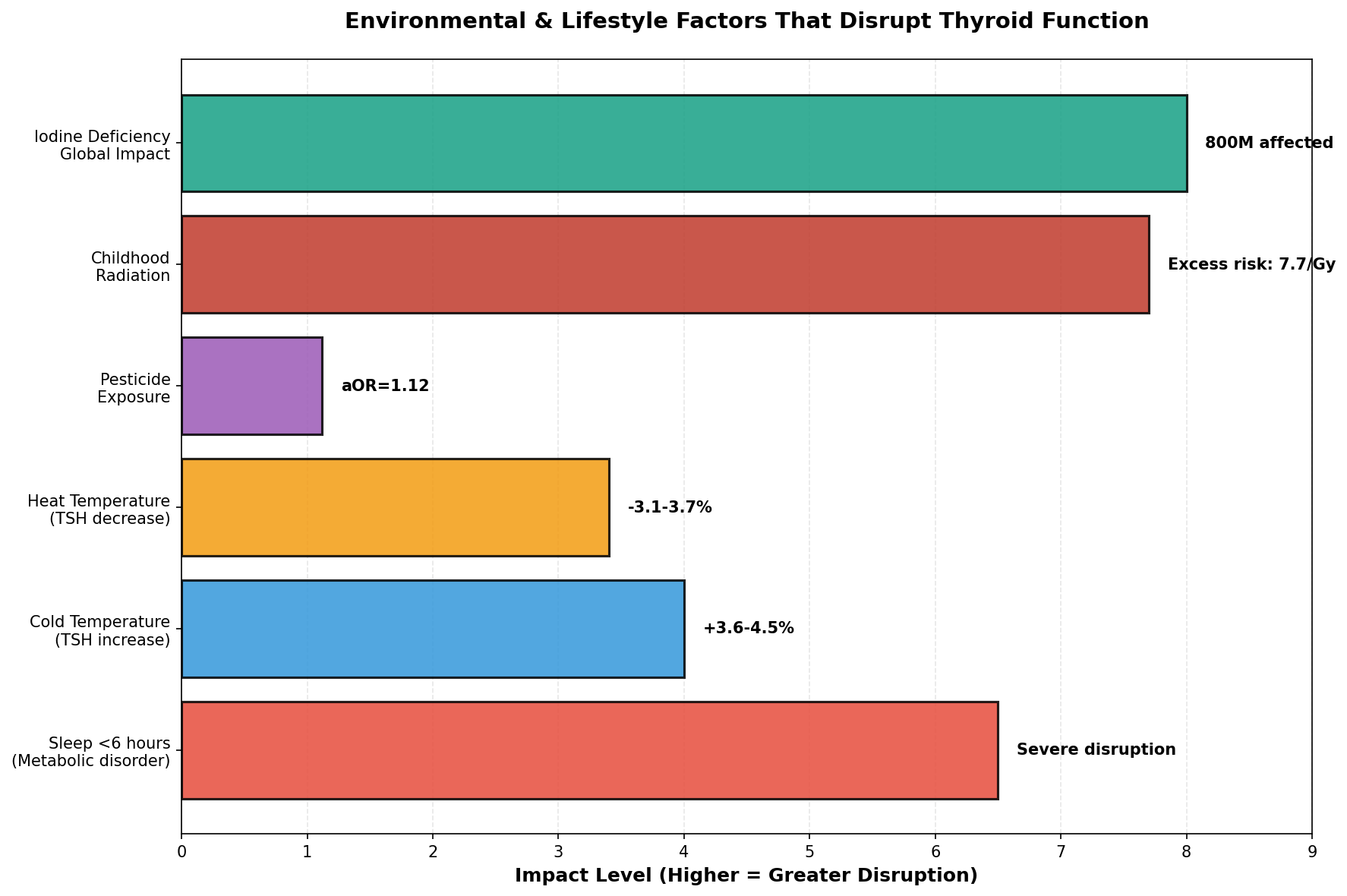 Figure 3: Cooking dramatically reduces goitrogens in cruciferous vegetables. Boiling vegetables and discarding the water provides the maximum reduction in potentially problematic compounds.
Soy's goitrogen effect is minimal for people with adequate iodine. The important note: people taking levothyroxine (thyroid medication) should separate soy intake by a few hours, as it may impair medication absorption.
Bottom line on food: Eat cooked cruciferous vegetables freely if you have adequate iodine. The health benefits exceed any goitrogen risk.
Lifestyle and Environmental Factors
Chronic stress
Stress increases cortisol production. Elevated cortisol suppresses TSH release, reducing thyroid hormone production. High cortisol makes your body less responsive to thyroid hormones and increases inflammation that interferes with T4 to T3 conversion.
Stress alone doesn't cause thyroid disease, but it can worsen existing thyroid conditions and may trigger autoimmune thyroid disease (Graves' and Hashimoto's) in genetically predisposed people. Stress management through meditation, exercise, and adequate sleep helps prevent thyroid dysfunction.
Sleep disruption
Sleep is essential for thyroid hormone regulation. Sleeping less than 6 hours daily is associated with metabolic disorders, including thyroid dysfunction. Even partial sleep restriction causes cortisol spikes and TSH suppression, creating a 'perfect storm' for fatigue, anxiety, and weight gain.
The connection cycle is vicious: sleep disruption increases cortisol, which suppresses TSH, reducing thyroid hormone. Lower thyroid hormone causes fatigue, making sleep harder. Breaking this cycle requires prioritising 7-9 hours of consistent sleep.
Temperature extremes
Temperature changes trigger normal physiological thyroid responses:
- Cold exposure (around 20-27°F or -7 to -3 °C) increases TSH levels by 3.6-4.5%. Your body activates cold-induced thermogenesis (generating heat), requiring more thyroid hormone. This is a healthy adaptive response
- Heat exposure (around 81-86°F or 27-30°C) decreases TSH by 3.1-3.7%. Your body reduces its metabolic rate to conserve energy and allow heat dissipation
Seasonal changes naturally affect thyroid function. People with thyroid disease may notice symptoms worsen in winter (from cold) or struggle more in summer (from heat), but these are normal physiological mechanisms, not disease, unless baseline thyroid function is compromised.
Exercise and physical activity
Physical activity affects the thyroid differently depending on activity level and baseline status:
- More active people tend to have lower TSH and better thyroid function
- Moderate-intensity physical activity is associated with better thyroid function
- Anaerobic exercise (strength training, sprints) appears more effective than aerobic exercise for improving thyroid function
For people with hypothyroidism specifically, evidence from 7 randomised controlled trials shows long-term exercise reduces TSH levels, increases T4, and improves overall thyroid function. Moderate-intensity activity is most recommended.
Regular exercise becomes especially important with hypothyroidism (which slows metabolism) to prevent excessive weight gain and maintain muscle mass.
Medications Affecting Your Thyroid
Several medication classes interact with thyroid function or thyroid medication:
- Enzyme inducers (rifampin, phenytoin, carbamazepine, phenobarbital) speed up thyroid hormone breakdown by up to 20%, requiring higher levothyroxine doses
- Amiodarone and propranolol block conversion of T4 to active T3, potentially causing hypothyroid symptoms despite 'normal' lab results
- Proton pump inhibitors, iron supplements, calcium supplements, and antacids reduce levothyroxine absorption; these must be separated by at least 4 hours from thyroid medication
- Estrogen-containing medications (birth control pills, hormone replacement therapy) affect how thyroid hormones bind to carrier proteins, sometimes requiring dose adjustments
- Lithium can cause clinical hypothyroidism requiring regular thyroid monitoring
- Tyrosine kinase inhibitors (cancer medications) can cause hyper- or hypothyroidism, sometimes requiring substantial levothyroxine dose increases
Tell your doctor about thyroid medication before starting any new drugs or supplements. Many interactions are simple to manage with timing adjustments.
Health Impacts: Why Untreated Thyroid Disease Matters
The consequences of untreated thyroid dysfunction extend far beyond feeling tired or gaining weight. Thyroid disease affects virtually every major organ system and quality of life.
On Energy, Weight, and Daily Function
Hypothyroidism causes unrelenting fatigue despite adequate sleep, weight gain despite normal eating or increased exercise, muscle weakness, and constipation. People describe feeling as if they've run a marathon just getting out of bed. Work productivity suffers, exercise becomes difficult, and normal activities require exhausting effort.
Hyperthyroidism paradoxically causes fatigue from exhaustion and constant activation, combined with weight loss that can become unhealthy, tremors making fine motor tasks difficult, and an inability to sleep despite exhaustion.
On Mental Health
Thyroid hormones directly influence brain function. Hypothyroidism causes depression, brain fog, forgetfulness, and difficulty concentrating. Many people are misdiagnosed with depression and placed on psychiatric medications when thyroid treatment would actually resolve the mood problem.
Hyperthyroidism causes anxiety, nervousness, irritability, and emotional volatility, affecting relationships.
On Reproductive Health: A Critical Impact for Women
This deserves special attention because it affects women's fundamental quality of life and future family planning:
Fertility problems: Thyroid hormones regulate ovulation and menstrual regularity. Hypothyroidism causes irregular or absent ovulation, making conception difficult. Almost 50% of women with hypothyroidism from Hashimoto's report difficulty getting pregnant. Elevated prolactin levels (common in hypothyroidism) further disrupt fertility. A simple blood test and thyroid medication can restore fertility.
Sexual function: Reduced libido is common with hypothyroidism. Treatment often restores normal sexual function.
Pregnancy complications without treatment: This is critical. Untreated thyroid dysfunction during pregnancy causes:
- Increased pre-eclampsia (dangerously high blood pressure)
- Preterm labour (delivering before 37 weeks)
- Miscarriage (especially with untreated hypothyroidism)
- Low birth weight and developmental delays in babies
- Significant impairment of IQ and learning abilities in children born to hypothyroid mothers
- Impaired brain and skeletal development
The fetus depends almost entirely on maternal thyroid hormone in early pregnancy. Proper thyroid management before conception and during pregnancy prevents these serious complications.
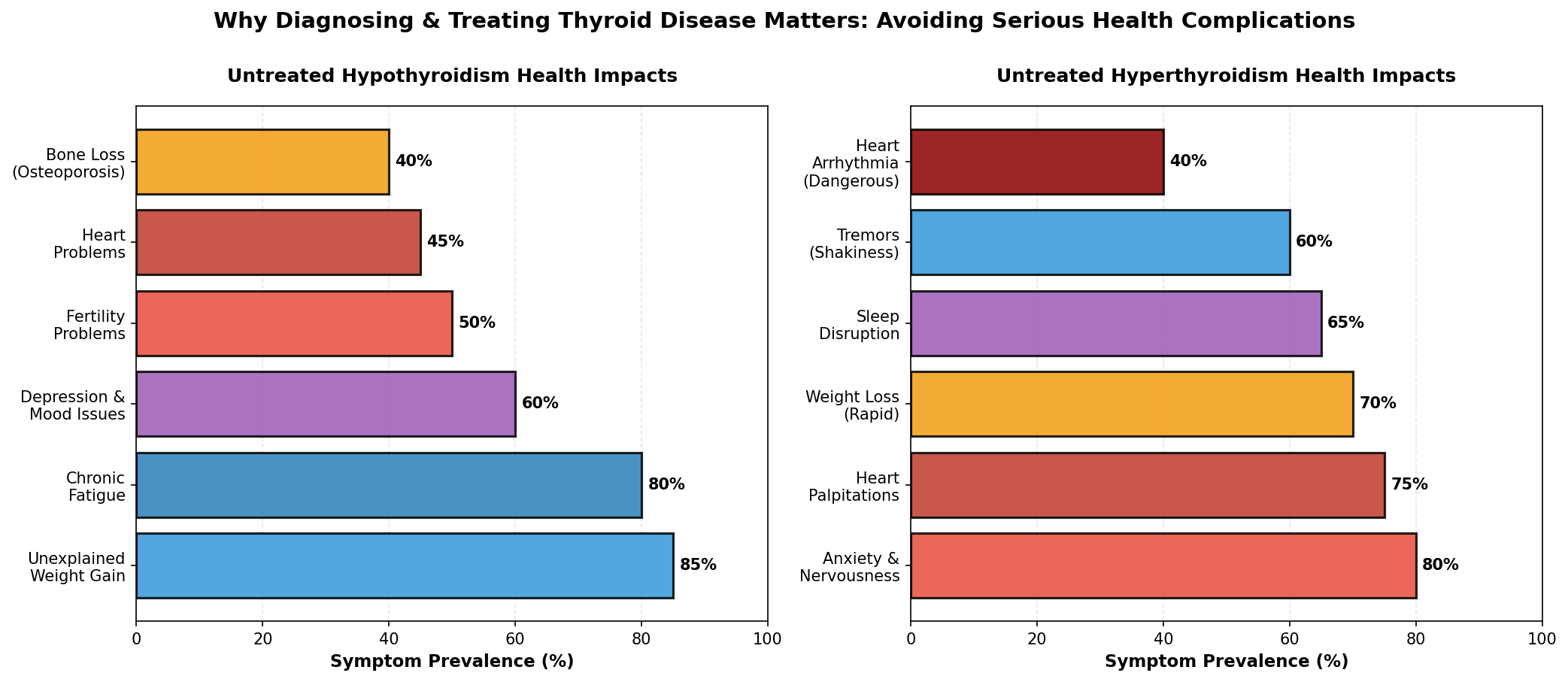 Figure 4: Common health impacts of untreated hypothyroidism (left) and hyperthyroidism (right). Fatigue and fertility problems are among the most common consequences affecting daily life.
Testing and Diagnosis: Understanding Thyroid Test Numbers
Diagnosing thyroid disease requires simple blood tests measuring thyroid hormones. Understanding what these numbers mean helps you interpret your results.
The Three Key Tests
TSH (Thyroid Stimulating Hormone)
- Normal range: 0.5 to 5.0 mIU/L (may vary by lab)
- Measures pituitary hormone signalling thyroid to produce more hormone
- Acts as an 'early warning system' because it often changes before thyroid hormone levels become abnormal
- High TSH usually indicates hypothyroidism
- Low TSH usually indicates hyperthyroidism
T4 (Thyroxine)
- Normal total T4: 5.0 to 12.0 μg/dL
- The main hormone your thyroid produces
- Free T4 (FT4) is more accurate: normal range 0.7 to 1.9 ng/dL
- Reflects biologically available hormone
T3 (Triiodothyronine)
- Normal range: 80-220 ng/dL
- A more active form of thyroid hormone
- Less commonly tested than TSH and T4
Interpreting Common Patterns
|
Test Pattern |
What It Means |
Condition |
|
High TSH + Low T4/T3 |
Thyroid isn't producing enough |
Hypothyroidism (underactive) |
|
Low TSH + High T4/T3 |
Thyroid is overproducing |
Hyperthyroidism (overactive) |
|
Normal TSH + Normal T4/T3 |
Thyroid working normally |
No thyroid dysfunction |
|
High TSH + Normal T4/T3 |
Mildly underactive; early stage |
Subclinical hypothyroidism |
|
Low TSH + Normal T4/T3 |
Mildly overactive; early stage |
Subclinical hyperthyroidism |
TSH often changes before you feel symptoms. A slightly elevated TSH might indicate early dysfunction when treatment can be most effective, preventing progression to severe symptoms. This is why early screening matters.
Lab reference ranges vary between facilities, so always ask your healthcare provider whether your specific results are normal for your lab.
Treatment and Management
Medication Treatment: Why Levothyroxine Works
For hypothyroidism, levothyroxine (synthetic T4 hormone) is the gold standard treatment. When taken correctly, levothyroxine reverses symptoms of hypothyroidism and results in the resolution of signs and symptoms.
Why it works:
- Replaces the hormone that your thyroid cannot produce
- Decades of use demonstrate it's safe and effective long-term
- Recommended first-line treatment for hypothyroidism
- Long serum half-life allows once-daily dosing
- Extremely low cost compared to alternatives
- Dose is easily adjustable based on blood tests
How treatment progresses:
- The doctor starts with an initial dose
- TSH is rechecked 6-8 weeks after starting or changing the dose
- Most people find the optimal dose within 1-3 months
- Once stabilised, annual testing is typically sufficient
Important considerations:
- Take on an empty stomach (30 minutes before food) for best absorption
- Several medications and supplements interfere with absorption
- Consistent timing improves absorption
- Long-term TSH suppression (very low values) can cause heart problems and bone loss; proper dosing is crucial
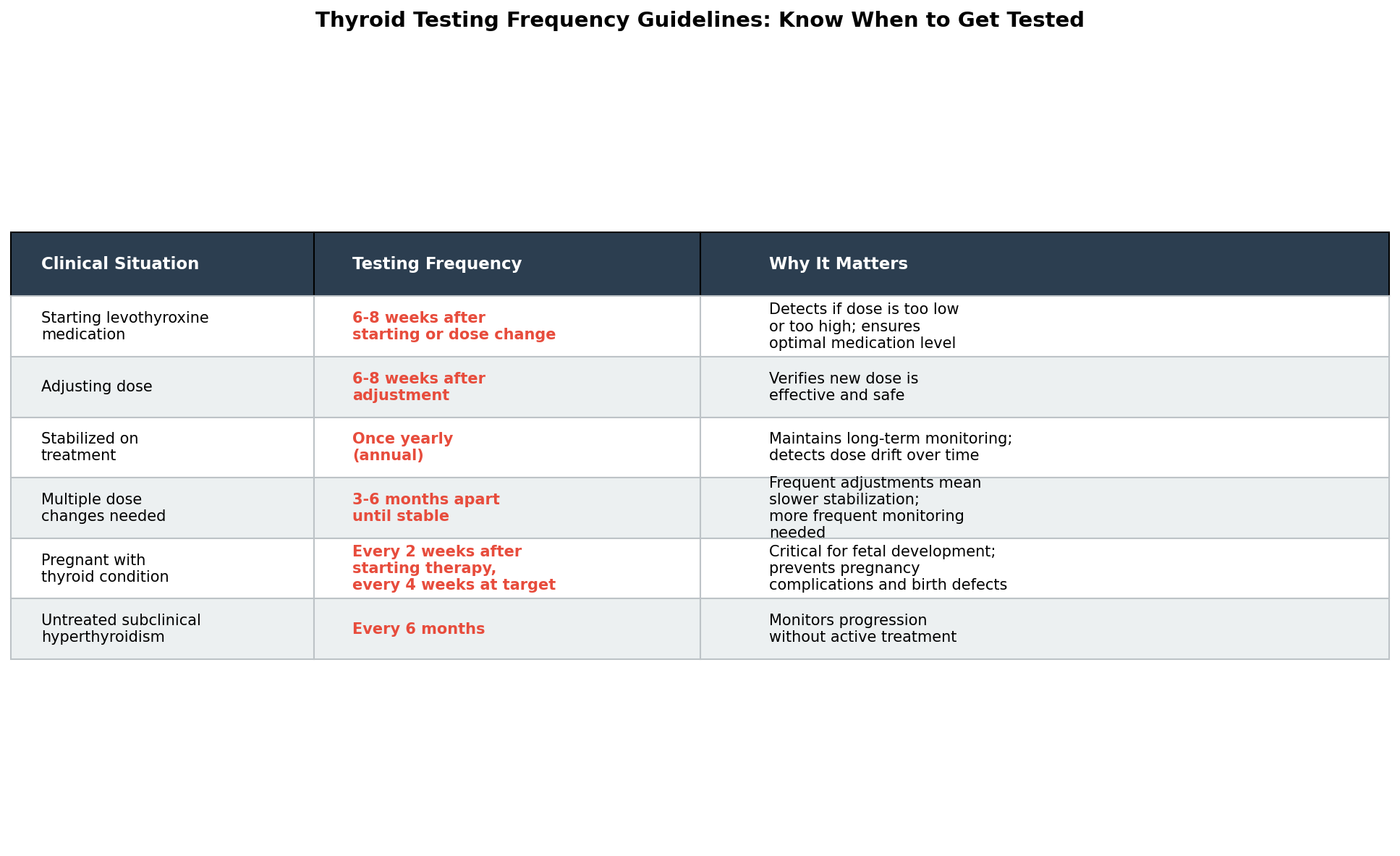 Figure 5: Recommended testing frequency varies by clinical situation. Once stabilised on medication, annual TSH testing is usually sufficient.
For hyperthyroidism, treatment is more complex, requiring antithyroid medications, beta blockers, radioactive iodine, or sometimes surgery. This requires specialist care.
Lifestyle Strategies Supporting Thyroid Health
Nutrition and dietary support
- Iodine: Adults need at least 150 micrograms daily from food (eggs, meat, dairy, iodised salt, seaweed). Avoid iodine supplements unless recommended (excess can trigger autoimmune thyroiditis)
- Selenium: Protects the thyroid and converts hormones. Sources: Brazil nuts (just 2-3 daily meet needs), seafood, meat, eggs
- Iron, zinc, copper: Support thyroid function
- Mediterranean diet: Evidence-based pattern focusing on fruits, vegetables, lean protein, healthy fats, and whole grains
Physical activity
- At least 30 minutes of daily cardiovascular exercise
- Strength training 2 days per week
- Becomes even more important with hypothyroidism (slowed metabolism)
- Evidence shows regular exercise reduces TSH levels and improves thyroid function
Stress management
- Chronic stress worsens thyroid symptoms and autoimmune thyroid disease
- Meditation, yoga, and adequate sleep improve thyroid-related symptoms
- Reduces inflammation contributing to thyroid dysfunction
Sleep
- Aim for 7-9 hours of consistent sleep nightly
- Sleep is foundational for thyroid hormone regulation
- Disruption triggers cortisol spikes and TSH suppression
Monitoring Your Thyroid Health
Testing frequency depends on your situation:
|
Situation |
Testing Frequency |
|
Starting levothyroxine |
6-8 weeks after starting or dose change |
|
Adjusting dose |
6-8 weeks after adjustment |
|
Stabilised on treatment |
Annual testing (yearly) |
|
Multiple dose changes needed |
Every 3-6 months until stable |
|
Pregnant with thyroid condition |
Every 2 weeks after starting therapy, every 4 weeks after the target is reached |
|
Untreated subclinical hyperthyroidism |
Every 6 months |
The TSH test alone is usually sufficient once properly diagnosed and treated. Full thyroid panels are unnecessary for ongoing monitoring of stable patients. Only retest if symptoms change or dose adjustments are made.
Age, Gender, and Risk: Who Needs Screening?
Understanding your risk profile helps determine if thyroid screening makes sense for you.
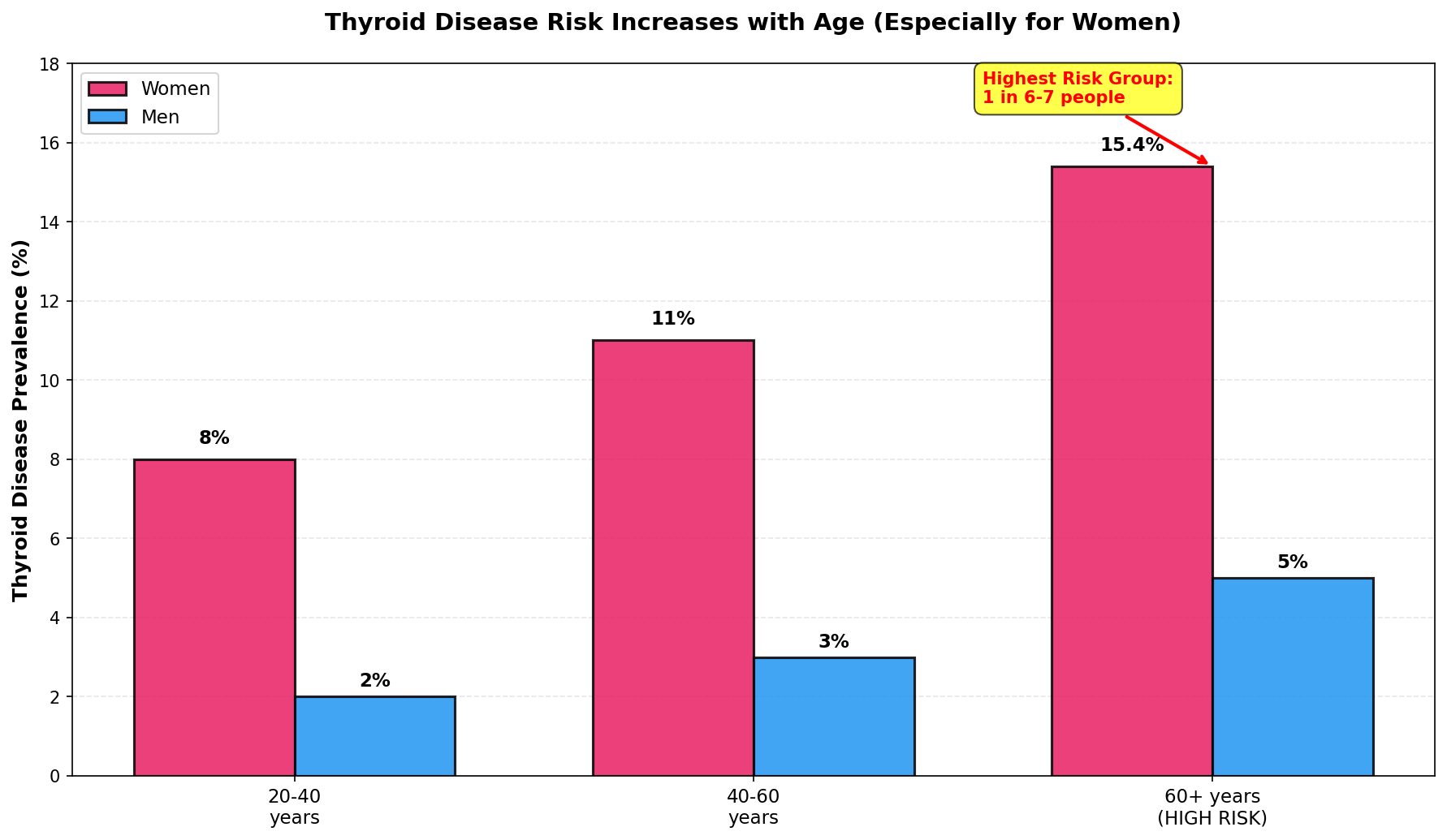 Figure 6: Thyroid disease prevalence increases dramatically with age and is consistently higher in women across all age groups. Women over 60 face the highest prevalence (16-18%), making routine screening especially important.
You should consider thyroid screening if you:
- Are you a woman over 60 (highest-risk population)
- Have unexplained weight gain, fatigue, mood changes, or fertility problems
- Have a family history of thyroid disease (5-8x higher personal risk)
- Have other autoimmune diseases (increased thyroid disease risk)
- Are you planning a pregnancy or pregnant (all pregnant women should be screened)
- Are you considering starting thyroid-affecting medications
- Have you experienced radiation to your head or neck
Routine screening recommendations:
- Women age 60+: Should have a baseline thyroid test
- Women with symptoms or family history: Should be tested
- All pregnant women Should have thyroid screening
- Women planning pregnancy: Should be tested beforehand
Prevention and Maintenance Strategies
For Those Already Diagnosed
1. Medication adherence
- Take levothyroxine exactly as prescribed
- Consistent timing improves absorption
- Never skip doses without medical guidance
2. Regular monitoring
- Don't skip annual TSH tests
- Report new symptoms to your provider
- Adjust dose based on testing results
3. Nutrition focus
- Ensure adequate iodine (150 mcg daily)
- Include selenium-rich foods
- Maintain a balanced diet
- Avoid processed foods and excess sodium
4. Lifestyle support
- Exercise 30+ minutes daily
- Manage stress actively
- Prioritise 7-9 hours of sleep
- Maintain a healthy weight
5. Medication interaction awareness
- Calcium supplements interfere with levothyroxine absorption; separate by 4+ hours
- Iron supplements need spacing from thyroid medication
- Some medications affect thyroid function
- Tell all healthcare providers about thyroid medication
For Those Without Thyroid Disease
1. Ensure adequate iodine
- Iodised salt, eggs, dairy, seafood
- Don't avoid iodine (it helps prevent disease)
2. Include micronutrients
- Selenium in Brazil nuts, seafood, and meat
- Balanced nutrition prevents deficiencies
3. Manage stress and prioritise sleep
- Chronic stress worsens thyroid function
- Regular stress reduction maintains thyroid health
- Aim for 7-9 hours of consistent sleep
4. Regular health screening
- Women 60+ should be screened even without symptoms
- Those with symptoms or a family history should be tested
Key Takeaways: What Everyone Should Know
- Thyroid disease is common. 1 in 8 women and 1 in 70 men will develop it; 60% go undiagnosed. If you have unexplained symptoms, thyroid disease is worth investigating
- Symptoms are real and disabling. Fatigue, weight changes, depression, and fertility problems from thyroid dysfunction aren't psychological; they're physiological and treatable
- Women are disproportionately affected. 5-8 times higher rate than men. Women should have a high suspicion of thyroid disease and get tested when experiencing relevant symptoms
- Testing is simple and inexpensive. A single TSH blood test often diagnoses the problem
- Treatment is highly effective. Levothyroxine medication resolves most hypothyroidism symptoms. Finding the right dose takes months, but it works for most people
- Fertility matters. Untreated thyroid disease causes infertility and pregnancy complications. Women planning a pregnancy should be tested. Proper treatment prevents fetal developmental problems
- Lifelong monitoring is simple. Once diagnosed, annual TSH testing is usually all that's needed. Consistent medication adherence matters more than frequent testing
- Lifestyle supports treatment. Proper nutrition (iodine, selenium), regular exercise, stress management, and adequate sleep significantly improve outcomes
- Early detection prevents problems. Screening women over 60 and those with symptoms prevents serious complications. Untreated thyroid disease worsens over time
- Most thyroid nodules are benign. If nodules are found, 94-95% are harmless. Regular monitoring without intervention is often appropriate
Further Reading
Understanding Thyroid Basics
- Thyroid: What It Is, Function & Problems - Cleveland Clinic
- How Does the Thyroid Gland Work? - NCBI/InformedHealth.org
- Thyroid Hormone: What It Is & Function - Cleveland Clinic
- What Does Your Thyroid Do? - WebMD
- Thyroid Diseases Overview - MedlinePlus
Hypothyroidism and Hashimoto's Thyroiditis
- Hypothyroidism: Underactive Thyroid Symptoms & Treatment - Cleveland Clinic
- Hypothyroidism: Diagnosis and Treatment - American Academy of Family Physicians
- Hypothyroidism (Underactive Thyroid) - Symptoms and Causes - Mayo Clinic
- Hashimoto's Disease - Mayo Clinic
- Hashimoto Thyroiditis - StatPearls NCBI
- Global Prevalence and Epidemiological Trends of Hashimoto's Thyroiditis - Frontiers in Public Health
Hyperthyroidism and Graves' Disease
- Hyperthyroidism (Overactive Thyroid): Symptoms & Treatment - Cleveland Clinic
- Hyperthyroidism (Overactive Thyroid) - NIDDK
- Hyperthyroidism - Symptoms and Causes - Mayo Clinic
- Graves' Disease - Symptoms and Causes - Mayo Clinic
Thyroid Nodules and Thyroid Cancer
- Thyroid Nodule - NCBI StatPearls
- Prevalence of Thyroid Nodules and Predictive Factors for Malignancy - PMC
- Cancer of the Thyroid - Cancer Stat Facts (SEER)
Women's Thyroid Health
- Women and Thyroid Disease - Siemens Healthineers
- Why Women Are More Susceptible to Thyroid Disease - Blue Cross Blue Shield
- Thyroid Disease - Office on Women's Health
- Thyroid Disease and Pregnancy - NCBI Bookshelf
- Pregnancy and Fertility in Thyroid Disorders - BTF Thyroid
Environmental Disruptors and Thyroid Health
- The Impact of Environmental Factors on Thyroid Function - PMC
- Thyroid Under Attack: Plasticizers, Pesticides, and PFAS - MDPI
- Exposure to Pesticides and Hypothyroidism Risk - PMC
- Radiation-Related Thyroid Cancer - Endocrine Reviews
- Does Fluoride Exposure Affect Thyroid Function? - PubMed
Nutrition and Diet for Thyroid Health
- Role of Iodine, Selenium, and Micronutrients in Thyroid Function - PubMed
- Selenium and Thyroid Disease: From Pathophysiology to Treatment - PMC
- Selenium, Iodine, and Iron for Thyroid Health - PMC
- Can Goitrogens Interfere with Thyroid Function? - NutritionFacts.org
- Are Goitrogens in Foods Harmful? - Healthline
- Diets and Supplements for Thyroid Disorders - BTF Thyroid
Lifestyle Factors and Thyroid Health
- Stress and Your Thyroid - Healthline
- Sleep Quality and Thyroid Function - PMC
- Physical Activity and Thyroid Health - PMC
- Effect of Exercise on Thyroid Function - ScienceDirect
- How Hot and Cold Weather Affects Your Thyroid - Paloma Health
- Does Temperature Change Affect Thyroid Function? - American Thyroid Association
Testing, Diagnosis, and Monitoring
- Thyroid Function Tests - American Thyroid Association
- How to Interpret Thyroid Function Tests - PMC
- Normal Thyroid Hormone Levels - UCLA Health
- Thyroid Disease Testing Guidelines - NICE
- Monitoring Thyroid Disease - NCBI Bookshelf
Treatment and Medication
- Levothyroxine - StatPearls NCBI
- Levothyroxine Drug Information - MedlinePlus
- Guidelines for the Treatment of Hypothyroidism - PMC
- Medications That Affect Thyroid Function - PMC
- Meds That Mess With Your Thyroid - MedShadow Foundation
- L-T4 Therapy and Drug Interactions - Frontiers in Endocrinology
- Food and Drug Interactions - Thyroid UK
Prevalence and Epidemiology
- American Thyroid Association - Press Room
- Prevalence and Trends of Thyroid Disease Among Adults, 1999-2018 - ScienceDirect
- Hypothyroidism Prevalence in the United States - PMC
- Epidemiology, Types, and Causes of Hypothyroidism - PMC
- Autoimmune Thyroid Disease in the United States - Journal of the Endocrine Society
- Prevalence and Consequences of Thyroid Dysfunction - NCBI Bookshelf
References/Helpful Resources
- American Thyroid Association. General Information/Press Room [Internet]. [cited 2025]. Available from: https://www.thyroid.org/media-main/press-room/
- Cleveland Clinic. Thyroid Disease: What It Is, Causes, Symptoms & Treatment [Internet]. [cited 2025]. Available from: https://my.clevelandclinic.org/health/diseases/8541-thyroid-disease
- Siemens Healthineers. Women and Thyroid Disease [Internet]. [cited 2025]. Available from: https://www.siemens-healthineers.com/en-us/clinical-specialities/womens-health-information/laboratory-diagnostics/thyroid-disease
- Blue Cross Blue Shield. Why Women are More Susceptible to Thyroid Disease [Internet]. [cited 2025]. Available from: https://www.bcbsm.mibluedaily.com/stories/health-and-wellness/why-women-are-more-susceptible-to-thyroid-disease
- ScienceDirect. Prevalence and Trends of Thyroid Disease Among Adults, 1999-2018 [Internet]. [cited 2025]. Available from: https://www.sciencedirect.com/science/article/abs/pii/S1530891X23005281
- Mayo Clinic. Hypothyroidism (Underactive Thyroid): Symptoms and Causes [Internet]. [cited 2025]. Available from: https://www.mayoclinic.org/diseases-conditions/hypothyroidism/symptoms-causes/syc-20350284
- NutritionFacts.org. Can Goitrogens in Soy and Cruciferous Vegetables Interfere with Thyroid Function? [Internet]. [cited 2025]. Available from: https://nutritionfacts.org/video/can-goitrogens-in-soy-and-cruciferous-vegetables-interfere-with-thyroid-function/
- Healthline. Are Goitrogens in Foods Harmful? [Internet]. [cited 2025]. Available from: https://www.healthline.com/nutrition/goitrogens-in-foods
- PMC. Exposure to Pesticides and the Risk of Hypothyroidism: A Systematic Review and Meta-Analysis [Internet]. [cited 2025]. Available from: https://pmc.ncbi.nlm.nih.gov/articles/PMC10523800/
- Endocrine Reviews. Radiation-Related Thyroid Cancer [Internet]. [cited 2025]. Available from: https://academic.oup.com/edrv/article/45/1/1/7224422
- SEER. Cancer of the Thyroid - Cancer Stat Facts [Internet]. [cited 2025]. Available from: https://seer.cancer.gov/statfacts/html/thyro.html
- PMC. The Impact of Environmental Factors and Contaminants on Thyroid Function and Disease from Fetal to Adult Life [Internet]. [cited 2025]. Available from: https://pmc.ncbi.nlm.nih.gov/articles/PMC11219579/
- PubMed. Role of Iodine, Selenium and Other Micronutrients in Thyroid Function and Disorders [Internet]. [cited 2025]. Available from: https://pubmed.ncbi.nlm.nih.gov/19594417/
- PMC. Relationship Between Iron Deficiency and Thyroid Function: A Systematic Review and Meta-Analysis [Internet]. [cited 2025]. Available from: https://pmc.ncbi.nlm.nih.gov/articles/PMC10675576/
- Healthline. What's the Connection Between Stress and Your Thyroid? [Internet]. [cited 2025]. Available from: https://www.healthline.com/health/hypothyroidism/stress-and-your-thyroid
- PMC. The Relationship Between Thyroid Function Tests and Sleep Quality: Cross-Sectional Study [Internet]. [cited 2025]. Available from: https://pmc.ncbi.nlm.nih.gov/articles/PMC8848531/
- PMC. Daily Physical Activity is Negatively Associated with Thyroid Hormone Levels, Inflammation, and Immune System Markers [Internet]. [cited 2025]. Available from: https://pmc.ncbi.nlm.nih.gov/articles/PMC9258892/
- American Thyroid Association. Does Temperature Change Affect Thyroid Function? [Internet]. [cited 2025]. Available from: https://www.thyroid.org/patient-thyroid-information/ct-for-patients/january-2025/vol-18-issue-1-p-5-6/
- PMC. Thyroid Gland Disorders and Physical Activity: Can They Affect Each Other? [Internet]. [cited 2025]. Available from: https://pmc.ncbi.nlm.nih.gov/articles/PMC12042061/
- ScienceDirect. Effect of Long-Term Exercise-Based Interventions on Thyroid Function in Hypothyroidism [Internet]. [cited 2025]. Available from: https://www.sciencedirect.com/science/article/pii/S0965229925000718
- NCBI StatPearls. Thyroid Nodule [Internet]. [cited 2025]. Available from: https://www.ncbi.nlm.nih.gov/books/NBK535422/
- PMC. Prevalence of Thyroid Nodules and Predictive Factors for their Malignancy [Internet]. [cited 2025]. Available from: https://pmc.ncbi.nlm.nih.gov/articles/PMC11478690/
- NCBI StatPearls. How the Thyroid Gland Works [Internet]. [cited 2025]. Available from: https://www.ncbi.nlm.nih.gov/books/NBK279388/
- Cleveland Clinic. What is Thyroid Hormone? [Internet]. [cited 2025]. Available from: https://my.clevelandclinic.org/health/articles/22391-thyroid-hormone
- NCBI Bookshelf. Prevalence and Consequences of Thyroid Dysfunction [Internet]. [cited 2025]. Available from: https://www.ncbi.nlm.nih.gov/books/NBK221535/
- PMC. Hypothyroidism Prevalence in the United States: A Retrospective Study [Internet]. [cited 2025]. Available from: https://pmc.ncbi.nlm.nih.gov/articles/PMC9706417/
- PMC. Epidemiology, Types, Causes, Clinical Presentation, Diagnosis, and Treatment of Hypothyroidism [Internet]. [cited 2025]. Available from: https://pmc.ncbi.nlm.nih.gov/articles/PMC10613832/
- Cleveland Clinic. Hyperthyroidism (Overactive Thyroid): Symptoms & Treatment [Internet]. [cited 2025]. Available from: https://my.clevelandclinic.org/health/diseases/14129-hyperthyroidism
- NIDDK. Hyperthyroidism (Overactive Thyroid) [Internet]. [cited 2025]. Available from: https://www.niddk.nih.gov/health-information/endocrine-diseases/hyperthyroidism
- Frontiers in Public Health. Global Prevalence and Epidemiological Trends of Hashimoto's Thyroiditis [Internet]. [cited 2025]. Available from: https://www.frontiersin.org/journals/public-health/articles/10.3389/fpubh.2022.1020709/full
- Journal of the Endocrine Society. Autoimmune Thyroid Disease in the United States: Population Prevalence, Diagnosis Rates, and Trends [Internet]. [cited 2025]. Available from: https://academic.oup.com/jes/article/9/10/bvaf120/8204439
- Mayo Clinic. Hashimoto's Disease: Symptoms and Causes [Internet]. [cited 2025]. Available from: https://www.mayoclinic.org/diseases-conditions/hashimotos-disease/symptoms-causes/syc-20351855
- NCBI StatPearls. Hashimoto Thyroiditis [Internet]. [cited 2025]. Available from: https://www.ncbi.nlm.nih.gov/books/NBK459262/
- Mayo Clinic. Graves' Disease: Symptoms and Causes [Internet]. [cited 2025]. Available from: https://www.mayoclinic.org/diseases-conditions/graves-disease/symptoms-causes/syc-20356240
- Office on Women's Health. Thyroid Disease [Internet]. [cited 2025]. Available from: https://womenshealth.gov/a-z-topics/thyroid-disease
- NCBI Bookshelf. Thyroid Disease and Pregnancy [Internet]. [cited 2025]. Available from: https://www.ncbi.nlm.nih.gov/books/NBK538485/
- ScienceDirect. Impact of Thyroid Disease on Fertility [Internet]. [cited 2025]. Available from: https://www.sciencedirect.com/science/article/pii/S1521690X20300051
- BTF Thyroid. Pregnancy and Fertility in Thyroid Disorders [Internet]. [cited 2025]. Available from: https://www.btf-thyroid.org/pregnancy-and-fertility-in-thyroid-disorders
- PMC. How Medications Affect Thyroid Function [Internet]. [cited 2025]. Available from: https://pmc.ncbi.nlm.nih.gov/articles/PMC1070767/
- MedShadow Foundation. Meds That Mess With Your Thyroid [Internet]. [cited 2025]. Available from: https://medshadow.org/conditions-treatments/thyroid-condition/meds-that-mess-with-your-thyroid/
- Frontiers in Endocrinology. L-T4 Therapy in the Presence of Pharmacological Interferents [Internet]. [cited 2025]. Available from: https://www.frontiersin.org/journals/endocrinology/articles/10.3389/fendo.2020.607446/full
- Thyroid UK. Food and Drug Interactions [Internet]. [cited 2025]. Available from: https://thyroiduk.org/food-and-drug-interactions/
- American Thyroid Association. Thyroid Function Tests [Internet]. [cited 2025]. Available from: https://www.thyroid.org/thyroid-function-tests/
- PMC. How to Interpret Thyroid Function Tests [Internet]. [cited 2025]. Available from: https://pmc.ncbi.nlm.nih.gov/articles/PMC5922674/
- UCLA Health. Normal Thyroid Hormone Levels [Internet]. [cited 2025]. Available from: https://www.uclahealth.org/medical-services/surgery/endocrine-surgery/conditions-treated/thyroid/normal-thyroid-hormone-levels
- NICE. Thyroid Disease Testing Guidelines [Internet]. [cited 2025]. Available from: https://www.nice.org.uk/guidance/ng145/chapter/recommendations
- NCBI Bookshelf. Monitoring Thyroid Disease [Internet]. [cited 2025]. Available from: https://www.ncbi.nlm.nih.gov/books/NBK577227/
- NCBI StatPearls. Levothyroxine [Internet]. [cited 2025]. Available from: https://www.ncbi.nlm.nih.gov/books/NBK539808/
- MedlinePlus. Levothyroxine Drug Information [Internet]. [cited 2025]. Available from: https://medlineplus.gov/druginfo/meds/a682461.html
- PMC. Guidelines for the Treatment of Hypothyroidism [Internet]. [cited 2025]. Available from: https://pmc.ncbi.nlm.nih.gov/articles/PMC4267409/
- PubMed. Dose-Response Meta-Analysis on Fluoride and Thyroid Function [Internet]. [cited 2025]. Available from: https://pubmed.ncbi.nlm.nih.gov/38029816/
- PubMed. Fluoride Exposure and Thyroid Function Among Adults in Canada [Internet]. [cited 2025]. Available from: https://pubmed.ncbi.nlm.nih.gov/30316182/
- Paloma Health. How Hot and Cold Weather Affects Your Thyroid [Internet]. [cited 2025]. Available from: https://www.palomahealth.com/learn/hot-cold-weather-thyroid
- PMC. Selenium and Thyroid Disease: From Pathophysiology to Treatment [Internet]. [cited 2025]. Available from: https://pmc.ncbi.nlm.nih.gov/articles/PMC5307254/
- PMC. Selenium, Iodine and Iron: Essential Trace Elements for Thyroid Hormone Synthesis and Metabolism [Internet]. [cited 2025]. Available from: https://pmc.ncbi.nlm.nih.gov/articles/PMC9967593/
- MDPI. Thyroid Under Attack: The Adverse Impact of Plasticizers, Pesticides, and PFAS on Thyroid Function [Internet]. [cited 2025]. Available from: https://www.mdpi.com/2673-396X/5/3/32
- PubMed. Prevalence and Relative Risk of Other Autoimmune Diseases in Subjects with Autoimmune Thyroid Disease [Internet]. [cited 2025]. Available from: https://pubmed.ncbi.nlm.nih.gov/20103030/
- Paloma Health. Can You Eat Cruciferous Vegetables with Hypothyroidism? [Internet]. [cited 2025]. Available from: https://www.palomahealth.com/learn/cruciferous-vegetables-hypothyroidism
- Endocrine Society. Latest Science Shows Endocrine Disrupting Chemicals in Pose Health Threats Globally [Internet]. [cited 2025]. Available from: https://www.endocrine.org/news-and-advocacy/news-room/2024/latest-science-shows-endocrine-disrupting-chemicals-in-pose-health-threats-globally
- AAFP. Hypothyroidism: Diagnosis and Treatment [Internet]. [cited 2025]. Available from: https://www.aafp.org/pubs/afp/issues/2021/0515/p605.html
