

Imagine waking at 2 am with sudden, intense chest pressure that leaves you gasping for breath. You're not exerting yourself. You're simply lying in bed. Yet your heart feels like it's being squeezed in a vice. Within 15 minutes, it resolves completely. You're left puzzled. Your GP orders tests, and eventually you learn the diagnosis: vasospastic angina, also called Prinzmetal angina.
Unlike the chest pain most people associate with heart disease (which typically strikes during exertion), vasospastic angina is a distinctly different condition: your coronary arteries suddenly and temporarily tighten at rest. The good news? It's highly treatable, and most people achieve excellent symptom control with proper medication and lifestyle adjustments.
This article explains what vasospastic angina is, why it happens, how doctors diagnose it, and most importantly, how to manage it effectively.
What is Vasospastic Angina?
Vasospastic angina occurs when one or more of the coronary arteries supplying your heart muscle suddenly and temporarily tighten (spasm). This temporary narrowing restricts blood flow to heart tissue, causing a shortage of oxygen. Your heart muscle responds with pain, just as your arm would if blood flow were cut off.
The crucial difference between vasospastic angina and typical heart disease lies in what causes the narrowing. In atherosclerotic (classic) heart disease, plaque slowly builds up inside arteries over years, creating a fixed blockage. In vasospastic angina, the artery walls themselves contract spasmodically, creating a temporary obstruction that completely reverses within minutes to 30 minutes.
Most remarkably, many patients with vasospastic angina have completely normal coronary arteries when examined. The arteries aren't permanently damaged; they're simply prone to excessive tightening.
Why Attacks Happen at Rest (And Especially at Night)
One of the most distinctive features of vasospastic angina is its predictable timing. Attacks overwhelmingly occur at rest, particularly between midnight and 9 am. Patients often wake from sleep gasping with chest pain, only to have it resolve completely within 20 minutes.
This circadian pattern holds a crucial clue to understanding why the condition develops.
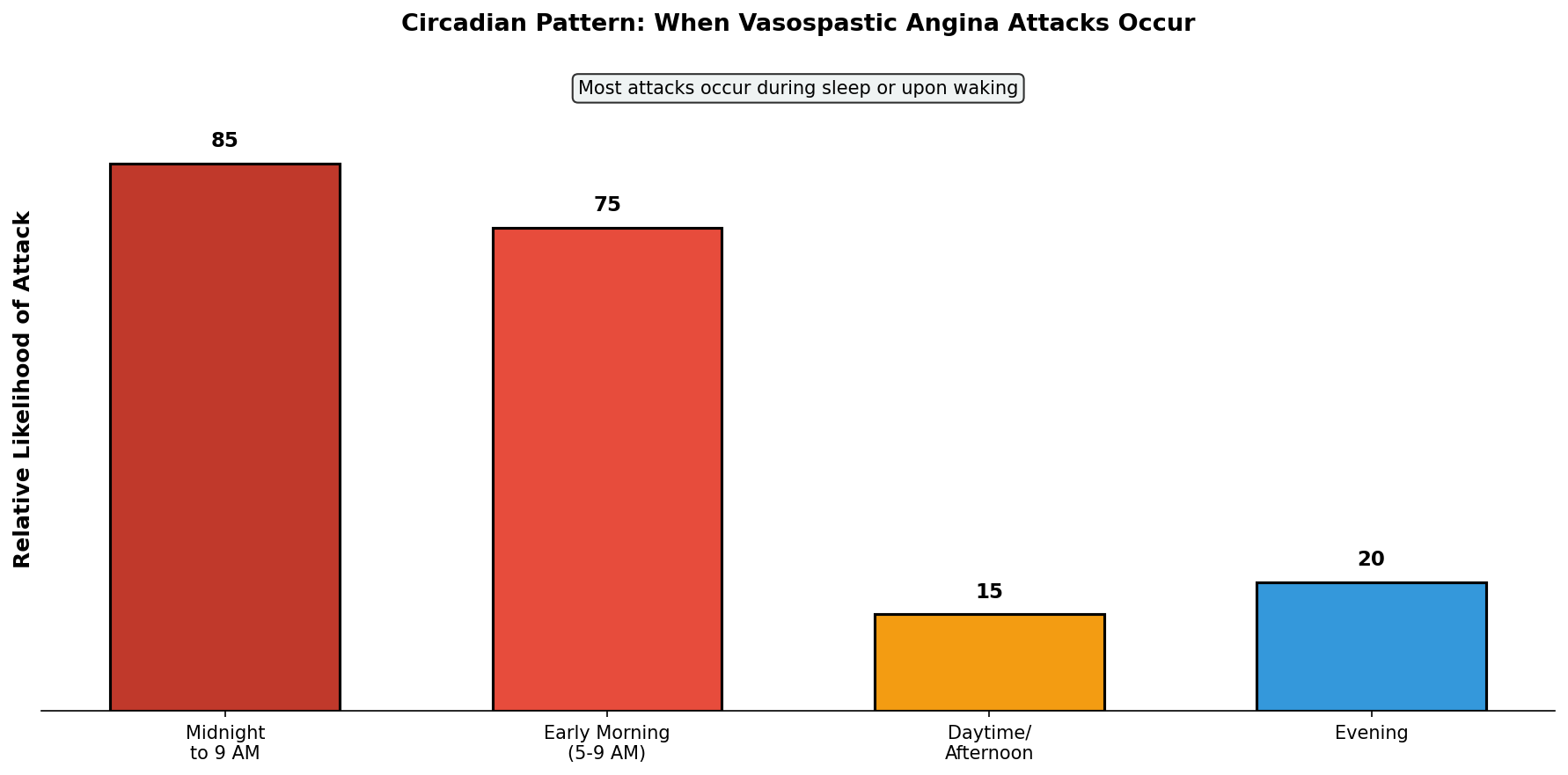
Figure 1: Circadian timing of vasospastic angina attacks. Most episodes occur during nighttime hours and early morning, reflecting changes in nervous system activity during sleep.
During sleep, your nervous system shifts from "fight or flight" mode to "rest and digest" mode. This shift triggers increased activity in your parasympathetic nervous system, which releases a chemical messenger called acetylcholine. In people with vasospastic angina, acetylcholine directly triggers coronary spasm; it is the opposite of what should happen.
Additionally, certain hormones naturally fluctuate throughout the day in ways that promote artery tightening, peaking in early morning hours. Combined with reduced oxygen demand during sleep (which may unmask underlying vessel dysfunction), these factors create a perfect storm for spasm episodes.
In a striking clinical demonstration, researchers tested patients with vasospastic angina in both morning and afternoon. ST-segment elevation (the ECG signature of spasm) appeared in all 13 patients tested in early morning but only 2 patients when tested in the afternoon; this demonstrates circadian vulnerability dramatically.
The Three Systems That Go Wrong
Vasospastic angina isn't a single failure; it's a convergence of three interrelated problems, each amplifying the others.
1. Damaged Artery Lining (Endothelial Dysfunction)
The inside surface of healthy coronary arteries is smooth and protective. This inner lining, called the endothelium, continuously releases relaxation signals that keep arteries open and flexible. Think of it as a traffic controller directing smooth flow.
In vasospastic angina, this protective lining becomes damaged or dysfunctional. Instead of releasing relaxation signals, damaged endothelium sends conflicting messages that trigger constriction. The artery loses its ability to adapt to your heart's changing oxygen needs.
2. Oversensitive Artery Muscle (Smooth Muscle Hyperreactivity)
The middle layer of coronary artery walls contains smooth muscle cells that normally contract gently to regulate blood flow. In vasospastic angina, these cells become abnormally sensitive and trigger-happy (like a security system with the sensitivity cranked to maximum).
This hyperreactivity occurs because an enzyme called Rho-kinase becomes overactive, making smooth muscle cells hypersensitive to calcium. Normally, a high level of calcium is needed to trigger strong contraction. But in vasospastic angina, even tiny amounts of calcium trigger sustained spasms.
3. Dysregulated Nervous System and Inflammation
The autonomic nervous system that should regulate artery tone becomes imbalanced. Additionally, inflammation at the site of vasospasm involves mast cells (immune cells that release inflammatory chemicals) and elevated inflammatory markers throughout the bloodstream.
These three problems often run together. Genetic factors predispose some families to vasospastic angina; recent research has identified HLA gene associations and variations in the nitric oxide synthase gene that affect spasm susceptibility.
Who Gets Vasospastic Angina?
Vasospastic angina affects approximately 1 in 1,667 people in the general population, though it's more common among those undergoing cardiac testing. About 65% of diagnosed patients are women, though men face higher hospital admission rates.
The condition typically emerges between ages 40 and 70, with peak incidence in people aged 70 to 84. Unlike atherosclerotic heart disease, vasospastic angina often affects younger people who lack traditional risk factors like high cholesterol or smoking history.
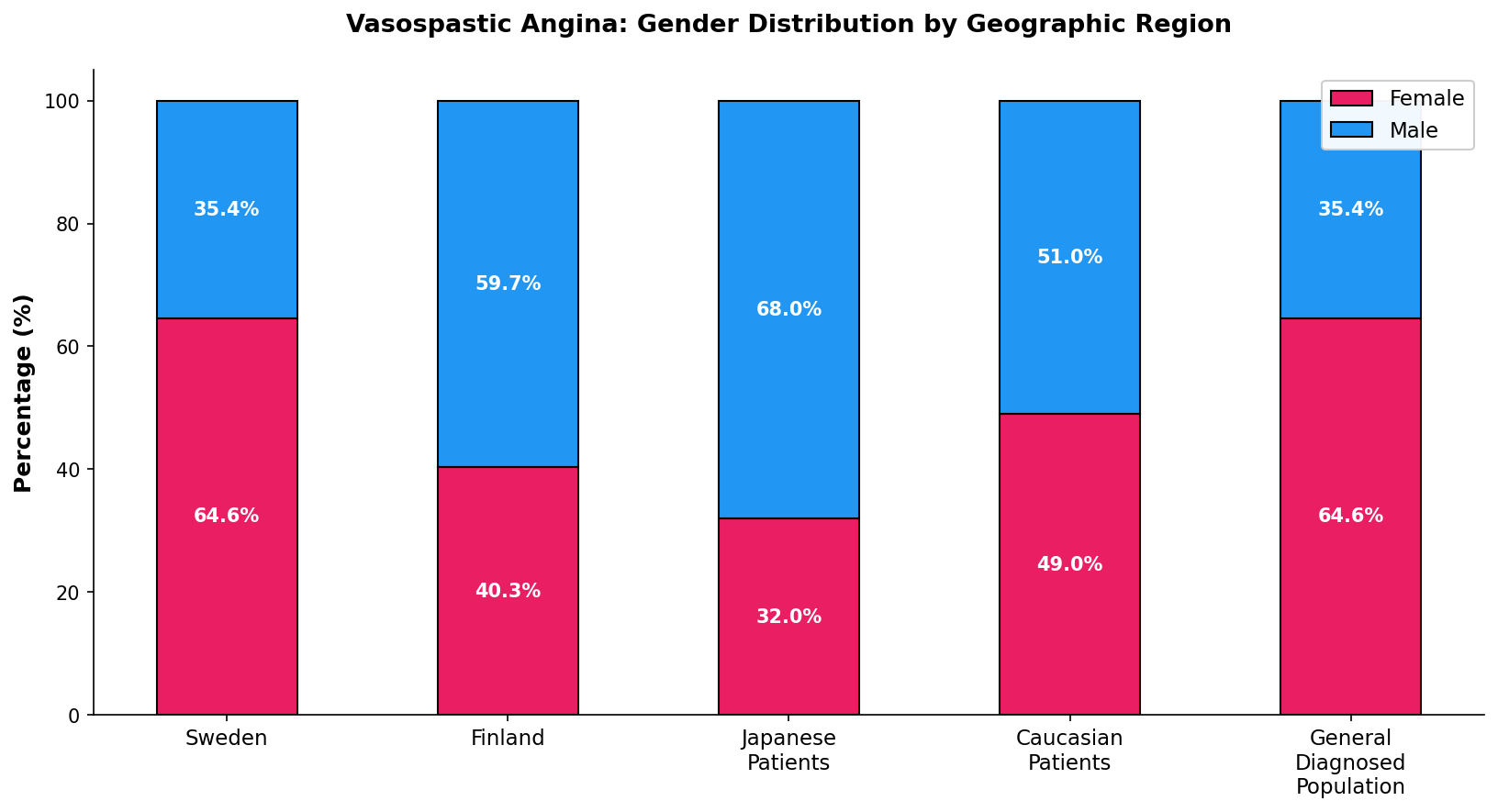
Figure 2: Gender distribution among diagnosed vasospastic angina patients. Women constitute approximately 65% of diagnoses.
Important risk factors include:
- Cigarette smoking: The single most important modifiable risk factor. Smoking causes spasm by activating your sympathetic nervous system, impairing endothelial function, and making smooth muscle more prone to contraction. Smoking cessation is critical.
- Stress and emotional factors: Both acute stress and chronic psychological stress can trigger attacks by activating the sympathetic nervous system and releasing adrenaline.
- Cold exposure: Both cold air and cold drinks can trigger attacks by activating the sympathetic nervous system.
- Family history: Familial clustering is well-documented. If a close relative has vasospastic angina, your risk is elevated, even without other risk factors.
- Associated systemic conditions: People with migraine headaches or Raynaud's phenomenon (excessive finger vasoconstriction in cold) show higher rates of vasospastic angina, suggesting a broader tendency toward vascular hyperreactivity.
Symptoms and Attack Patterns
The Characteristic Pain
Vasospastic angina produces severe chest pain or discomfort, often described as pressure, squeezing, or crushing. The pain may radiate to your head, shoulders, arms, or jaw. Associated symptoms include nausea, sweating, heart palpitations, shortness of breath, and lightheadedness.
Episodes typically last from several minutes up to 30 minutes. The key distinguishing feature: pain occurs at rest, usually between midnight and early morning, and resolves completely as the spasm passes and blood flow returns.
Clustering Pattern
A curious aspect of vasospastic angina is its clustering pattern. Patients may experience frequent attacks over 3 to 6 months, then enter a period of complete remission lasting months or years. This unpredictability can make the condition psychologically challenging, though it's medically reassuring compared to predictably worsening disease.
How is it Diagnosed?
Diagnosis relies on clinical history combined with electrocardiographic findings and specialised tests to document spasm.
The Electrocardiogram (ECG): First Diagnostic Step
The ECG is the most important initial test. During a vasospastic angina attack, characteristic changes appear on the ECG trace:
- ST-segment elevation of 0.1 millivolt or more in at least two adjacent ECG leads
- ST-segment depression
- New T-wave inversions
Crucially, these changes are transient; they disappear completely within minutes when the attack resolves. Between attacks, the ECG may be entirely normal or show a stable abnormal pattern.
An ECG recording captured during a spontaneous anginal episode is considered major evidence for diagnosis. This is why doctors may ask you to come to hospital or wear a portable 24-hour ECG (Holter) monitor if vasospastic angina is suspected.
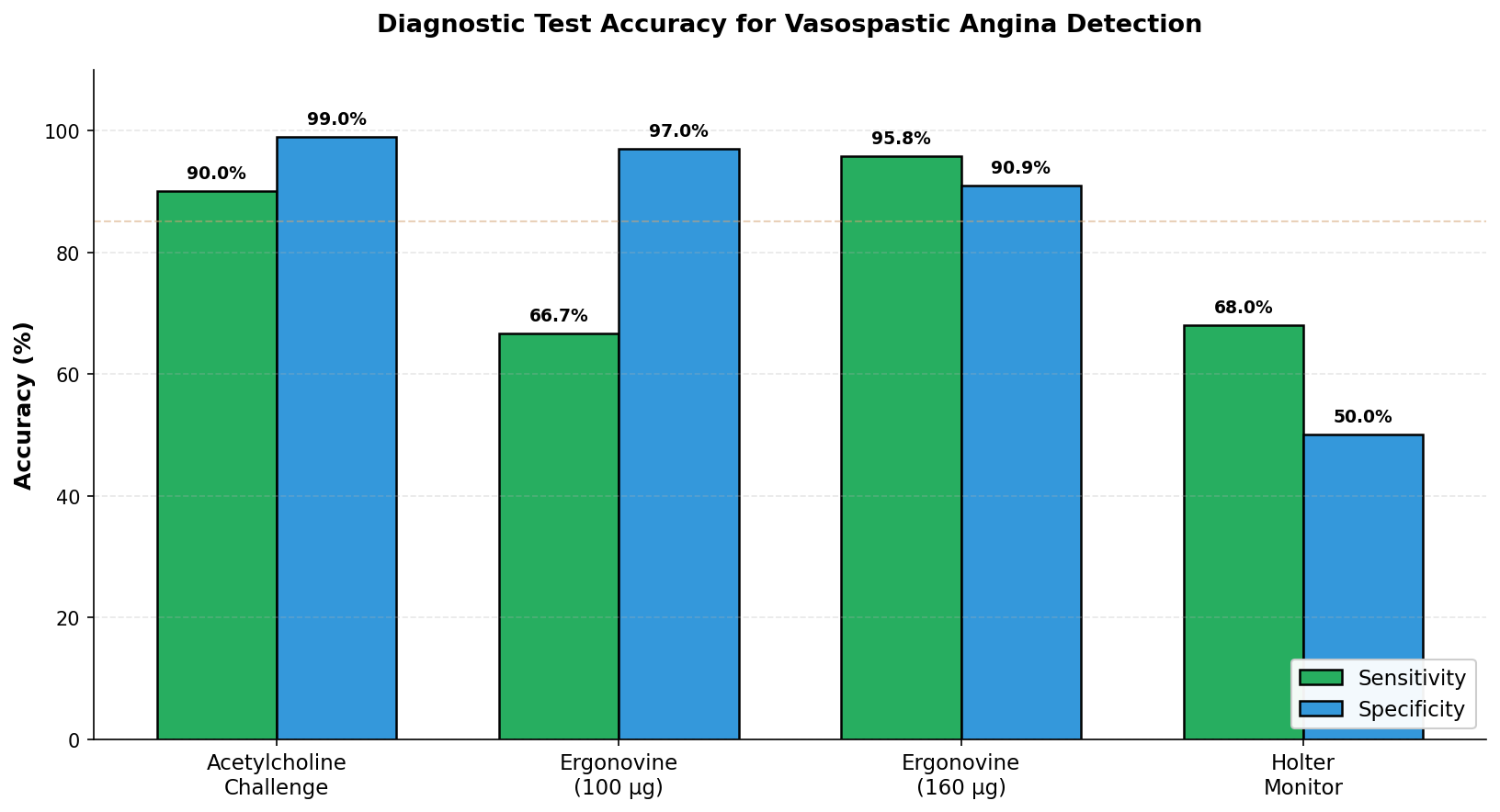
Figure 3: Diagnostic accuracy of various testing methods. Acetylcholine provocation testing shows the highest combined sensitivity and specificity.
Coronary Angiography: Visualising the Arteries
During coronary angiography, a thin catheter is advanced to your heart arteries and contrast dye injected so doctors can view vessels on X-ray. In vasospastic angina, a key finding is normal or near-normal coronary arteries (a striking contrast to atherosclerotic disease).
During the procedure, doctors typically inject intravenous nitroglycerin at the end. If vessels dramatically dilate in response, this confirms vasospastic disease and helps avoid unnecessary stent placement in normal arteries.
Provocation Testing: Deliberately Triggering Spasm
When vasospastic angina is suspected but spontaneous episodes haven't been captured, doctors can perform controlled tests during angiography to provoke spasm safely in a hospital setting with full monitoring.
Acetylcholine (ACH) Testing:
Acetylcholine is a naturally occurring chemical that causes relaxation in normal coronary arteries but triggers spasm in susceptible arteries. It's now the preferred provocation agent.
- Sensitivity: 90% (correctly identifies 9 out of 10 patients with vasospastic angina)
- Specificity: 99% (correctly identifies normal arteries 99% of the time)
- Acetylcholine detects spasm more frequently than alternative agents
Ergonovine Testing:
Ergonovine maleate is an older provocation agent that causes powerful blood vessel constriction. Sensitivity and specificity vary by dose administered, ranging from 50-96% sensitivity at different doses.
Both tests carry small complication risks (0.66-0.8% overall) including arrhythmias in 6.8% of tested patients, particularly with right coronary artery spasm. Doctors use careful safety precautions including continuous monitoring and immediate administration of nitroglycerin to reverse any spasm.
Holter Monitor: Capturing Spontaneous Episodes
A portable ECG device worn for 24 to 48 hours may capture ST-segment elevation during spontaneous attacks. This is particularly helpful if attacks occur during the monitoring period, providing definitive diagnostic evidence without the need for provocation testing.
Treatment Options: What Actually Works
The fundamental principle of vasospastic angina treatment is preventing or reversing spasm. Unlike atherosclerotic heart disease, vasospastic angina responds dramatically to specific medications that relax artery muscle and improve endothelial function.
Calcium Channel Blockers: First-Line Treatment
Calcium channel blockers are the cornerstone of vasospastic angina management. These medications block calcium entry into vascular smooth muscle cells, preventing the muscle contractions that drive spasm.
63% of patients achieve complete symptom control, and 87% experience at least 50% reduction in attack frequency.
Specific medications and dosages:
- Diltiazem (extended-release): 120-180 mg twice daily; minimum effective dose is 180 mg daily
- Verapamil: 120 mg three times daily (360 mg daily total), reducing to 40 mg three times daily for patients sensitive to medication side effects
- Amlodipine and Nifedipine: Also effective dihydropyridine calcium channel blockers
Non-dihydropyridine agents (diltiazem and verapamil) are preferred first-line because they slow heart rate slightly, which provides additional cardiac benefit. Newer-generation calcium channel blockers like benidipine show even better long-term outcomes than older agents.
Long-Acting Nitrates: Adjunctive Therapy
Long-acting nitrates (isosorbide mononitrate) are prescribed alongside calcium channel blockers for patients not fully controlled on CCBs alone. These medications work through a different mechanism: they donate nitric oxide, which activates a pathway that directly dilates blood vessels.
Combined calcium channel blocker plus nitrate therapy is more effective than either agent alone.
Important dosing consideration: Isosorbide mononitrate tablets must be taken 8 hours apart (not 12 hours) to prevent nitrate tolerance (a phenomenon where your body adapts to continuous nitrate exposure and the medication becomes less effective).
Why Beta-Blockers Are Avoided
This is critical: beta-blockers are contraindicated in vasospastic angina and can actually make attacks worse.
This seems counterintuitive because beta-blockers help typical atherosclerotic angina. Here's why they fail in vasospastic angina: blood vessel tone is regulated by a balance between alpha-adrenergic activation (which causes constriction) and beta-adrenergic activation (which causes dilation). Beta-blockers selectively block beta receptors, leaving alpha-adrenergic effects unopposed. This imbalance promotes exactly the vasoconstriction you're trying to prevent.
In essence, beta-blockers remove the body's natural brake on spasm. Patients given beta-blockers often experience worsened or more frequent attacks.
Treatment Efficacy Outcomes
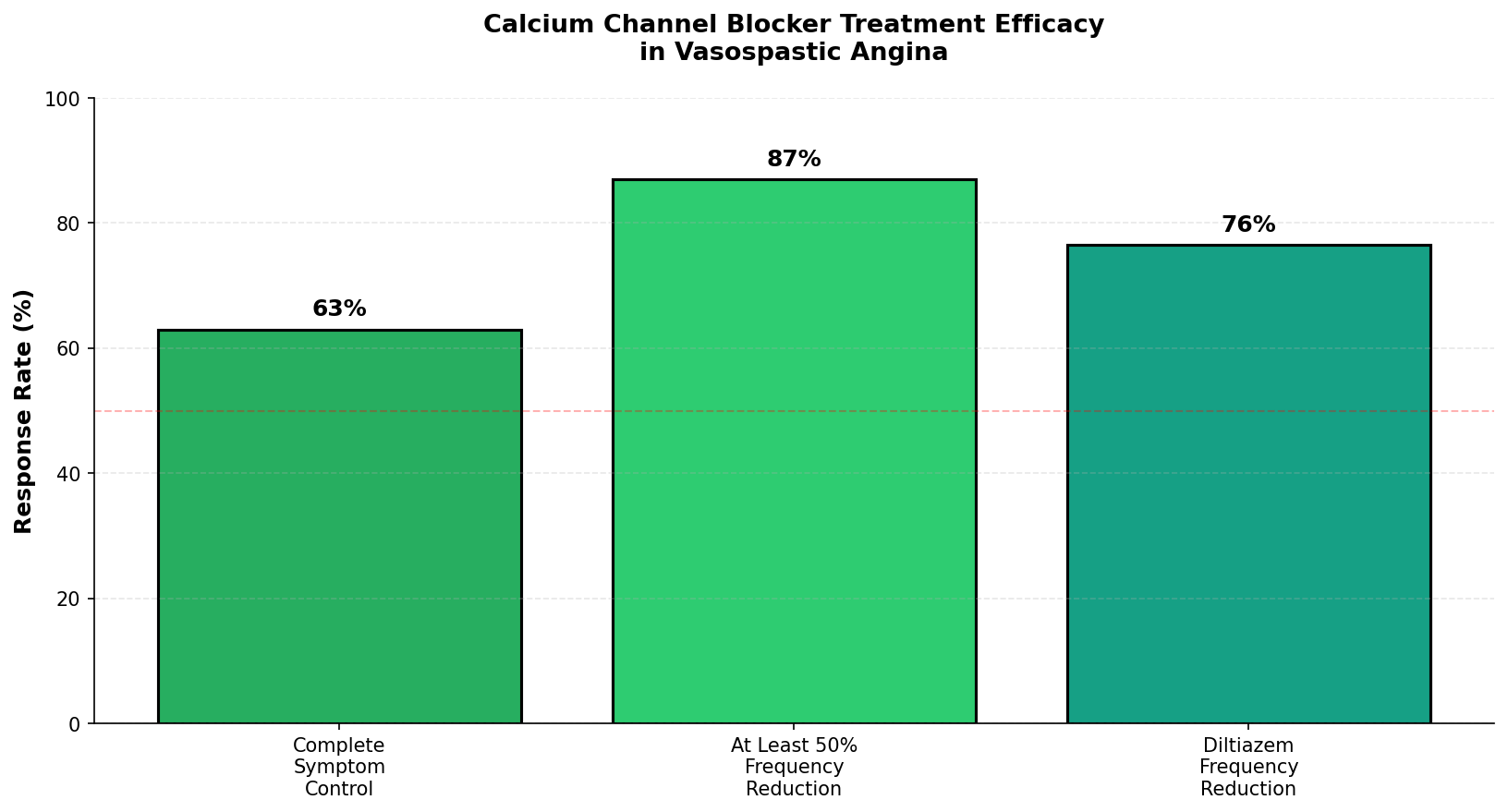
Figure 4: Treatment response rates for calcium channel blockers. Most patients achieve substantial symptom reduction or complete control.
Refractory Cases: Emerging Treatments
For the small percentage of patients not controlled by standard calcium channel blockers and nitrates, several emerging options show promise:
- Fasudil: A Rho-kinase inhibitor that prevents acetylcholine-induced spasm; placebo-controlled trials show reduction in angina frequency and intensity
- Cilostazol: Pilot studies show efficacy in previously uncontrolled vasospastic angina
- Corticosteroids: Successfully controlled refractory cases in patients with allergic tendencies (bronchial asthma)
- Enhanced external counterpulsation: Effective in approximately 70% of refractory cases
- Stent placement: Can prevent attacks in patients with non-stenotic coronary arteries, though typically reserved for refractory cases
- Cardiac autonomic ganglion ablation: A newer interventional option showing promise after PCI in patients with heightened vagal tone
Lifestyle Modifications: Critical to Your Success
Medication alone isn't sufficient. Lifestyle changes form the foundation of effective vasospastic angina management.
Smoking Cessation: Your Single Most Important Action
Smoking is not just a risk factor; it's often a direct trigger for vasospastic angina attacks. Among vasospastic angina patients, 40-53% are smokers compared to 26% in the general population.
Quitting smoking produces exponential health benefits:
- Risk of heart attack and stroke decreases by 2.5- to 3-fold in smokers versus non-smokers
- Risk approaches near never-smoker levels within 4 years of cessation
- Improvements appear in vascular function tests within months
In long-term outcome studies, continued smoking was the strongest predictor of poor outcomes and mortality. Conversely, smoking cessation dramatically improves prognosis. This single intervention may matter more than any medication.
Stress Management
Emotional stress and acute psychological triggers activate your sympathetic nervous system and can provoke spasm. Effective stress reduction (through relaxation techniques, regular exercise, adequate sleep, or professional counselling) forms an important part of management.
Cold Avoidance
Avoid prolonged cold air exposure and cold drinks, which can trigger attacks in susceptible individuals. If you live in a cold climate, wear warm layers when outdoors and avoid sudden temperature changes.
Diet and Weight Management
- Eat a heart-healthy diet rich in fruits, vegetables, and whole grains
- Limit sugar, salt, and saturated fats
- Maintain a healthy weight
- Moderate alcohol consumption
Regular Exercise
Regular physical activity is encouraged and typically well-tolerated. Unlike atherosclerotic angina, vasospastic angina doesn't involve fixed coronary obstruction, so your exercise capacity is usually good. Tailor activity to your symptoms and gradually build tolerance.
Substance Avoidance
Absolutely avoid:
- Cocaine and amphetamines
- MDMA (Ecstasy)
- Other recreational stimulants
These substances directly trigger coronary vasospasm through sympathomimetic mechanisms.
Living with Vasospastic Angina: Long-Term Outlook
What Happens Over Time?
The natural history of vasospastic angina has surprisingly reassuring aspects:
- 71% of patients become asymptomatic or have very infrequent attacks after initial presentation
- 13% experience recurrences with symptom-free periods lasting at least 10 months between clusters
- Only 16% develop persistent ongoing angina
This means most patients enter remission spontaneously; something that rarely happens with atherosclerotic heart disease. However, relapses can occur, sometimes triggered by identifiable factors like increased smoking or stress.
Prognosis and Survival Rates
This is where the outlook becomes genuinely encouraging:
Without significant fixed coronary artery disease:
- 95% five-year survival if no obstructive disease
- 90-95% survival at five years overall in patients with minimal or no fixed blockages
- 95% at one year; 90% at two years; 87% at three years
With multivessel obstructive disease (worse scenario):
- Approximately 80% five-year survival (still quite good)
These figures represent hospitalised patients; a sicker population than the broader community of vasospastic angina patients. Outpatients treated in general practice typically have even better outcomes.
What Worsens Prognosis?
Several factors predict worse outcomes:
- Continued smoking (strongest predictor of poor outcomes)
- Spasm occurring in proximal (large) coronary arteries versus distal (smaller) arteries
- Older age at diagnosis
- Low HDL cholesterol
- Presence of concurrent fixed coronary blockages
- Heart failure or decreased cardiac function
- Chronic kidney disease or liver disease
Conversely, adequate response to calcium channel blockers, smoking cessation, and management of other cardiovascular risk factors substantially improve outcomes.
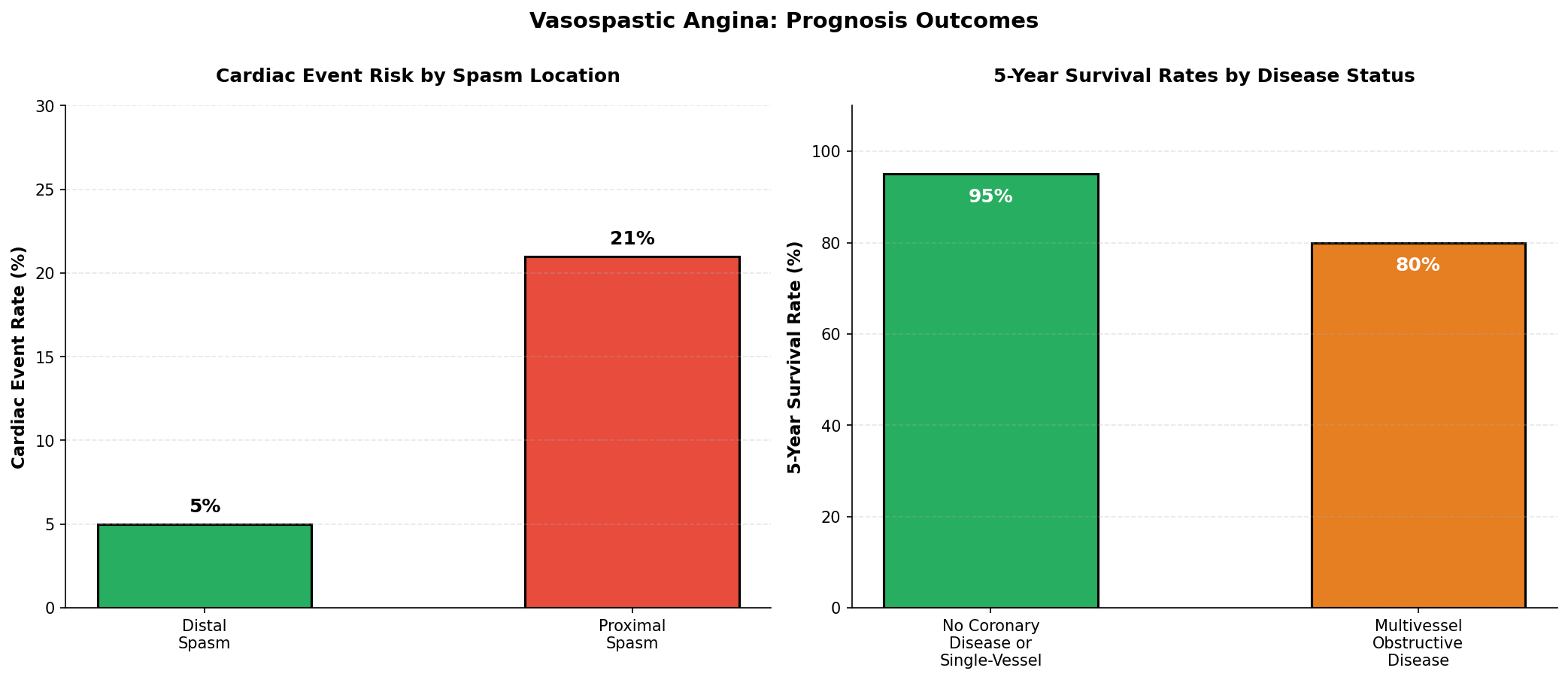
Figure 5: Five-year survival rates based on coronary artery disease status. Patients without significant fixed blockages have excellent long-term outcomes.
When to Seek Emergency Care
Contact emergency services immediately if you experience:
- Chest pain lasting longer than 30 minutes despite nitroglycerin
- Chest pain accompanied by severe shortness of breath, fainting, or severe sweating
- Multiple episodes in rapid succession
- Change in your typical attack pattern
Key Points to Remember
- Vasospastic angina is treatable: 95% of patients achieve excellent symptom control with proper medication
- It's reversible: Spasms pass, blood flow returns, pain resolves; unlike atherosclerotic blockages
- Night-time attacks are characteristic: This circadian pattern is actually a diagnostic clue
- Calcium channel blockers work: The cornerstone medication, highly effective
- Beta-blockers make it worse: Avoid these completely
- Smoking cessation matters most: Your single most impactful lifestyle change
- Prognosis is excellent: Most people live normal, active lives with proper management
- Many enter remission: The condition often improves or resolves spontaneously
Further Reading
Understanding the Condition
- American Heart Association: Prinzmetal Angina
- Cleveland Clinic: Vasospastic (Prinzmetal) Angina
- Mayo Clinic: Coronary Artery Spasm
- NIH Rare Diseases: Prinzmetal Angina
Diagnosis and Testing
- StatPearls: Coronary Artery Vasospasm and Prinzmetal Angina
- PubMed: Vasospastic Angina and Role of Cardiac Catheterisation
- PubMed: Diagnostic Challenges of Prinzmetal Vasospastic Angina
Treatment Options
- PubMed: Pharmacotherapy of Vasospastic Angina
- PubMed: Calcium Channel Blockers in Vasospastic Angina Treatment
- PubMed: Long-Term Prognostic Factors in Vasospastic Angina
Lifestyle and Risk Factor Management
- PubMed: Smoking Cessation and Cardiovascular Outcomes
- PubMed: Impact of Smoking Cessation on MINOCA Outcomes
- PubMed: The Smoking Paradox in Vasospastic Angina
Family History and Genetics
Prognosis and Outcomes
- PubMed: Long-Term Prognosis Without Significant Atherosclerotic Disease
- PubMed: Mortality of Vasospastic Angina in Finland
Helpful Resources
- National Institute of Health. Coronary Artery Vasospasm and Prinzmetal Angina. StatPearls. Bookshelf ID: NBK470181. Available from: https://www.ncbi.nlm.nih.gov/sites/books/NBK470181/
- American Heart Association. Prinzmetal Angina [Internet]. [cited 2026 Nov 03]. Available from: https://www.heart.org/en/health-topics/heart-attack/angina-chest-pain/prinzmetal-angina
- Cleveland Clinic. Vasospastic (Prinzmetal) Angina [Internet]. [cited 2026 Nov 03]. Available from: https://my.clevelandclinic.org/health/diseases/21867-prinzmetal-angina
- Mayo Clinic. Coronary Artery Spasm [Internet]. [cited 2026 Nov 03]. Available from: https://www.mayoclinic.org/diseases-conditions/angina/expert-answers/coronary-artery-spasm/faq-20058316
- National Institutes of Health. Prinzmetal Angina. Rare Diseases Information [Internet]. [cited 2026 Nov 03]. Available from: https://rarediseases.info.nih.gov/diseases/7465/prinzmetal-angina
- Bairey Merz CN, Elboudwarej O, weise N. Coronary Vasospasm. Clinical Medicine Insights: Cardiology. 2016;10:23-32.
- Kaski JC. Pathophysiology and management of patients with chest pain and normal coronary angiograms. Circulation. 2004;109(1):42-46.
- Kobayashi Y, Fearon WF, Oliveira EA, et al. Acetylcholine-induced coronary vasospasm: An underrecognised cause of myocardial infarction in younger patients with angiographically normal coronaries. Journal of the American College of Cardiology. 2023;2(4):557-569.
- Ford TJ, Stanley B, Good R, et al. Stratified medical therapy using invasive coronary function testing in angina: The CorMicA Trial. Journal of the American College of Cardiology. 2021;78(16):1539-1550.
- Weiner SD, Wingo M, Akashi YJ, et al. Pharmacotherapy of vasospastic angina. Sage Open Nursing. 2016;2:2377960816640161.
- Hung MJ, Hu P, Hung MY. Coronary vasospastic angina: A review of pathophysiology and clinical cases. International Journal of Cardiology. 2013;167(5):1809-1820.
- Lanza GA, Careri G, Crea F. Mechanisms of coronary vasospasm. Circulation. 2011;124(16):1774-1782.
- Srivatsa S, Johnson T, Srinath G, et al. Long-term prognosis of vasospastic angina without significant atherosclerotic coronary artery disease. American Heart Journal. 1989;118(4):674-678.
- Sugiishi M, Takatsu F. Cigarette smoking is a major risk factor for coronary spasm. Circulation. 2003;87(1):76-79.
- Amano M, Eto Y, Hasegawa S, et al. Coronary artery vasospasm in post-menopausal women with chest pain: Assessment by intracoronary acetylcholine provocation test. American Journal of Cardiology. 2000;85(6):714-717.
- Furchgott RF, Zawadzki JV. The obligatory role of endothelial cells in the relaxation of arterial smooth muscle by acetylcholine. Nature. 1980;288(5789):373-376.
- Kaski JC, Rodriguez-Vazquez JF. Gender differences in cardiovascular outcomes associated with vasospastic angina. Clinical Medicine Insights: Cardiology. 2021;15:11768351211008210.
- Ito K, Sugiyama S, Matsuzaki M, et al. Gender differences in patients with vasospastic angina: A subanalysis of the VA-KOREA registry. International Journal of Cardiology. 2020;290:49-54.
- Sueda S, Muraoka Y, Ochi N, et al. Gender differences in factors associated with vasospastic angina. Journal of Cardiology. 2021;78(5):410-419.
- Rondanelli M, Mimmi S, Peroni G, et al. Nutritional management of cardiovascular disease in women: A narrative review. Nutrients. 2020;9(11):1217.
