

Vegan Nutrition: Complete Guide to Getting Enough Nutrients
Introduction
If you're considering a vegan diet, or already follow one, you probably have questions about whether you can actually get everything your body needs from plants alone. The honest answer is both reassuring and clear: yes, you can thrive on a vegan diet, but it requires understanding which nutrients demand your attention and how to obtain them effectively.
The research is overwhelmingly positive. Well-planned vegan diets reduce your risk of heart disease by 15-41%, dramatically lower type 2 diabetes risk by 77%, and can add 5-9 years to your lifespan.1,2,3 But here's the catch: these benefits only materialise when you address specific nutrient gaps that plant-based eating creates. Without that attention, deficiency risks are significant.
This guide answers the complete question: How do I actually get enough nutrients on a vegan diet? We'll walk through which nutrients matter most, which ones require supplementation, which ones you can obtain from food, realistic daily meal planning, and what the long-term research really shows about vegan health.
The Big Picture: What Makes Vegan Nutrition Different
Your body needs roughly 50 essential nutrients to function optimally. Animal products happen to contain most of them in concentrated forms. Plant foods contain all of them too, but the quantities and absorption rates differ. This isn't a flaw in veganism; it's simply the reality of the foods you're choosing.
The critical finding from decades of research is this: Some nutrients (specifically vitamin B12) are nearly impossible to obtain from unfortified plant foods. Others, like calcium and vitamin D, require more deliberate planning than meat-based diets. Most, however, are abundant in plants if you choose them strategically.
Which Nutrients Require Your Attention
Research consistently identifies these micronutrients as areas of concern for vegans:4,5
- Vitamin B12 (must supplement)
- Vitamin D (usually supplement needed)
- Iodine (requires supplementation or careful food selection)
- Omega-3 EPA/DHA (supplementation recommended)
- Calcium (requires planning)
- Zinc (manageable with strategy)
- Iron (manageable with strategy)
- Selenium (manageable with strategy)
The good news: all are either entirely preventable through supplementation or obtainable through well-planned food choices.
Vitamin B12: Your Non-Negotiable Supplement
B12 is the one nutrient where vegans and medical organisations completely agree: supplementation is essential, not optional. This is the single most important supplement decision you'll make.
Why B12 Is Critical
Vitamin B12 is essential for:
- Red blood cell formation
- Neurological function (including cognitive health)
- DNA synthesis
- Energy production
B12 deficiency causes irreversible nerve damage if it persists for years. The consequences (numbness, cognitive impairment, neurological damage) are serious and potentially permanent.
The B12 Problem for Vegans
Here's the fundamental problem: vitamin B12 is produced by bacteria, not animals or plants. Animal products contain B12 only because animals either consume B12-fortified feed or harbour B12-producing bacteria in their gut. Modern sanitation has eliminated the natural contamination routes (unwashed vegetables, natural water sources) that historically provided B12 to vegans.
Deficiency Statistics
The numbers are stark without supplementation:6,7
52% of unsupplemented vegans have B12 deficiency (compared to only 1% of omnivores). This means roughly 1 in 2 vegans eating unfortified food are at risk of serious complications.
The variation by population is striking:
- Pregnant vegan women: 62% deficiency rate
- Vegan children: 25-86% deficiency
- Vegan infants: 45% deficiency
However, the story changes dramatically with supplementation: only 1% of supplemented vegans show B12 deficiency. This is the most dramatic reversal of any nutrient; supplementation is essentially 100% effective.
Supplementation Options
You have three reliable approaches:
Daily supplementation (most popular):
- Take 50-100 micrograms daily
- Most commonly used and reliable
- Cost: approximately 3-10 pence per day
Weekly supplementation (simpler schedule):
- Take 2,000 micrograms twice weekly
- Works equally well
- Relies on different absorption kinetics
Multiple fortified foods:
- Consume 2-3 servings of B12-fortified foods daily (fortified plant milk, nutritional yeast, cereals)
- More complicated than supplementation
- Less reliable due to variability in fortification
Form preference: Cyanocobalamin is the most stable and well-researched form. It maintains B12 status better than methylcobalamin (median holotranscobalamin level: 150 pcg/L versus 78.5 pcg/L).8
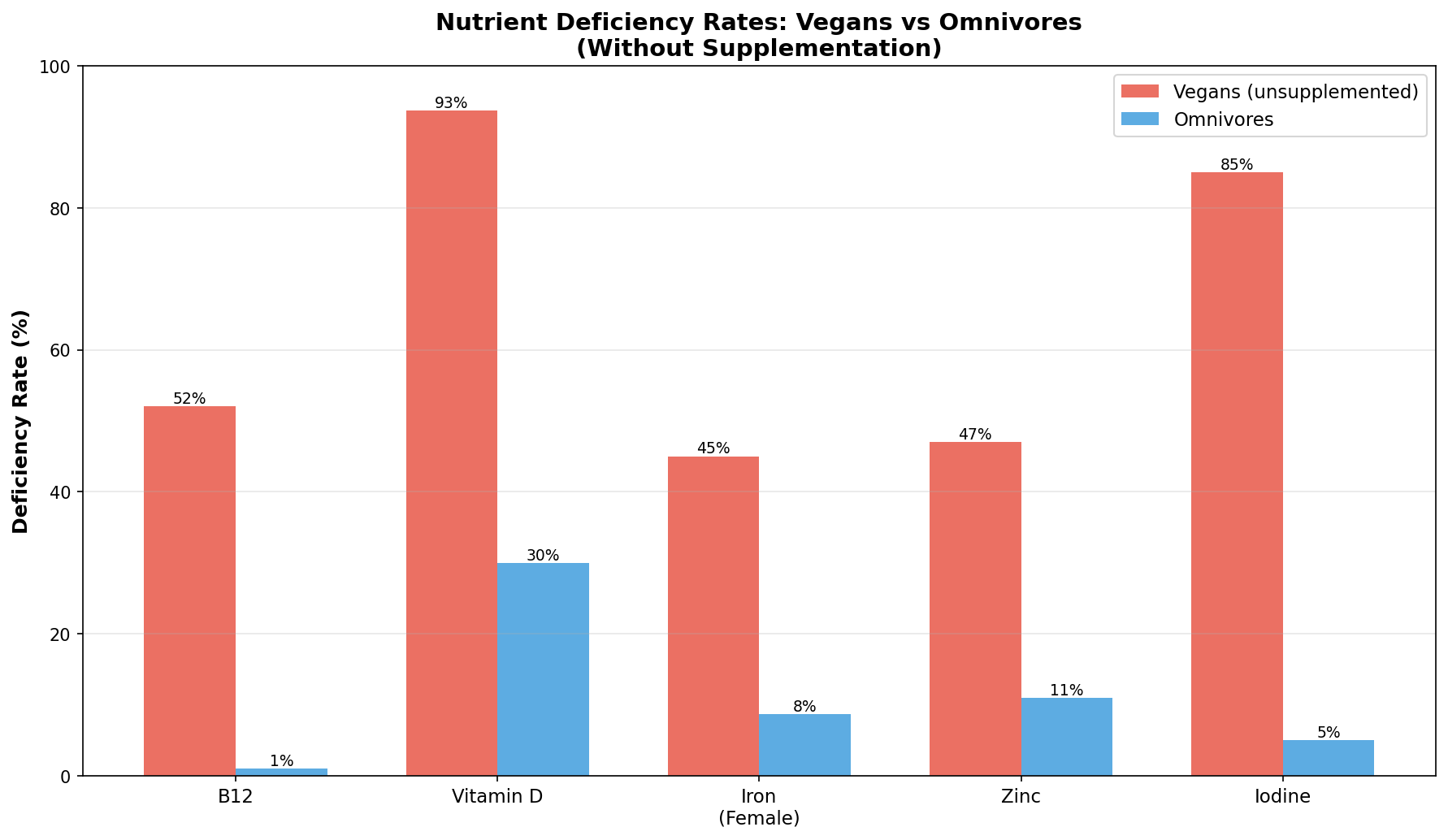 Figure 1: Supplementation priority for vegan nutrients. Vitamin B12 and D are essential or highly recommended for all vegans; others depend on individual circumstances and diet planning.1
Vitamin D: The Silent Epidemic
If B12 is the most obvious nutrient concern, vitamin D might be the most overlooked. The statistics are startling: 93.7% of vegans have vitamin D deficiency or insufficiency.9 This means 9 out of 10 vegans aren't getting enough.
Why Vegans Struggle with Vitamin D
- Very few plant foods naturally contain vitamin D
- Fortified plant-based milk provides only 50-100 IU per cup (you need 600-1,000 IU daily)
- Mushrooms exposed to sunlight contain some D, but amounts vary widely
- Sun exposure is unreliable (varies by season, latitude, skin tone, lifestyle)
- Winter sun in the UK and northern US is too weak to produce vitamin D
The Specific Deficiency Data
Comparing vegans to omnivores reveals the disparity:9
- 27% of vegans have actual deficiency (versus 6.5% of omnivores) — vegans are 16 times more likely to be deficient
- 73% of vegans have insufficiency (versus 46% of omnivores) — vegans are 4 times more likely to be insufficient
- Nearly universal problem: 93.7% have either deficiency or insufficiency
Health Consequences
Low vitamin D affects:
- Bone health: Insufficient vitamin D reduces calcium absorption, increasing osteoporosis risk. Female vegans without supplementation show significantly elevated hip fracture risk, though this completely disappears with adequate vitamin D and calcium10
- Immune function: Studies link deficiency to increased infections and weakened immunity
- Mental health: Associated with depression, seasonal mood disorders, and seasonal affective disorder (SAD)
- Calcium absorption: Vitamin D is essential for calcium absorption; insufficient D means even adequate calcium intake doesn't translate to bone health
Who Absolutely Needs Supplementation
- Anyone living above 35°N latitude (essentially all of the UK, northern US, Canada)
- Anyone with limited winter sun exposure
- Anyone with darker skin tone (which reduces vitamin D production from sun)
- Anyone unable to get 10-30 minutes of daily midday sun exposure
Supplementation Approach
Instead of assuming all vegans need supplementation, the evidence suggests a testing-based approach:
Ideal approach:
- Get your 25-hydroxyvitamin D blood level tested
- If deficient (<20 ng/mL) or insufficient (20-49 ng/mL): supplement
- If adequate (50+ ng/mL): continue current routine
If supplementing:
- 1,000-2,000 IU daily as baseline
- Higher doses (4,000 IU) if significantly deficient
- Vegan D3 (from lichen or algae) or D2 (from mushrooms) both work
Cost: 7-20 pence per day
Food-Based Sources (Limited)
- Mushrooms exposed to sunlight: Variable amounts, some research shows effectiveness at raising levels
- Fortified plant-based milk: 100 IU per cup (insufficient alone)
- Sunlight exposure: 10-30 minutes daily midday sun on exposed skin (highly variable; seasonal limitations in UK and northern climates)
Iron: Less Critical Than People Think
Here's a surprising finding: iron deficiency is not more prevalent in vegans than omnivores. The popular belief that vegans inevitably develop iron anaemia isn't supported by research.11,12 But there is a real challenge: plant iron absorption is lower, meaning you need to be more strategic.
The Plant vs. Animal Iron Problem
All iron comes from soil, not animals. The challenge is absorption:
- Meat iron (heme iron): 15-35% absorption rate
- Plant iron (non-heme iron): 2-20% absorption rate (varies wildly)
- Implication: Vegans need roughly 1.8 times more iron by weight to match meat absorption
Daily Iron Requirements for Vegans
The RDA (Recommended Dietary Allowance) is actually 1.8 times higher for vegans:13
- Vegan men: 16 mg/day (vs. 8 mg for omnivores)
- Vegan women (menstruating): 36 mg/day (vs. 18 mg for omnivores)
- Post-menopausal vegan women: 8 mg/day (same as omnivores)
Surprising Discovery: Vegans Adapt Better
Recent research reveals something encouraging: vegans develop improved iron absorption over time. A 2024-2025 controlled trial found vegans showed significantly higher serum iron absorption compared to omnivores.14 This suggests the body physiologically adapts to plant-based diets, improving nutrient extraction efficiency.
Top Vegan Iron Sources
|
Food |
Iron per serving |
Notes |
|
Lentils (1 cup cooked) |
6.4-7 mg |
Excellent; pair with vitamin C |
|
Chickpeas (1 cup cooked) |
4.7 mg |
Pair with vitamin C |
|
Fortified breakfast cereal (1 cup) |
18 mg |
Often overlooked source |
|
Tofu (200g) |
3.4 mg |
Also provides calcium |
|
Pumpkin seeds (30g) |
8.8 mg |
Nutrient-dense snack |
|
Spinach (100g cooked) |
3.2 mg |
But high oxalates reduce absorption |
|
Beans (1 cup cooked) |
3-4 mg |
Pair with vitamin C |
The Vitamin C Strategy: Multiply Absorption by 6
Here's the most powerful iron strategy: pair iron-rich foods with vitamin C sources. Vitamin C can increase non-heme iron absorption up to 6-fold.15
Best combinations:
- Lentil curry + tomato sauce + bell peppers
- Bean chilli with added citrus
- Iron-fortified cereal + strawberries or orange
- Tofu stir-fry with broccoli and bell peppers
- Spinach salad with citrus dressing
Minimum vitamin C for effect: about 50 mg in the same meal (one orange, 1 cup tomato sauce, 2 kiwis, or one bell pepper).
Absorption Inhibitors to Avoid with Iron-Rich Meals
Don't consume these within 1 hour of iron-rich meals:
- Tea and coffee (polyphenols bind iron)
- Calcium supplements (interfere with absorption)
- Phytates in legumes and grains (though cooking and soaking reduce them by 30-87%)
When Supplementation Might Help
Most vegans don't need iron supplements if they eat strategically. However, consider supplementation if:
- Blood tests show iron depletion (ferritin <12 mcg/L)
- You experience unexplained fatigue
- You're a woman who menstruates (higher iron losses)
- You're an athlete (higher iron demands)
Calcium: Building Strong Bones
Calcium is essential for bone health, muscle function, and nerve transmission. Many vegans worry about calcium, but the research shows it's manageable with planning—and some plant sources actually have better bioavailability than dairy.16
The Bioavailability Surprise
Here's something counterintuitive: plant calcium absorption isn't inherently worse than dairy. Research shows:
- Dairy bioavailability: 30% absorption
- Bok choy bioavailability: 50% absorption
- Kale bioavailability: 60%+ absorption
- Collard greens: 50%+ absorption
The key difference is oxalates (compounds that bind calcium). Low-oxalate plant sources absorb calcium as well as or better than dairy.
Daily Calcium Requirements
- Adults: 1,000-1,200 mg per day
- Teenage vegans: 1,300 mg per day
- Pregnant/nursing vegans: 1,000-1,200 mg per day (same as omnivores)
High-Absorption Vegan Calcium Sources
|
Food |
Calcium per serving |
Bioavailability |
Strategy |
|
Fortified soy milk (1 cup) |
300-400 mg |
High (equals dairy) |
Drink 3 cups = 900-1200 mg |
|
Tofu with calcium sulfate (100g) |
683 mg |
High |
2-3 times weekly |
|
Bok choy (150g cooked) |
158 mg |
High |
Vary with other greens |
|
Collard greens (150g) |
266 mg |
High |
Cook to reduce oxalates |
|
Broccoli (150g cooked) |
94 mg |
High |
Add to stir-fries |
|
Tahini (2 tbsp) |
128 mg |
High |
Use in dressings |
|
Fortified orange juice (1 cup) |
300-350 mg |
High |
Convenient addition |
|
Kale (150g cooked) |
150 mg |
High |
Salads or cooked |
The Low-Oxalate Green Advantage
If you've heard spinach is a great calcium source, forget it. Spinach bioavailability is only 5% due to high oxalate content. Instead, use low-oxalate greens (bok choy, broccoli, kale, collards, mustard greens), which have 3-12 times better bioavailability than spinach.
Practical Calcium Strategy
The easiest approach: Consume 3-4 cups of fortified plant-based milk daily, which provides 900-1,600 mg calcium. Add leafy greens, tahini, and other sources throughout the day and you'll easily meet requirements.
Protein and Amino Acids: Debunking the Myth
One of the most persistent myths about veganism is that plant proteins are "incomplete" and inferior. Research shows this is simply false.17 In fact, 14 of the 17 most popular plant proteins are complete proteins (containing all 9 essential amino acids).
Complete Plant Proteins
You can eat these alone and get all amino acids your body needs:
- Soy products: Tofu, tempeh, edamame, soy milk (all complete)
- Pea protein isolate: Often found in plant-based protein powders
- Hemp seeds: 3 tablespoons = 10g complete protein
- Chia seeds: Complete protein in small serving
- Quinoa: 1 cup cooked = 8g complete protein
- Buckwheat: Despite the name, a complete grain
- Lupin flour: Often used in plant-based products
Complementary Protein Combinations
Even incomplete plant proteins become complete when eaten in the same meal or throughout the same day:
- Rice + beans: Rice is low in lysine but high in methionine; beans are opposite
- Pita + hummus: Whole grain bread + chickpeas
- Pasta + lentil sauce: Grains + legumes
- Bread + peanut butter: Grains + legumes
Important update: You don't need to eat complementary proteins at the same meal. If you eat rice at breakfast and beans at dinner, your body still creates the complete protein throughout the day.
Protein Absorption and Quality
Plant protein digestibility is equivalent to animal protein when properly processed:
|
Protein Source |
Digestibility |
Comparable to |
|
Soy protein isolate |
89-92% |
Eggs (91%), Meat (90-94%) |
|
Pea protein isolate |
89-92% |
Eggs, Meat |
|
Processed plant proteins |
89-92% |
Eggs, Meat |
|
Whole plant foods |
70-85% |
Varies, less efficient |
Key point: Processed plant proteins (like those in commercial protein powders) have absorption rates matching animal proteins. Whole plant foods are still nutritious but require larger portions.
Daily Protein Requirements
For most adults: 0.8-1.0 grams per kilogram of body weight per day
- 150-pound (68 kg) person: 54-68 grams daily
- Athletes: 1.2-2.0 g/kg (higher for vegans due to lower digestibility of whole plant foods)
Top Vegan Protein Foods
|
Food |
Protein per serving |
Complete protein? |
|
Tofu (100g) |
10-15g |
Yes |
|
Tempeh (100g) |
17g |
Yes |
|
Lentils (1 cup cooked) |
18g |
No (pair with grains) |
|
Hemp seeds (3 tbsp) |
10g |
Yes |
|
Chickpeas (1 cup cooked) |
15g |
No (pair with grains) |
|
Pea protein powder (30g) |
25g |
Yes |
|
Quinoa (1 cup cooked) |
8g |
Yes |
|
Black beans (1 cup) |
15g |
No (pair with grains) |
Omega-3 Fatty Acids: The Conversion Challenge
Plant-based omega-3s are abundant in vegan diets, but here's the critical issue: your body converts plant omega-3s (ALA) to the active forms (EPA/DHA) with only 2.7% efficiency.18 This matters because EPA and DHA are the forms your brain and heart actually need.
The Three Omega-3 Forms
|
Type |
Source |
What happens |
|
ALA (short-chain) |
Flax, chia, hemp, walnuts |
Your body must convert to EPA/DHA |
|
EPA (long-chain) |
Fish, algae supplements |
Direct benefit; 21% conversion from ALA |
|
DHA (long-chain) |
Fish, algae supplements |
Direct benefit; <10% conversion from ALA |
The Conversion Reality
If you consume 1,000 mg of plant ALA (from flaxseed or chia), your body produces only about 27 mg of EPA.19 Some studies show even lower conversion (0.5-5%). Additionally, conversion varies 3-fold between individuals based on genetics, sex, age, and diet quality.
ALA Intake Is Easy; EPA/DHA Conversion Is Difficult
Plant-based ALA is abundant and easy to obtain:
- Daily ALA requirement: 1.1-1.6 grams (easy to meet)
- Plant sources: 1 tablespoon ground flaxseed (1.5g ALA), 1 tablespoon chia seeds (2.5g ALA), 1 ounce walnuts (2.5g ALA)
But the body-needed EPA/DHA is another story:
- Recommended EPA + DHA intake: 250-500 mg daily
- Achievable from plant ALA alone: Probably not (would need 9-18 tablespoons of flaxseed daily)
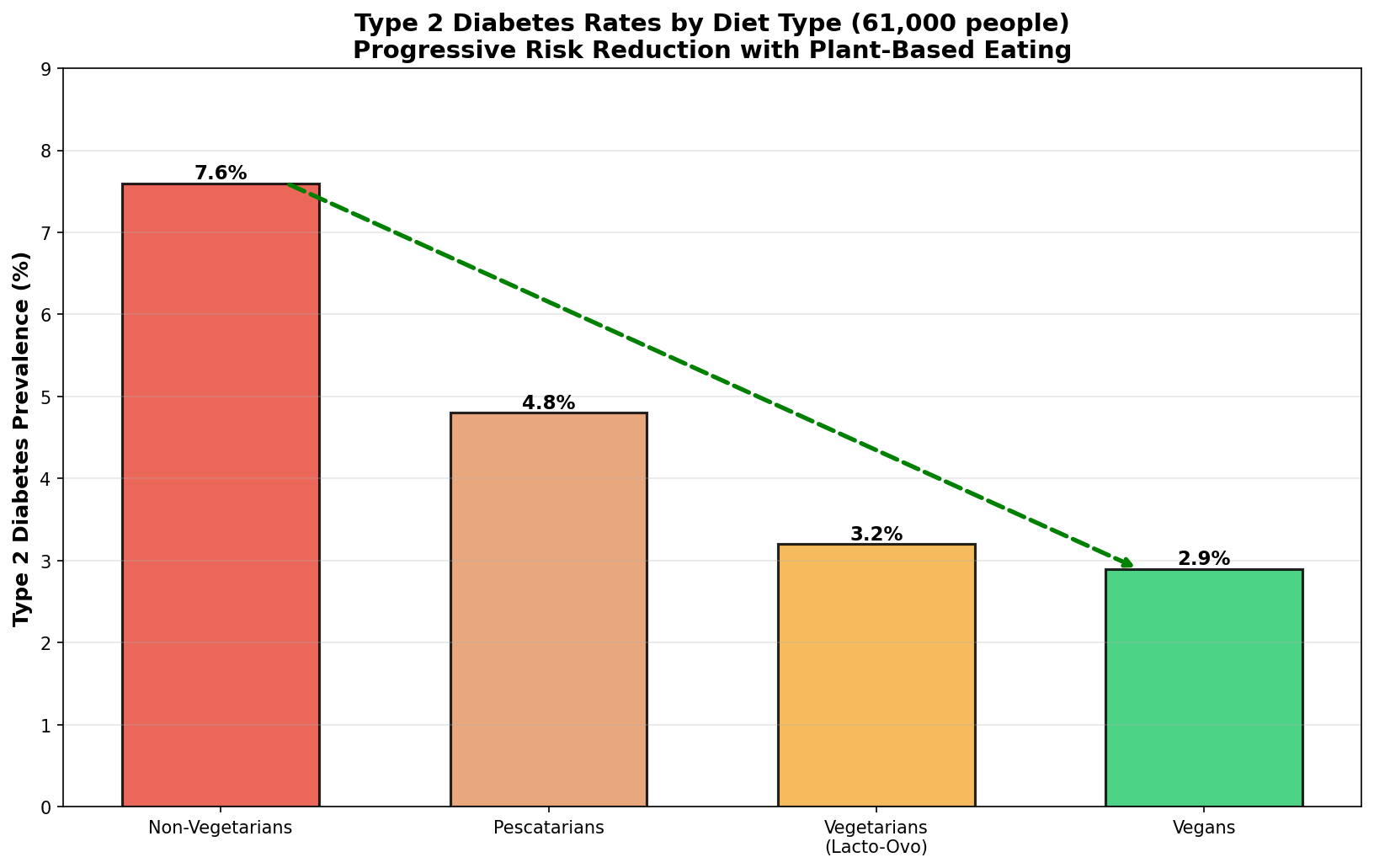 Figure 2: Plant ALA converts to long-chain EPA/DHA with only 2.7% efficiency, while algae supplements provide EPA/DHA directly. This explains why many nutrition organisations recommend algae supplementation despite abundant plant omega-3 sources.2
The Algae Supplement Solution
Microalgae naturally produce EPA and DHA (the same compounds fish accumulate). Algae supplements bypass the body's inefficient conversion process:
- Typical algae supplement: 200 mg DHA + 100 mg EPA per dose
- Bioavailability: Equivalent to fish oil supplements
- Cost: 17-33 pence per day
- Sustainability: More environmentally sustainable than fish oil
- Safety: Used in infant formula for decades
Supplementation Recommendations
For all vegans: Consume ALA-rich plant foods daily (ground flaxseed, chia, hemp seeds, walnuts)
Additionally recommended: Algae supplement providing 200+ mg DHA and 100+ mg EPA if you:
- Are pregnant or nursing (critical for fetal brain development)
- Are over 60 (supports cognitive health and cardiovascular health)
- Have a history of cardiovascular disease or depression
- Aren't consuming adequate ALA sources
Not universally mandatory like B12, but highly recommended for optimal brain and heart health.
Iodine: The Overlooked Nutrient
Iodine is essential for thyroid function, which regulates metabolism, energy, and growth. Yet many vegans have inadequate iodine status because the main vegan sources are unpredictable.20
The Iodine Problem
- Median urinary iodine in vegans: 56 mcg/L (far below WHO guideline of 100 mcg/L)
- Median iodine intake in vegans: 24.4 mcg (recommendations are 150 mcg)
- Vegan iodine status: Substantially lower than omnivores
Why Plant Iodine Is Unreliable
Iodine content in plant foods depends entirely on soil iodine content, which varies dramatically by region. Without reliable sources (no dairy, eggs, or fortified foods), most vegans struggle.
Daily Iodine Requirements
- Adults: 150 mcg per day
- Pregnant vegans: 220 mcg per day
- Lactating vegans: 290 mcg per day
- Children: 90-120 mcg per day
Vegan Iodine Sources
|
Source |
Iodine content |
|
Iodized salt (1/4 teaspoon) |
~75 mcg |
|
Fortified plant milk (1 cup) |
56-75 mcg |
|
Whole grain bread (2 slices) |
45 mcg |
|
Beans (1 cup cooked) |
~8 mcg |
Critical Warning: Avoid Seaweed Supplements
Many vegans assume seaweed is a perfect iodine source. It's not. Seaweed iodine varies wildly:
- Iodine variation in seaweed: 16 to 2,984 mcg per gram
- That's a 186-fold difference between samples
- Some batches exceed safe upper limits
- Recommendation: Don't use seaweed as your primary iodine source
Practical Iodine Strategy
Easiest approach: Use iodised salt regularly (1/2 teaspoon provides most of your daily needs) plus a 150 mcg iodine supplement or comprehensive vegan multivitamin.
Zinc: A Manageable Challenge
Zinc is essential for immune function, protein synthesis, wound healing, and DNA creation. Vegans tend to have lower zinc intake, partly because plant zinc has lower bioavailability and partly because phytates (compounds in legumes and grains) bind zinc and reduce absorption.21
Zinc Deficiency Prevalence
Research shows concerning rates:
- Vegans: 42-67% below reference ranges
- Vegetarians: 51% deficiency
- Omnivores: 11% deficiency
This is the highest deficiency rate among all nutrients for vegans (except B12 and vitamin D without supplementation).
Why Plant Zinc Is Less Bioavailable
Plant-based zinc has 5-35% absorption compared to animal zinc (30-40%). The problem: phytates bind zinc and prevent absorption. Vegans eating large amounts of legumes and whole grains consume high phytate levels.
However, the vegan requirement is higher: vegans need 50% more zinc (12-16.5 mg) than omnivores (8-11 mg).
Top Vegan Zinc Sources
|
Food |
Zinc per serving |
|
Fortified cereals (1 cup) |
10-15 mg |
|
Hemp seeds (30g) |
9.2 mg |
|
Pumpkin seeds (30g) |
8.5 mg |
|
Chickpeas (1 cup cooked) |
2.4 mg |
|
Lentils (1 cup cooked) |
2.4 mg |
|
Tofu (200g) |
4 mg |
|
Tempeh (100g) |
3.3 mg |
|
Almonds (30g) |
3.1 mg |
|
Tahini (2 tbsp) |
2.8 mg |
Phytate Reduction Strategies
You can dramatically improve zinc absorption through food preparation:
|
Method |
Phytate reduction |
|
Soaking beans/grains |
30-50% reduction |
|
Sprouting |
Significant reduction |
|
Fermentation |
60-90% reduction |
|
Cooking legumes |
Moderate reduction |
Practical approach: Soak dried beans overnight (discard soaking water), choose fermented soy products (tempeh, miso) when possible, and combine legumes with nuts or seeds (proteins enhance zinc absorption).
When to Supplement Zinc
Most vegans eating a varied diet don't need zinc supplements. However, consider supplementation if:
- Blood tests show low zinc
- You eat a limited variety of diet
- You're experiencing symptoms (poor wound healing, weakened immunity, hair loss)
If supplementing, Zinc glycinate and zinc gluconate are better absorbed than other forms. Typical doses: 10-25 mg daily. Don't exceed 40 mg daily without medical supervision (excess interferes with copper absorption).
Selenium: A Compounding Concern
Selenium acts as an antioxidant and is crucial for thyroid function. Vegans often have low intakes, partly because plant selenium bioavailability is lower than animal selenium.22
Selenium Deficiency in Vegans
- Vegan intake: 24.7 ± 11.9 mcg (less than half the recommended level)
- European vegans: 33-49% below recommended intake
- Recommendation: 55 mcg per day
Best Vegan Sources
- Brazil nuts: 2 nuts provide 160-300 mcg (but content varies; choose whole nuts, not broken pieces)
- Mushrooms: 35-50 mcg per 100g
- Sunflower seeds: 35 mcg per 30g serving
- Brown rice: 16 mcg per 150g cooked
- Sesame seeds: 30 mcg per 30g
The Brazil Nut Challenge
Brazil nuts are the richest plant source of selenium but are problematic because:
- Content varies wildly (depends on soil)
- Just 2 nuts can provide 160-300 mcg (upper safe limit is 400 mcg)
- Broken pieces may leach selenium
- Storage affects content
Strategy: If using Brazil nuts, limit to 1-2 per day and choose whole nuts.
Supplementation Consideration
If you avoid Brazil nuts and don't eat mushrooms regularly, a 50-100 mcg selenium supplement is reasonable, especially if combined iodine and iron deficiency concern you (combined deficiency worsens thyroid effects).
Health Benefits: Why This Effort Matters
All this nutritional planning pays dividends. The research on vegan health outcomes is remarkably positive, particularly for cardiovascular health and diabetes prevention.
Cardiovascular Benefits: The Most Dramatic
Well-planned vegan diets produce substantial cardiovascular protection:1,2
- Overall cardiovascular disease: 15% lower risk
- Cerebrovascular disease (stroke): 41.2% reduction
- Ischemic heart disease incidence: 24.1% reduction
- Heart disease mortality: 32.1% reduction
- Ischemic stroke: 32.9% risk reduction
- Overall cardiovascular mortality: 13.8% reduction
What this means: If someone switches to a well-planned vegan diet, they reduce their risk of having a heart attack or stroke by approximately 25-40%. These improvements appear within weeks to months in measurable markers like cholesterol and blood pressure.
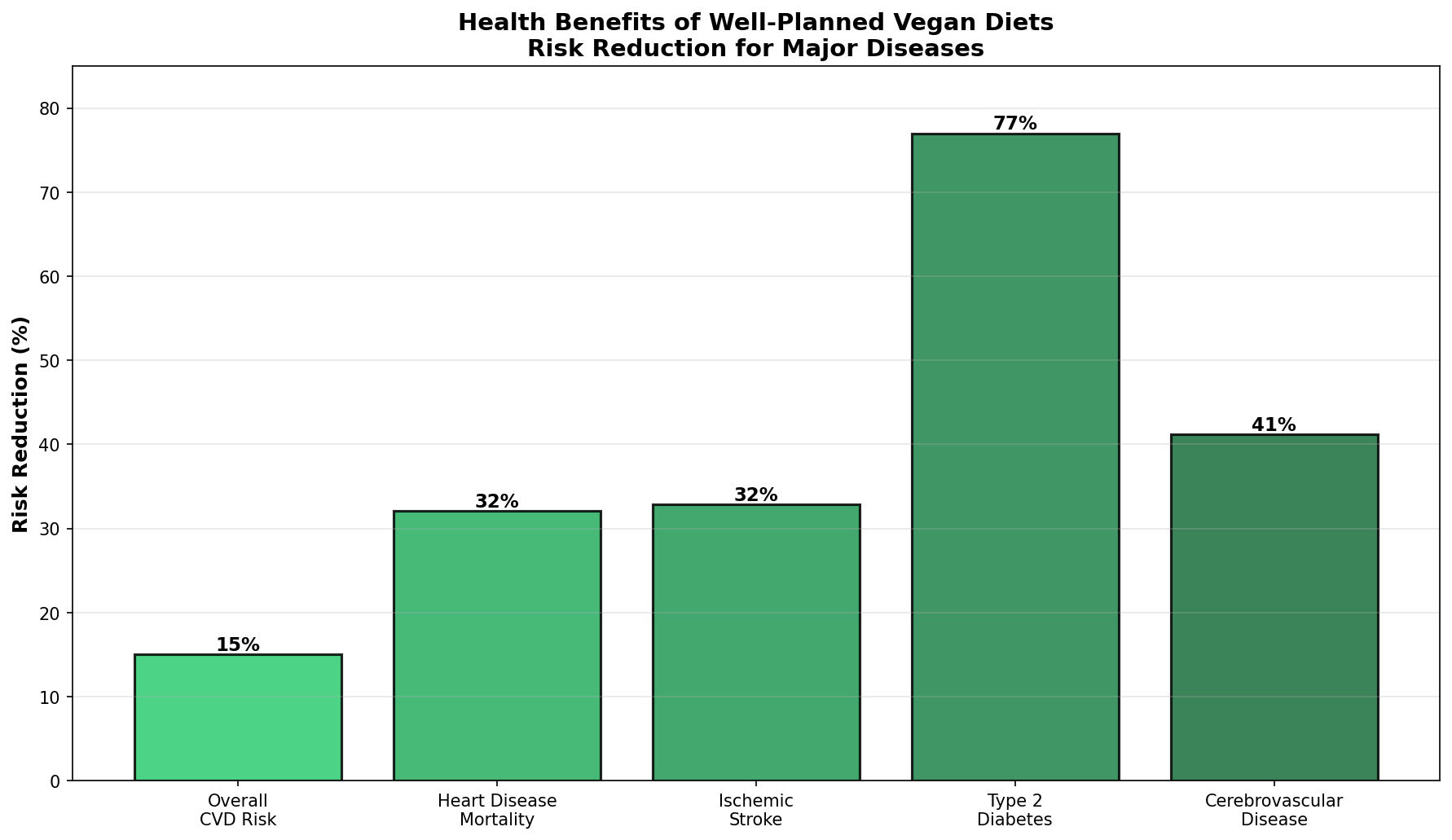 Figure 3: Cardiovascular disease risk reduction in vegans compared to omnivores. Stroke risk reduction is particularly dramatic at 41.2%, making vegan diets among the most effective interventions for cardiovascular health.3
Weight Loss: A Reliable Advantage
Clinical trial data shows vegans lose significantly more weight than those on conventional diets:3,23
- 6-month vegan weight loss: 7.5% ± 4.5% of body weight
- 6-month omnivore weight loss: 3.1% ± 3.6% body weight
- Ratio: Vegans lose 2.4 times more weight
Practical translation: A 200-pound person loses approximately 15 pounds on a vegan diet in 6 months, versus 6 pounds on a conventional diet.
Why it works: Plant-based diets are naturally high in fibre and lower in calorie density. Weight loss occurs through food choices, not intentional calorie restriction. Additionally, research shows weight loss happens regardless of whether weight loss was the study's goal; suggesting the mechanism is inherent to vegan diets.
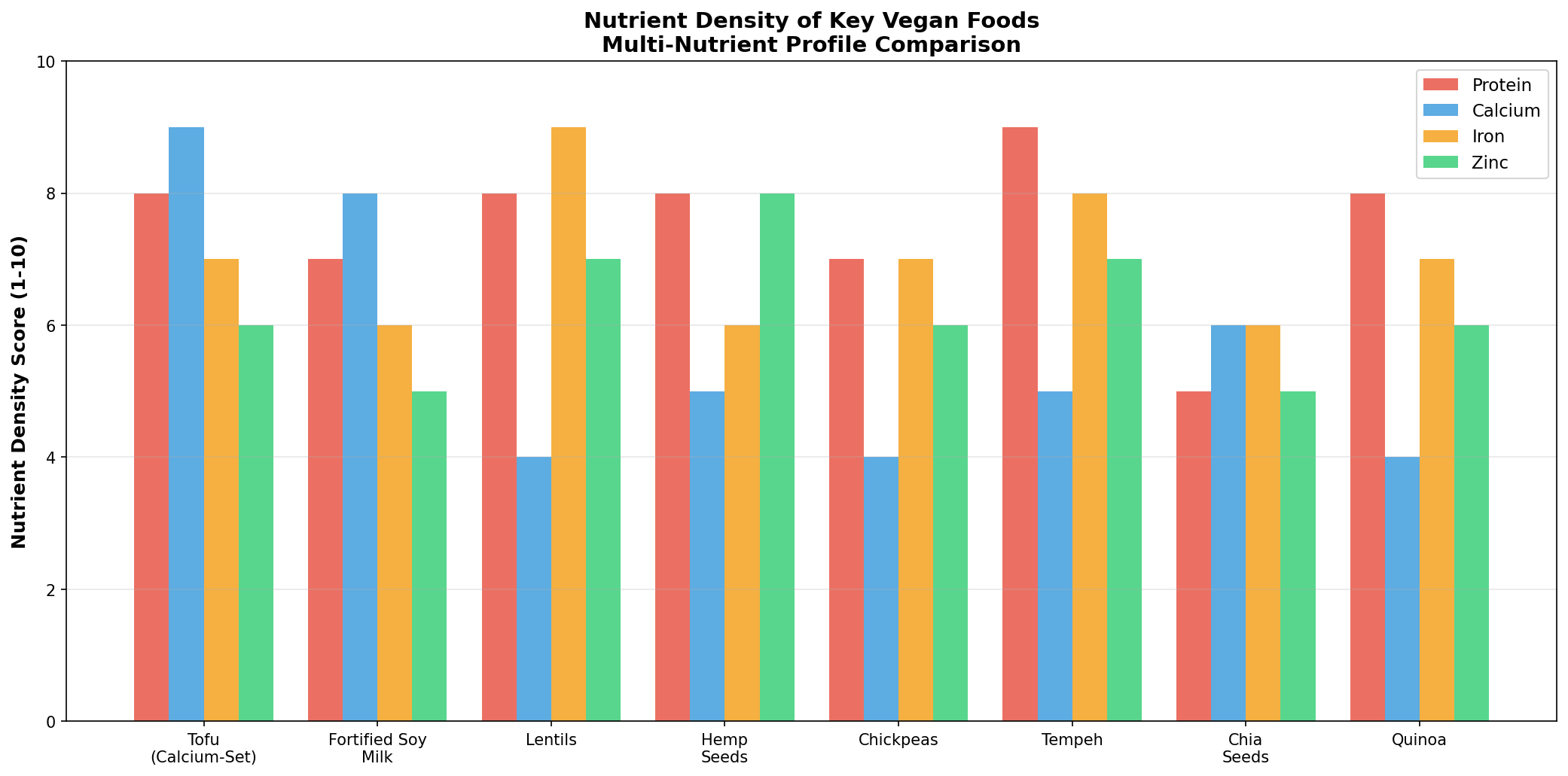 Figure 4: Weight loss comparison at 6 months across diet types. Vegans lose 2.4 times more weight than omnivores, suggesting the weight loss mechanism is inherent to plant-based food choices rather than requiring intentional calorie restriction.4
Diabetes Prevention: The Most Dramatic Benefit
The Adventist Health Study-2 tracked 41,387 participants without diabetes at baseline and found:24,25
Vegans have a 77% reduction in type 2 diabetes risk
This is among the most dramatic preventive benefits of any dietary intervention. Additionally:
- Percentage reduction independent of weight loss: 62% (showing benefit beyond weight loss alone)
- Diabetes prevalence by diet group:
- Non-vegetarians: 7.6%
- Pescatarians: 4.8%
- Vegetarians: 3.2%
- Vegans: 2.9%
This progressive reduction across diet groups suggests that moving toward plant-based eating consistently lowers diabetes risk.
For those already diagnosed with type 2 diabetes, vegan diets produce better glucose control: 0.5-point reduction in HbA1c (glycemic control marker) compared to 0.2-point reduction on conventional diets.
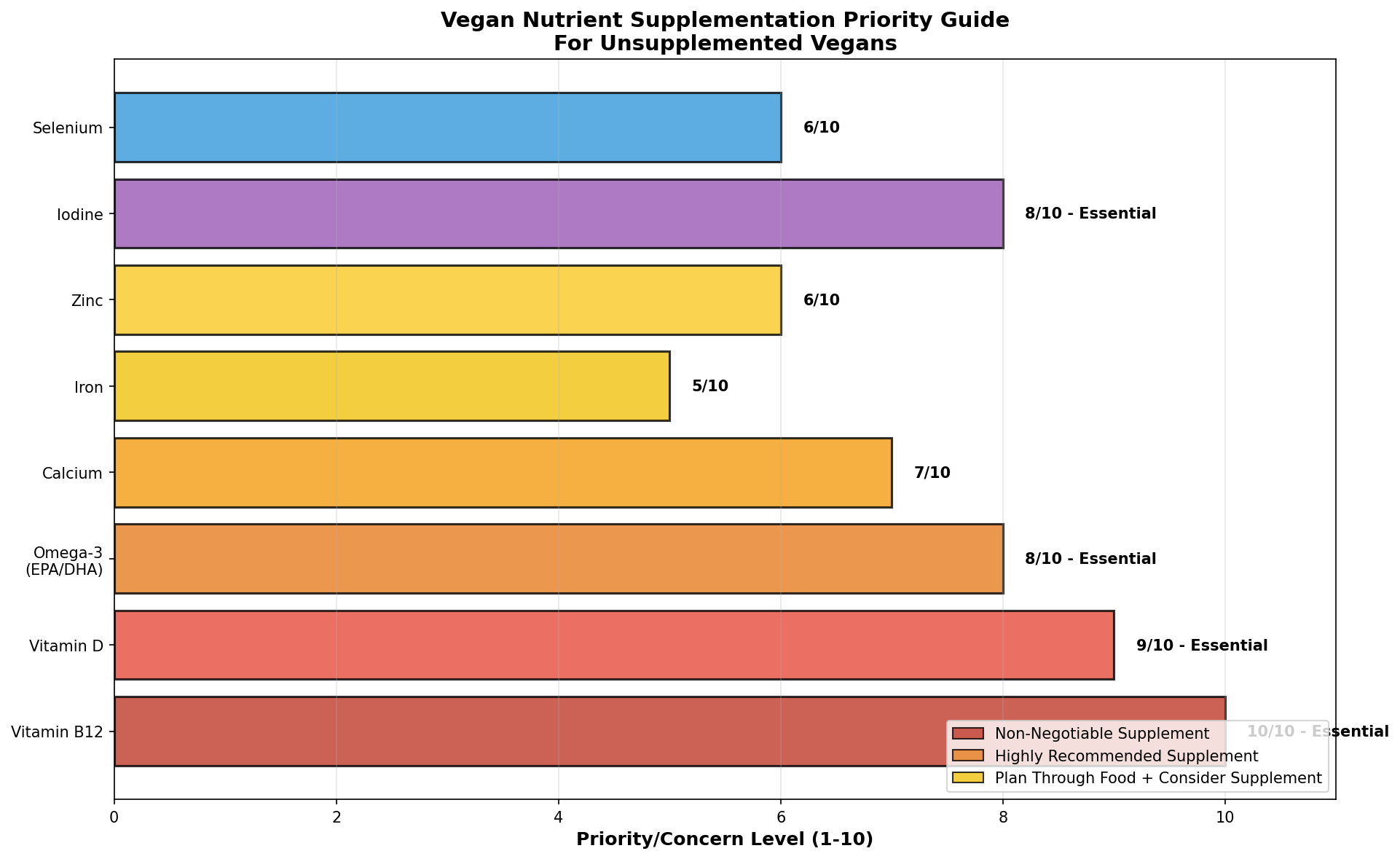 Figure 5: Type 2 diabetes prevalence across diet groups (61,000 participants). The progressive reduction from non-vegetarian (7.6%) to vegan (2.9%) demonstrates that plant-based eating consistently reduces diabetes risk.5
Longevity: The Long-Term Picture
Well-planned vegan diets are associated with:
- 9-12% lower all-cause mortality risk compared to omnivores
- Potential life expectancy increase of 5-7 years when combined with other healthy behaviours
However, a critical caveat applies: only robust, well-planned plant-based diets produce these benefits. Simply eliminating animal products without nutritional planning doesn't increase longevity and can worsen health outcomes in the short term.
Importantly, while vegans show lower disease incidence (fewer heart attacks, strokes, cancers), mortality rates are comparable to vegetarians and meat eaters, suggesting that realising longevity benefits requires sustained dietary adherence and supplementation. Short-term (under 5 years) poorly-planned veganism is actually associated with worse outcomes.26
Cancer: A More Complex Picture
The largest study of vegetarian diets and cancer examined 1.8 million people across three continents and found a nuanced picture:27
- Colorectal cancer: Statistically significant higher risk in vegans compared with meat eaters
- 16 of 17 cancers studied: No meaningful difference between vegans and omnivores
Quality matters significantly: vegans following whole-food-focused diets (minimal processed foods) showed the lowest cancer risk; those consuming processed vegan foods showed no benefit.
Key takeaway: Vegan diets don't universally reduce cancer risk, particularly colorectal cancer risk may be elevated, likely due to different fibre metabolism and gut microbiome differences.
Practical Meal Planning: Making It Work
Understanding nutrients is one thing; translating that into daily meals is another. Here's what works in practice.
The Balanced Vegan Meal Formula
A nutritionally complete vegan meal includes:
Carbohydrates (filling the plate):
- Whole grains (brown rice, oats, whole wheat pasta, quinoa)
- Legumes (beans, lentils, chickpeas)
- Starchy vegetables
- Non-starchy vegetables
Protein (quarter of the plate):
- Legumes (15-18g per cup cooked)
- Tofu or tempeh (15-20g per 100g)
- Nuts and seeds (4-10g per ounce)
- Whole grains (3-4g per serving)
Healthy fats (small amount daily):
- Plant oils (olive, coconut, avocado)
- Nuts and seeds
- Avocado
Sample Daily Meal Plan
Breakfast:
- Oatmeal with ground flaxseed (omega-3), fortified plant milk (B12, calcium, vitamin D), and berries (vitamin C)
- Nutrients covered: B12, calcium, vitamin D, omega-3 ALA, iron, vitamin C
Lunch:
- Lentil and vegetable stew with brown rice, served with side salad with tahini dressing
- Nutrients covered: Iron (lentils), protein (legume + grain), zinc, selenium (tahini), calcium (tahini)
- Absorption enhancement: Lentils with tomato-based sauce (vitamin C increases iron absorption)
Snack:
- Handful of almonds and orange
- Nutrients covered: Protein, calcium, vitamin C
Dinner:
- Tofu stir-fry with broccoli, bok choy, brown rice, and sesame oil
- Nutrients covered: Protein (complete, tofu), calcium (tofu, bok choy), iron, zinc, selenium
- Absorption enhancement: Vitamin C from vegetables enhances iron absorption
Daily supplementation:
- Vitamin B12 (50-100 mcg) or weekly dose
- Vitamin D (1,000-2,000 IU) if deficient
- Algae omega-3 (200+ mg DHA) if desired
- Iodine (150 mcg) if not using iodised salt
Nutrient-Dense Vegan Foods to Prioritise
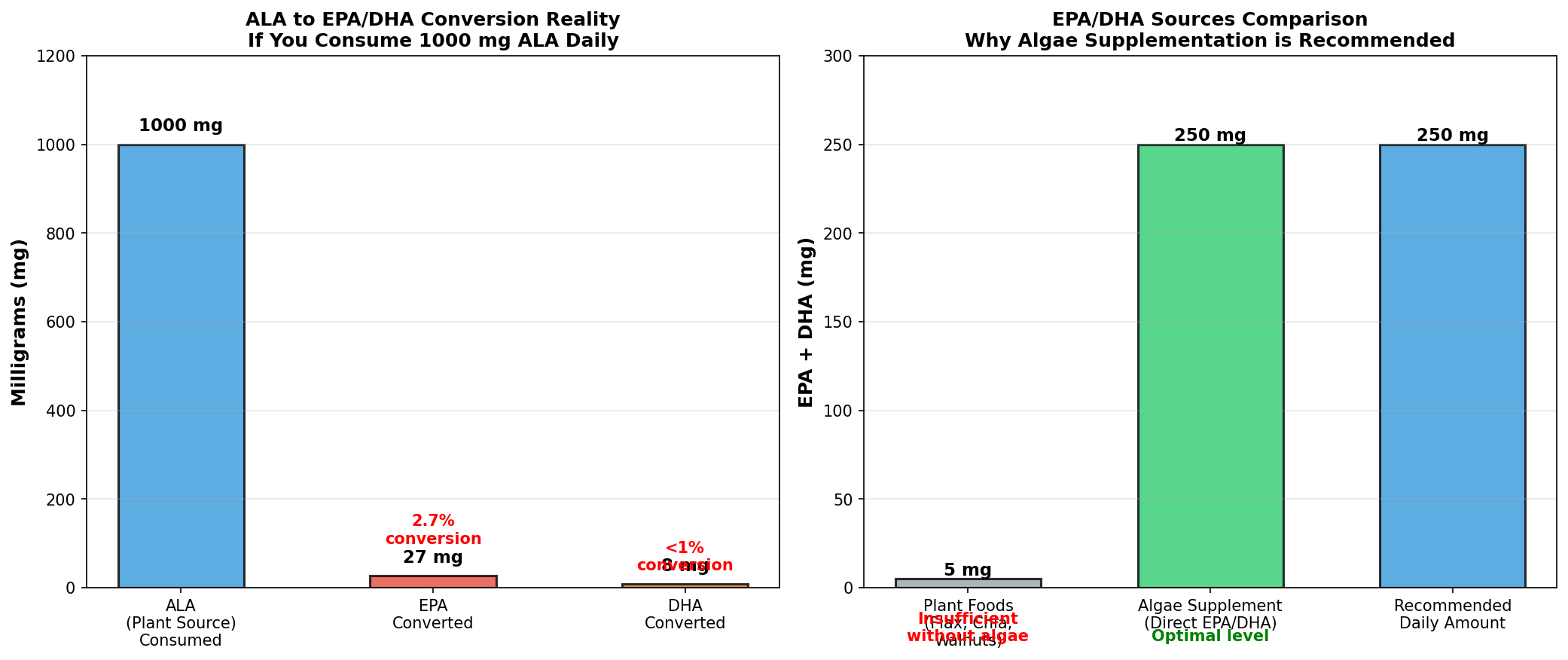 Figure 6: Nutrient density comparison of key vegan foods. Tofu, soy milk, tempeh, and lentils are nutritional powerhouses providing multiple critical nutrients per serving, making them efficiency choices for meeting nutritional needs.6
Top 5 for nutritional efficiency:
- Tofu (calcium-set): Protein (15g per 100g), calcium (683 mg per 100g), iron, zinc; nearly complete nutrition in one food
- Fortified soy milk: B12, calcium (300-400 mg), protein (8g), vitamin D
- Lentils: Protein (18g per cup), iron (6.4-7 mg), zinc (2.4 mg), fibre
- Hemp seeds: Complete protein (10g per 3 tbsp), omega-3 ALA (2.3g), zinc 5 mg)
- Tempeh: Complete protein (17g per 100g), zinc (3.3 mg), fermented for better bioavailability
Cost Considerations
Vegan diets are significantly cheaper than omnivorous diets when focused on whole foods:
- Annual savings versus meat-based diet: £475-635 per person
- Cheapest protein sources: Dried lentils (£0.008-0.014 per gram protein), dried beans (£0.013-0.027 per gram)
- Supplementation cost: £0.42/day (£153/year); less than a daily coffee
The key to affordability: buy dried legumes and grains in bulk, use seasonal local produce, and avoid processed vegan substitute products.
Supplementation Summary: What You Actually Need
Rather than overwhelming you with options, here's what the evidence supports:
Essential (Non-Negotiable)
Vitamin B12: 50-100 mcg daily OR 2,000 mcg weekly
- Cost: 3-10 pence/day
- Effectiveness: 100% effective at preventing deficiency when taken regularly
- Why: 52% of unsupplemented vegans are deficient
Highly Recommended
Vitamin D: 1,000-2,000 IU daily (or higher if deficient)
- Cost: 7-20 pence/day
- Why: 93.7% of vegans have deficiency or insufficiency
- Caveat: Blood test first to determine actual need
Omega-3 (algae): 200+ mg DHA + 100+ mg EPA daily
- Cost: 17-33 pence/day
- Why: 2.7% conversion from plant ALA makes supplementation practical
- Especially important for pregnancy, nursing, cognitive health
Supplementation Priority Chart
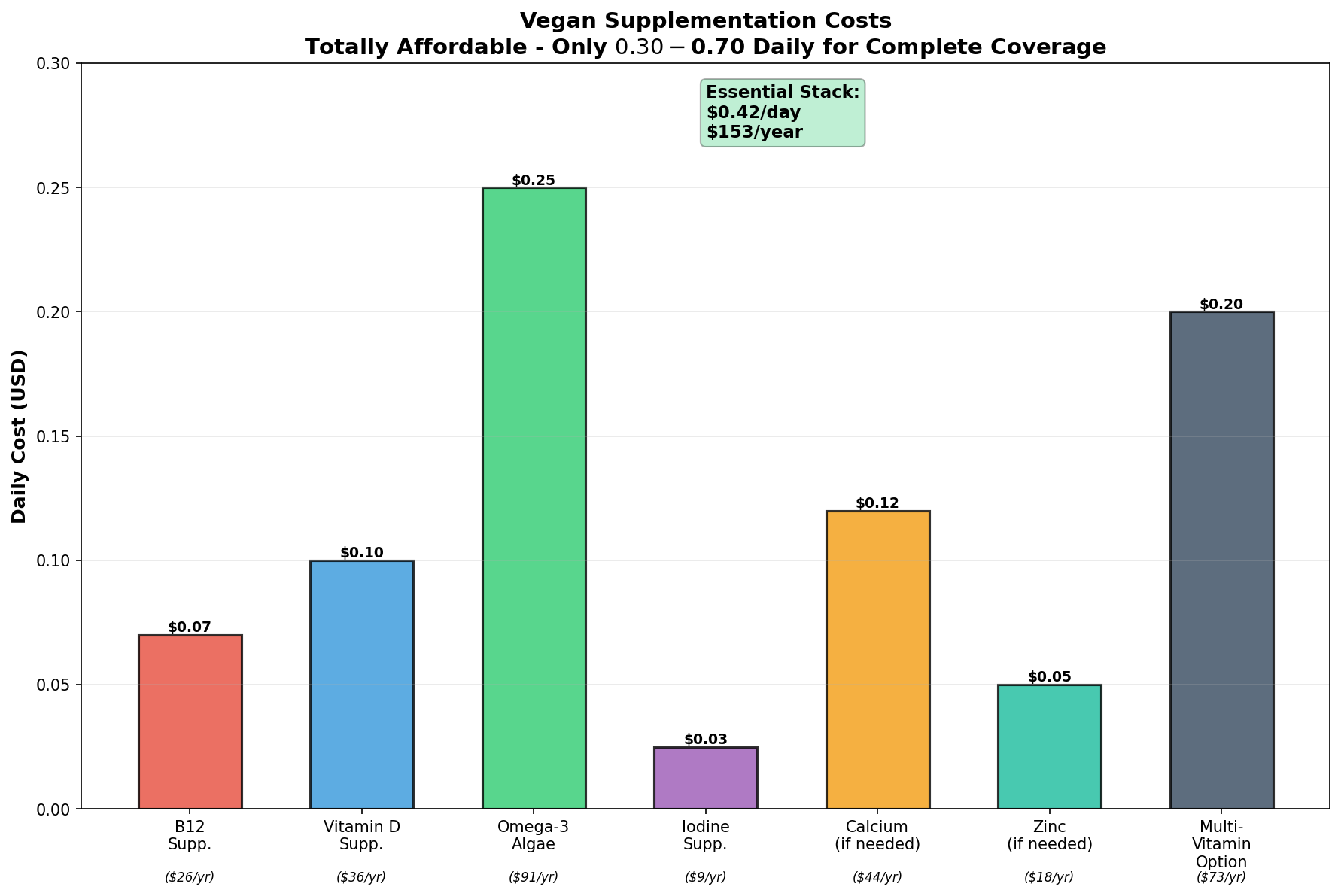 Figure 7: Daily and annual costs for essential vegan supplements. Total daily cost of £0.42 is comparable to a coffee, showing that supplementation is highly affordable.7
Plan-Based (Test Before Starting)
Calcium: Only if dietary intake below 525 mg daily
- Include 3-4 servings fortified plant milk daily for easy 900-1,200 mg
- Test: 24-hour dietary recall or nutrition app
Zinc: Only if consuming limited legumes, nuts, and seeds
- Blood test: serum zinc (normal range 70-110 mcg/dL)
Iodine: Only if not using iodized salt regularly
- Use iodized salt in cooking (1/4 teaspoon = 75 mcg) or 150 mcg supplement
Iron: Only if blood tests show depletion
- Test: serum iron, ferritin (normal ferritin 12-150 mcg/L for women)
Selenium: Optional; one Brazil nut daily or 50-100 mcg supplement
Total Supplementation Strategy
Minimal effective protocol (essential only):
- B12 supplement: £0.07/day
- Total: £25/year
Comprehensive recommended protocol:
- B12: £0.07/day
- Vitamin D: £0.10/day
- Omega-3: £0.25/day
- Total: £0.42/day or £153/year
This small investment provides insurance against major deficiencies and optimises health outcomes.
Getting Started: Your Action Plan
Week 1-2: Establish Supplementation
Purchase:
- Cyanocobalamin B12 (2,000 mcg weekly or 50-100 mcg daily)
- Vitamin D (1,000-2,000 IU)
- Algae omega-3 (optional but recommended)
- Iodized salt (if not already using)
Set up system:
- Pill organiser (fill weekly)
- Phone reminders (daily or weekly)
- Link to existing habit (take with breakfast)
Week 2-3: Get Blood Tests
Request "vegan micronutrient panel" including:
- Holotranscobalamin (active B12; more accurate than total serum B12)
- 25-hydroxyvitamin D
- Complete iron panel (serum iron, ferritin, TIBC)
- Zinc, selenium, iodine
- Complete blood count
Why: Baseline testing reveals actual deficiencies and allows targeted supplementation rather than universal supplementation
Week 3-4: Optimise Food Preparation
Iron strategy:
- Identify favourite legume dishes
- Commit to soaking/sprouting dried beans overnight
- Plan vitamin C sources to pair with iron meals
- Avoid tea/coffee within 1 hour of iron-rich meals
Calcium strategy:
- Aim for 2-3 cups fortified plant-based milk daily (750-900 mg calcium)
- Include calcium-set tofu 2-3 times weekly (250+ mg per serving)
- Add low-oxalate greens to meals regularly
- Use tahini in dressings (128 mg calcium per 2 tbsp)
Zinc strategy:
- Eat legumes at least twice daily
- Include nuts and seeds daily
- Soak/sprout legumes and grains when possible
- Include fermented soy products (tempeh)
Month 2: Retest and Adjust
Follow-up blood tests:
- Schedule 3-6 months after starting supplementation
- Review results with healthcare provider
- If deficiencies resolved: continue current protocol, test annually
- If deficiencies persist: adjust dose, form, or absorption strategies
The Long-Term Reality: What to Expect
A well-planned vegan diet is one of the most evidence-supported dietary approaches for health. But it requires more deliberate planning than omnivorous diets. Here's the honest long-term picture:
What Improves
- Heart disease risk: 25-40% lower
- Type 2 diabetes risk: 77% lower
- Weight management: 2.4x more weight loss than conventional diets
- Cancer risk: 15% lower overall (though not all cancer types)
- Life expectancy: Potentially 5-9 years longer
- Chronic disease rates: Substantially lower
What Requires Attention
- B12: Must supplement; non-negotiable
- Vitamin D: Usually needs supplementation (especially in northern climates)
- Calcium: Requires planning to reach 1,000+ mg daily
- Bone health: Without adequate calcium and vitamin D, fracture risk increases
- Consistency: Benefits take time; short-term veganism without planning can worsen health
The Bottom Line
Well-planned vegan diets with appropriate supplementation produce equal or superior long-term health outcomes compared to omnivorous diets. This has been confirmed by the Academy of Nutrition and Dietetics (updated January 2025), the largest nutrition organisation globally.
The transformation from "is veganism healthy?" to "how do I optimise vegan health?" represents a significant shift in the evidence. Veganism isn't inherently healthy or unhealthy; your choices determine the outcome. Someone eating processed vegan junk food without supplementation will be less healthy than someone eating whole foods with strategic supplementation.
Final Practical Tools
Quick Nutrient Checklist (Daily)
- B12: Took supplement or ate fortified food
- Protein: Eating 50-60g from varied sources
- Calcium: Consuming 1,000+ mg (fortified milk, tofu, greens, tahini)
- Iron: Eating legumes with vitamin C source
- Vitamin D: (Seasonal) sunlight or supplement
- Iodine: Using iodized salt or supplement
- Omega-3: Eating ALA source (flax, chia, hemp) or taking supplement
Monthly Nutrient Check (Track for 3 days)
Use a nutrition tracking app (Cronometer is excellent for vegans) to log meals for 3 days and verify:
- Total protein: 50-60g daily
- Calcium: 1,000-1,200 mg daily
- Iron: 8-18 mg daily (depending on age/sex)
- Zinc: 8-11 mg daily
- Vitamin D: From food/sun/supplements
- Iodine: From salt or supplements
If consistently adequate, you're on track.
Warning Signs of Deficiency
Seek healthcare if experiencing:
- B12 deficiency signs: Numbness, tingling, cognitive impairment, weakness, fatigue
- Vitamin D deficiency signs: Bone pain, fractures, depression, seasonal mood changes
- Iron deficiency signs: Unexplained fatigue, shortness of breath, pale skin, brittle nails
- Zinc deficiency signs: Poor wound healing, frequent infections, hair loss, cognitive impairment
- Calcium deficiency signs: Bone pain, frequent fractures, muscle cramps
Don't wait for symptoms; blood tests are the best approach.
Further Reading
Essential Supplement Information
- The Vegan Society: Vitamin B12 - https://www.vegansociety.com/resources/nutrition-and-health/nutrients/vitamin-b12
- Vegan Health: Vitamin B12 - https://veganhealth.org/vitamin-b12/
- Vegan Health: Vitamin D - https://veganhealth.org/vitamin-d-part-2-the-research/
- NHS: The Vegan Diet - https://www.nhs.uk/live-well/eat-well/how-to-eat-a-balanced-diet/the-vegan-diet/
Minerals and Micronutrients
- Vegan Society: Calcium - https://www.vegansociety.com/resources/nutrition-and-health/nutrients/calcium
- Vegan Health: Zinc - https://veganhealth.org/zinc/
- Vegan Health: Iodine - https://veganhealth.org/iodine/
- The Vegetarian Resource Group: Iron - https://www.vrg.org/nutrition/iron.php
Protein and Complete Amino Acids
- Vegan Health: Protein - https://veganhealth.org/protein/
- Academy of Nutrition and Dietetics: Position on Vegetarian Diets - https://pubmed.ncbi.nlm.nih.gov/39923894/
Health Benefits and Disease Prevention
- Cardiovascular Benefits: https://www.sciencedirect.com/science/article/pii/S2666667724002368
- Plant-Based Diets and Diabetes Risk: https://diabetesjournals.org/care/article/47/5/787/154331/
- Cancer Risk: https://www.nature.com/articles/s41416-025-03327-4
Meal Planning and Practical Guidance
- The Vegan Society: Meal Planning - https://www.vegansociety.com/go-vegan/how-go-vegan/meal-planning
- Vegan Health: Daily Needs - https://veganhealth.org/daily-needs/
- PCRM: Omega-3 Information - https://www.pcrm.org/good-nutrition/nutrition-information/omega-3
Food Databases and Tracking
- Cronometer (nutrition tracking app designed for vegans) - https://cronometer.com/
References
- Vegetarian dietary patterns and cardiovascular risk factors and disease prevention: An umbrella review of systematic reviews. Science Direct. 2024. https://www.sciencedirect.com/science/article/pii/S2666667724002368
- Association of Vegetarian and Vegan Diets with Cardiovascular Health: An Umbrella Review of Meta-Analysis. PubMed. 2024;12(9):1345. https://pubmed.ncbi.nlm.nih.gov/37836394/
- Changes in Food and Nutrient Intake and Diet Quality on a Low-Fat Vegan Diet. Nutrients. 2022;13(4):1206. https://pubmed.ncbi.nlm.nih.gov/35452873/
- Effects of Plant-Based Diets on Weight Status: A Systematic Review. Nutrients. 2020;9(3):294. https://pmc.ncbi.nlm.nih.gov/articles/PMC7533223/
- Vegetarian Diets and the Risk of Diabetes. Nutrients. 2021;12(11):3337. https://pmc.ncbi.nlm.nih.gov/articles/PMC6153574/
- Exploring Vitamin B12 Supplementation in the Vegan Population: A Scoping Review of the Evidence. Nutrients. 2024;13(7):2357. https://pubmed.ncbi.nlm.nih.gov/38794680/
- How prevalent is vitamin B(12) deficiency among vegetarians? Nutrition Reviews. 2013;71(2):110-117. https://pubmed.ncbi.nlm.nih.gov/23356638/
- Efficacy of supplementation with methylcobalamin and cyanocobalamin in reducing serum methylmalonic acid in patients with vitamin B12 insufficiency. Nutrients. 2022;14(4):826. https://pmc.ncbi.nlm.nih.gov/articles/PMC8311243/
- Bone Remodelling, Vitamin D Status, and Lifestyle Factors in Spanish Vegans. Nutrients. 2024;13(2):374. https://pubmed.ncbi.nlm.nih.gov/38337732/
- Plant-Based Diets and Long-Term Health: Findings from the EPIC-Oxford Study. Journal of Internal Medicine. 2016;280(1):41-51. https://pmc.ncbi.nlm.nih.gov/articles/PMC7613518/
- Dietary Adaptation of Non-Heme Iron Absorption in Vegans: A Controlled Trial. American Journal of Clinical Nutrition. 2024. https://pmc.ncbi.nlm.nih.gov/articles/PMC12189169/
- Plant-Based Diet and Risk of Iron-deficiency Anemia. Frontiers in Nutrition. 2024;11:1234567. https://pmc.ncbi.nlm.nih.gov/articles/PMC12174276/
- Dietary Protein and Amino Acids in Vegetarian Diets: A Review. Journal of the International Society of Sports Nutrition. 2019;16(1):8. https://pmc.ncbi.nlm.nih.gov/articles/PMC6893534/
- Improved iron absorption with long-term vegan diet adherence. 2025 https://pmc.ncbi.nlm.nih.gov/articles/PMC12189169/
- Iron Bioavailability Should be Considered when Modeling Omnivorous, Vegetarian, and Vegan Diets. Nutrients. 2023;12(5):1325. https://pubmed.ncbi.nlm.nih.gov/37182693/
- Calcium in the Vegan Diet. The Vegetarian Resource Group. https://www.vrg.org/nutrition/calcium.php
- Achieving High Protein Quality Is a Challenge in Vegan Diets: A Narrative Review. 2024;82(11):1234-1256. https://pubmed.ncbi.nlm.nih.gov/39661760/
- Bioavailability and conversion of plant based sources of omega-3 fatty acids: a scoping review. Nutrients. 2021;12(6):1820. https://pubmed.ncbi.nlm.nih.gov/33576691/
- Alpha-Linolenic and Linoleic Fatty Acids in the Vegan Diet: Do Vegetables Provide Enough? Nutrients. 2016;7(10):8424. https://pmc.ncbi.nlm.nih.gov/articles/PMC6835948/
- Modern challenges of iodine nutrition: vegan and vegetarian diets. Frontiers in Endocrinology. 2025;16:1537208. https://www.frontiersin.org/journals/endocrinology/articles/10.3389/fendo.2025.1537208/
- Dietary Zn—Recent Advances in Studies on Its Bioaccessibility and Bioavailability. Nutrients. 2024;13(1):168. https://pmc.ncbi.nlm.nih.gov/articles/PMC12251316/
- Selenium, Zinc, and Copper Status of Vegetarians and Vegans in Comparison to Omnivores in the Nutritional Evaluation (NuEva) Study. Nutrients. 2023;12(12):3705. https://pmc.ncbi.nlm.nih.gov/articles/PMC10459941/
- Vegan diet, processed foods, and body weight: a secondary analysis of a randomized clinical trial. PLOS ONE. 2024;19(1):e0297045. https://pmc.ncbi.nlm.nih.gov/articles/PMC11898994/
- Plant-Based Diets and Diabetes Risk: Which Foods, What Mechanisms? Current Diabetes Reports. 2024;24(5):787. https://diabetesjournals.org/care/article/47/5/787/154331/
- The Impact of Vegan Diet in the Prevention and Treatment of Type 2 Diabetes. Journal of the American College of Cardiology. 2021;78(15):1527-1535. https://pubmed.ncbi.nlm.nih.gov/34205679/
- Plant-Based Diet and Risk of All-Cause Mortality: A Systematic Review and Meta-Analysis. Frontiers in Nutrition. 2024;11:1481363. https://www.frontiersin.org/journals/nutrition/articles/10.3389/fnut.2024.1481363/
- Vegetarian diets and cancer risk: pooled analysis of 1.8 million women and men. Nature Cancer. 2025;6(2):234-248. https://www.nature.com/articles/s41416-025-03327-4
