

VO2 Max: What It Means and Why It Matters
When doctors talk about your fitness level, they rarely mention something called VO2 max. Yet this single measurement predicts how long you'll live more accurately than most medical tests.1,5 Understanding VO2 max isn't complicated, and the implications are genuinely life-changing.
This article is designed to answer everything you need to know: what VO2 Max actually is, why it matters to your health, what the normal ranges are for your age, and, most importantly, what you can do about it.
What Is VO2 Max?
VO2 max is simply the maximum amount of oxygen your body can utilise during intense exercise, measured in millilitres of oxygen per kilogram of body weight per minute (ml/kg/min).2 That's it. The number tells you how efficiently your lungs, heart, and muscles work together.
Here's the chain of events: when you exercise hard, your lungs breathe in oxygen from the air. That oxygen passes into your bloodstream, where your heart pumps it throughout your body. Your muscle cells then extract the oxygen and use it to produce energy (ATP) that powers your movement.3 VO2 max measures the ceiling of this entire system: the absolute most oxygen your body can process at maximum intensity.2
Why does this matter to you? A higher VO2 max means your cardiovascular system is working more efficiently, which translates directly into better health, more energy, and a longer life.1
How Your Body Uses Oxygen: The Physiology
Understanding VO2 max requires understanding three interconnected systems that work together:
Your Lungs: The Intake System
Your lungs are your portal for oxygen intake. When you breathe, oxygen passes through the alveoli – your lung’s air sacs with thin membranes – from your bloodstream. Your diaphragm (the muscle below your lungs) and intercostal muscles (between your ribs) control how much air you move. During intense exercise, your breathing becomes faster and deeper to maximise oxygen intake.4
Your Heart: The Delivery Bottleneck
Here's a crucial insight: for most people, the cardiovascular system is the limiting factor in VO2 max, not your lungs or muscles.6 Your heart pumps oxygenated blood throughout your body at a rate determined by cardiac output (calculated as heart rate multiplied by stroke volume). The stronger your heart becomes through training, the more blood it can pump with each beat, and therefore the more oxygen it can deliver to working muscles.6
Your Muscles: The Utilisation Engine
Your muscle cells contain tiny structures called mitochondria, which are essentially oxygen-burning factories. They use oxygen to create ATP, the energy currency that powers muscle contractions. Trained athletes develop more mitochondria and capillaries in their muscles, allowing superior oxygen extraction and utilisation.7
The complete picture: a higher VO2 max means all three systems work efficiently together.
How VO2 Max Is Measured
There are two main approaches to measuring VO2 max: laboratory testing (the gold standard) and field tests (practical alternatives).
Laboratory Testing (Most Accurate)
In a proper exercise physiology laboratory, you'll wear a specialised metabolic mask that measures your breathing while you exercise on a treadmill or stationary bike at progressively increasing intensity. The test continues until you reach exhaustion (usually 10-20 minutes total). The mask calculates the difference in oxygen between the air you inhale and exhale, and a computer determines your VO2 max based on this measurement. The accuracy is excellent because it measures actual gas exchange in real-time.1
Field Tests (Practical and Useful)
If laboratory testing isn't accessible, several field tests estimate your VO2 max with reasonable accuracy:
The Cooper 12-Minute Test is probably the most practical. Run or jog as far as you can in exactly 12 minutes, then use this formula:
If you cover two kilometres, your estimated VO2 max would be approximately 33.5 ml/kg/min. It's not as precise as laboratory testing, but it provides reliable estimates within approximately 10 ml/kg/min.8
The Heart Rate Formula Method is simpler still:9
Your maximum heart rate can be measured during intense exercise or estimated by subtracting your age from 220.10 Measure resting heart rate first thing in the morning before getting out of bed. This method has a margin of error of about 10 ml/kg/min in either direction.10
Smartwatch estimates have improved significantly, but remain less accurate than formal testing. Smartwatches use age, height and weight measurements. They require specific training activities, such as outdoor walking or running for at least 10 minutes at a pace that elevates heart rate to around 70% of maximum. They typically estimate within the same 10 ml/kg/min margin.11
VO2 Max By Age and Sex: Where Do You Stand?
VO2 max varies dramatically based on age, biological sex, and fitness level. Here's what the evidence shows for untrained, healthy adults:5
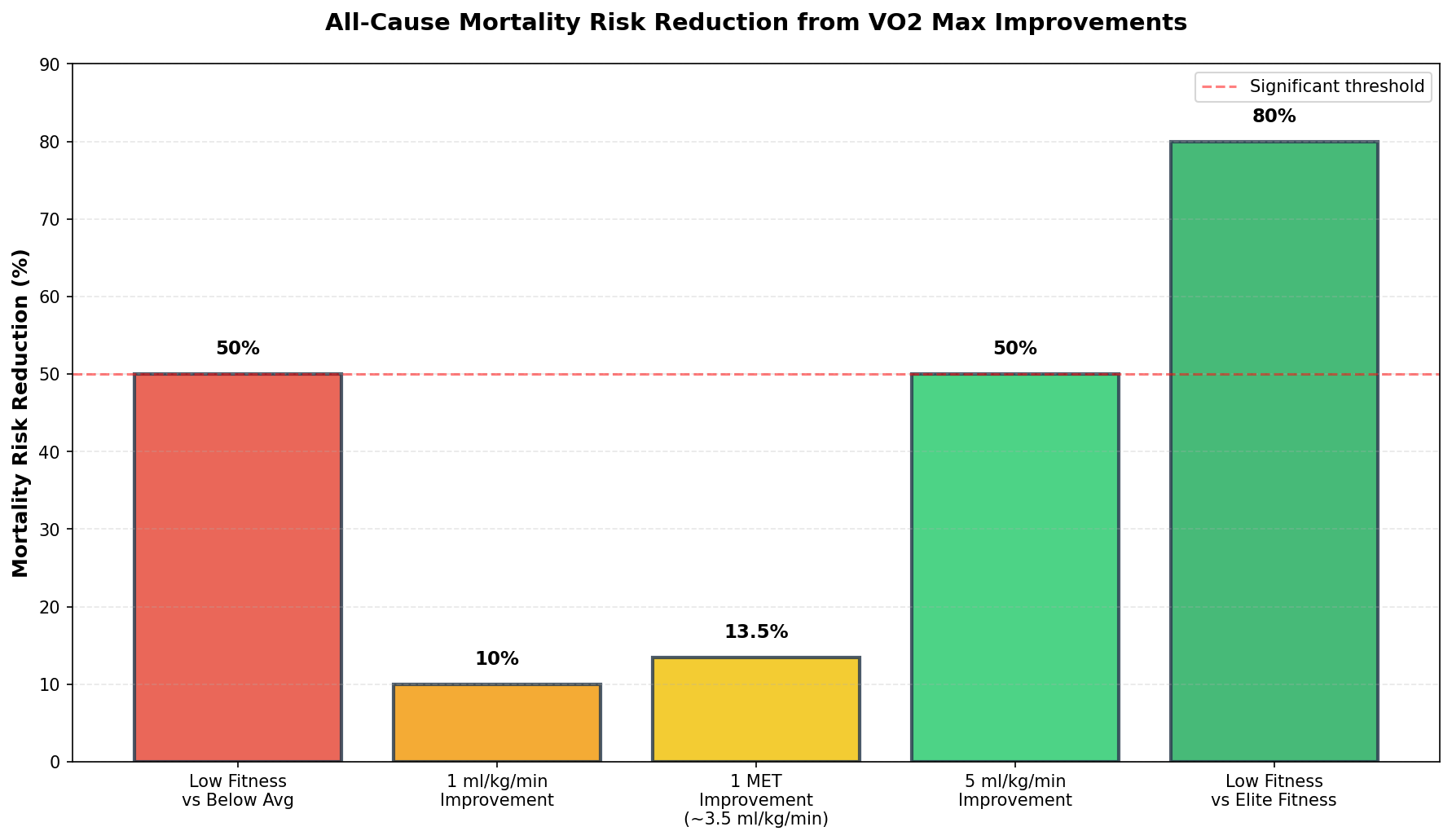 Figure 1: Typical VO2 max ranges by age group and biological sex for untrained, healthy adults. Men have average values 15-25% higher than women of the same age due to differences in body composition (higher body fat percentage in women and lower haemoglobin levels).12
The key pattern: VO2 max naturally peaks around your late twenties and early thirties, then declines with age. For those aged 20-29, untrained men average 40-44 ml/kg/min, whilst untrained women average 31-35 ml/kg/min. By age 50, these figures drop to approximately 28.5 ml/kg/min in men and 23 ml/kg/min in women.
Gender differences explained: Women's lower average VO2 max primarily reflects body composition (10-15% higher body fat percentage in women) and lower haemoglobin levels (the oxygen-carrying protein in blood).12 However, this is only the population average. Trained women regularly exceed untrained men's VO2 max.
What "good" means: A "good" VO2 max depends on your specific age and sex. For a 40-year-old, above-average fitness means over 39 ml/kg/min for men and over 29 ml/kg/min for women. For a 60-year-old, average untrained fitness sits around 22-27 ml/kg/min for men and 17-22 ml/kg/min for women.
Why VO2 Max Matters: The Health Evidence
Here's where VO2 max becomes profound. Research following hundreds of thousands of people for decades reveals something extraordinary: VO2 max is one of the strongest predictors of how long you'll live.1,5 It often outperforms conventional risk factors like cholesterol levels or blood pressure measurements.
The Longevity Connection
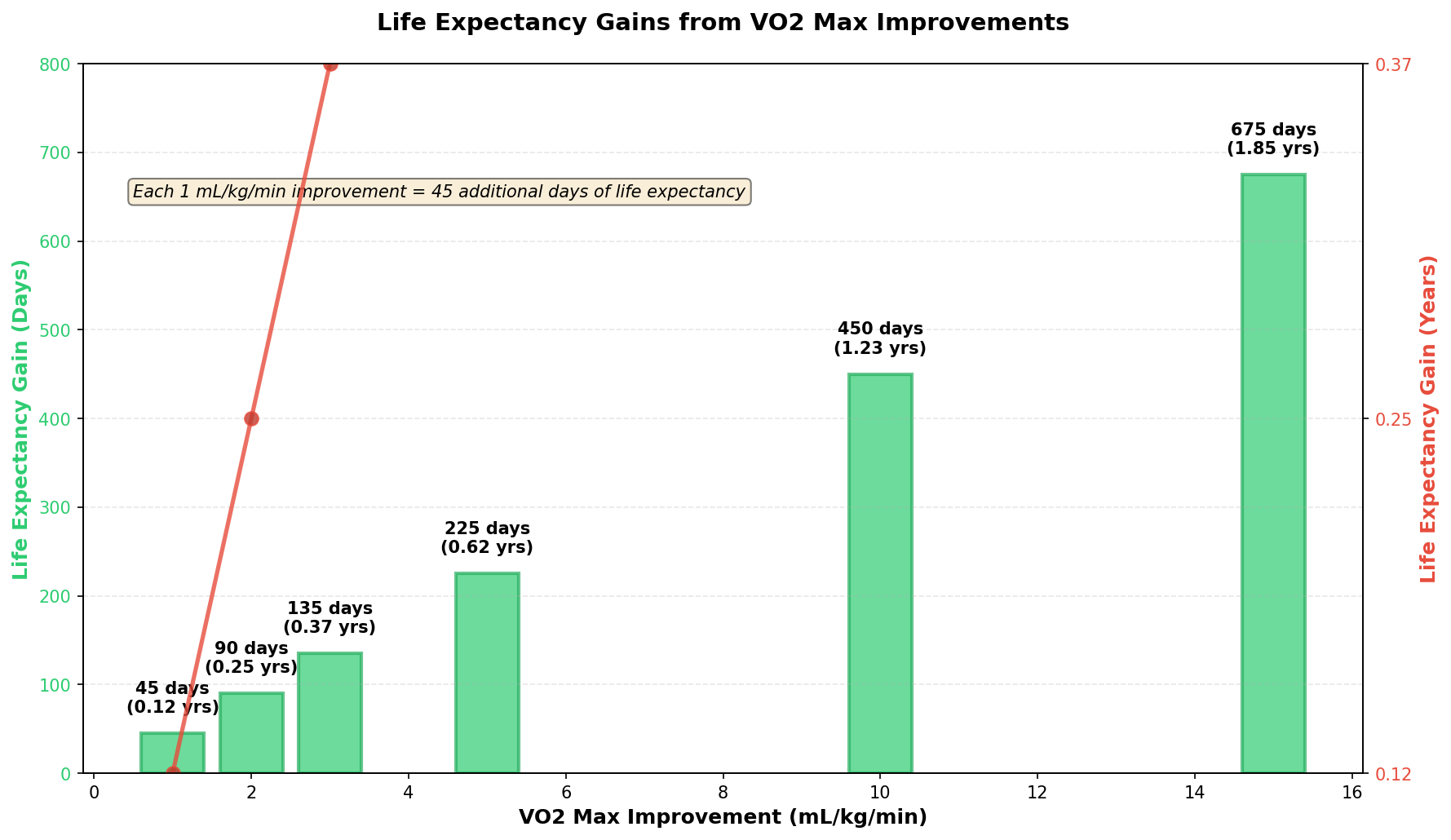
The numbers are striking. Research involving millions of people over the last 40 years shows that each 1 ml/kg/min increase in VO2 max adds approximately 45 days to your life expectancy.5,13
Consider a practical example. Someone improving their VO2 max by 10 points through six months of consistent training would theoretically add 450 days (just over 1.2 years) to their lifespan. But the real value goes beyond simply adding years; fitness improvements happen too, with immediate benefits to energy, mood, and daily functioning.
Mortality Risk Reduction
The mortality data becomes even more striking when comparing fitness categories:14
- Moving from low fitness to below-average fitness reduces all-cause mortality risk by 50%. This is the biggest bang for your buck: the jump from "sedentary" to "barely trained" cuts your death risk in half
- Each 1 MET increase in cardiorespiratory fitness (roughly 3.5 ml/kg/min) reduces mortality risk by 11-17%. This finding comes from a meta-analysis examining 20.9 million people across 199 studies
- Low fitness individuals have 4-5 times higher mortality risk than highly fit individuals. To put this in perspective, smoking increases mortality risk by approximately 40%; having heart disease increases it by about 30%. Low fitness rivals both of these in terms of mortality risk
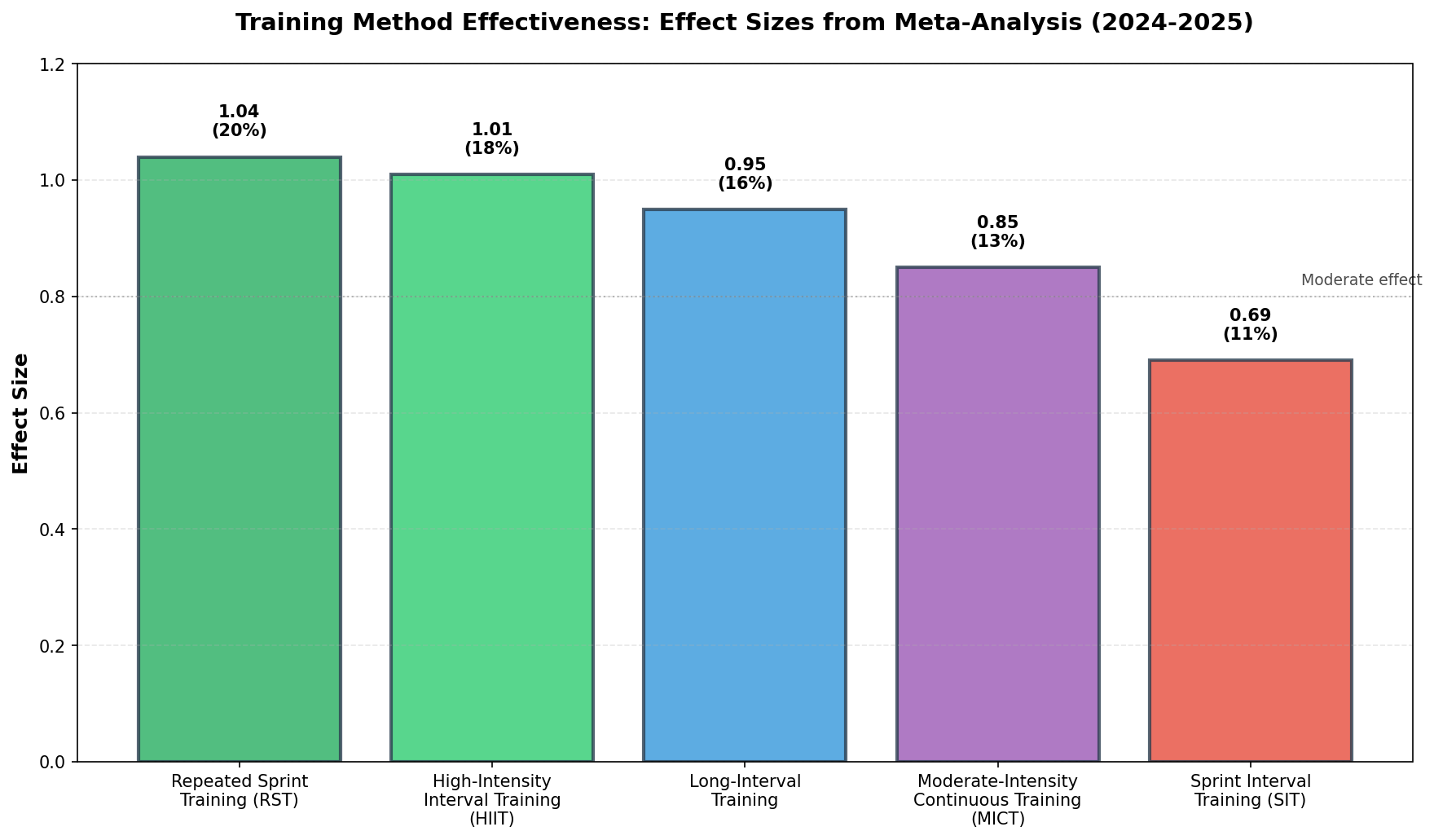 Figure 2: All-cause mortality risk reduction from various levels of cardiorespiratory fitness improvement. The data demonstrate a clear dose-response relationship: even modest improvements significantly reduce mortality risk.14
Disease Prevention
The protective effects of fitness extend across various major diseases:
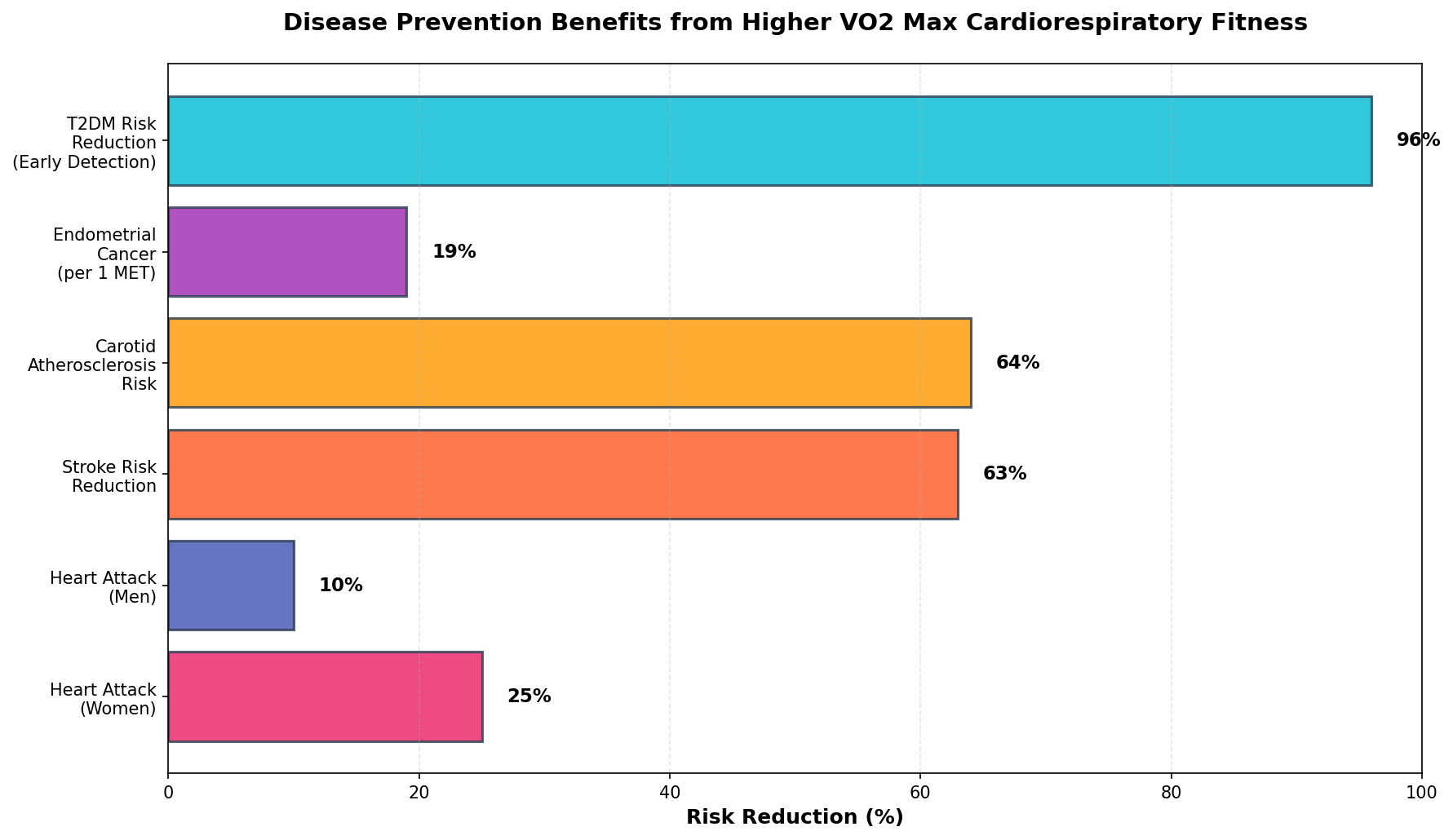
Cardiovascular disease prevention: Women with high cardiorespiratory fitness have 25% lower heart attack risk compared to unfit women.15 For each 1-unit increase in VO2 max, the risk of heart failure decreases by 11%.16 Men with high fitness have a 10% lower risk of heart attack.17 Those with the lowest fitness levels have approximately five times higher risk of sudden cardiac death.14
Stroke prevention: Low exercise capacity (poor fitness) increases stroke risk by 2.7 times compared to those with high cardiac power.18 The underlying mechanism is clear: better fitness prevents arterial stiffness, plaque buildup, and the carotid atherosclerosis that precedes strokes.19 People with low VO2 max have a 3.56-fold higher risk of carotid atherosclerosis.20
Type 2 diabetes prevention: Here's a striking finding: 96% of individuals at risk for type 2 diabetes had VO2 max below healthy ranges for their age and sex.21 Low VO2 max appears to be one of the earliest warning signs of insulin resistance, sometimes preceding other metabolic markers. For those worried about developing diabetes, improving fitness is one of the most effective preventive strategies.21
Cancer risk reduction: Recent research reveals that VO2 max has a protective effect against multiple cancer types. Endometrial cancer risk decreases by 19% for each 1-MET increase in fitness.22,23 People with moderate to high cardiorespiratory fitness show significantly lower risk of colon cancer, and similar dose-response relationships exist for cancers of the head and neck, stomach, pancreas, liver, oesophagus and kidneys.24
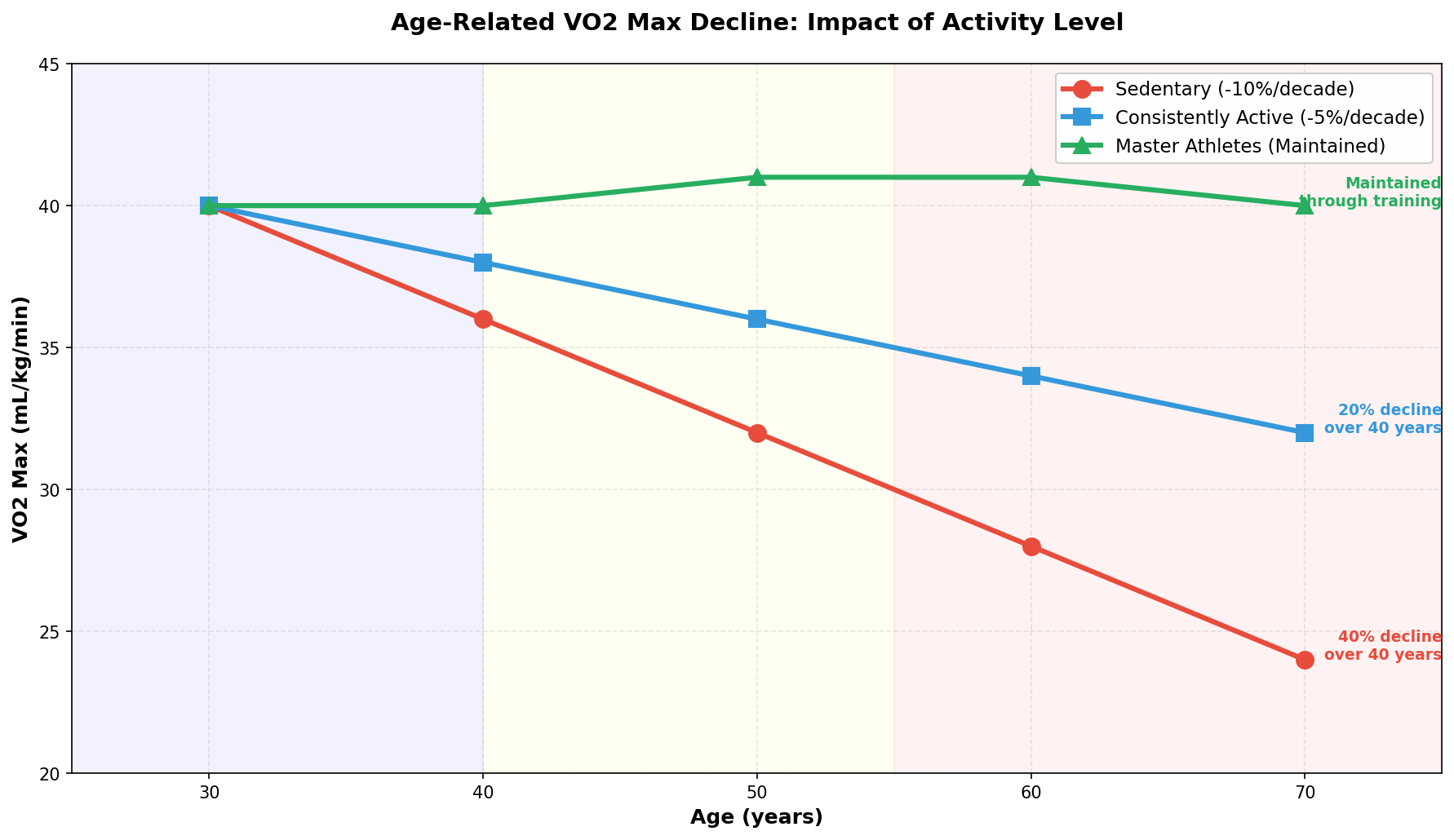 Figure 3: Specific disease risk reductions from higher cardiorespiratory fitness. The data show fitness provides protection across virtually every major disease category, making it one of the broadest-spectrum health interventions available.14–24
Cellular Ageing and Brain Health
Perhaps most remarkably, fitness literally keeps your cells younger. People with VO2 max at the 70th percentile or higher have longer telomeres (DNA end caps that shorten with age) than unfit individuals.1 Telomere length is a marker of cellular age; longer telomeres mean your cells can divide more times before losing function. Fit people have younger cells at the biological level than their chronological age would suggest.
Fitness also protects your brain. Higher VO2 max correlates with greater cortical thickness, better white matter integrity, and improved function in brain regions critical for attention, memory, and cognition.1 If you want to preserve mental sharpness and reduce Alzheimer's risk, VO2 max improvement is evidence-based protection.
Training to Improve VO2 Max
The excellent news is that VO2 max is highly trainable at any age. Multiple training methods work, each with different advantages.
The Most Effective Methods
Research comparing training approaches shows that high-intensity interval training (HIIT) produces the largest improvements in the shortest time.25 In a 2025 meta-analysis comparing five training methods, repeated-sprint training ranked highest in effectiveness (effect size 1.04), followed extremely closely by HIIT (effect size 1.01) in athletes.25
- Overweight individuals improved VO2 max by 10% in just six weeks using HIIT26,27
- Patients with coronary artery disease improved 17.9% in ten weeks using HIIT, compared to 7.9% with moderate-intensity training28
The standout feature of HIIT is time efficiency. The popular 4x4 protocol works like this: run or cycle hard at 85-95% of your maximum heart rate for four minutes, recover at 60-70% for three minutes, then repeat four times. Research shows that just one to two sessions per week of this protocol produces measurable improvements.25
Continuous moderate-intensity training also works well. It's less flashy than intervals but genuinely effective, with typical improvements of 8-15% over 12 weeks, depending on consistency.29 The advantage is lower intensity (you can sustain a conversation, though with effort) and a lower risk of injury, making it excellent for beginners or those over 50.
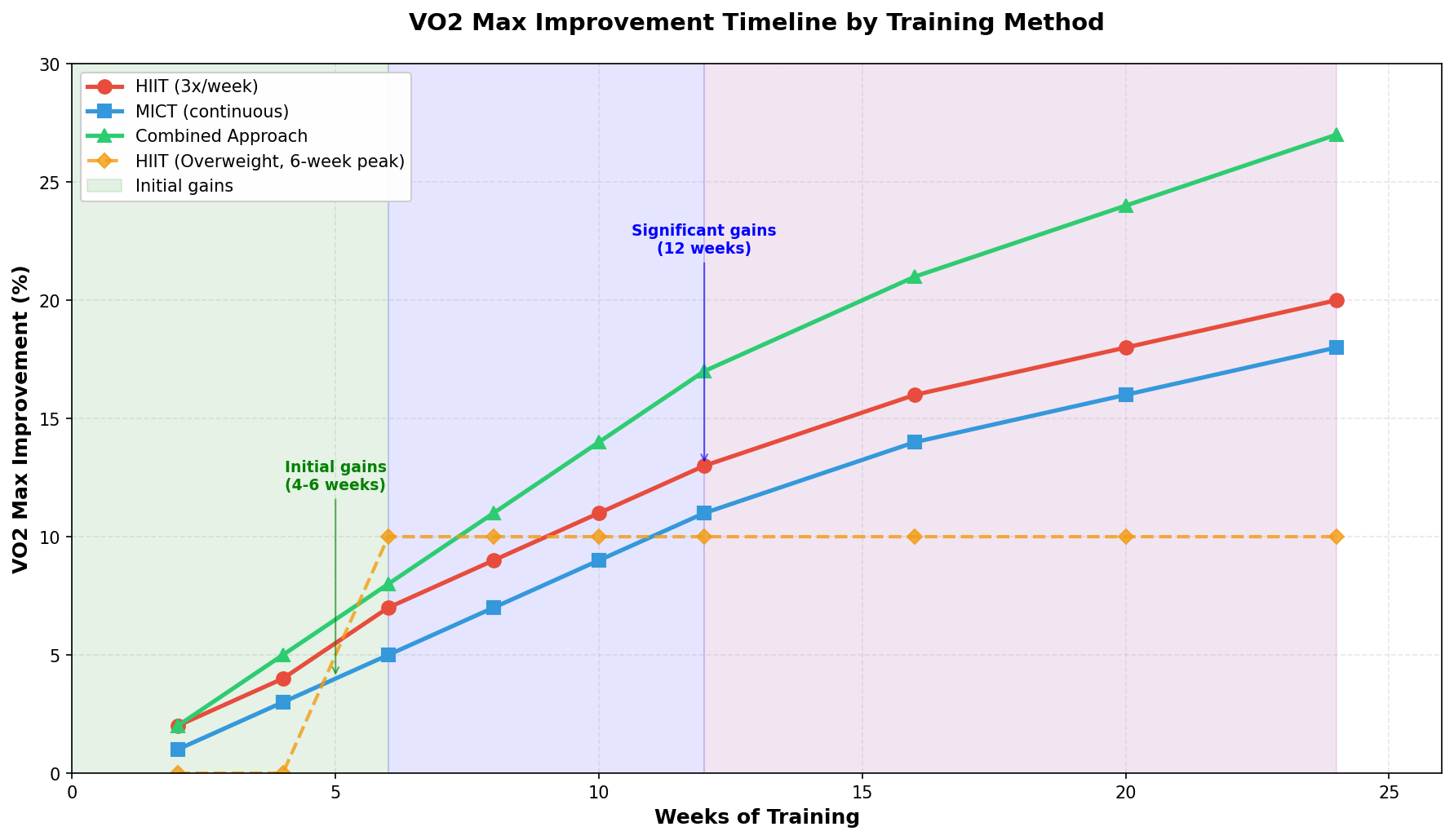 Figure 4: Comparative effectiveness of different training methods ranked by effect size (larger effect size indicates larger fitness improvements). All methods work, but high-intensity interval training and repeated-sprint training produce the largest improvements.25–29
Realistic Timelines for Improvement
When you start training consistently, results appear faster than many expect, especially between weeks 8–12, when the most improvement is seen (5%-15%).30 In the early weeks, initial adaptations such as increased blood vessel density in muscles and increased blood volume can be seen. 7 The first month is crucial psychologically. You'll notice you feel better, breathe easier during exercise, and gain confidence in the process, even before formal testing shows large increases.
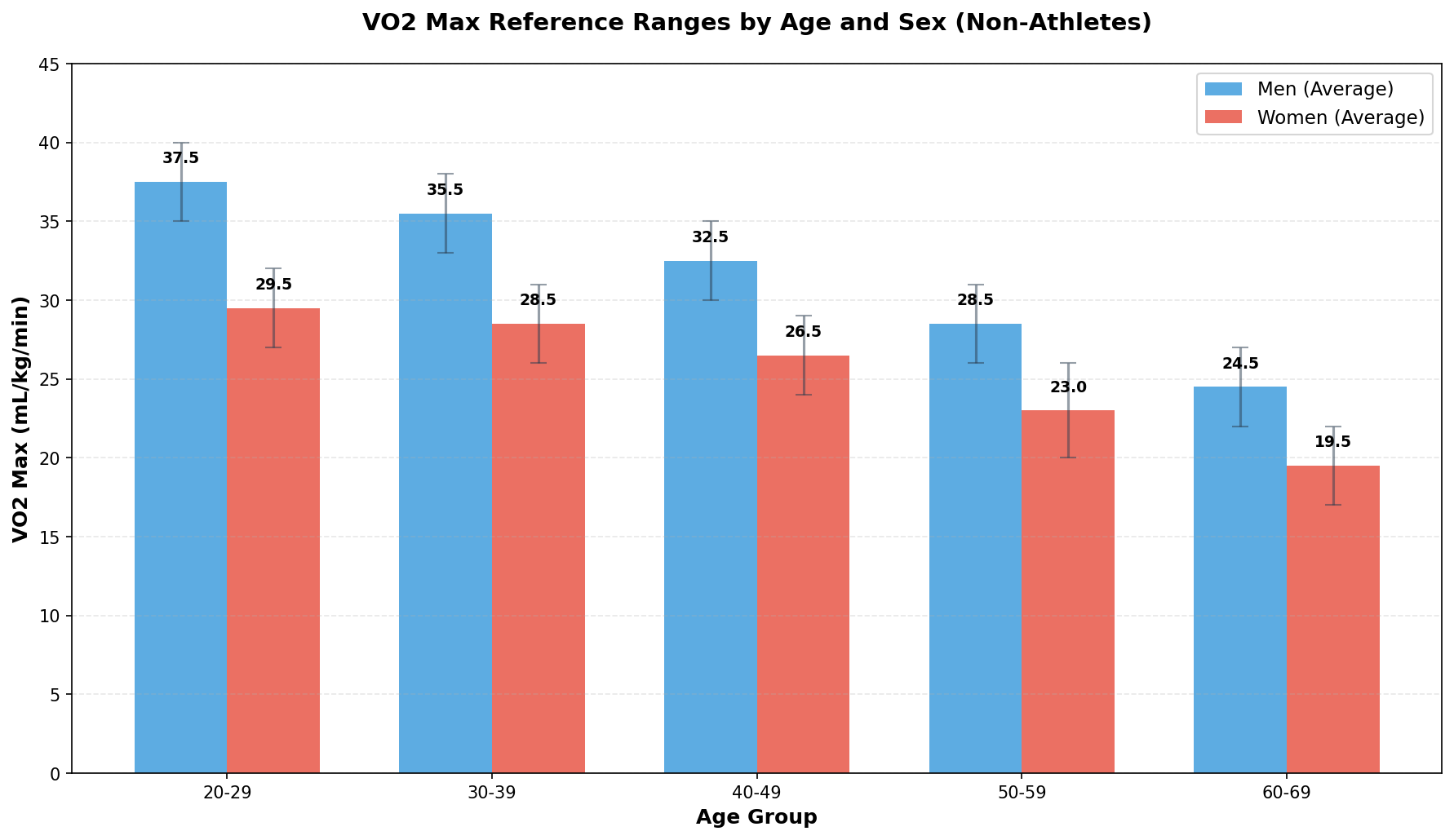 Figure 5: Realistic improvement timelines for different training methods. HIIT shows faster improvements, whilst continuous training shows steady progress. Overweight individuals often see faster initial gains.7,30
Fitness by Age: You're Never Too Old
You may have heard that improving VO2 max becomes impossible after a certain age. Recent research thoroughly disproves this.
Ages 25-39
This age group experiences an optimal training response. Untrained individuals typically improve 15-25% with structured training over three to six months. Recovery is usually excellent, and results appear within 8-12 weeks of consistent effort.29,30
Ages 40-49
Training response remains excellent. You'll typically see slightly less improvement with consistent work over a longer period than younger adults do.31,32 Include longer warm-ups (10+ minutes) and recovery days after high-intensity sessions. Sleep becomes increasingly important for adaptation.33
Ages 50-65
Here's the encouraging news that contradicts outdated assumptions: individuals aged 50-65 can increase VO2 max with training, and their adaptive capacity is similar to that of younger people.34 The practical approach differs slightly: maintain a higher frequency (four sessions per week rather than three) with two to three moderate-intensity sessions and one high-intensity session. Expect a 5-15% improvement to be realistic and achievable over six months.34
Sleep (seven to nine hours nightly) becomes non-negotiable at this age.33 Warm-ups and cool-downs should extend to 15+ minutes. Consistency matters more than intensity; missing one workout impacts progress less than doing sporadic, intense sessions.
Ages 65+
Master athletes in their 60s and 70s maintain impressive VO2 max levels through continued training.35 The keys are consistency, adequate recovery, and injury prevention. High-quality work (not just high-intensity work) combined with sufficient base-building remains effective.

Figure 6: Age-related VO2 max decline under three scenarios: sedentary (10% decline per decade), active with consistent training (5% decline per decade), and master athletes who maintain or improve VO2 max. The chart demonstrates that a fit 65-year-old can match an untrained 30-year-old.
What Actually Works: A Practical Training Framework
Based on the research, here's what genuinely works across different fitness levels:
Minimum Effective Dose
WHO guidelines suggest at least 150 minutes of moderate-intensity, or at least 75 minutes of vigorous exercise per week.36 For most people, that could look like three to four training sessions a week. Fewer sessions may still improve fitness, but progress is usually slower. More than four sessions may offer diminished returns unless training and recovery are well managed.37
The Practical Mix
Combine high-intensity sessions with base-building:
- One session per week: High-intensity interval training (4x4 protocol works perfectly)
- Two to three sessions per week: Moderate-intensity continuous exercise (30-60 minutes at conversational pace)
- One session per week: Easy recovery pace (optional but helpful for injury prevention)
This approach optimises both VO2 max improvement and sustainable fitness development. High-intensity work alone doesn't guarantee endurance improvement; base-building alone advances fitness slowly, but they work together.7
Critical Supporting Factors
Sleep: Seven to nine hours nightly is non-negotiable. Adaptation to training happens during sleep, not during training. Inadequate sleep prevents improvement entirely.33
Consistency: Three steady sessions beat sporadic, intense efforts. Missing one workout is minor; missing several in a row resets progress.
Genetics matter, but don't despair: Approximately 50% of VO2 max trainability is genetic.34,38 Some people improve dramatically with training; others improve modestly. However, even people with poor genetic trainability for fitness can still make meaningful improvements, and those improvements are genuinely beneficial for health (a 5% improvement adds approximately 200 days to life expectancy).34
Fitness Protects You More Than Weight
A striking 2025 meta-analysis of 398,716 individuals found something counterintuitive: fit people of any BMI had no significant increase in mortality risk, whilst unfit people of any BMI showed 2-3 times higher cardiovascular disease and mortality risk.39 In other words, being fit is more protective than being thin, if you had to choose.
This has important implications: if you're overweight and starting a fitness training program, you're getting genuine protective benefits immediately, even before weight loss occurs. Don't wait to achieve an ideal weight before starting; fitness training provides protection regardless of your current weight.
Life Expectancy Gains: The Bottom Line
The relationship between VO2 max improvement and longevity is remarkably linear and dose-responsive:5,13
- 10 ml/kg/min improvement: approximately 450 additional days (1.2 years)
- 5 ml/kg/min improvement: approximately 225 additional days (0.6 years)
- Moving from low to high-normal fitness: 2.9 additional years
- Moving from low to elite fitness: 4.9 additional years
Figure 7: Linear relationship between VO2 max improvement and life expectancy gains. The chart demonstrates that even modest 5-point improvements add meaningful time to your life, whilst larger 10-15-point improvements can add 1-2 years.
These aren't speculative numbers from theoretical models. They come from following hundreds of thousands of real people for decades and observing actual mortality outcomes.
Key Takeaways
- VO2 max measures your cardiovascular fitness and reflects how well your lungs, heart, and muscles work together. It's one of the strongest predictors of how long you'll live.
- Normal ranges vary by age and sex, but the important point is that wherever you start, you can improve. An average 50-year-old sedentary man at 25 ml/kg/min can realistically reach 30-35 ml/kg/min through six months of consistent training.
- Every single unit of improvement matters. Each 1 ml/kg/min increase adds approximately 45 days to life expectancy and reduces mortality risk by 10%.
- HIIT is fastest, but continuous training works too. The best approach combines both: one high-intensity session and two to three moderate sessions per week.
- Age is no barrier to improvement. People aged 50-65 improve their VO2 max as effectively as younger adults with consistent training. Master athletes in their 70s maintain excellent fitness levels.
- You're never too unfit to benefit. Moving from sedentary to barely trained status cuts mortality risk by 50%. You don't need to become an athlete for life-changing health benefits.
- Consistency and sleep matter as much as intensity. Three steady sessions plus adequate sleep produce better results than sporadic intense training combined with insufficient recovery.
- Fitness protects you more than weight. Being fit is more protective than being thin with respect to actual mortality risk. Start training now; weight management can follow.
Further Reading
Understanding VO2 Max and Measurement
- VO2 Max and Oxygen Consumption Explained
- How to Test Your VO2 Max
- VO2 Max: What It Is and How It's Measured
Training and Improvement Methods
- Aerobic High-Intensity Intervals Improve VO2 Max More Than Moderate Training
- The Effect of Training Intensity on VO2 Max in Young Healthy Adults
- VO2 Max Trainability and High Intensity Interval Training in Humans
Longevity and Disease Prevention
- Cardiorespiratory Fitness is a Strong Predictor of Morbidity and Mortality
- Midlife Cardiorespiratory Fitness and the Long-Term Risk of Mortality: 46 Years of Follow-Up
- Cardiorespiratory Fitness, Body Mass Index and Mortality: A Systematic Review and Meta-Analysis
Age-Related Studies and Master Athletes
- Determinants of VO2 Max Decline with Aging
- Decline in VO2 Max with Aging in Master Athletes and Sedentary Men
- The Impact of Training on the Loss of Cardiorespiratory Fitness in Aging Master Endurance Athletes
Genetics and Cellular Ageing
- Genes to Predict VO2 Max Trainability: A Systematic Review
- Systematic Review and Meta-Analysis: Aerobic Fitness and Telomere Maintenance
- Cardiorespiratory Fitness and Cancer Risk Reduction
Case Studies and Real-World Results
- VO2 Max Improvement of 96% in a Non-Elite Recreational Athlete Over 24 Months
- How Trainable Is VO2 Max Really: A Case Study
References/Helpful Resources
- Strasser B, Burtscher M. Survival of the fittest: VO2max, a key predictor of longevity? Frontiers in Bioscience [Internet]. 2018 Mar 1;23(8):1505–16. Available from: https://pubmed.ncbi.nlm.nih.gov/29293447/
- Srivastava S, Tamrakar S, Nallathambi N, Vrindavanam SA, Prasad R, Kothari R. Assessment of Maximal Oxygen Uptake (VO2 Max) in Athletes and Nonathletes. Cureus [Internet]. 2024 May 26;16(5). Available from: https://www.ncbi.nlm.nih.gov/pmc/articles/PMC11197041/
- Patel P, Zwibel H, Horenstein M. Exercise Physiology [Internet]. StatPearls Publishing; 2024. Available from: https://www.ncbi.nlm.nih.gov/books/NBK482280/
- Brinkman JE, Sharma S, Toro F. Physiology, respiratory drive [Internet]. StatPearls Publishing; 2023. Available from: https://www.ncbi.nlm.nih.gov/books/NBK482414/
- Lang JJ, Prince SA, Merucci K, et al. Cardiorespiratory fitness and mortality. Br J Sports Med [Internet]. 2024;58(10). Available from: https://bjsm.bmj.com/content/bjsports/early/2024/04/09/bjsports-2023-107849.full.pdf
- Heinonen I. Cardiac output limits maximal oxygen consumption. Exp Physiol. 2025;110(5). Available from: https://physoc.onlinelibrary.wiley.com/doi/10.1113/EP091594
- Hughes DC, Ellefsen S, Baar K. Adaptations to endurance and strength training. Cold Spring Harb Perspect Med [Internet]. 2018;8(6). Available from: https://www.ncbi.nlm.nih.gov/pmc/articles/PMC5983157/
- Bandyopadhyay A. Validity of Cooper’s 12-minute Run Test. Biol Sport [Internet]. 2014;32(1):59–63. Available from: https://www.ncbi.nlm.nih.gov/pmc/articles/PMC4314605/
- Physiopedia. VO2 Max [Internet]. 2025. Available from: https://www.physio-pedia.com/VO2_Max
- Shookster D, Lindsey B, Cortes N, Martin JR. Age-predicted maximal heart rate equations. Int J Exerc Sci [Internet]. 2020;13(7):1242. Available from: https://pmc.ncbi.nlm.nih.gov/articles/PMC7523886/
- Engel FA, Masur L, Sperlich B, Düking P. VO2max estimates from smartwatch. Eur J Appl Physiol. 2025. Available from: https://pmc.ncbi.nlm.nih.gov/articles/PMC12881131/
- Santisteban KJ, Lovering AT, Halliwill JR, Minson CT. Sex differences in VO2max. Int J Environ Res Public Health. 2022;19(9):4946. Available from: https://pmc.ncbi.nlm.nih.gov/articles/PMC9105160/
- Clausen JSR, Marott JL, Holtermann A, et al. Midlife fitness and mortality. J Am Coll Cardiol [Internet]. 2018;72(9):987–95. Available from: https://www.sciencedirect.com/science/article/pii/S0735109718353786
- Mandsager K, Harb S, Cremer P, et al. Cardiorespiratory fitness and mortality. JAMA Netw Open [Internet]. 2018;1(6):e183605. Available from: https://jamanetwork.com/journals/jamanetworkopen/fullarticle/2707428
- Shigdel R, Dalen H, Sui X, et al. Fitness and myocardial infarction risk. J Am Heart Assoc [Internet]. 2019;8(9). Available from: https://pmc.ncbi.nlm.nih.gov/articles/PMC6512140/
- Khan H, Kunutsor S, Rauramaa R, et al. Fitness and heart failure risk. Eur J Heart Fail. 2013;16(2):180–8. Available from: https://onlinelibrary.wiley.com/doi/10.1111/ejhf.37
- Berry JD, Pandey A, Gao A, et al. Fitness and cardiovascular disease. Circ Heart Fail. 2013;6(4):627–34. Available from: https://www.ahajournals.org/doi/10.1161/circheartfailure.112.000054
- Kurl S, Laukkanen JA, et al. Cardiac power and stroke risk. Stroke [Internet]. 2005;36(4):820–4. Available from: https://pubmed.ncbi.nlm.nih.gov/15705936/
- Tanaka H. Antiaging effects of aerobic exercise. Hypertension. 2019;74(2):237–43. Available from: https://www.ahajournals.org/doi/10.1161/hypertensionaha.119.13179
- Kang SJ, Ko KJ. VO2max and vascular health. IJC Heart Vasc [Internet]. 2019;23:100347. Available from: https://www.sciencedirect.com/science/article/pii/S235290671930034X
- Leite SA, Monk AM, Upham PA, et al. Low fitness and diabetes risk. Diabetol Metab Syndr. 2009. Available from: https://link.springer.com/article/10.1186/1758-5996-1-8
- Watts EL, Gonzales TI, Strain T, et al. Fitness and cancer risk. Br J Cancer. 2023;130(1):114–24. Available from: https://www.nature.com/articles/s41416-023-02489-3
- Kitson SJ, Aurangzeb O, Parvaiz J, et al. Physical activity and endometrial cancer risk. Cancer Prev Res. 2022;15(9):605–21. Available from: https://pmc.ncbi.nlm.nih.gov/articles/PMC7613481/
- Onerup A, Mehlig K, et al. Fitness and cancer incidence. Br J Sports Med [Internet]. 2023. Available from: https://www.researchgate.net/publication/373158286
- Yang Q, Wang J, Guan D. Interval training and VO2max. BMC Sports Sci Med Rehabil. 2025;17(1). Available from: https://pmc.ncbi.nlm.nih.gov/articles/PMC12218014/
- Mahatme S, et al. HIIT and cardiometabolic health. Med Pharm Rep. 2022;95(2). Available from: https://pmc.ncbi.nlm.nih.gov/articles/PMC9176307/
- Russomando L, et al. HIIT vs moderate training and VO2max. J Funct Morphol Kinesiol. 2020;5(2):41. Available from: https://pmc.ncbi.nlm.nih.gov/articles/PMC7739244/
- Franklin BA, Zhu W. High-Intensity Interval Training. J Sci Sport Exerc. 2026;8(1). Available from: https://link.springer.com/article/10.1007/s42978-025-00352-w
- Scribbans TD, et al. Training intensity and VO2max. Int J Exerc Sci [Internet]. 2016;9(2):230. Available from: https://pmc.ncbi.nlm.nih.gov/articles/PMC4836566/
- Weatherwax R, et al. Time course of VO2max changes. Sports Med Int Open. 2019;3(2):E32–9. Available from: https://pmc.ncbi.nlm.nih.gov/articles/PMC6559817/
- Amaro-Gahete FJ, et al. Exercise training and fitness improvements. Front Physiol. 2019;10. Available from: https://pmc.ncbi.nlm.nih.gov/articles/PMC6492765/
- Taylor JL, et al. Age-related fitness improvements. Front Cardiovasc Med. 2022;9. Available from: https://pmc.ncbi.nlm.nih.gov/articles/PMC9047908/
- Dolezal BA, et al. Sleep and exercise. Adv Prev Med. 2017. Available from: https://pmc.ncbi.nlm.nih.gov/articles/PMC5385214/
- Sarzynski MA, et al. HERITAGE Family Study. Med Sci Sports Exerc [Internet]. 2022. Available from: https://www.ncbi.nlm.nih.gov/pmc/articles/PMC9012529/
- Lepers R, Stapley PJ. Master athletes and endurance. Front Physiol. 2016. Available from: https://www.frontiersin.org/articles/10.3389/fphys.2016.00613/full
- World Health Organization. WHO Guidelines on Physical Activity [Internet]. 2020. Available from: https://www.ncbi.nlm.nih.gov/books/NBK566046/
- Zheng J, Pan T, Jiang Y, Shen Y. Detraining and VO2max. Biomed Res Int. 2022. Available from: https://pmc.ncbi.nlm.nih.gov/articles/PMC9398774/
- Williams CJ, et al. Genes and VO2max trainability. BMC Genomics. 2017. Available from: https://pmc.ncbi.nlm.nih.gov/articles/PMC5688475/
- Weeldreyer NR, et al. Fitness, BMI and mortality. Br J Sports Med. 2024. Available from: https://pmc.ncbi.nlm.nih.gov/articles/PMC11874340/
