

Vulvodynia is a condition where there is chronic pain or discomfort of the vulva, without a clear visible cause like infection or skin disease. The pain is real and often debilitating and affects millions of women worldwide yet it remains largely misunderstood and difficult to diagnose. The pain can feel different for different women, some describe it as burning, others as stinging or rawness. Some experience it constantly, whilst others feel it only when the area is touched. This variability in symptoms is part of what makes vulvodynia so challenging to understand and treat.
How Common Is Vulvodynia?
Research suggests that 8-12% of women experience vulvodynia at some point in their lives and approximately 4-7% are currently living with symptoms. That is roughly 1 in 10 to 1 in 15 women.
The condition affects women across all ages, though it often develops in the 20s-40s. Furthermore, whilst 48.6% of women with vulvodynia have sought medical care, only 1.4% have received a diagnosis of vulvodynia. This means hundreds of thousands of women are suffering without proper recognition for what they are experiencing.
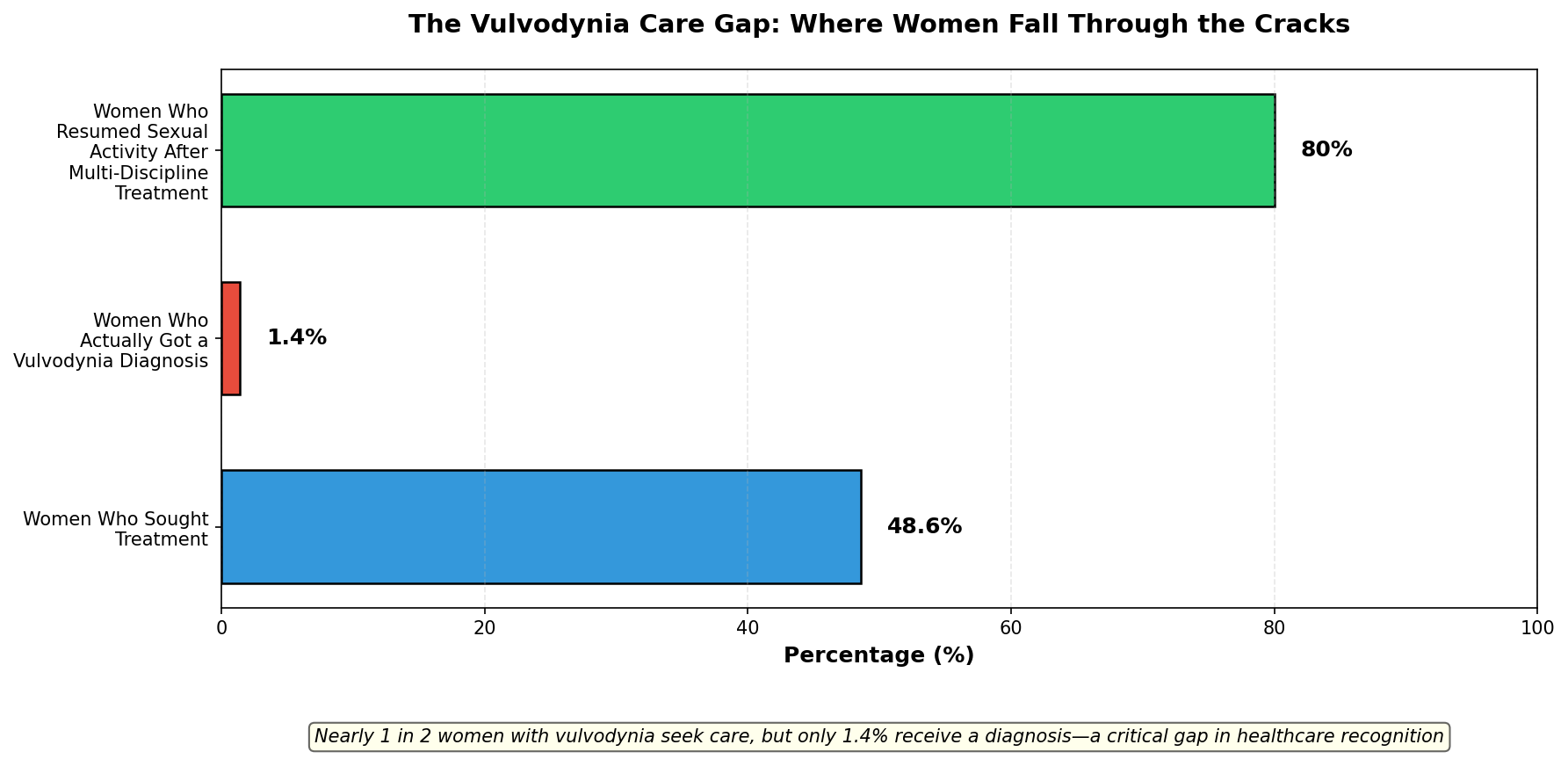
Figure 1: The vulvodynia diagnosis gap. Despite half of affected women seeking treatment, fewer than 2% receive a proper diagnosis, leaving many without understanding or effective care.
Vulvodynia Demographics?
Vulvodynia affects women across all racial and ethnic backgrounds, though some research suggests higher rates in caucasian and Hispanic women. It develops at all life stages, from teenagers through to postmenopausal women, though incidence is highest in women in their 20s and 40s.
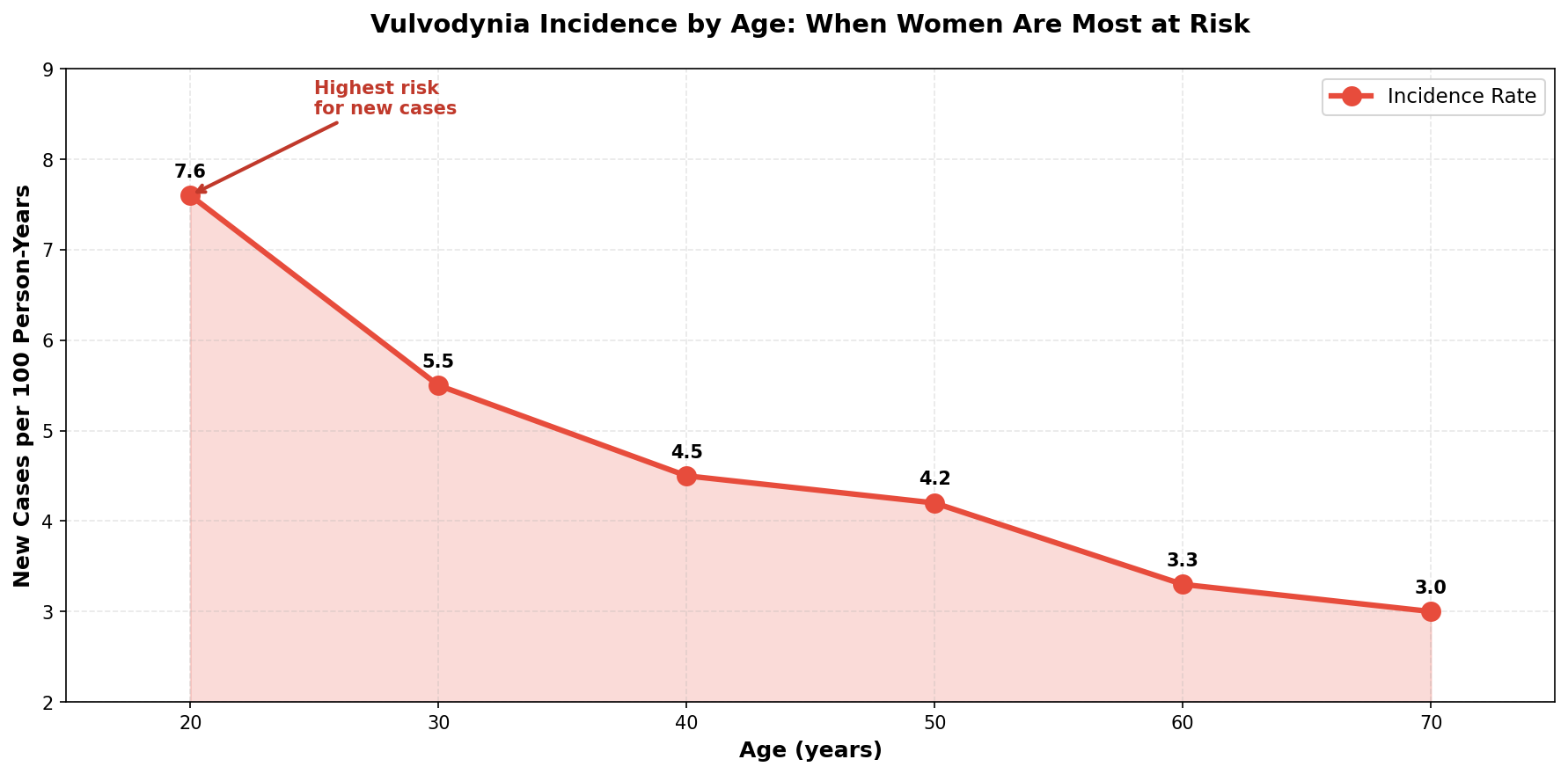
Figure 2: Vulvodynia incidence varies by age, with highest risk in women around age 20, averaging 7.6 new cases per 100 women per year at that age.
Certain factors increase the risk of vulvodynia including those with a history of recurrent yeast infections, depression, anxiety or previous infections like genital herpes
Types of Vulvodynia
Vulvodynia comes in several forms:
- Provoked vulvodynia - occurs when the pain is triggered by touch, pressure or sexual contact. The most common type is provoked vestibulodynia, where pain is confined to the vestibule (the area surrounding the vaginal opening) and typically triggered by intercourse or tampon insertion
- Spontaneous (unprovoked) vulvodynia - involves pain that occurs without obvious triggers. It may feel like a constant burning or discomfort in one area or across multiple areas of the vulva
- Localised vulvodynia - localised pain is confined to one area (often the vestibule)
- Generalised vulvodynia - generalised pain affects multiple areas of the vulva
What Actually Causes Vulvodynia?
There is not a single cause of vulvodynia, instead, research suggests multiple pathways that vary from person to person:
Nerve-Related Factors
In vulvodynia, the vulvar tissue develops excess nerve endings (hyperinnervation), making the area hypersensitive to stimulation. Pain signals become amplified, so normally mild sensations feel intensely painful. Additionally, the central nervous system may become sensitised, meaning the whole nervous system amplifies pain signals throughout the body, not just in the vulva.
Inflammation and Immune Problems
Women with vulvodynia often have elevated levels of inflammatory chemicals in their vulvar tissue. This chronic inflammation can activate immune cells (like mast cells) that release pain-causing substances. Recurrent yeast infections seem to prime this inflammatory response. Studies have shown that repeated fungal infections cause persistent pain long after the infection clears, suggesting the immune system becomes stuck in a pain-perpetuating state.
Hormonal Factors
Oestrogen levels influence vulvar tissue health. Changes in hormonal balance due to oral contraceptives, hormonal fluctuations around menstruation or other sources may contribute to vulvodynia development.
Psychological and Stress Factors
Anxiety and depression are extremely common in vulvodynia and the relationship works both ways. Pre-existing depression or anxiety increases vulvodynia risk and living with chronic pain naturally causes psychological distress. Research also shows that women with anxiety have up to 4 times higher risk of developing vulvodynia, suggesting psychological distress and physical inflammation are linked. Catastrophic thinking, pain-related anxiety and avoidance behaviours all intensify pain through nervous system sensitisation.
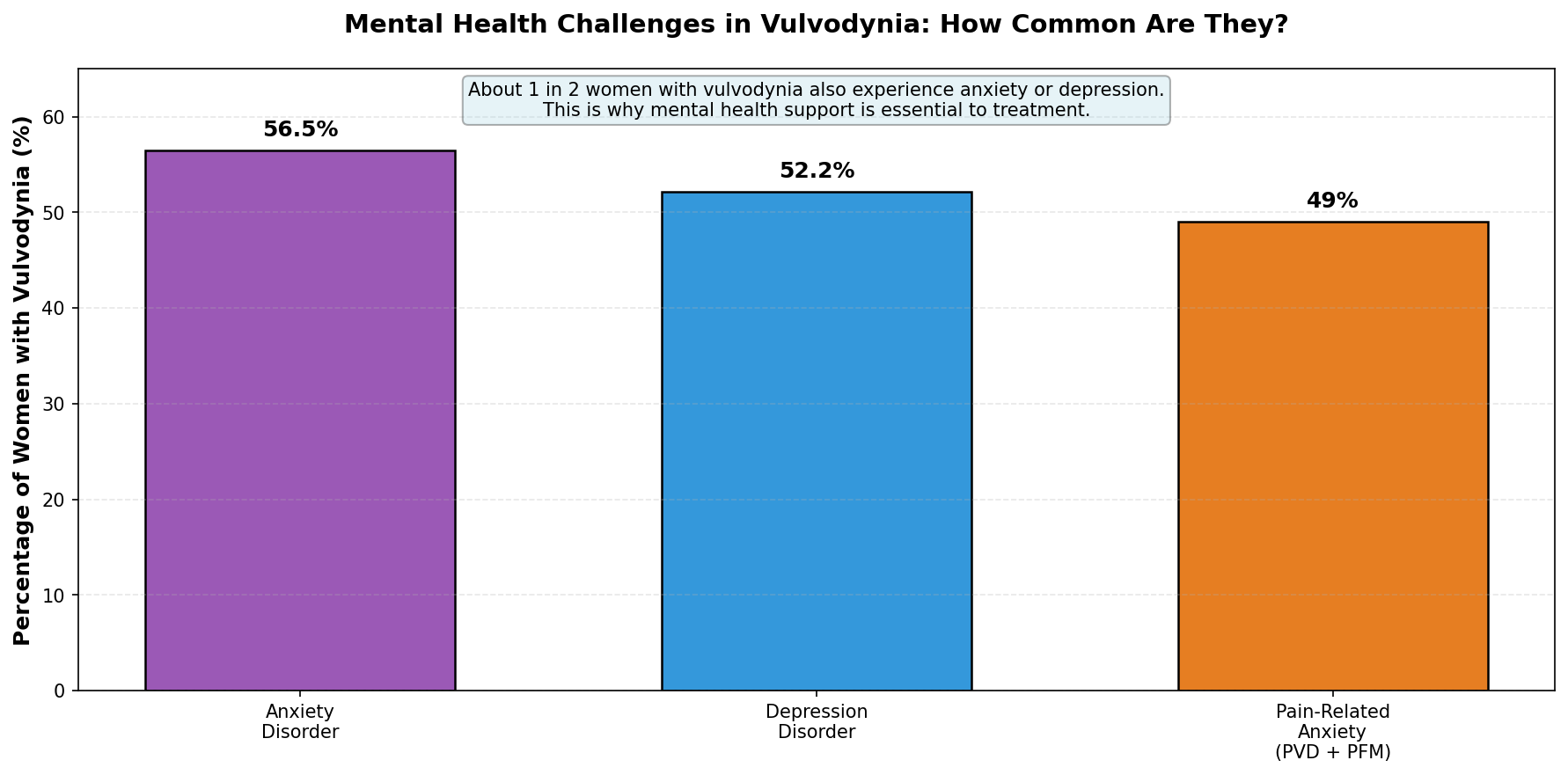
Figure 3: Psychological symptoms frequently co-occur with vulvodynia. Over half of women with vulvodynia experience anxiety and depression, reflecting both the psychological impact of chronic pain and pre-existing risk factors.
Genetic Predisposition
Vulvodynia can also be genetic and specific genetic variations in immune-related genes increase susceptibility. Genetics does not determine whether you will develop vulvodynia, but determines how your immune and nervous systems respond to triggers like infections or hormonal changes.
Connective Tissue Disorders
Women with Ehlers-Danlos syndrome and hypermobility spectrum disorders experience vulvodynia at higher rates, suggesting connective tissue dysfunction contributes to some cases.
How Is Vulvodynia Diagnosed?
Vulvodynia diagnosis relies on clinical assessment rather than a blood test. Your doctor will:
- Review your medical history and symptoms
- Perform a careful physical examination using a cotton swab test to map pain areas
- Rule out other conditions (infections, dermatological conditions, pelvic floor dysfunction)
- Ask about triggers and what makes pain better or worse
Diagnosis is clinical and there is no specific test that definitively diagnoses vulvodynia which is why it is often missed.
Treatment Options
Vulvodynia is highly treatable. Most women see significant improvement with proper care, though treatment is typically multifaceted and individualised.
Medical Treatments
- Topical gabapentin - is a nerve pain medication applied directly to the skin. It works remarkably well where 80% of women using 2-6% gabapentin showed at least 50% pain improvement after 8 weeks. This is often a first-line approach because it acts directly on local nerves causing pain
- Tricyclic antidepressants - like desipramine and amitriptyline help some women by working on nerve pain pathways. 59.3% of women on tricyclic antidepressants improved by more than 50%, compared to 38% not taking them
- Topical nitroglycerin - provides temporary pain relief, useful as a bridge treatment or for specific situations like before sexual activity
- Topical lidocaine - despite being widely available, lacks convincing evidence as a standalone treatment, though some doctors still recommend it for temporary numbing
Psychological and Behavioural Treatments
Cognitive behavioural therapy (CBT) is remarkably effective. In structured therapy, 42% of women achieved clinical improvement in pain severity and women receiving CBT showed significantly better improvement in sexual function compared to those receiving supportive therapy alone. CBT works by addressing anxiety, avoidance patterns and unhelpful thought patterns that amplify pain. Treatment typically involves 8-12 weekly sessions.
Mindfulness-based cognitive therapy integrates mindfulness practices with CBT principles, helping women accept pain whilst reducing emotional distress.
Pelvic Floor Physical Therapy
This is one of the most effective treatments available. Many women with vulvodynia develop excessive muscle tension in the pelvic floor, which perpetuates pain. Specialised physical therapists use biofeedback (electronic monitoring) to teach women how to relax the muscles. Results have shown a:
- 95.4% increase in pelvic floor muscle strength
- 68% decrease in resting muscle tension
- 83% average pain reduction
- 93.3% of women able to resume pain-free sexual activity
Treatment typically requires weekly sessions over 16 weeks.
Surgical Treatment: Vestibulectomy
For women with localised provoked vulvodynia who have not responded to conservative treatment for 6+ months, surgical removal of the affected vestibular tissue is an option. Results show:
- Pain scores drop from 9.17 preoperatively to 2.48 one year after surgery
- Intercourse pain improves from 9.13 before to 0.47 after surgery
- 83% of women would recommend the procedure
- Median time to pain-free intercourse: 4 months
Surgery is not the first-line of treatment, but for carefully selected patients, it offers substantial relief.
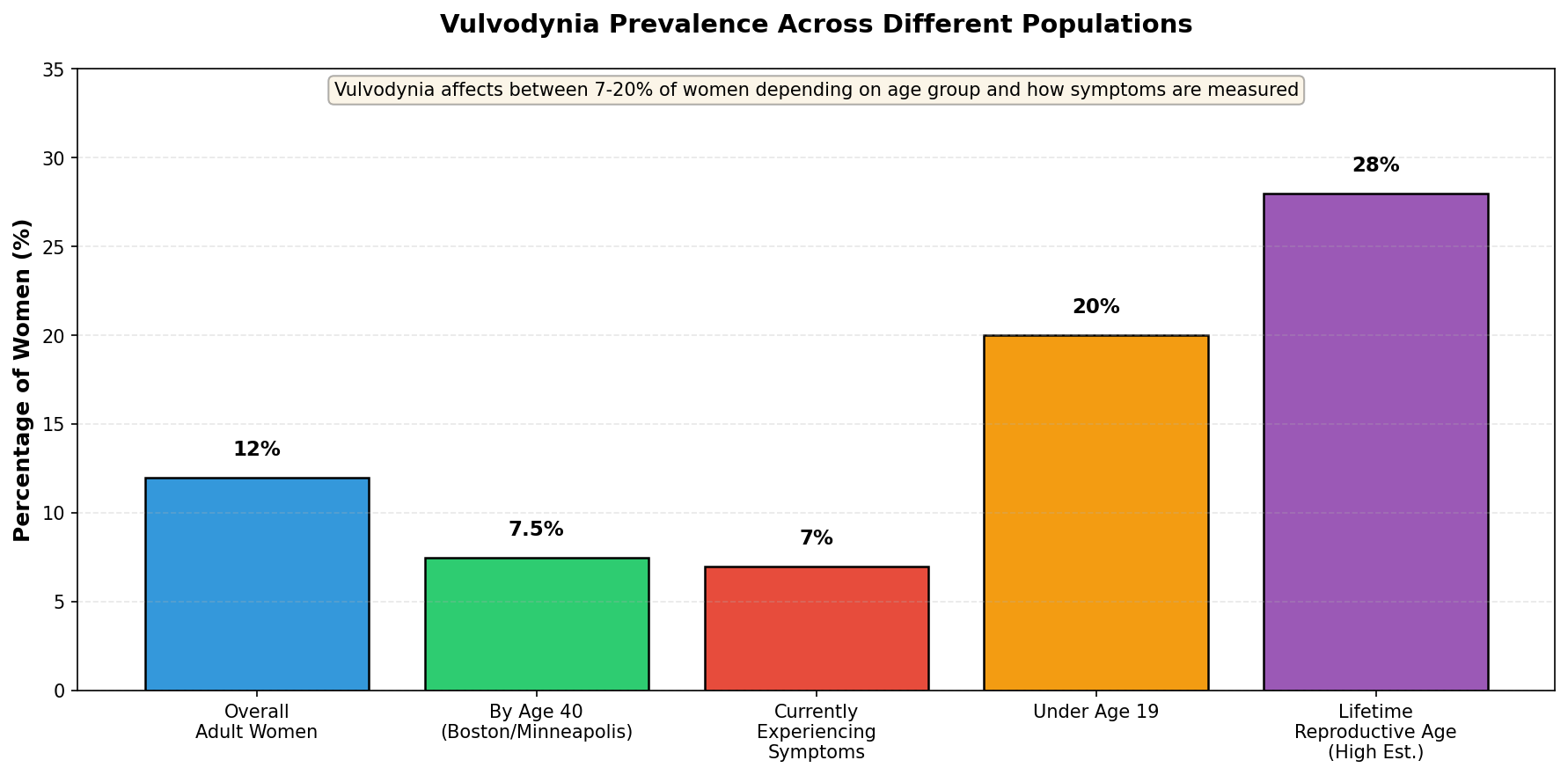
Figure 4: Vestibulectomy produces significant pain reduction in carefully selected patients, with pain scores dropping substantially from baseline.
Botulinum Toxin Injections
Injected directly into painful points in the vulvar vestibule or pelvic floor, botulinum toxin reduces muscle tension and pain signalling. Dyspareunia scores decrease from 7.82 to 5.82 and quality of life interference drops from 7.88 to 6.19. Effects appear within 1-2 weeks and last 3-4 months.
Lifestyle Modifications
- Modified exercise - that avoids high-impact activities such as running or cycling that can create direct pressure on the vulva. Instead, swimming, walking and elliptical training provide cardiovascular benefits without irritating the area
- Practical vulvar care - involves avoiding irritants (douches, scented products), wearing cotton underwear and managing moisture
- Dietary modifications - some women report relief with low-oxalate diets, though controlled studies do not support this universally. However, it is worth trying for 2-3 months, particularly for women with concurrent irritable bowel syndrome
- Sexual adjustment strategies - include communication with partners, using lubricants, modified positioning and gradual desensitisation exercises
Multidisciplinary Treatment
The most effective approach combines multiple treatments. Women receiving multidisciplinary team care from the gynaecologist, physical therapist, psychologist and primary care physician show the good outcomes:
- 81% experience pain reduction
- 53.8% report significant improvement in intercourse pain
- 80% resume sexual intercourse
Vulvodynia is complex, involving physical, psychological, hormonal and behavioural components. Addressing them simultaneously produces better results than treating one aspect alone.
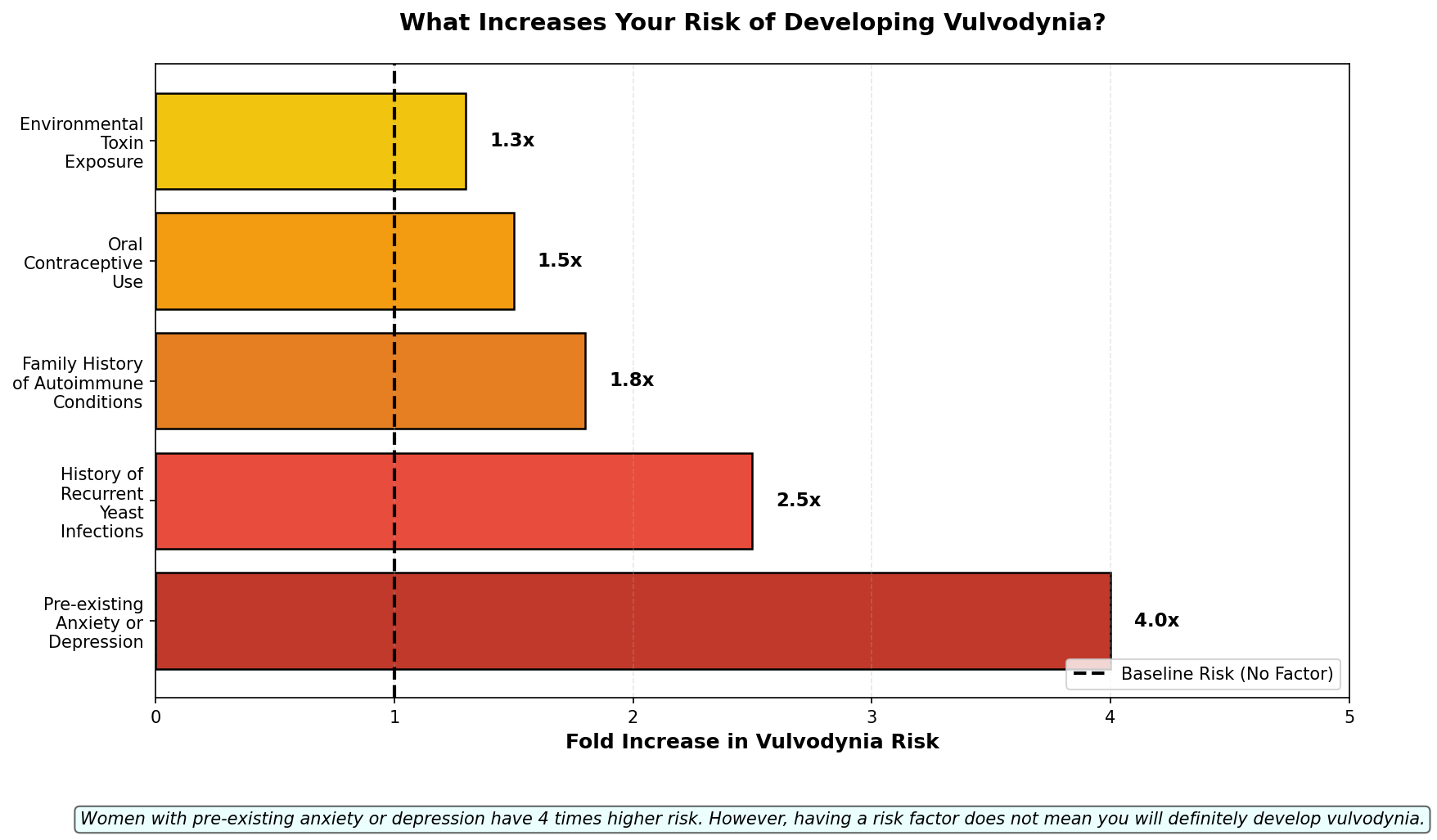
Figure 5: Multidisciplinary treatment produces superior outcomes compared to single-modality approaches, with highest pain reduction rates in comprehensive team-based care.
Living with Vulvodynia
Beyond pain management, vulvodynia significantly impacts quality of life. Many women experience sexual dysfunction, relationship strain, anxiety, depression and work limitations. Addressing these broader impacts is essential.
Sexual function and relationships often improve as pain decreases, but may require deliberate attention. Communication with partners about pain, modified sexual approaches and gradual desensitisation all help. Sex does not have to mean intercourse, exploring alternative expressions of intimacy maintains connection whilst respecting physical limitations.
Mental health support is invaluable. Depression and anxiety are common and contribute to pain amplification. Treating mental health alongside pain produces better overall outcomes.
Self-compassion and psychological flexibility matter significantly. Women who treat themselves with kindness rather than self-criticism and who develop flexible coping approaches show better adjustment to living with chronic pain.
Finding knowledgeable clinicians is the biggest hurdle because vulvodynia is underdiagnosed, many doctors lack expertise. Seeking specialists in pelvic pain or vulvovaginal conditions or working with university medical centres offering multidisciplinary pelvic pain clinics, improves access to effective care.
What the Research Actually Shows
It is important to understand what we know and do not know about vulvodynia. Treatment evidence is strong for specific approaches (CBT, pelvic floor physical therapy, vestibulectomy), but less robust for others. Many studies are small or use different outcome measures, making direct comparisons difficult.
No single treatment works for everyone. Individual response varies substantially. This means finding an effective approach often involves some trial and error, patience and persistence. However, with comprehensive evaluation and multidisciplinary treatment, most women achieve significant improvement.
Key Takeaways
- Vulvodynia is common (affecting 8-12% of women) yet significantly underdiagnosed (only 1.4% receive a diagnosis despite 48.6% seeking care)
- Psychological factors interact with physical pain
- Causes are multifactorial; combinations of nerve dysfunction, inflammation, hormonal changes and psychological factors vary between individuals
- Multiple effective treatments exist: physical therapy, CBT, topical and oral medications and surgery are available
- Multidisciplinary care produces best outcomes: combining medical, physical and psychological approaches works better than single treatments
- Finding knowledgeable clinicians is crucial, not all doctors recognise or manage vulvodynia effectively
Further Reading
Understanding Vulvodynia
- Vulvodynia Overview from Mayo Clinic
- Vestibulodynia from Cleveland Clinic
- StatPearls: Vulvodynia Clinical Reference
Diagnosis and Clinical Assessment
- NHS Guidance on Vulvovaginal Symptoms
- American College of Obstetricians and Gynecologists Resources
- PubMed: Vulvodynia Definition and Diagnosis
Treatment Options
- PubMed: Guidelines for Vulvodynia Management
- Pelvic Floor Physical Therapy Research
- Cognitive Behavioural Therapy for Vulvodynia
Mental Health and Psychosocial Support
- National Institute of Mental Health: Anxiety and Chronic Pain
- American Psychological Association: Pain Psychology
- PubMed: Anxiety, Depression and Vulvodynia
Surgical Options
Living Well with Chronic Conditions
- CDC: Chronic Pain Management
- AHRQ: Patient-Centered Outcomes Research
- Harvard Health: Living with Chronic Pain
References/Helpful Resources
- International Society for the Study of Vulvovaginal Disease (ISSVD) Consensus Terminology and Classification. Vulvodynia: Definition, Prevalence, Impact, and Pathophysiological Factors. Journal of Sexual Medicine. 2016;13(3):291-307.
- Vulvodynia: Definition, diagnosis and treatment. Mayo Clinic Medical Professionals. Available from: https://www.mayoclinic.org/diseases-conditions/vulvodynia/symptoms-causes/syc-20378413
- Vestibulodynia: Causes, Symptoms & Treatment. Cleveland Clinic. Available from: https://my.clevelandclinic.org/health/diseases/23514-vestibulodynia
- Vulvodynia. StatPearls. National Center for Biotechnology Information. 2025. Available from: https://www.ncbi.nlm.nih.gov/sites/books/NBK430792/
- Prevalence of symptoms consistent with a diagnosis of vulvodynia: population-based estimates from 2 geographic regions. American Journal of Obstetrics and Gynecology. 2012;207(6):1-6. PubMed. Available from: https://pubmed.ncbi.nlm.nih.gov/24080300/
- Factors Associated With Vulvodynia Incidence. National Institutes of Health. PMC. Available from: https://pmc.ncbi.nlm.nih.gov/articles/PMC3913176/
- The Influence of Depression and Anxiety on Risk of Adult Onset Vulvodynia. National Institutes of Health. PMC. Available from: https://www.ncbi.nlm.nih.gov/pmc/articles/PMC3186444/
- Emerging Evidence of Macrophage Contribution to Hyperinnervation and Nociceptor Sensitization in Vulvodynia. Journal of Women's Health. 2019. National Institutes of Health. PMC. Available from: https://www.ncbi.nlm.nih.gov/pmc/articles/PMC6691023/
- Cognitive behavioral therapy for vestibulodynia: A randomized controlled trial. Cognitive Behavioral Therapy for Vulvodynia. Journal of Sexual Medicine. 2009;6(9):2489-2498. PubMed. Available from: https://pubmed.ncbi.nlm.nih.gov/19022580/
- Treatment of vulvar vestibulitis syndrome with electromyographic biofeedback of pelvic floor musculature. Journal of Reproductive Medicine. 1995;40(4):283-290. PubMed. Available from: https://pubmed.ncbi.nlm.nih.gov/7623358/
- Treating vulvar vestibulitis with electromyographic biofeedback of pelvic floor musculature. Journal of Reproductive Medicine. 2002;47(8):337-345. PubMed. Available from: https://pubmed.ncbi.nlm.nih.gov/11354833/
- Long-Term Effectiveness of Vestibulectomy for the Treatment of Vulvodynia: A Retrospective Cohort Study. Obstetrics & Gynecology. 2024. PubMed. Available from: https://pubmed.ncbi.nlm.nih.gov/38864720/
- Surgical Treatment for Provoked Vulvodynia: A Systematic Review. Journal of Minimally Invasive Gynecology. 2024;31(3):213-222. PubMed. Available from: https://pubmed.ncbi.nlm.nih.gov/39105455/
- Impact of a multidisciplinary vulvodynia program on sexual functioning and dyspareunia. Journal of Sexual Medicine. 2013;10(12):2959-2967. PubMed. Available from: https://pubmed.ncbi.nlm.nih.gov/25354520/
- Guidelines for the management of vulvodynia. The Journal of Sexual Medicine. 2014;11(3):542-552. PubMed. Available from: https://pubmed.ncbi.nlm.nih.gov/20331460/
- Topical gabapentin in the treatment of localized and generalized vulvodynia. Obstetrics & Gynecology. 2008;112(3):579-586. PubMed. Available from: https://pubmed.ncbi.nlm.nih.gov/18757655/
- Treatment of vulvodynia with tricyclic antidepressants: efficacy and associated factors. Journal of Lower Genital Tract Disease. 2007;11(3):140-145. PubMed. Available from: https://pubmed.ncbi.nlm.nih.gov/17012991/
- Botulinum toxin-treatment of localized provoked vulvodynia refractory to conventional treatment. Journal of Obstetrics and Gynaecology. 2019;39(8):1040-1046. PubMed. Available from: https://pubmed.ncbi.nlm.nih.gov/30639955/
- Vulvodynia: A contemporary understanding and practical approach in primary care settings. National Center for Biotechnology Information. PMC. Available from: https://www.ncbi.nlm.nih.gov/pmc/articles/PMC11708824/
- Assessment of anxiety, depression and somatization in women with vulvodynia: A systematic review and meta-analysis. Journal of Sexual Medicine. 2023;20(10):1284-1298. PubMed. Available from: https://pubmed.ncbi.nlm.nih.gov/37832729/
