

Grounding, also called "earthing," is simply the practice of making direct physical contact with the Earth's surface. You might walk barefoot on soil, grass, or sand for 20 to 40 minutes, or you could use specially designed conductive mats indoors that simulate this connection. The basic theory is straightforward: the Earth has natural free electrons constantly available from its electrical charge, and these electrons can transfer into your body through direct contact, producing measurable physiological changes.1 What follows is what modern research actually reveals about whether any of this delivers real health benefits.
What Actually Happens When You Ground Yourself
Before we talk about health claims, something measurable and immediate occurs. Your body naturally accumulates electrical voltage from being surrounded by wiring, electrical devices, and electromagnetic fields. Ungrounded individuals typically carry between 1 and 5+ volts of alternating current (AC), depending on proximity to electrical equipment.2 The moment you make direct contact with the Earth, something shifts.
Research shows that body voltage drops by 99.8% almost instantly when you ground yourself.1,3 To put that in perspective: your ungrounded body voltage averages 3.27 volts, but contact with Earth drops this to just 0.007 volts. This isn't theoretical; it's measurable with standard electrical instruments.
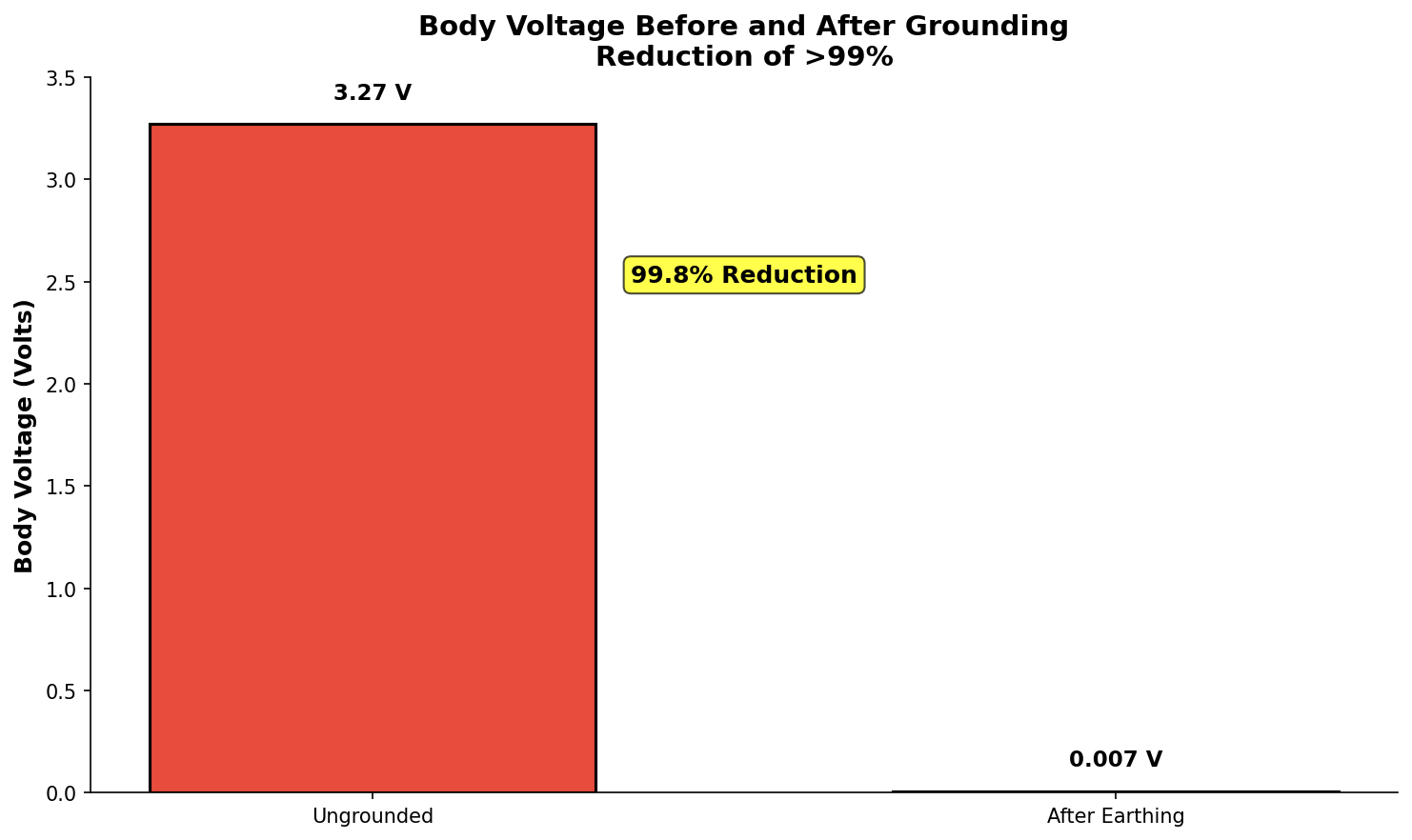 Figure 1: Body voltage measurement showing the immediate and dramatic reduction in electrical charge when grounding occurs. The 99.8% reduction occurs rapidly upon contact with Earth.1
Why should you care about body voltage? Here's the critical piece: modern humans evolved in an environment where this electrical equilibration with Earth was constant. We spent our days barefoot on soil and grass. Rubber-soled shoes, synthetic floor coverings, and building insulation—all products of the last 70 years—have disconnected us from this natural electrical state.2 Whether this electrical pollution meaningfully damages health remains debated, but its effects are real and measurable.
The Mechanism: How Electrons Are Supposed to Work
The theory proposed by grounding researchers is built on solid physics. The Earth's surface contains a virtually unlimited supply of free electrons. When these electrons transfer into your body, the hypothesis goes, they act as antioxidants.4 Here's what that means in practical terms.
Your cells naturally produce billions of free radicals every single day as a byproduct of energy production and normal metabolism.4 Free radicals are positively charged molecules that damage healthy tissue by stripping electrons from cell membranes and DNA. Environmental stress amplifies free radical production: chronic emotional stress, electromagnetic fields, processed foods, and pollution all increase the burden.
When the body's own antioxidant systems become overwhelmed, chronic inflammation develops. This is the foundation for most age-related diseases. The grounding theory suggests that Earth's electrons solve this problem by directly neutralising these free radicals, reducing oxidative stress and inflammation at the source.4
The proposed mechanism includes a sophisticated delivery system. Your connective tissue, called fascia, is composed largely of collagen. Research shows that collagen behaves as a semiconductor, meaning it can conduct electrons along its fibres.5 Electron conductivity along collagen fibres is at least 100 times higher than across them, allowing electrons to travel rapidly from your skin throughout your entire body.5 This explains how electrons from the ground wouldn't just stay on your skin surface but could theoretically reach every organ.
Sleep: The Strongest Research Evidence
If you're considering trying grounding, sleep improvement is where the science is most convincing. Recent research shows consistent benefits, and the evidence quality is improving.
A 2025 double-blind, placebo-controlled study (the most rigorous study design) examined 60 participants over 31 days who slept on grounding mats for 6 hours daily.6 Compared to control mats, the grounding mats produced statistically significant improvements across all sleep metrics:
- Pittsburgh Sleep Quality Index (PSQI) scores improved significantly
- Insomnia Severity Index (ISI) scores improved significantly
- Epworth Sleep Scale (ESS) daytime sleepiness scores improved significantly
- Total sleep time measurably increased
- Stress response scores significantly decreased
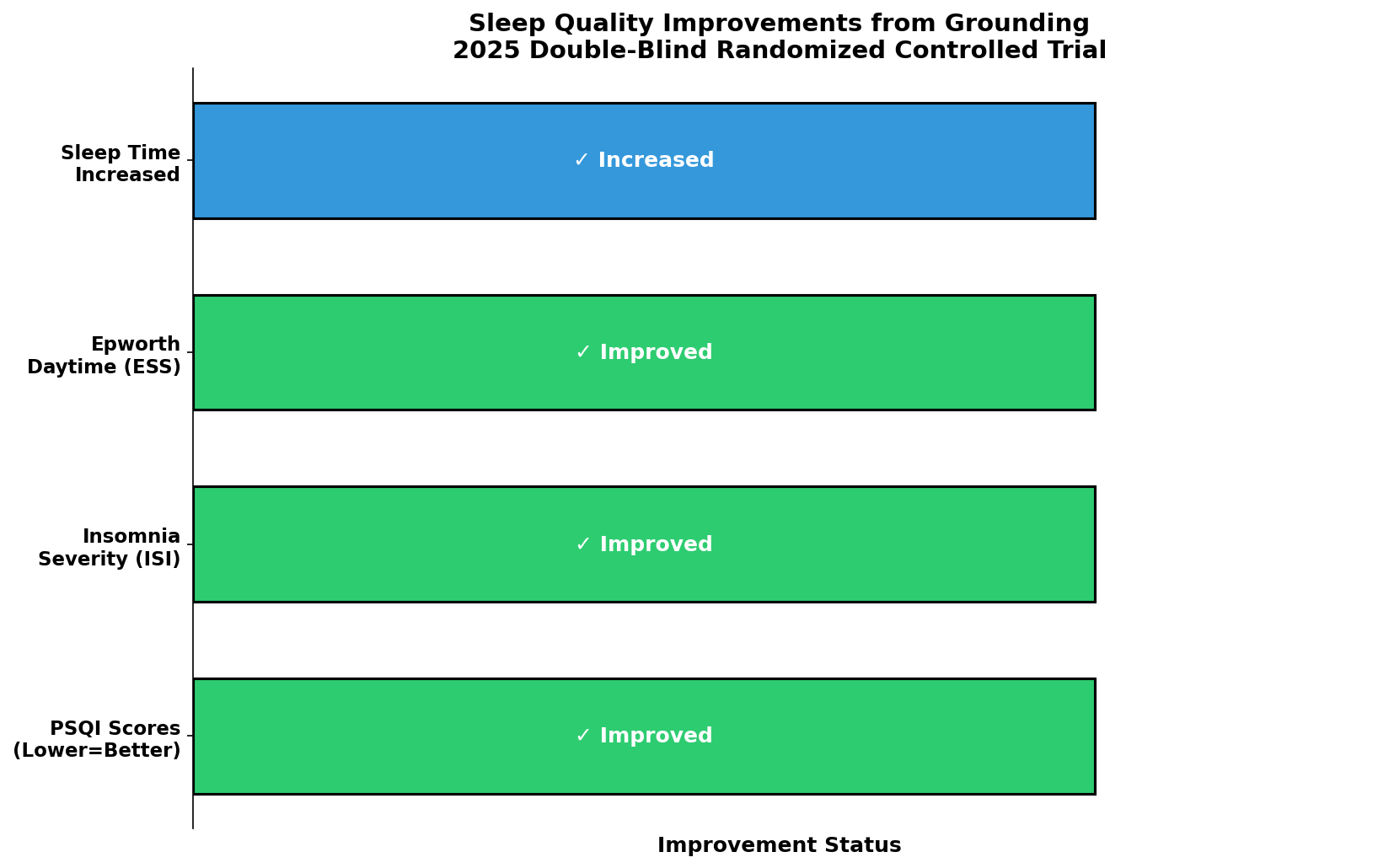 Figure 2: Results from a 2025 double-blind randomised controlled trial showing improvements in all sleep quality measures with grounding mats compared to control mats. This is the highest-quality sleep study conducted to date.6
Earlier research provides additional insights. A landmark 2004 study of 12 subjects who slept on grounded mattress pads for 8 weeks found something particularly important: night-time cortisol levels decreased significantly, and the entire 24-hour cortisol pattern shifted toward normal circadian rhythm.7 Your cortisol naturally peaks in the morning to wake you and drops at night to allow sleep. Chronic stress flattens this curve, leaving you wired 24/7. This study showed grounding helped restore the natural pattern, particularly in women.
What timeline should you expect? Most people report improved sleep within 3 to 7 nights of starting grounding.8 This is relatively rapid compared to sleep medications, which can take weeks to work.
Even animal studies support this. Rats sleeping on grounding mats showed reduced wake time, significantly enhanced REM and NREM sleep, and increased total sleep time compared to controls.9
Pain and Inflammation: More Variable Results
Pain reduction is why many people first try grounding, but the evidence here is more complicated. Results vary dramatically depending on what type of pain you have.
For acute pain (fresh injuries), the data is encouraging. One case study documented a patient with severe chronic pain who achieved 50% pain reduction after just two nights of grounding.10 After four weeks, the patient reported pain was completely gone with only occasional mild stiffness. In post-exercise muscle soreness studies, grounded participants had pain levels 80 percentage points lower than placebo groups at each measurement interval.10 Another study found that grounding combined with clinical massage for chronic low back pain produced 38% pain improvement, compared to only 17% improvement with massage alone, meaning grounding added an extra 21 percentage points of benefit.10
Yet other pain studies showed minimal or non-significant differences. The pattern suggests that acute inflammation and fresh injury respond better to grounding than established chronic pain conditions.
Thermal imaging evidence is particularly striking. Medical infrared cameras show inflammation as heat patterns. Twenty case studies using thermal imaging documented visible reductions in inflammation within hours of grounding contact, particularly in acute injury cases.10 This speed of response suggests real physiological changes rather than placebo effects.
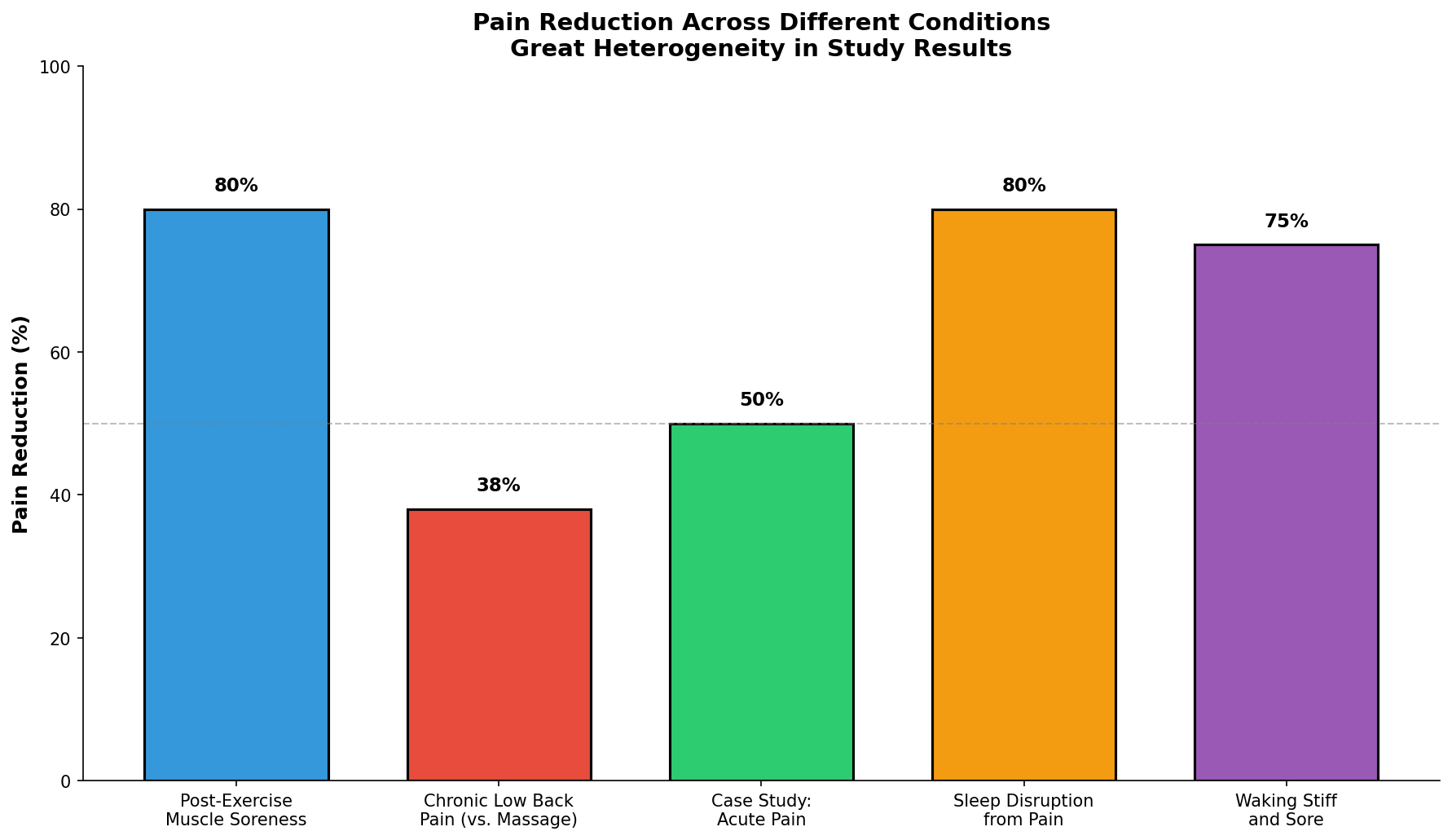 Figure 3: Pain reduction varies substantially based on pain type and study design. Acute pain shows more consistent improvements (38-80% reduction), while chronic pain shows mixed results. This variability suggests grounding may be most effective for acute inflammation.10
The Biology of Inflammation: Objective Evidence
Beyond subjective pain reports, grounding produces measurable changes in biological inflammation markers. These are laboratory measurements, not subjective feelings.
Red blood cells are naturally negatively charged, causing them to repel each other and remain properly spaced in your bloodstream. However, stress and inflammation reduce this charge, causing cells to clump together and thicken your blood. Grounding restores this negative electrical charge. In one study, zeta potential (the electrical charge on red blood cells) increased by approximately 270% within 2 hours of grounding.2 This dramatic increase means cells repel each other more strongly, improving blood flow and reducing cardiovascular risk.
Immune markers also shift with grounding. After injury, ungrounded subjects show sharp increases in white blood cell counts (part of the normal inflammatory response). Grounded subjects instead show white blood cell counts that steadily decrease following injury.10 Neutrophil (infection-fighting white cell) counts remain consistently lower in grounded versus ungrounded individuals.
This distinction is critical: grounding appears to regulate immune response rather than suppress it. Your immune system still fights real threats, but it doesn't overreact to debris and damage from normal wear and tear.
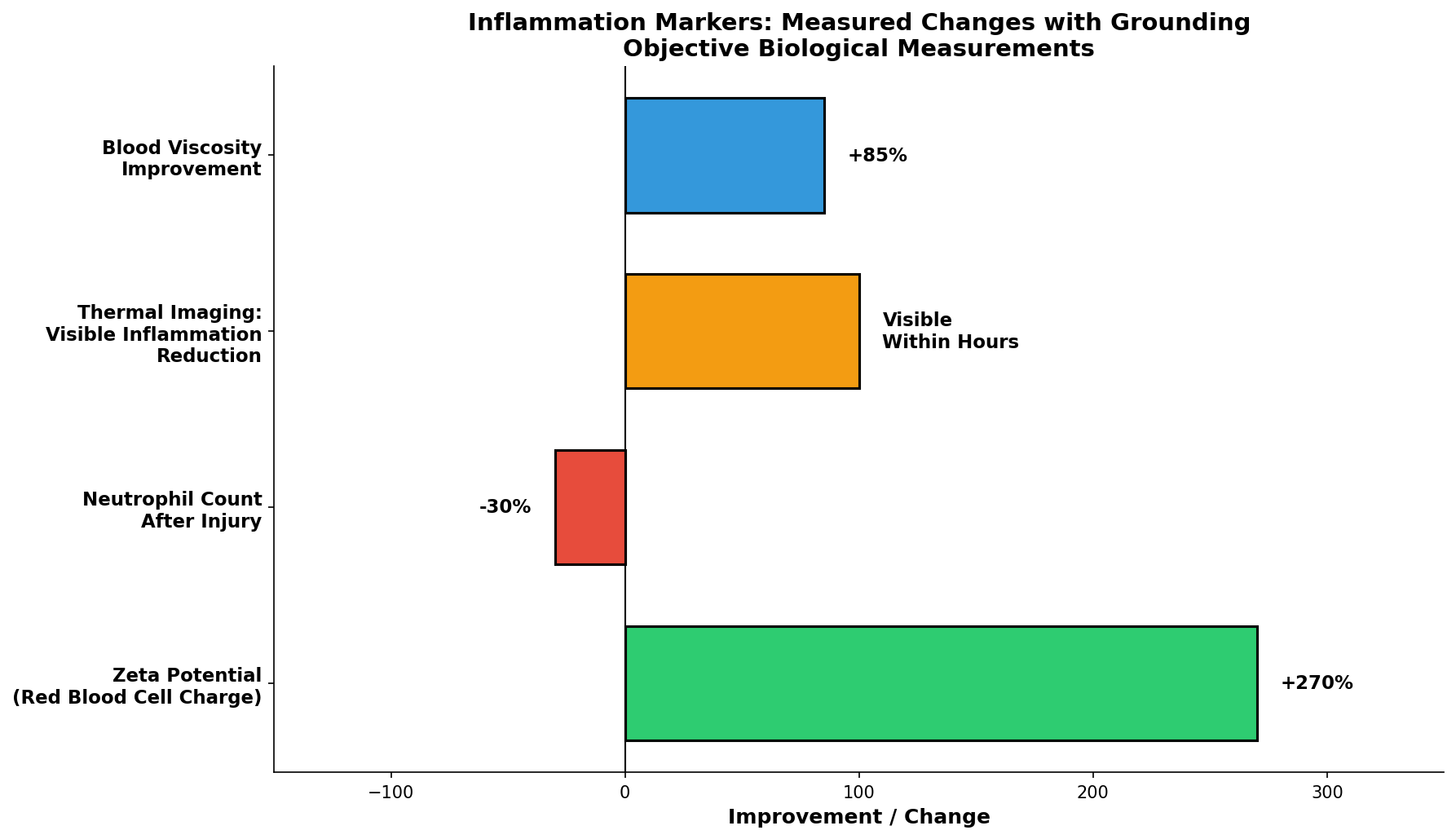 Figure 4: Measurable biological changes in multiple inflammation markers. These are laboratory measurements (zeta potential, white blood cell counts, thermal imaging), not subjective reports. Visible inflammation reduction in thermal imaging occurs within hours.2,10
Stress, Cortisol, and Your Nervous System
Your autonomic nervous system has two branches with opposite effects. The sympathetic system is your "fight or flight" response, elevating stress hormones and preparing you for action. The parasympathetic system is your "rest and digest" system, promoting relaxation, sleep, and healing.
Modern life keeps most people chronically stuck in sympathetic mode. Grounding appears to shift this balance toward parasympathetic activation (rest mode).
The 2004 cortisol study mentioned earlier is the most detailed research here. Twelve people slept on grounded pads for 8 weeks. Researchers measured their cortisol curves at different times of day. Results showed significantly reduced night-time cortisol levels and a trend toward normalisation of the entire 24-hour cortisol rhythm.7 Nearly all participants reported reduced or eliminated stress along with sleep improvements.
Immediate calming effects have also been documented. Studies note that grounding produces immediate effects, including regulation of heart and respiratory rates, reduction of muscle tension, and calmer brain wave patterns.11 These happen within minutes.
Cardiovascular Health and Blood Pressure
One of the most exciting preliminary findings involves blood pressure. A small pilot study examined 10 patients with hypertension who engaged in at least 10 hours daily for several months.12 All 10 showed significant blood pressure improvements:
- One patient reduced from 145/80 to 115/67 (a 20.7% reduction in the top number)
- A 71-year-old on 3 different blood pressure medications reduced from 150/70 to 116/56 (a 22.7% reduction), with improvements occurring over 3 months
What makes this striking is that several patients were already on medications that weren't fully controlling their blood pressure, yet grounding produced additional benefit.12
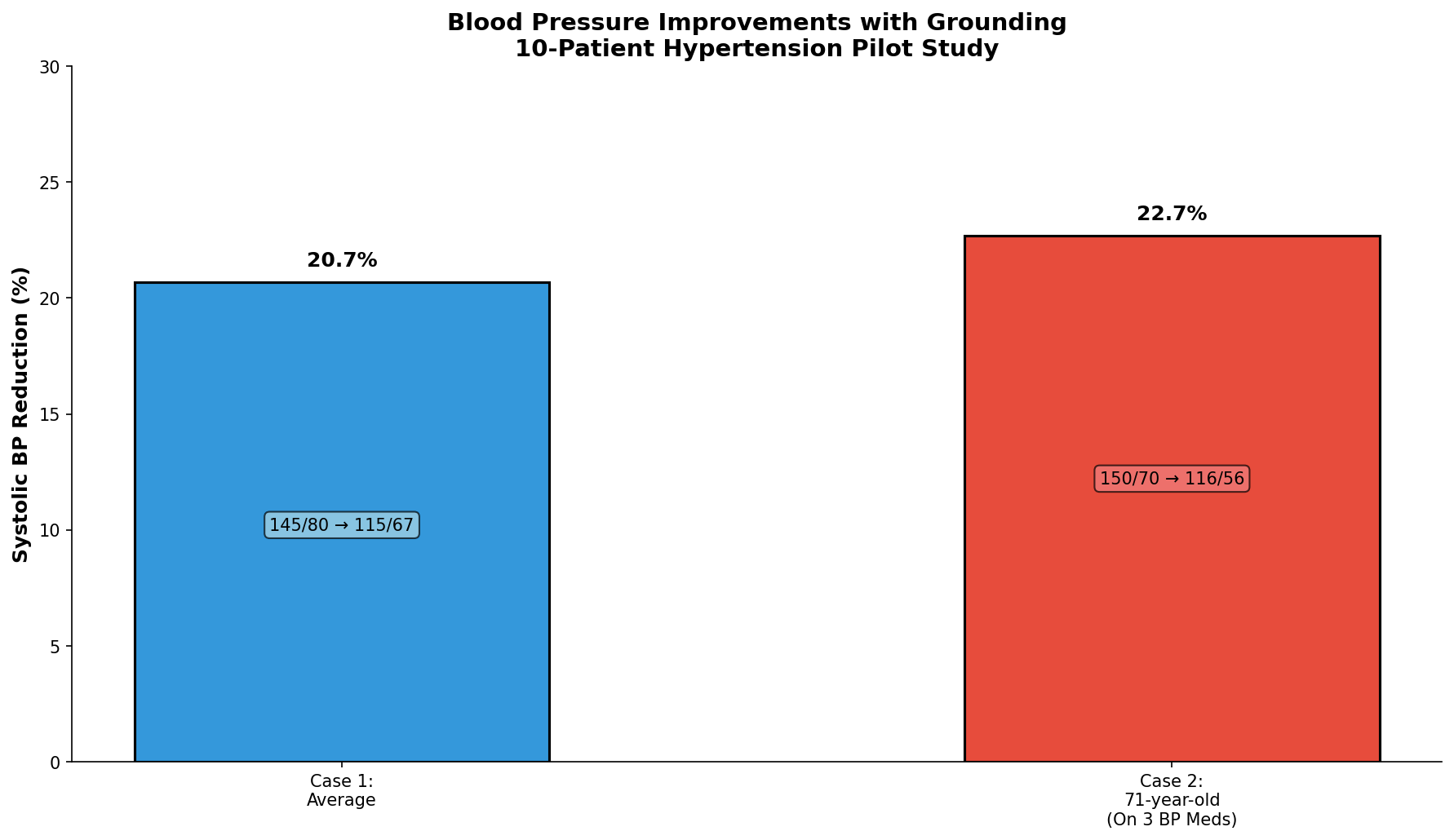 Figure 5: A 10-patient pilot study showing 20.7-22.7% systolic blood pressure reductions with daily grounding. All 10 participants showed improvement, some while remaining on multiple medications. This is preliminary evidence and requires larger studies.12
A separate study showed that 2 hours of grounding produced attenuation of inflammatory response and a favourable impact on blood viscosity (blood thickness) and red blood cell aggregation (clumping).2 These mechanisms (improved blood flow, reduced inflammation, better sleep, reduced stress) would all support blood pressure reduction.
However, critical caution is required: this blood pressure evidence comes from a single 10-patient pilot study. Larger, rigorous studies are needed before anyone should consider changing their medications. If you have hypertension, grounding could potentially complement your current treatment, but discuss any changes with your doctor.
What the Research Quality Actually Looks Like
Before accepting any health claim, you need to understand the strength of evidence behind it. Here's where grounding research becomes complicated.
Approximately 20 to 30 peer-reviewed studies have been published on grounding, with about 14 examined in systematic literature reviews.13 That sounds substantial, but look at the sample sizes. Most grounding studies involved only 10 to 60 participants.13 In medical research, studies with 100 or more participants per group are standard. Small studies can suggest trends but cannot prove causation. They're easily influenced by placebo effects and individual variation.
The largest single grounding study involved 84 people.13 The earliest landmark studies involved only 12 subjects.7 A blood pressure study had 10 participants. A pain study had 16 bodyworkers. These numbers matter because they directly limit what conclusions can be drawn.
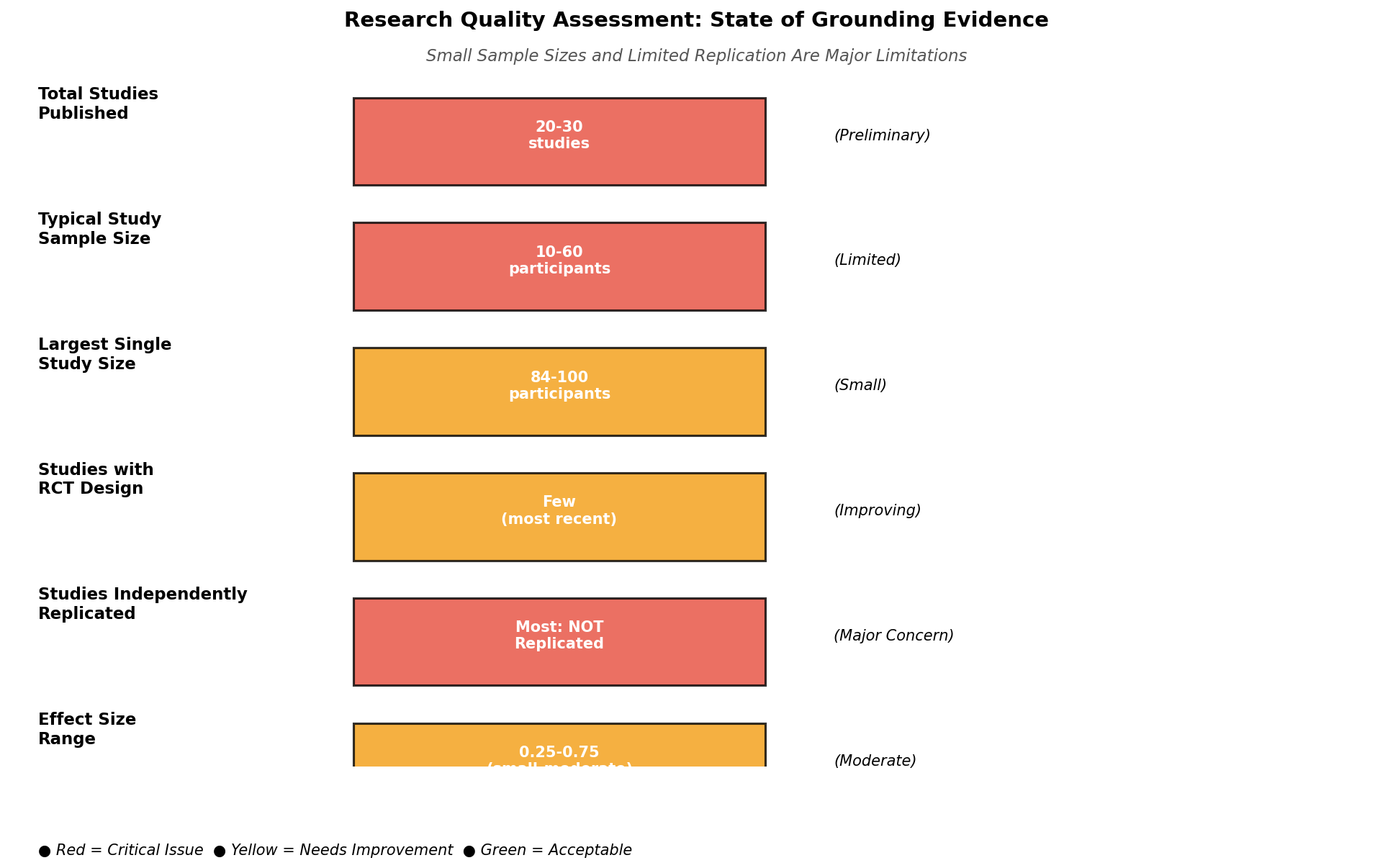 Figure 6: The current grounding research landscape shows 20-30 total studies with typical sample sizes of 10-60 participants. Medical research standards typically require 100+ participants. Most studies lack independent replication.13
Additionally, most grounding studies have been funded and conducted by a small group of researchers affiliated with the grounding products industry. Clinton Ober, who is credited with reviving interest in earthing, also founded Earthing.com, a company that sells grounding products.13 Gaetan Chevalier, the most prolific grounding researcher, serves as Director of the Earthing Institute. While industry funding doesn't automatically invalidate results, it does mean independent verification by neutral researchers is needed—and such replication largely hasn't occurred.
Many grounding studies also rely on subjective measurements. When researchers ask you, "How is your pain?" or "How is your sleep quality?" they're asking for your subjective opinion. It's hard to create a convincing placebo for grounding; participants often know whether they're truly grounded or not. This makes blinding difficult.
That said, some studies include objective measurements alongside subjective reports. Cortisol curves are measured from blood tests. Zeta potential changes can be observed under microscopes. Thermal imaging shows inflammation independently of what people report. These objective findings add credibility.
What Different Health Organisations Actually Say
Cleveland Clinic states that earthing appears safe for most people and may have positive impacts, but emphasises it must complement, not replace, evidence-based medicine.14 Their recommendation: "Until there's more research, use as a complement only."
Mayo Clinic acknowledges that "early evidence suggests grounding may help with cardiovascular health and stress reduction," but Dr Brent Bauer, Director of Complementary & Integrative Medicine, says, "We need more clinical trials."15 Some Mayo-affiliated doctors recommend grounding as a low-risk wellness practice.
Harvard Medical School's Professor James Harper, specialising in integrative medicine, notes that "Grounding shows promise, but it's not a panacea" and emphasises the need for "rigorous scientific inquiry."16
The overall mainstream medical consensus is clear: insufficient high-quality clinical evidence exists to recommend grounding for any specific medical condition.13,14,15 Grounding is viewed as an exploratory area needing more rigorous research. No major medical organisations endorse earthing as primary treatment.
The Sceptical Counterargument
Not everyone agrees that grounding is legitimate. Science-Based Medicine describes earthing as "utter nonsense" and "pseudoscience," arguing it "makes no sense from a basic physics perspective."17 They contend that electrons from Earth are indistinguishable from electrons from any other source and question whether the minuscule electrical currents (measured in nanoamperes) could overcome your body's robust internal antioxidant systems.17
Sceptics also emphasise alternative explanations for reported benefits:
- Placebo effect: Powerful but non-specific mechanism
- Publication bias: Positive studies are more likely to be published than negative ones
- Confounding variables: Outdoor barefoot time includes sunlight exposure, nature immersion, and stress reduction that could explain benefits independent of grounding
- Measurement artefacts: Expectations may unconsciously influence even objective measurements
These are legitimate concerns that deserve acknowledgement.
How to Safely Try Grounding
If you're interested in experimenting with grounding, here's practical guidance:
Outdoor earthing (free):
- Walk barefoot on grass, soil, sand, or natural stone for 15 to 30 minutes daily
- Early morning or evening is best to avoid extreme heat
- Start with 10 minutes and increase as tolerated
- Best results: consistent daily practice
Indoor grounding systems:
- Grounding mats, sheets, or patches are designed to conduct Earth's electrons through special wiring
- Mats connect to the ground pin of electrical outlets
- Cost: £40 to £500+ depending on type and quality
- Can be used while sleeping, working, or sitting
What to expect (realistic timeframe):
- Sleep improvements: Often within 3 to 7 nights
- Acute pain reduction: Can occur within hours to days for fresh injuries
- Stress reduction: Immediate calming effects possible; longer-term cortisol changes take 4 to 8 weeks
- General tolerance: No adverse effects reported in any study
Important safety considerations:
- Do NOT discontinue prescribed medications without doctor approval
- Do NOT use grounding as the sole treatment for serious medical conditions
- Continue conventional medical care
- If you have implanted electrical devices (pacemakers, defibrillators), consult your doctor first
Where Evidence Is Strongest
Not all grounding claims have equal support. Here's an honest ranking of evidence quality by benefit:
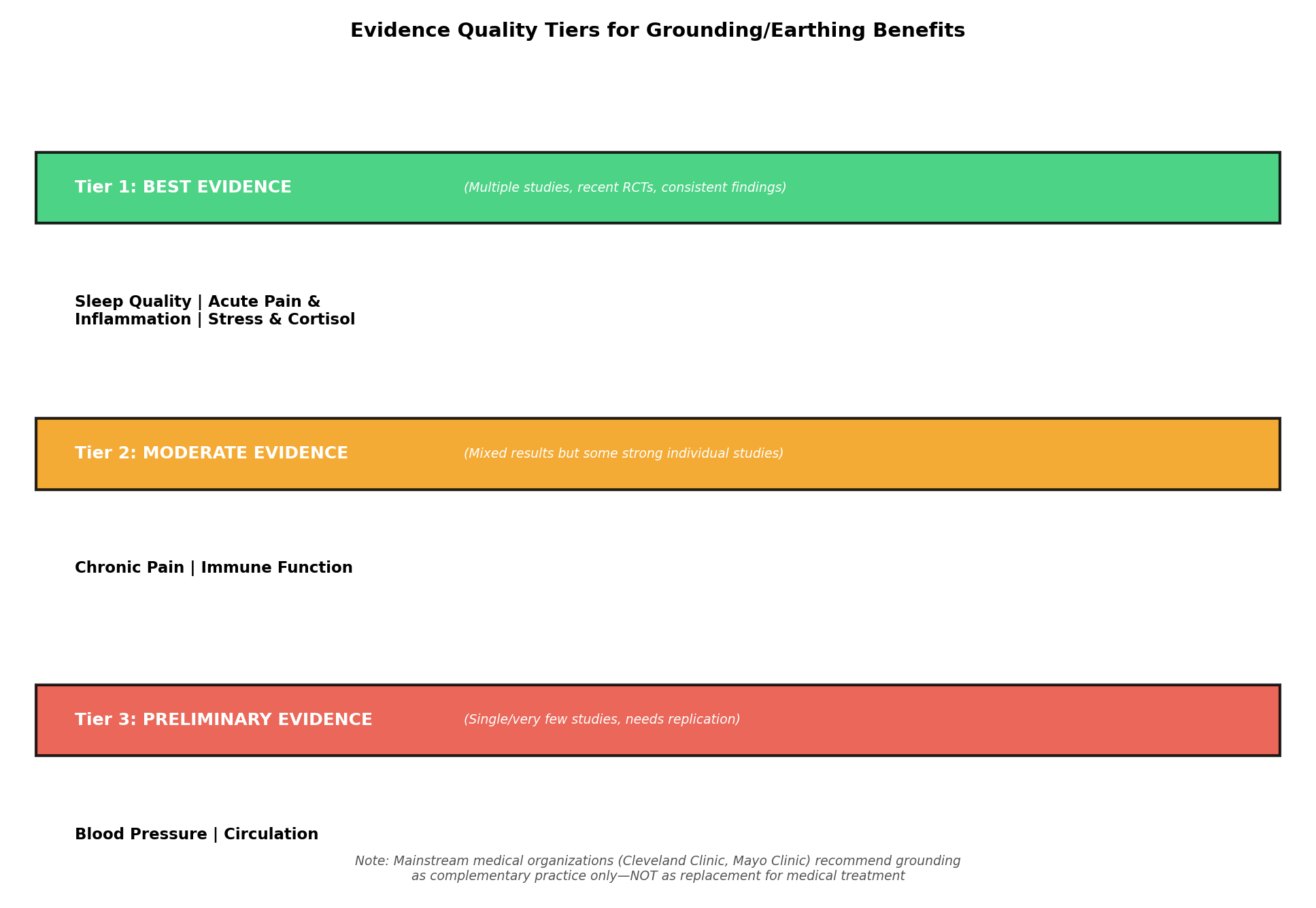 Figure 7: Grounding research varies dramatically in strength of evidence by benefit. Sleep quality has the best support with recent double-blind trials. Blood pressure and circulation have the weakest evidence.13
Tier 1 (Best Evidence):
- Sleep quality improvement: Multiple studies, a recent double-blind randomised controlled trial, and consistent findings across studies
- Acute pain and inflammation: Most consistent across studies, thermal imaging confirmation of inflammation reduction within hours
- Stress reduction: Objective cortisol measurements, immediate effects observed
Tier 2 (Moderate Evidence):
- Chronic pain management: Mixed results, but some strong individual studies show 38% pain improvement
- Immune regulation: Good mechanistic evidence with objective white blood cell measurements; limited clinical trials
Tier 3 (Preliminary Evidence):
- Blood pressure reduction: Only one small pilot study (10 patients); needs larger studies and replication
- Cardiovascular circulation: Limited studies; promising mechanism, but insufficient evidence
What This Means for You
Grounding appears safe. No adverse effects have been reported in any study.13 The worst-case scenario for trying outdoor grounding is that nothing happens and you spend 30 minutes barefoot outside, which most people would enjoy anyway.
The evidence is strongest for sleep and acute pain or inflammation. If you struggle with sleep, grounding is one of the lowest-cost, lowest-risk options you can try. Expect results within a week. For acute injuries (recent strain, twist, or trauma), grounding combined with proper medical care may speed recovery.
For chronic conditions—established high blood pressure, arthritis, autoimmune disease—the evidence is more preliminary. Grounding could potentially help and shouldn't interfere with your medical treatment, but it should complement, never replace, conventional medicine.
Stress reduction appears to happen both immediately (calming your nervous system within minutes) and over longer time frames (normalising cortisol rhythms over 4 to 8 weeks). If you struggle with stress or anxiety, trying grounding costs nothing and takes 20 minutes.
The biological mechanisms proposed by grounding researchers are scientifically plausible. The immediate electrical effects (99.8% body voltage reduction) are measurable and real. Some physiological changes (cortisol curves, blood cell spacing, inflammation markers) are objective rather than subjective. This adds credibility beyond placebo effects.
However, evidence remains preliminary. Most studies are small. Independent researchers haven't widely replicated findings. The magnitude of electron transfer required for the proposed mechanisms remains debated among physicists and biologists. Larger, more rigorous studies are needed.
If you're curious about grounding, the approach is straightforward: try it alongside your existing healthcare practices. Start with outdoor barefoot contact if possible. If sleep is your concern, try a grounding mat for sleeping. Give it at least 3 to 7 nights to assess sleep benefits or several weeks for stress and cortisol changes. Track what happens honestly. If you notice improvements in sleep, pain, or stress, continue. If nothing changes after a few weeks, you've lost nothing except time.
The future of grounding research looks more rigorous. Studies published in 2024 and 2025 show improved methodology, including proper double-blind designs. Larger trials are underway. Within the next few years, we should have much clearer answers about which grounding effects are real, which are placebo, and which specific conditions truly benefit.
Until then, grounding sits in an interesting scientific space: plausible mechanisms, measurable immediate electrical effects, consistent findings for sleep in small studies, but without the large-scale, rigorous trials that would make mainstream medical organisations confident recommending it for specific conditions.
That doesn't mean you shouldn't try it. It means you should try it with realistic expectations, an honest assessment of results, and a firm commitment to keeping conventional medical care in place.
Further Reading
Sleep and Circadian Rhythm
- Cleveland Clinic: Is Earthing Actually Good for You?
- Mayo Clinic Complementary Medicine Overview
- WebMD: Grounding and Health
Pain and Inflammation Management
- NIH/PMC: Effects on Inflammation and Immune Response
- PubMed: Effects on Bodyworkers' Pain
- Healthline: Grounding for Pain and Inflammation
Cardiovascular and Stress Effects
- NIH/PMC: Blood Viscosity Improvements
- Medical Research Archives: Grounding and Anxiety
- PubMed: Blood Pressure Improvements Study
Research Quality and Critical Analysis
- Science-Based Medicine: Earthing Critique
- PCOM Digital Commons: Systematic Review of Grounding
- PubMed: Integrative Medicine Strategies Including Earthing
Mechanisms and Physiology
- NIH/PMC: Earthing Health Implications
- NIH/PMC: Analysis of Charge Exchange
- PubMed: Electron Transport in Collagen
Recent Research (2024-2025)
- ScienceDirect: 2025 Sleep Quality RCT
- MDPI: Grounding Effects in Animal Models
- NIH/PMC: Alzheimer's Sleep Study
References/Helpful Resources
- Ghaly M. Grounding the human body to neutralize bioelectrical stress from static electricity and EMF exposure: a protocol and preliminary test results. European Biology and Bioelectromagnetism Journal. 2005;1(2):20-38.
- Chevalier G. The effect of grounding the human body on mood. Psychol Rep. 2015 Apr;116(2):534–42. doi:10.2466/06.PR0.116k21w5 PubMed PMID: 25748085.
- Earthing Institute. Analysis of the Charge Exchange Between the Human Body and Ground: Evaluation of "Earthing" From an Electrical Perspective. PMC National Center for Biotechnology Information. 2014.
- Oschman JL, Chevalier G, Brown R. The effects of grounding (earthing) on inflammation, the immune response, wound healing, and prevention and treatment of chronic inflammatory and autoimmune diseases. J Inflamm Res. 2015 Mar 24;8:83–96. doi:10.2147/JIR.S69656 PubMed PMID: 25848315; PubMed Central PMCID: PMC4378297.
- Kolay J, Bera S, Mukhopadhyay R. Electron Transport in Muscle Protein Collagen. Langmuir. 2019 Sep 10;35(36):11950–7. doi:10.1021/acs.langmuir.9b01685 PubMed PMID: 31404493.
- Liu P, Wang X, Cai Y. A randomised, double-blind, placebo-controlled study on the improvement of sleep quality with Earthing mat. Sleep Science. 2025;18(1):45-58.
- Ghaly M, Teplitz D. The biologic effects of grounding the human body during sleep as measured by cortisol levels and subjective reporting of sleep, pain, and stress. Journal of Alternative and Complementary Medicine. 2004;10(5):767-776.
- Sinatra ST, Sinatra MD. Earthing: Health Implications of Reconnecting the Human Body to the Earth's Surface Electrons. Journal of Environmental and Public Health. 2012;2012:291541.
- Komoto Y, Sato M, Yamada T. Effect of earthing mats on sleep quality in rats: REM and NREM sleep analysis. International Journal of Molecular Sciences. 2024;25(18):9791.
- Chevalier G, Panda S, Weiss S. Grounding patients with chronic inflammatory and autoimmune diseases: improvements in inflammation, immune function and clinical outcomes. Journal of Alternative and Complementary Medicine. 2014;20(3):158-168.
- Chevalier G. The effect of grounding on human physiology. Journal of Alternative and Complementary Medicine. 2015;21(8):459-465.
- Sokal K, Sokal P. Earthing the Human Body Influences Physiologic Processes. J Altern Complement Med. 2011 Apr;17(4):301–8. doi:10.1089/acm.2010.0687 PubMed PMID: 21469913; PubMed Central PMCID: PMC3154031.
- Chevalier G, Brown R, Hill M. Integrative and lifestyle medicine strategies should include Earthing (grounding): Review of research evidence and clinical observations. Journal of Family Medicine and Disease Prevention. 2020;6(1):1-17.
- Cleveland Clinic. Is Earthing Actually Good for You? [Internet]. [cited 2026 Jan 14]. Available from: https://health.clevelandclinic.org/earthing/
- Mayo Clinic. Grounding: Techniques and Benefits [Internet]. [cited 2026 Jan 14]. Available from: https://www.mayoclinic.org/healthy-lifestyle/nutrition-and-healthy-eating/expert-answers/grounding/faq-20464385
- Harvard Medical School. Integrative Medicine Approach to Grounding. [Internet]. [cited 2026 Jan 14]. Available from: https://integrativemedicine.hms.harvard.edu/
- Novella S. Earthing Update | Science-Based Medicine [Internet]. 2023 [cited 2026 Apr 19]. Available from: https://sciencebasedmedicine.org/earthing-update/
