

Most people know they should exercise more and eat their vegetables. But knowing and doing are different things, and 'eat better, move more' has never been enough, on its own, to motivate lasting change. What might actually move the needle is understanding why these habits work at the cellular level, and just how much difference they make in real, measurable terms.
The research on ageing is more optimistic than you might expect. People who shift to healthier habits in their 60s, 70s, and even 80s still gain meaningful years of good-quality life. Your biology is not a fixed sentence. And the most powerful tools available are not expensive drugs or exotic supplements: they are walkable streets, a decent night's sleep, a Mediterranean dinner, and a friend to share it with.
Here is what the science says, and what to do with it.
Why Your Body Ages the Way It Does
Ageing is not simply the passage of time. Scientists have now identified 12 distinct biological mechanisms, called the Hallmarks of Ageing, that drive the process. Understanding even a few of them makes clear why lifestyle choices have such an outsized effect.
Two of the most important hallmarks are cellular senescence and inflammaging. Senescent cells are damaged cells that stop dividing but refuse to die. Instead, they persist and secrete toxic pro-inflammatory signalling molecules into surrounding tissue, promoting senescence in neighbouring cells. This creates a self-amplifying cycle of low-grade, body-wide inflammation that researchers call inflammaging: it is the shared root cause of cardiovascular disease, dementia, cancer, metabolic disease, and frailty. In other words, most of the conditions people fear about ageing share a single biological origin.
Telomere attrition is another process worth knowing. Telomeres are the protective caps at the ends of chromosomes, comparable to the plastic tips on shoelaces. They shorten with every cell division. When they become critically short, the cell either dies or enters senescence. Crucially, telomeres shorten faster under chronic stress, smoking, obesity, and physical inactivity. Lifestyle choices have a direct, measurable impact on how quickly cells age.
The good news is that biological age, measured by epigenetic clocks (chemical patterns on DNA that can be read like a timestamp), can differ substantially from chronological age. People of identical birth years can have biological ages that differ by a decade or more. And biological age can be reduced through lifestyle intervention.
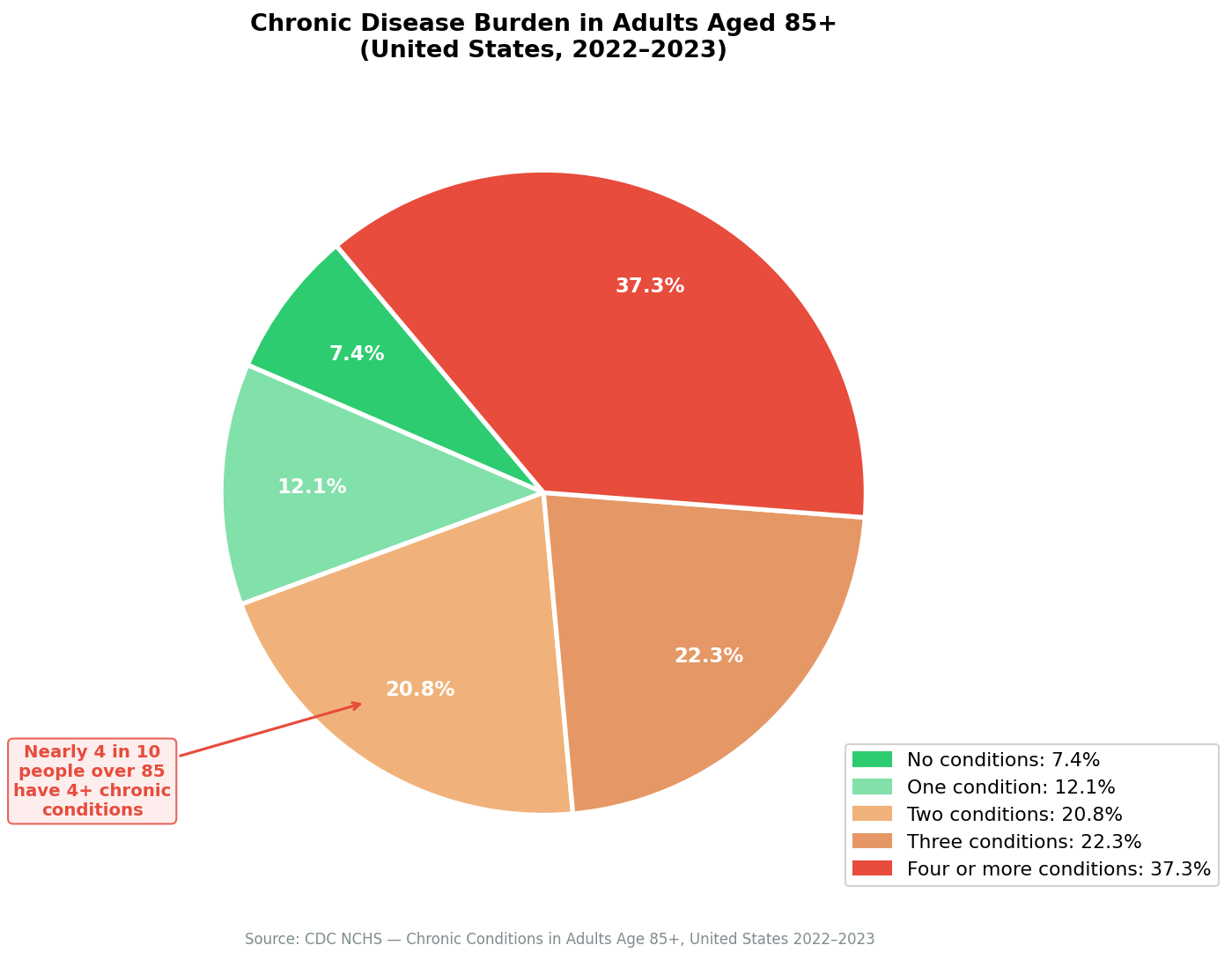 Figure 1: The global population aged 60 and over is growing rapidly. By 2050, 1 in 4 people in many countries will be over 60. Data from WHO and NIH.
Moving More Is the Single Most Powerful Thing You Can Do
The evidence for physical activity is overwhelming and consistent. Adults who meet basic movement guidelines reduce their all-cause mortality risk by 46%, their risk of dying from circulatory disease by 56%, and their risk of dying from respiratory disease by 49%. Even light activity counts: compared to completely sedentary individuals, those who do only light-intensity physical activity (gentle walking, gardening, easy cycling) have 26% lower all-cause mortality risk.
The benefits become even more striking when incremental increases in activity are examined. Adding just 10 minutes of movement per day is associated with a 7% drop in annual deaths. Adding 20 minutes reduces deaths by 13%. Adding 30 minutes reduces them by 17%. These are not trivial numbers; they represent millions of lives.
Nearly 70% of older adults do not meet physical activity guidelines, yet this is the intervention with the highest, most consistent evidence base across the entire field of healthy ageing research.
For the brain specifically, physically active individuals are 50% less likely to develop cognitive impairment. The most active older adults show a 28% lower risk of dementia and a 45% lower risk of Alzheimer's disease compared to the least active. Physical activity benefits the brain through multiple pathways: it reduces inflammaging, improves blood flow, stimulates the growth of new neural connections, and enhances the clearance of metabolic waste products that accumulate during waking hours.
What kind of movement? The WHO guidelines for adults aged 65 and over recommend:
- At least 150 minutes of moderate-intensity aerobic activity (brisk walking, swimming, cycling) per week, or 75 minutes of vigorous activity
- Muscle-strengthening activities at least 2 days per week
- Balance and flexibility training in addition to the above
Balance training deserves particular emphasis. More than 33% of older adults fall at least once per year, and a fall is frequently the event that triggers a rapid decline in independence. Structured balance training for 12 or more weeks reduces fall risk by approximately 30 to 40%. Tai chi is one of the most studied and effective approaches: it is low-impact, accessible, and can be done in groups. Building balance is not about being careful; it is about being robust.
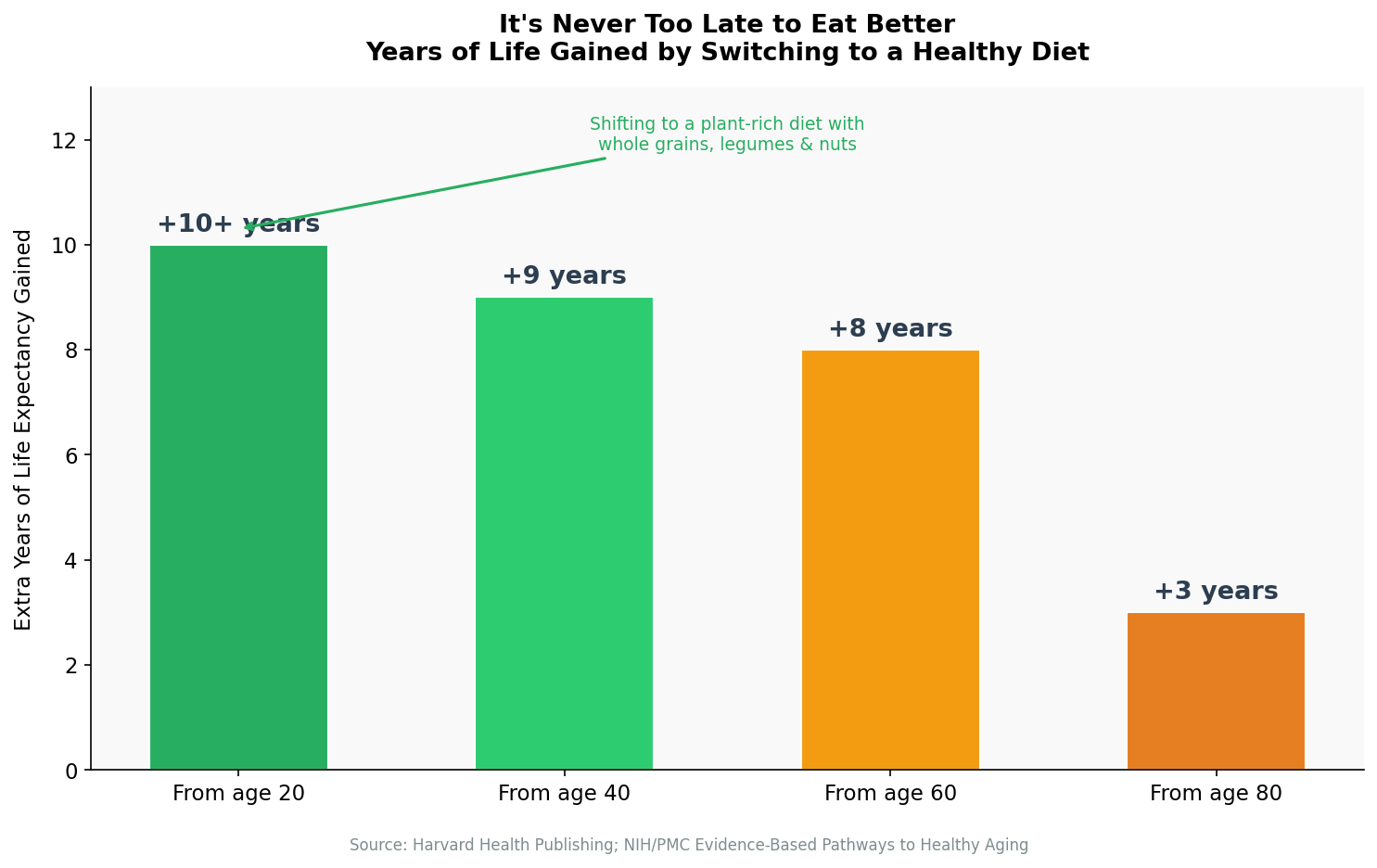 Figure 2: Comparison of mortality risk reductions from major lifestyle interventions. Data from PubMed meta-analyses and NIH.
What You Eat Genuinely Changes How Long You Live
The research on nutrition and longevity is cleaner and more consistent than the food supplement industry would have you believe. No single 'superfood' or supplement pill makes a meaningful difference to longevity. What does make a difference is a coherent dietary pattern.
The Mediterranean diet has the strongest and most consistent evidence base. Compared to the lowest adhering group, those who most closely follow a Mediterranean dietary pattern (olive oil, fish, vegetables, legumes, whole grains, nuts, moderate wine) have been reported to have a 72% lower risk of dementia. This diet is also associated with reduced all-cause mortality and cardiovascular mortality in older adults across multiple meta-analyses.
Beyond diet pattern, protein intake is the most underappreciated nutritional lever for healthy ageing. The standard dietary recommendation of 0.8 g of protein per kilogram of body weight per day was set for the general population. Older adults experience 'anabolic resistance', meaning their muscles need more protein to achieve the same stimulus as in younger adults. The current evidence-based recommendation for older adults is 1.0 to 1.5 g per kilogram of body weight per day. For a 70 kg person, that is approximately 70 to 105 g of protein daily, equivalent to roughly three palm-sized portions of meat, fish, eggs, or legumes.
Adults lose approximately 8% of muscle mass per decade between ages 50 and 70, and most experience a total 30% loss by age 70. This is not inevitable. A 12-week programme combining resistance training with adequate protein intake has been shown to reduce sarcopenia (clinically significant muscle loss) from 35% prevalence to virtually zero in study participants. Preserving muscle is preserving independence.
What about supplements? Large, well-designed randomised trials (including the DO-HEALTH trial of over 2,000 participants across five countries) have found that vitamin D, omega-3 supplements, and their combination do not produce significant benefits on bone density or cognitive decline when used in isolation. Food-first approaches consistently outperform isolated supplementation.
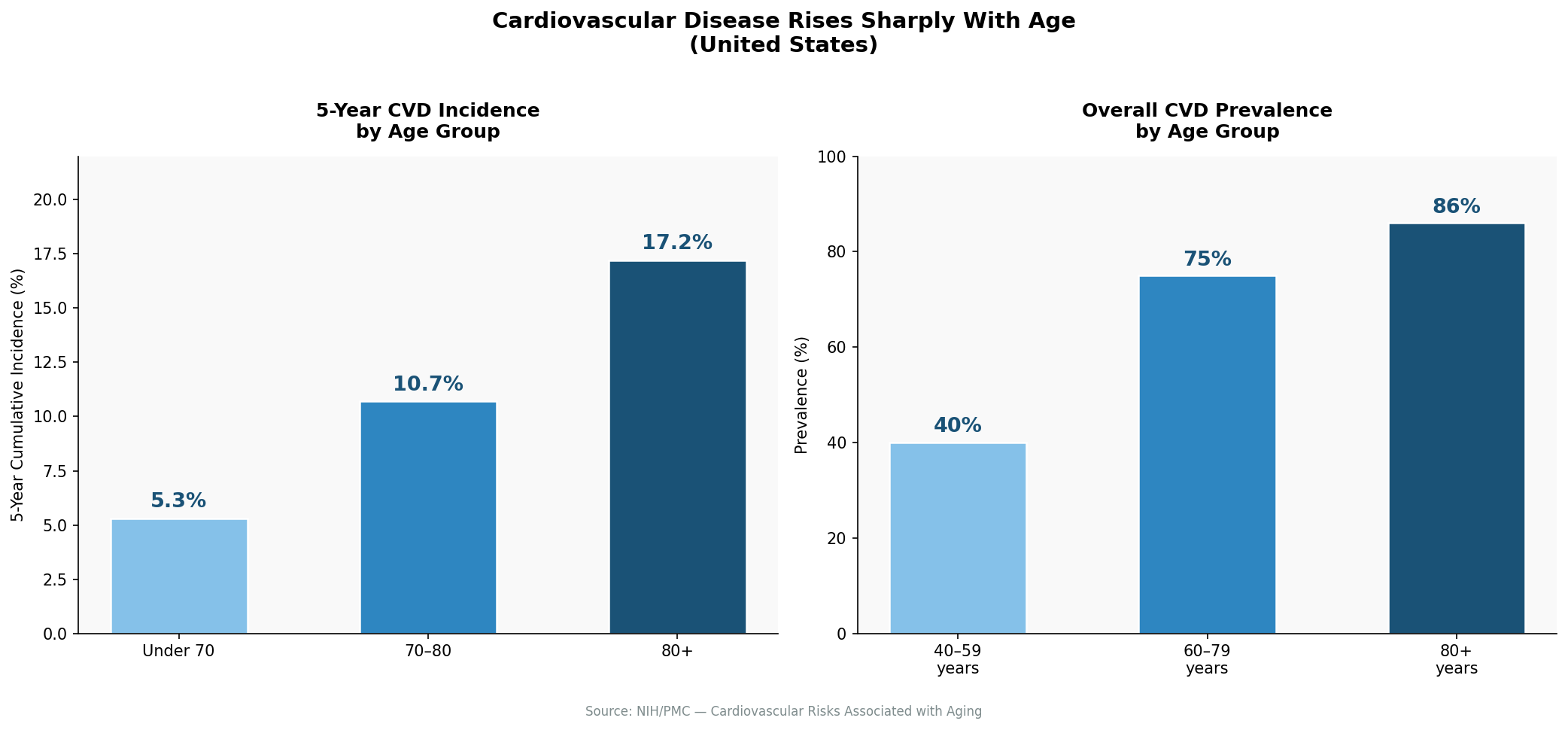 Figure 3: Estimated gains in life expectancy from adopting a Mediterranean-style diet at different ages. Even starting at 80 adds meaningful healthy years. Data from Harvard Health Publishing and NIH.
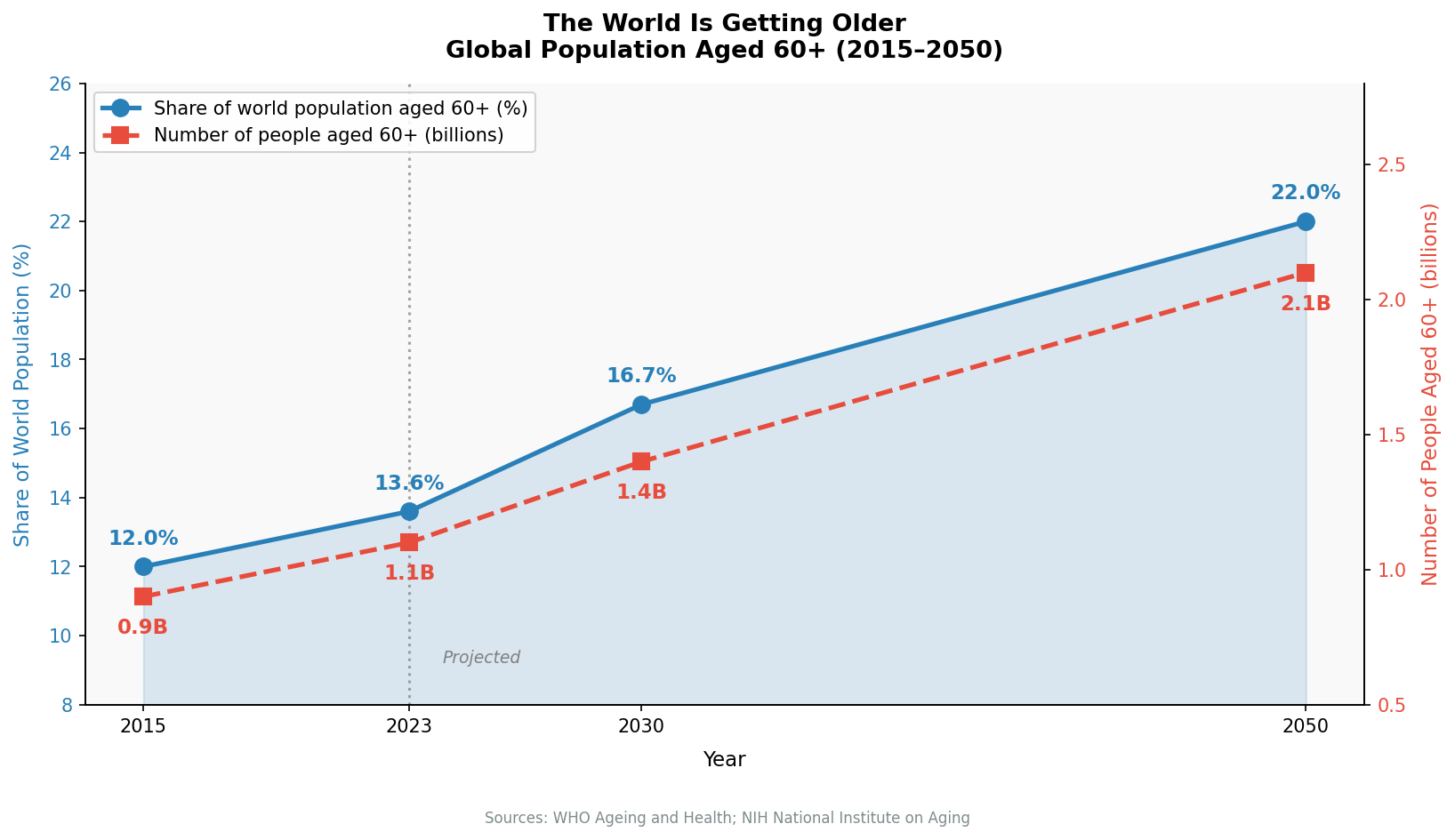 Figure 4: Chronic condition burden in adults aged 85 and over. Around 37% carry four or more chronic conditions, highlighting the stakes of prevention earlier in life. Data from CDC NCHS 2022-2023.
The Unsexy Interventions That Actually Work
Several effective ageing strategies receive far less attention than they deserve.
Sleep is one. Sleep quality declines across the lifespan, with the probability of being a genuinely good sleeper falling considerably after age 50. Poor sleep quality is independently associated with frailty, cardiovascular disease, depression, and higher mortality, even after accounting for other health factors. Both too little sleep (under 6 hours) and too much (over 9 hours) are associated with worse outcomes. Aiming for 7 to 8 hours of quality sleep is one of the most impactful and most underused healthy ageing interventions.
Chronic stress accelerates biological ageing at the cellular level. It is associated with a 2 to 4-fold increase in circulating inflammatory mediators. Over time, chronic activation of the stress response system (the hypothalamic-pituitary-adrenal axis) is linked to impaired memory, executive function, and increased risk of dementia and Alzheimer's disease. The encouraging news: even brief, structured interventions work. A 6-week stress management programme measurably reduced cortisol levels in healthy older adults. Mindfulness-based stress reduction programmes have demonstrated reductions in anxiety, depression, insomnia, and chronic stress with no adverse effects.
Preventive screening is the most cost-effective investment many people overlook. The annual influenza vaccine reduces influenza-related hospital admissions by 42%. Adults over 65 have a 16-fold greater risk of dying from cancer than younger adults, making regular bowel and breast cancer screening a high-value, relatively low-effort intervention. Blood pressure and cholesterol monitoring, combined with appropriate management, directly addresses the leading causes of cardiovascular mortality. Adults who stop smoking gain approximately 3 additional years of life expectancy if they quit at age 60, with 85% reduction in excess all-cause mortality for those who have quit for over 20 years. The benefits begin almost immediately.
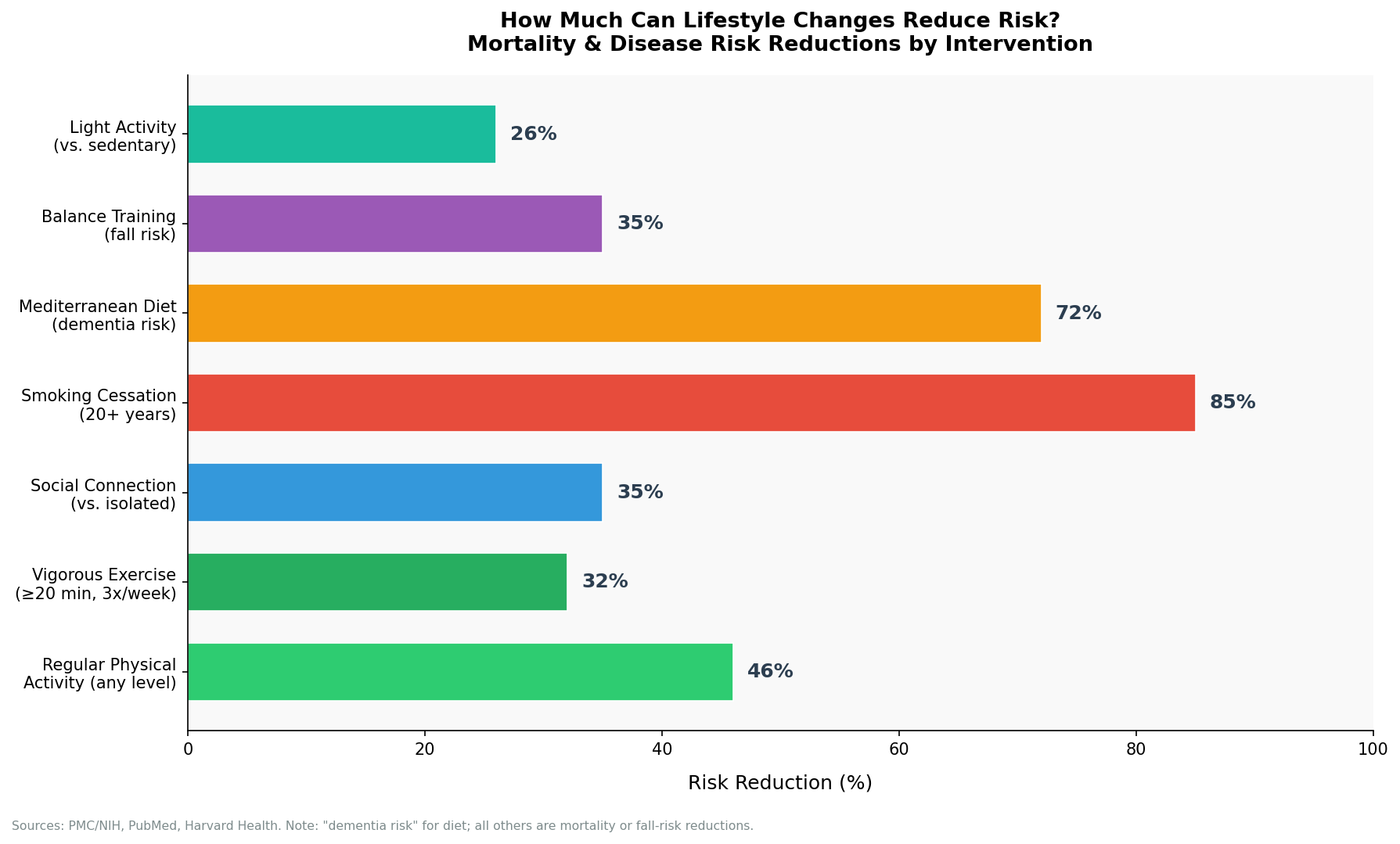 Figure 5: Cardiovascular disease and cognitive decline prevalence rise sharply with age, reinforcing why early prevention matters. Data from NIH/PMC and CDC.
Your Relationships Are a Medical Intervention
The data on social connection is unambiguous and repeatedly replicated across large populations.
Social isolation is associated with a 35% higher all-cause mortality risk. Severe loneliness carries a 36% higher mortality risk. Simply living alone is associated with a 21% higher mortality risk. This is not merely a metaphor; it reflects population-level mortality risks that are comparable in magnitude to those associated with smoking approximately 15 cigarettes per day.
On the positive side: socially integrated women have 41% higher odds of surviving to age 85 compared to socially isolated women, according to the long-running Nurses' Health Study. Higher social network scores predict both longer life expectancy and longer disability-free life expectancy. Positive relationships reduce the accumulation of mobility limitations over time.
Volunteering deserves particular mention. It provides mental, physical, and social stimulation simultaneously. Cognitive health improved over time among older adults who volunteered in one long-running study; it did not improve among those who did not. Intergenerational contact, specifically spending time with people significantly younger than oneself, reduces loneliness, depression, and stress while improving quality of life and fostering more positive views of one's own ageing.
Maintaining or building social connections is not about being extroverted. It is about intentionality: joining a class, attending a community group, volunteering an afternoon a week, and maintaining regular contact with family and friends. These actions are not optional for healthy ageing; they are clinically meaningful.
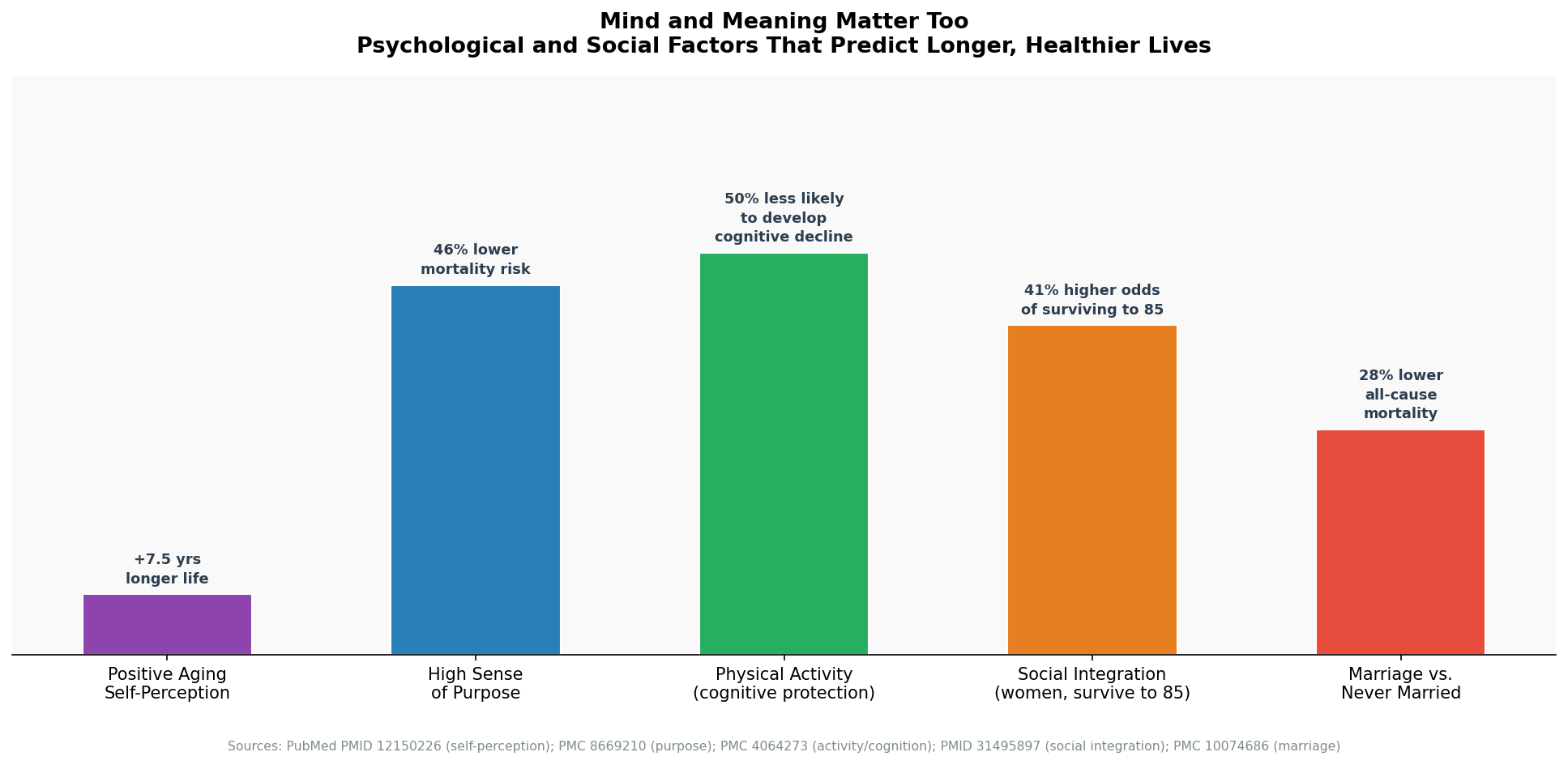 Figure 6: How different forms of social connection and isolation compare in their effects on mortality risk. Data from PubMed meta-analyses.
How You Think About Ageing Directly Affects How Long You Live
This is possibly the most surprising finding in the entire field of healthy ageing research, and it deserves to be stated plainly: individuals with more positive self-perceptions of ageing live on average 7.5 years longer than those with more negative self-perceptions, after controlling for age, sex, socioeconomic status, loneliness, and functional health.
This is not a small effect. Seven and a half years is a larger longevity benefit than is attributable to not smoking, maintaining a healthy weight, or regular exercise in isolation. Positive ageing self-perception is associated with better self-rated health, lower rates of obesity, less depression, better daily function, and improved cognitive outcomes.
People with the highest sense of purpose show 46% reduced mortality risk over four-year follow-up periods. High purpose is also associated with 43% reduced risk of depression, 13% reduced risk of sleep problems, and slower cognitive decline. Purpose can come from work, caregiving, faith, hobbies, creative activity, or community engagement. The form matters less than the presence of a genuine sense that daily life has direction and meaning.
Resilience is equally important and, crucially, can be built at any age. High resilience predicts slower cognitive decline, lower depression, less loneliness, and better social function. Research shows that resilience effects on successful ageing are comparable in size to those of physical health: boosting psychological resilience has as much measurable impact as reducing physical disability.
There is also a genuinely encouraging demographic finding buried in the data: emotional wellbeing follows a U-shaped curve across the lifespan. It is generally lowest in middle age and rises again after 50. Many older adults report greater contentment, emotional regulation, and life satisfaction than they did when younger. Ageing, for many people, gets better.
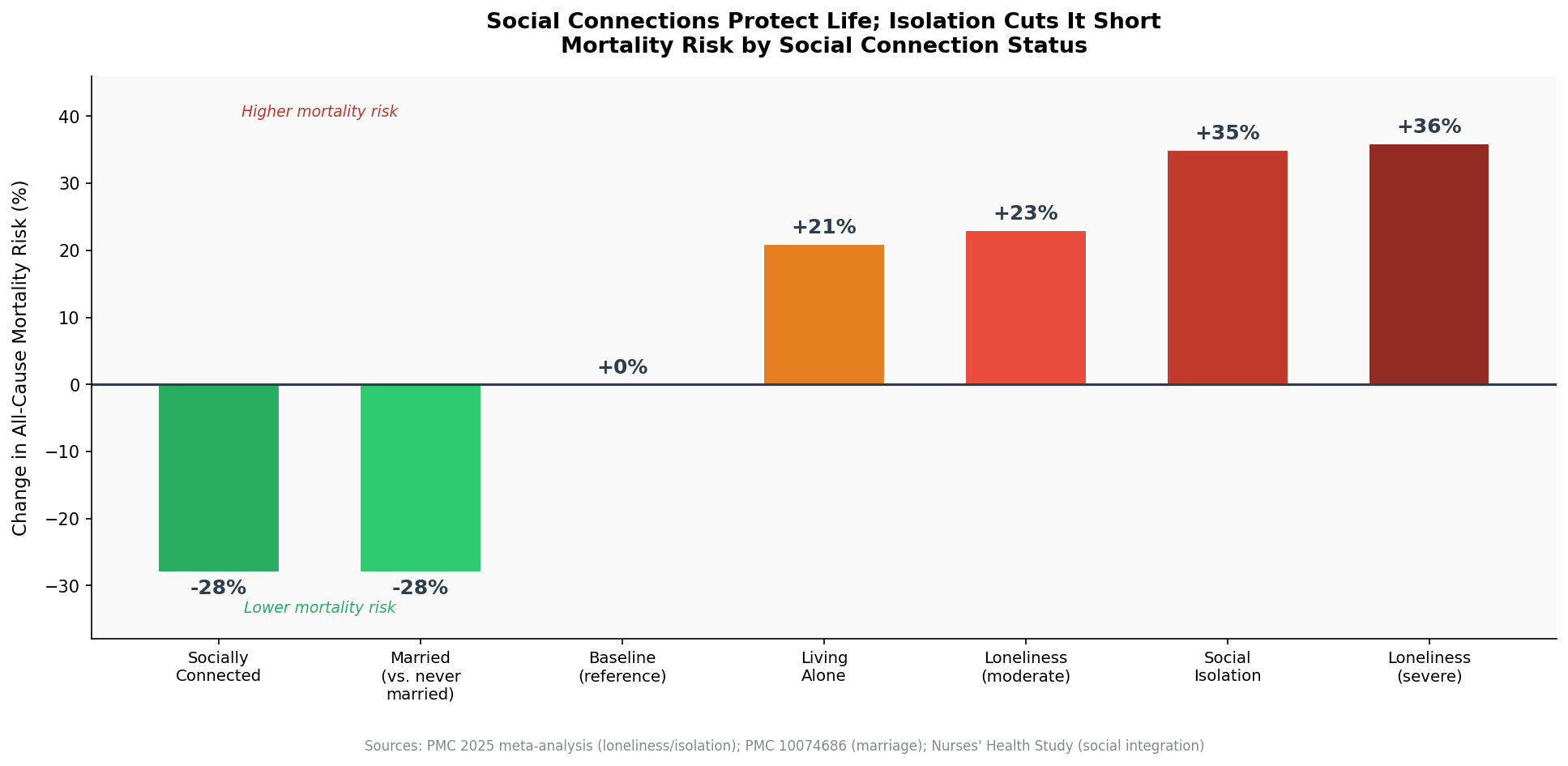 Figure 7: The measured impact of psychological factors on longevity outcomes. Positive ageing self-perception adds more years than many physical interventions. Data from PubMed longitudinal studies.
What Actually Works: A Summary of the Evidence
Pulling the evidence together, several conclusions emerge with particular force.
Multiple small changes compound. No single intervention dominates all others. The FINGER trial, the first randomised controlled trial to demonstrate protection against cognitive impairment over two years, worked because it combined diet, physical exercise, cognitive training, social engagement, and metabolic monitoring simultaneously. The synergy between lifestyle factors is greater than the sum of the parts.
It is never too late. Adopting a healthy diet at age 80 still adds 3 or more years of healthy life. Quitting smoking at 80 still reduces excess mortality risk. Starting a balance training programme at 75 still cuts fall risk by a third. The biology of benefit does not expire.
The most powerful interventions cost very little. Walking, vegetables, sleep, connection, purpose. None of these requires a prescription or a clinic appointment. The challenge is often not access but sustained motivation and supportive environments.
For practical purposes, the evidence points to these priorities:
- Walk or move every day, even lightly; build towards 150 minutes of moderate activity per week
- Add resistance exercise at least twice weekly to preserve muscle and bone
- Eat a Mediterranean-style diet with adequate protein (1.0 to 1.5 g per kilogram of body weight per day)
- Prioritise 7 to 8 hours of quality sleep
- Manage chronic stress with structured approaches (mindfulness, community, leisure)
- Maintain and actively build social relationships; consider volunteering
- Get recommended screenings and vaccinations
- Notice how you talk to yourself about ageing; a more positive framing is not wishful thinking but a measurable protective factor
The biology of ageing is genuinely fascinating, and the science of healthy ageing is consistently more hopeful than the culture around ageing suggests. You have more agency over this process than most people realise.
Further Reading
The Biology of Ageing
- Hallmarks of Ageing: An Expanding Universe (PubMed)
- Cellular Senescence Mechanisms and Therapeutic Opportunities (PMC)
- Inflammaging: Triggers, Molecular Mechanisms, and Immunological Consequences (PMC)
- WHO: Ageing and Health
Exercise and Physical Activity
- NIH National Institute on Aging: Exercise and Physical Activity
- Physical Activity and All-Cause Mortality in Older Adults (PMC)
- Does Physical Activity Prevent Cognitive Decline? Systematic Review (PMC)
Diet and Nutrition
- Nutrition and Healthy Ageing: A Review (PMC)
- Mediterranean Diet and Healthy Ageing (PMC)
- Protein Intake and Muscle Health in Older Adults (PMC)
- Harvard Health: Longevity Lifestyle Strategies
Sleep, Stress, and Mental Health
- Sleep and Healthy Ageing: Systematic Review (PMC)
- Chronic Stress and Cognitive Function (PMC)
- Mindfulness-Based Stress Reduction in Older Adults (PubMed)
Social Connection and Purpose
- Loneliness and Social Isolation Among US Older Adults (PMC)
- Sense of Purpose and Subsequent Health Outcomes (PMC)
- Volunteering and Wellbeing in Older Adults (PubMed)
Psychological Wellbeing and Resilience
- Longevity Increased by Positive Self-Perceptions of Ageing (PubMed)
- Resilience and Successful Ageing: Systematic Review (PubMed)
- Psychological Approach to Successful Ageing (PMC)
Preventive Care Guidelines
- USPSTF Prevention Recommendations for Older Adults
- NHS: Healthy Ageing
- CDC: Chronic Disease Indicators in Older Adults
References/Helpful Resources
- World Health Organization. Ageing and health [Internet]. [cited 2026 May 29]. Available from: https://www.who.int/news-room/fact-sheets/detail/ageing-and-health
- Centers for Disease Control and Prevention. Chronic conditions in adults age 85 and older: United States 2022-2023 [Internet]. [cited 2026 May 29]. Available from: https://www.cdc.gov/nchs/data/hestat/hestat105.htm
- Centers for Disease Control and Prevention. US life expectancy data brief 2024 [Internet]. [cited 2026 May 29]. Available from: https://www.cdc.gov/nchs/data/databriefs/db548.pdf
- Lopez-Otin C, Blasco MA, Partridge L, Serrano M, Kroemer G. Hallmarks of aging: an expanding universe. Cell. 2023;186(2):243-278. Available from: https://pubmed.ncbi.nlm.nih.gov/36599349/
- Franceschi C, Garagnani P, Parini P, Giuliani C, Santoro A. Inflammaging: a new immune-metabolic viewpoint for age-related diseases. Nat Rev Endocrinol. 2018;14(10):576-590. Available from: https://pmc.ncbi.nlm.nih.gov/articles/PMC10359950/
- Moro T, Badiali P. Physical activity and all-cause mortality by age in 4 multinational megacohorts. BMJ. 2024. Available from: https://pmc.ncbi.nlm.nih.gov/articles/PMC11582934/
- Gebel K, Ding D, Chey T, Stamatakis E, Brown WJ, Bauman AE. Effect of moderate to vigorous physical activity on all-cause mortality in middle-aged and older Australians. JAMA Intern Med. 2015;175(6):970-977. Available from: https://pubmed.ncbi.nlm.nih.gov/26238869/
- Cederholm T, Barazzoni R, Austin P, et al. ESPEN guidelines on definitions and terminology of clinical nutrition. Clin Nutr. 2017;36(1):49-64. Available from: https://pmc.ncbi.nlm.nih.gov/articles/PMC4208946/
- Bauer J, Biolo G, Cederholm T, et al. Evidence-based recommendations for optimal dietary protein intake in older people: a position paper from the PROT-AGE Study Group. J Am Med Dir Assoc. 2013;14(8):542-559. Available from: https://pmc.ncbi.nlm.nih.gov/articles/PMC4882708/
- Morley JE, Bauer JM, Cruz-Jentoft AJ, et al. Sarcopenia: an undiagnosed condition in older adults. J Am Med Dir Assoc. 2010;11(6):391-396. Available from: https://pmc.ncbi.nlm.nih.gov/articles/PMC7390512/
- Bischoff-Ferrari HA, Vellas B, Rizzoli R, et al. Effect of vitamin D supplementation, omega-3 fatty acid supplementation, or a strength-training exercise program on clinical outcomes in older adults: the DO-HEALTH randomized clinical trial. JAMA. 2020;324(18):1855-1868. Available from: https://pmc.ncbi.nlm.nih.gov/articles/PMC7656284/
- Dominguez LJ, Veronese N, Barbagallo M. Magnesium and the hallmarks of aging. Nutrients. 2024. Available from: https://pmc.ncbi.nlm.nih.gov/articles/PMC8442641/
- Osman M, Raza A, Ahmed A, et al. Mediterranean diet and healthy aging (PMC). Nutrients. 2021;13(7):2223. Available from: https://pmc.ncbi.nlm.nih.gov/articles/PMC8231595/
- Shi H, Schiltz L, Bhatt DL. Mediterranean diet and cardiovascular outcomes: a meta-analysis. J Am Coll Cardiol. 2024. Available from: https://www.ncbi.nlm.nih.gov/pmc/articles/PMC11597443/
- Ohayon MM, Carskadon MA, Guilleminault C, Vitiello MV. Meta-analysis of quantitative sleep parameters from childhood to old age: normative sleep values across the human lifespan. Sleep. 2004;27(7):1255-1273. Available from: https://pmc.ncbi.nlm.nih.gov/articles/PMC5642766/
- Fan L, Xu W, Cai Y, et al. Sleep quality and frailty: a systematic review and meta-analysis. Aging. 2025. Available from: https://www.ncbi.nlm.nih.gov/pmc/articles/PMC11898741/
- Black DS, Cole SW, Irwin MR, et al. Yogic meditation reverses NF-kB and IRF-related transcriptome dynamics in leukocytes of family dementia caregivers in a randomized controlled trial. Psychoneuroendocrinology. 2013;38(3):348-355. Available from: https://pmc.ncbi.nlm.nih.gov/articles/PMC3428505/
- Galante J, Friedrich C, Dawson AF, et al. Mindfulness-based programmes for mental health promotion in adults in nonclinical settings: a systematic review and meta-analysis. PLOS Med. 2021. Available from: https://pubmed.ncbi.nlm.nih.gov/28686822/
- Holt-Lunstad J, Smith TB, Layton JB. Social relationships and mortality risk: a meta-analytic review. PLOS Med. 2010;7(7):e1000316. Available from: https://www.ncbi.nlm.nih.gov/pmc/articles/PMC8681770/
- Lim MH, Eres R, Peck C. Understanding loneliness in the twenty-first century: an update on correlates, risk factors, and potential solutions. Soc Psychiatry Psychiatr Epidemiol. 2020. Available from: https://pmc.ncbi.nlm.nih.gov/articles/PMC10737504/
- Ennis GJ, Tonner C. Social isolation, loneliness, and mortality among older adults: a 2025 meta-analysis. Age Ageing. 2025. Available from: https://pmc.ncbi.nlm.nih.gov/articles/PMC11750934/
- Glass TA, Mendes de Leon CF, Seeman TE, Berkman LF. Beyond single indicators of social networks: a LISREL analysis of social ties among the elderly. Soc Sci Med. 1997;44(10):1503-1517. Available from: https://pmc.ncbi.nlm.nih.gov/articles/PMC11026051/
- Kim ES, Strecher VJ, Ryff CD. Purpose in life and use of preventive health care services. Proc Natl Acad Sci USA. 2014;111(46):16331-16336. Available from: https://www.ncbi.nlm.nih.gov/pmc/articles/PMC8669210/
- Levy BR, Slade MD, Kunkel SR, Kasl SV. Longevity increased by positive self-perceptions of aging. J Pers Soc Psychol. 2002;83(2):261-270. Available from: https://pubmed.ncbi.nlm.nih.gov/12150226/
- Smith J, Goedken M, Ryff CD. Resilience and successful aging: a systematic review and meta-analysis. Aging Ment Health. 2024. Available from: https://pubmed.ncbi.nlm.nih.gov/38897094/
- Thomas PA, Liu H, Umberson D. Family relationships and well-being. Innov Aging. 2017;1(3):igx025. Available from: https://pmc.ncbi.nlm.nih.gov/articles/PMC10843814/
- Carr A, Culhane W, Colbe S. Volunteering and cognition: Health and Retirement Study longitudinal analysis. Neuropsychology. 2023. Available from: https://pmc.ncbi.nlm.nih.gov/articles/PMC10401338/
- Guure CB, Ibrahim NA, Adam MB, Said SM. Impact of physical activity on cognitive decline, dementia, and its subtypes: meta-analysis of prospective studies. Biomed Res Int. 2017;2017:9016924. Available from: https://www.ncbi.nlm.nih.gov/pmc/articles/PMC4064273/
- Ngandu T, Lehtisalo J, Solomon A, et al. A 2-year multidomain intervention of diet, exercise, cognitive training, and vascular risk monitoring versus control to prevent cognitive decline in at-risk elderly people (FINGER). Lancet. 2015;385(9984):2255-2263. Available from: https://pmc.ncbi.nlm.nih.gov/articles/PMC11285552/
- US Preventive Services Task Force. Reconsidering approach to prevention recommendations for older adults [Internet]. [cited 2026 May 29]. Available from: https://www.uspreventiveservicestaskforce.org/uspstf/about-uspstf/methods-and-processes/reconsidering-approach-prevention-recommendations-older-adults
- National Health Service. Healthy ageing [Internet]. [cited 2026 May 29]. Available from: https://www.nhs.uk/live-well/healthy-ageing/
- Harvard Health Publishing. A healthy lifestyle late in life still offers benefits [Internet]. [cited 2026 May 29]. Available from: https://www.health.harvard.edu/healthy-aging-and-longevity/a-healthy-lifestyle-late-in-life-still-offers-benefits
- Harvard Health Publishing. Even small increases in daily exercise are tied to longevity [Internet]. [cited 2026 May 29]. Available from: https://www.health.harvard.edu/healthy-aging-and-longevity/even-small-increases-in-daily-exercise-are-tied-to-longevity
- Sherrington C, Fairhall N, Wallbank G, et al. Exercise for preventing falls in older people living in the community: updated Cochrane systematic review. Br J Sports Med. 2025. Available from: https://pmc.ncbi.nlm.nih.gov/articles/PMC12536800/
- Cesari M, Rubenstein LZ, Gambassi G. Sarcopenia, falls, and prevention: a review. J Frailty Aging. 2025. Available from: https://www.ncbi.nlm.nih.gov/pmc/articles/PMC12295157/
