

What Breaks a Fast?
If you're trying intermittent fasting, you've probably found yourself staring at your cup of black coffee at 11am wondering: does this actually break my fast? Or eyeing your bottle of vitamins and asking: will this mess everything up?
The answer isn't simple, and that's because your body doesn't respond to calorie counting alone; it cares about what triggers your insulin and whether you've truly shifted into a metabolic state where you're burning stored fat instead of incoming fuel.1 Understanding what actually breaks a fast means understanding the science of your body's shifting metabolic states, not just checking a list of forbidden foods.
This guide will give you the complete picture, so when you finish reading, you'll understand not just what breaks a fast, but why it does, and whether it matters for your specific goals.
Understanding Your Body's Metabolic Shift
Before you can understand what breaks a fast, you need to know what's actually happening in your body during one. Your metabolism doesn't flip a switch the moment you stop eating. It's a progression.2
Hours 0-4: Still in Fed Mode
When you finish your last meal, your body is still in what scientists call the fed state. Your bloodstream contains glucose from that meal, your pancreas is still releasing insulin, and your liver is still processing incoming nutrients. Even though you've stopped eating, your body hasn't actually entered a fasting state yet.
This is why having breakfast at 7am doesn't mean you're fasting at 8am. You're still digesting.2
Hours 4-12: Early Fasting Begins
Between four and twelve hours, your body starts shifting gears. Blood glucose levels drop, insulin levels decline, and your liver begins breaking down stored glucose (glycogen) to maintain stable blood sugar. This is the transition phase, but you're still primarily burning glucose, not fat.2
This is a crucial point: you're not yet in significant fat-burning mode. Your body still has plenty of glucose available from its glycogen stores.
Hours 12-18: The Metabolic Switch
This is where things change fundamentally. After approximately 12 to 18 hours of fasting, your body's glycogen stores starts depleting. When it reaches a low threshold, your liver does something remarkable: it starts breaking down stored fat and converting it into ketone bodies (an alternative fuel that your brain, heart, and muscles can burn).1
This shift is called the metabolic switch. Insulin levels drop to very low levels, signalling your body: "There's no food coming, so switch to burning what you've stored."1
For cellular repair and cleanup (autophagy), this is when things start getting interesting. Though research in humans is still evolving, evidence suggests meaningful autophagy activation begins around 16-24 hours, with significant increases by 24-48 hours.2
Hours 24-72+: Deep Fasting State
If you continue fasting beyond 24 hours, ketone production accelerates. By 48 hours, your body is in a profound metabolic state: ketones are elevated, fat-burning is maximised, and cellular repair mechanisms are working intensively. This is where people pursuing autophagy for cellular longevity focus their efforts.1
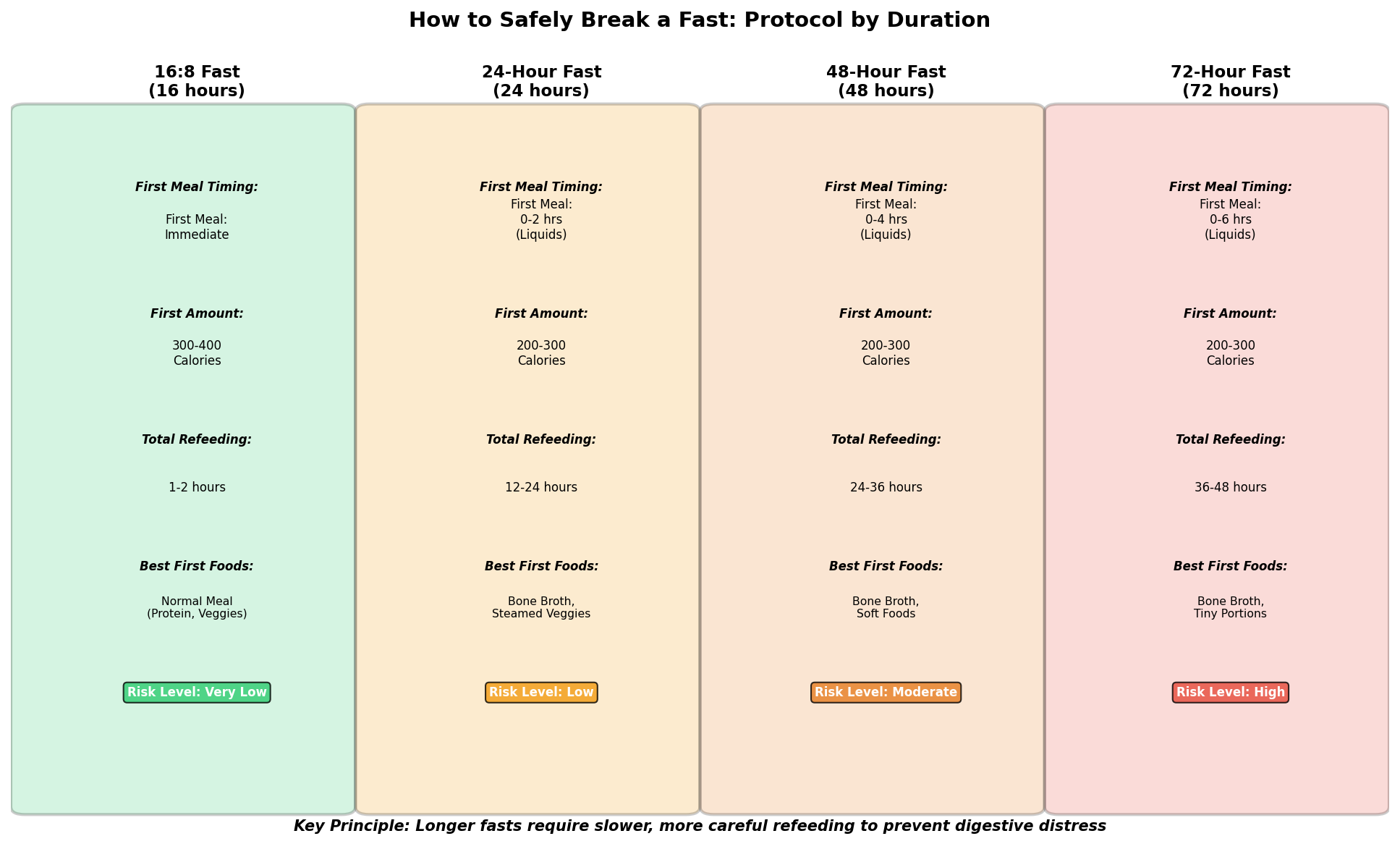 Figure 1: How your body's fuel source shifts during fasting. From fed state through glycogen depletion to ketone production.1
The Core Rule: Insulin Is the Master Switch
Here's what truly matters: anything that significantly raises insulin will interrupt your fasted state by telling your body "there's food here, stop burning stored fat and start processing this incoming energy."1
When insulin rises:
- Ketone production stops (your alternative fuel supply shuts off)
- Fat mobilisation stops (your body stops releasing stored fat)
- Fat burning decreases (your cells switch to using glucose instead)
This is why different things affect different people's fasts in different ways, and why your goal matters enormously.
What Doesn't Break Your Fast
Let's start with the good news: several things are completely safe during fasting.
Water
Pure water, sparkling water, mineral water—all zero calories, zero metabolic impact. Your body recognises water as neutral. Drink as much as you want.3
Black Coffee
Black coffee contains roughly 2-5 calories per cup, which is negligible. More importantly, studies confirm black coffee doesn't affect blood sugar or glucose uptake, and actually may enhance fat-burning and mental clarity during fasting.3 It's safe and beneficial.
What matters is that it's black. Add milk, cream, or sugar and you've changed everything.
Plain Tea
Whether you prefer black tea, green tea, herbal tea, or white tea, unsweetened versions (with no milk) contain zero to minimal calories and don't trigger insulin responses. Many contain beneficial compounds (like catechins in green tea) that support cellular health.3
Zero-Calorie Electrolytes
Pure sodium, potassium, and magnesium (without added carbohydrates or sweeteners) contain zero calories and don't trigger metabolic responses. During extended fasts, these become essential.3 Your body depletes electrolytes when fasting, which is why sodium supplementation during longer fasts prevents the dizziness, headaches, and fatigue that many people experience.
Recommended during extended fasting:
- Sodium: 500-1,000mg daily
- Potassium: 1,000-2,000mg daily
- Magnesium: 300-400mg daily3
What Technically Doesn't Break Your Fast (But Might Complicate Things)
This is where it gets nuanced. These substances contain minimal or zero calories, so they don't technically break a fast, but they might still cause problems depending on your goals.
Artificial Sweeteners: The Complicated Answer
Diet sodas and zero-calorie sweetened beverages contain zero calories and don't raise blood glucose. Yet fasting experts debate whether they break a fast.3
Why the confusion? Because different sweeteners affect your body differently:
Stevia and Monk Fruit: Plant-derived sweeteners that don't stimulate insulin response. Research shows they don't affect fasting benefits. These are the safest choices.3
Aspartame (NutraSweet, Equal): Contains two amino acids that can trigger modest insulin stimulation through amino acid receptors. Not ideal for strict autophagy fasting, though acceptable for basic weight-loss fasting.3
Sucralose (Splenda): The research is more concerning here. Studies show sucralose alone doesn't raise blood glucose or insulin in fasted individuals, but when consumed before a meal, it impairs insulin sensitivity by 23 per cent, meaning your body handles the next glucose load worse.3 Additionally, recent research suggests it affects gut bacteria composition, which indirectly impacts insulin sensitivity over time.3
The Hunger Problem: Even if an artificial sweetener doesn't technically raise insulin, the sweet taste can activate your taste receptors, triggering an anticipatory insulin response and increasing hunger and cravings. This undermines your ability to stick with fasting long-term.3
The bottom line is zero-calorie sweetened drinks are technically acceptable for basic fasting goals, but if you're pursuing deep metabolic benefits or autophagy, avoiding them is safer. Water, black coffee, and plain tea remain the reliable choices.3
Lemon Water and Apple Cider Vinegar
A few drops of fresh lemon juice in water adds negligible calories (less than 1 calorie from juice). Some sources recommend lemon water as a fasting aid because it may help with digestion when you break your fast.3
Apple cider vinegar comes in at roughly 3 calories per tablespoon. It doesn't raise blood glucose or insulin and may actually improve insulin sensitivity. However, undiluted ACV erodes tooth enamel and can irritate your digestive tract, so always dilute it in water and drink through a straw.3
Both are acceptable for fasting, though neither is necessary.
What Definitely Breaks Your Fast
These substances contain meaningful calories or trigger insulin responses that will interrupt your fasted state.
Any Sugary Beverage or Juice
Regular soda, fruit juice (even fresh-pressed), smoothies, energy drinks: all contain sugar that rapidly spikes blood glucose and triggers insulin.3
A 12-ounce cola contains roughly 140 calories and 39 grams of sugar. Orange juice: 110 calories and 26 grams of sugar per 8 ounces. Even "healthy" juices spike your blood sugar and break your fast completely.3
Milk or Cream in Coffee
Adding milk or cream means adding calories and protein. Even a splash of milk (5-10 calories) and a typical serving of cream (37-74 calories) contains protein that triggers an insulin response. A latte? 80-150+ calories depending on milk type and size.3
Protein Powder and BCAAs
Protein powder typically contains 120-150 calories per serving, and the amino acids directly trigger insulin and interrupt autophagy. BCAAs (branched-chain amino acids) do the same thing despite being "protein-sparing"-amino acids, independently activate insulin release through receptors in your pancreas, regardless of calorie content.1
Save these for your eating window.
Collagen and Bone Broth During the Fast
Collagen supplements contain roughly 35-40 calories per serving and are pure protein, which triggers insulin response. Bone broth contains 30-50 calories per cup along with amino acids.3
Though many fasting protocols recommend bone broth, technically it breaks your fast. However, it's useful for breaking fasts after extended periods because it's easily digestible and nourishing.
Vitamins and Supplements
Fat-soluble vitamins (A, D, E, K) require fat for absorption and should be taken during your eating window, not your fast. Gummy vitamins definitely break your fast: they typically contain 3-5 grams of sugar per gummy.3
Water-soluble vitamins (B complex, Vitamin C) in pill form contain minimal calories and don't trigger metabolic responses, so they're technically acceptable, though absorption is better with food.
The Calorie Threshold Question: How Many Calories Actually Break a Fast?
This is where the science gets complicated because the answer isn't just about calories-it's about which calories.
Research suggests that 10-15 calories might not meaningfully disrupt fasting benefits for weight loss goals. However, this typically refers to fat-only calories (like a tiny splash of cream), not carbohydrates or protein.1
Here's why type matters:
- 5 calories of pure sugar will interrupt ketosis and fat-burning
- 50 calories of pure fat might minimally affect the fasted state for many people
- 5 calories of protein (from amino acids) will still trigger an insulin response
The practical guideline most experts recommend: stay under 50 calories from fat sources to maintain fasted-state benefits. For stricter fasting (autophagy-focused), the threshold is much lower-essentially zero meaningful calories.1
This is also why black coffee and plain tea are reliable: they contain such negligible amounts that they fall safely below any reasonable threshold.
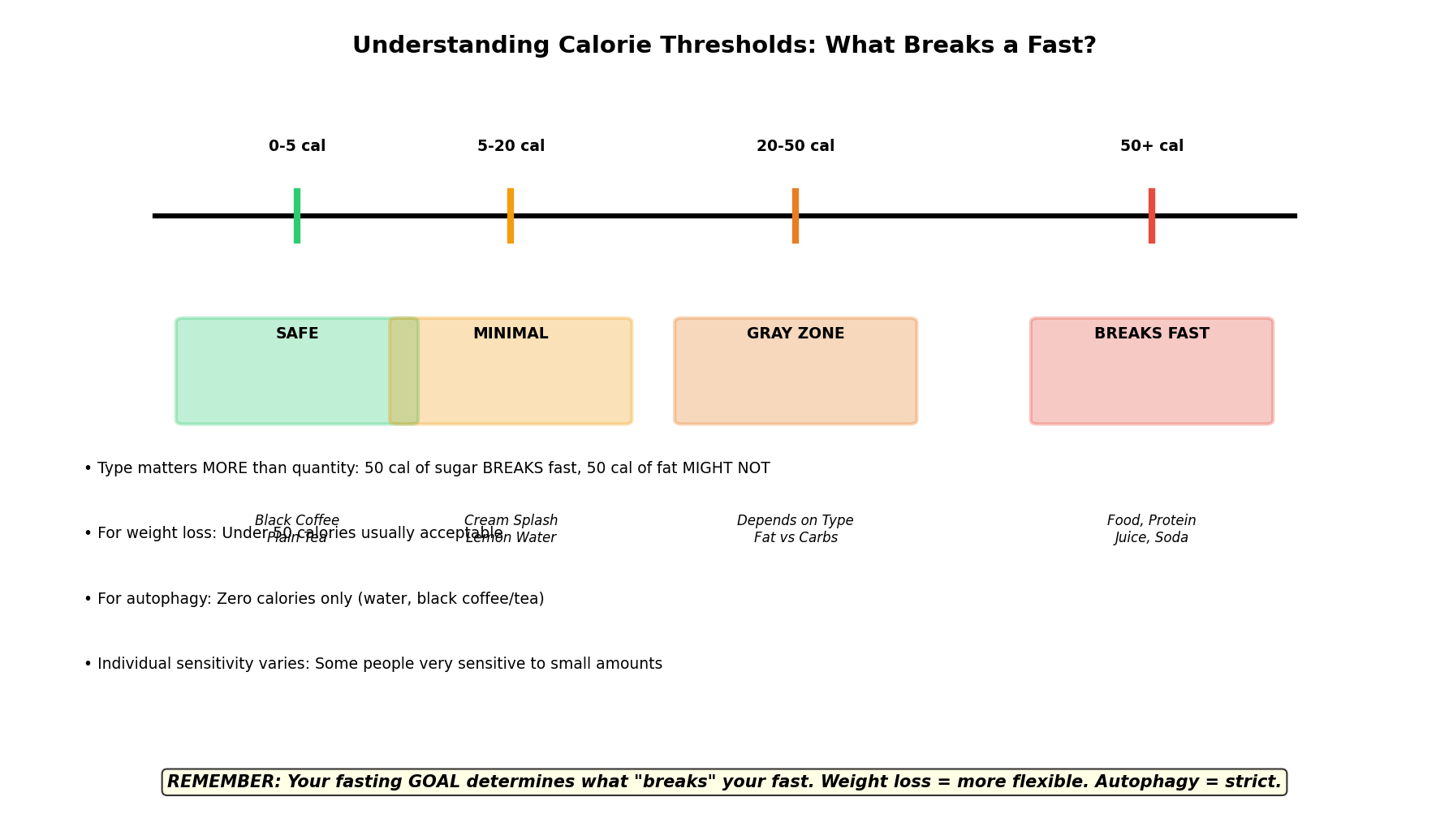 Figure 2: How different calorie types affect your fasted state. Fat has minimal metabolic impact; carbohydrates and protein interrupt fasting quickly.1
Addressing the Major Myths
Myth 1: "All Calories Are Equal During Fasting"
False. The source matters enormously. A teaspoon of butter (45 calories) has a different metabolic effect than a teaspoon of sugar (15 calories), even though the sugar has fewer calories.
Fat doesn't require insulin for metabolism. Carbohydrates and protein do.1
Myth 2: "Fasting Slows Your Metabolism"
False. Short-term fasting (16-24 hours) actually increases metabolic rate by 3.6-14 per cent. Only prolonged fasting beyond 60 hours causes measurable metabolic slowdown.1 This is why intermittent fasting isn't "metabolic damage": it's metabolic acceleration.
Myth 3: "You'll Lose Muscle Mass Doing Intermittent Fasting"
False. Research shows people lose the same amount of lean muscle with intermittent fasting as with traditional calorie restriction when matched for total calorie deficit. Combining fasting with resistance training preserves muscle effectively.2
Myth 4: "Coffee Breaks Your Fast Because It Stimulates Digestion"
False. Studies confirm black coffee doesn't affect blood glucose or insulin levels. While coffee does contain caffeine (a stimulant), this doesn't trigger a digestive or metabolic response that would break your fast.3
Different Fasting Protocols, Different Rules
What breaks your fast depends on how long you're fasting.
16:8 Intermittent Fasting (Most Common)
A 16-hour fast followed by an 8-hour eating window is the most popular protocol. It's forgiving because you're not fasting long enough for deep autophagy anyway.
Safe during 16:8 fasts:
- Water
- Black coffee (unlimited)
- Unsweetened tea
- Zero-calorie electrolytes
- Small amounts of fat in coffee (debated, but acceptable for many)
What to avoid:
- Any sugar or carbohydrates
- Milk, cream, or protein additions
- Diet sodas (optional—safest to avoid)
- Any food
24-Hour Fasts
After 24 hours, your body has shifted into deeper ketosis and autophagy is beginning to activate more significantly. This requires stricter adherence.
Safe during 24-hour fasts:
- Water
- Black coffee (plain only)
- Plain tea
- Pure electrolytes
What to avoid:
- Anything with calories
- Artificial sweeteners (to be safe)
- Bone broth or supplements
Extended Fasts (48-72+ Hours)
Once you're pursuing deeper cellular repair, the rules become strict. Any calories will interrupt your goal.
Safe during extended fasts:
- Water (essential)
- Black coffee (optional)
- Pure electrolyte supplements
- Nothing else with calories
How to Safely Break Your Fast
Once you've finished fasting, how you break it matters enormously, especially for extended fasts.
Breaking a 16:8 Fast
This is straightforward. Your digestive system hasn't significantly shut down, so you can eat a normal meal. Include protein, healthy fats, and vegetables. No special precautions needed.2
Breaking a 24-Hour Fast
Reintroduce food gradually over 12-24 hours:2
- Hours 0-2: Start with broths or diluted juice
- Hours 2-4: Add soft cooked vegetables and small amounts of lean protein
- Hours 4-8: Include proteins (fish, chicken, eggs), cooked vegetables, healthy fats
- Hours 8-24: Gradually return to normal eating
Keep first meals to 300-400 calories and eat slowly.
Breaking a 48-72-Hour Fast
Extended fasts carry a higher risk because your digestive system is less efficient, and you're at risk for refeeding syndrome (a potentially serious condition from electrolyte shifts when eating resumes).2
Protocol over 36-48 hours:2
- Hours 0-4: Bone broth only. Small sips.
- Hours 4-12: Tiny portions of soft foods (steamed vegetables, small fruits, minimal protein)
- Hours 12-24: Build up portions gradually
- Hours 24-36: Return towards normal eating
Critical precautions:
- First meal should NOT exceed 300 calories
- Avoid heavy, fatty, or sugary foods
- Drink water slowly and consistently
- Include electrolyte-rich foods (avocado, leafy greens, sea salt)
Best Foods for Breaking Any Fast
Tier 1 (safest, easiest to digest):
- Bone broth (10-20 calories per cup, easily digestible)
- Steamed non-starchy vegetables (broccoli, carrots, asparagus)
- Soft proteins (poached eggs, steamed fish, chicken)
- Small amounts of soft fruit (berries, melon)
Tier 2 (introduce after several hours):
- Cooked whole grains (oats, quinoa, white rice—easier to digest than brown rice)
- Healthy fats (avocado, olive oil—small amounts)
- Additional proteins
Tier 3 (return to normal eating):
- Reintroduce regular foods gradually
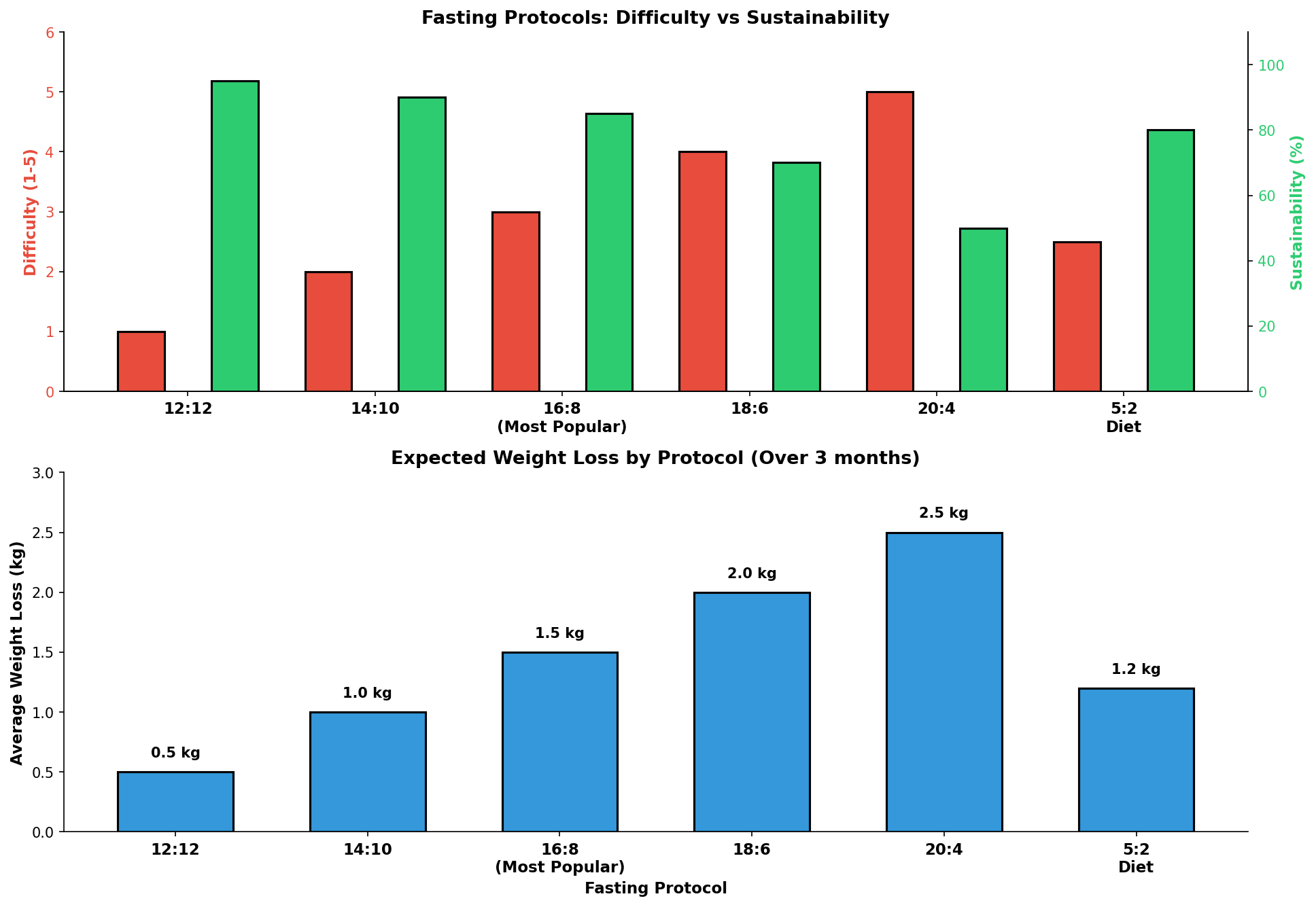 Figure 3: Timeline and food choices for safely reintroducing food after extended fasts.2
Special Considerations and When to Consult Your Doctor
If You Have Type 2 Diabetes
Intermittent fasting shows remarkable benefits for type 2 diabetes. Research shows fasting reduces fasting glucose by 15 per cent and HbA1c by 18 per cent; nearly twice the impact of typical diabetes medication.2
However, if you're on medication that affects blood sugar (insulin, sulfonylureas, etc.), you absolutely must consult your doctor first. Your medication doses may need adjustment as your fasting improves your glucose control.2
If You Have Type 1 Diabetes
Do not fast without close medical supervision from your endocrinologist. Fasting with insulin carries risks of dangerous hypoglycaemia and diabetic ketoacidosis.2
If You Take Multiple Medications
Most medications don't break your fast (they contain minimal calories), but some are better taken with food, and fasting can alter how your body metabolises certain drugs. Discuss timing with your doctor or pharmacist.2
If You Have a History of Eating Disorders
Intermittent fasting significantly increases relapse risk for people recovering from eating disorders. If this applies to you, consult your healthcare provider before attempting any fasting protocol.2
If You're Pregnant or Breastfeeding
Don't fast. Your nutritional needs are too high for safe fasting during these periods.2
If You're Over 75
Fasting is generally safe, but complex health profiles become more common with age. Medical guidance is prudent.2
The Reality of Fasting Adjustments
Most people experience hunger, irritability, and fatigue during the first 2-4 weeks of fasting. This is temporary and usually resolves as your body adapts. However, research shows that people who stick through this adjustment period typically remain fasters because they report feeling better overall.2
If you're genuinely struggling after 4 weeks, it may not be the right approach for you, and that's okay. There are many valid paths to metabolic health.
The Bottom Line
What breaks your fast depends on:
- Your goal (weight loss, metabolic health, autophagy, or blood sugar control)
- Fasting duration (16:8 is more forgiving than 72-hour fasts)
- The substance in question (fat has different effects than carbohydrates)
But if you remember nothing else, remember this: insulin is the key. Anything that significantly raises insulin will interrupt your fasted metabolic state by signalling your body to stop burning stored fat.1
For most people pursuing typical intermittent fasting benefits:
- Drink water, black coffee, and plain tea freely
- Avoid anything with sugar, carbohydrates, or protein
- Stay under 50 calories from fat if you want to be safe
- Don't overthink it: the basics (water, black coffee, tea) are never controversial
For people pursuing maximum autophagy or deeper cellular benefits:
- Treat any meaningful calories as breaking your fast
- Stick with water and black beverages only
- Follow strict protocols for breaking extended fasts
And always remember: if you have any chronic health conditions, take medications, or have concerns, consult your healthcare provider before beginning any fasting protocol. Fasting is a powerful tool, and like any powerful tool, it requires proper guidance in the right circumstances.
Further Reading
Fasting Protocols and Getting Started
- Johns Hopkins Medicine: Intermittent Fasting
- Cleveland Clinic: Types of Intermittent Fasting Explained
- Medical News Today: 6 Ways to Do Intermittent Fasting
- Precision Nutrition: Intermittent Fasting Schedules
Breaking Your Fast Safely
- How to Break a Fast Safely (Signos)
- Guidelines for Breaking a Fast (AllAboutFasting)
- How to Break Your Fast Without Glucose Spikes (Nutrisense)
- Refeeding Syndrome: Prevention and Management (NCBI)
Metabolic Health and Weight Loss
- Effect of Intermittent Fasting on Metabolic Outcomes (2024)
- Time-Restricted Eating Systematic Review (PMC)
- Critical Assessment of Fasting for Metabolic Health (Oxford Academic, 2024)
- Harvard Health: Should You Try Intermittent Fasting?
Blood Sugar Control and Diabetes
- Intermittent Fasting and Type 2 Diabetes (Medical News Today)
- Can You Fast with Diabetes? (WebMD)
- Fasting and Insulin Secretion Research (PMC)
What Breaks a Fast: Beverages and Supplements
- Does Artificial Sweeteners Break a Fast? (Aspect Health)
- Zero-Calorie Drinks and Fasting (Science Insights)
- Do Vitamins Break a Fast? (Performance Lab)
- Electrolytes and Fasting (LMNT Science)
Cellular Repair and Autophagy
- The Beneficial and Adverse Effects of Autophagy (PMC)
- Autophagy: Definition and Health Effects (Cleveland Clinic)
- Effect of Fasting on Autophagy (PubMed)
Safety and Health Considerations
- Intermittent Fasting: Potential Health Effects (Cyprus J Med Sci)
- Intermittent Fasting and Disordered Eating (PMC)
- Intermittent Fasting Side Effects to Watch Out For (Harvard Health)
References
- StatPearls. Physiology, Fasting [Internet]. National Center for Biotechnology Information. Available from: https://www.ncbi.nlm.nih.gov/books/NBK534877/
- Endocrine Reviews. Critical Assessment of Fasting to Promote Metabolic Health and Longevity. 2024;46(6):856. Available from: https://academic.oup.com/edrv/article/46/6/856/8211151
- Oxford Academic. Associations of Diet Soda and Non-Caloric Artificial Sweetener Use with Glucose and Insulin Homeostasis [Internet]. PMC National Center for Biotechnology Information. Available from: https://pmc.ncbi.nlm.nih.gov/articles/PMC6934923/
