

That itchy, irritating rash of red bumps that appeared after a trip to the hot tub, or the tender pustules that keep coming back on your beard despite good hygiene habits. You've got a case of folliculitis, and you want to know why it's happening and what you can actually do about it.
The answer matters more than you might think. Folliculitis isn't a single condition with a single cause. It's an inflammation of your hair follicles that can be triggered by bacteria, fungi, mites, or even your own immune system going a bit haywire. And here's the crucial part: what causes your folliculitis determines how you treat it. Give someone antibiotics for fungal folliculitis, and they won't get better. They might actually get worse. That's why understanding the why behind your bumpy, itchy skin is the first step toward clearing it up.
What's Actually Happening Inside Your Hair Follicles
A hair follicle is more than just a hole where hair grows. It's a complex structure with three distinct compartments, and folliculitis can happen at different depths. Think of it this way: a superficial infection stays near the surface and usually clears without scarring. A deep infection burrows down and can cause permanent damage.
This distinction matters because it affects everything about the condition: how bad it looks, how much it hurts, and most importantly, whether it leaves lasting scars.
Superficial folliculitis involves only the upper part of the follicle. You'll see small red bumps with white pus centres; they itch a bit, and within 5-10 days they're usually gone with no trace left behind. Most bacterial folliculitis falls into this category.
Deep folliculitis is more serious. The infection penetrates deeper into the skin layers, creating larger, more painful red nodules. This is the type that can leave permanent scarring and hair loss. Folliculitis decalvans, a rare scarring form that primarily affects the scalp, falls into this category and requires aggressive treatment to stop before it causes irreversible damage.
The Most Common Culprit: Staphylococcus aureus
Staphylococcus aureus causes the majority of bacterial folliculitis cases worldwide, and it's worth understanding how this seemingly simple bacterium creates such an annoying infection.
When S. aureus comes into contact with your skin, it doesn't just sit there. The bacterium uses specialised "sticky" surface proteins to grab onto your skin cells like microscopic hooks. Once attached, it starts producing toxins that damage your immune cells—literally creating an escape route by destroying the very cells meant to eliminate it. The bacteria then multiply, triggering an intense inflammatory response that creates those characteristic pus-filled pustules as your immune system battles the invader.
What makes S. aureus particularly problematic is that your own skin's natural bacteria can actually make the infection worse. Those harmless bacteria that normally colonise your skin can enhance the pathogenicity of S. aureus, essentially acting as proinfectious agents that amplify the damage.
S. aureus folliculitis typically starts after skin trauma. You shave too close, waxing creates micro-abrasions, tight clothing causes friction, or you have a small cut that goes unnoticed. These tiny breaks in your skin barrier allow the bacteria to establish infection. This is why it's so common in areas that experience frequent friction like the groin, buttocks, beard area, and legs.
The good news: most bacterial folliculitis caused by S. aureus is self-limited. Even without treatment, it often resolves within 7-10 days as your immune system wins the battle. With appropriate antibiotics or topical antimicrobials, it clears even faster.
The "Hot Tub Rash": Pseudomonas aeruginosa
If you developed a rash 6 hours to a few days after soaking in a hot tub or swimming pool, you likely encountered Pseudomonas aeruginosa. This bacterium is remarkably common in water environments and causes a distinctive type of folliculitis with specific outbreak characteristics.
Here's how widespread this problem actually is: 67 per cent of hot tubs are contaminated with Pseudomonas at any given moment. Similarly, 63 per cent of swimming pools harbour the bacteria. These numbers shouldn't panic you—most people can use a contaminated pool without symptoms. But if you're susceptible, this bacterium thrives in warm water and rapidly invades hair follicles in areas covered by your swimsuit.
What makes Pseudomonas folliculitis clinically significant is that it won't respond to standard antibiotics that work against S. aureus. This means if someone prescribes the typical first-line treatment and your infection persists, the healthcare provider needs to consider Pseudomonas and switch to different antibiotics like fluoroquinolones.
The infection typically appears as clusters of pustules on the buttocks, hips, armpits, and chest—anywhere your swimsuit holds water against your skin. The key distinguishing feature is the timeline: if you got the rash within hours to days of water exposure, and especially if other people who used the same facility also got sick, it's almost certainly Pseudomonas rather than S. aureus.
The encouraging part: Pseudomonas folliculitis usually resolves spontaneously once you stop exposing your skin to contaminated water. The body can clear it on its own, though antibiotics speed resolution.
The Fungal Causes: When Yeasts Take Over
While bacteria grab the headlines, fungal folliculitis accounts for a significant portion of cases, yet it's vastly underdiagnosed. This matters because antifungal medications are completely different from antibiotics, and using the wrong treatment won't help.
Malassezia: The Master of Disguise
Malassezia species cause approximately 1-17 per cent of folliculitis in the general population, but among people with acne-like rashes, the prevalence skyrockets to 18-25 per cent. That means if you're seeing a dermatologist for what you think is acne, there's a decent chance it's actually Malassezia folliculitis.
The problem? Malassezia folliculitis looks almost identical to acne vulgaris. It presents as uniform-looking papules and pustules that itch intensely, primarily on the chest, back, shoulders, and upper arms. Doctors and patients alike commonly mistake it for bacterial acne, leading to inappropriate antibiotic use. This creates a vicious cycle: antibiotics kill the protective bacteria on your skin, allowing Malassezia to proliferate even more, worsening the condition.
Malassezia is a lipophilic (fat-loving) yeast that's part of your normal skin microflora. It colonises oily skin areas without causing problems. But when certain conditions shift the balance—high sebaceous activity, heat, humidity, occlusion from tight clothing, antibiotic use, or immunosuppression—the yeast numbers balloon and folliculitis develops.
What's particularly interesting is that Malassezia folliculitis is more common in young adults, with an average age around 24, though it can occur into the 30s. One key distinguishing feature from bacterial acne is pruritus (itching). If your follicular rash is intensely itchy and doesn't respond to antibiotics, Malassezia should be suspected.
Treatment requires antifungal agents, not antibiotics. Oral antifungals like fluconazole or itraconazole produce rapid improvement, though topical antifungals like azoles also work. The challenge is that relapses are common, meaning the condition frequently returns after treatment ends, so long-term management strategies are important.
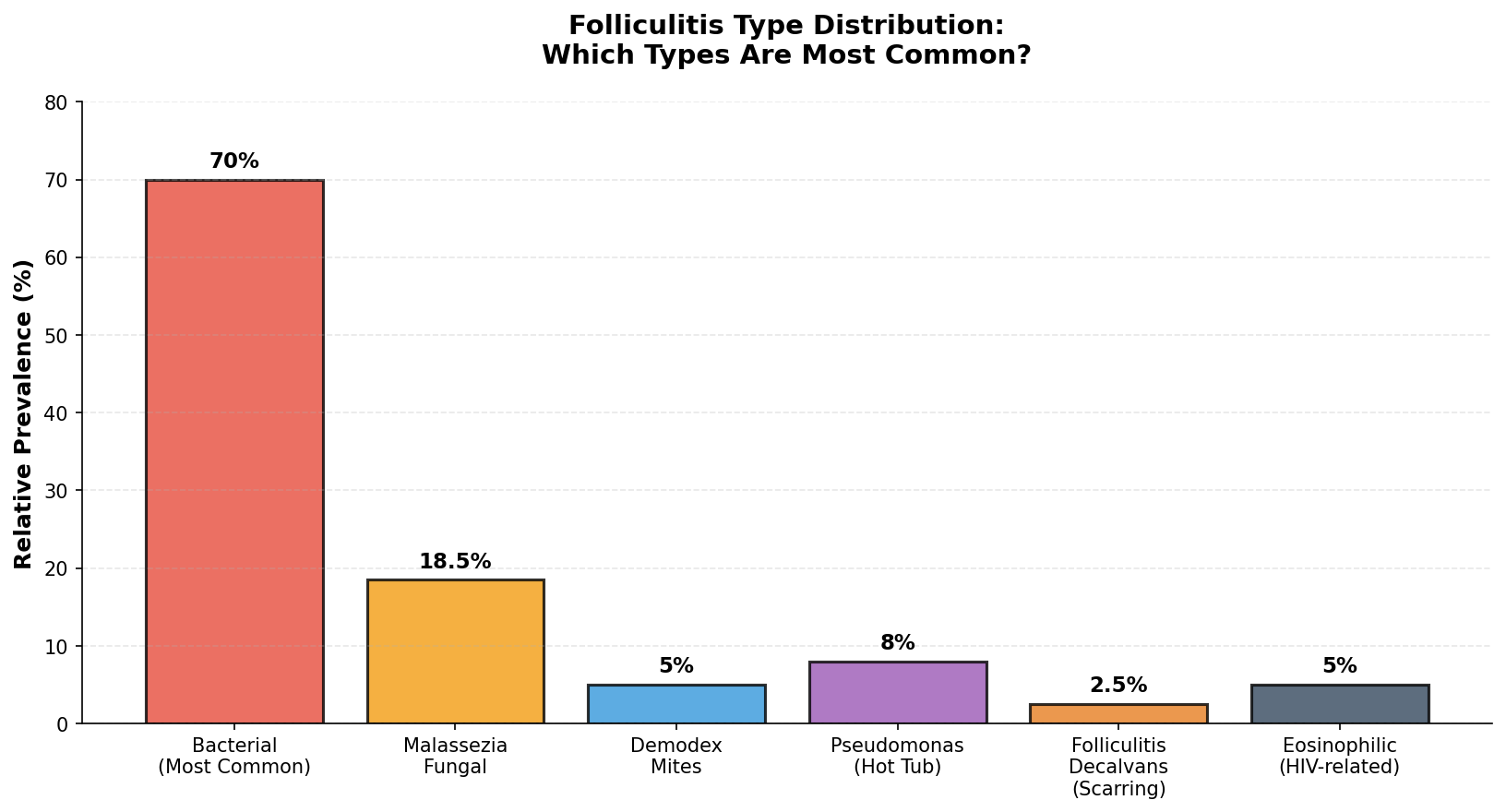 Figure 1: Distribution of bacterial, fungal, and other causative organisms in folliculitis cases. Staphylococcus aureus remains the most common bacterial cause, while Malassezia species are the most frequent fungal culprit.
Candida: Rare but Important in Specific Contexts
Candida species cause folliculitis infrequently compared to bacterial and Malassezia causes, but when they do appear, it signals something important about your health status. Candida albicans is the most common species involved, though Candida parapsilosis has been documented.
The critical thing to understand is that Candida folliculitis is rarely seen in healthy people. It typically occurs in specific contexts: heroin injection sites, severe immunocompromise (HIV/AIDS, cancer, transplantation), prolonged antibiotic use, or devices that break the skin barrier like catheters. In rare case reports, it's even been associated with sexual contact transmission.
What makes Candida different from simple colonisation is that these yeasts don't just sit on your skin surface. They actively invade the deeper tissue, preferentially growing into hair follicles where they find a protected microenvironment. This invasive growth is what causes folliculitis rather than asymptomatic colonisation.
Mites: Demodex and Rosacea
You've probably never thought about the mites living in your hair follicles. Demodex folliculorum and Demodex brevis are normal skin inhabitants, present at about 5 mites per square centimetre on healthy skin. But when their numbers explode beyond this threshold, they trigger inflammation and folliculitis.
The connection to rosacea is particularly important. Rosacea patients with Demodex overpopulation show dramatic mite reduction with treatment—from mean counts of 28.6 mites per square centimetre down to 6.9 after therapy—and this reduction correlates perfectly with clinical improvement.
When Demodex folliculitis affects the face, it presents as red papules, pustules, and a burning sensation, often accompanied by visible blood vessels (vascular reactivity). The condition is frequently resistant to standard bacterial-targeted treatments, which is why recognising the Demodex connection matters.
Who Develops Folliculitis? The Risk Factor Reality
Folliculitis doesn't strike randomly. Certain conditions and behaviours dramatically increase your risk, and understanding these factors helps you prevent recurrence.
Medical Conditions That Stack the Deck Against You
Diabetes mellitus is one of the strongest risk factors. High blood glucose impairs your immune response and (this is the critical part) creates pathogenic bacterial colonisation that increases proportionally with your blood sugar elevation. Your skin's natural protective bacteria become depleted through oxidative stress, allowing harmful bacteria to thrive. If you're diabetic, tight glucose control isn't just about long-term complications; it directly protects your skin from infection.
Immunosuppression dramatically increases both risk and severity. HIV-positive patients develop a specific form called eosinophilic folliculitis at rates ranging from 2.6 to 18.6 per cent depending on geographic location, typically when CD4 counts drop below 300 cells per cubic millimetre. Organ transplant recipients on immunosuppressive medications experienced persistent folliculitis in 27 per cent of cases. When your immune system is weakened, folliculitis can persist longer and prove more difficult to clear.
Atopic dermatitis (eczema) fundamentally damages your skin barrier, creating the perfect environment for bacterial infection. People with eczema are deficient in key barrier proteins like filaggrin and ceramides, making their skin significantly more vulnerable to Staphylococcus aureus colonisation. The cascade effect is particularly vicious: the impaired barrier triggers inflammation, which further deteriorates barrier function, which makes infection more likely. This explains why S. aureus infections like folliculitis, impetigo, and abscesses are so common in eczema patients.
Cancer treatment presents a surprising risk. Patients taking EGFR inhibitors (targeted cancer drugs) develop clinically significant folliculitis (grade 3-4) at rates of 4-10 per cent depending on the specific drug and cancer type. These targeted therapies interfere with skin immune function, making folliculitis a recognised side effect that oncologists and dermatologists now monitor closely.
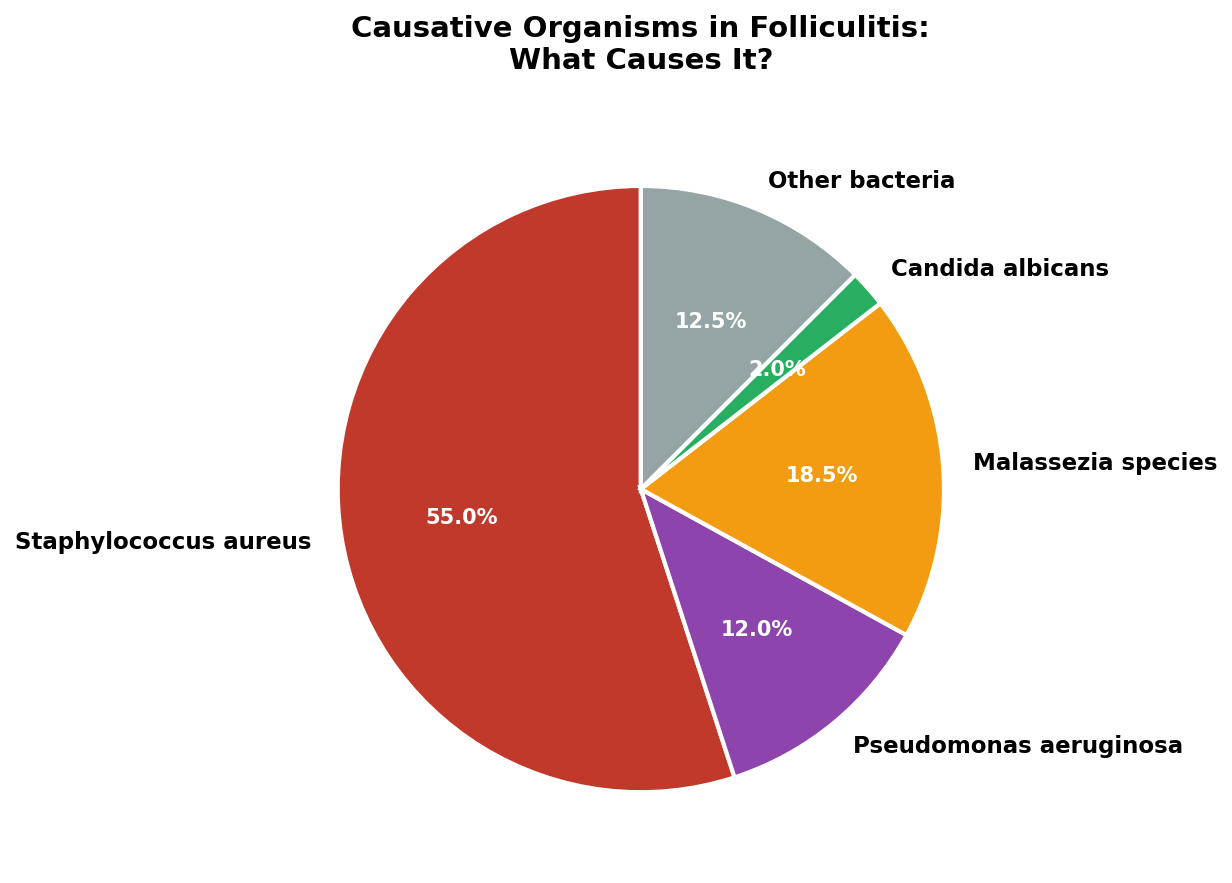 Figure 2: Comparison of major risk factors and their relative impact on folliculitis development across different patient populations.
Environmental and Behavioural Triggers
Moisture and occlusion create ideal breeding grounds for bacteria. Workers who wear rubber gloves regularly need to know that the occluded environment (when gloves trap sweat and moisture) dramatically increases folliculitis risk. The solution sounds simple but requires discipline: turn gloves inside out, wash, rinse, and dry completely between uses. Tight, sweaty clothing and swimsuits that hold water against your skin for hours create the same problem.
Shaving and hair removal techniques matter enormously. Shaving creates micro-abrasions and can embed hairs, creating bacterial entry points. Post-waxing folliculitis particularly affects young women (average age 24), as waxing damages more of the follicle structure than shaving. If you're prone to folliculitis, using an electric razor with a guard instead of a standard razor, proper skin preparation, and raising embedded hairs before shaving all significantly reduce risk.
Friction and pressure from backpacks, helmets, and tight clothing trigger folliculitis. Athletes and military personnel wearing protective gear face particular risk from constant rubbing over follicles.
Hair transplantation carries a 12.11 per cent risk of post-operative folliculitis. Interestingly, risk is particularly high when transplantation occurs during summer months and involves large graft numbers (4,000 or more).
Demographics: Who's Most Affected?
Males are approximately 3 times more likely than females to develop folliculitis overall. Malassezia folliculitis shows male predominance in some populations (64 per cent male in one study), though it also commonly affects women in their 30s. Post-waxing folliculitis, by contrast, exclusively affects women since it's related to waxing practices.
Young adults face particular risk, especially for Malassezia and post-waxing folliculitis (average age 24). Individuals of African descent face a higher prevalence of folliculitis decalvans, the scarring form, which predominantly affects young and middle-aged men.
Different Types of Folliculitis: More Than Meets the Eye
Beyond the microbial classification, folliculitis presents in several distinct clinical forms, each with different prognoses and treatment requirements.
Superficial Folliculitis: The Self-Limited Form
This is the most common presentation and generally the most reassuring. Red papules with white pustular centres, mild to moderate itching, and typical resolution within 5-7 days even without treatment. It heals completely without scarring, making it the form most people experience and recover from uneventfully.
Deep Folliculitis and Progression to Boils
When superficial folliculitis isn't adequately treated, or your immune system can't contain the infection, it can progress deeper into the skin, involving multiple follicle compartments. This creates larger, more painful red nodules that may develop central fluctuance (a pocket of pus beneath the surface). Deep folliculitis requires more aggressive treatment and carries risk of permanent scarring and hair loss.
Progression can occur to furuncles (boils)—larger, deeper, more painful lesions that may require incision and drainage—or carbuncles, which are clusters of interconnected boils. These severe forms can include fever and lymph node swelling.
Folliculitis Decalvans: The Scarring Emergency
This rare but serious form causes permanent, irreversible hair loss and scarring. It most commonly affects the scalp but can involve the beard, face, and nape. It starts with perifollicular erythema (redness around follicles), progresses to pustules and papules that spread peripherally, and leaves behind permanent scarred patches of alopecia.
Folliculitis decalvans affects 1.6 to 16.1 per cent depending on the population, with particular prevalence in individuals of African descent. It's considered a primary scarring alopecia and significantly impacts quality of life due to visible scarring and hair loss.
The cause isn't fully understood—it likely involves Staphylococcus aureus along with genetic predisposition, allergic components, and immunological dysregulation. Unlike superficial folliculitis, this requires aggressive treatment with oral isotretinoin (the same medication used for severe acne), tetracyclines, or combination regimens. Early intervention can halt progression and prevent further scarring, though existing scars cannot be reversed.
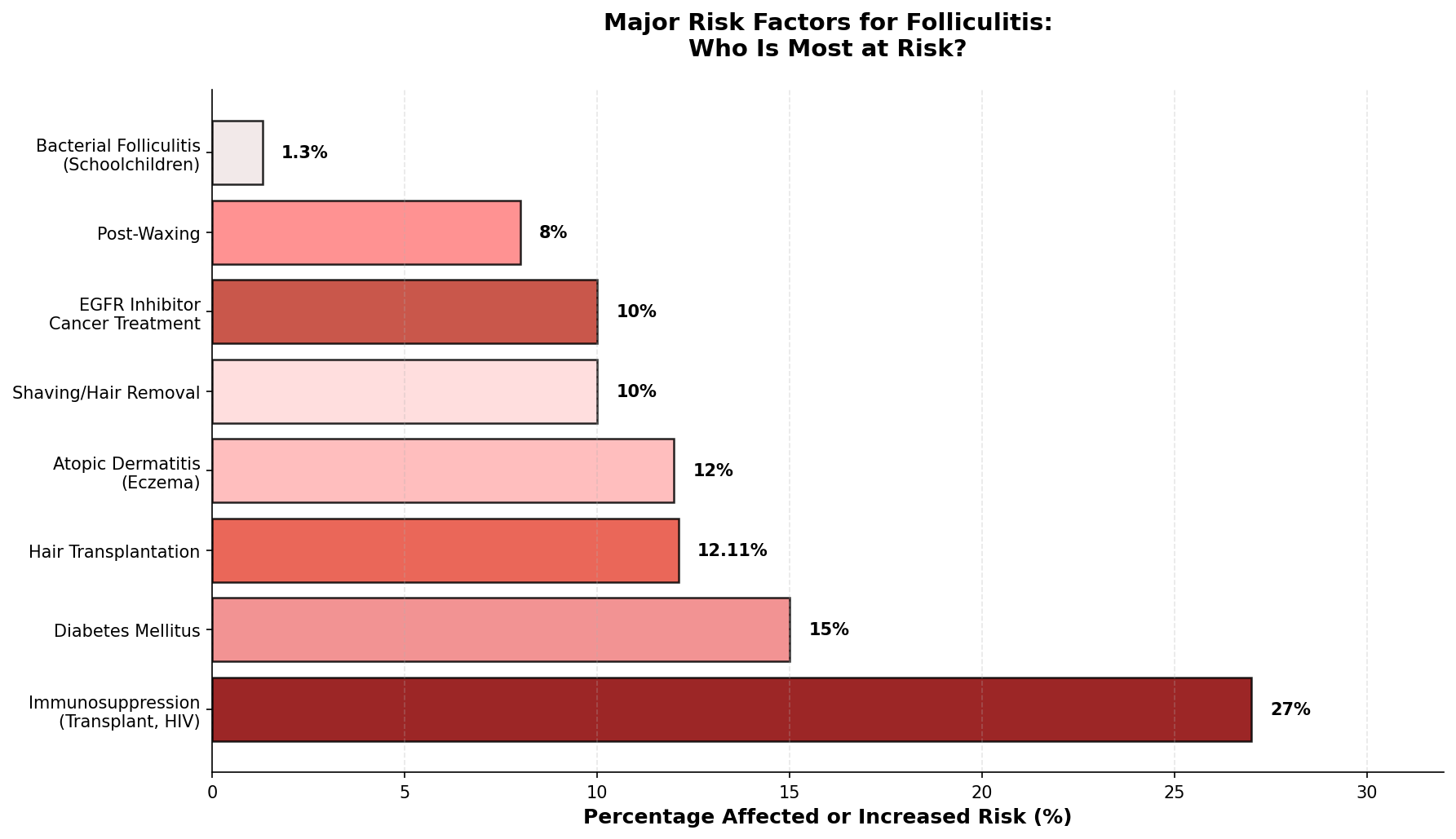 Figure 3: Visual representation of folliculitis severity from mild superficial cases to deep and scarring forms, showing progression risk and treatment complexity.
Eosinophilic Folliculitis: The HIV-Associated Form
This is an unusual type in that no infectious organism causes it. Instead, it represents an aberrant immune response—specifically an abnormal Th2-type (helper T cell) response to follicular antigens.
Eosinophilic folliculitis typically develops when HIV-positive patients' CD4 counts drop below 300 cells per cubic millimetre, making it a marker of advanced AIDS. Interestingly, it can actually develop as immune function improves on antiretroviral therapy (a phenomenon called immune reconstitution inflammatory syndrome).
The presentation is distinctive: intensely itchy pustules and papules on the face, upper chest, and upper back, yet cultures remain negative (no bacteria or fungi grow). This culture-negative result is the key diagnostic clue.
The good news: effective HIV treatment that allows CD4 counts to rise above 250/mm³ typically results in improvement or resolution. The condition doesn't require specific folliculitis treatment—immune reconstitution is the treatment.
The Clinical Presentation: What You'll Actually See and Feel
Folliculitis presents differently depending on the causative organism, depth, and individual factors, but some features appear across most types.
Itching and pain are nearly universal. Malassezia and Demodex folliculitis particularly provoke intense itching. Superficial bacterial folliculitis causes mild itching and tenderness. Deep forms create significant pain and soreness.
Location patterns help narrow the diagnosis. Bacterial folliculitis commonly affects areas prone to friction and moisture: groin, buttocks, inner thighs, abdomen, and face. Malassezia preferentially targets sebaceous-rich areas: chest, back, posterior arms, and face. Hot tub folliculitis clusters on areas covered by swimsuit fabric. Folliculitis decalvans concentrate on the scalp but can spread to the beard and nape.
Lesion appearance varies. Bacterial folliculitis shows red papules with white pustular centres, often in clusters. Malassezia creates uniform-looking, pruritic papules and pustules. Demodex-associated folliculitis with rosacea shows red papules and pustules with vascular reactivity. Folliculitis decalvans presents as pustules, papules, erosions, and hemorrhagic crusts with progressive scarring.
Systemic symptoms rarely occur in uncomplicated folliculitis, but if infection progresses to furuncles or carbuncles, you may experience fever, malaise, and swollen lymph nodes in nearby areas—warning signs that require prompt medical attention.
Prognosis: Will This Clear Up?
The outlook for folliculitis depends heavily on the type and depth of infection, but most cases resolve favourably with appropriate management.
Superficial bacterial folliculitis (the most common form) has an excellent prognosis. Even without treatment, most cases resolve within 7-10 days as your immune system clears the infection. With topical benzoyl peroxide, topical antibiotics, or oral antibiotics, resolution occurs faster. Scarring is essentially absent.
Pseudomonas folliculitis typically resolves within 1-2 weeks with or without specific antibiotics. The key is avoiding continued water exposure. Once you stop bathing in contaminated water, your skin clears naturally.
Malassezia folliculitis requires antifungal treatment and careful ongoing management. While antifungals produce rapid improvement, relapses are common without ongoing prevention strategies (moisture control, avoiding prolonged antibiotic use, managing predisposing factors). With appropriate management, it can be controlled, though complete prevention of recurrence is challenging.
Candida folliculitis prognosis depends entirely on treating the underlying condition that allowed it to develop. In immunocompetent individuals, it shouldn't develop at all. In immunocompromised patients, successful treatment requires addressing the immunocompromised state through immune reconstitution or, in the case of drug use, cessation and treatment.
Folliculitis decalvans is the most serious with the poorest prognosis if untreated. Once scarring occurs, it's permanent and irreversible. However, with early aggressive treatment (isotretinoin, tetracyclines, or combination regimens), further progression can be halted and quality of life preserved. Early treatment makes a dramatic difference.
Eosinophilic folliculitis in HIV patients shows excellent prognosis with effective antiretroviral therapy. As CD4 counts recover, the condition typically improves significantly or resolves completely.
The Bottom Line: Why Diagnosis Matters
Folliculitis might seem like a simple skin condition—just a rash that'll go away on its own. But understanding what's causing your specific case changes everything about treatment and outcome.
Give someone antibiotics for Malassezia folliculitis, and they'll get worse. Give someone standard antifungals for hot tub folliculitis, and they're wasting time and money. Miss the early signs of folliculitis decalvans and permanent scarring results. Treat Candida folliculitis as bacterial and ignore the underlying immunocompromise that allowed it to develop, and the infection persists.
This is why seeing a healthcare provider who can accurately diagnose the cause—through careful history, examination, and sometimes cultures or special staining—matters so much. The treatment difference between bacterial, fungal, and parasitic folliculitis is absolute. And for serious forms like folliculitis decalvans, early recognition and aggressive treatment can prevent lifelong consequences.
If your folliculitis isn't cleared within 7-10 days despite basic self-care, if it's spreading rather than improving, if it develops nodules or signs of deeper infection, or if it's leaving scars as it heals, you need professional evaluation to determine the underlying cause and get appropriate treatment. Your skin will thank you.
Further Reading
Bacterial Folliculitis and S. aureus Infections
- Staphylococcus aureus-Associated Skin and Soft Tissue Infections: Anatomical Localization, Epidemiology, Therapy and Potential Prophylaxis
- Facial bacterial infections: folliculitis
- Common Skin Conditions in Children and Adolescents: Bacterial Infections
Hot Tub and Pseudomonas Folliculitis
- Pseudomonas folliculitis: an outbreak and review
- Recreationally associated Pseudomonas aeruginosa folliculitis: Report of an epidemic
- An Outbreak of Pseudomonas Folliculitis Associated with a Waterslide, Utah
- Hot Tub-Associated Pseudomonas Folliculitis: A Case Report and Review of Host Risk Factors
Fungal Folliculitis: Malassezia
- Malassezia Folliculitis: Pathogenesis and Diagnostic Challenges
- Critical synthesis of available data in Malassezia folliculitis
- The Prevalence of Malassezia Folliculitis in Patients with Papulopustular/Comedonal Acne, and Their Response to Antifungal Treatment
- Malassezia Folliculitis: An Underdiagnosed Mimicker of Acneiform Eruptions
- Position statement: Recommendations on the diagnosis and treatment of Malassezia folliculitis
Fungal Folliculitis: Candida
- Facial Candida folliculitis: possible role of sexual contact
- An outbreak of Candida albicans folliculitis masquerading
- Candida albicans Folliculitis and Preputial Balanitis
Demodex and Parasitic Folliculitis
Folliculitis Decalvans (Scarring Form)
- Folliculitis Decalvans Has a Heterogeneous Microbiological Signature and Impaired Immunological Response
- Successful Management of Folliculitis Decalvans
- Folliculitis decalvans: a multicentre review of 82 patients
HIV-Associated Eosinophilic Folliculitis
- Evidence and recommendations on eosinophilic folliculitis
- Eosinophilic pustular folliculitis: a comprehensive review of treatment options
- Eosinophilic folliculitis: before and after the introduction of antiretroviral therapy
Risk Factors and Special Populations
- Skin barrier in atopic dermatitis: beyond filaggrin
- Skin Manifestations of Diabetes Mellitus
- Characterization and Risk Factors of Folliculitis after Hair Transplantation
- Folliculitis Induced by EGFR Inhibitors
General Reference and Clinical Diagnosis
- Folliculitis - StatPearls - NCBI Bookshelf
- Folliculitis: recognition and management
- Folliculitis - Mayo Clinic
- Folliculitis treatment and prevention - Harvard Health
References/Helpful Resources
- Winters RD, Mitchell M. Folliculitis. In: StatPearls [Internet]. Treasure Island (FL): StatPearls Publishing; 2026 [cited 2026 Jul 21]. Available from: http://www.ncbi.nlm.nih.gov/books/NBK547754/ PubMed PMID: 31613534. Available from: https://www.ncbi.nlm.nih.gov/books/NBK547754/
- Mayo Clinic. Folliculitis: Symptoms and causes [Internet]. [cited 2026]. Available from: https://www.mayoclinic.org/diseases-conditions/folliculitis/symptoms-causes/syc-20361634
- Centres for Disease Control and Prevention. Pseudomonas Dermatitis/Folliculitis Associated With Pools and Hot Tubs [Internet]. Morbidity and Mortality Weekly Report. [cited 2026]. Available from: https://www.cdc.gov/MMWR/preview/mmwrhtml/mm4948a2.htm
- Harvard Health Publishing. Folliculitis treatment and prevention [Internet]. [cited 2026]. Available from: https://www.health.harvard.edu/diseases-and-conditions/folliculitis-treatment-and-prevention
- Olaniyi R, Pozzi C, Grimaldi L, Bagnoli F. Staphylococcus aureus-Associated Skin and Soft Tissue Infections: Anatomical Localisation, Epidemiology, Therapy and Potential Prophylaxis. Curr Top Microbiol Immunol. 2017;409:199–227. doi:10.1007/82_2016_32 PubMed PMID: 27744506. Available from: https://pubmed.ncbi.nlm.nih.gov/27744506/
- Martínez-Ortega JI, Mut Quej JE, Franco González S. Malassezia Folliculitis: Pathogenesis and Diagnostic Challenges. Cureus. 2024 Nov;16(11):e73429. doi:10.7759/cureus.73429 PubMed PMID: 39664138; PubMed Central PMCID: PMC11633069. Available from: https://pubmed.ncbi.nlm.nih.gov/39664138/
- Pürnak S, Durdu M, Tekindal MA, Güleç AT, Seçkin D. The Prevalence of Malassezia Folliculitis in Patients with Papulopustular/Comedonal Acne, and Their Response to Antifungal Treatment. Skinmed. 2018;16(2):99–104. PubMed PMID: 29911526. Available from: https://pubmed.ncbi.nlm.nih.gov/29911526/
- Henning M a. S, Hay R, Rodriguez-Cerdeira C, Szepietowski JC, Piraccini BM, Ferreirós MP, et al. Position statement: Recommendations on the diagnosis and treatment of Malassezia folliculitis. J Eur Acad Dermatol Venereol. 2023 Jul;37(7):1268–75. doi:10.1111/jdv.18982 PubMed PMID: 36912427. Available from: https://pubmed.ncbi.nlm.nih.gov/36912427/
- Gustafson TL, Band JD, Hutcheson RH, Schaffner W. Pseudomonas folliculitis: an outbreak and review. Rev Infect Dis. 1983;5(1):1–8. doi:10.1093/clinids/5.1.1 PubMed PMID: 6828809. Available from: https://pubmed.ncbi.nlm.nih.gov/6828809/
- Jacob JS, Tschen J. Hot Tub-Associated Pseudomonas Folliculitis: A Case Report and Review of Host Risk Factors. Cureus. 12(9):e10623. doi:10.7759/cureus.10623 PubMed PMID: 33123436; PubMed Central PMCID: PMC7584313. Available from: https://www.ncbi.nlm.nih.gov/pmc/articles/PMC7584313/
- Laureano AC, Schwartz RA, Cohen PJ. Facial bacterial infections: folliculitis. Clin Dermatol. 2014;32(6):711–4. doi:10.1016/j.clindermatol.2014.02.009 PubMed PMID: 25441463. Available from: https://pubmed.ncbi.nlm.nih.gov/25441463/
- Lijun Z, Lelai Y. Candida albicans Folliculitis and Preputial Balanitis. Mycopathologia. 2024 Sep 28;189(6):89. doi:10.1007/s11046-024-00897-4 PubMed PMID: 39340716. Available from: https://pubmed.ncbi.nlm.nih.gov/39340716/
- Forton FMN. The Pathogenic Role of Demodex Mites in Rosacea: A Potential Therapeutic Target Already in Erythematotelangiectatic Rosacea? Dermatol Ther (Heidelb). 2020 Oct 23;10(6):1229–53. doi:10.1007/s13555-020-00458-9 PubMed PMID: 33095403; PubMed Central PMCID: PMC7649190. Available from: https://www.ncbi.nlm.nih.gov/pmc/articles/PMC7649190/
- Moreno-Arrones OM, García-Hoz C, Del Campo R, Roy G, Saceda-Corralo D, Jiménez-Cauhe J, et al. Folliculitis Decalvans Has a Heterogeneous Microbiological Signature and Impaired Immunological Response. Dermatology. 2023;239(3):454–61. doi:10.1159/000529301 PubMed PMID: 36716709. Available from: https://pubmed.ncbi.nlm.nih.gov/36716709/
- Evidence and recommendations on eosinophilic folliculitis. In: Guidelines on the Treatment of Skin and Oral HIV-Associated Conditions in Children and Adults [Internet]. World Health Organisation; 2014 [cited 2026 Jul 21]. Available from: https://www.ncbi.nlm.nih.gov/books/NBK305422/ Available from: https://www.ncbi.nlm.nih.gov/books/NBK305422/
- Edwards E, Yosipovitch G. Skin Manifestations of Diabetes Mellitus. In: Feingold KR, Adler RA, Ahmed SF, Anawalt B, Blackman MR, Chrousos G, et al., editors. Endotext [Internet]. South Dartmouth (MA): MDText.com, Inc.; 2000 [cited 2026 Jul 21]. Available from: http://www.ncbi.nlm.nih.gov/books/NBK481900/ PubMed PMID: 29465926. Available from: https://www.ncbi.nlm.nih.gov/books/NBK481900/
- Zaniboni MC, Samorano LP, Orfali RL, Aoki V. Skin barrier in atopic dermatitis: beyond filaggrin. An Bras Dermatol. 2016;91(4):472–8. doi:10.1590/abd1806-4841.20164412 PubMed PMID: 27579743; PubMed Central PMCID: PMC4999106. Available from: https://pubmed.ncbi.nlm.nih.gov/27579743/
- Zhou Y, Zhang J, Yi Y, Xie X, Lei R, Fan Z, et al. Characterisation and Risk Factors of Folliculitis after Hair Transplantation: A Multicenter Retrospective Study. Plast Reconstr Surg. 2024 Dec 1;154(6):1115e–22e. doi:10.1097/PRS.0000000000011175 PubMed PMID: 37904273. Available from: https://pubmed.ncbi.nlm.nih.gov/37904273/
- Bachet JB, Peuvrel L, Bachmeyer C, Reguiai Z, Gourraud PA, Bouché O, et al. Folliculitis Induced by EGFR Inhibitors, Preventive and Curative Efficacy of Tetracyclines in the Management and Incidence Rates According to the Type of EGFR Inhibitor Administered: A Systematic Literature Review. Oncologist. 2012 Apr;17(4):555–68. doi:10.1634/theoncologist.2011-0365 PubMed PMID: 22426526; PubMed Central PMCID: PMC3336835. Available from: https://www.ncbi.nlm.nih.gov/pmc/articles/PMC3336835/
- Vlachos C, Henning M a. S, Gaitanis G, Faergemann J, Saunte DM. Critical synthesis of available data in Malassezia folliculitis and a systematic review of treatments. J Eur Acad Dermatol Venereol. 2020 Aug;34(8):1672–83. doi:10.1111/jdv.16253 PubMed PMID: 32012377. Available from: https://pubmed.ncbi.nlm.nih.gov/32012377/
- Lin HS, Lin PT, Tsai YS, Wang SH, Chi CC. Interventions for bacterial folliculitis and boils (furuncles and carbuncles). Cochrane Database Syst Rev. 2021 Feb 26;2021(2):CD013099. doi:10.1002/14651858.CD013099.pub2 PubMed PMID: 33634465; PubMed Central PMCID: PMC8130991. Available from:https://pmc.ncbi.nlm.nih.gov/articles/PMC8130991/
