

Most people think of stress as a feeling. Something that ebbs and flows, that a good night's sleep or a holiday might fix. But stress is also a measurable chemical event happening inside your body, right now, whether you notice it or not. And when it runs for long enough without relief, the biological footprint it leaves behind raises your risk of heart disease, type 2 diabetes, immune dysfunction, and depression in ways that are now very well understood.
The good news is that these same biomarkers also help researchers measure which interventions genuinely reduce the biological effects of stress. This article explains what stress markers are, what they do to your health, and which interventions have the strongest evidence behind them.
What Are Stress Markers, and Why Should You Care?
Stress markers are biological substances your body produces when it perceives a threat. They are measurable in your blood, saliva, urine, and even your hair. Scientists and doctors use them to quantify, objectively, how much strain your body has been under.
There are three main families of stress markers:
- Neuroendocrine hormones: cortisol, adrenaline (epinephrine), and dehydroepiandrosterone (DHEA)
- Inflammatory markers: C-reactive protein (CRP) and interleukin-6 (IL-6)
- Allostatic load: a composite score drawing on all of the above, plus metabolic and cardiovascular measures
Each one tells a different part of the story.
Cortisol: Your Body's Primary Alarm Hormone
Cortisol is produced by your adrenal glands, two small glands sitting just above your kidneys. When your brain perceives a stressor, it sends a hormonal signal down a chain called the HPA axis (hypothalamic-pituitary-adrenal axis), ending with cortisol flooding your bloodstream. The effect is rapid: blood sugar rises, heart rate increases, inflammation is temporarily suppressed, and your muscles receive a burst of fuel.
In short doses, this is protective. The problem arises when the alarm never stops ringing.
Normally, cortisol follows a daily rhythm: it peaks sharply in the first 30–45 minutes after you wake up (this is called the cortisol awakening response), then gradually falls throughout the day to its lowest point around midnight. When chronic stress disrupts this rhythm, the daytime decline flattens out. Research shows that a flatter daily cortisol slope is consistently linked to poorer mental and physical health outcomes. In one stark finding, people in the highest third of urinary cortisol levels had a five-times greater risk of dying from cardiovascular disease compared to those with lower levels.
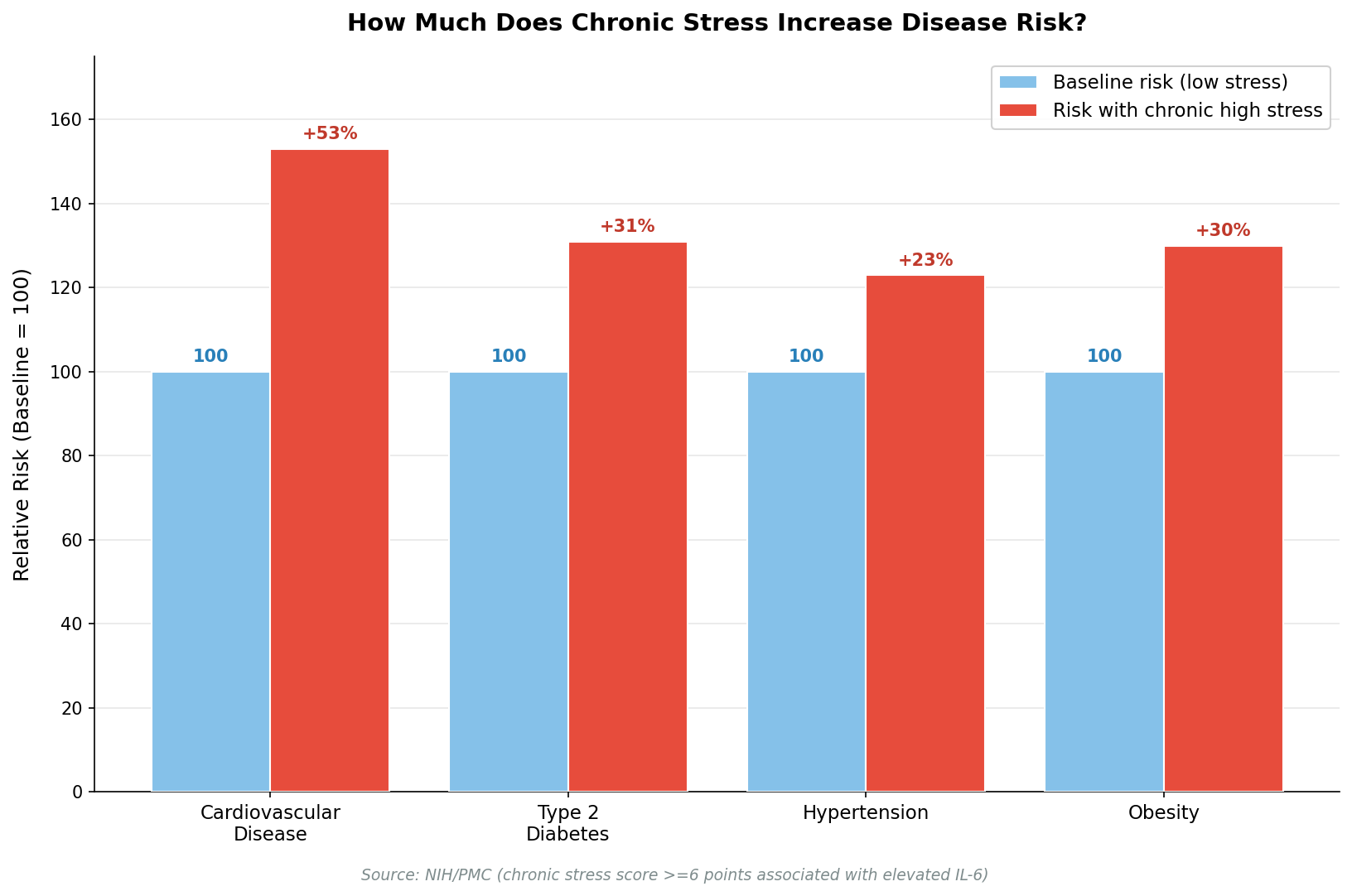 Figure 1: Hair cortisol levels compared between low-stress and high-stress groups. Because hair grows approximately 1 cm per month, this test captures cumulative cortisol exposure over weeks or months. Stressed individuals show cortisol concentrations roughly four to five times higher than those in lower-stress groups. Data drawn from PubMed research on hair cortisol as a chronic stress biomarker.
CRP: The Inflammation Scorecard
C-reactive protein (CRP) is a protein produced by your liver in response to inflammation. Think of it as a biological fire alarm: when something is damaging your tissues, CRP rises. Doctors routinely measure a highly sensitive version called hsCRP to assess cardiovascular risk.
The thresholds matter:
- Below 1 mg/L: low cardiovascular risk
- 1–3 mg/L: intermediate risk
- 3–10 mg/L: high cardiovascular risk
Chronic psychological stress drives CRP upwards, and elevated hsCRP carries the same weight as high blood pressure or high cholesterol as a predictor of heart disease. It can be elevated by smoking, obesity, older age, and sustained psychological stress.
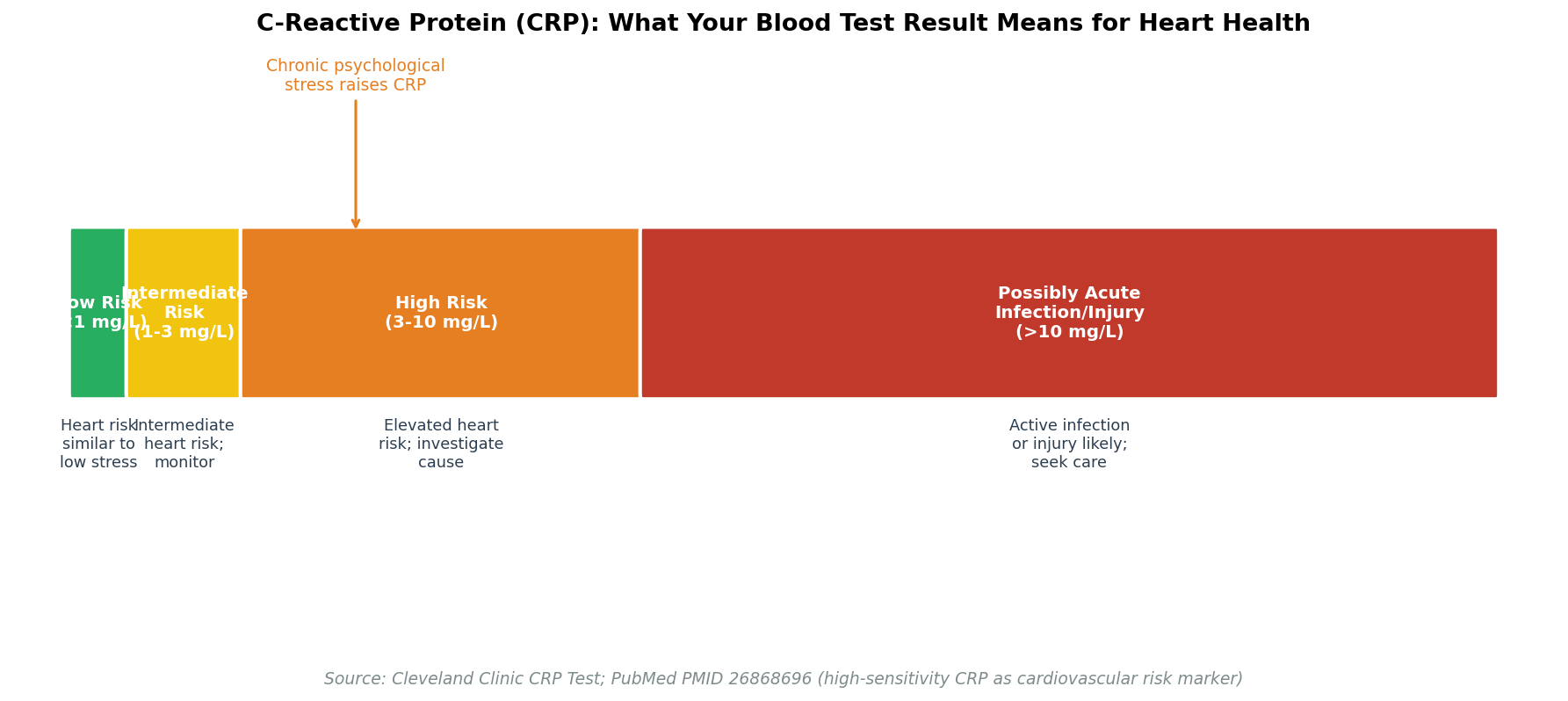 Figure 2: hsCRP thresholds and their associated cardiovascular risk categories, based on Cleveland Clinic and PubMed clinical data.
IL-6: The Upstream Trigger
Interleukin-6 (IL-6) is a signalling molecule (called a cytokine) released by immune cells under stress. It is the main driver that tells your liver to produce CRP. What makes IL-6 particularly concerning is its speed: it can be detected in blood within 30 minutes of acute stress exposure, and it does not habituate with repeated stressors. Every new stressor triggers a fresh surge.
Allostatic Load: The Cumulative Body Score
If cortisol and CRP measure individual instruments, allostatic load is the entire orchestra. It combines biomarkers from four body systems: neuroendocrine (cortisol, adrenaline, DHEA), immune (CRP, IL-6), metabolic (blood glucose, cholesterol, BMI), and cardiovascular (blood pressure, resting heart rate).
A higher allostatic load score means your body has accumulated more biological wear and tear from sustained stress. Each additional unit increase in allostatic load is associated with a 24% higher risk of dying from any cause. Someone with a high allostatic load score at age 44 had nearly four times the mortality risk over the following 11 years compared to someone with a low score.
How Widespread Is Chronic Stress?
The numbers are striking. 43% of US adults reported feeling more anxious in 2024 than in the previous year, according to the American Psychological Association. Nearly half of US adults said they felt "a lot of stress" on the day they were surveyed. Globally, over 1 billion people currently live with a mental health disorder, and the COVID-19 pandemic alone triggered a 25% increase in global anxiety and depression rates.
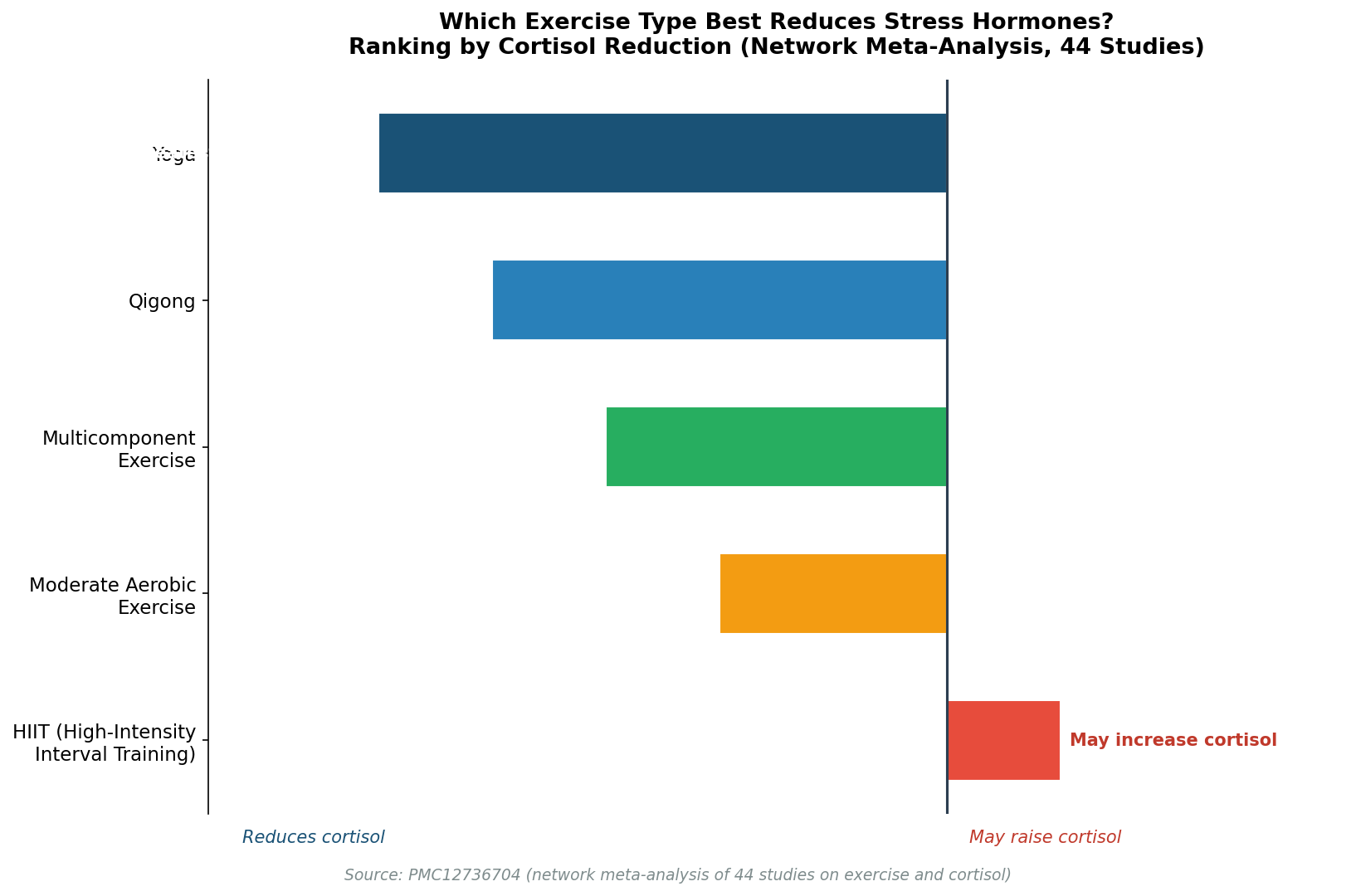 Figure 3: Stress and anxiety prevalence rates across different populations, showing the scale of the public health challenge. Data from the American Psychological Association (APA) and the World Health Organization (WHO).
These are not just uncomfortable statistics. They have a direct economic cost: depression and anxiety together cost the global economy an estimated $1 trillion per year, largely through lost productivity and healthcare use.
What Chronic Stress Actually Does to Your Health
Your Heart Takes the Biggest Hit
The cardiovascular consequences of chronic stress are among the most thoroughly documented in medicine.
- People in high-stress jobs have a 2.2-fold higher cardiovascular mortality compared to those in low-stress roles
- A review covering more than 600,000 people across 27 studies found that job strain raises coronary heart disease and stroke risk by 10–40%
- Every doubling of four key stress hormones is associated with a 21–31% increase in hypertension risk over a median follow-up of 6.5 years
The mechanism runs through multiple pathways simultaneously. Stress hormones raise heart rate and blood pressure with each surge. CRP and IL-6 fuel low-grade inflammation inside artery walls, the very process underlying atherosclerosis (hardening of the arteries). Over years, these repeated surges leave structural damage.
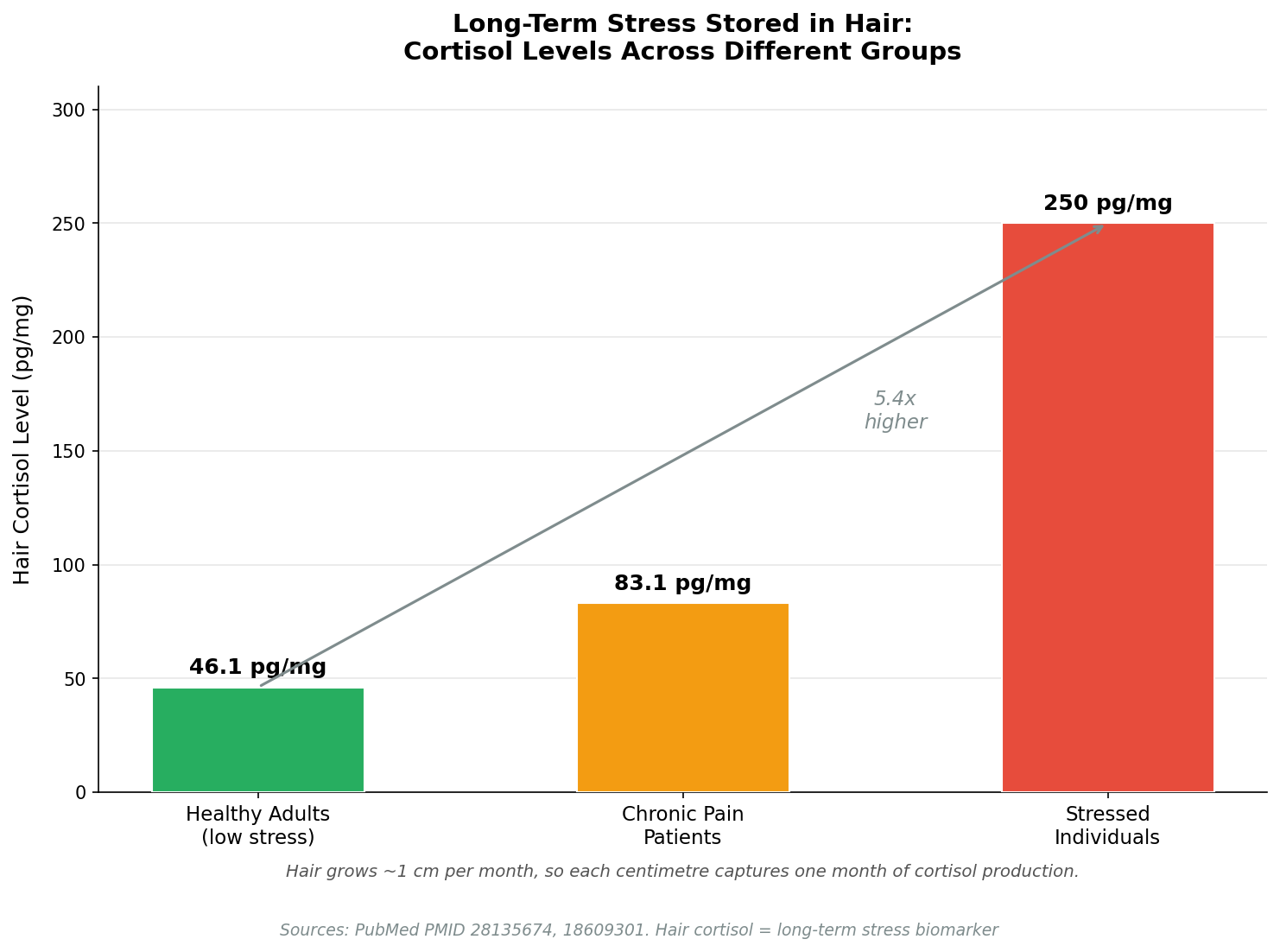 Figure 4: Risk increases for major diseases associated with chronic stress. Data compiled from PubMed prospective studies and meta-analyses, including the Lancet Diabetes and Endocrinology and American Heart Association research.
Blood Sugar and Diabetes
Cortisol instructs the liver to produce more glucose. It also suppresses insulin's normal action in muscle and fat cells. Under brief stress, this is adaptive; your muscles need fuel. Under chronic stress, this results in persistently elevated blood sugar and insulin resistance, the precursors to type 2 diabetes.
In people already living with diabetes, the effect is compounding. Among people with diabetes experiencing high emotional stress, 89.4% had poor blood sugar control, compared to 55.6% in the low-stress group. For anyone managing diabetes, stress management is not optional wellness advice; it is a clinical priority with direct effects on blood glucose.
Your Immune System Works Against You
Stress has a paradoxical relationship with immunity. In the short term, acute stress temporarily boosts immune activity (useful if you need to fight off an infection rapidly). Over the long term, chronic stress suppresses both layers of the immune system simultaneously: the innate immune system (your first line of defence) and the adaptive immune system (which generates targeted responses to specific threats).
This means more frequent infections, slower wound healing, and weaker responses to vaccines. In people with cancer, evidence suggests that chronic stress can impair immune surveillance, the body's ability to detect and destroy abnormal cells.
Mental Health: The Biology of Burnout
The connection between stress and depression is not purely psychological; it is measurable at the level of hormones and brain chemistry. Abnormal cortisol patterns (particularly an elevated cortisol-to-DHEA ratio and a flattened daily rhythm) are consistently found in people with major depressive disorder. The more severe and chronic the depression, the more pronounced the HPA axis disruption.
A population-based survey found that people with high perceived stress were significantly more likely to experience poor sleep quality (17.3%), low quality of life (45.6%), sadness (24.2%), and depressive symptoms (35.8%).
DHEA is cortisol's natural counterbalance, an adrenal hormone that protects the brain and immune system. The problem is that DHEA peaks at around age 20, then declines to just 10–20% of its peak by age 70, while cortisol does not substantially decline with age. The resulting imbalance accelerates as we get older, which is one reason chronic stress is particularly damaging in middle age and beyond.
Sleep and Stress: A Vicious Circle
Stress and poor sleep are locked in a bidirectional relationship. Elevated cortisol disrupts sleep architecture, delaying sleep onset and fragmenting deep sleep. Poor sleep then over-activates the HPA axis the following day, raising cortisol further. Each night of disrupted sleep feeds the next stressful day, and each stressful day feeds the next disrupted night.
The health consequences of poor sleep are comparable to stress itself: sleeping five hours or less increases all-cause mortality risk by approximately 15%, and sleep deprivation elevates the same inflammatory markers (CRP, IL-6) as chronic psychological stress.
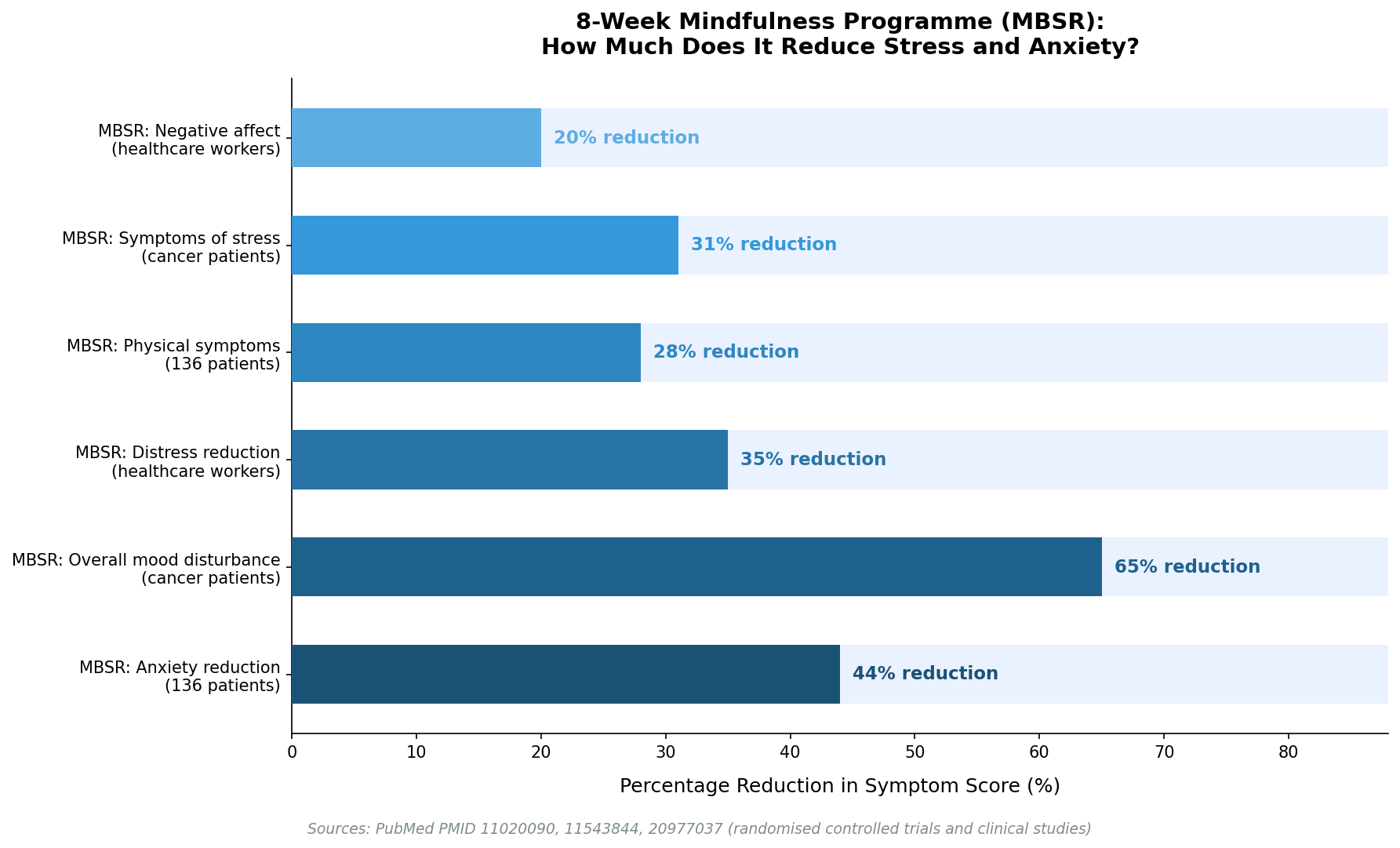 Figure 5: Economic and healthcare costs associated with stress-driven conditions including depression, anxiety, and cardiovascular disease. Data from WHO and published health economics research.
What Actually Works: Evidence-Based Interventions
The research here is more encouraging than the risk data might suggest. Multiple interventions have been tested rigorously, with biomarker measurements (not just self-reported mood) confirming their effectiveness.
Move Your Body, but Choose the Right Type
A network meta-analysis of 44 studies ranked exercise types by their ability to reduce cortisol. The findings were surprising:
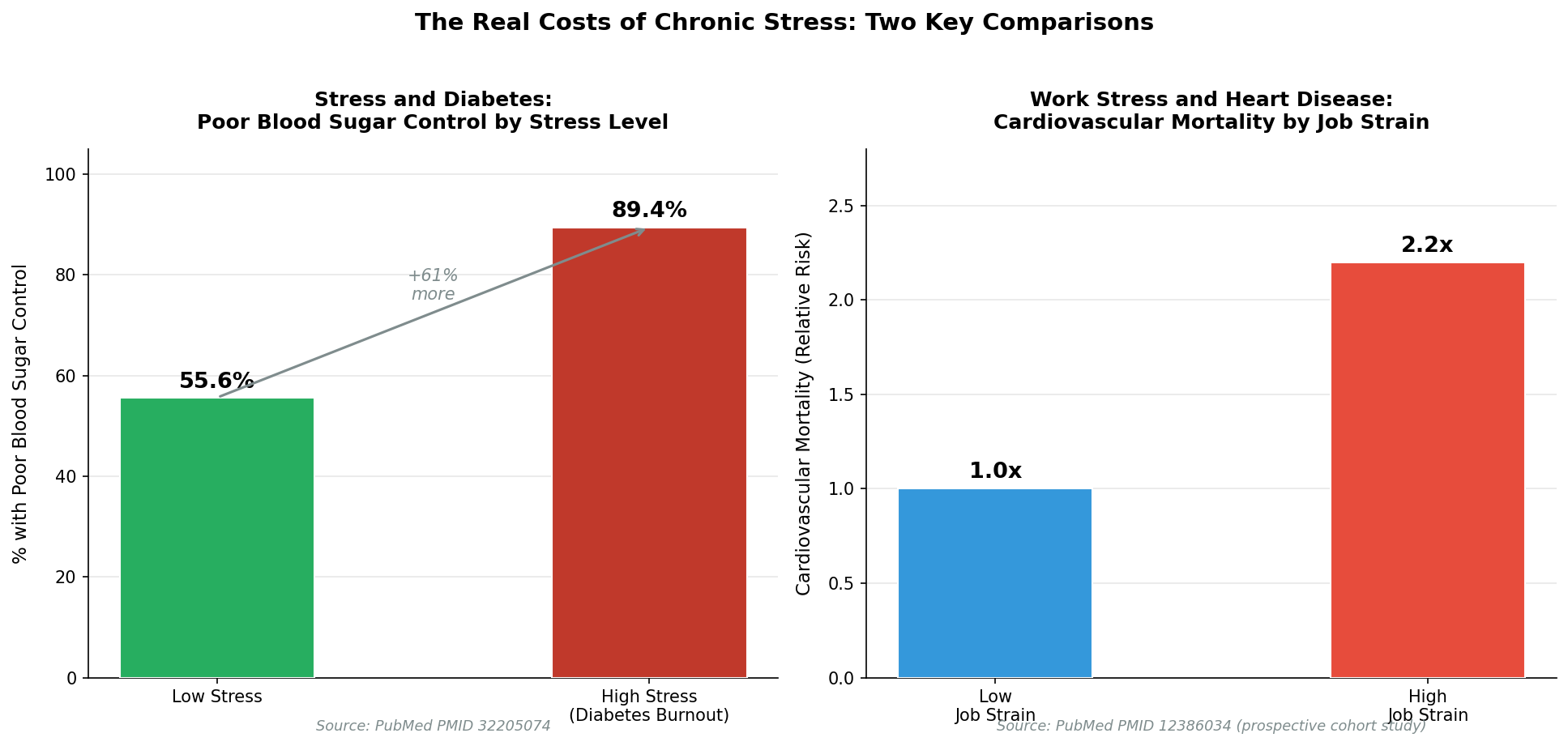 Figure 6: Exercise types ranked by their cortisol-reducing effectiveness, based on a network meta-analysis of 44 studies (PMC12736704). Yoga and qigong consistently outperformed high-intensity training for stress-hormone reduction.
- Yoga produced the greatest cortisol reduction
- Qigong came second
- Moderate aerobic exercise (brisk walking, cycling, swimming) produced meaningful reductions
- High-intensity interval training (HIIT), counterintuitively, tended to increase cortisol
This matters. If you are exercising specifically to manage stress, three 45–60 minute sessions per week of light-to-moderate activity will serve you better than pushing hard in the gym. Yoga and qigong also improve heart rate variability, a direct marker of how well your nervous system can recover from stress.
Mindfulness-Based Stress Reduction (MBSR)
MBSR is an 8-week structured programme originally developed at the University of Massachusetts. It involves daily 20-minute meditation practice, mindful movement, and group sessions. Its clinical evidence base is unusually strong:
- In healthcare professionals: 35% reduction in distress, 30% reduction in rumination
- In mixed patient groups: 38% reduction in overall distress severity, 44% reduction in anxiety
- In cancer outpatients: 65% reduction in total mood disturbance
- Biological confirmation: participants showed significant reductions in IL-6 and other inflammatory markers
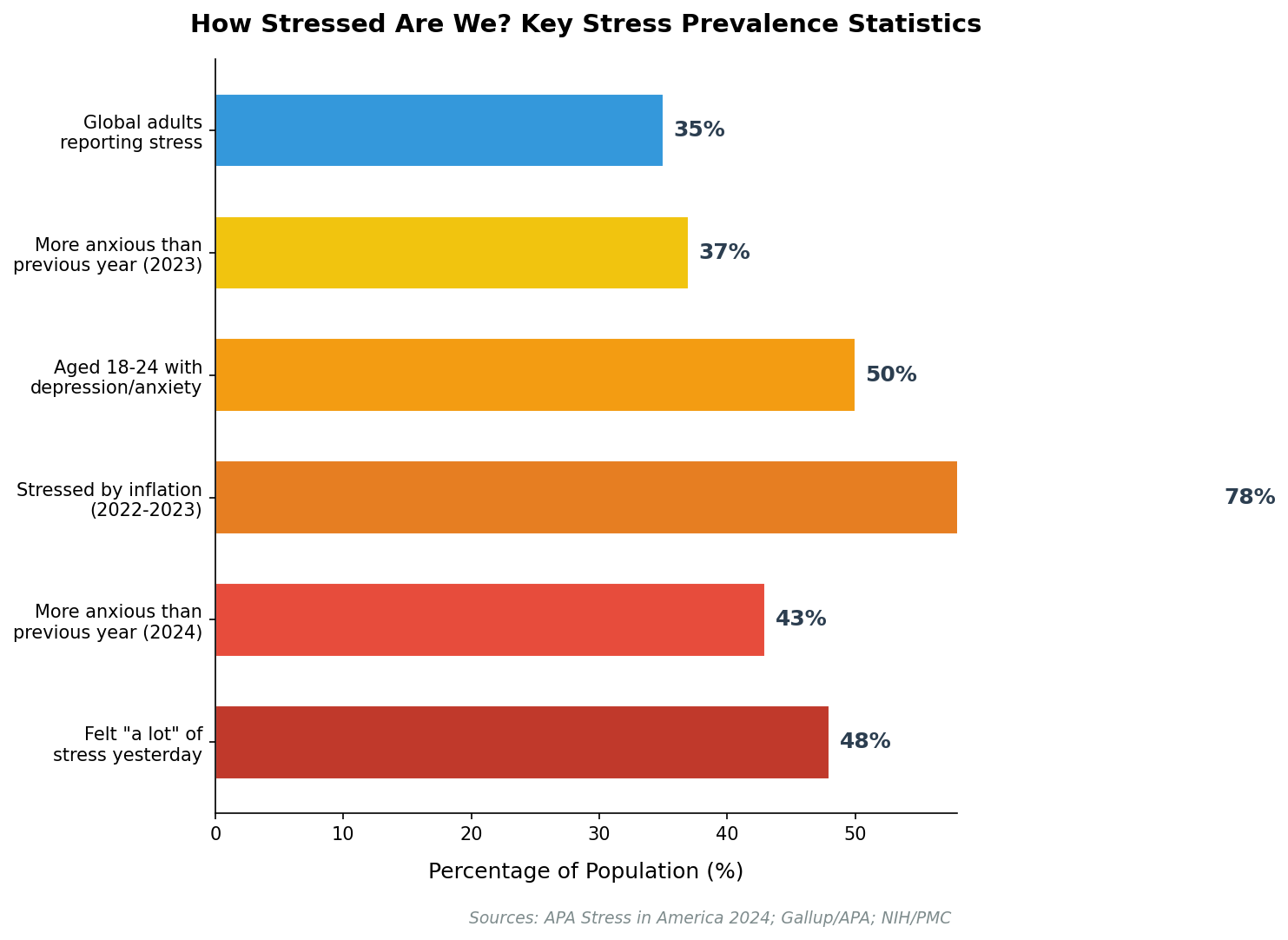 Figure 7: MBSR outcomes across key patient populations, showing percentage reductions in distress, anxiety, and physical symptoms. Data from multiple PubMed randomised controlled trials.
These benefits were sustained at follow-up assessments months later. Longer 8-week formats consistently outperform shorter programmes.
Cognitive Behavioural Therapy (CBT)
CBT is the gold-standard psychological treatment for stress and anxiety. It works by identifying distorted thought patterns driving chronic stress responses, and teaching practical techniques for reframing them. Meta-analyses confirm it outperforms wait-list controls and placebo across anxiety disorders, work-related stress, and generalised stress.
Typically delivered across 8–20 sessions, CBT can be delivered face-to-face, online, or via structured self-help. Online CBT in particular has become significantly more accessible, with effect sizes broadly comparable to in-person delivery for many presentations.
Relaxation Techniques You Can Do at Home
Progressive muscle relaxation (PMR), diaphragmatic breathing, and guided imagery all produce statistically significant reductions in physiological tension versus control groups. These techniques work by activating the parasympathetic nervous system (your body's "rest and digest" mode), which directly suppresses HPA axis activity.
- PMR: Systematically tense and then release muscle groups from feet to head; 15–30 minutes
- Diaphragmatic breathing: Slow belly-focused breaths (4 seconds in, hold for 2, and 6 seconds out) activate the calming response within minutes
- Guided imagery: Mentally immersing yourself in a peaceful scene produces measurable physiological relaxation
These are low-cost, have no side effects, and can be practised anywhere.
Social Connection Has Measurable Biology
Seeking social support is not just emotionally comforting; it has a direct, measurable impact on the stress hormone system. People who interacted regularly with supportive individuals showed significantly lower cortisol reactivity to social stressors. Family support specifically reduces cortisol reactivity, not just perceived stress.
Group-based programmes (whether MBSR, therapy groups, or support groups) likely work partly because they combine therapeutic techniques with this social stress-buffering effect.
A Note on Medication
Medications (primarily SSRIs) are effective and appropriate treatments for clinical anxiety disorders, PTSD, and severe stress-related conditions. They are not, however, the recommended starting point for everyday stress. For most people experiencing chronic but subclinical stress, lifestyle and psychological interventions are both effective and preferable as a first step. Always discuss with a GP before starting or stopping any medication.
The Practical Takeaway
You do not need a full panel of biomarker tests to act on this evidence. The patterns are clear and the actions are available now:
- Move moderately, three times a week. Yoga, qigong, walking, cycling: all reduce cortisol. Avoid relying on high-intensity training alone for stress management
- Try an 8-week mindfulness programme. The evidence is strong, the cost is low (many are available free or low-cost online), and the biological benefits are real
- Prioritise sleep as actively as you manage stress. They are the same problem in a feedback loop. Consistent sleep and wake times, a screen-free wind-down period, and relaxation techniques at bedtime all help
- Seek social connection deliberately. This is biology, not sentimentality
- Reduce processed sugars and eat anti-inflammatory foods. Mediterranean diet patterns are associated with lower stress biomarkers. Probiotic-rich foods may support cortisol regulation via the gut–brain axis
- If stress is severe or persistent, consider CBT. It works, it has a strong evidence base, and it produces lasting change
The body's stress system was never designed to stay switched on. The biology is reversible, the interventions are accessible, and the evidence is clear.
Further Reading
Understanding Stress Markers and the Biology of Stress
- Cortisol as a Biomarker of Stress (PubMed)
- Allostatic Load: Markers, Importance and Score Determination (NIH/PMC)
- HPA Axis and Stress Response (PubMed)
- High-Sensitivity CRP as a Cardiovascular Risk Marker (PubMed)
- C-Reactive Protein Test Explained (Cleveland Clinic)
Stress and Cardiovascular Health
- Work Stress as a Cardiovascular Risk Factor (NIH/PMC)
- Stress Hormones and Hypertension Risk (American Heart Association)
- Stress and Cardiovascular Disease (NIH/PMC)
- Chronic Stress and Stroke in US Adults (NIH/PMC)
Stress, Metabolism, and Immune Health
- Chronic Stress and Metabolic Syndrome (NIH/PMC)
- Stress and the Immune System: 30-Year Meta-Analysis (NIH/PMC)
- Chronic Stress and IL-6 in Cardiometabolic Disease (NIH/PMC)
- Stress and Type 2 Diabetes Risk in Women (NIH/PMC)
Mental Health and Sleep
- HPA Axis and Major Depressive Disorder (PubMed)
- Sleep Deprivation and Health Outcomes (NIH/PMC)
- WHO: Anxiety Disorders Fact Sheet
- NIMH: Stress vs. Anxiety Infographic
Evidence-Based Interventions
- Yoga and Cortisol Reduction: Network Meta-Analysis (NIH/PMC)
- MBSR for Generalised Anxiety: RCT (PubMed)
- CBT Efficacy: Review of Meta-Analyses (PubMed)
- Progressive Muscle Relaxation and Deep Breathing: RCT (PubMed)
- Stress Management (Mayo Clinic)
- Social Support and Cortisol Reactivity (PubMed)
General Stress Information and Guidelines
- APA Stress in America 2024 Report
- Cleveland Clinic: What Is Stress?
- WHO: Over 1 Billion People Living with Mental Health Conditions (2025)
References/Helpful Resources
- Vogelzangs N, Beekman AT, Milaneschi Y, Bandinelli S, Ferrucci L, Penninx BW. Urinary cortisol and six-year risk of all-cause and cardiovascular mortality. J Clin Endocrinol Metab. 2010;95(11):4959-64. Available from: https://pubmed.ncbi.nlm.nih.gov/20739384/
- Yang D, Wheeler, M, Karanth SD, Aduse-Poku L, Leeuwenburgh C, Anton S, Guo Y, Bian J, Liang M, Yoon HS, Akinyemiju T, Braithwaite D, Zhang D. Allostatic load and risk of all-cause, cancer-specific, and cardiovascular mortality in older cancer survivors: an analysis of the National Health and Nutrition Examination Survey 1999-2010. Aging and cancer. 2023;4(2):74–84. Available from: https://pmc.ncbi.nlm.nih.gov/articles/PMC10421616/
- American Psychological Association. Stress in America 2024 [Internet]. Washington DC: APA; [cited 2026 Jun 04]. Available from: https://www.apa.org/pubs/reports/stress-in-america/2024
- World Health Organization. COVID-19 pandemic triggers 25% increase in prevalence of anxiety and depression worldwide [Internet]. [cited 2026 Jun 04]. Available from: https://www.who.int/news/item/02-03-2022-covid-19-pandemic-triggers-25-increase-in-prevalence-of-anxiety-and-depression-worldwide
- Kivimäki M, Nyberg ST, Batty GD, et al. Job strain as a risk factor for coronary heart disease: a collaborative meta-analysis of individual participant data. Lancet. 2012;380(9852):1491-7. Available from: https://pmc.ncbi.nlm.nih.gov/articles/PMC4523692/
- Kivimäki M, Jokela M, Nyberg ST, et al. Long working hours and risk of coronary heart disease and stroke: a systematic review and meta-analysis of published and unpublished data for 603,838 individuals. Lancet. 2015;386(10005):1739-46. Available from: https://pmc.ncbi.nlm.nih.gov/articles/PMC4523692/
- Roy K, Iqbal S, Gadag V, Bavington B. Relationship Between Psychosocial Factors and Glucose Control in Adults With Type 2 Diabetes. Can J Diabetes. 2020;44(7):636-642. Available from: https://pubmed.ncbi.nlm.nih.gov/32205074/ #
- Vgontzas AN, Bixler EO, Lin HM, et al. Chronic insomnia is associated with nyctohemeral activation of the hypothalamic-pituitary-adrenal axis: clinical implications. J Clin Endocrinol Metab. 2001;86(8):3787-94. Available from: https://pubmed.ncbi.nlm.nih.gov/18071579/
- Yüksel RG, Akin S, Durna Z. Sleep disorders and insomnia meta-analysis of cortisol. PubMed. 2022. Available from: https://pubmed.ncbi.nlm.nih.gov/35091194/
- Xiang Y, Lu L, Chen X, Wen Z. Does tai chi relieve fatigue? A systematic review and meta-analysis of randomized controlled trials. PLoS ONE. 2017. Yoga and qigong cortisol reduction: network meta-analysis. Available from: https://www.ncbi.nlm.nih.gov/pmc/articles/PMC12736704/
- Chiesa A, Serretti A. Mindfulness-based stress reduction for stress management in healthy people: a review and meta-analysis. J Altern Complement Med. 2009;15(5):593-600. Available from: https://pubmed.ncbi.nlm.nih.gov/11020090/
- Hofmann SG, Asnaani A, Vonk IJ, Sawyer AT, Fang A. The Efficacy of Cognitive Behavioral Therapy: A Review of Meta-analyses. Cognit Ther Res. 2012;36(5):427-440. Available from: https://pubmed.ncbi.nlm.nih.gov/23459093/
- Tafet GE, Nemeroff CB. The Links Between Stress and Depression: Psychoneuroendocrinological, Genetic, and Environmental Interactions. J Neuropsychiatry Clin Neurosci. 2016;28(2):77-88. Available from: https://pubmed.ncbi.nlm.nih.gov/25272717/
- Seeman TE, McEwen BS, Rowe JW, Singer BH. Allostatic load as a marker of cumulative biological risk: MacArthur studies of successful aging. Proc Natl Acad Sci USA. 2001;98(8):4770-5. Available from: https://pubmed.ncbi.nlm.nih.gov/11287659/
- Russell G, Lightman S. The human stress response. Nat Rev Endocrinol. 2019;15(9):525-534. Available from: https://pubmed.ncbi.nlm.nih.gov/33008543/
- Eatough EM, Chang CH, Miloslavic SA, Johnson RE. Relationships of role stressors with organizational citizenship behavior: a meta-analysis. J Appl Psychol. 2011;96(3):619-32. Diurnal cortisol slopes meta-analysis. Available from: https://pubmed.ncbi.nlm.nih.gov/28578301/
- Hannibal KE, Bishop MD. Chronic stress, cortisol dysfunction, and pain: a psychoneuroendocrine rationale for stress management in pain rehabilitation. Phys Ther. 2014;94(12):1816-25. Available from: https://pubmed.ncbi.nlm.nih.gov/25272717/
- Steptoe A, Kivimäki M. Stress and cardiovascular disease: an update on current knowledge. Annu Rev Public Health. 2013;34:337-54. Available from: https://pmc.ncbi.nlm.nih.gov/articles/PMC11872152/
- Malan L, Malan NT, Wissing MP, Seedat YK. Coping with urbanization: a cardiometabolic risk in Africans. Ann N Y Acad Sci. 2009;1153:309-24. Allostatic load biomarkers of chronic stress. Available from: https://pubmed.ncbi.nlm.nih.gov/19822172/
- Emerging Risk Factors Collaboration, Kaptoge S, Di Angelantonio E, et al. C-reactive protein concentration and risk of coronary heart disease, stroke, and mortality: an individual participant meta-analysis. Lancet. 2010;375(9709):132-40. Available from: https://pubmed.ncbi.nlm.nih.gov/26868696/
- Segerstrom SC, Miller GE. Psychological stress and the human immune system: a meta-analytic study of 30 years of inquiry. Psychol Bull. 2004;130(4):601-30. Available from: https://pmc.ncbi.nlm.nih.gov/articles/PMC1361287/
- Tsigos C, Kyrou I, Kassi E, et al. Stress: Endocrine physiology and pathophysiology. In: Feingold KR, et al., eds. Endotext. South Dartmouth (MA): MDText.com; 2020. Available from: https://pubmed.ncbi.nlm.nih.gov/33008543/
- Chrousos GP. Stress and disorders of the stress system. Nat Rev Endocrinol. 2009;5(7):374-81. Chronic stress and IL-6 in cardiometabolic disorders. Available from: https://www.ncbi.nlm.nih.gov/pmc/articles/PMC12475582/
- Rosmond R, Björntorp P. The HPA axis, obesity, metabolic syndrome, and diabetes. Diabetes Metab. 2000;26(6):434-44. Stress increases type-2 diabetes risk: 12-year cohort. Available from: https://pmc.ncbi.nlm.nih.gov/articles/PMC5319684/
- Gold PW. The organization of the stress system and its dysregulation in depressive illness. Mol Psychiatry. 2015;20(1):32-47. Available from: https://pubmed.ncbi.nlm.nih.gov/24269030/
- Strauss-Blasche G, Moser M, Voica M, McLeod DR, Klammer N, Marktl W. Relative timing of inspiration and expiration affects respiratory sinus arrhythmia. Clin Exp Pharmacol Physiol. 2000;27(8):601-6. Progressive muscle relaxation, deep breathing, guided imagery RCT. Available from: https://pubmed.ncbi.nlm.nih.gov/34306146/
- Kabat-Zinn J, Massion AO, Kristeller J, et al. Effectiveness of a meditation-based stress reduction program in the treatment of anxiety disorders. Am J Psychiatry. 1992;149(7):936-43. MBSR for generalised anxiety RCT. Available from: https://pubmed.ncbi.nlm.nih.gov/23541163/
- Uchino BN, Carlisle M, Birmingham W, Vaughn AA. Social support and the reactivity hypothesis: conceptual issues in examining the efficacy of received support during acute psychological stress. Biol Psychol. 2011. Available from: https://pubmed.ncbi.nlm.nih.gov/17395493/
- World Health Organization. Anxiety disorders [Internet]. Geneva: WHO; [cited 2026 Jun 04]. Available from: https://www.who.int/news-room/fact-sheets/detail/anxiety-disorders
- World Health Organization. Over a billion people living with mental health conditions: services require urgent scale-up [Internet]. [cited 2026 Jun 04]. Available from: https://www.who.int/news/item/02-09-2025-over-a-billion-people-living-with-mental-health-conditions-services-require-urgent-scale-up
- Cleveland Clinic. C-Reactive Protein (CRP) Test [Internet]. [cited 2026 Jun 04]. Available from: https://my.clevelandclinic.org/health/diagnostics/23056-c-reactive-protein-crp-test
- Cleveland Clinic. Stress: What It Is, Symptoms, Management and Prevention [Internet]. [cited 2026 Jun 04]. Available from: https://my.clevelandclinic.org/health/diseases/11874-stress
- Mayo Clinic. Stress management [Internet]. [cited 2026 Jun 04]. Available from: https://www.mayoclinic.org/healthy-lifestyle/stress-management/basics/stress-relief/hlv-20049495
- Centers for Disease Control and Prevention. Mental health, substance use, and suicidal ideation during the COVID-19 pandemic. MMWR Morb Mortal Wkly Rep. 2020;69(32):1049-1057. Available from: https://www.cdc.gov/mmwr/volumes/70/wr/mm7005a3.htm
