

If your employer offers a health risk assessment programme, you might wonder whether it's worth your time. The answer is almost certainly yes, but not all programmes are created equal. Understanding what distinguishes a genuinely useful programme from a superficial data-collection exercise can help you decide whether to participate and what to expect.
What Is a Health Risk Assessment and Why Bother?
A health risk assessment (HRA) is a confidential health questionnaire combined with biometric measurements that creates a comprehensive snapshot of your current health status. Think of it as a personal health profile that identifies risks before they become serious problems.1
Here's what typically happens: you complete a 15-30 minute online questionnaire about your medical history, lifestyle habits, and current health concerns. Then you either visit an on-site screening clinic or get your biometric measurements taken by your doctor. The programme analyses this information and gives you personalised feedback about your health risks, ranked by which ones matter most for your future health.
The potential benefit is enormous. Early detection saves lives and money. When a health risk assessment identifies prediabetes, high blood pressure, or early signs of disease, you have the opportunity to prevent or delay serious illness through lifestyle changes or early treatment. For employers, this translates to healthier workers who take fewer sick days, stay longer at their jobs, and require less expensive medical care. Research shows companies get back £1.50 to £6.00 for every pound invested in comprehensive wellness programmes that start with HRA.8,3,19
Core Components Every Good Programme Should Have
Not all HRAs are equal. A genuinely useful programme has several essential components working together.
Comprehensive Health Questionnaires
The questionnaire should go beyond basic demographics. Look for a programme that asks about:4,11
- Personal medical history (past conditions, surgeries, current diagnoses)
- Family health history (parents' health problems, genetic risks)
- Lifestyle factors (exercise frequency, diet quality, sleep patterns)
- Mental health and stress levels
- Tobacco, alcohol, and substance use
- Work-related factors (ergonomics, workplace hazards, job stress)
- Social support and isolation
A superficial questionnaire asking only age and smoking status will not give you personalised recommendations. A comprehensive one reveals the full picture of your risks, enabling targeted advice.
Biometric Screening Measurements
A solid programme includes measurements that detect hidden health risks.3
- Blood pressure (high blood pressure causes no symptoms but damages your heart and kidneys)
- Cholesterol profile (total, LDL, HDL, and triglycerides)
- Blood glucose (identifies diabetes and prediabetes)
- Body Mass Index and waist circumference (particularly waist circumference, which predicts metabolic disease better than weight alone)
- Height and weight
More comprehensive programmes may also measure kidney function, liver function, and uric acid levels. These objective measurements are valuable because many serious conditions (like high blood pressure and elevated cholesterol) cause no symptoms. Without screening, you would never know you have them until they have already caused damage.
Personalised Feedback You Can Actually Act On
The assessment itself is useless without thoughtful, actionable feedback. Good programmes4
- Explain your individual risk factors in clear language (not just numbers)
- Compare your results to healthy norms so you understand why something matters
- Prioritise recommendations by impact on your lifespan and quality of life
- Provide specific, measurable actions (not just "exercise more" but "walk 150 minutes weekly")
- Meet you where you are in readiness for change
For example, helpful feedback says: "Your blood pressure is 135/85 (elevated). If you lowered this to 120/80, you could add 2.3 years to your life expectancy. Start with reducing sodium intake to 2,300 mg daily." Unhelpful feedback says: "Your blood pressure is high. See your doctor." One you can act on; the other is useless.
Integration with Support Services
This is critical and often missing. An assessment without follow-up is just data collection. Programmes that deliver real results combine the assessment with1
- Health coaching and counselling for behaviour change
- Tailored wellness programmes matching your specific risks
- Easy access to exercise facilities, nutrition guidance, or mental health support
- Occupational health integration (connecting screening results to occupational health professionals)
- Regular follow-up and accountability
Research shows that assessment alone does not change behaviour. But assessment combined with one-on-one coaching, structured education (at least 1 hour of guided instruction), and accessible support services creates measurable health improvements.5,13
Strong Data Privacy Protections
Your willingness to be honest about sensitive health matters depends on trusting that your information will not be used against you. Look for programmes that6
- Clearly explain in writing what data will be collected, how it will be used, and who can access it
- Keep your results completely separate from your personnel file
- Share only aggregate data with managers, never your individual health information
- Use encrypted systems for data storage
- Have clear policies about data retention and deletion
- Comply with GDPR (in the UK) or HIPAA (in the US)
If the privacy notice is vague, or if you are concerned your employer might use health data against you in hiring decisions or performance reviews, raise these concerns before participating.
What the Evidence Shows About Effectiveness
The research on health risk assessments is encouraging but comes with important caveats. HRAs work, but only when implemented properly.
What HRAs Successfully Detect
Health risk assessments are effective at finding problems early. Per 10,000 employees screened annually:2
- 1,185 previously unrecognised cases of prediabetes were identified
- 287 new cases of diabetes are detected
- 73 cases of chronic kidney disease are discovered
- 669 positive colorectal cancer screens are found
Finding prediabetes early is particularly valuable. Without intervention, about 30 per cent of people with prediabetes develop full diabetes within 5 years. But lifestyle interventions (diet and exercise changes) reduce diabetes risk by up to 58 per cent over 3 years.7 That is the power of early detection.
Financial Returns
The financial data is compelling. Research shows:8,3
- £3.27 in medical cost savings for every £1.00 spent on wellness programmes
- £2.73 in absenteeism savings for every £1.00 spent
- Combined, that is £6.00 in total savings per pound invested
Real-world examples illustrate this. Johnson & Johnson reduced employee medical claims by approximately £250 per employee annually over four years through their HRA and wellness programme.8 A 2024 survey found engaged employees averaging £462 in annual medical cost reductions.3 Even more impressively, some companies, such as Monongalia Health System, kept their healthcare costs flat whilst competitors experienced 12-13 per cent annual cost increases.
Disease Prevention Potential
Here is the bigger picture: most serious diseases are largely preventable through lifestyle changes:9
- 80 per cent of heart disease cases could be prevented
- 80 per cent of stroke cases could be prevented
- 80 per cent of type 2 diabetes cases could be prevented
- 40 per cent of cancer cases could be prevented
This means early detection through HRA, followed by behaviour change support, has extraordinary potential to prevent illness entirely.
Productivity and Absence Improvements
When employees participate in comprehensive wellness programmes:10
- Sick leave decreases by 25-27 per cent
- Overall productivity increases by 66 per cent
- Job satisfaction rises significantly
- Employee retention improves
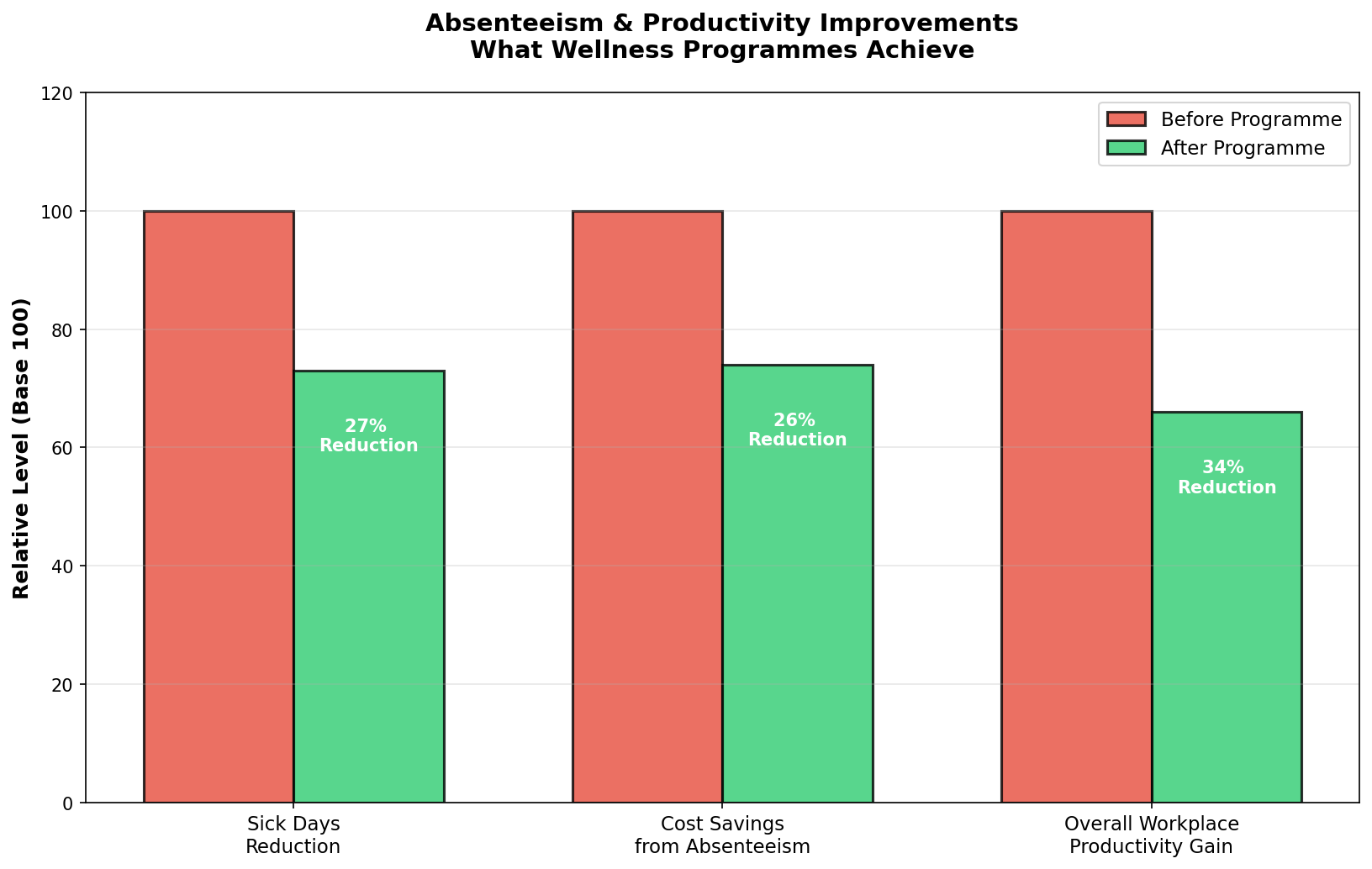 Figure 1: Return on investment from wellness programmes shows medical cost savings of £3.27 per pound invested, absenteeism savings of £2.73 per pound invested, and combined returns of £6.00 per pound invested over 2-3 years.1
The Important Caveat
Some rigorous research suggests the benefits of HRAs alone (without follow-up support) are more modest than earlier claims suggested. Multiple randomised controlled trials found that assessment without comprehensive follow-up produced limited effects on health outcomes, healthcare costs, or productivity after 2+ years.1
This does not mean HRAs do not work. It means HRAs only work as part of a comprehensive system. Assessment identifies problems; support services (coaching, interventions, occupational health services) solve them. The assessment is the first step, not the complete solution.
What Employees Should Expect: The Complete Experience
A well-designed programme unfolds in predictable stages.
The Assessment Process
First comes the assessment itself. You will complete a questionnaire (online is most common), taking 15-30 minutes, answering questions about your health history, lifestyle, and current health concerns. If biometric screening is involved, you will either visit a screening clinic at work, go to an off-site location, or potentially provide measurements yourself.
The entire process should feel voluntary, not coercive. Participation should never affect your employment, pay, or benefits (though many programmes offer incentives like £50-£500 in benefits credits or insurance discounts for completing).
Your Personal Feedback Report
Within days or weeks, you will receive a personalised report. This should clearly explain:11
- Your overall health score or risk level
- Which health factors are concerning and why
- Specific recommendations ranked by impact
- Information about your personal risks (for example, "As a 50-year-old man, colorectal cancer screening is now recommended")
- How to access support services
Good programmes explain results in an accessible language and provide clear next steps. Poor ones give you a risk score and little else.
Follow-Up Support
This is where good programmes stand out from the rest. Depending on your risk level, you might receive:11
- A phone call or email from a health coach reviewing your results
- An invitation to join a specific programme (stress management if stress was flagged, nutrition coaching if diet was an issue)
- A meeting with your occupational health provider if concerning findings are identified
- Ongoing check-ins tracking your progress
This follow-up is essential. Without it, awareness alone rarely leads to behaviour change. Research shows that when assessment is paired with one-on-one coaching, health education, and accessible interventions, meaningful behaviour change happens within 6-12 months.12
Ongoing Reassessment
Quality programmes are reassessed annually or biannually, enabling you to see whether your health is improving. You will get updated feedback showing progress on your priority health goals and adjusted recommendations based on changes in your health status.
Who Should Participate? And Who Might Hesitate?
Health risk assessments benefit nearly everyone, but different populations get different value.
Who Benefits Most
You will benefit significantly if you:
- Have not had recent health screenings (HRAs often identify undetected high blood pressure, elevated cholesterol, or diabetes)
- Have a family history of serious disease (you will learn your inherited risks and what to watch for)
- Want to make health changes but are not sure where to start (personalised feedback prioritises actions by impact)
- Experience work stress or mental health concerns (good programmes assess these and offer support)
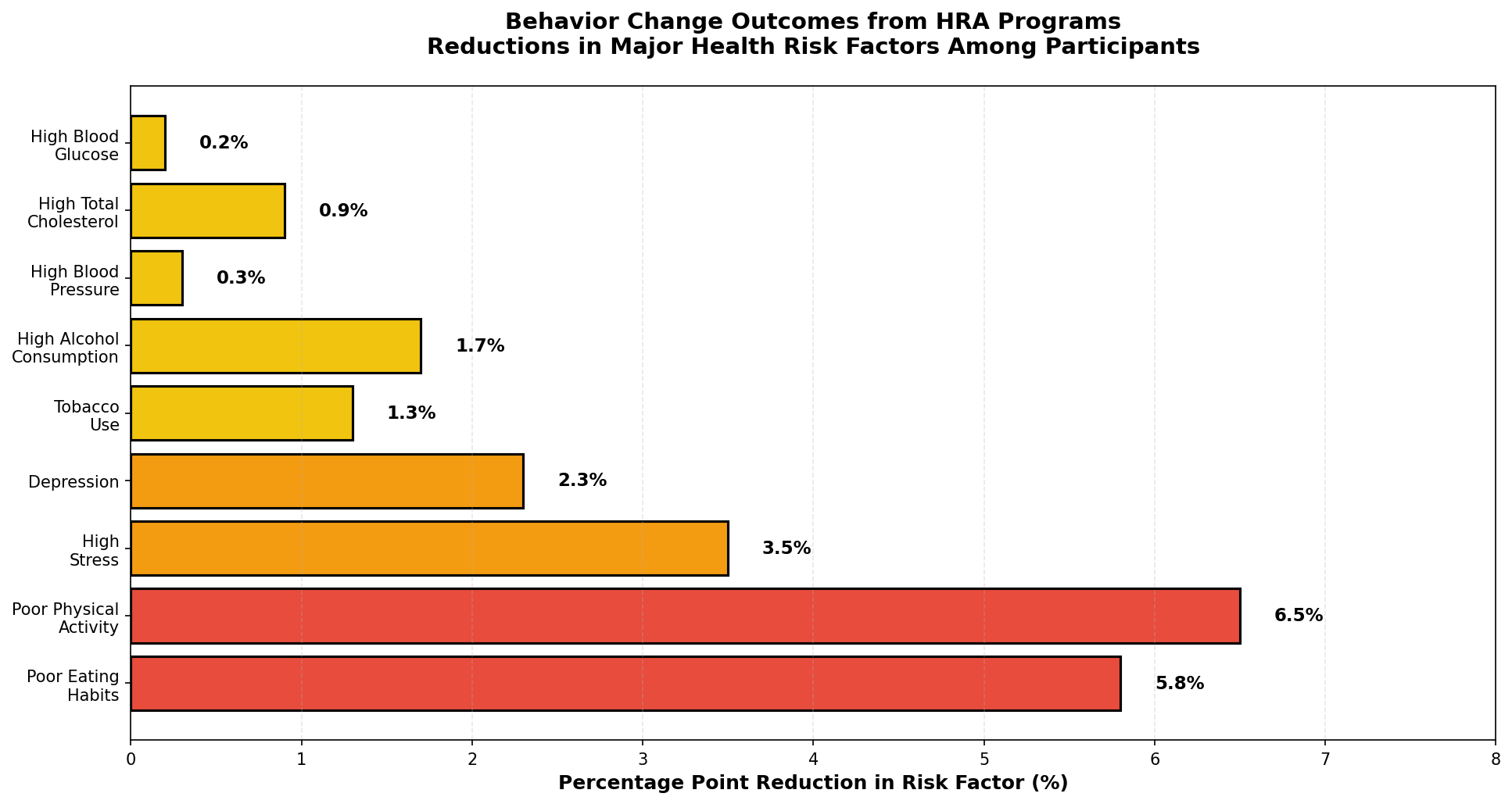 Figure 2: Annual health risk assessment screening detects 1,185 prediabetes cases, 287 diabetes cases, and 73 chronic kidney disease cases per 10,000 employees screened, enabling early intervention.1,7,4
Legitimate Hesitations
You might reasonably hesitate if:
- The programme's privacy protections are unclear or weak (legitimate concern; do not participate if you are unsure data will be kept confidential)
- It is clearly data collection without follow-up support (assessment alone will not improve your health; demand to see what support services are available)
- Your employer has a track record of discrimination or using health data against employees (privacy concerns are valid and can be barriers to honest assessment)
- The programme targets only certain groups (good programmes are accessible to all employees)
Approximately 20 per cent of employees will not complete HRAs regardless of incentives offered, primarily due to data privacy concerns.2 If this is you, that is rational. Trust is essential. However, if you are merely uncertain, ask specific questions about privacy, data security, and how results will be used before deciding.
How to Evaluate Your Employer's Specific Programme
If your employer is launching or promoting an HRA programme, here is what to investigate.
Ask These Specific Questions
- About the assessment tool: Is it evidence-based? Is it NCQA-certified (the gold standard)? Does it assess comprehensive health factors (not just biometrics)?
- About follow-up: What happens after I get my results? What support services are available? Will someone contact me with personalised recommendations? Is coaching available?
- About data security: How is my information protected? Who can see my results? Will my health data ever be shared with my manager or used in performance decisions? What is the data retention policy?
- About accessibility: Is the assessment available online for remote workers? Is it offered in multiple languages if relevant? Are accommodations available for people with disabilities?
- About participation: Is this voluntary? What incentives are offered? Will non-participation affect me in any way?
- About results: Can I see what health improvements other participants have achieved? What is the evidence that this programme works?
Red Flags
Be cautious if13
- Privacy information is vague, unclear, or not provided in writing
- The programme lacks follow-up support or does not specify what happens after assessment
- Your employer has not obtained written consent explaining how health data will be used (required by GDPR in the UK)
- There is pressure to participate or penalties for declining
- The programme only offers assessment without linked interventions
Green Flags
Good programmes have:
- Clear, comprehensive privacy notice in writing
- Integrated follow-up support (coaching, education, occupational health services)
- NCQA-certified assessment tools
- Voluntary participation with positive incentives (not penalties)
- Visible commitment from senior leadership
- Clear explanation of how results will improve employee health, not just reduce employer costs
Making the Decision: Is It Worth Your Time?
Here is the honest bottom line.
An HRA programme is worth your time if:
- The assessment is comprehensive (multiple health dimensions assessed)
- Follow-up support is available and accessible (not just feedback, but actual coaching and services)
- Privacy protections are strong and clearly explained
- The programme is integrated with occupational health services
- Your employer demonstrates a genuine commitment to supporting employee health
When all five elements are present, health improvements and disease prevention are achievable. Research shows employees in well-designed programmes are 3.5 times more likely to feel supported by their employer and twice as likely to report thriving overall.15
An HRA alone is probably not worth much:
Assessment without follow-up, support, and integration with health services produces minimal benefit. If your employer has a history of using health data to discriminate or if you have legitimate privacy concerns, it is reasonable to decline participation.
Looking at Programme Quality: What Sets Excellence Apart
The best programmes have several distinguishing characteristics.
Integration with Occupational Health
Top-tier HRAs are not separate from occupational health services. Instead, assessment results feed directly into the occupational health review. If concerning findings emerge (significantly elevated blood pressure, multiple risk factors, mental health concerns), an occupational health professional follows up within a defined timeframe.2 This ensures clinical appropriateness and enables proper referrals.
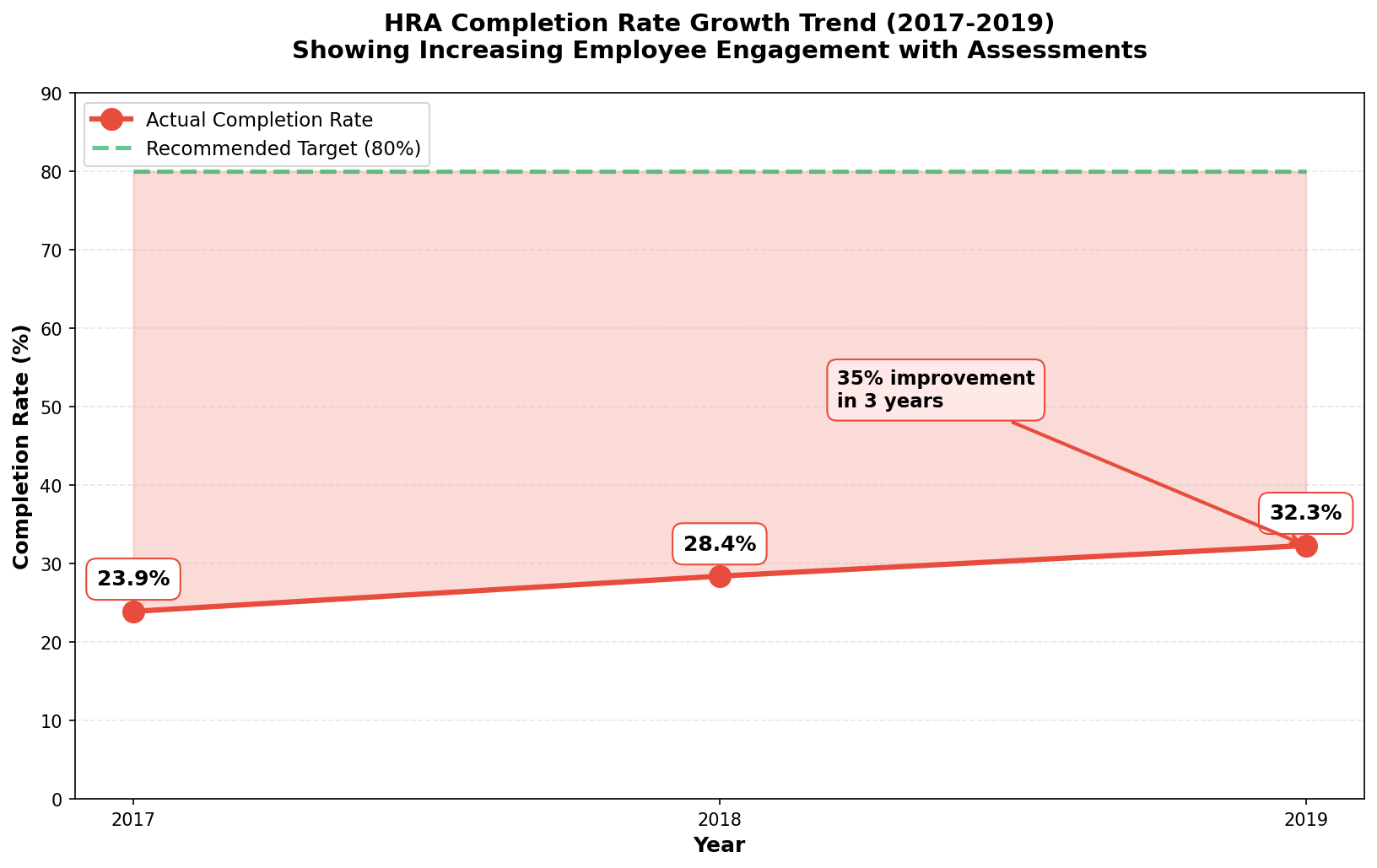 Figure 3: Employees in comprehensive wellness programmes experience a 27 per cent reduction in sick days, a 26 per cent reduction in absenteeism costs, and a 34 per cent increase in productivity within 12 months.1
Multi-Channel Communication and Support
Excellence looks like flexibility. The best programmes offer:14
- Multiple ways to complete assessment (online, in-person screening, telephone)
- Feedback through multiple channels (instant report, follow-up conversation, occupational health appointment)
- Support services in various formats (one-on-one coaching, group classes, digital tools, telemedicine)
- Communication you can customise (not everyone wants daily emails; let people opt in to their preferred frequency and channel)
Data-Driven Programme Design
When a company completes HRAs across the workforce, the aggregate results reveal workforce health patterns. Excellent employers use this data to shape their wellness offerings.15 If screening reveals high rates of stress and depression, mental health support becomes a priority. If many employees have prediabetes, nutrition and weight management programmes are launched. This creates a virtuous cycle: assessment drives programming, which addresses actual needs.
Sustained Investment and Measurement
The best programmes have:16
- Executive sponsorship and adequate budget
- Clear goals measured regularly (participation rates, health improvements, behaviour changes, cost impact)
- Annual reassessment and programme refinement
- Transparent communication of results to employees
When leadership invests in measurement and communication, employees understand the programme's value and trust the commitment.
Special Considerations for UK Employees
If you are based in the UK, additional legal protections apply. Your employer must:
- Obtain your explicit written consent before collecting or processing health data (general consent is not sufficient)
- Provide a clear written privacy notice explaining exactly what data is collected and how it is used
- Conduct a Data Protection Impact Assessment if the programme processes large-scale health data or uses automated decision-making
- Keep health records completely separate from general HR files
- Limit access to health information to occupational health staff and those who genuinely need to know
You have the legal right to:18
- Request to see all your health data
- Request correction of inaccurate information
- Request deletion of data if it is no longer necessary
- Withdraw consent at any time (though this may affect access to occupational health support)
If you are uncomfortable with data handling practices, you can raise concerns with your employer's Data Protection Officer or the Information Commissioner's Office.
Special Considerations for US Employees
In the United States, additional federal laws protect health information:19
- HIPAA (Health Insurance Portability and Accountability Act) governs health data if a group health plan is involved
- ADA (Americans with Disabilities Act) mandates confidentiality
- GINA (Genetic Information Nondiscrimination Act) prohibits discrimination based on genetic information or family health history
- The FMLA (Family and Medical Leave Act) restricts when health information can be requested
State and local laws may provide additional protections beyond federal requirements. Some states have stricter confidentiality rules than others.
The Bottom Line
A well-designed health risk assessment programme represents one of the most effective investments employers can make in workforce health. When comprehensive assessment combines with personalised feedback, accessible support services, occupational health integration, and strong privacy protections, real behaviour change and health improvement happen.
But assessment alone does not change health. What matters is what comes next: support, coaching, and actionable interventions. When evaluating whether to participate in your employer's HRA, ask the hard questions about follow-up support, data security, and demonstrated programme effectiveness. If those elements are present, giving it 20-30 minutes of your time has genuine potential to identify health risks early, prevent serious illness, and set you on a path to better health.
And if your employer is launching an HRA, advocate for the right implementation: comprehensive assessment, robust follow-up support, strong privacy protections, and sustained leadership commitment. The difference between a programme that simply collects data and one that genuinely transforms health outcomes is substantial.
Further Reading
Understanding Health Risk Assessments
- The Complete Guide to Health Risk Assessments
- What Employers Should Know About HRAs
- Health Risk Assessment: A Comprehensive Guide
Disease Prevention and Early Detection
- Chronic Disease Prevention Through Lifestyle Change
- Early Detection of Prediabetes and Diabetes
- The Role of Screening in Disease Prevention
Workplace Wellness Programmes and Effectiveness
- Evaluating Workplace Wellness Programmes for ROI
- Employee Wellness Programme Statistics 2025
- Workplace Wellness Trends and Implementation
Data Privacy and Legal Protection
- Data Protection and Workers' Health Information (UK GDPR)
- GDPR and Health Data in the Workplace
- Employee Health Screenings and HIPAA Compliance (US)
- Safeguarding Employee Health Data: Best Practices
Mental Health and Occupational Health
- Mental Health Impact on Workplace Productivity
- Occupational Health and Safety Risk Assessment
- NHS Employers: Evaluating Health and Wellbeing Programmes
Behaviour Change and Health Coaching
- Behaviour Change Science and Health Coaching Effectiveness
- Stages of Change Model for Health Behaviour Modification
- Health Coaching Effectiveness in Chronic Disease Management
References/Helpful Resources
- Tarro L, Llauradó E, Ulldemolins G, Hermoso P, Solà R. Effectiveness of Workplace Interventions for Improving Absenteeism, Productivity, and Work Ability of Employees: A Systematic Review and Meta-Analysis of Randomised Controlled Trials. Int J Environ Res Public Health. 2020 Mar;17(6):1901. doi:10.3390/ijerph17061901 PubMed PMID: 32183392; PubMed Central PMCID: PMC7142489
- Merrill RM, Aldana SG. COMPLETING A WORKSITE HEALTH RISK ASSESSMENT CORRELATES WITH CONTINUING EMPLOYMENT, LOWER HEALTH CARE COSTS AND UTILIZATION. Int J Occup Med Environ Health. 35(4):449–57. doi:10.13075/ijomeh.1896.01895 PubMed PMID: 35815795; PubMed Central PMCID: PMC10464727
- Zhang J, Wang S, Huang Y, Zheng W, Xiao Y, Yang Z. Association of Screenings for Hypertension, Diabetes, and High Cholesterol With All‐Cause and Cardiovascular Mortality: Evidence From a Cohort Study. J Clin Hypertens (Greenwich). 2025 May 6;27(5):e70053. doi:10.1111/jch.70053 PubMed PMID: 40326297; PubMed Central PMCID: PMC12053004.
- Laan EK, Kraaijenhagen RA, Peek N, Busschers WB, Deutekom M, Bossuyt PM, et al. Effectiveness of a web-based health risk assessment with individually-tailored feedback on lifestyle behaviour: study protocol. BMC Public Health. 2012 Mar 19;12(1):200. doi:10.1186/1471-2458-12-200
- Vosbergen S, Mahieu GR, Laan EK, Kraaijenhagen RA, Jaspers MW, Peek N. Evaluating a Web-Based Health Risk Assessment With Tailored Feedback: What Does an Expert Focus Group Yield Compared to a Web-Based End-User Survey? J Med Internet Res. 2014 Jan 2;16(1):e1. doi:10.2196/jmir.2517 PubMed PMID: 24384408; PubMed Central PMCID: PMC3906664.
- Health Information Privacy - an overview | ScienceDirect Topics [Internet]. [cited 2026 Apr 14]. Available from: https://www.sciencedirect.com/topics/computer-science/health-information-privacy
- Reduction in the Incidence of Type 2 Diabetes with Lifestyle Intervention or Metformin. N Engl J Med. 2002 Feb 7;346(6):393–403. doi:10.1056/NEJMoa012512
- Baicker K, Cutler D, Song Z. Workplace wellness programs can generate savings. Health Aff (Millwood). 2010 Feb;29(2):304–11. doi:10.1377/hlthaff.2009.0626 PubMed PMID: 20075081.
- Wellable. 120 Employee Wellness Statistics for 2026. Wellable [Internet]. 2023 Jan 9 [cited 2026 Apr 14]. Available from: https://www.wellable.co/blog/employee-wellness-statistics/
- CDC. Chronic Disease [Internet]. 2024 [cited 2026 Apr 14]. Chronic Disease. Available from: https://www.cdc.gov/chronic-disease/index.html
- Mattke S, Liu H, Caloyeras J, Huang CY, Van Busum KR, Khodyakov D, et al. Workplace Wellness Programs Study. Rand Health Q. 2013 Jun 1;3(2):7. PubMed PMID: 28083294; PubMed Central PMCID: PMC4945172.
- Nagykaldi ZJ, Voncken-Brewster V, Aspy CB, Mold JW. Novel Computerised Health Risk Appraisal May Improve Longitudinal Health and Wellness in Primary Care. Appl Clin Inform. 2013 Feb 20;4(1):75–87. doi:10.4338/ACI-2012-10-RA-0048 PubMed PMID: 23650489; PubMed Central PMCID: PMC3644816.
- Vosbergen S, Laan EK, Colkesen EB, Niessen MA, Kraaijenhagen RA, Essink-Bot ML, et al. Evaluation of End-User Satisfaction Among Employees Participating in a Web-based Health Risk Assessment With Tailored Feedback. J Med Internet Res. 2012 Oct 30;14(5):e140. doi:10.2196/jmir.2067 PubMed PMID: 23111097; PubMed Central PMCID: PMC3510759
- Sherman BW, Addy C. Association of Wage With Employee Participation in Health Assessments and Biometric Screening. Am J Health Promot. 2018 Feb;32(2):440–5. doi:10.1177/0890117117708607 PubMed PMID: 28535717.
- Inc G. Gallup.com [Internet]. [cited 2026 Apr 14]. Gallup - Workplace Consulting & Global Research. Available from: https://www.gallup.com/corporate/244445/home.aspx
- CDC. Occupational Risk Assessment [Internet]. 2026 [cited 2026 Apr 14]. Occupational Risk Assessment. Available from: https://www.cdc.gov/niosh/occupational-risk-assessment/about/index.html
- Ruck K, Cooper A, Hurley A, Ashton K, Lines C, Willson A. Effective messages and media for employee health campaigns. Journal of Communication in Healthcare. 2017 Jul 3;1–8. doi:10.1080/17538068.2017.1343173
- The Complete Guide to Health Risk Assessments. CoreHealth [Internet]. [cited 2026 Apr 14]. Available from: https://corehealth.global/resource/the-complete-guide-to-health-risk-assessments/
- Goetzel RZ, Tabrizi M, Henke RM, Benevent R, Brockbank C v. S, Stinson K, et al. Estimating the Return on Investment From a Health Risk Management Program Offered to Small Colorado-Based Employers. J Occup Environ Med. 2014 May;56(5):554–60. doi:10.1097/JOM.0000000000000152 PubMed PMID: 24806569; PubMed Central PMCID: PMC4469337
- Employment practices and data protection: information about workers’ health [Internet]. 2024 [cited 2026 Apr 14]. Available from: https://ico.org.uk/for-organisations/uk-gdpr-guidance-and-resources/employment/information-about-workers-health/
- Individual rights - guidance and resources [Internet]. 2026 [cited 2026 Apr 14]. Available from: https://ico.org.uk/for-organisations/uk-gdpr-guidance-and-resources/individual-rights/
- US Health Data Privacy Laws. HIPAA Security Rule, ADA, GINA Compliance. Health & Human Services Office for Civil Rights. 2024. https://www.hhs.gov/hipaa/for-professionals/index.html
