

What You Need to Know About Chilaiditi's Syndrome and Surgical Treatment
You've probably never heard of Chilaiditi's Syndrome, which makes sense: it's remarkably rare. But if you or a loved one have just been diagnosed, or if you're facing the question of whether surgery is necessary, this guide will give you everything you need to understand the condition, your treatment options, and what to expect going forward.
The most important thing to know upfront is this: most people with this condition never need surgery, and when surgery is necessary, it has excellent outcomes. Let's walk through what you need to know.
What Exactly Is Chilaiditi's Syndrome?
Chilaiditi's Syndrome is a condition where part of your large intestine (colon) becomes abnormally positioned between your liver and your diaphragm (the muscle that controls your breathing). Imagine your colon as something that's supposed to stay in a specific place, held in position by supportive structures (called ligaments) like cables holding something in place. When those cables are weak, loose, or missing, your colon can shift upward into a space where it doesn't normally belong.
Here's an important distinction that matters for your peace of mind:
- Chilaiditi's sign – you have the anatomical finding on imaging (X-ray or CT scan) but no symptoms
- Chilaiditi's Syndrome – you have the same anatomical finding AND you're experiencing symptoms
Most people with the sign never develop symptoms and often don't even know they have it. The condition only becomes something requiring attention when symptoms actually develop.
How Common Is This Really?
One of the most reassuring facts about Chilaiditi's Syndrome is just how rare it is.
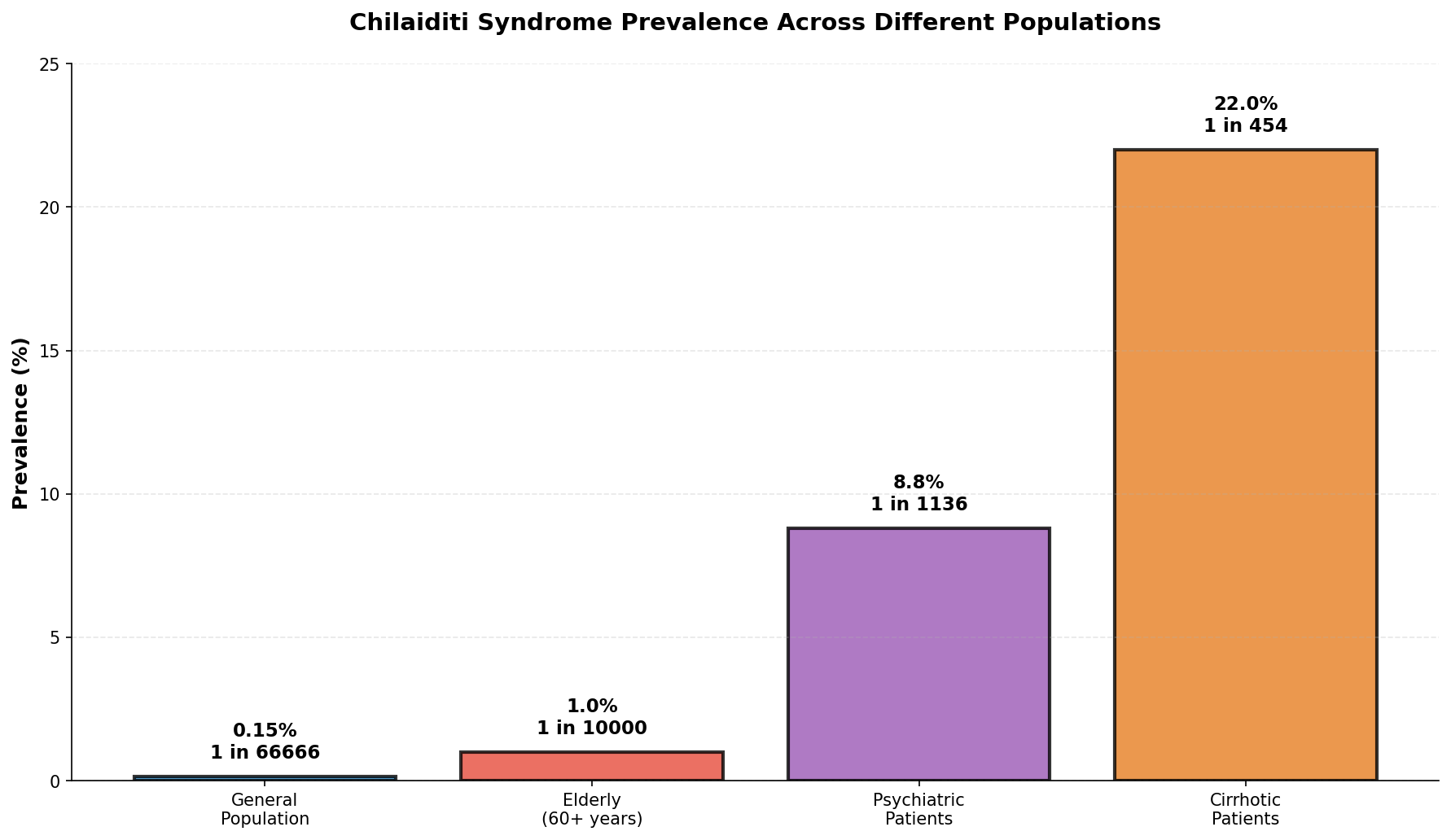 Figure 1: Prevalence rates in different patient populations. Notice the dramatic increase in specific high-risk groups like cirrhotic patients.1,2
In the general population, the imaging finding appears in about 0.025% to 0.28% of people; that's approximately 1 in 360 to 1 in 4,000 people.1 However, when doctors do CT scans looking for other problems, they find the anatomical finding in about 2% of patients, which is more common than you might expect.
Here's the key statistic that should reassure you: among people who have the anatomical finding on imaging, only 11% actually develop symptoms.2 That means 89 out of 100 people with this finding live their entire lives without ever knowing they have it.
Who Is Most at Risk?
While Chilaiditi's Syndrome is rare overall, it's dramatically more common in specific populations:
- Elderly people (age 60+): 1% prevalence, which is about 40 to 50 times more common than in younger people3
- People with psychiatric conditions: 8.8% prevalence (1 in 11 to 12 people); this is why psychiatric patients and their caregivers should be aware of this condition3
- People with advanced liver disease (cirrhosis): 22% prevalence (1 in 5 people); the highest single-risk population because cirrhosis causes the liver to shrink, creating more space for the colon to shift3,4
- Male gender: Men are 4 times more likely to develop this than women1
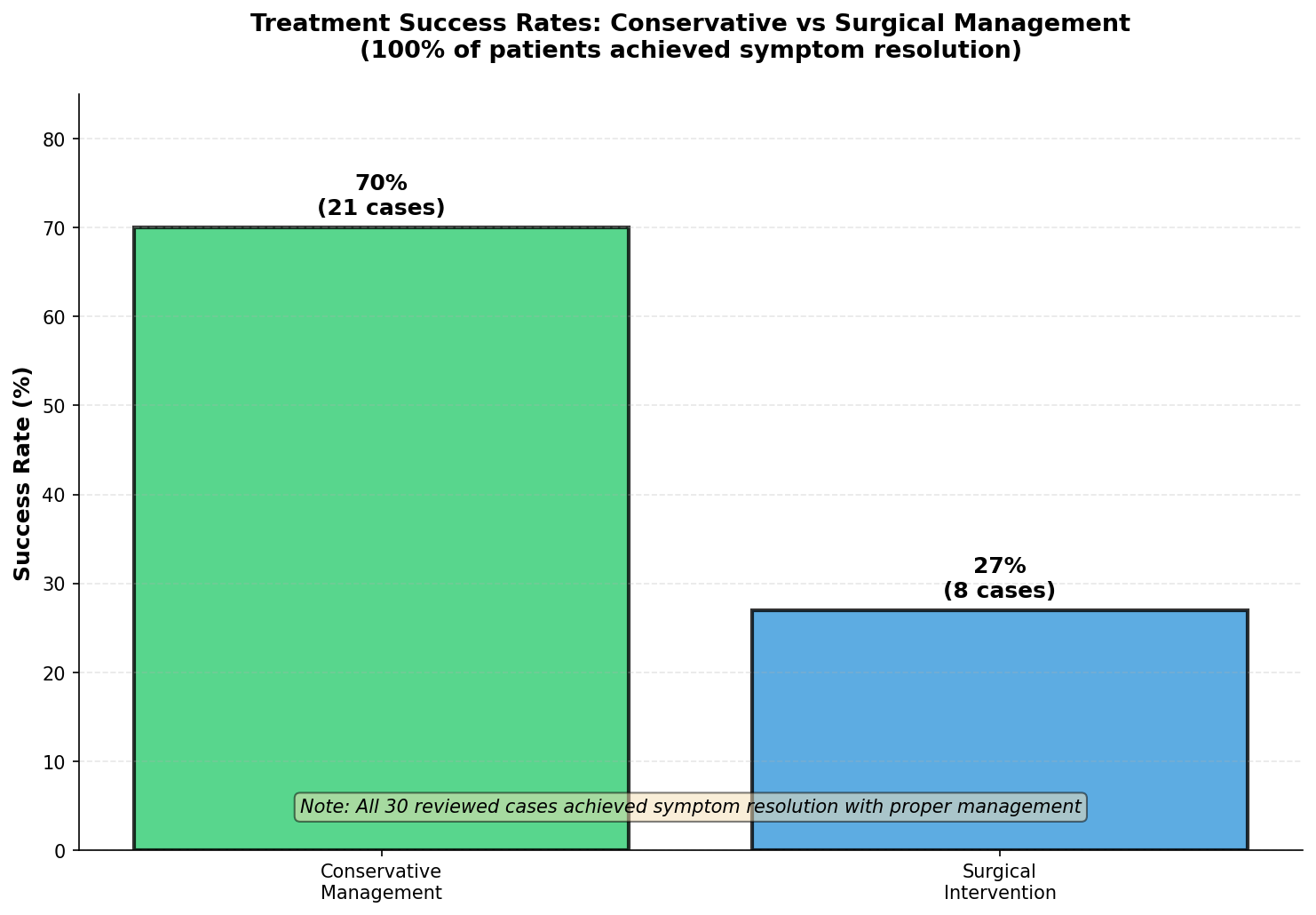 Figure 2: How much more likely you are to develop this condition if you have specific risk factors. The bar shows fold-increase compared to the general population.1,3
If you fall into any of these high-risk categories, it's worth mentioning this condition to your doctor if you develop unexplained abdominal symptoms.
Why Should You Care? The Misdiagnosis Problem
Here's the most clinically important reason to understand Chilaiditi's Syndrome: it can look like a medical emergency on X-rays when it isn't one.
When you have Chilaiditi's Syndrome, the X-ray shows air between your diaphragm and liver, which normally indicates a hole in your intestines; a surgical emergency called pneumoperitoneum. This similarity has historically led to patients undergoing unnecessary emergency surgery.5,6
The research is clear on this point: surgeons need to "be well aware of this condition to avoid unnecessary exploratory laparotomies".1 Getting the diagnosis right can literally prevent you from having surgery you don't need.
This is why if you ever have imaging done and air is found under your diaphragm, it's critical that your doctor gets a CT scan to confirm the actual diagnosis before considering emergency surgery. A stable patient with this finding warrants proper imaging before any surgical intervention.
Symptoms: What You Actually Experience
When symptoms do develop, they typically include:1,2
- Abdominal pain (often crampy or intermittent, ranging from mild to severe)
- Nausea and vomiting
- Constipation or changes in bowel habits
- Loss of appetite (anorexia)
- Bloating and excessive gas (flatulence)
- Indigestion
- Shortness of breath or respiratory distress (less common but important)
- In rare cases: chest pain or heart rhythm irregularities
Importantly, some patients experience chronic, recurrent episodes of mild intermittent pain rather than constant severe symptoms. This pattern is actually quite common and often manages well without surgery.
The symptoms occur because the abnormally positioned colon compresses nearby structures, becomes distended with gas causing pressure, or in rare cases twists on itself (volvulus) causing obstruction.
Getting the Diagnosis Right: Preventing Misdiagnosis
Diagnosis requires two components:1
- Imaging confirmation showing the colon positioned abnormally between liver and diaphragm
- Associated symptoms (this differentiates the syndrome from asymptomatic sign)
Imaging Tests Used
Chest and abdominal X-rays are often the first imaging done and can show air between diaphragm and liver. However, this is where misdiagnosis risk is highest, because this finding looks like a surgical emergency.
CT scan is the gold standard for diagnosis.1 It clearly shows the colon between liver and diaphragm and helps rule out other conditions. If air under the diaphragm is found on X-ray, a CT scan should always be obtained before considering emergency surgery.
Ultrasound can also visualise the colon position and is useful for follow-up.
How Risk Factors Make This More Likely
Several factors increase your risk of developing Chilaiditi's Syndrome:1,2
- Age 60 or older
- Male gender
- Chronic constipation (the most common associated factor)
- Liver disease or cirrhosis
- Chronic lung disease (COPD)
- Psychiatric conditions
- Substantial weight loss
- Diaphragm abnormalities
- Medications that cause constipation
- Multiple pregnancies
- History of abdominal surgery
Having one or more of these factors doesn't mean you'll develop the syndrome, but it increases your risk. The good news is that many of these are modifiable: managing constipation, stopping medications that worsen it, and maintaining physical activity can all help.
Conservative Management: Why Most Cases Don't Need Surgery
Here's what should be your biggest source of reassurance: the vast majority of patients with Chilaiditi's Syndrome respond excellently to conservative (non-surgical) treatment.2
What Conservative Management Includes
When you develop symptoms, treatment typically involves:1,2
- Intravenous fluids (for hydration and electrolyte balance)
- Nasogastric decompression (a tube through your nose to your stomach to remove gas and fluid)
- Bowel rest (avoiding solid food)
- Stool softeners and laxatives
- Enemas when appropriate
- Bed rest
- Treatment of underlying causes (like managing chronic constipation)
- Once improving, a high-fiber diet to prevent constipation
How Quickly Does It Work?
For most patients, symptoms improve remarkably quickly. Typical recovery takes 2 to 3 days with conservative treatment.2,7 In many cases:
- Patients can resume oral diet by day 2-3
- Hospital discharge often occurs by day 5
- Complete symptom resolution typically occurs within 5-7 days
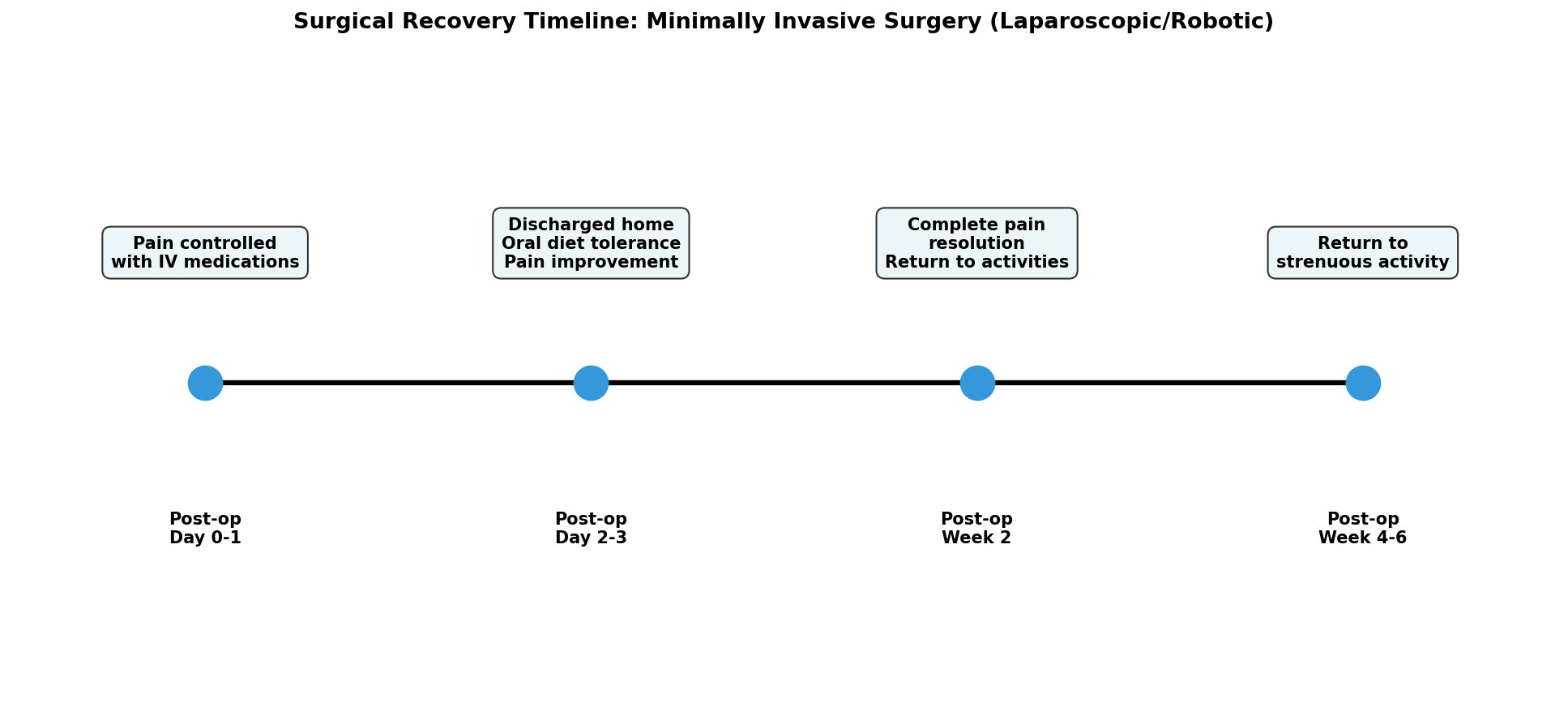 Figure 3: Outcomes of conservative versus surgical management. Notice that 70% of cases resolve with conservative management alone, and those that require surgery also have excellent outcomes.2
The effectiveness rate is outstanding: 70% of documented cases resolve successfully with conservative management alone.2
When Is Surgery Actually Necessary?
This is the critical question, and the answer is straightforward: surgery is reserved for specific, well-defined situations. It's not performed routinely.
Surgical Indications
Surgery becomes necessary in these circumstances:1,7
1. Failed Conservative Management This is the most common reason. If you don't respond to 2-3+ days of appropriate conservative care, and obstruction doesn't resolve with bowel decompression, surgery may be needed.
2. Evidence of Bowel Ischemia If blood supply to the bowel is compromised, tissue damage can occur. Signs include severe pain disproportionate to findings or imaging showing compromised blood flow.
3. Acute Surgical Emergencies While rare, certain complications require immediate surgery:
- Volvulus (twisting of the bowel): The colon twists on itself, causing complete obstruction. This requires urgent evaluation and possibly emergency surgery1
- Bowel perforation: A hole develops in the intestinal wall, spilling contents into the abdomen. This is a true surgical emergency1
- Mesenteric ischemia: Loss of blood supply to the bowel, resulting in tissue death if not quickly relieved1
- Peritonitis: Infection of the abdominal lining, usually from perforation1
- Cecal perforation: Specifically, rupture of the beginning of the colon1
4. Persistent or Recurrent Symptoms Some patients have symptoms that improve with conservative management but regularly recur, significantly impairing quality of life. In these cases, surgery may be warranted.
What Percentage of Patients Need Surgery?
Of patients who develop symptoms, approximately 26% eventually require operative management.2 In other words, if you have Chilaiditi's Syndrome, you have about a 3 in 4 chance you'll never need surgery.
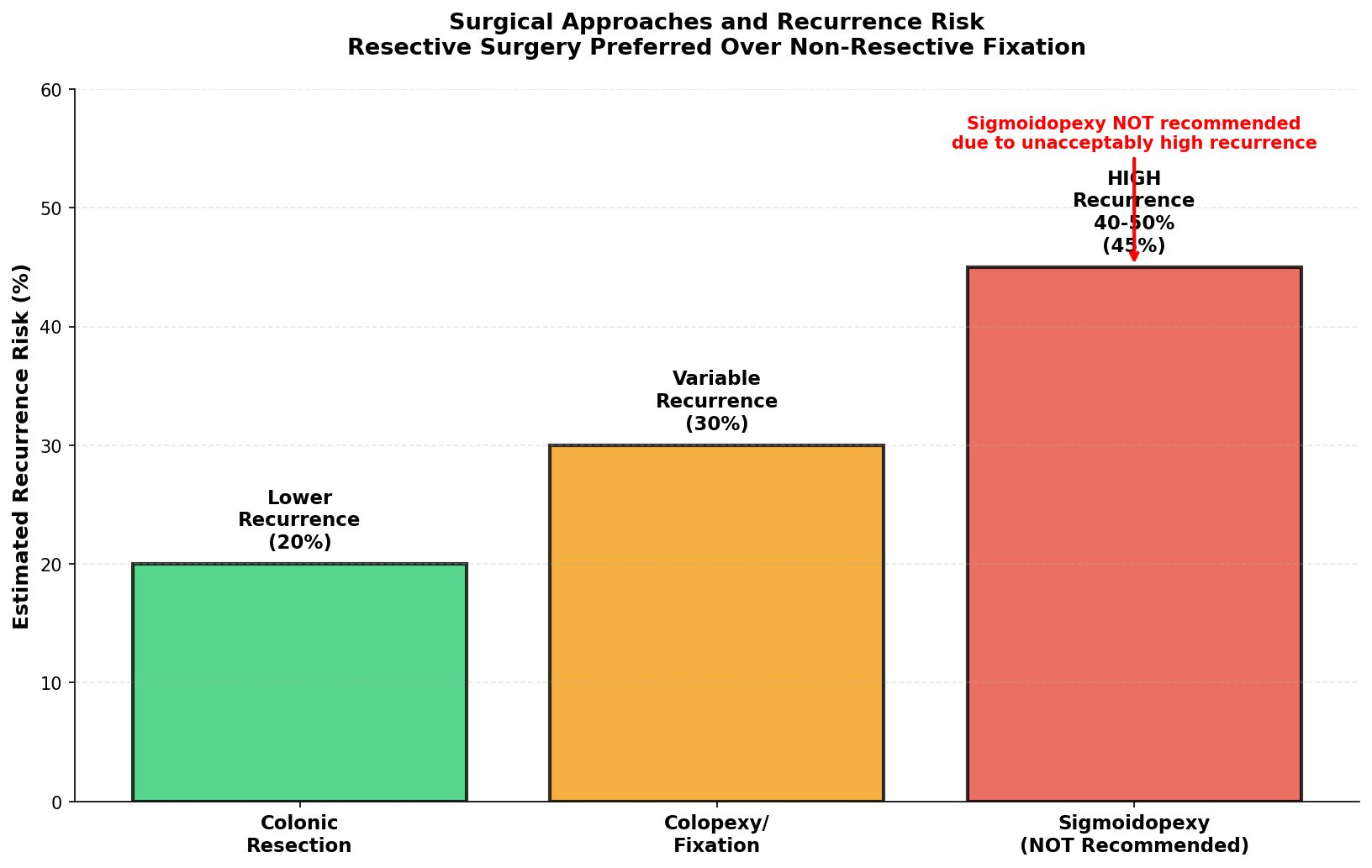 Figure 4: Out of 100 people with the imaging finding, only 11 develop symptoms, and of those with symptoms, only about 3 need surgery. This visualisation shows why most people with this condition never require intervention.2
Surgical Techniques: Understanding Your Options
If surgery becomes necessary, you have several options depending on your specific situation.
Types of Surgical Procedures
Colopexy (most common): This procedure repositions your colon back to its normal location and secures it in place with sutures to prevent it from shifting again.1,7 It preserves your colon and avoids the need for permanent alterations to bowel function. When surgery is needed, colopexy succeeds most often.
Colonic Resection (surgical removal): The surgeon removes the affected portion of colon.1,7 This is especially used for volvulus (twisting), particularly of the transverse colon. Options include:
- Right hemicolectomy (removal of the right half of colon)
- Sigmoidectomy (removal of sigmoid colon)
- Subtotal colectomy (removal of most of colon)
The advantage of resection is that recurrence is significantly less likely. The trade-off is permanent change in bowel function and bowel habits.
Hepatopexy: The surgeon sutures the liver to the diaphragm to change the anatomical space and prevent colon displacement. This is less commonly used.
Cecopexy: Specifically for cecal volvulus, this secures the beginning of the colon in place.
Surgical Approaches: Minimally Invasive vs. Open Surgery
Modern surgery offers a huge advantage: most procedures can be done minimally invasively using laparoscopic or robotic-assisted techniques.
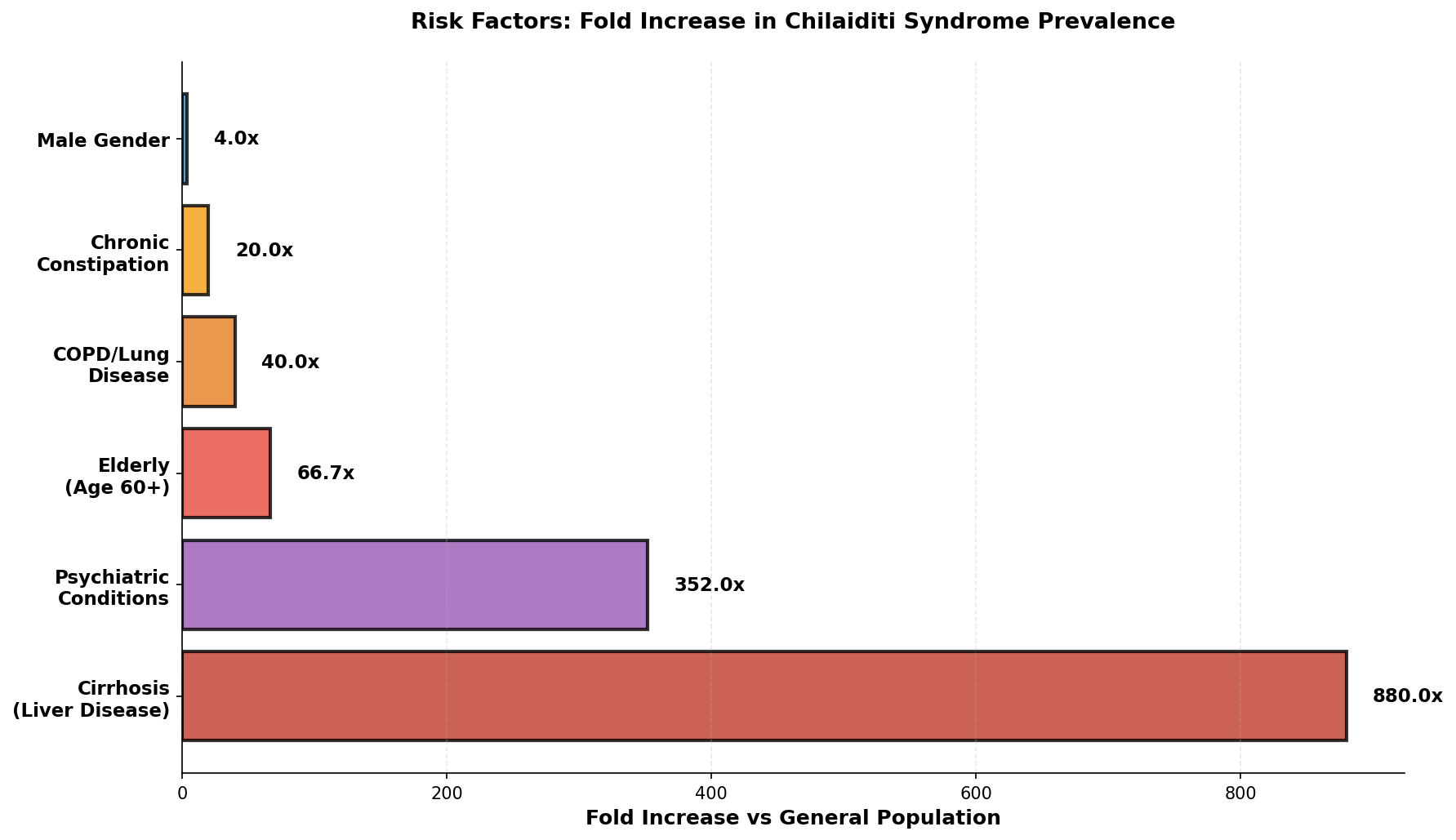 Figure 5: Detailed comparison of minimally invasive versus open surgery. The differences in recovery time, pain, hospital stay, and infection risk are dramatic.1
Minimally Invasive Approaches
- Laparoscopic surgery: Uses 3-4 tiny incisions (0.5-1 cm each) with a camera and specialised instruments
- Robotic-assisted surgery: Uses the da Vinci robot system for enhanced precision and visualisation
Advantages of minimally invasive surgery:1,2
- Incisions are 10-20 times smaller than open surgery
- Significantly reduced pain
- 3 times faster recovery (2-4 weeks vs 6-12 weeks)
- Hospital stay of just 1-3 days
- Very low infection risk
- Excellent cosmetic outcome (tiny scars that fade quickly)
- Return to normal activities within 2-4 weeks
Open Surgery Reserved for complex cases, open surgery involves a single large abdominal incision (8-12 cm). While it still succeeds when needed, recovery is longer and pain is more severe.
Important Technical Note: What NOT to Do
Research clearly shows that sigmoidopexy (a specific fixation technique) should be avoided because of unacceptably high recurrence rates of 40-50%.1,2 This is crucial information; surgeons should not use this approach because it's more likely to fail.
Surgical Recovery and Outcomes: What to Expect
When surgery is necessary, the outcomes are excellent. 100% of properly treated surgical cases achieve complete symptom resolution.2
Recovery Timeline for Minimally Invasive Surgery
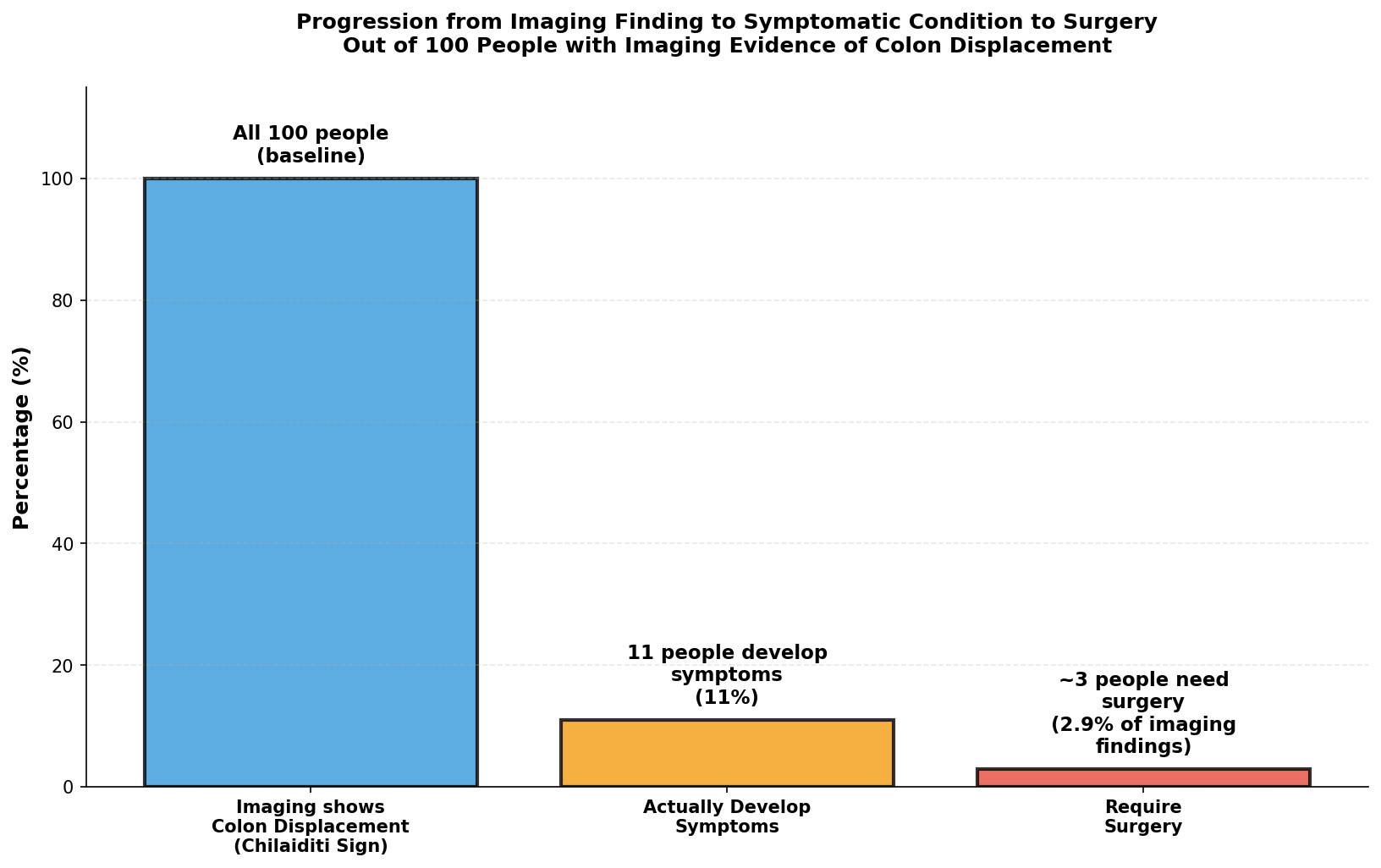 Figure 6: Day-by-day recovery milestones after minimally invasive surgery. Recovery is remarkably fast, with most patients returning to normal activities within 2-4 weeks.1,2
Hospital Stay
- Most patients discharge on post-operative day 2-31,2
- Robotic-assisted cases often discharge on day 21
Return to Function
- Day 1-2: Flatus (passing gas) begins; pain control with IV medications
- Day 2-3: Oral diet tolerance achieved; pain improving; many patients discharged
- Week 1: Pain significantly improved; reduced medication needs
- Week 2: Complete pain resolution; return to normal activities1,2
- Week 4-6: Cleared for strenuous activity and exercise
Documented Case Examples
One study documented a robust 85-year-old patient who underwent robotic-assisted colopexy:1
- Flatus by day 1
- Oral diet tolerance by day 2
- Complete pain resolution by day 2
- Return to usual activities by week 2
- Zero post-operative complications
- Remained highly satisfied at 4-month follow-up
Another case of subtotal colectomy showed:1
- Complete symptom resolution at 1 year post-operatively
- Enduring symptom relief sustained beyond 1 year
Post-Operative Complications
Here's reassuring data: zero complications were reported in several robotic-assisted cases reviewed in the literature.1,2 With proper laparoscopic technique, complications are exceptionally rare.
Long-Term Success and Recurrence Prevention
Resective surgery (removing affected colon) has lower recurrence rates and more durable long-term resolution.2
Non-resective procedures (colopexy/fixation) have variable recurrence risk depending on technique. Recurrence risk is higher with some fixation approaches, which is why proper surgical technique and selection matter.2
Prevention of Recurrence
Even after successful surgery, certain preventive measures help avoid problems:1
- High-fibre diet consumption
- Avoiding straining during bowel movements
- Treatment of chronic cough (if present)
- Management of lung disease (if present)
- Regular physical activity
Long-Term Quality of Life and Outcomes
When properly managed, whether conservatively or surgically, patients experience significant quality-of-life improvements:1,2
- Complete cessation of chronic abdominal pain
- Normal bowel function restoration
- Resolution of nausea and vomiting
- Improvement in respiratory symptoms (if present)
- Return to normal activity level
- Prevention of emergency complications
The key point: proper management leads to excellent long-term quality of life.
FAQs
If I have the imaging finding but no symptoms, do I need treatment?
No. If you have Chilaiditi's sign (the anatomical finding) but no symptoms, you almost certainly don't need treatment.1 Regular follow-up is reasonable, and avoiding severe constipation and straining is sensible, but no intervention is typically needed. You should be aware you have it so unexpected symptoms aren't overlooked.
How long can I manage with conservative treatment without surgery?
Most patients experience improvement within 2-3 days.2 Some patients manage successfully for years with only occasional episodes, each resolving within 48 hours with conservative care or even spontaneously.7 Many patients never require surgery throughout their lives.
If I need surgery, how bad is the recovery?
With modern minimally invasive techniques, recovery is remarkably quick. Most patients go home within 2-3 days and return to normal activities within 2-4 weeks. Pain is well-controlled, and complications are rare.1,2
What if the air under my diaphragm is found on X-ray?
Don't panic. Ensure your doctor gets a CT scan to confirm the diagnosis before any surgical intervention. A stable patient with this finding should have proper imaging first. Many cases of Chilaiditi's Syndrome are mistaken for pneumoperitoneum (a surgical emergency), but proper imaging differentiates them.5,6
Is this condition life-threatening?
Chilaiditi's Syndrome is usually benign and manageable. However, serious complications can occasionally develop (volvulus, perforation, ischemia), which is why proper medical evaluation and follow-up are important if you have this condition.1,2
What are the emergency warning signs I should watch for?
Seek immediate emergency care if you experience:7
- Severe acute abdominal pain (sudden, intense)
- Inability to pass stool or gas for an extended period
- Persistent vomiting (especially if bilious/green-colored)
- Fever above 101°F (38.3°C)
- Severe abdominal tenderness or rigid abdomen
- Bloody diarrhoea or dark tarry stools
- Signs of shock (chills, confusion, rapidly worsening condition)
Can this condition come back after surgery?
Recurrence depends on the surgical technique used. Resection (removal of affected colon) has lower recurrence rates. Colopexy (fixation) has variable recurrence risk. Following preventive measures (high-fibre diet, avoiding straining, physical activity) helps reduce recurrence risk.1,2
If I'm elderly and need surgery, is it still safe?
Yes. Modern minimally invasive surgical techniques are exceptionally safe even in elderly patients. The documented cases show excellent outcomes in older patients, with rapid recovery and no complications.1
What Actually Causes This? (The Science Explained Simply)
The condition develops when multiple factors combine:1
- Anatomical variation: You might have weak, loose, or abnormally long suspensory ligaments (the structures that normally hold your colon in place)
- Contributing factors: Things like chronic constipation, ascites (fluid in the abdomen), a smaller liver from cirrhosis, lung disease, substantial weight loss, or diaphragm abnormalities
- The trigger: Something tips the balance: severe constipation, excessive gas, dehydration, a procedure, or acute illness
It's rarely a single cause, but rather a combination of anatomical susceptibility plus one or more triggering factors.
Prevention and Long-Term Management
If you have this condition or risk factors for it:1,7
Dietary management:
- Eat a high-fibre diet to promote bowel regularity
- Drink plenty of water
- Avoid foods that trigger constipation
Medication management:
- Use stool softeners if prone to constipation
- Avoid or minimise medications that cause constipation (psychotropic drugs, sedatives) when possible
- Discuss medication options with your doctor
Activity:
- Maintain regular physical activity
- Avoid prolonged bed rest unless medically necessary
Monitoring:
- If symptoms recur, restart conservative management
- Seek emergency care only if warning signs develop
- Keep your healthcare provider informed of symptom patterns
The Bottom Line: You Can Be Reassured
If you've been diagnosed with Chilaiditi's Syndrome or are concerned about this condition, here's what matters most:
- This condition is rare and usually benign. The vast majority of people with the anatomical finding never develop symptoms
- Most cases respond excellently to conservative treatment. About 70% of symptomatic cases resolve without surgery
- When surgery is needed, it works. 100% of properly managed surgical cases achieve symptom resolution
- Modern surgery is safe and fast. Minimally invasive approaches mean tiny incisions, minimal pain, rapid recovery, and going home within days
- Proper diagnosis prevents unnecessary surgery. Understanding this condition can literally protect you from having surgery you don't need
- Your prognosis is excellent. With appropriate management, you can return to a completely normal life
If you have questions about your specific situation, discuss them with your doctor. If you're facing surgery, ask whether minimally invasive approaches are possible for your case. And if you're managing conservatively, know that most patients do very well with straightforward management.
Further Reading
General Information and Guidelines
- Chilaiditi Syndrome overview from NORD (National Organization for Rare Disorders)
- StatPearls comprehensive medical reference on Chilaiditi Syndrome
- Medical eponym and clinical information from Life in the Fast Lane
- Radiology reference article on imaging findings
Diagnostic Methods and Imaging
- Pneumoperitoneum and Chilaiditi syndrome: Navigating diagnostic challenges
- Chilaiditi's sign as differential diagnosis of pneumoperitoneum
- Diagnosis and imaging considerations
Conservative Management and Treatment
- Successful conservative management in pediatric cases
- Laparoscopic treatment in elderly patients
- Management overview and experience
Surgical Management and Outcomes
- Surgical management with robotic-assisted da Vinci system
- Laparoscopic surgical techniques and outcomes
- Minimally invasive approaches in pediatric cases
- Surgical indications, techniques, and outcomes guide
- Surgical management with associated complications
Risk Factors and Complications
- Prevalence in cirrhotic patients without ascites
- Psychiatric patients and Chilaiditi's syndrome
- Acute abdominal pain secondary to Chilaiditi Syndrome
- Complications following colonoscopy
Special Presentations
- Dyspnea as unusual presentation
- Pediatric Chilaiditi presentation
- Hepatic surface grooves and the condition
References/Helpful Resources
- Chilaiditi Syndrome. StatPearls. National Library of Medicine. Available from: https://www.ncbi.nlm.nih.gov/books/NBK554565/
- Surgical Intervention in Chilaiditi's Syndrome: Indications, Techniques, And Outcomes. Klarity Health Library. Available from: https://my.klarity.health/surgical-intervention-in-chilaiditis-syndrome-indications-techniques-and-outcomes/
- Chilaiditi's Syndrome. National Organization for Rare Disorders (NORD) [Internet]. Available from: https://rarediseases.org/rare-diseases/chilaiditis-syndrome/
- Galperin RA, Fitz JG, Witt PA, et al. Prevalence and Sonographic Detection of Chilaiditi's Sign in Cirrhotic Patients Without Ascites. American Journal of Roentgenology. 2006;186(4):972-978. Available from: https://ajronline.org/doi/10.2214/AJR.05.0597
- Pneumoperitoneum and Chilaiditi syndrome: Navigating a diagnostic conundrum. PMC. Available from: https://pmc.ncbi.nlm.nih.gov/articles/PMC10894680/
- Chilaiditi's sign: A rare differential diagnosis of pneumoperitoneum. PMC. Available from: https://pmc.ncbi.nlm.nih.gov/articles/PMC7752635/
- Management of Chilaiditi syndrome: Our Experience and Literature Review. Fortune Journals. Available from: https://www.fortunejournals.com/articles/management-of-chilaiditi-syndrome-our-experience-and-literature-review.html
- Surgical management of Chilaiditi syndrome with da Vinci robotic system. PMC. Available from: https://pmc.ncbi.nlm.nih.gov/articles/PMC5702866/
- Treatment of Chilaiditi syndrome using laparoscopic surgery. PubMed. Available from: https://pubmed.ncbi.nlm.nih.gov/27651120/
- Minimally invasive colopexy for pediatric Chilaiditi syndrome. PubMed. Available from: https://pubmed.ncbi.nlm.nih.gov/21376185/
- Acute Abdominal Pain Secondary to Chilaiditi Syndrome. PMC. Available from: https://pmc.ncbi.nlm.nih.gov/articles/PMC3713330/
- Chilaiditi: A Rare Entity with Important Differential Diagnoses. PMC. Available from: https://pmc.ncbi.nlm.nih.gov/articles/PMC3380266/
- Surgical Management of Chilaiditi Syndrome with Gastric Outlet Obstruction Due to Hepatic Hypermobility. American College of Surgeons Case Reviews. Available from: https://www.facs.org/for-medical-professionals/news-publications/journals/case-reviews/issues/v4n8/18-barbera-chilaiditi-syndrome/
- CHILAIDITI SYNDROME: AN EXCEPTIONAL CAUSE OF DYSPNEA. Chest Journal. Available from: https://journal.chestnet.org/article/S0012-3692(24)03279-3/fulltext
- Chilaiditi syndrome • LITFL • Medical Eponym Library. Available from: https://litfl.com/chilaiditi-syndrome/
- Chilaiditi Syndrome in pediatric patients; Symptomatic hepatodiaphragmatic interposition of colon. PMC. Available from: https://pmc.ncbi.nlm.nih.gov/articles/PMC8085720/
- Unveiling the Chilaiditi Syndrome: A Case Report and Management Implications. Cureus. Available from: https://www.cureus.com/articles/234804-unveiling-the-chilaiditi-syndrome-a-case-report-and-management-implications
- Chilaiditi Syndrome Precipitated by Colonoscopy. PMC. Available from: https://pmc.ncbi.nlm.nih.gov/articles/PMC3372788/
- Successful conservative management of Chilaiditi syndrome in a 6-year-old boy. ScienceDirect. Available from: https://www.sciencedirect.com/science/article/pii/S2213576625000582
- Laparoscopic treatment of small bowel obstruction caused by Chilaiditi syndrome in an elderly patient. Laparoscopic Surgery Journal. Available from: https://ls.amegroups.org/article/view/7943/html
- The liver and Chilaiditi's syndrome: Significance of hepatic surface grooves. PMC. Available from: https://pmc.ncbi.nlm.nih.gov/articles/PMC5724641/
