

What's Actually Happening to Your Body During Perimenopause
If you're in your 40s and suddenly feeling like your body's playing tricks on you, you're not imagining it. Perimenopause is real, it affects the vast majority of women, and the changes you're experiencing have straightforward explanations. More importantly, there are things you can actually do about it.
Here's what you need to know: 80% of midlife women experience significant perimenopause symptoms1, and about 2 million women enter perimenopause each year in the US alone.2 You're not alone in this. What feels like chaos is actually your body going through a predictable transition, one that typically lasts around 4 years on average.3
The real news: you have more control over this than you might think.
Why This Is Happening (The Science Made Simple)
Perimenopause isn't sudden menopause. It's the bridge between your reproductive years and menopause, a transition period when your ovaries gradually produce less oestrogen and progesterone.2 This isn't a disease or a deficiency; it's a normal life stage.
What makes it complicated is that your hormones don't decline steadily. They fluctuate wildly. One day you're fine; the next day you're having multiple hot flushes. This unpredictability is what creates the cascade of symptoms affecting your mood, sleep, memory, and body.
Oestrogen receptors exist throughout your entire body; in your brain (affecting mood, sleep, and memory), your heart, your joints, your vagina, and your bones. When oestrogen levels drop and fluctuate, all these systems respond. That's why perimenopause symptoms seem to touch everything at once.
When Does It Start (And How Long Does It Last)
The median age of perimenopause onset is 47.5 years3, but this is just the average. The reality is more nuanced.
About one-third of women in their 30s and early 40s report perimenopause symptoms4, making early-onset experiences far more common than traditionally assumed. If you're 40 with irregular periods, you're not unusual; you're in a growing group of women experiencing earlier transitions.
Duration varies considerably. The average lasts 4 years, but the typical range is 2 to 8 years, and some women experience it for up to 10-14 years.5 Interestingly, women whose symptoms start earlier tend to have longer transitions (averaging 8.6 years), while those with later onset experience shorter ones (averaging 4.3 years).6 This matters because understanding your personal timeline helps you plan support.
The Symptoms You're Actually Experiencing
Let me be direct: the symptoms of perimenopause aren't vague or imaginary. They're driven by hormonal changes affecting your entire physiology. Here's what research shows about prevalence.
The Most Common First Sign: Irregular Periods
65-74% of women in late perimenopause experience 60-day or longer gaps between periods.7 This is usually the earliest warning sign and often the one that sends women to their doctors asking, "Is this normal?"
The answer is yes. Your menstrual cycle becomes unpredictable in timing, flow, and duration. Periods might skip a month or two, then return. Cycles shorten or lengthen. Bleeding becomes heavier or lighter. Spotting between periods becomes common. This unpredictability is THE hallmark of perimenopause, not a sign that something is wrong.7
Hot Flushes and Night Sweats: The Most Common Symptom
75-88% of perimenopausal women experience hot flushes8, making them the most prevalent symptom. These are sudden waves of intense heat, often accompanied by flushing, sweating, and rapid heartbeat, typically lasting 5-10 minutes.9
Night sweats affect up to 80% of women10, often accompanying hot flushes or occurring independently. For some women, they're mild inconveniences. For others (about 25% of women)11, they have a significantly lower quality of life through physical discomfort, social embarrassment, sleep disruption, and mood changes.
Here's reassuring news: 80% of women experience hot flushes for 2 years or less12, though the average overall duration is 7-10 years.12 Most women get substantial relief within a couple of years.
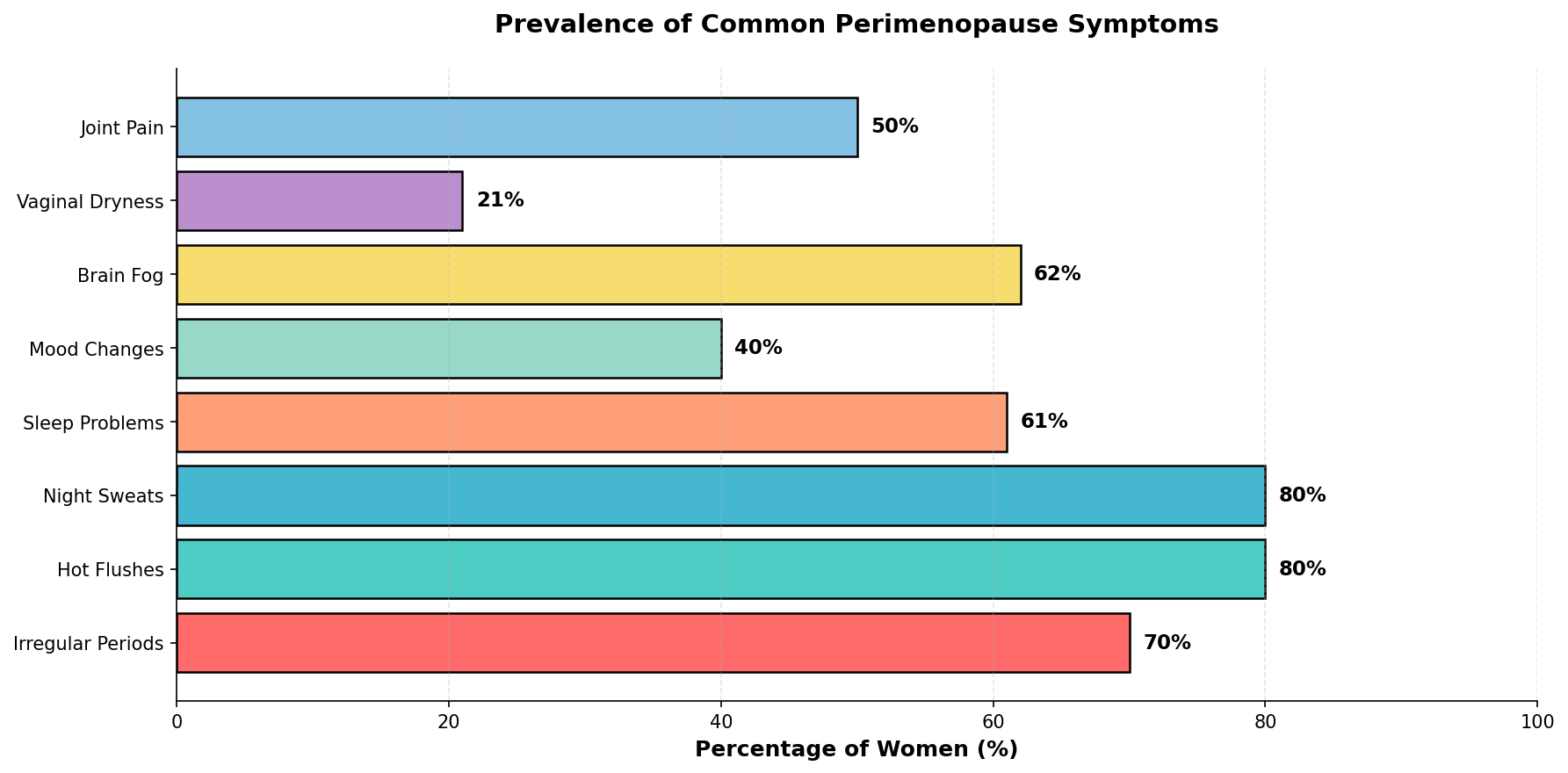 Figure 1: How common are perimenopause symptoms? Most women experience multiple symptoms simultaneously, with hot flushes and irregular periods being nearly universal.1
Sleep Problems: More Common Than You'd Think
40-61% of perimenopausal women experience sleep difficulties13, and perimenopausal women are up to 2 times more likely to report sleep issues than non-menopausal women.14 One study found 50% experience clinically significant insomnia, with 26% qualifying for a formal insomnia diagnosis (6+ months of difficulty).15
The most common complaint? Difficulty maintaining sleep: waking frequently during the night and struggling to return to sleep.15 Night sweats and hot flushes disrupt sleep directly, but hormonal fluctuations also affect sleep architecture itself.14
Mood Changes, Depression, and Anxiety
This one deserves careful attention because it affects how women perceive themselves.
About 40% of women experience mood symptoms during perimenopause similar to PMS.16 But more significantly, 20-40% of perimenopausal women experience depressive symptoms17, and one major 13-year study found 39% experienced an episode of major depression during perimenopause.17
Here's the crucial point: women are 40% more likely to experience depression during perimenopause compared to other life stages18, and premenopausal women with no depression history are twice as likely to develop significant depressive symptoms when entering perimenopause.19 This isn't a weakness. This is your brain responding to hormonal changes.
Similarly, anxiety disorder risk is more than double baseline risk during menopause transition.20 These are physiological changes, not psychological failures.
Brain Fog and Memory: Temporary, Not Dementia
44-62% of women report cognitive difficulties during menopause21, including forgetfulness, trouble learning new information, difficulty finding words, and memory lapses.21 Forgetfulness increases from 31% in premenopausal women to 44% in early perimenopause:22 a 42% increase that feels dramatic when you're living it.
Here's what matters: only 11-13% of women show clinically significant impairment affecting daily life.23 This is not dementia. This is not early Alzheimer's. It's a temporary symptom.
Additionally, 78% of women say brain fog is the most bothersome symptom at work24, making it one of the most disruptive to professional life, even though it affects memory normally.
Vaginal Dryness
This symptom shows a clear progression pattern. Only 4% of women experience vaginal dryness in early perimenopause, but this increases to 21% in later years and 47% by three years after menopause.25 Roughly 15% of women experience symptoms before menopause, rising to 40-54% of postmenopausal women.26
Unlike other perimenopause symptoms that improve after menopause, vaginal dryness often worsens, making it important to address it early.27
Joint Pain
50% of perimenopausal women experience joint pain28, commonly affecting the neck, back, knees, ankles, fingers, elbows, or jaw. If you're 45 and suddenly noticing joint stiffness without a clear injury, declining oestrogen affecting connective tissues and inflammation is the likely culprit.28
The Proof: Which Interventions Actually Work
Let me separate what has genuine research support from what sounds good but doesn't work.
Exercise: The Gold Standard Natural Intervention
Exercise is the single most well-supported natural intervention for perimenopause symptoms, with consistent research showing dramatic benefits.
Women who performed full-body strength training 3 times per week for 15 weeks experienced a 44% reduction in moderate-to-severe hot flushes.29 Women who exercise less than 3 times per week are 28% more likely to experience menopause symptoms overall30, and sedentary women are 21% more likely to experience hot flushes.31
In one 8-week aerobic exercise study, results were striking:
- 83% reported reduced anxiety32
- 84% experienced improvements in depressive symptoms32
- ~90% reported resolution of sleep disturbances32
The practical recommendation: aim for 3 or more hours per week of exercise combining strength training and aerobic activity.33 Walking, swimming, cycling, and strength training; the type matters less than consistency.
One note: intense exercise immediately before bed can occasionally trigger hot flushes in some women, so timing matters.33
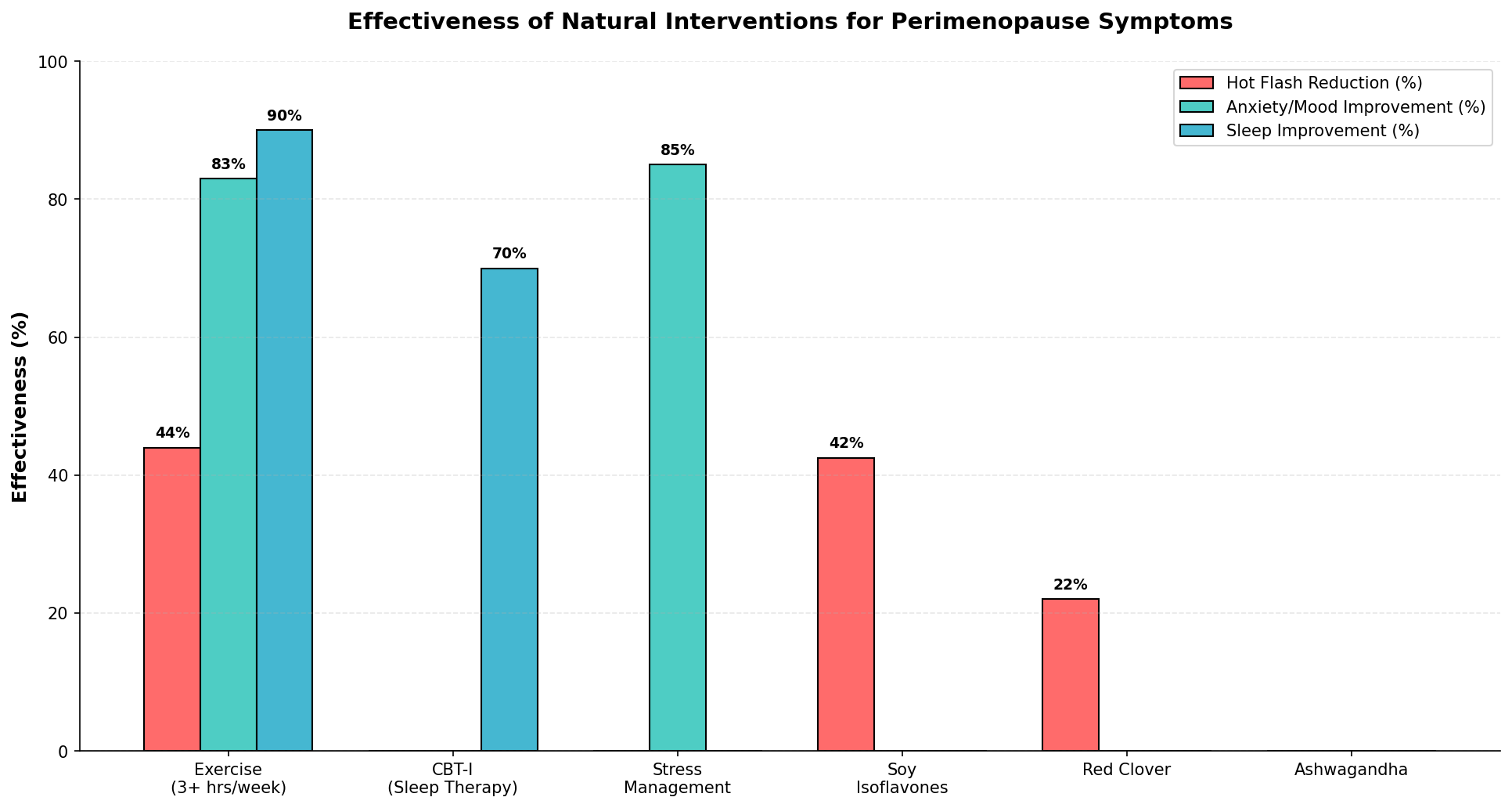 Figure 2: How effective are different perimenopause treatments? Exercise and medical interventions outperform herbal supplements for symptom relief.1
Sleep: CBT-I Changes the Game
If insomnia is your main battle, here's the news: Cognitive Behavioural Therapy for Insomnia (CBT-I) is the evidence-based solution, not just better sleep hygiene.
70% of women had no clinically significant insomnia at the end of a telephone-based CBT-I programme versus 24% in the control group:34 a remarkable 46-percentage-point difference. Improvements persist for up to 6 months after treatment ends.35
Why does it work? CBT-I teaches you to restructure unhelpful thoughts about sleep, improve sleep hygiene practices, regulate sleep-wake timing, and reduce anxiety around bedtime.35
Sleep hygiene alone (cool bedroom, consistent schedule, no screens before bed, limited caffeine) is helpful but not as effective as CBT-I. If sleep is severely disrupted, working with a therapist trained in CBT-I produces better results than self-help approaches.35
Mind-Body Therapies: Strong Evidence for Emotional Symptoms
A systematic review of 11 randomised controlled trials involving 1,005 participants found that mind-body therapies (yoga, tai chi, qigong, mindfulness, Pilates, dance) showed moderate-to-large beneficial effects across multiple outcomes.36
Specifically:
- Mindfulness, Pilates, music, dance, and Reiki were particularly effective for depression and anxiety36
- Yoga and Qigong showed moderate but consistent benefits for sleep quality36
- All mind-body therapies showed benefits for sleep disturbances, depression, and anxiety36
Practical options include in-person classes (which add social connection, an additional protective factor), online programmes, or meditation apps.36 Just 10-20 minutes daily shows measurable benefits.36
Medical Treatments: When Lifestyle Isn't Enough
HRT remains the most effective treatment for perimenopause symptoms. Current medical evidence "unequivocally demonstrates that hormone replacement therapy is the most efficacious treatment for vasomotor and urogenital symptoms".37
Effectiveness is striking:
- Reduces hot flush frequency by approximately 80%38 and makes remaining flashes less intense
- Improves vaginal dryness and sexual function38
- Significantly improves sleep quality, with improvements often accompanying hot flush reduction38
- Reduces night sweats frequency and severity by about 1-2 per day38
- Modest reductions in depressive symptoms, particularly in perimenopausal women38
Additional benefits include bone density protection and association with a lower incidence of diabetes mellitus over a 20-year follow-up.39
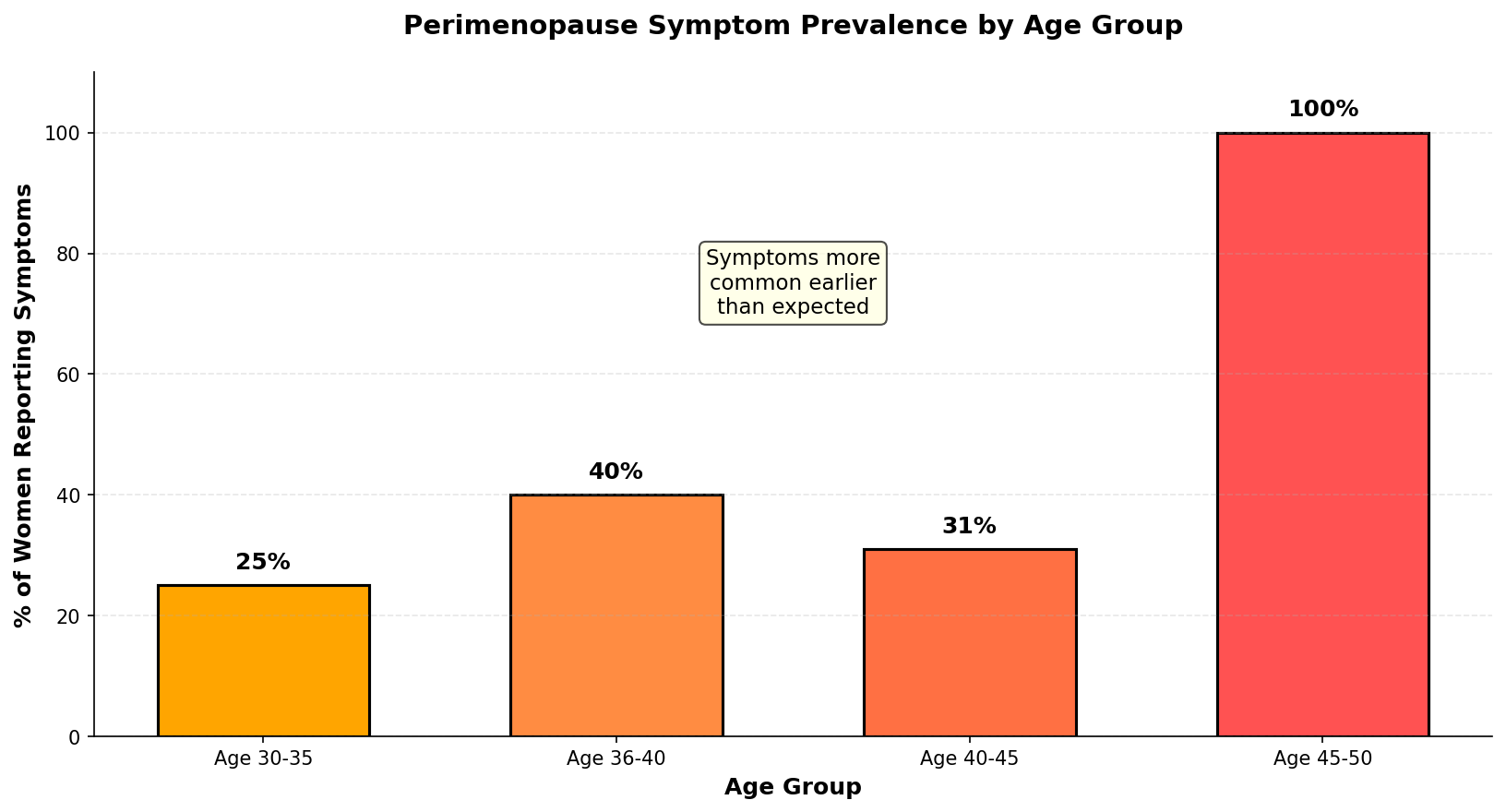 Figure 3: How many women experience symptoms at different ages? Symptoms are more common in earlier age groups than traditionally assumed.1
The media often creates fear around HRT based on studies from the early 2000s with higher-risk populations and outdated formulations. Current medical consensus is clearer.
Benefits generally outweigh the risks in women within 10 years of menopause or younger than 6040, according to major medical organisations, including NICE (UK).
Blood clot risk from HRT is lower than with combined oral contraceptive pills41 and is only clearly demonstrated with oral forms, not transdermal (patch) forms.42 This risk is not common in women aged 50-59.42
For breast cancer, the increase in risk is very small for women in their 40s and 50s taking HRT for less than 5 years.43 For perimenopausal women who started HRT within 10 years of menopause, no significantly higher rates of breast cancer were found.44 Risk decreases after stopping HRT.44
Importantly, the FDA revised long-standing safety warnings on menopausal hormone therapy in 2025, removing warnings originally based on older studies with higher-risk populations and outdated formulations.45 This reflects a more nuanced understanding of hormone therapy safety, particularly for younger women close to menopause.
HRT comes in multiple forms (oral, patches, gels, vaginal), with patches and gels offering lower clot risk than oral forms because they bypass initial liver processing.46 Your doctor can tailor the type and dose to your needs and risk profile.
For women who can't take HRT, don't want to take HRT, or want additional symptom control, these medications work by increasing serotonin and norepinephrine in your brain, which helps regulate body temperature and mood.
They reduce hot flushes by approximately 65% and reduce total hot flush frequency by approximately 1-2 episodes per day.47 Remarkably, they begin working within the first week47, faster than many people expect, and work nearly as well as low-dose hormone replacement therapy.47
The most researched options are:
- Paroxetine (Paxil) at 10-25 mg daily showed the largest reduction among SSRIs. (A lower-dose formulation called Brisdelle at 7.5 mg is FDA-approved specifically for hot flushes)
- Venlafaxine (Effexor) at 37.5-150 mg daily: showed significant symptom reduction
- Escitalopram (Lexapro) at 10-20 mg daily
Side effects are usually mild and resolve within the first week: nausea (most common), constipation, and dizziness.47 Importantly, SSRIs may reduce the effectiveness of tamoxifen (a breast cancer treatment), so if you're on tamoxifen, SNRIs might be better.47
Fezolinetant (Veozah), FDA-approved in 2023, is a completely new class of medication (neurokinin receptor antagonist) that works on the brain's temperature regulation centre. It reduces hot flush frequency by approximately 60%48, providing comparable relief to hormone therapy without oestrogen-related risks.48
Elinzanetant, FDA-approved in October 2025, is even newer. It reduces moderate to severe vasomotor symptoms by 74% by week 1249, nearly equivalent to HRT. It's a dual neurokinin receptor antagonist, potentially more effective than fezolinetant, and improves sleep alongside hot flush reduction.49
These represent a significant expansion in treatment options for women wanting non-hormonal alternatives.
Research into new options continues. Cendifensine is currently in phase 2 trials with early results showing over 80% reduction in hot flush frequency within weeks.50 Other experimental approaches are exploring ways to extend the timeline or alter hormonal trajectories.50
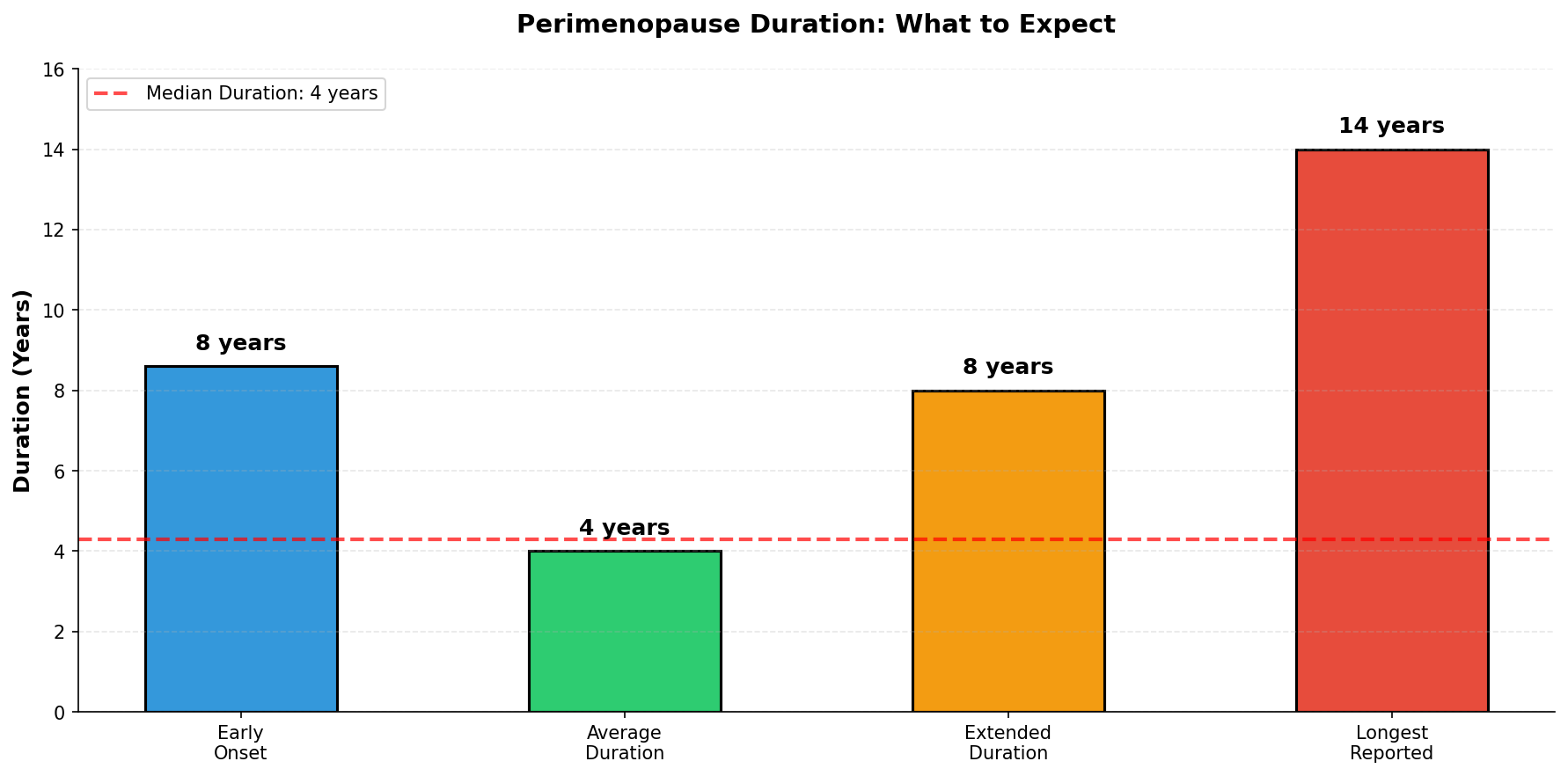 Figure 4: How long does perimenopause last? Duration varies widely, but generally lasts 4 years on average, ranging from 2 to 8 years for most women.1
Natural Supplements: Separating Hype From Evidence
This is where many women invest money based on promises that don't hold up to research scrutiny.
Most complementary medicines and supplements are not effective in treating menopausal symptoms. No herbal supplements are FDA-approved for menopause. None have been proven safe and effective in randomised clinical trials.51 The Menopause Society recommends against herbal treatments because they're ineffective.51
This doesn't mean all supplements are worthless; just that expectations should match evidence.
Soy Isoflavones: Show a 42.5% reduction in vasomotor symptoms.52 One study showed hot flush frequency dropped from 100% of women experiencing them to 31% within 3 months.52 However, a strong placebo effect is noted, with placebo-group reduction ranging from 1% to 59%53, suggesting some apparent benefits may not be due to soy itself. Worth trying for 6-8 weeks and tracking your personal results, but don't expect guaranteed relief.
Red Clover: Meta-analysis showed a weighted mean reduction of -1.73 hot flushes per day.54 If you have 8 hot flushes daily, you might experience 6-7 instead. Effects appear strongest in women with severe hot flushes (5+ per day).54 However, conflicting data exist, with some studies finding no significant effect compared to placebo.
Ashwagandha: Recent 2025 research is promising. 300 mg of ashwagandha root extract taken twice daily for 8 weeks showed significant symptom improvements within 4 weeks55, with statistically significant increases in serum oestradiol and decreases in FSH and LH (menopause transition markers).55 This is the first herbal supplement showing hormonal changes, not just symptom reduction. Safety profile is favourable.55
Black Cohosh: A Cochrane review of 16 studies involving 2,027 women found insufficient evidence to support or oppose its use.56 Some studies show benefit; others show no effect. It didn't improve anxiety or depression.56 Safe to try for 6-8 weeks under healthcare supervision, but the evidence is genuinely mixed.
Flaxseed: Research is inconsistent and sparse for perimenopause specifically. Some studies show benefit; others show none. Safe with additional fibre benefits, but don't expect guaranteed relief.57
Magnesium and Vitamin E: Pilot data for magnesium looked promising until larger trials showed no significant benefit.58 Vitamin E is not effective for hot flushes.59 Both remain important for overall health, just not proven specifically for perimenopause symptoms.
Dietary Approaches: What Actually Helps
Omega-3 Fatty Acids: Counteract the heightened inflammatory and cardiovascular burden of menopause.60 Sources include fatty fish (salmon, mackerel, sardines), flaxseed, chia seeds, and walnuts.60 May help ease night sweats, mood swings, and inflammation-related symptoms.60
Whole Grains and Dietary Fibre: Aim for 30-45 grams of dietary fibre daily, mainly from whole grains.61 The Women's Health Initiative Dietary Modification Trial involving 17,000+ postmenopausal women showed that low-fat, high-fibre diets with whole grains, fruits, and vegetables produced modest yet clinically relevant reductions in vasomotor symptoms.61
Calcium and Vitamin D: Essential for bone health, as decreasing oestrogen accelerates bone loss. Recommended intake is 1,000-1,200 mg calcium daily and 400-600 IU vitamin D daily.62 Get these through food when possible (dairy, fortified plant milks, leafy greens, sardines with bones, sunlight exposure) because supplementation during early perimenopause shows mixed results due to hormonal fluctuations.62
Food Triggers: Individual variation is high. Caffeine is associated with more bothersome hot flushes and night sweats in some women (Mayo Clinic research), though some studies show mixed results.63 Alcohol expands blood vessels, triggering hot flushes, and disrupts sleep.63 Spicy foods (capsaicin) have thermogenic properties, and about 25% of women report they trigger symptoms.63
The practical approach: track your personal triggers in a food diary for 2-3 weeks. Not all foods affect all women. Pay attention to YOUR body's responses.
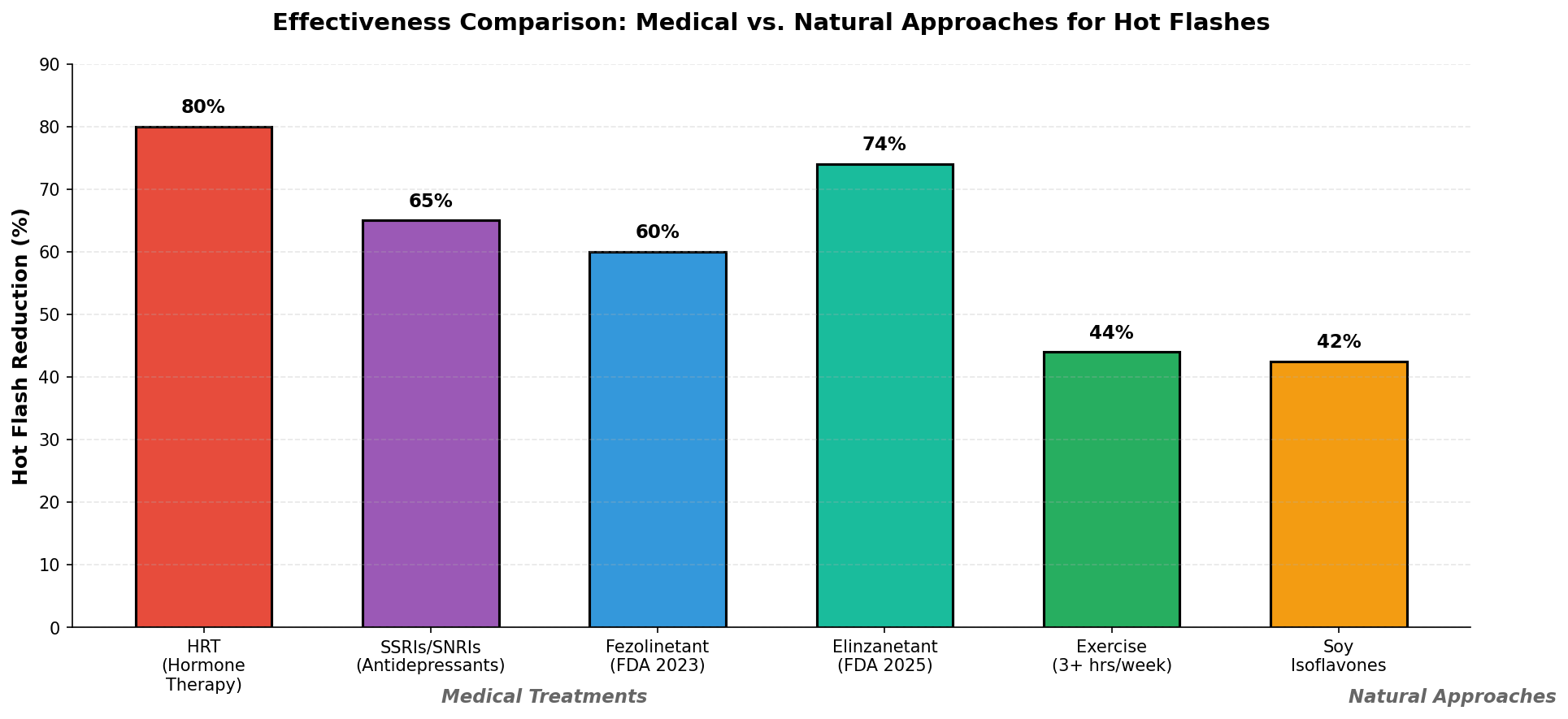 Figure 5: Medical vs. natural approaches: How do treatments compare? HRT is most effective, but newer medications and structured natural interventions also show significant benefits.1
When to Seek Professional Support
You don't need to tough this out alone, and your symptoms deserve professional attention if they're significantly affecting your quality of life.
See your doctor if:
- Your periods have become very heavy (soaking through a pad or tampon every hour), occur between periods, are longer than usual, or you have painful intercourse64
- Symptoms appear before age 40 (may indicate premature menopause or other conditions)64
- You have persistent trouble falling or staying asleep, affecting daily function64
- Mood symptoms (depression, anxiety) interfere with work or relationships64
- You experience new or worsening mood changes64
- Symptoms interfere with your daily life, work, or relationships64
- You have concerns about your health or want to discuss treatment options64
- You experience significant vaginal dryness affecting sexual function or frequent painful intercourse64
- You have urinary symptoms, such as incontinence or frequent infections64
What to expect at your doctor's visit:
Perimenopause can be diagnosed based on your symptoms alone in women aged 45+; no blood tests are needed.65 Follicle-stimulating hormone (FSH) tests do NOT help with diagnosis because hormone levels fluctuate constantly during perimenopause.65 Healthcare providers should NOT routinely order unnecessary blood tests.65
Your doctor will discuss your specific symptoms and how they impact your life, review your medical history and any contraindications, explain treatment options (HRT, non-hormonal medications, lifestyle changes), and discuss benefits and risks specific to YOUR situation.66
Come prepared to discuss: severity of your symptoms, which symptoms bother you most, your preferences (hormonal vs. non-hormonal), your medical history and concerns, your family history of cancer or cardiovascular disease, and any medications you're taking.66
Building Your Perimenopause Management Plan
Research shows that combination approaches work best. No single intervention is perfect for everyone.
Start Here: The Foundation (Strongest Evidence)
1. Exercise Programme: 3-5 hours per week
Combine strength training and aerobic activity. Expected benefit: 44% hot flush reduction, 83-90% improvement in anxiety, depression, and sleep. Cost: low to free. Side effects: none; improves overall health.
2. Stress Management: Choose One
- Mindfulness-Based Stress Reduction (MBSR) programme: 8 weeks, professional-led
- Regular yoga or tai chi practice (2-3 times per week)
- Meditation app daily (10-20 minutes)
Expected benefit: reduced anxiety and depression, improved emotional resilience. Cost: low to moderate. Side effects: none.
3. Sleep Intervention: If Sleep Is Disrupted
Seek CBT-I from a trained therapist. Expected benefit: 70% achieve normal sleep (vs. 24% with standard care). Cost: moderate (therapist fees; may be covered by insurance). Side effects: none.
4. Dietary Foundations
- Increase omega-3 sources: fatty fish, flaxseed, walnuts, chia seeds
- Ensure 30-45 g fibre daily from whole grains, vegetables, and fruits
- Ensure calcium (1,000-1,200 mg) and vitamin D (400-600 IU) daily
- Identify and avoid personal food triggers (test caffeine, alcohol, spicy foods individually)
Expected benefit: modest vasomotor symptom improvement; strong overall health benefits. Cost: low; overlaps with general healthy eating.
Tier 2: Add If Symptoms Persist (Moderate Evidence)
Herbal Supplementation: Try One for 6-8 Weeks
Track results carefully. Options include:
- Red clover (80+ mg isoflavones daily): modest hot flush reduction, especially if severe
- Ashwagandha (300 mg twice daily): emerging positive data; improvements within 4 weeks
- Flaxseed (10 g powder or 1,000 mg supplement daily): inconsistent data but safe; adds fibre benefits
Cost: low to moderate. Side effects: generally well-tolerated; mild GI upset possible.
Tier 3: Medical Interventions for Moderate-to-Severe Symptoms
If lifestyle approaches aren't providing sufficient relief:
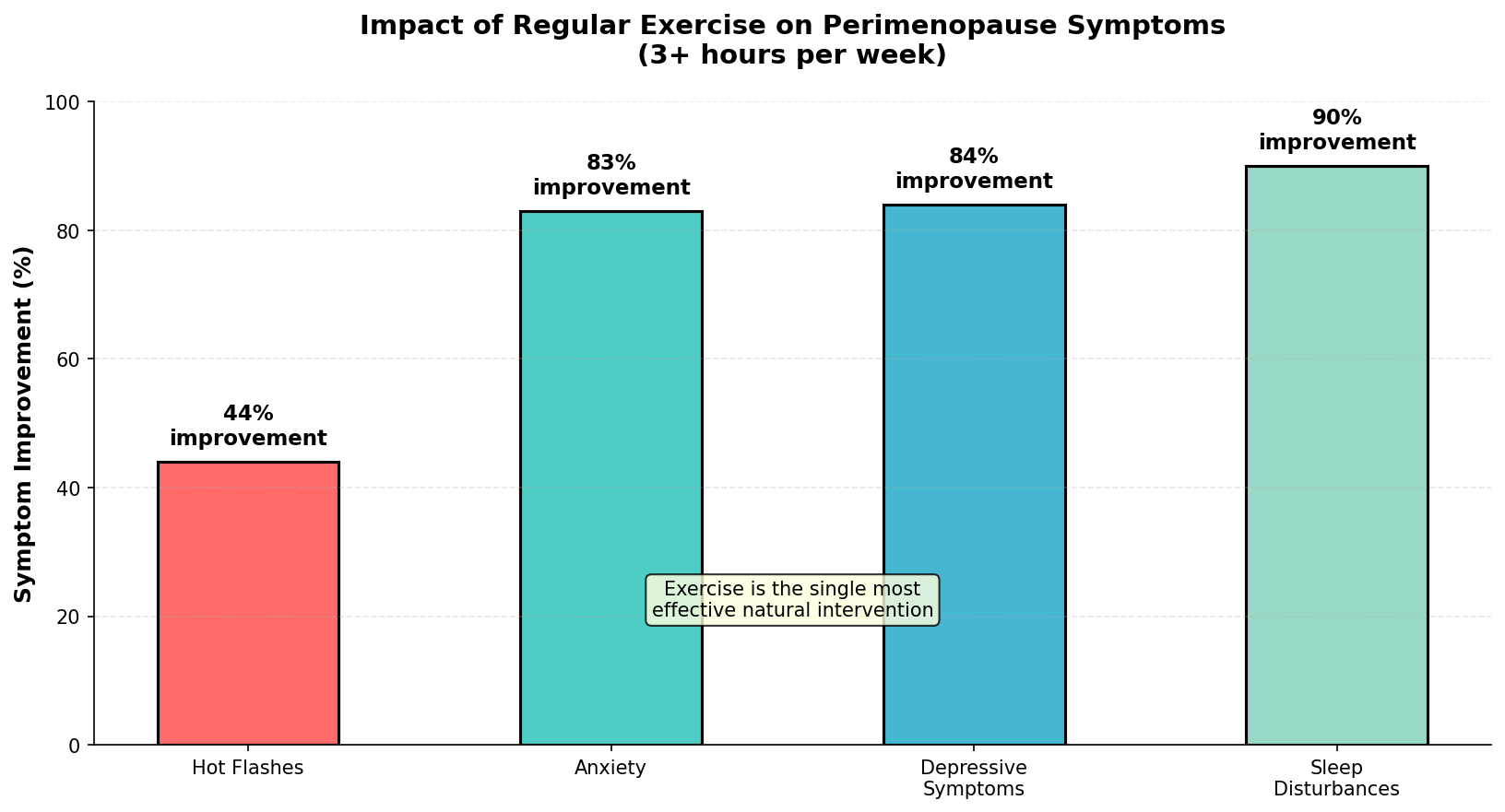 Figure 6: Exercise's impact on perimenopause symptoms: Exercise is the single most powerful natural intervention, with dramatic improvements across hot flushes, anxiety, depression, and sleep.1
- HRT: Most effective (80% hot flush reduction); safest when started within 10 years of menopause and in women under 60
- SSRIs/SNRIs: 65% effectiveness; FDA-approved option (Brisdelle/paroxetine); work within 1 week
- Newer Non-Hormonal Options: Fezolinetant (60%) or elinzanetant (74%) for women wanting non-hormonal alternatives
An 8-Week Practical Plan
Week 1-2: Foundation
- Start a food and symptom diary (identify triggers)
- Choose an exercise plan (aim for 3+ hours per week)
- Select one stress management technique to start
- Assess sleep quality and timing
Week 3-4: Build
- Establish your exercise routine
- Practice daily stress management (minimum 10 minutes)
- Remove identified food triggers
- Ensure calcium and vitamin D intake
Week 5-6: Add Herbals (If Needed)
If symptoms persist, add red clover or ashwagandha (try ONE at a time). Continue logging symptoms to track correlation with interventions.
Week 7-8: Evaluate
- Assess which interventions provide relief
- Note which don't help (everyone is different)
- If sleep is still disrupted, discuss CBT-I with your healthcare provider
- Plan your long-term sustainable routine
Beyond Week 8: Refine
- Continue what works; adjust what doesn't
- Recheck after 6 weeks of any new intervention
- Periodically adjust as perimenopause progresses
The Bottom Line: You Have Real Options
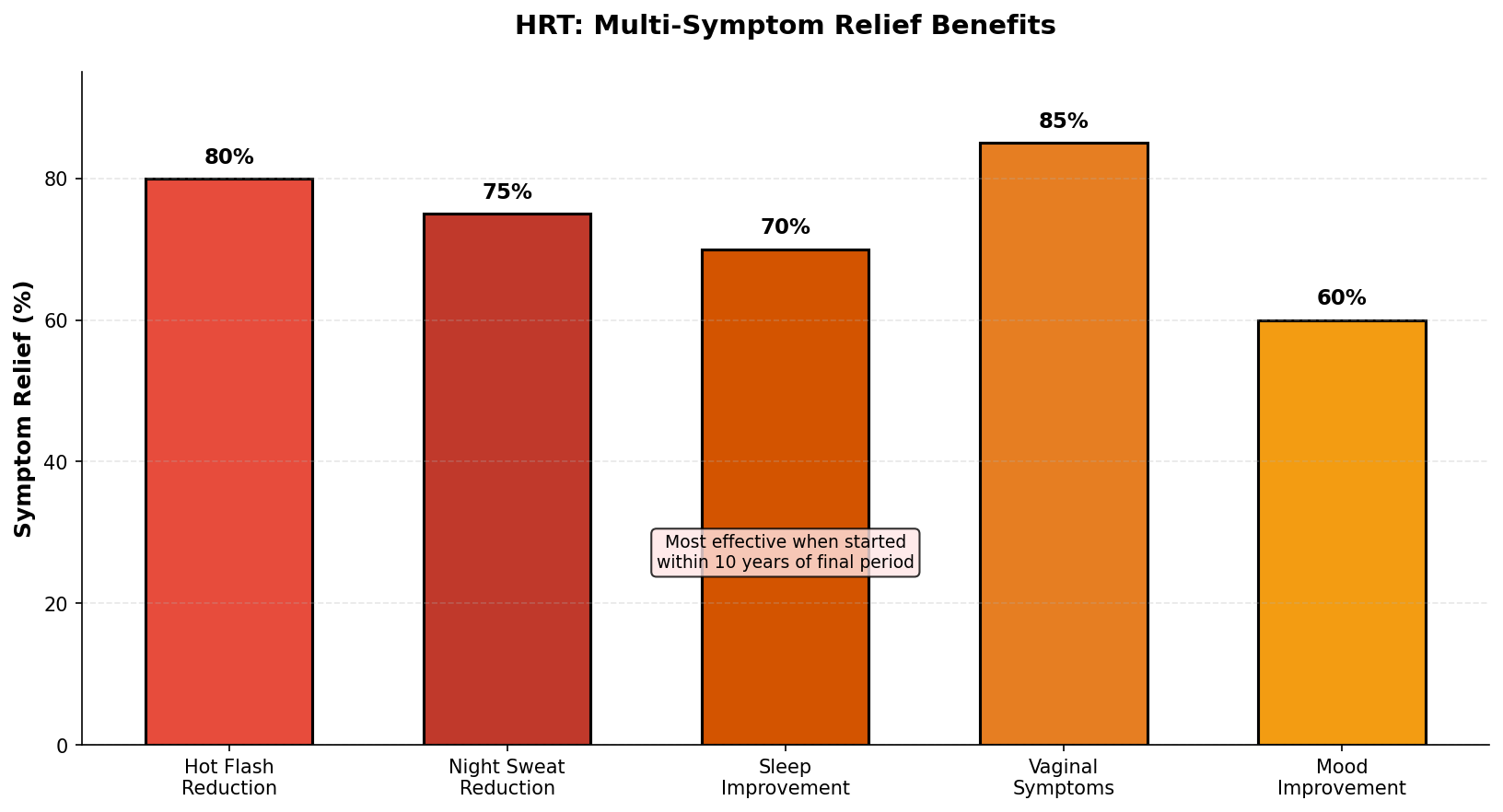 Figure 7: HRT benefits across multiple symptoms: When appropriate for your health profile, HRT provides substantial relief across hot flushes, sleep, mood, vaginal symptoms, and bone health.1
Here's what matters most: perimenopause is affecting approximately 1 billion women worldwide right now.67 You're not experiencing weakness, failure, or something unusual. You're experiencing a life transition that deserves support and management.
80% of women experience significant symptoms.1 Yet only 10-45% worldwide actually seek treatment.68 This gap exists because of lingering fear based on outdated research, misconceptions about safety, lack of awareness about updated information, and limited conversations with healthcare providers.68
The evidence is clear:
- Exercise is the gold standard natural intervention: 44% hot flush reduction, 90% sleep improvement, 83-84% improvement in mood69
- Mind-body therapies work: yoga, meditation, and tai chi all show strong evidence for anxiety, depression, and sleep70
- Sleep can be treated effectively: CBT-I works for 70% of women, compared to 24% with standard care71
- Medical options are safe and effective: HRT provides 80% hot flush relief when appropriate; newer medications offer 60-74% relief72
- Combination approaches work best: exercise plus stress management plus diet plus possibly medical treatment produces the best results
The transition doesn't last forever. Most women experience perimenopause for 4 years, with a typical range of 2-8 years.3 Understanding your personal timeline helps you endure this season with realistic expectations and effective support.
This isn't something to simply endure. It's something to actively manage, with tools that genuinely work.
Further Reading
Understanding Perimenopause
- Perimenopause: Age, Stages, Signs, Symptoms & Treatment - Cleveland Clinic
- Perimenopause - Symptoms and causes - Mayo Clinic
- Perimenopause - Johns Hopkins Medicine
- What are perimenopause symptoms, and when can they start? - Nebraska Medicine
Exercise and Physical Activity
- Physical Activity and Exercise for Hot Flashes: Trigger or Treatment? - PMC
- Impact of Exercise on Perimenopausal Syndrome: A Systematic Review - PMC
- The effect of resistance training in reducing hot flushes in post-menopausal women - Meta-analysis
Sleep and Cognitive Behavioural Therapy
- The Effectiveness of Cognitive Behavioural Therapy on Insomnia Severity Among Menopausal Women - PMC
- Sleep Disturbance and Perimenopause: A Narrative Review - PMC
- Sleep Problems and Menopause: What Can I Do? - National Institute on Aging
Mind-Body Therapies and Stress Management
- Effects of mind-body exercise on perimenopausal and postmenopausal women - PMC
- Mind-body therapies for sleep disturbances, depression, and anxiety in menopausal women - Frontiers
- The effects of mindfulness-based interventions on anxiety, depression, stress, and mindfulness in menopausal women - PMC
Hormone Replacement Therapy (HRT)
- Hormone therapy: Is it right for you? - Mayo Clinic
- Hormone Replacement Therapy (HRT) for Menopause - Cleveland Clinic
- Menopausal Hormone Therapy: Risks, Benefits and Emerging Options - PMC
- When Women Initiate Estrogen Therapy Matters - The Menopause Society
Non-Hormonal Medical Treatments
- SSRIs vs. SNRIs for Vasomotor Symptoms of Menopause - American Academy of Family Physicians
- Nonhormonal Treatment of Menopausal Vasomotor Symptoms - PMC
- Nonhormonal therapies transform menopause care in 2025 - Contemporary OB/GYN
Herbal and Dietary Supplements
- Red clover for treatment of hot flushes and menopausal symptoms - Meta-analysis
- Black cohosh (Cimicifuga spp.) for menopausal symptoms - Cochrane Library
- Effects of Flaxseed on Perimenopausal Symptoms - PMC
- A prospective, randomised, double-blind, placebo-controlled study on efficacy and safety of Ashwagandha - Frontiers
Dietary Approaches and Nutrition
- The Importance of Nutrition in Menopause and Perimenopause - PMC
- Dietary interventions and nutritional strategies for menopausal health - Frontiers
- Effects of Omega-3 Polyunsaturated Fatty Acids on Vasomotor Symptoms - PMC
Clinical Guidelines and Medical Consensus
- Menopause: identification and management - NICE (National Institute for Health and Care Excellence)
- Menopause position statement - Royal College of General Practitioners
- Menopause - World Health Organization
Patient Resources and Support
- The Menopause Society - Patient Resources
- The Menopause Charity - Information and Support
- Mood Changes During Perimenopause - ACOG
References/Helpful Resources
- Cleveland Clinic. Perimenopause: Age, stages, signs, symptoms & treatment [Internet]. [cited 2025 Jan 15]. Available from: https://my.clevelandclinic.org/health/diseases/21608-perimenopause
- Perimenopause Research Note. Perimenopause is the transitional period before menopause. 2025.
- Mayo Clinic. Perimenopause: Symptoms and causes [Internet]. [cited 2025 Jan 15]. Available from: https://www.mayoclinic.org/diseases-conditions/perimenopause/symptoms-causes/syc-20354666
- Contemporary OB/GYN. Study: Perimenopause symptoms common in women as young as 30 [Internet]. [cited 2025 Jan 15]. Available from: https://www.contemporaryobgyn.net/view/study-perimenopause-symptoms-common-in-women-as-young-as-30
- Johns Hopkins Medicine. Perimenopause: From research to practice [Internet]. [cited 2025 Jan 15]. Available from: https://www.hopkinsmedicine.org/health/conditions-and-diseases/perimenopause
- Statista. Women’s age at perimenopause onset by country worldwide 2020 [Internet]. [cited 2025 Jan 15]. Available from: https://www.statista.com/statistics/1242217/womens-age-perimenopause-onset-worldwide-by-country/
- Cleveland Clinic. Menstruation and the menopause transition [Internet]. [cited 2025 Jan 15]. Available from: https://my.clevelandclinic.org/health/diseases/21608-perimenopause
- UCLA Health. 75% of people experience hot flushes during menopause, fewer than 50% get treatment [Internet]. [cited 2025 Jan 15]. Available from: https://www.uclahealth.org/news/article/hot-flashes-and-more-new-programme-helps-patients-through
- Mayo Clinic. Hot flashes [Internet]. [cited 2025 Jan 15]. Available from: https://www.mayoclinic.org/diseases-conditions/perimenopause/symptoms-causes/syc-20354666
- Cleveland Clinic. Night sweats: Menopause, other causes & treatment [Internet]. [cited 2025 Jan 15]. Available from: https://my.clevelandclinic.org/health/symptoms/16562-night-sweats
- Natural Cycles. Perimenopause night sweats: Causes, treatment & what they feel like [Internet]. [cited 2025 Jan 15]. Available from: https://www.naturalcycles.com/cyclematters/perimenopause-night-sweats
- Cedars-Sinai. Why hot flashes occur and how to treat them [Internet]. [cited 2025 Jan 15]. Available from: https://www.cedars-sinai.org/blog/why-hot-flashes-occur-and-how-to-treat-them.html
- Sleep disturbance and perimenopause: A narrative review. PubMed Central [Internet]. [cited 2025 Jan 15]. Available from: https://pmc.ncbi.nlm.nih.gov/articles/PMC11901009/
- National Institute on Aging. Sleep problems and menopause: What can I do? [Internet]. [cited 2025 Jan 15]. Available from: https://www.nia.nih.gov/health/menopause/sleep-problems-and-menopause-what-can-i-do
- Insomnia in women approaching menopause: Beyond perception. PubMed Central [Internet]. [cited 2025 Jan 15]. Available from: https://pmc.ncbi.nlm.nih.gov/articles/PMC4542146/
- ACOG. Mood changes during perimenopause are real [Internet]. [cited 2025 Jan 15]. Available from: https://www.acog.org/womens-health/experts-and-stories/the-latest/mood-changes-during-perimenopause-are-real-heres-what-to-know
- The prevalence of depression and anxiety in premenopausal women. PubMed Central [Internet]. [cited 2025 Jan 15]. Available from: https://pmc.ncbi.nlm.nih.gov/articles/PMC11263131/
- UCL News. Women are 40% more likely to experience depression during the perimenopause [Internet]. [cited 2025 May 01]. Available from: https://www.ucl.ac.uk/news/2024/may/women-are-40-more-likely-experience-depression-during-perimenopause
- Perimenopause and first-onset mood disorders: A closer look. PubMed Central [Internet]. [cited 2025 Jan 15]. Available from: https://pmc.ncbi.nlm.nih.gov/articles/PMC8475932/
- Frontiers. Anxiety and depression symptoms among menopausal women [Internet]. [cited 2025 Jan 15]. Available from: https://www.frontiersin.org/journals/public-health/articles/10.3389/fpubh.2024.1467731/full
- Menopausal hormone therapy: Risks, benefits and emerging options. PubMed Central [Internet]. [cited 2025 Jan 15]. Available from: https://pmc.ncbi.nlm.nih.gov/articles/PMC12652300/
