

Imagine a tumour so closely tied to your genetic blueprint that finding it in one family member sends ripples through an entire family tree. That is the reality of paraganglioma: a rare but fascinating tumour that, more than almost any other, is shaped by the instructions written into your DNA and by the invisible forces that decide which of those instructions get read.
If you or someone you love has been diagnosed with paraganglioma, or if you are simply trying to understand what it is and why doctors talk about "gene mutations" and "molecular clusters," this article is for you. By the end, you will have a clear picture of what these tumours are, why they behave so differently from person to person, and what modern science is doing to use that knowledge to improve lives.
What Is a Paraganglioma?
Paragangliomas are rare tumours that grow from a specific type of nerve tissue called the paraganglia. These tiny clusters of specialised cells are scattered throughout the body, clustered around major blood vessels; at the base of the skull, in the neck, chest, abdomen, and pelvis. Their normal job is to help regulate blood pressure and the body's response to stress, using chemical signals called adrenaline and noradrenaline.
When paraganglia cells grow out of control, the result is a paraganglioma. A close relative, the phaeochromocytoma, is essentially the same tumour but located specifically inside the adrenal glands (the small caps that sit on top of the kidneys). Together, they are often grouped under the abbreviation PPGL.
These tumours are genuinely uncommon. Only 2 to 8 people per million develop one each year, which translates to roughly 500 to 1,600 new cases annually in the United States. They can appear at any age, including in children, but most commonly arise in people in their 30s, 40s, and 50s.
Some paragangliomas produce excess adrenaline-like chemicals, causing a classic trio of symptoms: sudden episodes of high blood pressure, severe headaches, and heavy sweating. Others, particularly those in the neck and head, grow silently and may only be noticed as a lump in the neck, a ringing or pulsing sensation in the ear, or difficulty swallowing. A growing number are now discovered entirely by accident; spotted on a scan performed for a completely different reason.
What makes paraganglioma medically extraordinary is the degree to which genetics drives the story. Between 24% and 40% of people diagnosed carry a hereditary gene mutation, making this one of the most strongly inherited tumour types known to medicine. Understanding why requires a short tour of how genes actually work.
What Are Genes, and What Does Epigenetics Have to Do with It?
Think of your DNA as a vast instruction manual, roughly 3 billion letters long, that tells every cell in your body how to grow, function, and know when to stop. The 20,000 or so genes within that manual are the individual chapters, each containing the blueprint for a specific protein that does a specific job.
Here is the crucial detail: not every chapter is read in every cell. A liver cell does not need the instructions for building an eye, and a nerve cell does not need the blueprint to produce stomach acid. The body solves this by using a system of biological "bookmarks" that mark certain chapters as open (active) and others as closed (silenced). This system of bookmarks is called epigenetics, which literally means "above the genes."
Two of the most important types of bookmarks are:
- DNA methylation: A tiny chemical tag (a methyl group) is attached directly to the DNA at specific points, typically in regions that control whether a gene is switched on. When a gene promoter is heavily methylated, the gene is usually silenced. When methyl tags are removed, the gene can be read again
- Histone modifications: DNA is wound tightly around spool-like proteins called histones, like thread around a bobbin. Chemical tags on histones can loosen or tighten that winding, making DNA more or less accessible to the machinery that reads it. Adding methyl tags to histones is one way to keep a section of DNA locked away
Under normal circumstances, these systems are beautifully balanced, turning the right genes on and off at the right times. In paraganglioma, that balance is catastrophically disrupted; the reason why is a story about a broken enzyme, a chemical build-up, and a genome-wide crisis.
How Epigenetic Changes Drive Paraganglioma
At the centre of this story is a molecular machine called succinate dehydrogenase (SDH). This enzyme sits inside the mitochondria (the cell's power stations) and performs a key step in the body's main energy-production process. Its job is to convert a molecule called succinate into another molecule called fumarate.
When SDH is working normally, succinate is just a brief, routine way-station in energy production. But when the SDH genes are mutated and the enzyme stops working, succinate has nowhere to go. It builds up to abnormally high concentrations inside the cell, spilling out from the mitochondria into the surrounding fluid and even into the cell nucleus.
At those high concentrations, succinate becomes what researchers call a cancer-fuelling chemical messenger: a metabolic by-product that actively drives the cell towards cancer, not by directly damaging DNA, but by hijacking the epigenetic bookmarking system.
Here is how the damage unfolds:
- Blocking the DNA cleaning system: The enzymes responsible for removing methyl tags from DNA (called TET enzymes) require a molecule called alpha-ketoglutarate to do their job. Succinate is chemically similar to alpha-ketoglutarate, so it slots into the same docking site and blocks these enzymes, like a wrong key jammed into a lock. With TET enzymes blocked, methyl tags cannot be removed and they accumulate across the genome
- Locking histones shut: The same blockage affects histone demethylases, the enzymes that remove methyl tags from histones. The result is that large stretches of DNA are wound too tightly and become inaccessible
- A genome-wide silencing crisis: The cumulative effect is that thousands of genes, including genes that normally restrain cell growth, become permanently silenced. The cell has effectively lost the instruction pages that tell it when to stop dividing
Scientists call this pattern of widespread gene silencing a CpG Island Methylator Phenotype, or CIMP (pronounced "simp"). Think of it as a distinctive molecular fingerprint: a pattern of changes across the genome that reliably predicts how a tumour will behave. SDH-mutated paragangliomas develop one of the most pronounced CIMP signatures of any cancer type, which is precisely why genetic testing and epigenetic profiling have become central to modern management.
There is one further consequence worth naming: because succinate mimics an oxygen-shortage signal, its build-up tricks the cell into behaving as though it is starved of oxygen even when oxygen levels are completely normal. Researchers call this a false oxygen-stress state. The cell activates emergency survival programmes, promotes the growth of new blood vessels to feed itself, and becomes more aggressive. All of this happens not because of a broken gene in the traditional sense, but because of a chemical messenger that has thrown the epigenetic system into chaos.
Types of Paraganglioma and the Genetics Behind Them
Not all paragangliomas are the same. Based on their underlying genetic and molecular profiles, researchers now group them into clusters, each with a distinct personality in terms of where tumours arise, how they behave, and how likely they are to spread.
The Molecular Clusters
- Cluster 1 (SDH and related mutations): These are the tumours driven by the epigenetic cascade described above. They include cases caused by mutations in SDHB, SDHD, SDHC, and SDHA genes, as well as the VHL gene. Cluster 1 tumours tend to be extra-adrenal (found outside the adrenal glands), often in the abdomen or chest, and carry the highest risk of spreading to other parts of the body
- Cluster 2 (kinase signalling mutations): Caused by mutations in genes like RET, NF1, and HRAS, these tumours drive cell growth through a different mechanism: one involving chemical signalling pathways rather than epigenetic disruption. They tend to be adrenal (phaeochromocytomas) and carry a lower risk of spreading
- Cluster 3 (Wnt-pathway tumours): An emerging group with a distinct molecular signature, these tumours appear to carry an intermediate-to-high spread risk and are an active area of research
Hereditary vs. Sporadic: Why It Matters
Paragangliomas can be hereditary (caused by a gene mutation inherited from a parent) or sporadic (arising from mutations that develop in a single cell during a person's lifetime without being passed down). Hereditary cases account for at least 30 to 40% of all diagnoses, one of the highest proportions of any cancer type.
The most important hereditary genes and their relative frequency are shown below.
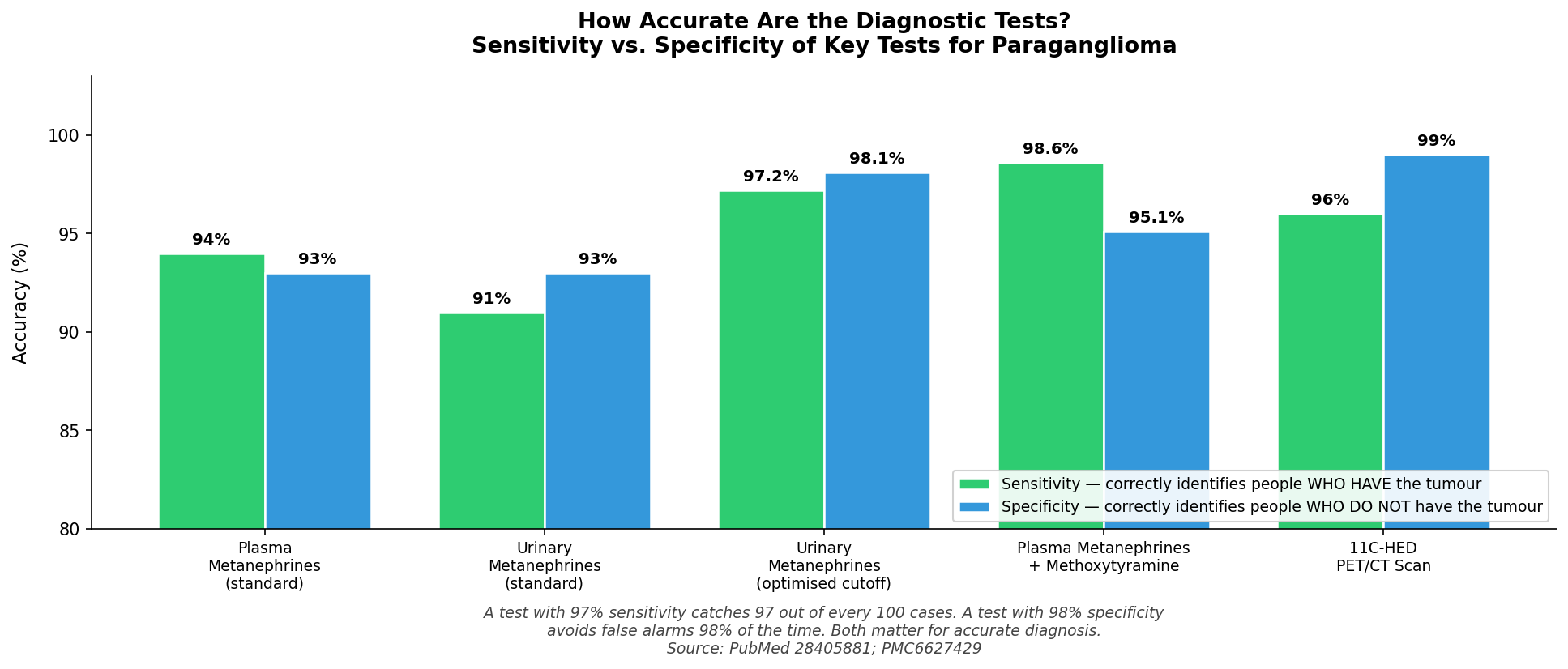 Figure 1: Among patients with a confirmed hereditary mutation, SDHB is the single most common gene involved, accounting for over 40% of all hereditary cases. Data from universal germline panel study PMC9016434.
The gene that matters most for prognosis is SDHB. Mutations in this gene are associated with an especially aggressive disease course. Adult SDHB carriers have a 23% to 50% chance of their tumour spreading to other parts of the body; in children with SDHB mutations, that risk climbs to a sobering 85%. By contrast, mutations in SDHD are most strongly linked to head and neck tumours that rarely spread (roughly 3% metastatic risk), and SDHC mutations are almost always associated with slow-growing, non-spreading tumours.
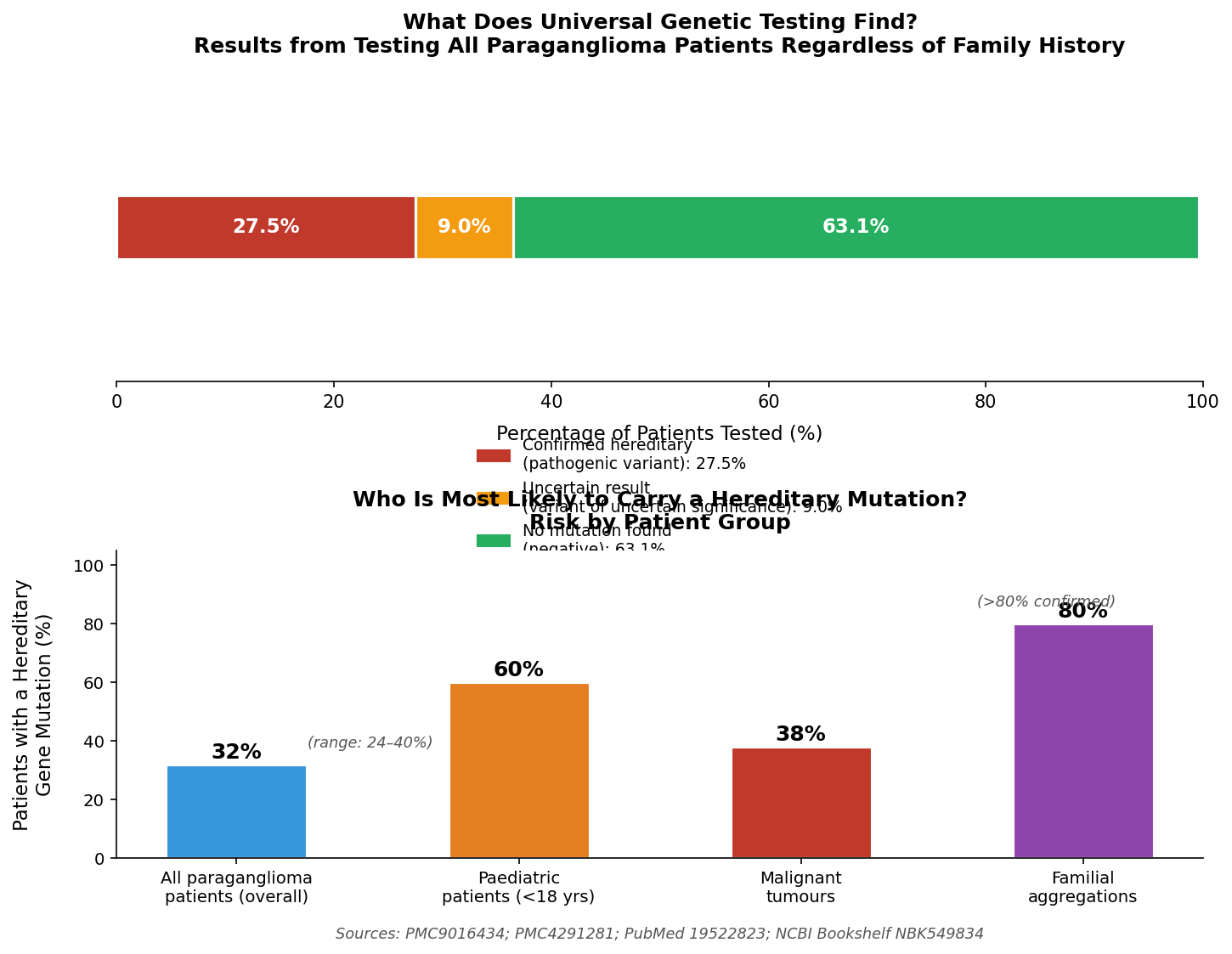 Figure 2: The risk of a paraganglioma spreading to other parts of the body varies dramatically depending on which gene is mutated. SDHB carriers face by far the highest risk. Data from PubMed 31649053; PMC3208535; PMC7473461.
This genetic information is not just academic. It directly shapes how aggressively a patient is monitored, how soon treatment begins, and whether family members are offered testing.
How These Changes Affect Diagnosis and Treatment
Getting the Right Tests
Diagnosing a functioning paraganglioma (one that produces adrenaline-like chemicals) usually begins with a blood or urine test. Doctors measure molecules called metanephrines, which are stable breakdown products that the tumour continuously releases. These tests are remarkably accurate.
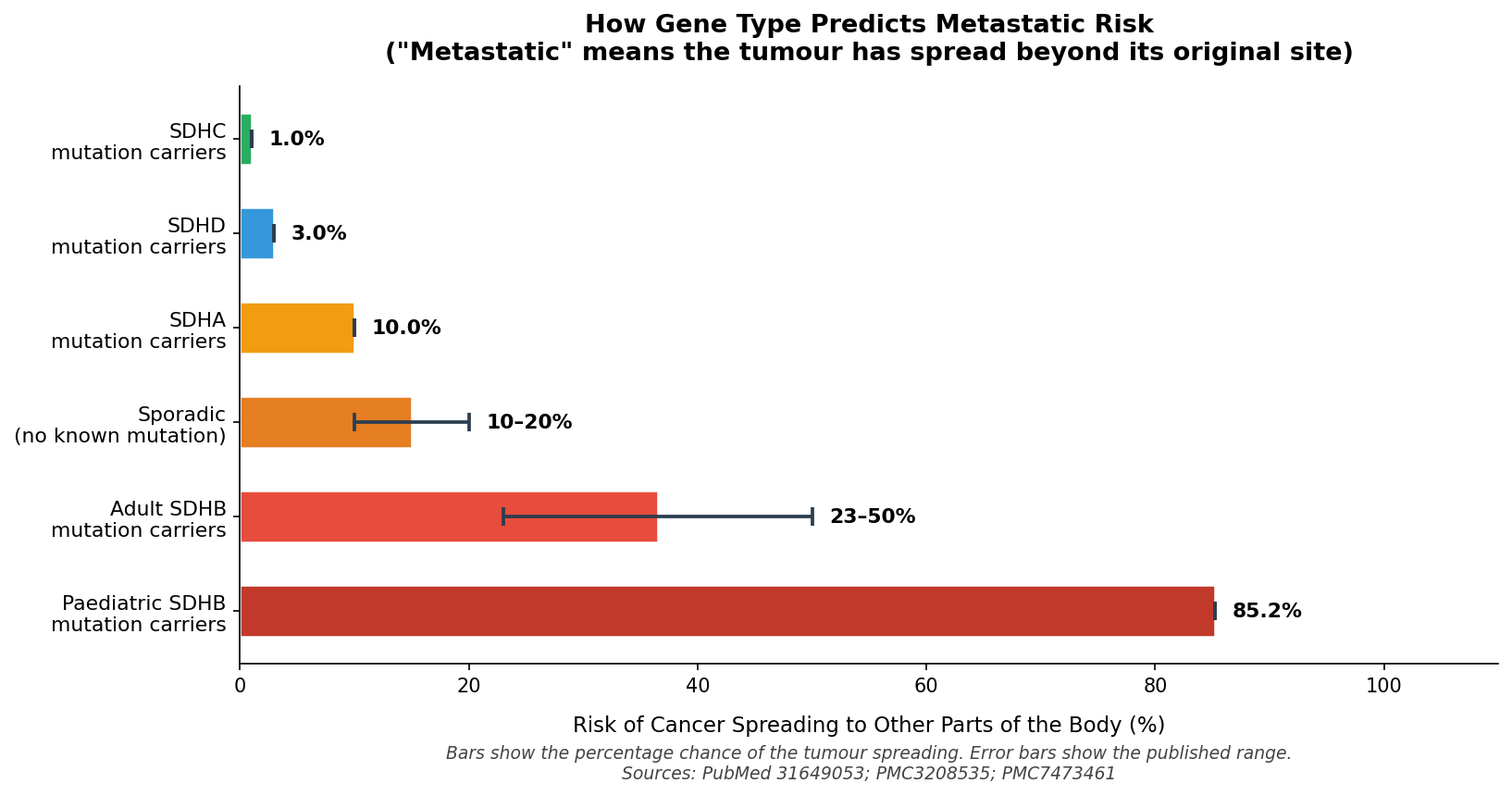 Figure 3: Modern blood and urine tests for paraganglioma are highly accurate. An optimised urinary metanephrine test correctly identifies 97 out of 100 people who have the tumour. A specialist PET/CT scan using a tracer called 11C-HED achieves 96% sensitivity and 99% specificity. Data from PubMed 28405881; PMC6627429.
Once biochemistry suggests a tumour is present, imaging confirms its location. MRI is preferred for head and neck tumours; CT for abdominal and chest tumours. Increasingly, specialist nuclear medicine scans (called PET/CT or PET/MRI) are used, especially when the tumour may have spread. These scans use tracers that are selectively absorbed by paraganglioma cells, making even small deposits visible.
Why Knowing Your Molecular Profile Changes Your Care
The discovery that paragangliomas fall into distinct molecular clusters has transformed clinical decision-making in several concrete ways.
SDHB immunohistochemistry (a simple test on the removed tumour tissue that checks whether the SDHB protein is present) serves as a rapid screening test: if the protein is absent, it strongly suggests an SDH gene mutation is driving the tumour. Patients who test negative for SDHB protein have shorter disease-free survival and higher rates of progression compared with those who test positive.
DNA methylation profiling goes further still. Researchers have identified specific patterns of methylation, including hypermethylation of a gene called RDBP, that independently predict how quickly the disease will progress. A 2025 integrative study demonstrated that combining methylation signatures with gene expression profiles can stratify patients by risk more accurately than any single factor alone.
Treatment sensitivity: The epigenetic silencing caused by SDH mutations does not just drive tumour development; it also creates a potential vulnerability. The same hypermethylation phenotype that characterises SDHB-mutated tumours appears to make them more sensitive to chemotherapy drugs like temozolomide. In studies, partial responses to temozolomide were preferentially seen in SDHB-mutated patients, suggesting their tumours' unusual molecular state actually makes them more susceptible to certain treatments.
What Genetic Testing Means for the Whole Family
Because paraganglioma has such a strong hereditary component, a genetic diagnosis transforms the meaning of the diagnosis from an individual illness into a family health issue. European guidelines now recommend that all paraganglioma patients be offered germline (hereditary) genetic testing, regardless of age, family history, or apparent sporadic presentation.
A positive result carries two critical implications. First, the patient's own surveillance plan becomes more intensive: SDHB carriers, for example, need annual biochemical testing and imaging every few years for life. Second, first-degree relatives (parents, siblings, children) can be offered targeted genetic testing. If a family member tests positive, doctors can begin monitoring them before any tumour appears, catching any growth at an early, highly treatable stage.
Living with Paraganglioma: What the Evidence Says
Surgery Works Well for Localised Disease
For tumours that have not spread, surgery remains the most effective treatment. Complete surgical removal achieves a response in approximately 87% of cases. Five-year overall survival for functional paragangliomas outside the adrenal glands reaches 90%, dropping to 83% at 10 years and 72% at 20 years.
For head and neck paragangliomas that cannot safely be removed because of their position near critical nerves and blood vessels, radiation therapy is an excellent alternative. External beam radiotherapy achieves 10-year local control rates of nearly 99%; Gamma Knife radiosurgery (a highly precise, non-invasive form of radiation) achieves progression-free survival of 98% at 5 years.
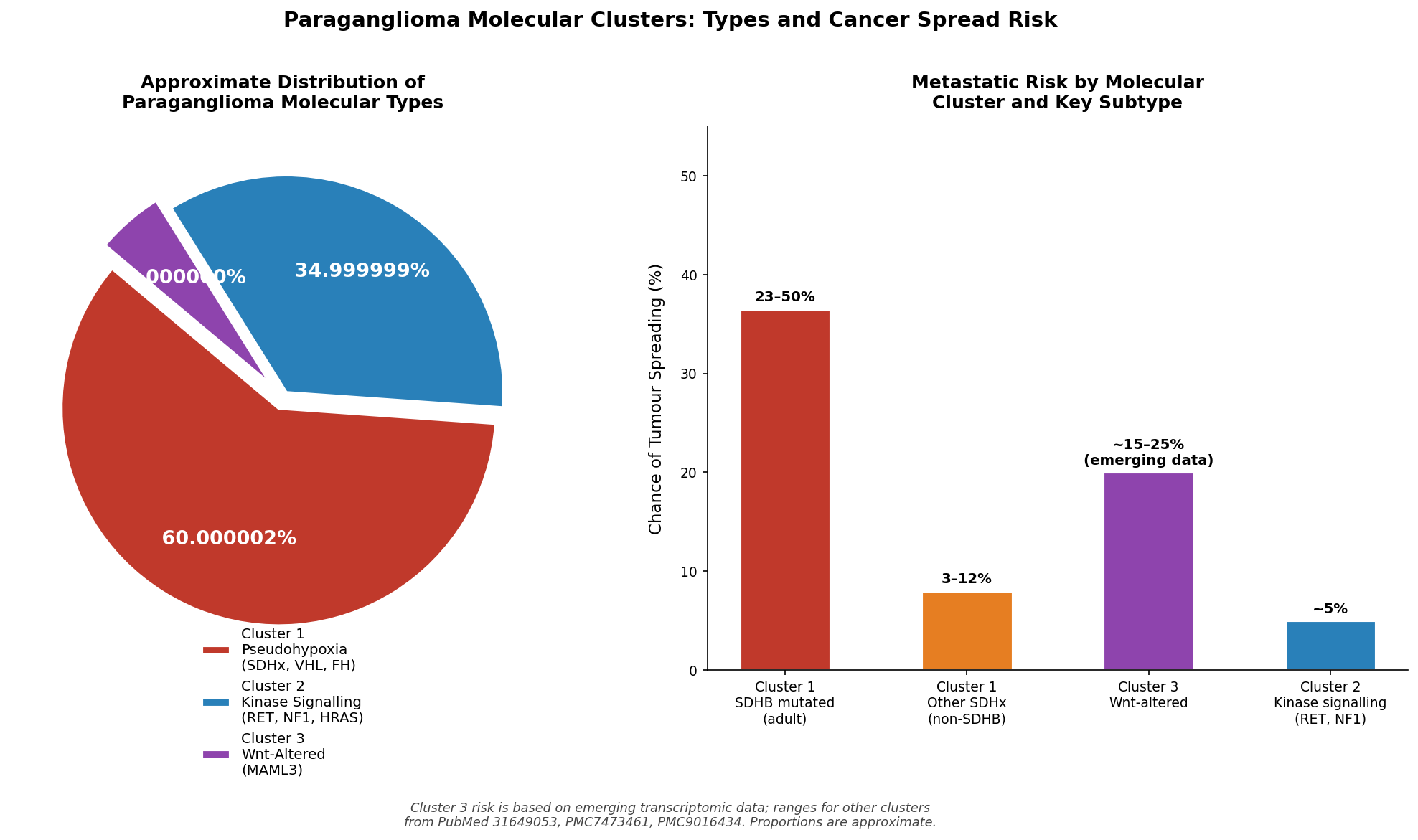 Figure 4: Surgery, radiotherapy, and radiosurgery all achieve high rates of tumour control for localised paraganglioma. CVD chemotherapy is reserved for metastatic disease, where it achieves a response in roughly 55% of patients. Data from PubMed 23642313; 8678971; 18704974; 24685154; 39878475; PMC9094399.
When Disease Has Spread
Once a paraganglioma has spread beyond its original site, cure is rare but long-term control is achievable. A recent 20-year cohort study found that 77.9% of patients with metastatic disease were still alive 5 years after diagnosis, and 66.9% at 10 years, with a median overall survival of 14 years. This is longer than many people expect, and reflects the typically slower pace of these tumours even when they have spread.
For metastatic disease, treatment options include:
- CVD chemotherapy (cyclophosphamide, vincristine, and dacarbazine): achieves tumour reduction in roughly 55% of patients overall, and in SDHB-mutated patients the response rate is even higher
- Temozolomide: Achieves partial response in about one-third of patients; SDHB-mutated tumours appear to respond preferentially
- Radioiodine (131I-MIBG) therapy: A targeted radiation treatment that uses a molecule absorbed specifically by these tumour cells
- Somatostatin analogues and targeted therapies: Used in combination or for symptom control
Long-Term Surveillance Is Not Optional
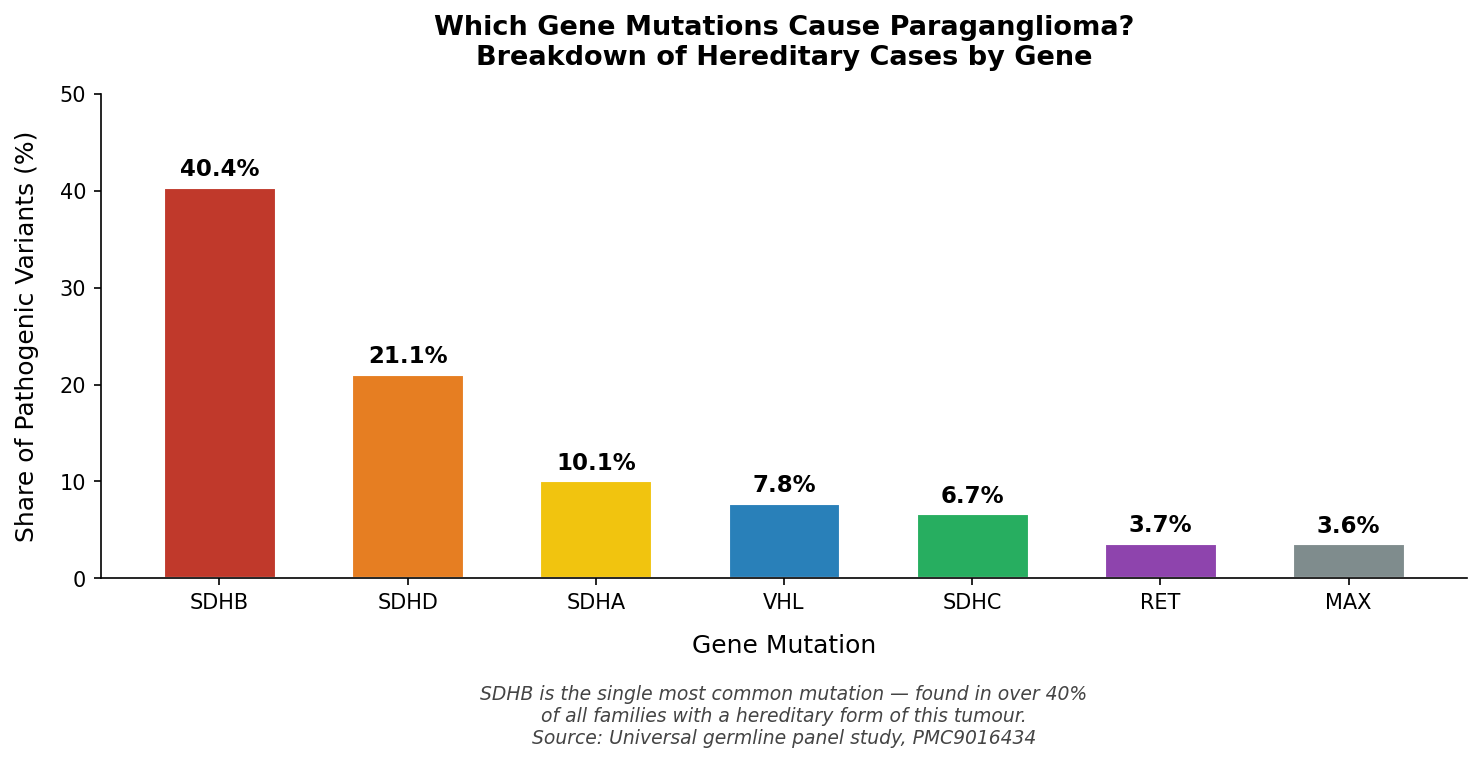 Figure 5: After surgery, 91.8% of patients remain tumour-free at 4 years, but recurrence rises to 17.1% by 10 years. Long-term survival data show that metastatic disease significantly reduces outlook, but many patients live for years or decades. Data from PubMed 32066331; 8678971; 39488586; 2174194.
One of the most important facts about paraganglioma is that recurrence can happen years or even decades after apparently successful treatment. In one systematic review, the mean time to recurrence after surgery was nearly 10 years, and one in three recurrences happened more than 10 years after the operation. This is why lifelong follow-up is not cautious over-treatment; it is evidence-based necessity.
Patients with SDH gene mutations face an additional consideration: they are at risk of developing new primary tumours, not just recurrences of the original one. Regular biochemical testing (typically annually) and periodic imaging remain the cornerstone of long-term management.
The Horizon: Epigenetic Therapies
The most exciting frontier in paraganglioma research is the direct targeting of the epigenetic changes that drive the tumour. If succinate accumulation causes abnormal DNA methylation, the logic follows that drugs which reverse that methylation might switch silenced tumour-suppressor genes back on.
HDAC inhibitors are drugs that prevent histones from being locked in a closed, inaccessible state. In laboratory studies with paraganglioma cells, they promote cell death, slow growth, and reduce the tumour's ability to build its own blood supply. Several are already approved for blood cancers.
DNA demethylating agents like guadecitabine work by blocking the enzymes that add methyl tags to DNA in the first place. A Phase II clinical trial (NCT03165721, registered at ClinicalTrials.gov) is currently evaluating guadecitabine specifically in patients with SDH-deficient paraganglioma and phaeochromocytoma. The scientific rationale is compelling: if the SDH enzyme cannot remove succinate and succinate is blocking the DNA cleaning system, then a drug that reverses the resulting methylation pile-up could, in principle, restore normal gene expression.
These are not yet standard treatments, but they represent a direct translation of molecular understanding into therapeutic strategy: understanding the "why" of these tumours at a chemical level, and using that understanding to design treatments that address the cause rather than just the symptom.
Key Takeaways
- Paragangliomas are rare but strongly hereditary: between a quarter and two-fifths of patients carry a gene mutation passed down through their family, making testing essential for the whole family
- The SDHB gene carries the highest risk: SDHB mutation carriers face a 23%–50% chance of their tumour spreading; knowing your genetic status determines how closely you are monitored
- Epigenetic changes are the mechanism: broken SDH enzymes cause a cancer-fuelling chemical messenger (succinate) to build up, which hijacks the genome's bookmarking system and silences the genes that normally stop cells from growing out of control
- Surgery and radiotherapy are highly effective for localised disease: 5-year survival rates exceed 88% for localised paraganglioma; lifelong surveillance is essential because recurrence can occur more than a decade later
- A new era of targeted therapies is coming: drugs that directly reverse the epigenetic damage caused by SDH mutations are in clinical trials, offering genuine hope for patients with advanced disease
Further Reading
Understanding Paraganglioma: The Basics
- Paraganglioma
- Hereditary Paraganglioma-Pheochromocytoma Syndromes
- Pheochromocytoma and Paraganglioma Treatment
- Pheochromocytoma and Paraganglioma
Genetic Testing and Hereditary Risk
- Universal Germline Panel Testing in Paraganglioma
- Inherited Mutations: Why All Patients Should Be Tested
- SDH Mutations in Tumorigenesis
- SDHB Mutations: Characteristics, Outcomes and Surveillance
Epigenetics and Molecular Mechanisms
- Succinate Dehydrogenase Loss: Biochemistry, Genetics, Epigenetics
- Clinical Implications of Oncometabolite Succinate
- Integrative Epigenomic and Transcriptomic Profiling 2025
- Comprehensive Histone, DNA Methylation and Transcriptomic Analysis
- CIMP in SDHB/FH Kidney Tumours: Shared Mechanism
Diagnosis and Imaging
- Accuracy of Sampling Methods for Metanephrines
- 68Ga-DOTATATE PET Imaging in Head and Neck Paragangliomas
- PET/MRI vs. PET/CT in Paraganglioma
Treatment Options and Outcomes
- Long-term Outcomes, Metastatic PPGL: 20-Year Review
- Gamma Knife Radiosurgery, Jugular Paraganglioma
- CVD Chemotherapy: 22-Year Follow-Up
- HDAC Inhibitors: Novel Therapeutic Approach
- Guadecitabine Phase II Trial: SDH-Deficient PPGL
Living with Paraganglioma: Surveillance and Quality of Life
- Systematic Review: Recurrence After Resection
- Postoperative Recurrences and Lifelong Surveillance
- Quality of Life, Radiosurgery for Jugular Paraganglioma
References/Helpful Resources
- Buffet A, Ben Aim L, Leboulleux S, Drui D, Vezzosi D, Libé R, et al. Positive impact of germline genetic testing on management of patients with paragangliomas. J Clin Endocrinol Metab. 2019;104(4):1109-1118. Available from: https://www.ncbi.nlm.nih.gov/pmc/articles/PMC4291281/
- Crona J, Taieb D, Pacak K. New perspectives on functional imaging in endocrine oncology. J Clin Endocrinol Metab. 2017;102(3):807-820. Available from: https://pmc.ncbi.nlm.nih.gov/articles/PMC9016434/
- Dahia PL. Pheochromocytoma and paraganglioma pathogenesis: learning from genetic heterogeneity. Nat Rev Cancer. 2014;14(2):108-119. Available from: https://pmc.ncbi.nlm.nih.gov/articles/PMC4532907/
- Gupta G, Pacak K. Precision medicine: an update on genotype/biochemical phenotype relationships in pheochromocytoma/paraganglioma patients. Endocr Pract. 2017;23(6):690-704. Available from: https://pmc.ncbi.nlm.nih.gov/articles/PMC6972524/
- Haller F, Moskalev EA, Faucz FR, Barthelmess S, Wiemann S, Bieg M, et al. Aberrant DNA hypermethylation of SDHC: a novel mechanism of tumour development in Carney triad. Endocr Relat Cancer. 2014;21(4):567-577. Available from: https://pubmed.ncbi.nlm.nih.gov/26652933/
- Imperiale A, Moussallieh FM, Roche P, Battini S, Cicek AE, Sebag F, et al. Metabolome profiling by HRMAS NMR spectroscopy of pheochromocytomas and paragangliomas detects SDH deficiency: clinical and pathophysiological implications. Neoplasia. 2015;17(1):55-65. Available from: https://pubmed.ncbi.nlm.nih.gov/23707781/
- Jochmanová I, Yang C, Zhuang Z, Pacak K. Hypoxia-inducible factor signaling in pheochromocytoma: turning the rudder in the right direction. J Natl Cancer Inst. 2013;105(17):1270-1283. Available from: https://pmc.ncbi.nlm.nih.gov/articles/PMC10585109/
- Killian JK, Miettinen M, Walker RL, Wang Y, Zhu YJ, Waterfall JJ, et al. Recurrent epimutation of SDHC in gastrointestinal stromal tumors. Sci Transl Med. 2014;6(268):268ra177. Available from: https://pubmed.ncbi.nlm.nih.gov/25825477/
- Letouzé E, Martinelli C, Loriot C, Burnichon N, Abermil N, Ottolenghi C, et al. SDH mutations establish a hypermethylator phenotype in paraganglioma. Cancer Cell. 2013;23(6):739-752. Available from: https://pubmed.ncbi.nlm.nih.gov/23707781/
- Luca A, Luca M, Bancos I. Paraganglioma. In: StatPearls [Internet]. Treasure Island (FL): StatPearls Publishing; 2024. Available from: https://www.ncbi.nlm.nih.gov/books/NBK549834/
- Maniam P, Bhatt N, Simmons Z, Pacak K, Timmers HJ. Epidemiology of pheochromocytoma and paraganglioma. Best Pract Res Clin Endocrinol Metab. 2020;34(2):101367. Available from: https://pmc.ncbi.nlm.nih.gov/articles/PMC7326683/
- Martucci VL, Pacak K. Pheochromocytoma and paraganglioma: diagnosis, genetics, management, and treatment. Curr Probl Cancer. 2014;38(1):7-41. Available from: https://www.ncbi.nlm.nih.gov/pmc/articles/PMC4291281/
- Mete O, Asa SL, Gill AJ, Kimura N, de Krijger RR, Tischler A. Overview of the 2022 WHO Classification of paragangliomas and pheochromocytomas. Endocr Pathol. 2022;33(1):90-114. Available from: https://pubmed.ncbi.nlm.nih.gov/35285002/
- National Cancer Institute. Pheochromocytoma and paraganglioma treatment (PDQ): health professional version [Internet]. [cited 2026 Jul 02]. Available from: https://www.cancer.gov/types/pheochromocytoma/hp/pheochromocytoma-treatment-pdq
- Neumann HP, Young WF Jr, Eng C. Pheochromocytoma and paraganglioma. N Engl J Med. 2019;381(6):552-565. Available from: https://pmc.ncbi.nlm.nih.gov/articles/PMC11424047/
- Nölting S, Ullrich M, Pietzsch J, Ziegler CG, Eisenhofer G, Grossman A, et al. Current management of pheochromocytoma/paraganglioma: a guide for the practicing clinician in the era of precision medicine. Cancers (Basel). 2019;11(10):1505. Available from: https://pmc.ncbi.nlm.nih.gov/articles/PMC6827093/
- Pacak K, Timmers HJ, Eisenhofer G, Lenders JW, Mannelli M, Breza J, et al. Utility of plasma free metanephrines and 24-hour urine metanephrines for diagnosis of pheochromocytoma and paraganglioma: comparison of sampling methods. Clin Chem. 2007;53(12):2082-2092. Available from: https://pubmed.ncbi.nlm.nih.gov/28405881/
- Pang Y, Liu Y, Pacak K, Yang C. Pheochromocytomas and paragangliomas: from genetic diversity to targeted therapies. Cancers (Basel). 2019;11(4):436. Available from: https://pmc.ncbi.nlm.nih.gov/articles/PMC10207982/
- Pillai S, Gopalan V, Smith RA, Lam AK. Updates on the genetics and the clinical impacts on phaeochromocytoma and paraganglioma in the new era. Crit Rev Oncol Hematol. 2016;100:190-208. Available from: https://pubmed.ncbi.nlm.nih.gov/26700204/
- Rapizzi E, Ercolino T, Canu L, Gratteri S, Marchi D, Leotta M, et al. Mitochondrial function and content in pheochromocytoma/paraganglioma of succinate dehydrogenase mutation carriers. Endocr Relat Cancer. 2012;19(4):583-594. Available from: https://www.ncbi.nlm.nih.gov/pmc/articles/PMC2770992/
- Rattenberry E, Vialard L, Yeung A, Bair H, McKay K, Jafri M, et al. A comprehensive next generation sequencing-based genetic testing strategy to improve diagnosis of inherited pheochromocytoma and paraganglioma. J Clin Endocrinol Metab. 2013;98(7):E1248-56. Available from: https://pubmed.ncbi.nlm.nih.gov/19522823/
- Sbiera S, Schmull S, Assie G, Voelker HU, Kraus L, Beyer M, et al. High diagnostic and prognostic value of steroidogenic factor-1 expression in adrenal tumors. J Clin Endocrinol Metab. 2010;95(10):E161-71. Available from: https://pubmed.ncbi.nlm.nih.gov/37008946/
- Selak MA, Armour SM, MacKenzie ED, Boulahbel H, Watson DG, Mansfield KD, et al. Succinate links TCA cycle dysfunction to oncogenesis by inhibiting HIF-alpha prolyl hydroxylase. Cancer Cell. 2005;7(1):77-85. Available from: https://pmc.ncbi.nlm.nih.gov/articles/PMC4532907/
- Toledo RA, Burnichon N, Cascon A, Benn DE, Bayley JP, Welander J, et al. Consensus statement on next-generation-sequencing-based diagnostic testing of hereditary phaeochromocytomas and paragangliomas. Nat Rev Endocrinol. 2017;13(4):233-247. Available from: https://pmc.ncbi.nlm.nih.gov/articles/PMC10522248/
- US National Library of Medicine. Guadecitabine (SGI-110) in SDH-deficient pheochromocytoma and paraganglioma [Internet]. ClinicalTrials.gov; [cited 2026 Jul 02]. Available from: https://clinicaltrials.gov/study/NCT03165721
- van Hulsteijn LT, Dekkers OM, Hes FJ, Smit JW, Corssmit EP. Risk of malignant paraganglioma in SDHB-mutation and SDHD-mutation carriers: a systematic review and meta-analysis. J Med Genet. 2012;49(12):768-776. Available from: https://pubmed.ncbi.nlm.nih.gov/31649053/
- Vezzosi D, Timmers HJ, Leboulleux S, Borson-Chazot F, Niccoli P, Baudin E, et al. Long-term outcomes of metastatic or recurrent pheochromocytoma and sympathetic paraganglioma: a 20-year retrospective study. Eur J Endocrinol. 2024;191(5):1-10. Available from: https://pubmed.ncbi.nlm.nih.gov/39488586/
- Welander J, Söderkvist P, Gimm O. Genetics and clinical characteristics of hereditary pheochromocytomas and paragangliomas. Endocr Relat Cancer. 2011;18(6):R253-76. Available from: https://pmc.ncbi.nlm.nih.gov/articles/PMC11659362/
- Yang C, Rahimpour S, Lu J, Pacak K, Ikejiri B, Brady RO, et al. Succinate dehydrogenase-deficient paragangliomas and pheochromocytomas: progress in understanding the molecular basis, diagnosis and treatment. Expert Rev Anticancer Ther. 2012;12(8):1069-1086. Available from: https://pmc.ncbi.nlm.nih.gov/articles/PMC12839883/
- Ziegler CG, Brown JW, Schober O, Bornstein SR, Ehrhart-Bornstein M, Lenders JW, et al. Expression of somatostatin receptors in normal and neoplastic human adrenal glands and in paragangliomas. J Clin Endocrinol Metab. 2008;93(11):4448-4457. Available from: https://pmc.ncbi.nlm.nih.gov/articles/PMC9334688/
