

If you work in healthcare, therapy, social services, or any helping profession, you've likely felt the weight of other people's suffering. But at what point does that natural empathy cross into something harmful to your own well-being? Compassion fatigue is when that line gets blurred; when the emotional cost of caring for traumatised people leaves you emotionally, mentally, and physically exhausted. This isn't regular job stress, and it's not a personal weakness. It's a real, measurable condition affecting millions of healthcare professionals worldwide.
The good news: compassion fatigue is reversible, preventable, and well-understood. With the right support and interventions, recovery is genuinely achievable within months, not years.
What Is Compassion Fatigue Really?
Compassion fatigue is stress resulting from exposure to traumatised individuals. It's the convergence of two distinct elements: secondary traumatic stress (experiencing trauma indirectly through helping others) and cumulative burnout (the gradual depletion from excessive work demands).
This distinction matters because compassion fatigue isn't simply being tired from work. It's a state of physical and mental exhaustion where your capacity to cope with your everyday environment has been depleted. Specifically, this happens when that environment involves caring for people who have experienced trauma.
Think of it this way: a nurse in an oncology ward witnesses patients dying from cancer. She absorbs the emotional weight of their fear and suffering. Simultaneously, she's working understaffed, with inadequate time and resources. These two forces combine (vicarious trauma plus cumulative burnout) to create compassion fatigue.
How It Differs from Burnout
This distinction is crucial because treatment differs dramatically.
Burnout develops gradually from excessive workload. A teacher with 40 students, 60-hour weeks, and insufficient resources experiences burnout. The emotional toll isn't from trauma; it's from being overwhelmed because work demands exceed available resources.
Compassion fatigue includes burnout elements but adds something different: secondary traumatic stress. You develop trauma-like symptoms from caring for traumatised people, not from experiencing trauma directly. You might have intrusive thoughts about a patient's death, difficulty sleeping, emotional numbness, all PTSD-like symptoms, because you've been exposed to someone else's traumatic experience.
The critical distinction: burnout is about depletion from overwork; compassion fatigue is about traumatisation from caring. A person can have burnout without compassion fatigue, or compassion fatigue without burnout. Research shows that job burnout often precedes and contributes to compassion fatigue development, suggesting burnout creates the vulnerability for secondary trauma to take hold.
Why this matters: someone experiencing burnout needs workload reduction and recovery time. Someone experiencing compassion fatigue needs trauma processing and psychological support. Misidentifying which condition someone has means providing the wrong treatment.
Who's Actually Affected? The Prevalence Reality
The statistics are sobering. Between 21.6% and 44.8% of healthcare workers overall experience compassion fatigue depending on specialty and setting. That means if your local hospital has 100 nurses, between 22 and 45 are likely experiencing serious emotional exhaustion from caring work.
But prevalence varies dramatically by specialty.
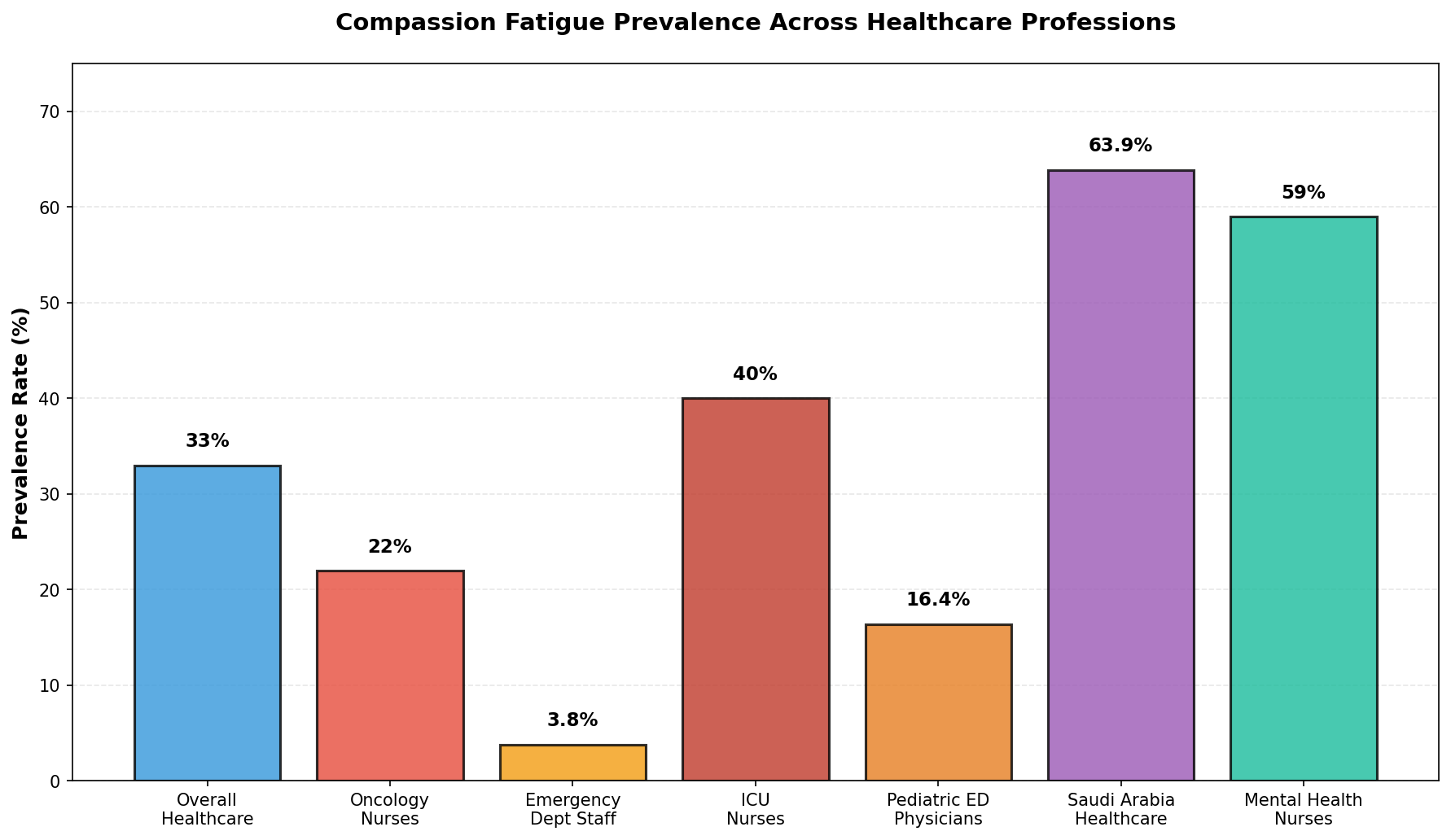 Figure 1: Compassion fatigue prevalence rates vary widely by profession, with mental health and international healthcare workers showing the highest rates.
Oncology nurses are particularly vulnerable. About 1 in 5 report low compassion satisfaction (feeling they have little left to give emotionally), and 1 in 4-5 experience both severe burnout and secondary traumatic stress. Cancer care nurses witness death regularly while managing their own emotional responses and those of frightened families. High compassion fatigue rates show why this specialty requires specific, dedicated support.
Paediatric emergency medicine physicians show elevated rates, too. More than 1 in 6 have compassion fatigue. When you're treating injured, frightened children while managing parents' terror and your own emotional responses, the cumulative toll is substantial.
ICU and emergency department nurses show the highest prevalence among nursing populations. Nearly 6 in 10 mental health nurses report moderate burnout; about 6 in 10 show trauma symptoms from their work. These are the frontlines, where staff witness death, suffering, and human trauma daily.
Internationally, the picture varies. In Saudi Arabia, nearly 2 in 3 healthcare workers show trauma symptoms from caring for patients, and more than half experience severe burnout. This geographic variation reflects different healthcare systems, resource constraints, and working conditions.
Here's what makes these statistics meaningful: compassion fatigue isn't rare or exceptional. It's widespread, affecting millions of healthcare workers globally. If you know nurses, doctors, therapists, or social workers, there's a substantial likelihood they're experiencing some level of compassion fatigue.
The Alarming Trend
The prevalence has been increasing steadily. Compassion fatigue rose gradually from 2010 through 2019, reaching its highest levels in 2019. Then COVID-19 hit. Rates spiked further, especially in ICU and emergency departments, where healthcare workers faced unprecedented trauma exposure combined with severe staffing shortages.
This trend tells us something important: compassion fatigue isn't a new problem that's recently emerged. Rather, it's been building for over a decade because fundamental systemic problems in healthcare haven't been adequately addressed. Understaffing, inadequate resources, and a lack of support structures created the vulnerability. The pandemic simply exposed the crisis at scale.
Signs and Symptoms: How Compassion Fatigue Manifests
Compassion fatigue doesn't announce itself suddenly in most cases. It develops gradually, with early warning signs that are often missed or attributed to other causes. The symptoms span physical, psychological, and behavioural domains.
Physical Symptoms (and How Common They Are)
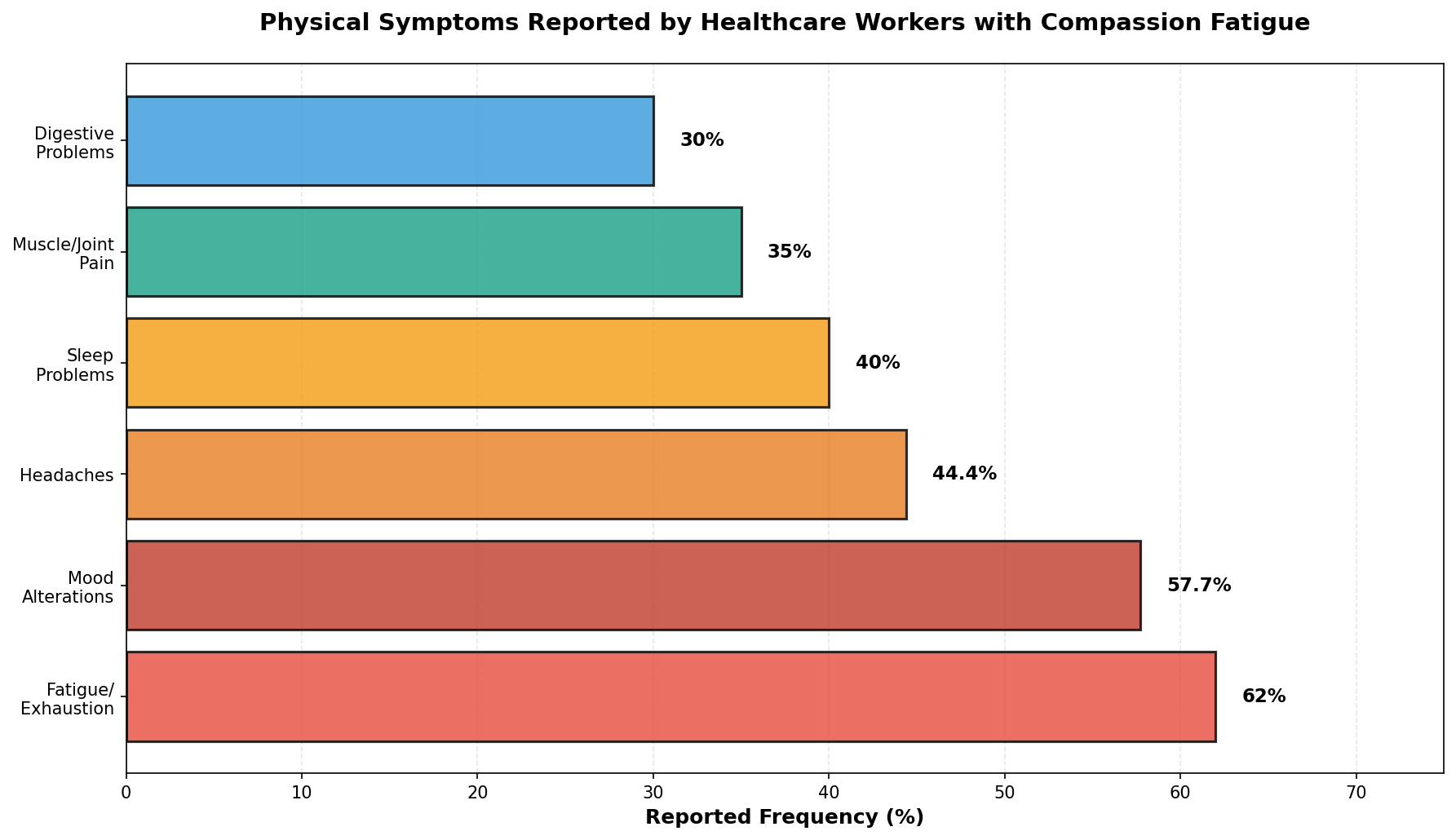 Figure 2: Physical symptom frequency shows that fatigue and mood changes are nearly universal, while other physical symptoms affect 3-4 in 10 workers.
Persistent fatigue and exhaustion. 6 in 10 healthcare workers with compassion fatigue report persistent, unexplained exhaustion that doesn't improve with rest. This isn't regular tiredness from a long shift. It's the body's stress response system kept in overdrive, remaining activated 24/7, depleting energy reserves faster than sleep can restore them. You sleep 8 hours and still feel exhausted because your nervous system hasn't actually rested.
Headaches. About 4 in 10 report frequent headaches. Chronic stress causes sustained muscle tension, particularly in the neck and shoulders. This sustained tension triggers tension headaches, the body's physical manifestation of psychological strain.
Mood alterations. Nearly 6 in 10 experience significant mood swings, emotional volatility, or unpredictable emotional responses. Emotional dysregulation means small frustrations trigger disproportionate anger or tears. Your emotional reserves are depleted, so the emotional thermostat stops working properly.
Sleep problems. Healthcare workers with compassion fatigue typically struggle with insomnia, difficulty staying asleep, or nightmares. Sleep is when the brain processes trauma and heals from stress. Disrupted sleep prevents recovery and creates a vicious cycle: poor sleep worsens emotional regulation; emotional dysregulation worsens sleep.
Other physical symptoms include muscle and joint pain, digestive problems, increased heart rate, difficulty breathing, and impaired immune function. When the stress response stays chronically activated, the body diverts resources from healing and immunity to "fight or flight." Healthcare workers become more susceptible to catching colds, flu, and other infections while their bodies are physically damaged.
Psychological Symptoms
Beyond physical exhaustion, compassion fatigue manifests as distinct mental health symptoms.
Anxiety and depression are common. Elevated anxiety and depression scores directly correlate with secondary traumatic stress and burnout. This isn't mild worry or mild sadness. The anxiety and depression are clinically significant, comparable to anxiety or depression disorders. This suggests compassion fatigue is a genuine mental health condition requiring professional treatment.
Secondary traumatic stress symptoms are the most distinctive feature. These mirror PTSD but develop from witnessing trauma rather than experiencing it directly:
- Intrusive thoughts. Unwanted, recurring thoughts about patients' traumatic experiences intrude during quiet moments, meals, and sleep. A nurse treating a child who died in the emergency room can't stop thinking about that child's suffering. These thoughts pop up unbidden and feel distressing
- Hypervigilance. Heightened alertness, constant worry, difficulty relaxing. Even off-work, the nervous system stays in a state of high alert, scanning for threats
- Emotional numbness and detachment. Paradoxically, caregivers can become so emotionally overwhelmed that they develop numbness, a psychological defence mechanism where they emotionally disconnect from patients to protect themselves from further pain. This creates a tragic irony: the people who chose helping professions because they felt deep empathy develop emotional numbness as a survival response
- Assuming worst-case scenarios. Negative thinking patterns emerge: "All my patients will die," or "Nothing I do matters." Cognitive distortion becomes a survival mechanism
Behavioural Changes
Behavioural shifts are often the most visible warning signs that others notice:
- Social isolation and withdrawal. Isolating themselves from colleagues, friends, and family rather than seeking support
- Increased arguing and conflict with colleagues and loved ones
- Cynicism and negative attitudes towards patients and work, a loss of the idealism that often drew them to helping professions
- Reduced enjoyment of work. Activities that previously felt meaningful now feel empty and obligatory
- Loss of professional boundaries. Either becoming too emotionally enmeshed with patients or completely detached
These behavioural changes represent the person's way of coping with emotional exhaustion. They're pulling away to avoid further emotional pain. However, isolation perpetuates the problem rather than solving it, because humans need connection to heal from trauma.
Why Compassion Fatigue Develops: The Root Causes
Compassion fatigue isn't random. It develops when specific risk factors align.
The Core Mechanisms
Vicarious trauma combined with workplace stress. Professionals absorb the emotional and psychological weight of clients' traumatic experiences whilst simultaneously facing systemic workplace factors that deplete their capacity to cope: understaffing, overwhelming demand, poor resources, and lack of support.
Work Environment Risk Factors
These are modifiable, meaning organisations can prevent compassion fatigue by addressing them:
- Staffing shortages and high workload. The more understaffed a unit, the higher the compassion fatigue rates. No amount of individual resilience training will overcome systematic understaffing
- Lack of time and resources to provide comprehensive care
- Poor workplace relationships and lack of collegial support. Emotional support and peer consultation predict whether helpers develop compassion fatigue
- High exposure to traumatic patient experiences. Cancer care nurses are particularly vulnerable due to constant exposure to patients' traumatic experiences. Paediatric staff caring for chronically ill children face ongoing secondary trauma
- Lack of organisational support. Insufficient supervision, peer support, psychological resources, or leadership acknowledgement of the difficulty
Individual Risk Factors
- Female sex. Women report substantially higher compassion fatigue than men in the same professions. This likely reflects cultural expectations for women to be more emotionally available and absorb others' suffering
- Younger age and early-career status. Healthcare professionals early in their careers are more vulnerable than experienced professionals, perhaps due to less developed coping mechanisms and less established peer support networks
- Prior personal trauma history. Those who have experienced their own trauma (abuse, loss, violence) are at higher risk. Caring for traumatised patients can trigger or reactivate personal trauma responses
- Personality factors. High neuroticism (strong risk factor), low agreeableness, self-criticism, and psychological inflexibility increase vulnerability
- Guilt about self-care. Those who feel selfish when prioritising their own well-being struggle more with compassion fatigue
The critical insight: compassion fatigue is not a personal weakness or failure of character. It's a predictable consequence of specific working conditions. Someone experiencing compassion fatigue isn't "too sensitive" or unable to "handle the job." They're responding normally to abnormal demands.
The Consequences: Impact on Healthcare Professionals and Patients
Unaddressed compassion fatigue carries serious consequences that extend beyond the individual.
For the Healthcare Professional
- Escalates into serious mental health conditions: PTSD, depression, and anxiety disorders
- Relationship deterioration with colleagues and loved ones
- Career dissatisfaction and job turnover. Many healthcare professionals experiencing compassion fatigue exit their professions entirely, losing skilled, experienced workers
- Increased substance use as an attempt to self-medicate stress and emotional pain
- Damaged professional identity
For Patient Care Quality
Here's the sobering part: compassion fatigue directly harms the patients being cared for.
- Reduced quality of care. Healthcare workers experiencing compassion fatigue provide less compassionate, less careful, potentially less safe care
- Increased likelihood of medical errors. Emotionally exhausted providers make more mistakes
- Reduced patient satisfaction. Patients perceive they're receiving care from someone who isn't fully present
- Increased malpractice risk. When patients sense a lack of compassion, they're more likely to pursue legal action when something goes wrong
This creates a human consequence cycle: the healthcare professional's trauma leads to patient harm, which creates additional secondary traumatic stress for the provider, perpetuating the cycle.
Recovery Is Possible: Evidence-Based Interventions
Here's the essential good news: compassion fatigue is reversible and preventable with recognition, understanding, and permission for recovery.
Research has identified effective interventions across multiple modalities. The best outcomes occur when individuals access professional treatment combined with organisational support.
Mindfulness-Based Stress Reduction (MBSR)
Effectiveness: Moderate effect size with substantial symptom reduction.
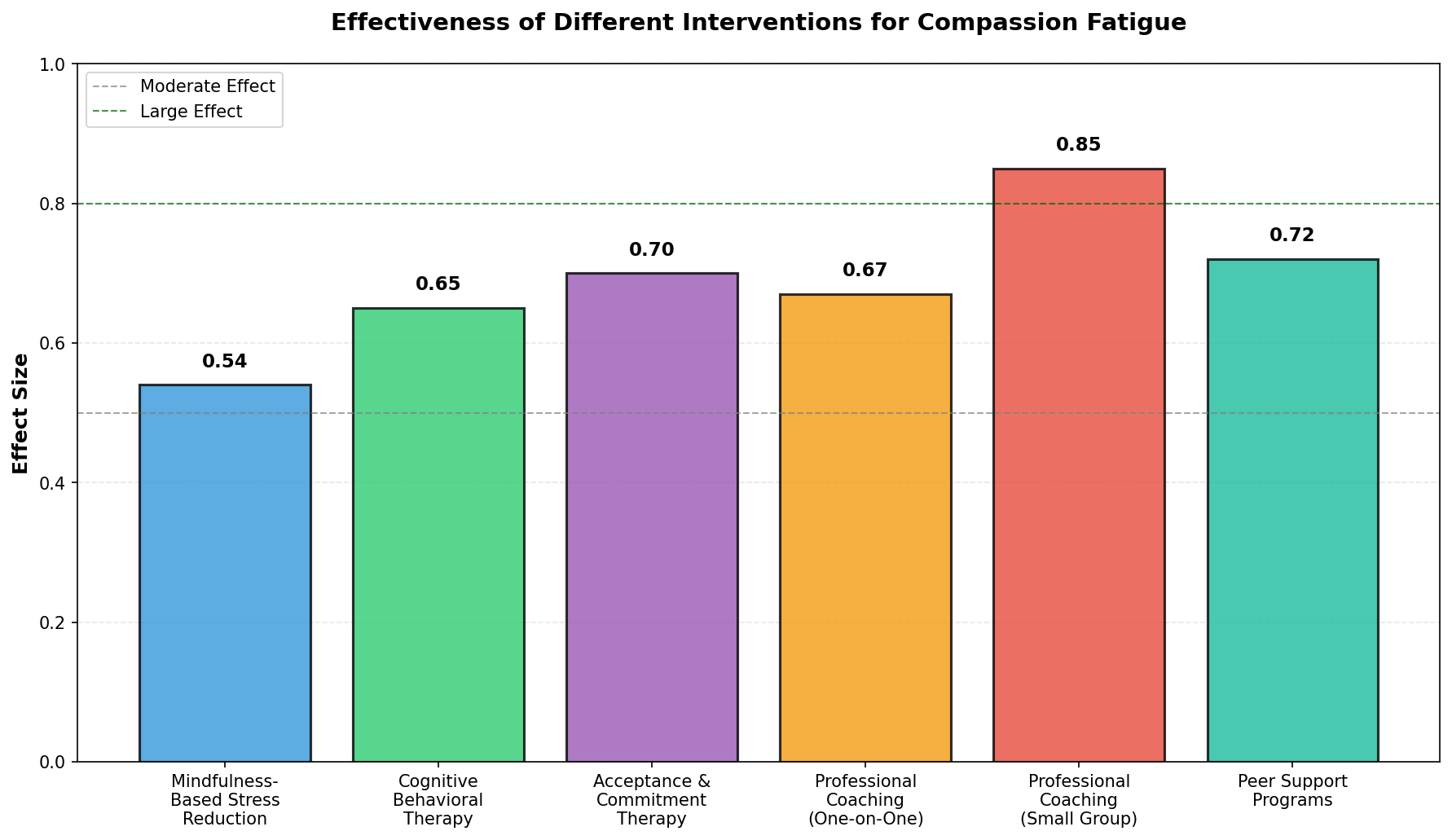 Figure 3: Mindfulness-based stress reduction achieves the greatest anxiety reduction and substantial improvements across other symptoms.
An 8-week structured mindfulness program produces measurable improvements:
- Psychological distress: 38% reduction
- Anxiety symptoms: 44% reduction
- Depression symptoms: 34% reduction
- Physical symptoms: 28% improvement
- Rumination (obsessive thinking): 30% reduction
- Negative affect (mood): 20% decrease
These improvements persist at 19-week follow-up and continue improving over 2 years in community samples.
How it works: Mindfulness isn't about stopping thoughts. It's about observing them without judgment. For compassion fatigue, the practice reverses "downward spirals" by building self-compassion—treating yourself with the same kindness and encouragement you give patients.
Important caveat: About 20-30% of people find mindfulness unhelpful or experience temporary increased discomfort. It's not universally effective, but evidence shows clear benefits for most practitioners.
Cognitive Behavioural Therapy (CBT)
Effectiveness: Large effect sizes across populations.
CBT helps people identify and change unhelpful thinking patterns that perpetuate stress. For compassion fatigue, this might mean addressing thoughts like "I should be able to handle this" or "All my patients will die anyway."
Key mechanisms of recovery:
- Sleep quality improvement (accounts for 25-40% of treatment effect)
- Competence increase (second key mechanism)
When healthcare workers do CBT for burnout, better sleep is one of the main ways therapy helps. As they sleep better, they have more energy and emotional resources for recovery.
Specific outcomes: Nurse-led CBT shows significant reductions in psychological distress. Group-based CBT is effective in randomised controlled trials. CBT is comparable in effectiveness to Acceptance and Commitment Therapy.
Acceptance and Commitment Therapy (ACT)
Effectiveness: Large effect sizes, equivalent to CBT.
ACT teaches people to accept difficult emotions (like grief from a patient's death) rather than fighting them. Instead of trying to feel happy at work, the person learns to do meaningful work while feeling sad or anxious. This paradoxically reduces suffering.
ACT may be particularly helpful for compassion fatigue because it's based on the premise that caring for suffering people will be emotionally difficult; that's not a problem to eliminate, it's the nature of the work. The goal is to do this meaningful work whilst managing difficult emotions.
Specific benefits:
- Significantly lower post-traumatic stress
- Lower psychological inflexibility (increased ability to tolerate distressing emotions)
- Significantly higher self-compassion
- Sustained improvements at follow-up
Professional Coaching
Effectiveness: Remarkable improvements, especially for physicians.
Coaching differs from traditional therapy. It focuses on solutions, resilience, and personal agency in ways that feel different. For high-achieving professionals, this approach often produces faster behaviour change.
Small group coaching:
- 29.6% absolute reduction in burnout rate
- Coached physicians improved by 40-41% more than controls
One-on-one coaching:
- 13.4% absolute reduction in burnout rate
- Coached physicians improved by 40-41% more than controls
Digital coaching (6-week remote):
- Reduced burnout from 59% to 35% (24% absolute reduction)
What's striking is the control group; those without coaching actually increased burnout by 11.1%. This suggests burnout naturally progresses without intervention. The dramatic improvement in coached professionals shows that active intervention is required.
Clinical Supervision and Peer Support
Protective role: Personal therapy, reflective supervision, and peer consultation are effective protective measures.
Trauma-sensitive supervision includes self-care encouragement, compassion fatigue recognition, and re-traumatisation prevention. It literally prevents compassion fatigue by building protective relationships.
Peer support networks enhance compassion satisfaction and reduce isolation (a major risk factor for worsening fatigue). Emotional support and peer consultation predict whether helpers develop compassion fatigue. Professionals with meaningful support systems maintain better health than those working in isolation.
Quick Workplace Interventions
You don't need hours away from work for recovery. Five-minute interventions embedded into work schedules show meaningful changes.
Five-minute interventions during shifts:
- Journaling: Highest burnout reduction (-11.88%) and highest compassion satisfaction improvement (+7.54%)
- Meditation: Significant burnout reduction and improved mindfulness
- Gratitude exercises: Meaningful improvements in mood and satisfaction
- Outdoor activities: Positive effects on emotional state
Most participants expressed a desire to continue after the six-week pilot, suggesting these brief practices become self-reinforcing.
Comparing Effectiveness
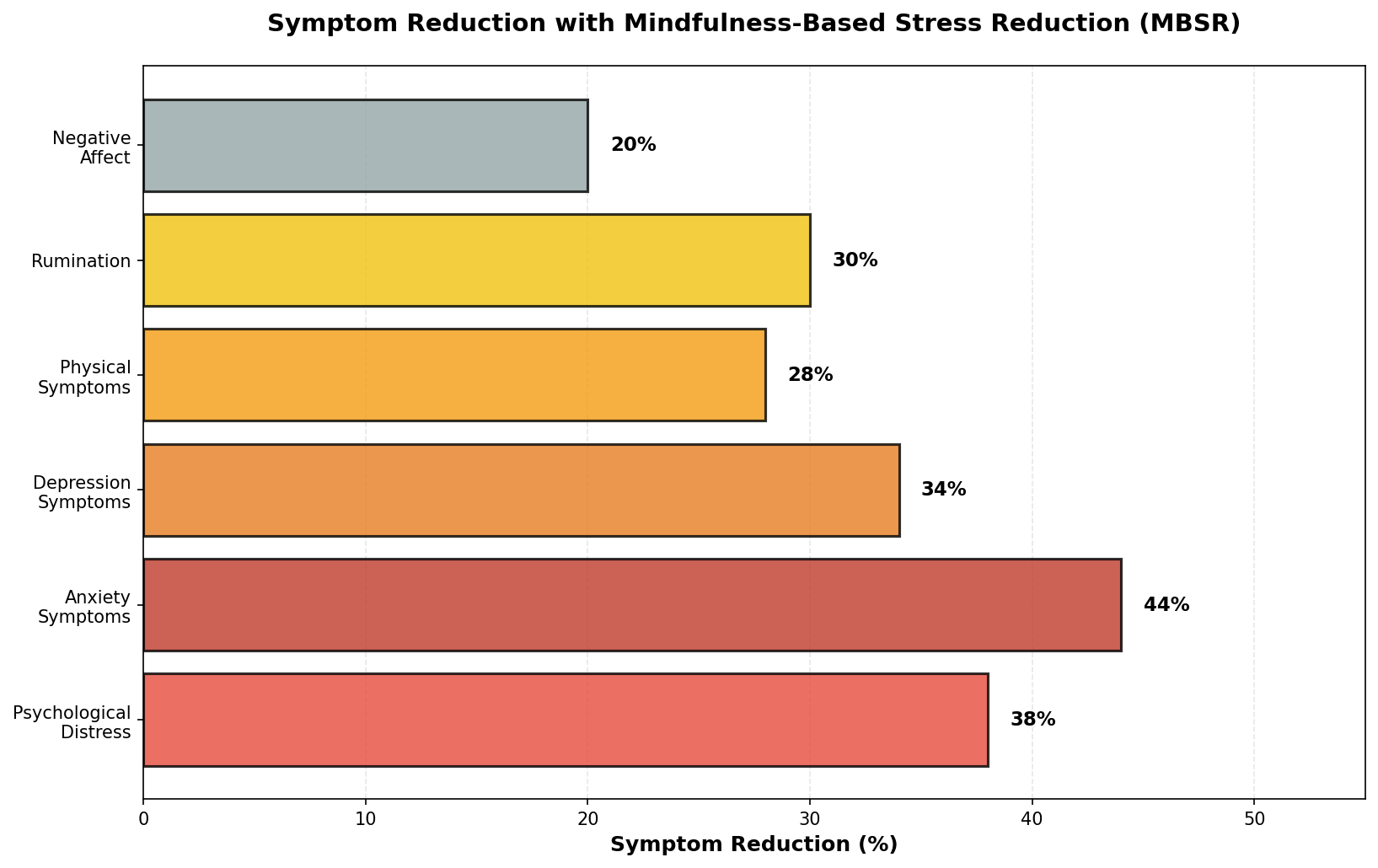 Figure 4: All major interventions show meaningful effect sizes, with group coaching showing the largest effects.
All major interventions show meaningful effect sizes. Group coaching shows the largest effects, whilst mindfulness-based stress reduction shows the most modest (but still moderate) effects. The best choice depends on individual preferences and organisational resources. Importantly, organisations should offer variety; what works for one person may not work for another.
What Recovery Actually Looks Like: A Timeline
Recovery follows a predictable trajectory.
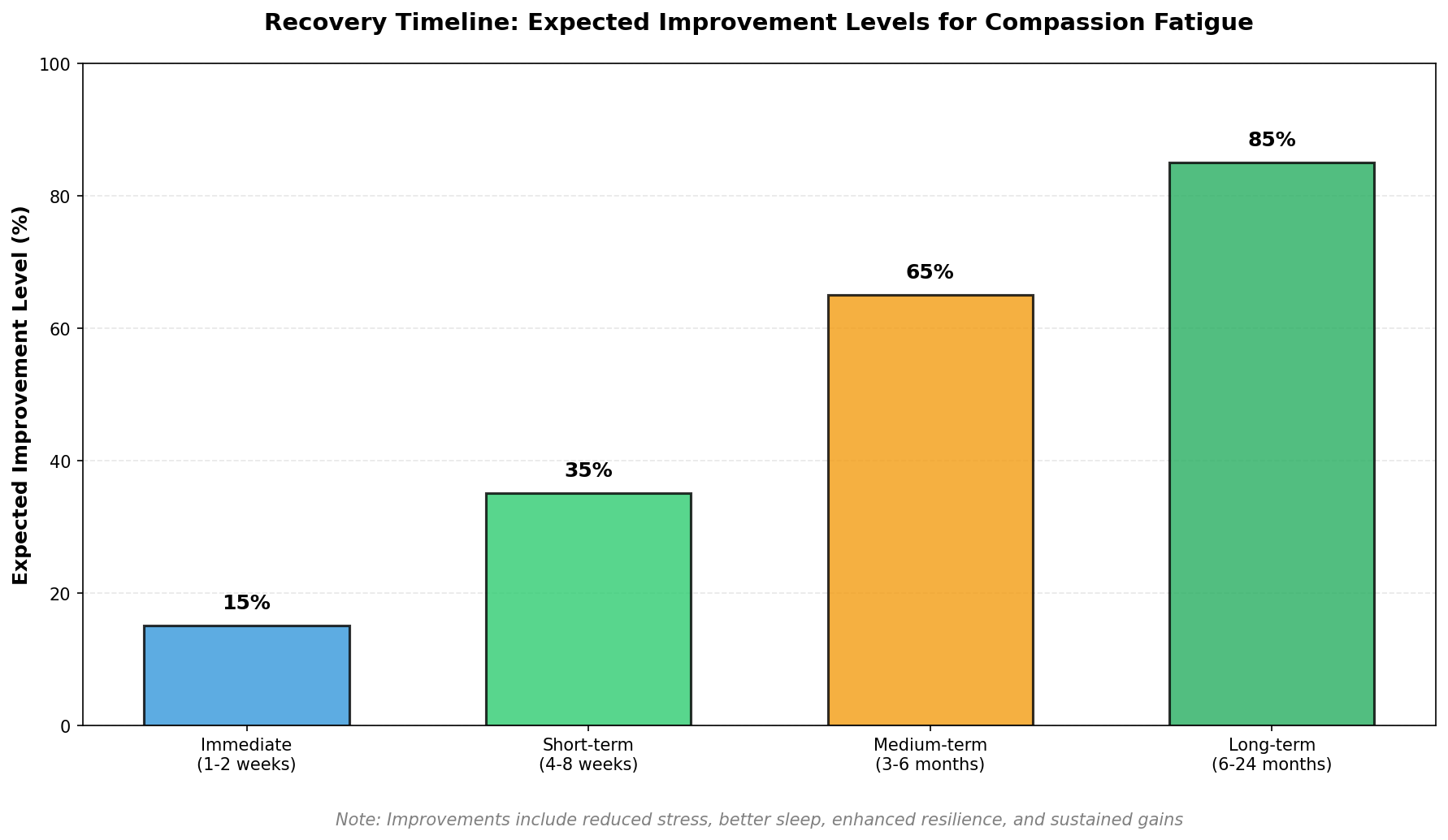 Figure 5: Recovery timeline shows progressive improvement from initial weeks through 24 months, with substantial gains by 6 months.
Immediate Effects (1-2 weeks)
Starting any intervention produces initial improvements: approximately 15% improvement in mood and stress. Sleep improvements begin. Rumination may decrease slightly.
Short-term (4-8 weeks)
Mindfulness and brief interventions show detectable improvements: approximately 35% symptom reduction. Sleep quality improves substantially. Anxiety and depression begin declining noticeably.
Medium-term (3-6 months)
Coaching and therapy show sustained burnout reduction: approximately 65% improvement. Compassion satisfaction increases. Behavioural changes stabilise. Return of enjoyment in work.
Long-term (6-24 months)
Improvements maintain and often improve further: approximately 85% improvement. Continued practice builds sustained resilience. Risk of relapse decreases with sustained interventions.
The research overwhelmingly shows: compassion fatigue is reversible and potentially preventable. People don't have to suffer from compassion fatigue forever. With active treatment combined with organisational support, recovery is genuinely achievable. The timeline is 2-6 months for significant improvement, with continued gains over 2 years.
Intervention Effectiveness Meta-Analysis
A systematic review of 15 randomised controlled trials involving 1,740 participants found that interventions for compassion fatigue are:
- Effective: Demonstrated significant improvements across trials
- Feasible: Can be implemented in real-world settings
- Scalable: Can be adapted and expanded across organisations
This research quality note is important: thirteen of 15 RCTs had a high risk of bias, suggesting even stronger effects may exist with better methodology.
Protective Factors: What Prevents Compassion Fatigue
If you want to prevent compassion fatigue, focus on building these protective factors:
- Colleague support. Strong relationships with colleagues who understand the work
- Work-life balance. Respected boundaries between work and personal life
- Social connections outside work
- Professional acknowledgement of difficult work. When leaders recognise that caring for traumatised people is inherently challenging, workers feel validated rather than blamed
- Maturity and experience. Experienced workers show more resilience, possibly due to established coping mechanisms
- Healthy emotional boundaries. Learning to maintain emotional separation from patients' trauma whilst still providing compassionate care
- Access to supervision and therapy. Regular professional support
- Peer support systems. Meaningful connection with others doing similar work
When to Seek Help: Signs You Need Professional Support
A person experiencing 3-4 of these signs should seek professional support:
Warning Signs Checklist
Physical warning signs:
- Persistent fatigue despite adequate rest
- Frequent headaches or body pain
- Sleep disturbances
- Frequent minor illnesses
- Changes in appetite or digestive issues
Psychological warning signs:
- Increased anxiety or worry
- Depressed mood or hopelessness
- Intrusive thoughts about patients' suffering
- Difficulty concentrating
- Emotional numbness or detachment
Behavioural warning signs:
- Withdrawing from colleagues or friends
- Increased irritability or arguing
- Cynical or negative attitudes
- Avoiding certain patients or work situations
- Reduced enjoyment of activities previously found meaningful
Impact on work quality:
- Making more mistakes than usual
- Less patience with patients or colleagues
- Rushing through patient interactions
- Declining quality of documentation or care
Early recognition enables intervention before compassion fatigue reaches severe levels and prevents the negative progression from stress to emotional exhaustion to behavioural withdrawal to severe health consequences.
What This Means for Different Groups
For individuals experiencing compassion fatigue:
Seek professional support immediately. Contact your employee assistance programme, therapist, or coach. This isn't something to push through; early intervention prevents progression to serious mental health conditions.
For colleagues noticing these signs in someone:
Encourage them to seek professional help. Express concern genuinely. Don't minimise their experience or suggest they just need a holiday.
For organisational leaders:
When you notice widespread signs of compassion fatigue among staff, it's a sign your system is broken, not that your staff are weak. Implement systemic interventions: improve staffing ratios, provide accessible mental health support, acknowledge the difficulty of the work, and build peer support structures.
The Global Nursing Meta-Analysis: By the Numbers
To understand the scale of the crisis, consider this data from 79 studies analysing 28,509 nurses across 11 countries:
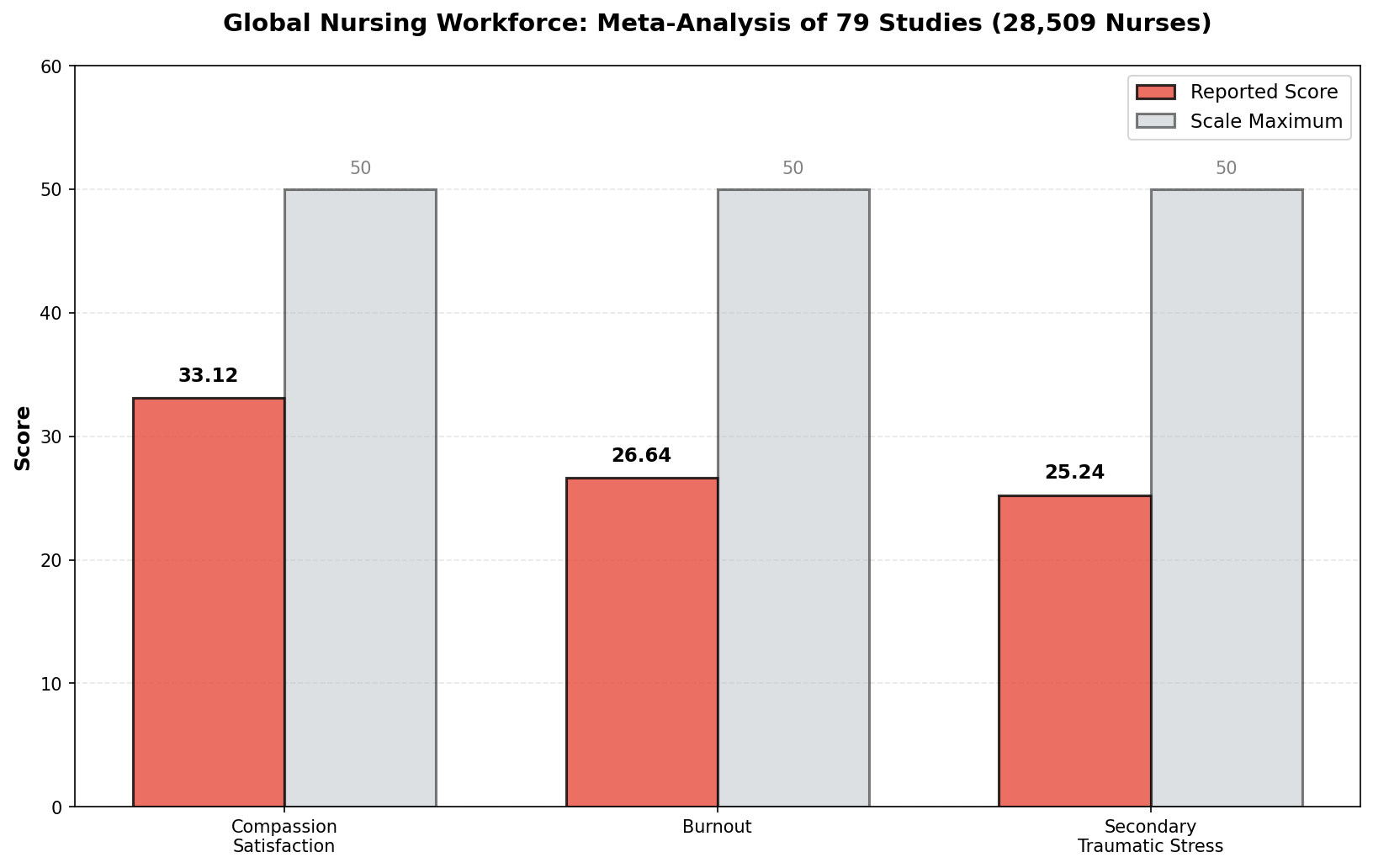 Figure 6: Pooled data from nearly 29,000 nurses across 11 countries show the nursing workforce is under significant strain.
On standard 50-point scales, globally, nurses report:
- Compassion satisfaction: 33.12 (66% of maximum)
- Burnout: 26.64 (53% of maximum)
- Secondary traumatic stress: 25.24 (50% of maximum)
This means nurses maintain some sense of caring satisfaction (66%) despite experiencing significant burnout (53%) and trauma (50%). This indicates nurses haven't given up on their profession but are increasingly stressed. The problem isn't that compassion is dying; it's that the system is overwhelming compassionate people.
The historical trend matters: compassion fatigue levels increased gradually from 2010 to 2019, reaching the highest levels in 2019, with further increases post-COVID. The crisis has been building for over a decade.
Taking Action: Where to Start
If you're experiencing compassion fatigue, recovery doesn't require perfect conditions or endless time away from work.
Immediate Actions (This Week)
- Sleep: Improve sleep hygiene. No caffeine after 2 PM. Consistent bedtime. Eliminate screens 30 minutes before bed
- Movement: Add one 15-minute walk daily. This single change measurably reduces stress and improves mood
- Connection: Reach out to one colleague or friend. Share what you're experiencing
- Mindfulness: Try one 10-minute guided meditation (free apps available). Notice if it helps
Within 2-4 Weeks
- Professional support: Contact your EAP, therapist, or coach. Don't delay this step
- Boundaries: Identify one boundary to set at work
- Nutrition: Add one healthy meal daily
- Reflection: Begin journaling for 5 minutes daily
For Lasting Recovery (2-6 months)
- Treatment: Commit to 8-12 weeks of therapy or coaching
- Organisational support: Advocate for workplace wellness programmes
- Peer connection: Join peer support groups or clinical supervision
- Sustainability: Build practices into daily routine
Further Reading
Understanding Compassion Fatigue
- Compassion Fatigue: Signs, Symptoms, and Impact in Helping Professions
- Secondary Traumatic Stress and Burnout Distinction
- Compassion Fatigue in Nursing: A Concept Analysis
Speciality-Specific Information
- Compassion Fatigue Among Oncology Nurses: Prevalence and Related Factors
- Compassion Fatigue in Emergency Medicine: Current Perspectives
- Compassion Fatigue in Paediatric Emergency Medicine Physicians
- Compassion Fatigue in Mental Health Professionals: A Systematic Review
Self-Care and Prevention Strategies
- Preventing and Alleviating Compassion Fatigue Through Self-Care
- Building Compassion Fatigue Resilience: Awareness, Prevention, and Intervention
- Mindfulness-Based Stress Reduction for Healthcare Professionals
Treatment Options and Effectiveness
- Interventions for Compassion Fatigue in Healthcare Providers: A Systematic Review
- Cognitive Behavioural Therapy for Burnout and Compassion Fatigue
- Professional Coaching to Reduce Physician Burnout
- Peer Support Networks: Implementing Support for Compassion Without Fatigue
Organisational and Systemic Solutions
- Whole-System Approaches to Improving Healthcare Worker Wellbeing
- Organisational Interventions for Reducing Burnout and Supporting Staff Wellbeing
- NHS Staff Mental Health and Wellbeing Hubs
Mental Health Resources
- Addressing Compassion Fatigue - American Psychological Association
- Mindfulness for Mental Wellbeing - NHS
- Managing Stress and Anxiety - Mayo Clinic
References/Helpful Resources
- Stamm BH. The concise ProQOL manual. 2nd ed. Pocatello: ProQOL; 2010.
- Figley CR, Figley KR. Compassion fatigue and secondary traumatisation: figuring out the figures. In: Sattler DN, Boyd-Seale JR, eds. Disaster Mental Health Services: Research, Practice, and Policy. New York: Routledge; 2003.
- American Psychological Association. Compassion fatigue and secondary trauma: addressing the mental health impact of caregiving [Internet]. [cited 2024]. Available from: https://www.apa.org/topics/psychotherapy/compassion-fatigue
- Compassion fatigue in healthcare providers: A systematic review and meta-analysis. PubMed. Available from: https://pubmed.ncbi.nlm.nih.gov/31829113/
- The prevalence of compassion satisfaction and compassion fatigue among nurses: A systematic review and meta-analysis. PubMed. Available from: https://pubmed.ncbi.nlm.nih.gov/34102372/
- The levels, prevalence and related factors of compassion fatigue among oncology nurses: a systematic review and meta-analysis. PubMed. Available from: https://pubmed.ncbi.nlm.nih.gov/33205497/
- Compassion Fatigue in Emergency Medicine: Current Perspectives. PubMed. Available from: https://pubmed.ncbi.nlm.nih.gov/39045605/
- A Cross-sectional Analysis of Compassion Fatigue, Burnout, and Compassion Satisfaction in Paediatric Emergency Medicine Physicians. PubMed. Available from: https://pubmed.ncbi.nlm.nih.gov/31204794/
- Prevalence and Predictive Factors of Compassion Fatigue among Healthcare Workers in Saudi Arabia. PubMed. Available from: https://pubmed.ncbi.nlm.nih.gov/37570377/
- Nursing on empty: compassion fatigue signs, symptoms, and system interventions. PubMed. Available from: https://pubmed.ncbi.nlm.nih.gov/25898441/
- Mindfulness-Based Stress Reduction reduces stress-related psychological distress in healthcare professionals. PubMed. Available from: https://pubmed.ncbi.nlm.nih.gov/20977037/
- Implementing Brief Mindfulness-Based Interventions to Reduce Compassion Fatigue. PubMed. Available from: https://pubmed.ncbi.nlm.nih.gov/37777246/
- Compassion fatigue, compassion satisfaction and mindfulness among healthcare professionals: A meta-analysis of correlational studies and randomized controlled trials. PubMed. Available from: https://pubmed.ncbi.nlm.nih.gov/39908857/
- Mediators of Change in Cognitive Behavior Therapy for Clinical Burnout. PubMed. Available from: https://pubmed.ncbi.nlm.nih.gov/31030867/
- Effectiveness of Acceptance and Commitment Therapy on Post-Traumatic Stress Symptoms, Psychological Inflexibility, and Self-Compassion. PubMed. Available from: https://pubmed.ncbi.nlm.nih.gov/39988922/
- Processes in acceptance and commitment therapy and the rehabilitation of chronic fatigue. PubMed. Available from: https://pubmed.ncbi.nlm.nih.gov/28543320
- Professional Coaching to Reduce Physician Burnout: A Randomized Clinical Trial. PubMed. Available from: https://pubmed.ncbi.nlm.nih.gov/40643743/
- Coaching for primary care physician well-being: A randomized trial and follow-up analysis. PubMed. Available from: https://pubmed.ncbi.nlm.nih.gov/32297776/
- Digital Coaching to Address Health, Wellness, and Burnout Among Healthcare Workers: Pilot Study Results. PubMed. Available from: https://pubmed.ncbi.nlm.nih.gov/39605249/
- Brief Workplace Interventions Addressing Burnout, Compassion Fatigue, and Teamwork: A Pilot Study. PubMed. Available from: https://pubmed.ncbi.nlm.nih.gov/32646295/
- Implementing a Peer Support Network to Promote Compassion Without Fatigue. PubMed. Available from: https://pubmed.ncbi.nlm.nih.gov/30431516/
- Whole-system approaches to improving the health and wellbeing of healthcare workers: A systematic review. PubMed. Available from: https://pubmed.ncbi.nlm.nih.gov/29200422/
- Organisational interventions for improving wellbeing and reducing work-related stress in teachers. PubMed. Available from: https://pubmed.ncbi.nlm.nih.gov/25851427/
- Barriers and enablers to accessing support services offered by staff wellbeing hubs: A qualitative study. PubMed. Available from: https://pubmed.ncbi.nlm.nih.gov/36457933/
- NHS England. Staff mental health and wellbeing hubs [Internet]. [cited 2026]. Available from: https://www.england.nhs.uk/supporting-our-nhs-people/support-now/staff-mental-health-and-wellbeing-hubs/
- Cleveland Clinic. Empathy Fatigue: How Stress and Trauma Can Take a Toll on You [Internet]. [cited 2024]. Available from: https://health.clevelandclinic.org/empathy-fatigue-how-stress-and-trauma-can-take-a-toll-on-you/
