

If you've recently been diagnosed with an autoimmune disease, you've probably spent plenty of time understanding what it means for your daily life: the symptoms, the medications, the lifestyle adjustments. But you may not have thought much about cancer risk, and this topic matters more than many people realise. The relationship between autoimmune diseases and cancer is real, significant, and manageable. Most people with autoimmune disease don't develop cancer, but understanding your specific risks helps you make informed decisions about screening and prevention.
What Are Autoimmune Diseases?
Your immune system is supposed to protect you from invaders: bacteria, viruses, and other harmful agents. But in autoimmune disease, something goes wrong. The immune system mistakenly identifies your own body's tissues as threats and launches an attack against them. This chronic self-directed assault causes inflammation, tissue damage, and the symptoms that define dozens of autoimmune conditions.
The most common autoimmune diseases include:
- Rheumatoid arthritis (RA): attacks joints
- Systemic lupus erythematosus (SLE): affects skin, joints, kidneys, heart, and other organs
- Sjögren's syndrome: attacks moisture-producing glands
- Inflammatory bowel disease (Crohn's disease and ulcerative colitis): damages the digestive tract
- Systemic sclerosis (scleroderma): hardens skin and internal organs
- Coeliac disease: damages the small intestine in response to gluten
- Dermatomyositis: weakens muscles and affects the skin
Autoimmune diseases affect approximately 4.6% of the US population (around 15 million Americans), with women being roughly twice as likely as men to receive a diagnosis. Roughly one-third of people diagnosed with one autoimmune condition go on to develop a second one.
The Cancer Connection: By the Numbers
Here's the straightforward fact: people with autoimmune diseases have a meaningfully elevated cancer risk compared to the general population. But what does "elevated" actually mean?
Research from a large Chinese cohort of over 8,000 autoimmune patients found that 5.3% developed cancer during follow-up (approximately 1 in 19 people). To put this in perspective, the general population cancer risk is lower, but not by an enormous margin. The key point: having an autoimmune disease increases your cancer risk, but doesn't guarantee you'll develop cancer.
Different autoimmune conditions carry different cancer risks. Overall, autoimmune diseases increase cancer risk by 1.5 to 4 times, depending on the specific disease type.
Why Does Autoimmune Disease Increase Cancer Risk?
The relationship between autoimmune disease and cancer stems from several biological mechanisms working simultaneously. Understanding these mechanisms helps explain why screening and prevention matter for your specific condition.
Chronic Inflammation: The Double-Edged Sword
Autoimmune diseases involve perpetual inflammation. Unlike acute inflammation (like when you get a cut and your body responds briefly to heal it), chronic inflammation represents a constant state of immune activation. This creates a biological environment that paradoxically both damages tissues and promotes cancer growth.
Here's how it happens: chronic inflammatory molecules like TNF-alpha and interleukin-6 trigger repeated cycles of tissue damage and repair. Each repair cycle involves rapid cell division. Over the years, this constant turnover, combined with the DNA damage from inflammation, increases the probability that a cell will accumulate the mutations that lead to cancer. Additionally, chronic inflammation impairs your immune system's ability to recognise and eliminate early-stage cancer cells before they become established tumours.
Immune System Dysfunction
The same immune dysregulation that causes autoimmune disease also impairs cancer defence. In autoimmunity, regulatory T cells (specialised immune cells that normally maintain balance) are deficient or dysfunctional. This allows self-directed attack but also means cancer surveillance falters. Additionally, cancer cells have learned to exploit the same immune checkpoints that fail in autoimmune disease, allowing tumours to hide from immune recognition.
Shared Genetic Pathways
Researchers have identified 45 genetic variants shared between autoimmune diseases and cancer risk. These genes predominantly affect T-cell and B-cell signalling pathways (the adaptive immune system's core mechanisms). This means some people inherit a genetic predisposition to both problems simultaneously.
Viral Infections
Dysregulated antiviral immune responses in autoimmune patients create a "fertile field" for oncogenic viruses (those known to cause cancer). Epstein-Barr virus, human papillomavirus, and cytomegalovirus can trigger or worsen autoimmune disease through a process called "molecular mimicry," where viral proteins resemble self-antigens. The combination of chronic autoimmune inflammation plus persistent viral infection dramatically increases cancer risk.
Chronic Tissue Damage
Some autoimmune diseases target specific organs, causing predictable, organ-specific cancers. For example, chronic intestinal inflammation in inflammatory bowel disease leads to colorectal cancer; chronic lung inflammation in scleroderma leads to lung cancer. The repeated injury-repair cycles in chronically damaged tissues create an environment where malignant transformation becomes increasingly likely.
Disease-Specific Cancer Risks
Cancer risk varies dramatically depending on which autoimmune disease you have. Here's what the research shows:
Rheumatoid Arthritis
People with RA have approximately 10–30% higher overall cancer risk, with 20% elevation being the most consistent estimate. The biggest concern is non-Hodgkin lymphoma (NHL), where RA patients face a 60–80% higher risk. The baseline NHL incidence in the general population is about 2%; in RA patients, it rises to approximately 4%.
Smoking dramatically amplifies this risk. RA patients who smoke have a lung cancer risk 19.24 times higher than RA patients who never smoked, compared to 11 times higher for former smokers.
Systemic Lupus Erythematosus (SLE)
SLE increases overall cancer risk by approximately 1.14–1.28 times (14–28% increase). But the real concern is haematologic malignancies. SLE patients face a 3.02-fold increase in any blood cancer and a 4.39-fold increase specifically in non-Hodgkin lymphoma.
Interestingly, SLE appears to reduce risk for certain cancers (breast, prostate, and cutaneous melanoma), possibly because the strong autoimmune response has a protective effect against these hormone-sensitive cancers.
Sjögren's Syndrome
Sjögren's carries the highest lymphoma risk of any autoimmune disease. In a cohort of 1,300 patients, 9.8% developed cancer, with lymphoma being the predominant malignancy. The non-Hodgkin lymphoma risk reaches an astonishing 13.71 times higher than the general population (the highest among all autoimmune diseases).
Inflammatory Bowel Disease (Crohn's Disease and Ulcerative Colitis)
IBD patients face a dramatically escalating colorectal cancer risk based on disease duration:
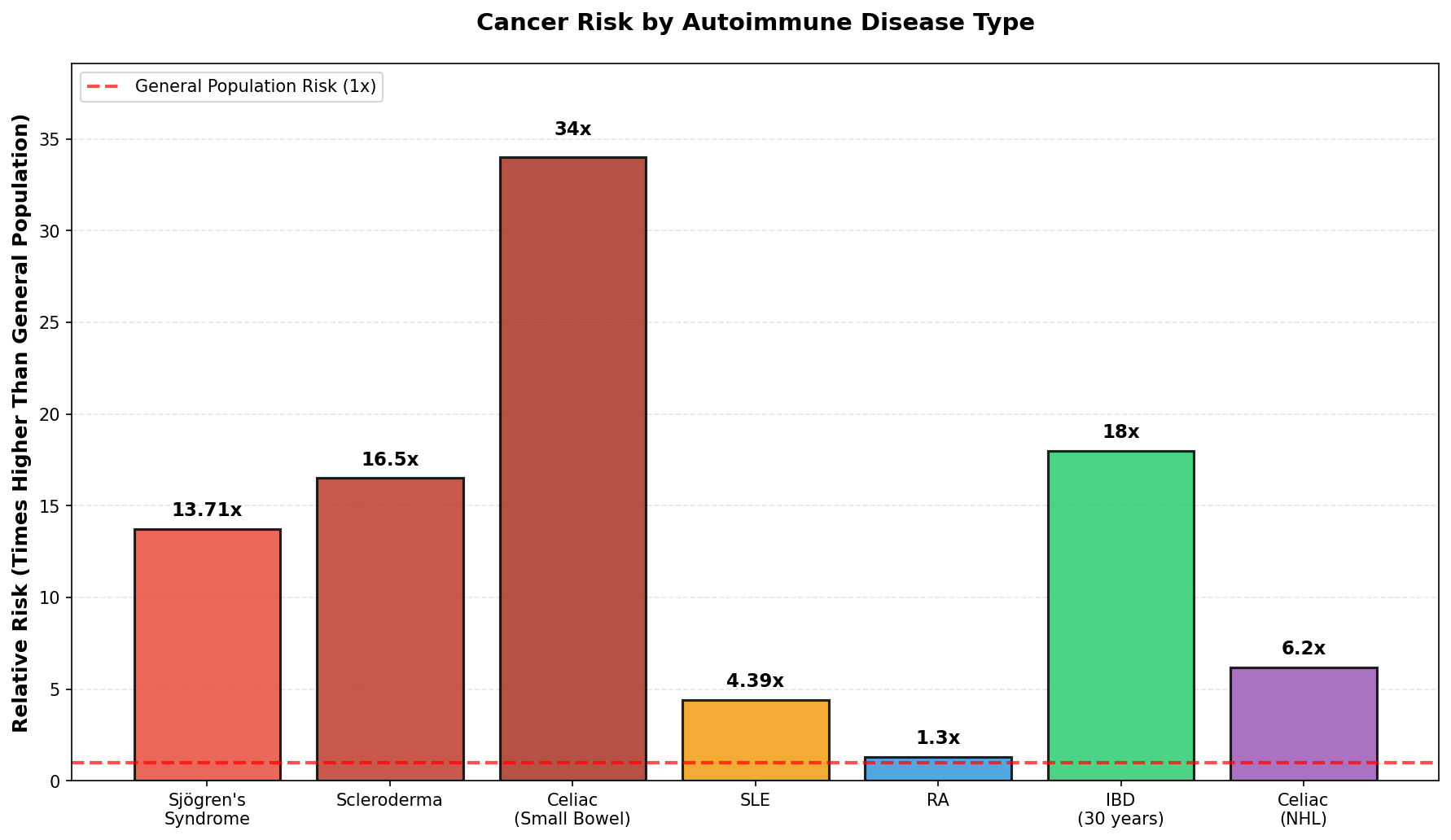 Figure 1: Cumulative colorectal cancer risk increases predictably with disease duration. At 10 years, about 1 in 50 IBD patients will have developed colorectal cancer; by 30 years, this rises to 1 in 5–6. Data from multiple IBD cohort studies.
At 10 years post-diagnosis, approximately 2% (1 in 50) have developed colorectal cancer. By 20 years, this rises to 8% (1 in 12.5). By the age of 30 years, approximately 18% (1 in 5–6) have developed the disease. For someone diagnosed with IBD in their 30s, their 30-year cumulative risk represents a substantial but manageable threat requiring regular screening.
Risk is highest in patients with:
- Greater disease extent (more colon affected)
- Younger age at diagnosis
- Longer disease duration
- Higher inflammation severity
- Family history of colorectal cancer
- Coexisting primary sclerosing cholangitis
Systemic Sclerosis (Scleroderma)
Scleroderma carries the highest lung cancer risk of any autoimmune disease: 16.5 times higher than the general population. Notably, this lung cancer risk exists independent of pulmonary fibrosis (lung scarring) or other lung complications; it results from the disease process itself.
Smoking amplifies this risk dramatically: scleroderma patients who smoke have 7 times higher lung cancer risk than non-smokers with the same disease. Male scleroderma patients face 1.5 times higher lung cancer risk than female patients.
Celiac Disease
Coeliac disease doesn't universally increase overall cancer risk. However, for specific cancer types, the elevations are extreme:
- Non-Hodgkin lymphoma: 6.2× higher risk (persists even with gluten-free diet adherence)
- Small bowel cancer: 34× higher risk (a 34-fold increase for an already rare cancer)
- Oesophagal cancer: 12× higher risk
- Melanoma: 5× higher risk (mechanism unclear)
The increased risk depends on small intestinal histopathology (abnormal tissue findings). Latent coeliac disease (no intestinal changes) shows no increased cancer risk, suggesting that avoiding gluten and allowing intestinal healing may reduce some cancer risk.
Dermatomyositis
Dermatomyositis carries an exceptionally high cancer risk: up to 66% of patients develop cancer, often within the first 3–5 years of diagnosis. This is the highest malignancy association of any autoimmune disease and warrants urgent cancer screening at diagnosis.
Common cancers in dermatomyositis include:
- Ovarian cancer
- Lung cancer
- Breast cancer
- Pancreatic cancer
- Gastric (stomach) cancer
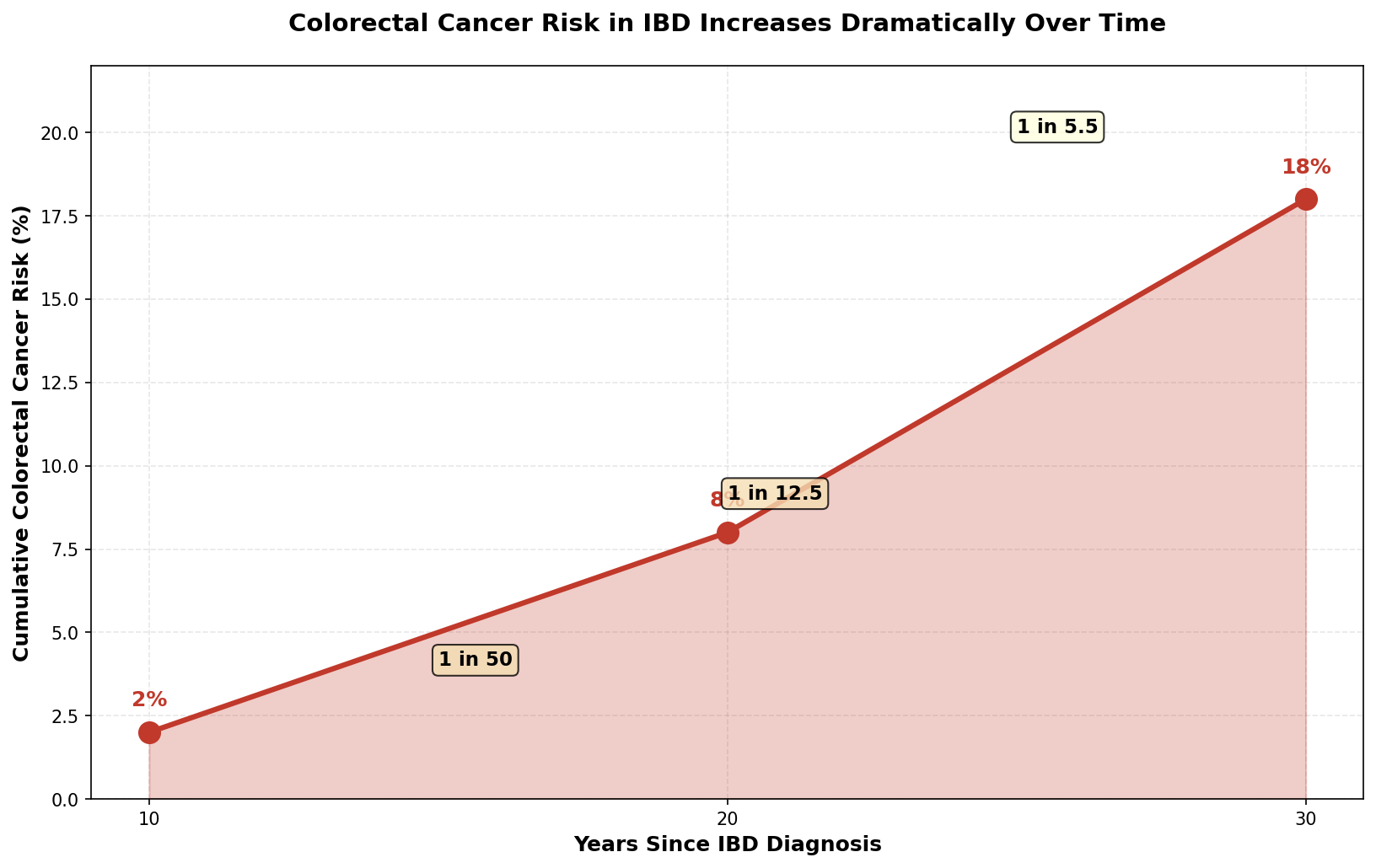 Figure 2: Standardised incidence ratios (SIRs) show how much more likely people with each autoimmune disease are to develop specific cancers. Sjögren's syndrome carries the highest lymphoma risk; scleroderma carries the highest lung cancer risk. Data from multiple PubMed-indexed studies, 2020–2025.
Lymphoma: A Universal Concern Across Autoimmune Diseases
One pattern stands out: lymphoma risk is elevated across virtually every autoimmune disease, though the magnitude varies dramatically. This reflects the underlying mechanism: autoimmune diseases involve continuous activation of B and T lymphocytes (the very cells that become malignant in lymphoma).
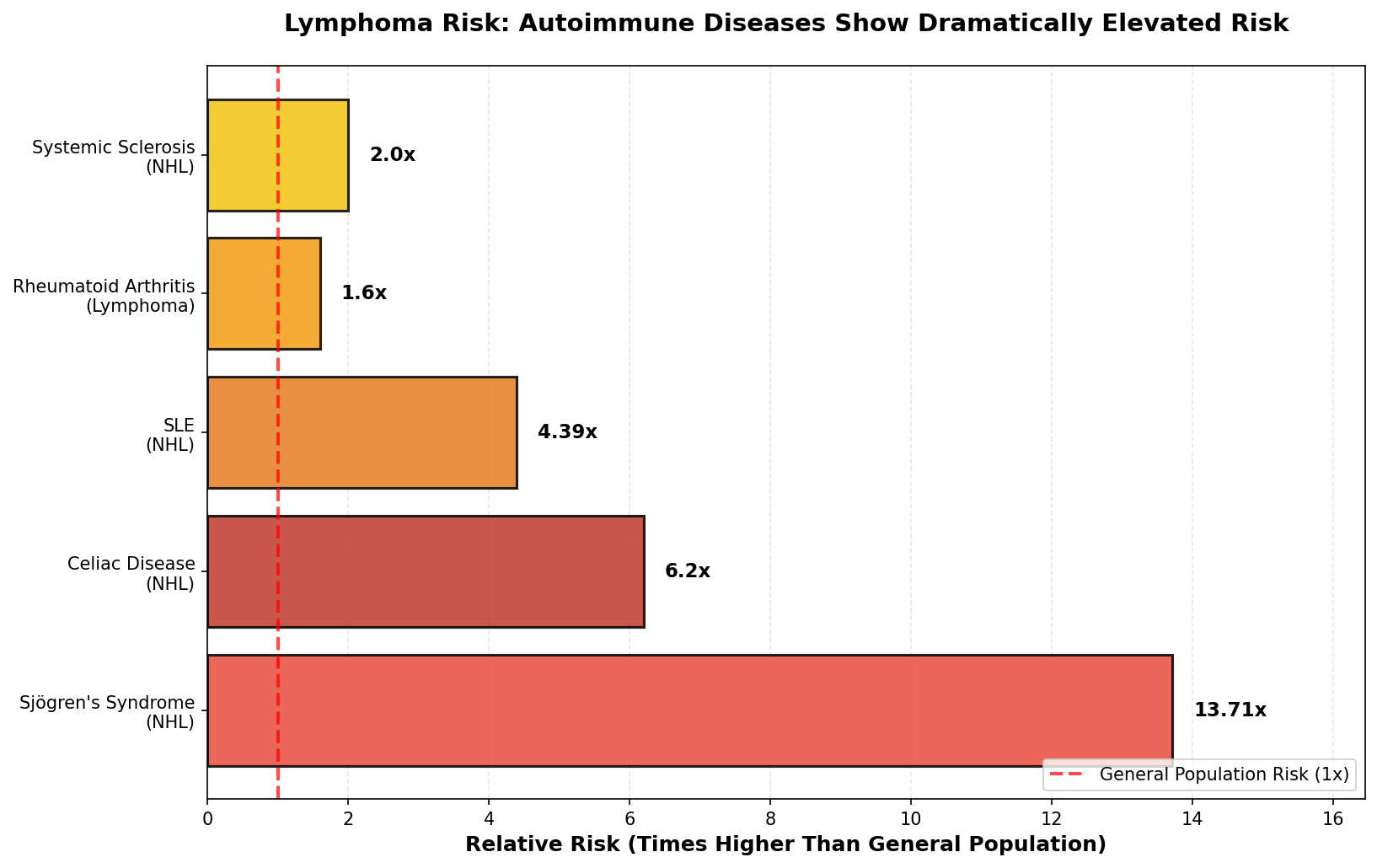 Figure 3: Non-Hodgkin lymphoma (NHL) risk comparison across autoimmune diseases. Sjögren's syndrome carries the highest risk at 13.71×. Even rheumatoid arthritis, which carries a modest overall cancer risk, shows notably elevated lymphoma risk. Data from PubMed-indexed epidemiology studies.
Warning signs of lymphoma include:
- Unexplained swollen lymph nodes (especially if persistent for more than 2 weeks)
- Fever without obvious infection
- Night sweats
- Unintentional weight loss
- Unusual bruising or bleeding
Any of these symptoms warrants discussion with your doctor and consideration of further investigation.
How Medications Affect Cancer Risk
This is where the picture becomes more complex and sometimes counterintuitive. Your autoimmune disease medications significantly influence your cancer risk (sometimes in reassuring ways, sometimes in concerning ways).
Older Immunosuppressants: High Cancer Risk
Azathioprine carries a dramatically elevated cancer risk. Non-transplant autoimmune patients on azathioprine face a 10.9× higher non-Hodgkin lymphoma risk. In transplant patients (where higher doses are used), this rises to 60× higher. Because of this risk, azathioprine is being progressively phased out in favour of modern targeted therapies.
Methotrexate carries a more moderate risk, primarily for non-melanoma skin cancer with prolonged use (>10 years). Methotrexate alone does not significantly increase risk for most cancers, and it remains in use today, but ideally to transition to safer biologics when possible.
Corticosteroids show dose- and duration-dependent cancer risk. Long-term corticosteroid use, especially when combined with other immunosuppressants, increases cancer risk. This is why modern treatment aims to minimise and taper corticosteroid doses as quickly as disease control allows.
Modern Targeted Therapies: Better Safety Profile
TNF inhibitors (infliximab, adalimumab, etanercept) show reassuring safety profiles. Short-term cancer risk does not appear elevated compared to conventional therapies. For most cancer types, TNF inhibitors show no significant increased risk; in some studies, lymphoma and leukaemia risks appear lower than with conventional treatment. The one additional case of non-melanoma skin cancer per 1,600 patient-years of treatment represents a very small increase.
TNF inhibitors have become the preferred modern therapy for many autoimmune diseases precisely because they effectively control disease while carrying a lower cancer risk than older drugs.
JAK inhibitors (tofacitinib, baricitinib) represent a newer class. These drugs show a higher cancer risk than TNF inhibitors. The FDA has issued warnings about increased cancer risk with JAK inhibitors. They're still used when TNF inhibitors are contraindicated or ineffective, but with enhanced surveillance for cancer.
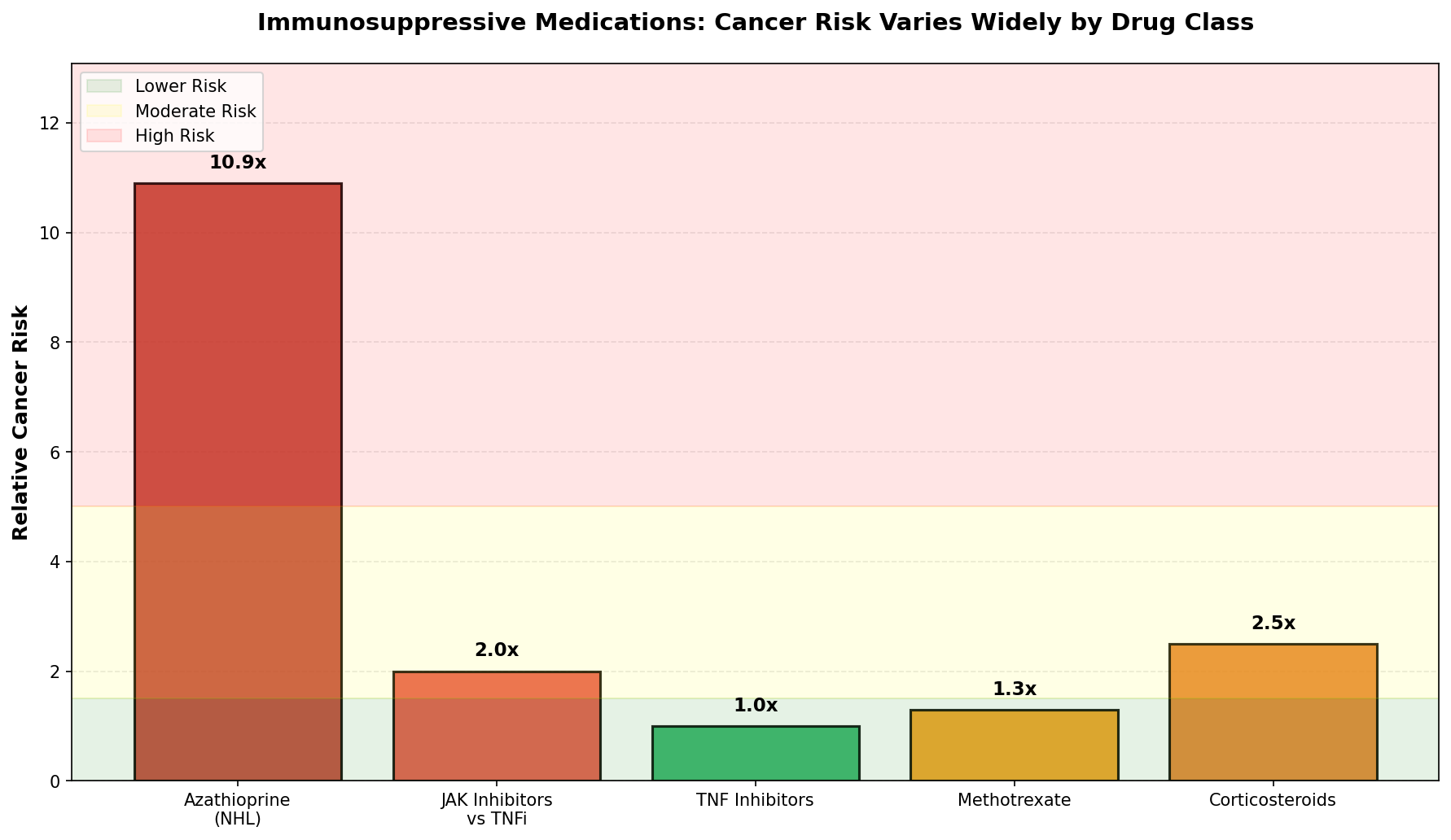 Figure 4: Cancer risk profile of immunosuppressive medications used for autoimmune diseases. Azathioprine carries a very high risk (largely abandoned); methotrexate and corticosteroids carry moderate risk; TNF inhibitors show low risk; JAK inhibitors show moderate-to-high risk. Data from comparative effectiveness studies and FDA safety reviews.
The Paradox of TNF Inhibitors
Interestingly, some research suggests TNF inhibitors may actually reduce cancer risk compared to older drugs despite being immunosuppressive. The theory: TNF inhibitors are highly effective at controlling chronic inflammation (which drives cancer), and while they do suppress some aspects of immunity, they do so more selectively than older drugs. The net effect may be reduced cancer risk through superior disease control. However, this remains an area of active research.
Cancer Screening: A Disease-Specific Approach
Not all autoimmune patients need identical screening strategies. Risk stratification depends on your specific disease and risk factors.
High-Priority Screening Groups
Dermatomyositis patients require urgent comprehensive cancer screening, including consideration of PET-CT imaging and organ-specific evaluations for lung, breast, ovarian, pancreatic, and gastric cancers. The high cancer incidence (up to 66%) and short timeline to cancer development (often 3–5 years) justify intensive screening at diagnosis.
Sjögren's syndrome patients with concerning symptoms (lymphadenopathy, persistent swelling, unexplained systemic symptoms, fever, or night sweats) require urgent evaluation for lymphoma. Routine lymphoma surveillance (clinical examination, abdominal ultrasound) is reasonable for high-risk patients.
Systemic sclerosis patients should have annual or biennial chest imaging (CT) to screen for early lung cancer. Baseline imaging at diagnosis provides a reference for comparison. Endoscopy screening for gastric cancer may be considered in select patients.
SLE patients with long disease duration (>10 years), high disease activity, or cutaneous/pulmonary involvement warrant enhanced lymphoma surveillance.
IBD patients with pancolitis (inflammation of the entire colon) or disease duration >8 years should undergo surveillance colonoscopy with chromoendoscopy every 1–2 years if no dysplasia is detected, or annually if inflammation is difficult to control. Chromoendoscopy (using dye to highlight abnormal tissue) is more effective than random biopsies for detecting dysplasia.
Prevention and Risk Reduction: What You Can Control
Here's encouraging news: roughly 4 out of 10 cancers are preventable through lifestyle changes. For autoimmune patients starting from an elevated baseline risk, these interventions become even more important.
Stop Smoking (Highest Impact)
If you smoke and have RA or scleroderma, smoking cessation is the single most impactful cancer prevention action you can take. Current smokers with RA have a lung cancer risk 19.24 times higher than RA patients who never smoked. Former smokers show 11 times higher risk. Even "occasional" smoking significantly increases cancer risk.
Smoking cessation benefits accumulate within months to years. Your doctor or NHS stop-smoking services can provide evidence-based support, including medications that improve quit rates.
Maintain a Healthy Weight
Obesity increases chronic inflammation and cancer risk. For autoimmune patients, weight management serves a dual purpose: improving disease control and reducing cancer risk. Excess weight promotes oestrogen production and insulin resistance, both of which increase cancer cell growth.
Even a 5–10% weight loss provides meaningful benefit. Target a BMI of 18.5–24.9. Weight loss improves not only cancer risk but also autoimmune disease activity, creating a positive feedback loop.
Exercise Regularly
Aim for 150 minutes of moderate-intensity exercise weekly. Physical activity improves immune function, maintains a healthy weight, and reduces cancer risk, independent of weight loss.
Limit Alcohol
Excessive alcohol increases the risk for breast cancer, head and neck cancers, oesophageal cancer, and colorectal cancer. For autoimmune patients, moderate alcohol consumption (0–1 drink per day for women; 0–2 for men) is reasonable, or complete avoidance if desired.
Optimise Disease Control
Aggressive treatment of autoimmune disease flares reduces the accumulated inflammatory burden that drives cancer. For IBD patients, this means optimal anti-inflammatory therapy and maintenance of remission. For SLE patients, it means minimising corticosteroid doses while maintaining disease control. For all autoimmune patients, working with your rheumatologist or gastroenterologist to achieve disease remission is both a quality-of-life goal and a cancer prevention strategy.
Vaccination
Staying current with vaccinations against oncogenic viruses is important. HPV vaccination (cervical and other cancers) and hepatitis B vaccination (liver cancer) are available to eligible individuals.
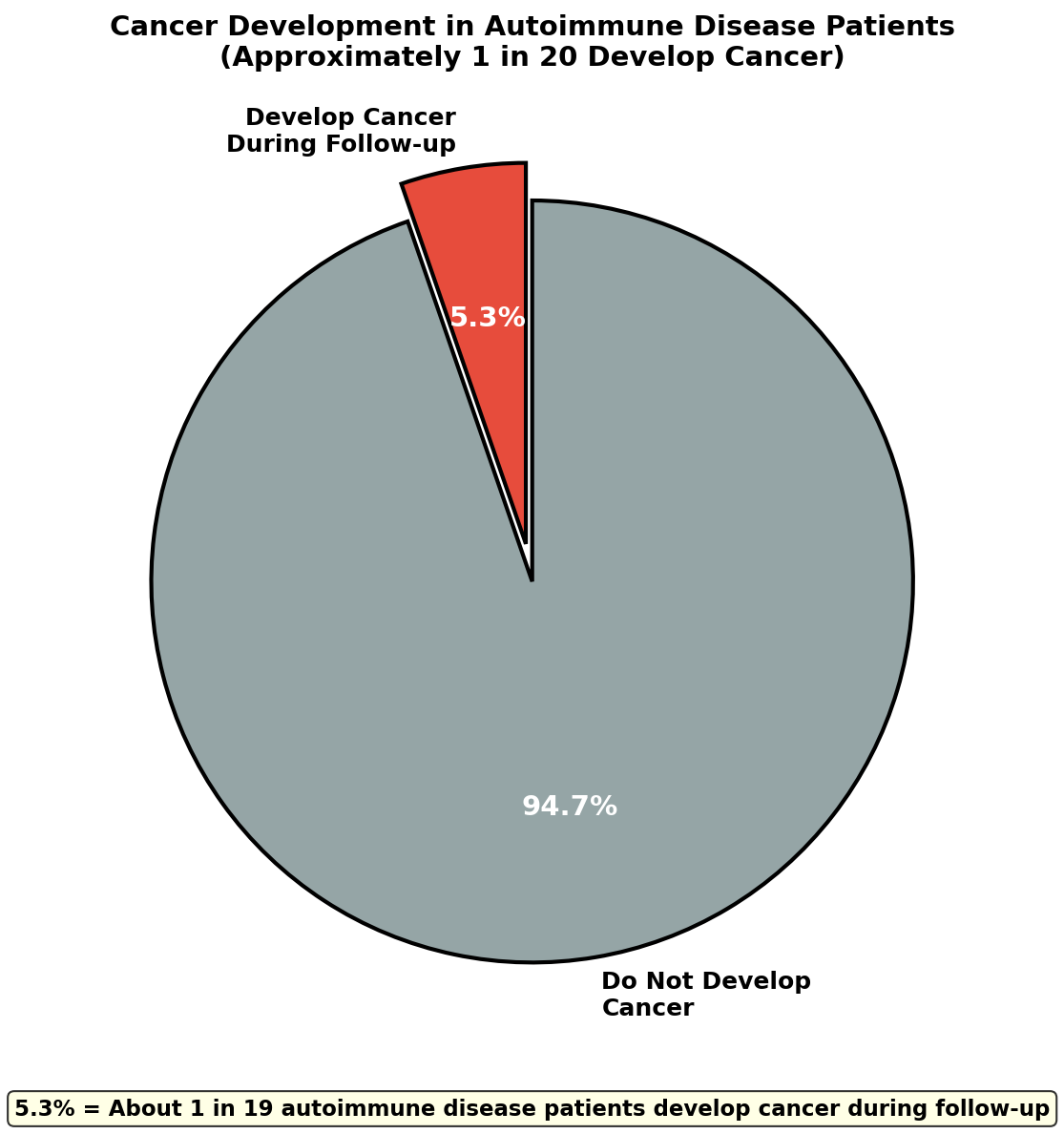 Figure 5: Among autoimmune disease patients, 5.3% develop cancer during follow-up, while 94.7% do not. This demonstrates that while cancer risk is elevated, most autoimmune patients remain cancer-free. Data from a Chinese cohort study of 8,120 autoimmune patients.
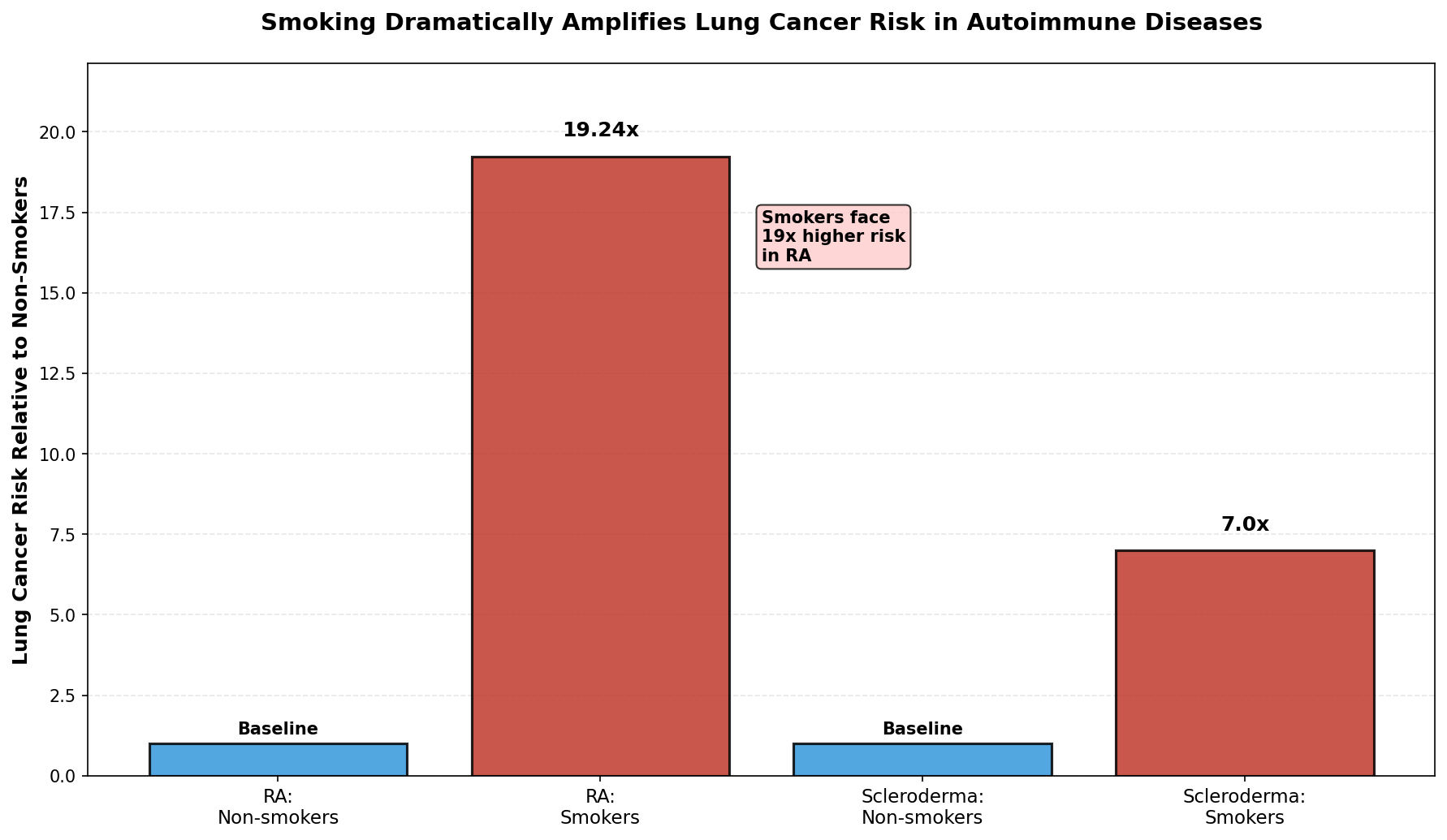 Figure 6: Smoking creates dramatic amplification of lung cancer risk in RA and scleroderma patients. Current smokers with RA face 19.24× higher lung cancer risk compared to non-smokers with RA; scleroderma smokers face 7× amplification. Smoking cessation is the single highest-impact intervention. Data from RA and scleroderma lung cancer epidemiology studies.
When Cancer Develops in Someone with Autoimmune Disease
The diagnosis of cancer in a person with an autoimmune disease introduces additional complexity. Cancer treatments (especially immunotherapies like immune checkpoint inhibitors) may trigger autoimmune flares, while autoimmune medications may affect cancer treatment efficacy.
If you develop cancer while managing an autoimmune disease, close coordination between your oncologist and rheumatologist becomes essential. Immune checkpoint inhibitors can be used in selected autoimmune patients, but approximately 30% experience autoimmune flares requiring additional corticosteroid treatment. Life-threatening flares are rare unless baseline autoimmune disease is particularly severe.
The good news: cancer survival outcomes in autoimmune patients vary by cancer type and stage. Interestingly, some advanced cancers show better survival in autoimmune patients (suggesting the overactive immune system provides anti-cancer benefit in advanced disease), while early-stage cancers may show worse survival (reflecting impaired immune surveillance during tumour development).
Living with the Knowledge: Psychological Impact and Practical Steps
Learning that your autoimmune disease increases cancer risk can feel overwhelming. It's reasonable to experience anxiety. The most constructive response is informed action:
- Know your specific risks. Different autoimmune diseases carry different cancer risks. Understanding your personalised risk profile helps you focus on relevant screening and prevention
- Discuss screening with your doctor. Your rheumatologist or gastroenterologist can help determine whether disease-specific screening (colonoscopy for IBD, chest imaging for scleroderma, etc.) is appropriate for you
- Address modifiable risk factors. Smoking cessation, weight management, exercise, and disease control optimisation have the greatest impact
- Maintain regular follow-up. Routine clinical appointments allow your doctor to monitor for warning signs and catch cancers early, when treatment is most effective
- Report symptoms promptly. Unexplained weight loss, fever, night sweats, or persistent lymphadenopathy warrant evaluation
- Ensure optimal autoimmune disease control. Effective disease management reduces cancer risk by controlling chronic inflammation and supporting immune surveillance
Key Takeaways
Autoimmune diseases significantly increase cancer risk, but this fact doesn't define your prognosis or determine your future. Here's what matters:
About 1 in 19 autoimmune disease patients develop cancer (a meaningful elevation, but not a certainty). Different autoimmune diseases carry different cancer risks; your specific risk depends on your diagnosis. Lymphomas are consistently elevated across all autoimmune diseases, making lymphoma awareness important. Modern targeted therapies (especially TNF inhibitors) carry lower cancer risk than older medications.
Smoking, obesity, and poor disease control are the most impactful modifiable risk factors. Smoking cessation for RA and scleroderma patients can reduce lung cancer risk by 50–80%. Disease-specific screening (colonoscopy for IBD, lung imaging for scleroderma, lymphoma vigilance for Sjögren's) can detect cancers at earlier, more treatable stages.
You have agency in reducing your cancer risk through lifestyle choices, disease control optimisation, and participation in appropriate screening. Work closely with your doctors, maintain healthy habits, and address symptoms promptly. The combination of medical care, informed prevention, and early detection provides the best foundation for long-term health despite autoimmune disease.
Further Reading
Lymphoma and Autoimmune Disease
- Non-Hodgkin Lymphoma Risk in Rheumatoid Arthritis
- Sjögren Syndrome and Lymphoma Risk
- Cancer Risk in Systemic Lupus Erythematosus
Inflammatory Bowel Disease and Colorectal Cancer
- Colorectal Cancer Screening in IBD: Evidence-Based Guidelines
- Dysplasia Detection and Surveillance in Inflammatory Bowel Disease
- Chronic Inflammation and Intestinal Cancer Risk
Systemic Sclerosis and Lung Cancer
- Lung Cancer Risk Factors in Systemic Sclerosis
- Screening Approaches for Early Lung Cancer Detection in Scleroderma
- Pulmonary Fibrosis and Malignancy in Systemic Sclerosis
Medication Safety and Cancer Risk
- TNF Inhibitor Safety in Autoimmune Disease
- JAK Inhibitors and Cancer Risk: Recent Data
- Azathioprine and Lymphoma Risk: Why It's Being Phased Out
Cancer Prevention in Autoimmune Disease Patients
- Lifestyle Modifications and Cancer Risk Reduction
- Smoking Cessation and Lung Cancer Prevention
- Weight Management in Autoimmune Disease: Dual Benefits
Dermatomyositis and Malignancy
Celiac Disease and Lymphoproliferative Malignancy
- Gluten-Free Diet and Cancer Risk in Celiac Disease
- Small Bowel Cancer in Celiac Disease: Mechanisms and Risk Factors
Managing Cancer in Autoimmune Patients
- Immune Checkpoint Inhibitors in Patients with Preexisting Autoimmune Disease
- Multidisciplinary Approach to Cancer Treatment in Autoimmune Patients
References/Helpful Resources
- National Institute of Health (NIH) - National Cancer Institute. Cancer information for patients and healthcare providers [Internet]. Bethesda, MD: NIH; [cited 2025]. Available from: https://www.cancer.gov
- National Institutes of Health (NIH). Autoimmune diseases overview [Internet]. Bethesda, MD: NIH; [cited 2025]. Available from: https://www.niams.nih.gov/health-topics/autoimmune-diseases
- NHS. Autoimmune conditions information and patient guides [Internet]. London: National Health Service; [cited 2025]. Available from: https://www.nhs.uk
- Mayo Clinic. Autoimmune diseases: Diagnosis and management [Internet]. Rochester, MN: Mayo Foundation for Medical Education and Research; [cited 2025]. Available from: https://www.mayoclinic.org
- American College of Rheumatology. Rheumatoid arthritis and cancer risk [Internet]. Atlanta, GA: ACR; [cited 2025]. Available from: https://www.rheumatology.org
- Crohn's and Colitis Foundation. Inflammatory bowel disease resources and cancer screening guidelines [Internet]. New York, NY: CCFA; [cited 2025]. Available from: https://www.crohnscolitisfoundation.org
- American Gastroenterological Association. IBD and colorectal cancer surveillance [Internet]. Bethesda, MD: AGA; [cited 2025]. Available from: https://gastro.org
- Sjögren's Syndrome Foundation. Patient resources and lymphoma awareness [Internet]. New York, NY: SSF; [cited 2025]. Available from: https://www.sjogrens.org
- Scleroderma Foundation. Systemic sclerosis and associated malignancy screening [Internet]. Danvers, MA: SF; [cited 2025]. Available from: https://www.scleroderma.org
- American Thyroid Association. Autoimmune thyroid disease and cancer risk [Internet]. Arlington, VA: ATA; [cited 2025]. Available from: https://www.thyroid.org
- CDC (Centers for Disease Control and Prevention). Cancer prevention and screening guidelines [Internet]. Atlanta, GA: CDC; [cited 2025]. Available from: https://www.cdc.gov/cancer
- PubMed Central. Peer-reviewed biomedical and life sciences journals [Internet]. Bethesda, MD: National Library of Medicine; [cited 2025]. Available from: https://www.ncbi.nlm.nih.gov/pmc
- Harvard Health Publishing. Autoimmune disease and cancer: Evidence-based patient information [Internet]. Boston, MA: Harvard Medical School; [cited 2025]. Available from: https://www.health.harvard.edu
- Johns Hopkins Medicine. Rheumatology and oncology coordination for autoimmune patients [Internet]. Baltimore, MD: Johns Hopkins University; [cited 2025]. Available from: https://www.hopkinsmedicine.org
- Arthritis Foundation. Rheumatoid arthritis information and resources [Internet]. Chicago, IL: Arthritis Foundation; [cited 2025]. Available from: https://www.arthritis.org
