

If you've noticed small, yellowish deposits on your eyelids, you might wonder who typically develops xanthelasma. Xanthelasma palpebrarum is more common than many people realise, yet far from inevitable. Understanding who gets xanthelasma and what it means for your health helps you make informed decisions about screening and treatment.
What Is Xanthelasma?
Xanthelasma refers to soft, yellowish deposits on the eyelids, typically starting near the nose. These are accumulations of cholesterol and lipids in the skin. They're not inherently dangerous, but they signal something about your lipid metabolism and cardiovascular health. Think of xanthelasma as a message: "Something in cholesterol metabolism isn't working right." The good news is that this signal allows you to investigate underlying health issues.
Who Gets Xanthelasma: Age Patterns
Age is one of the strongest predictors of xanthelasma development.
Peak onset occurs between ages 40 and 60, with average diagnosis around age 52. Xanthelasma is extremely rare before age 30. When it appears in younger adults, it often signals an underlying genetic lipid disorder such as familial hypercholesterolaemia, requiring immediate investigation and family screening.
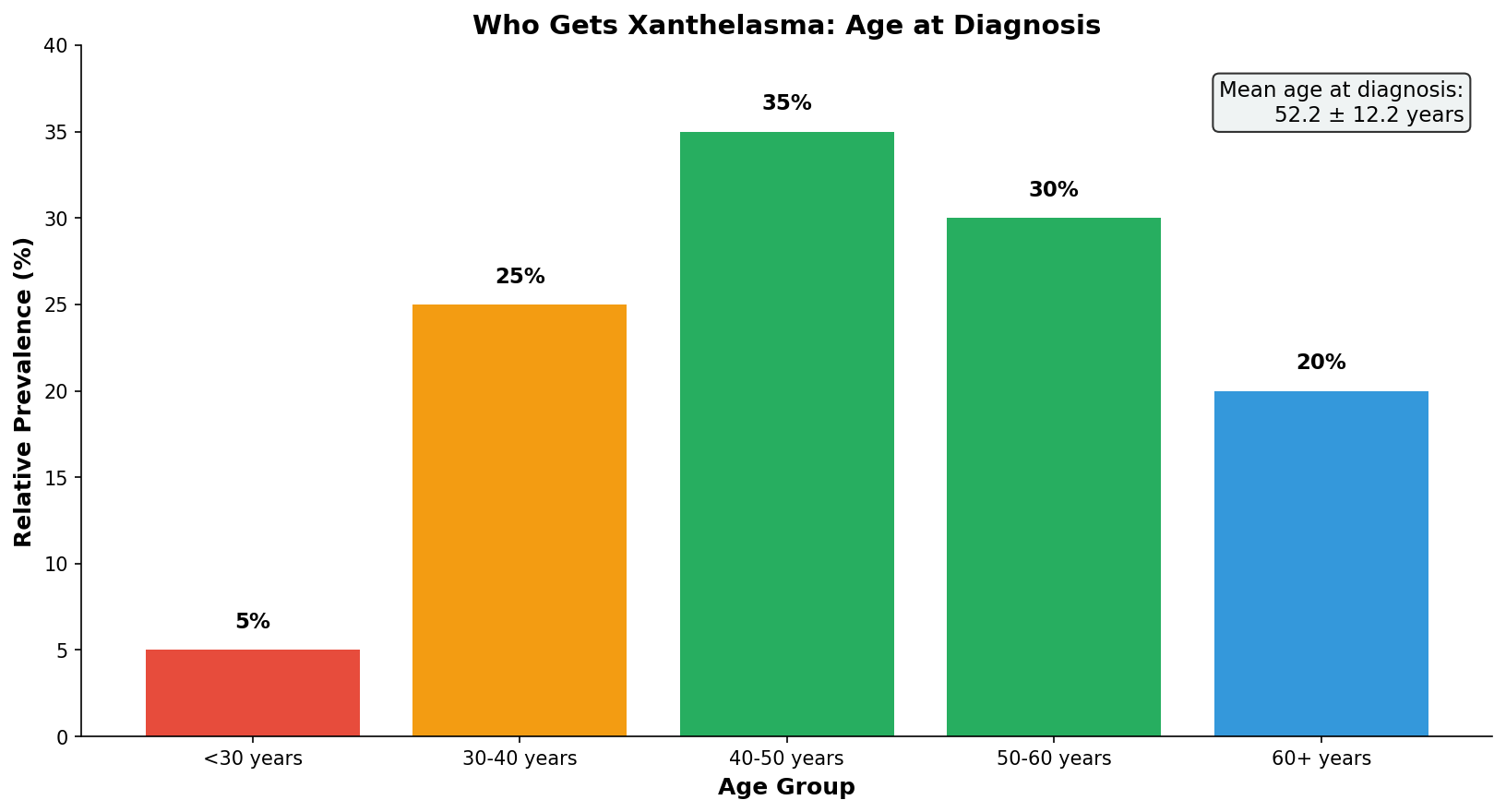
Figure 1: Xanthelasma diagnosis peaks in middle age, with most cases appearing between 40-60 years. Data from population studies in North America and Europe.
Xanthelasma typically requires years or decades of abnormal lipid accumulation before visible deposits form. If you develop it in your 50s, the underlying lipid metabolism problem has likely existed much longer.
However, approximately 40-50% of people with xanthelasma have completely normal cholesterol levels, which is clinically important. The presence of xanthelasma doesn't always mean your lipid profile is abnormal; it sometimes reflects unique patterns in how your body processes cholesterol.
Gender Differences: Who's Affected
Large population screening studies show 69% of xanthelasma cases occur in men, indicating male predominance. However, clinical case series show women present more frequently with xanthelasma, particularly in their 40s and 50s.
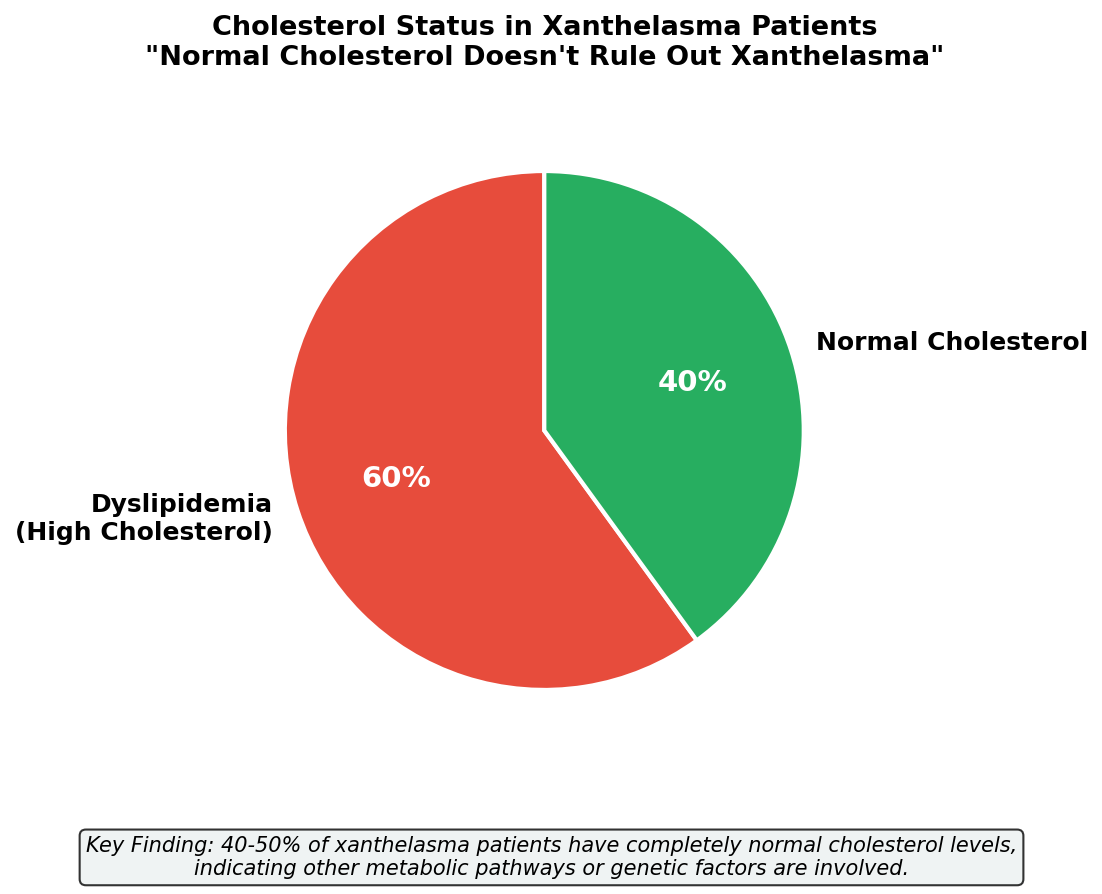 Figure 2: Population studies show male predominance (69% of cases), though clinical presentations vary. Data from large-scale prevalence studies.
Men may develop xanthelasma more frequently at the population level. Alternatively, women might be more likely to seek cosmetic treatment, making them more visible in clinical reports.
Xanthelasma affects both men and women, though it's slightly more common in men overall.
The Cholesterol Connection (And Why It's Complex)
Xanthelasma is fundamentally a disorder of lipid metabolism, yet 40-50% of people with xanthelasma have completely normal cholesterol levels.
If your doctor says "your cholesterol is fine," this doesn't mean you don't have an underlying lipid disorder. The abnormality may not be captured in a basic cholesterol panel.
The Lipid Profile Picture
In people with xanthelasma who have lipid abnormalities:
- Total cholesterol: Elevated, averaging around 221 mg/dL (normal: ~200 mg/dL)
- LDL cholesterol: Significantly elevated in most cases
- HDL cholesterol: The most striking finding
In patients with xanthelasma, HDL cholesterol averages 30–36 mg/dL, markedly lower than the healthy reference range (45 mg/dL for men, 50 mg/dL for women). 94% of xanthelasma patients have HDL below their age-matched reference range.
HDL removes excess cholesterol from tissues and transports it to the liver. When HDL is low, cholesterol cannot be efficiently cleared from your skin, which explains why low HDL is the most consistent lipid abnormality in patients with xanthelasma.
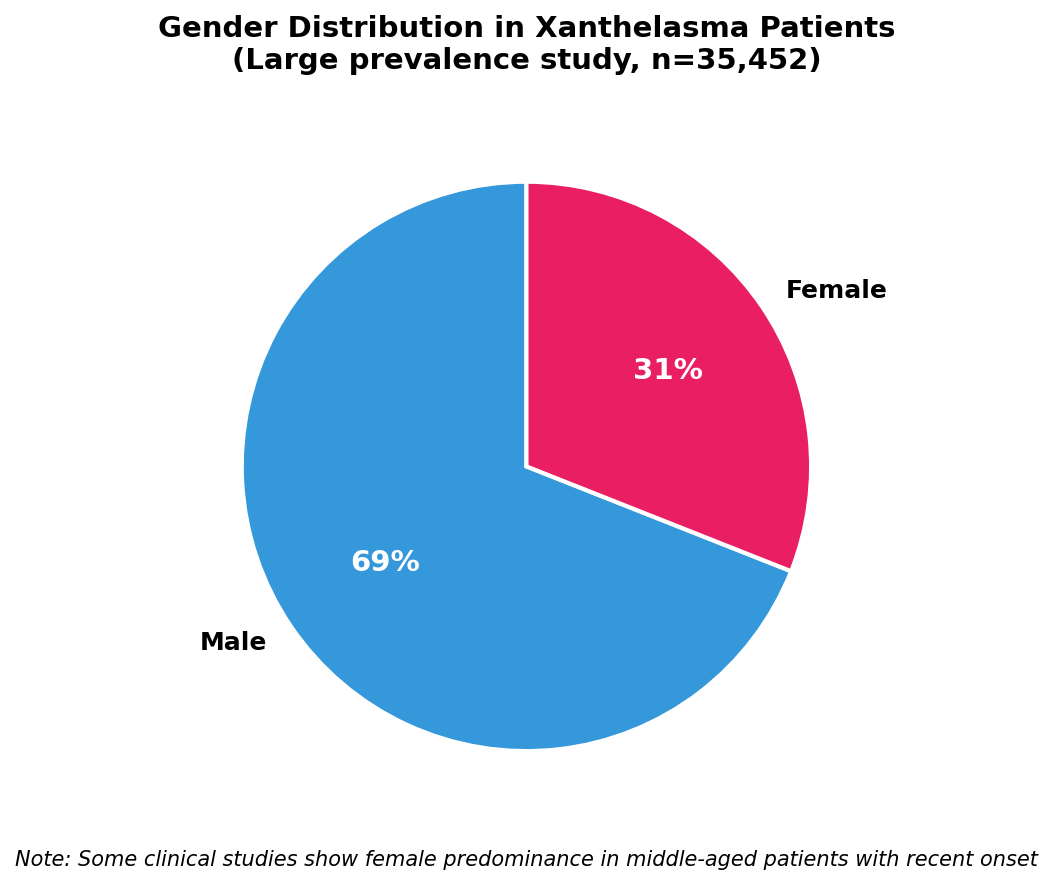 Figure 3: Lipid profiles in xanthelasma patients typically show elevated total cholesterol, elevated LDL, and notably decreased HDL. This data is compiled from multiple case-control studies.
- Triglycerides: Often elevated, averaging around 186 mg/dL (normal: <150 mg/dL)
- Apolipoprotein abnormalities: Elevated apolipoprotein B and reduced apolipoprotein A-1
The "Normal Cholesterol" Cases
What about people with xanthelasma and normal cholesterol? Research suggests several explanations: genetic variations in apolipoprotein genes that affect lipid processing, abnormal lipid particle composition that standard tests miss, local skin metabolic dysfunction, or inherited conditions causing selective deposits. If you have xanthelasma with "normal" cholesterol, ask your doctor for sophisticated lipid testing to assess apolipoprotein levels and particle composition. Cardiovascular risk depends not just on total cholesterol but on how those lipids are packaged and transported.
Metabolic Risk Factors: Beyond Cholesterol
Xanthelasma doesn't exist in isolation. It's frequently accompanied by other metabolic conditions that cluster together, creating a recognisable health pattern.
Dyslipidemia and Beyond
Dyslipidemia (abnormal lipid metabolism) appears in 60-80% of xanthelasma patients. While xanthelasma signals a lipid problem, it's rarely the only problem present. Xanthelasma often serves as a visible marker of broader metabolic dysfunction.
Other conditions commonly found alongside xanthelasma include: diabetes (18%), prediabetes (26.3%), hypertension (37.7% overall; 82.6% with metabolic syndrome), hypothyroidism (24.4%), and obesity (elevated waist circumference in 100% of patients with metabolic syndrome).
Metabolic Syndrome: The Big Picture
76.1% of xanthelasma patients aged 41+ have metabolic syndrome (a cluster of elevated blood pressure, raised fasting glucose, abnormal triglycerides, reduced HDL, and abdominal obesity). If you're over 41 and develop xanthelasma, metabolic syndrome screening is essential, even without prior diagnosis.
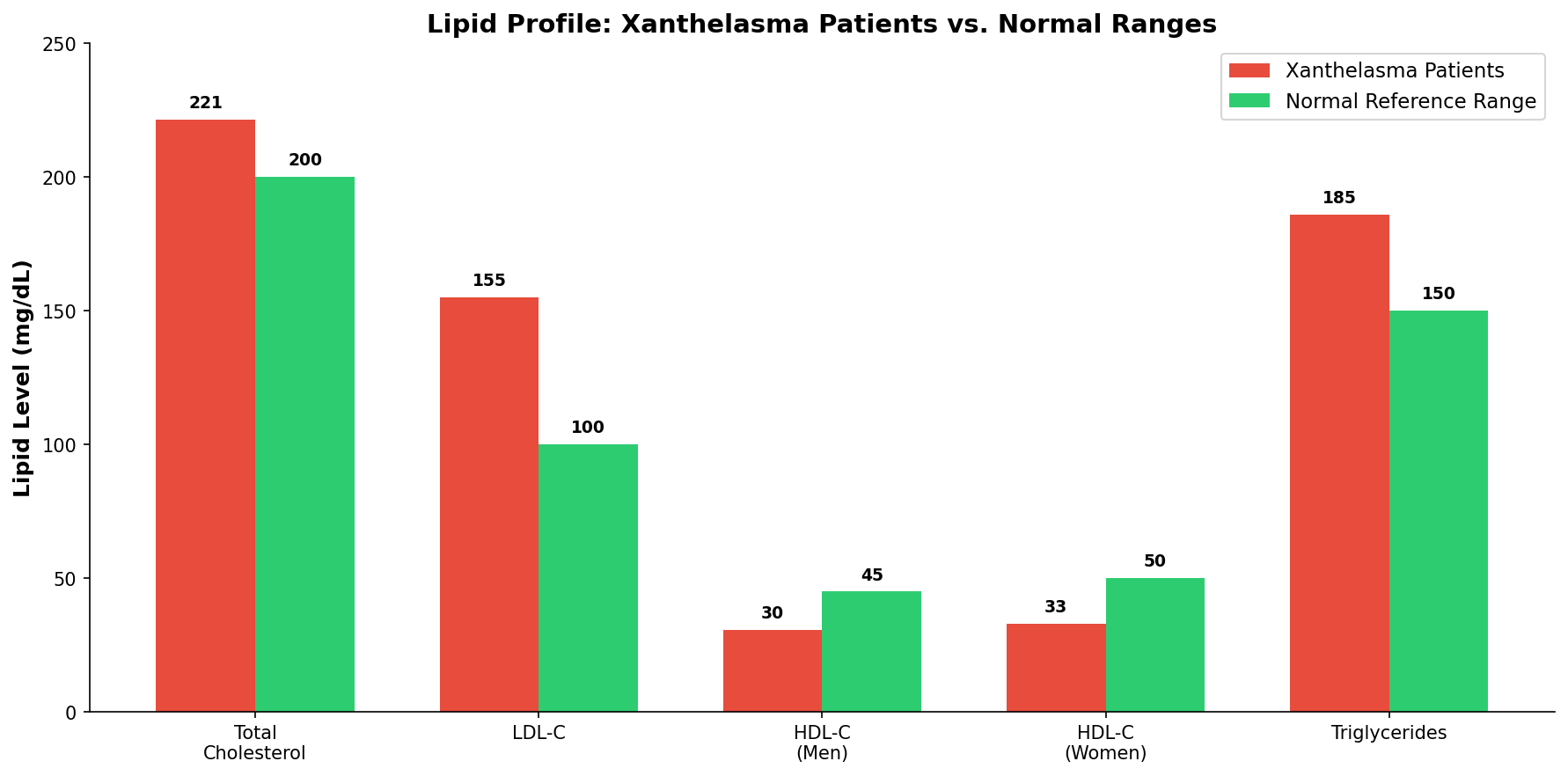 Figure 4: Metabolic syndrome risk increases substantially with age in xanthelasma patients. Data from case-control and cohort studies.
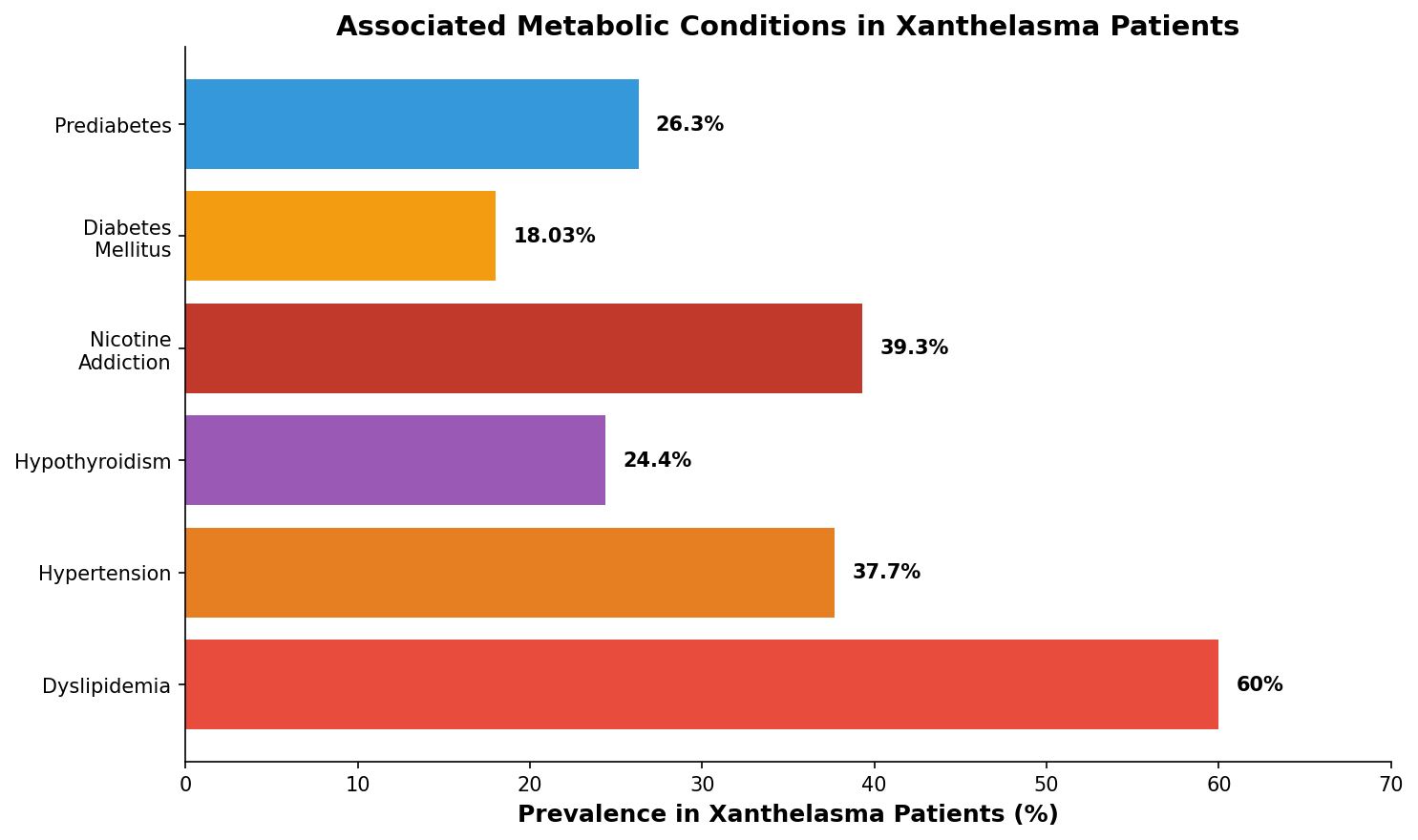 Figure 5: Xanthelasma frequently co-occurs with multiple metabolic conditions. The highest prevalences are hypertension, hypothyroidism, and diabetes-related conditions.
Genetic Predisposition: When Xanthelasma Runs in Families
Does xanthelasma run in families? The answer is: sometimes, and the genetic link is particularly strong in specific inherited lipid disorders.
Familial Hypercholesterolaemia: The Primary Genetic Connection
The strongest hereditary link to xanthelasma is familial hypercholesterolaemia (FH), an autosomal dominant condition affecting cholesterol metabolism from birth. FH affects approximately 1 in 250 people globally. Xanthelasma develops in 18.5% of FH patients (compared to 0.6-0.78% in the general population), typically in severe cases with other xanthomas and corneal arcus.
If you develop xanthelasma before age 40, especially with a family history of early heart disease or high cholesterol, FH testing should be considered. This matters because FH is inherited (50% of children affected if you carry the mutation), causes severe lifetime cardiovascular risk from birth, and early treatment prevents premature heart disease in your family.
The Genetic Basis of FH
FH mutations affect specific genes: LDLR gene (79% of cases; codes for LDL receptor), APOB gene (5% of cases), and PCSK9 gene (less common). These mutations impair cholesterol clearance, causing accumulation in the bloodstream and tissue deposits, including xanthelasma. Other rare inherited lipid disorders (LCAT deficiency, cerebrotendinous xanthomatosis) occasionally cause xanthelasma. Research also shows variations in apolipoprotein genes influence xanthelasma risk, suggesting complex multi-gene pathways in most cases.
Geographic and Population Patterns
Xanthelasma appears across the globe, though prevalence estimates vary considerably by study methodology. In general screening studies, xanthelasma prevalence is 0.6-0.78%, meaning roughly 1 in 130-160 people in the general population. However, in more intensive screening studies like the Copenhagen City Heart Study (a large Danish population cohort), prevalence reaches 4.4%, suggesting that less intensive clinical examination misses many cases.
This variation depends on several factors: study methodology (prospective cohorts with careful examination report higher rates than retrospective data), population characteristics (older populations show higher prevalence), geographic location (North America, Europe, and Asia all report cases; Southern Hemisphere and African data remain limited), and clinical setting (intensive dermatology clinic screening captures more cases than general population surveys).
The bottom line: xanthelasma is far more common than many people realise. If you're in your 50s or 60s, there's roughly a 4-5% chance you have xanthelasma, even if you haven't noticed it yet.
Your Personal Risk Profile
Understanding your xanthelasma risk requires looking at several factors together:
Age is your single strongest predictor. If you're under 30, xanthelasma is genuinely unusual and warrants investigation for genetic lipid disorders. If you're 40-60, you're in the peak risk period. If you're over 60, the risk remains elevated but becomes increasingly expected.
Lipid profile matters greatly, particularly your HDL cholesterol. Low HDL is the most consistent abnormality in xanthelasma patients. If your HDL is below 40 mg/dL (for men) or 50 mg/dL (for women), your risk increases substantially. Check your lipid panel, and if it looks normal, ask about sophisticated testing.
Metabolic health plays an important role. Do you have hypertension, diabetes or prediabetes, or unexplained obesity? These conditions frequently coexist with xanthelasma, and if you have multiple metabolic problems, metabolic syndrome screening is warranted.
Thyroid function is relevant because hypothyroidism contributes to dyslipidemia and xanthelasma development. If you have unexplained lipid abnormalities, thyroid screening is reasonable.
Family history matters significantly. If your parents, siblings, or children have xanthelasma, early or severe heart disease, high cholesterol, or were diagnosed with familial hypercholesterolaemia, your personal risk increases substantially. In families with FH, genetic testing can confirm the diagnosis and guide relatives to preventive treatment.
What This Means for You: Clinical Implications
If you have xanthelasma or suspect you might be developing it, here's what you should do:
Immediate steps: See your doctor for a comprehensive lipid panel, even if you think your cholesterol is normal. Request sophisticated lipid testing (apolipoprotein levels, lipid particle analysis) if your basic panel looks normal. Have your blood pressure and blood sugar assessed. Consider thyroid screening with TSH and free T4 tests to identify hypothyroidism, a treatable contributor to lipid abnormalities. Discuss family history regarding xanthelasma, high cholesterol, and early heart disease.
Risk stratification: If xanthelasma develops before age 40, especially with elevated cholesterol or family history, ask your doctor about genetic testing for familial hypercholesterolaemia. This can be life-changing for you and your relatives.
If xanthelasma develops after age 40 without severe cholesterol elevation, your risk is primarily driven by metabolic syndrome components. Addressing hypertension, glucose control, and obesity becomes especially important.
Treatment: Active lipid-lowering therapy may be beneficial, including statins or other medications, intensive lifestyle modification (diet, exercise, weight management), and treatment of underlying metabolic conditions.
Xanthelasma presence does not automatically mean serious disease will develop. Many people with xanthelasma and dyslipidemia remain healthy for decades. However, xanthelasma is a valuable early warning system, allowing you to investigate and treat underlying metabolic problems before they cause heart disease or stroke. Treatment can stop xanthelasma progression and sometimes even lead to partial regression of existing deposits.
Why Understanding Xanthelasma Matters
Xanthelasma is visible proof that lipid metabolism isn't working optimally. But it's also an opportunity: it's a sign that you can take action before metabolic problems progress to dangerous levels.
Whether xanthelasma runs in your family or you've noticed deposits on your eyelids, the message is the same: get a comprehensive metabolic assessment. Understand your cholesterol patterns, your metabolic syndrome risk, and your family history. Then work with your doctor to address underlying problems through treatment, lifestyle modification, or both.
The good news? All the conditions associated with xanthelasma are treatable. Early intervention makes a real difference.
Further Reading
Understanding Xanthelasma
Lipid Disorders and Cholesterol
- Understanding lipid metabolism and dyslipidemia
- Low-density lipoprotein and atherosclerotic cardiovascular disease
- High-density lipoprotein cholesterol and reverse cholesterol transport
Familial Hypercholesterolaemia
- Familial hypercholesterolaemia: genetics and clinical management
- Familial hypercholesterolaemia and cardiovascular risk
- NHS Familial hypercholesterolaemia information
Metabolic Syndrome
Related Cardiovascular Risk Factors
- Hypertension and cardiovascular health
- Hypothyroidism and lipid disorders
- Diabetes and metabolic complications
Screening and Prevention
References/Helpful Resources
- Blair K, Shah SS. Xanthelasma Palpebrarum. In: StatPearls [Internet]. Treasure Island (FL): StatPearls Publishing; 2026 [cited 2026 Aug 3]. Available from: http://www.ncbi.nlm.nih.gov/books/NBK531501/ PubMed PMID: 30285396. Available from: https://www.ncbi.nlm.nih.gov/books/NBK531501/
- Lustig-Barzelay Y, Kapelushnik N, Goldshtein I, Leshno A, Segev S, Ben-Simon GJ, et al. Association Between Xanthelasma Palpebrarum and Cardiovascular Risk and Dyslipidemia: A Case-Control Study. Ophthalmology. 2025 Feb;132(2):164–9. doi:10.1016/j.ophtha.2024.07.033 PubMed PMID: 39111668. Available from: https://pubmed.ncbi.nlm.nih.gov/39111668/
- Dey A, Aggarwal R, Dwivedi S. Cardiovascular profile of xanthelasma palpebrarum. Biomed Res Int. 2013;2013:932863. doi:10.1155/2013/932863 PubMed PMID: 23865074; PubMed Central PMCID: PMC3705817. Available from: https://pubmed.ncbi.nlm.nih.gov/23865074/
- Segal P, Insull W, Chambless LE, Stinnett S, LaRosa JC, Weissfeld L, et al. The association of dyslipoproteinemia with corneal arcus and xanthelasma. The Lipid Research Clinics Program Prevalence Study. Circulation. 1986 Jan;73(1 Pt 2):I108-118. PubMed PMID: 3940677. Available from: https://pubmed.ncbi.nlm.nih.gov/3940677/
- Chang HC, Sung CW, Lin MH. Serum lipids and risk of atherosclerosis in xanthelasma palpebrarum: A systematic review and meta-analysis. J Am Acad Dermatol. 2020 Mar;82(3):596–605. doi:10.1016/j.jaad.2019.08.082 PubMed PMID: 31499151. Available from: https://pubmed.ncbi.nlm.nih.gov/31499151/
- Zak A, Zeman M, Slaby A, Vecka M. Xanthomas: clinical and pathophysiological relations. Biomed Pap Med Fac Univ Palacky Olomouc Czech Repub. 2014 Jun;158(2):181–8. doi:10.5507/bp.2014.016 PubMed PMID: 24781043. Available from: https://pubmed.ncbi.nlm.nih.gov/24781043/
- Masana L. Familial hypercholesterolemia: xanthelasma, corneal arcus and tendon xanthomas, only in severe forms. QJM. 2018 Apr 1;111(4):279. doi:10.1093/qjmed/hcy005 PubMed PMID: 29346676. Available from: https://pubmed.ncbi.nlm.nih.gov/29346676/
- Rallidis LS, Rizos CV, Papathanasiou KA, Liamis G, Skoumas I, Garoufi A, et al. Physical signs and atherosclerotic cardiovascular disease in familial hypercholesterolemia: the HELLAS-FH Registry. J Cardiovasc Med (Hagerstown). 2024 May 1;25(5):370–8. doi:10.2459/JCM.0000000000001612 PubMed PMID: 38526957. Available from: https://pubmed.ncbi.nlm.nih.gov/38526957/
- Chen Y, He XJ, Zhou MJ, Li YM. Gastric xanthelasma and metabolic disorders: A large retrospective study among the Chinese population. World J Gastroenterol. 2017 Nov 21;23(43):7756–64. doi:10.3748/wjg.v23.i43.7756 PubMed PMID: 29209116; PubMed Central PMCID: PMC5703935. Available from: https://pubmed.ncbi.nlm.nih.gov/29209116/
- Hu W, Liu Y, Lian C, Lu H. Genetic insight into putative causes of xanthelasma palpebrarum: a Mendelian randomisation study. Front Immunol. 2024 Mar 27;15:1347112. doi:10.3389/fimmu.2024.1347112 PubMed PMID: 38601164; PubMed Central PMCID: PMC11004296. Available from: https://pmc.ncbi.nlm.nih.gov/articles/PMC11004296/
- Tursen U, Eskandari G, Kaya TI, Tamer L, Ikizoglu G, Atik U. Apolipoprotein E polymorphism and lipoprotein compositions in normolipidaemic xanthelasma patients. J Eur Acad Dermatol Venereol. 2006 Mar;20(3):260–3. doi:10.1111/j.1468-3083.2006.01418.x PubMed PMID: 16503883. Available from: https://pubmed.ncbi.nlm.nih.gov/16503883/
- Goyal P, Gupta V, Aithal S, Meena D, Dhillon KS. Assessment and Predictors of Metabolic Syndrome in Patients of Xanthelasma Palpebrarum: An Observational Study. Dermatol Pract Concept. 2024 Oct 30;14(4):e2024218. doi:10.5826/dpc.1404a218 PubMed PMID: 39652943; PubMed Central PMCID: PMC11619980. Available from: https://pubmed.ncbi.nlm.nih.gov/39652943/
- National Institute of Diabetes and Digestive and Kidney Diseases. Metabolic syndrome [Internet]. [cited 2026 Jul 30]. Available from: https://www.niddk.nih.gov/health-information/heart-kidney-blood-diseases/metabolic-syndrome
- American Heart Association. High blood pressure information and resources [Internet]. [cited 2026 Jul 30]. Available from: https://www.heart.org/en/health-topics/high-blood-pressure
- National Health Service. Familial hypercholesterolaemia [Internet]. [cited 2026 Jul 30]. Available from: https://www.nhs.uk/conditions/familial-hypercholesterolaemia/
