

Why Does Your Doctor Ask How Much You Exercise?
You probably expect your GP to check your blood pressure, weigh you, and ask about smoking. But increasingly, the person across the desk is also asking how much you move, not as a casual conversation-filler, but as a clinically validated health screen with real consequences for your care.
Here is the thing: roughly 3 in 4 UK adults are not meeting the NHS-recommended 150 minutes of moderate exercise per week. Most of them don't know it. And most of them have never been told what that means for their long-term health.
This article explains exactly why your doctor asks about physical activity, what they are listening for, what happens next, and what the evidence tells us about how even modest changes can transform your health outlook.
Physical Inactivity Is One of the Biggest Health Problems We Rarely Talk About
Physical inactivity is not a minor lifestyle quirk. It sits alongside smoking, obesity, and high blood pressure as one of the leading modifiable causes of preventable death in the developed world.
In 2022, the World Health Organisation reported that 1.8 billion adults globally were not meeting recommended activity levels. That figure had risen by five percentage points in just 12 years and is projected to reach 35% of all adults by 2030. In the UK, the picture is especially stark: adults average just 83 minutes of moderate exercise per week, barely half the target. Over a quarter of UK adults are classified as physically inactive.
The health toll from this is staggering. Physical inactivity has been linked to higher rates of cardiovascular disease, type 2 diabetes, at least 13 types of cancer, depression, falls in older adults, and earlier death from virtually any cause. In the United States, inadequate physical activity is estimated to account for 8.3% of all deaths and $192 billion in annual healthcare costs.
NICE now references physical activity in 98 separate clinical guidelines covering more than 20 conditions. The NHS Health Check programme, which screens millions of UK adults for cardiovascular and metabolic disease risk, uses a validated questionnaire to assess physical activity at every appointment. It is not a polite afterthought: it is a core clinical measurement.
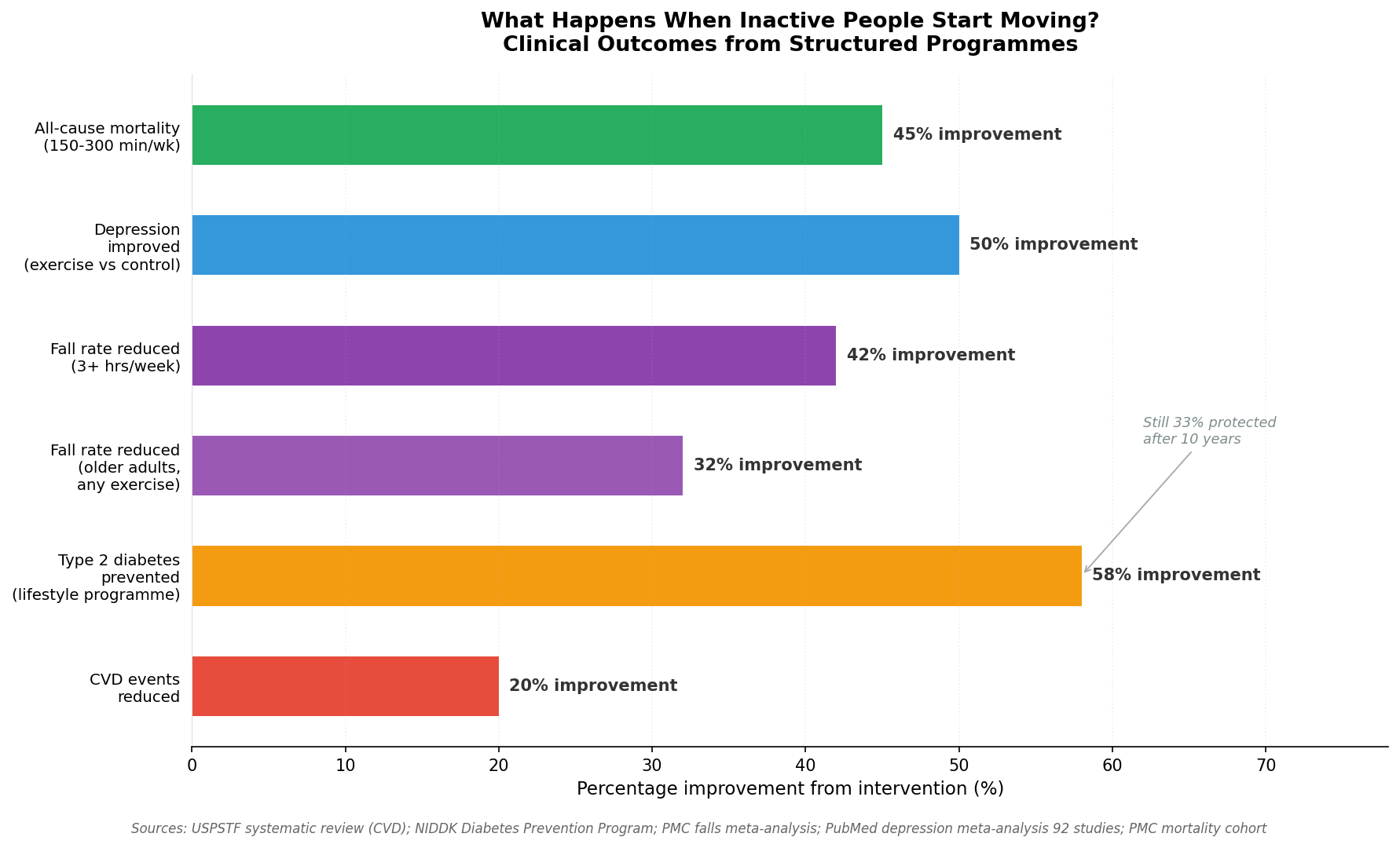 Figure 1: Physical activity compliance rates across global regions. Data from WHO (2024) shows widespread failure to meet recommended weekly activity targets, with the UK among the most affected high-income nations.
The reason screening happens now, rather than waiting for symptoms, is that the damage from inactivity accumulates silently. You can spend a decade being sedentary and feel broadly fine, right up until a heart attack, a diabetes diagnosis, or a cancer verdict changes everything. Catching inactivity early and addressing it is one of the most effective preventive interventions available to a GP.
How Your Doctor Assesses Your Activity Levels
You might assume measuring physical activity requires a fitness tracker or a treadmill test. In reality, the tool most widely used in primary care takes under 30 seconds and involves just two questions.
The Physical Activity Vital Sign: Two Questions, Clinically Proven
The Physical Activity Vital Sign (PAVS) asks: How many days per week do you engage in moderate-to-vigorous physical activity? And on those days, how many minutes do you exercise? That is it. Despite its brevity, the PAVS has been shown to agree with longer validated questionnaires 89.6% of the time when classifying patients who are not meeting guidelines. It has been designed to sit alongside blood pressure, pulse, and weight as a routine part of any clinical encounter.
In the UK, NHS Health Checks use the General Practice Physical Activity Questionnaire (GPPAQ), which is the only validated physical activity measure shown to correlate with all-cause mortality. Among 5.1 million NHS Health Check attendees, physical activity was recorded in 64.5% of patients.
The Exercise is Medicine initiative, launched by the American College of Sports Medicine and now adopted in more than 40 countries, formalises this principle: physical activity should be documented at every patient encounter, just like any other vital sign.
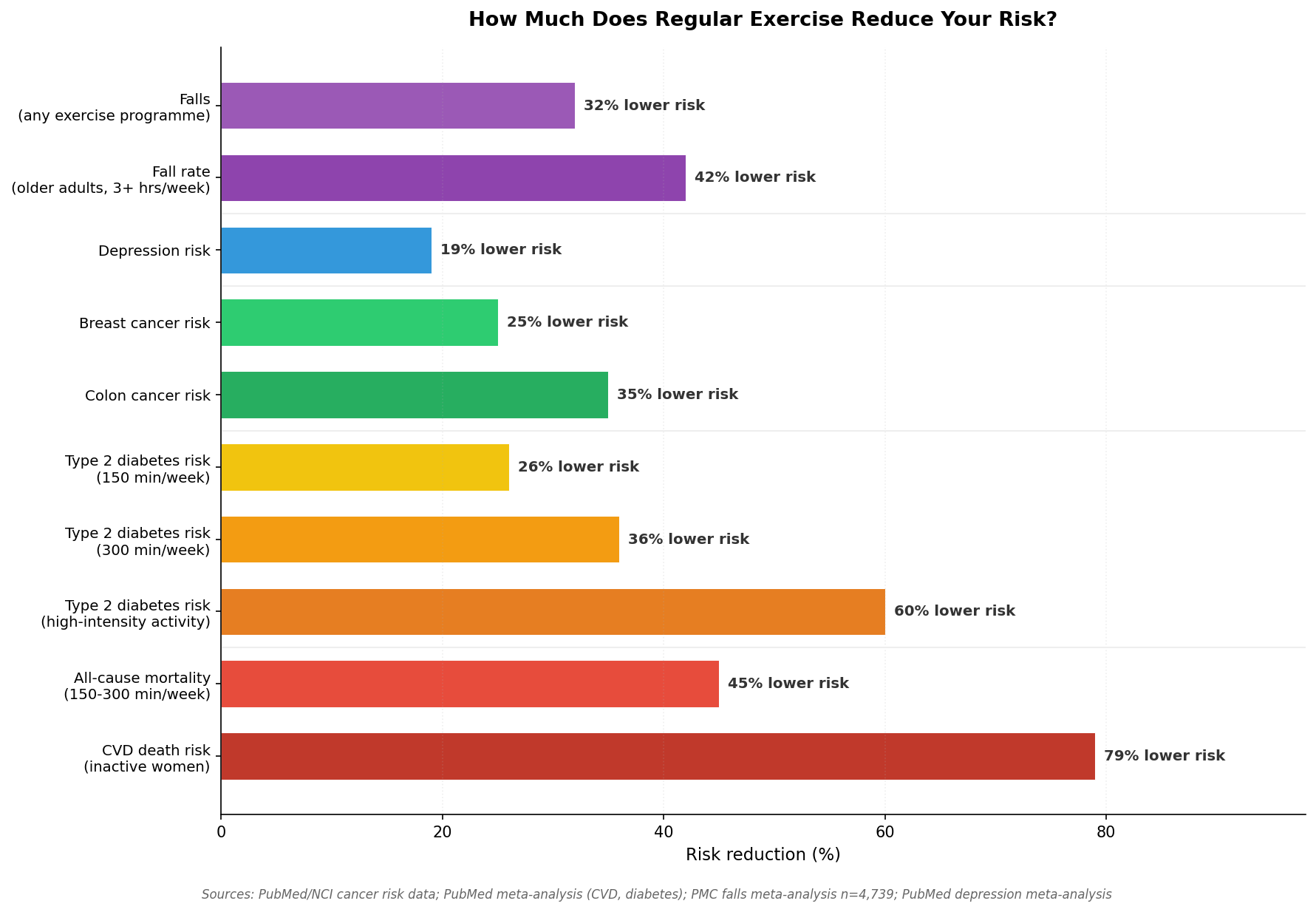 Figure 2: Comparison of physical activity screening tools used in primary care settings. Data from published clinical studies shows the tradeoff between assessment depth and clinical practicality.
Why Simple Screening Works
The goal of these two questions is not to produce a precise number. It is to open a conversation and identify patients who need support. GPs and practice nurses are trained to interpret your answer in the context of your age, health conditions, and risk factors, rather than against an absolute standard.
The Honest Challenge: People Overestimate Their Activity
Research consistently shows that most of us overestimate how active we are. One study found that participants overestimated their aerobic activity by over 300%. Another found that 48.7% of participants overestimated their activity when asked to recall it, while only 7.4% underestimated. This is not dishonesty: estimating moderate-intensity activity across a typical week is genuinely difficult, and social desirability (wanting to give a "good" answer to your doctor) compounds the problem.
Clinicians are fully aware of this. The question is not a trap. It is a starting point for an honest, supportive conversation.
What Happens After You're Screened
Being identified as insufficiently active during a health check does not lead to a lecture. It opens the door to a range of evidence-based support options, and the evidence for what follows is impressive.
Brief Advice in the Consultation
NICE guideline PH44 recommends that all healthcare practitioners, including GPs, practice nurses, physiotherapists, and pharmacists, identify adults not meeting activity guidelines and offer brief advice. Even a 3-5 minute conversation about activity during a routine appointment has been shown to increase moderate-intensity activity in the short term.
When advice is extended (a more individually focused discussion), the results are substantially better. Studies show that patients who received extended advice reported 62.84 more minutes per week of moderate activity at six months, compared to just 16.60 minutes for those who received only brief advice.
Written Exercise Prescriptions
For the least active patients, written prescriptions work better than words. The PEPPER randomised controlled trial tested a personalised daily step-count prescription (combined with a pedometer) against standard verbal advice. Patients in the prescription group achieved 5,256 more steps per week over 12 months. Crucially, for those who were the most sedentary at the start, the benefit was even larger: 8,868 more steps per week, compared with those who received verbal advice alone.
The lesson is clear: telling people to exercise more rarely works. Giving them a specific, written, measurable goal changes behaviour in a way that a conversation alone does not.
Exercise Referral Schemes
For patients with existing health conditions, GPs can refer directly to structured exercise programmes. In the UK, these typically run for 12-20 weeks and are delivered by qualified fitness instructors in community leisure settings. Evidence shows that longer programmes (20 weeks or more) produce better outcomes and higher adherence. The Welsh National Exercise Referral Programme, running for 16 weeks, has been shown to be cost-effective compared to shorter schemes.
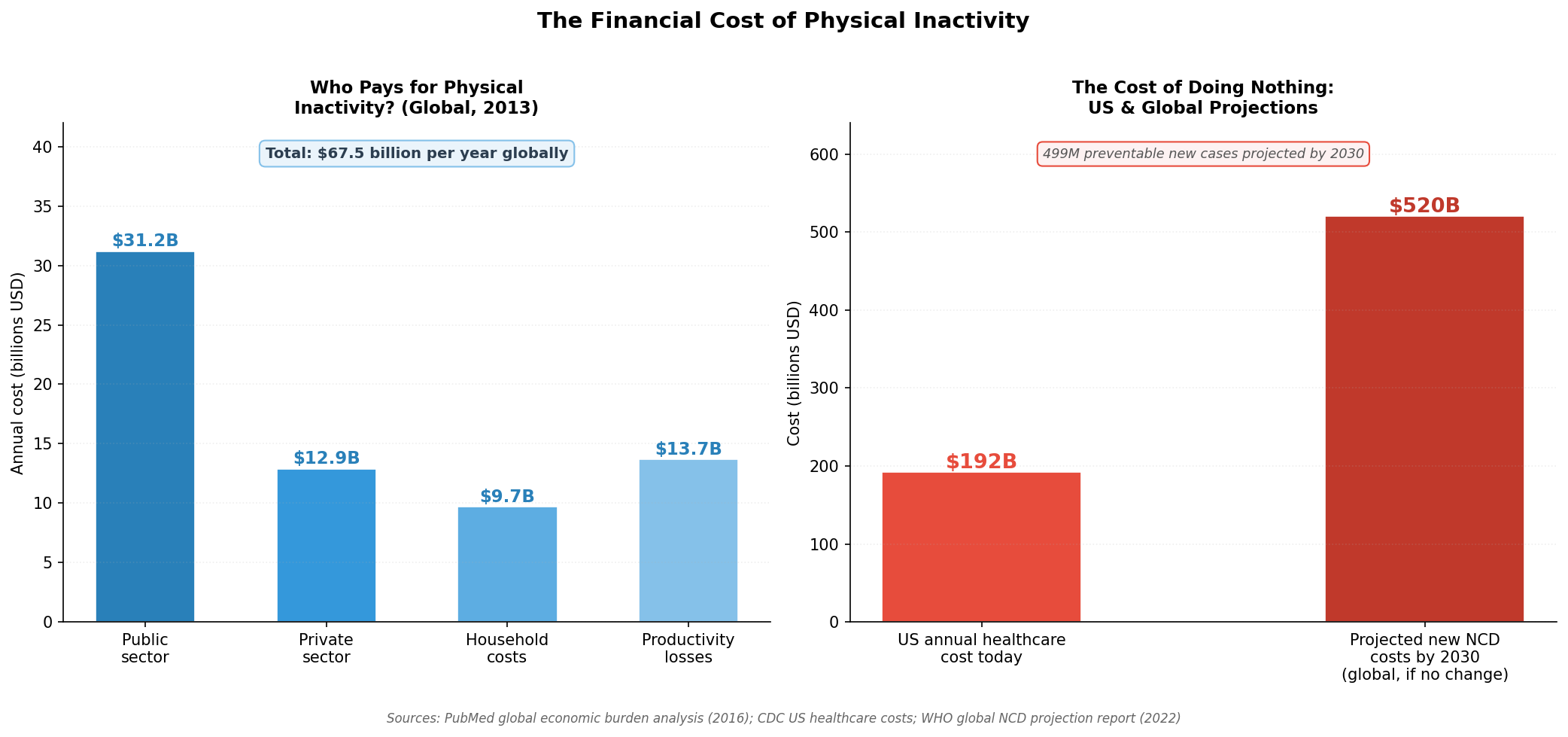 Figure 3: Outcomes from different physical activity intervention types in primary care. Data from clinical trials shows that structured referrals and written prescriptions consistently outperform verbal advice alone.
Diabetes Prevention Programmes
For patients identified as being at high risk of type 2 diabetes, a structured lifestyle programme combining calorie reduction with 150 minutes of weekly moderate activity has been shown in landmark trials to reduce diabetes risk by 58% compared to medication alone. Ten years later, participants in those trials were still one-third less likely to have developed diabetes. This is not a marginal effect. It is one of the strongest preventive findings in modern medicine.
Mental Health Support
Physical activity has been shown to reduce depression with a medium to large clinical effect across multiple meta-analyses. The European Psychiatric Association has concluded that exercise can be at least as effective as antidepressant medication in reducing depressive symptoms. For patients whose inactivity is linked to low mood, this is a particularly powerful finding.
The Numbers That Change How You Think About This
Statistics can feel abstract. These ones are worth sitting with.
Walking briskly for just 11 minutes a day (75 minutes across the whole week) is associated with gaining 1.8 years of life expectancy compared to being completely sedentary. You do not need to run a marathon. You do not need a gym membership. Eleven minutes a day.
Even 50 minutes of exercise per week (less than 8 minutes a day) has been associated with a 31% reduction in all-cause mortality. The bar to benefit is strikingly low.
Inactive women face nearly 5 times the cardiovascular death risk of the most active women. For men, the equivalent figure is 1.6 times the risk. The gap between active and inactive is not a small gradient: it is a canyon.
A structured lifestyle programme reduces type 2 diabetes risk by 58% over medication. No drug currently available achieves anything close to this effect for primary prevention.
Exercise reduces falls in older adults by 23-42%, depending on the type and duration of the programme. Falls are the leading cause of injury-related death in people aged 65 and over. Reducing them is not a cosmetic benefit: it is the difference between maintaining independence and losing it.
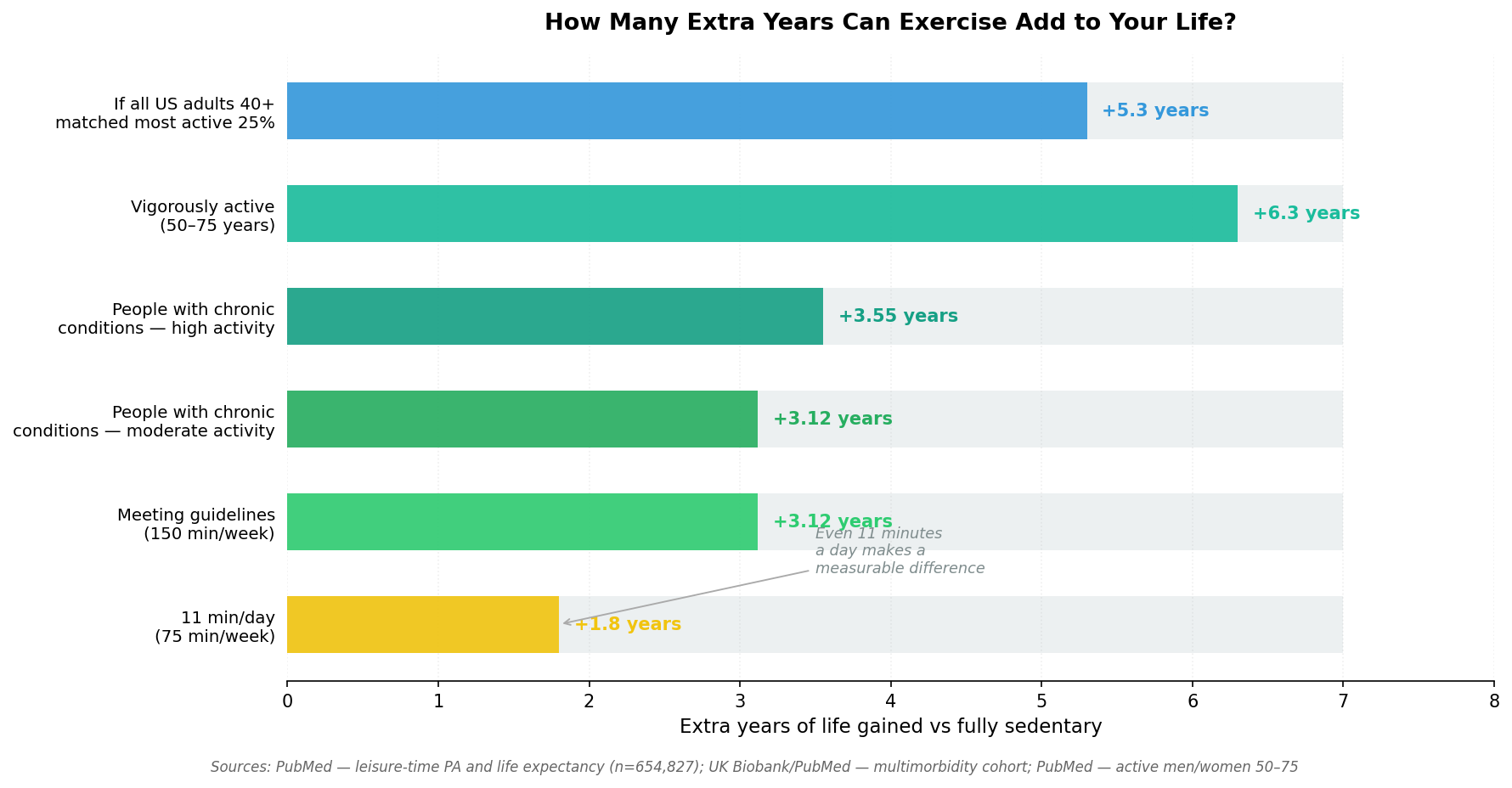 Figure 4: All-cause and cardiovascular mortality risk across different physical activity levels. Data from multiple PubMed meta-analyses highlights the sharp mortality benefit even at low-to-moderate activity levels.
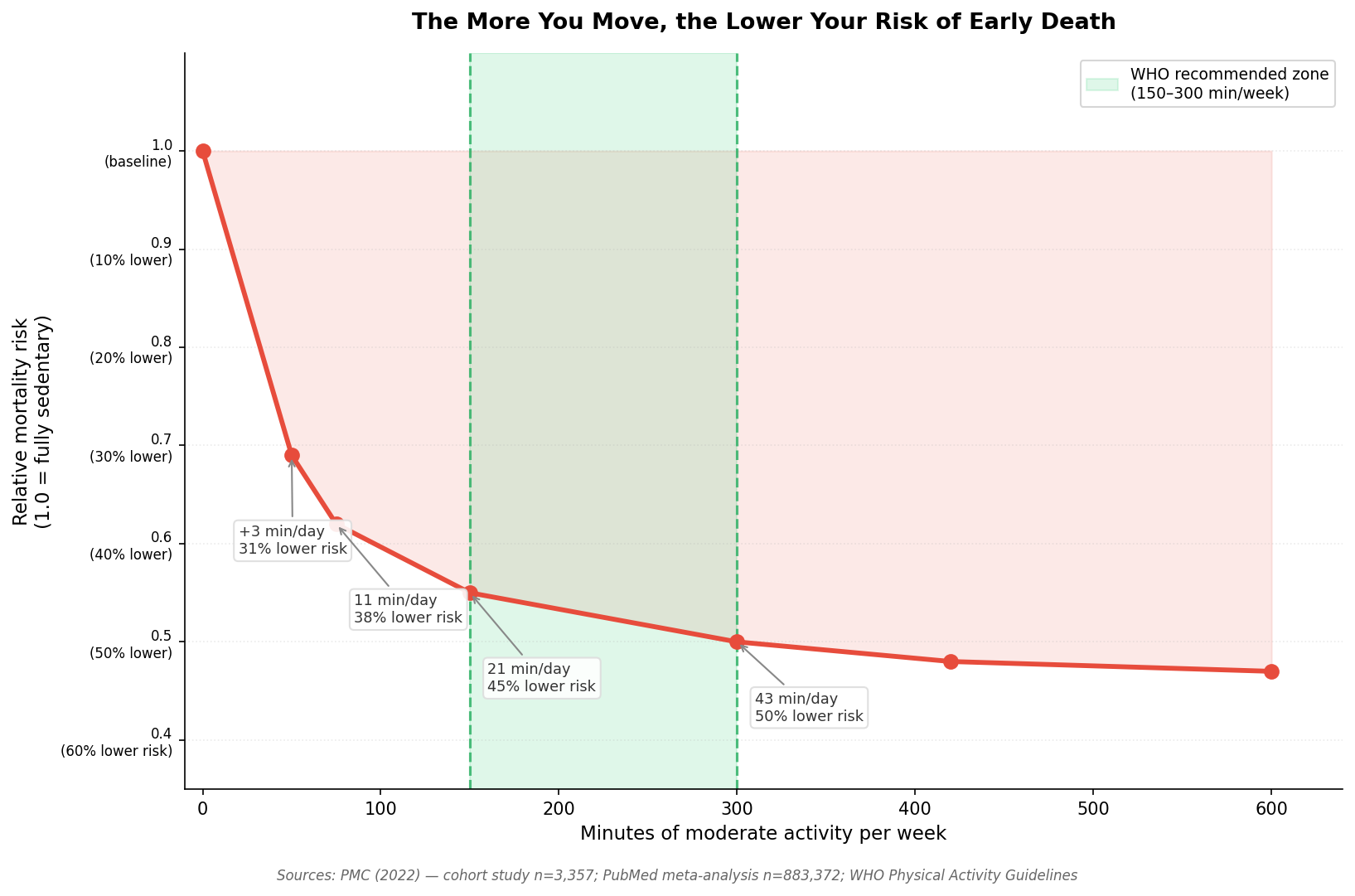 Figure 5: Percentage risk reduction for major diseases associated with meeting physical activity guidelines. Data from PubMed systematic reviews and national guidelines.
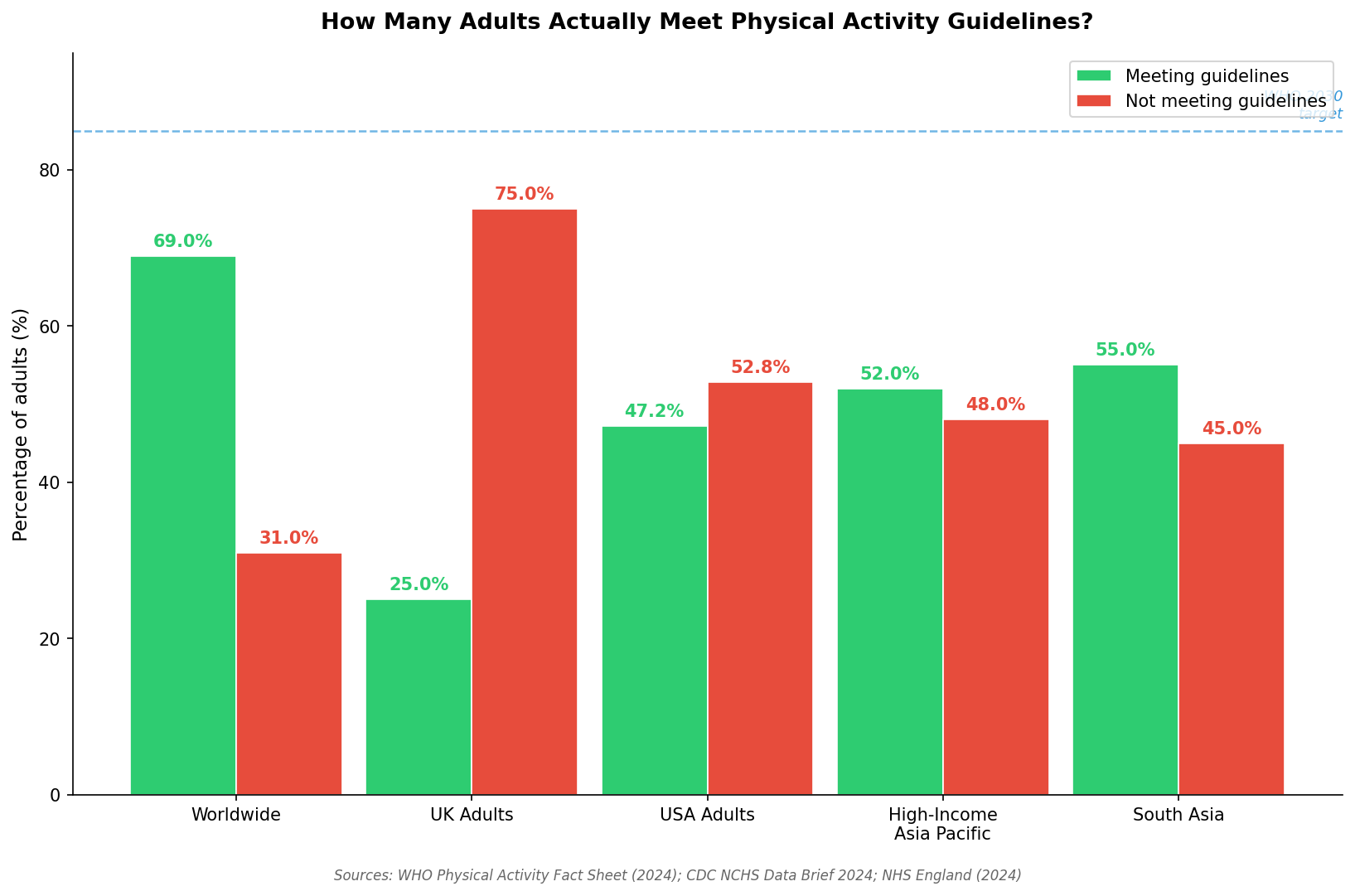 Figure 6: Estimated life expectancy gains at different levels of weekly physical activity. Data from PubMed cohort studies including UK Biobank analysis.
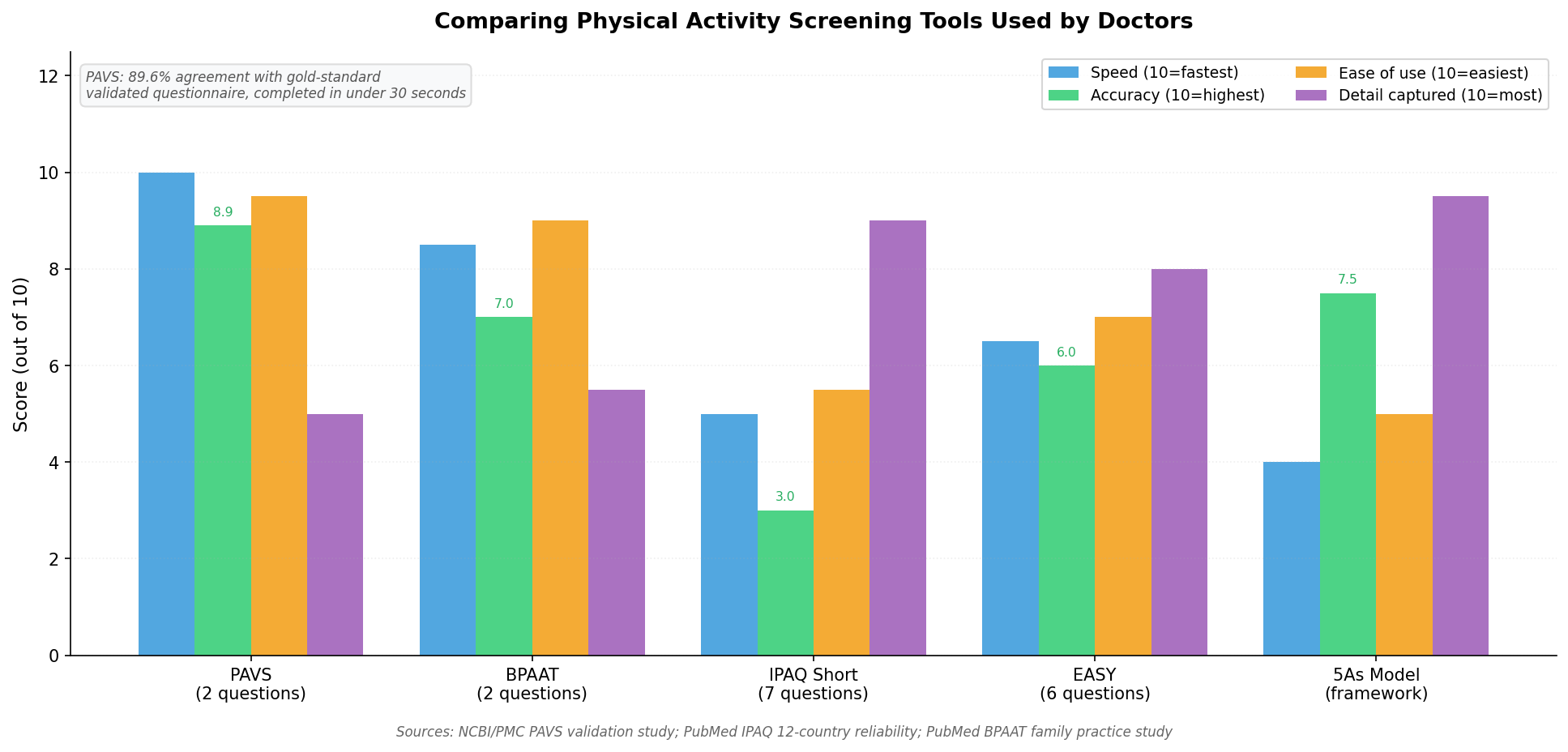 Figure 7: Global and national economic burden of physical inactivity. Data from WHO and published economic analyses.
What This Means for Your Own Next Appointment
Most people walk into a health check not thinking about exercise. Many are mildly defensive when the question comes up. That is entirely understandable. But the physical activity question is not a judgement on your lifestyle. It is the most cost-effective screening question a clinician can ask.
Before your next appointment, it is worth thinking honestly about a few things. Do you have a sedentary job that keeps you seated for most of the working day? Do you find it difficult to exercise because of time, cost, confidence, pain, or low mood? Are there small windows in your week that you could use differently, even just a 10-15 minute walk at lunch?
You do not need a polished answer. You need an honest one. The 78% of the population that visits a GP each year represents an extraordinary opportunity to catch inactivity early, before it becomes disease. But that opportunity only works if you engage with the question rather than batting it away with a vague "I try to keep fairly active."
If your doctor has not asked about your activity levels, it is entirely appropriate to raise it yourself. Fewer than one in three patients report receiving physical activity advice from their doctor. If you need support becoming more active, asking for it is legitimate and evidence-backed.
Small Changes Are Enough to Start
The single most important message from all of this research is that you do not need to transform your life to see measurable health benefits. You need to move a little more than you do now.
Any increment in physical activity reduces mortality risk for inactive people, according to a prospective study of over 3,000 patients. The body responds to movement even in small doses, and the most dramatic gains come from being slightly active rather than completely sedentary.
The physical activity question in your health check is an invitation, not an indictment. It is your clinician saying: this is one of the most powerful things we can do together to protect your long-term health, and I want to know where you're starting from so I can help you get somewhere better.
Walking briskly for 11 minutes today would be a good start.
Further Reading
Understanding Physical Activity Guidelines
- NHS: Physical activity guidelines for adults aged 19 to 64
- WHO: Physical activity fact sheet
- CDC: Physical activity guidelines for Americans
Health Risks of Being Sedentary
- NHS: Why we should sit less
- CDC: Physical activity and chronic disease prevention
- National Cancer Institute: Physical activity and cancer
Diabetes and Cardiovascular Prevention
- NIDDK: Diabetes Prevention Program
- USPSTF: Behavioural counselling for CVD prevention
- American Heart Association: Physical activity and cardiovascular health
NHS Health Checks and Exercise Referral
- NHS: NHS Health Check
- NICE: Physical activity brief advice for adults in primary care (PH44)
- NICE: Physical activity exercise referral schemes (PH54)
References/Helpful Resources
- World Health Organization. Physical activity [Internet]. 2024 [cited 2026 Jun 4]. Available from: https://www.who.int/news-room/fact-sheets/detail/physical-activity
- World Health Organization. Nearly 1.8 billion adults at risk of disease from not doing enough physical activity [Internet]. 2024 [cited 2026 Jun 4]. Available from: https://www.who.int/news/item/26-06-2024-nearly-1.8-billion-adults-at-risk-of-disease-from-not-doing-enough-physical-activity
- Centers for Disease Control and Prevention. Percentage of deaths associated with inadequate physical activity in the United States. Prev Chronic Dis. 2018;15:170354. Available from: https://www.cdc.gov/pcd/issues/2018/17_0354.htm
- Centers for Disease Control and Prevention. Physical activity among adults: United States, 2020 [Internet]. NCHS Data Brief. [cited 2026 Jun 4]. Available from: https://www.cdc.gov/nchs/products/databriefs/db443.htm
- Centers for Disease Control and Prevention. Physical Activity Guidelines for Americans, 2nd edition [Internet]. [cited 2026 Jun 4]. Available from: https://www.cdc.gov/physical-activity/media/pdfs/Physical_Activity_Guidelines_2nd_edition.pdf
- Wen CP, Wai JP, Tsai MK, et al. Minimum amount of physical activity for reduced mortality and extended life expectancy: a prospective cohort study. Lancet. 2011;378(9798):1244-1253. Available from: https://pubmed.ncbi.nlm.nih.gov/21846575/
- Lee DC, Pate RR, Lavie CJ, et al. Leisure-time running reduces all-cause and cardiovascular mortality risk. J Am Coll Cardiol. 2014. Available from: https://pubmed.ncbi.nlm.nih.gov/23139642/
- Moore SC, Lee IM, Weiderpass E, et al. Association of leisure-time physical activity with risk of 26 types of cancer in 1.44 million adults. JAMA Intern Med. 2016. Available from: https://www.cancer.gov/news-events/press-releases/2016/physical-activity-lowers-cancer-risk
- National Cancer Institute. Physical activity and cancer [Internet]. [cited 2026 Jun 4]. Available from: https://www.cancer.gov/about-cancer/causes-prevention/risk/obesity/physical-activity-fact-sheet
- National Cancer Institute. Cancer risk decreases with more physical activity [Internet]. 2025 [cited 2026 Jun 4]. Available from: https://www.cancer.gov/news-events/press-releases/2025/light-intensity-physical-activity-cancer-risk
- Katzmarzyk PT, Church TS, Craig CL, Bouchard C. Sitting time and mortality from all causes, cardiovascular disease, and cancer. Med Sci Sports Exerc. 2009. Available from: https://pmc.ncbi.nlm.nih.gov/articles/PMC6133005/
- Biswas A, Oh PI, Faulkner GE, et al. Sedentary time and its association with risk for disease incidence, mortality, and hospitalisation in adults: a systematic review and meta-analysis. Ann Intern Med. 2015. Available from: https://pmc.ncbi.nlm.nih.gov/articles/PMC7700832/
- EPIC-InterAct Consortium. Physical activity reduces the risk of incident type 2 diabetes in general and in abdominally lean and obese men and women. Diabetologia. 2012. Available from: https://www.ncbi.nlm.nih.gov/pmc/articles/PMC3369127/
- Aune D, Norat T, Leitzmann M, Tonstad S, Vatten LJ. Physical activity and the risk of type 2 diabetes: a systematic review and dose-response meta-analysis. Eur J Epidemiol. 2015. Available from: https://www.ncbi.nlm.nih.gov/pmc/articles/PMC6207340/
- Schuch FB, Vancampfort D, Richards J, et al. Exercise as a treatment for depression: a meta-analysis adjusting for publication bias. J Psychiatr Res. 2016. Available from: https://www.ncbi.nlm.nih.gov/pmc/articles/PMC9008579/
- Martinsen EW. Physical activity in the prevention and treatment of anxiety and depression. Nord J Psychiatry. 2008. Available from: https://pubmed.ncbi.nlm.nih.gov/18726137/
- Sherrington C, Michaleff ZA, Fairhall N, et al. Exercise to prevent falls in older adults: an updated systematic review and meta-analysis. Br J Sports Med. 2017. Available from: https://www.ncbi.nlm.nih.gov/pmc/articles/PMC6292834/
- National Institute of Diabetes and Digestive and Kidney Diseases. Diabetes Prevention Program (DPP) [Internet]. [cited 2026 Jun 4]. Available from: https://www.niddk.nih.gov/about-niddk/research-areas/diabetes/diabetes-prevention-program-dpp
- Centers for Disease Control and Prevention. National Diabetes Prevention Program [Internet]. [cited 2026 Jun 4]. Available from: https://www.cdc.gov/diabetes-prevention/programs/what-is-the-national-dpp.html
- National Institute for Health and Care Excellence. Physical activity: brief advice for adults in primary care (PH44) [Internet]. [cited 2026 Jun 4]. Available from: https://www.nice.org.uk/guidance/ph44
- National Institute for Health and Care Excellence. Physical activity: exercise referral schemes (PH54) [Internet]. [cited 2026 Jun 4]. Available from: https://www.nice.org.uk/guidance/ph54
- US Preventive Services Task Force. Healthy diet and physical activity for CVD prevention in adults with cardiovascular risk factors: behavioural counselling interventions [Internet]. 2022 [cited 2026 Jun 4]. Available from: https://www.uspreventiveservicestaskforce.org/uspstf/recommendation/healthy-diet-and-physical-activity-counseling-adults-with-high-risk-of-cvd
- National Health Service. NHS Health Check: physical activity and alcohol measurement guidance [Internet]. [cited 2026 Jun 4]. Available from: https://www.healthcheck.nhs.uk/seecmsfile/?id=1670
- National Health Service England. Harnessing the benefits of physical activity [Internet]. [cited 2026 Jun 4]. Available from: https://www.england.nhs.uk/ourwork/public-health/harnessing-the-benefits-of-physical-activity/
- Greenwood JL, Joy EA, Stanford JB. The physical activity vital sign: a primary care tool to guide counseling for obesity. J Phys Act Health. 2010. Available from: https://www.ncbi.nlm.nih.gov/pmc/articles/PMC4747440/
- Carroll JK, Antognoli E, Flocke SA. Evaluation of physical activity counseling in primary care using direct observation of the 5As. Ann Fam Med. 2011. Available from: https://pmc.ncbi.nlm.nih.gov/articles/PMC3185466/
- Sanchez A, Grandes G, Cortada JM, et al. Modelling innovative interventions for optimising healthy lifestyle promotion in primary health care: 5As framework-based care process model and target population. BMC Med Inform Decis Mak. 2009. Available from: https://pubmed.ncbi.nlm.nih.gov/23110376/
- Hébert ET, Caughy MO, Shuval K. Primary care providers' perceptions of physical activity counselling in a clinical setting: a systematic review. Br J Gen Pract. 2012. Available from: https://pubmed.ncbi.nlm.nih.gov/24762394/
- Craike M, Wiesner G, Hilland TA, Bengoechea EG. Interventions to improve physical activity among socioeconomically disadvantaged groups: an umbrella review. Int J Behav Nutr Phys Act. 2018. Available from: https://pmc.ncbi.nlm.nih.gov/articles/PMC6090762/
- Pavey TG, Taylor AH, Fox KR, et al. Effect of exercise referral schemes in primary care on physical activity and improving health outcomes: systematic review and meta-analysis. BMJ. 2011. Available from: https://pmc.ncbi.nlm.nih.gov/articles/PMC3185466/
- Pahor M, Guralnik JM, Ambrosius WT, et al. Effect of structured physical activity on prevention of major mobility disability in older adults. JAMA. 2014. Available from: https://www.ncbi.nlm.nih.gov/pmc/articles/PMC9639597/
- Janssen I, Leblanc AG. Systematic review of the health benefits of physical activity and fitness in school-aged children and youth. Int J Behav Nutr Phys Act. 2010. Available from: https://pubmed.ncbi.nlm.nih.gov/16173911/
- Pratt M, Norris J, Lobelo F, Roux L, Wang G. The cost of physical inactivity: moving into the 21st century. Br J Sports Med. 2014. Available from: https://pubmed.ncbi.nlm.nih.gov/27475266/
- World Health Organization. WHO highlights high cost of physical inactivity in first-ever global report [Internet]. 2022 [cited 2026 Jun 4]. Available from: https://www.who.int/news/item/19-10-2022-who-highlights-high-cost-of-physical-inactivity-in-first-ever-global-report
- Howden EJ, Sarma S, Lawley JS, et al. Reversibility of cardiac aging may be greater in women than men. J Am Coll Cardiol. 2018. Available from: https://pubmed.ncbi.nlm.nih.gov/36717352/
